Words and interview The Kanto team
Images Fundacion Sansó
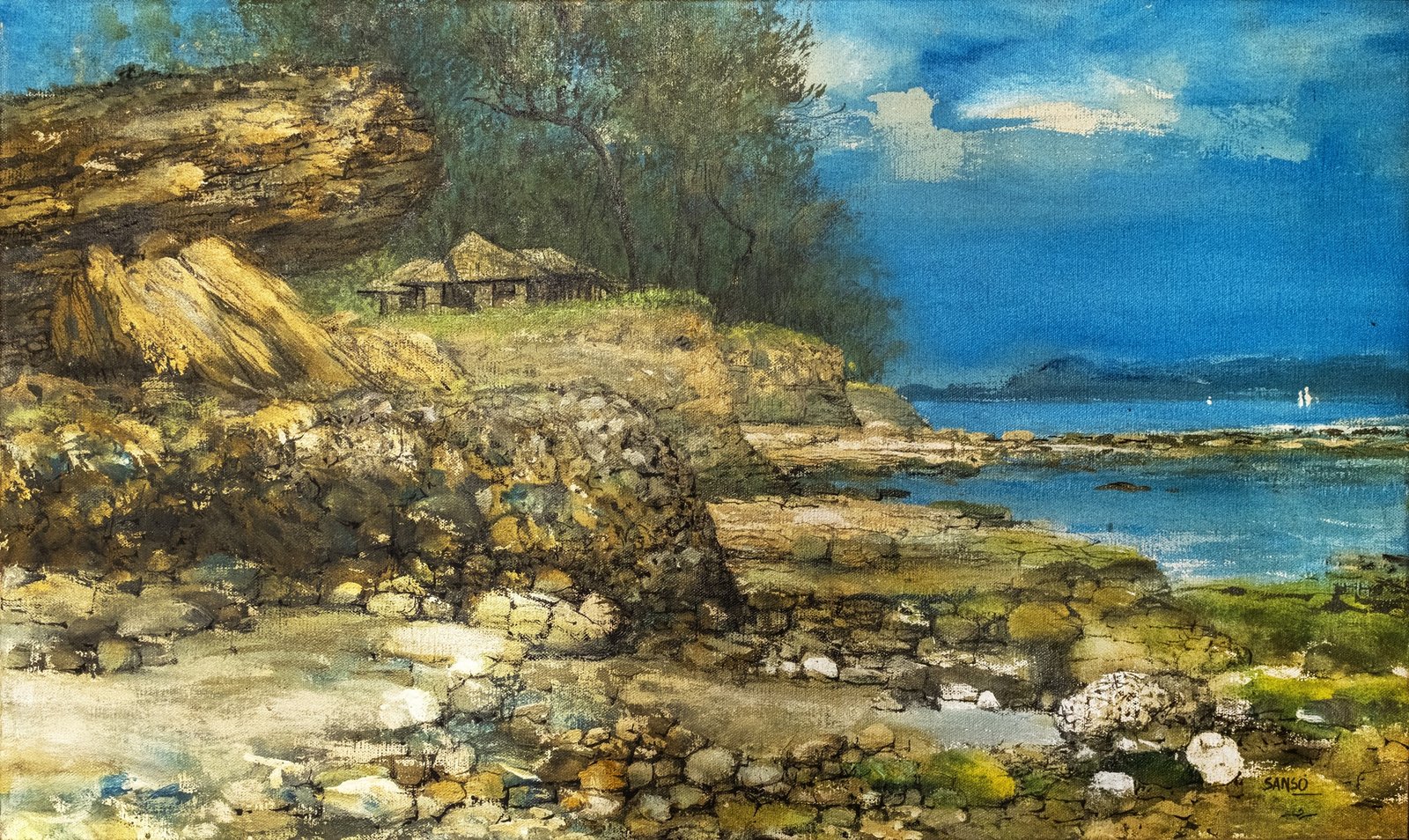
Before Juvenal Sansó ever painted a fish trap, he arrived in Manila from Reus at five years old, and grew up in a city he would watch broken and rebuilt a decade later, learning early the harsh difference between memory and witness. The baklad, bamboo fish traps he sketched along Manila Bay, would resurface later, transposed into the sea cliffs and tides of his celebrated Brittany series. Sansó exhibited in the Philippines from the 1960s onward, and in 2008, after circling between studios in Paris and Spain, the itinerant artist finally came “home” to Manila for good, painting until his retirement in 2012, closing six decades on canvas with the Moderno series in the late 2000s.
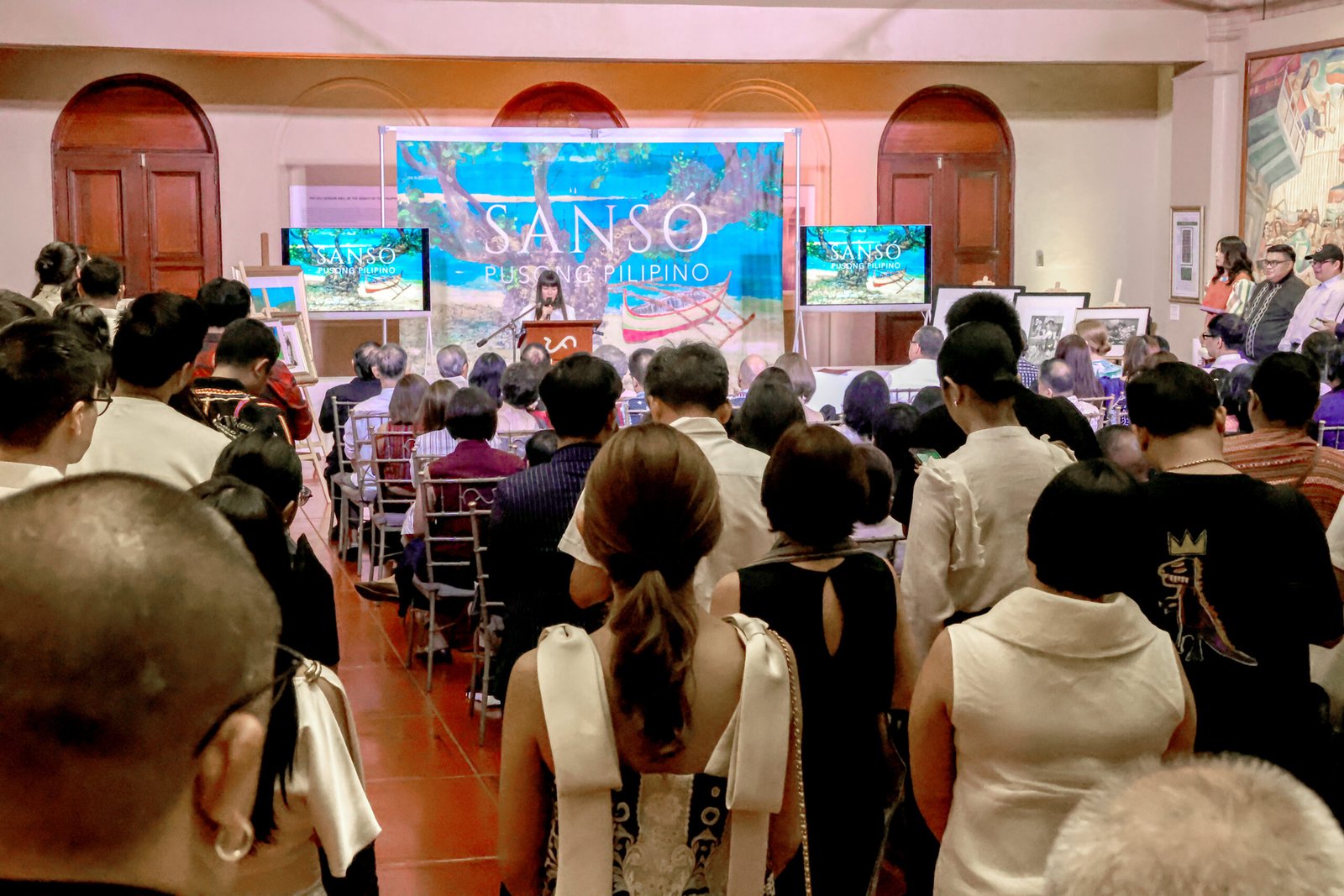
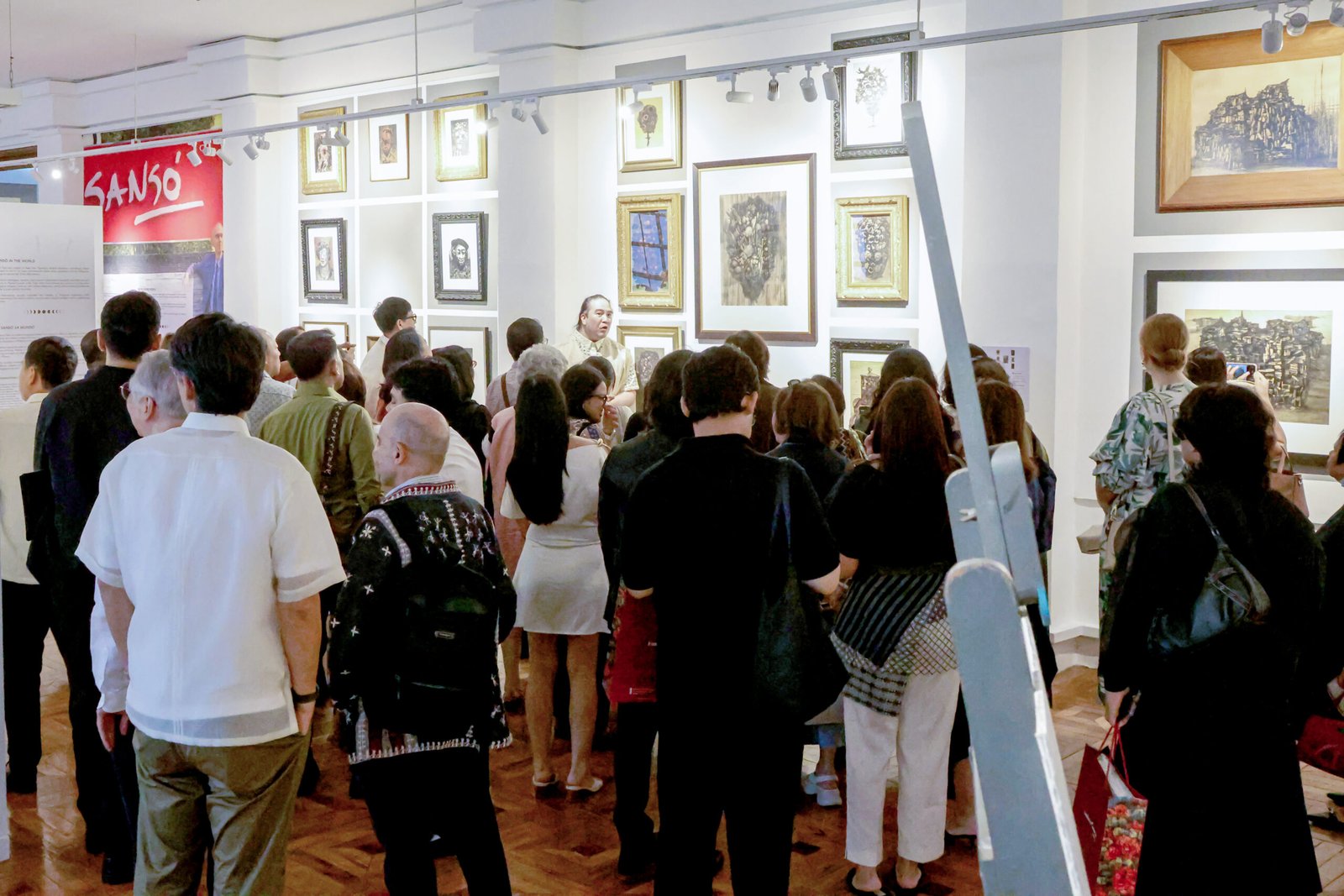
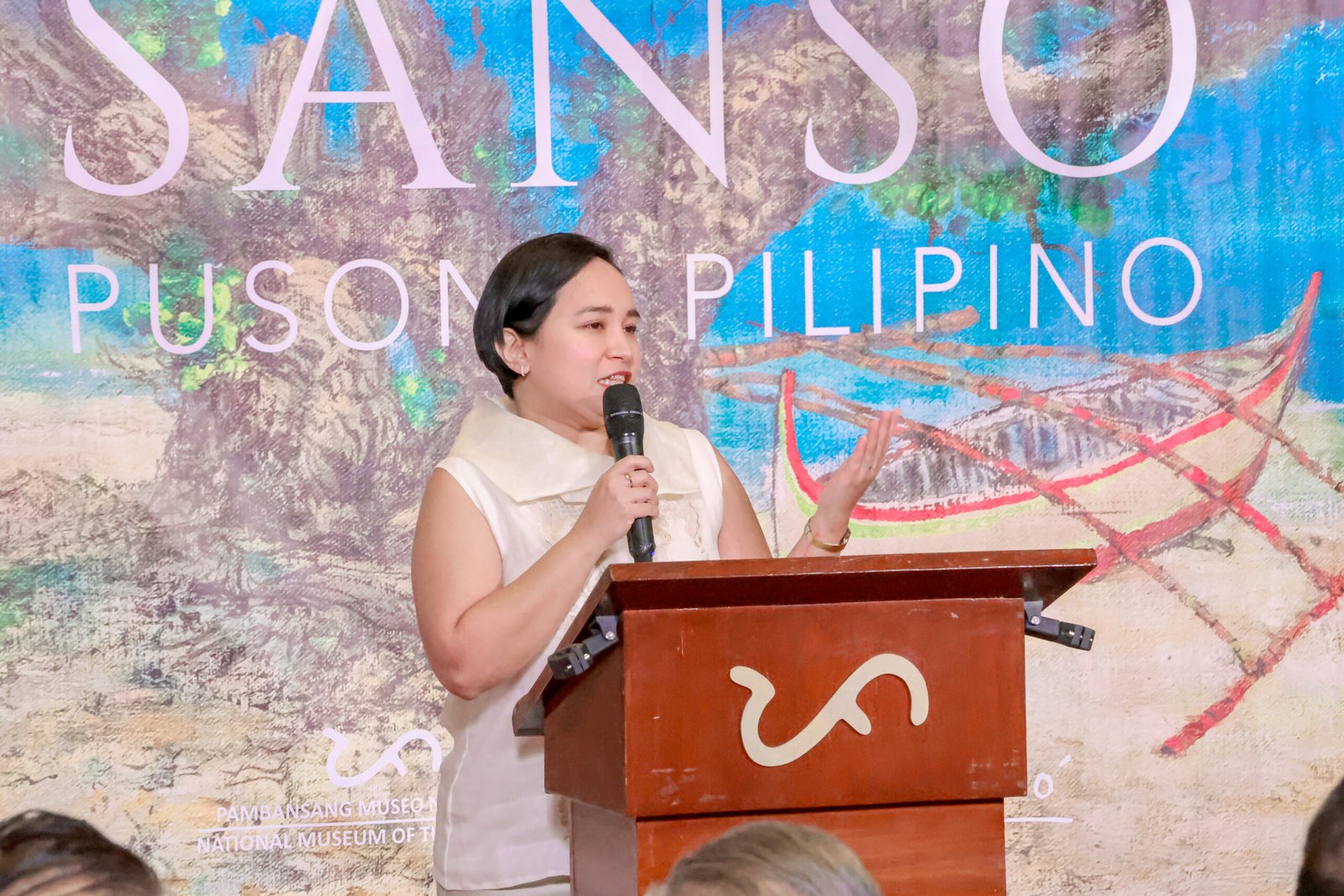
Sansó: Pusong Pilipino, now open at the National Museum of Fine Arts, gathers a hundred of his works under a title that names the show’s declaration outright: that Sansó’s heart, whatever passport he carried, always beat for the Philippines. Ricky Francisco, exhibition curator and Fundación Sansó director, echoed this assertion in his speech to a packed audience at the Senate Hall last August 26. He shared how the Spanish-born artist proved himself more Pinoy than those born here with how much he loved and gave to his adoptive country. He made this ethos permanent with Fundacion Sansó in 2014, founded to support budding Filipino artists and safeguard his legacy.
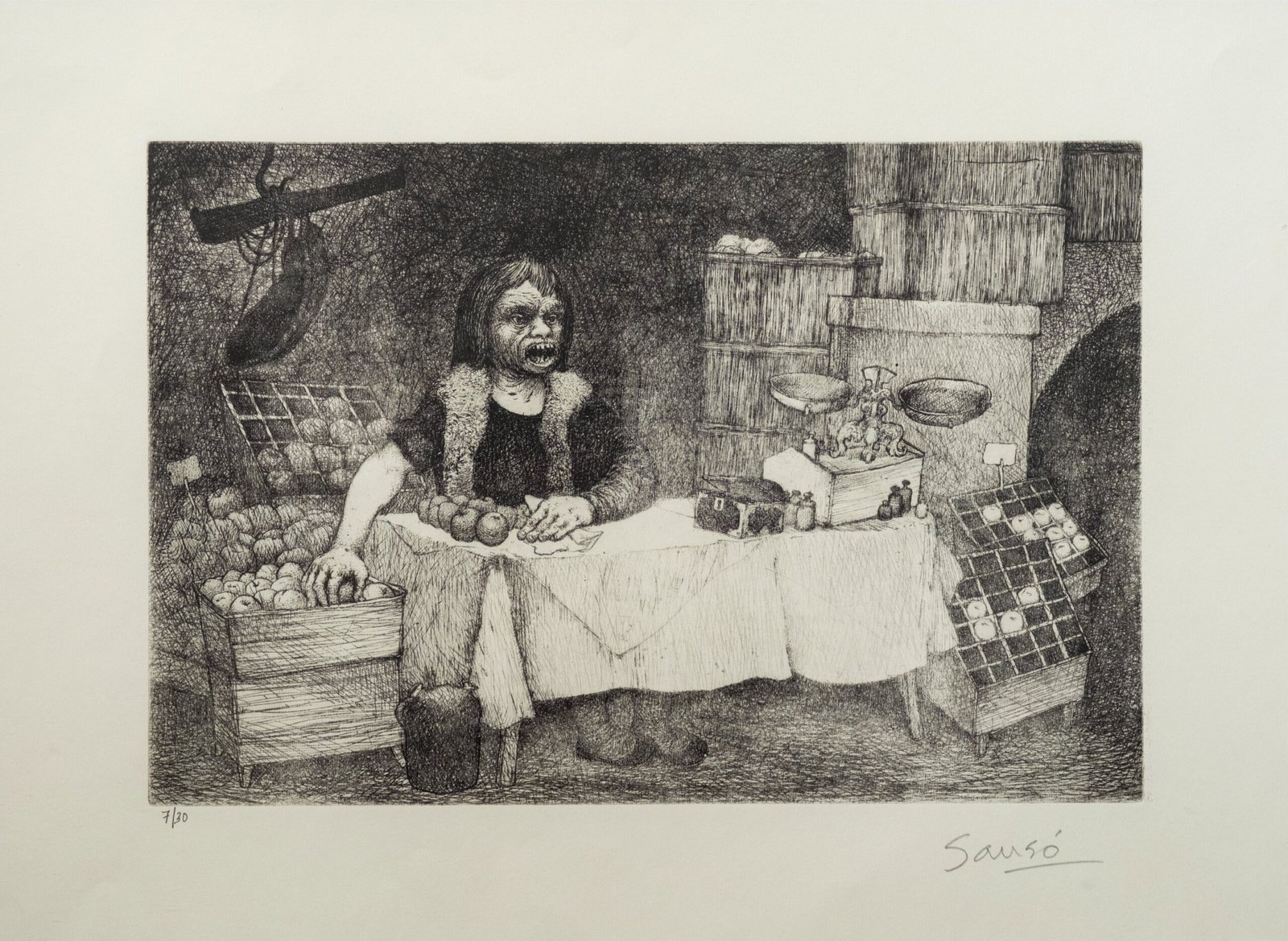
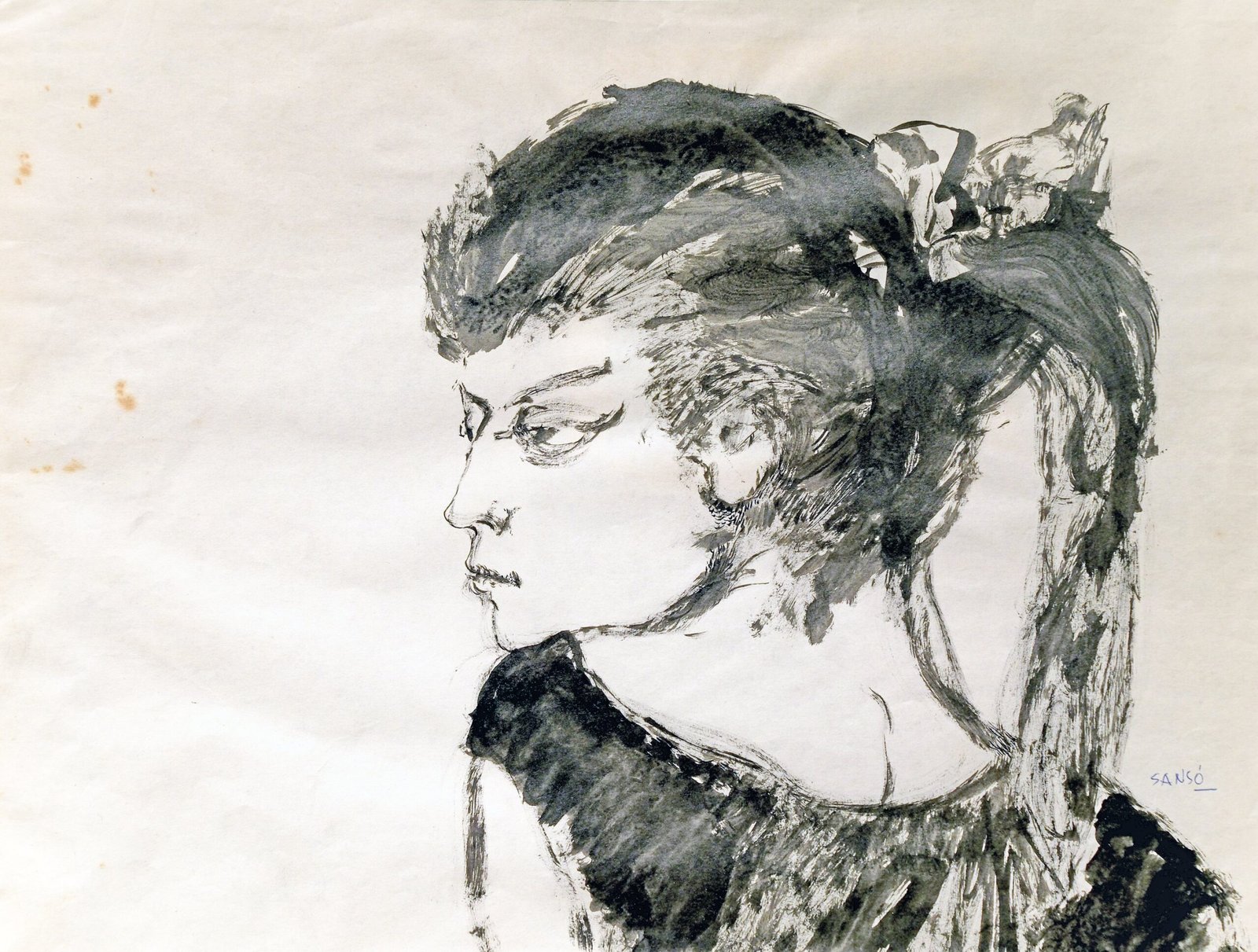
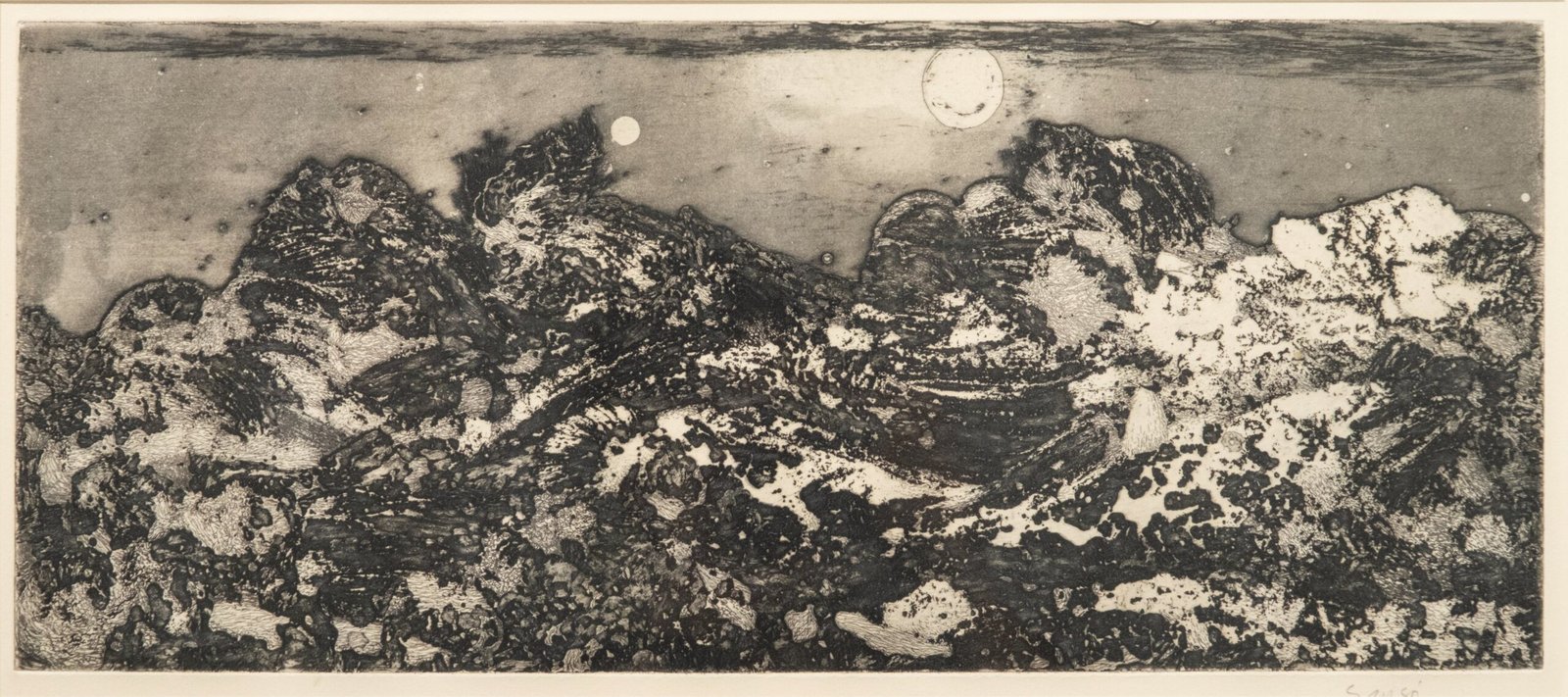
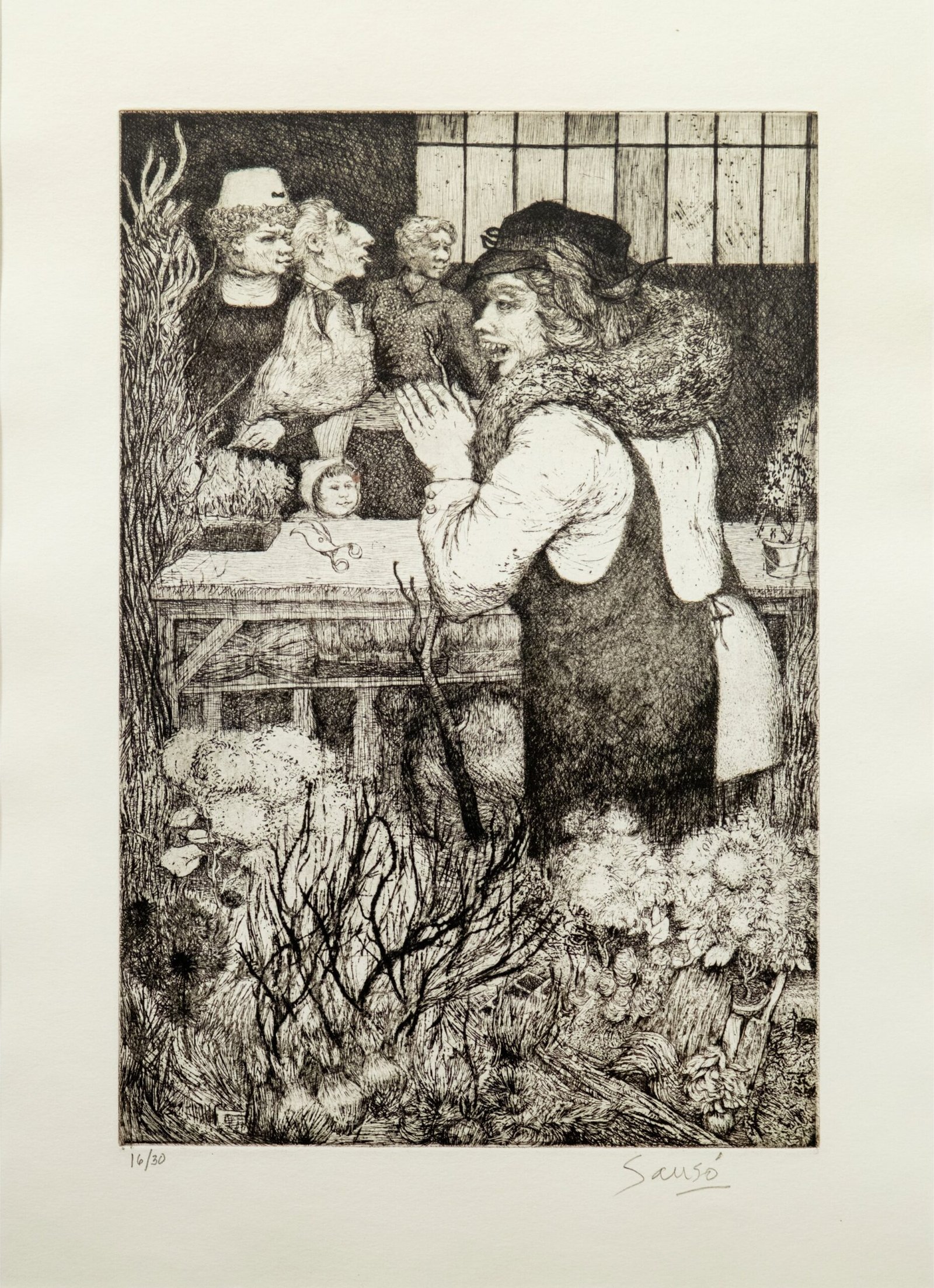
Flower Market by Juvenal Sansó (Fundacion Sansó Inaugural Restrike, 2015), copperplate etching on paper, donated by Fundacion Sansó
The official launch last Wednesday, which proved blustery, carried another type of outpouring: the ceremony concluded with a generous donation to the museum by Fundacion Sansó, alongside collectors Jack Teotico, Mohammad Ronaghi, Marlon Basilio, and Eliot Maguan. Six works changed hands from private collections for public eyes, “held in trust for the Filipino people,” said Francisco. The six works are representative of the vibrancy in material, medium, and narrative expression inherent in Sansó’s long career: Nicole (1959), Lueurs (1961), Of Understated Grace (circa 1980s), Of Friendship and Devotion (circa 1990s), Flower Market (Fundacion Sansó Inaugural Restrike, 2015), and Eve (Fundacion Sansó Inaugural Restrike, 2015).
The reception doubled as a first for Rica Estrada-Uson, incoming director of the National Museum of Fine Arts, who found the occasion poignant: one of the first exhibitions she visited over twenty years ago, at the start of her career in museums, was a show of Sansó’s etchings at the Ayala Museum.
“Art carries traces of places, people, memories, and experiences,” she said in her speech. “An artist’s life can cross borders, while their practice gathers the richness of everything they encounter along the way. Perhaps that is why Sansó’s story feels so resonant to many of us. The National Museum serves to bring together the many paths that Filipino artists have taken into the world, and the many influences that have found their way into Pinoy art.” She also shared an astounding metric with guests: Sansó: Pusong Pilipino had already drawn 39,295 visitors since its public opening on August 7.
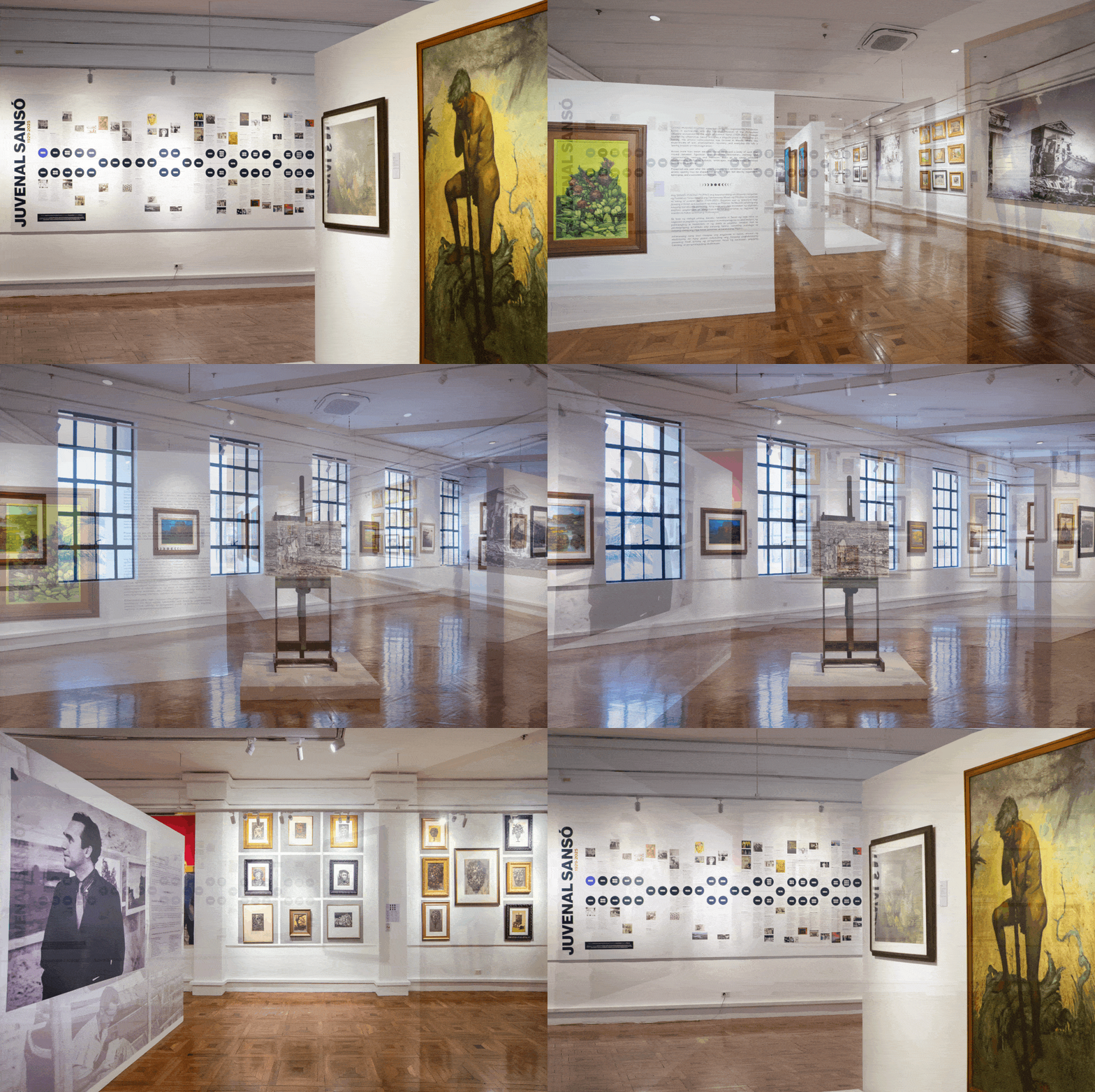
The Philippines may not have been the land of Sansó’s birth, but it is the land of his growth and artistic flourishing; our shores and its people, both in wartime and idyll, were the precocious artist’s muse and patron — and Gallery XV’s (E. Aguilar Cruz Hall) chronological walkthrough makes good on that claim. The gallery’s artistic bounty just about fit in its modestly-sized quarters, where the curatorial team had the unenviable job of staging a hundred works while also tracing the colorful life of the artist whose hands labored on these canvases.
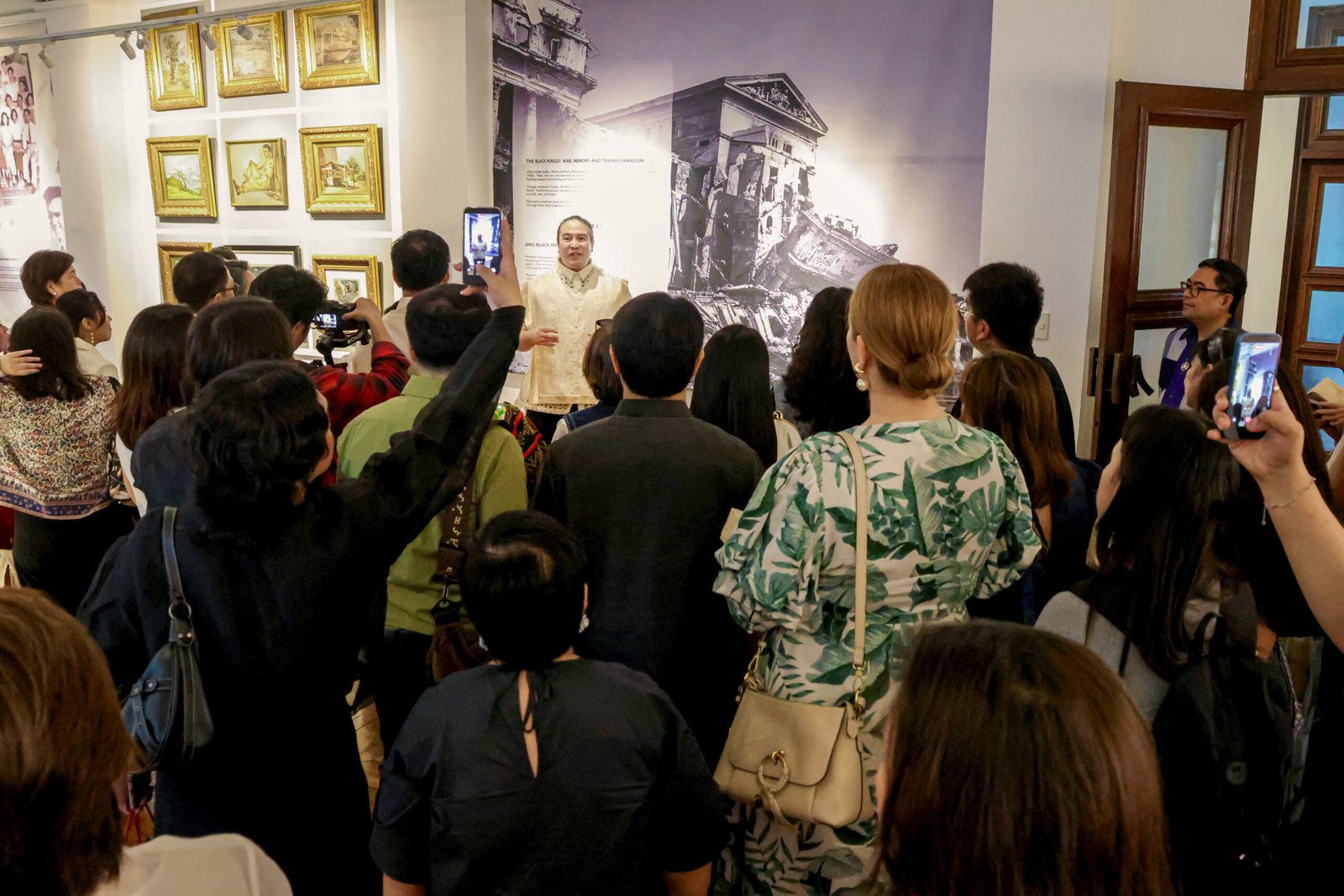
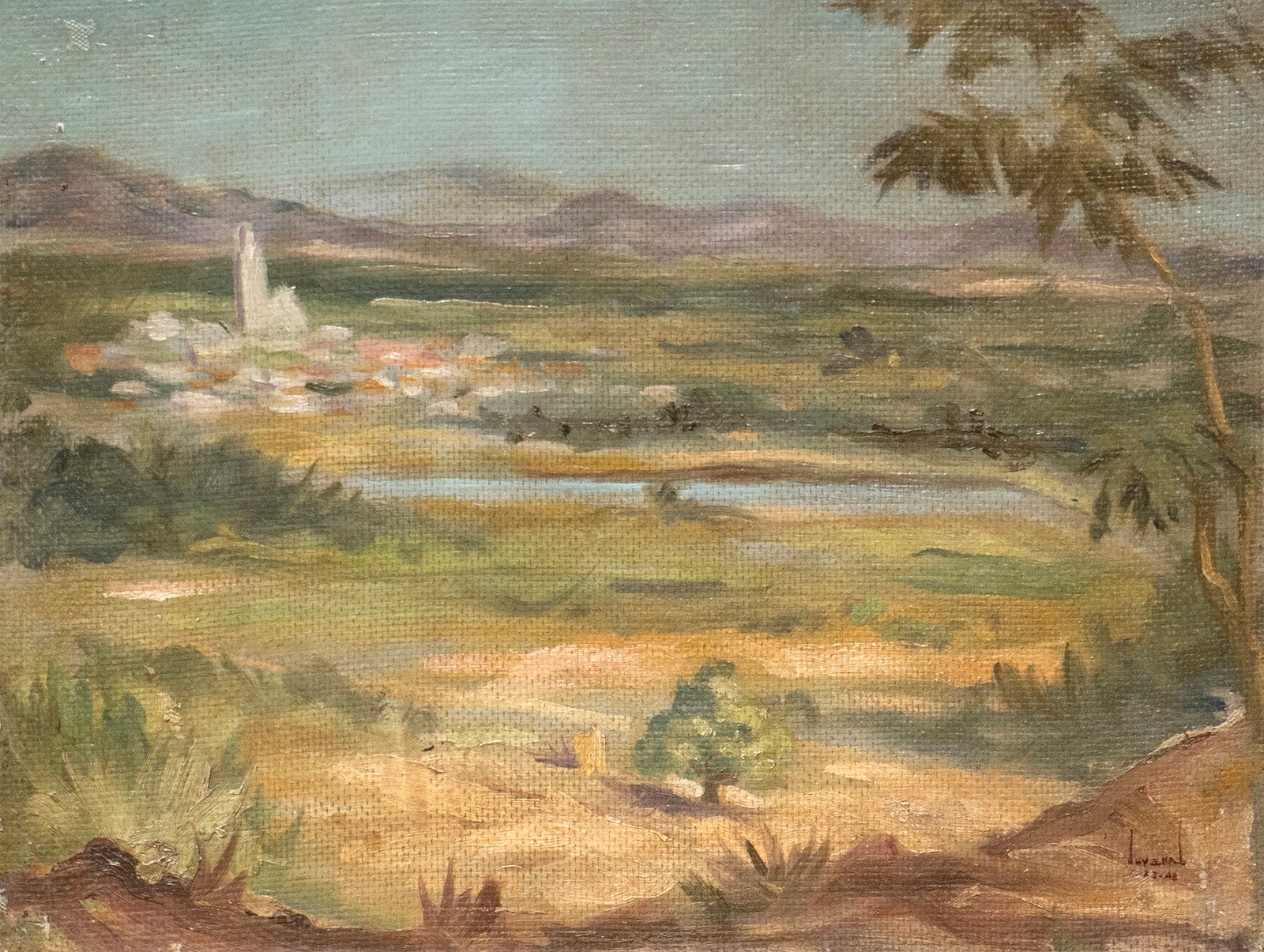
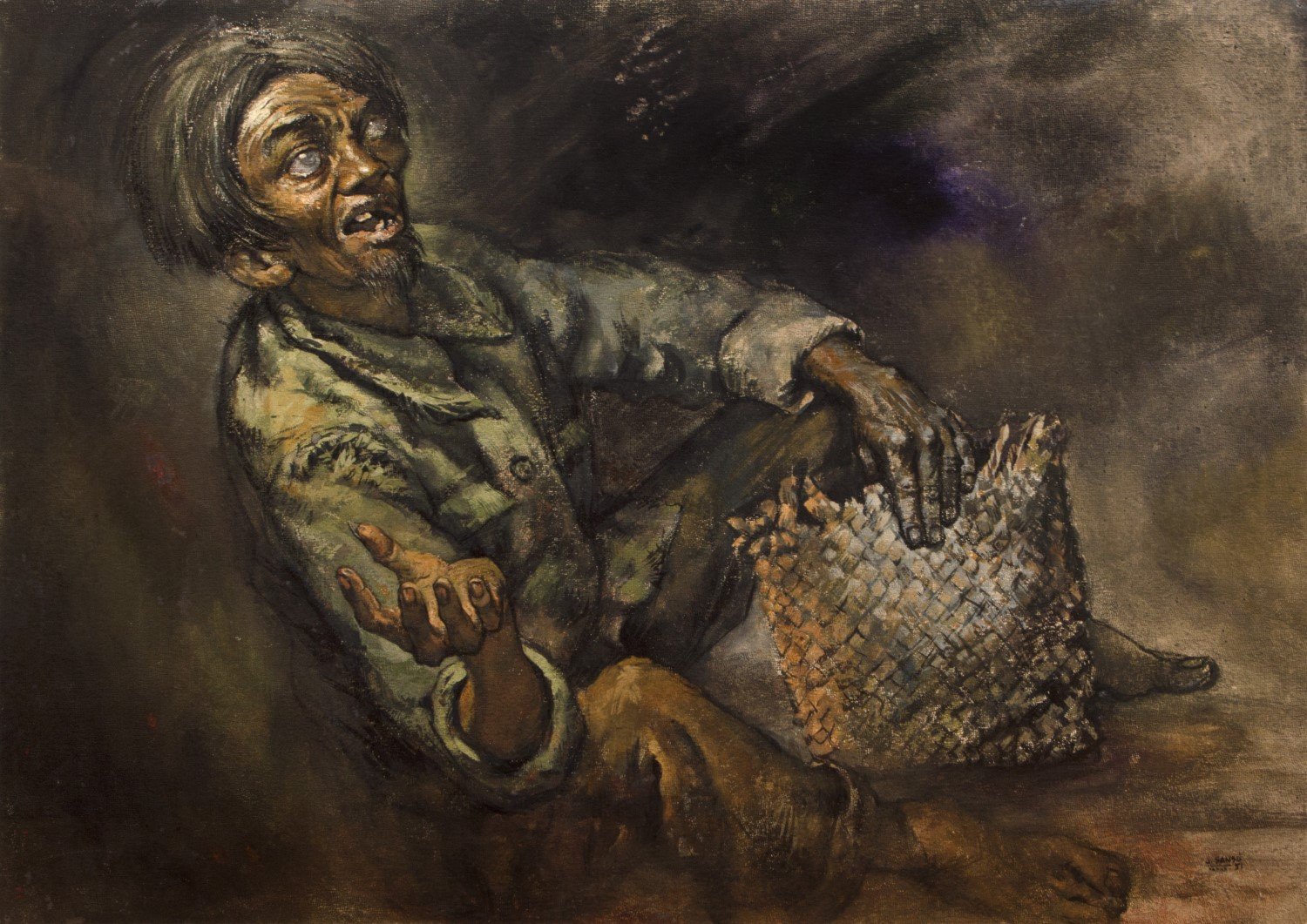
An expansive timeline greets visitors upon entry, with the works staged chronologically: starting with the young Sansó’s early brushes with art, and his unflinching depiction of the horrid realities of war as both victim and survivor (“While his painting style looked similar to [Fernando] Amorsolo, he chose to depict the country’s post-war realities instead of idealized landscapes,” Francisco shared during the press tour).
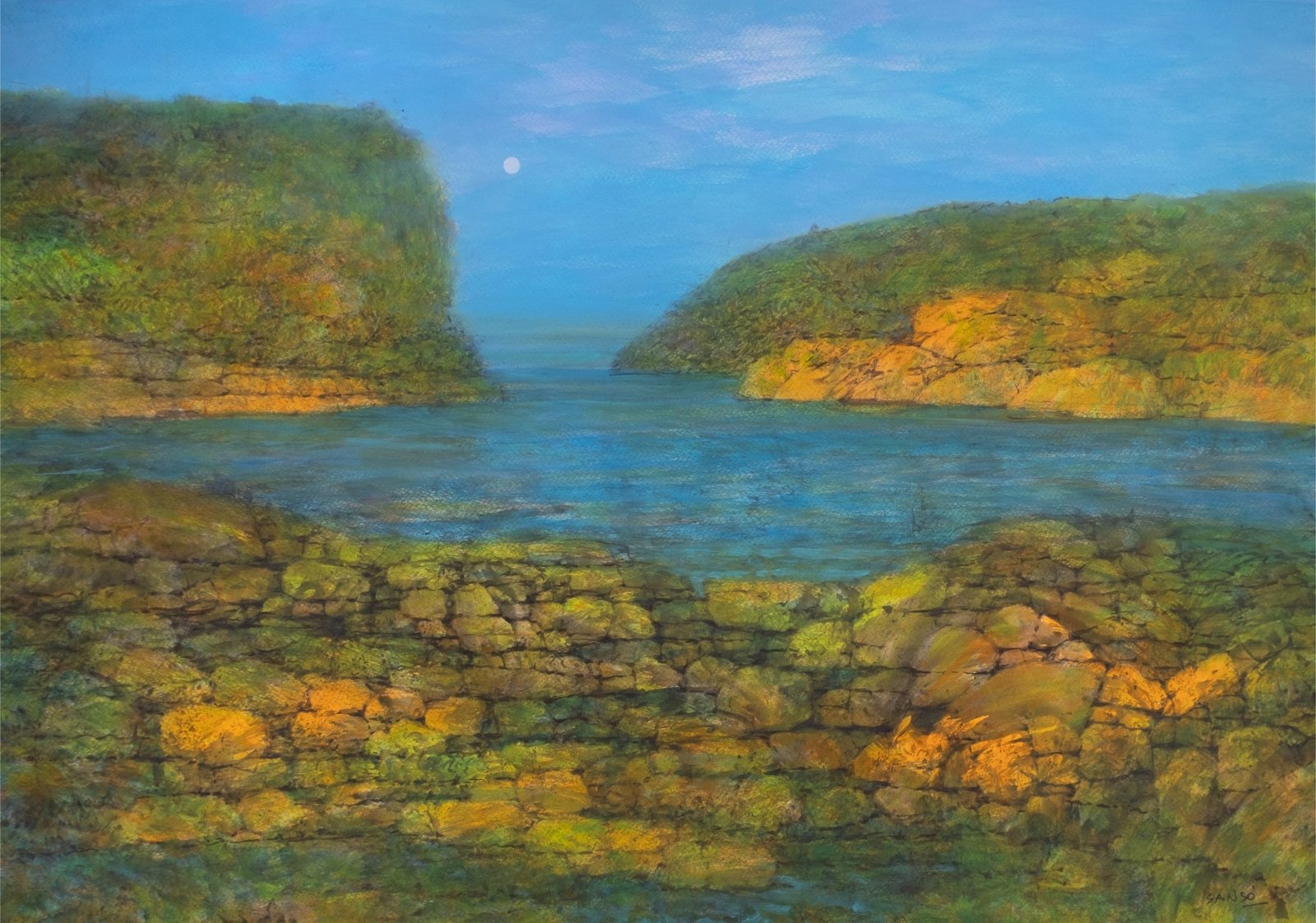
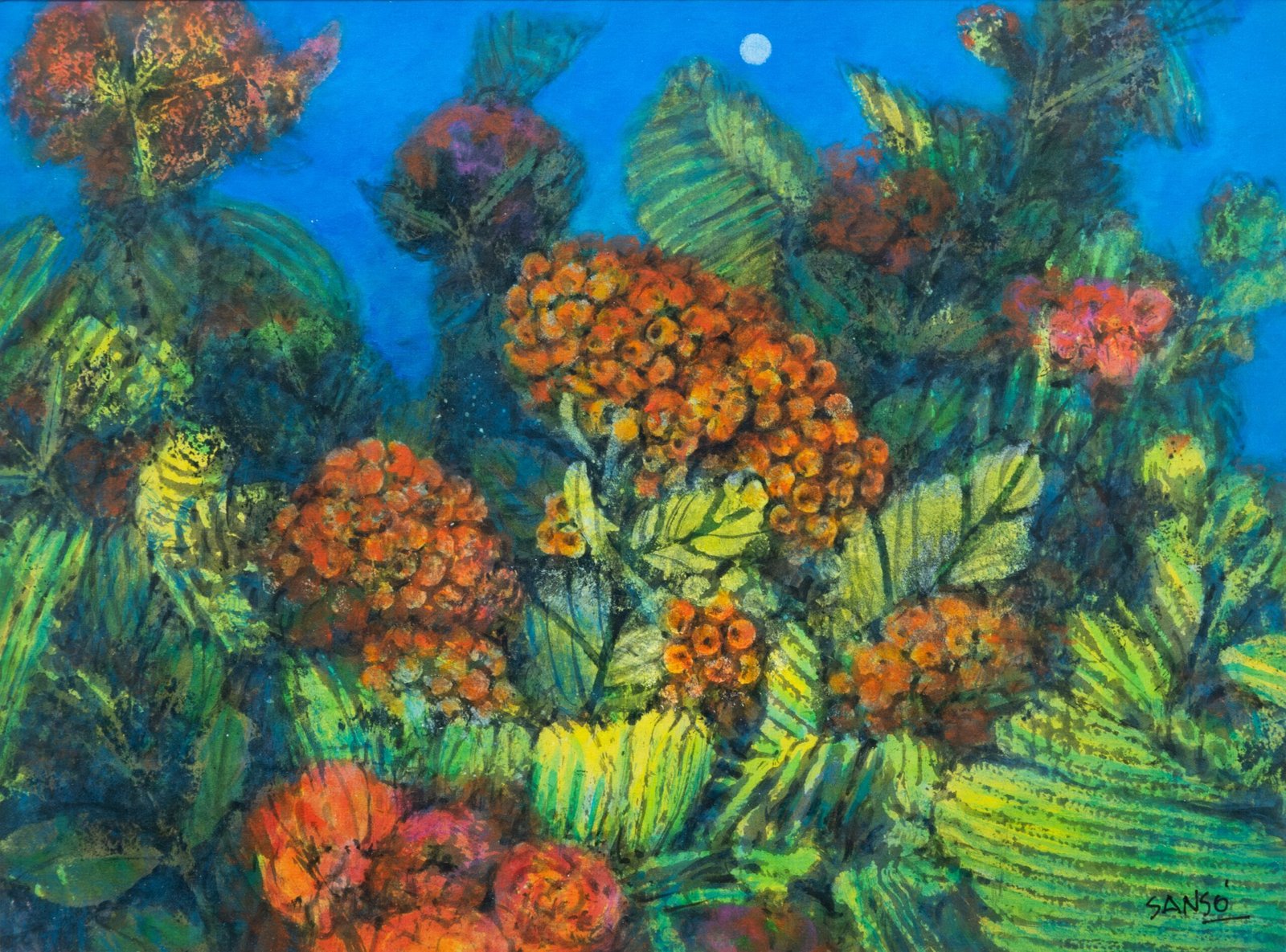
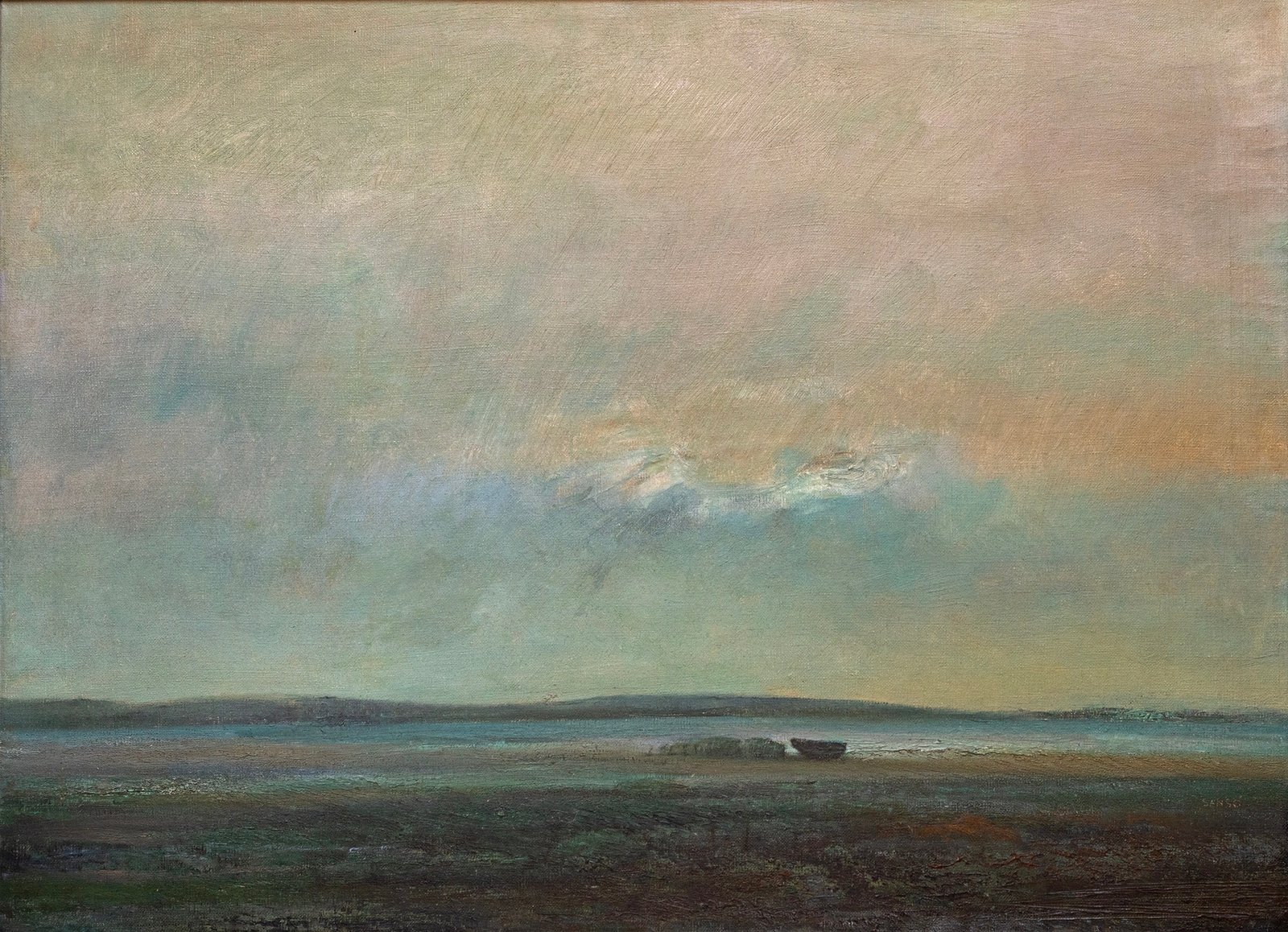
War-scarred but ever-hopeful Sansó progressed to more scenic pictures of a nation raring to grow and rebuild, the optimism of the era embodied in works that depict bountiful blooms and greens. Expressionist works that straddle recognizable form and abstraction followed, as the master lets emotion take the reins and embraces the age’s ever-shifting perceptions on form and color. The room ends with a display of the late maestro’s last works, a loving postscript that saw him return to picturesque depictions of the natural bounty and vibrant festivals of his beloved archipelago.
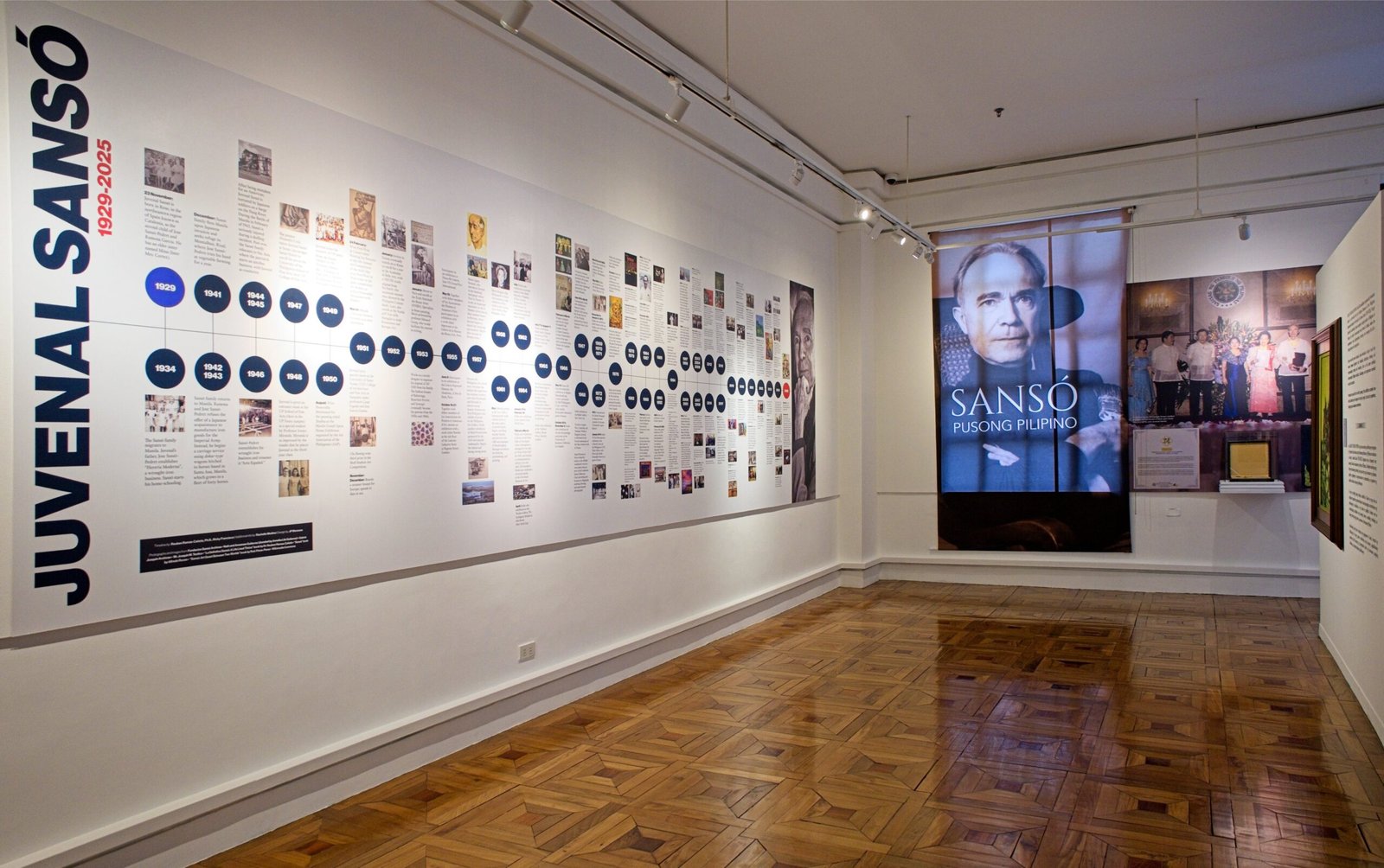
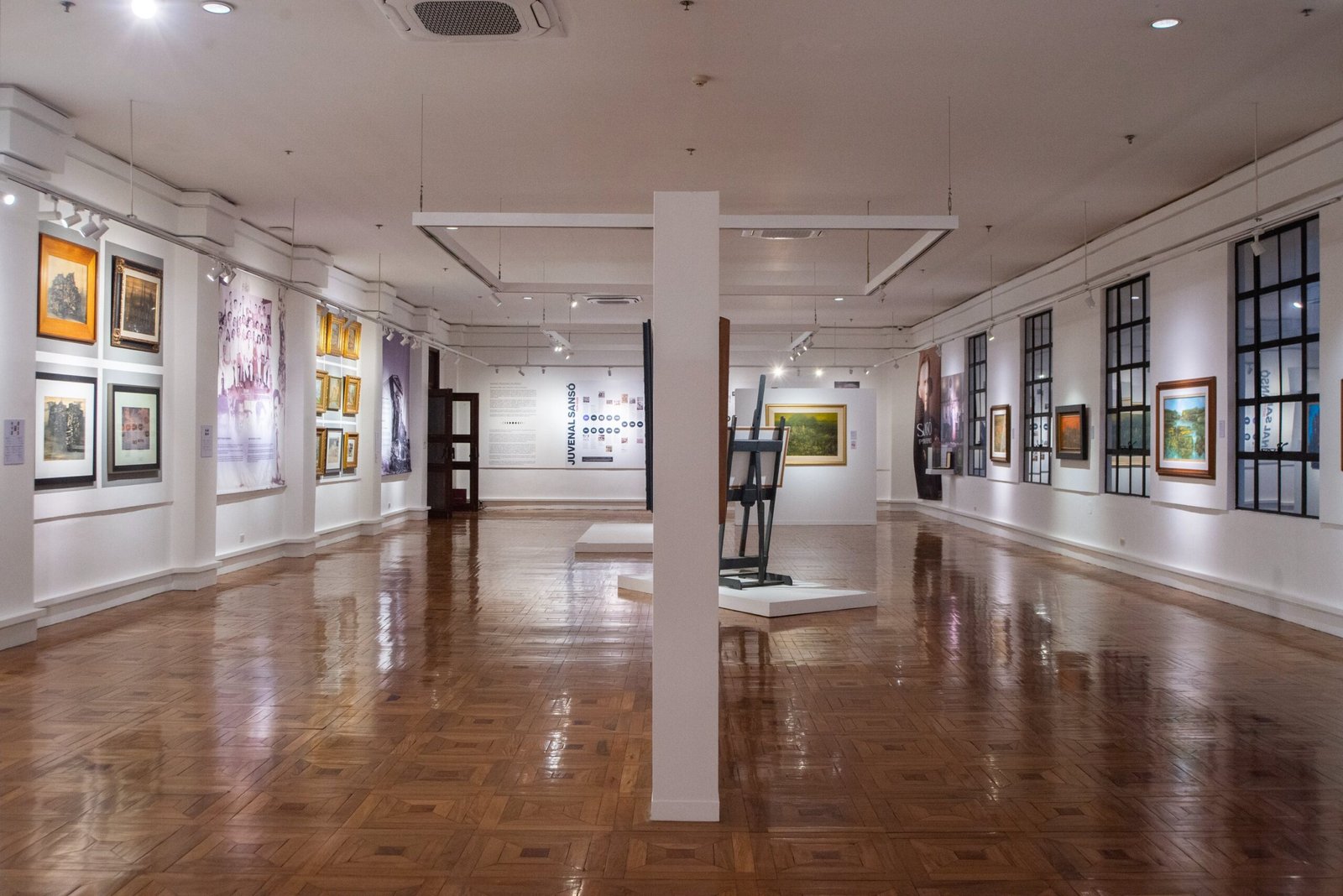
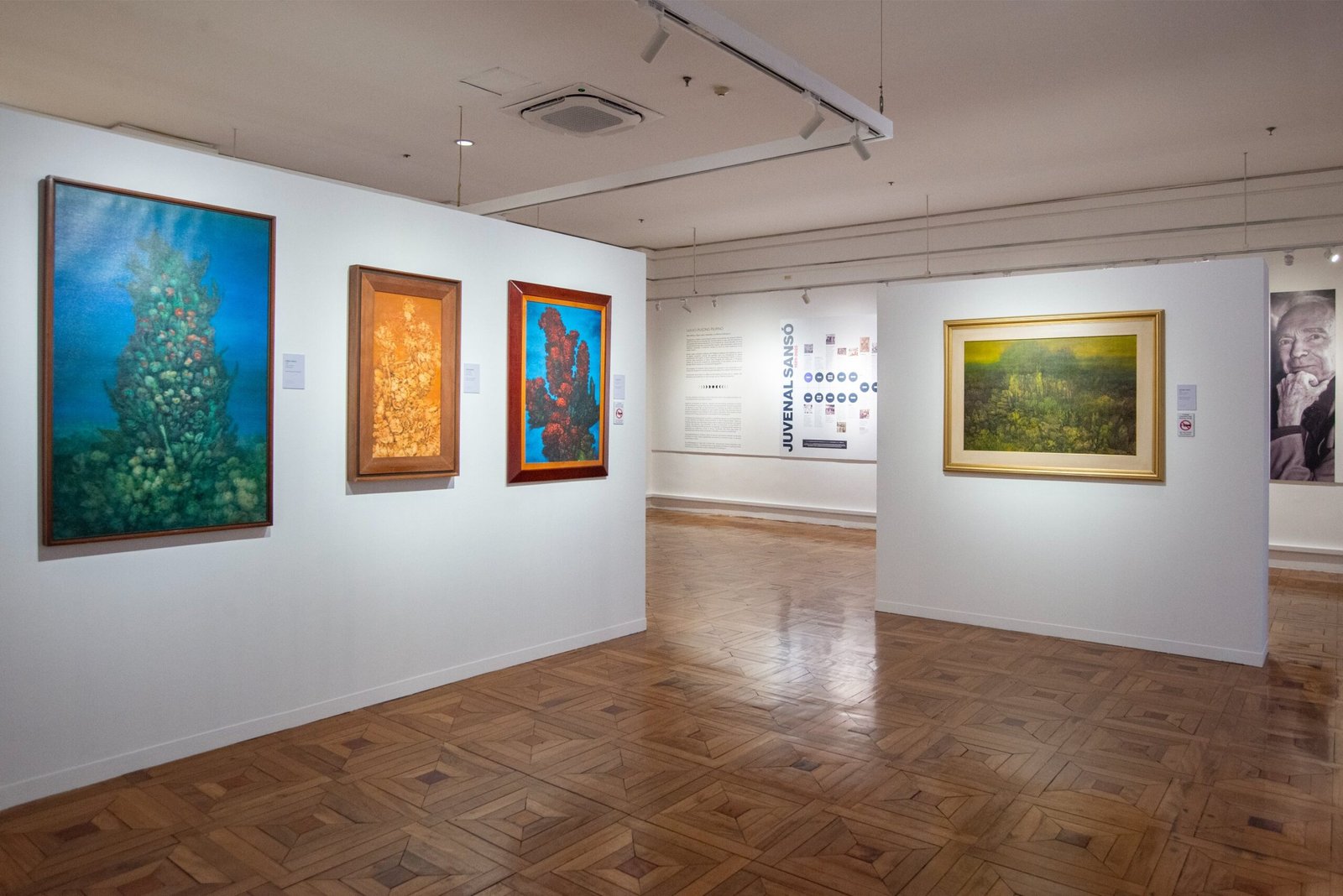
“The Philippines may not have been the land of Sansó’s birth, but it is the land of his growth and artistic flourishing; our shores and its people, both in wartime and idyll, were the precocious artist’s muse and patron.”
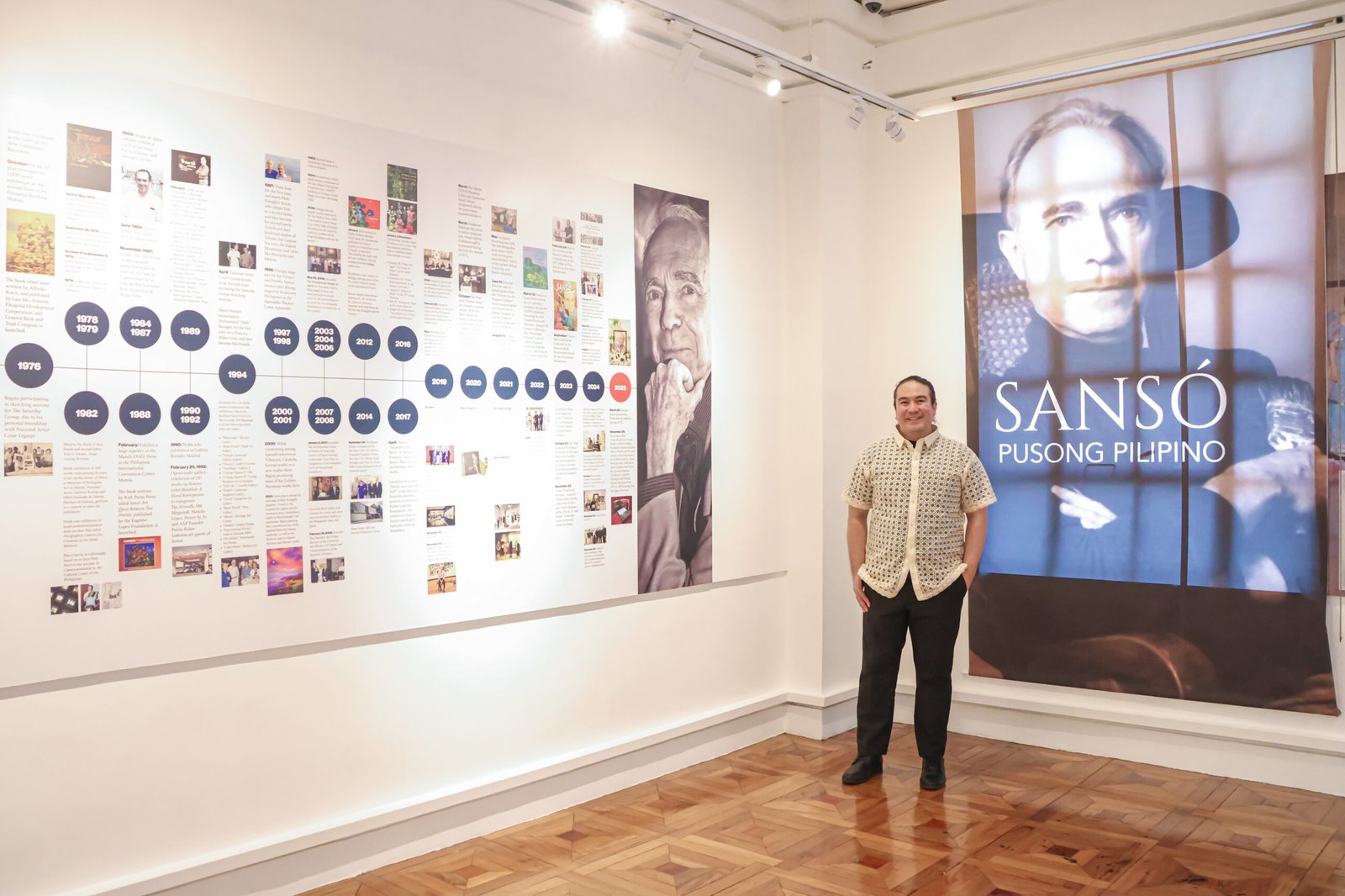
Francisco spoke to Kanto about the discipline behind Sansó’s six decades of work, the recurring imagery he carried into his international practice, a private act of generosity the foundation rarely mentions, and the programs it runs today to support the next generation of Filipino artists, including one that teaches other artists’ families how to protect a legacy of their own.
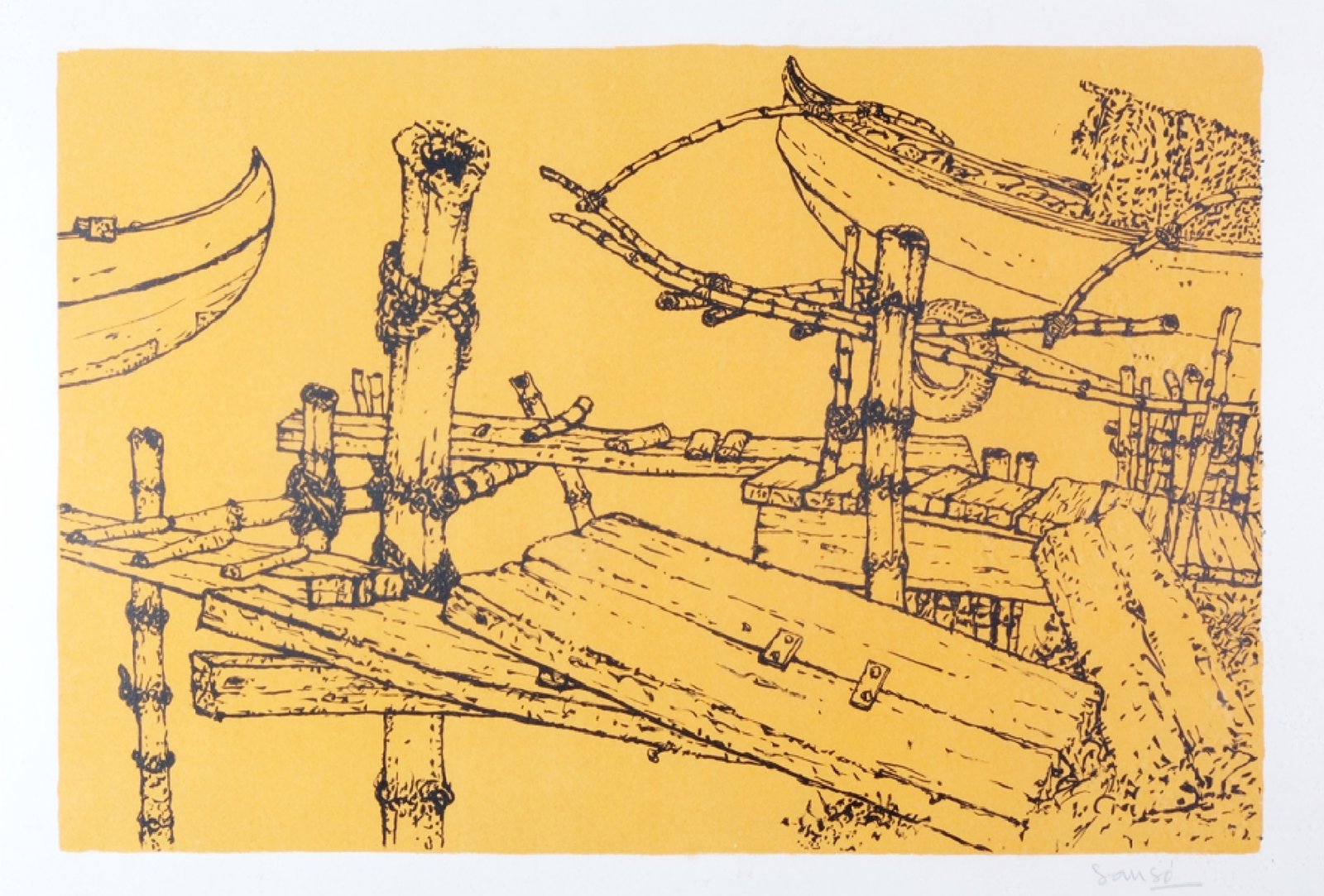
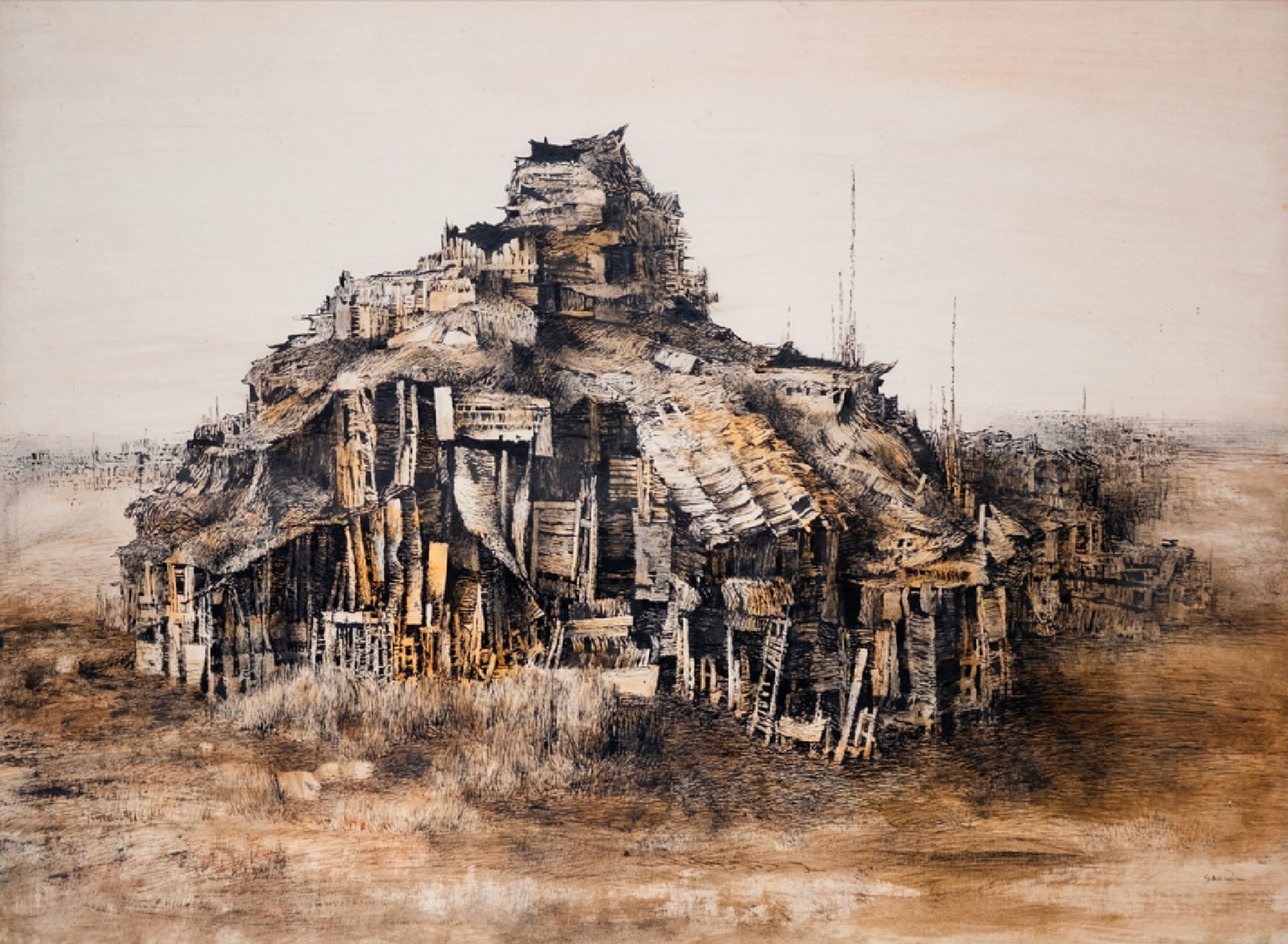
Sansó left behind a vast, wide-ranging body of work. What does this selection of one hundred pieces reveal about his practice? And why show it in the National Museum now?
Ricky Francisco, exhibition curator and Fundacion Sansó director: This exhibition was originally discussed with then Director-General Jeremy Barns of the National Museum during Sansó’s wake last April 2025. When we met, I asked Director-General Barns if it was possible to have an exhibition for Mr. Sansó, and he said yes because he thought that Mr. Sansó deserved it.
Although the exhibition began there, the choice of works and the idea behind it are to recognize that Sansó is not just a foreigner who visited the Philippines, but an artist who developed his art here and contributed to the Philippine art scene as well.
His experiences here informed his art, and he carried those sensibilities over into his international practice.
You know, despite the chance to work abroad exclusively — because he did have his studio in Paris and later on, two studios in Spain and a winter studio in Iran — Sansó never really “left” the Philippines, because he loved it. Sansó always returned and had exhibitions here, from the 1960s until his retirement in 2012.
Sansó chose to maintain his personal connection here with the Filipino people. He also left a legacy of supporting the next generation of Filipino artists through Fundacion Sansó and the foundation’s scholarship programs.
Having this exhibition at the National Museum of the Philippines is a strong acknowledgment of that.
What’s one work in this show where you feel Sansó’s love for the Philippines is unmistakable and explicitly captured? What does it show us about how he saw the country?
Ricky Francisco: For me, it’s not one work but a series of works.
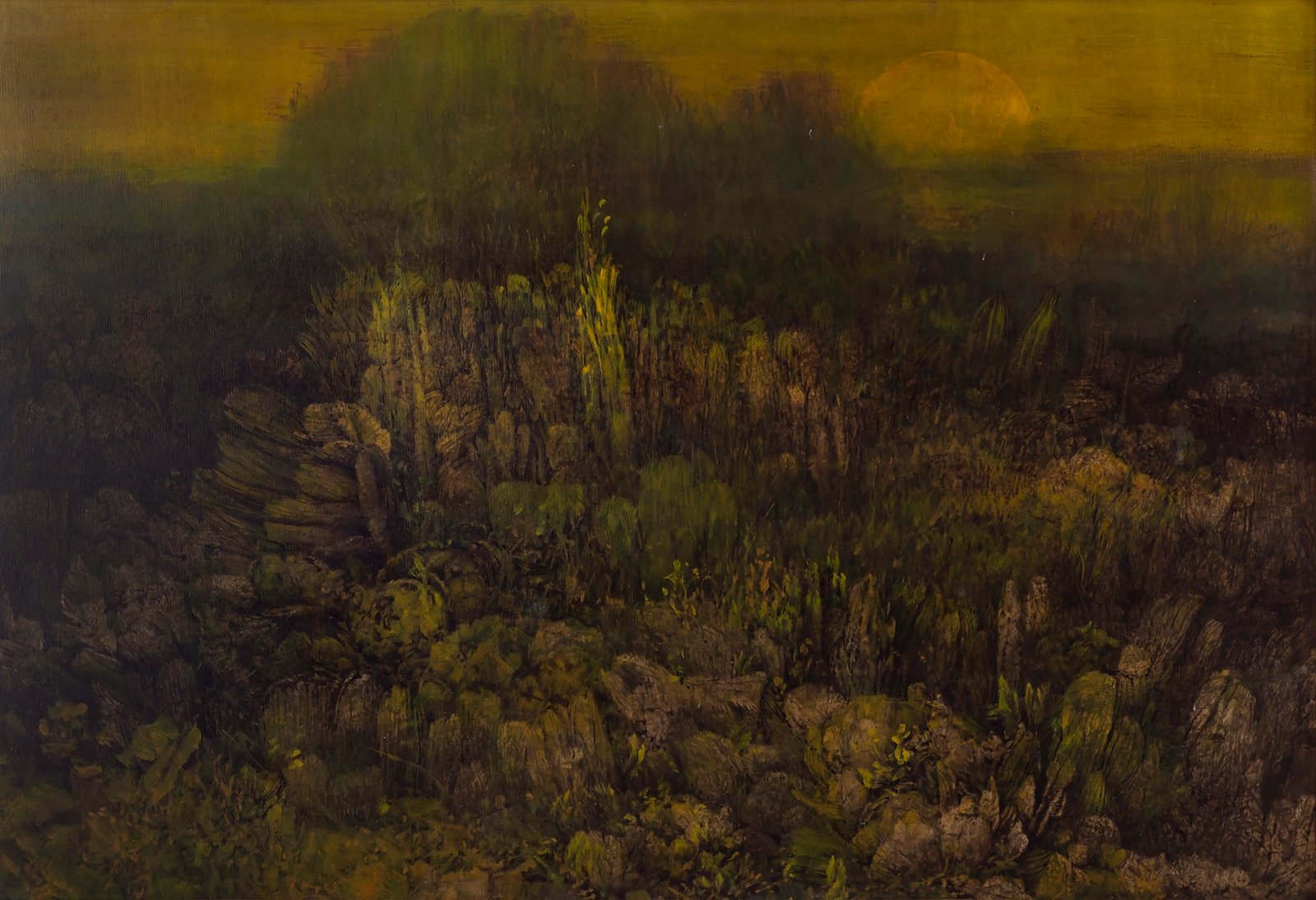
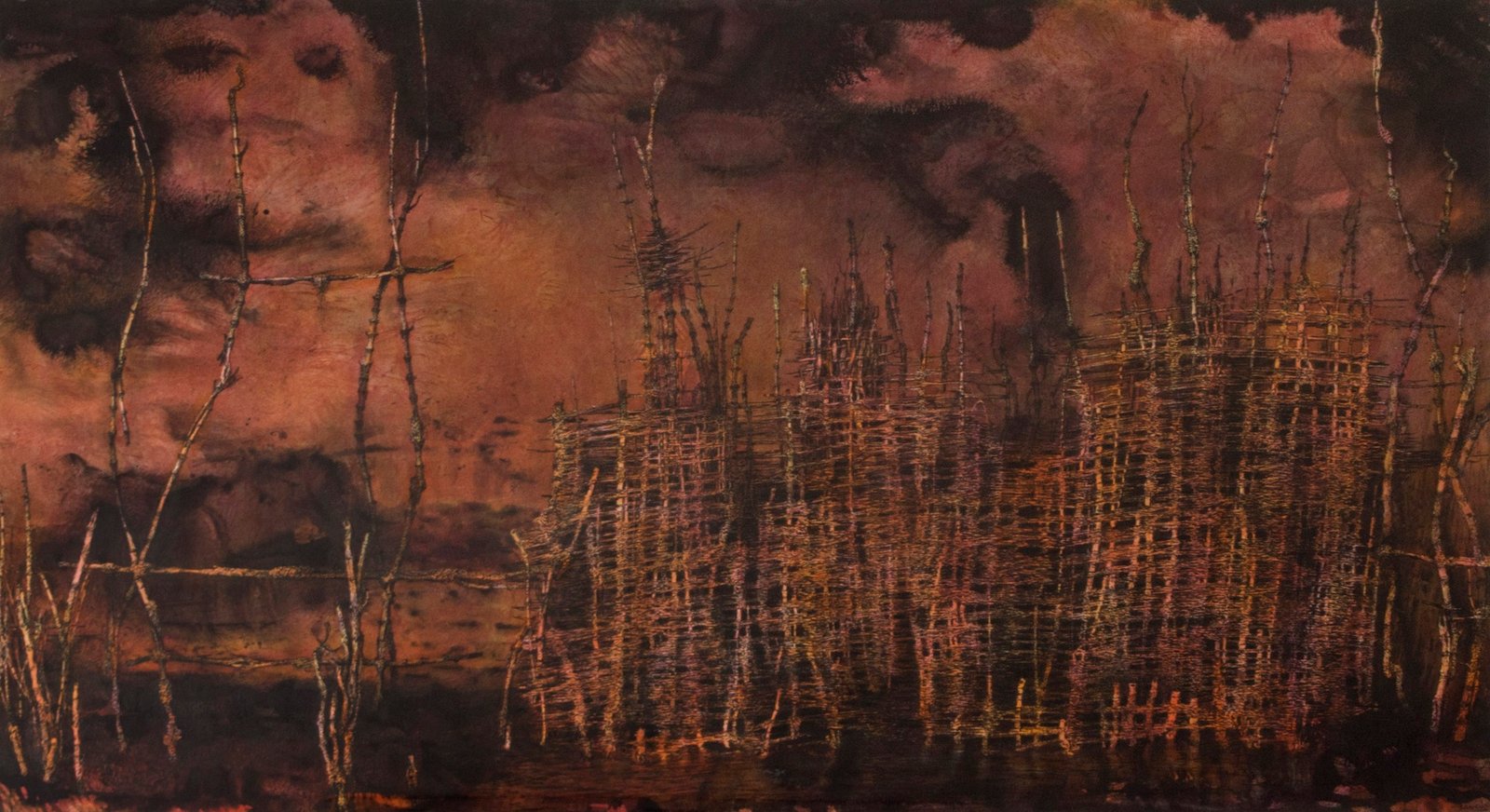
From the 1960s onwards, Sansó made art using the imagery of the baklad (bamboo fish traps he saw in Manila Bay) and the barong-barong (from post-war Manila) — both of those show images that he found here in the Philippines and that showcase resilience despite overwhelming odds.
The baklad is constantly exposed to the elements — the sea, the waves, the weather — and yet it stands there. It exists. It serves a purpose. And it gains beauty from the oysters that grow on the bamboo, and from the wear and tear of the typhoons, the sun, the sea, which are overwhelming against the humble bamboo, and yet, it’s there.
And then you have the barong-barong, which is connected to Filipinos adapting after World War II. When they lost their homes, they got materials from the rubble and created homes from these, and these were what Sansó saw and resonated with.
So, he saw the struggles of the Filipino — that despite overwhelming odds, they will persist, that they are resilient.
These visual images also echo the trauma Sansó experienced during the war. He almost died twice, with little medical help. After surviving, he had to pull himself together and assist his dad to help their family earn a living to survive.
Sansó presented these to an international audience, always explaining how these were inspired by his experience in the Philippines. And despite developing into grander visual elements in the apocalyptic landscapes of his Black series, they kept their worn-down beauty.
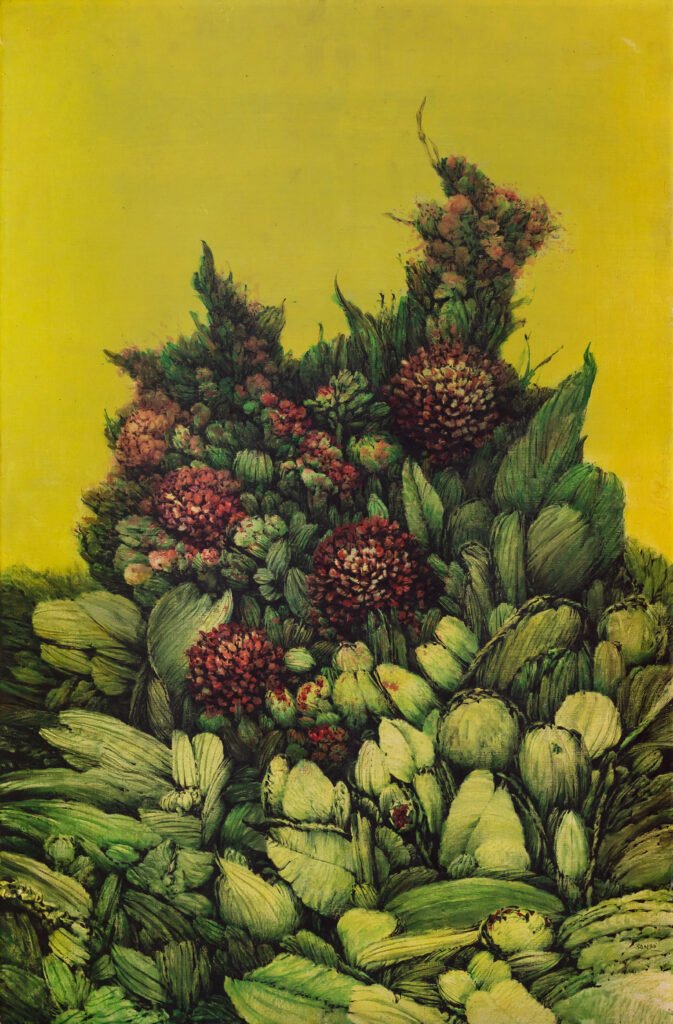
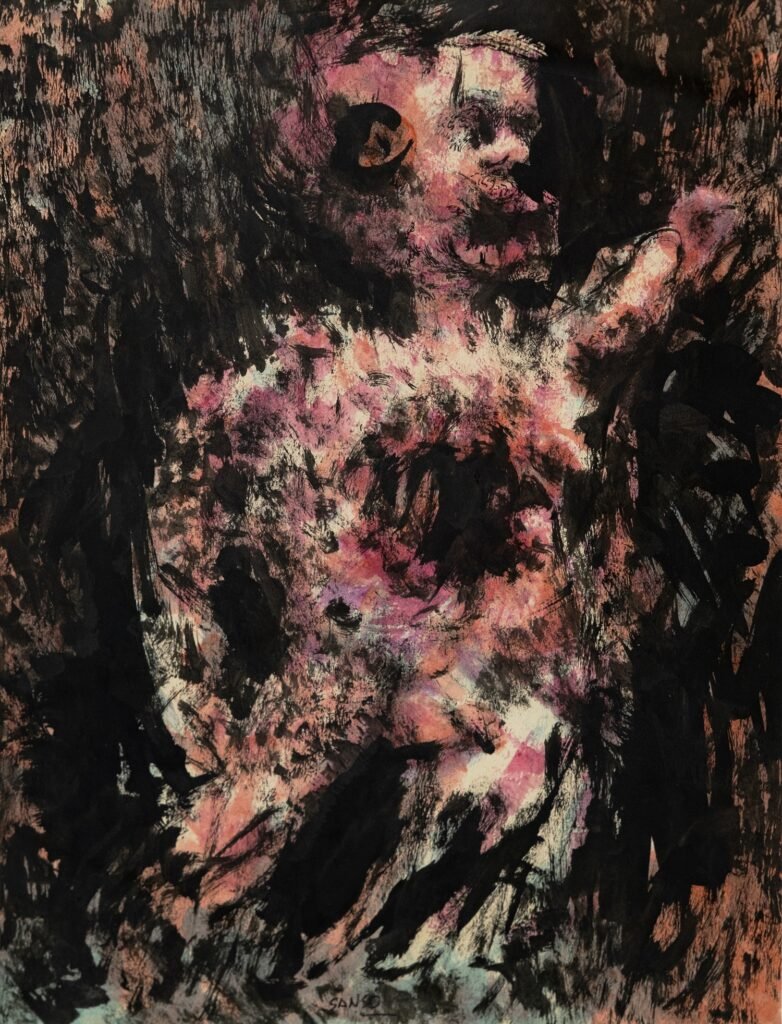
What’s something about Sansó’s ethic as an artist that you think today’s artists have lost or could benefit from emulating?
Ricky Francisco: I would rather focus on what he did. Mr. Sansó was very, very organized and very, very prolific. He had a system. That’s what sets him apart from other artists.
He would work every morning until the afternoon, and then he would have time to socialize, to decompress, to find opportunities and create new opportunities by meeting people.
Every week he would write letters to friends, telling them his plans for the coming weeks and months, and he would try to create new opportunities from that.
I think younger artists should learn to do that: recognize that creation is only one part of artistic practice. It’s what brought Sansó to where he is.
Aside from, of course, the talent that he had, there was this structure. It was his constant work ethic.
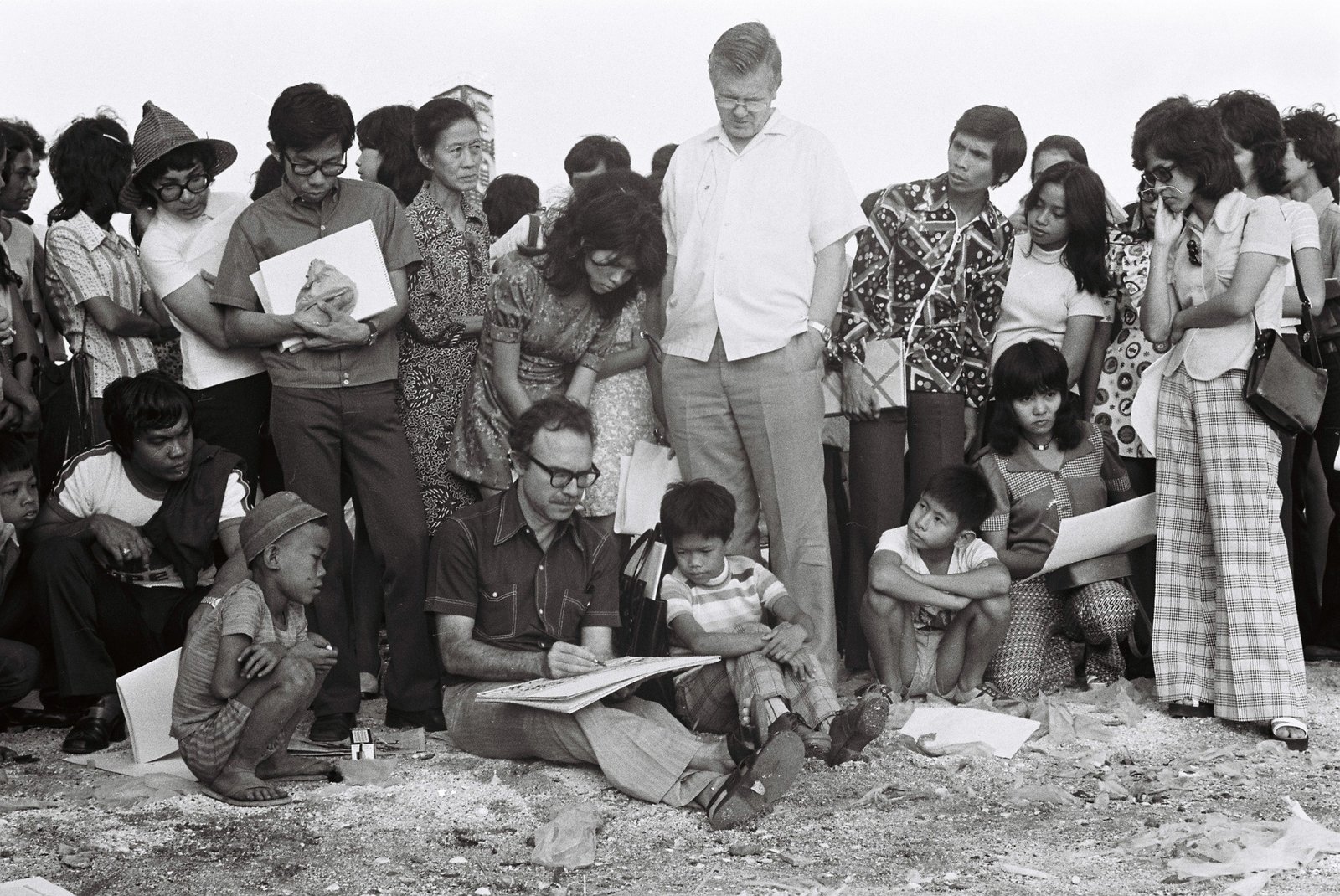
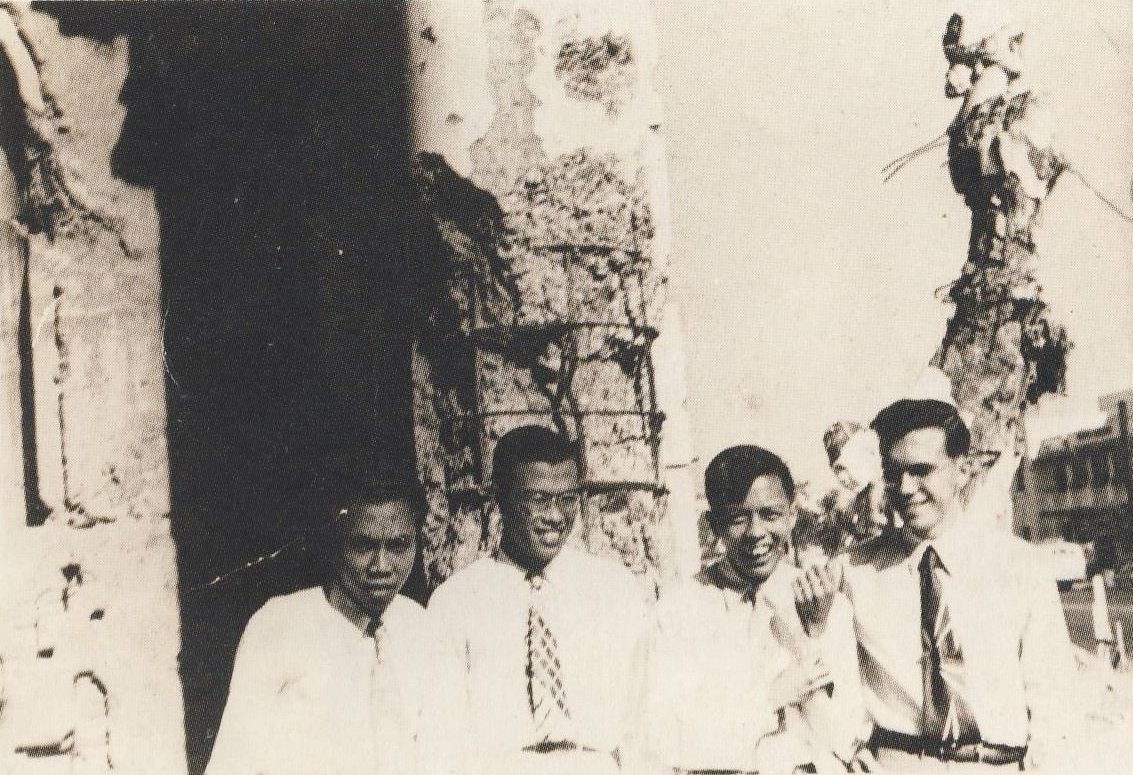
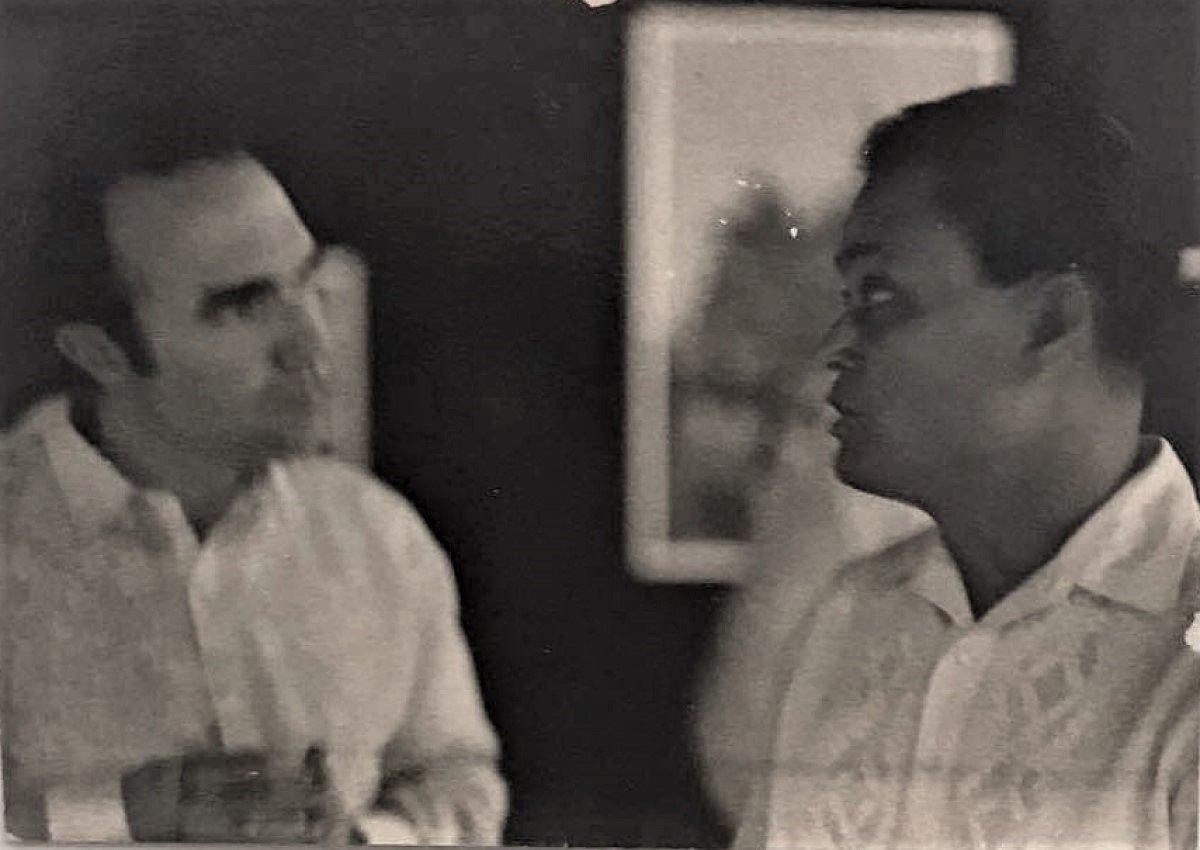
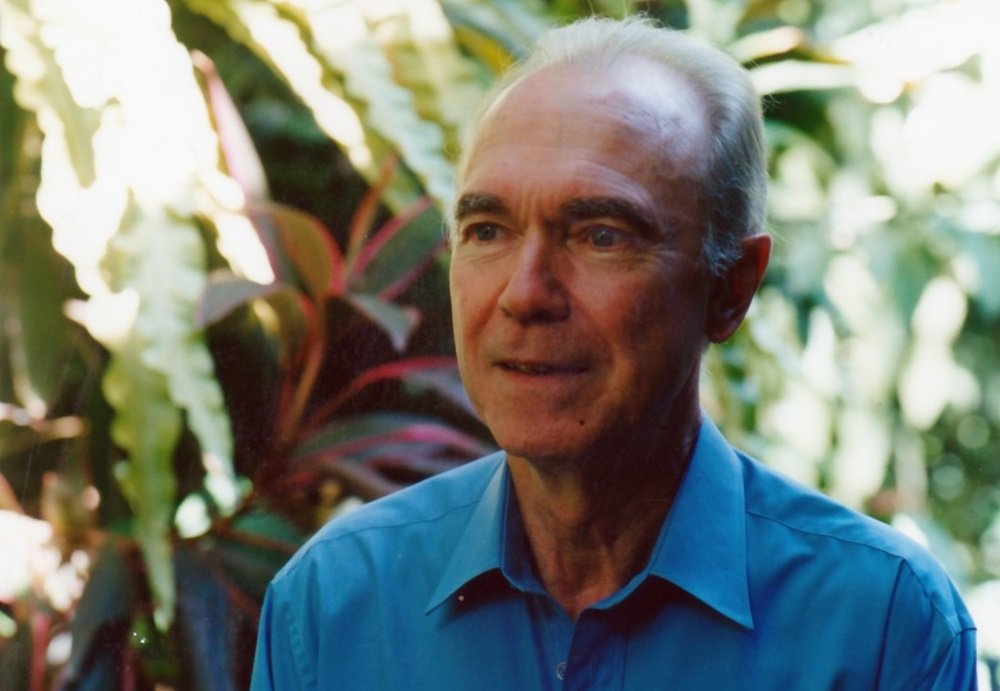

Sansó at 17 Sansó in Venice
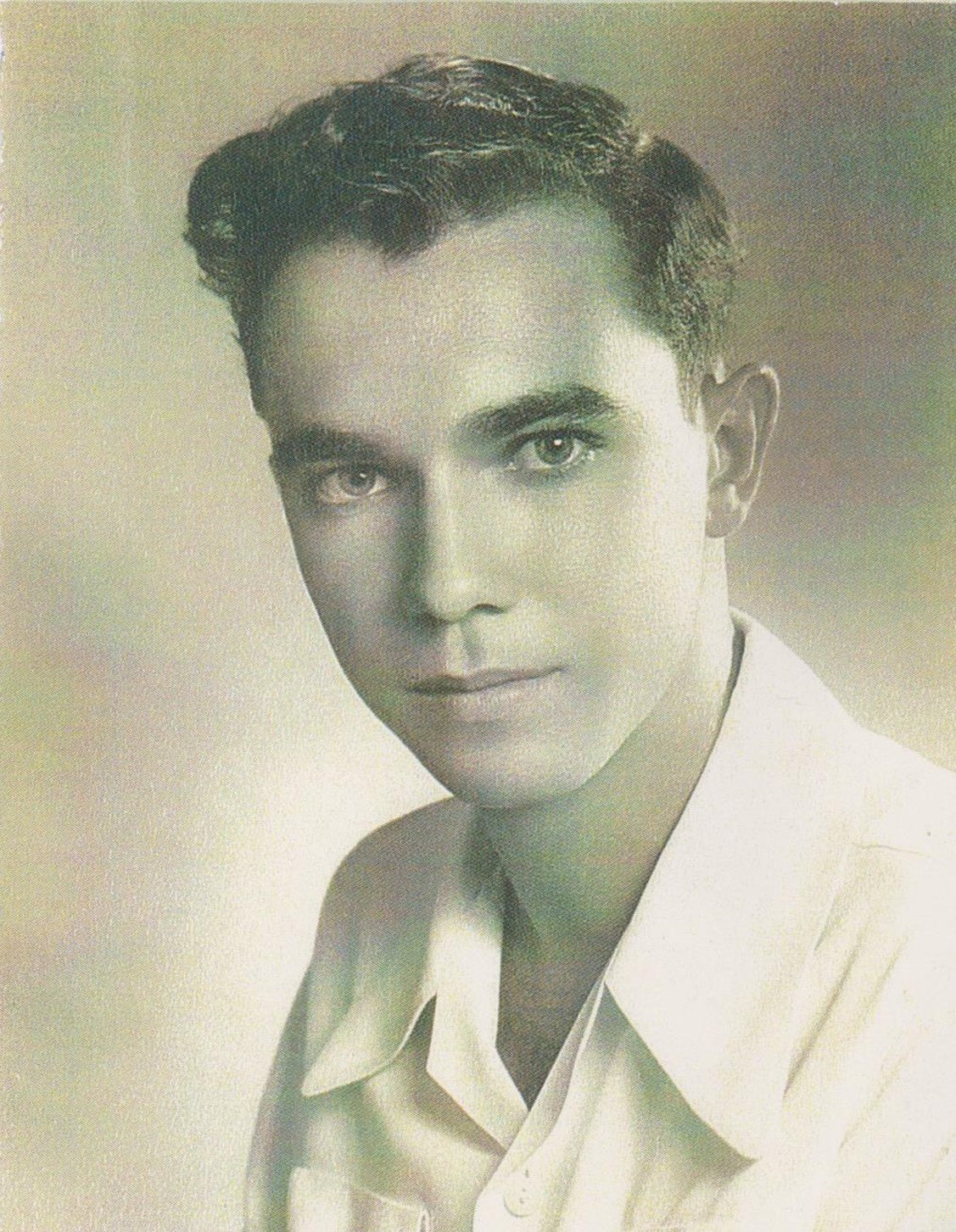
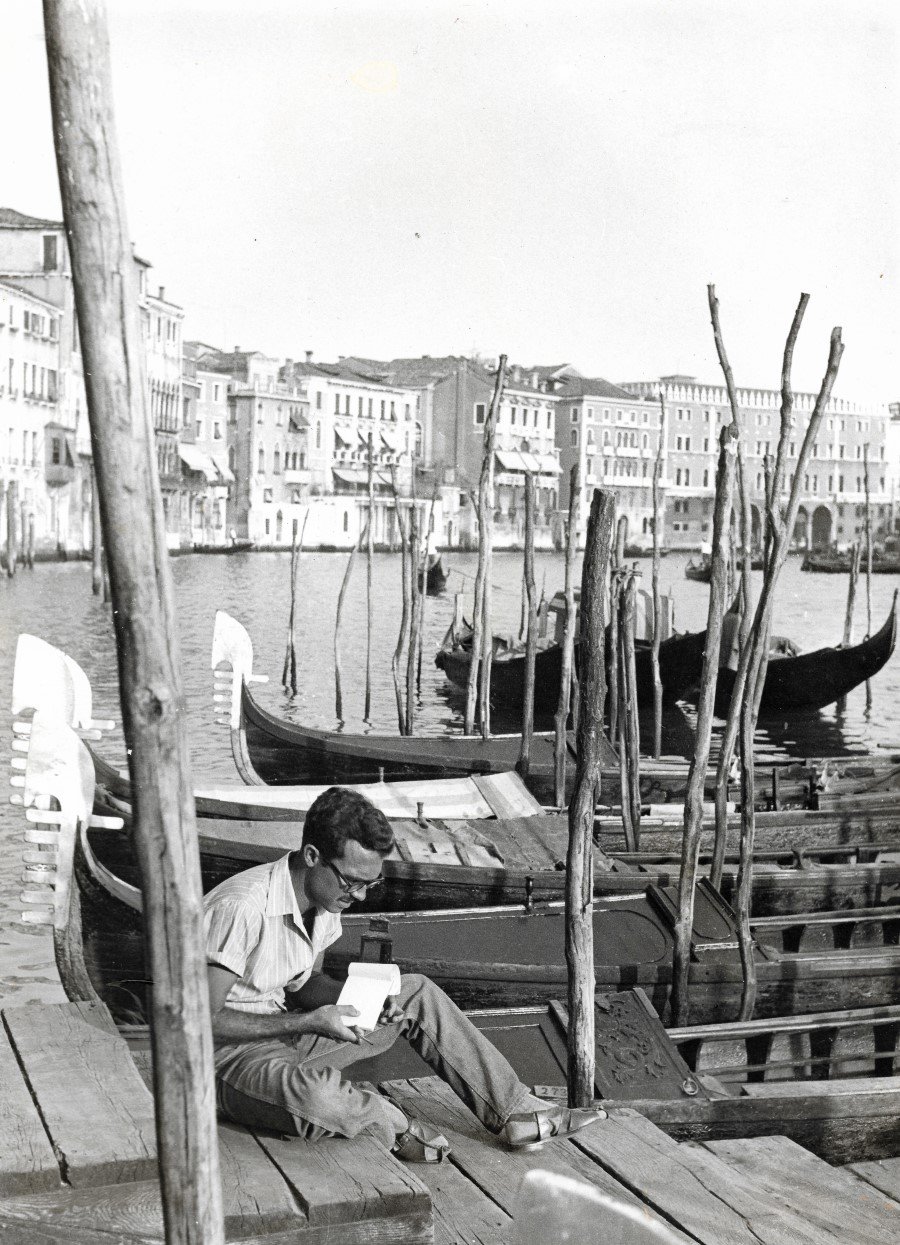
Beyond what he clearly loved in the Philippines, are there works, or recurring subjects, or a shift in period, where you read something closer to disappointment or grief about the country? What did he see as an outsider that maybe we don’t see, or don’t want to as Filipinos?
Ricky Francisco: Mr. Sansó was not like that. He didn’t have the personality that would point out what was wrong unless it was clearly unjust and oppressive. He was the type of person who, if he saw something that was not “up to par” or could be “made better,” he would rather help directly than talk about it to others.
Mr. Sansó was quite a gentleman.
Case in point: he knew that Fine Arts students have a hard time, as parents usually do not approve of the course, and materials and tuition are expensive. Instead of talking about asking colleges to lower costs or the government to help, he gave money directly to UP Diliman College of Fine Arts and instructed the college secretary to use it for a Fine Arts student in need so they could finish school. He did not tell anyone about this.
I would only find out about this when I started working for Fundacion Sansó. One of my friends is the artist Leslie de Chavez. He’s a well-known artist now with an international career, like Sansó. Leslie told me his family had a rough spot when he was in college, and it was the grant from Mr. Sansó, administered by the college secretary, that enabled him to continue his studies.
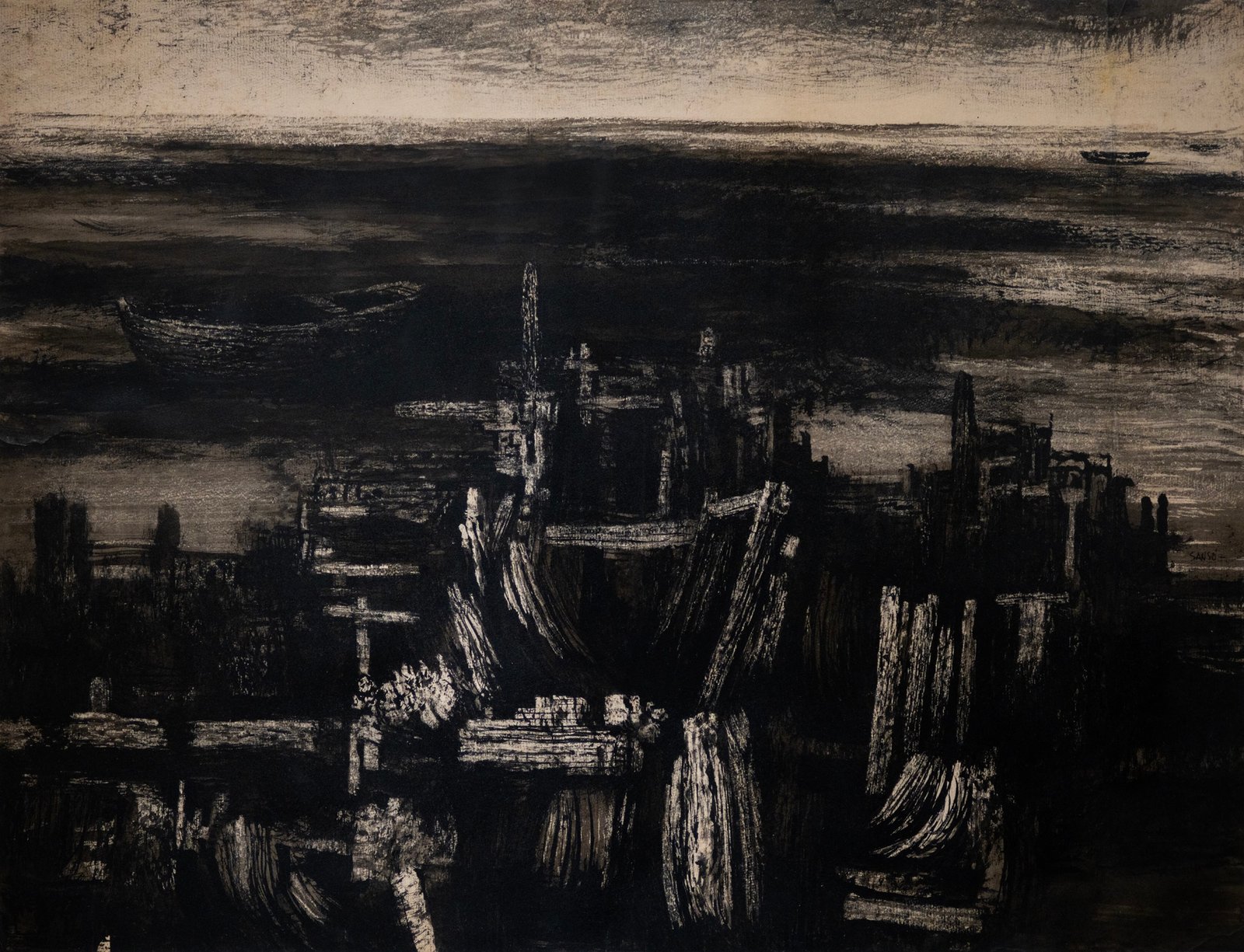
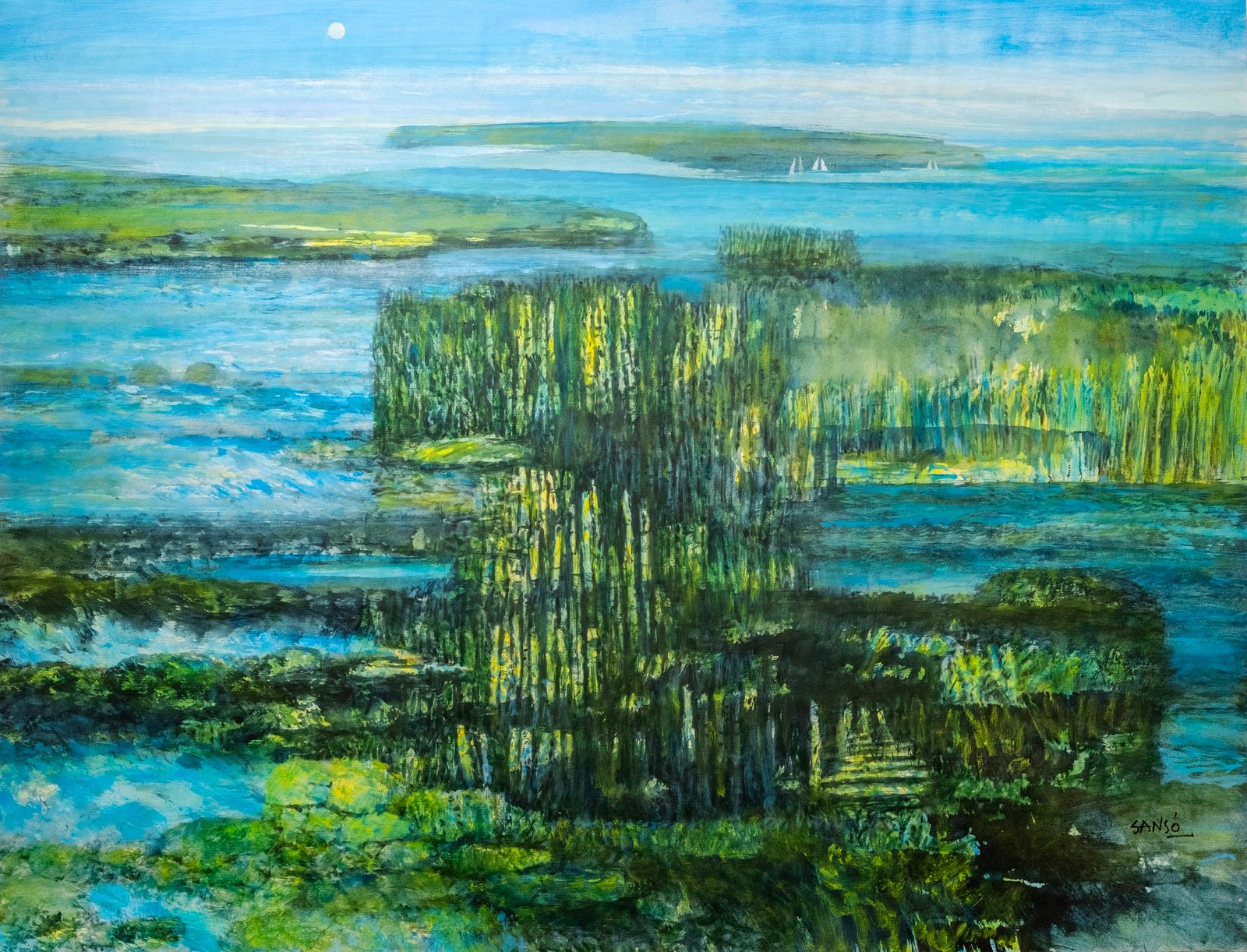
Retrospectives tend to look backward by nature. As Sansó: Pusong Pilipino opens to the public, what is Fundacion Sansó doing to make sure the story doesn’t end at legacy preservation? What part of the legacy-making work of the institution do you think deserves more attention than it’s getting?
Ricky Francisco: At Fundacion Sansó, we do several things to keep Mr. Sansó’s legacy alive. For one thing, we’re not just a museum that keeps and exhibits Mr. Sansó’s works to the public for free. We actively connect with other institutions like Megamall and the National Museum, and we go out of our physical space and exhibit his works in other places so that more people can see his works. We also publish books regularly so that there’s more scholarship about his works.
But, to be honest, I think one of the highlights of Fundacion Sansó that the public should know more about is that we carry on what Mr. Sansó did in supporting younger Filipino artists.
We have a scholarship and grants program. So far, we have helped 39 young artists graduate from Bulacan State University.
We have given more than 1.8 million pesos to help fund students from the University of the Philippines College of Fine Arts. All our grants are unrestricted, helping them with their schooling and needs.
We also have a grant for them to research and produce their theses. I don’t think any other art institution is doing that.
On top of that, we also have an authentication program, which helps keep fakes out of the market.
Lastly, we have a program called I CArE, the Initiative for the Care and Legacy of Artists’ Estates, where we teach the families of important artists — such as National Artist Abdulmari Imao, National Artist Federico Aguilar Alcuaz, and National Artist Larry Alcala, among others — to fund their legacy-building initiatives through authentication and merchandising. We teach them what we have learned so that they too can use those skills for their own legacy-building programs. •
Sansó: Pusong Pilipino is now open at Gallery XV at the National Museum, from August 7, 2026, to February 28, 2027.