(Jia CURATED)
Interview and words The Kanto team
Images Gabriel Lichauco and NEWFOLK
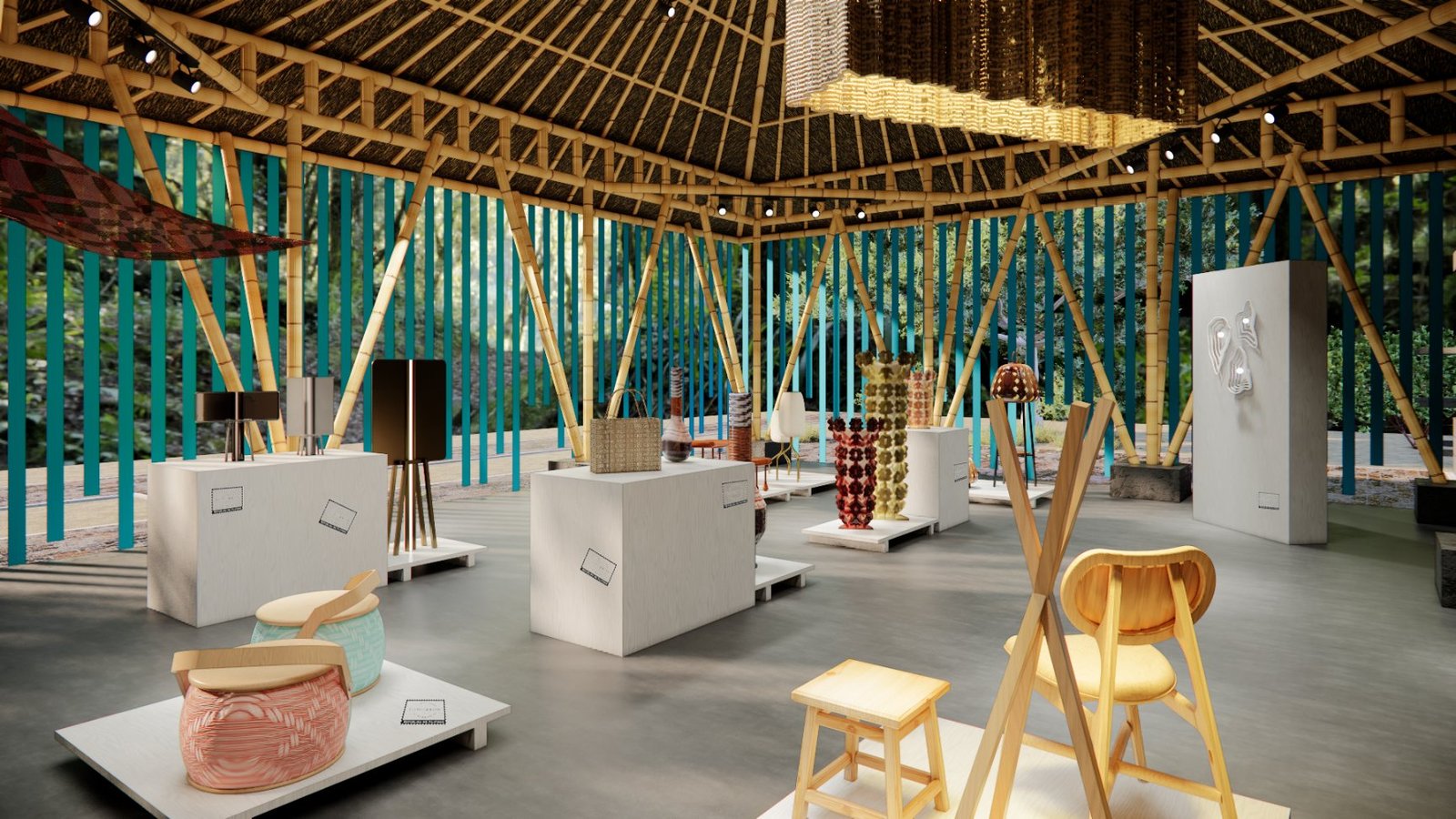
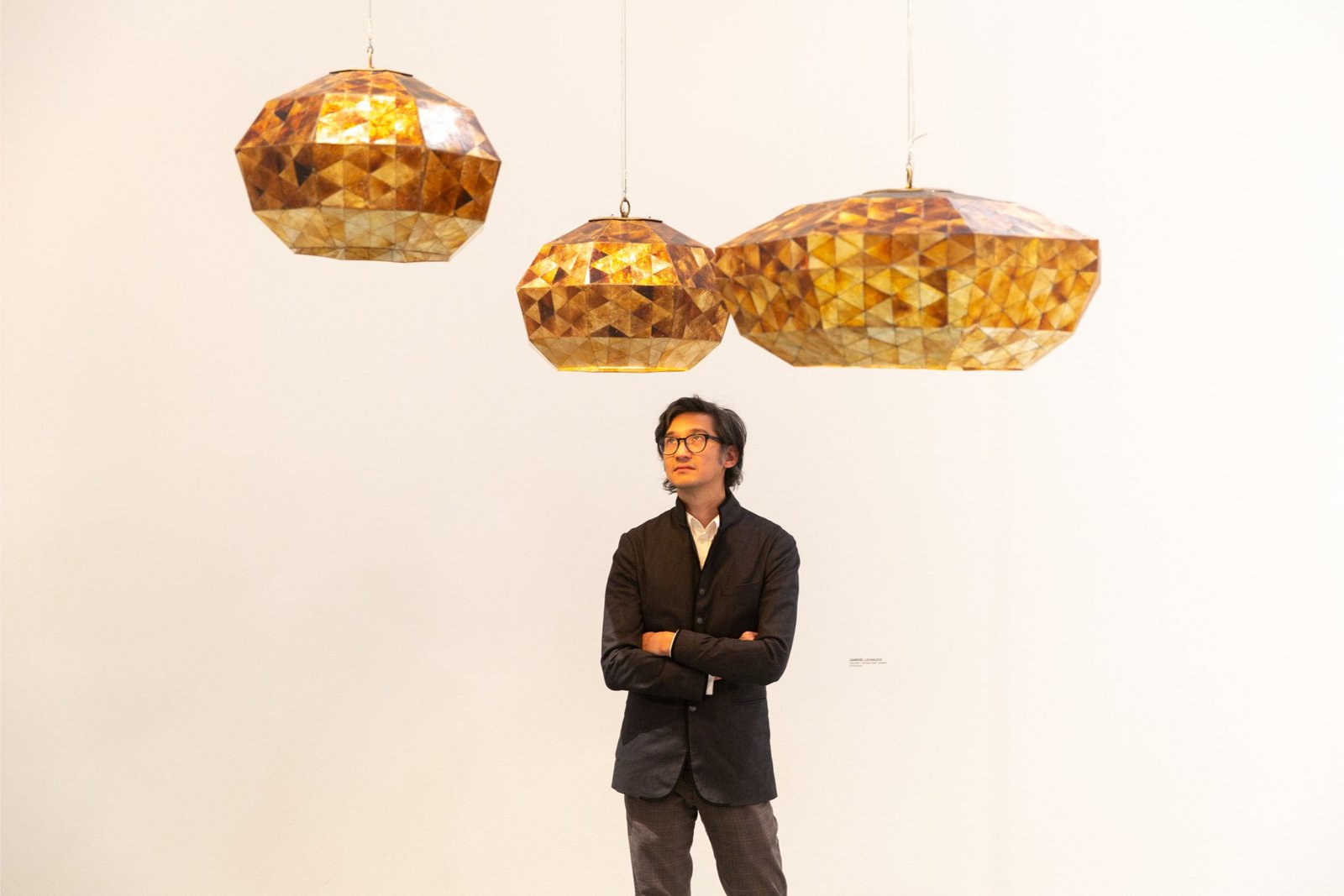
Before NEWFOLK had a name for the streamers strung across its space at Jia CURATED 2026, industrial designer Gabriel Lichauco had a memory: a bar in Paris after a show, too many drinks, a cab window rolled down, someone shouting a word into the street until it turned into a private joke among friends abroad. That word, kabayan, or ‘fellow countryman,’ has become the thread that runs through the collective’s showcase, entitled Tomorrow, which features eleven designers, ten heritage manufacturers, and twenty-seven objects.
Lichauco founded NEWFOLK in 2015 as a loose gathering of industrial design contemporaries given room by the DesignSingapore Council. A decade later, revived after he watched a younger generation of Filipino designers find their footing online, it returns to Jia CURATED, the Bali-based design festival built around Southeast Asian craft and community, carrying the Philippines’ spotlight-nation designation.
Lichauco is precise about the meaning he intends. He isn’t reaching for the loaded label of overseas labor that kabayan can sometimes carry. What he means is more intimate and personal: the comfort of recognizing someone as Pinoy before anything else, in a place where you’re both strangers. “There’s humor in it,” he says of the word’s history among his own circle, “but there’s also a fellowship, a community, surrounding it.”
On why kabayan came before craft
NEWFOLK’s country ‘pavilion’ is surrounded by a curtain of ribbons emblazoned with a word about kinship, unexpected messaging for a design collective showing at an international festival built around craft, but Lichauco says the showcase gravitated towards it on its own. Jia CURATED’s own theme this year, Nature Weave, gave him a shared starting point across Southeast Asia’s design communities, which draw largely from the same materials and craft vocabulary. What differed, he found, was execution, and increasingly, identity.
As the individual pieces developed, Lichauco noticed the NEWFOLK designers pulling toward something more personal than “nature”: a generational identity, distinct from older cohorts, and built on peer support he had seen play out over social media and at each other’s shows. Kabayan became the word he and collaborator (and fellow exhibitor) Selena Placino kept orbiting while developing the space’s graphic language, alongside a half-remembered book from their youth, Griffin and Sabine (1991), which was told entirely through letters and postage stamps. The two ideas, countrymen abroad and correspondence sent slowly, merged into stamps, dates, and stickers to be applied to the display boxes (which are reminiscent of balikbayan boxes) of the twenty-seven pieces themselves.
He credits the show’s modest budget for leaning into this uniquely Filipino conceit: the practice of relatives abroad sending regular supply drops, or a box of foreign goodies carried home, to family in the Philippines. “The challenge of budget became a blessing for us,” he explains, as it pushed the collective toward something he considers more distinctly Filipino: unbridled in color and material use, embracing what makes them unique beyond the merely aesthetic.
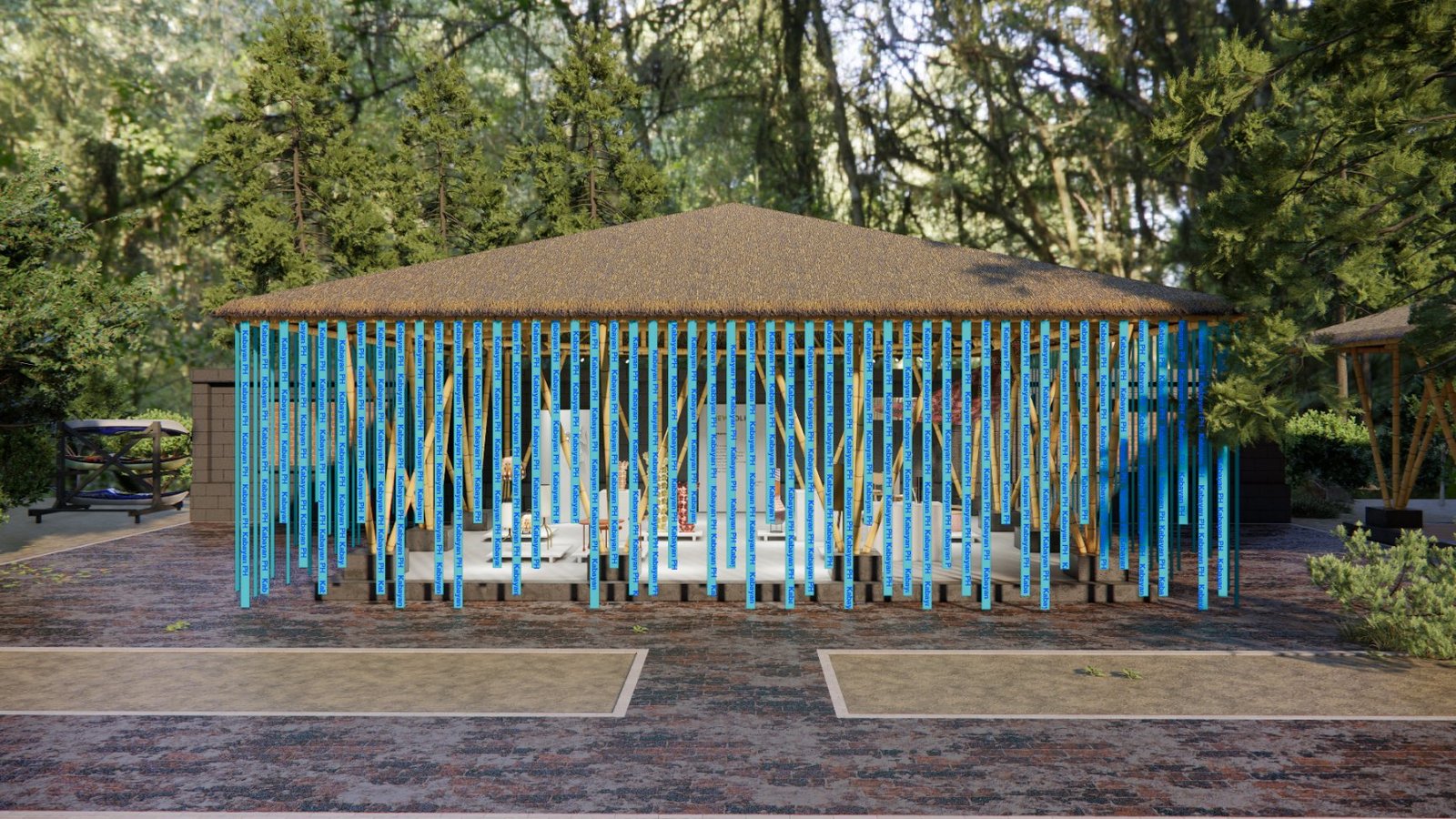
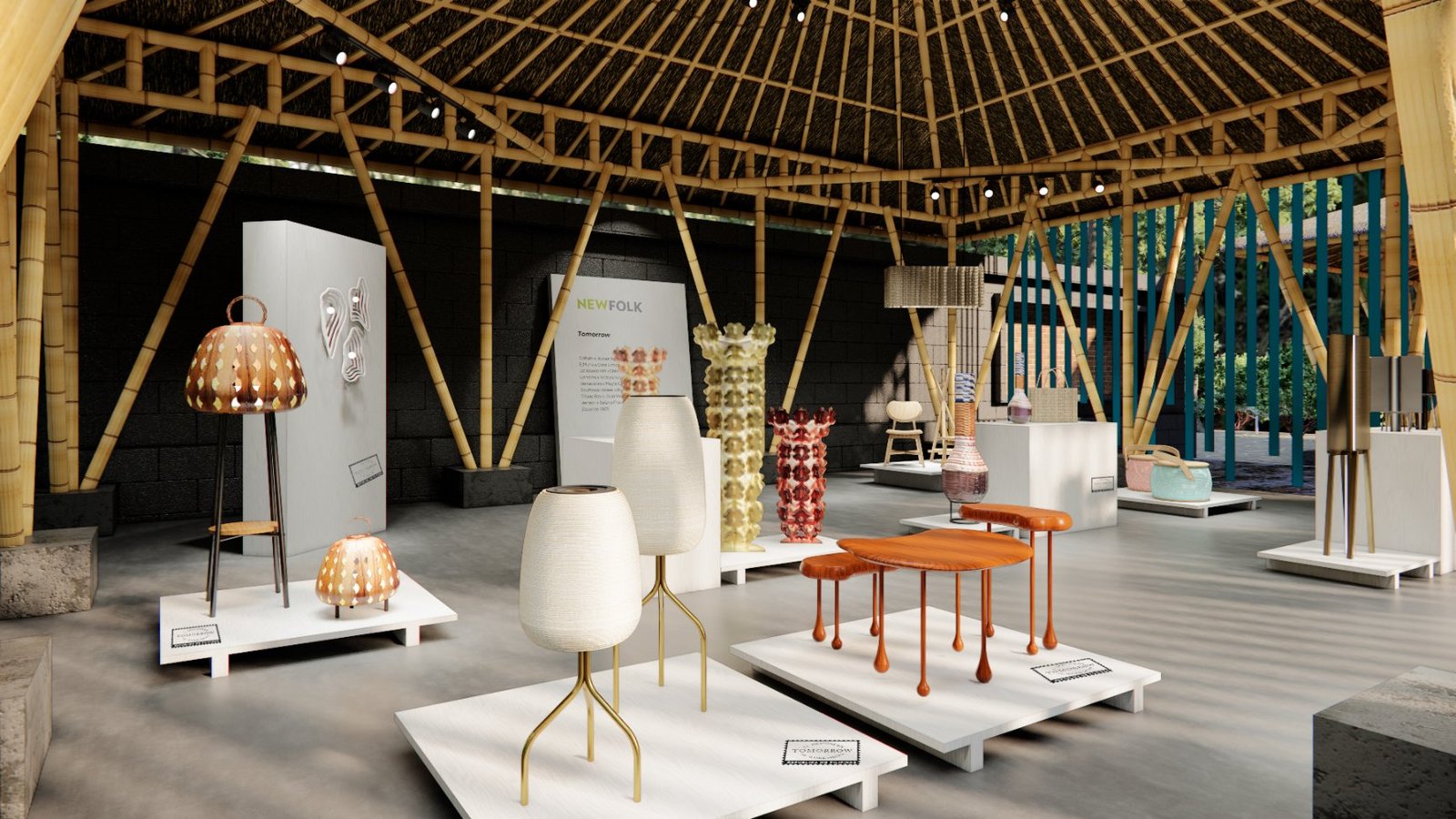
Lichauco is blunt about what he believes Jia CURATED offers that a larger furniture fair doesn’t. “It’s not a trade show, to begin with,” he shares. “It’s really mostly a cultural show. Secondary selling comes after.” The festival’s own architecture seems to back him up: delegations build individual pavilions along the open-air beachfront, steeped in the same culture of camaraderie it asks participating designers to represent, a step removed from the even coldness of a convention hall lined with repetitive rented stands. For Lichauco, this shift in venue is a shift in what a first showing is for. Newfolk shows up to be introduced; the deals, if they come at all, come later, once the connection is made.
NEWFOLK’s press materials describe the Tomorrow collection as a personal letter from the Philippines to the world. The audience the 51-year-old designer pictures reading it skips market and demographic entirely: a stranger, anyone encountering Filipino design for the first time, or the first time in years. He wants the collective’s reach to outgrow the limits of algorithm and existing community, and for what reaches them to read like an invitation for conversation, not a professional pitch. Lichauco gestures to the experience of receiving a physical letter: opened from the top, ringed with stamps, inviting a pause from the reader as they unfold and read the message.
On matching eleven designers to ten manufacturers
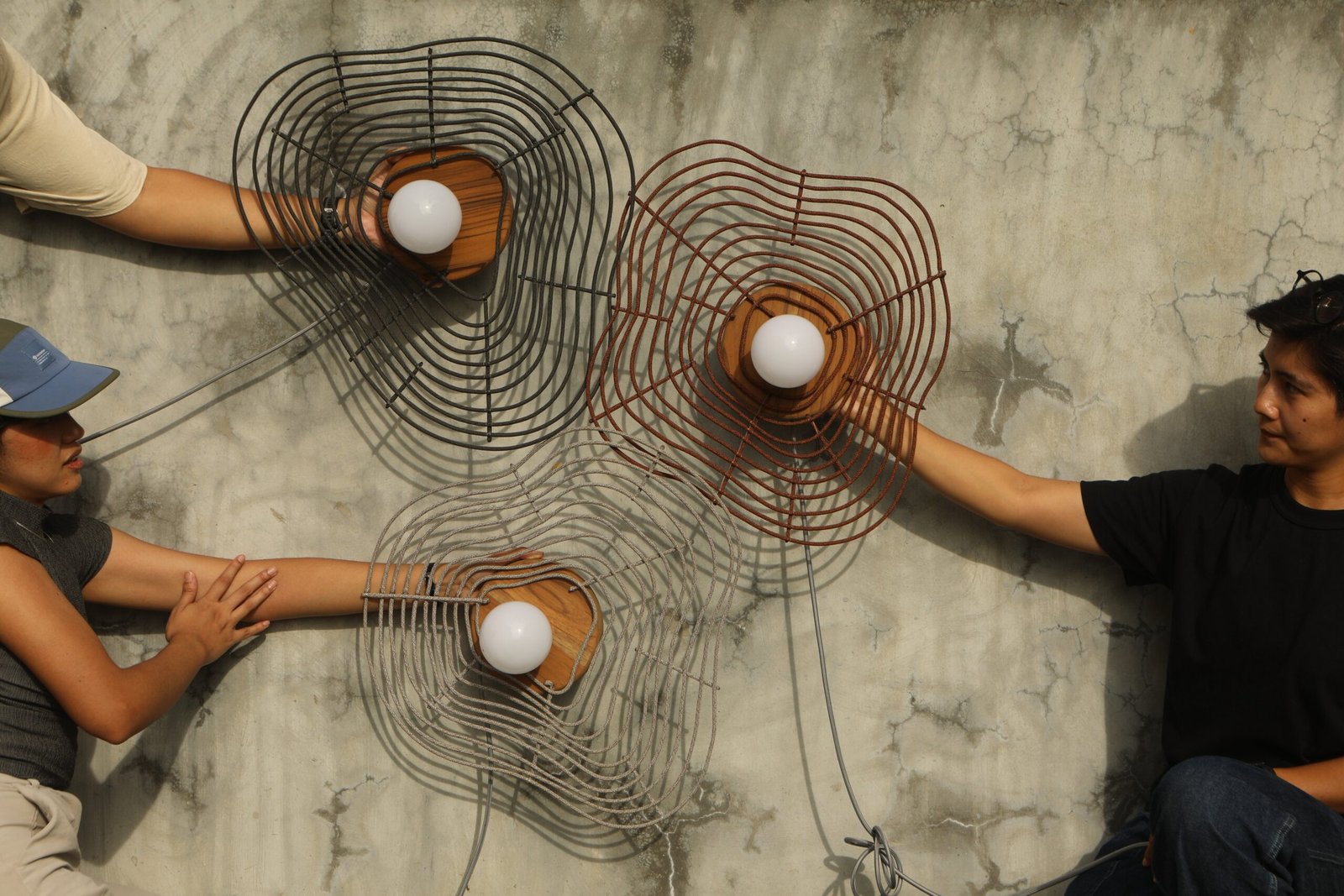
Tomorrow’s central structure, with Bianca Carague partnering with South Sea Veneer, Chini Lichangco with JB Woodcraft, Jasser Aguila with Calfurn, Meyte Szita Chan with S.C. Vizcarra, and the rest of the collective’s pairings, was a matter of chemistry. Some matches, according to Lichauco, made themselves: Carague specifically requested to work with South Sea; Aguila’s prior grounding in rattan made Calfurn a natural fit. Others he built around relationships he’d cultivated with the manufacturers over years of working with them directly, trusting their capacity to turn around unfamiliar requests fast.
The brief he gave each pair started more conceptual than it ended: “What would nature want you to design?” It was a prompt Lichauco has been raring to give for years, an idea for a woven nest built to invite nature’s avian denizens, not more furniture inside people’s houses. He found the results didn’t quite match the type of work he imagined, and instead of forcing the fit, let the brief bend toward what the designers were producing: individual interpretations of identity, translated across mediums and materials some of them had never worked in before. Szita Chan, for example, worked outside her usual palette of capiz shell. She spent time observing weavers at S.C. Vizcarra and came away pulled toward a local binakol textile technique.
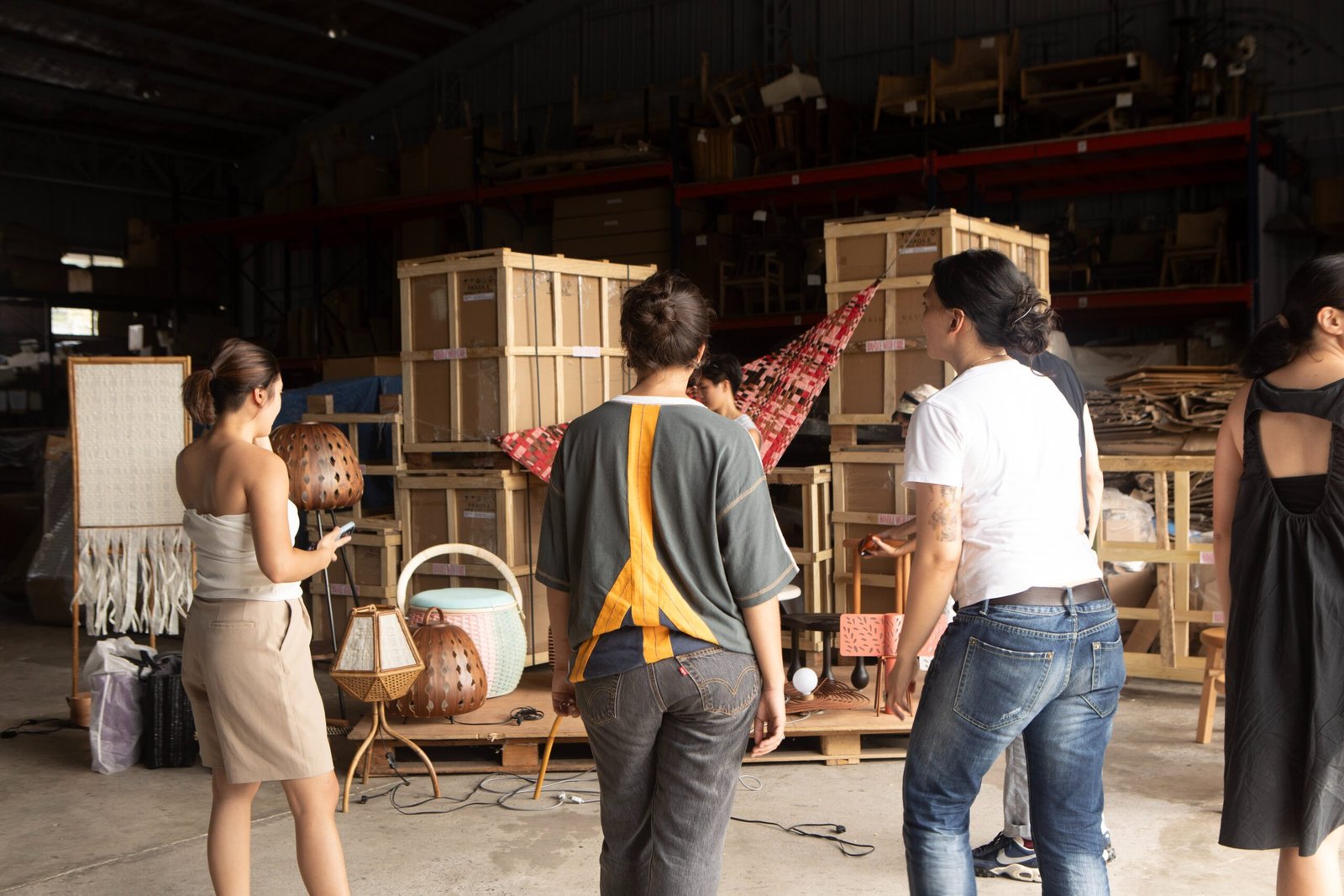
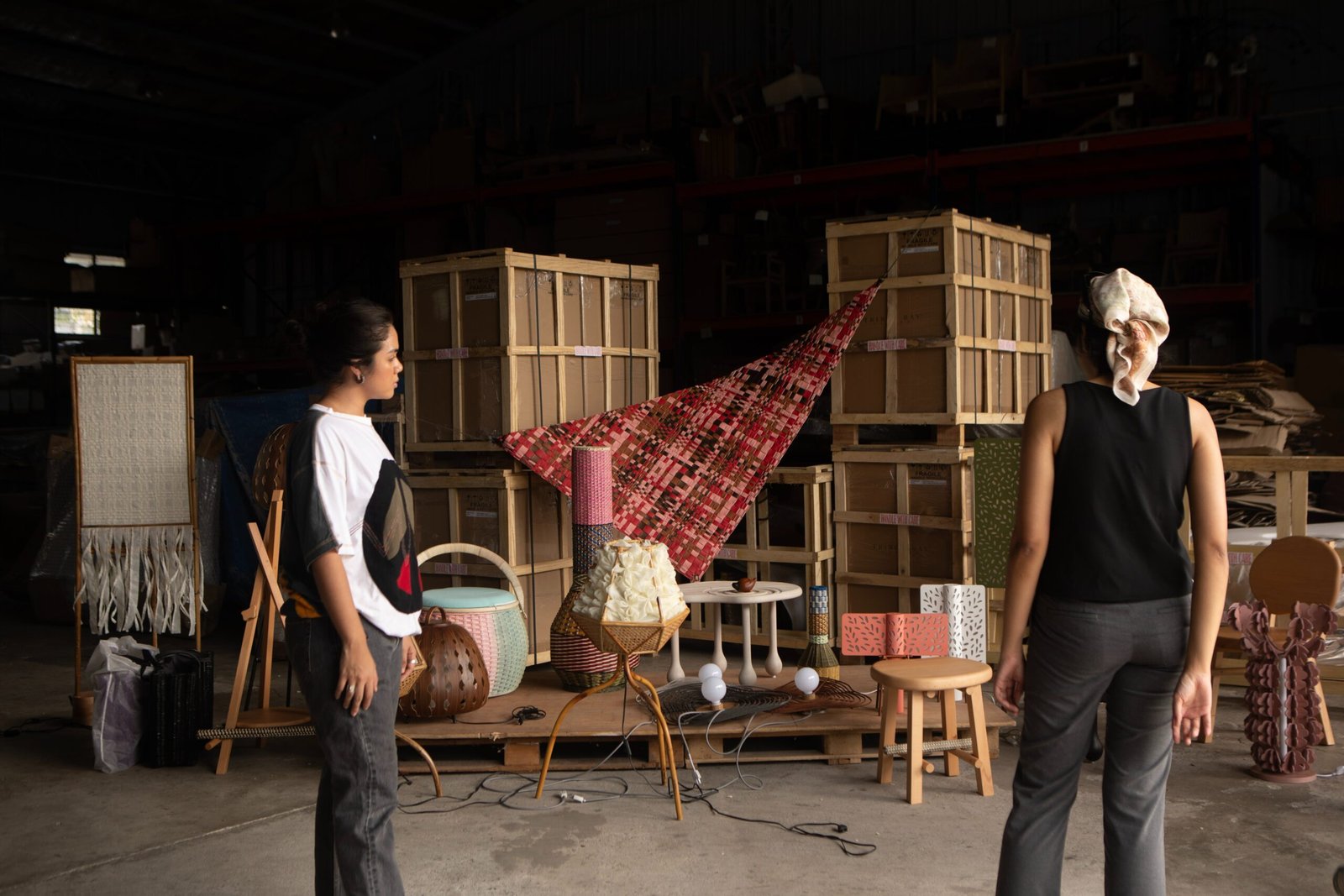
The fixed constraints, in the end, were practical: a shared ninety-square-meter footprint for the country pavilion at Pengembak Beach meant every collaboration needed roughly equal representation, and shipping costs favored smaller, lighter objects, which is how the collective arrived at twenty-seven pieces instead of ten or eleven larger ones.
Preparations for Jia CURATED
On the freedom he gave, and its cost
Tomorrow casts the objects as vessels for memory and longing, a heavy ask for newly commissioned furniture and lighting. Lichauco is candid that not every designer arrived there the same way. “Not all. Not all,” he admits, before running through the range: some worked from childhood memory, some from pure imagination, some, like Carague, from a first attempt at an unfamiliar process that became a journey of discovery.
What he gave every pair was a loose brief and no further instruction, a decision he frames as a gamble learned from watching senior curators work: give people room, and trust that the room itself raises the stakes. “I invited you because I know you can deliver something unique, something different,” is how he describes the trust he extends to each designer at the outset, and the flip side he accepts as the job’s real risk: handing over a concept without any guarantee of what comes back.
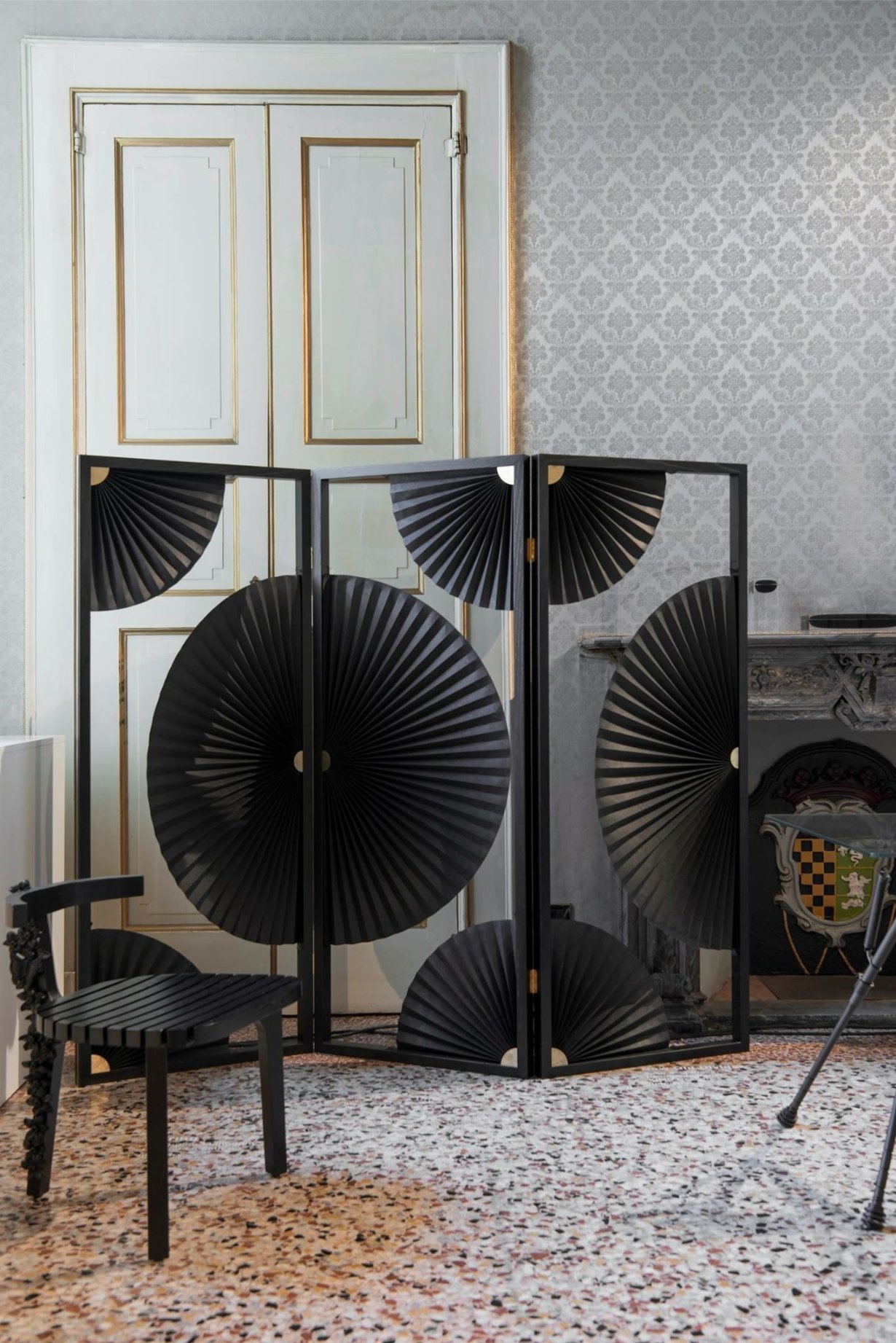
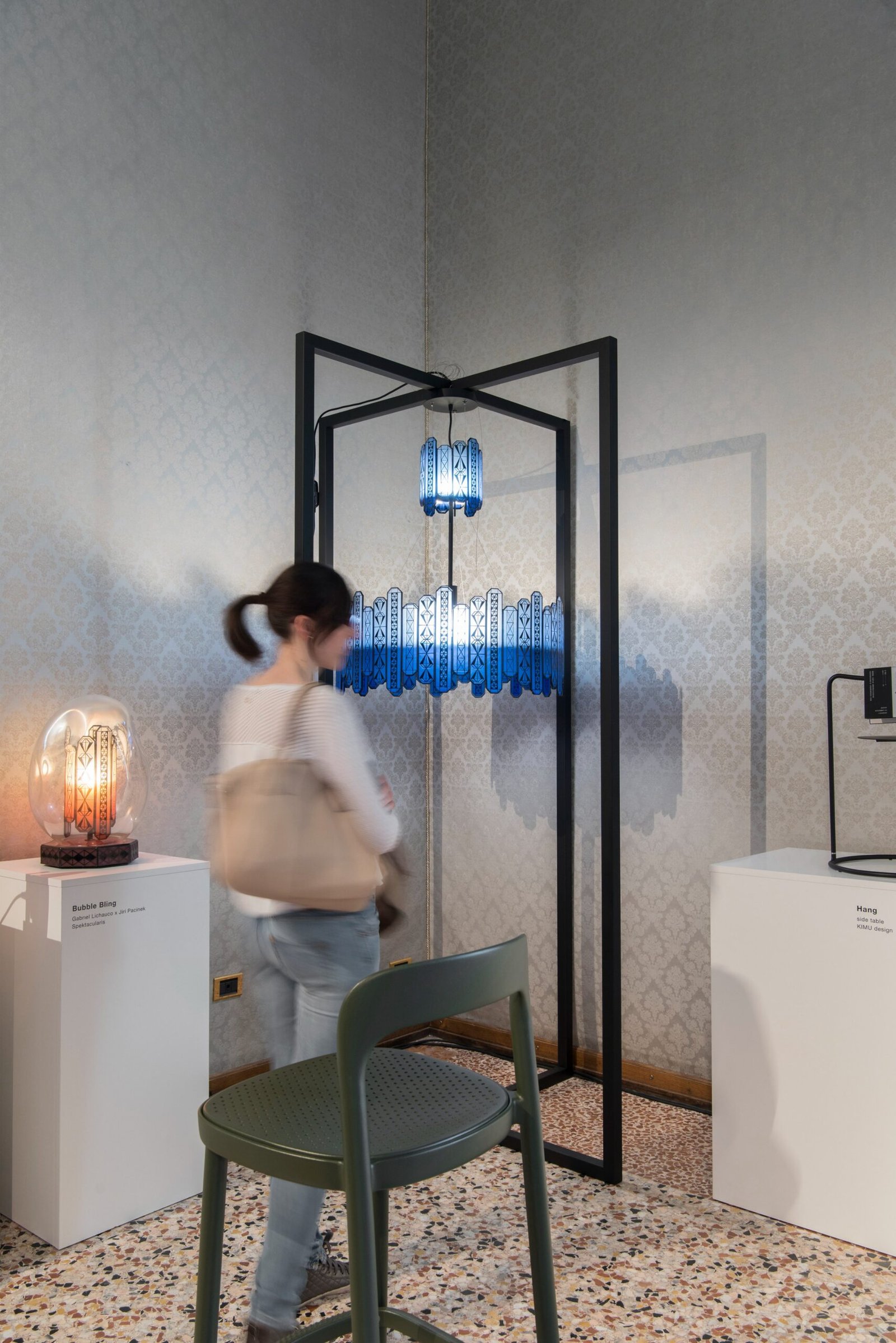
Above: Nazareno/Lichauco at Milan Design Week, 2017, Below: Nazareno/Lichauco at Milan Design Week, 2016
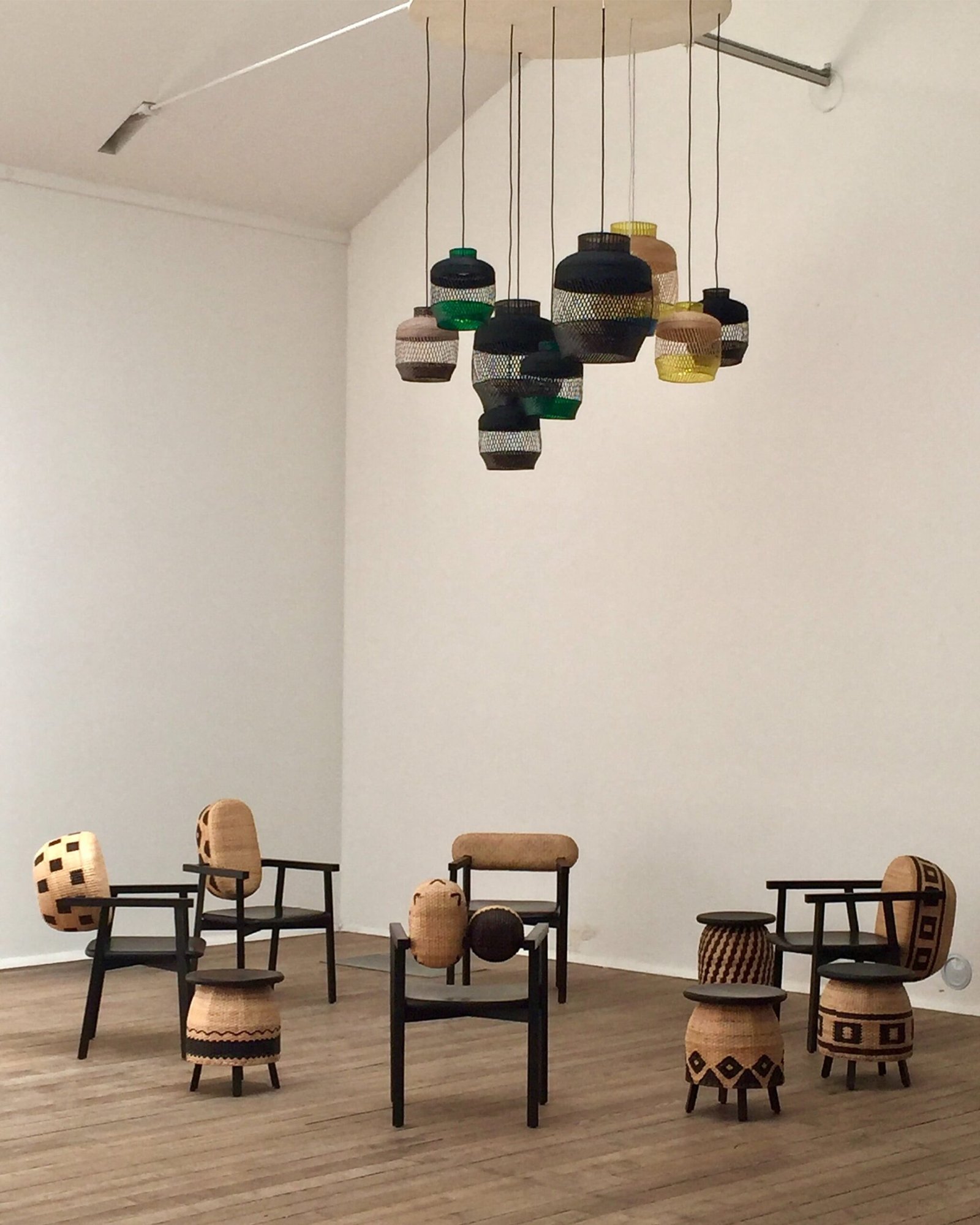
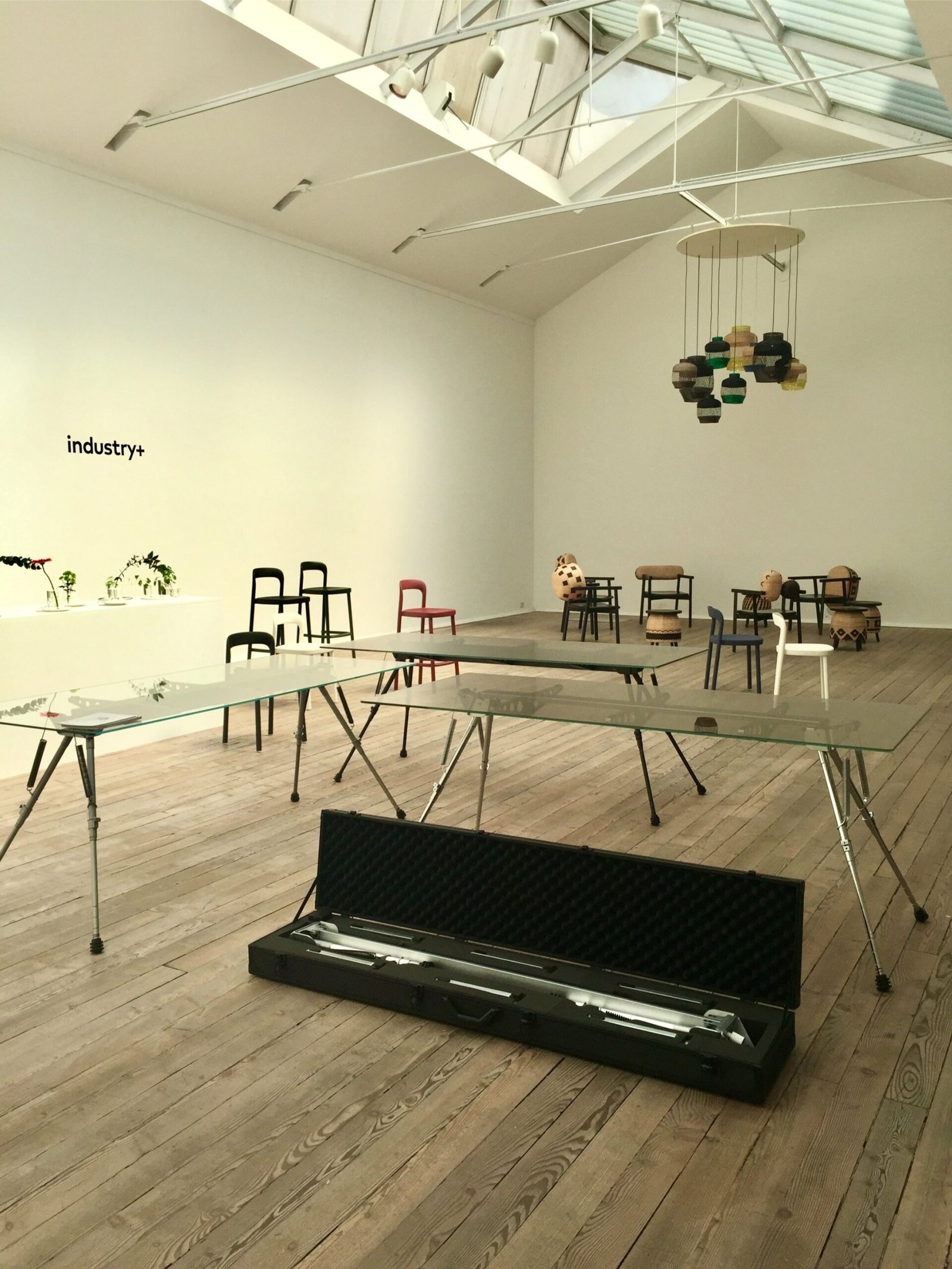
On what a stranger should notice
What Lichauco wishes first-time, non-Asian visitors to register about Philippine design starts with something already obvious to Southeast Asian peers but invisible from our friends much further away: color first, an aesthetic instinct toward saturation and abundance he considers distinctly Filipino.
The philosophy behind this penchant for color runs deep. Filipinos, he says, absorb constantly, culturally and aesthetically, whether through social media or multiple travels (our 72nd ranked passport notwithstanding) around the region and beyond, and the design that results, filtered and coalescing with local material and craft, is its inevitable application. Filipino designers are veritable sponges, Lichauco adds, taking in as much as they can and translating it into something distinctly their own.
He is direct about the line he draws between mimicry and adaptation, pointing to designers elsewhere who openly cite Japanese references without apology, and arguing the same latitude should extend to Filipino designers doing the reverse. “The question is: do you own it?” is how he puts the real test, distinct from whether an influence shows at all. He’s equally direct about the trap on the other side of this equation: building an identity by sealing it off entirely, and by extension, cutting off the exchange that keeps it from evolving.
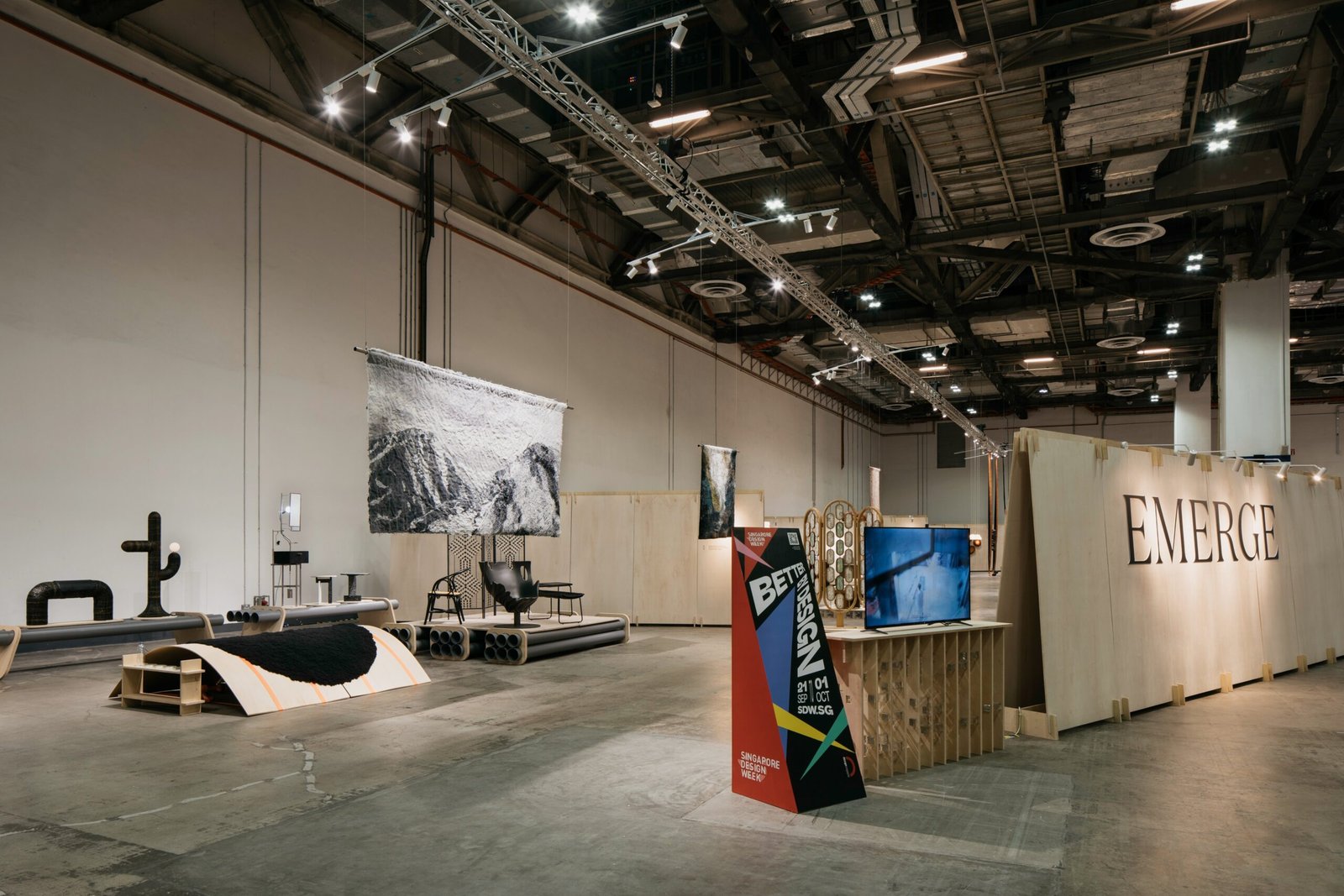
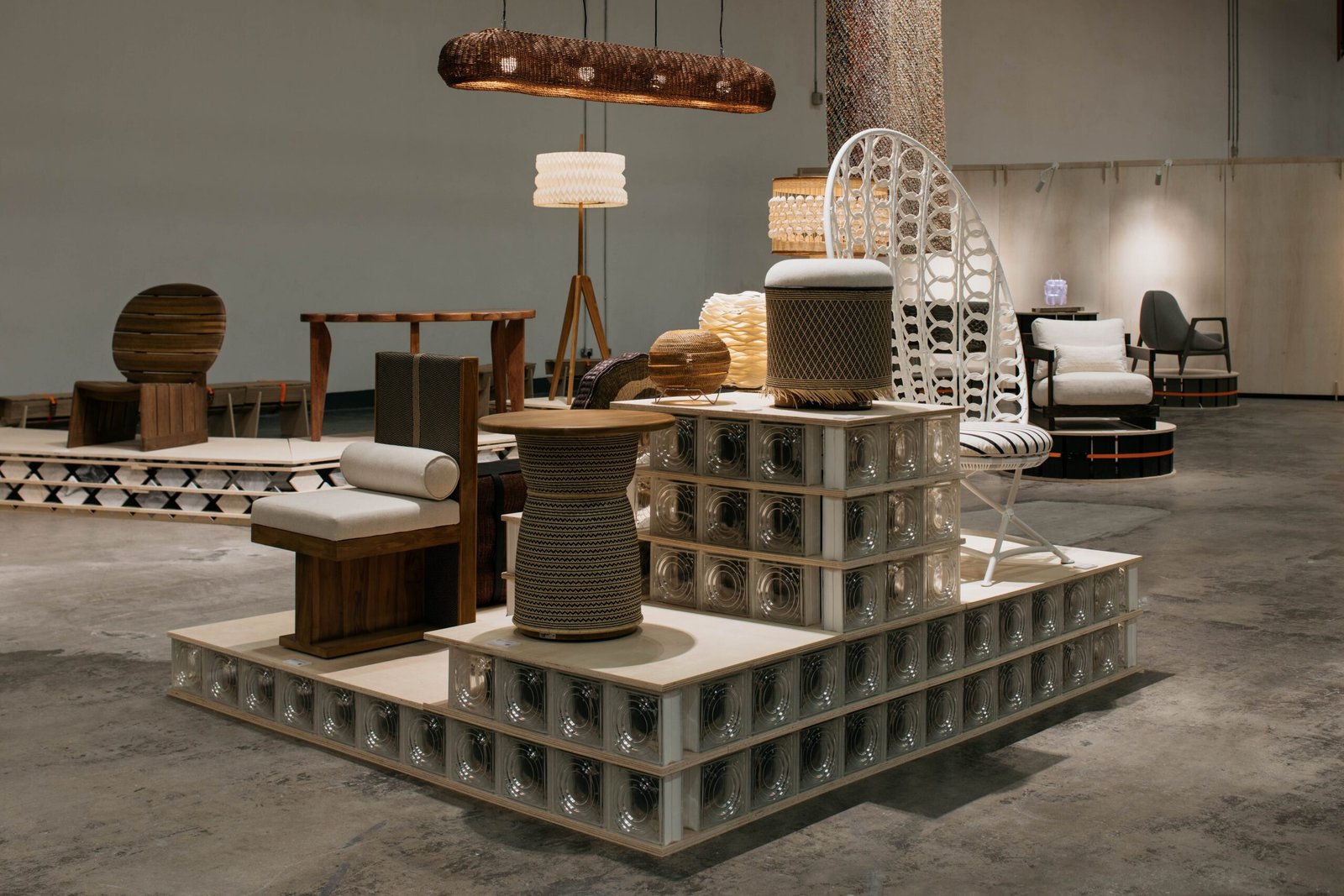
Nazareno/Lichauco at EMERGE 2024
On curating a show he’s also part of
Lichauco shows in Tomorrow himself, as one half of design duo Nazareno/Lichauco (with Emmy-winning TV producer turned Creative Director Rita Nazareno), paired with woodworking outfit Lamana and with hand-woven goods purveyor Zacarias 1925, while curating the NEWFOLK collective. He treats this overlap as a non-issue mostly by keeping his role small: “It’s more of a supportive role. I would put it that way,” he says of his own contributions; most of his ideas for the collaborations were already in fruition even before the invitation to Jia CURATED arrived. “I want to join my designers in the show not just as curator but as peer,” he adds.
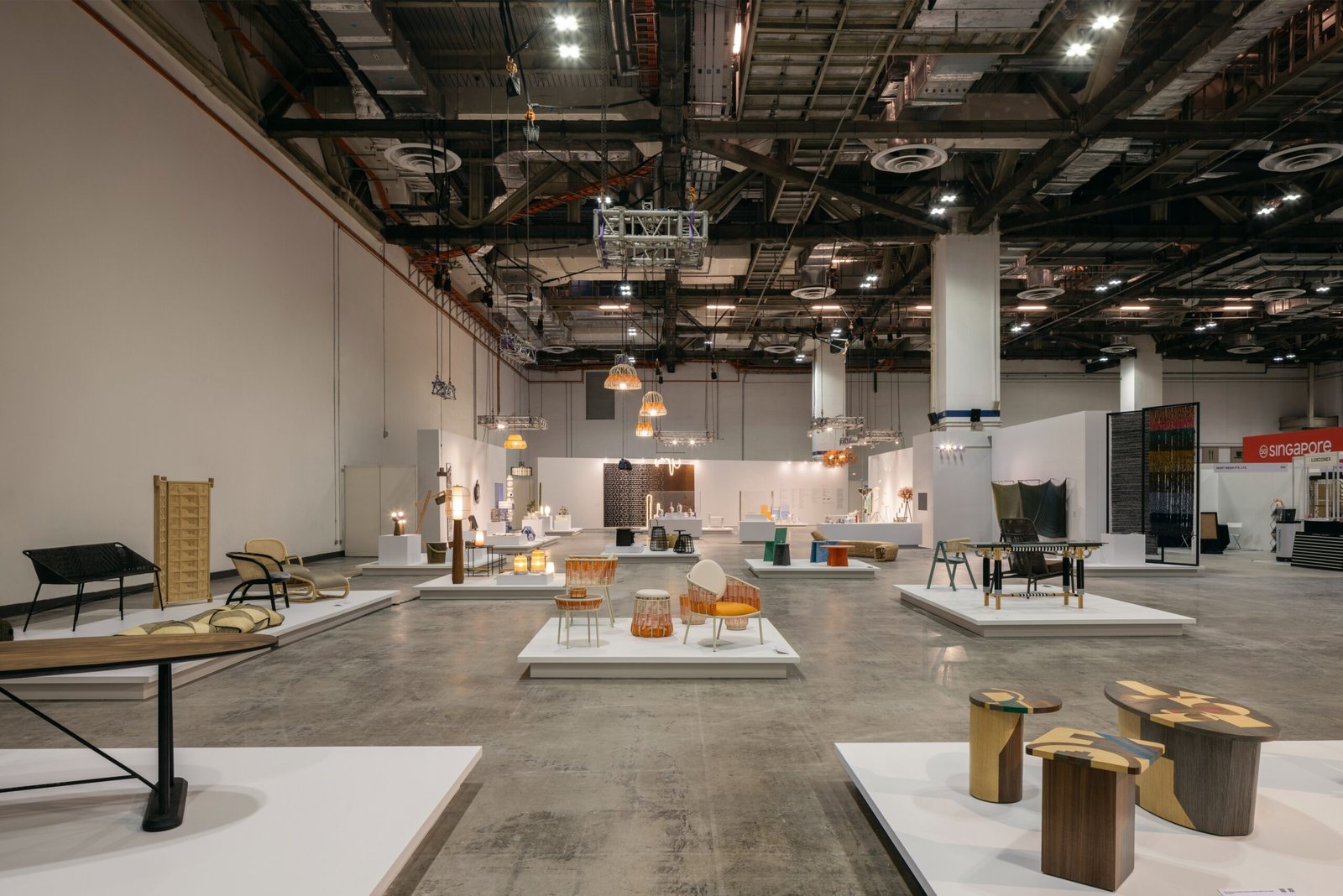
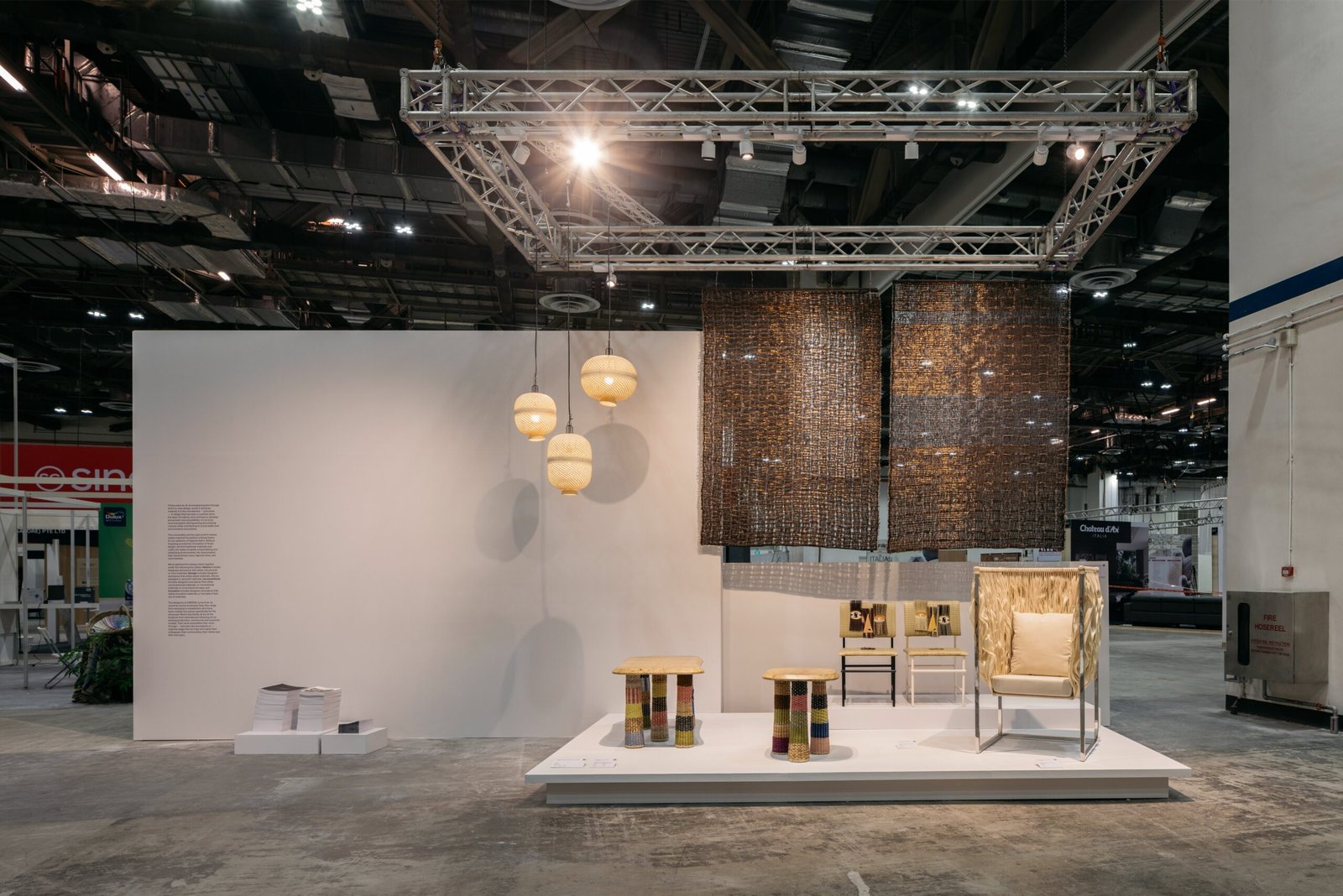
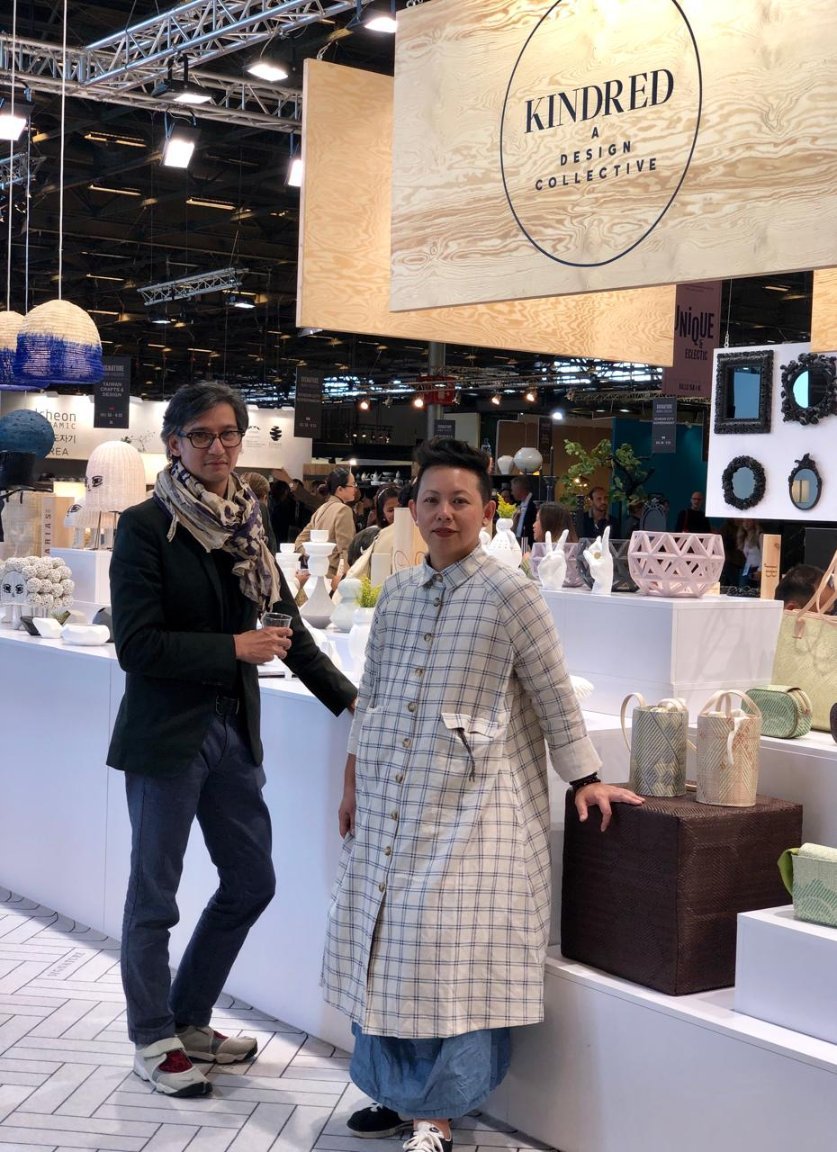
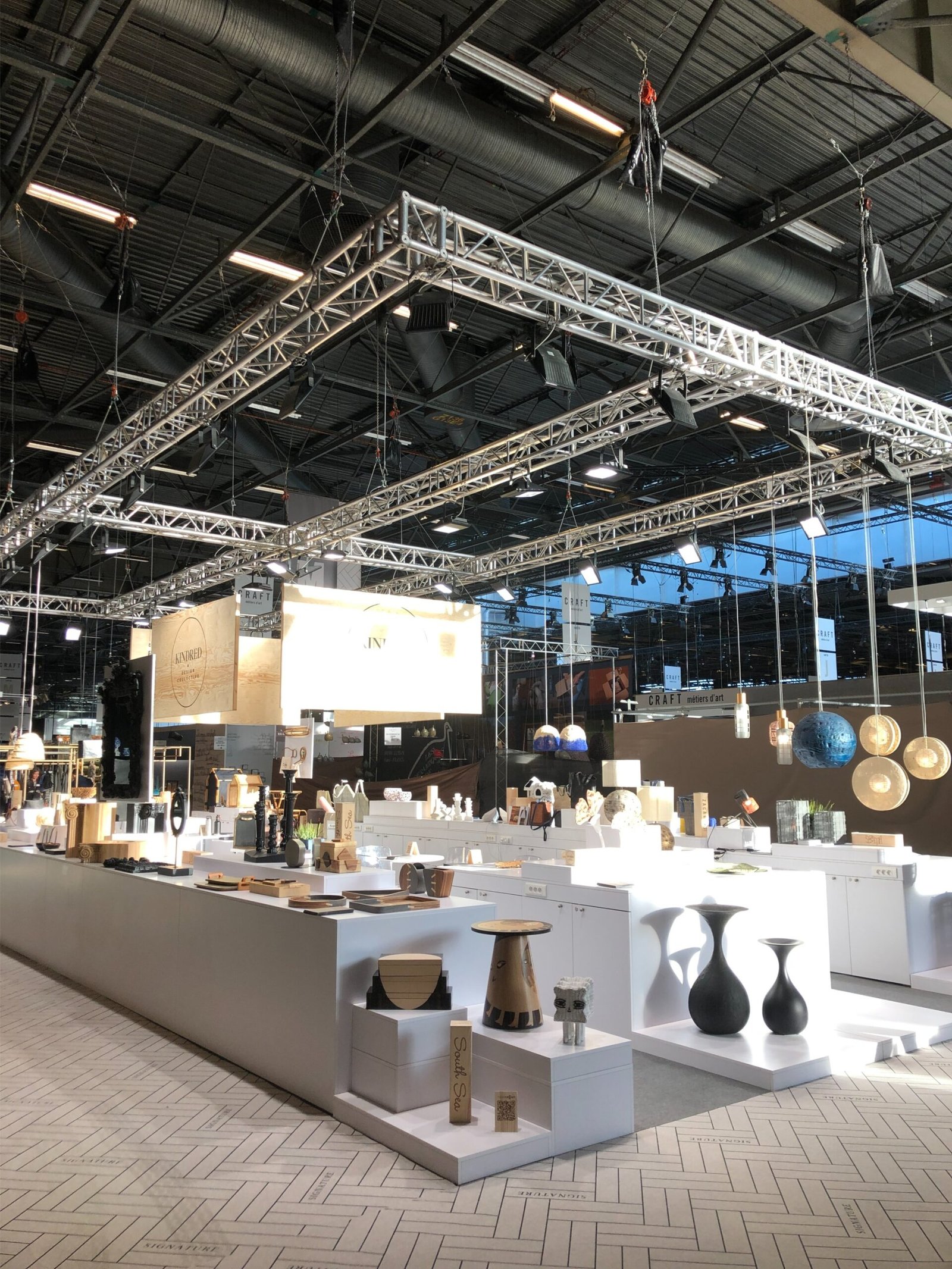
Above: Nazareno/Lichauco at EMERGE 2023, Below: Gabriel Lichauco with Rita Nazareno at Maison & Objet, 2019.
On NEWFOLK’s decade, and what comes after Jia
NEWFOLK began in 2015 as a handful of contemporaries, among them Lilliana Manahan, Stanley Ruiz, Rita Nazareno, Tisha de Borja, and Wataru Sakuma, working together to banner the country at Singapore Design Week. It was a personal project more than a platform, and it lapsed for years as Lichauco moved on to other work at his own Openstudio. Its revival tracks against something he started noticing around 2020: a new generation of Filipino designers posting their work and process publicly, developing individual practices in a local scene he saw shifting away from an earlier association with graphic design and craft-as-souvenir, toward something with more traction and awareness.
What he wants from the platform in its second coming sits more with the designers around him rather than his own visibility: recognition for the collective, for each individual maker within it, and the international contacts he credits with getting NEWFOLK into Jia CURATED in the first place. Those contacts trace back to the same idea he applies to Jia itself: the business card before the transaction. He points to years spent showing at fairs like Salone, Maison&Objet, Ambiente and imm cologne, running into the same circle of designers show after show. He’s matter-of-fact about his own long-term place in the design scheme of things. “I’ll be retiring from all this eventually. It’s tiring,” he reflects, and hopes the network gets handed off instead of staying tied to him.
Ask him if that means more NEWFOLKs are coming into the fold, Lichauco’s answer arrives without hesitation. “Hopefully, hopefully,” he says. It hits the same way kabayan did that fateful night in Paris, leaving the door open to countrymen both known and new, an intuitive, unplanned scream that welcomes and invites, on the chance someone else recognizes themselves within its call. •