
Words and interview The Kanto team
Images Meyte Szita Chan for Senseware (Jia CURATED 2026)
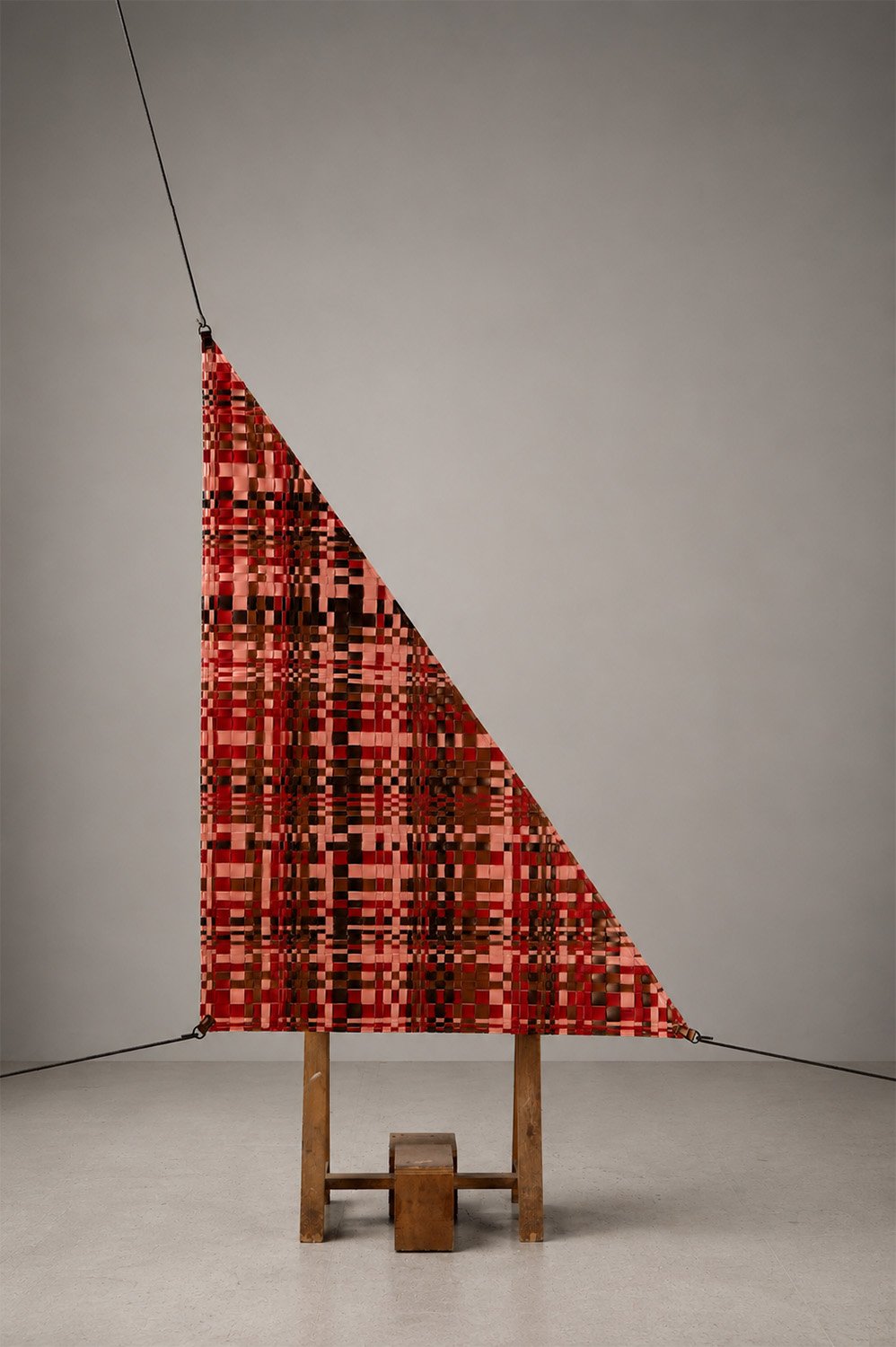
The fantastical story behind Meyte Szita Chan’s Sail seems to have taken a page out of a Gabriel Garcia Marquez or Haruki Murakami tome. Sail started with a taxi ride out of Ilocos Sur, and a stranger’s stories about home: a mahogany door carried back from Abra, a grandmother still alive past ninety, an indigenous pattern called binakol that is supposed to ward off evil spirits.
To add to this intricate web of events, this is Szita Chan’s first foray into weaving, after years of designing and producing with capiz shell, the material that has long anchored the family business and her personal brand Senseware. “I never made a pattern for a weave in my life,” she shared with Kanto, recounting the genesis of her creation. But that did not stop the itinerant designer from dabbling in the craft, bolstered even more upon observing the expertise of hardworking weavers at the legacy brand S.C. Vizcarra, whose weaving tradition dates back to 1925.
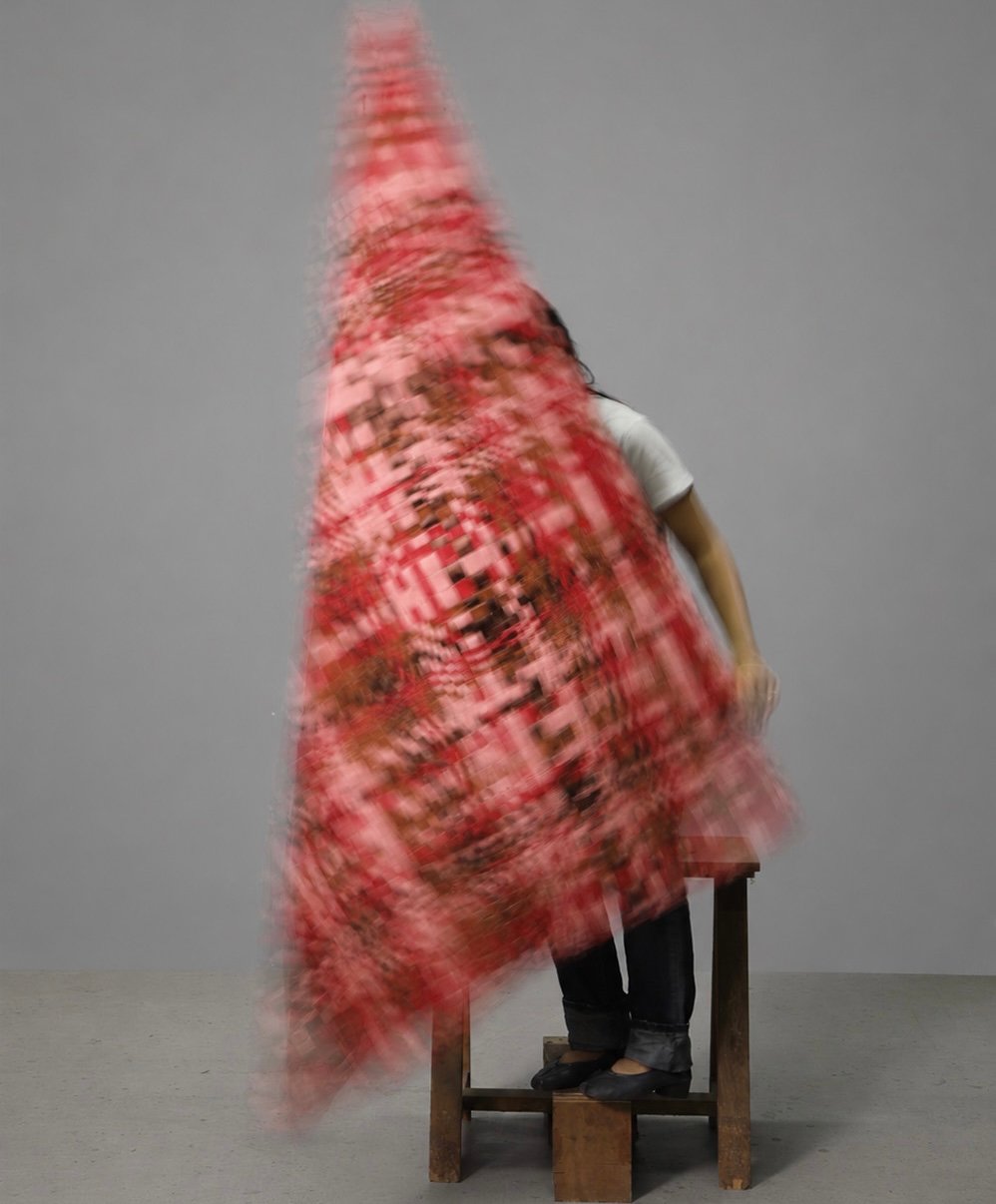
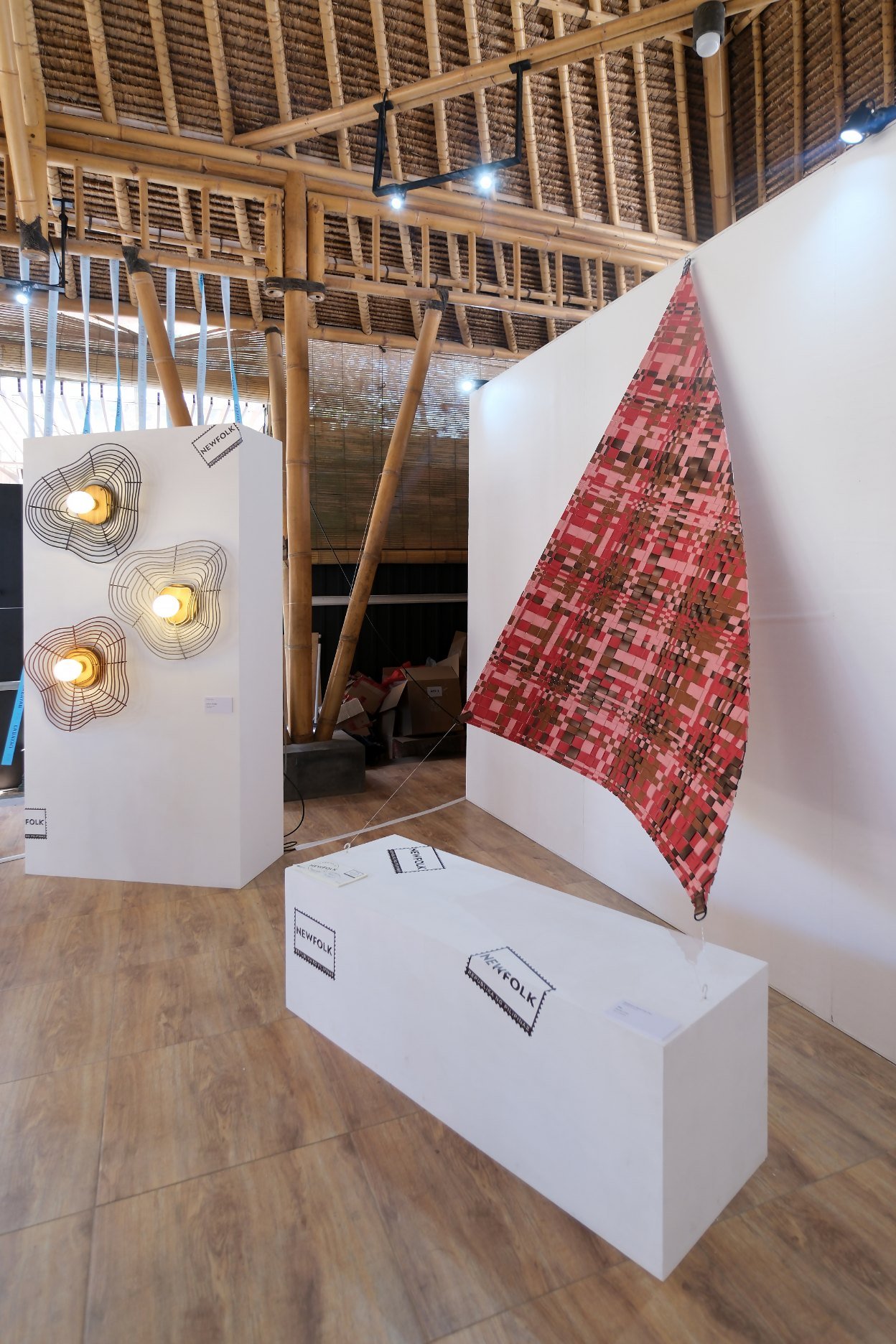
The question at the heart of Szita Chan’s offering for Tomorrow, NEWFOLK’s Philippine spotlight showcase at Jia CURATED 2026 is likely one that has not crossed the minds of many, a provocation that has made her piece more art than furniture. What happens if a binakol pattern gets corrupted?

Tomorrow’s brief asked designers to reconnect with nature and culture, but for Sail, that connection came through people rather than landscape: taxi drivers, strangers, a woman from the tribe of Abra who lived with you for a while. What was it about those specific encounters that shaped the piece?
Meyte Szita Chan: During my studies in Ilocos Sur, I met many people from the tribe of Abra, taxi drivers who would drop me off at Partas Cubao, talking about how much they missed the province, the hunting, the farming. It was through these encounters that I first came across binakol, the weaving pattern tied to the Itneg people of the region. There was also a woman who lived with me for a short time. She told me about her daughters, who were good at folk dances. One thing stayed with me through all of it, the binakol pattern itself, meant to protect. What happens if a line moved, if something was misplaced, if the pattern became corrupted? Would it still protect you?
What, however, led you to leather, a material foreign to both you and the average binakol weaver? And what informed the choice for the specific weave pattern chosen for Sail?
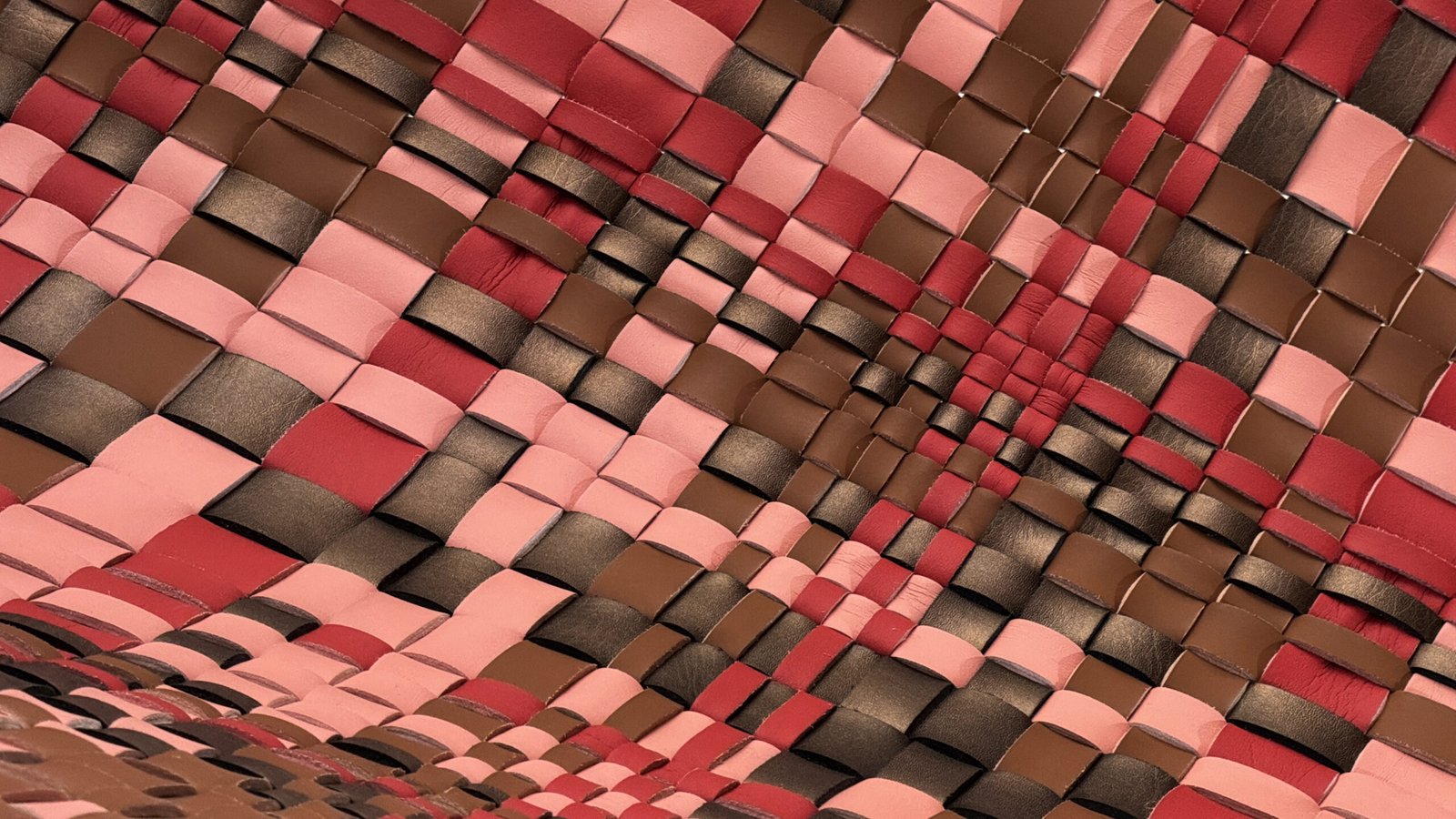
Meyte Szita Chan: This specific design is locally known as kusikus, or alipugpug. Kusikus or alipugpug has references to the wind god who needs appeasing, from the Itneg of Abra. Textiles with this design are seen on blankets and shawls, and are used as a form of protection when worn or hung (Respicio, 2014).
The meaning of the piece revealed itself to me gradually. Binakol was a pattern of protection, used to ward off evil spirits, so I wanted to feel that meaning differently: almost as if the protection is warding off, and I am now in a moment of pure vulnerability. It was like capturing a file, much like loading a game onto your console. You’re finally out of the loading page and into the real game, with hardly anything to protect you until the next milestone. That is the feeling I wanted to capture: the first stages of a new game or level, and I wanted my first exploration away from capiz to be more fun, playful, and childlike. This is also the first time I designed with color, so everything here is new territory.
It became that idea because I felt like a corrupted data file moving away from capiz. I immediately felt disabled, and with time constraints, I felt like I was in Super Mario’s dungeon, and Space Invaders music felt like that too. I had so many failed attempts, like fifteen, across three or four mediums, in different provinces too. But I was persistent with this premise of a corrupted pattern.
Also, I’m just in my era of newness. Like living alone, trying to hold the balance over everything. This is the first time I applied for a job outside my craft and held it for a sustained period, whilst also being completely out of that capiz nest, haha! It’s so much fun!

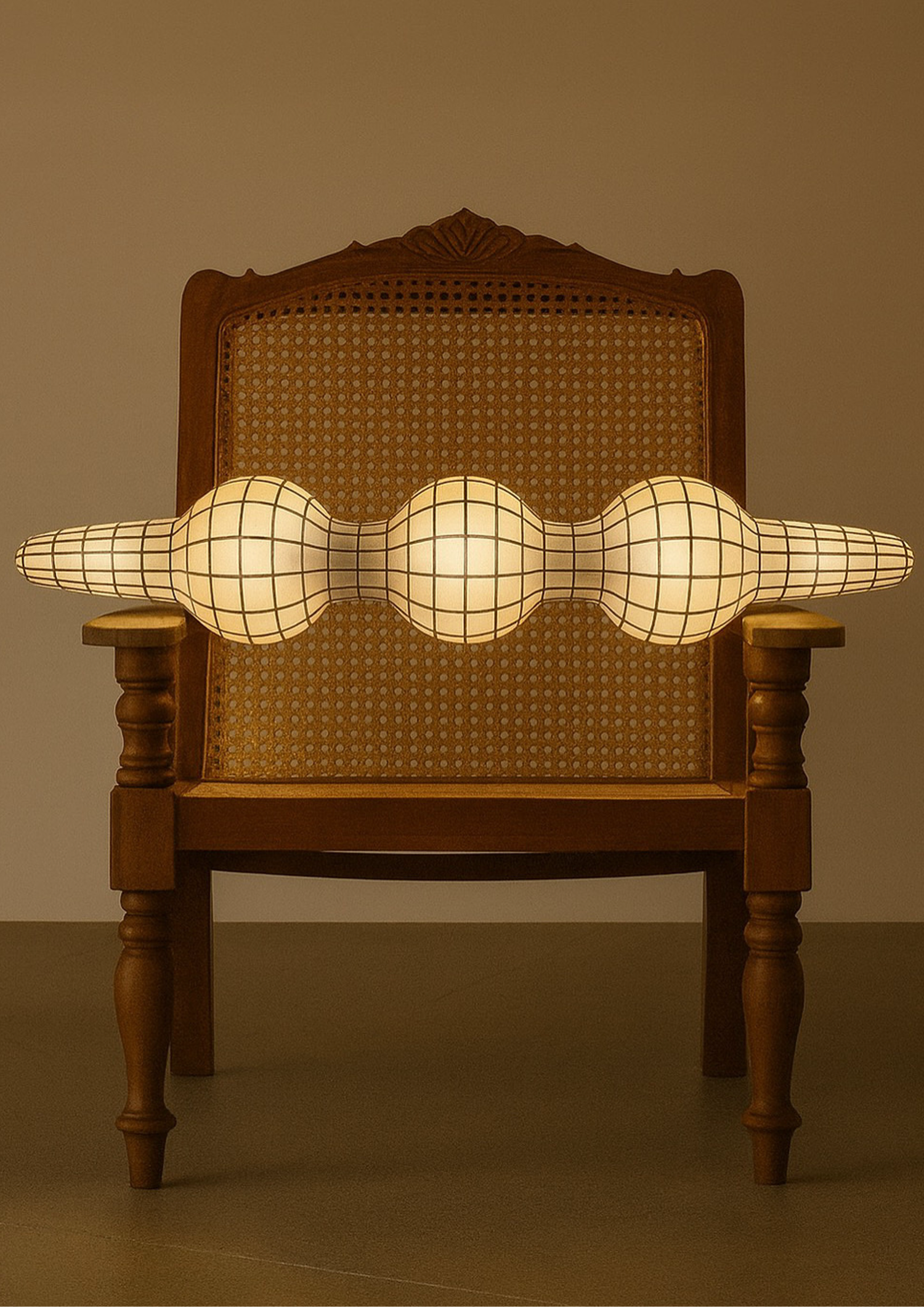
Above: Chandelier at Balay Kōbō by Senseware, images courtesy of Aya Cabauatan/Balay Kōbō. Below: Capiz work by Meyte Chan/Senseware

Tomorrow encouraged a pairing between a young designer and a legacy maker. What did you each have to learn from the other?
S.C. Vizcarra: The design started out as a different form, but once Meyte visited the S.C. Vizcarra workshop and saw the different weaving patterns possible and our leather capabilities, it transformed into what you now see today.
Meyte Szita Chan: I never made a pattern for a weave in my life, haha! I could not even imagine how to start it. It was a new language, and I felt so trapped because I could not make a single pattern. It took me a while to get the hang of it, especially when I tried using a dot grid, and funnily enough, I could not make a pattern on a blank grid or even in Photoshop. So, I had to get my colored pencils out and literally color in some dots and grids by hand. Eventually, I had to scale it up on Manila paper, and even then I was still pretty much lost. But the work transformed over time, and I didn’t stop the weavers from changing it, because I was new to their game.


Sail builds on a binakol and OpArt-referencing collection your workshop developed years before, but Sail’s deliberately unstable, “corrupted” version of the indigenous pattern was new. How did your team approach that specific premise?
S.C. Vizcarra: We used both leather and a leather chair cane combination in previous iterations. For Meyte’s idea of the unstable pattern, it was an interesting test for us to use a number of colors and widths. We are always pleased to work with dynamic younger designers such as Meyte to help push contemporary Philippine craft.
Compared to everything else in the show, Sail is more a freestanding artwork than a usable piece of furniture. Was that deliberate?
Meyte Szita Chan: Yes, it was deliberate. It was the same way I looked at the fabric and thought of its limitless possibilities. I wanted it done the same way, but with this rendition. Gabby [Lichauco] told me to head that way and make it a tapestry, even though I squirmed through the idea like a worm with salt. But yeah, gotta listen sometimes. It also gave me more freedom on the digital platform. I’ve been having fun exploring my artistic language this way. I’d say it’s taking some drastic changes, but maybe I’m too conservative in my own lens. I’ve been trying to live my life more, tap into my own maturity, but I’m still a child when it comes to design.
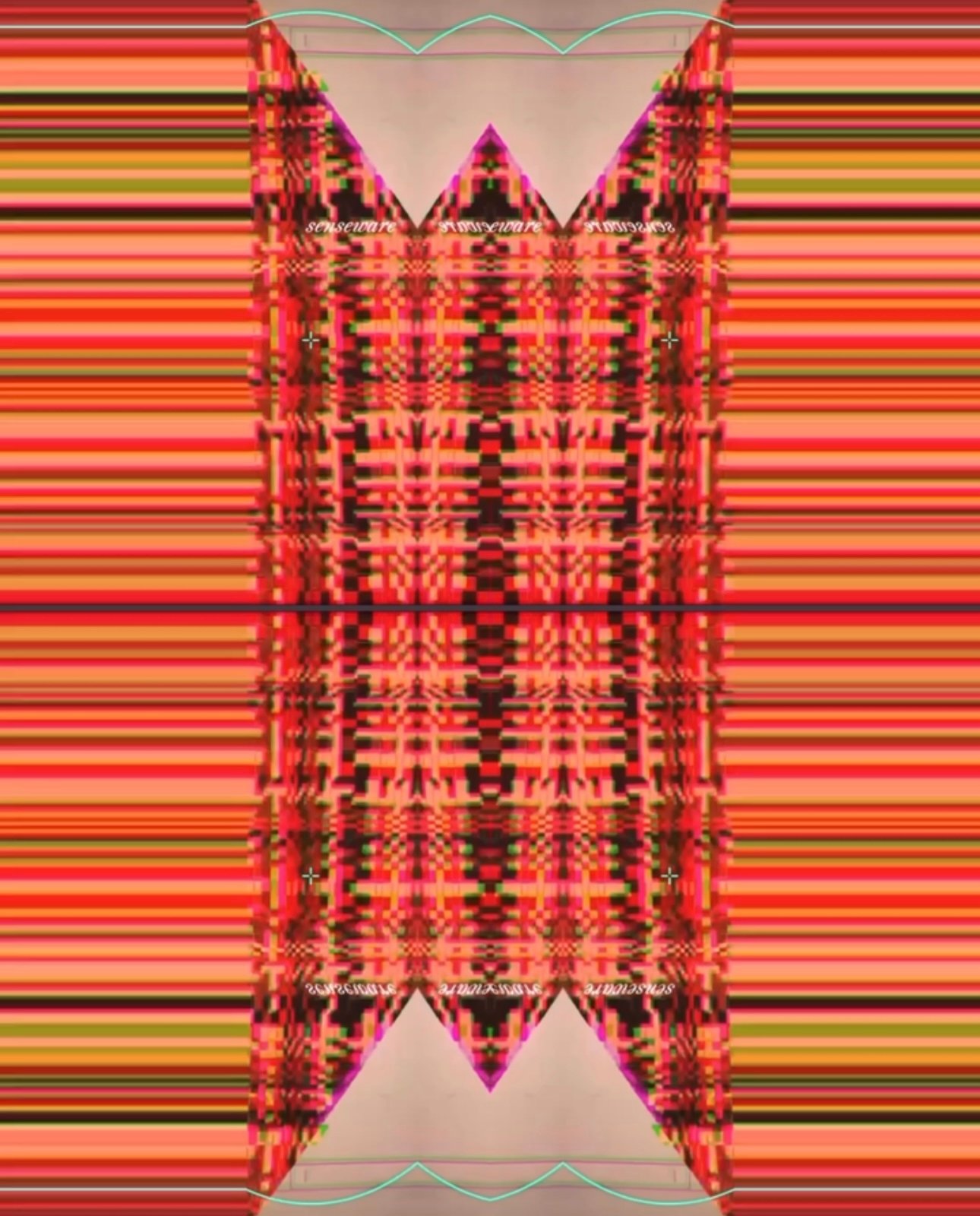
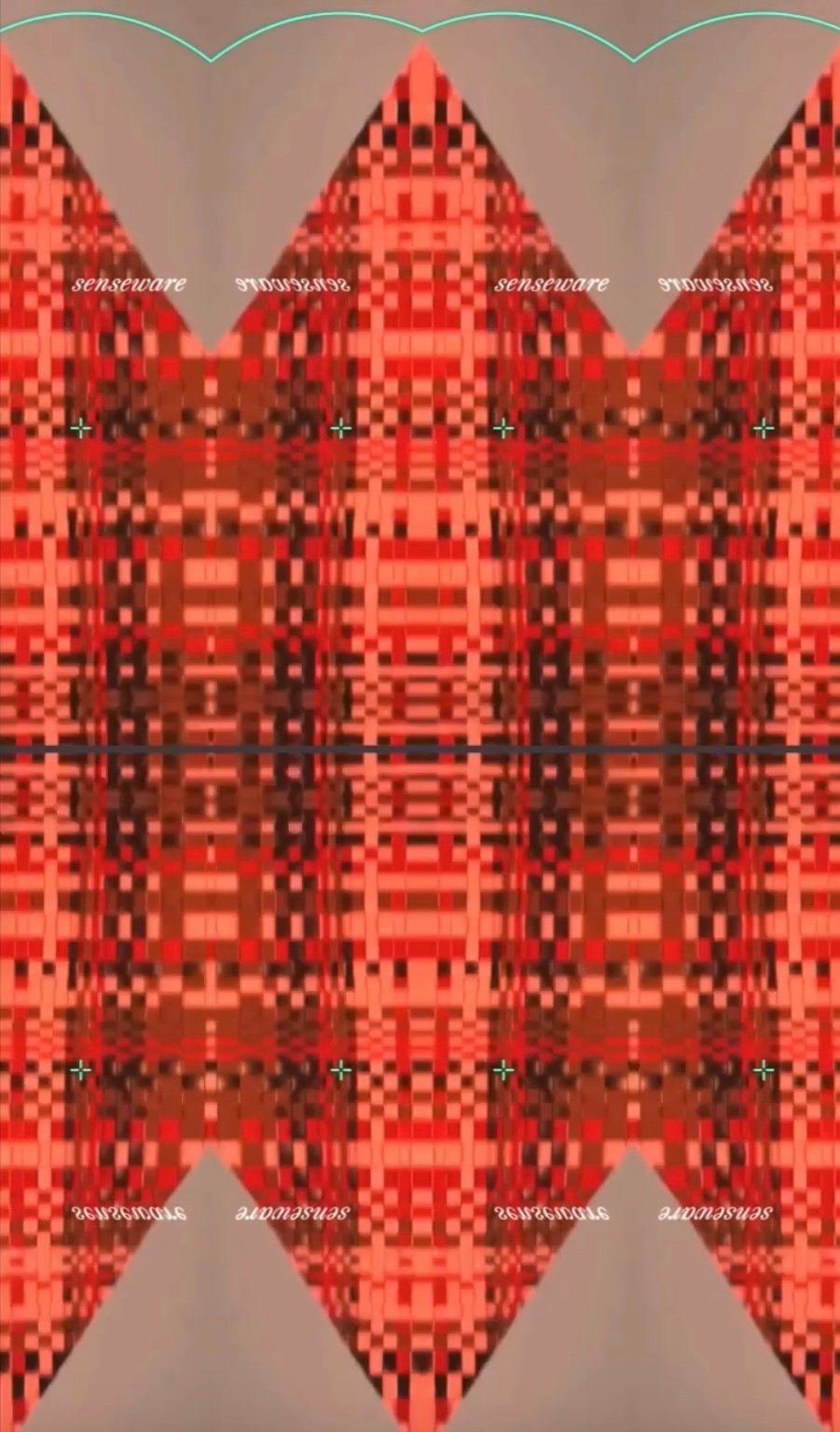
Given its context and interplay with your personal experiences, why translate the binakol into the shape of a sail?
Meyte Szita Chan: I’m floating my own boat, haha, ownership! It is giving crab out of water. Initially I wanted the sail to have different shapes forming, but that couldn’t be done. Then I came across some furniture that Rita [Nazareno] and Gabby had made, and it was like, aha, I found my yellow brick road! I then experimented with more color blocks. Now, I’m starting to design and experiment across multiple mediums. I have also started weaving my own patterns, so I can better grasp the idea, as well as weave and knit, though that’s a longer stretch. Textiles are so much fun!
Jia CURATED puts Philippine work in front of an international audience that may be encountering it for the first time. What do you want them to understand about Philippine design through Sail?
Meyte Szita Chan: I guess Filipino folklore and spirituality. It is incredibly rich and dense, and having the chance to explore it while holding textile, being in the province, meeting people from the tribes of Abra and hearing their stories, imagining life and rhythm alongside my own, there was just more color to it. My imagination was really having a great time when faced with the vast landlocked mountains I would wake up to every morning. I understood pacing, because I was working with ancient, pre-colonial roots that do not belong to me; they’re part of the land they inhabit. It is similar with this pattern. It is the idea of time warping, of being open, of ripping up the fabric of timelines to rearrange things. I like that concept a lot: ripping the fabric of time and playing with it like an orange cat.
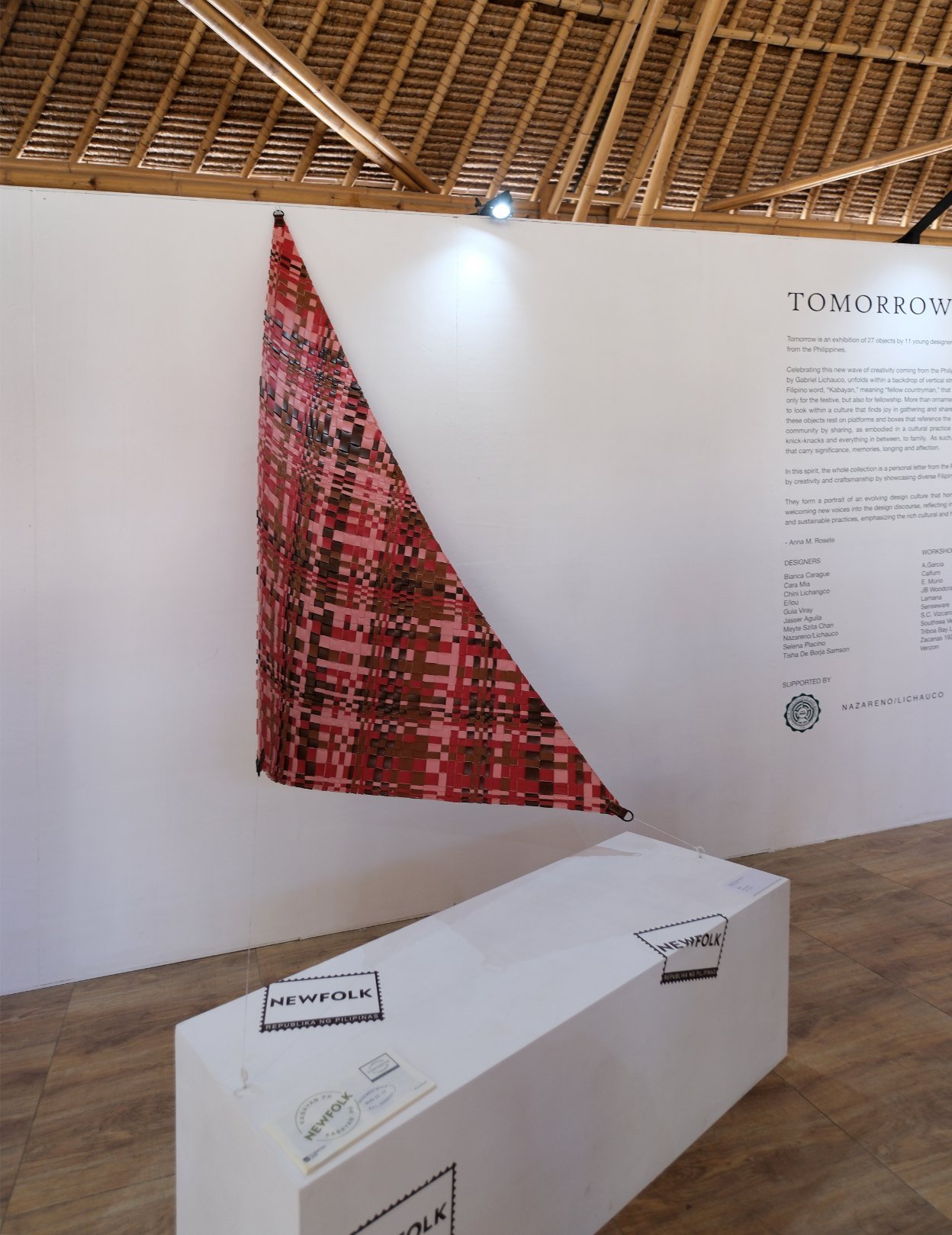
NEWFOLK’s own framing of this show leans on padala, the practice of sending gifts to loved ones. If you had to send this piece off as your own padala, to whom would you send it?
Meyte Szita Chan: Actually, it would be that taxi driver who dropped me off at Partas Cubao. I cannot remember his name, but he described his life so well that my imagination was having a field day. The mahogany furniture, the door he brought back from his hometown in Abra. The way his lola would make the binakol fabric, usually thick, because the weather there is so much colder. How he described the roads to get there, the hours it would take just to reach his town. From what I recall, his grandmother is still alive, and so is his mom, in their nineties and eighties or so. Most of the elderly there just live to very old age. That’s possibly the most memorable thing from my short time in Ilocos. •