Words Bianca Weeko Martin
Images Bianca Weeko Martin and WAF 2026 Pinoy finalists
Editing The Kanto team
Editor’s note: Our Kanto WAF 2026 live coverage comes courtesy of Toronto-based architecture writer and researcher Bianca Weeko Martin, whose Day One roundup reflects on the Philippines’ 12-year participation at the World Architecture Festival, with a rundown of our first four Pinoy presentations and MLA At Home’s first WAF win.
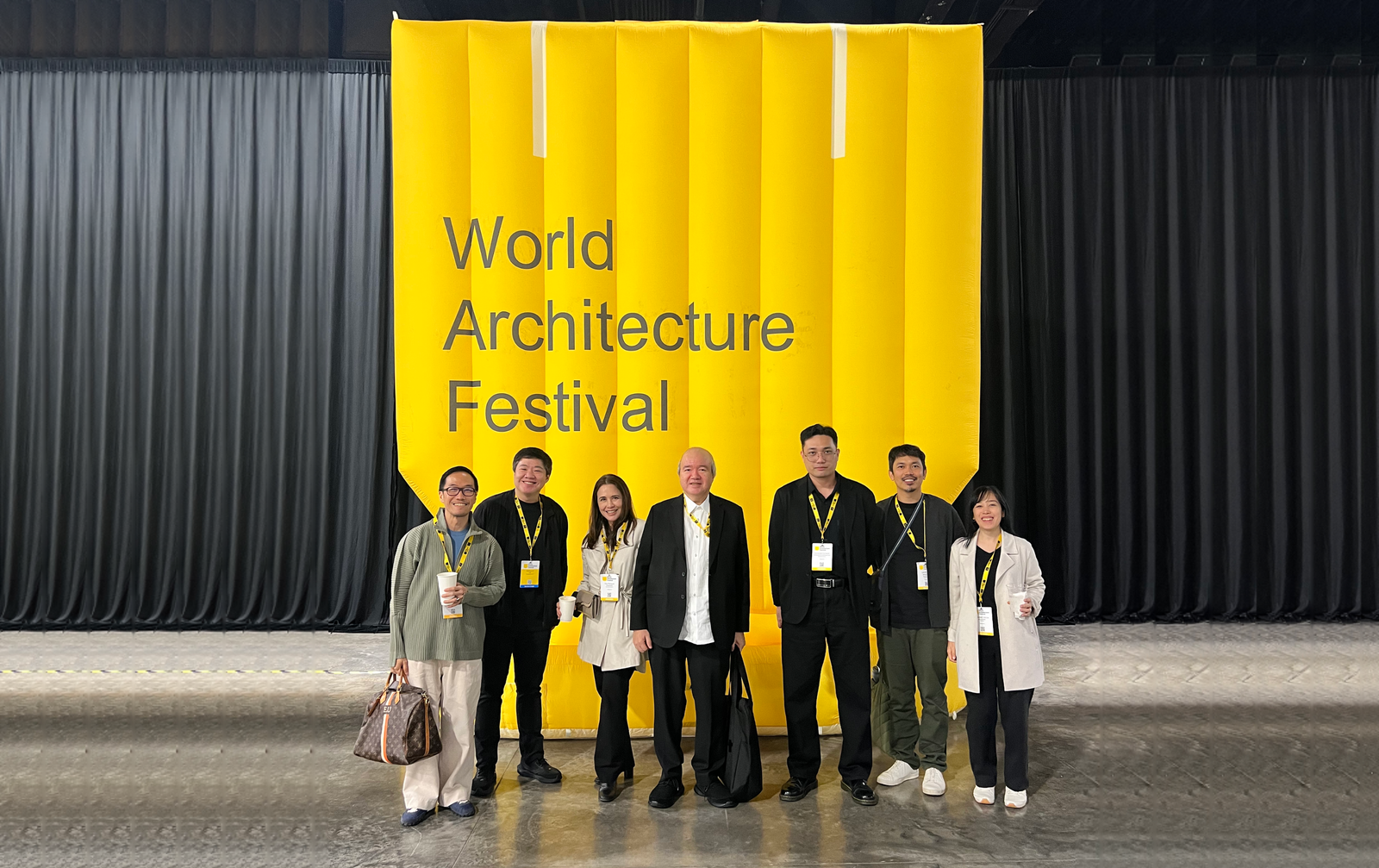
Greetings from the 2026 World Architecture Festival in rainy Fort Lauderdale, Florida! The Philippines celebrates its twelfth year at the festival with six shortlisted placements from six Filipino architecture and design firms! Dominic Galicia Architects, Edwin Uy Design Office (EUDO), MLA At Home, and WTA Design Studio are returning to the WAF crits stage, while GROHE Young Visionary Winner Sangay Architects and Manila-based practice Add Architecture both mark their first WAF shortlist achievement. We are unfortunately incomplete in attendance due to Add Architecture’s VISA battle with the US Embassy, but the rest of our Pinoy contingent will raise the flag for them!
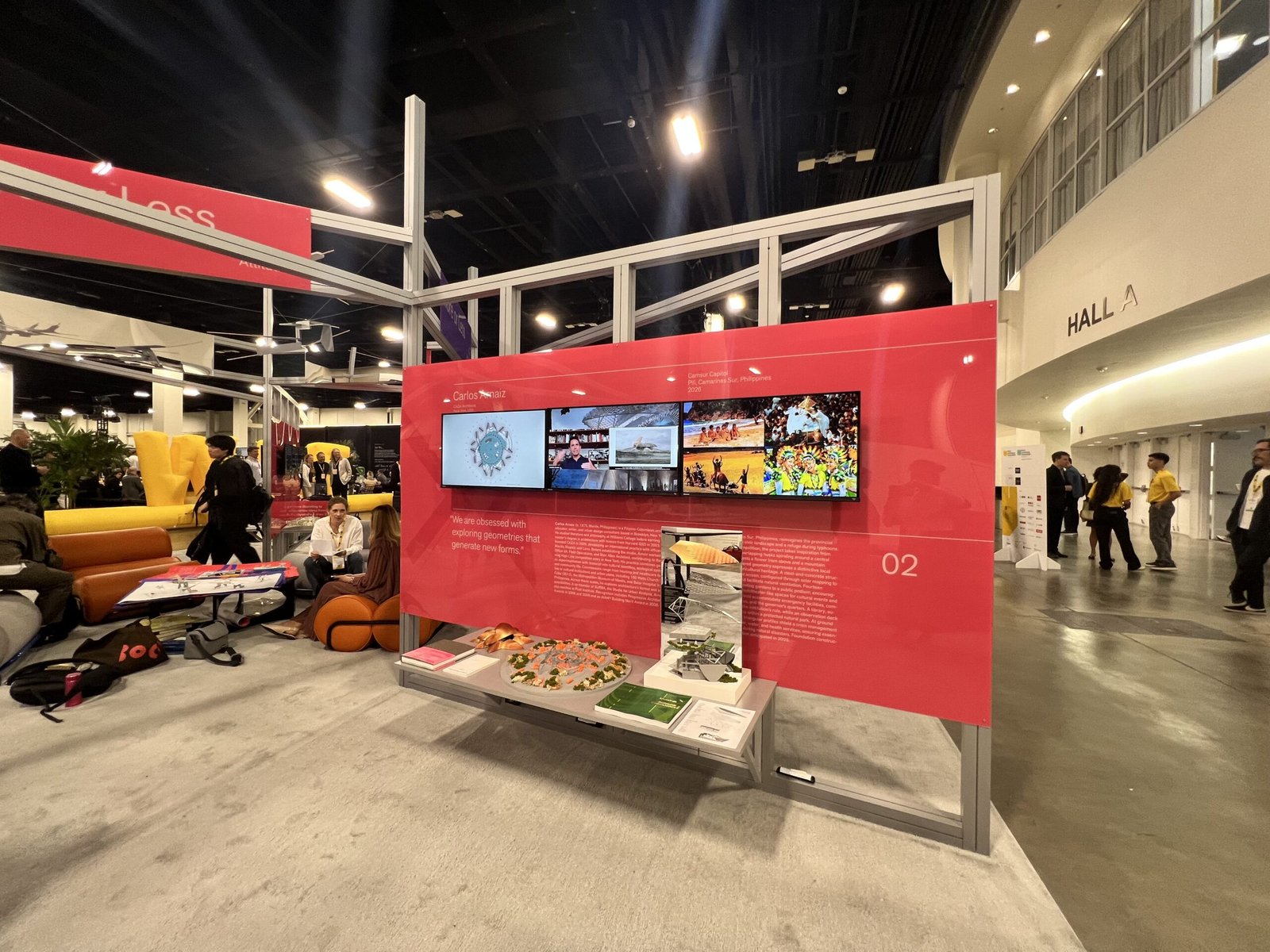
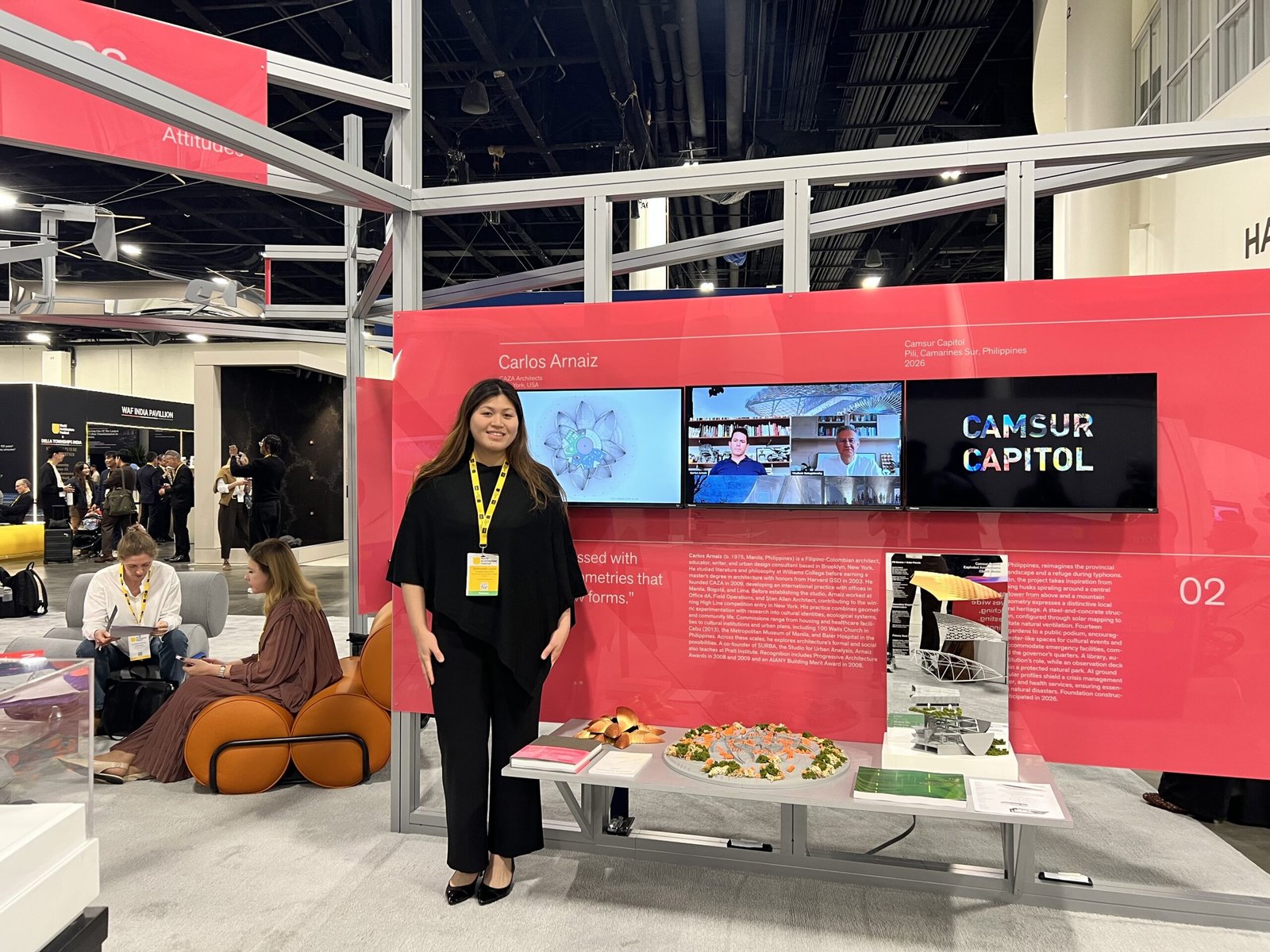
The WAF 2026 journey started on a high, as MLA at Home, headed by Laurence Angeles, clinched the win in the Interiors—Bars and Restaurants category! His fellow Day One presenters are Dominic Galicia Architects, Sangay Architects, and WTA Architecture & Design Studio. Filipino representation at the festival also extended beyond these sessions—previous WAF winner Christine Buyco-Sy served as a juror in the Future Projects: Leisure-led Development category and CAZA, led by Filipino-Colombian architect Carlos Arnaiz, is exhibiting the in-progress Camsur Capitol in Camarines Sur as part of the curatorial project “More or Less: 8 Attitudes.”
For several years now, I’ve been keeping up with architects practicing in Manila, Cebu, Davao, and across the archipelago from the sidelines of the diaspora in Canada—fascinated by all the intangible and curious things that constitute something we might call “Filipino.” One thing that surprised me was how deep the legacy of critiques, or “crits,” ran. Having spent over five years of my life in architecture school, I dropped the practice of the studio critique (and the anxiety I had come to associate with it) promptly after graduating.
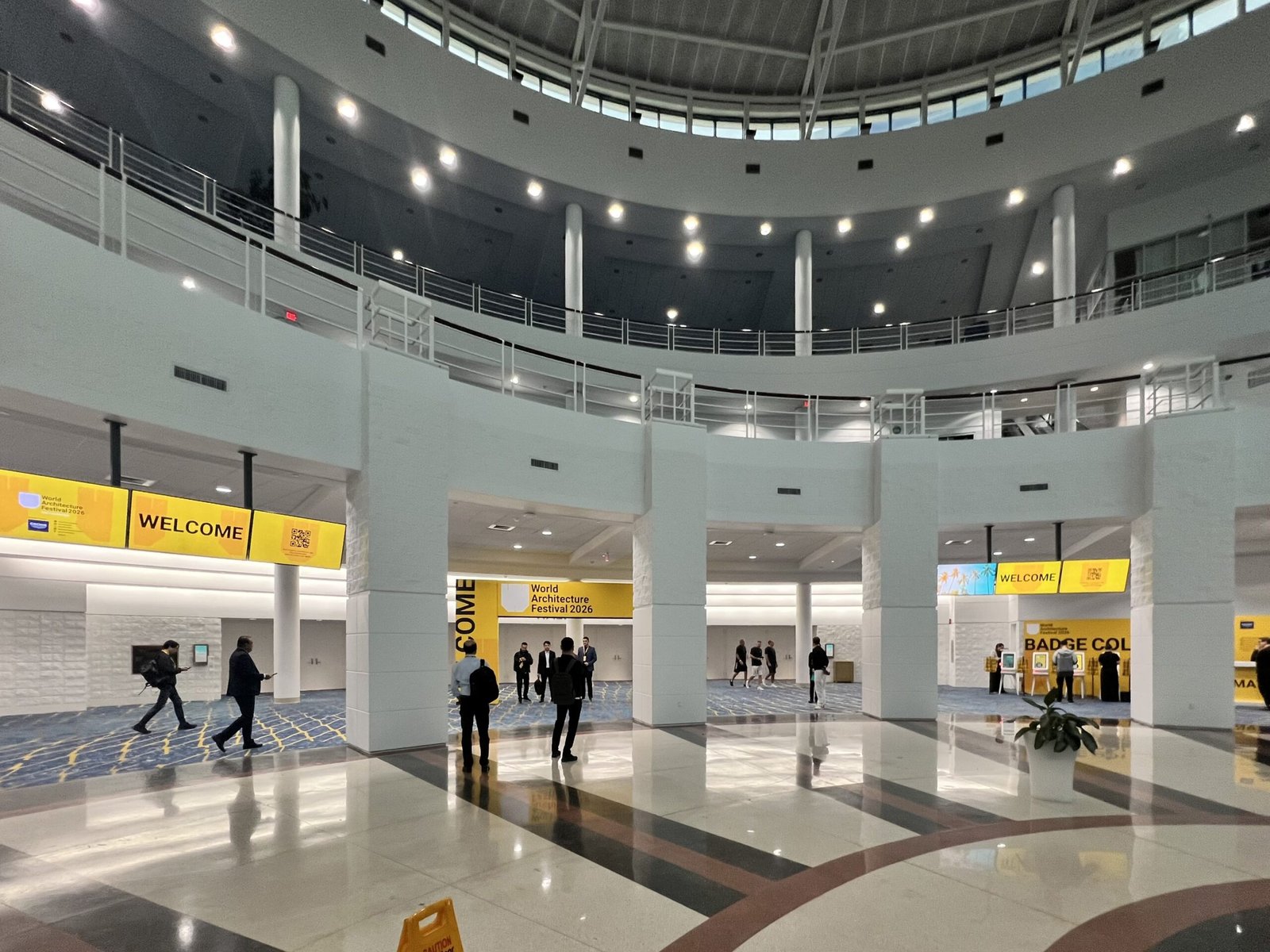
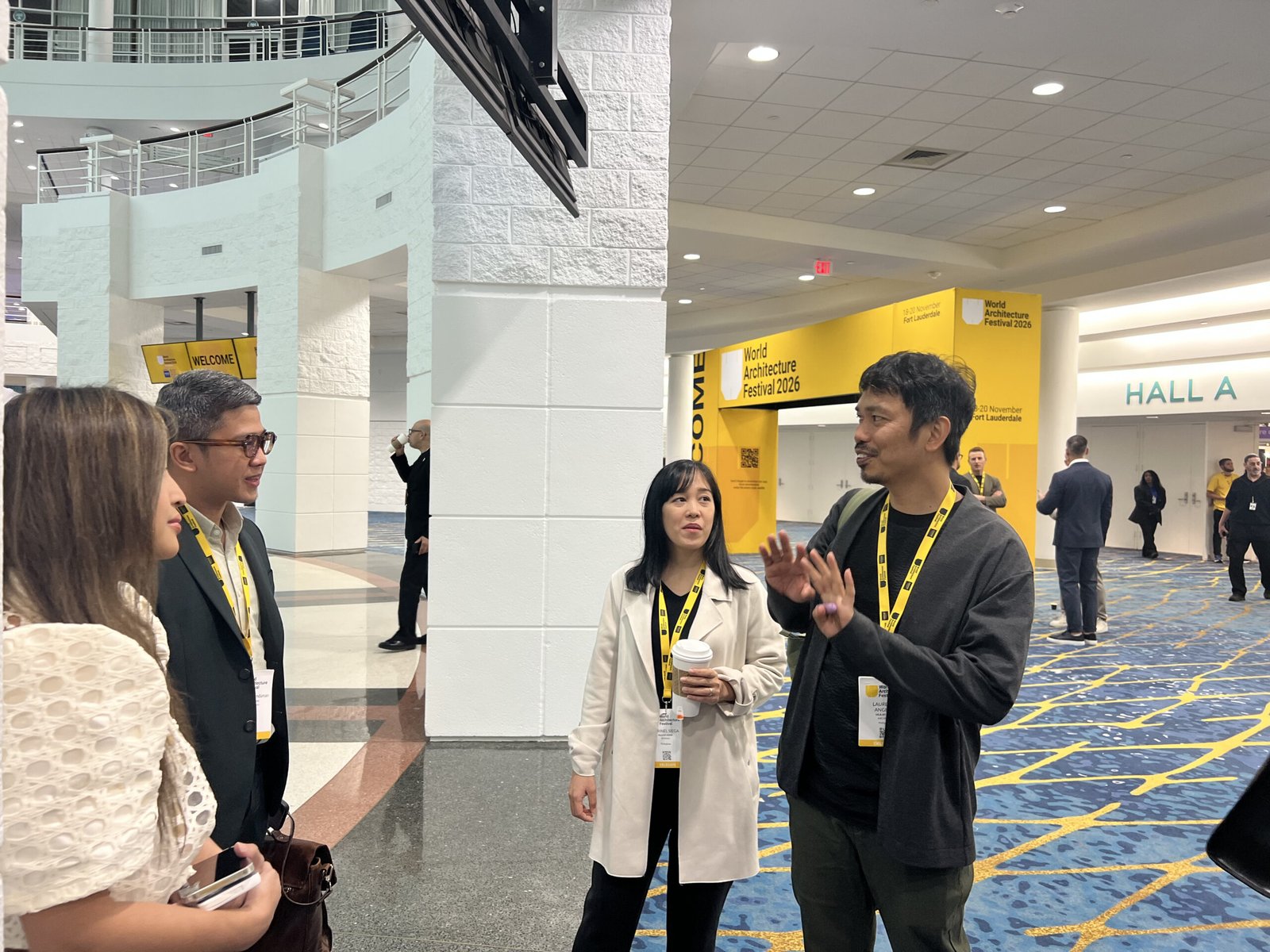
Filipino architects, on the other hand, were not only celebrating but actively building a distinct culture around critiques. Kanto just released a gorgeously bound book, CRIT, to commemorate a generational Filipino WAF run and a GROHE Philippines-backed practice crit tradition that can be traced back to 2015. I was intrigued. Over a decade of crits preceded me. I came into WAF, purveyor of the crit tradition and the largest international architecture event I’ve attended, as a newcomer, eyes wide open. At the yellow WAF arches installed at the Broward County Convention Center, I was warmly welcomed by the familiar and new faces of the Filipino architects who’d braved multiple legs of flights and near-tropical Florida storms to be here.
Live crits
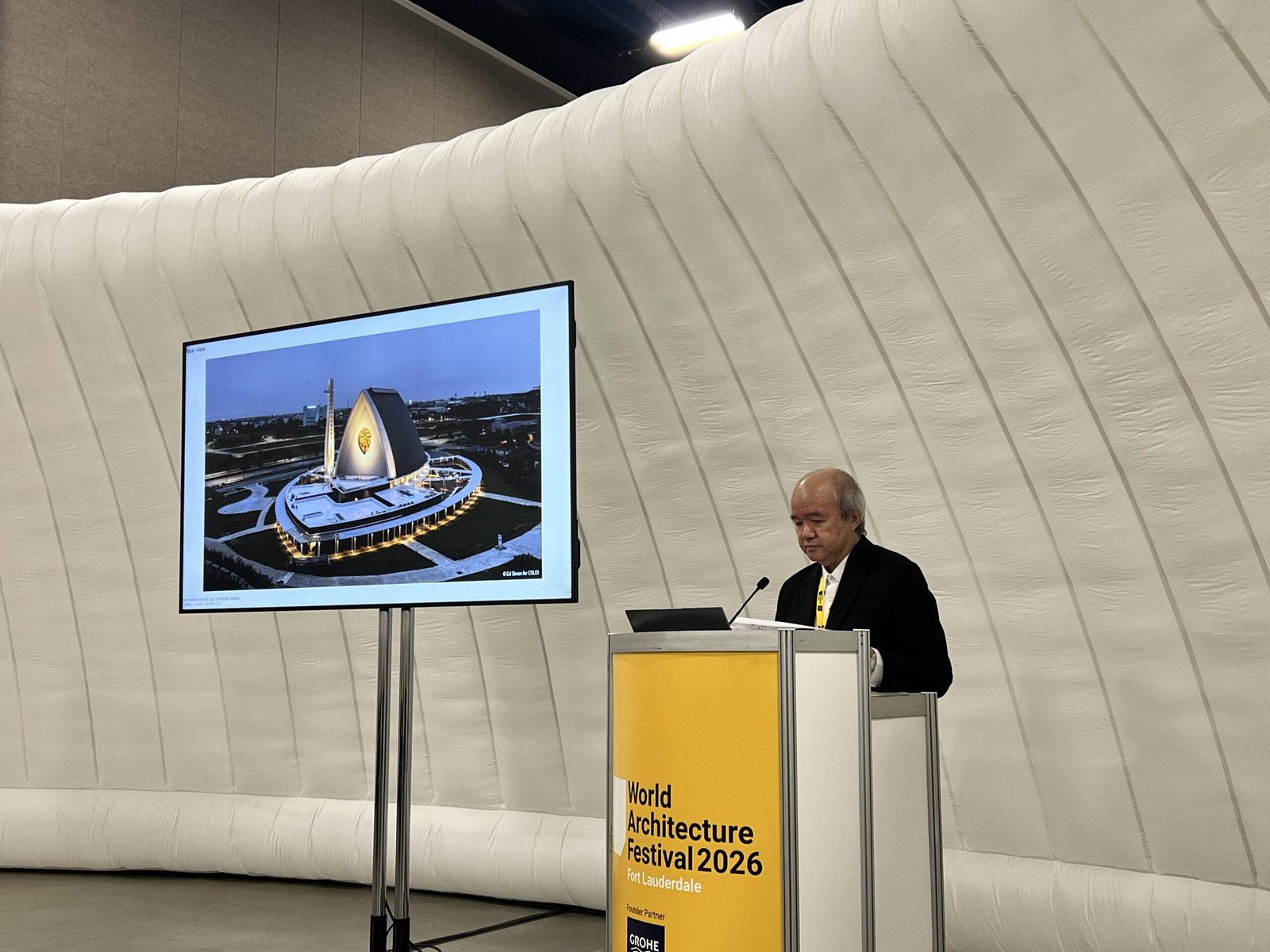
The series of today’s Pinoy crits started with Dominic Galicia, who is considered one of the current vanguards of Filipino architecture. I recall eagerly covering the stunning contemporary churches he designed for Architectural Guide Manila and meeting him at the Manila launch of the book at the Metropolitan Theatre roughly two years ago. Today, in the inflatable igloo enclosing Crit Room 1 under the Completed Buildings—Civic and Community category, he presented his project, Evo City Church, a church in the master-planned mixed-use estate Evo City, Kawit, Cavite.
Galicia opened with the proposition: “Can architecture make prayer visible?” Much of the project’s formal and conceptual basis stems from the Catholic rosary, which Galicia likens to the “prayer of repetition.” He went on to present to the jury, in his characteristic gravitas, leafing through panoramic photographs of the church interior, its intricate rhythm of steps and folds.
The jury, made up of John McElgunn, Jeremy Smith and Arjun Desai, offered questions about the building’s structure (tripartite columns that support steel trusses) and funding structure from developer AyalaLand. Smith asked if “architecture making prayer” visible includes those from outside the church looking in, to which Galicia responded that it’s both.


“Are these natural lights?” Desai asked in wonder, requesting that Galicia flip back to an image of one of the church’s interior walls illuminated by polychromatic specks of light. “It’s a response to the western sun,” Galicia said. “The light reflection moves throughout the day. It’s a way to track the day, from the interior.”
After his presentation, I asked Galicia how he feels post-presentation and about the importance of crits. “One thing for me that is very valuable to experience is the level of critique, and the calibre of all the projects from all over the world,” He shared with a smile. “No matter what the outcome is, I just feel so privileged to have been a part of this.”
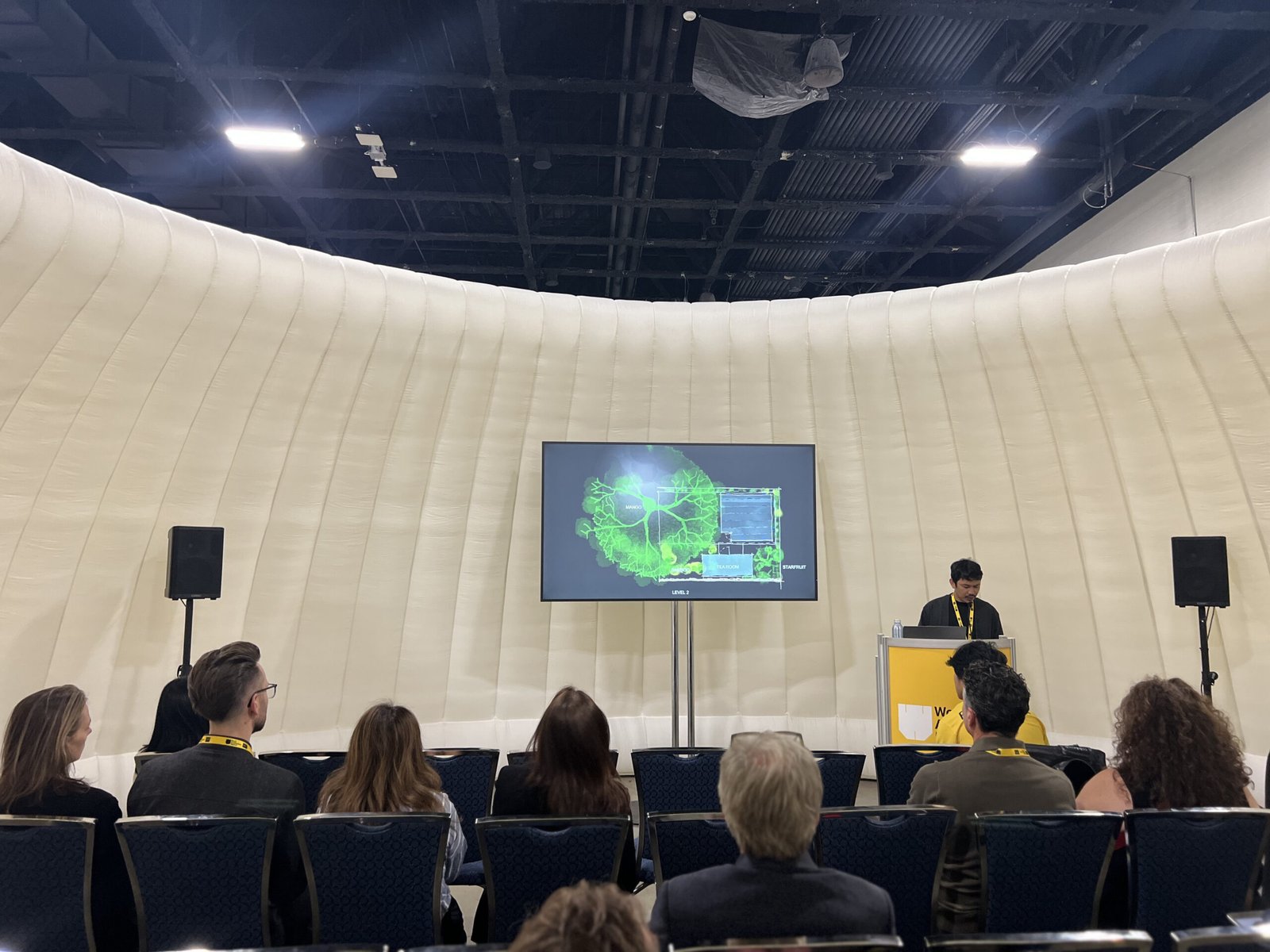
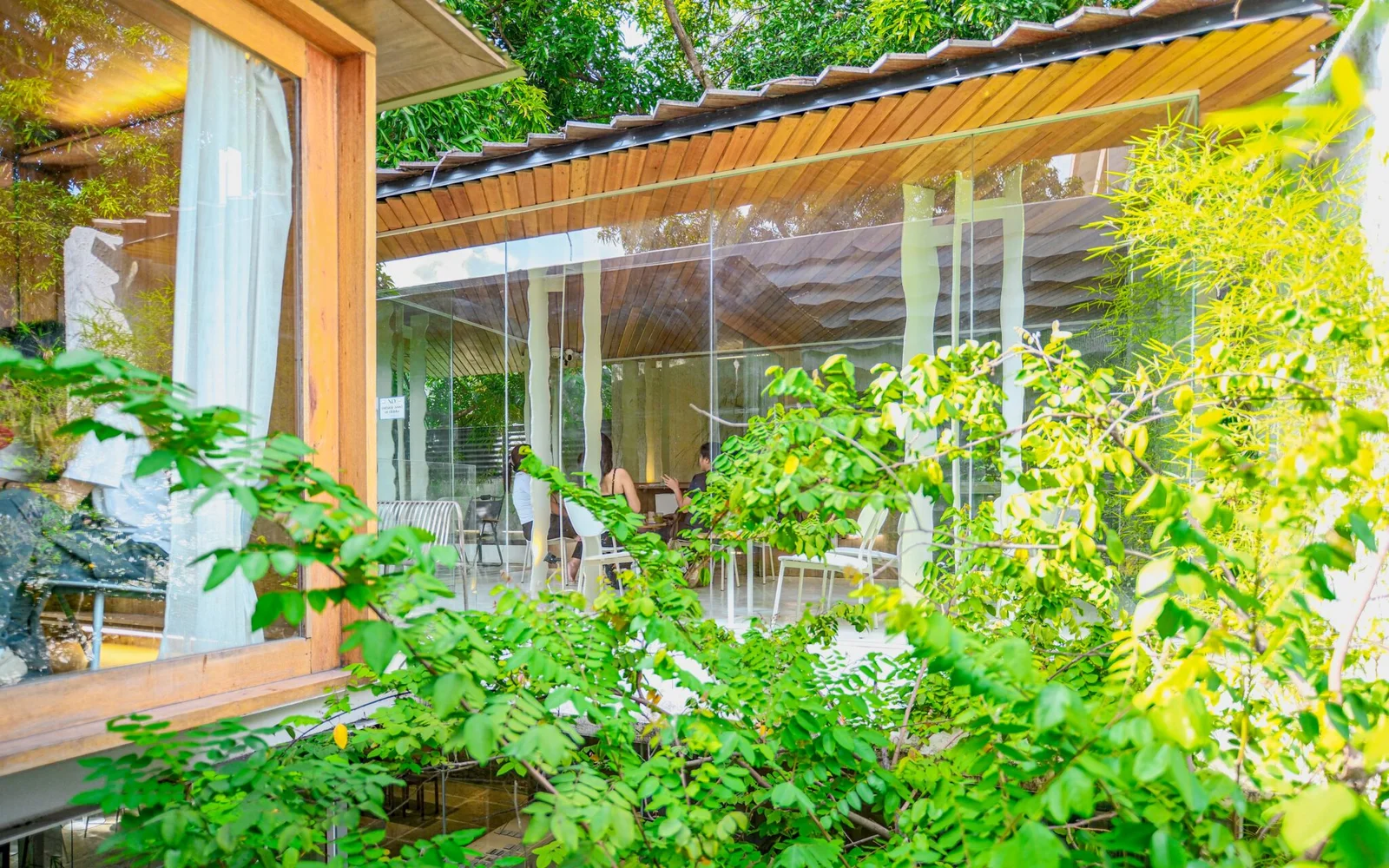
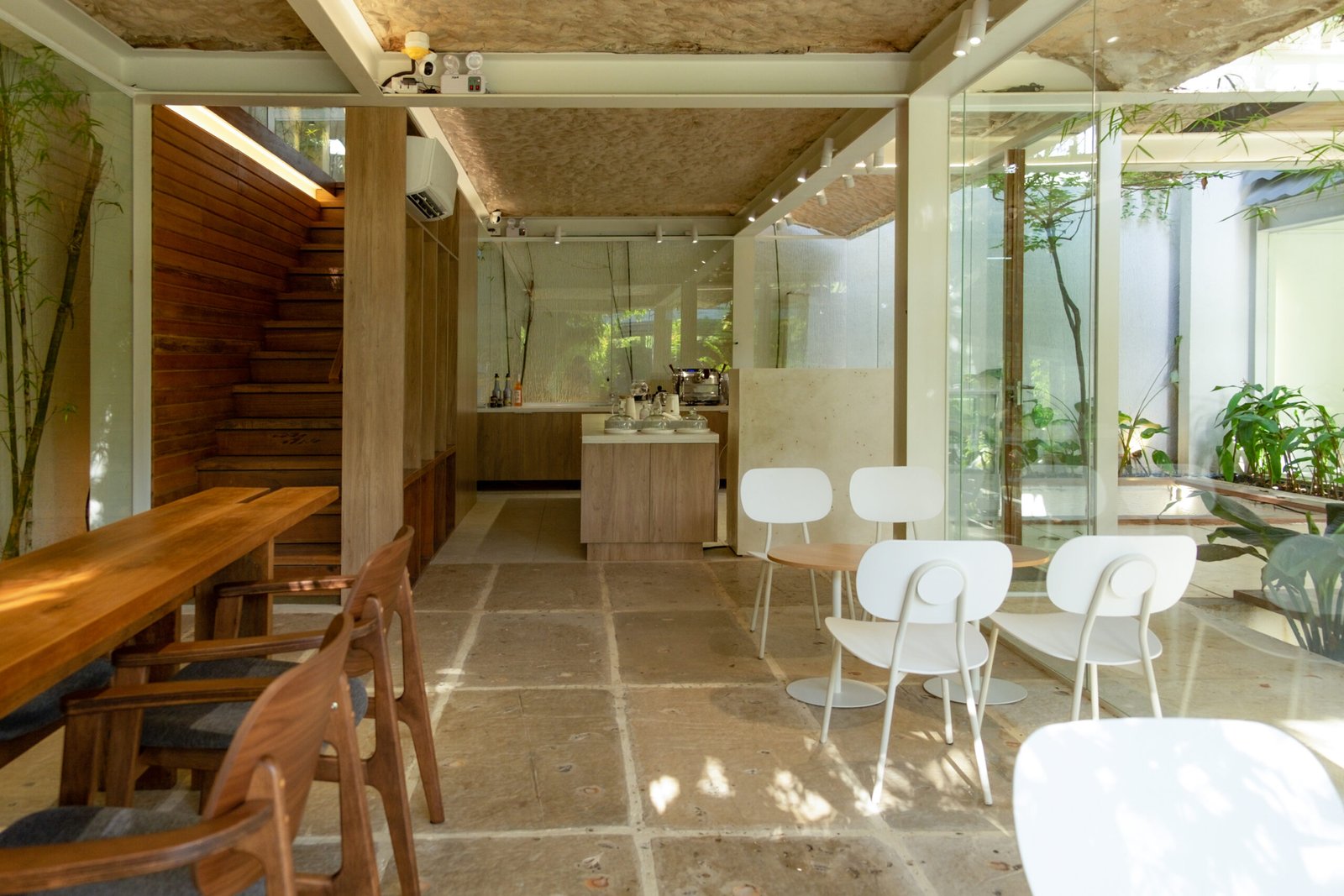
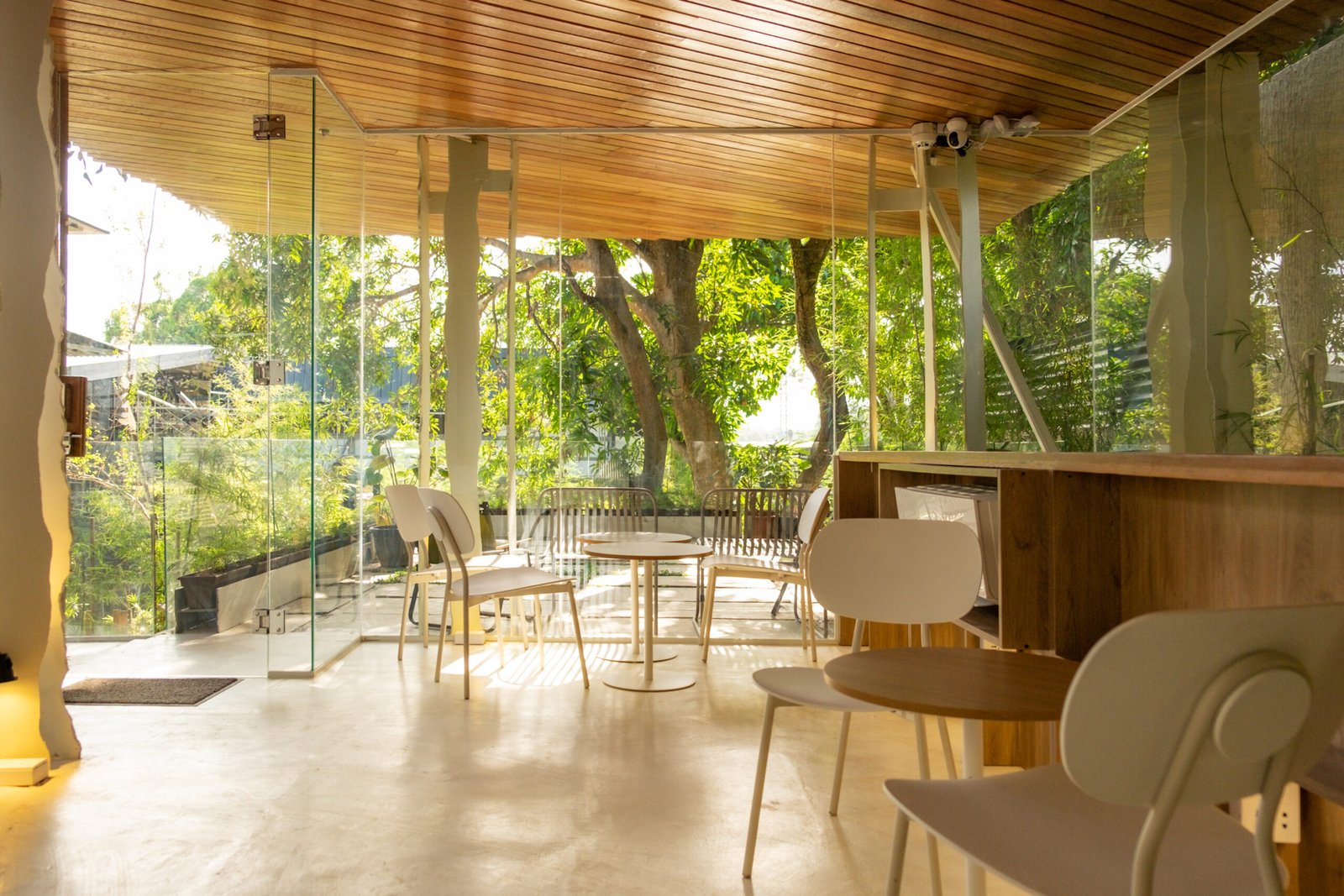
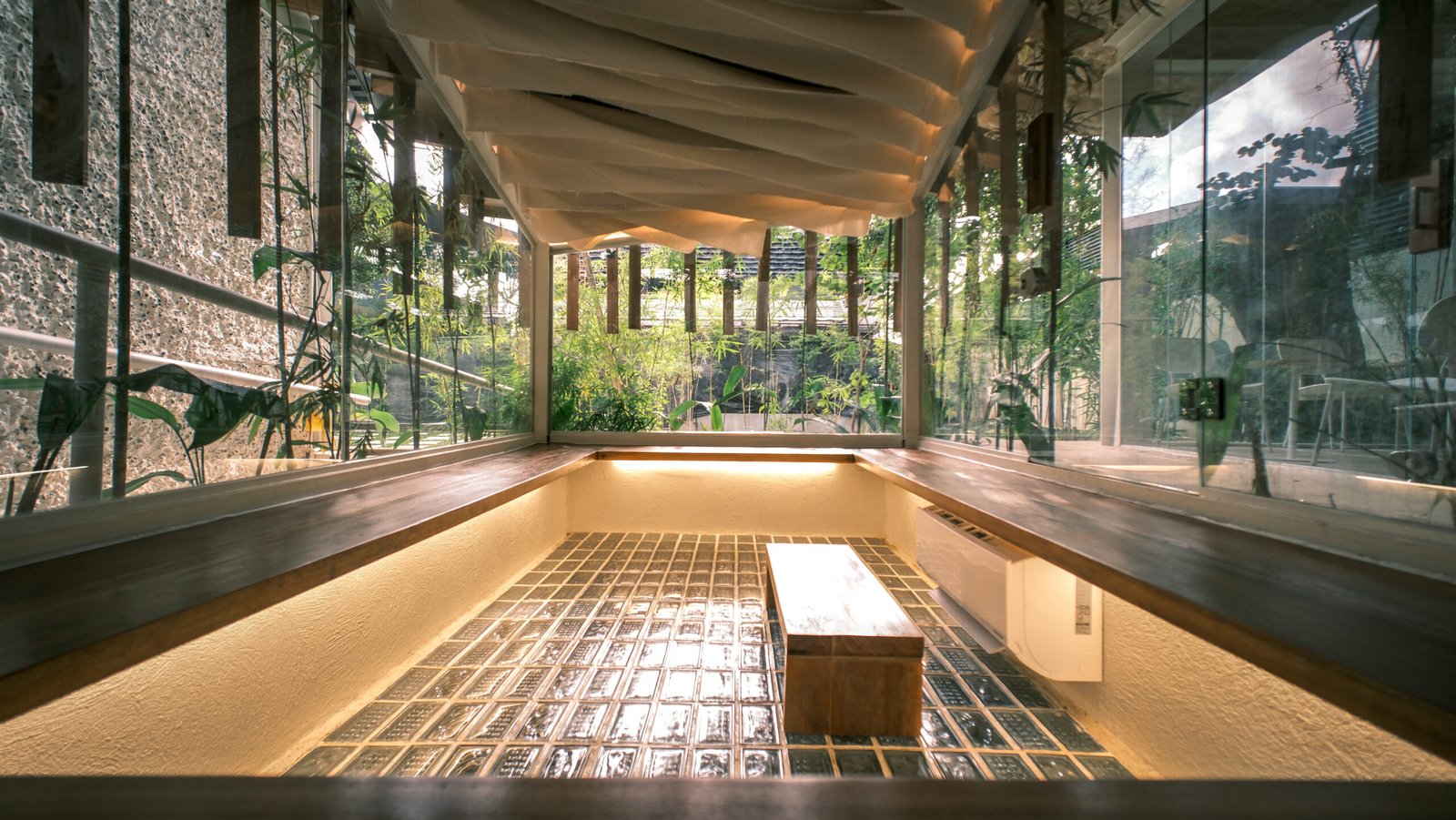
Category winner Laurence Angeles of MLA at Home took the Interiors—Bars and Restaurants stage with &Matcha Satoyama, a tearoom and community space in a Davao City parking-lot-turned-compound. I had interviewed Angeles the year prior for the Sulog exhibition text and catalog at the Deutsches Architekturmuseum, where we talked about MLA’s projects Furtive House and Micro Housing. Watching their live WAF presentation offered a fresh view of the firm.
Angeles pushed past nerves and presented to an engaged and enthused audience and a jury formed by Matt Fairman, Meg Graham, and Timothy Shepherd. He began with a manifesto: getting guests to return after each visit. He folded in some whimsical propositions like “Why is it that only the cat can go on the roof?” and ended with a happy, nearly emotional note, reflecting on the collective success of the micro-vendors that now populate and embrace the space.
Shepherd commented that it is “incredible how something so hidden is so enormous,” lauding Angeles’ efforts to truly showcase beauty and push for purposeful design amidst the pressure of maximizing revenue in commercial buildings. Graham called the project “delightfully confusing” in the sense that visitors discover new things during each visit.
Fairman touched on how MLA and the &Matcha team built such interest and popularity given the absence of street signs. Angeles described the brand’s local popularity and credited social media, referring to how the space gained traction following posts via platforms such as TikTok.
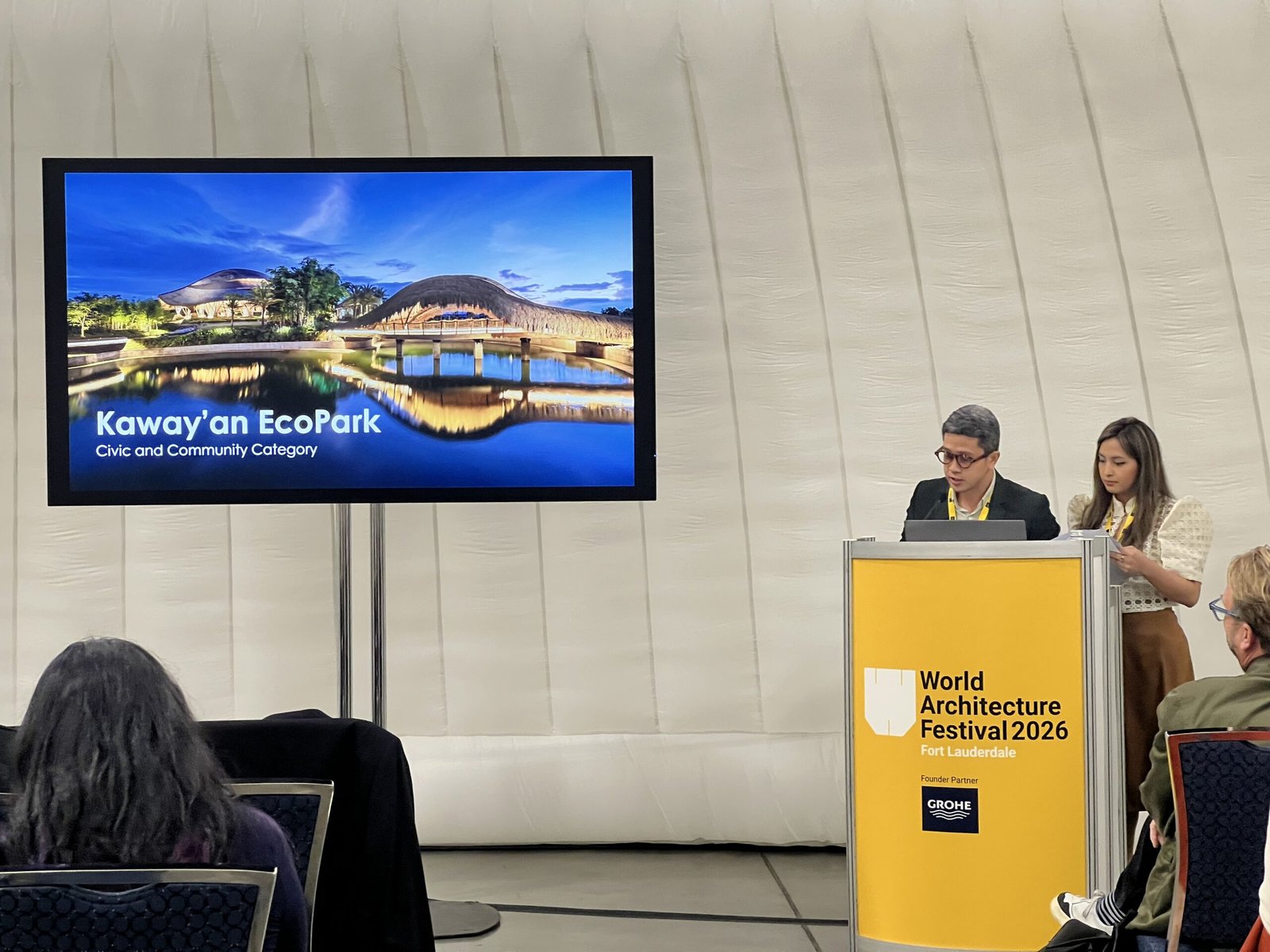
Sharing the Completed Buildings—Civic and Community category stage with Galicia is Sangay Architects’ Christian Salandanan and Kath Sapungay, whose appearance at WAF coincides with the tenth anniversary of their young practice. Their shortlisted entry, Kaway’an EcoPark, responds to a policy problem: required open space in Philippine housing developments often ends up as residual lawn. Bali’s Ibuku led the bamboo design with Sangay Architects as local architect, resulting in a bamboo-and-steel hybrid designed to withstand winds of up to 300 kph.
The jury appreciated the interesting use of bamboo, asking questions about how the bamboo works with the structure and where Sangay got their “reference point” for the material choice. Salandanan and Sapungay emphasized the sustainability aspect—essentially, the word “eco” in EcoPark.
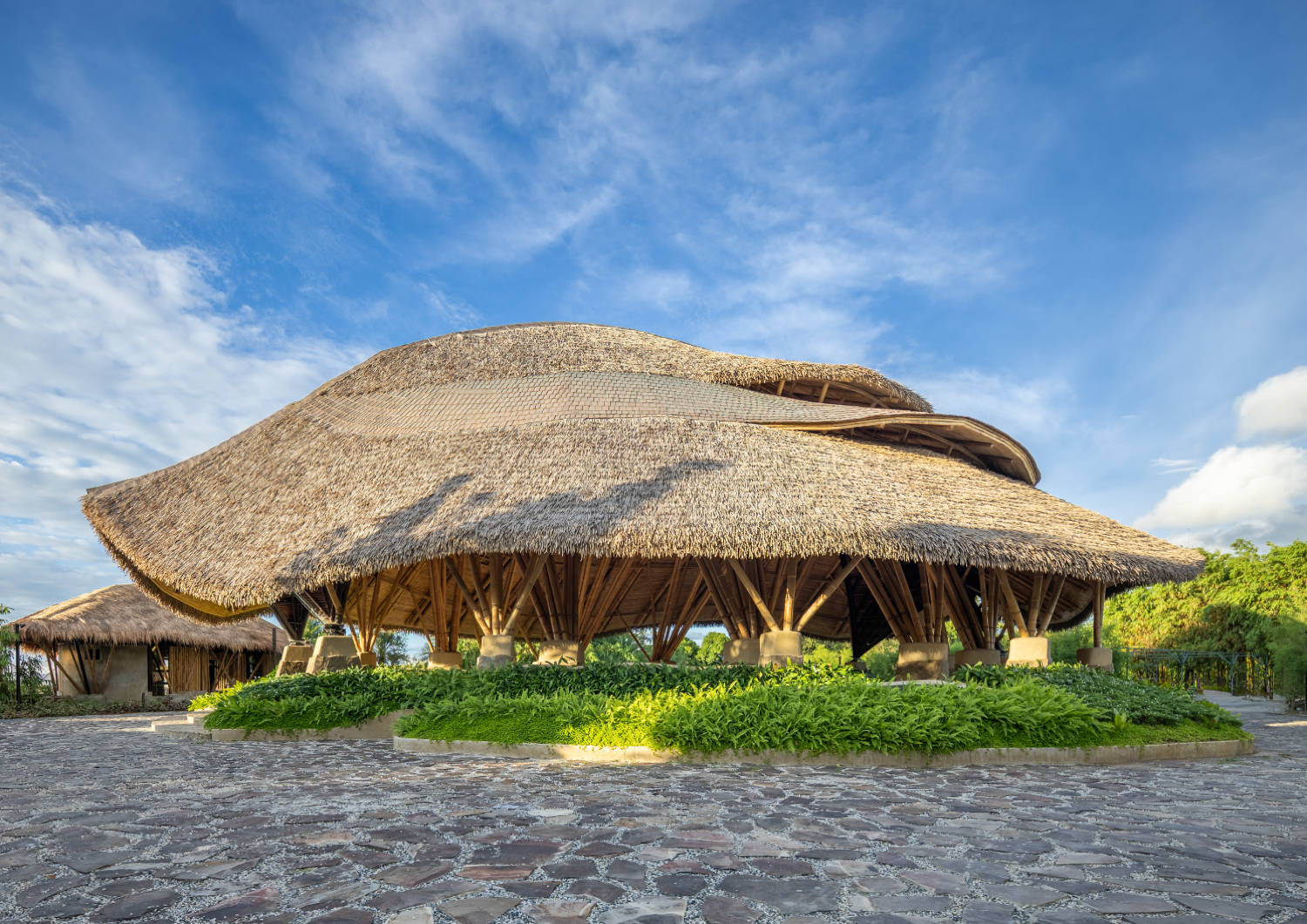
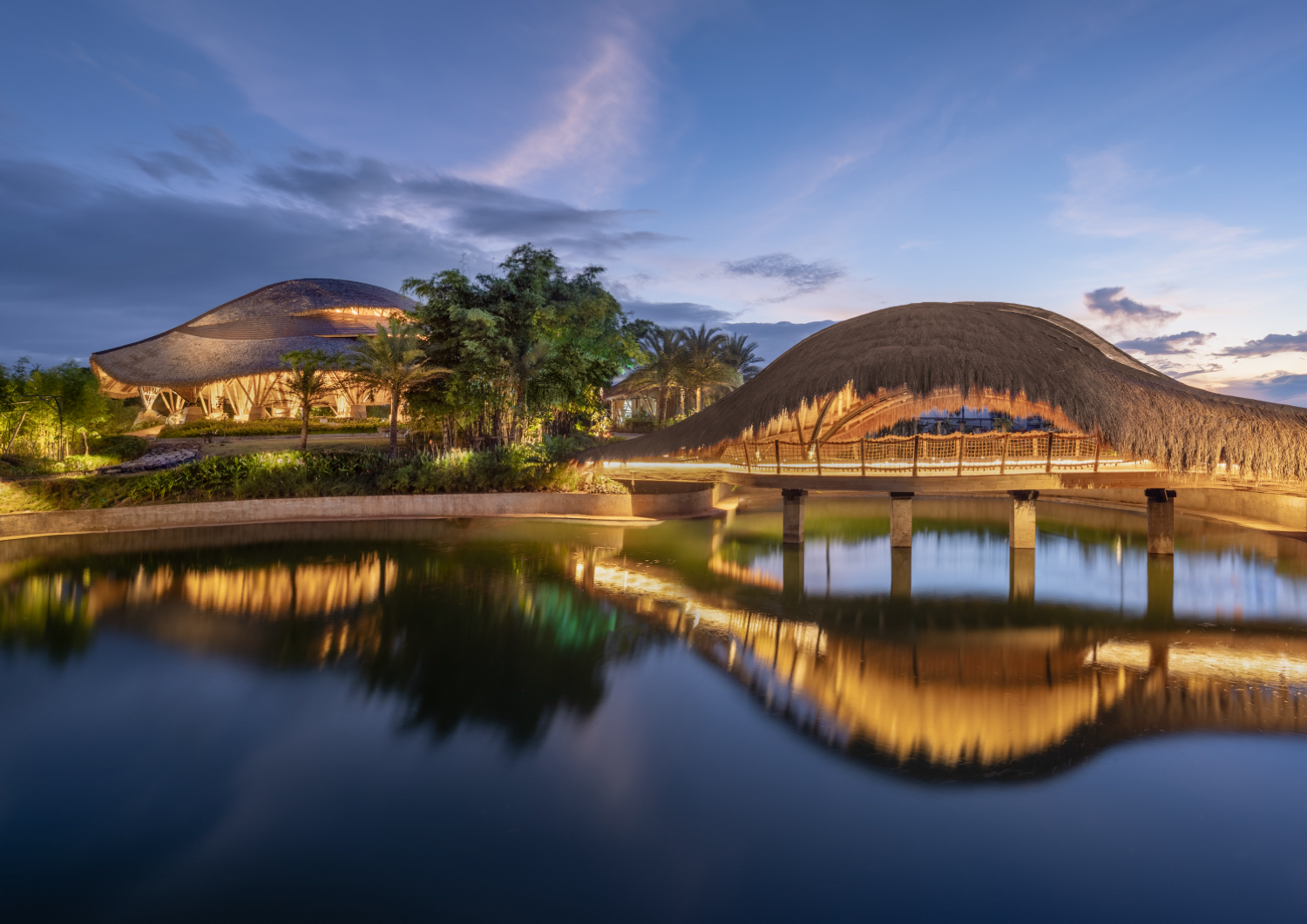
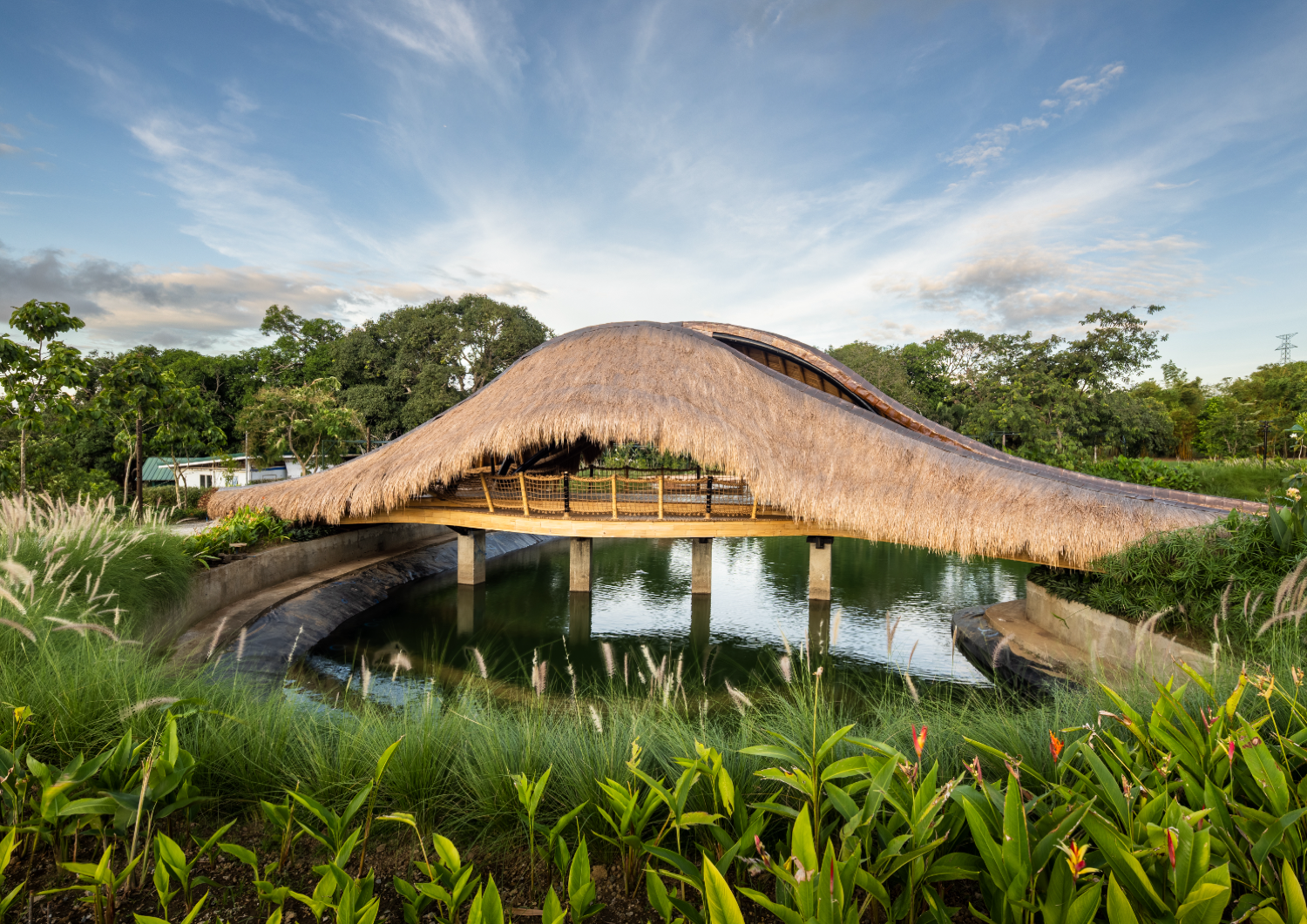
“EcoPark means ecological. But how does the economical part of the park work?” Desai teased. The park is open to the public, and the pavilion is rented to generate revenue.
“Surprisingly, we weren’t really that pressured because we thought, okay, we’re here to have fun. We feel lucky to be with the other contestants, and as we were watching them, we’re also glad to learn from what they’re presenting,” Sapungay shared when asked how they were feeling after the crit. Salandanan continued: “This is a once-in-a-lifetime experience. We tried our best not let pressure get the best us as we just wanted to enjoy the moment. We don’t see WAF as a competition. Being here, representing our country, is already a win!”
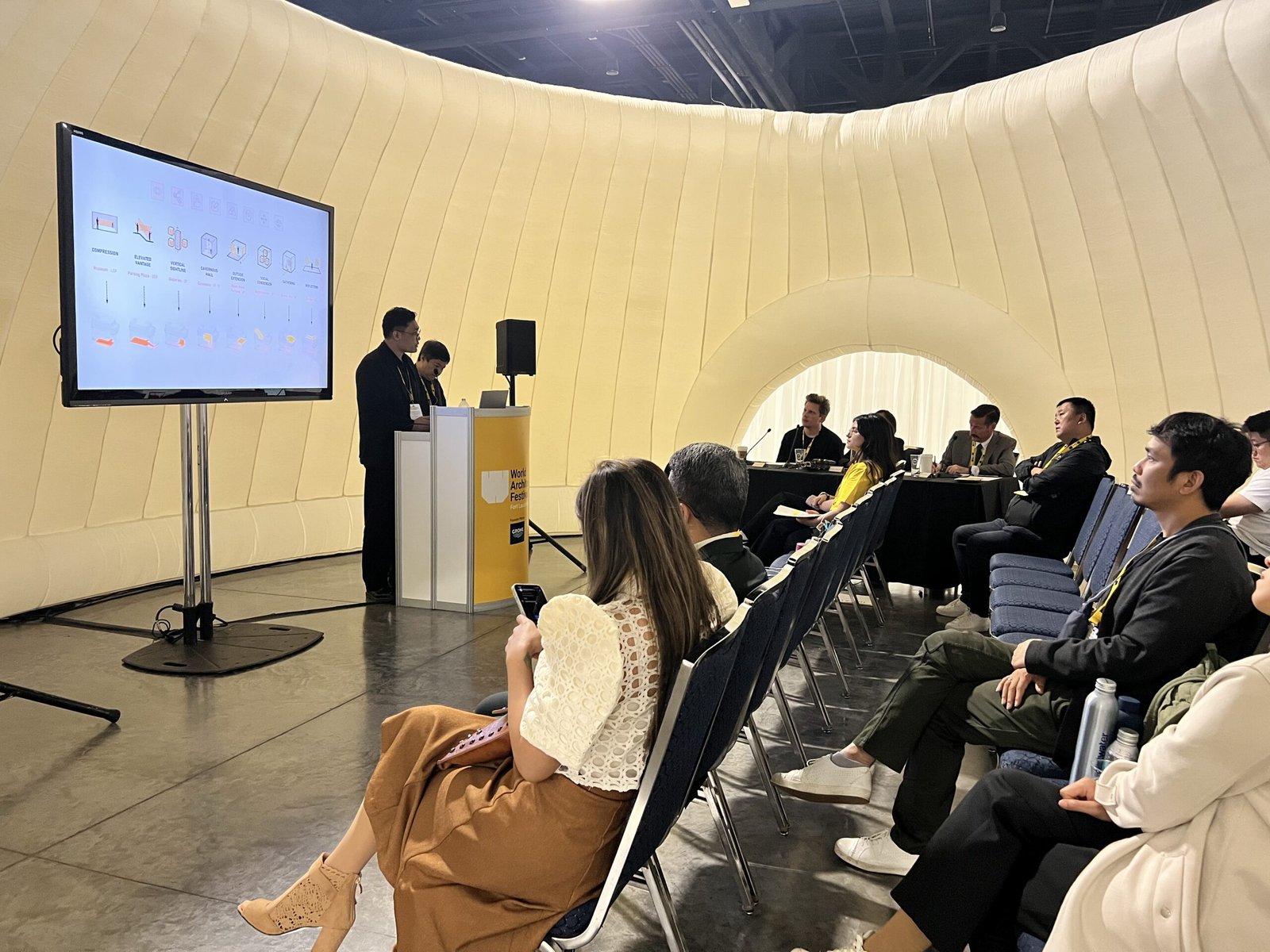
WAF veteran WTA Architecture and Design Studio was the last presenter of the day. In the Future Projects—Office category, founder William Ti and architect Fernando Cunanan Jr. walked the jury through 252 Ibuna, a redesign of their own studio and office, with a compelling series of elaborate diagrams and animated renderings.
WTA presented the project as a “place for architecture,” a concept that came about as a result of being their own client. An architecture museum is located on the lower ground floor. An adjacent mess hall is imagined as a hawker center for the existing street vendors that already supply food to the employees. “What happens after the program is finished?”
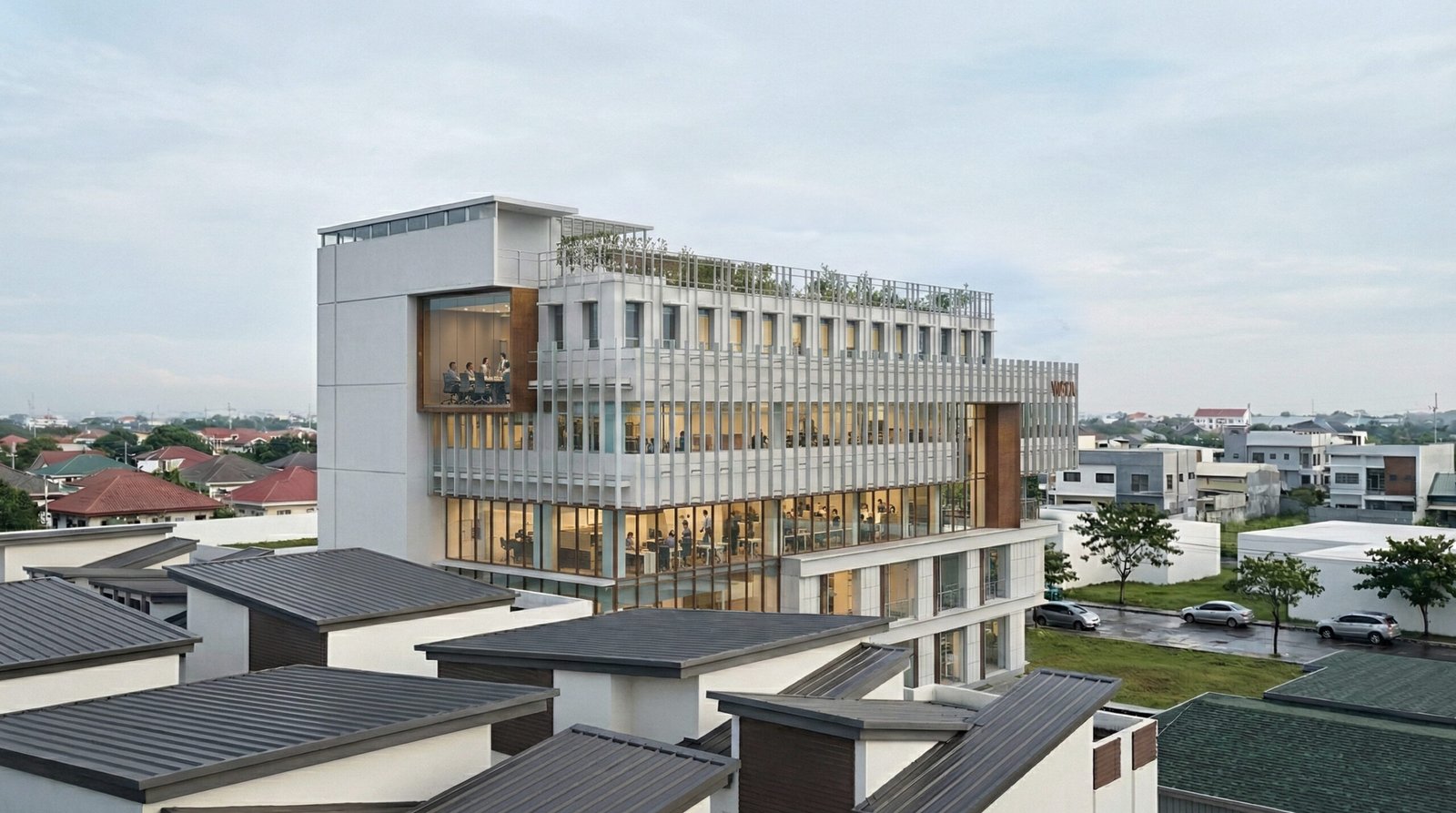
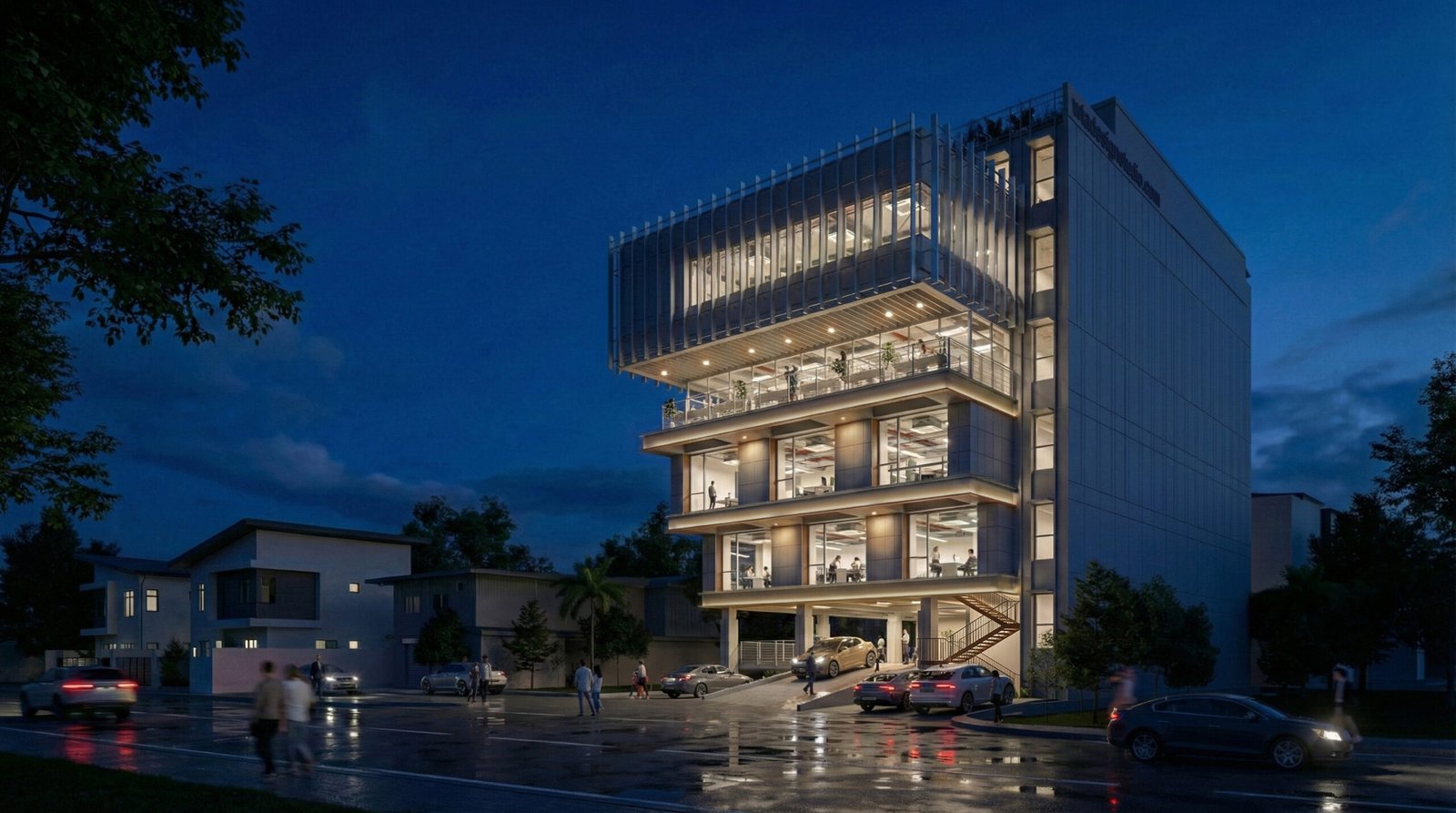
The jury is made up of Timothy Neville-Lee, Neryati Blackwell, and Alexander Simon. “Congratulations on building your own office space!” said Simon, later asking about the financial model given the low number of desks shown. Ti explained that the studio takes their lease to pay for their building, and works primarily with civic projects which require meetings with government agencies on-site. Blackwell appreciated the flexibility of ground level and the strong circulation core, and commended WTA on the “drive to inject public amenities into private space.” The jury added that they are eager to hear updates when the building is finished and open.
“The experience was really great, and we had a lot of fun because the jury understood the full project,” Cunanan Jr., who led the presentation, remarked. “Their questions were understandable because those are also the questions that we want to ask ourselves as designers. And apart from that, I think it’s really fun to be part of something bigger, including the audience. It’s a really immersive experience for them.”
Congratulations to our Filipino architects and designers for taking on the global stage! See you again for another round of crits on Day 2, and with luck, maybe another win? •