Words and images Nica Angeles and Joy Caballero
Editing The Kanto team
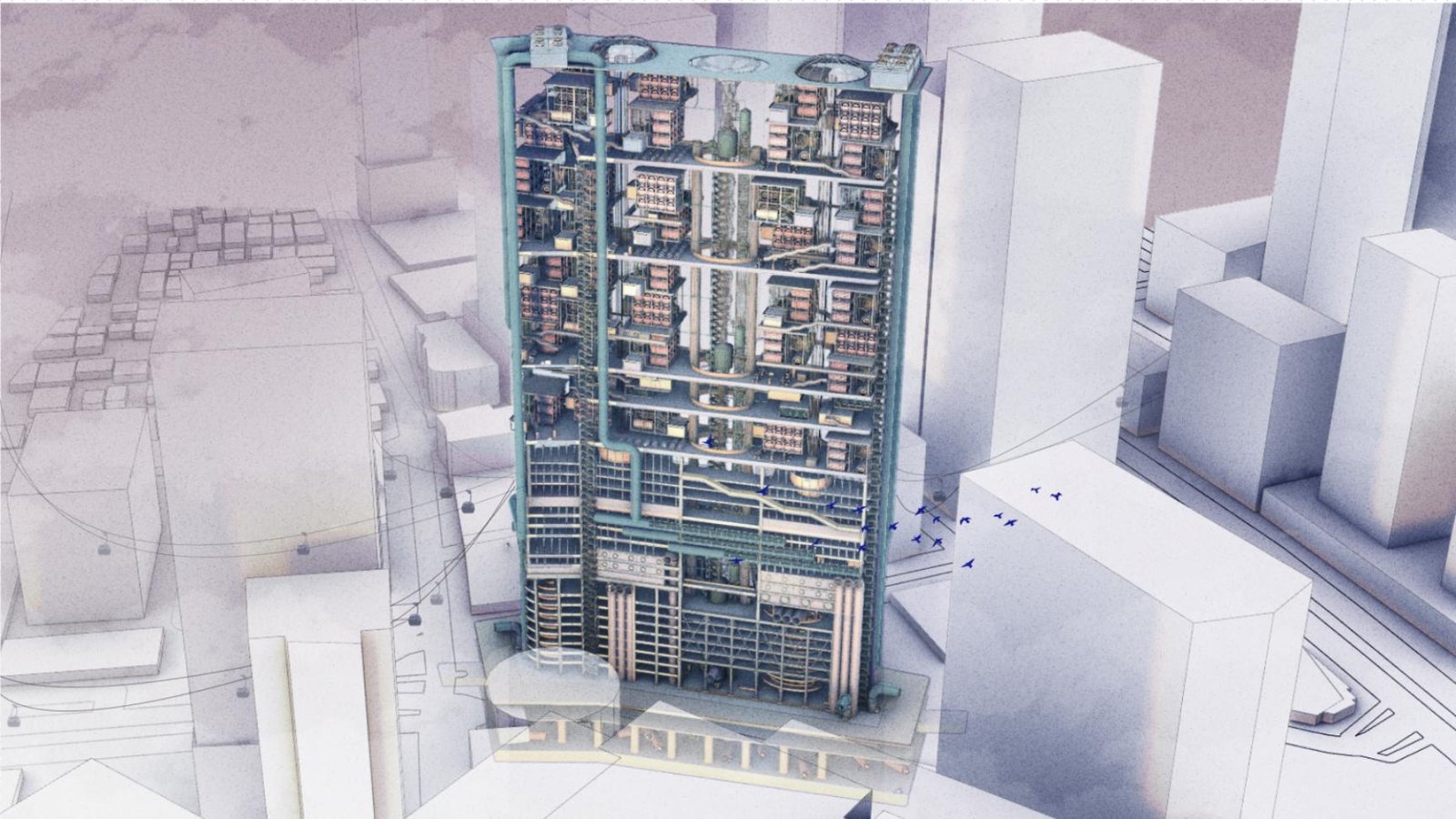
In the dense urban fabric of Makati by 2040, a new civic landscape rises from an unlikely premise of reintegration instead of isolation. Makati, despite its towering skyline and economic power, has long operated without a dedicated city jail. This proposal on the Pio del Pilar Community Reintegration Campus responds to that absence not by hiding incarceration on the urban periphery, but by placing rehabilitation at the heart of the city—transforming confinement into participation and opportunity.
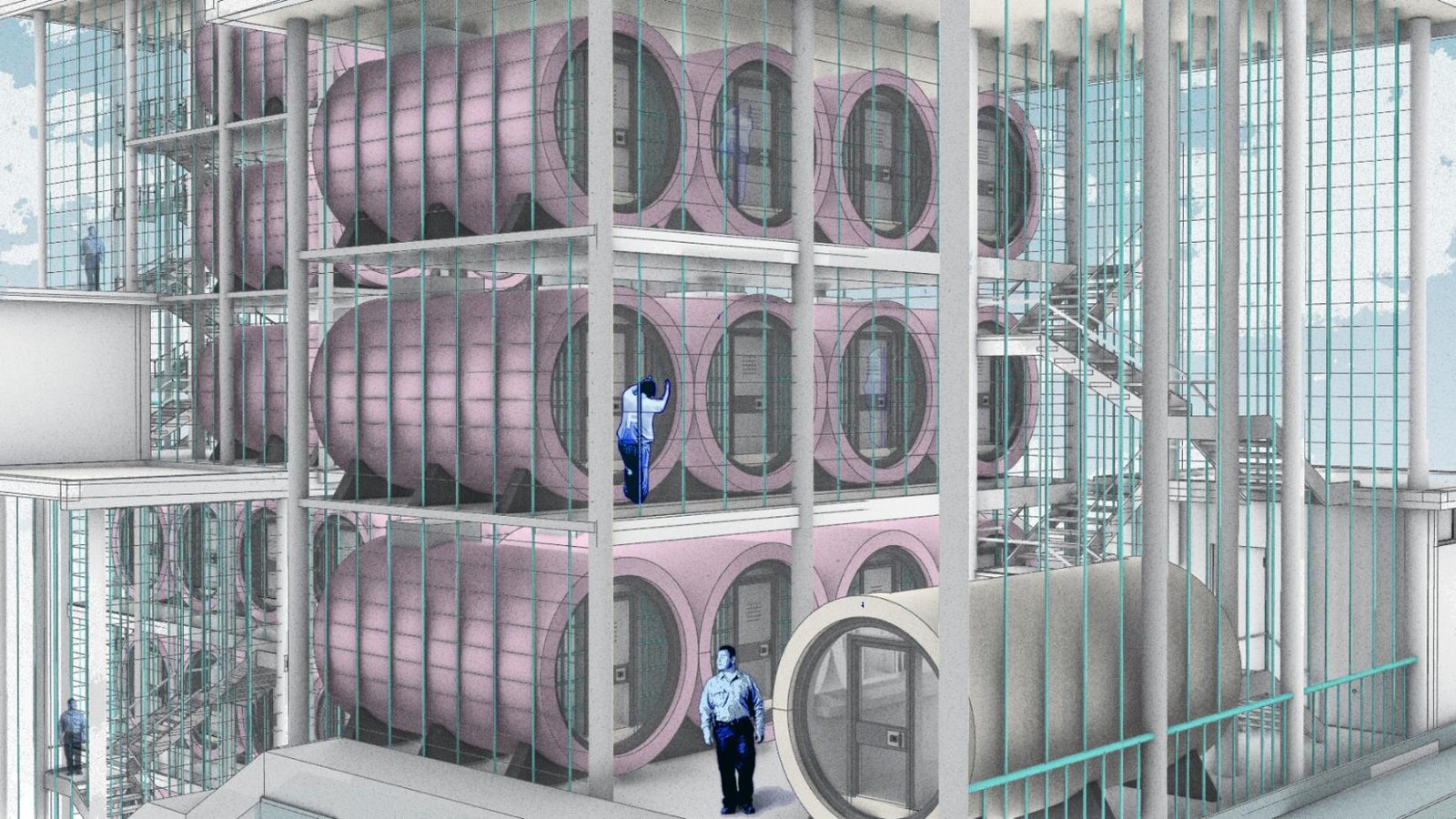
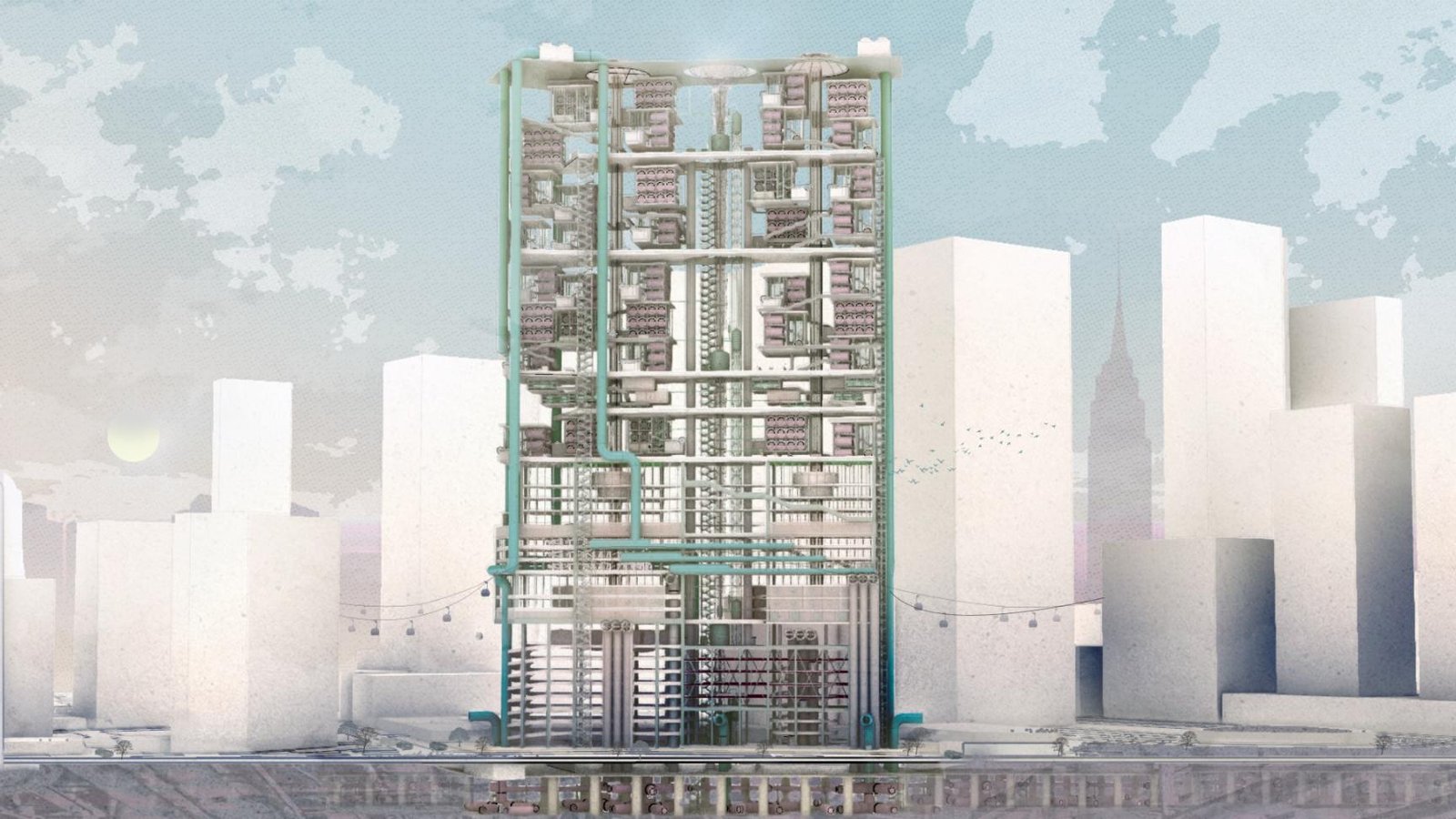
At the uppermost levels of the campus are the secure residential quarters for persons deprived of liberty. Rather than being removed from society, these residents are integrated into a structured program of productive labor and reflection. Just below, terraces of urban agriculture unfold across the structure, where detainees cultivate vegetables, herbs, and crops within a controlled yet open environment. The harvest moves downward into the next layer of the campus which is an urban farming market accessible to the public. Here, Makati’s residents and workers purchase produce grown above them, quietly participating in a circular system that blurs the boundaries between correction, labor, and community nourishment.
Creative rehabilitation forms another layer of connection. Parallel yet distinct analog arts studios serve both detainees and the public. These spaces encourage tactile making—printmaking, pottery, woodworking, and other hands-on crafts—reviving slow creative practices in a digital metropolis. Though separated for security and dignity, the shared presence of these studios establishes an invisible dialogue between creators on both sides of the justice system, reinforcing the Pio del Pilar Community Reintegration Campus’ ethos of transformation through craft and expression.
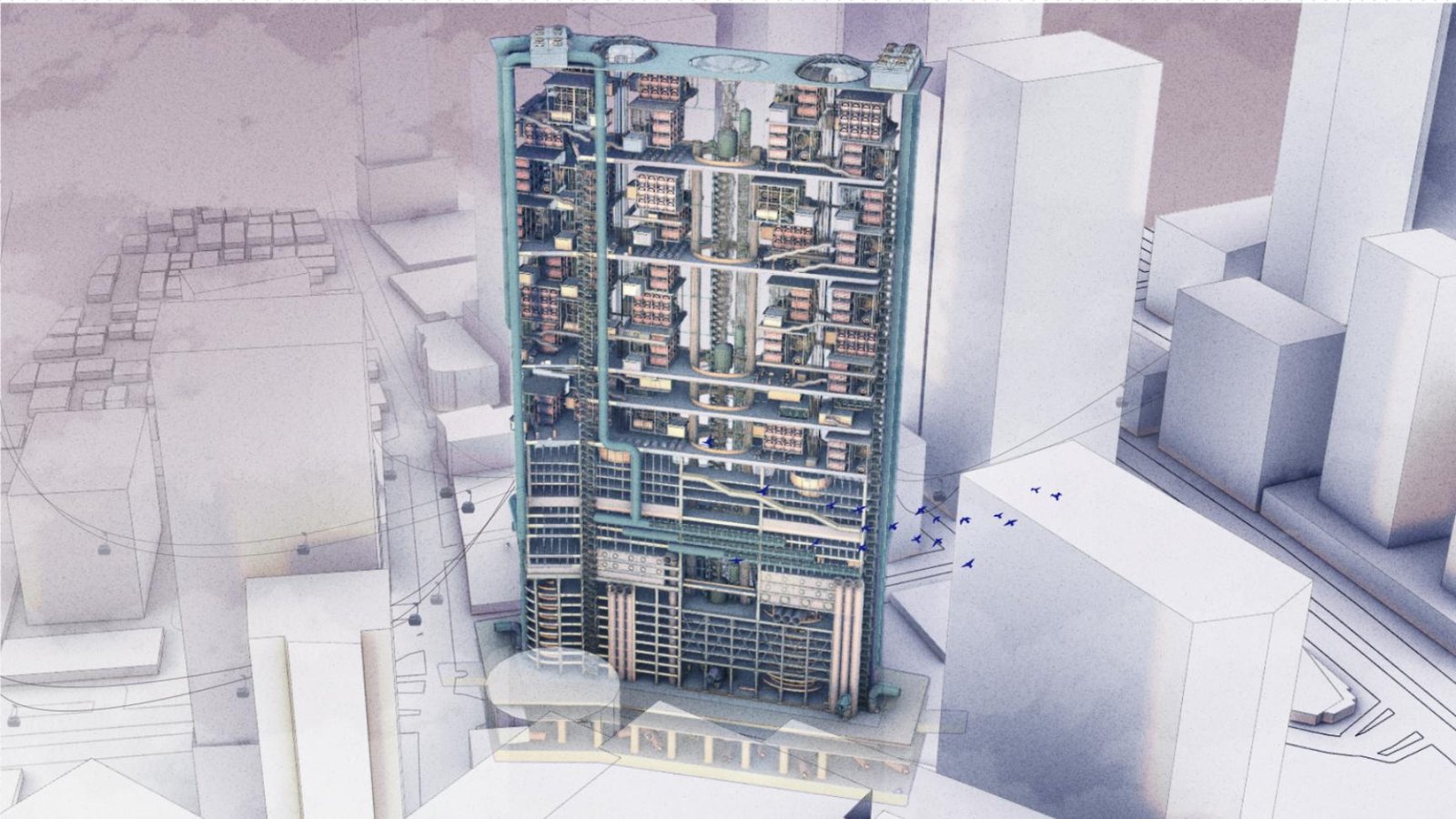
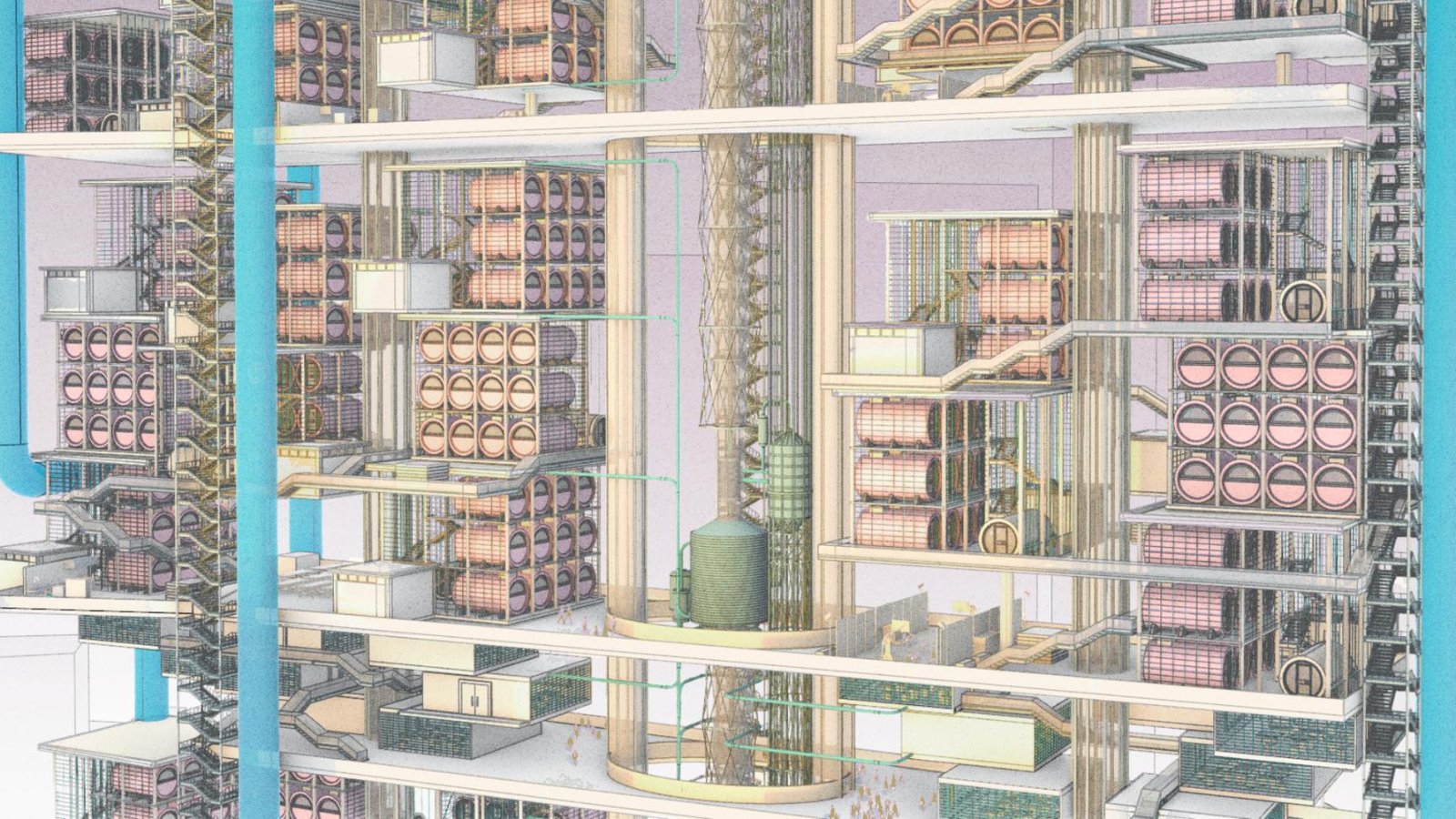
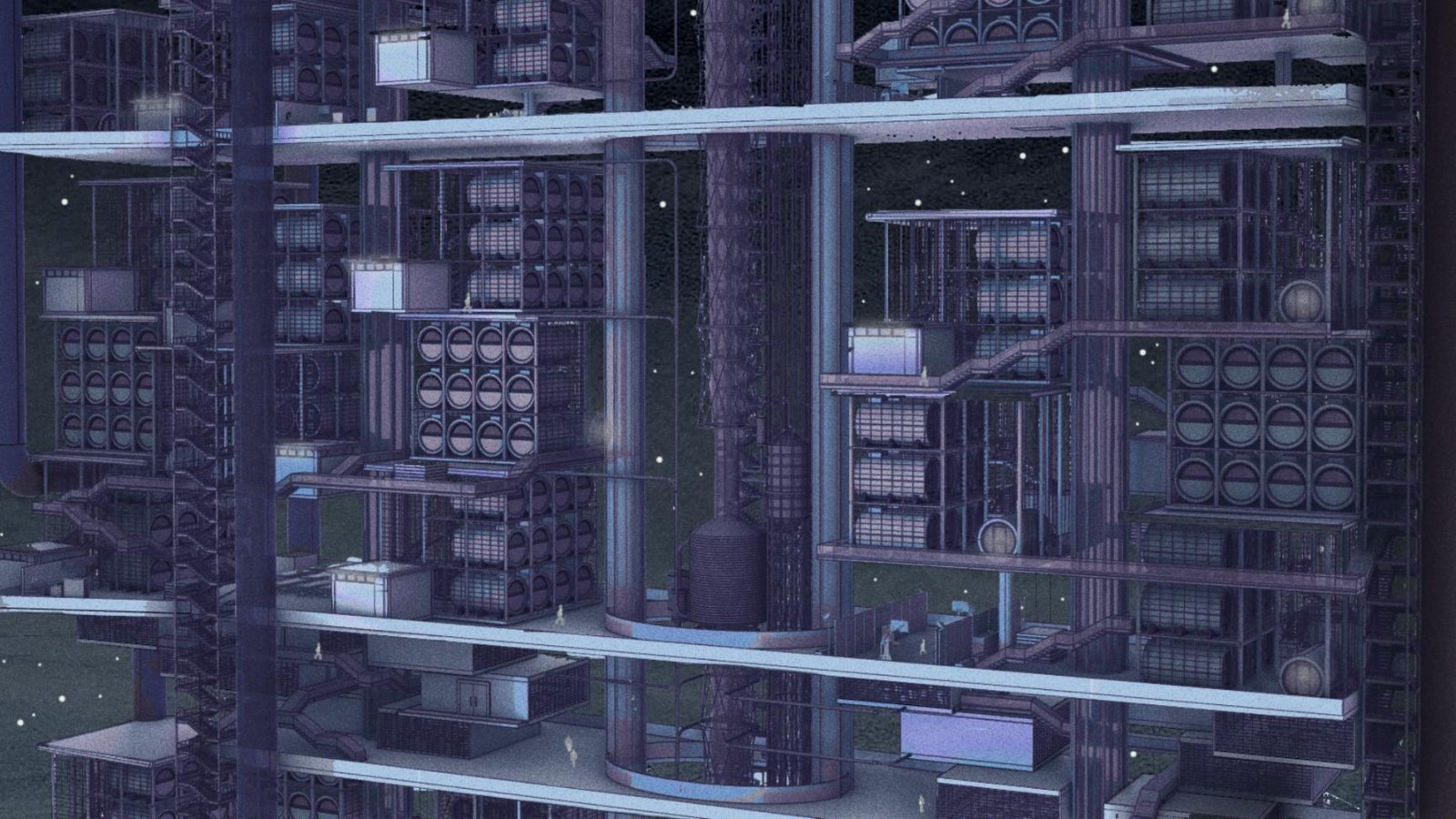
Binding these layers together is a vertical circulation spine: a cable car system that moves between floors, offering an alternative to conventional elevators while framing the campus as a civic journey through production, learning, and reintegration. Light travels with it through a network of solar tunnels that deliver daylight deep into the structure. Beneath the ground plane, hydraulic systems capture and convert underground water movement into supplemental power, reinforcing the campus’ ambition toward sustainable urban infrastructure.
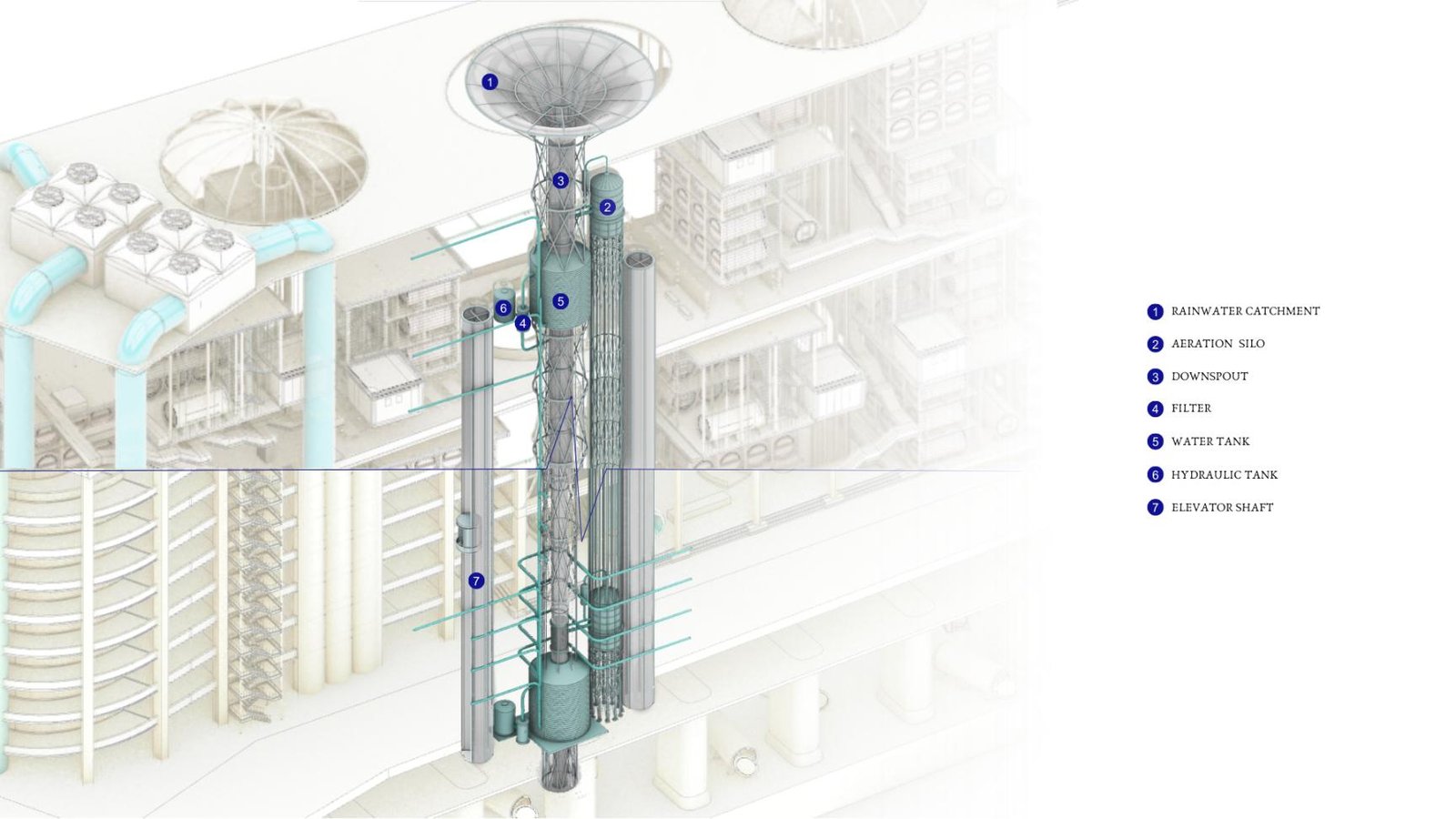
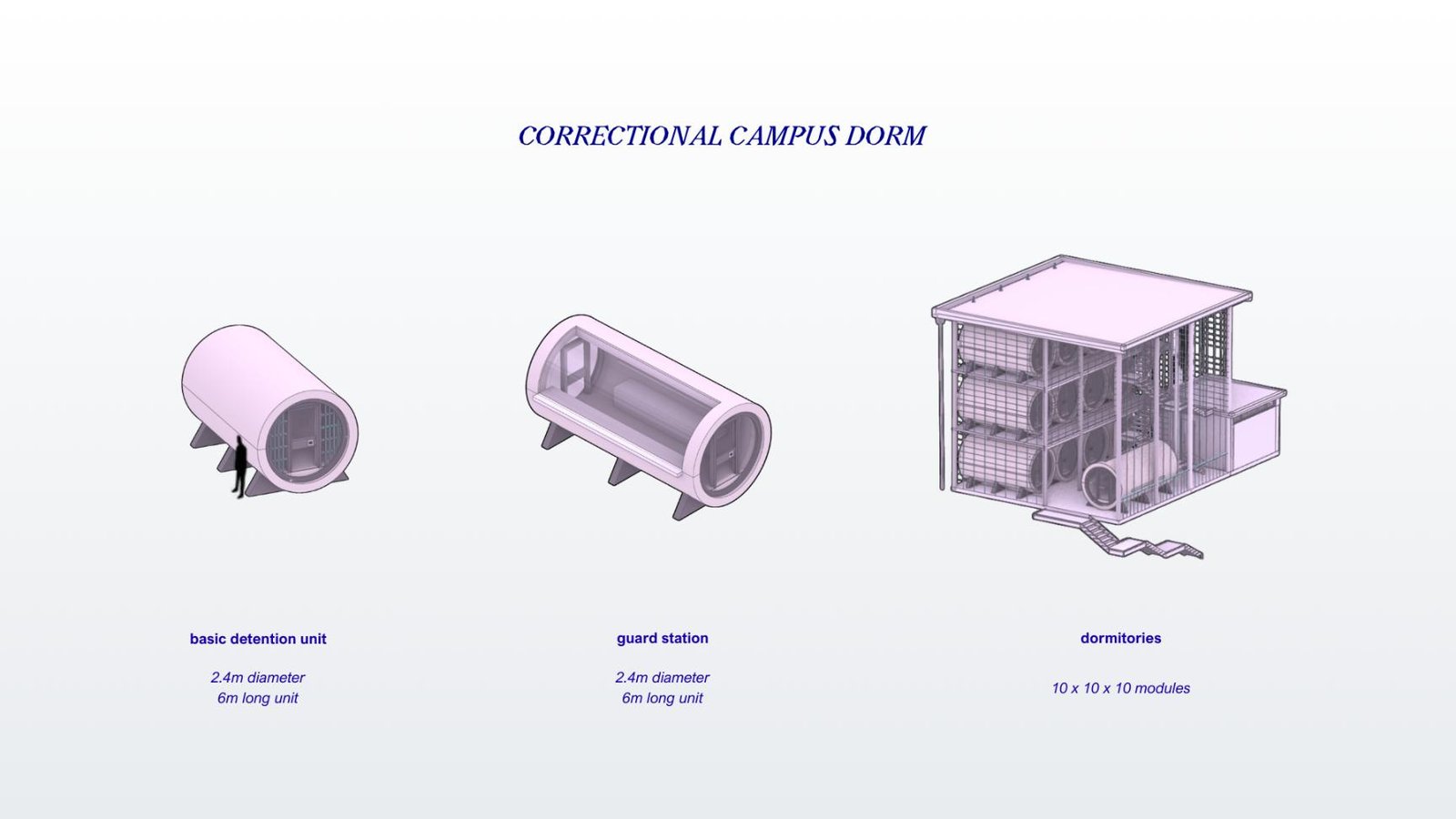
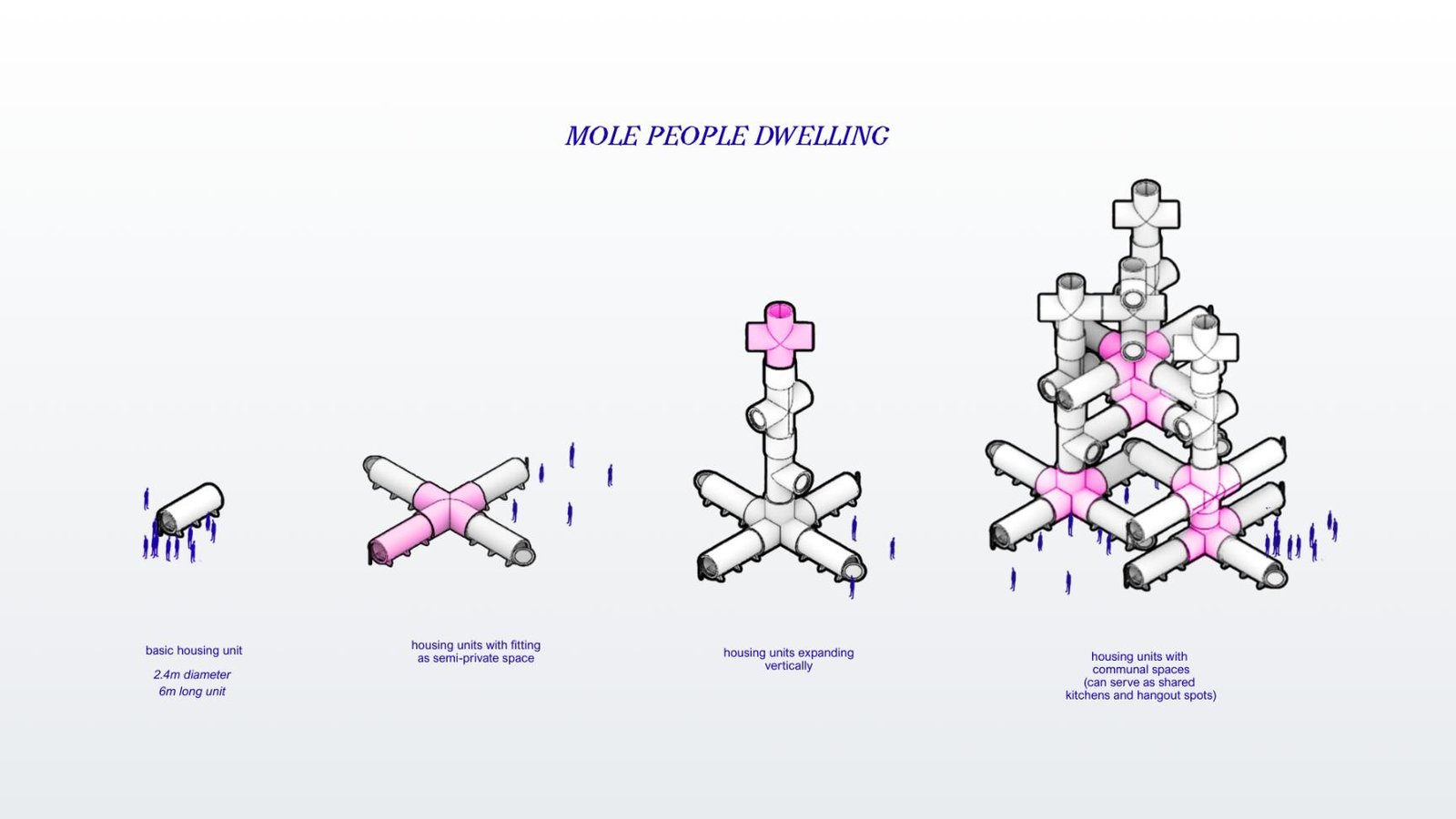
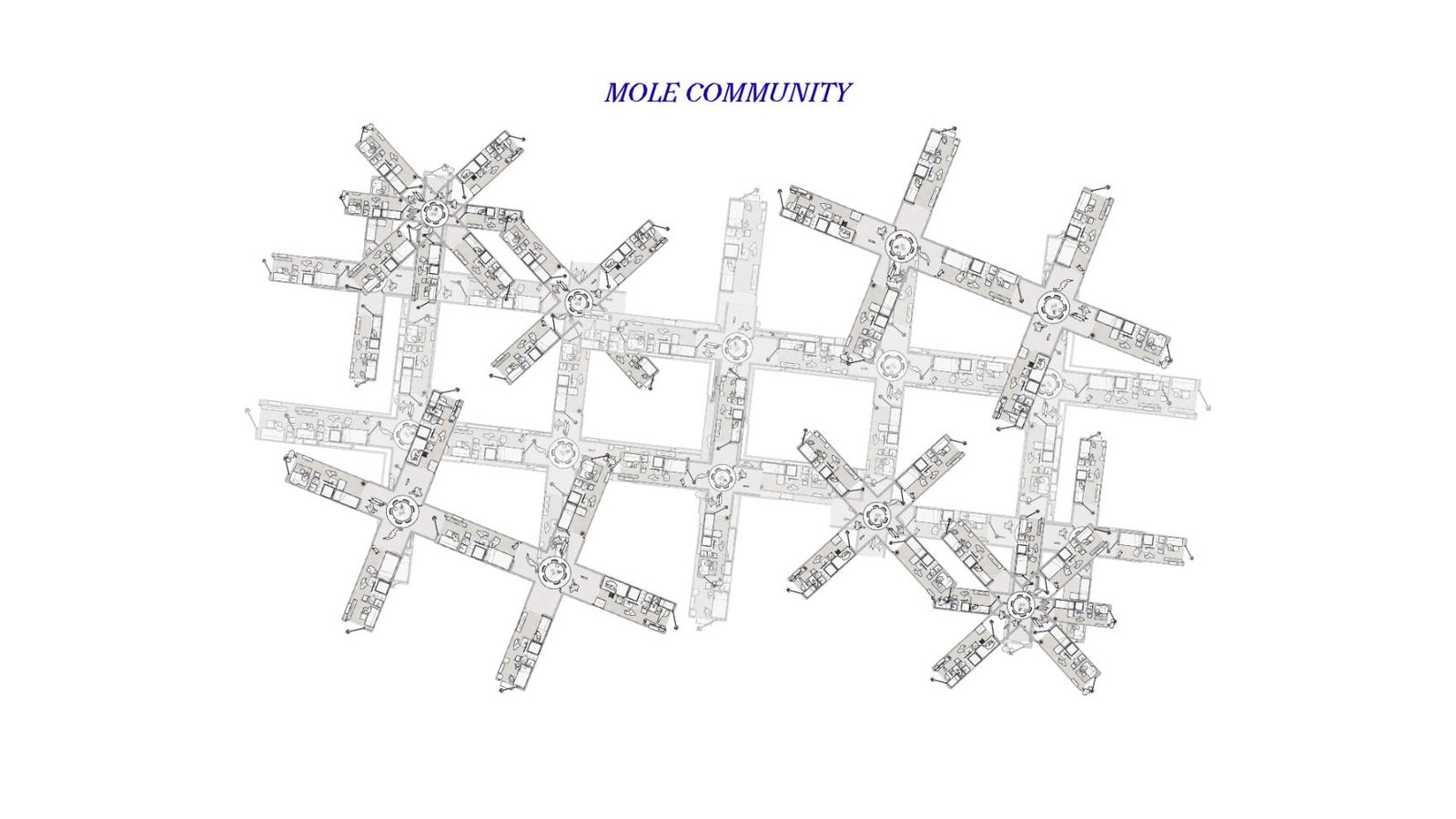
At the deepest level lies the Mole Community—an underground neighborhood designed for Makati’s urban poor. Shielded from the density above yet connected to its economic systems, this subterranean housing network offers dignified living spaces, communal facilities, and direct access to the campus’ markets, farms, and creative industries. A continuous network of pipes—carrying water, energy, waste, and even produce—acts as the project’s infrastructural language, stitching every layer together. Through this system, the campus operates like a living organism: food, power, people, and opportunity circulating between ground, sky, and soil. •