Words and images Andrea Sy and Carmela Cablao
Editing The Kanto team
In the Philippines, life unfolds in layers that rarely follow formal boundaries. A home becomes a store by day, a sidewalk becomes a dining space by night, and a narrow street transforms into a marketplace through the activities of locals and visitors. These informal exchanges form the core of Filipino urban life, creating streets that are as much social spaces as they are routes of movement.
Within Makati, the adjoining neighborhoods of Olympia and Carmona reveal two contrasting urban conditions. Olympia thrives with dense social interaction, informal commerce, and neighborhood circulation, while Carmona grows with more formalized residential structures and quieter street life. The tension between these two patterns presents an opportunity to rethink how mixed-use development can move beyond the typical formula of commercial ground floors and residential upper levels. What if mixed-use is not a zoning category but a continuous vertical system? What if every level can host the layered commercial life we already see in sari-sari stores, carinderias, and home-based junk shops?
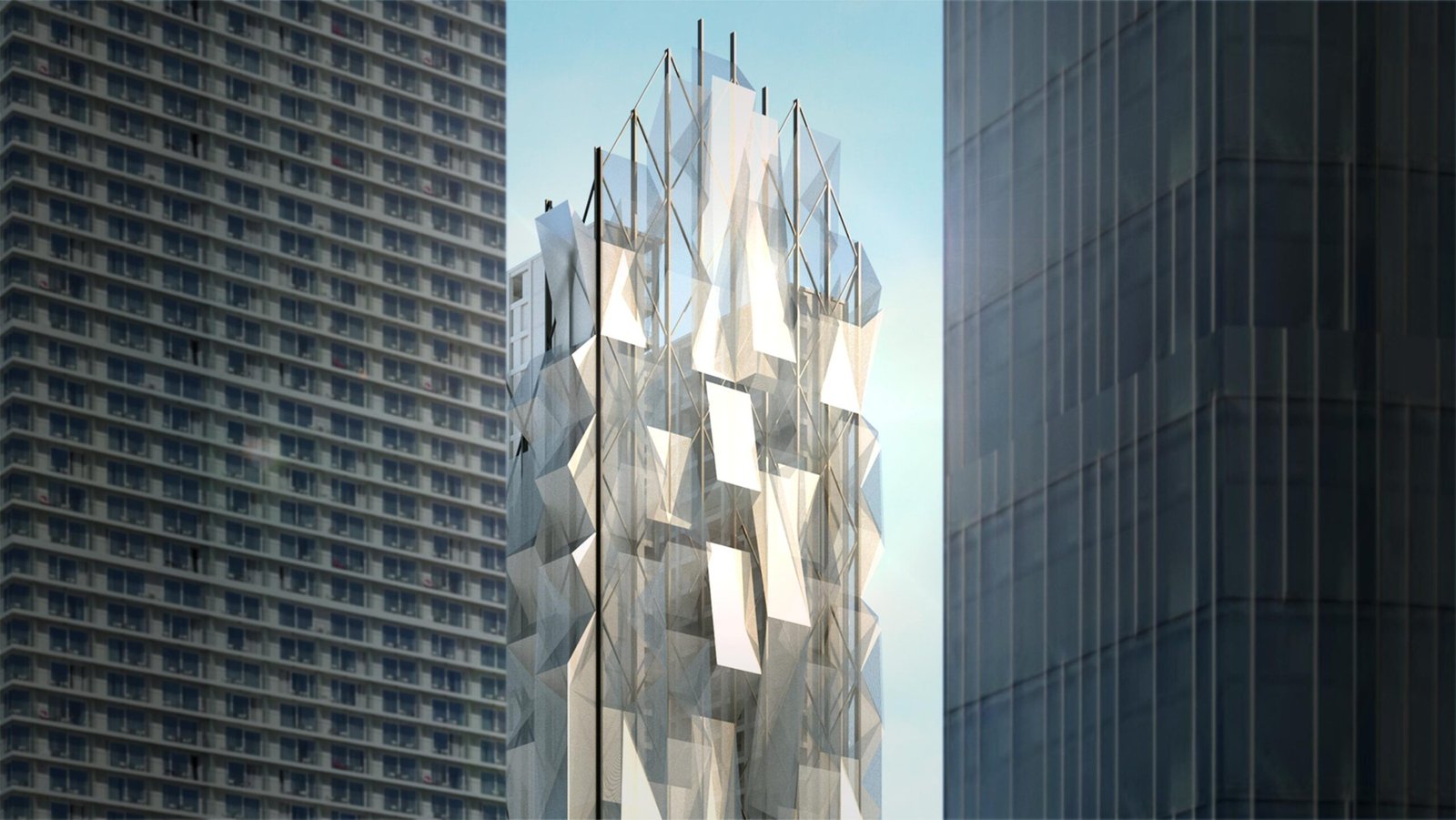
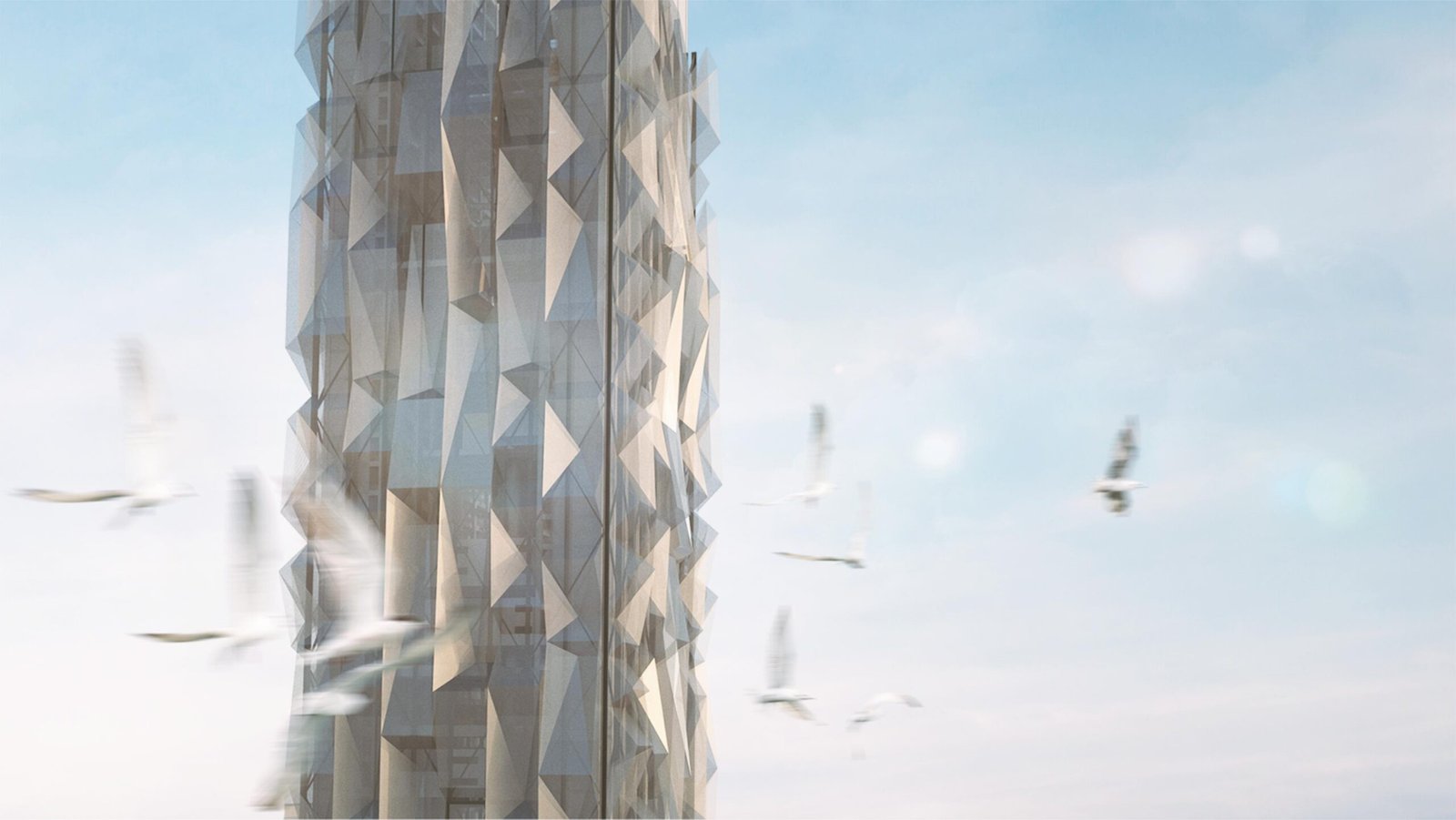
This became the foundation for VertiCalle: Vertical Streetscape, a Makati in 2040 proposal that reimagines the tower as a stacked neighborhood, showcasing the social dynamics of Filipino streets but within a high-rise context.
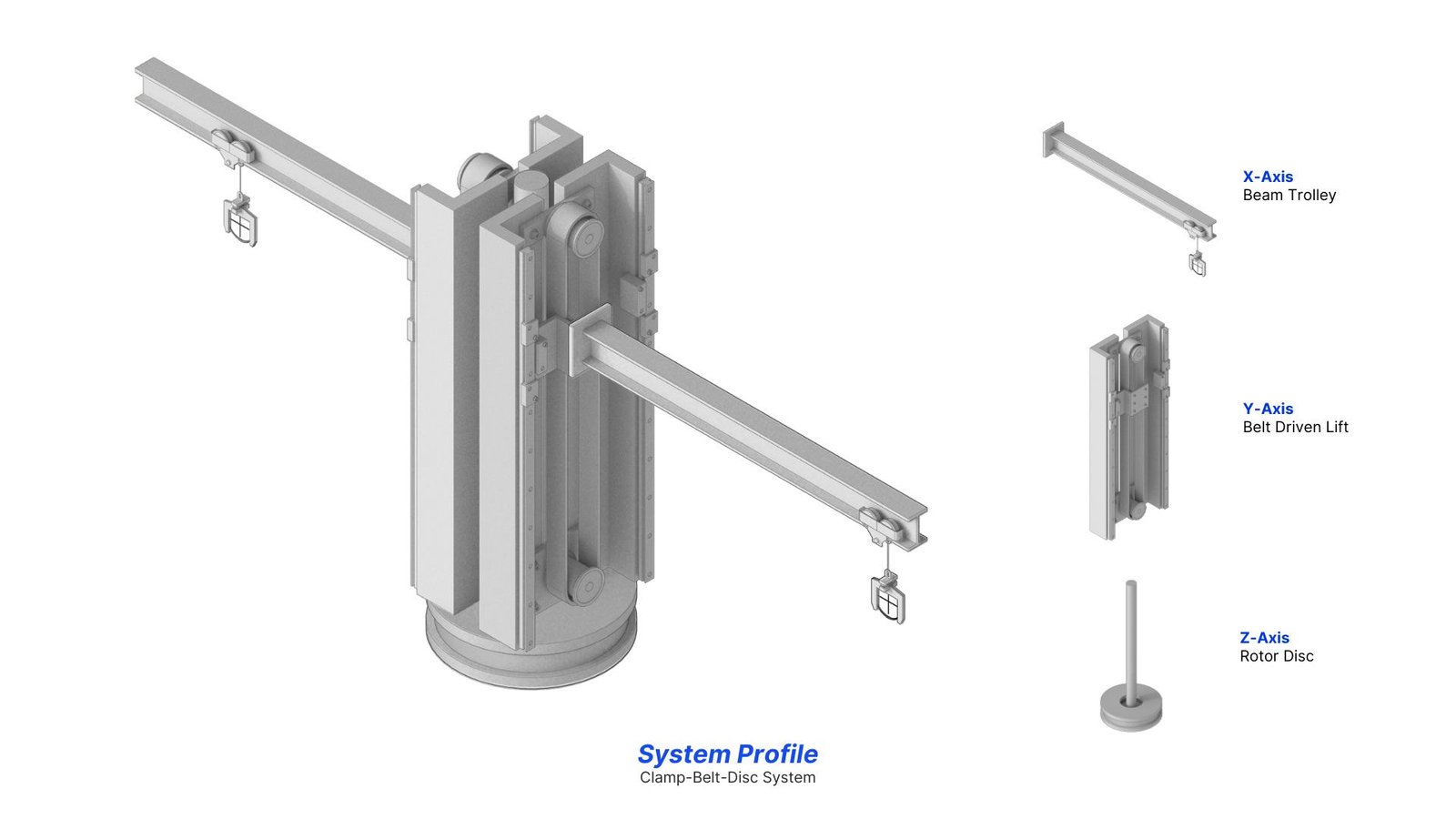
Cable-Belt-Disc System
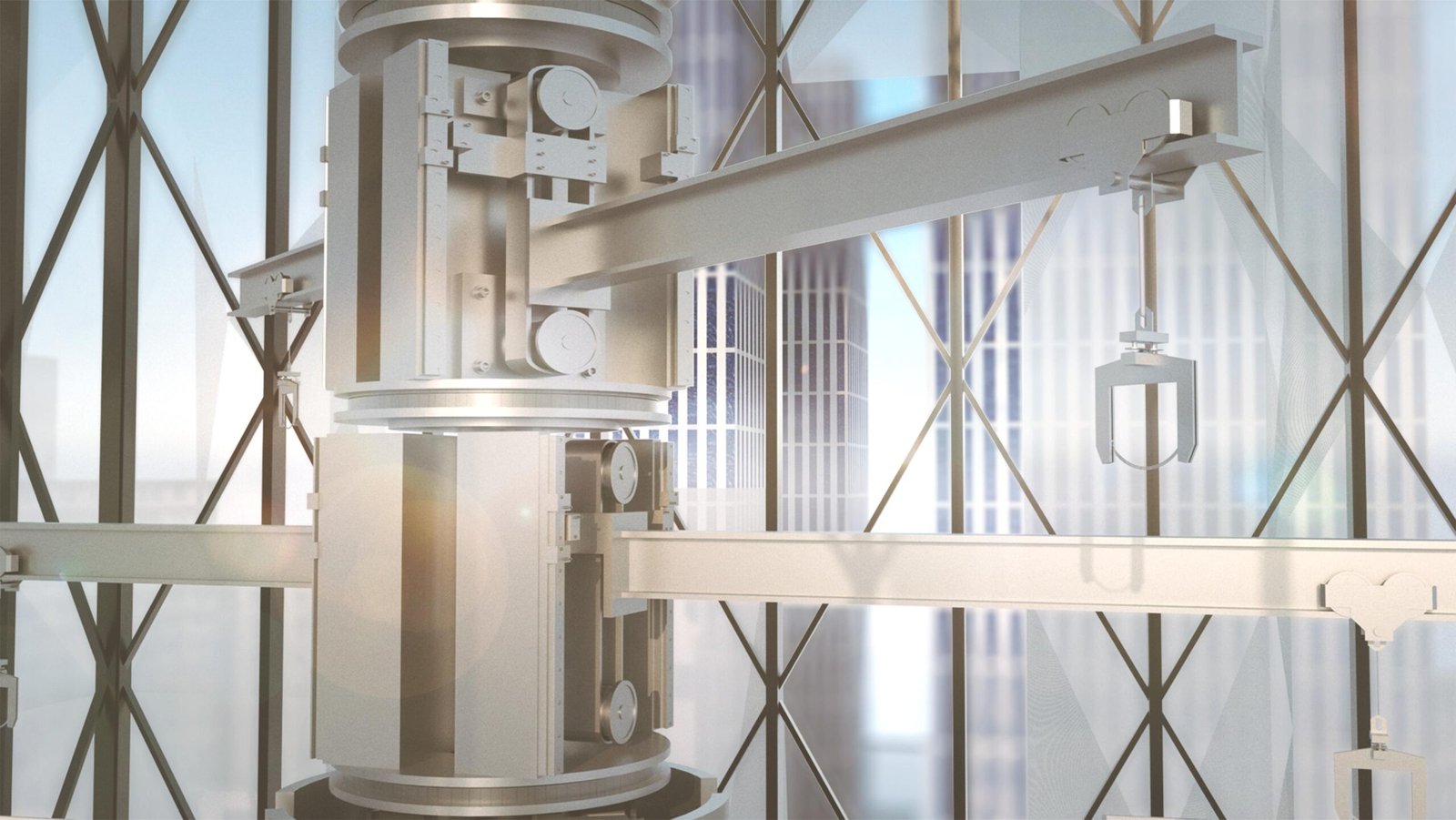
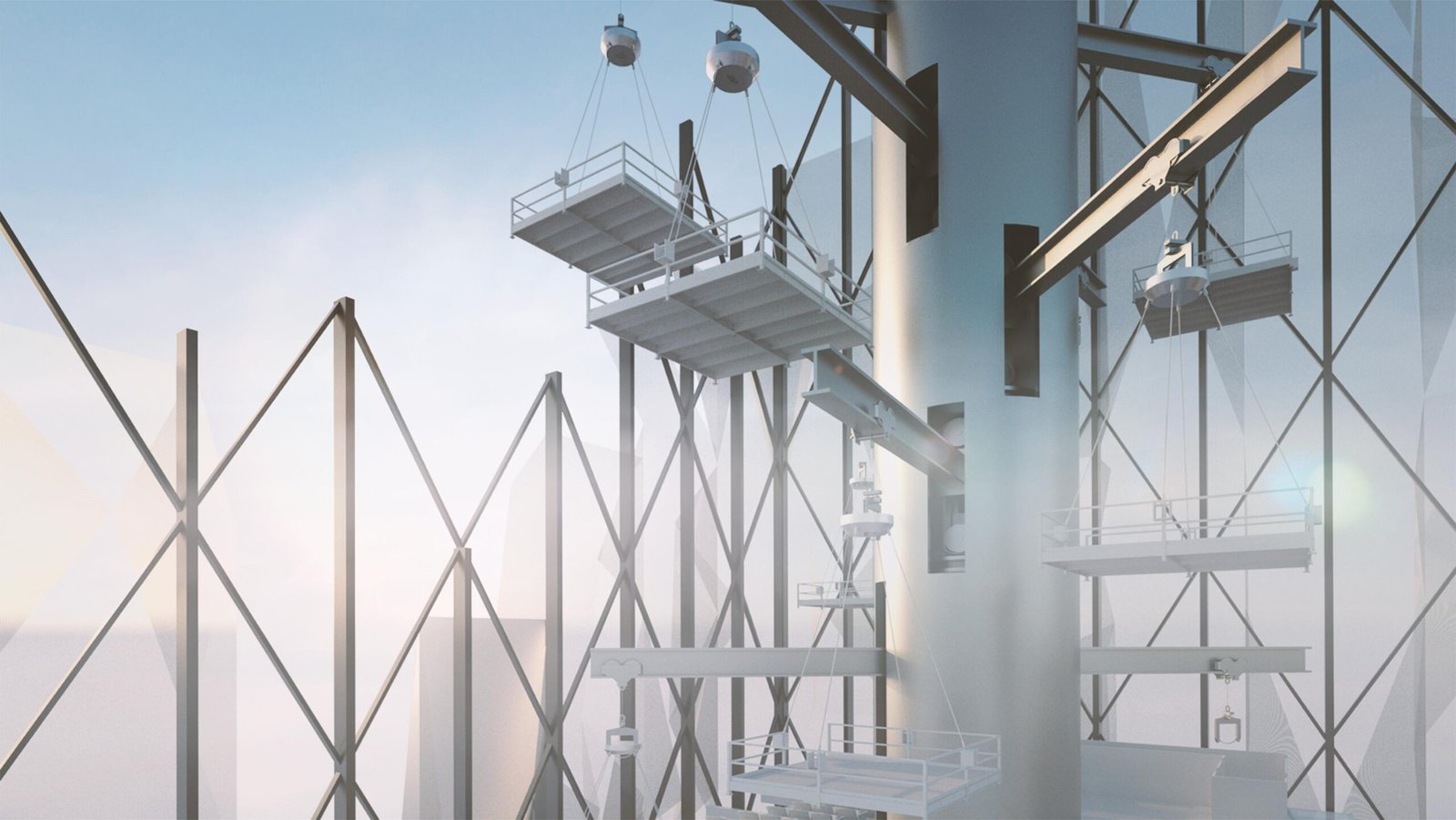
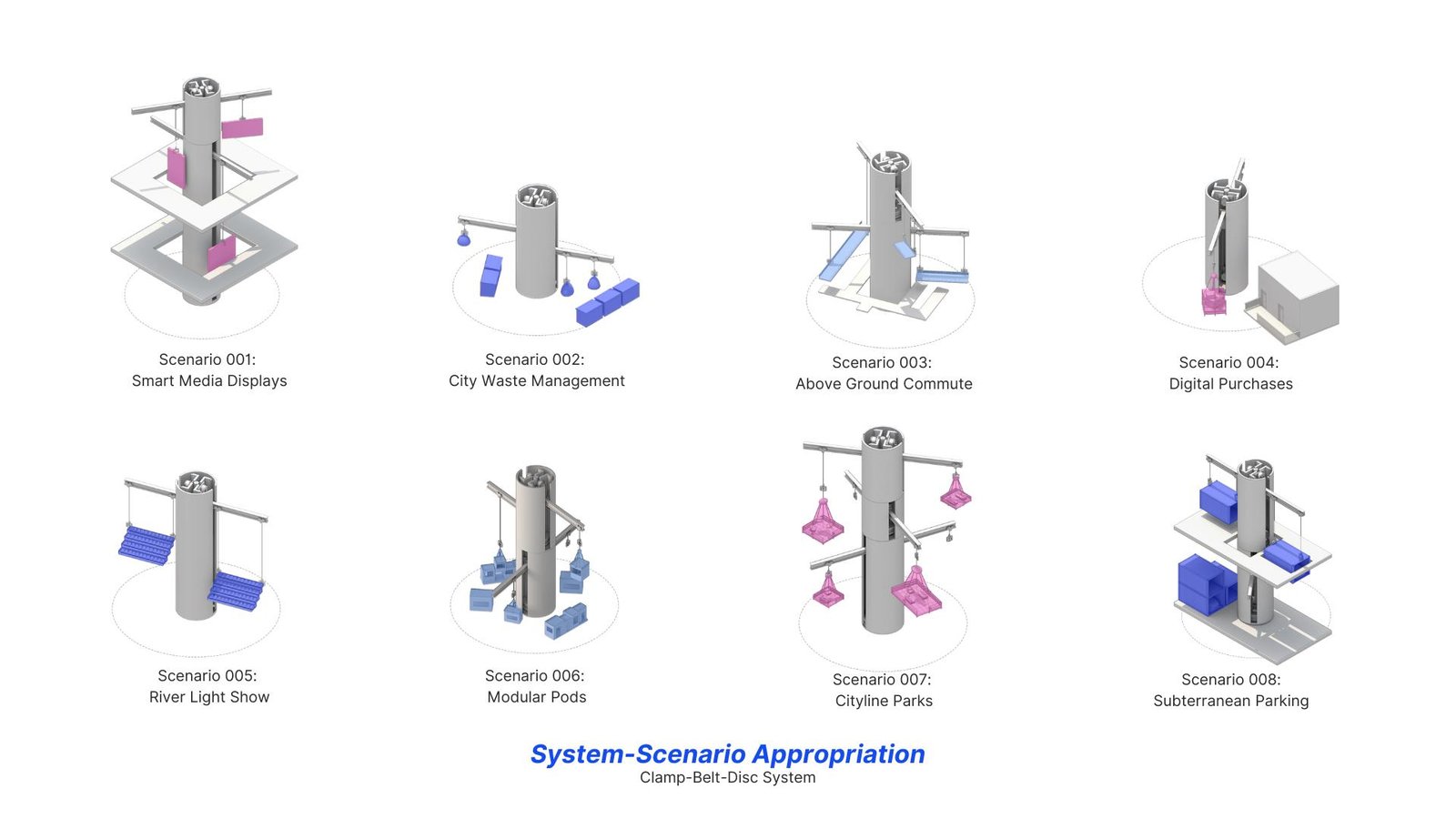
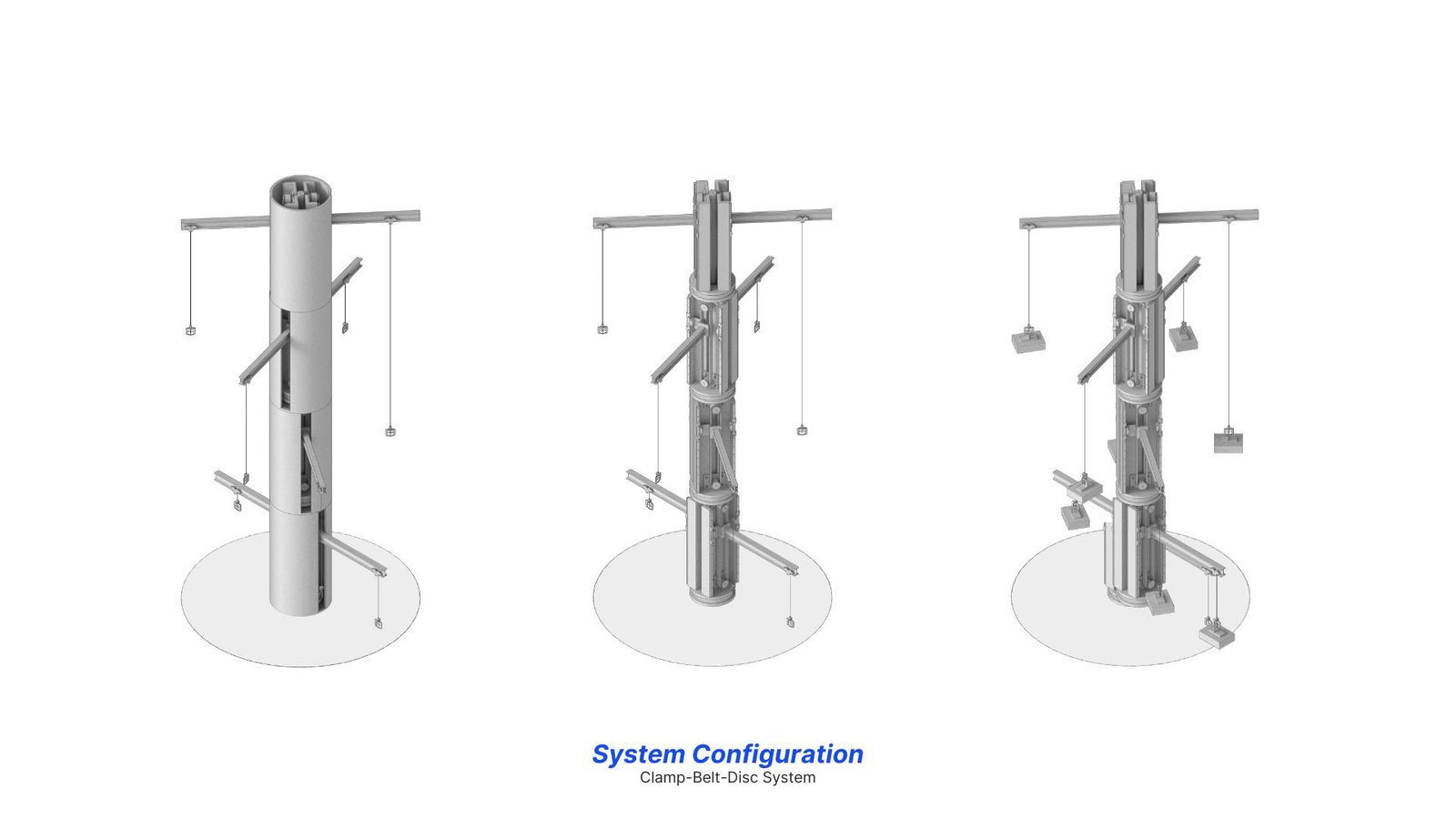
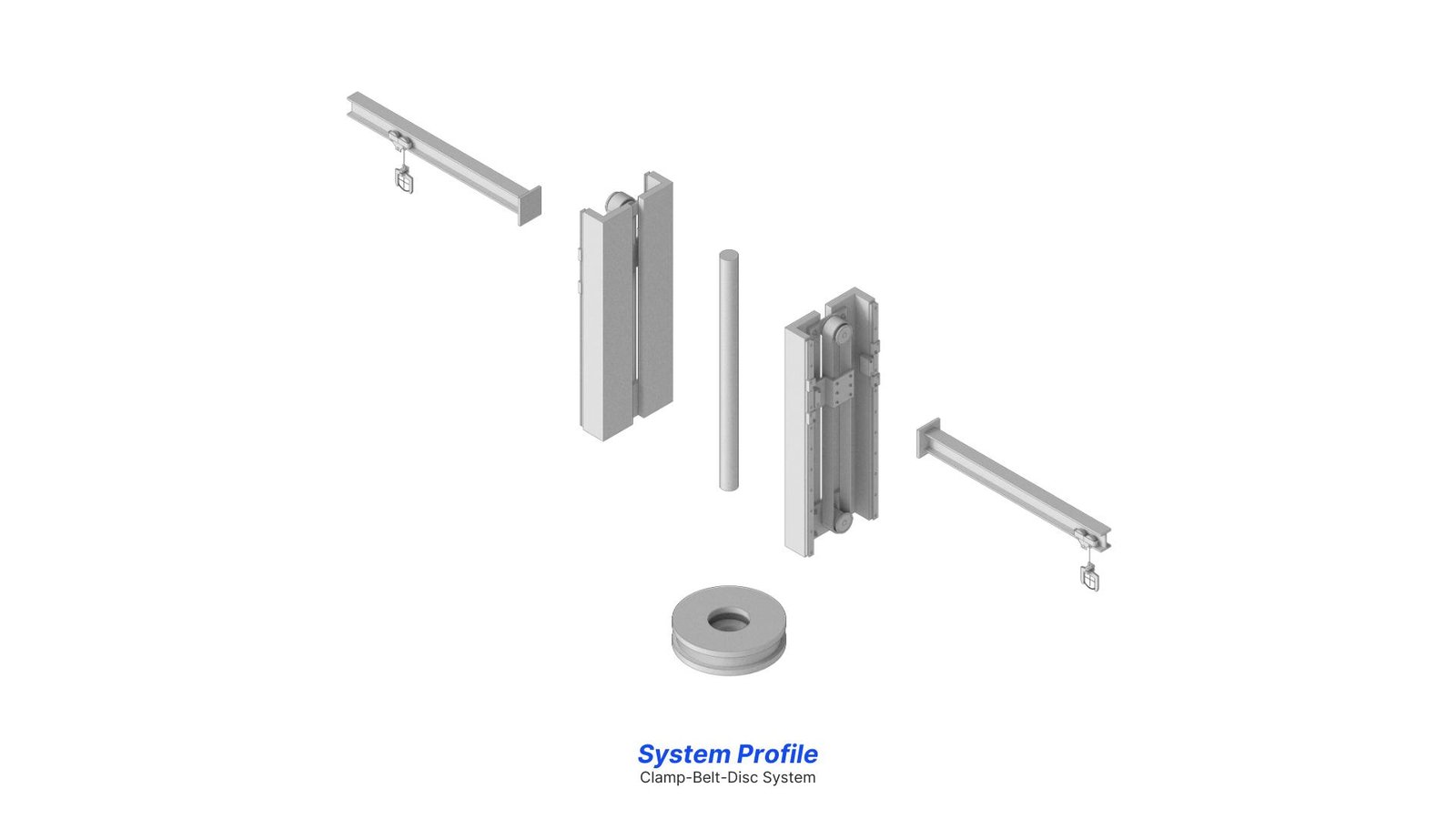
To operationalize this idea, we developed the Cable–Belt–Disc System, inspired by the anatomy of a drone moving through the X, Y, and Z axes. Reconfigured using swash plates, a movable Y-axis beam, and a traveling clamp along the X-axis, the system achieves drone-like mobility but translates it into architectural function. It organizes the building through a nodal spatial strategy with two core modes of appropriation: Movement and Arrangement, allowing programs and spatial conditions to be repositioned, reoriented, and re-assembled depending on use.
Design Translation
Residential units anchor the structure on both sides, while an open light atrium occupies the center, carving voids that allow natural light to penetrate deeply and recreate the openness, spontaneity, and visibility of real streetscapes. The central void becomes the “public street,” while the edges hold the more private layers of everyday life.
This spatial logic is reinforced by a protocol map, which uses sunlight as the primary variable. As daylight moves throughout the day and shifts across seasons, not only does it accommodate environmental conditions of a vertical streetscape, but the building responds through its spatial configuration. Zoning is informed by solar data across days and seasons, locating programs where it benefits from strong daylight.
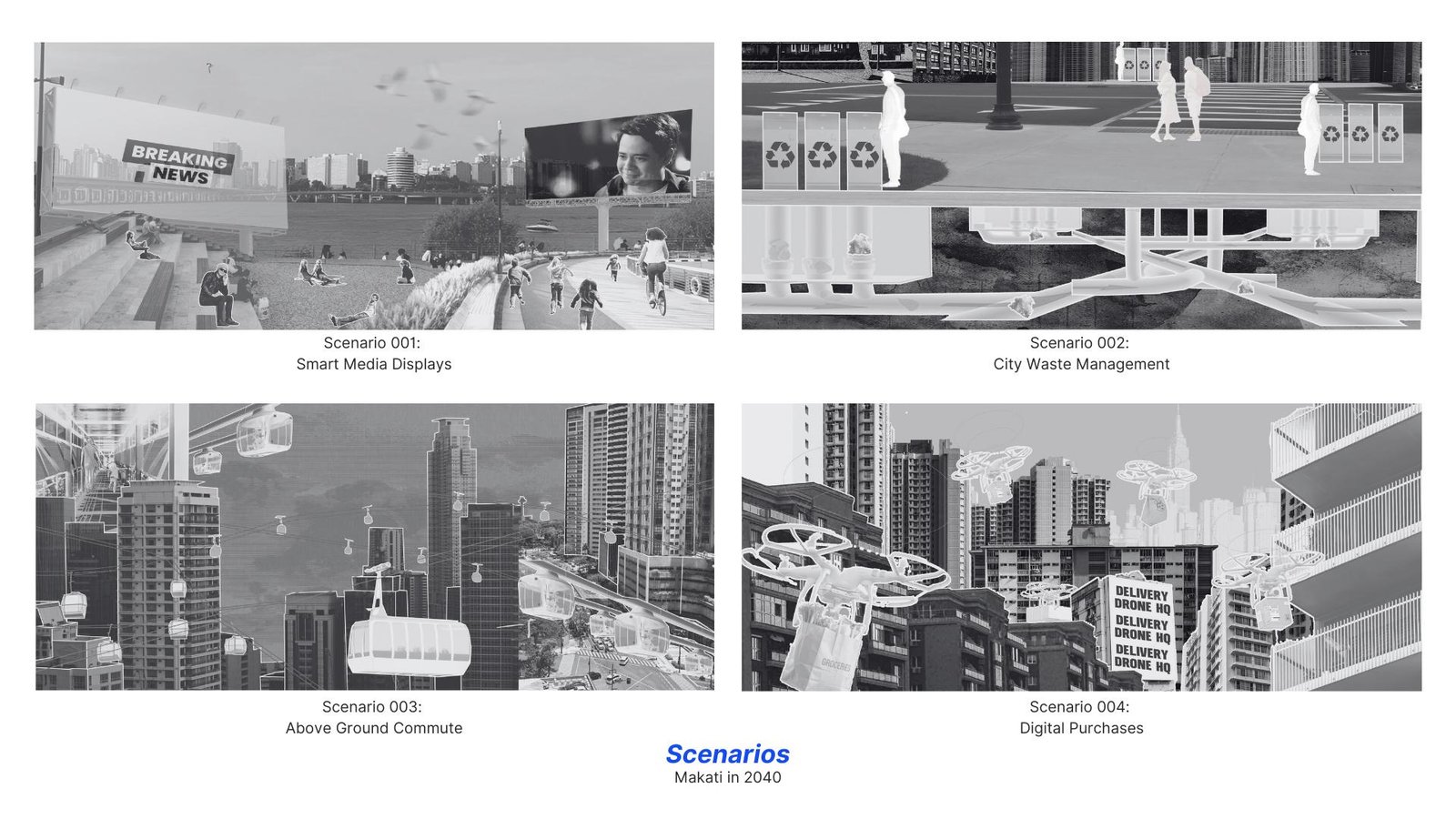
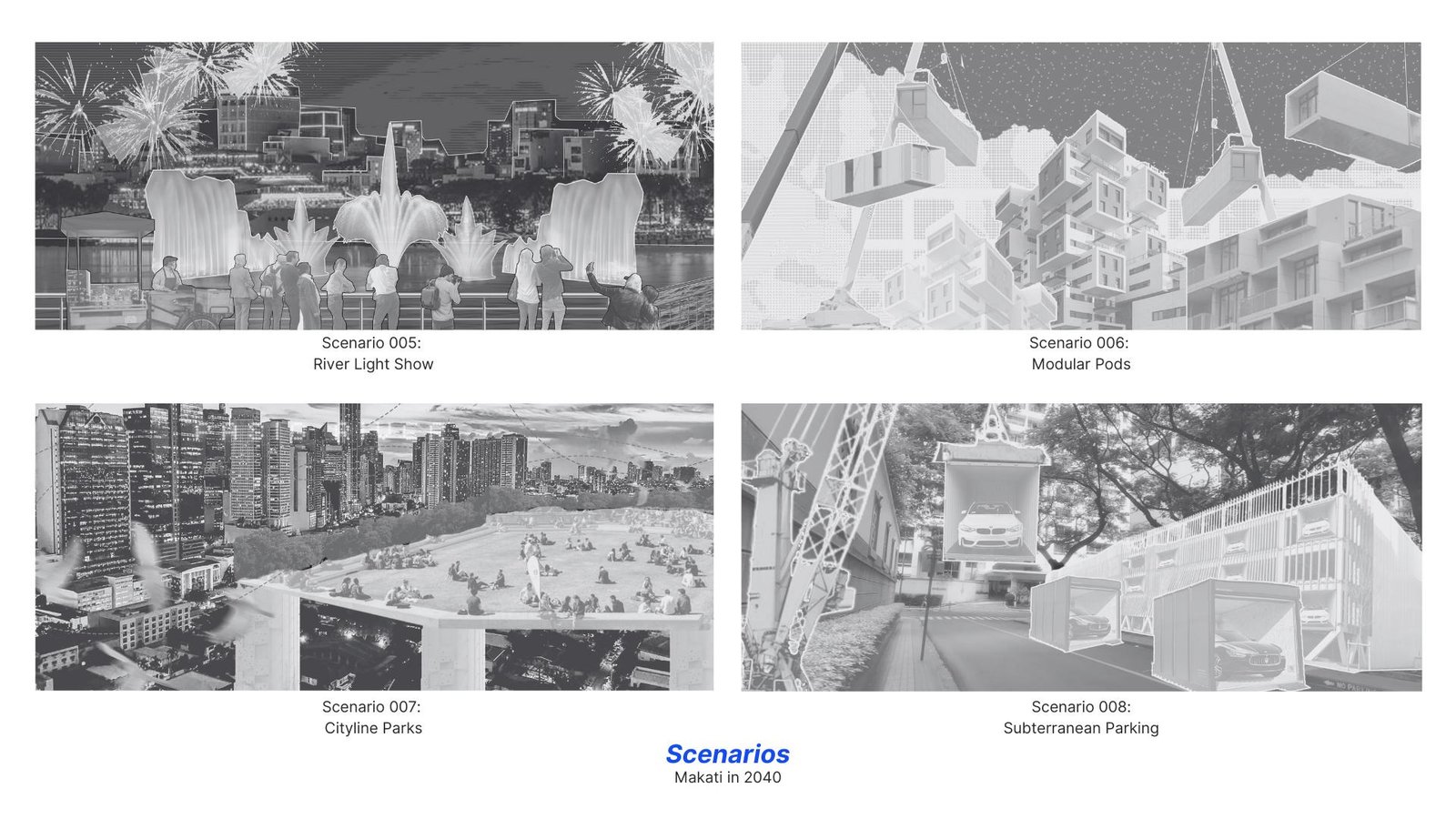
Design Output
What emerges is not just a building but an ascending neighborhood. Here, the informal economies that shape Filipino urban life are no longer pushed to the margins. It becomes a vertical community where commerce, culture, and domesticity coexist, proving that density can still be intimate, adaptable, and deeply rooted in the essence of real Filipino streets. •