Interview The Kanto team
Images Karl De Santos, Lovely Vermillo Tapalla,
Jay Pamotongan, Mark Christian Tek-Ing,
Hans Lawrence Malgapu, and Nolan Dave Tolentino
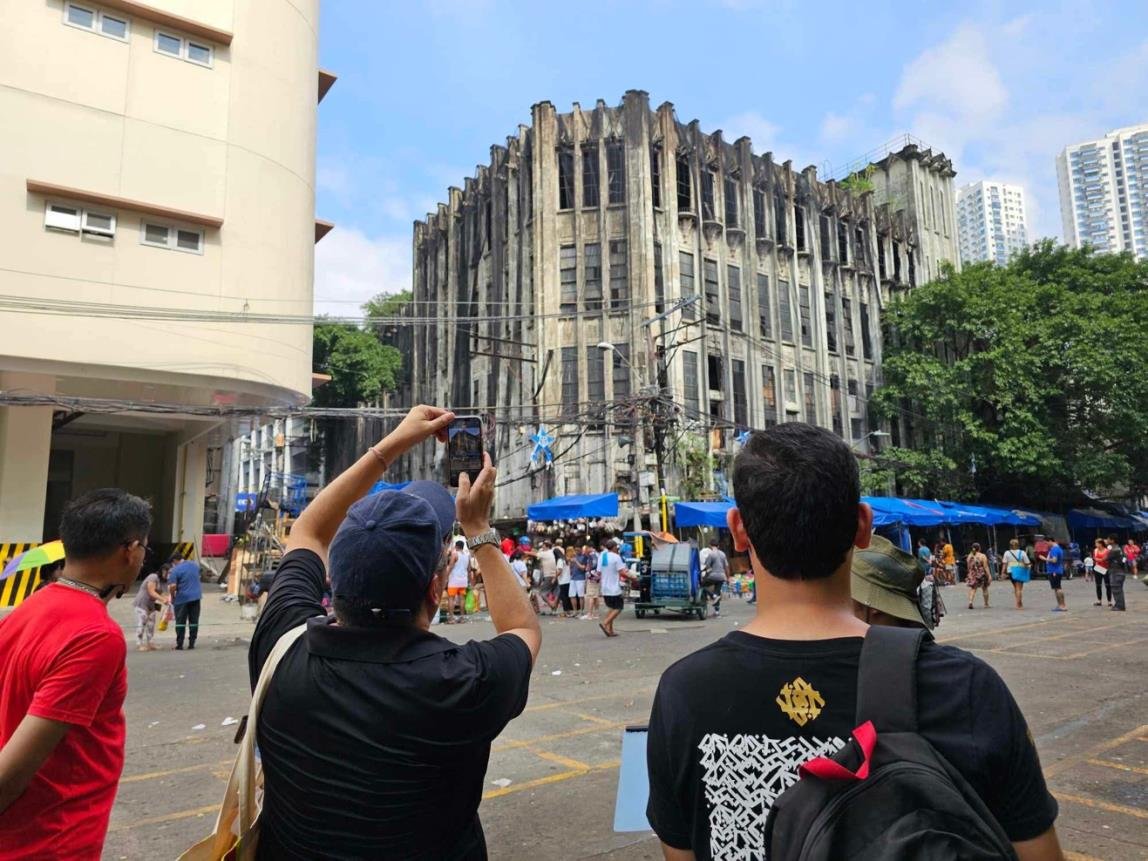
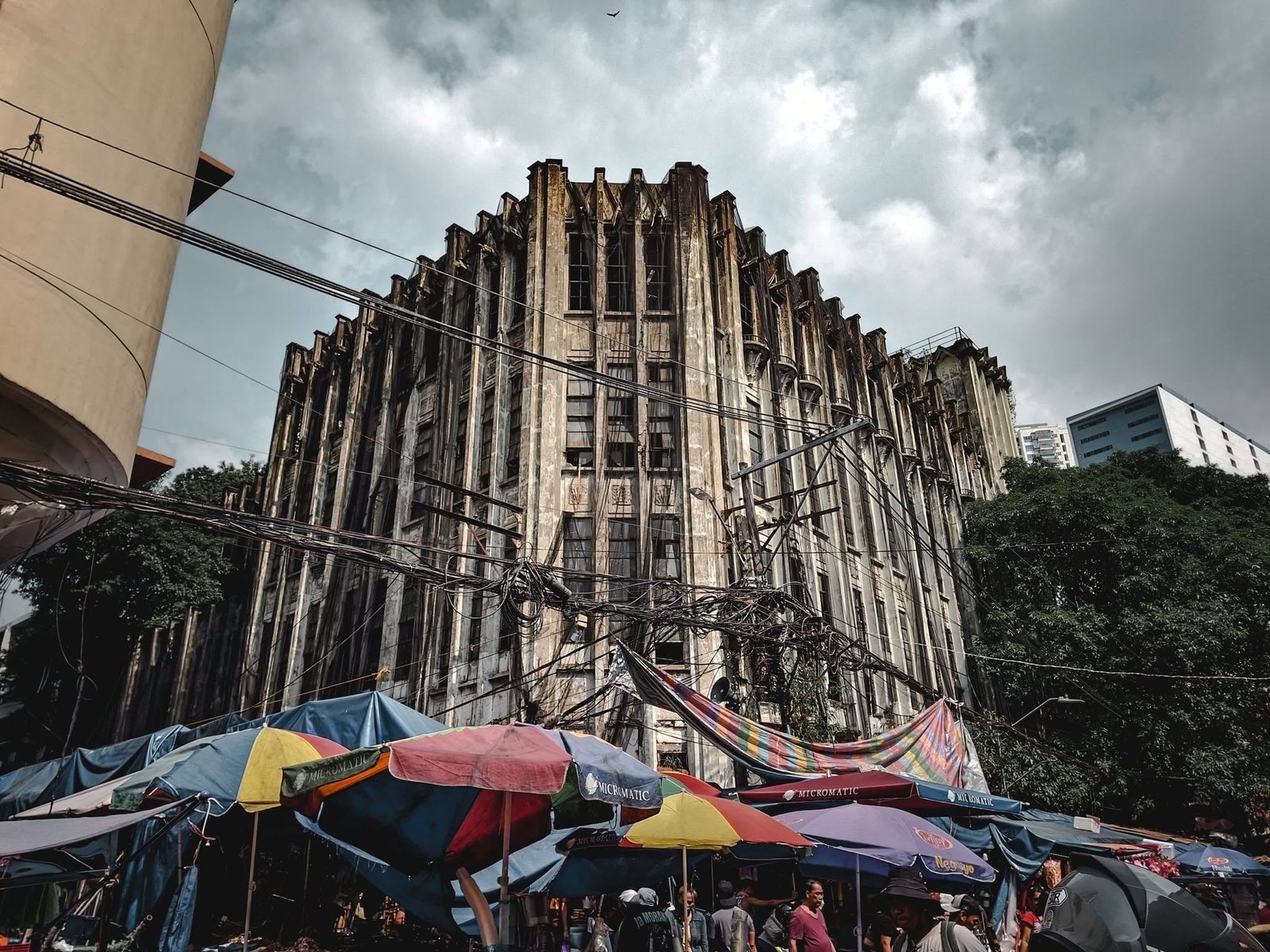
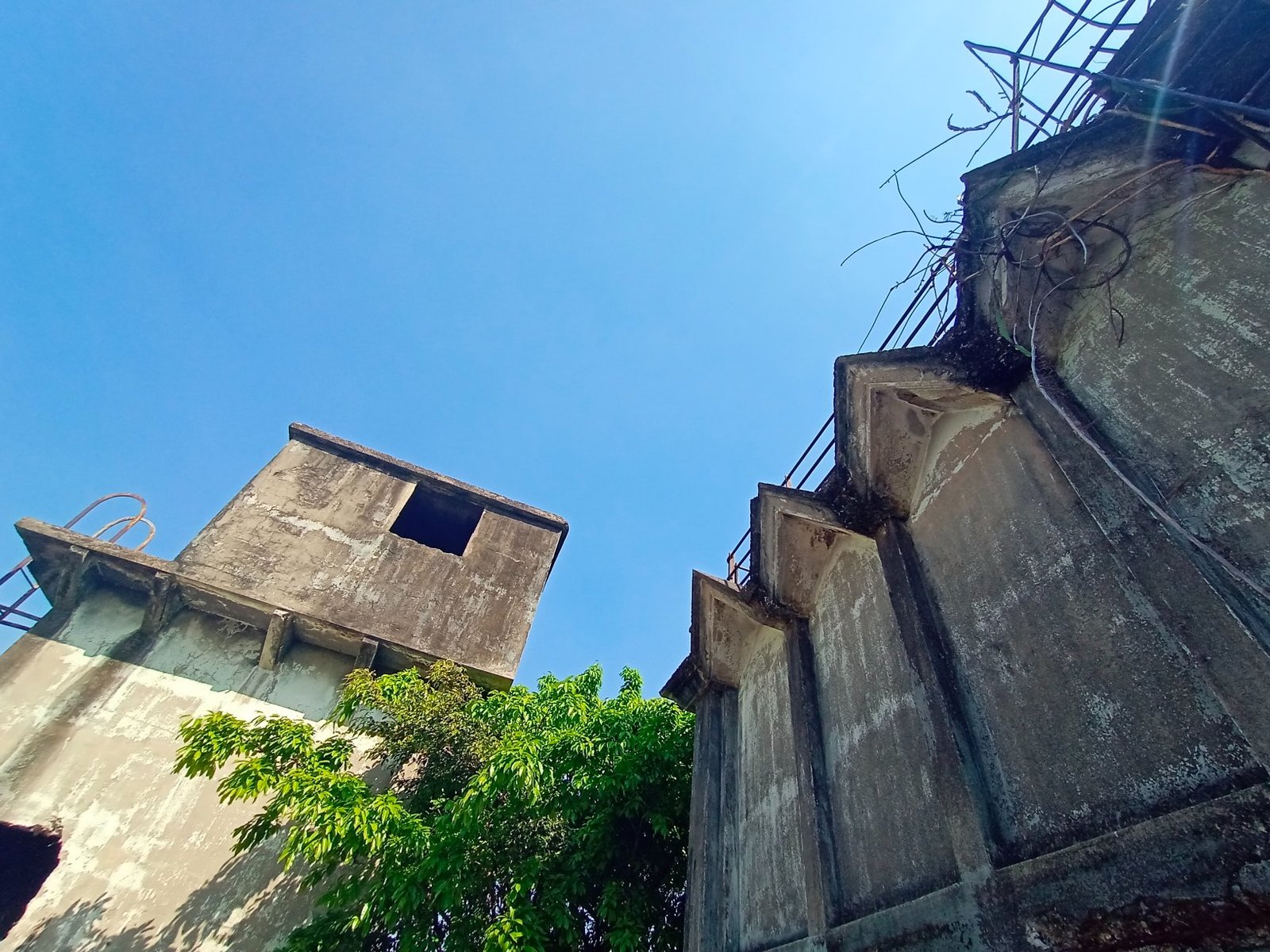
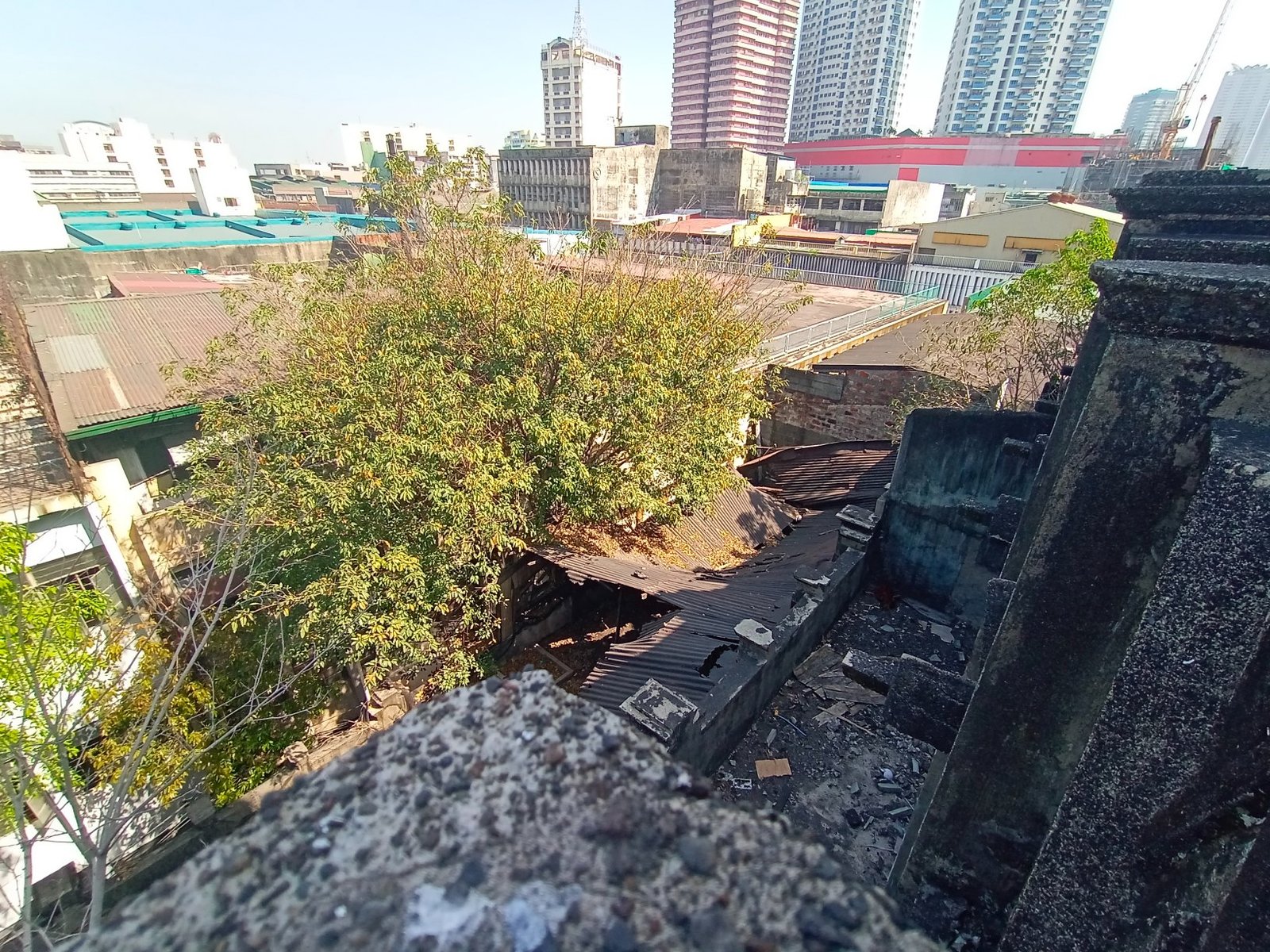
Rising above the spice and candy stalls at the corner of M. De Santos, Carmen Planas, and Chavez Streets in San Nicolas, the IDES O’Racca Building has presided over Divisoria since the 1930s. Its Art Deco façade, designed by German architect Arthur Julius Niclaus Gabler Gumbert, has outlasted the Second World War and a 1964 fire that spared its concrete frame.
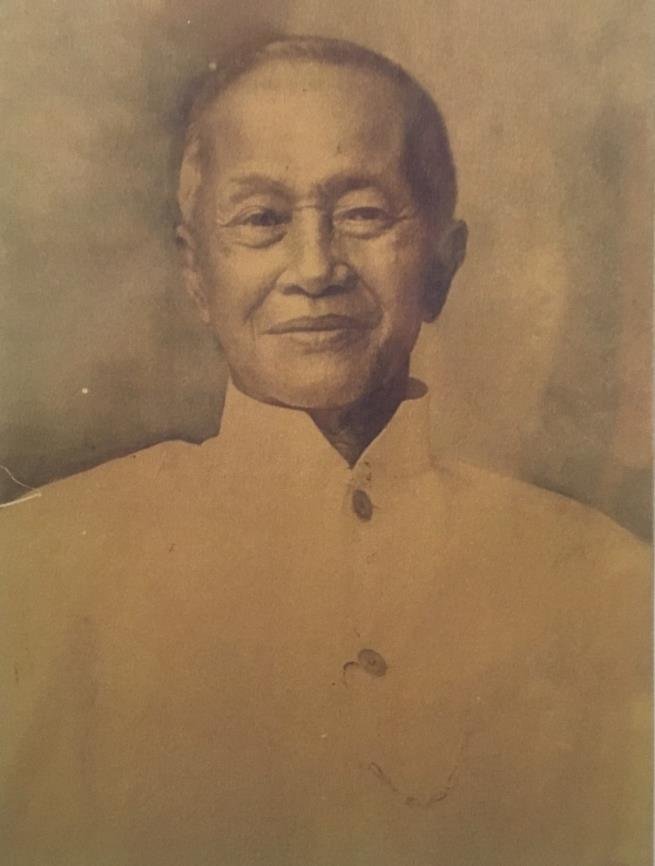
The National Museum of the Philippines declared the four-story landmark a Grade III Cultural Property in 2013. Yet, it now faces a reported final demolition order, news Renacimiento Manila amplified on October 14. Its most persistent voice has come from within the family: Ezekiel Roi “Karl” De Santos, great-great-grandson of Dr. Isidoro De Santos, the physician and legislator whose initials still name the building he once shared with his household.
For years, De Santos has petitioned cultural agencies on its behalf, securing NHCP approval in 2022 for a historical marker honoring his ancestor, which, he says, has yet to be installed. We spoke with him about the family stories the building once housed and what it would take to keep them from being erased by the wrecking ball.
Thank you for indulging us with an interview! The IDES O’Racca Building bears your great-great-grandfather’s name in its first four letters, IDES, for Dr. Isidoro De Santos. When did you first learn of the building’s connection to your family? Could you also briefly describe the building’s distinctive features and what made it a landmark on its corner of Divisoria for readers new to it?
Karl De Santos: I first learned about the building while researching Marcelino De Santos and, later, Isidoro De Santos.
Growing up, whenever we went to Divisoria, we would joke that M. De Santos Street was my brother’s street because his name starts with an M. My mother and grandmother often took me to buy spices and candies in front of the IDES O’Racca Building, and we ate lugaw behind it on Chavez Street, where they used to eat whenever they shopped in Divisoria. Visiting my late aunt at the Manila North Cemetery was also a part of my childhood, and I always wondered if the Marcelino De Santos buried there was the same M. De Santos from Divisoria.
Perhaps fate wove these places into my life. Unknowingly, a connection was waiting to be uncovered. As I researched further and reconnected with relatives, I began to ask: what is our family’s story? I learned that my ancestors were unsung heroes and that the IDES O’Racca Building was deeply tied to our family’s history.
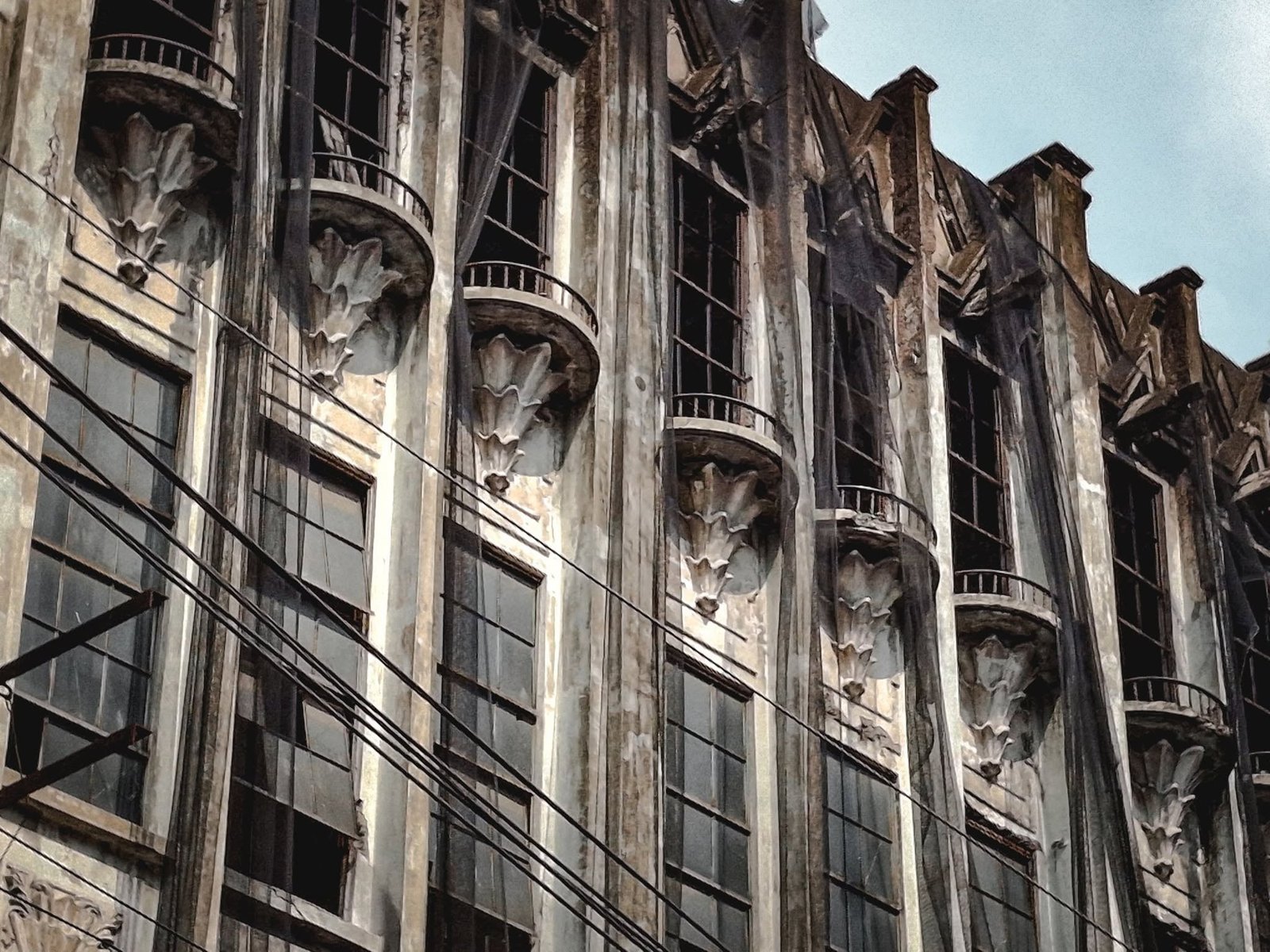
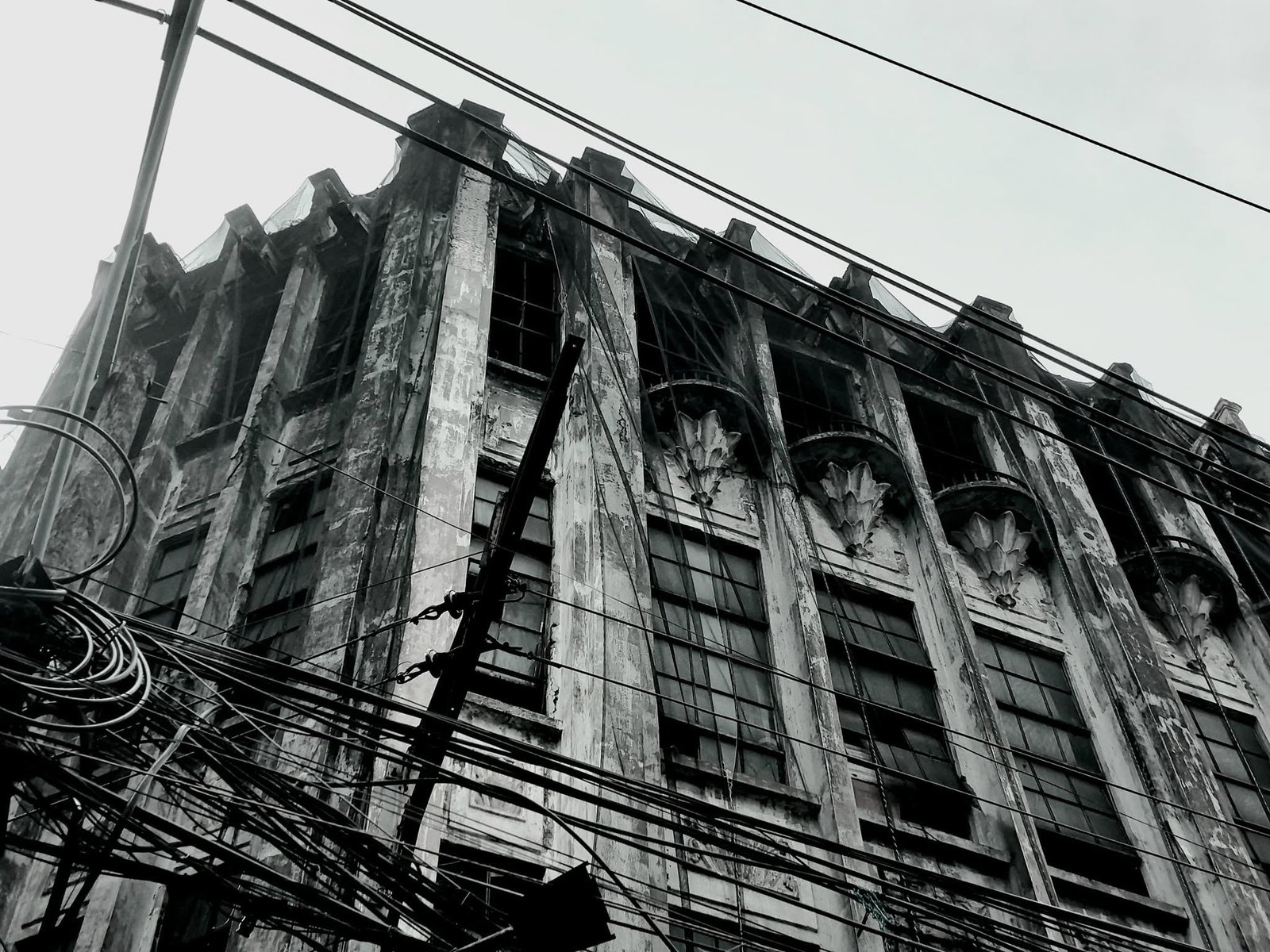
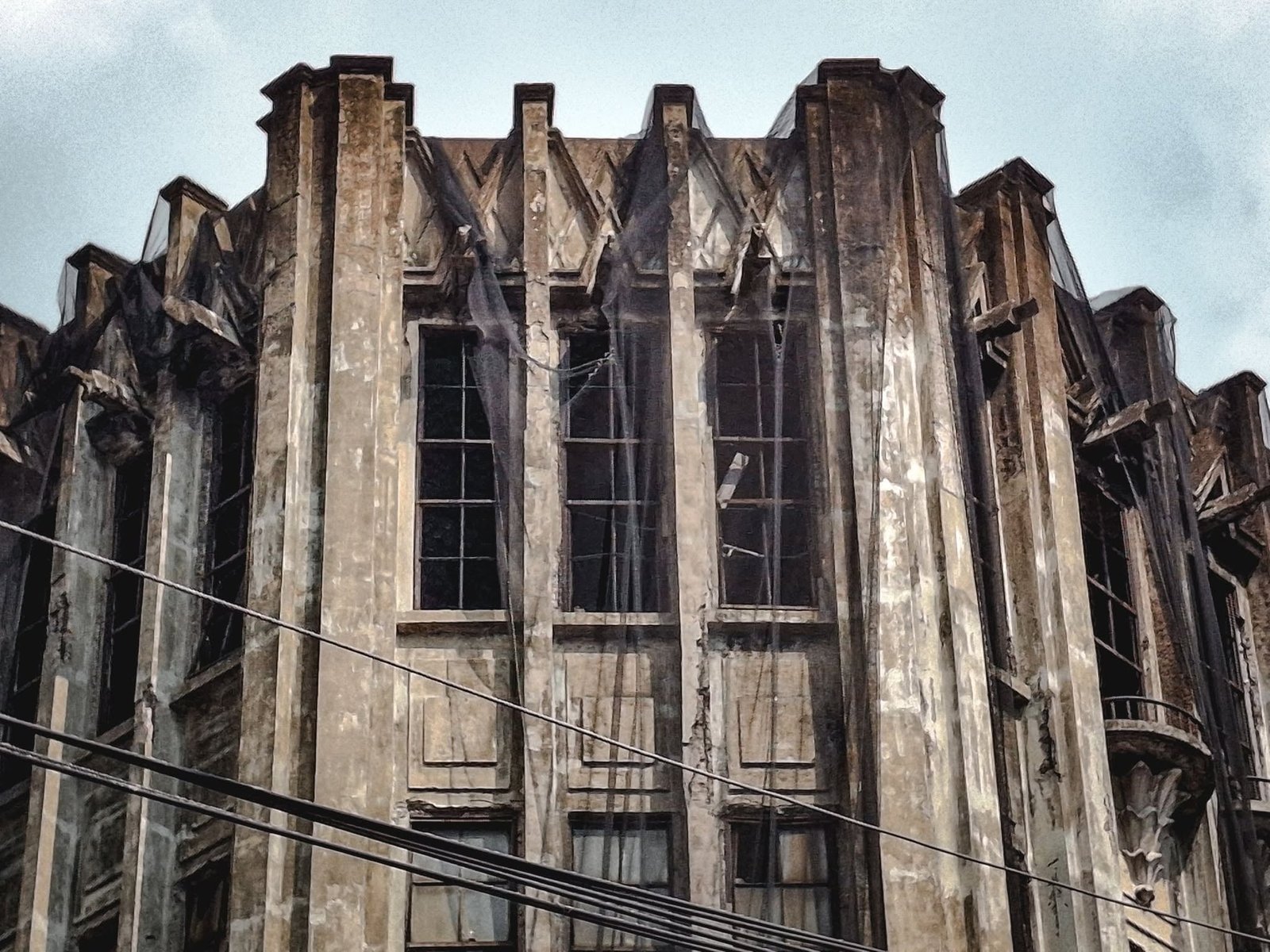
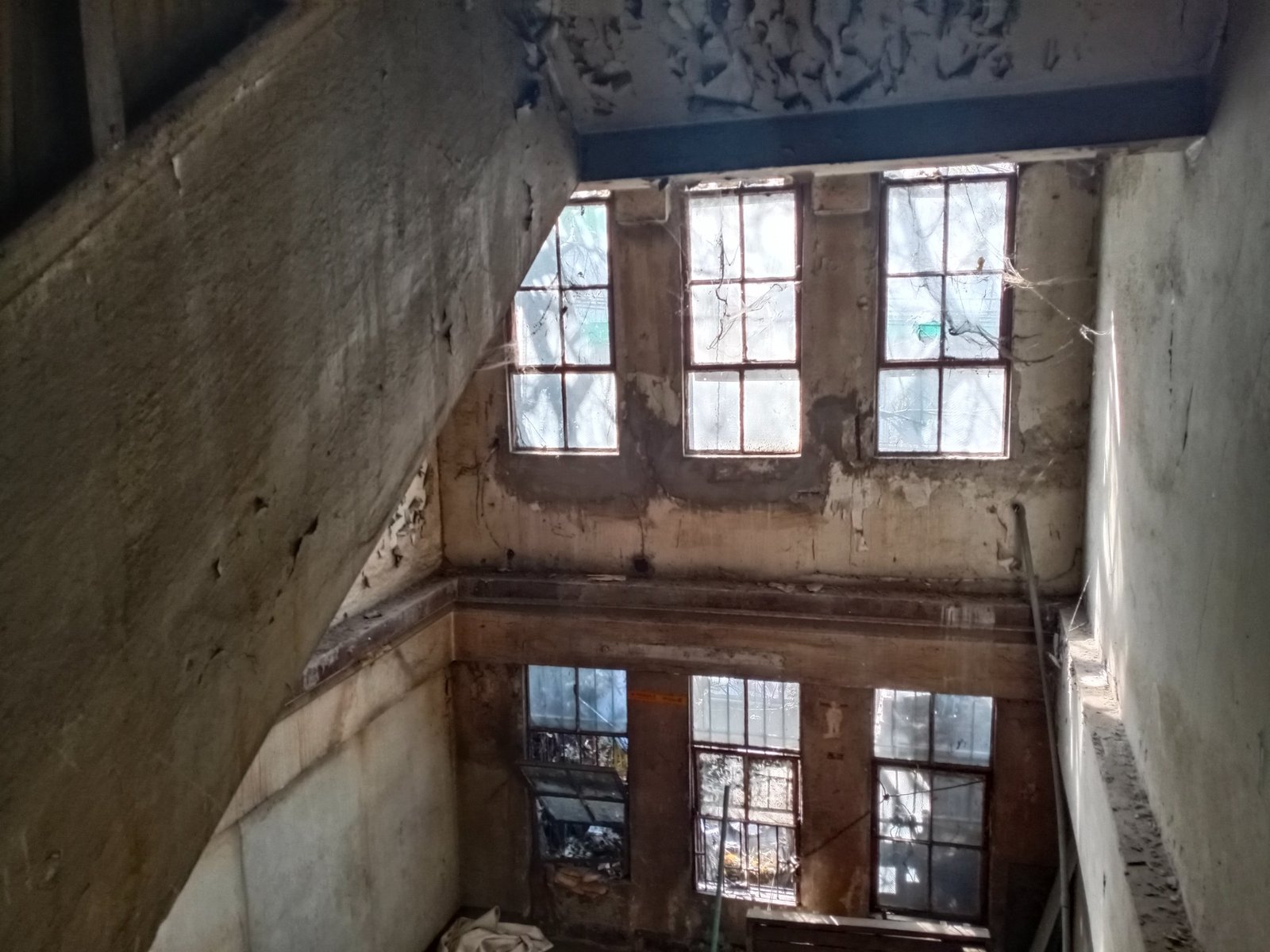
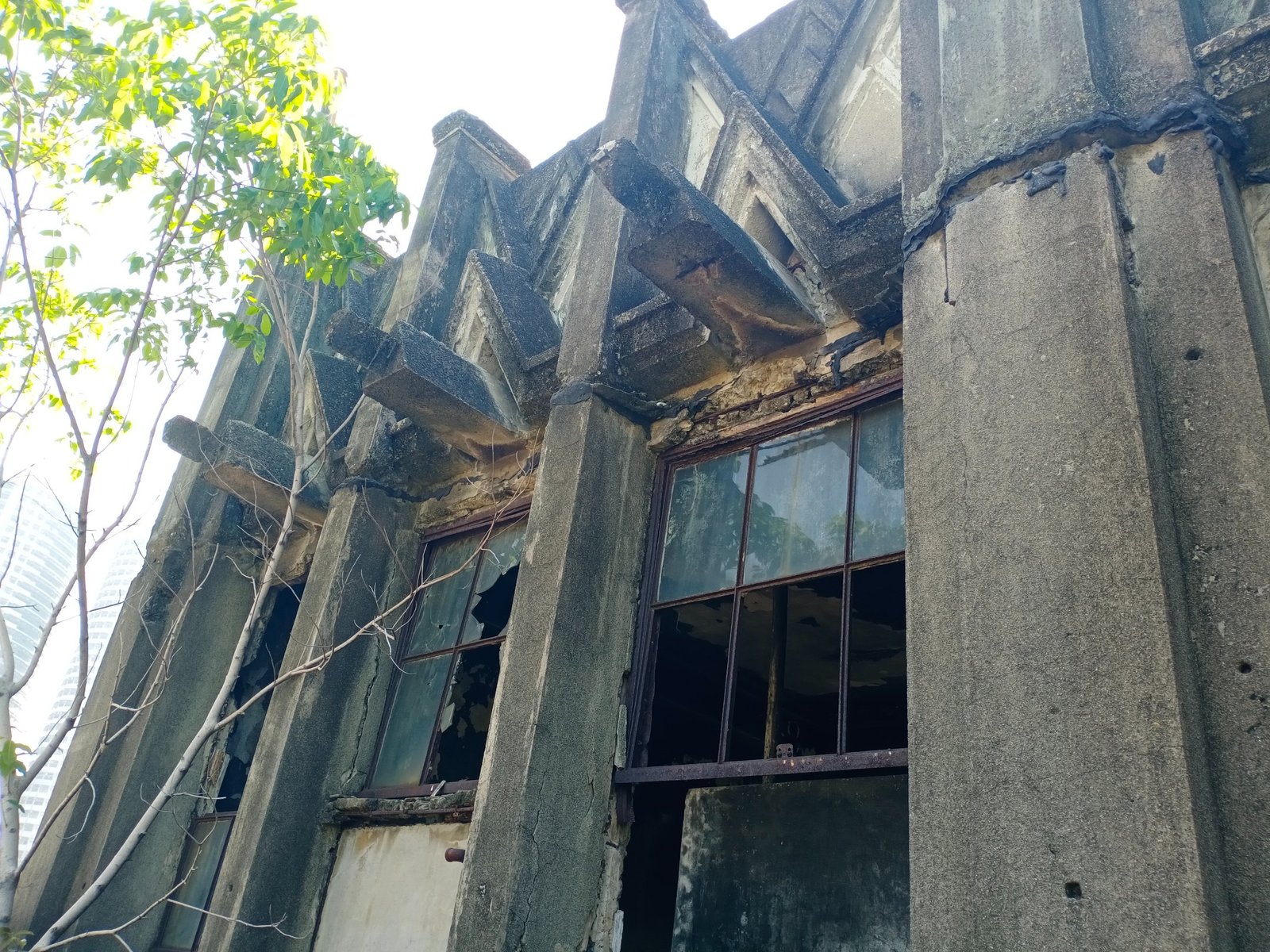
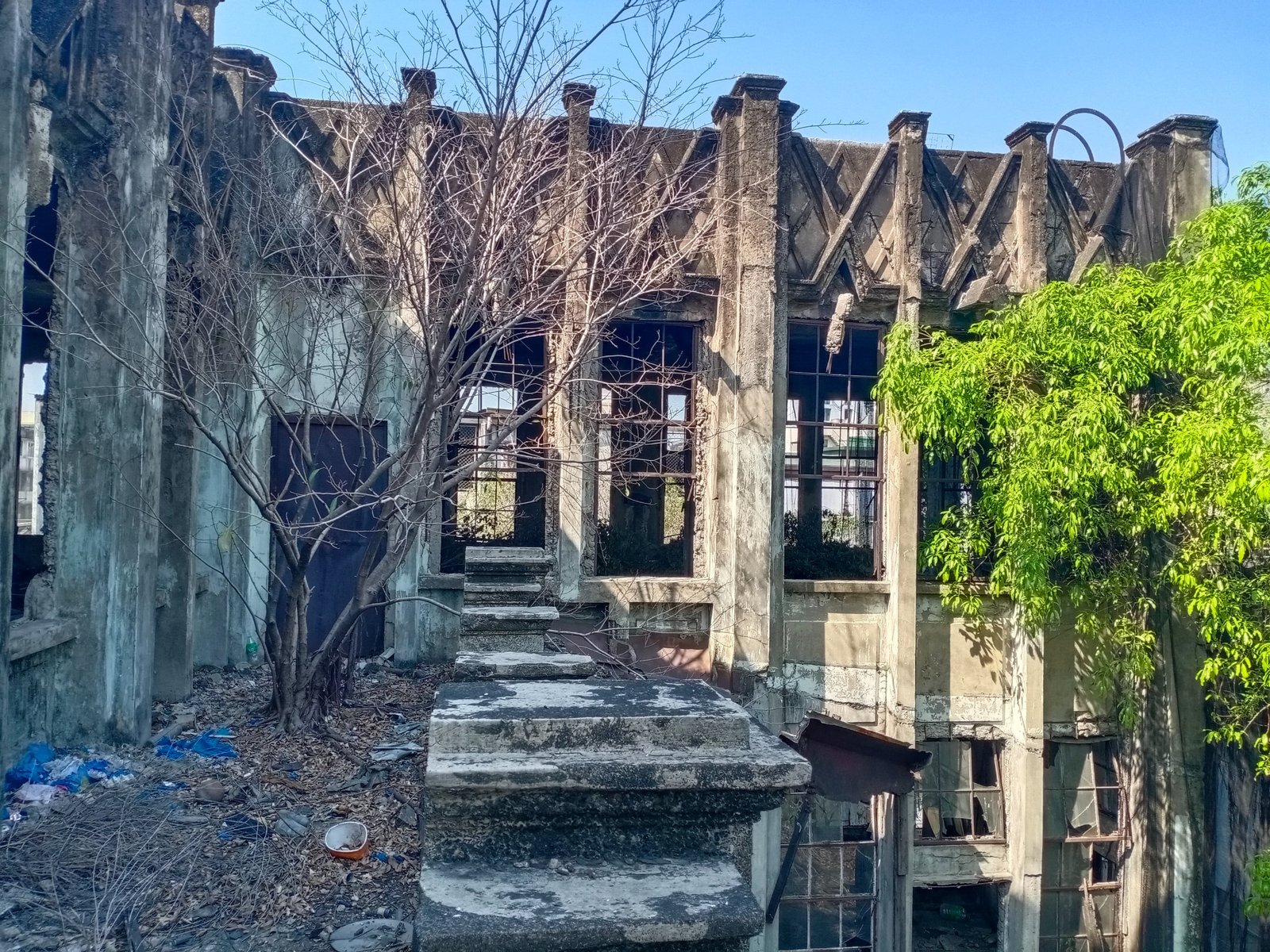
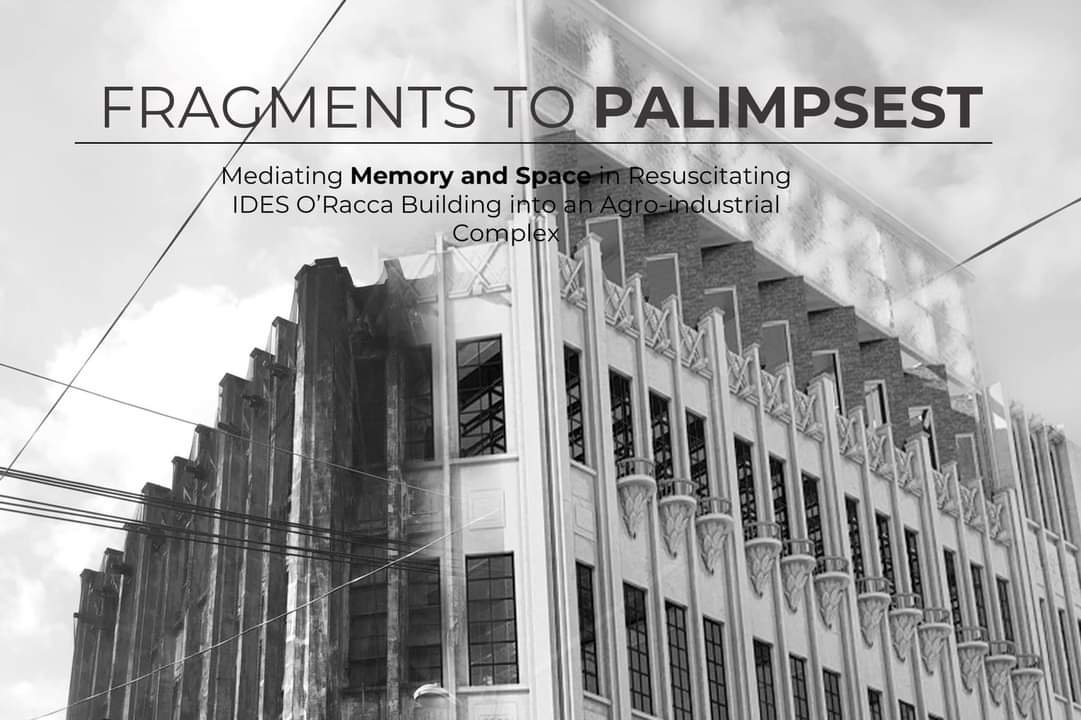
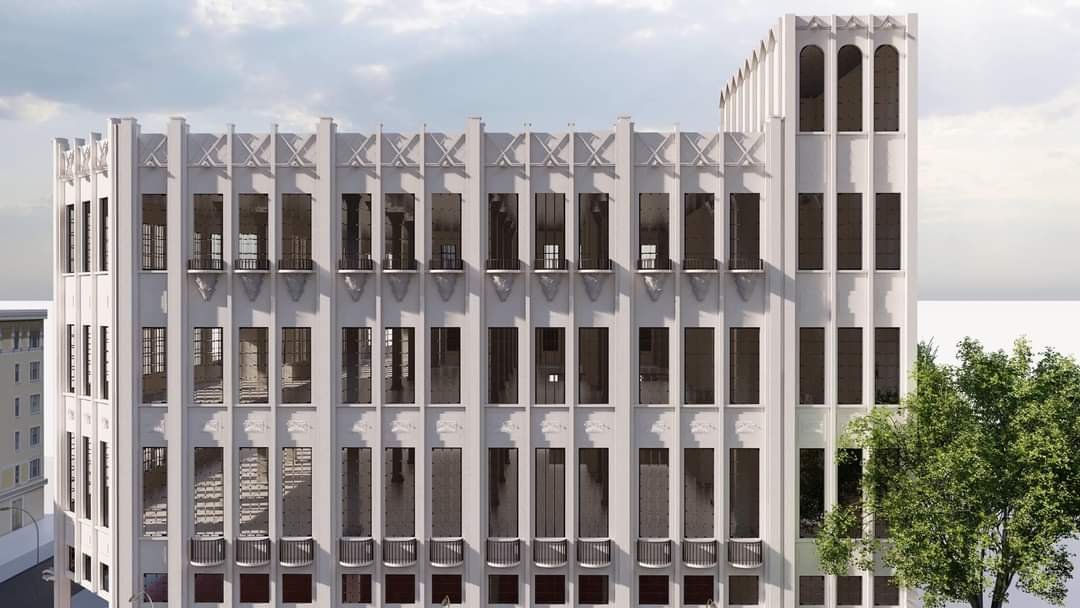
According to Ar. Lorelei de Viana, the IDES O’Racca Building is a four-story Art Deco structure that showcases beautiful 1930s architecture. Vertical bays, delineated by concrete pilasters, run continuously from the ground floor to the roof deck. A particularly captivating feature of the facade is the fourth-floor ribbon of windows, supported by corbels that delightfully fan out from the exterior wall. Inside, a granolithic-finished staircase ascends in two symmetrical flights toward the second floor.
As a landmark, the IDES O’Racca Building stands out. Fronting both Plaza Mercado and Divisoria Market, this concrete structure was the area’s tallest building when it was completed in 1932, an immediate visual anchor rising above the market stalls. You’ll also notice how much wider that area is compared to the rest of M. De Santos Street; that’s a former plaza.
What makes Divisoria unique are its specialized streets: Tabora for handicrafts and costumes, Ilaya for fabrics, Carmen Planas for fruits and kitchenware, and M. De Santos for spices and candies. Right along the sidewalk in front of the IDES O’Racca Building, vendors still sell an abundance of spices and sweets. This subtle yet meaningful reflection of history: the prevalence of candy vendors here likely traces back to the building’s heritage as the former O’Racca confectionery.

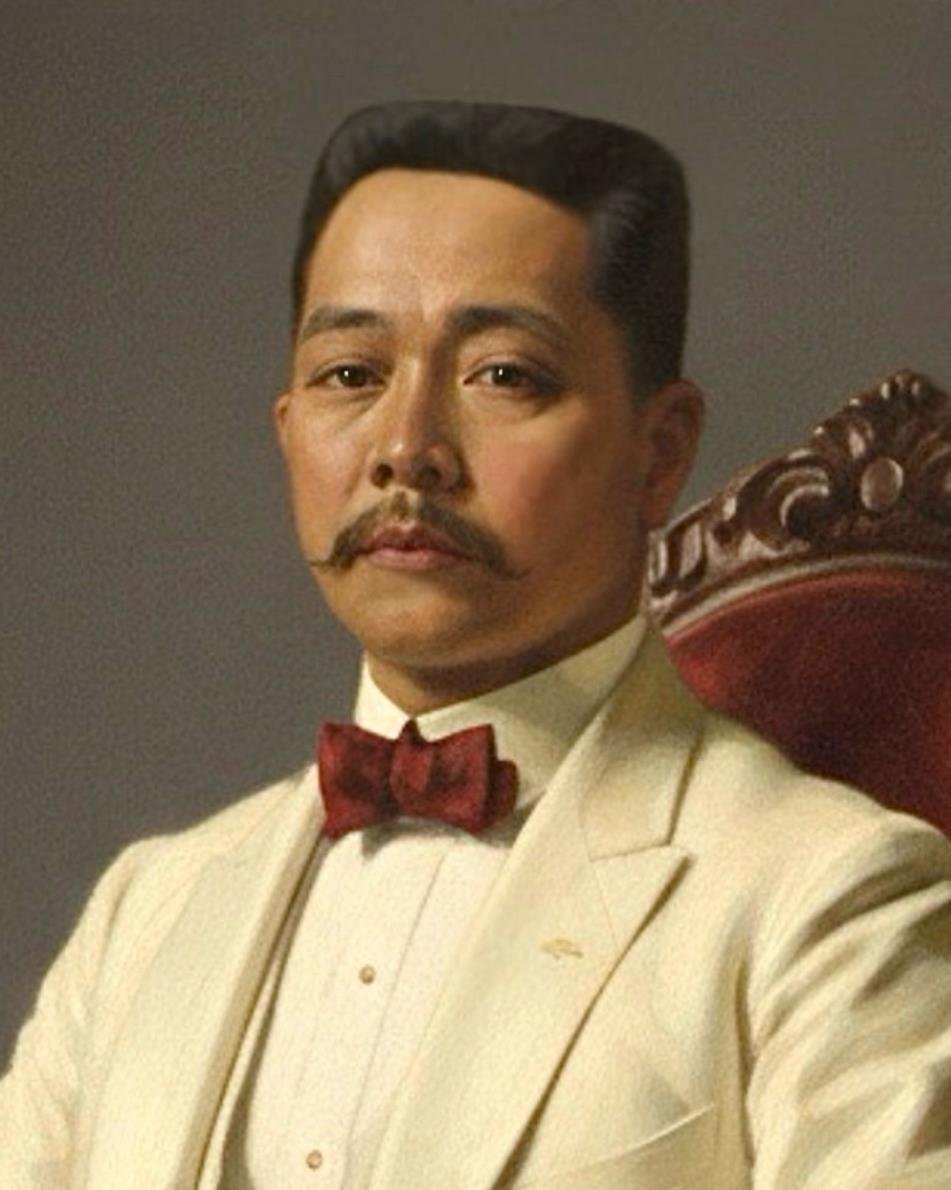
Dr. Isidoro de Santos y Ongsiaco, edited by Karl De Santos Marcelino de Santos from the Barcelona Family collection
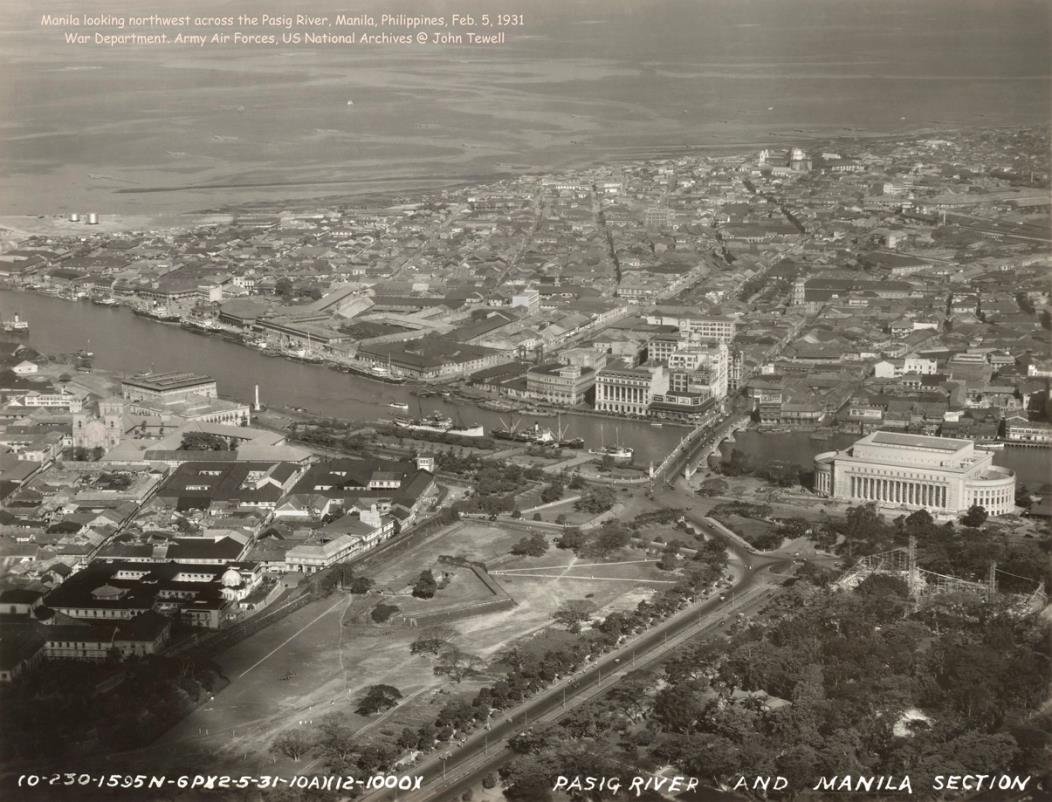
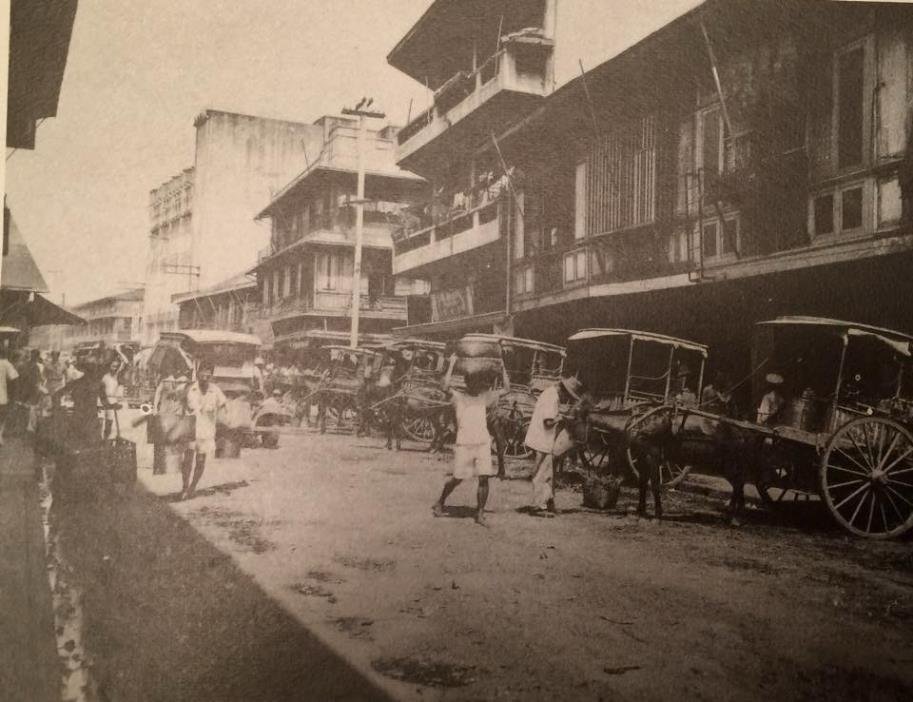
Historical accounts describe the building as conceived as both a family residence and a source of income, with floors set aside for Dr. De Santos’s households and the rest leased for trade and cold storage near the market. What has your family passed down to you about life in the building, and how did it leave the family’s hands?
Karl De Santos: Dr. Isidoro De Santos led a colorful, unconventional personal life, maintaining relationships with three women at once: Sabina Mauricio, Emiliana Trinidad, and Rufina Santos. Among them, my great-great-grandmother, Emiliana, stood out. She was the subject of Juan Luna’s famous painting Una Bulaqueña (a story for another time). Together, Isidoro and his partners had 13 children, with some born within months of one another. Unusually for the time, they lived harmoniously as one big family. If you count the facade windows of the IDES Building along M. De Santos Street, they number exactly 13.
According to family lore, at family reunions, you could identify your lineage among Isidoro’s three partners by asking which floor your family lived on: the first floor belonged to the first partner, the second to the second, and the third to the third.
Dedicated to public health and public service, Dr. Isidoro made his medical care accessible to everyone in the neighborhood. When locals came to him for checkups, he generously accepted whatever they could afford, often simple gifts of fruit or whatever was on hand. He had a bedside manner with his patients.
Another story passed down through generations illustrates Isidoro’s generosity. One morning, upon learning that one of his partners had woken up in a bad mood, Isidoro went downstairs to speak with all the sidewalk vendors in front of the building. He asked each vendor how much they expected to earn that day, paid them all their daily earnings on the spot, and gathered them upstairs to play panguingue with his unhappy partner to lift her spirits.
A story from one of Isidoro’s sons further highlights the deep bond between the family and the local community. Following Isidoro’s death, the son had to haul heavy sacks of rice and sugar from local warehouses to Divisoria Market just to put himself through law school. Seeing his struggle, neighboring vendors and market folk unexpectedly chipped in to cover his tuition. After passing the Bar examination, he refused to charge the Divisoria vendors for legal services, and the grateful vendors kept sending fresh fruit to his kitchen.
Historical records also align with these memories. A 1930s Manila City Directory shows that Isidoro ran a medical clinic on the second floor alongside my great-grandfather, Dr. Jorge De Santos, while local newspapers frequently ran ads for rented rooms in the building.
When Isidoro passed away in 1939, the public’s outpouring of love and gratitude was so overwhelming that over 2,000 funeral wreaths were sent to his wake. After his death, the bank eventually foreclosed on the property, forcing the family to leave the premises. Among the building’s notable tenants was the O’Racca Confectionery Company, which later bought the property. This later gave the iconic structure the name it carries today: the IDES O’Racca Building.
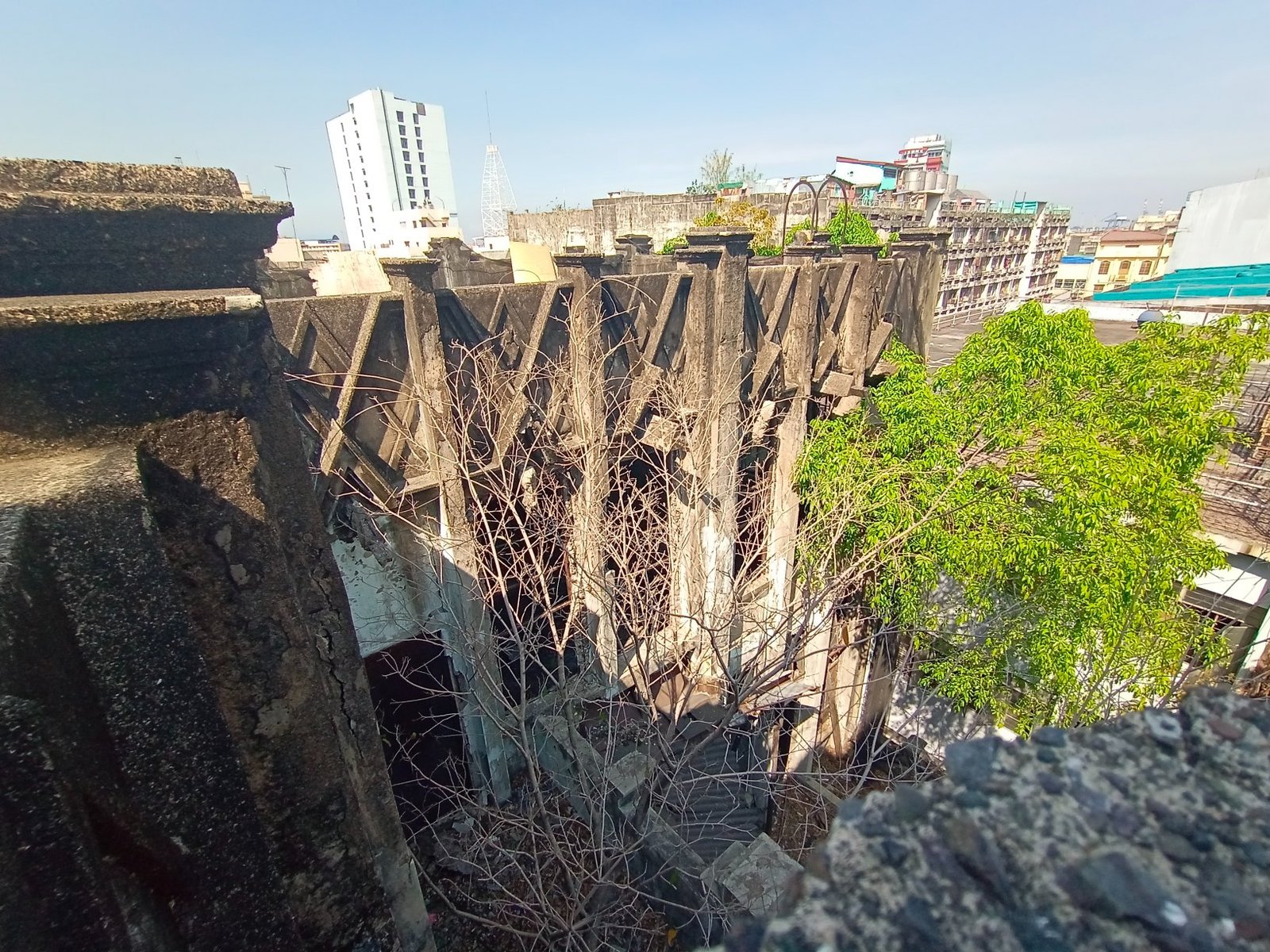
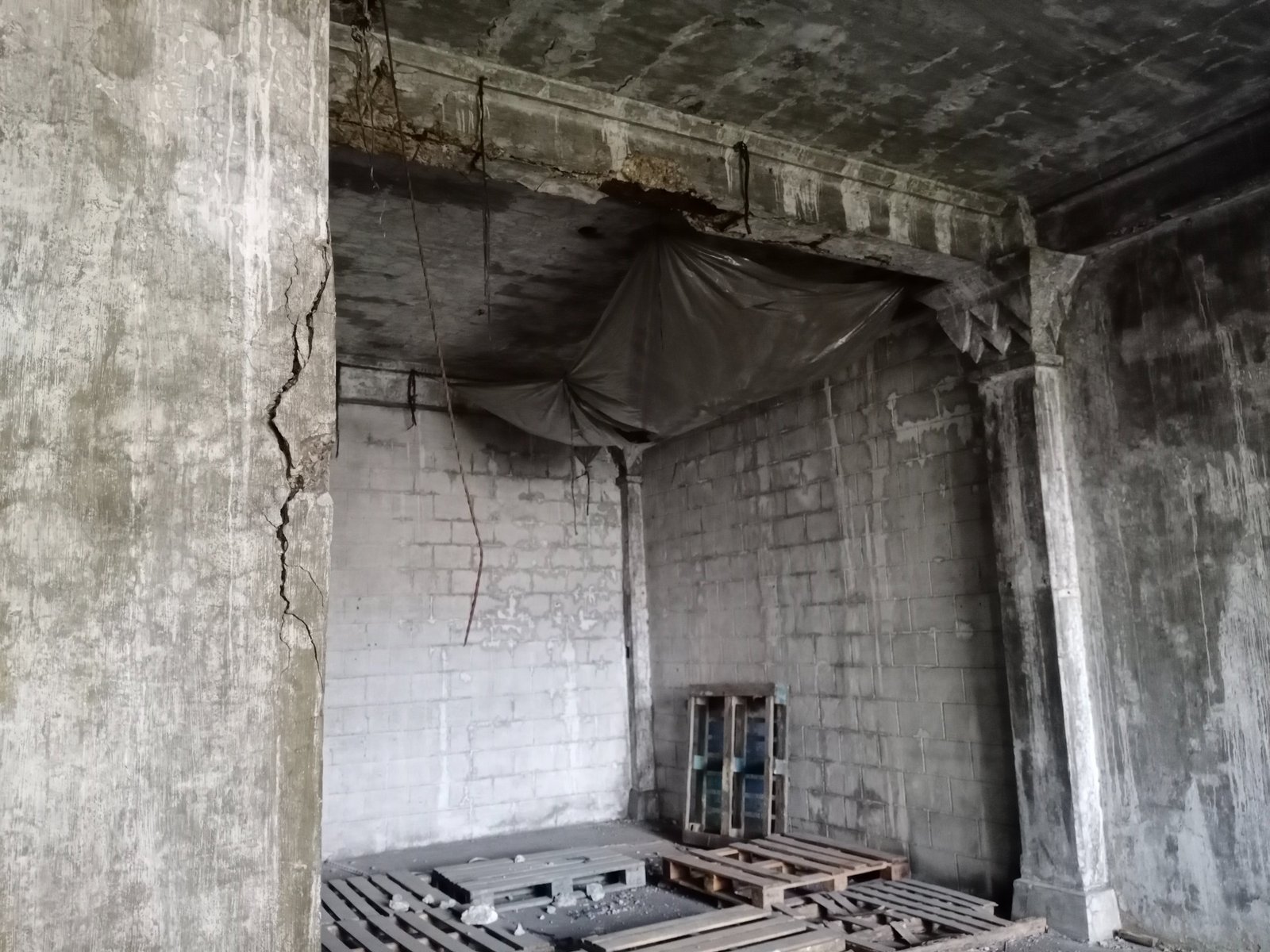
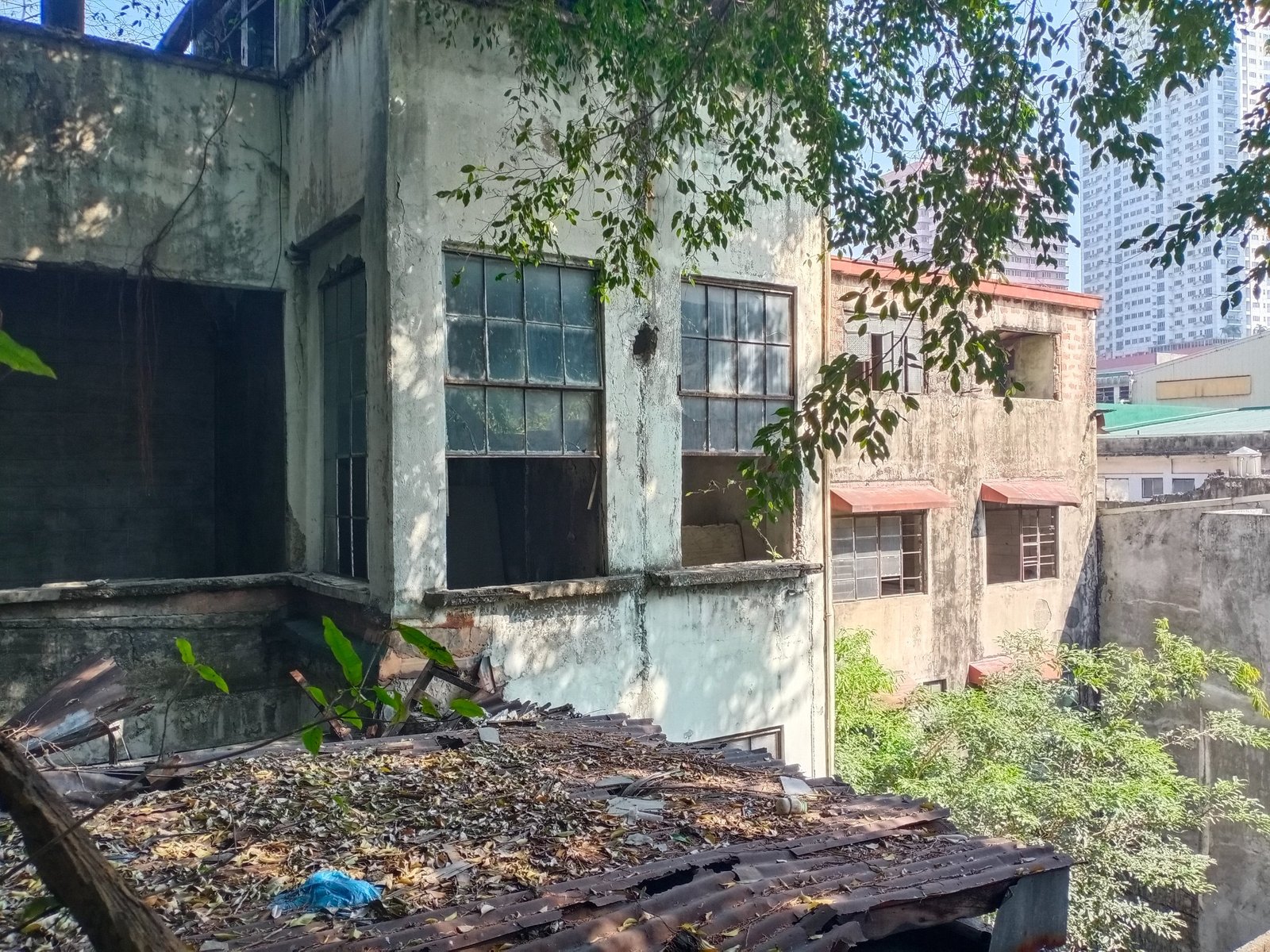
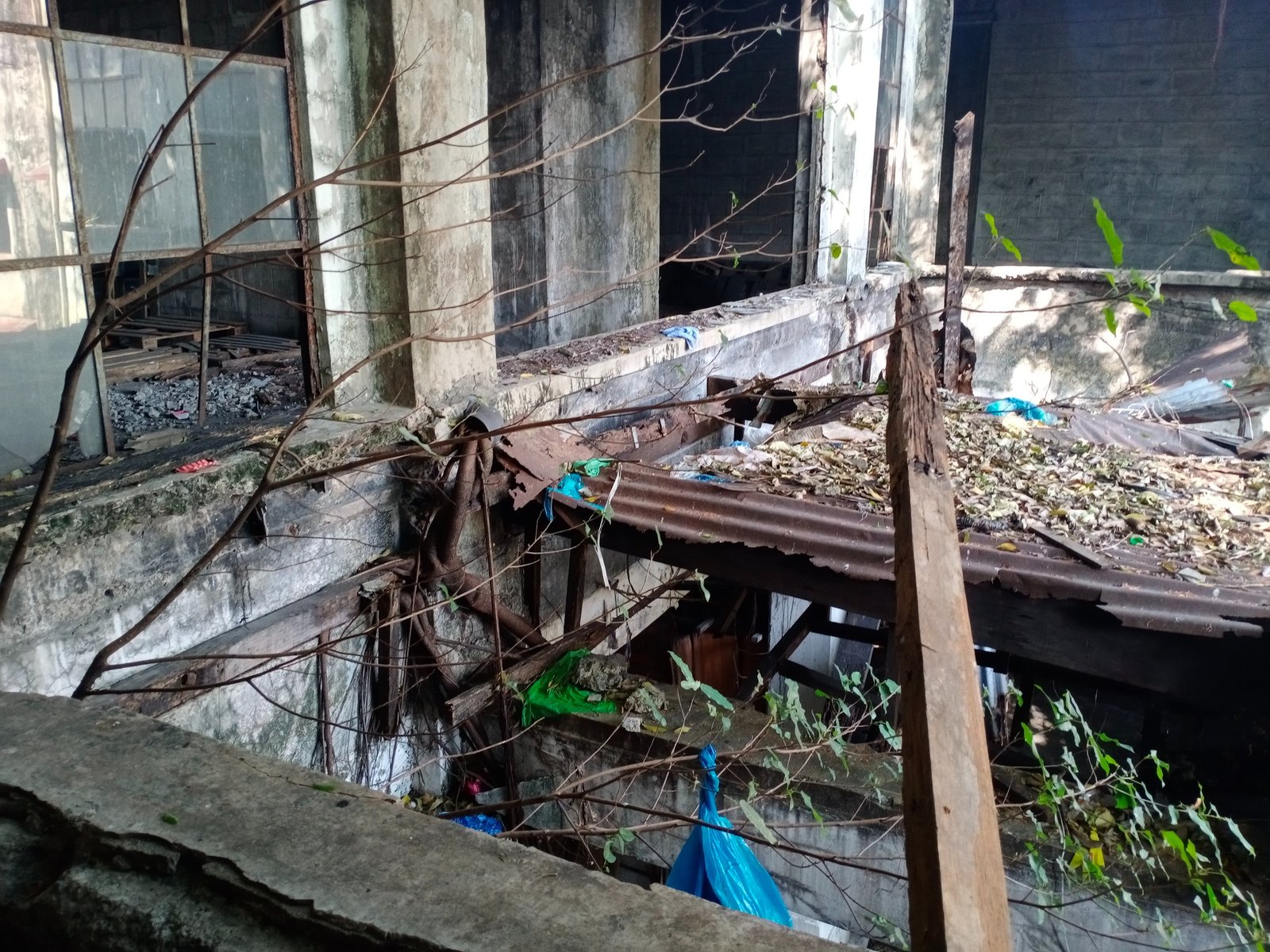
You have been speaking up for the building for several years, including petitions to the NHCP and Manila City Hall for historical markers. Recent reports now describe a final demolition order, despite the National Museum’s cultural property declaration. What came of your earlier efforts? Can you share what you know about the demolition order and the building owner’s role? What does the current owner intend to do with the parcel?
Karl De Santos: When I discovered that my ancestors were key figures in our nation’s history, working alongside Jose Rizal, Emilio Aguinaldo, Apolinario Mabini, and other heroes, I wondered why they remained in the footnotes of history. Other prominent figures have historical markers; why shouldn’t a De Santos, especially when a major street bears our surname and a historic structure tied to our family still stands? That realization inspired my advocacy: to petition national and local agencies to protect what remains of our heritage and ensure our ancestors’ contributions are acknowledged.
In 2013, heritage advocate Stephen Pamorada petitioned the National Museum of the Philippines, resulting in the IDES O’Racca Building being declared a Grade III Cultural Property during early talks of its demolition. After further archival research, we submitted a 2021 petition to elevate its status to a higher level of cultural property. While the cultural agencies did not act upon that 2021 petition, our parallel petition for a historical marker honoring Dr. Isidoro De Santos was officially approved by the National Historical Commission of the Philippines (NHCP) in 2022.
Despite its approval nearly four years ago, the marker has not yet been physically installed. The NHCP was waiting for local government coordination regarding its placement. The primary goal was to install the marker directly on the building facade. However, because the owner has not cooperated, we have made no progress. To move forward, we proposed installing the marker at an accessible nearby site, similar to how the Katipunan founding site marker was positioned along Recto Avenue. The installation remains pending.
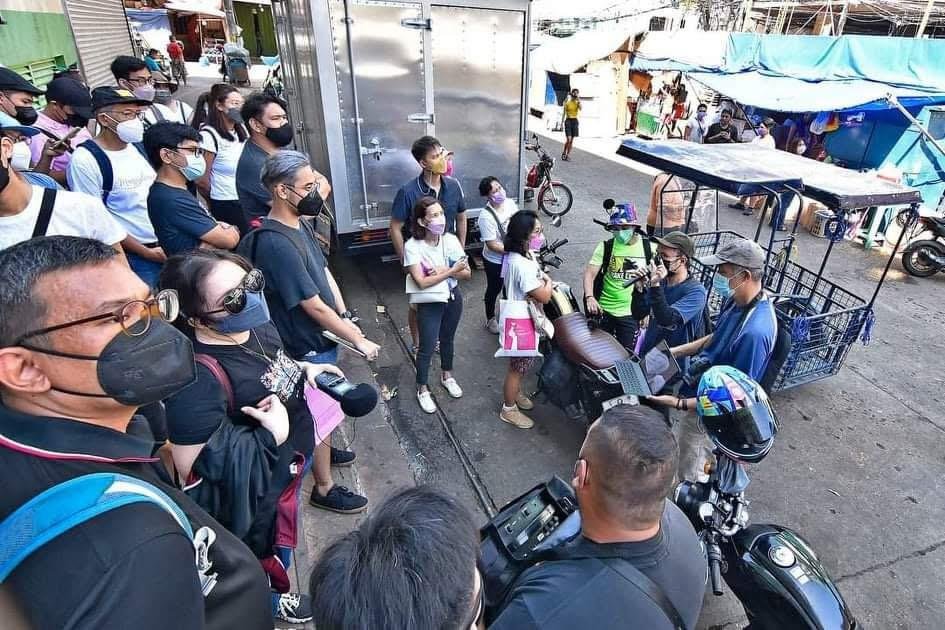
Whenever I get the chance, I join the San Nicolas walking tours organized by Stephen Pamorada or Renacimiento Manila. During those tours, I personally share the history of Marcelino and Dr. Isidoro De Santos, and the story behind the IDES O’Racca Building, with the participants.
We recently learned from reliable sources in the heritage network about the impending demolition, prompting us to sound the alarm again. We understand that Anchor Land acquired the property after a controversial sale involving Rodil Enterprises and DENR, and according to Anchor Land’s official project listings, it plans to redevelop the parcel into the “Divisoria Logistics Center.”
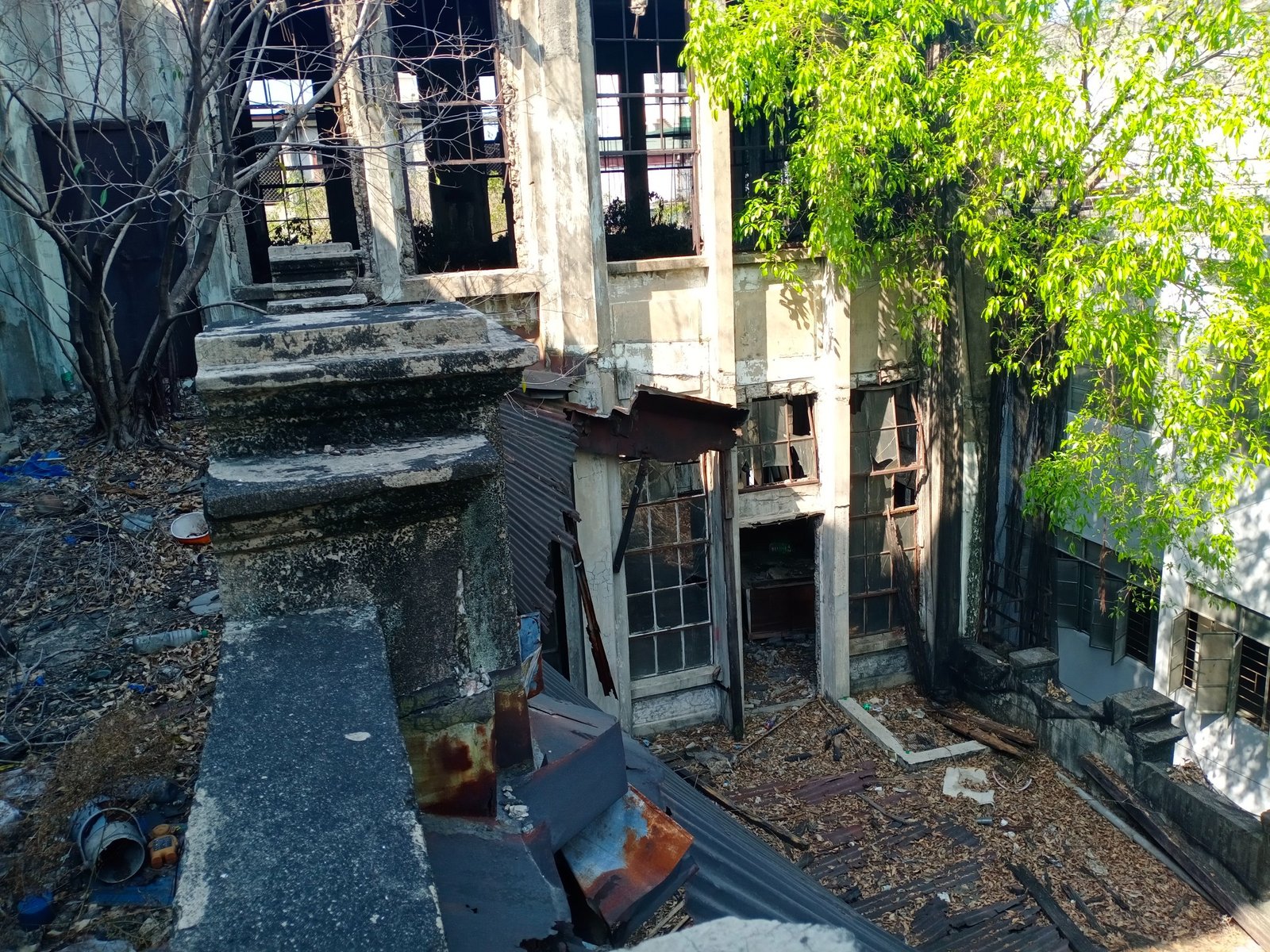
While some argue that demolition is justified by the building’s current state of neglect, adaptive reuse has proven successful across Manila. If iconic landmarks like the Manila Post Office, the Manila Metropolitan Theater, and the Army and Navy Club (now the Rizal Park Hotel) can be restored and repurposed, there is no reason the IDES O’Racca Building cannot be saved and integrated into modern Divisoria.
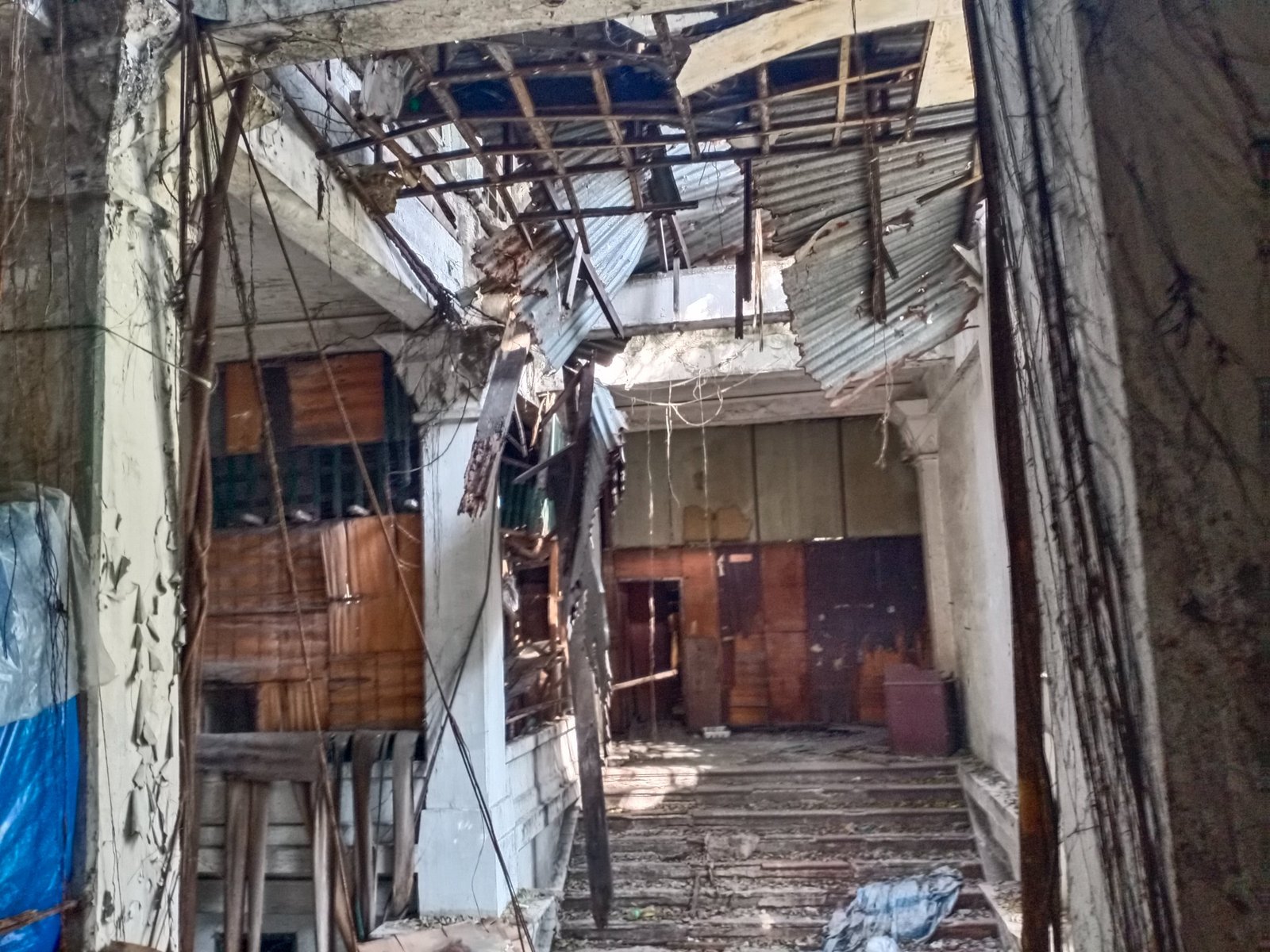
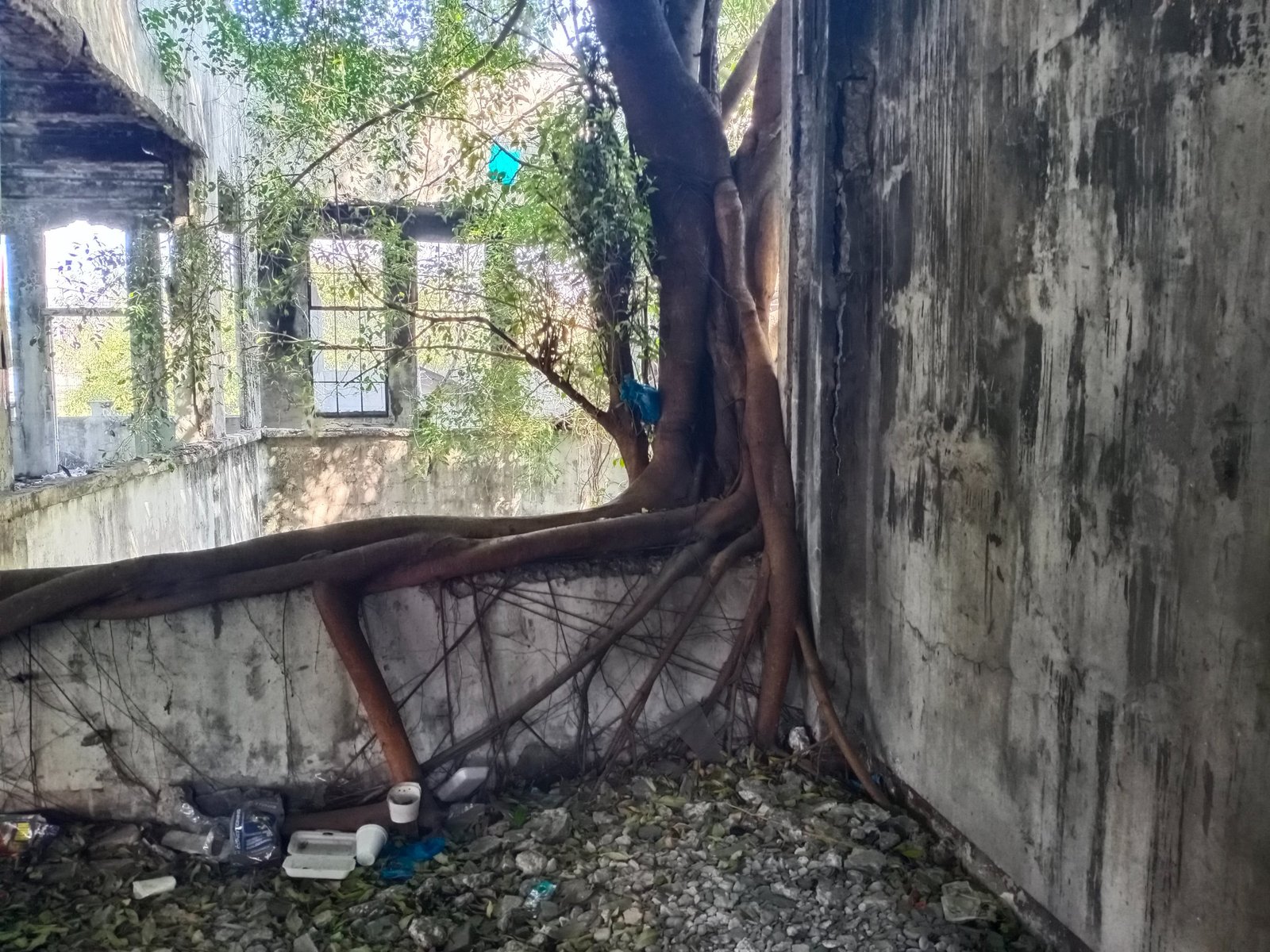
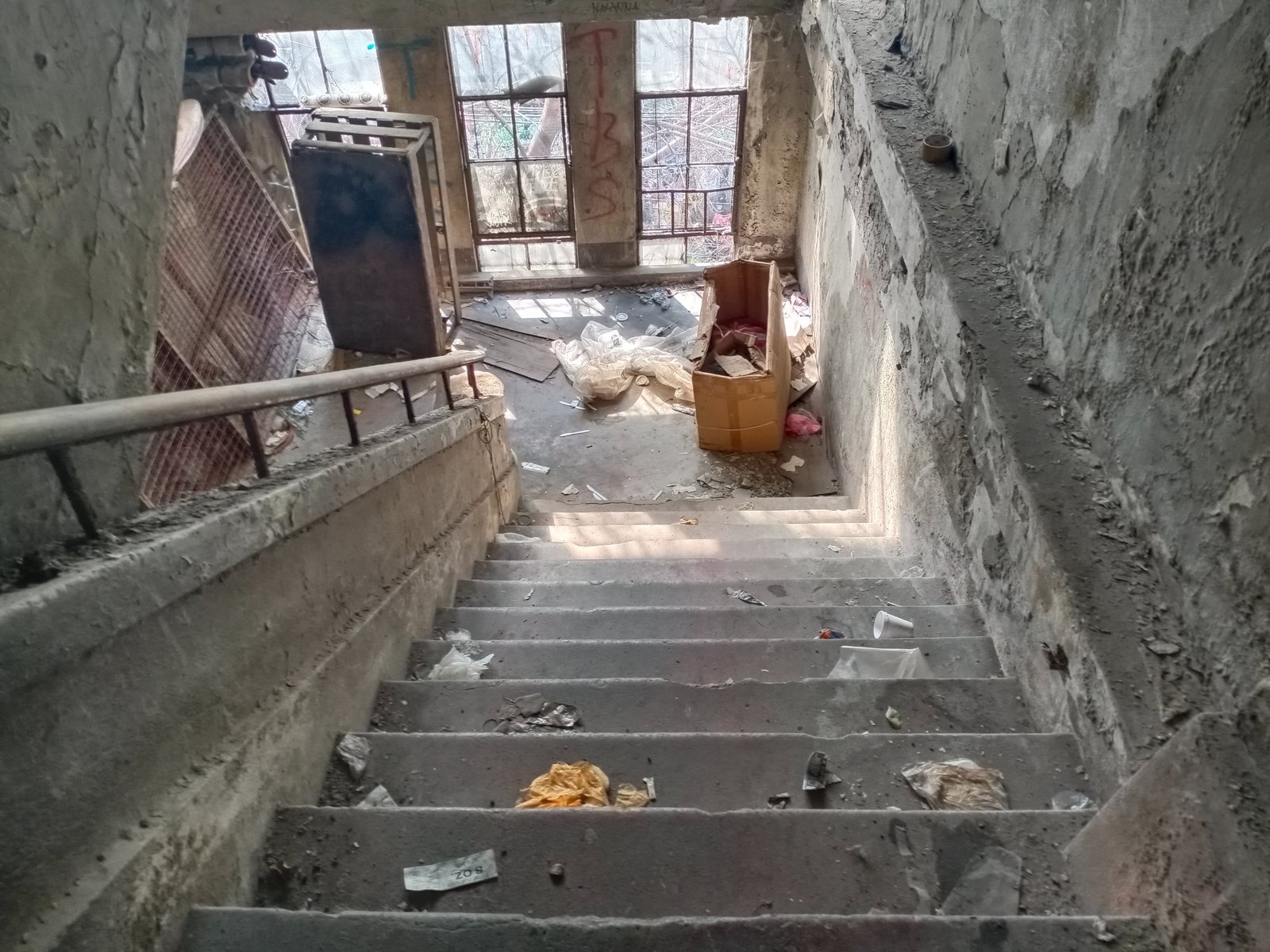
“If iconic landmarks like the Manila Post Office, the Manila Metropolitan Theater, and the Army and Navy Club (now the Rizal Park Hotel) can be restored and repurposed, there is no reason the IDES O’Racca Building cannot be saved and integrated into modern Divisoria.”
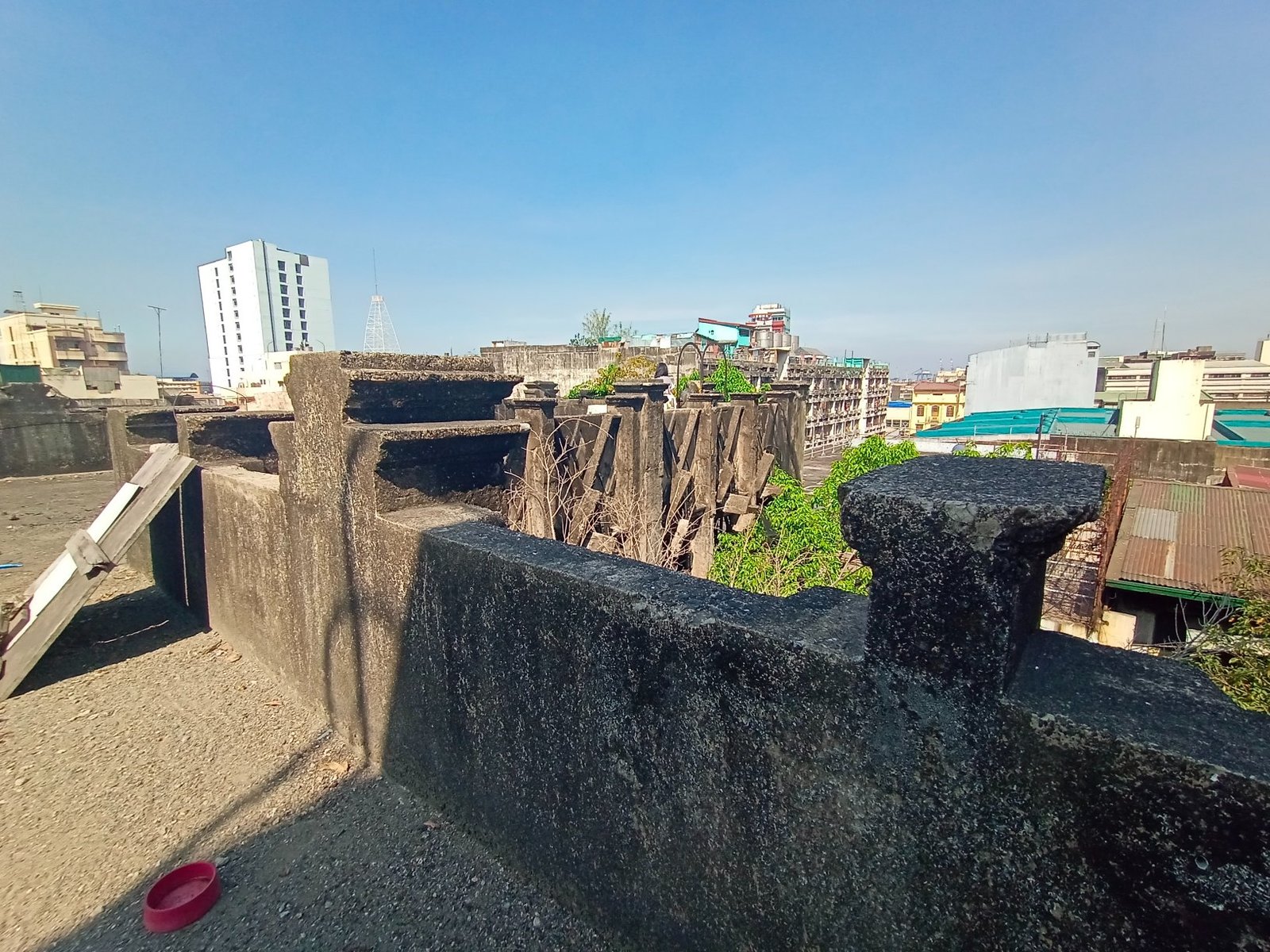
If the building were spared, what would you hope it would become? And of everything inside and around it, which details would you most want a restoration to keep untouched?
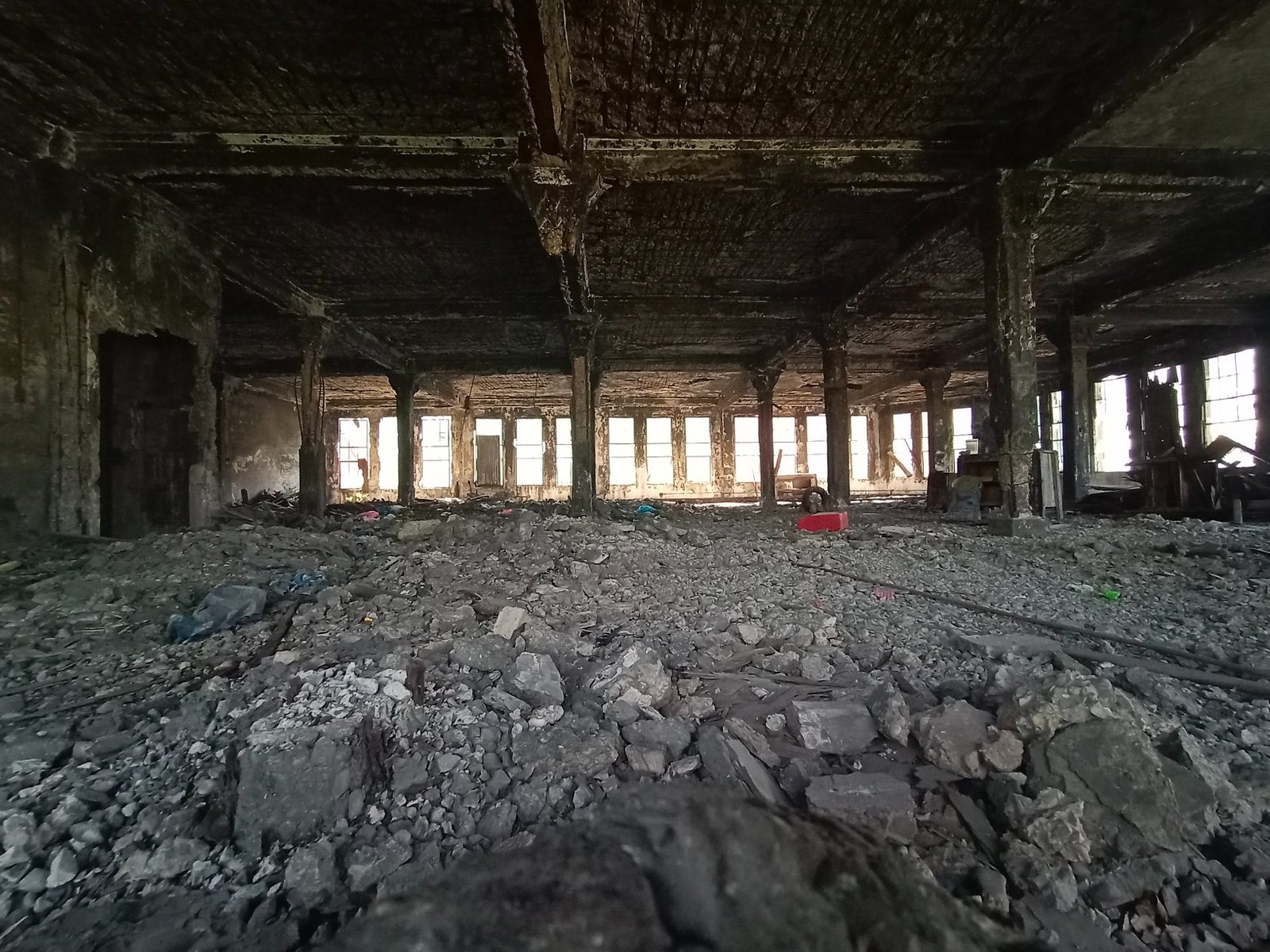
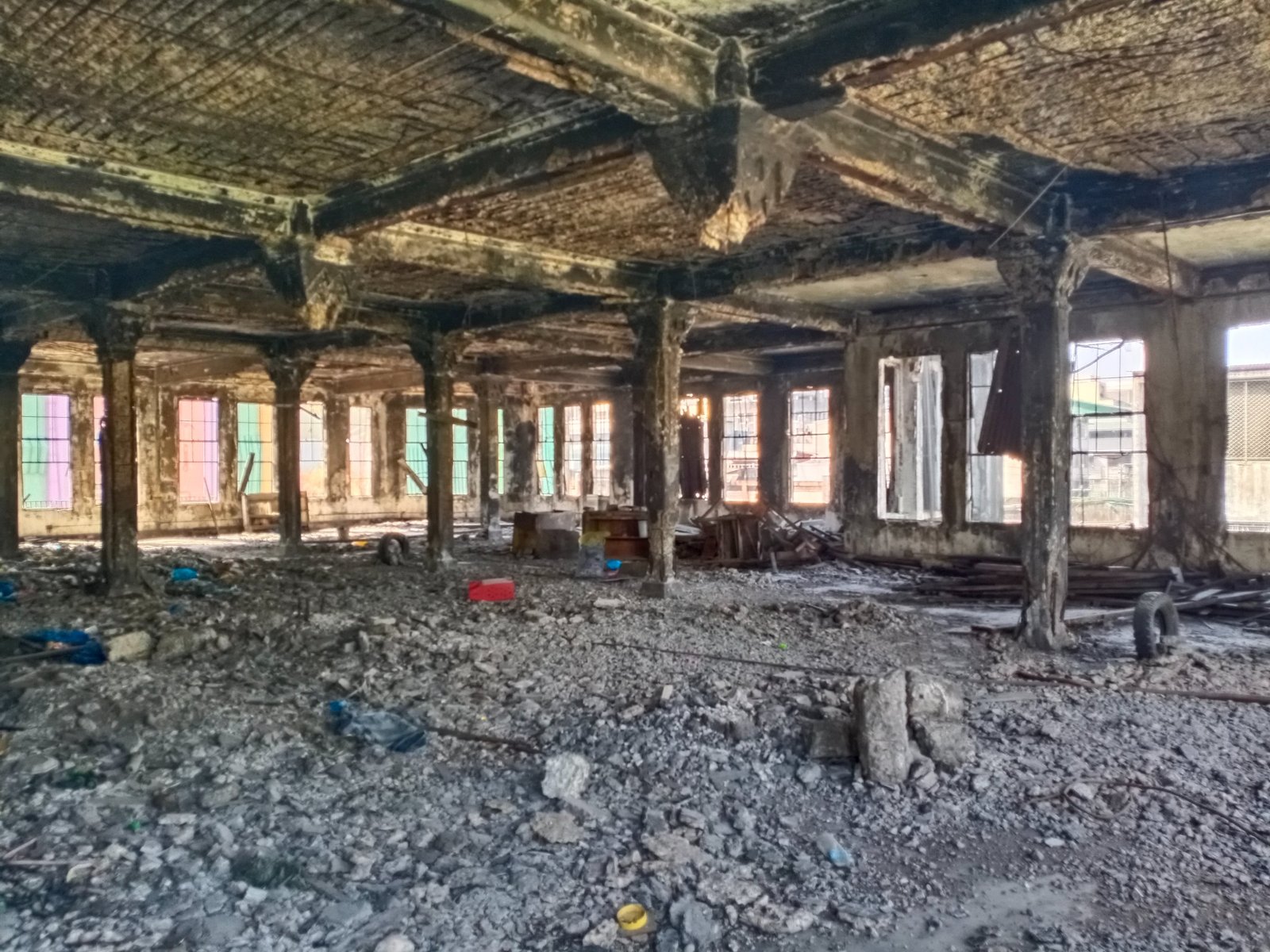
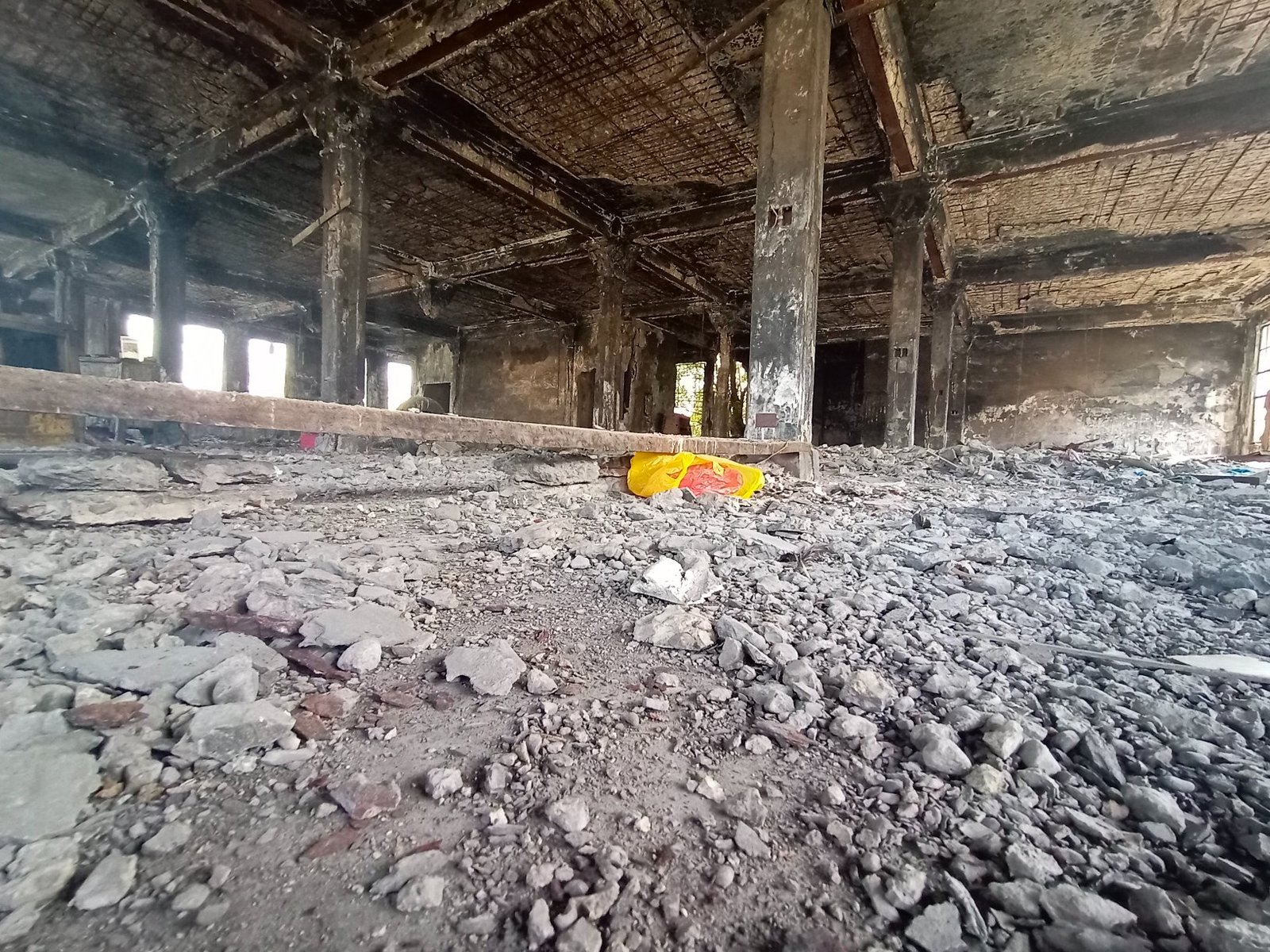
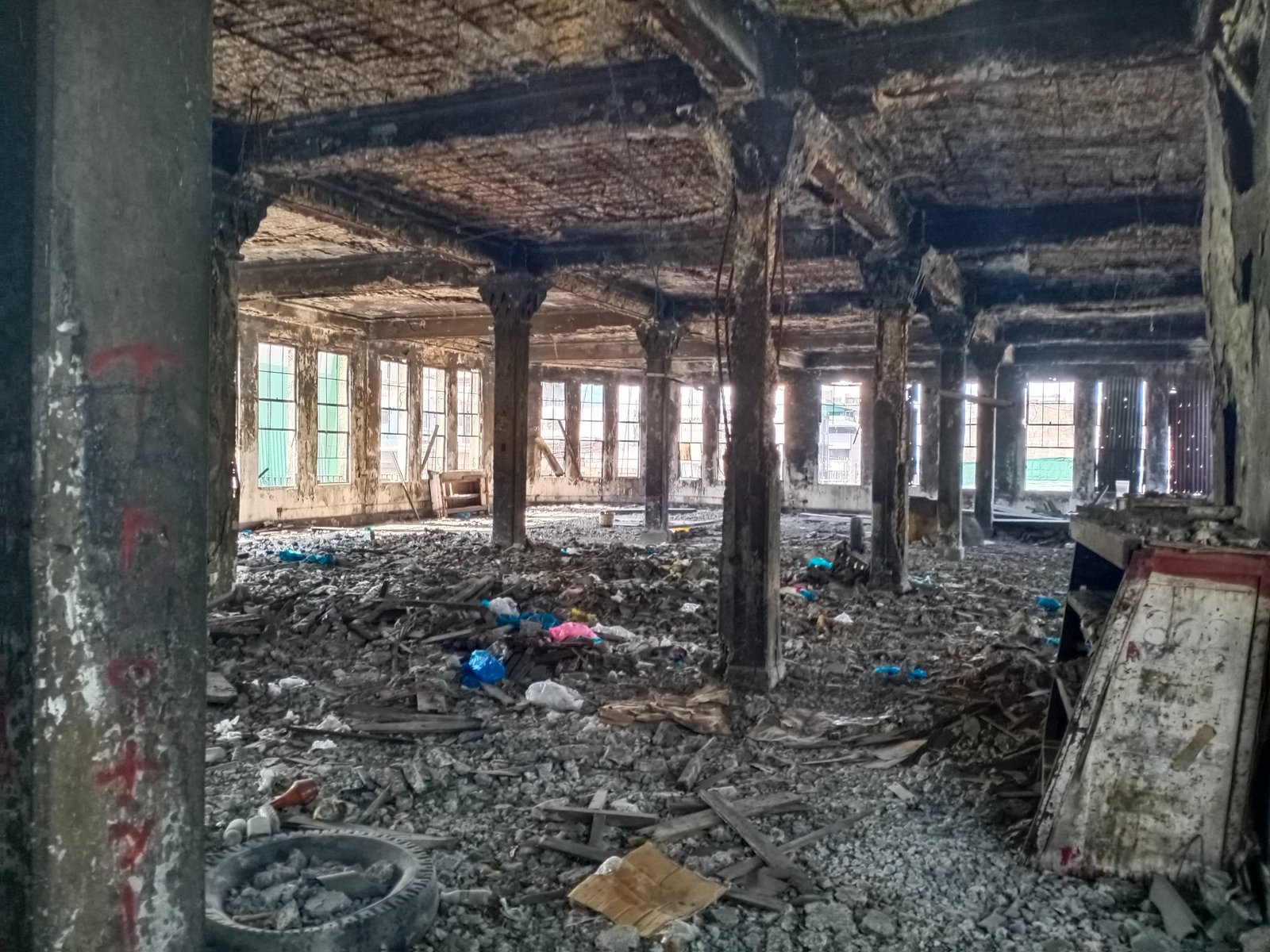
Karl De Santos: If the building were spared, I would want to see it returned to the community it has served for nearly a century. Throughout its history, the IDES O’Racca Building has sheltered local businesses and served as a constant backdrop for Divisoria’s vendors. Even when the structure fell into neglect, its perimeter continued to anchor the daily lives of the people outside.
Beyond its commercial identity, I envision dedicating a space within the building as a museum honoring Dr. Isidoro and Marcelino De Santos. In many ways, the IDES O’Racca Building stands as a living monument to their shared legacy of public service. Just as Marcelino opened his home to Jose Rizal and his family in their time of need, Isidoro opened this very building to the public as a medical clinic for those who needed care. To this day, it remains a proud public landmark, and its restoration should reflect that heritage.
As for the restoration itself, some key architectural features simply cannot be touched. First and foremost is that iconic 1930s Art Deco façade. The relief details, the horizontal ribbon of windows, and those fanning corbels give the building its visual identity in Divisoria; change those, and you lose the structure’s soul. Inside, the pillars feature Art Deco zigzag and chevron motifs. They are such a distinct structural signature of that era, and keeping them untouched is essential to preserving the building’s authentic character.
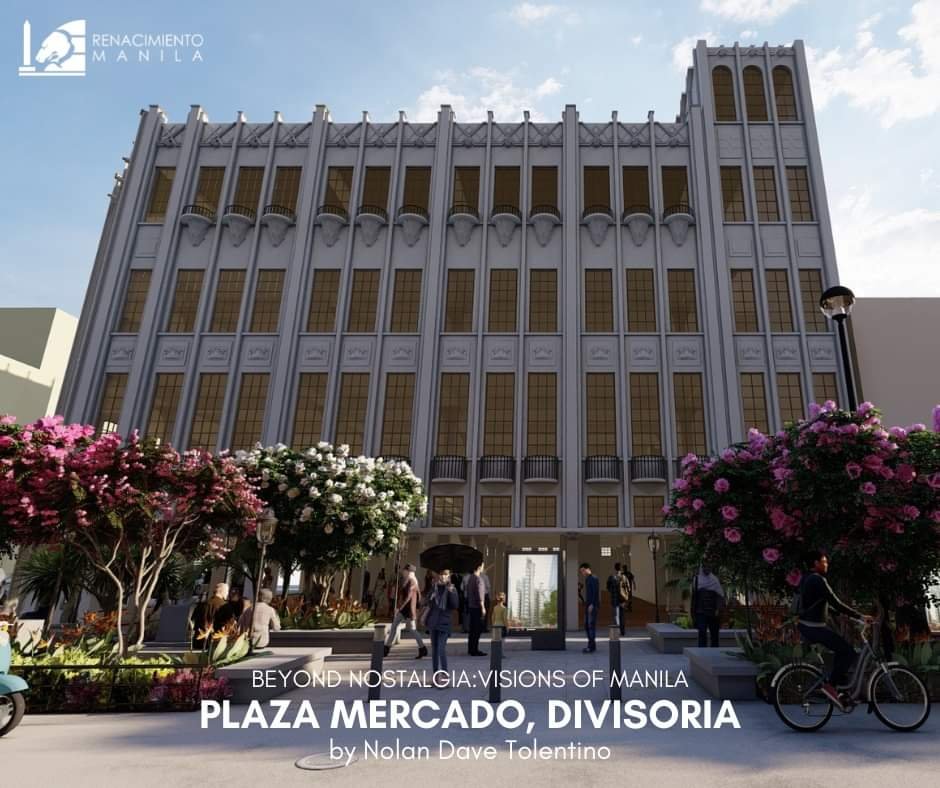
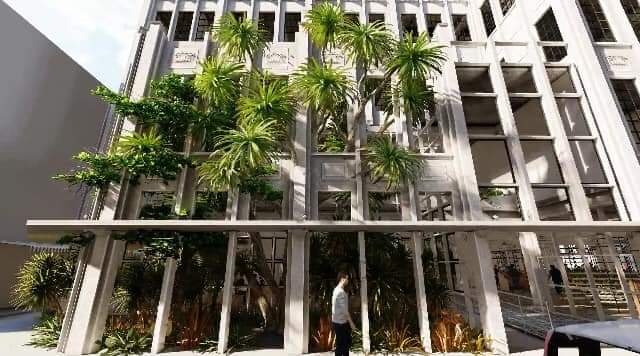
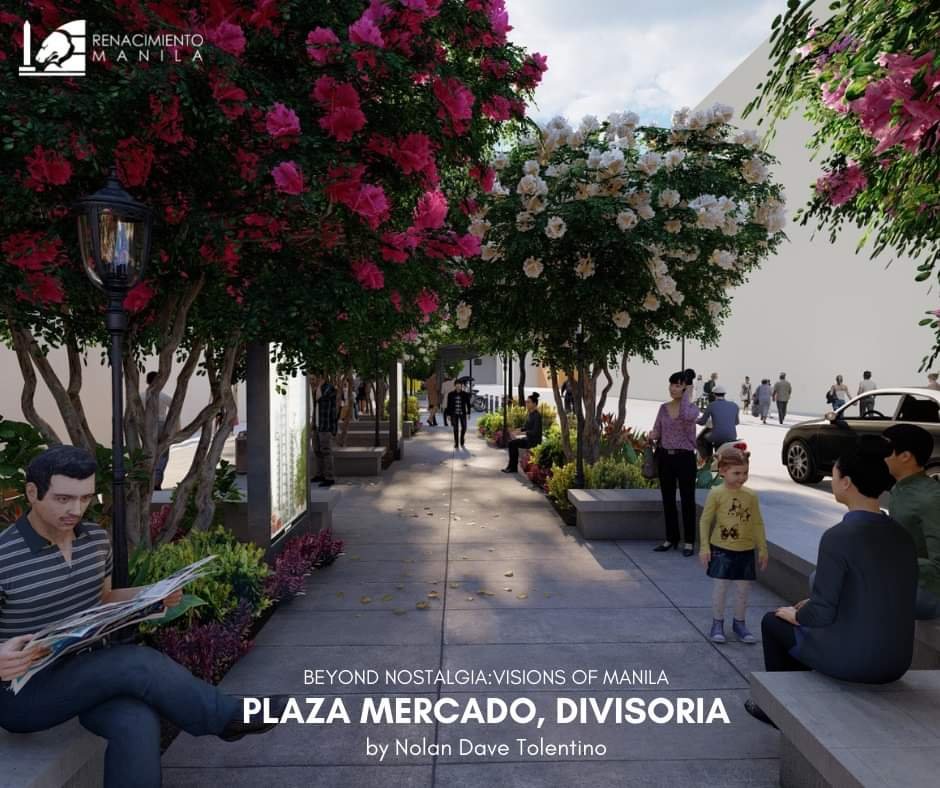
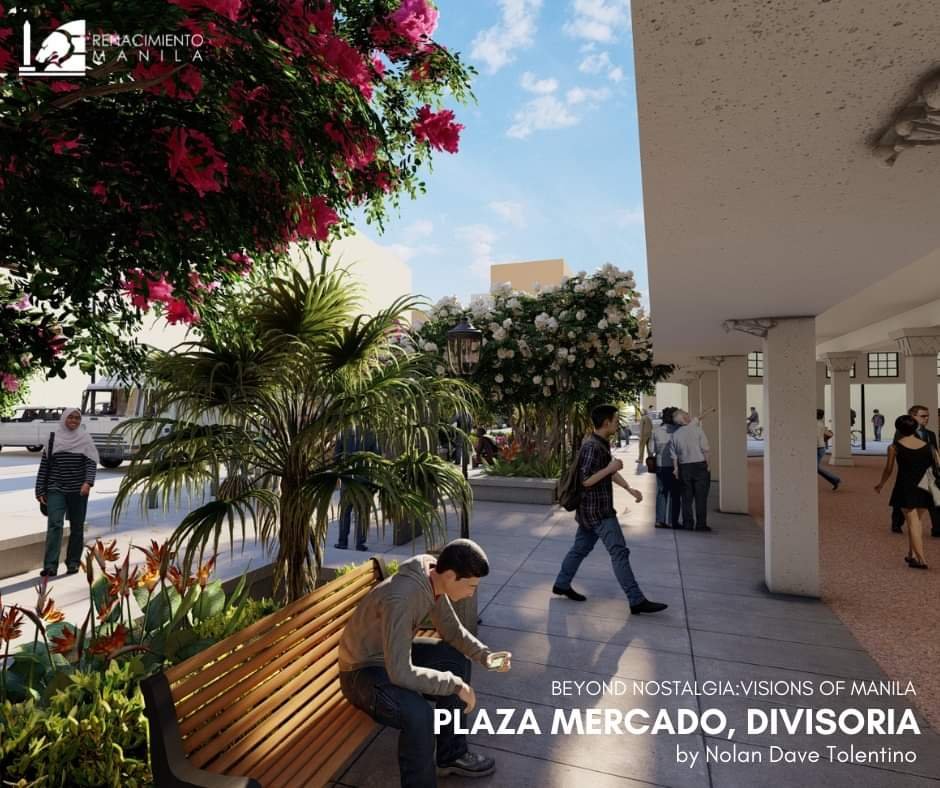
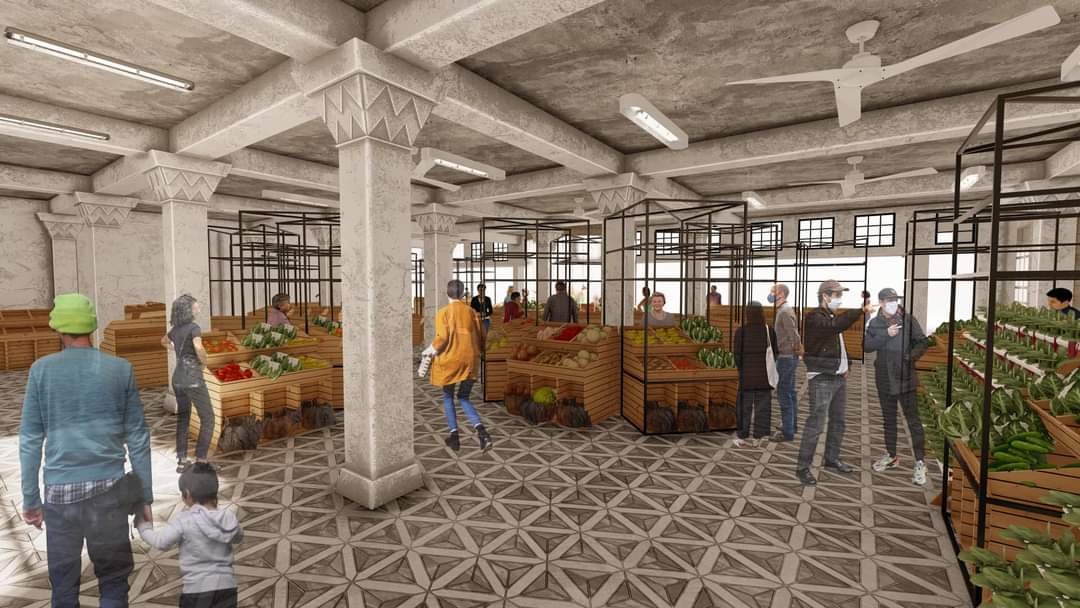
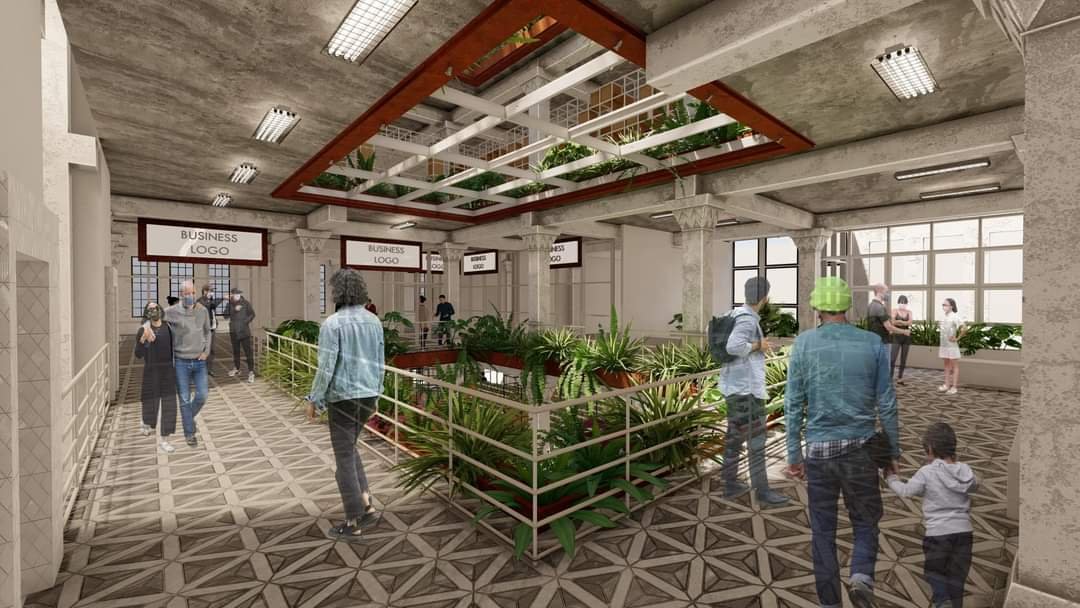
“If the building were spared, I would want to see it returned to the community it has served for nearly a century. Even when the structure fell into neglect, its perimeter continued to anchor the daily lives of the people outside.”
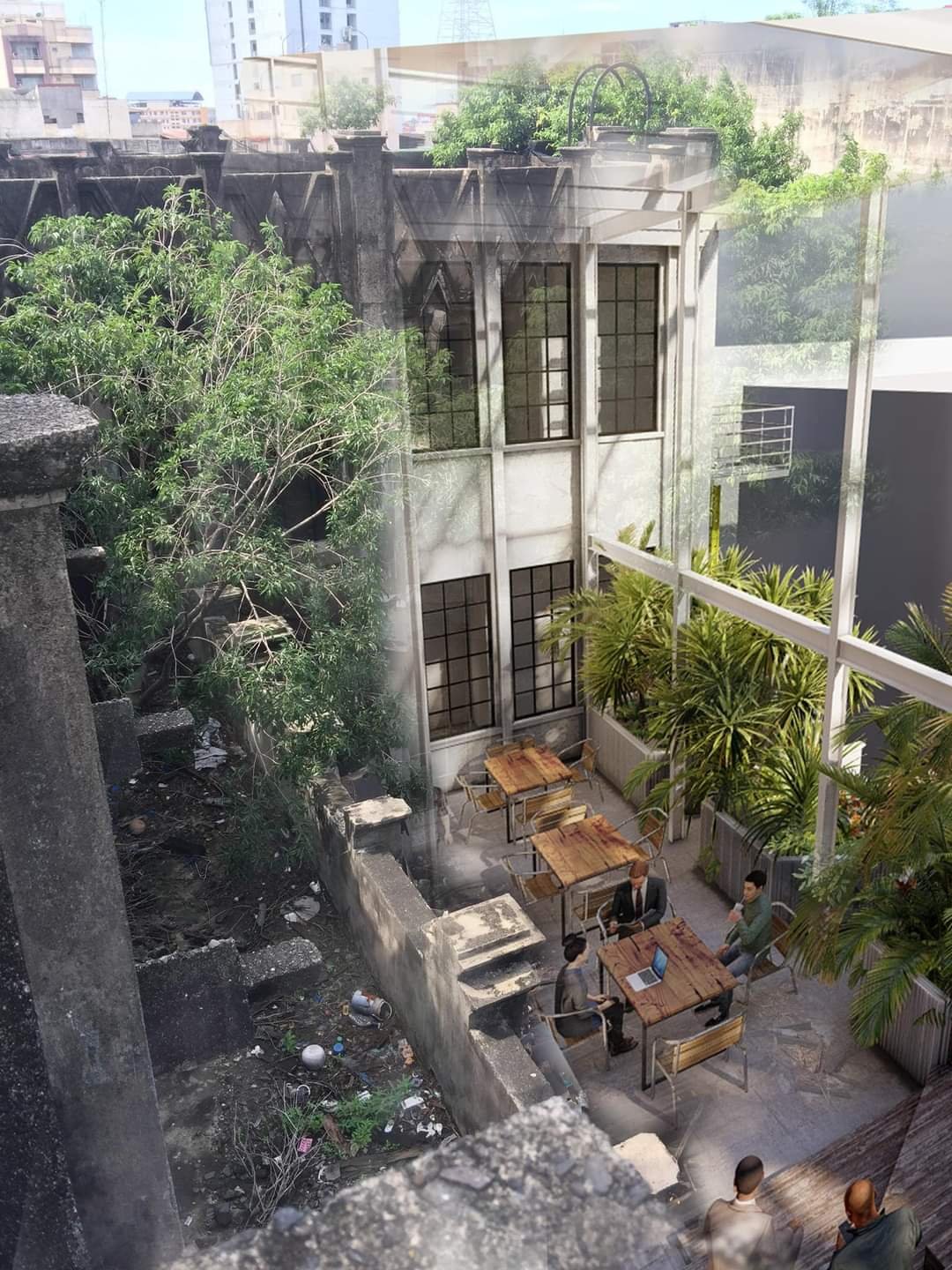
For readers interested in helping, from Manileños who pass the building daily to those who have yet to set foot in Divisoria but feel an affinity for it, what can they do now to make a measurable difference? Who should we address our concerns to?
Karl De Santos: Every voice matters right now, whether you walk past the building every day or simply care about preserving our history. To make a measurable difference, the public can take three immediate steps.
First, amplify and stay vigilant. Share the building’s story on social media, write about it, and keep the public eye on what is happening. Developers and local officials act when they know people are actively watching.
Second, make a direct public appeal. Write formally or send polite emails to key authorities asking them to halt the demolition order and issue a cease-and-desist. Address your concerns directly to the Mayor of Manila and the Manila City Hall Building Official, who have immediate regulatory authority over local permits and demolition orders. You should also reach out to the National Historical Commission of the Philippines [and the National Museum of the Philippines, which declared the building a cultural property], urging them to strictly enforce heritage protection laws for declared cultural properties, as well as the National Commission for Culture and the Arts to request their intervention under Republic Act No. 10066.
Finally, support local heritage groups. Join or back grassroots organizations like Manileños for Heritage, Renacimiento Manila, and other conservation advocates who are actively filing petitions and monitoring the site. Public pressure and community visibility often buy enough time to get stakeholders to the table for adaptive reuse. •