Words Jiro L. Coronado
Editor’s note: This article is a project brief written by Jiro L. Coronado, Architectural Design 7 studio professor at the School of Design and Architecture at the College of St. Benilde. The students’ thesis investigates architecture’s shift from object-oriented design process toward systems-based spatial thinking. Edits were made for Kanto.PH.
In Edson Cabalfin’s Manifesto, he presented 35 binaries of how architecture is currently and must eventually be understood, contrasting the 19th-century to 21st-century architectural design ethos. From here, we analyzed that there are six realms these binaries focus on: first, architecture for experiences where design shapes phenomenon; second, architecture for change where it must extract positive outcomes on persistent negative realities; third, architecture as physical space where it abolishes physical enclosures and scale as limited platforms of changes; fourth, architecture for/of everyone where it roots back architecture that is democratized, decentralized, and deglamorized; fifth, architecture for/of the profession where policy is seen as important as design; and lastly, architecture as a process where existing pedagogical practices are challenged and ratified.
Scenario-based design
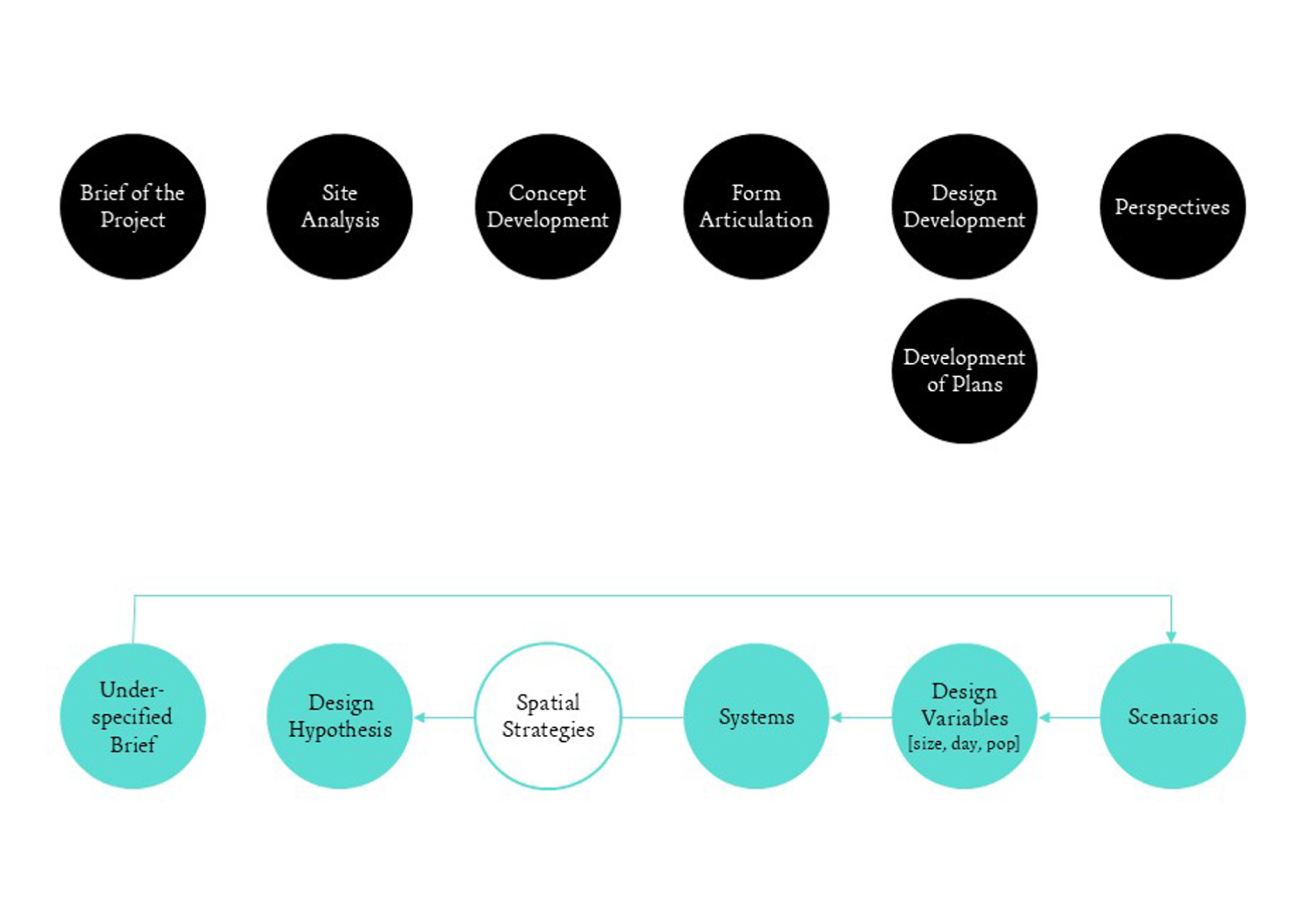
Today, a conventional design process is typically undertaken as a linear method scaling from the establishment of a project brief to (although not often enforced) final public defense. A student proponent starts to rationalize a selection of a project typology and works on through sixteen (16) weeks until the completion, realization, and materialization of the selected project typology. This model of a design process began in Ecole de Beaux Arts, where the agenda and typology are determined by the studio mentor. This culture of studio critique was later developed by the Bauhaus. These are all well-meaning pedagogical approaches advocating for aspiring architects to design accordingly and intelligently and to receive appropriate constructive criticisms to further practice.
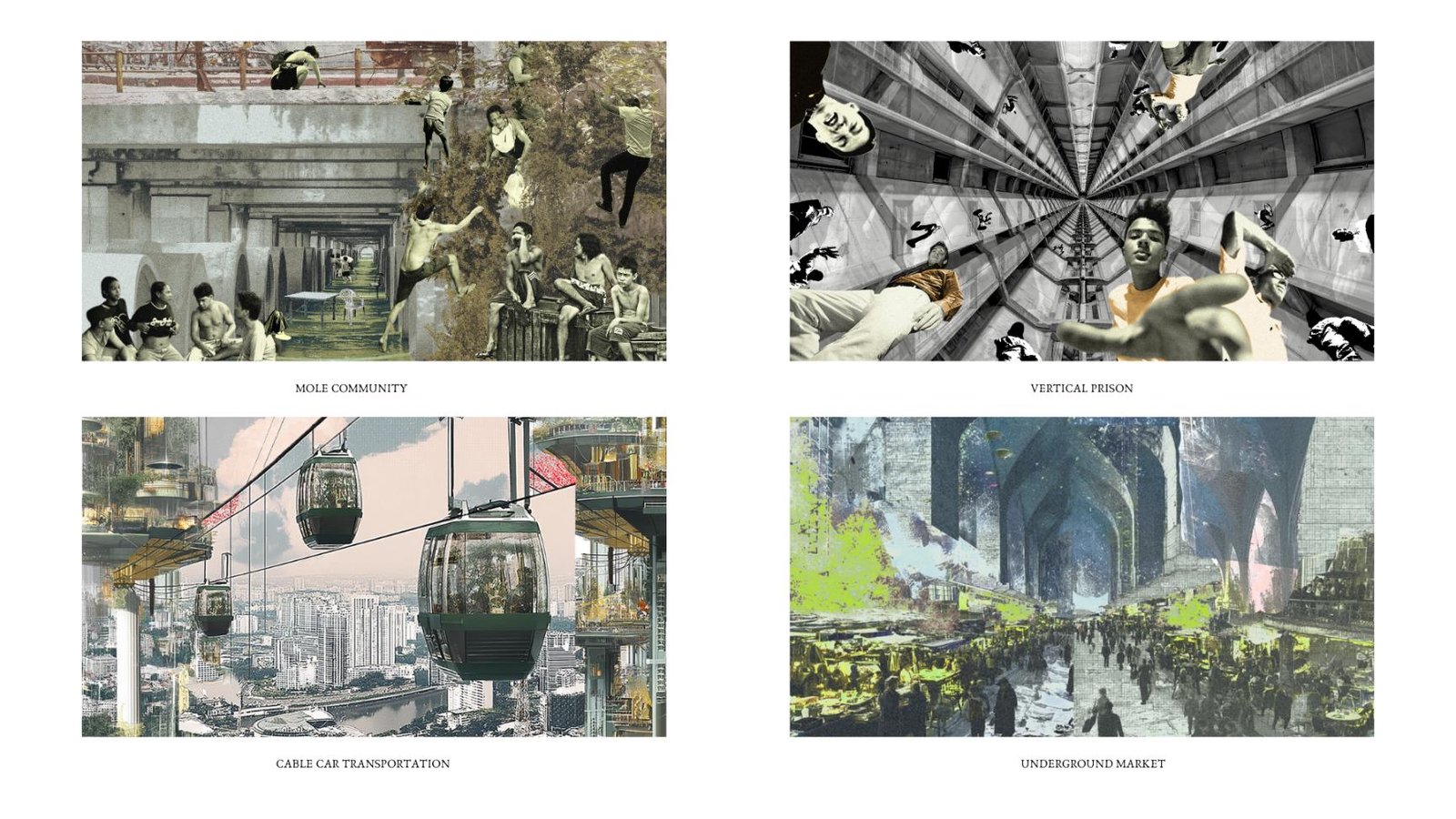
In the 1960s, Archigram, Archizoom, and Superstudio introduced a radical approach, deviating from the understanding that architecture can only be narrated through buildings, that it can begin to operate not only as construction, but as a vision, a projection, not only as objects, but as scenarios. In the ethos of architecture that it must and should solve problems, these avant-garde designers proposed reframing them. In Archigram’s case, they begin to reframe mobility. Peter Cook’s magnum opus, Plug-In City in 1964, and Ron Herron’s Walking City in 1966, are proposals of cities that cease to be a fixed composition and become an apparatus in motion. It contrasts to the modern and contemporary approach, the city was no longer a stable background against which life unfolded. It turned out to be a framework or a support system for changes. This thought of architecture that is dynamic, represented by Roger Paez, is highly critical of the fixed, static notions of architecture, proposing that ‘temporary is the new permanent’, which means ephemerality’s philosophy to embrace flux, performance, and lived experiences, especially in a world surrounded by crises like displacement, inequality, and climate emergencies. Taking this point of view, we propose, through these visions and scenarios, a multitude of possibilities that may shape the city in 2040.
Systems design
Going back to design processes, the first diagram below shows the conventional design process that an architectural design class goes through. The scenario-based design process, as shown after, prompts students to imagine scenarios, allowing them to skip the conventional design process. When scenarios are determined, students are now tasked to track back and design systems that shall enable the envisioned scenarios. In this project brief, ephemerality is a studio agenda where students must adhere to different design variables. These are variables that provide constraints to the project, such as size (which determines the scale of the specified scenario), time (which determines the duration of the specified scenario), and users (which determines the number of expected users). It is important to consider these variables as constraints as they can envision extremities in scenarios ranging from as small as a pop-up event to as big as a rockstar concert.
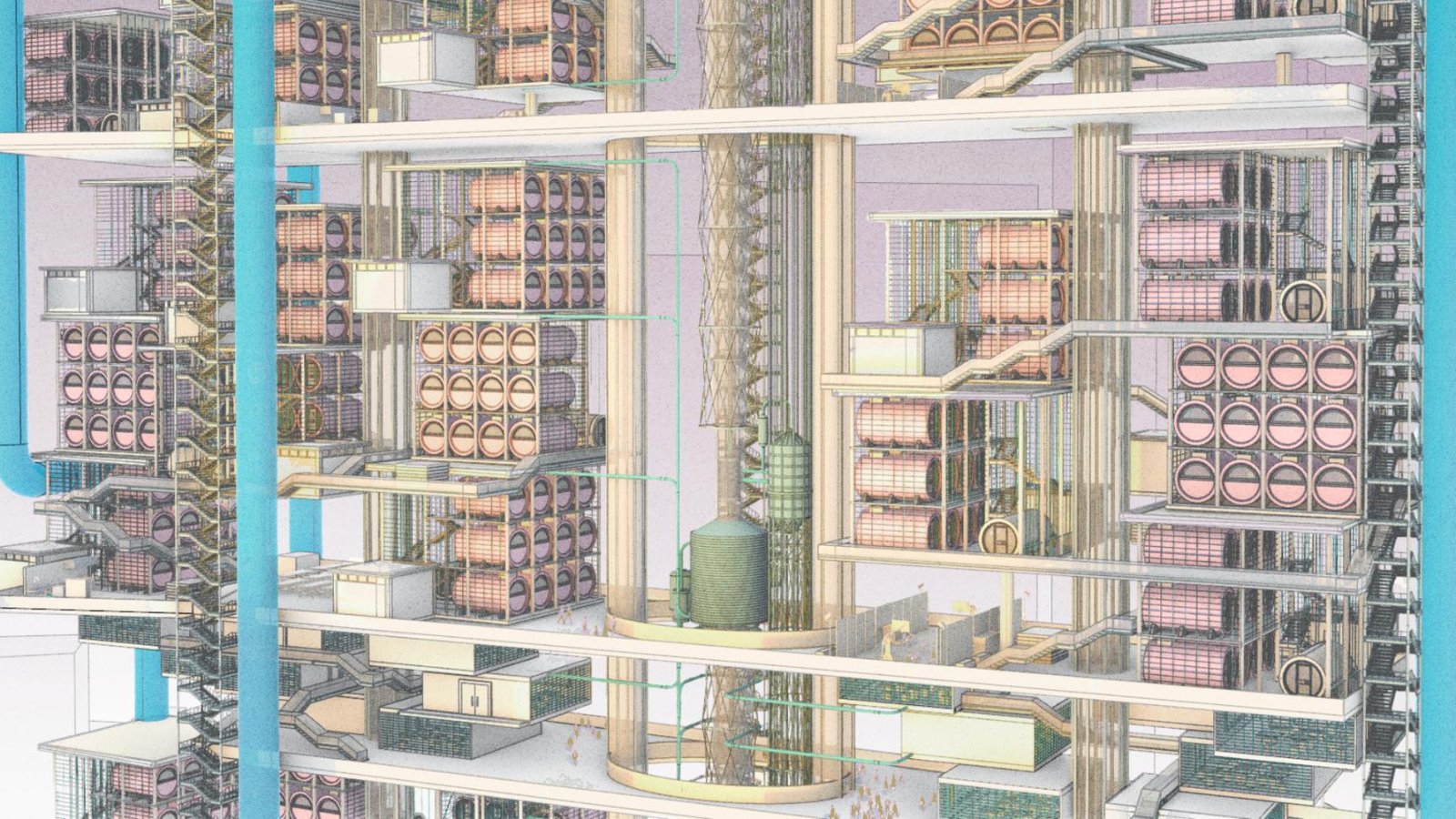
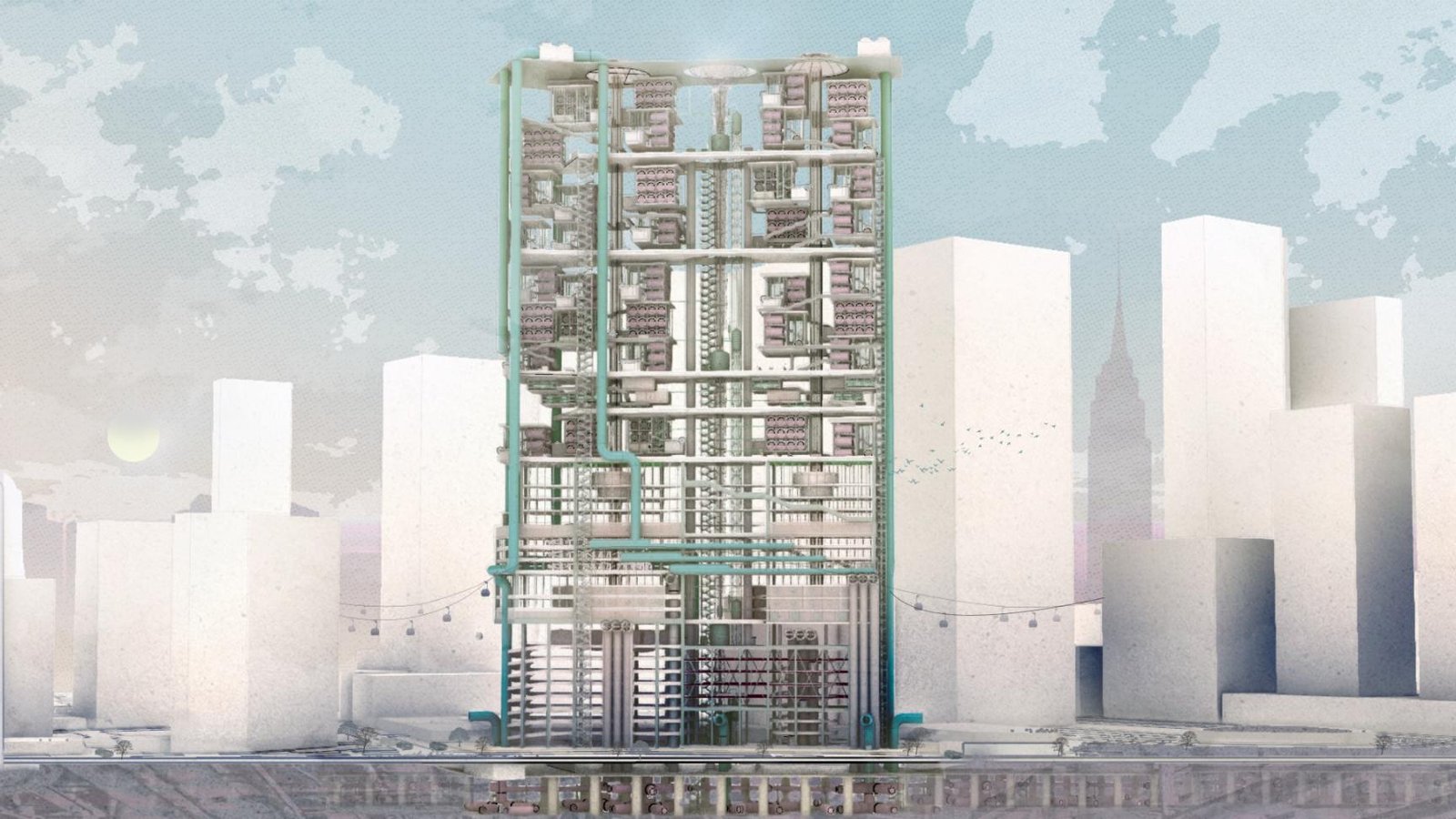
In designing systems, the manipulation of components that further user agency becomes paramount. It forgives the possibility that in this process, architecture (as an object or a metaphysical force) can become secondary, with the system as the primary. In the following proposals, student proponents have designed mechanical and civil systems, breaking down their anatomy to respond to a prescribed spatial strategy or organizational patterns appropriate for the project. These manipulation of systems illustrates how they can utilize time, space, and user values as design agents.
The first proposal is a Cable-Belt system that reframes communal spaces through a nodal spatial strategy. It explores how a cable belt with its rotational movement (x and y axis) and vertical anchors (z axis) can virtually operate in a three-dimensional space. The second proposal is a Central-Pulley system that reframes growth through modularity as a spatial strategy. It explores how programs can be modified depending on spatial requirements. The third proposal is Pipes, which reframes coexistence through a linear spatial strategy. It explores how a radical line, a metaphor to a spine, anchors dependent spatial dispersal from mole communities to correctional facilities.
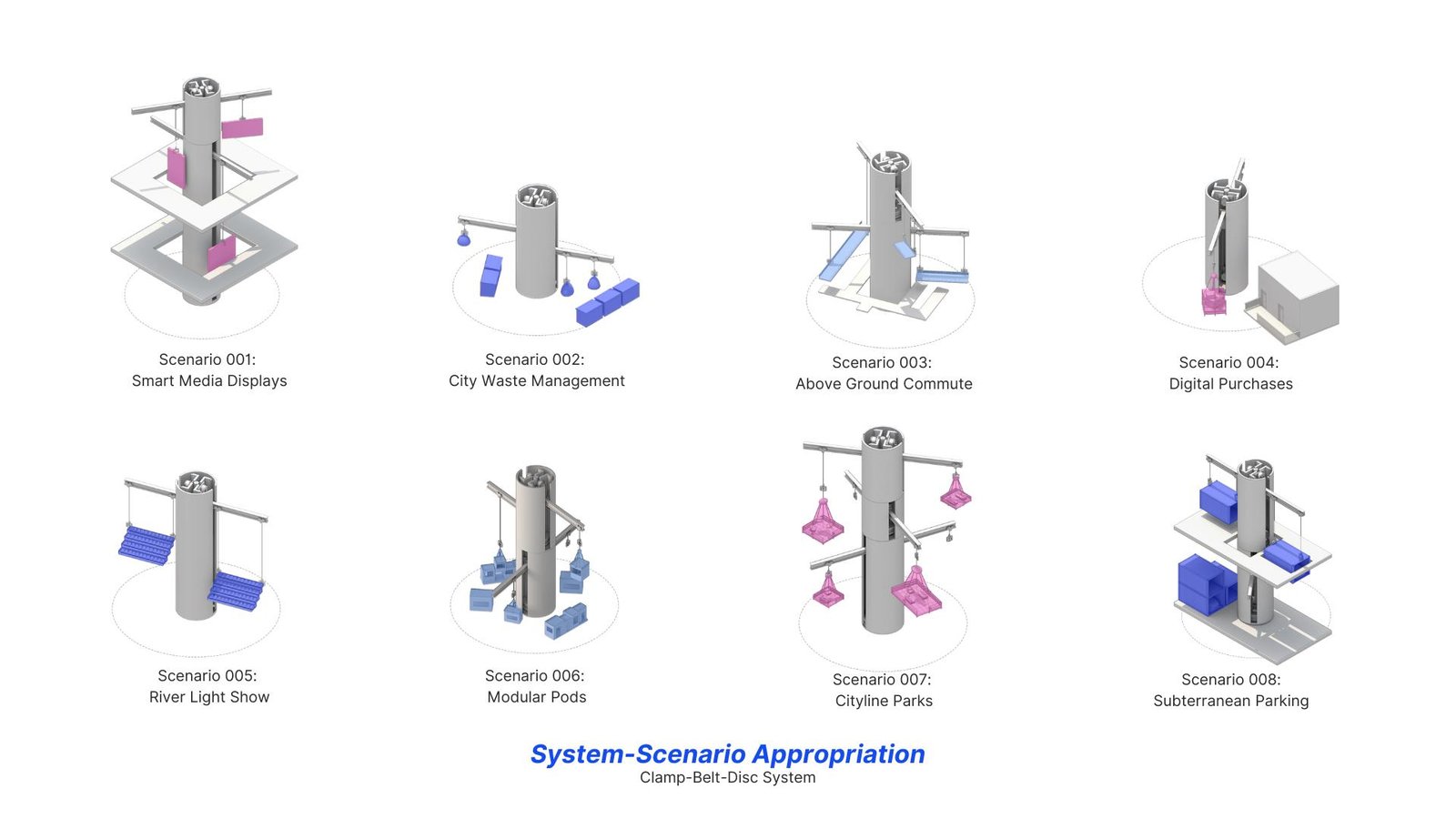
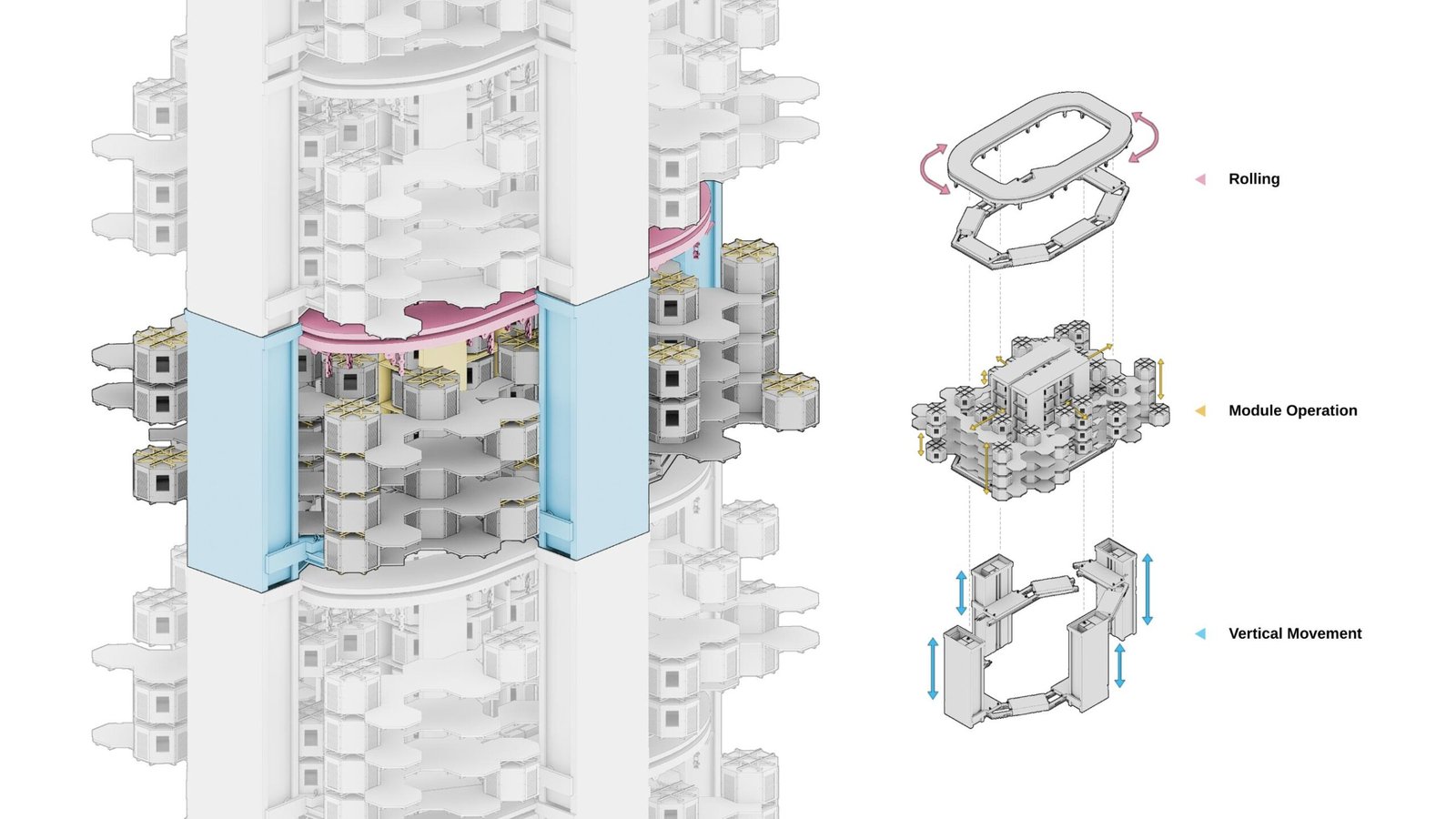
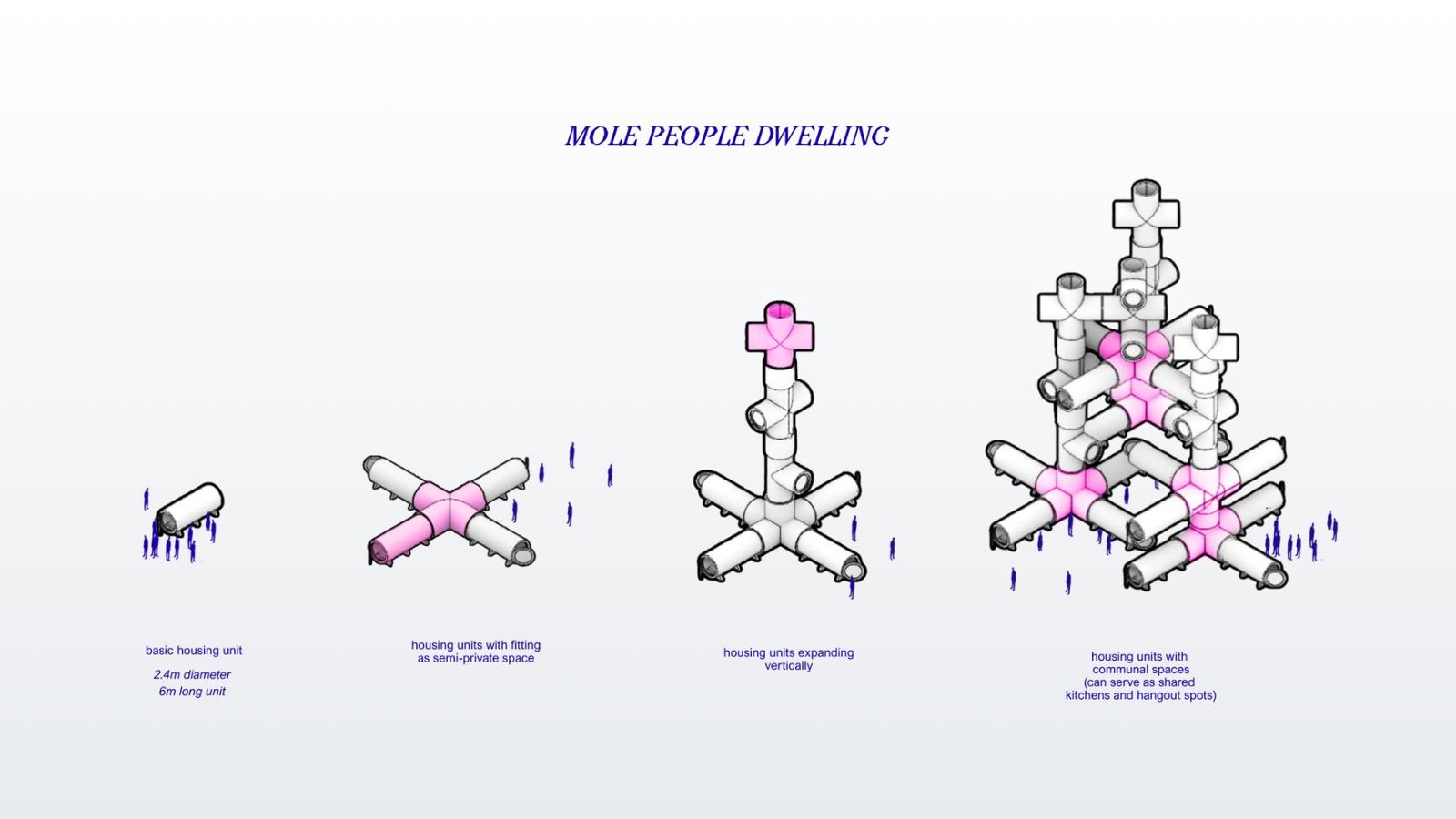
Cable-Belt, Central Pulley, and Pipes systems
Operative mapping
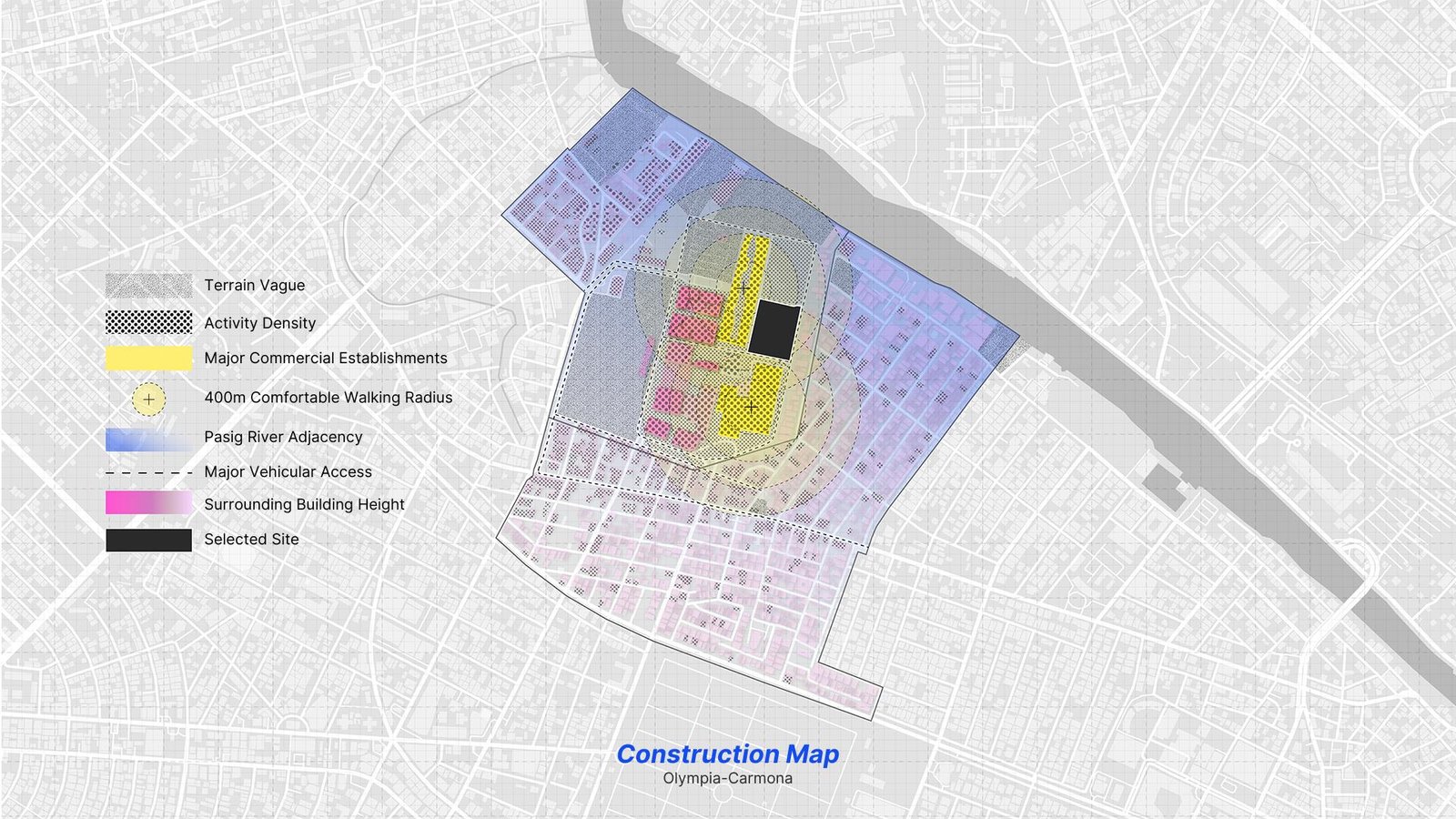
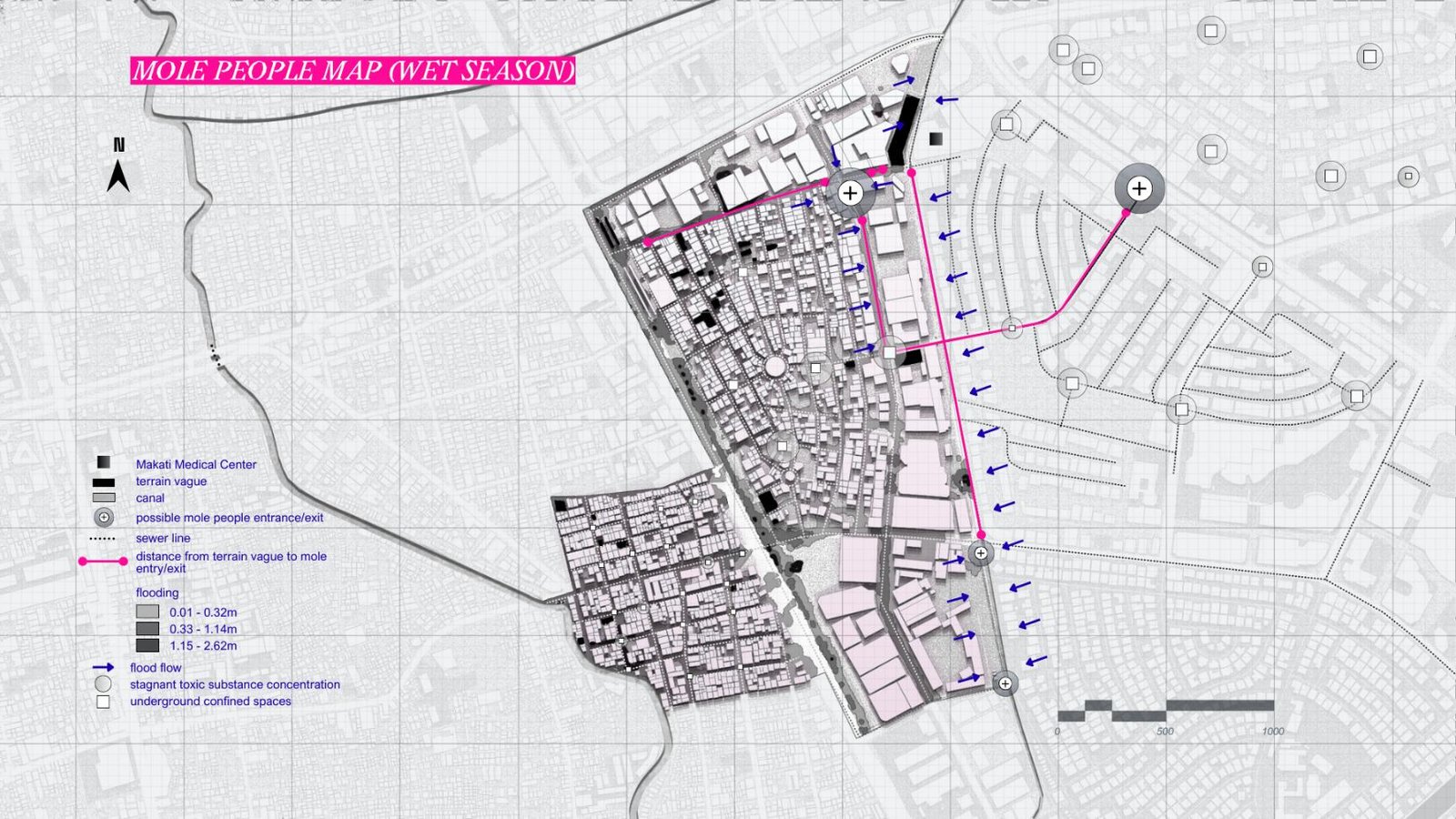
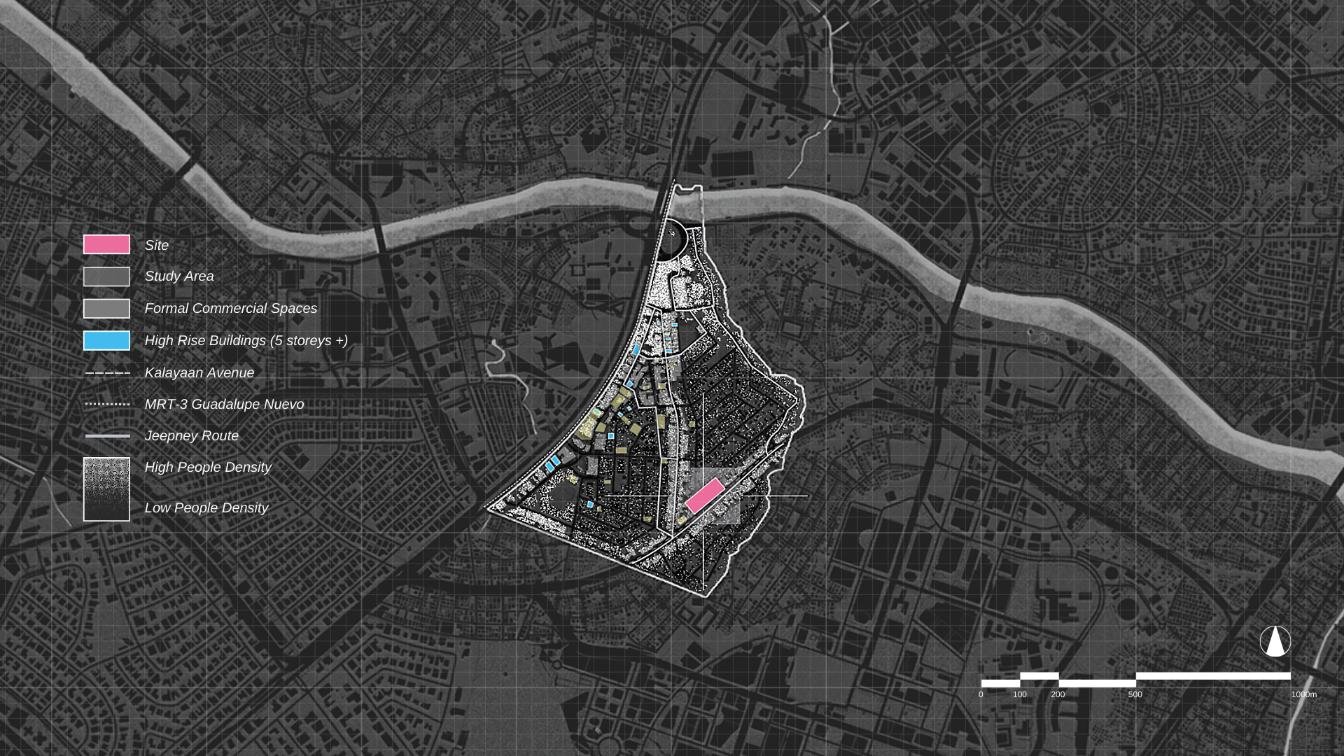
To further enforce the developing morphology of these systems, studies on Floor Area Ratio (FAR) were considered, and operative mapping studies informed the further massing of these projects. Operative Mapping is a methodology that activates a specific site or objective. It overlays different spatial, social, and perceptual conditions to reveal hidden potentials, frictions, and opportunities for intervention. It functions in polarity with informative mapping, where the intention of a map only means to inform, with information only to be absorbed and not engaged with. Cartographic mapping is not anything new; operative mapping only provides a framework for how maps can be used as a design tool. As an example, laying out maps of urban activation, urban quality, and subjective perceptions, when superimposed, unveils areas as spaces of opportunity, or a space where temporary action may shift perception. In this logic, operative mapping already becomes projective. Information does not end in analysis; it is only the beginning.
Summary
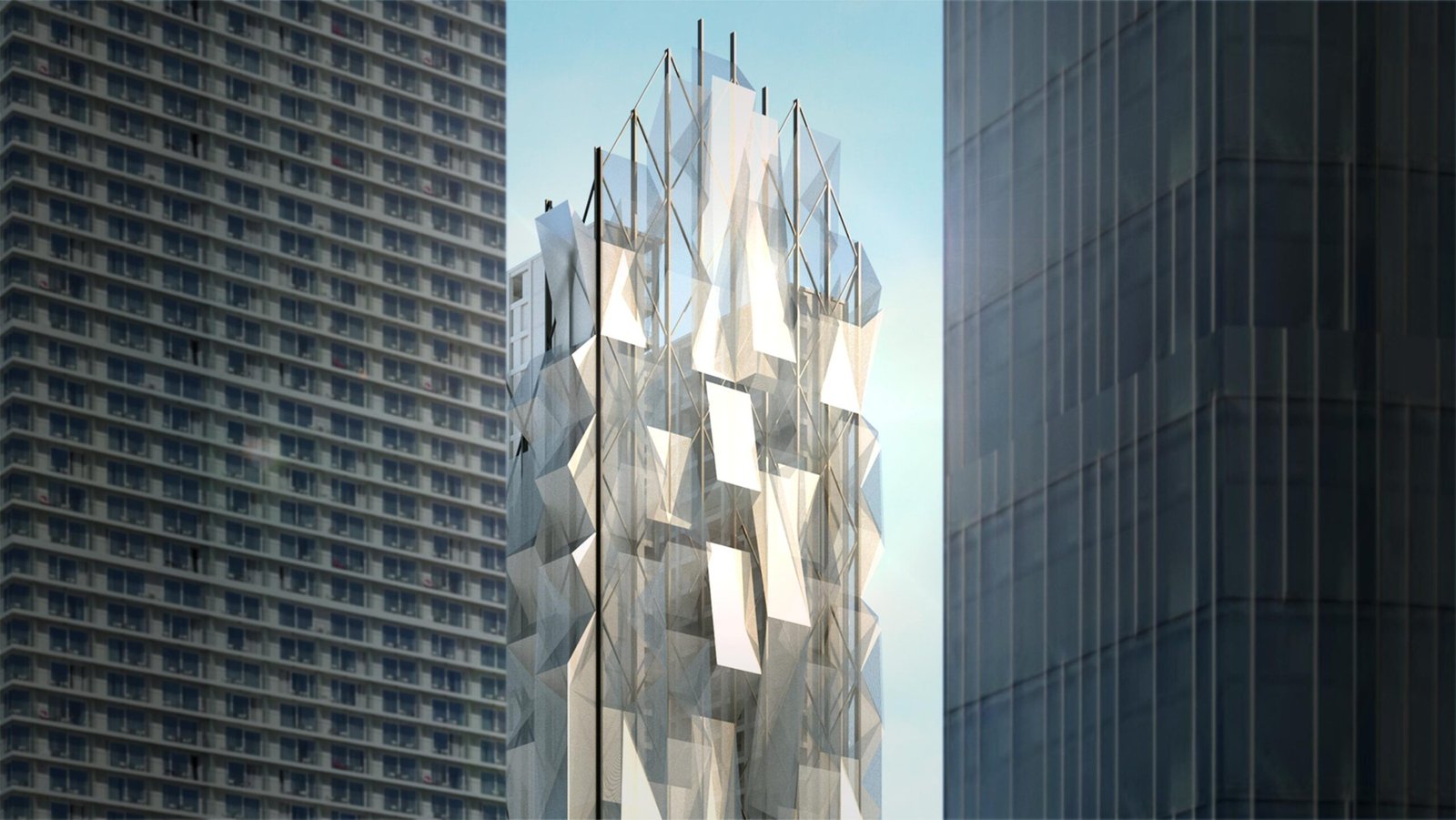
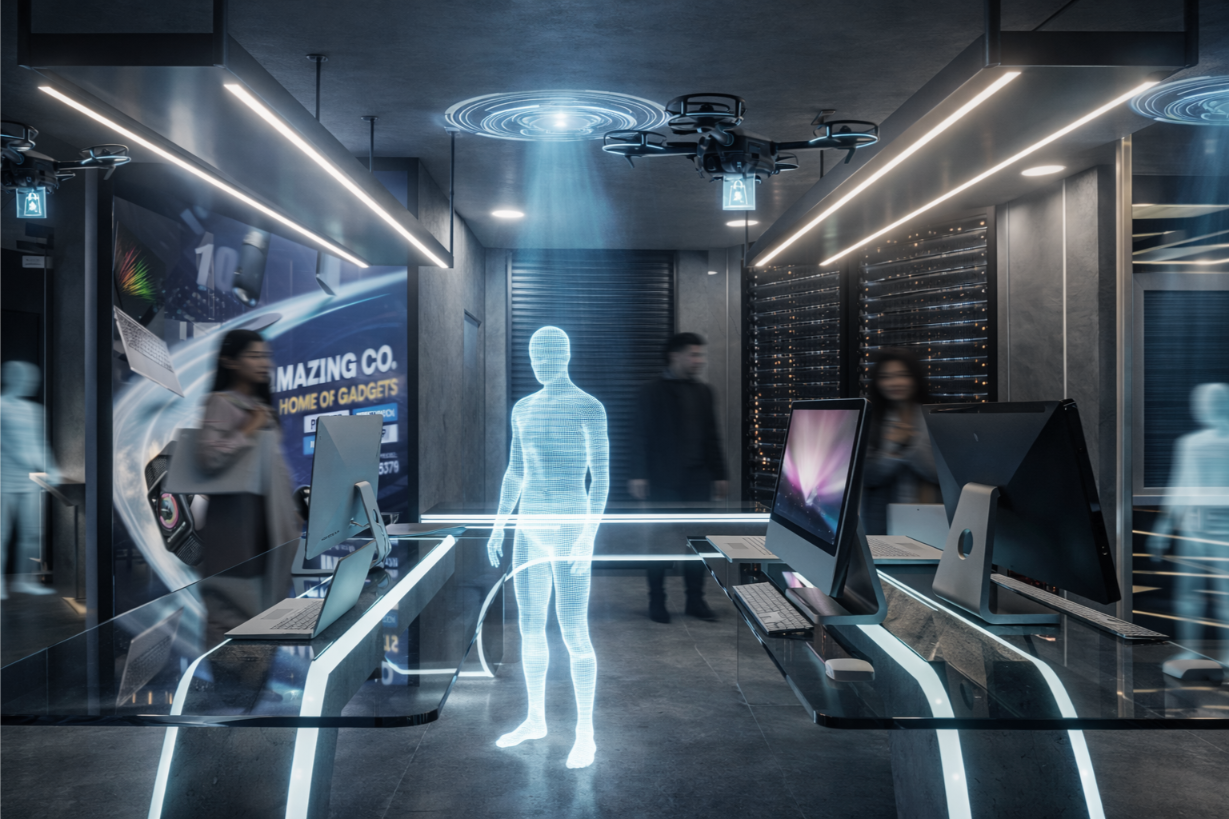
This project brief intends to propose an alternative design pedagogy for architectural design education rooted in vision, systems, and mapping. It departs from the conventional linear design process and instead embraces a tripartite framework that enables architecture as a projection, as a process, and as a catalyst for spatial change. This framework allows students to begin not from objects as concepts or determined typologies, but from imagined futures. It favors possibilities over prescriptions, challenging potential realities that may unfold instead of what building typology must be (yet again) produced. Systems design then translates this imagery into tangible, organizational logics, where architecture becomes less about fixed objecthood and more about enabling relationships of time, space, and user values. Design variables such as size, time, and users are not constraints to work around – but must enable creative pursuit for answers on a defined scale of intervention. Lastly, operative mapping enforces intelligent progression by informing the designers about latent potentials, frictions, and spaces for opportunity, ensuring that design does not remain speculative alone.
If architecture today must respond to unstable futures, then the next question may no longer be on how to design permanence, but how to design systems that can transform with change. In summary, we then continuously ask the true role of architecture: is it to define space, or to keep it open for becoming?
Sources:
[1] CHAFEE, R., DREXLER. A., LEVINE, N., and ZANTEN, D. (1977). The Architecture of the Ecole des Beaux Arts. Cambridge Massachusetts: The MIT Press, p. 61
[2] ZEYNEP, A. (2018). Learning from Pedagogical Experiments: An alternative reading of architectural design studio. p. 4