

Words Patrick Kasingsing
Images Celine Dabao, Pacific Sun Solutions,
with Patrick Kasingsing
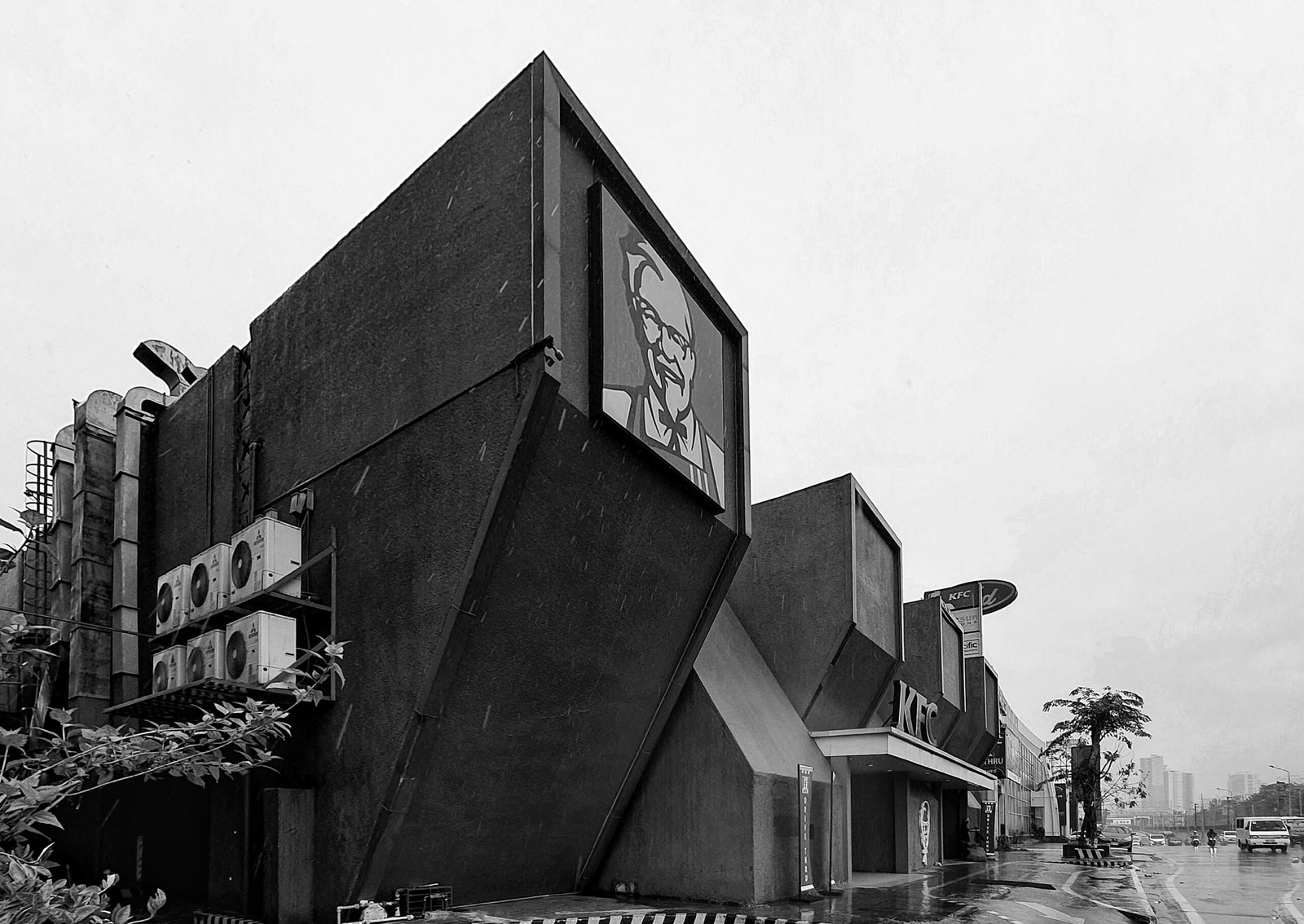
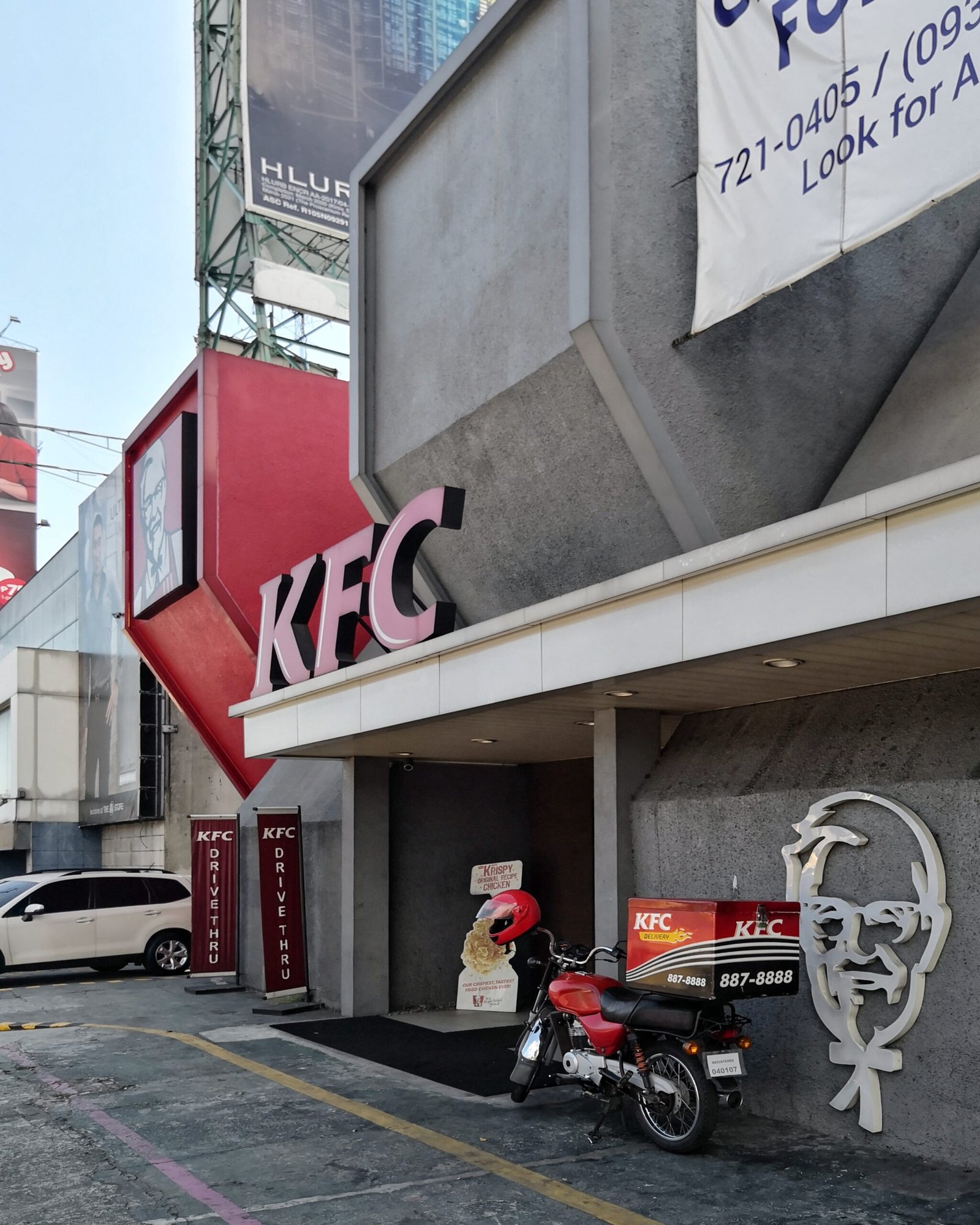
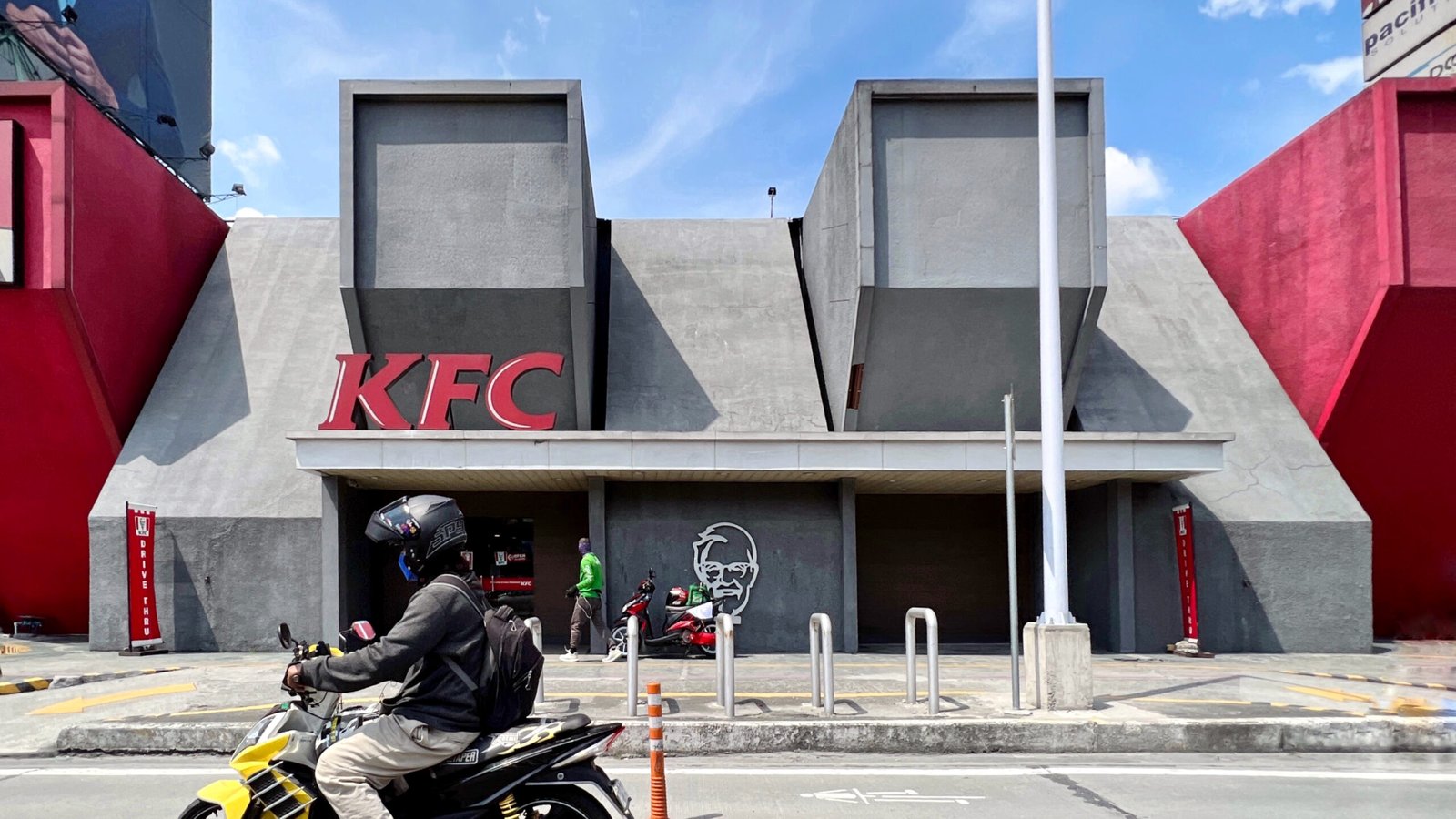
My first encounter with an Antonio Heredia building was when I decided to walk the Santolan-Annapolis-to-Mandaluyong stretch of EDSA for Brutalist Pilipinas documentation back in 2018. After a sweltering stretch taking photos of brutalist structures, I paused before the Pacific Machines Building, now fondly known by everyone as the brutalist KFC. I had long decided, when planning my route, that this was where I would take my break from this rather torturous route of smoke, noise, and heat. After admiring and snapping photos of the bold, geometric volumes that form the red-and-grey-painted façade (photos of which you may find swirling around on Reddit), I hurried in, as I couldn’t wait to see what it looked like inside.
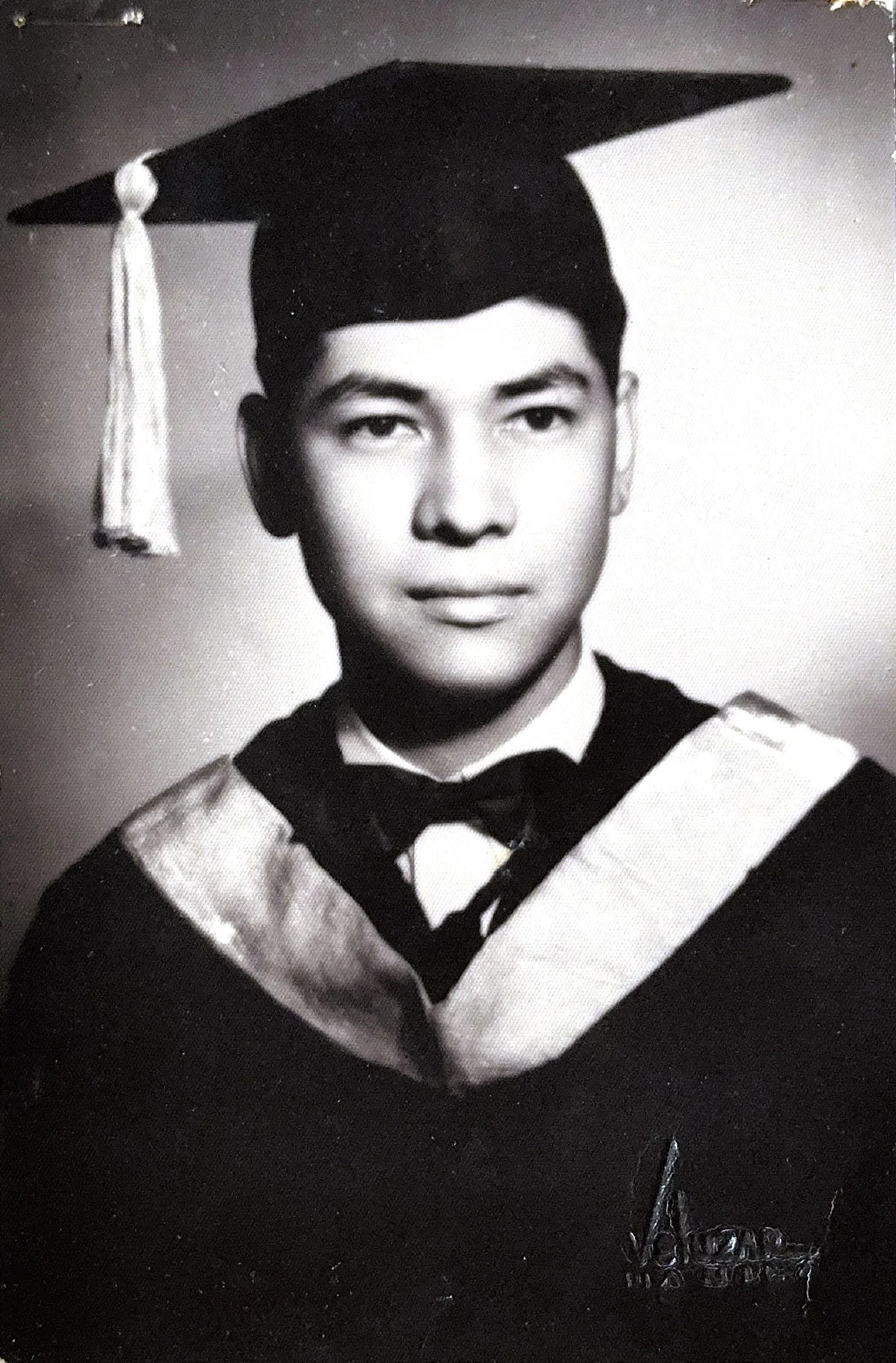
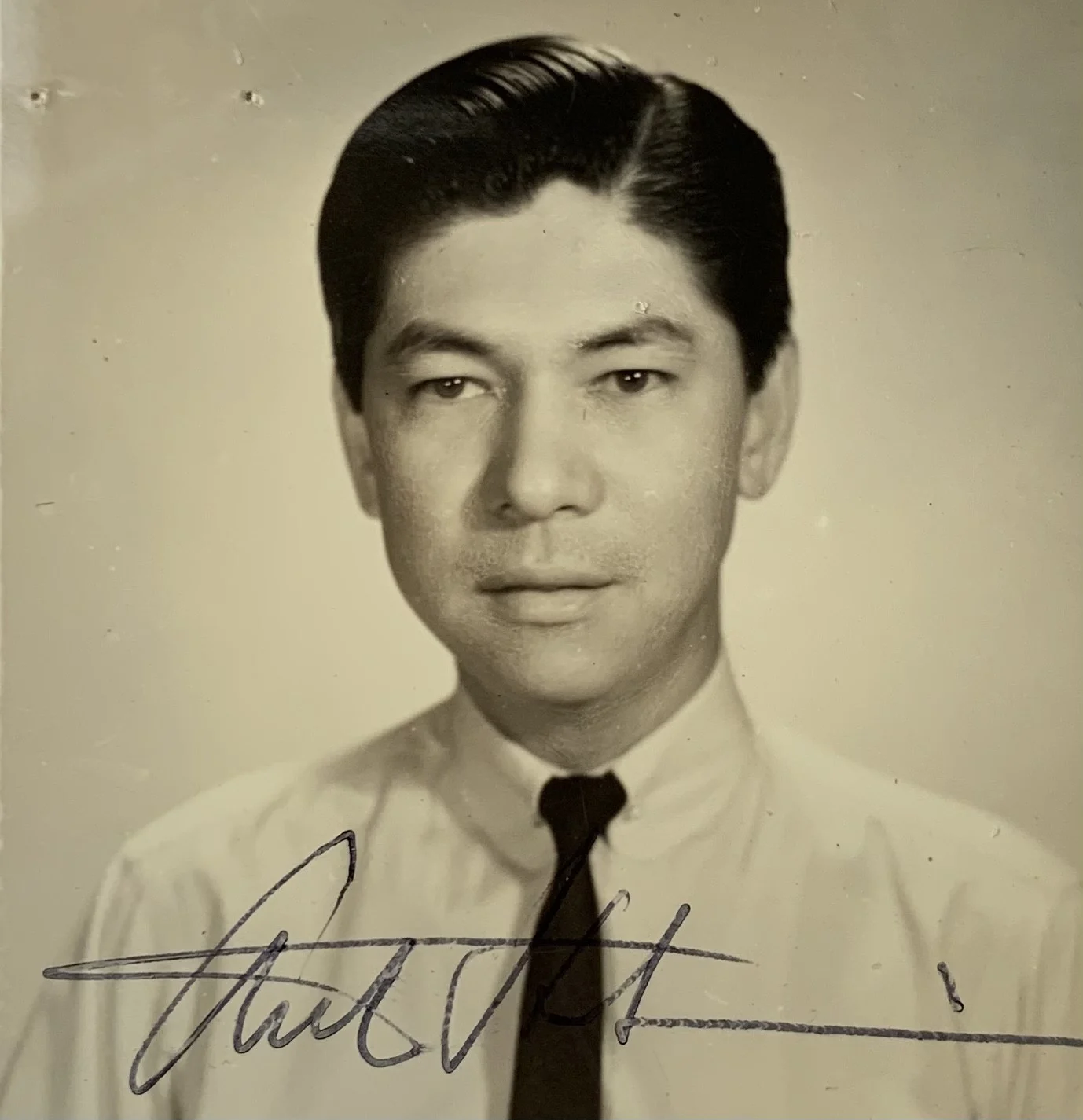
Antonio Heredia died this morning at 94.
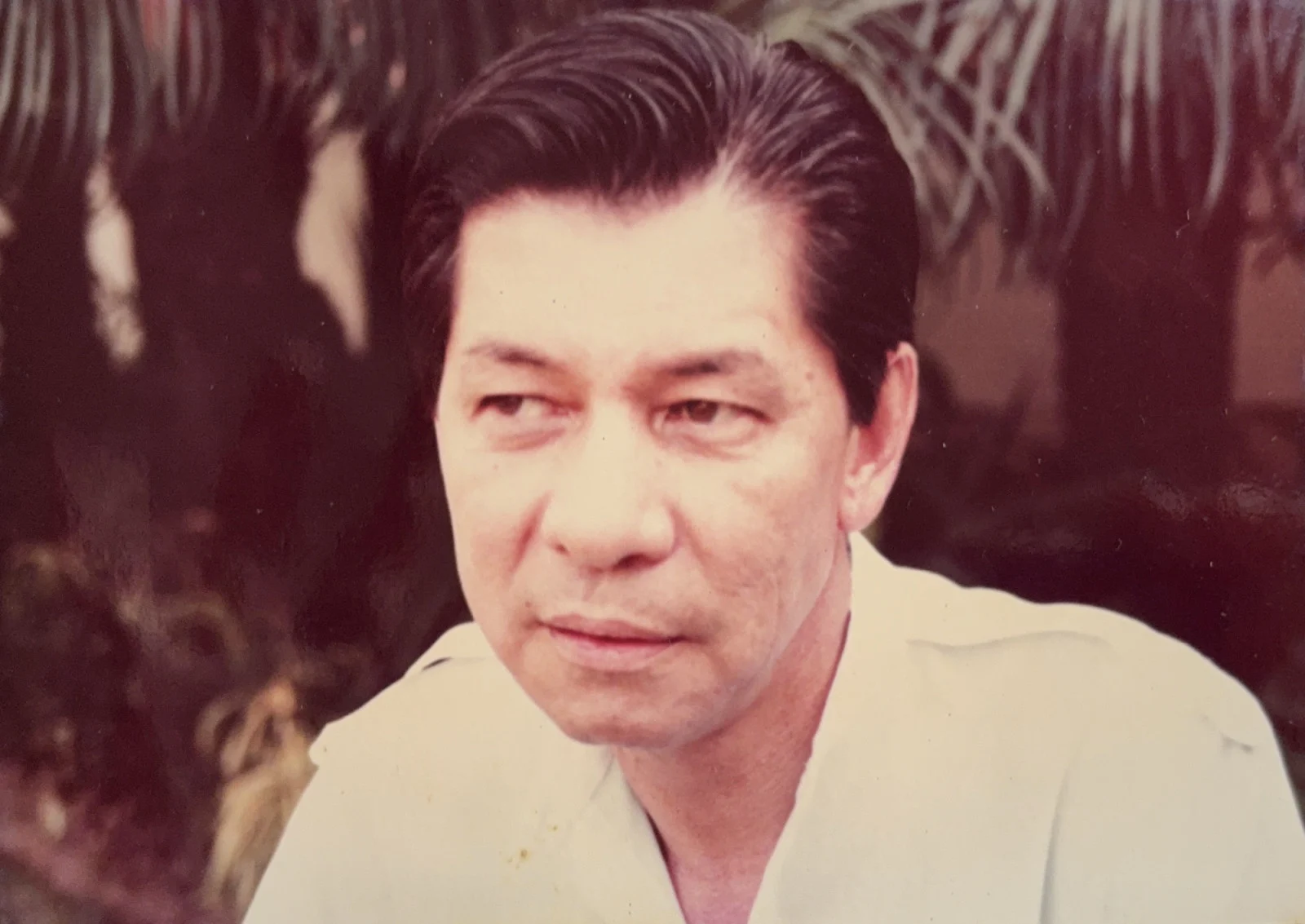
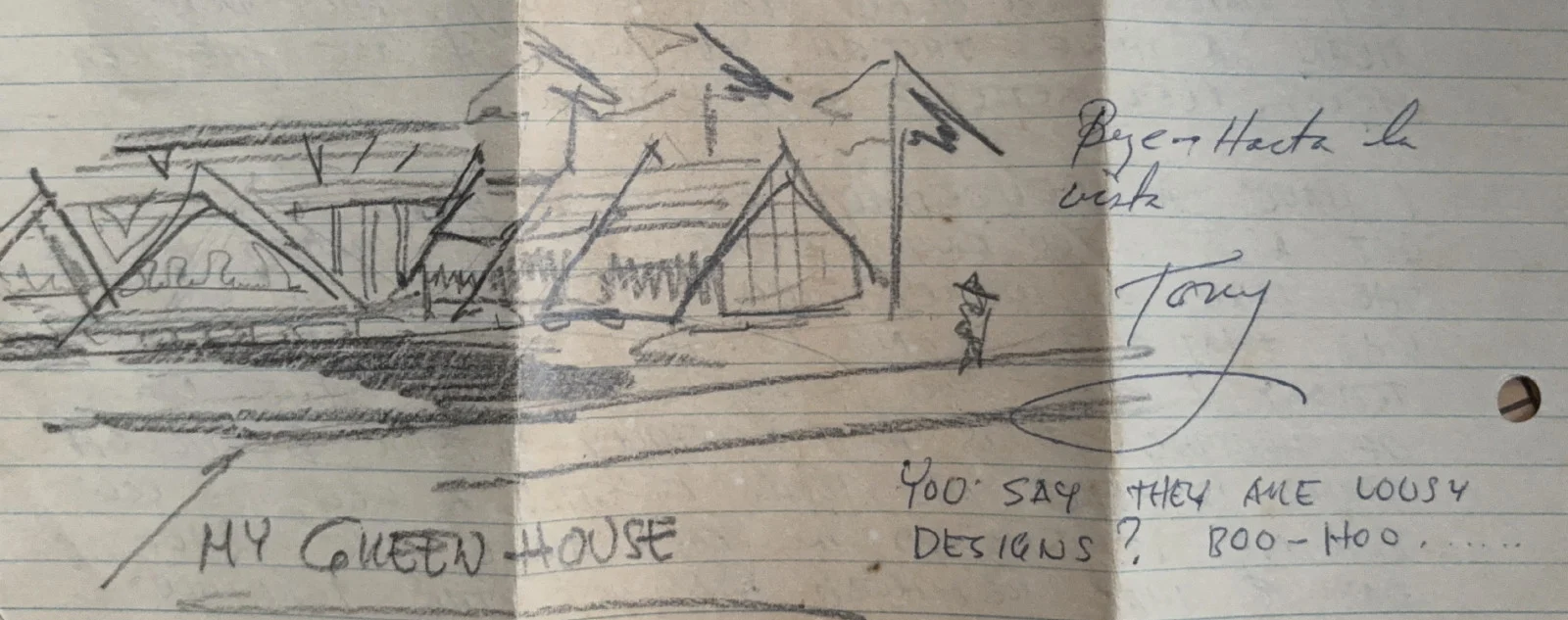
He was born Antonio Lopez Heredia on April 7, 1932, splitting his childhood between Manila and his family’s home in Bacolod before training as a civil engineer at De La Salle and studying architecture at the University of Florida. It was there, still a student, that he wrote to a young chemist named Gregoria Yalong Morelos, the woman he would marry and raise eleven children with, about the home he wanted to build for her one day. “Your Tony is ‘tops’ because you dream it so,” he wrote to her, according to the letter his granddaughter Celine Dabao, associate editor for Tatler Homes, quoted in her Tatler piece. “Dream some more so he may be a great architect in the field he loves.” He got the chance to work across Florida, California, and eventually the Philippines, earning a name that, per the same account, led firms on the American West Coast to seek him out.
It took Dabao herself, working alongside her mother, Magdalena “Nani” Dabao, and her aunt, the architect Mae Heredia-Vanden Dungen, to finally gather the full shape of his career into one place, publishing it in time for his 94th birthday this year.
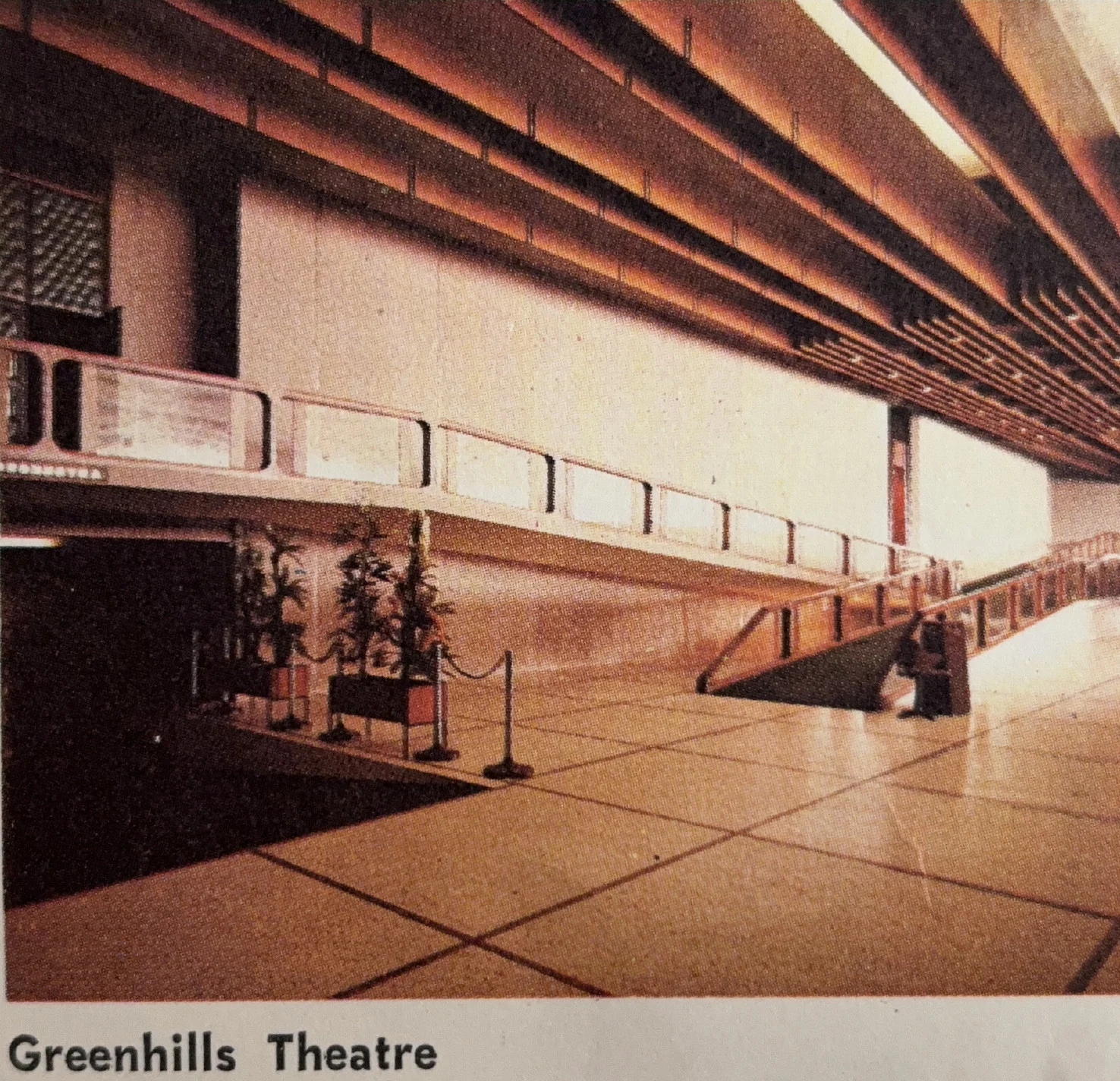
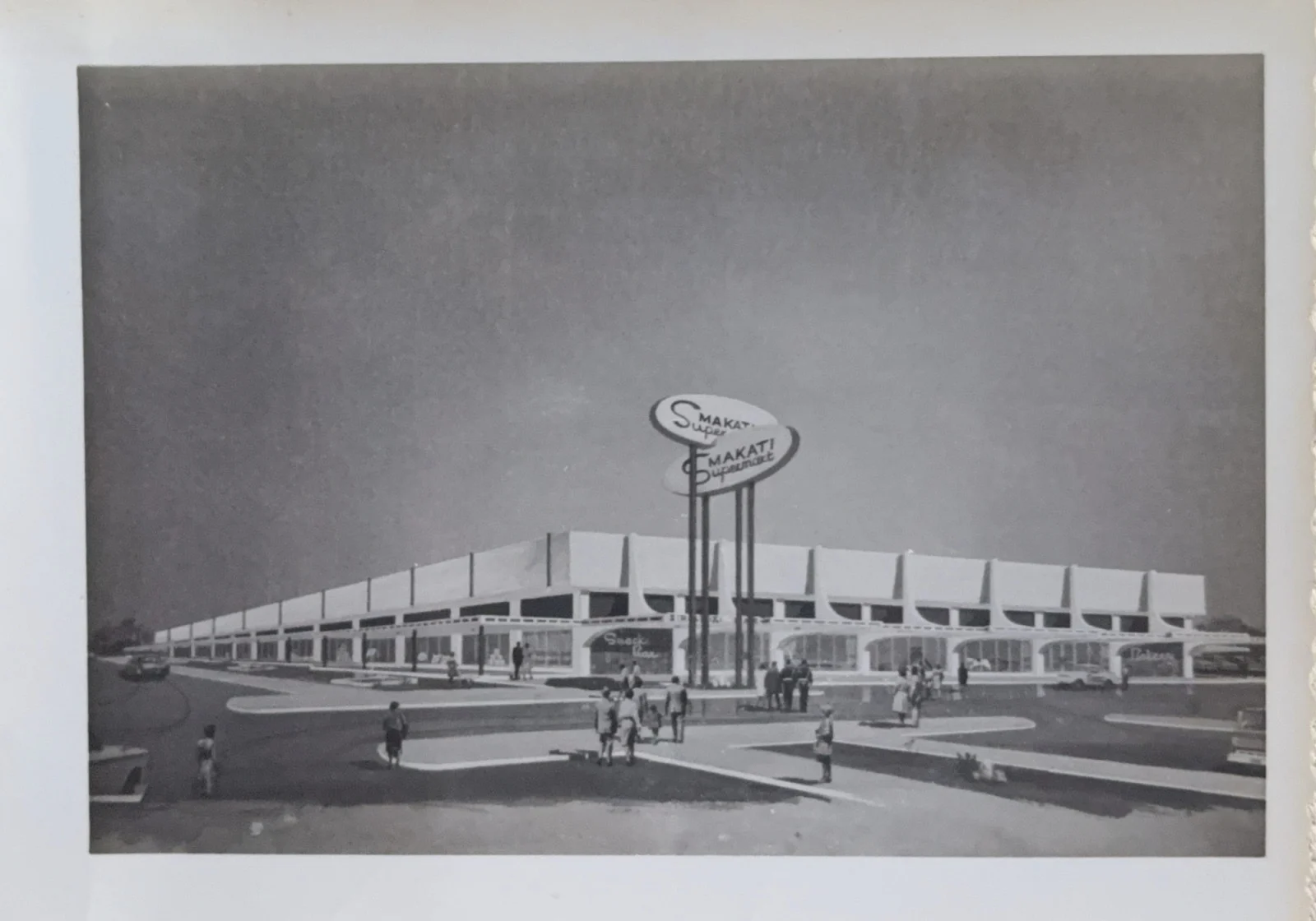
That same restlessness pushed Heredia toward an unusual dual identity: an architect who thought like an engineer, and an engineer who built like an architect. Heredia-Vanden Dungen recalled to Tatler that he was among the earliest in the Philippines to work with positive post-tensioning, the practice of stressing steel bars over a concrete bed until each material compensates for the other’s weakness, and used the technique toward some of the country’s earliest known column-free interiors, at the old Unimart and the Greenhills Theatre, whose elegant concrete form is reminiscent of Mies van der Rohe’s steel-and-glass Neue Nationalgalerie in Berlin. When a colleague later commercialized the technique, Heredia turned down the royalties he was owed, keen to keep his work as architect, engineer, and contractor from ever blurring into conflicts of interest, Heredia-Vanden Dungen told Tatler.
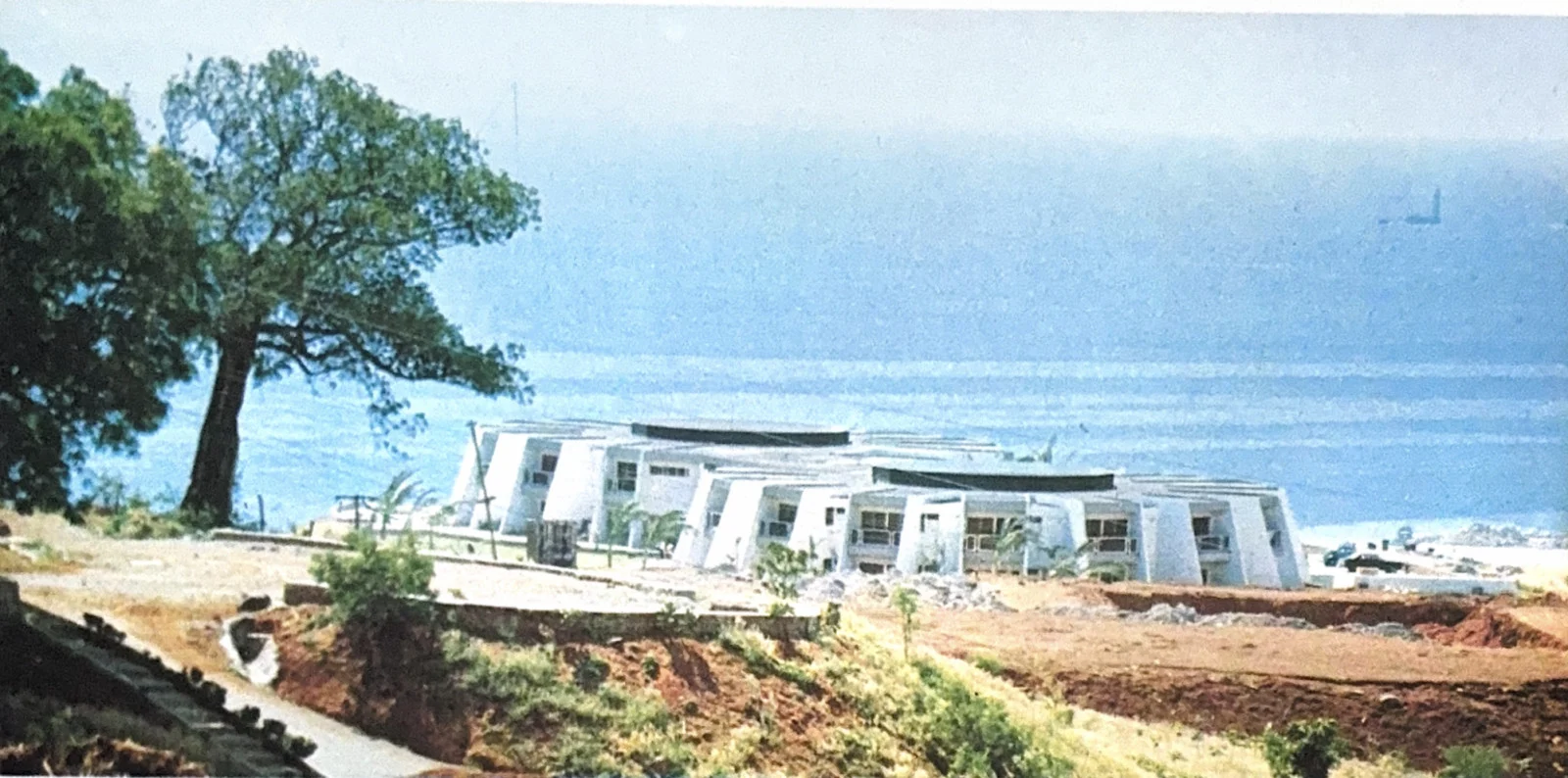
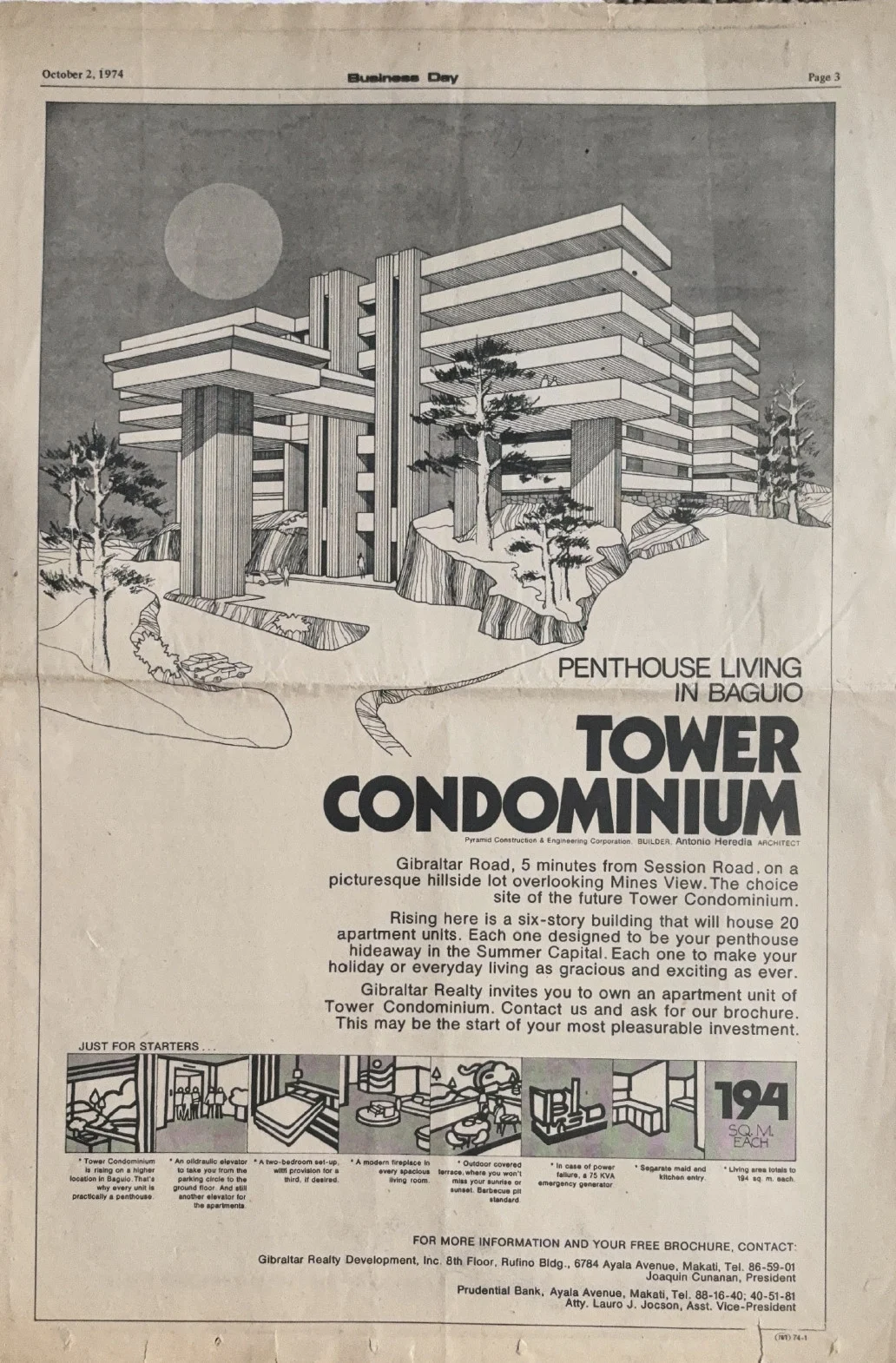
Heredia poured the same creative vigor into distinctly varied commissions across the country: the seahorse-shaped Bataan Hilltop Hotel above Mariveles Bay, built in 1974 with a pool, sauna, and golf course for workers at the nearby export processing zone, and the dramatic Tower Condominium in Baguio, designed for Unimart owner Henry Ng. The latter project presented Heredia with a conundrum: a taller building blocked the project parcel, a constraint the architect maneuvered into an opportunity by raising the condominium’s elevators on stilts, giving residents an unobstructed mountain view over the offending structure.
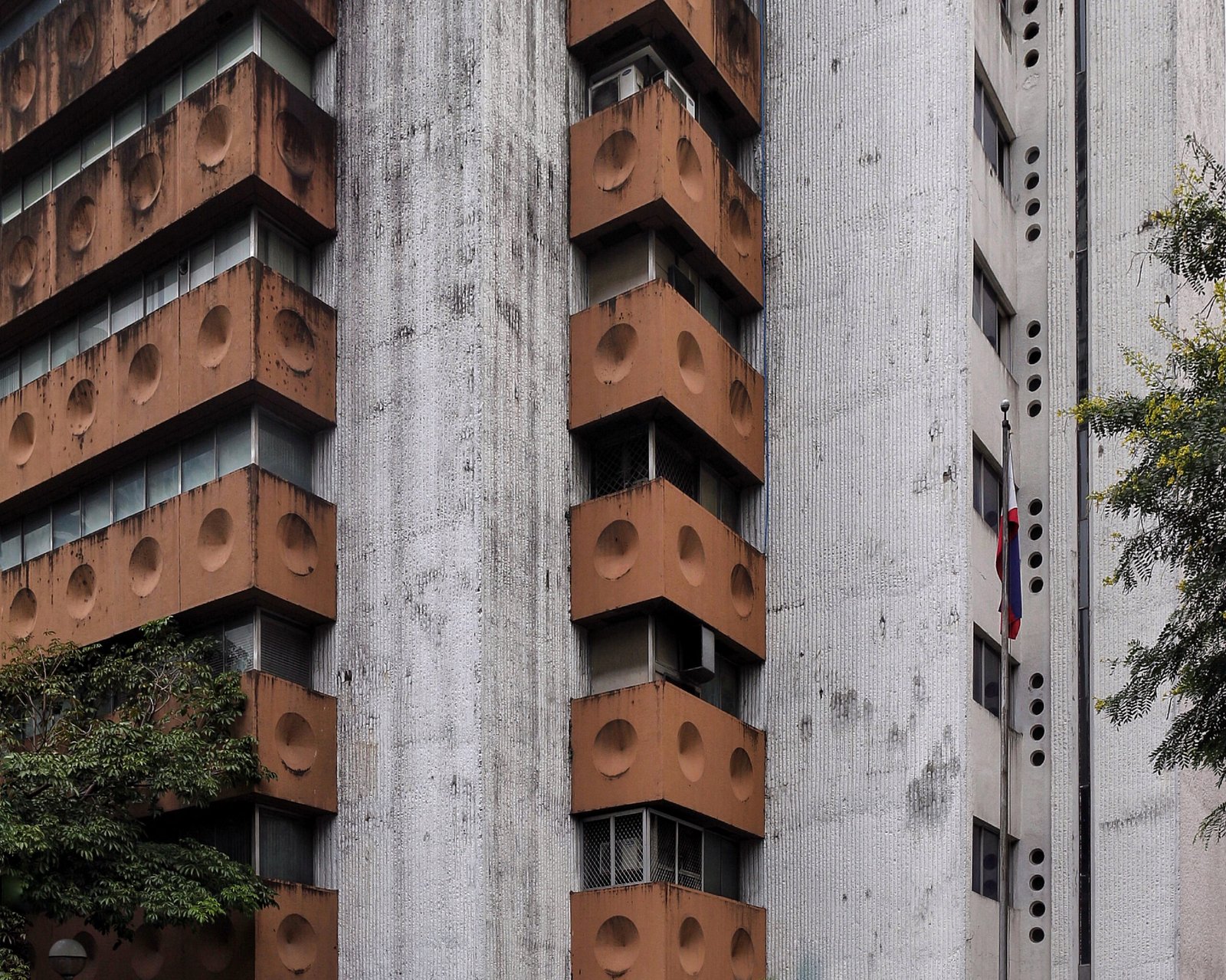
Closer to home, his ODC International Plaza on Salcedo Street, Legazpi Village, has slowly gathered its own following, with tan brown façade bands punched through with concave circles and round openings that read almost like Morse, and recall Japanese metabolist architecture; I photographed it myself for a Spot.ph feature on Makati’s must-see brutalist buildings, singled out as the most enigmatic structure on the list and which served as the piece’s cover image. Beyond the architecture and the engineering, Heredia’s works possess sculptural elegance, simple in form, exacting in execution, and still knows how to work it for the cameras half a century on.
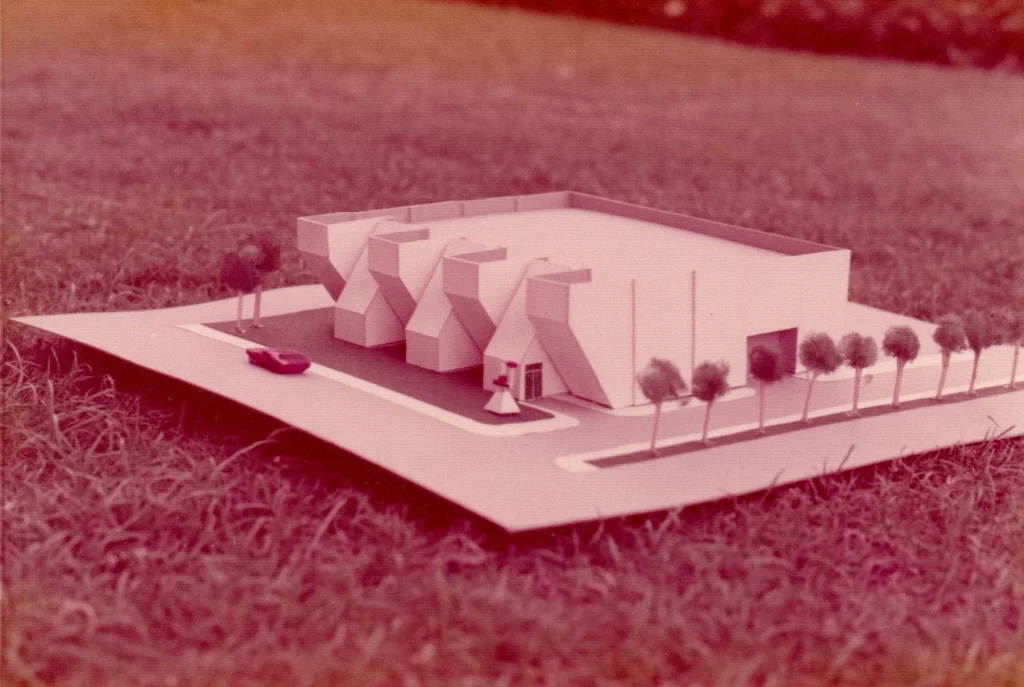
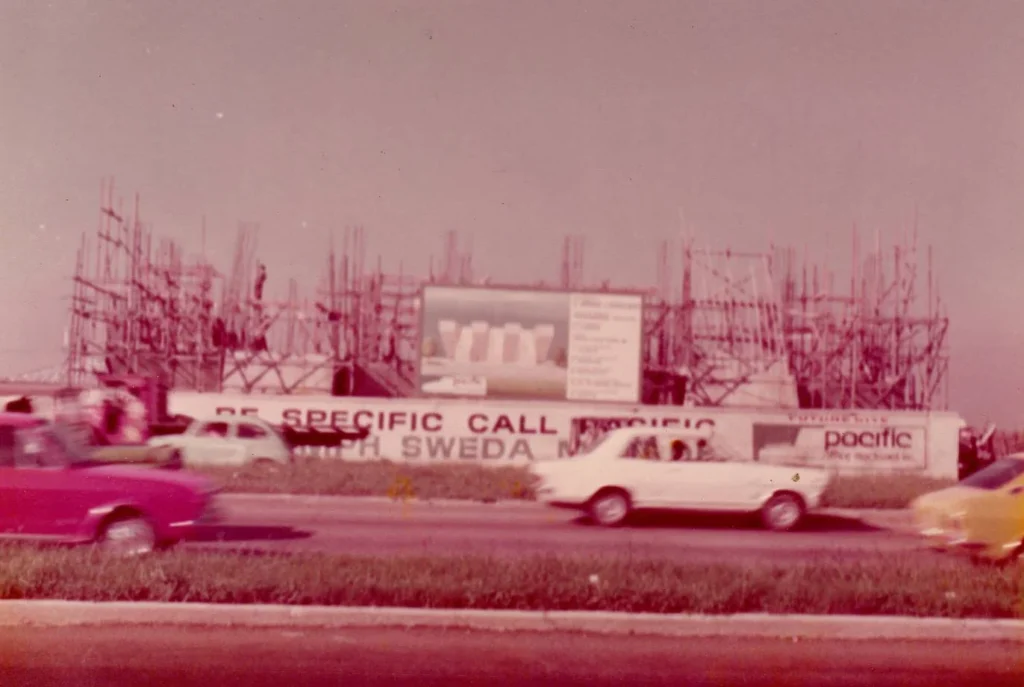
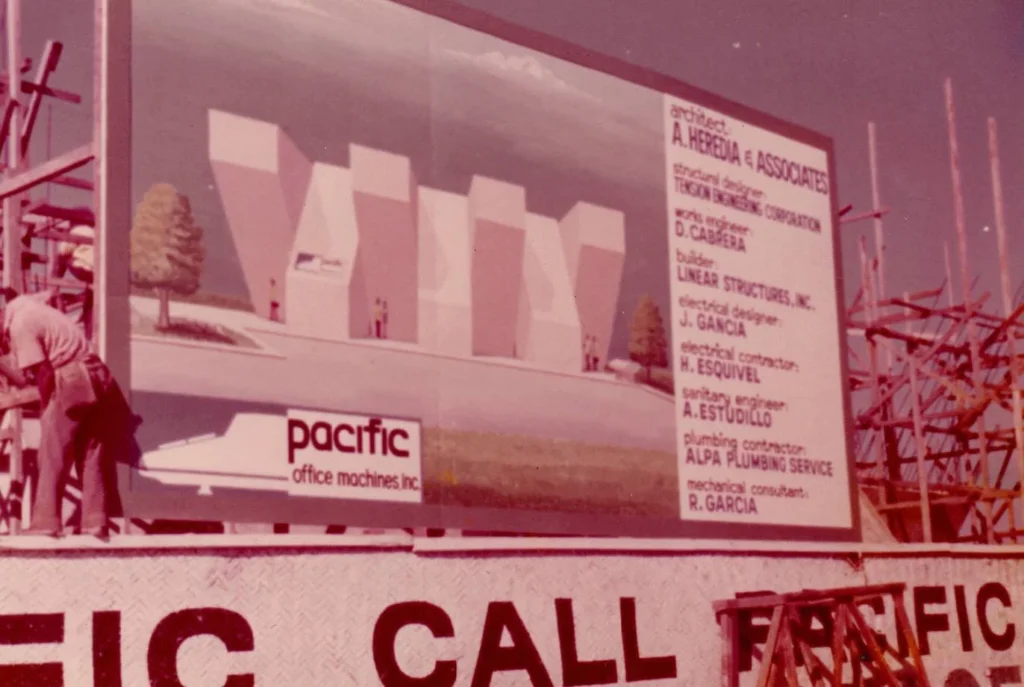
But the Pacific Office Machines Building remains his most photographed, and in contemporary parlance, his most ‘viral’ work by far. Commissioned by the Reidenbach and Dychiao families for their new EDSA headquarters, the building’s wedged concrete facade, as Pacific Sun Solution’s Kathryn Reidenbach told Spot.ph in 2024, came from the sight of repair machines stacked up to save space in the shop below. Completed in 1975, the building has since worn three names on its façade: the office machine company, the Automotive Association of the Philippines, and now, KFC. Ask anyone who drives past EDSA what it’s called, and they’ll say the last one first.
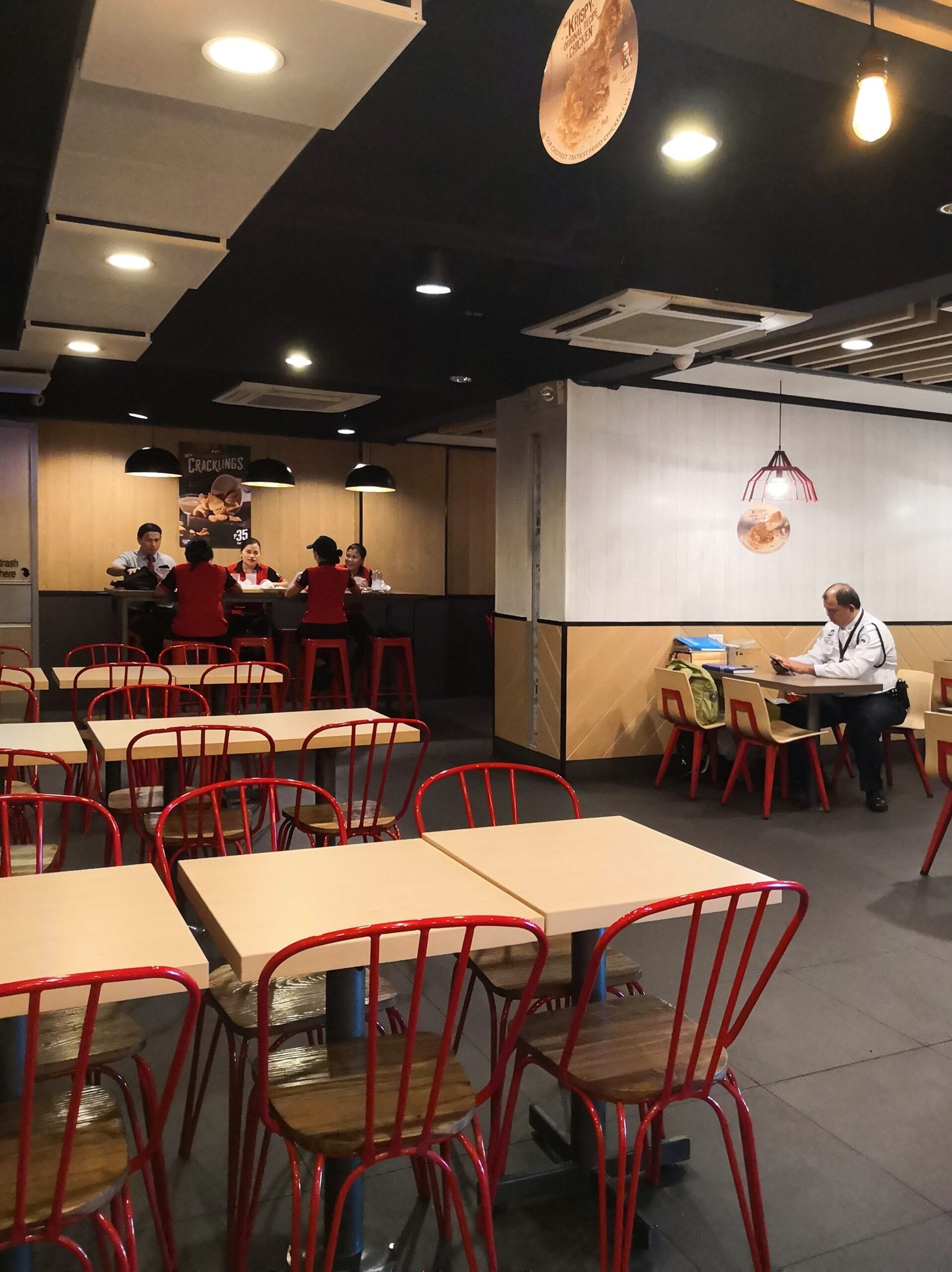
I remember being surprised by how intimate and very humanly scaled the interiors were, a far cry from its humongous, almost forbidding presence outside EDSA. I don’t see the need to parse the fast-food chain’s interior design, but the low ceilings, modestly-sized space, and warm, dim lighting made me think I was inside a brutalist cave, something built to hold people close together, or at least till they’ve finger-licked their chicken out.
That brief interface with a Heredia-designed space on a sweltering afternoon was more than enough to fuel a lasting interest in the man and his life, a curiosity that has kept bringing me back to this same building, camera in hand, long after that first visit. A building that has worn three names in fifty years without losing what it was underneath is not so different from the man who was engineer to one client, architect to another, contractor even, a husband and father to a household that is now piecing his story back together.
Both the creator and the creation, it turns out, had more lives in them than any single name could hold.
Thank you, Mr. Heredia. Requiescat in pace. •
One Response
Thanks Patrick for this beautifully written article as a tribute to the late Architect-Engineer Antonio Heredia, whose pioneering works of technological advancement have survived to this day. My prayers and condolences to the family (Mom remembers Tita Greg fondly, and we are good friends with Mae, Paul, Nessie, Marisa…). Architect-Engineer Tony Heredia is indeed closer to heaven now as he joins Tita Greg in the next life, designing their dream house together.