Words and images World Architecture Festival (WAF 2026)
Editing The Kanto team


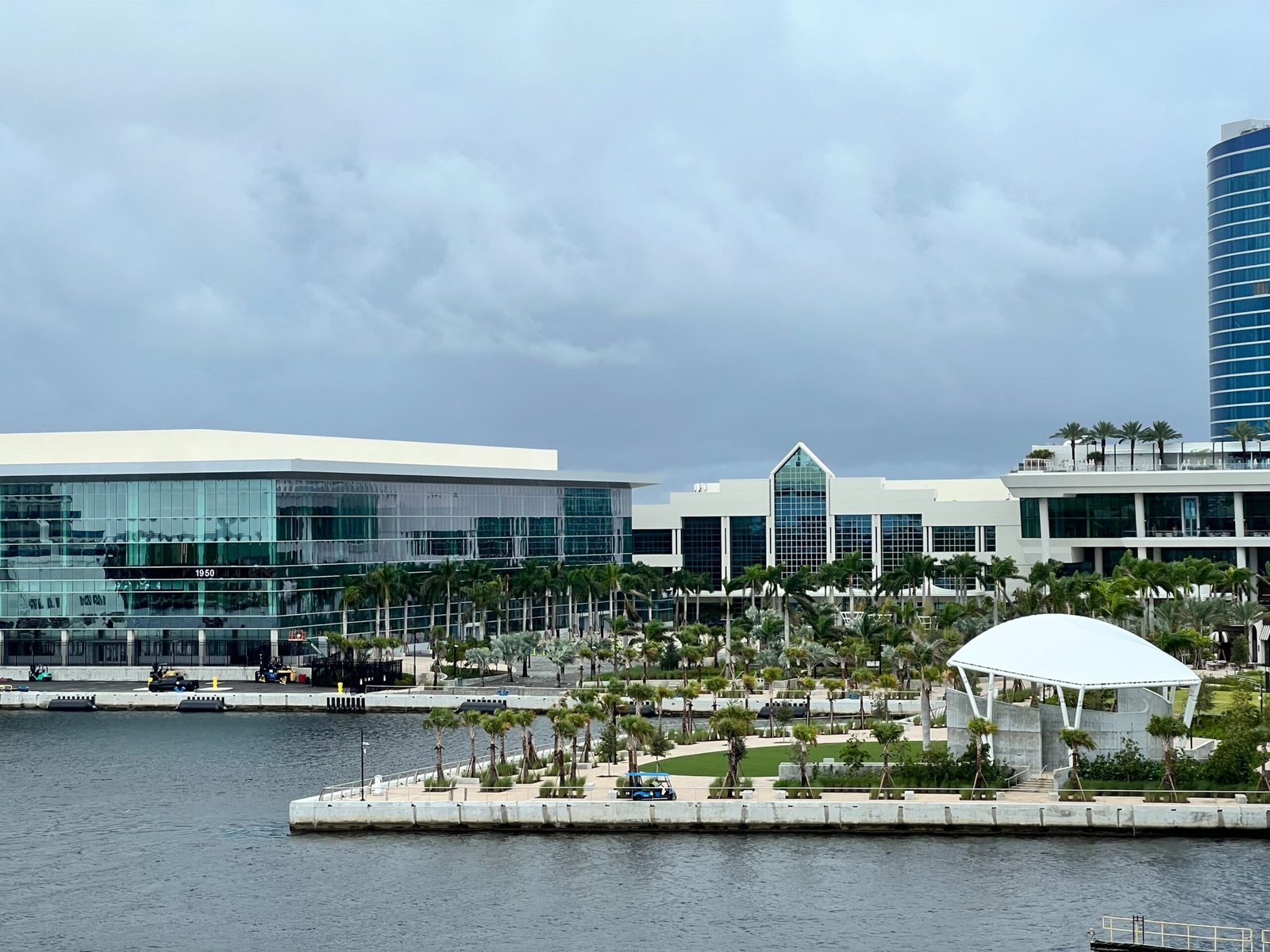
We’ve reached the end of the 2026 World Architecture Festival! The coveted WAF trophies were handed out at the Gala Dinner held at the Broward County Convention Center on November 20. Delegates from across the globe were able to watch the awarding of World Building of the Year, Interior of the Year, Future Project of the Year, and Landscape of the Year. WAFX winners, alongside special prizes such as the Sustainability Prize and Best Use of Colour Prize, and the new Melvin Prize were also recognized during the gala.
WAF winners
World Building of the Year
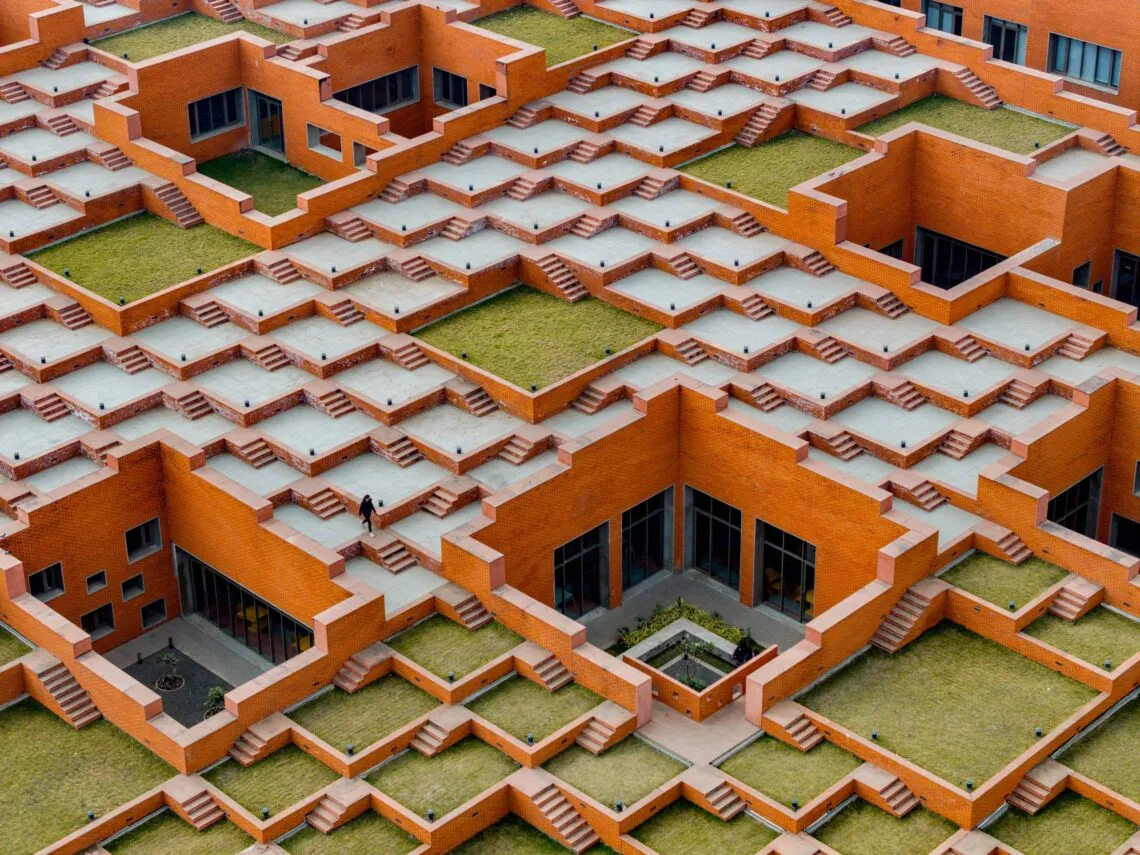
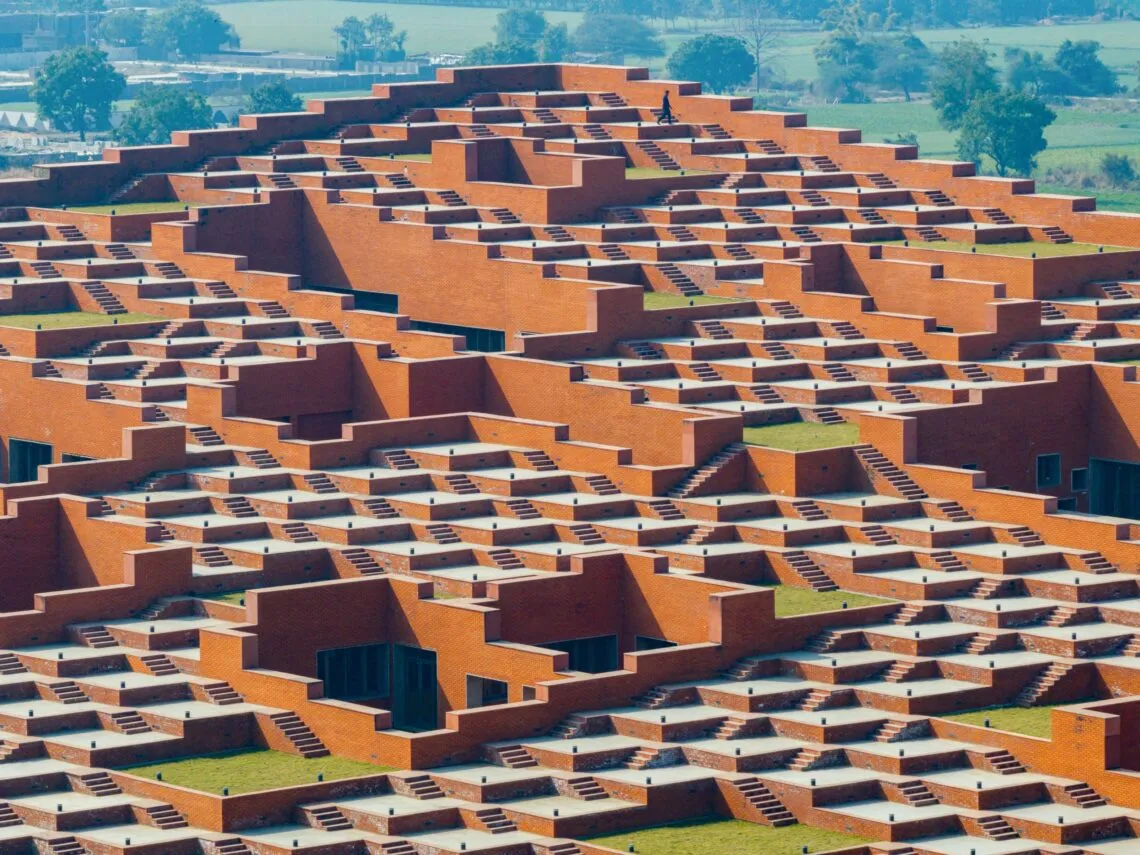
World Building of the Year went to Prestige University by Sanjay Puri Architects, which won under the WAF Completed Buildings: Higher Education and Research category.
Project Description:
“Situated within a 32-acre university campus, the main administration offices along with an auditorium, seminar halls, library & cafeteria form the functions of this building. As opposed to creating an imposing edifice, the building gradually steps up from the approach direction belying its 28 metre height becoming a multifunctional stage.
Stepped up diagonally from the northern point, the entire terrace of the five level building is accessible to the students and faculty of the university transforming it into an open auditorium amidst landscape. The stepped platforms become multiple spaces for different activities simultaneously and form an open air auditorium for large scale events, seating 9000 students at a time.”
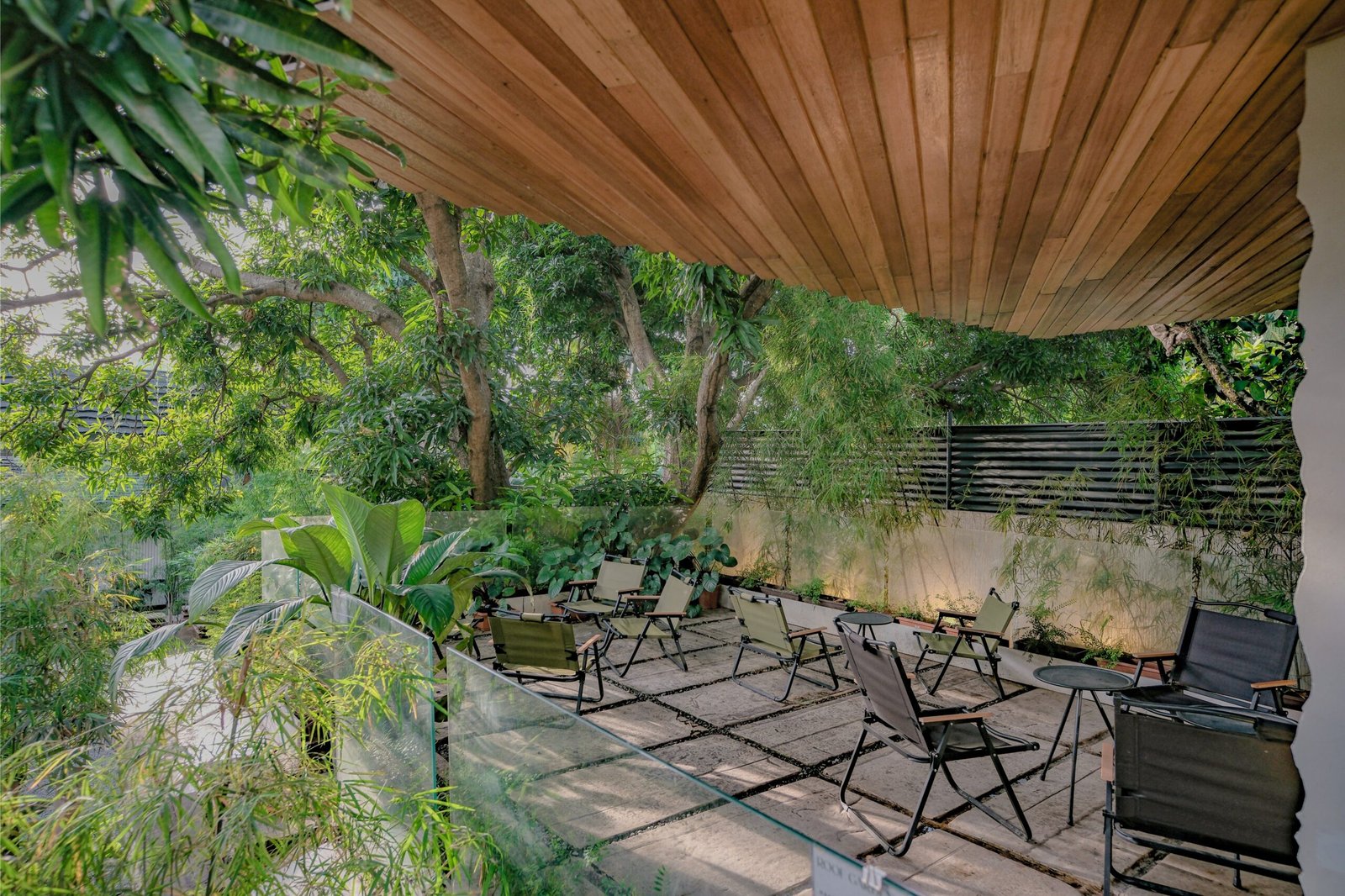
&Matcha Satoyama by MLA At Home
World Interior of the Year
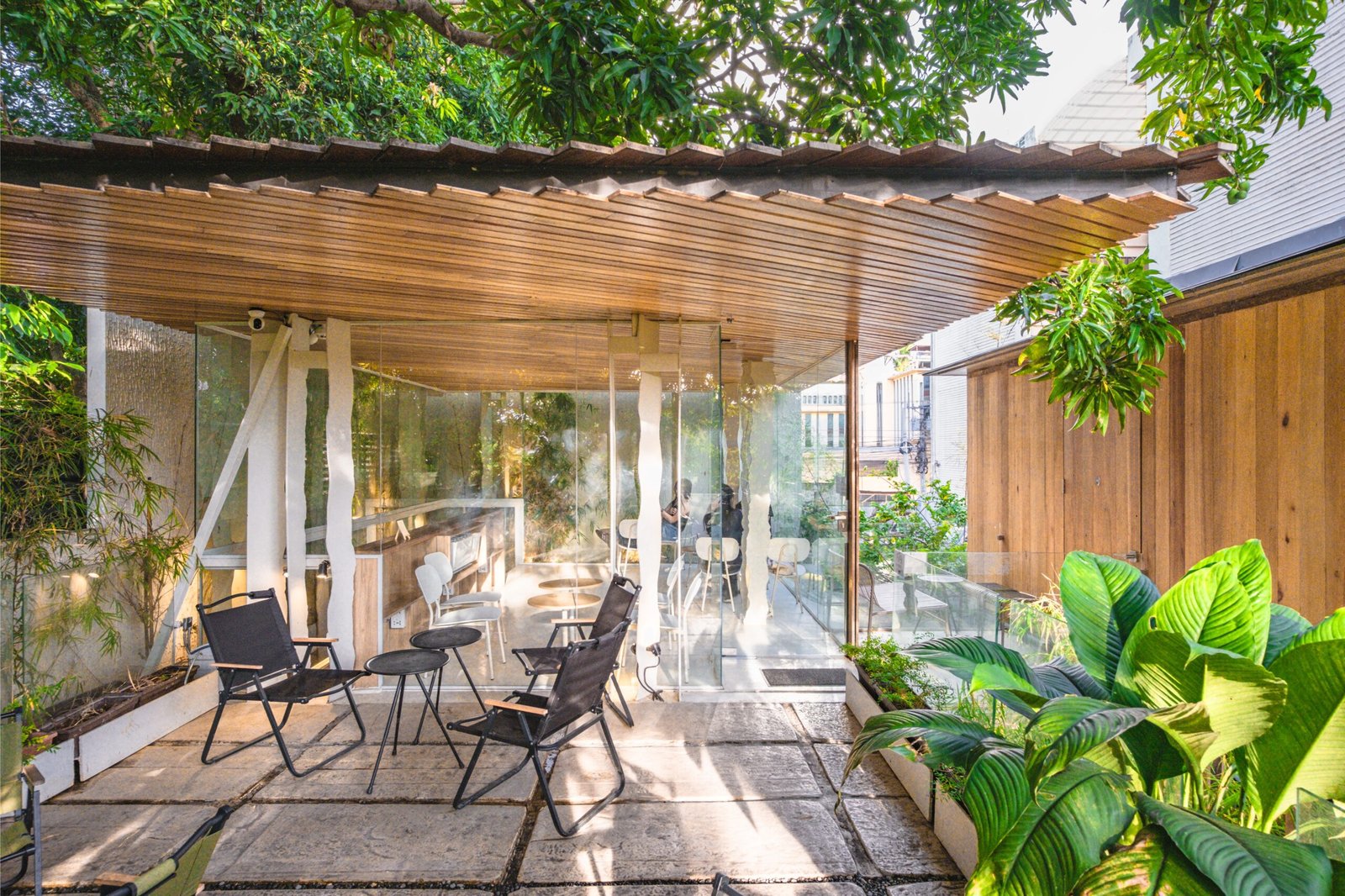
WAF 2026 World Interior of the Year went to the Philippines’ &Matcha Satoyama by MLA At Home, described by the jury as “a poetic exponent of wabi-sabi imperfection.”
Project Description:
“At just 100 square meters, &Matcha Three Yards demonstrates that void can become civic infrastructure: residual land transformed into ecological repair, neighborhood belonging, and a tea shop one returns to because it is never experienced the same way twice. Construction began with an offering: gaps returned to sky, rain, air, and the root systems of existing trees deliberately preserved. These gaps are not empty.
They are instruments for change, allowing weather, light, shadow, sound, and time to enter the work and compose each visit differently. At the center of these shifting sceneries is a floating tea chamber. Around it, horizontal planes line the party wall, catching shadows that move through the hours, days, and seasons. Their overlapping strokes appear almost calligraphic, rewritten by sunlight and wind. No two visits are the same because the architecture does not fix experience. It prepares the conditions for experience to change.
No ceremony governs the seating. Movable tables and chairs allow each visitor to form their own spatial relationship: alone or gathered, still or conversational, working or simply present. Architecture sets the conditions. The occupant completes the composition.”
Smiles Premium Dental Clinic by Wangan in Ankara, Turkey was highly commended.
Future Project of the Year
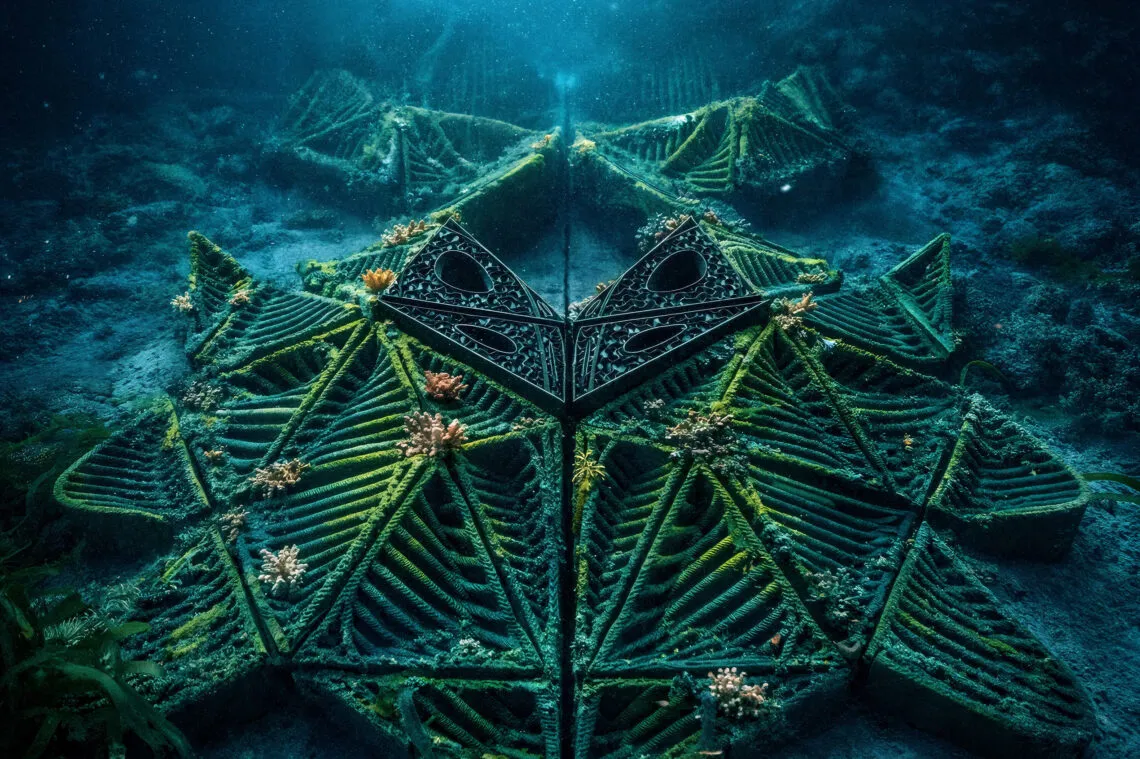
Future Project of the Year went to Coding Kelp: Artificial Reef and Data Archive by Terreform ONE in Vancouver Island, Canada.
Project Description:
“A single gram of plant DNA can theoretically store up to 215 million gigabytes of information. This project advances a dual proposition: first, that semantic and spatial knowledge can be encoded within botanical genomes; and second, that living matter itself can function as programmable infrastructure. Kelp serves as the transgenic prototype because of its ecological productivity, rapid growth, and emerging potential as a medium for DNA-based data storage. The concept signals a future in which biological organisms operate as computational components within architecture. In this method, libraries will not simply be built but grown.
Botanical systems will be genetically augmented to store the knowledge of specific architectural forms—houses, bridges, communal structures, and other spatial typologies—embedded directly within their DNA. These living archives could later be sequenced and decoded, providing blueprints that inform low-impact construction and challenge the carbon intensity of conventional building methods. Vast kelp forests would function as distributed memory fields, encoding detailed spatial information while continuing to perform their ecological roles.
The result is a new synthesis of biology, computation, and architecture: a semi-natural system where living ecosystems store knowledge and human design evolves in collaboration with planetary processes.”
Landscape of the Year
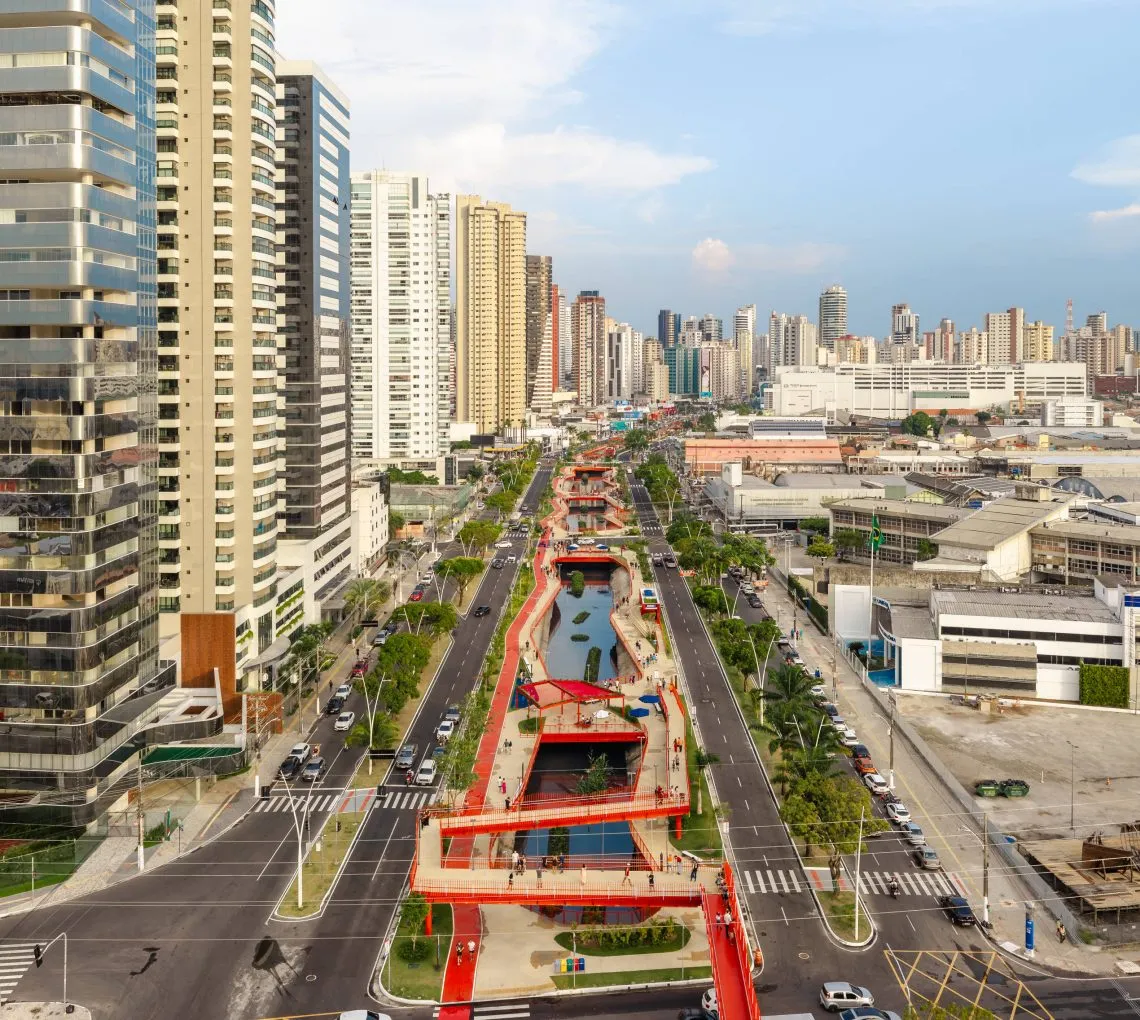
Doca Linear Park by Natureza Urbana in Belém, Brazil bagged the Landscape of the Year award.
Project Description:
“The regeneration of the Doca Linear Park, located in Belém do Pará, emerges as a strategic urban intervention that integrates infrastructure, landscape, and memory to reconnect the city to its waters through the qualification of public spaces. Implemented over the former Igarapé das Almas, now a canal approximately 1.2 km long along the central median of Visconde de Sousa Franco Avenue, the project restores the water identity that historically structured the Reduto basin and was gradually buried throughout the urbanization process by fragmented and function-oriented logics. Belém, built upon a network of rivers and igarapés, has seen its natural landscape interrupted by successive interventions that erased the presence of water from everyday urban life, following a poorly responsible logic repeatedly applied in Brazilian metropolises.
Previously marked by the absence of public spaces, the predominance of automobiles, and low environmental quality, the canal’s surroundings lacked shade, permeability, and opportunities for social interaction. With the arrival of COP30, the Doca Linear Park assumes the role of one of the event’s main urban legacies. The project proposes a reconciliation between city and nature, transforming the water corridor into a continuous, accessible, and multifunctional park.
By expanding green infrastructure, requalifying the landscape, and valuing the memory of water, the park becomes a place for encounter, leisure, sports, and contemplation, restoring residents’ experience of living close to their waterways. The transformation of the former igarapé into a linear park is supported by environmental, hydraulic, and landscape solutions that improve water quality, reduce diffuse pollution, and enhance microdrainage through Nature-based Solutions. Resilient infrastructure mitigates flooding with hydraulic adjustments and elevated structures that ensure safe visitation, while increased soil permeability contributes to thermal comfort, sustainable drainage, and an improved urban microclimate. These strategies reinforce the value of public space as active, safe, and multifunctional infrastructure.”
Letters from the Lake by A Gang of Three in Raleigh, NC, United States and Seattle Waterfront Park by Field Operations in Seattle, Washington, United States were highly commended.
Special Prizes
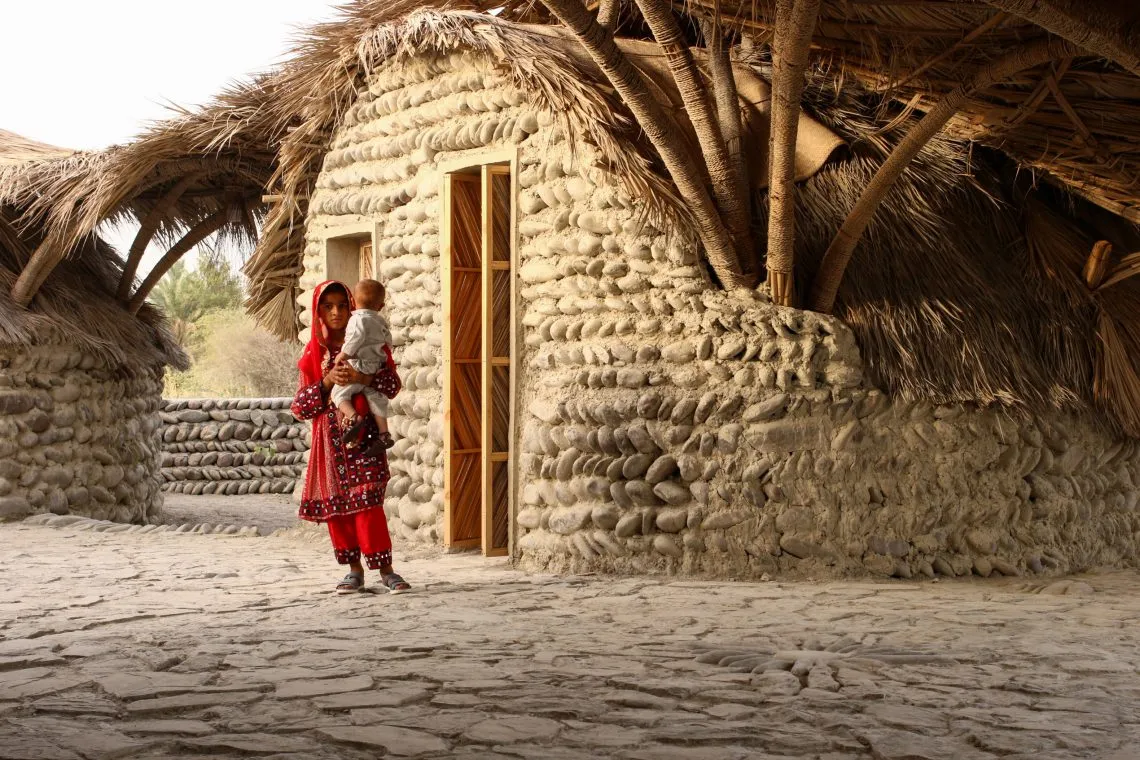
Acknowledgments were extended to WAF 2026 projects receiving Special Prizes, including the inaugural American Beauty Prize, Best Use of Colour, The Sustainability Prize, and GROHE Water Prize.
The American Beauty Prize, supported by the Royal Fine Art Commission Trust: Chatham Residence by Desai Chia Architecture in Chatham, United States.
Best Use of Colour: University of Lisbon Students’ Residences by CVDB arquitectos in Lisbon, Portugal, was the winner, while Sydney Children’s Hospital Stage 1 & Minderoo Children’s Comprehensive Cancer Centre by Billard Leece Partnership in Sydney, Australia, was highly commended.
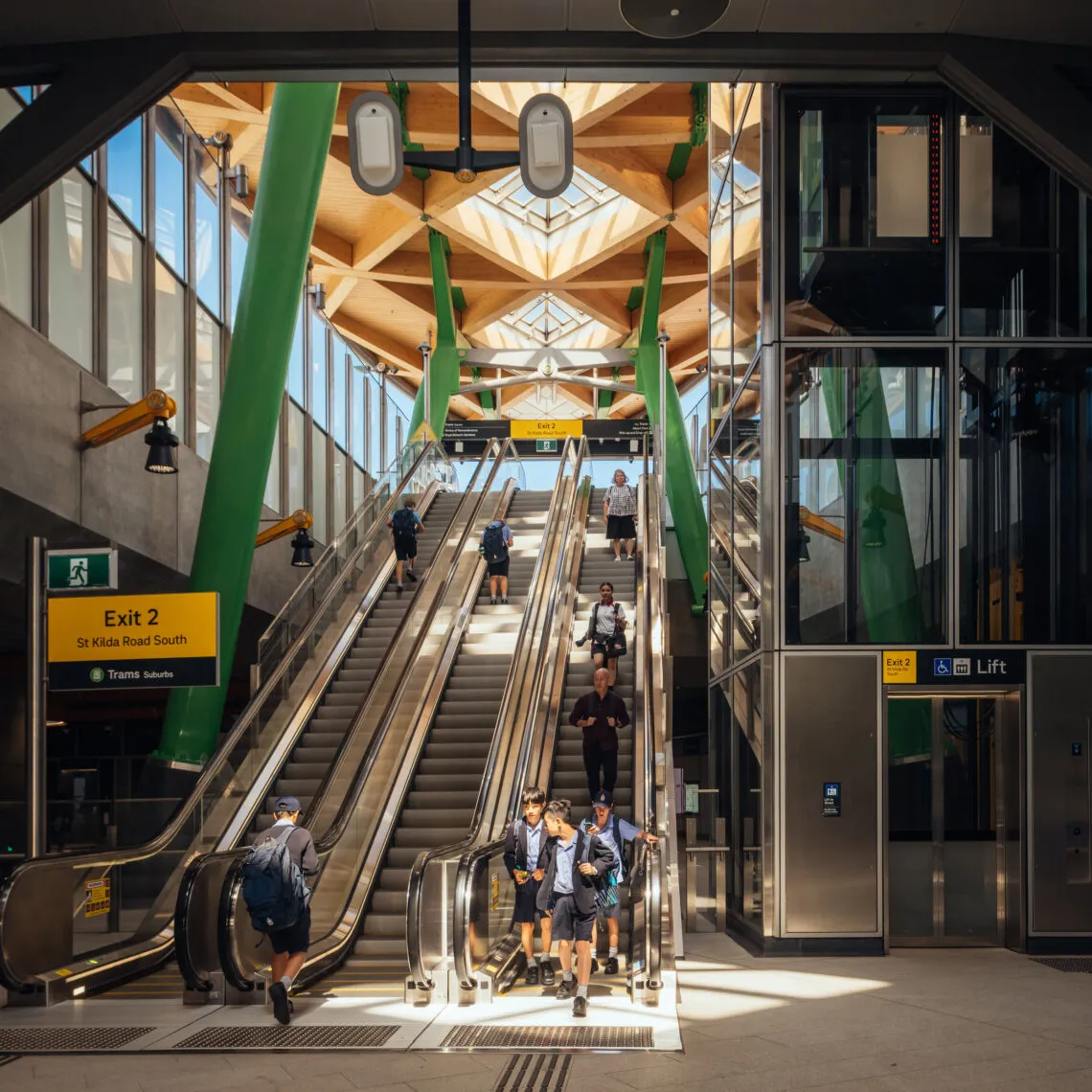
Best Use of Natural Light, supported by VELUX: Metro Tunnel Project by RSHP, Hassell & WW+P in Melbourne, Australia was the winner. Casa Lledoners by OHLAB in Palma de Mallorca, Spain was highly commended.
Best Use of Stone, supported by Turkish Stones: Nedarag Guesthouse by Nextoffice [Studio of Architectural Research & Design] in Kahnanikash Village, Sistan and Baluchestan province, Iran
Small Project of the Year: Hatmachida by Nikken Sekkei in Tokyo, Japan
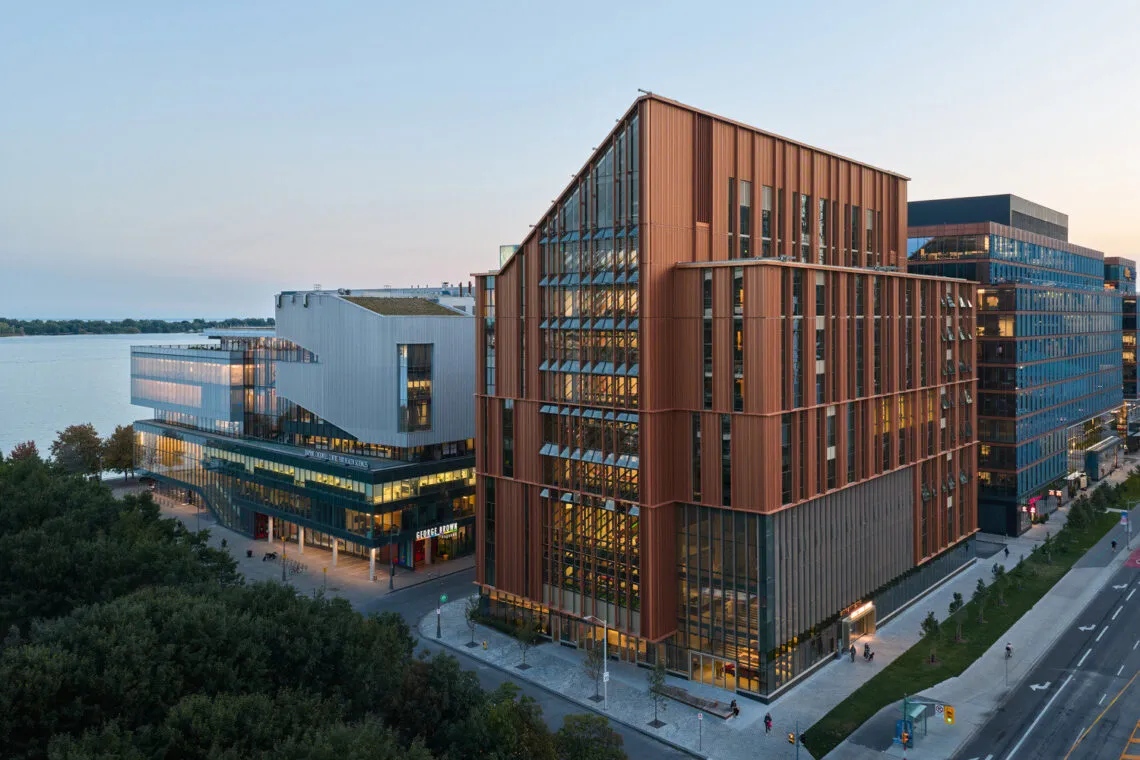
The Sustainability Prize, supported by ROCKWOOL: Limberlost Place by Moriyama Teshima Architects, Acton Ostry Architects in Toronto, Canada
The GROHE Water Prize: Bio-inspired Architectural Terra Cotta for Sustainable Water Harvesting by Carnegie Mellon University
Student Charette: Line of resilience by the IUAV University of Venice, Italy. Roof to flo(w) by Columbia University in the United States was highly commended.
WAFX Prize
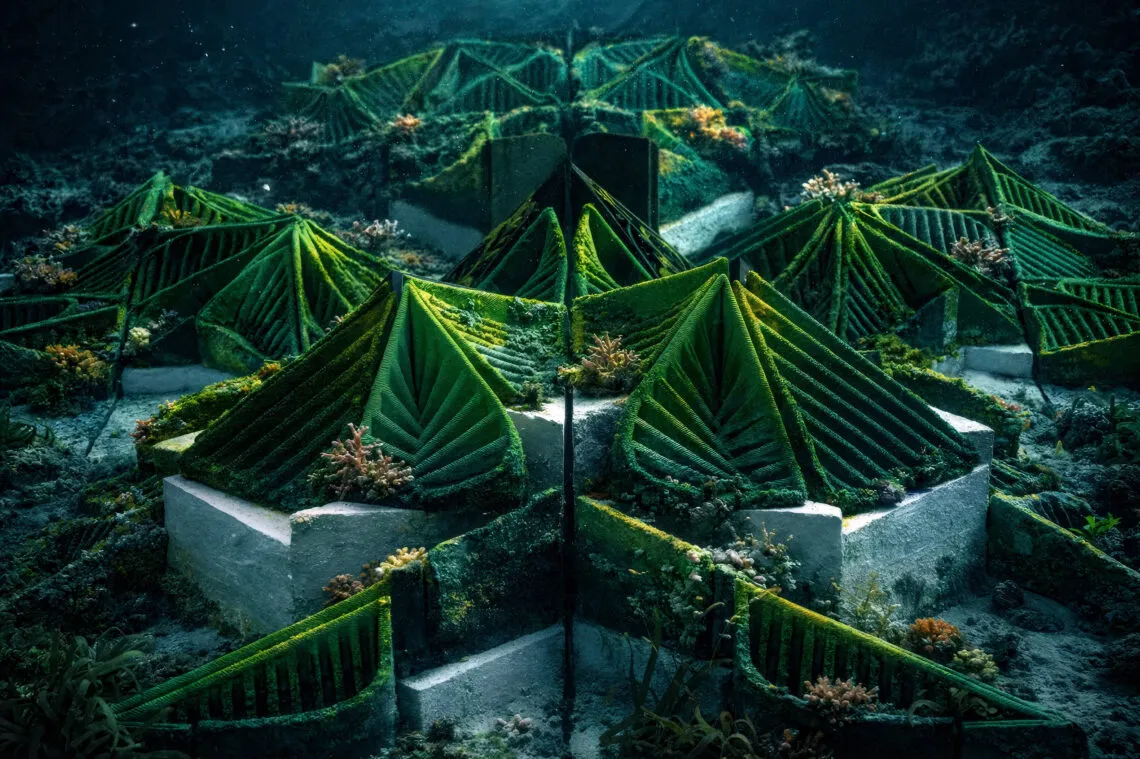
The WAFX Prize overall winner has also been announced during the live festival. WAFX recognizes future projects that best use design and architecture to tackle major world issues, including health, climate change, technology, ethics, and values.
The winning project is Future Project of the Year, Coding Kelp: Artificial Reef and Data Archive by Terreform ONE in Vancouver Island, Canada.
The Architecture Drawing Prize
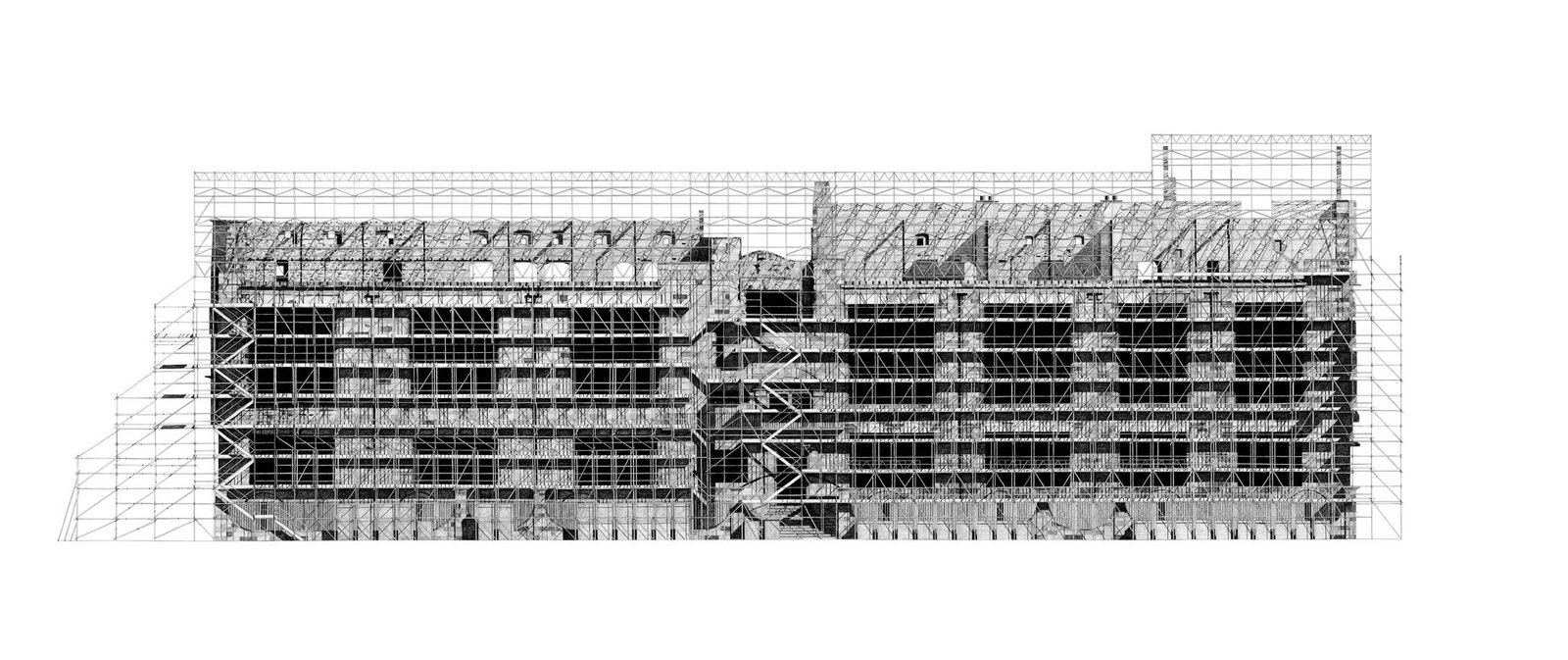
The WAF 2025 winner of the Hand-drawing Prize is Glasgow School of Art 2026 by Ross Cameron. Damaged by the first fire in 2014, and decimated by the second fire in 2018, Glasgow School of Art is now a charred shell of stone and brick. 2026 marks the 8th year of Glasgow School of Art in this state of limbo. Now scaffolding, so often a symbol of progress and renewal, has become an almost permanent feature of how we perceive ‘The Mac’. ‘Glasgow School of Art – 2026’ explores these ideas through the medium of pencil drawing, capturing the permenant/temporary nature of the scaffolding, surrounding the Glasgow School of Art. Hand-drawn by Glasgow-based architect Ross Cameron, it’s the latest in a growing collection of drawings that capture and reflect the current state of much of Glasgow’s historic Architecture.
The Philippines at WAF 2026
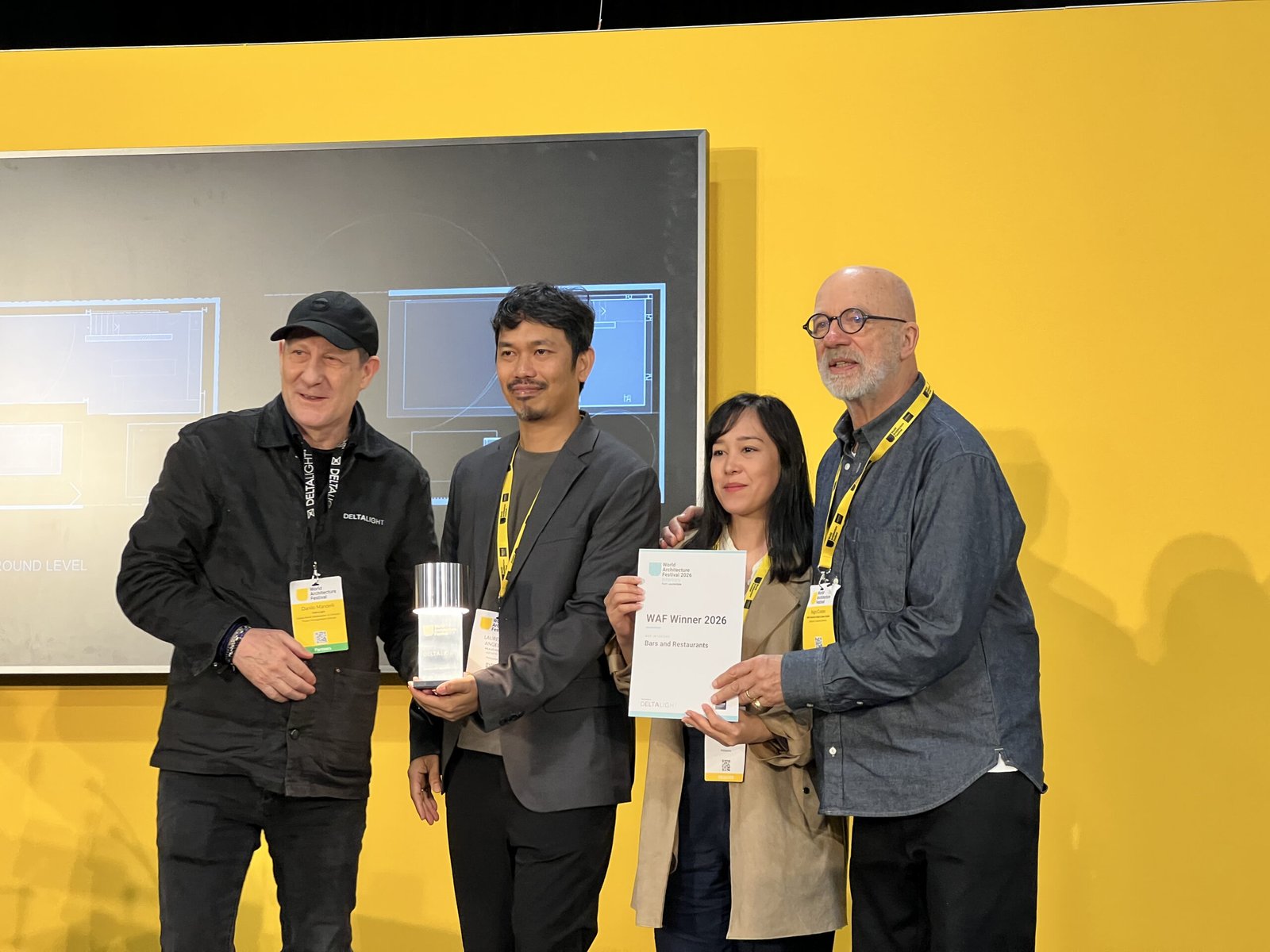
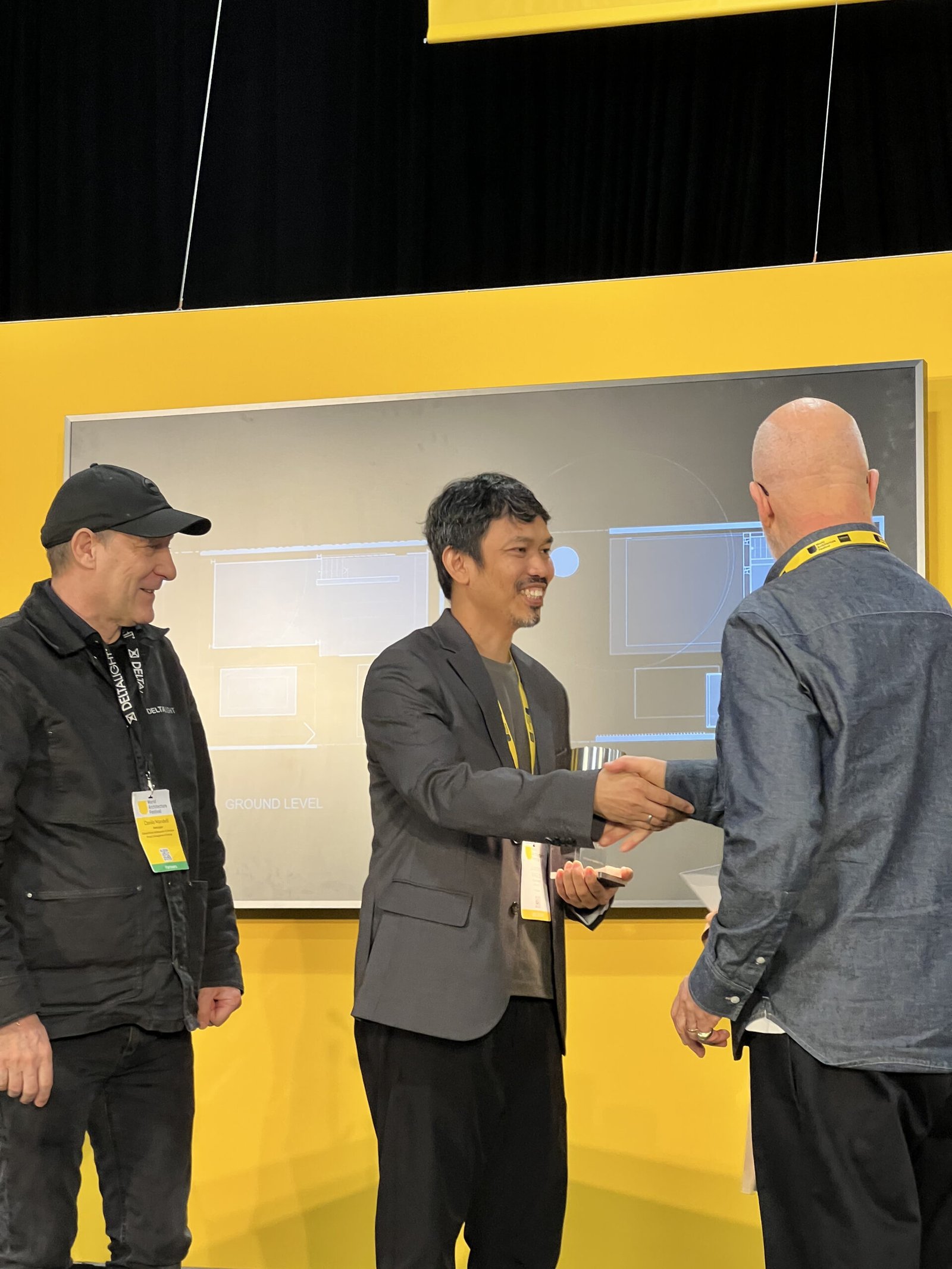
We made Filipino history in Florida with our first World Interior of the Year award! MLA At Home’s &Matcha Satoyama, under the Interiors: Bars and Restaurants category, emerged as the winning project out of eight Interiors category winners.
WAF 2026 Filipino Winner
Winner, Interior of the Year
&Matcha Satoyama by MLA At Home
Winner, Interiors-Bars and Restaurants Category
&Matcha Satoyama by MLA At Home
Flying to Barcelona
The World Architecture Festival is returning to Barcelona, Spain in 2027! From November 17 to 19, the festival’s 20th edition returns to the city where it all began in 2008, bringing the world’s architects back together for three more days of live judging, talks and debate. WAF is now welcoming early interest registration for architects and designers across the globe. We hope to see you and more Filipino designers there! •

All WAF 2026 winners have been revealed! The full list is available here.