Interview Patrick Kasingsing
Images Stephen Amoyo (Pocket Falaj)
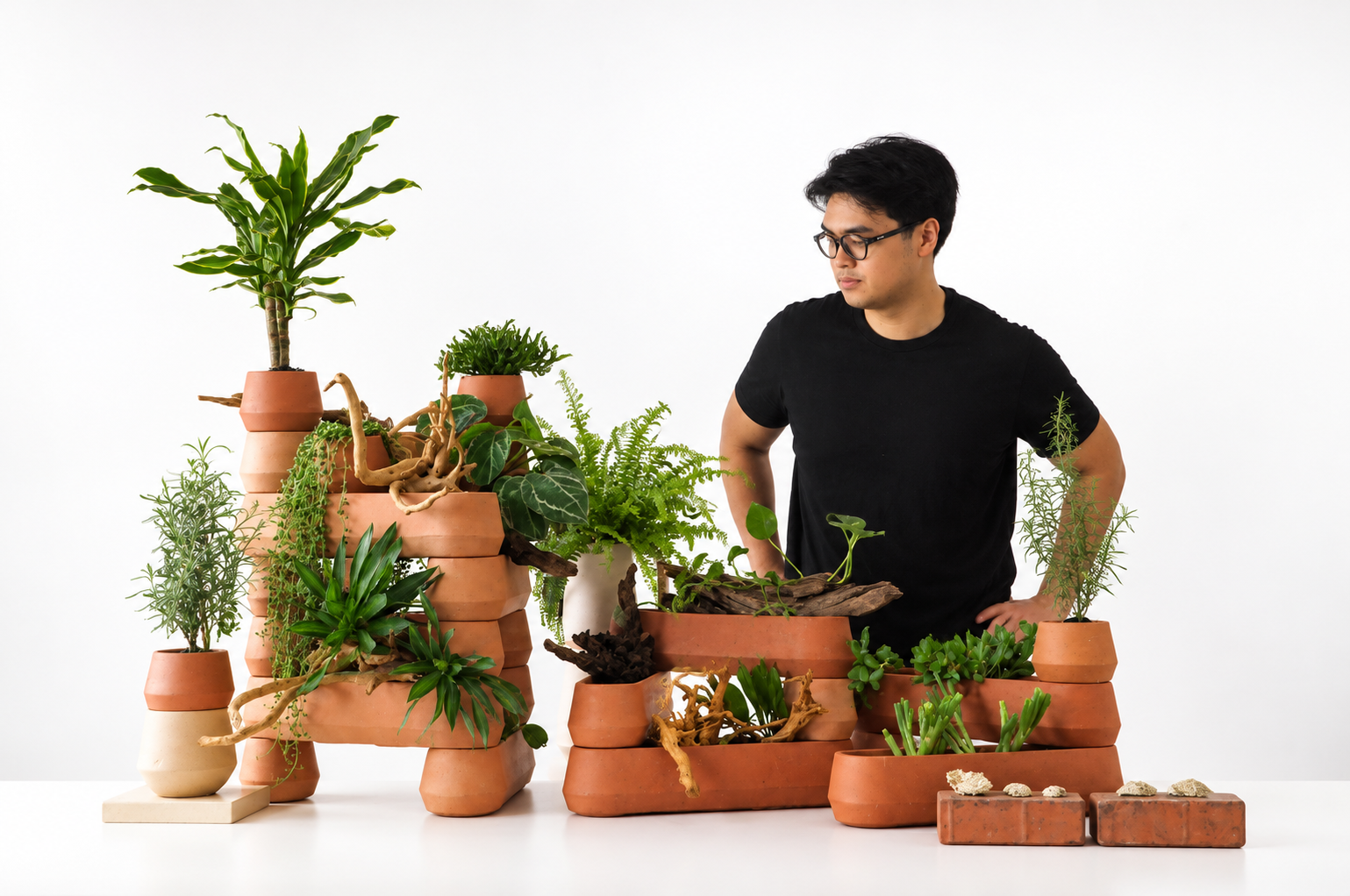
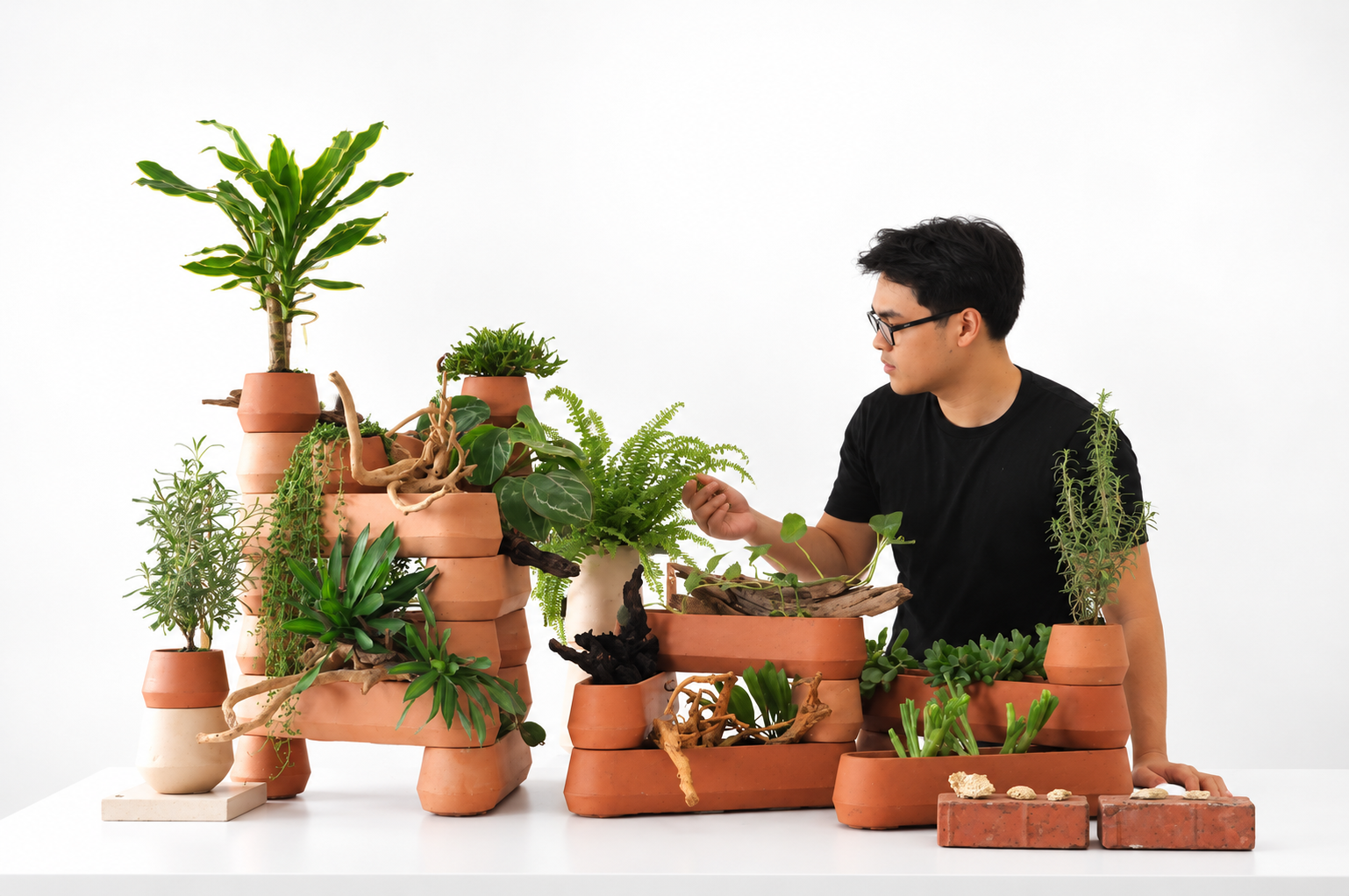
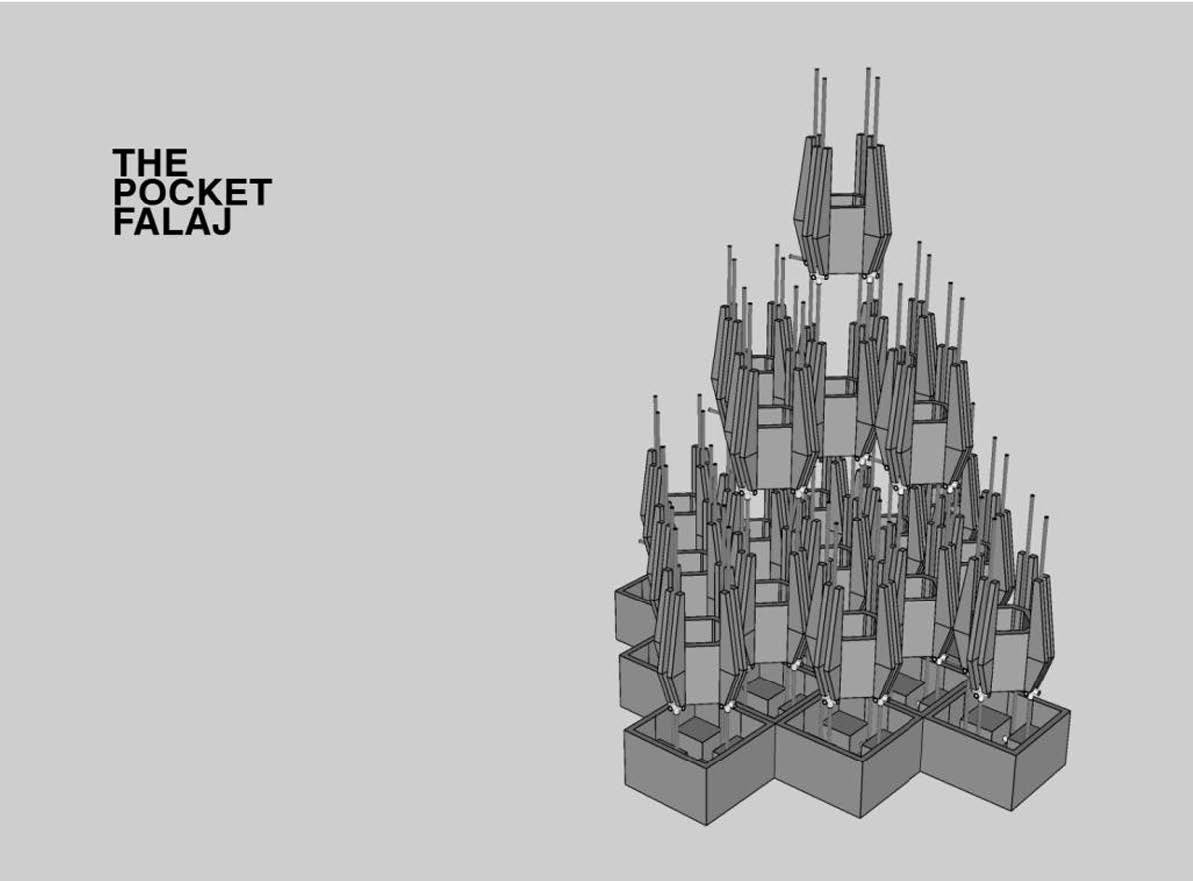
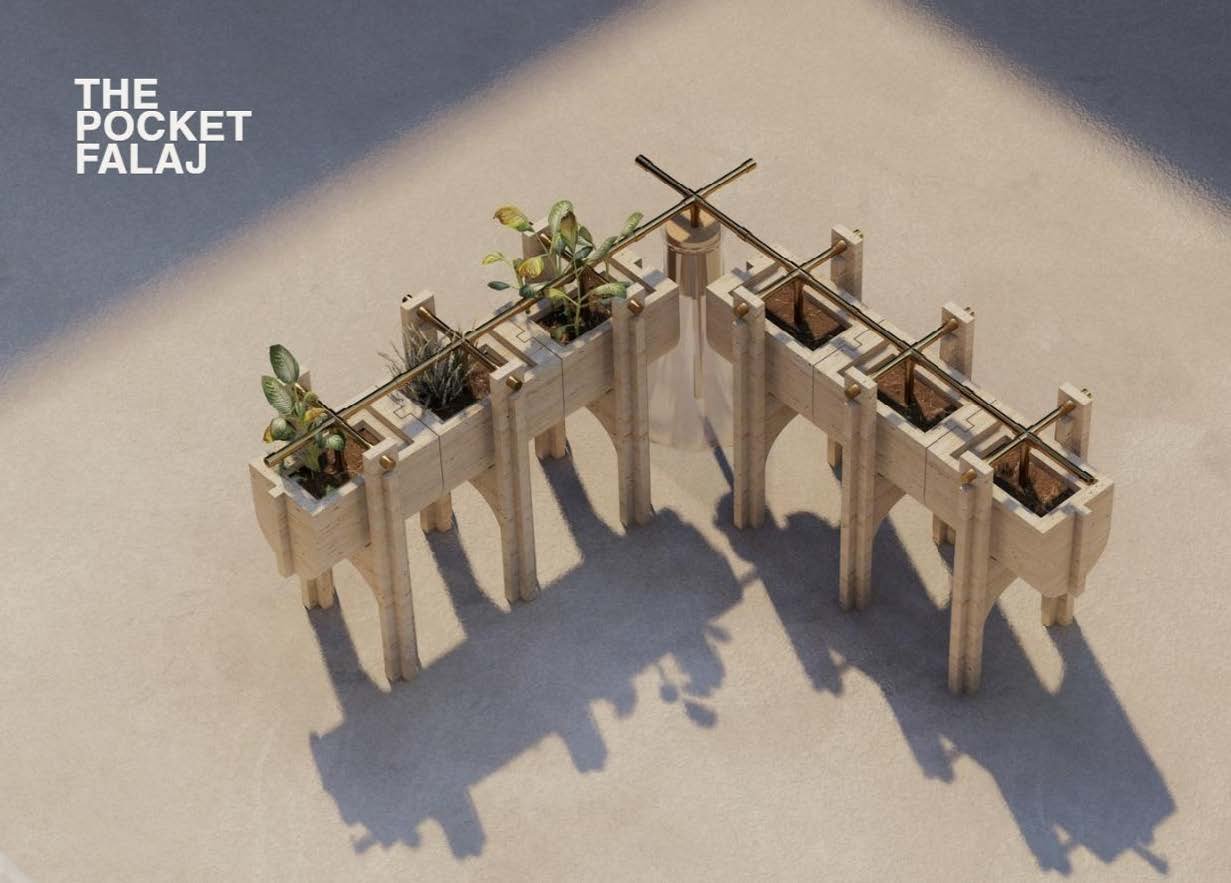
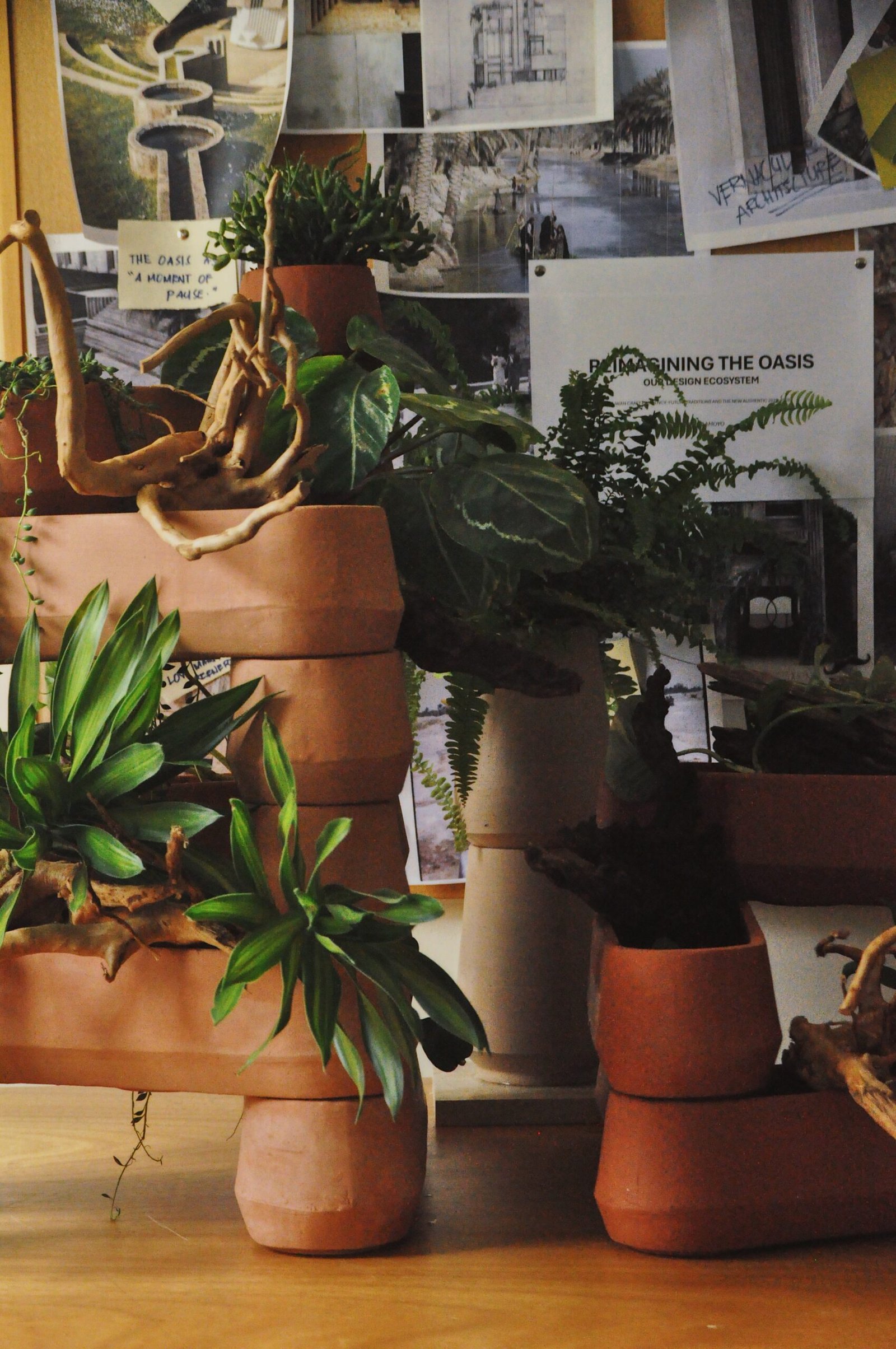
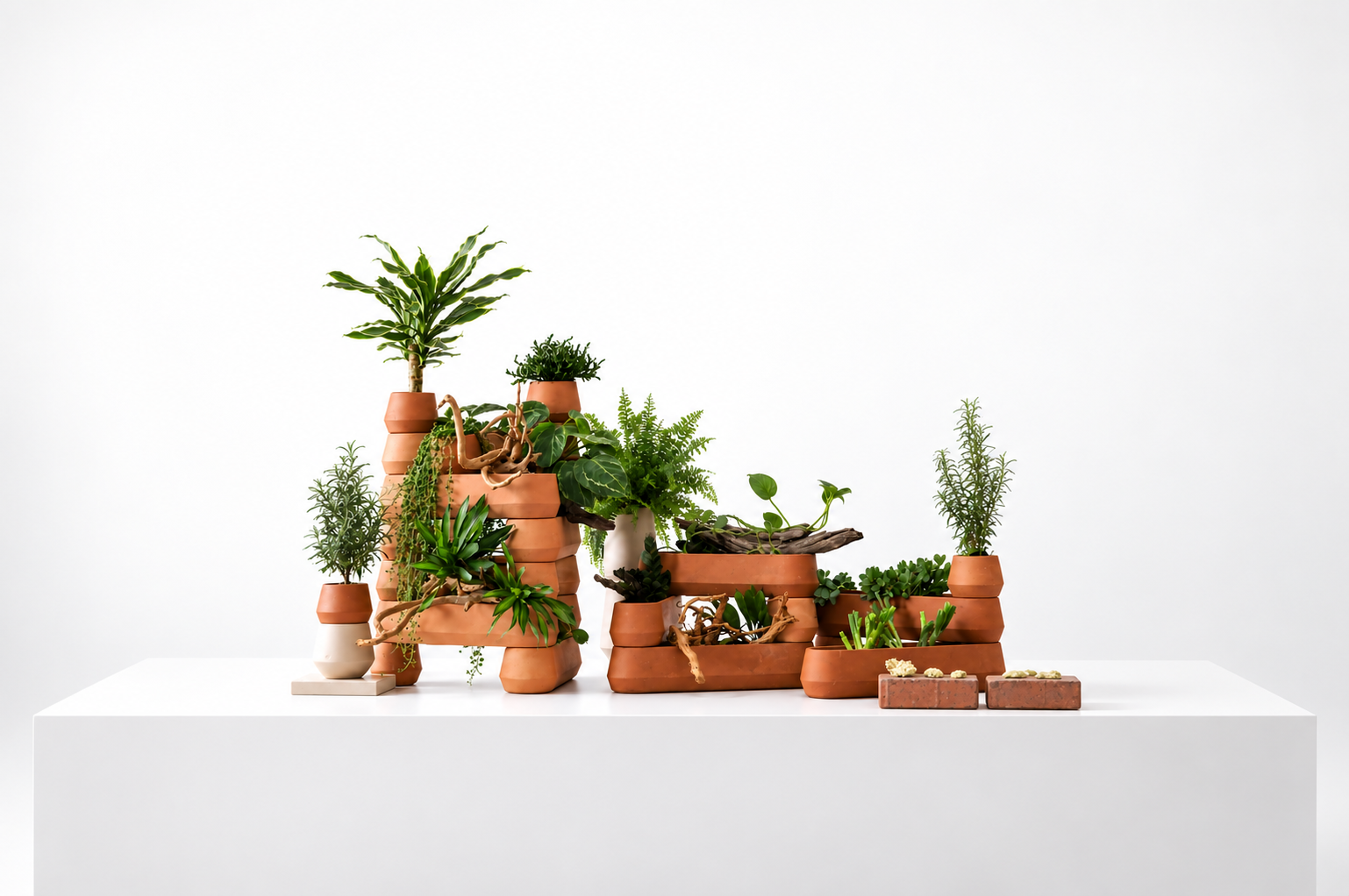
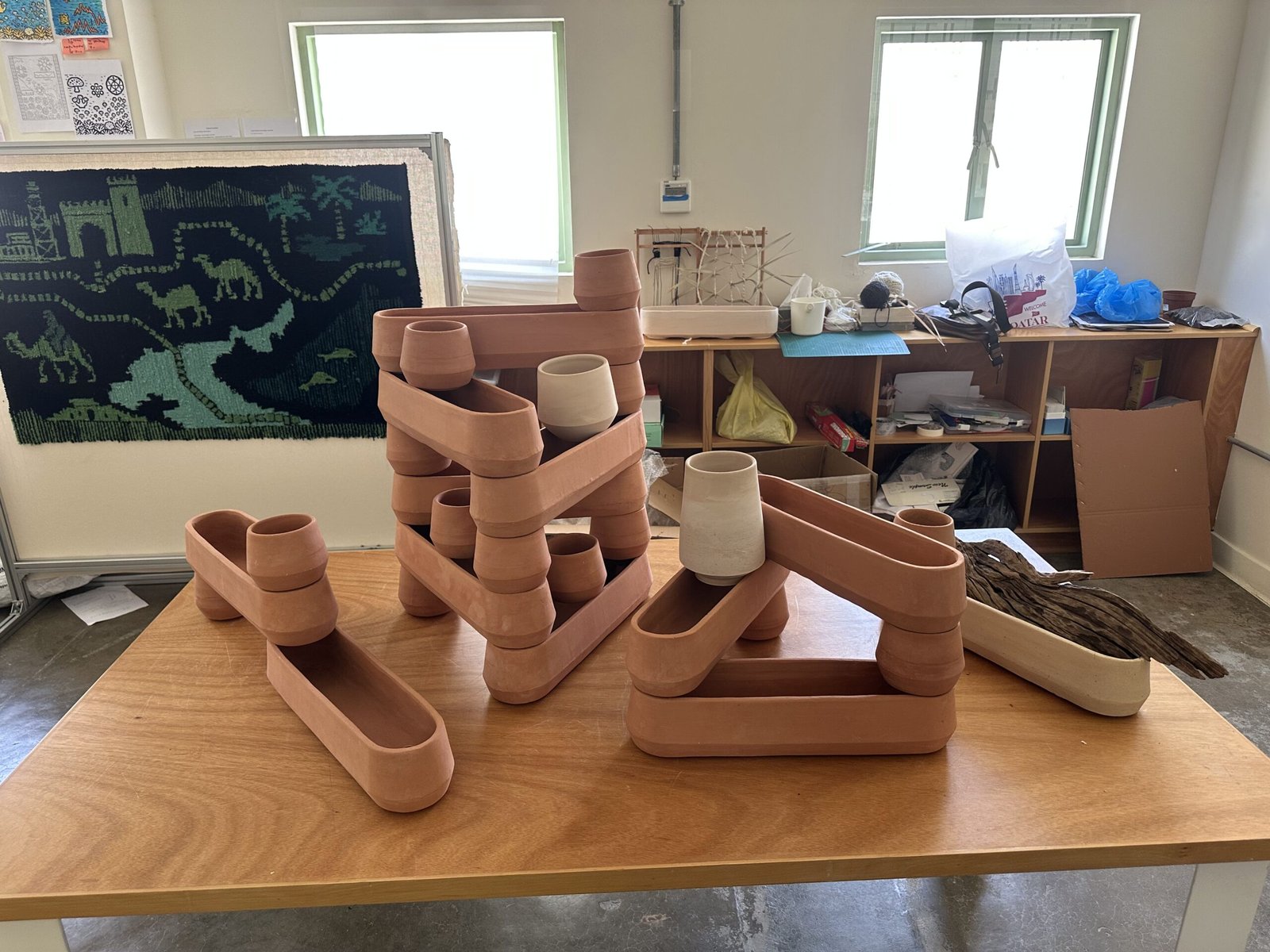
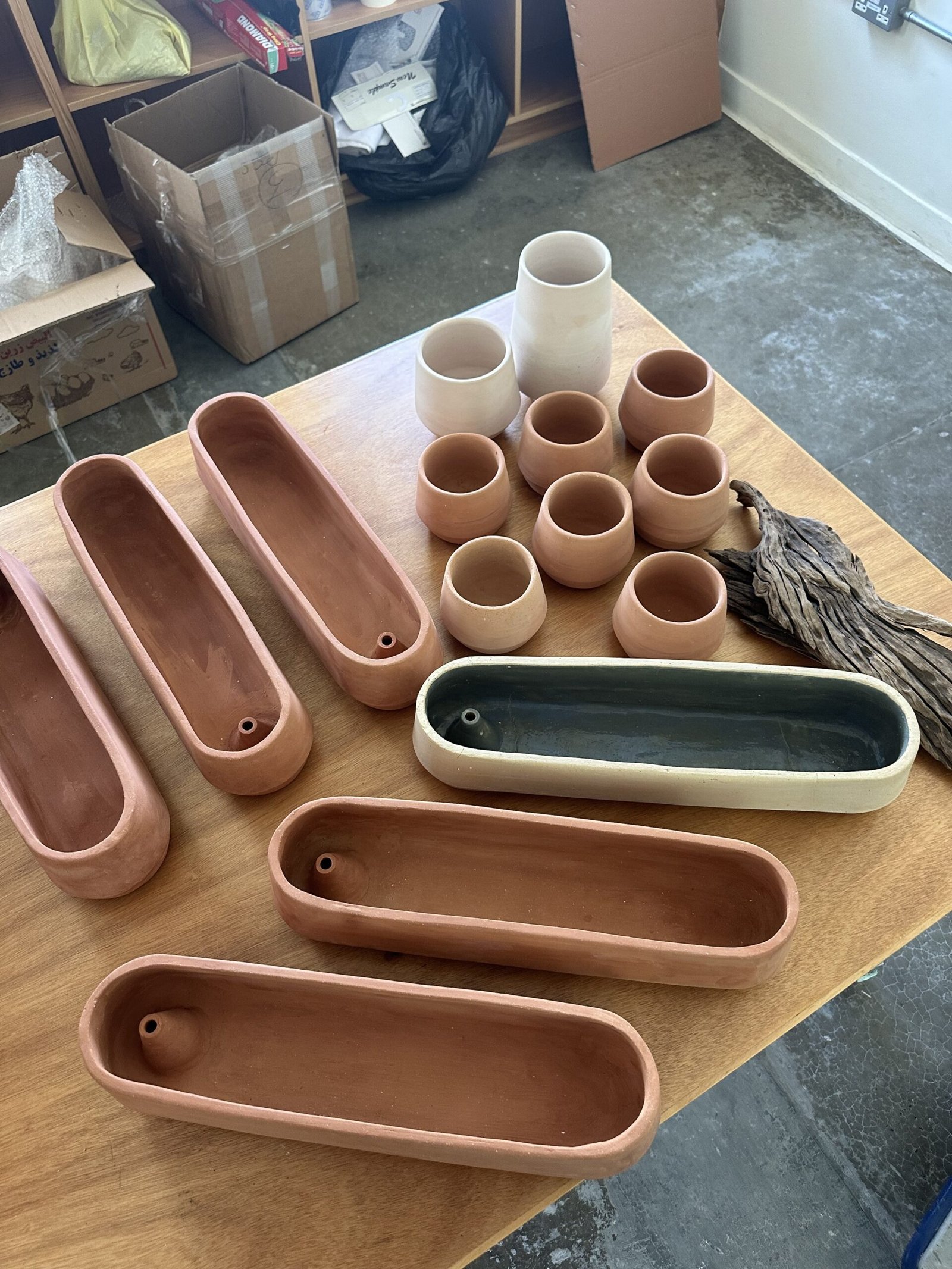
Welcome back to Kanto, Stephen! You have been busy! We’ll be talking about the fruit of your recent Liwan Craft Residency, set to go on show at the Design Doha Biennial this November. You created the Pocket Falaj, a modular system of clay pots and troughs for houseplants, taking after the traditional, gravity-fed irrigation systems of Oman and the UAE. The project responds to the residency’s framework, “Future Traditions and the New Authentic,” and to the theme of its 2025–2026 edition, led by Asma Derouiche: “Reimagining the Oasis – Our Design Ecosystem,” which invited residents to reimagine cultural heritage and craft for contemporary life.
From irrigation channels built to water oases to a modular planter system sized for apartment shelves, the falaj’s leap in scale is considerable. Can you share how you arrived at the stacking trough-and-pot configuration? What earlier versions or combinations for the Pocket Falaj did you set aside?
Stephen Amoyo, designer of the Pocket Falaj: Thanks for having me back! Modularity has always been the main goal. Translating an entire falaj ecosystem into a contemporary living space is a challenge, so I wanted to make the system more accessible without losing its essence.
At first, I imagined a system that could simply expand horizontally. After months of prototyping, research, and discussions with my mentors, I arrived at a modular configuration that could expand both vertically and horizontally. This allowed the system to adapt to different spaces and needs, from a single shelf to a more elaborate indoor garden.
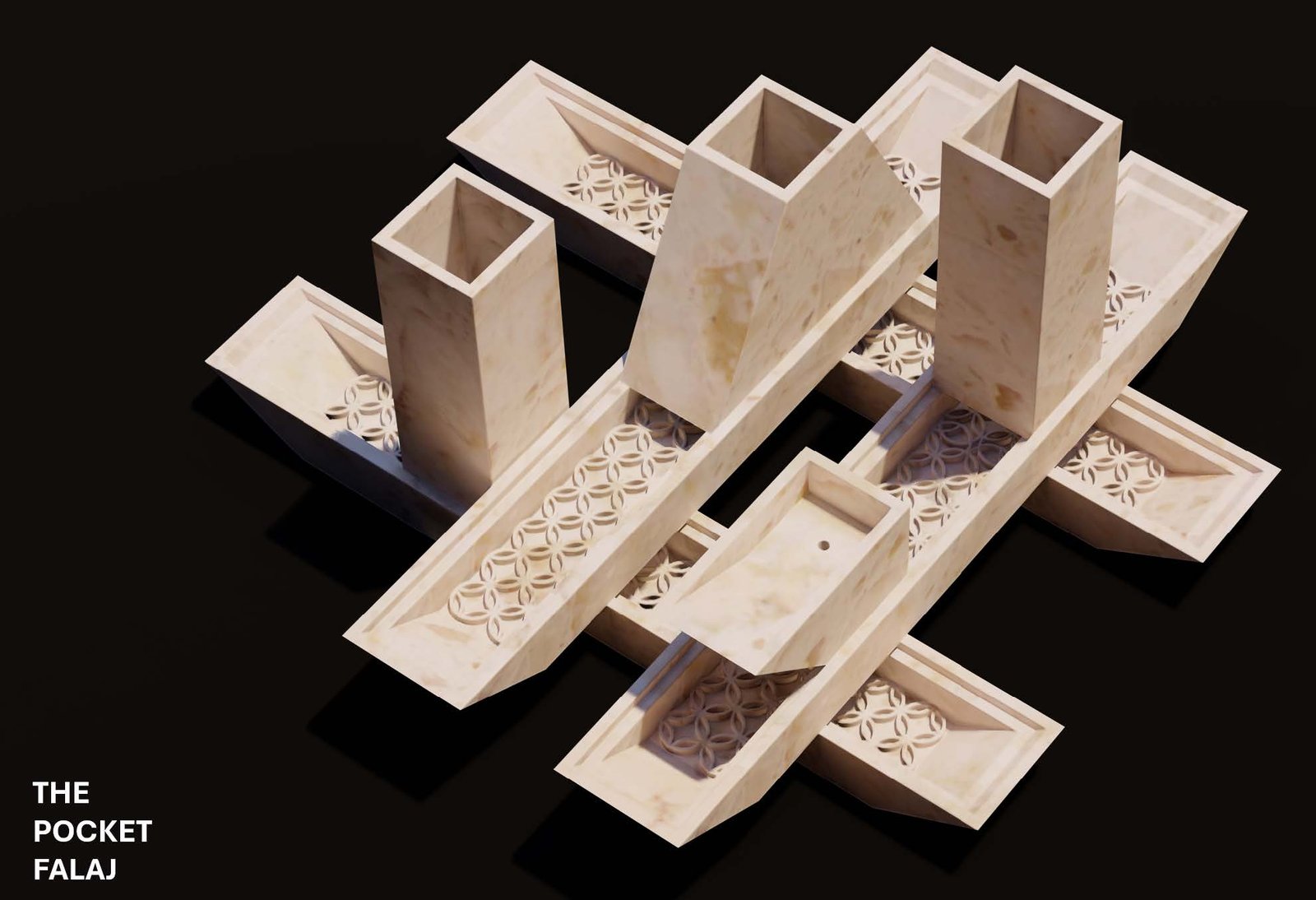
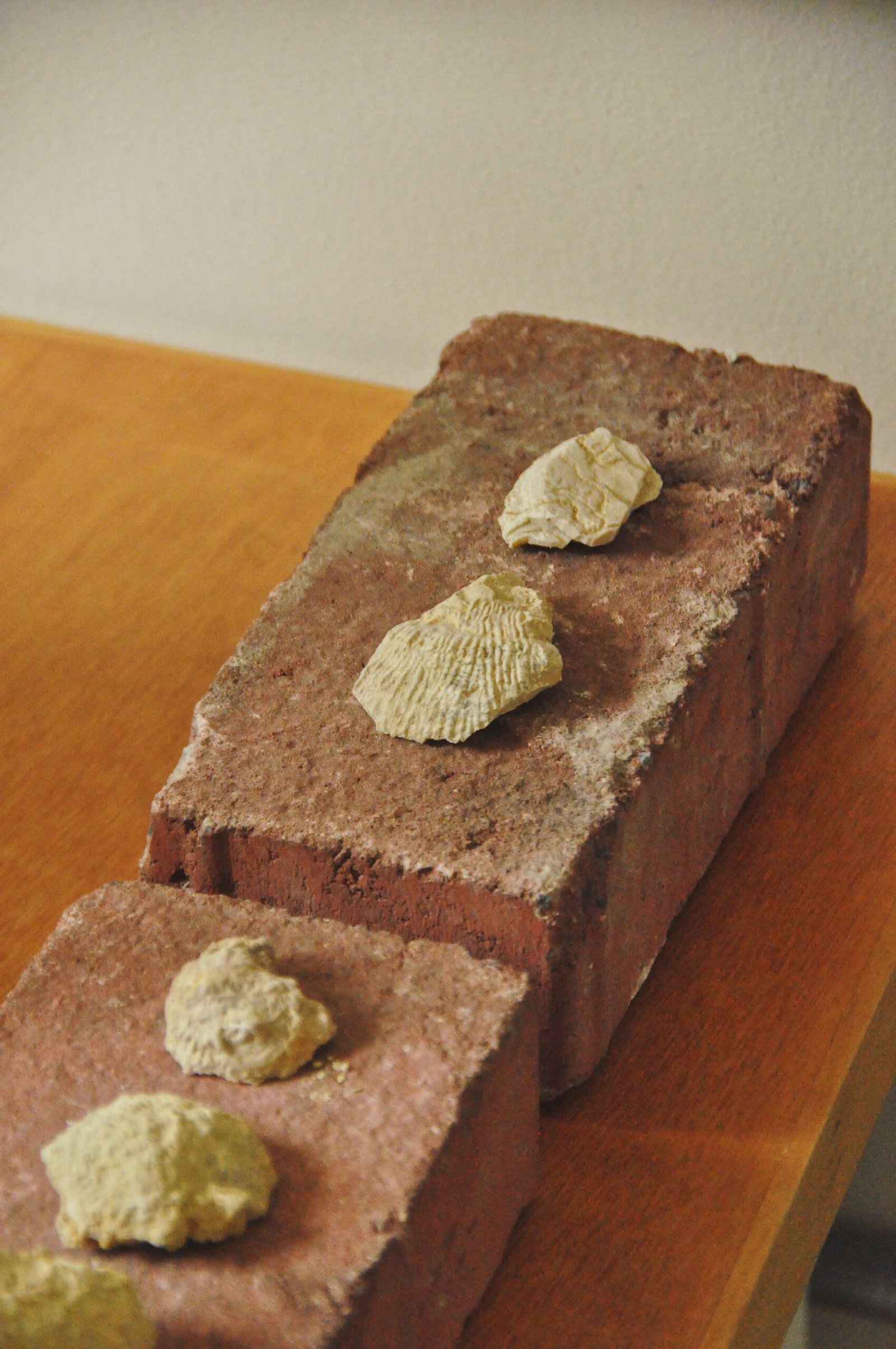
The experimentation also extended to material exploration. My initial proposal was to build the system using local limestone, which would have given me greater control over the joints and connections. However, its weight did not make sense for the final application I had in mind.
My cohort also agreed that stone might be the more straightforward material to work with. I felt that choosing clay, with all its unpredictability, would challenge me to push the material further and explore new ways of working with it. That uncertainty became an important part of the process. Rather than simply choosing the easiest material, I wanted to discover what could emerge from working with its limitations.
On the topic of challenges, can you walk us through how water moves through the Pocket Falaj’s modules to sustain the plants within?
Stephen Amoyo: The system explores how water can move through a series of modules to support plant life in a compact domestic setting. What I particularly want to highlight, however, is the valve that controls how water enters and fills the system. It is a small but important component that makes the relationship between water and the individual modules possible.
For me, the project is also about making water systems tangible and understandable. Instead of treating irrigation as something hidden or purely functional, I wanted people to observe and engage with the movement of water as part of their everyday interaction with plants.
The Liwan Craft Residency program you were a part of set out to pair its residents with Doha’s artisans and makers. Please introduce us to the hands that helped bring these pieces to life. Beyond the making itself, did your partner craftsman’s insights and observations shape the design?
Stephen Amoyo: I collaborated with Sameh Mohamed, a Doha-based Egyptian potter. Throughout the project, I made it a point to consult with him at every stage, from initial ideation to production. Beyond collaborating with him, I also wanted to learn from his way of making and better understand the material through the perspective of someone who works with it every day.
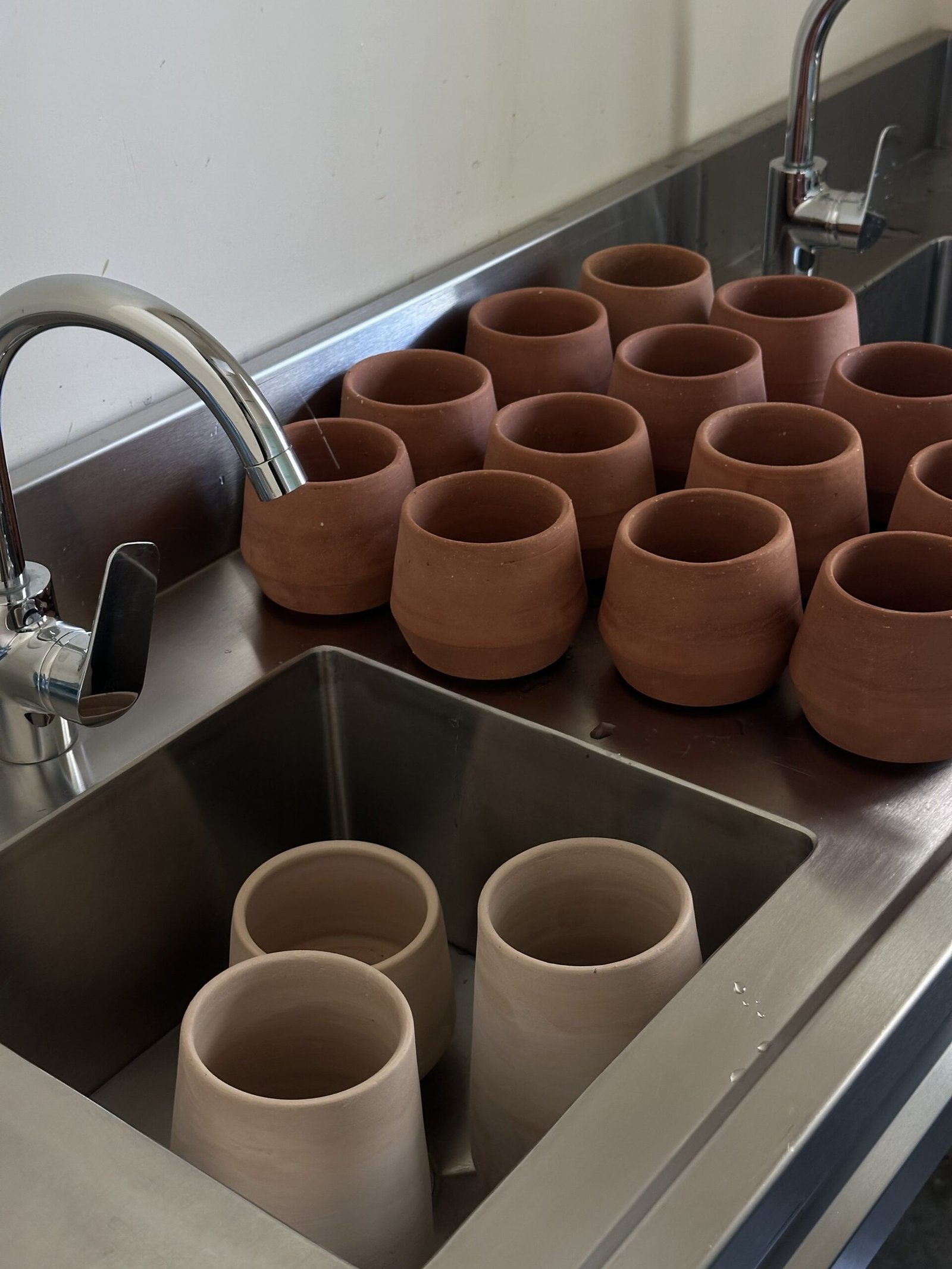
I designed the system, harvested and processed the clay, and developed a 3D-printed prototype that could serve as a mold for the ceramic components. Sameh then shaped and fired the pieces. The process became an exchange between my approach as a designer and his knowledge as a craftsman.
One of Sameh’s main concerns was clay shrinkage as it dried and fired, which I hadn’t fully anticipated at the design stage. Because the pieces had to fit together as part of a larger system, even small changes in their dimensions could affect how the components aligned and connected. His awareness of this behavior, informed by years of working with clay, brought an important dimension to the design process. It reminded me that the material has its own logic and that making requires anticipation, adaptation, and acceptance of the unexpected.
Through his experience and reverence for clay, I gained a deeper respect for the people who choose to keep these ways of making alive. This beautiful material challenged us both. We had to negotiate between the design’s intentions, the material’s possibilities, and the realities of the making process, drawing on Sameh’s practical knowledge to address challenges I could not have foreseen on my own.
In a way, the collaboration taught us both something about our own practices. By challenging each other and working through the uncertainties of clay, we created something neither of us had approached in quite the same way before.
A beautiful meeting of cultures! On this topic still, where a Doha balcony contends with dry, scorching temperatures, a Philippine one has to weathers months of monsoon rain and humidity. How would the Pocket Falaj need to evolve to thrive here? What plant species would suit it best?
Stephen Amoyo: A similar question came up during the first week of the residency. I consulted one of my mentors, Dr. Aspa Chatziefthimiou, a researcher in ecological conservation and restoration, about whether I should design the system specifically for Qatar’s climate. She advised that if the goal was to invite people to interact with nature, the system should remain open to different plants and environments.
That became one of the challenges I had to consider: how could I design a system that works without being limited to a particular plant species or growing environment?
Of course, different climates require different considerations. A balcony in Qatar faces intense heat and water scarcity, while one in the Philippines must contend with humidity and prolonged periods of rain. Plants and growing conditions need to respond to those differences.
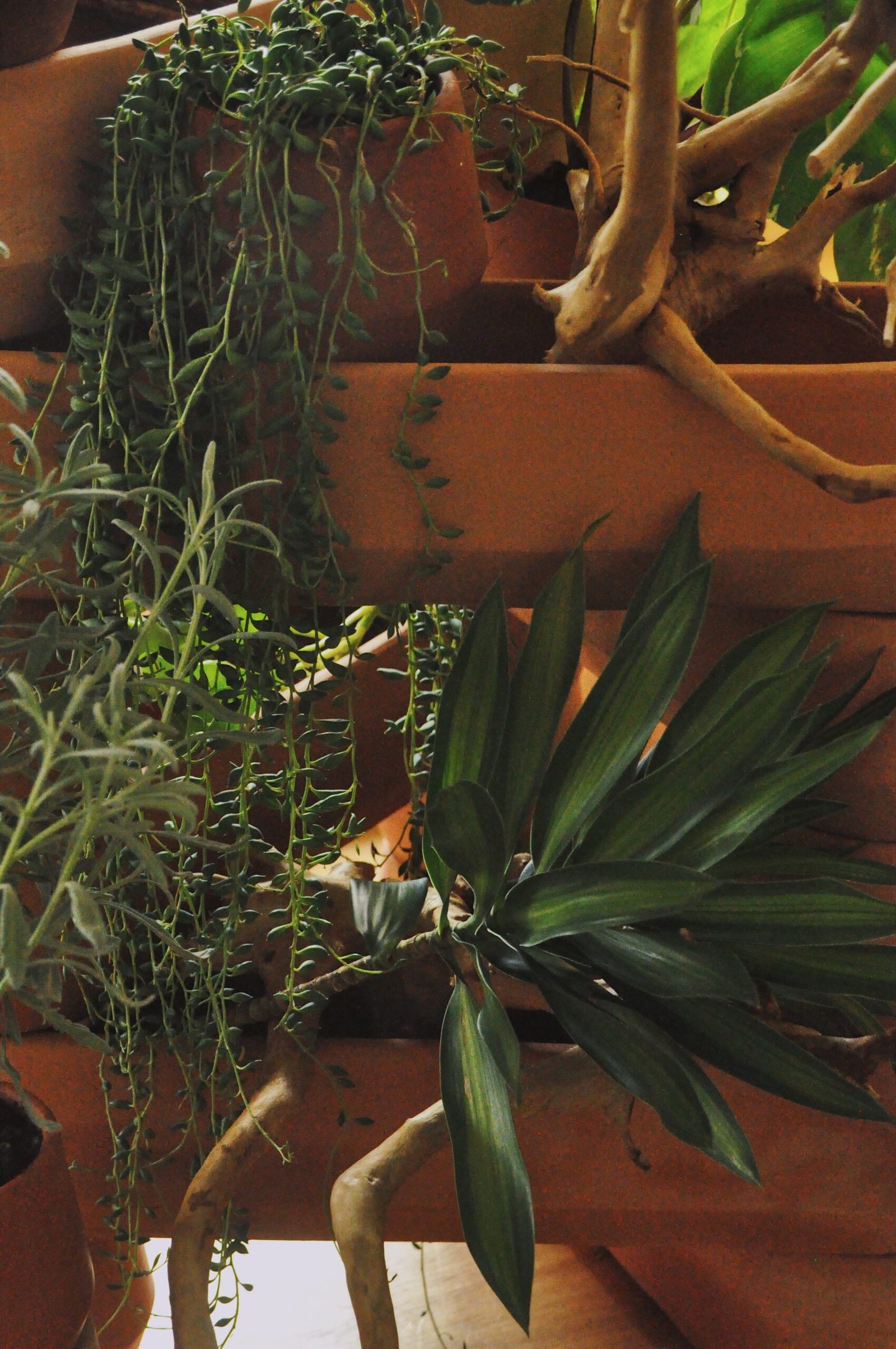
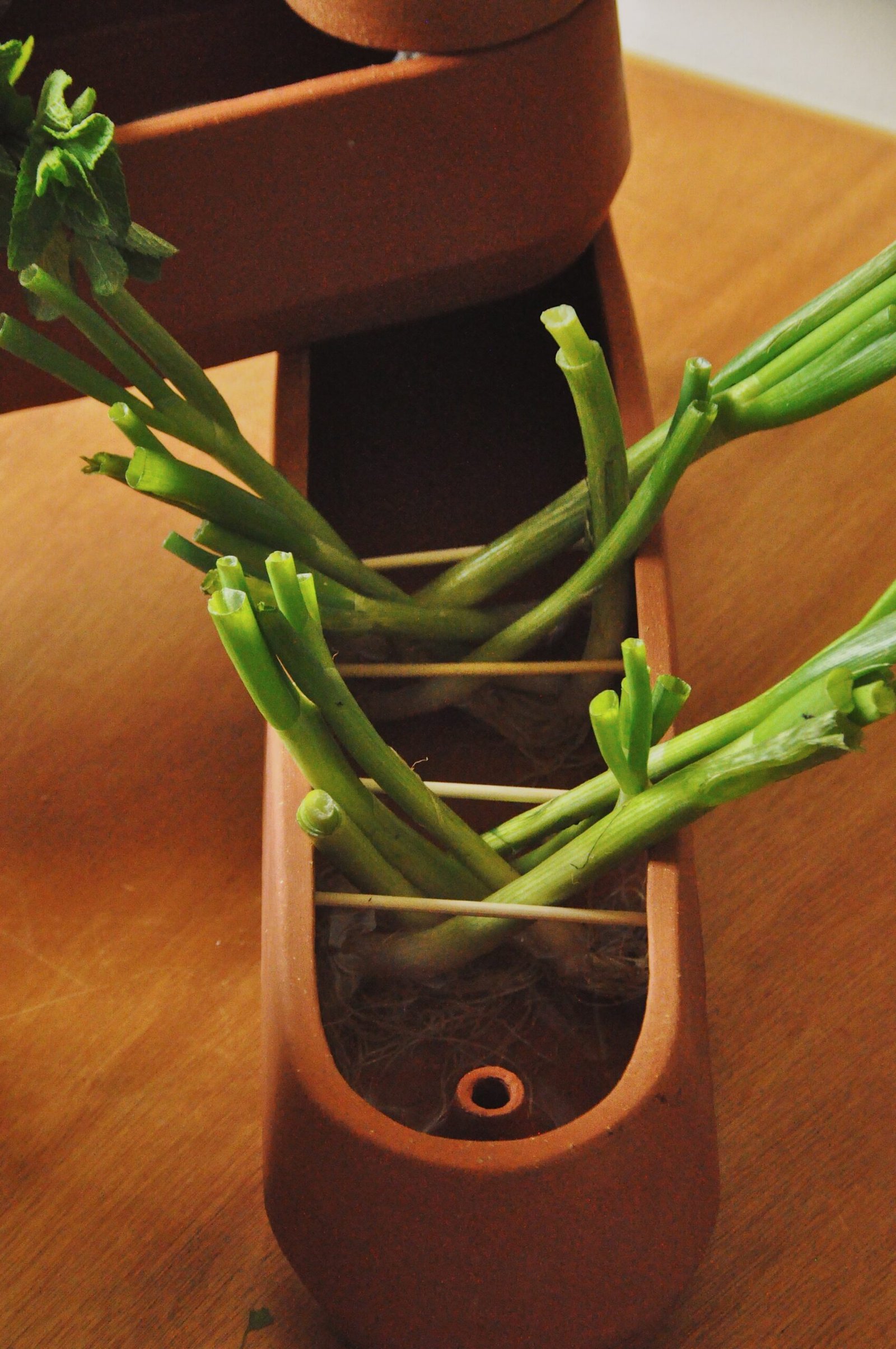
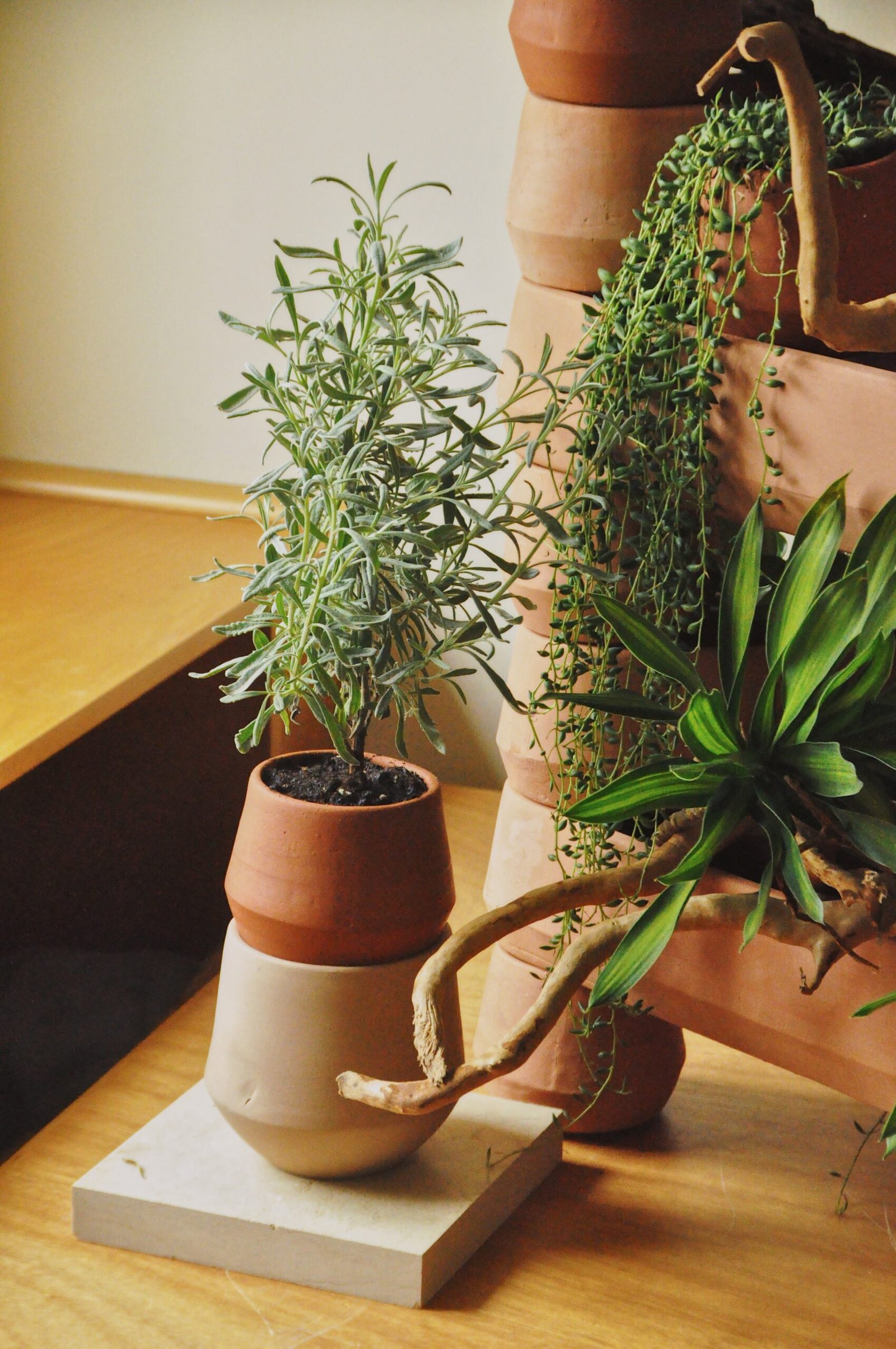
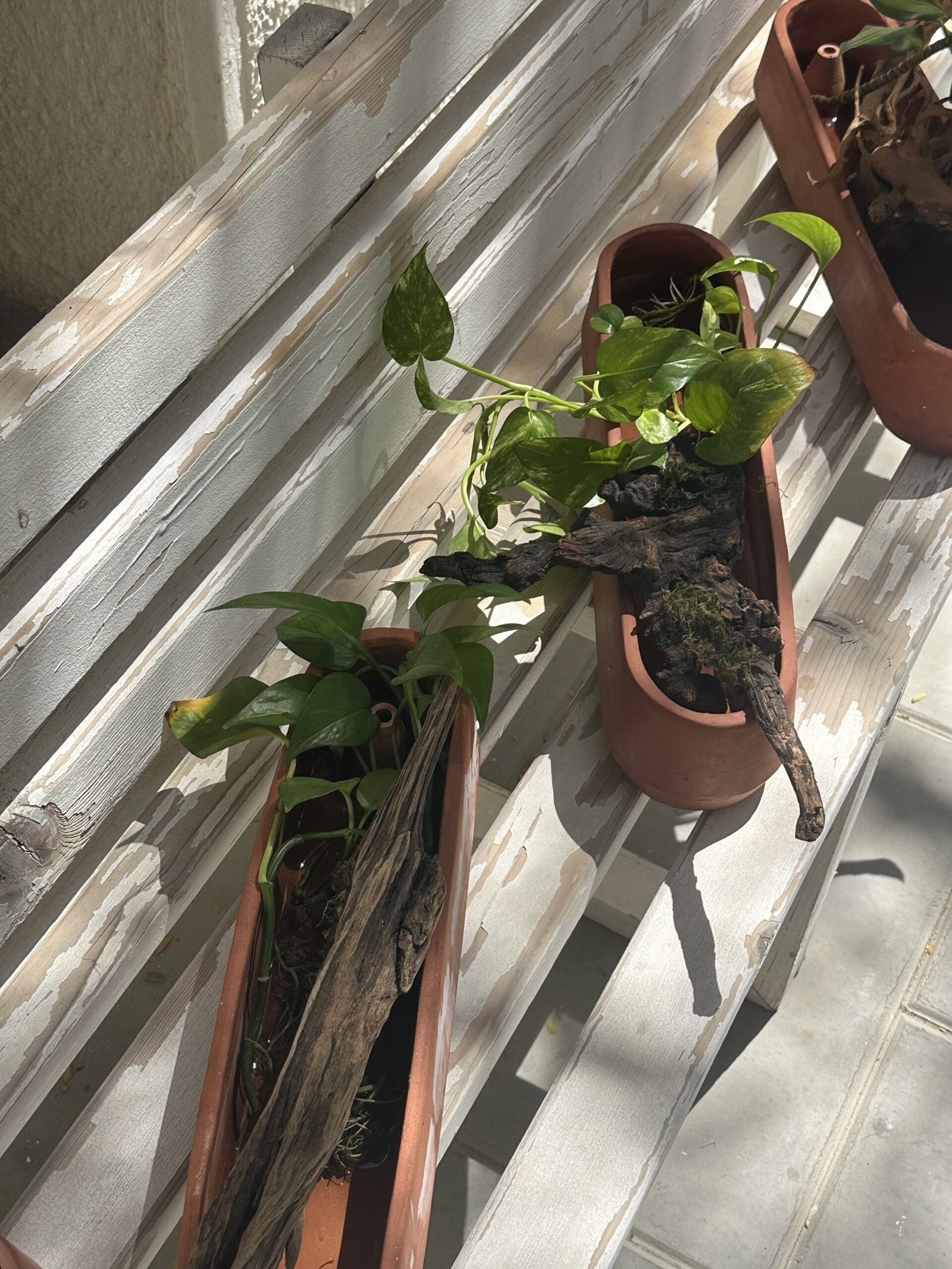
During the project, I experimented with plants commonly found in and around the home, including pothos, spring onions, basil, rosemary, and several cactus species. These experiments helped me understand how the system could accommodate different plants and growing habits while also using what people already had access to.
This also reinforced something I believe is fundamental to product design: ultimately, end users determine how a product is used, often in ways the designer may not have anticipated. As designers, we can establish a framework and suggest possibilities, but people bring their own needs, habits, and creativity. I wanted the Pocket Falaj to leave room for that kind of personal interpretation, rather than prescribe a single way to grow or interact with plants.
I kept returning to Dr. Aspa’s advice. Rather than designing a system that dictates how people should grow plants, I wanted to create one that invites experimentation and makes growing more approachable. It shouldn’t feel too complex or intimidating, even for someone just starting to grow plants.
Ultimately, I see the Pocket Falaj as a framework for bringing people closer to nature, one that can be adapted to the conditions of their own homes and the ways they choose to use it, whether in Qatar, the Philippines, or elsewhere.
Sameh Mohamed, Stephen Amoyo’s partner artisan
“Who would have thought that a few minutes of silence, watching plants grow inside my studio, could change the way I see the world?”
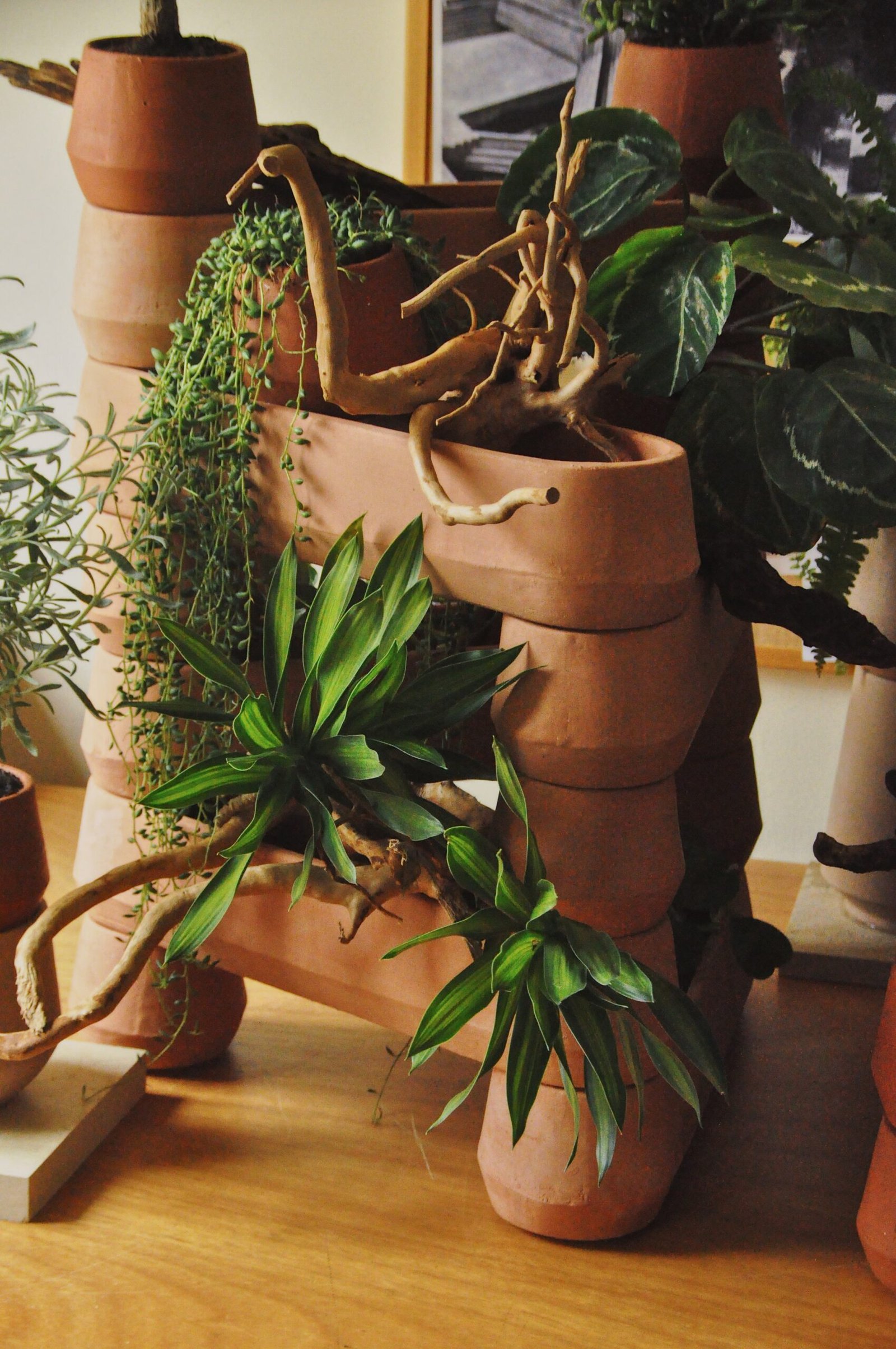
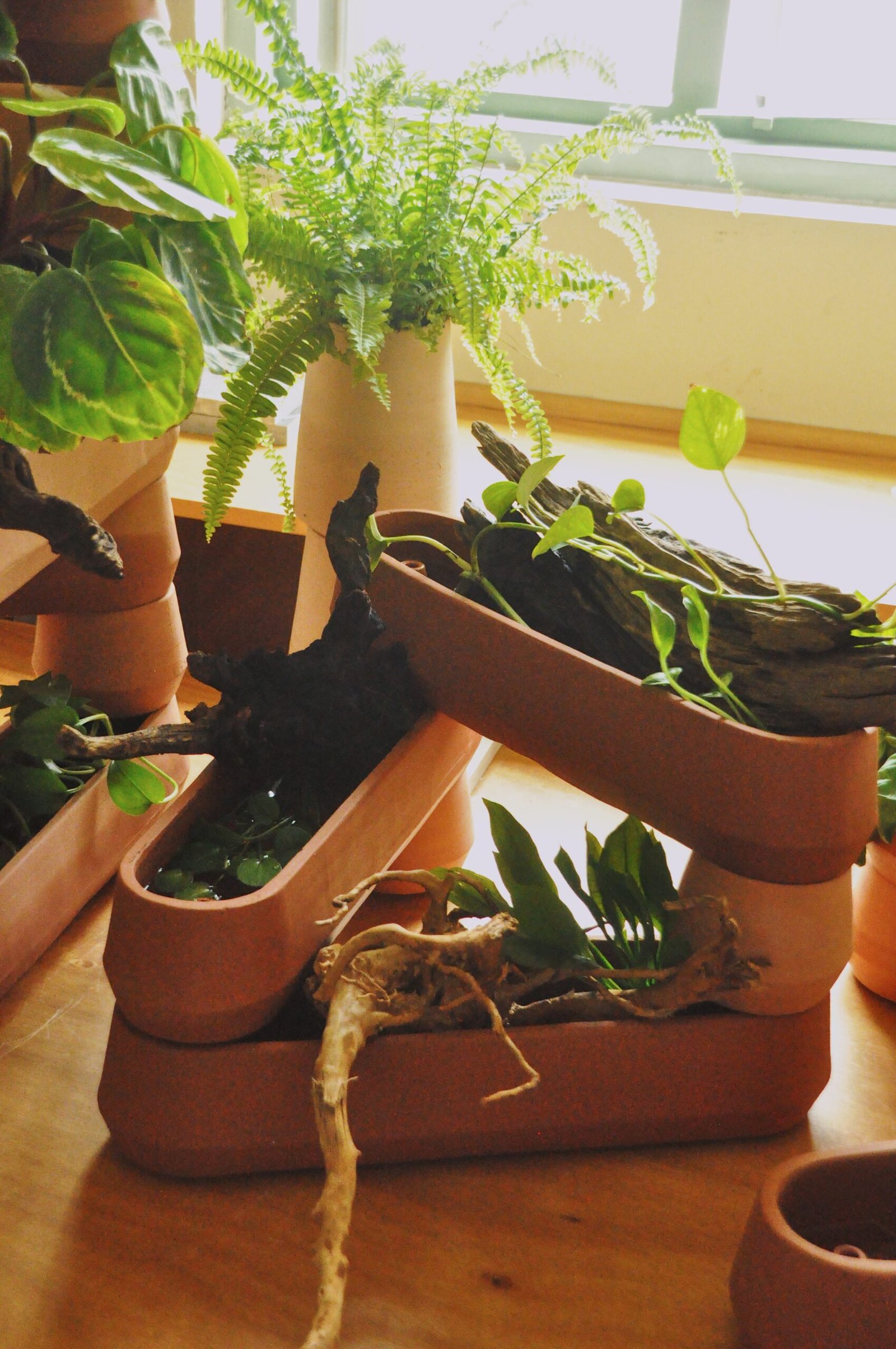
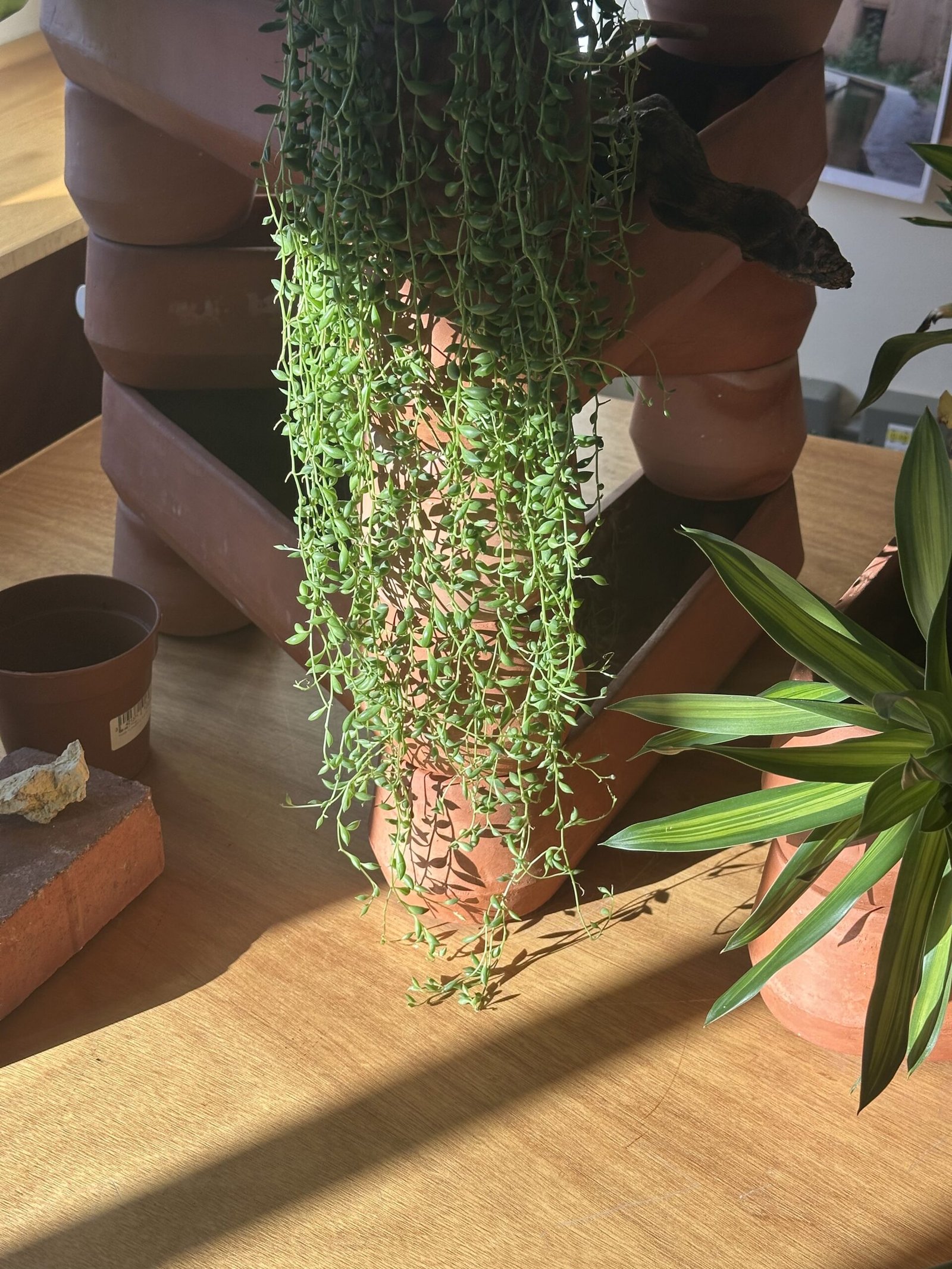
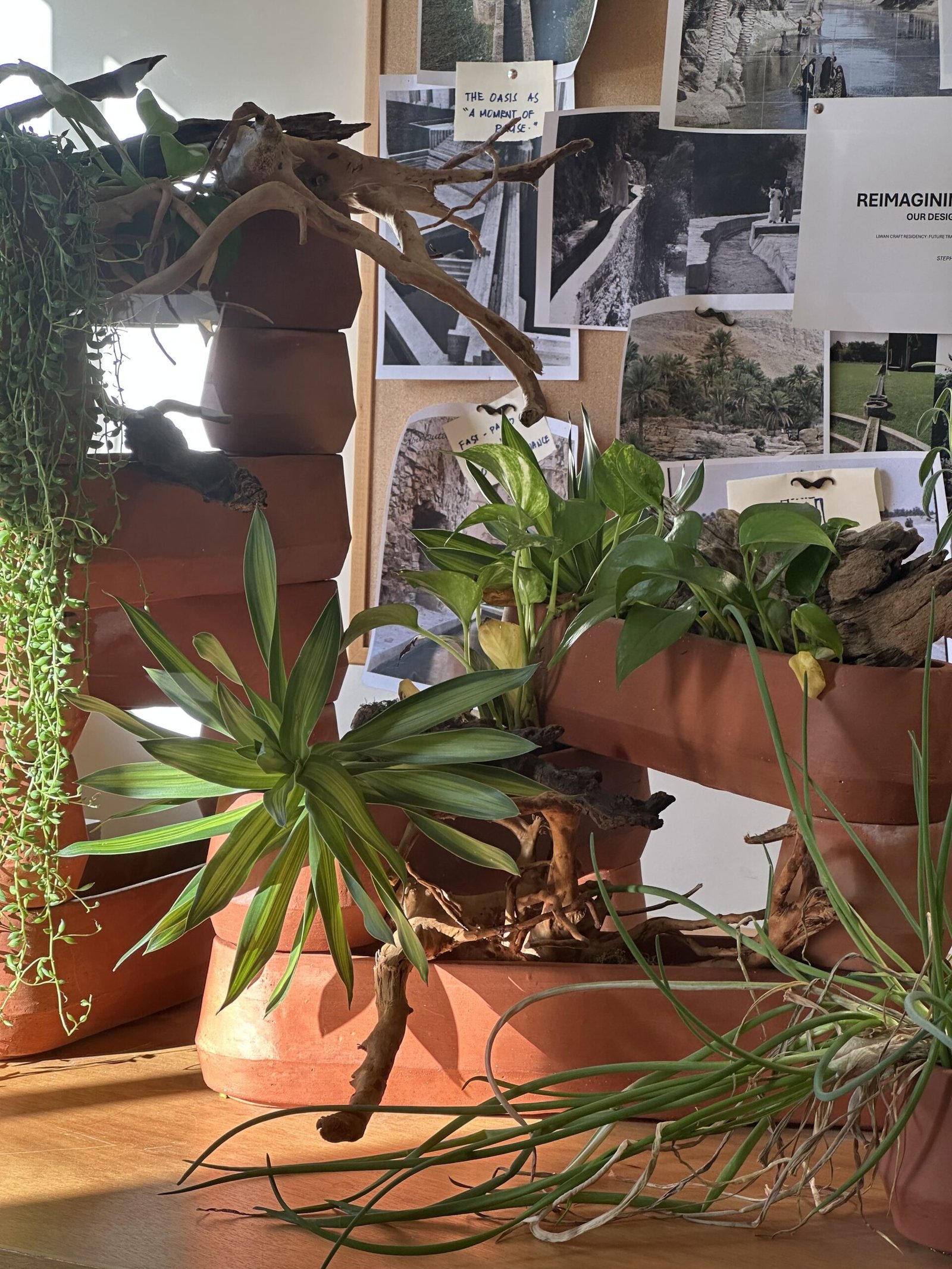
The Pocket Falaj by Stephen Amoyo
Your project brief links the falaj to Philippine river systems, a kinship rooted in your thesis on Katagalugan heritage, though Doha now drinks almost entirely from desalinated seawater. In a city supplied this way, what lessons can the traditional falaj still teach? What did this project reveal to you about Filipino and Qatari water cultures today?
Stephen Amoyo: At its core, the falaj teaches us about our relationship with nature. In contemporary cities, access to nature can be complicated. It is not just a matter of the availability of green spaces; the time we spend working, commuting, or scrolling through our phones can also distance us from the natural world.
I think what I am trying to do with this project is bring that connection back into consideration. This includes our shared relationship with water systems, but more importantly, our relationship with the life that grows around us.
Living with the Pocket Falaj has made this idea much more tangible to me. I have cared for the system for eight months now, and I have come to value the time I spend with it.
Once a week, for about twenty minutes, it is just me tending to the system. I notice new growth, and sometimes death. I notice dust, ants, and flies. I begin to see how much life exists in the spaces around us, even when we are not paying attention.
Who would have thought that a few minutes of silence, watching plants grow inside my studio, could change the way I see the world?
I think this is what the falaj can still teach us, even in a city where water increasingly comes from desalination. Beyond its engineering, it represents a way of understanding water as something that connects people, landscapes, and communities. The project has encouraged me to look beyond the differences between Filipino and Qatari water cultures and consider the knowledge, ingenuity, and relationships with nature that both have developed over time.
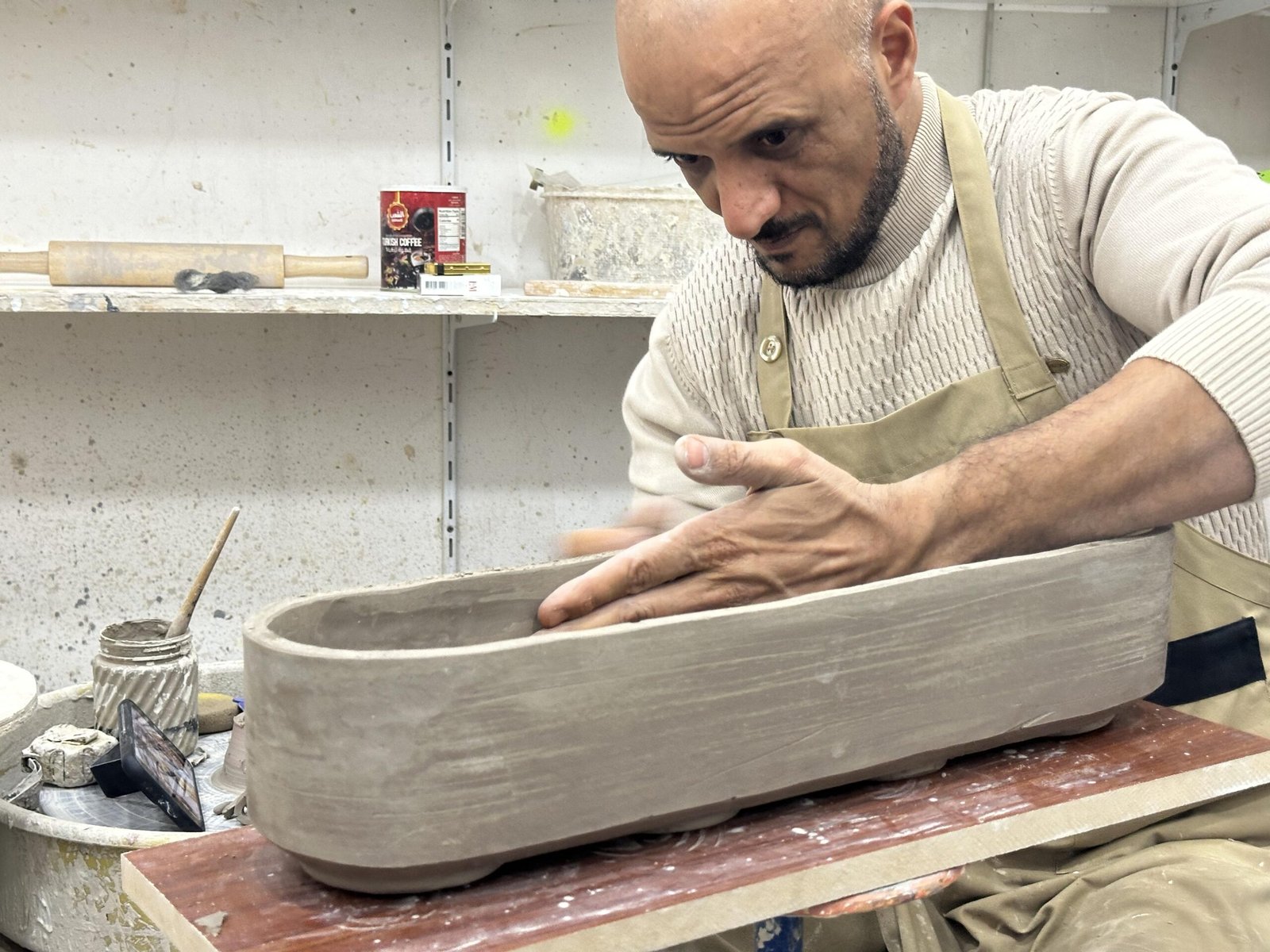
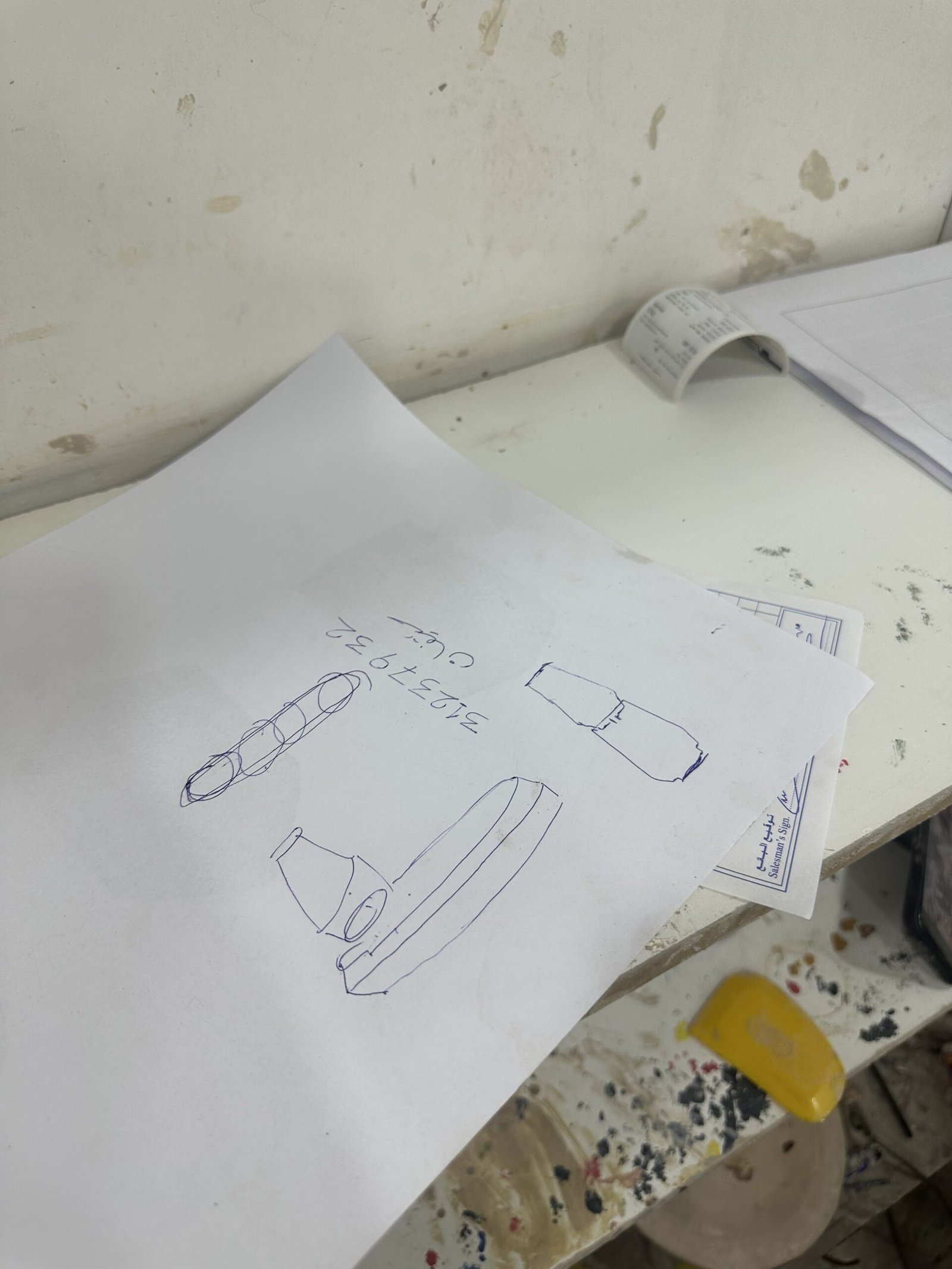
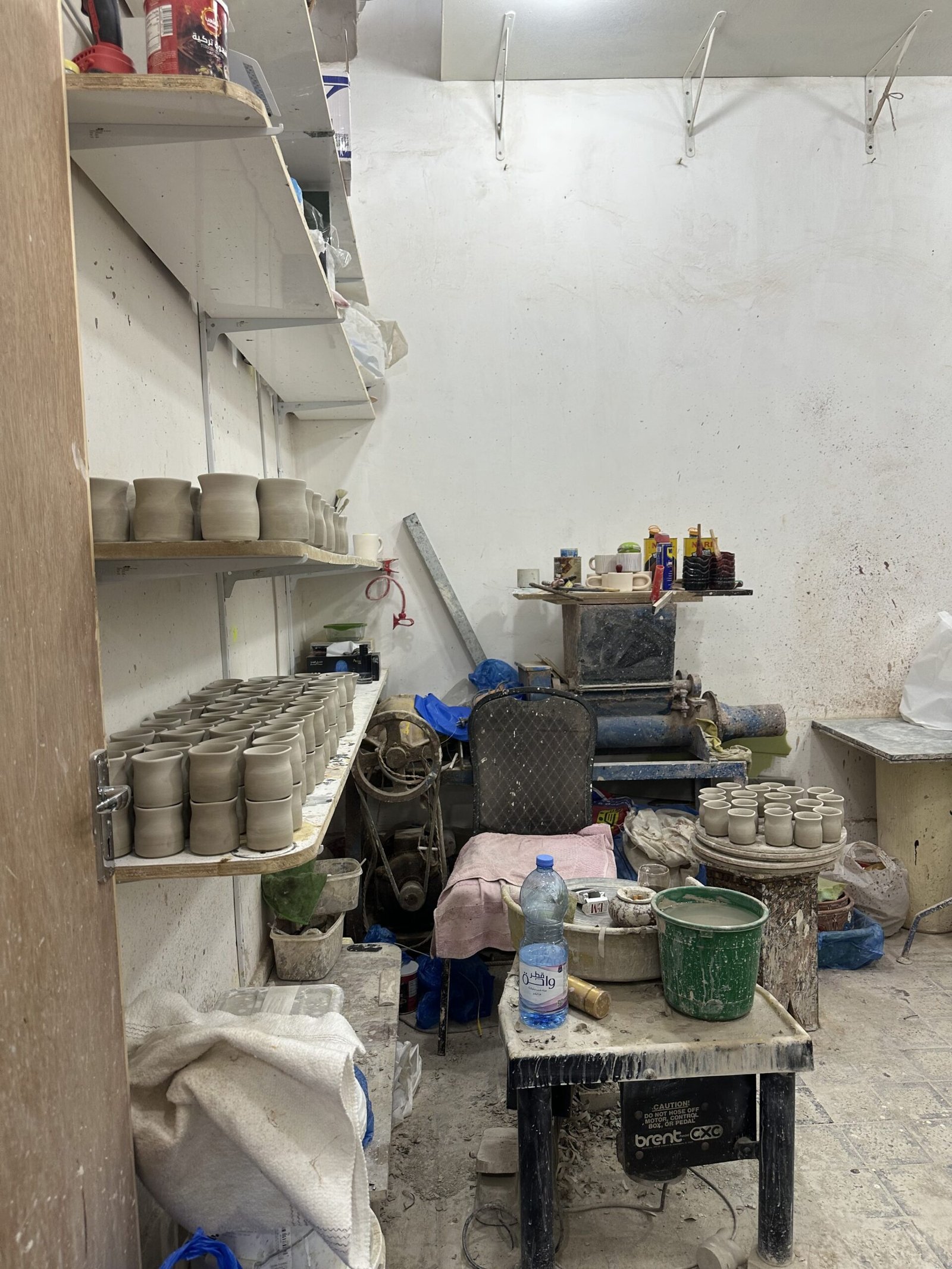
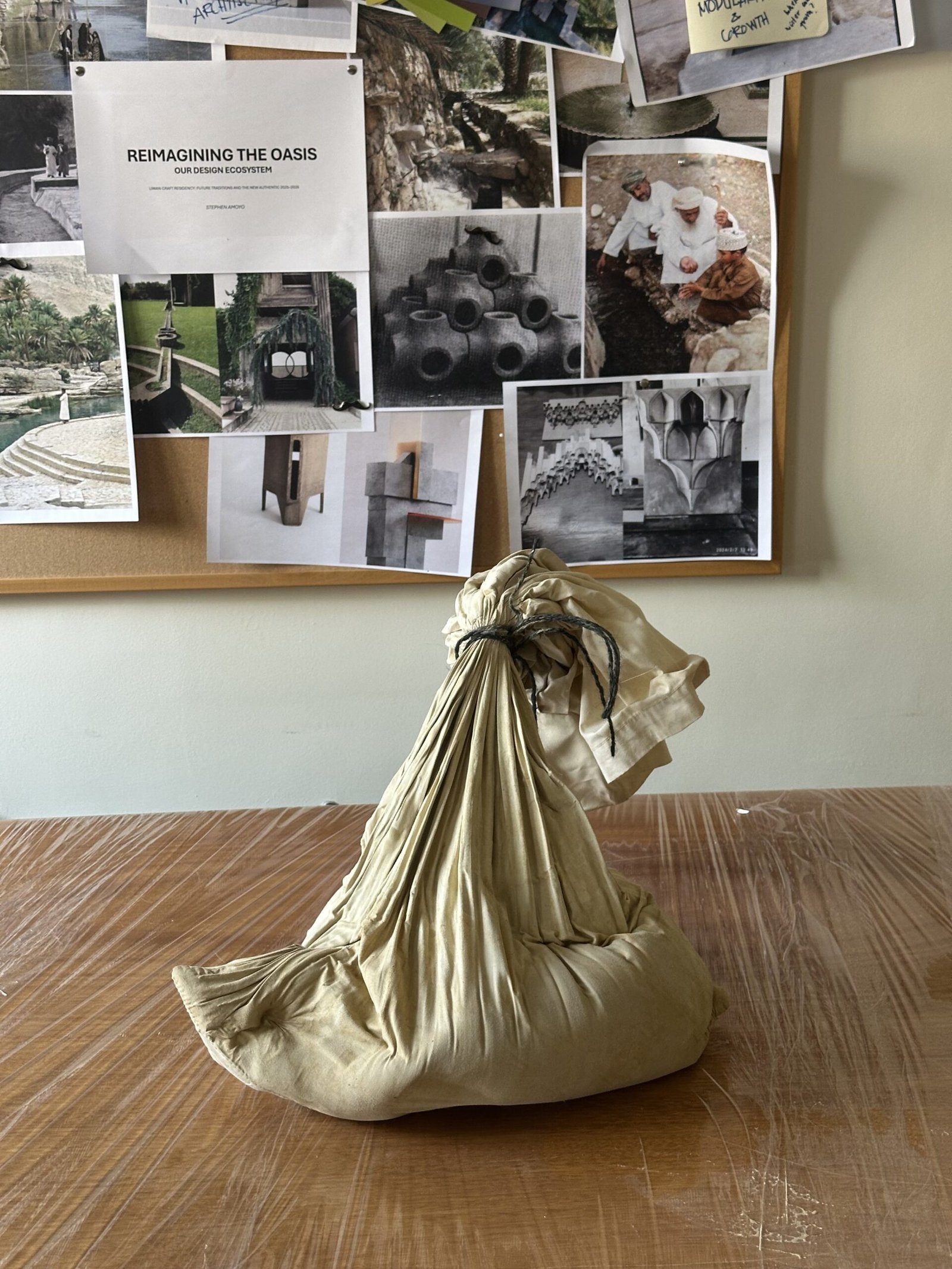
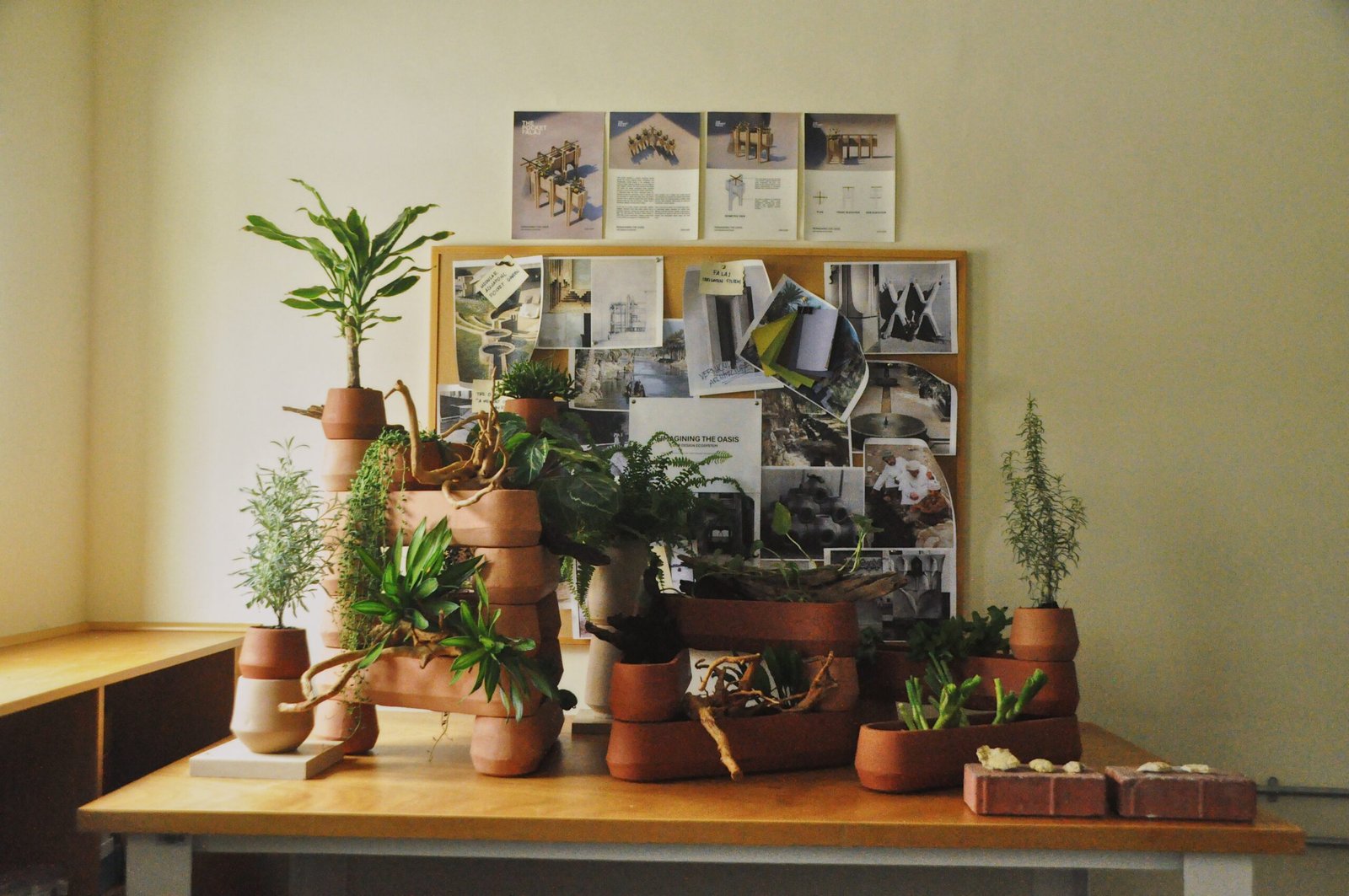
Pocket Falaj under development
SUNGKA!, your modular, collapsible take on the Filipino board game, won the Community Choice Award at Isola Design Festival 2025 and showed in Milan this year. What connects it to the Pocket Falaj in your design practice? Where does the newer work deviate from it?
Stephen Amoyo: With SUNGKA!, I explored our shared cultural relationship with board games. With Pocket Falaj, I explore our relationship with water systems. Although they address different subjects, both projects begin with an interest in traditional knowledge and how it can be reinterpreted through contemporary design.
My ongoing research into sungka has also led me to consider its connection to a wider culture of play and our relationship with water. As children, we played with seashells; similar materials and forms of play appear in other cultures, including the use of shells in mancala games. These connections fascinate me because they reveal unexpected kinship across different places and traditions.
Traditional architecture strongly influenced how I reimagined sungka. With the Pocket Falaj, that influence comes more from traditional urban planning and water infrastructure.
Human settlements have long developed around water, and I am interested in how different cultures have adapted to their environments. In the Philippines, rivers and waterways have shaped settlement patterns and everyday life. In the Gulf, people have developed ways to live in an arid landscape through systems for managing and storing water, alongside settlements shaped by the region’s natural terrain.
Despite these differences, both contexts hold valuable knowledge about working with water and understanding the landscape. Traditional irrigation systems, in particular, demonstrate a sophisticated understanding of gravity, water movement, and the careful use of available resources.
With SUNGKA!, I translated traditional forms of play and cultural memory into a contemporary object. With the Pocket Falaj, I am translating knowledge embedded in traditional water systems into something that can exist within the home. Both projects ask how we can carry knowledge from the past into the present, not simply by preserving its original form, but by finding new ways for people to experience and understand it.
Once the residency exhibition at Design Doha ends, where do you see the Pocket Falaj going? What has surprised you most in how people have received it?
Stephen Amoyo: As the residency is under the guidance of Qatar Museums, the future of the Pocket Falaj will depend on the direction the institution takes. There have been discussions about exhibiting the residency’s projects beyond Qatar, as well as potentially producing the objects for sale to the public. This could also support traditional crafts and the people who sustain these practices in Qatar.
What has surprised me most, however, is the community I have found through the residency. I have connected with craftspeople, designers, and new friends who share a passion for indoor gardening and bringing nature into their homes.
I have also been surprised by how readily people understand what I am trying to communicate through the project. Sometimes, I hardly need to explain it. People intuitively recognize the importance of having plants and other forms of life in their living spaces. There seems to be a shared desire to reconnect with nature, even if we experience that desire in different ways.
The future of the Pocket Falaj is still unfolding, but the residency has given me a strong reason to continue researching traditional ways of making as part of my master’s studies at the Universitat Politècnica de Catalunya. It has pushed me to think more critically about how contemporary design can work alongside traditional craftsmanship, not as a replacement for it, but as a way to explore new possibilities for both.
Ultimately, I hope to keep finding ways to bring traditional knowledge into contemporary life, creating objects that let us engage with our cultural heritage and our relationship with the natural world in more immediate, everyday ways. •