Interview The Kanto team
Images Renzo Navarro for VENZON Lighting & Objects
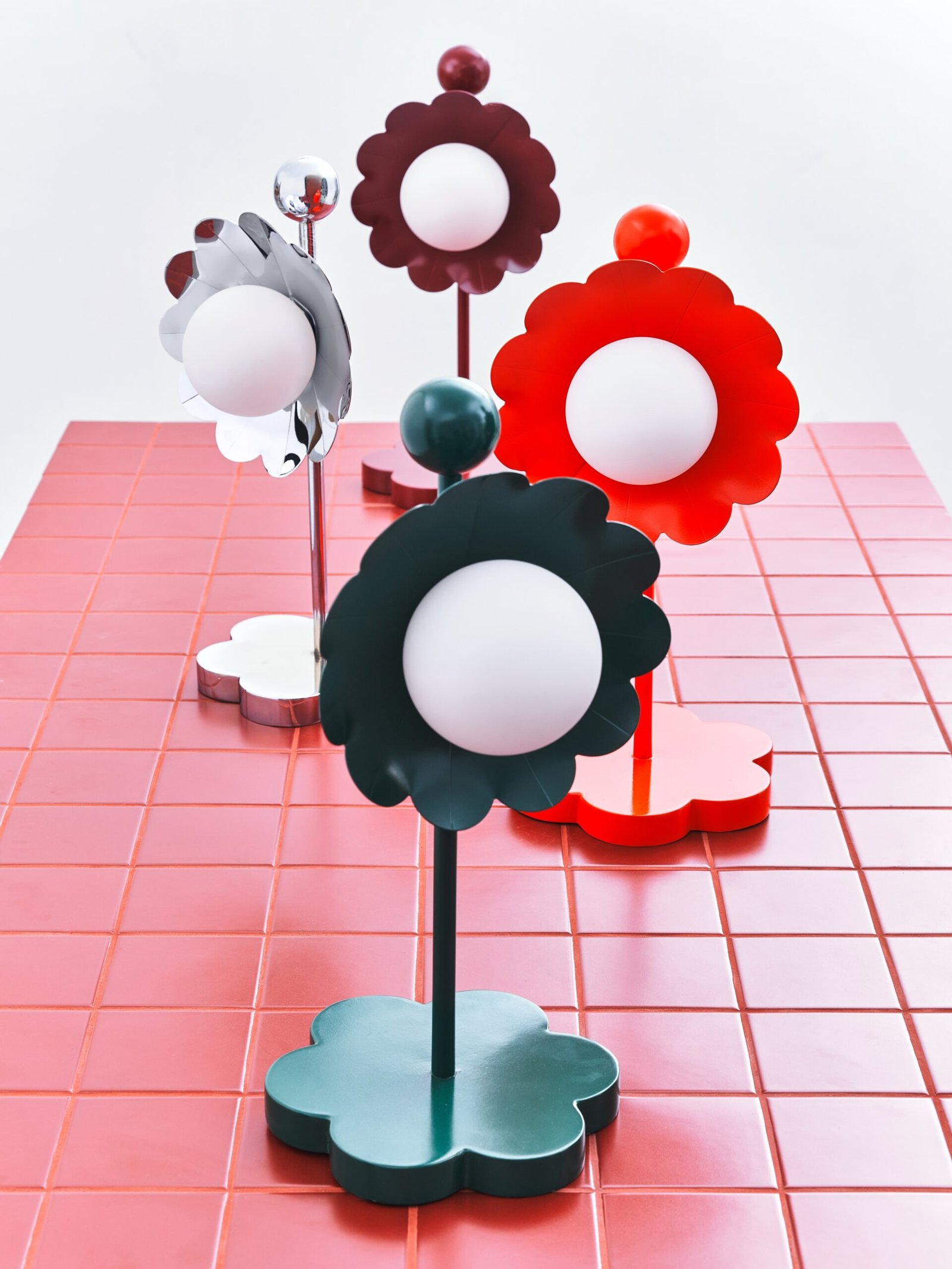
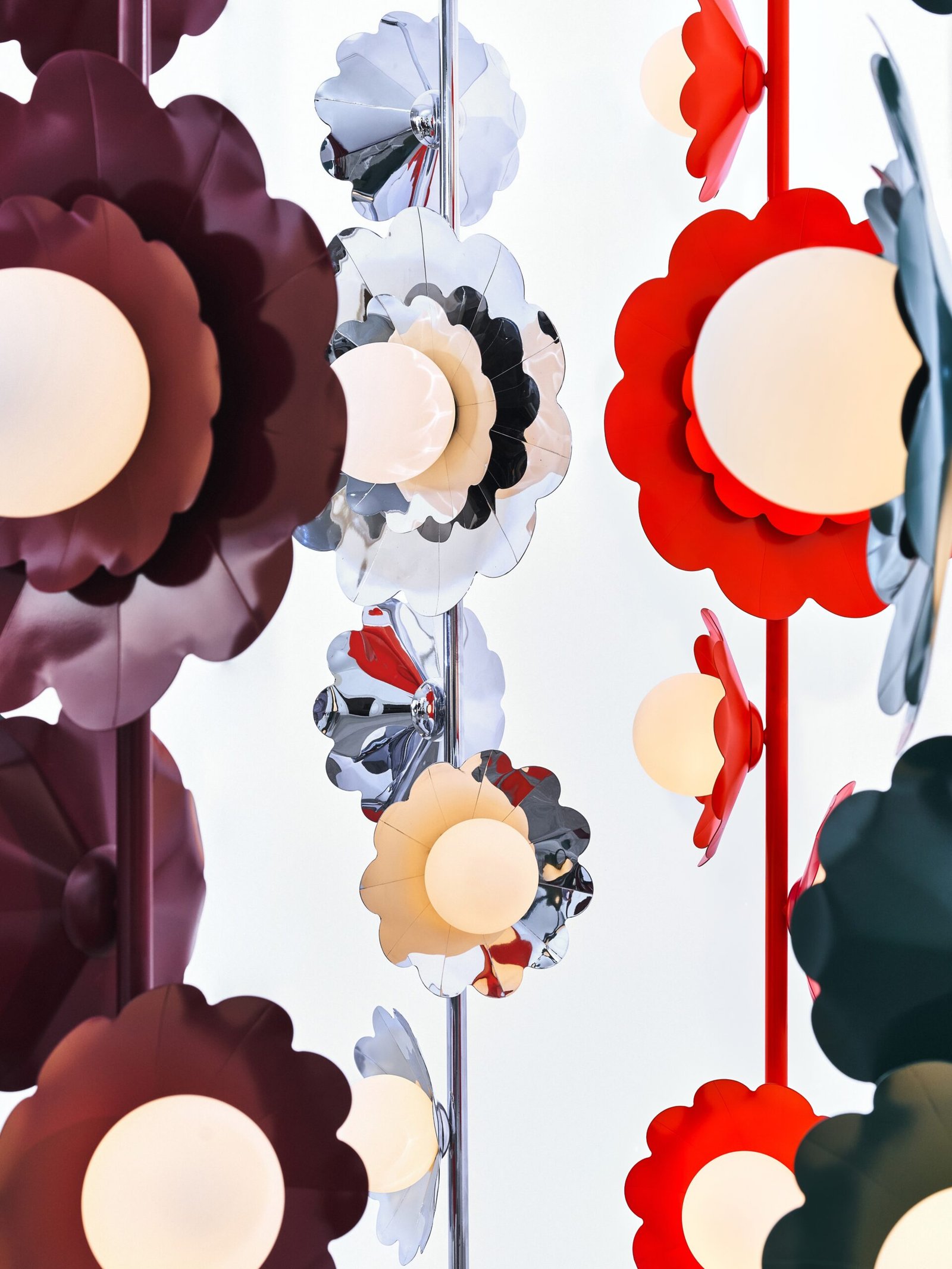
What do you get when an architect trained in and graduated from the rigorous grind of global firms sits down with a manufacturing house built on decades of high-volume metal engineering? You get the luminous blooms of Luz de Flores, a whimsical lighting collection from the pen of design maverick JJ Acuña of JJA Bespoke, and Pampanga-based VENZON Lighting & Objects.
Born from a bespoke brief for a women-centric clinic in Singapore, the collaboration has since evolved into a full-blown commercial collection whose floral forms and vibrant hues proved to be more farmer’s field than flower garden in terms of toil, pushing both designer and maker to go further. Our conversation with both the designer and the maker below reveals the narrative pivots, material trials, and technical breakthroughs that have finally brought the whimsical pop-art blooms from factory to storefront.
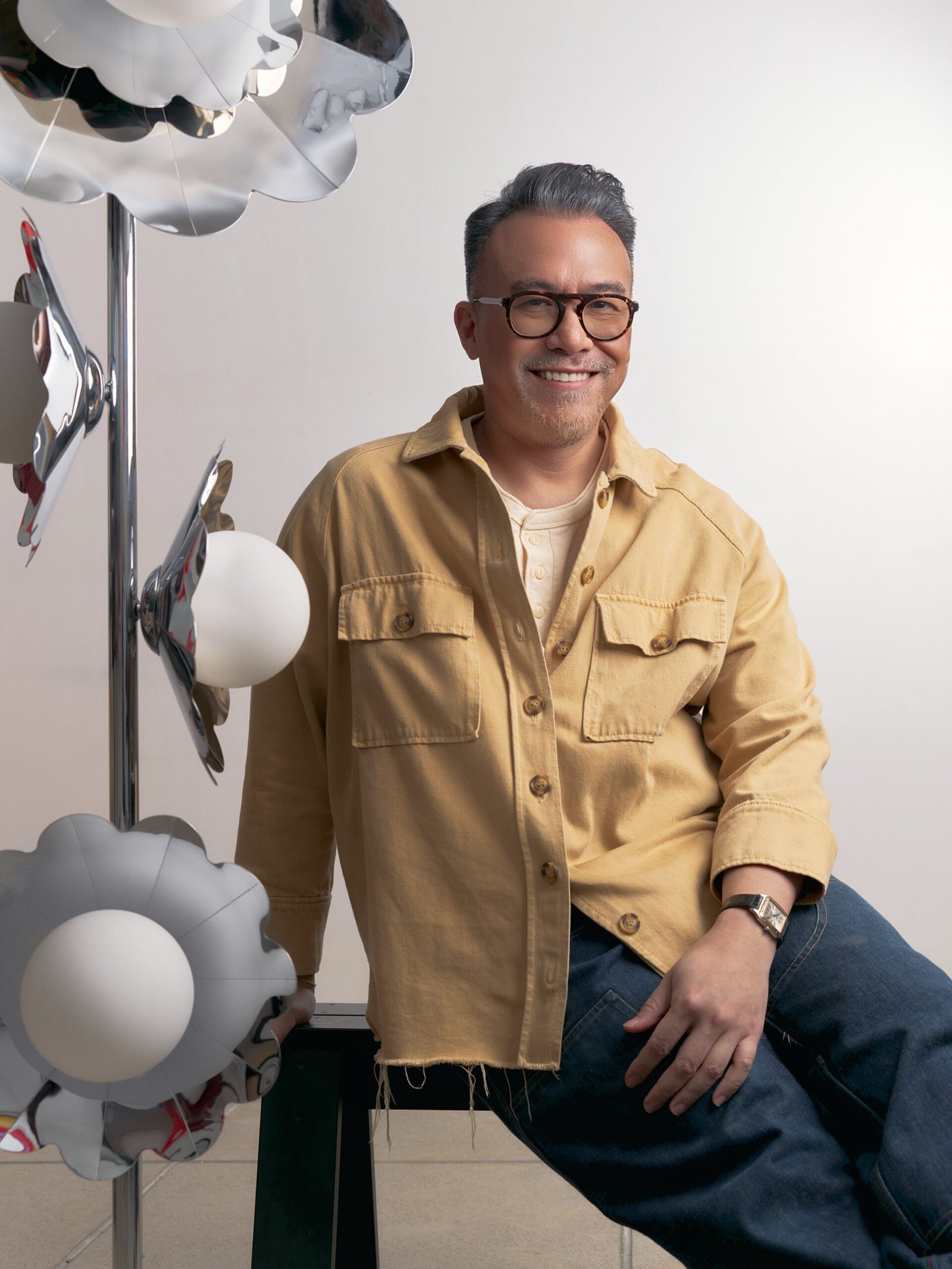
The Designer: JJ Acuña of JJA Bespoke
Hello, JJ! Your architectural training allows you to master the volume of an entire room, but a lamp is an intimate, singular element within that space. Did your architectural background in any way shape how you “built” the svelte silhouettes of Luz de Flores?
JJ Acuña, founder and creative director of JJA Bespoke: Luz de Flores actually originated from an IVF clinic project in Singapore. Our concept narrative centered on introducing a sense of whimsy and playfulness into a space that would otherwise feel purely clinical and high-pressure. The current trend in clinics catering to women’s health has been to allow front of house design lean towards hospitality—taking the clinical edge off the whole experience.
When we began sketching, I became fascinated by the imagery of Lakshmi, a fertility goddess represented by the lotus flower. In these very serious spaces, like consultation rooms and phlebotomy areas, we needed decorative “jewelry pieces” that guests could focus on when things get a bit too much pressure. That is how these flower forms were born to be placed on the wall.
When I saw that, I immediately contacted Alex (Alexis Venzon) and VENZON and told her that the lights were so well produced that we really had to make a version of them for the market. Formally, we had to make sure that they would come in sizes and weights that were easy for most people to install themselves.
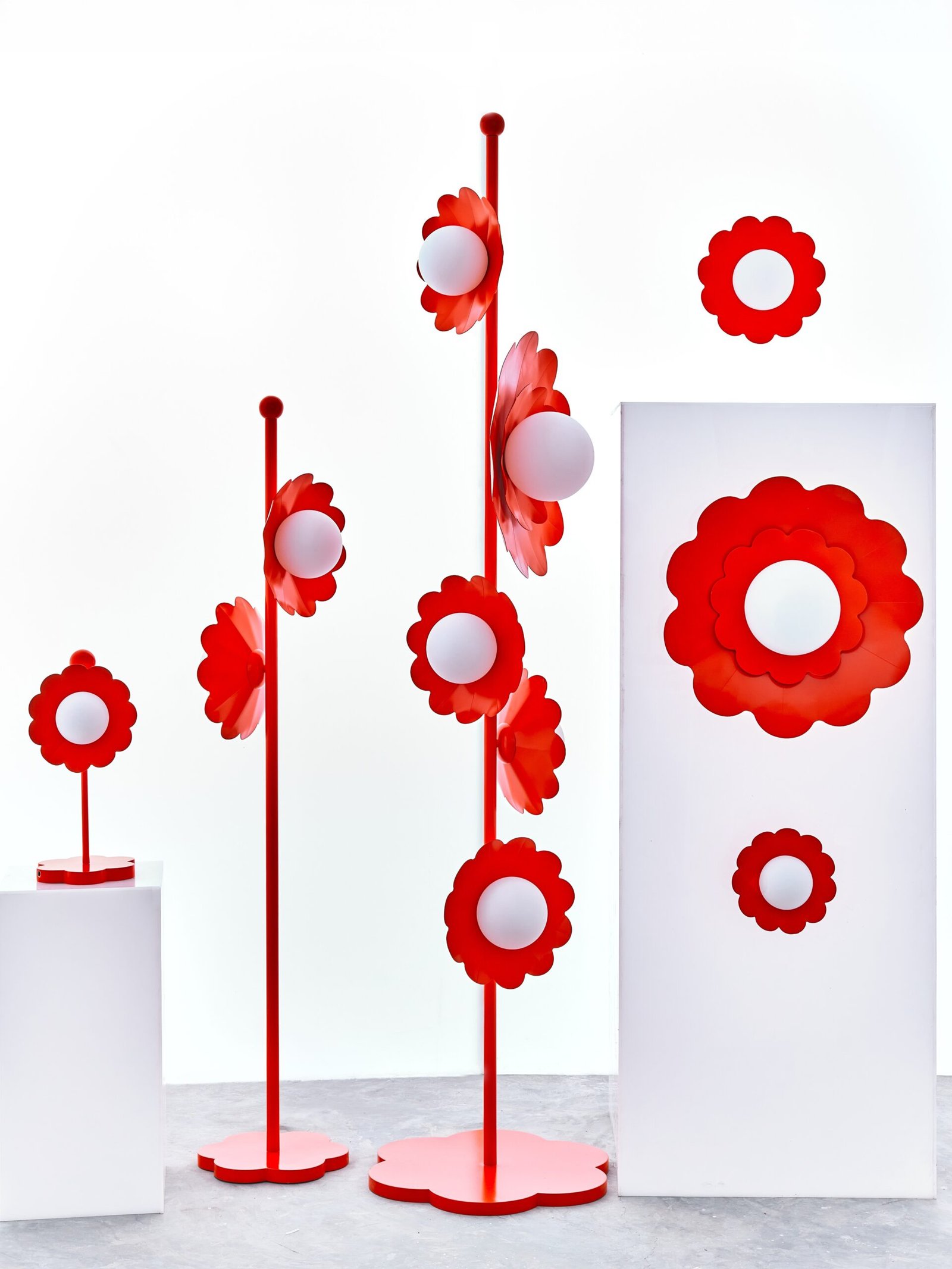
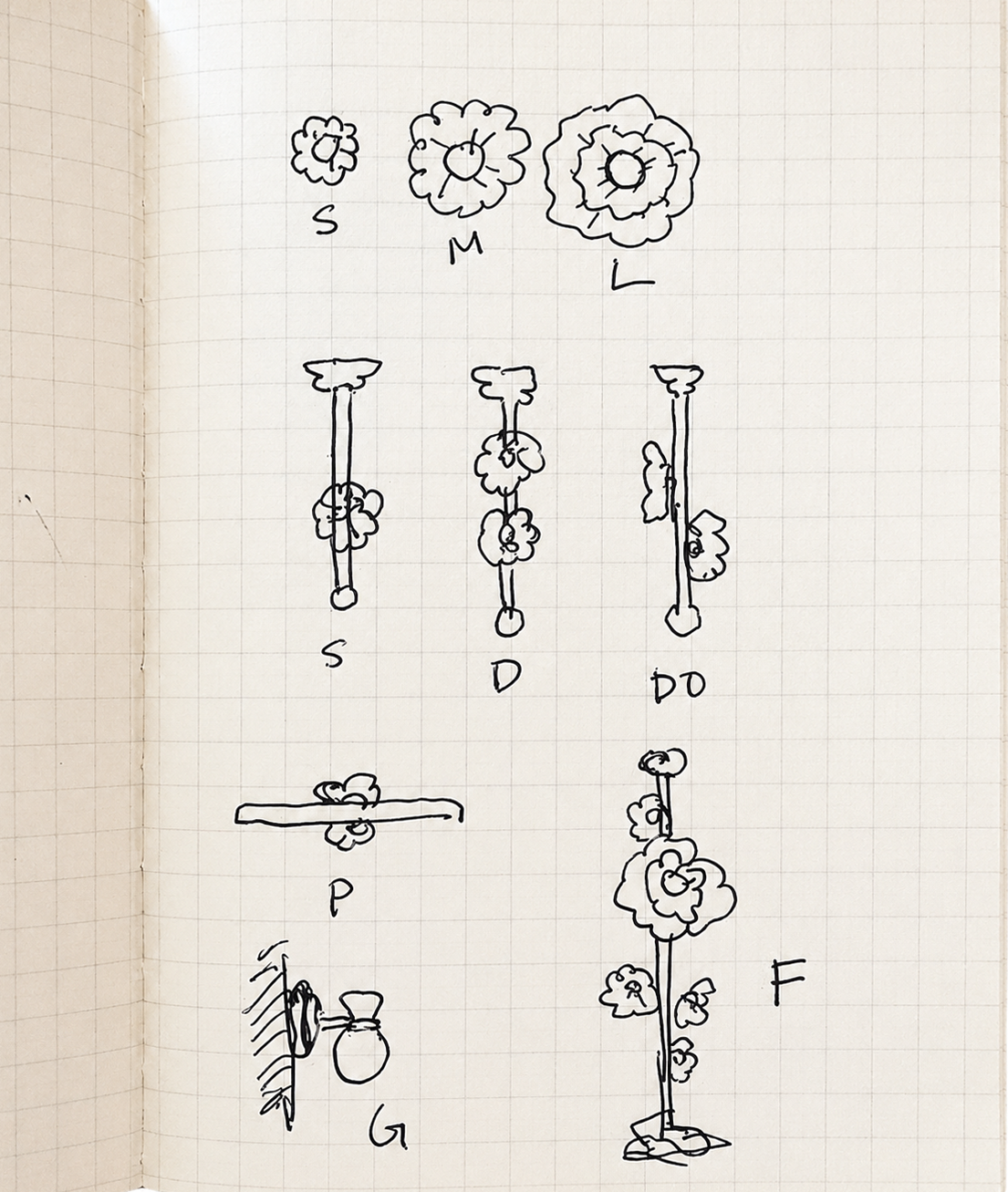
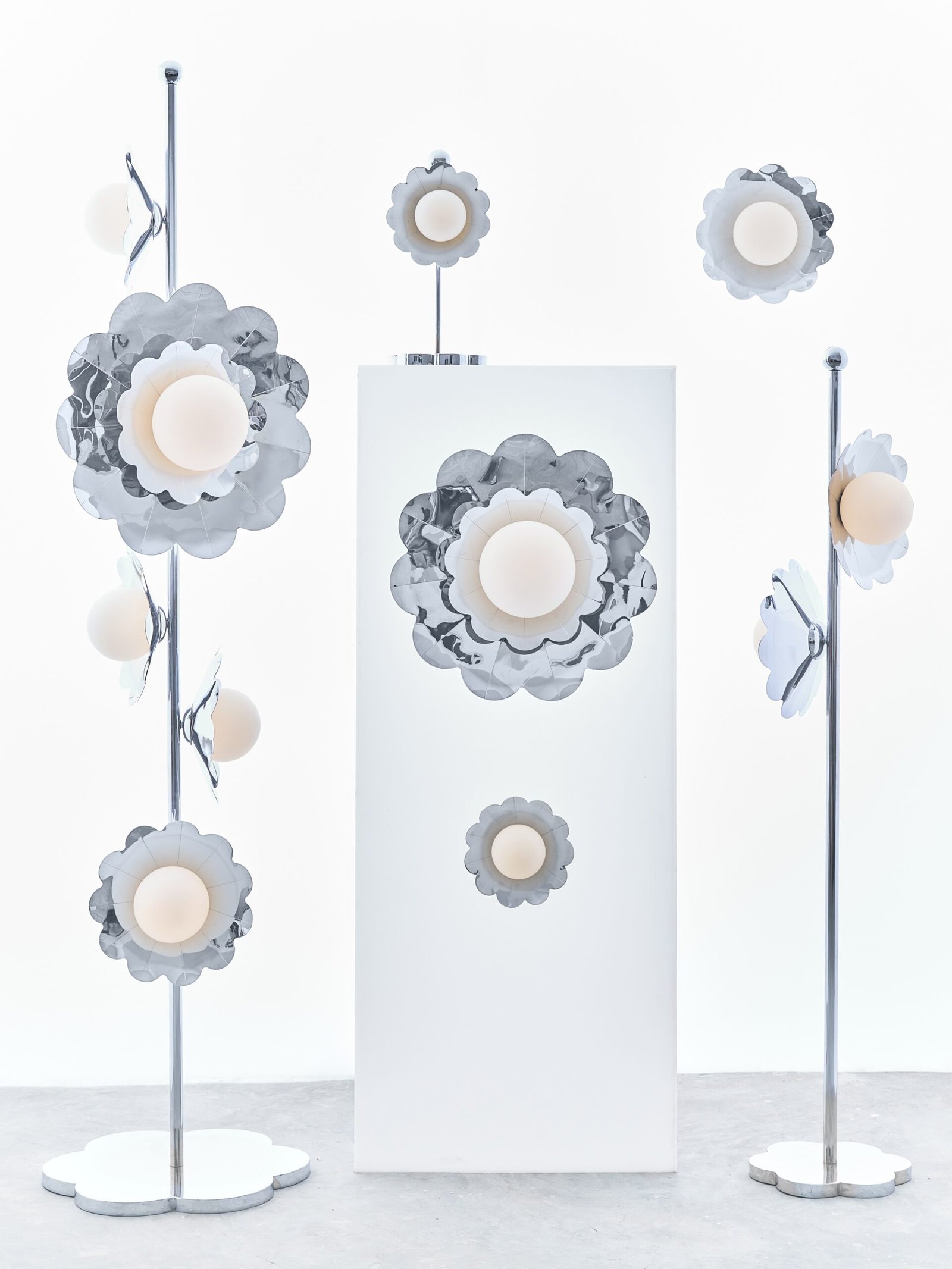
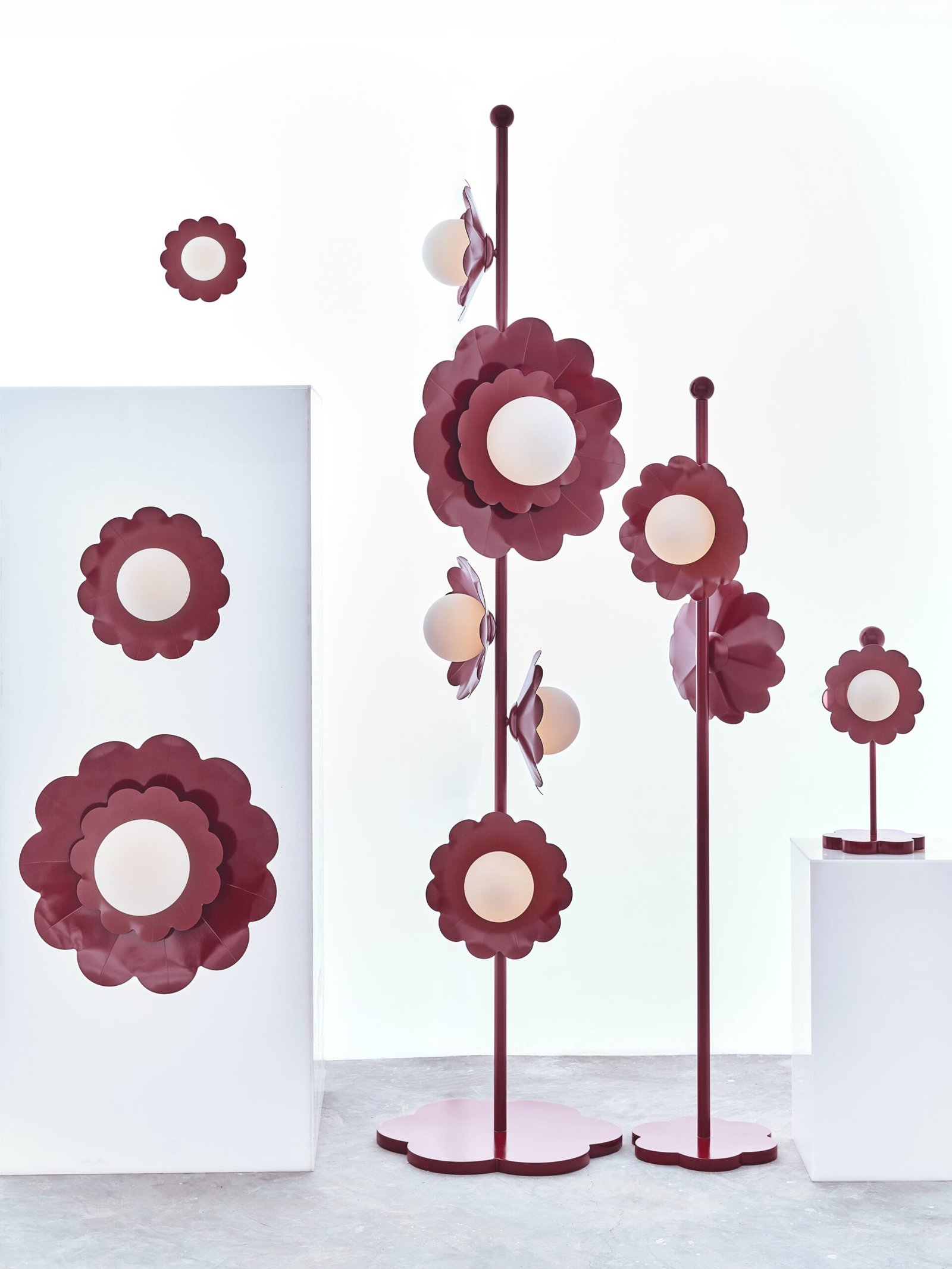
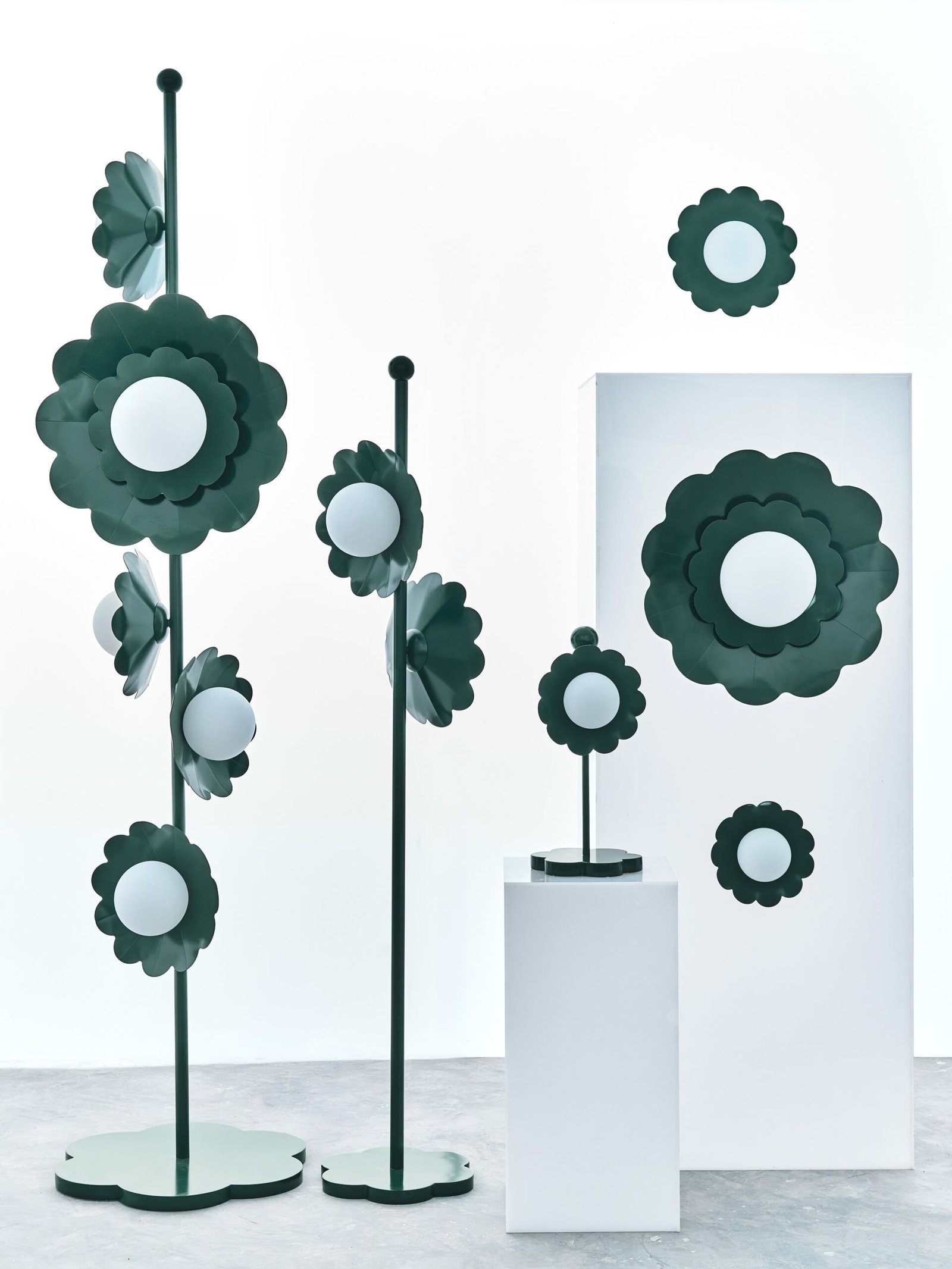
For the floor lamps, we made sure the aesthetic was asymmetric and made sense in most rooms with typical furnishings and volumes. The mid-sized Ramo M floor lamp, which is the mid-sized lamp of two flowers on a stem, we made sure that proportion-wise it was above most side tables and sofas, whereas Ramo Especial, we went ahead with five flowers at an odd number and allowed the layout to go from floor to top, since we saw this piece standing on its own as a work of art to be displayed.
Because we didn’t want any of the pieces to be too same-same, we made sure the glass globes were different sizes according to product scale and layered the petal layout where appropriate to create differentiation. We also made sure that if you were to buy various pieces, they would all work together proportionally—like styling a bouquet. These works are designed to bring a sense of levity to any surface. Because these pieces are an investment, we want to make sure that simply looking at them makes your day a bit brighter—pun intended!

Original fixture design for the clinic Luz de Flores sketches by JJ Acuña
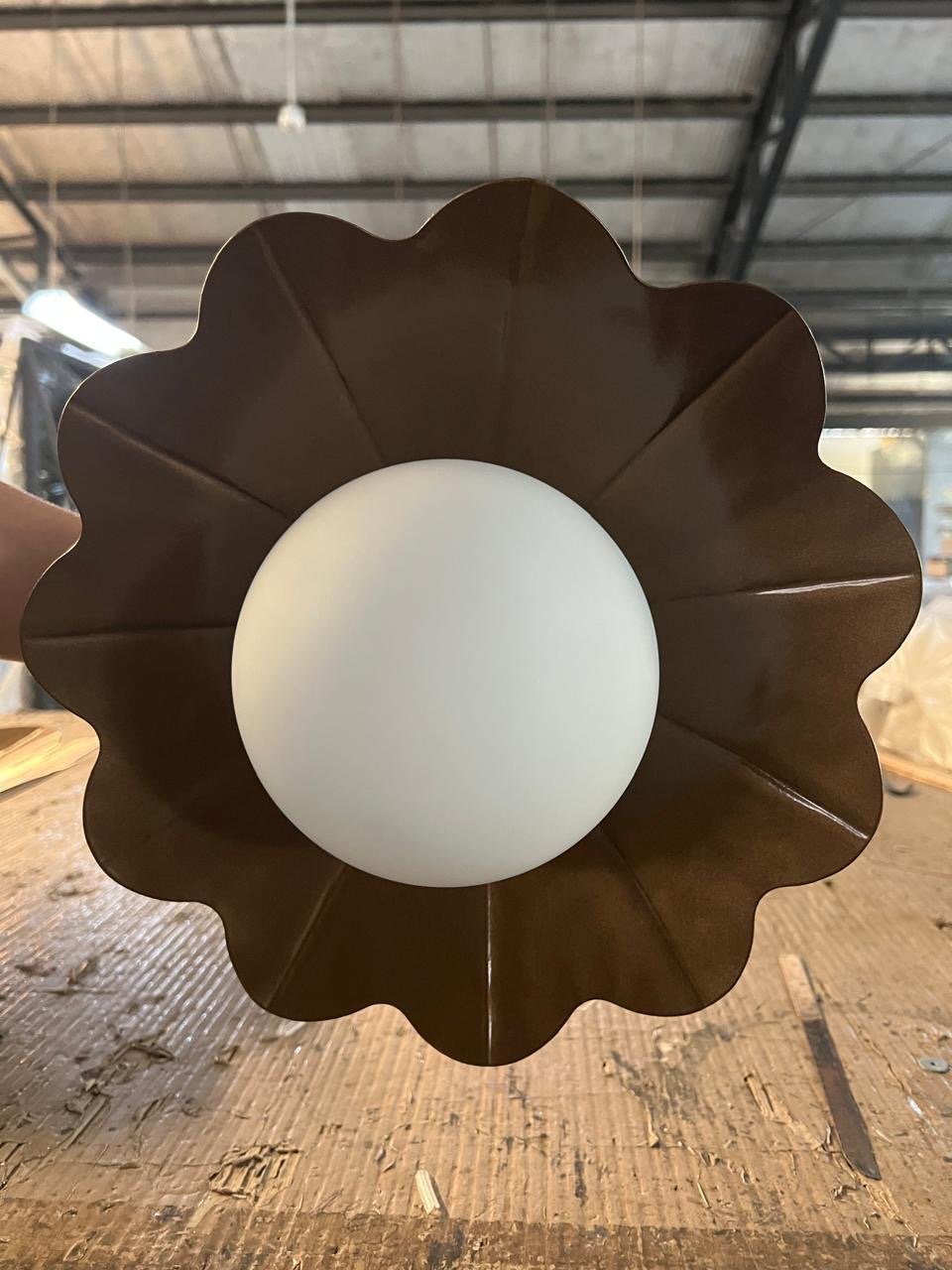
“These works are designed to bring a sense of levity to any surface. Because these pieces are an investment, we want to make sure that simply looking at them makes your day a bit brighter—pun intended!”
JJ ACUÑA
Light is the most ephemeral material an architect works with. In Luz de Flores, the material palette acts as the primary editor of that light. What was the rationale behind selecting metal, especially the industrial sheen of Chrome 26, which stands in stark contrast to the soft floral shapes and the vibrant color palette?
JJ Acuña: VENZON has a really great selection of finishes in their collection. When getting a bespoke VENZON lamp, the market generally orders brass, bronze, copper, and antiqued finishes. Actually, the prototype versions of these lamps installed in the Singapore clinic were in a beautiful brass, which is completely within the VENZON wheelhouse.
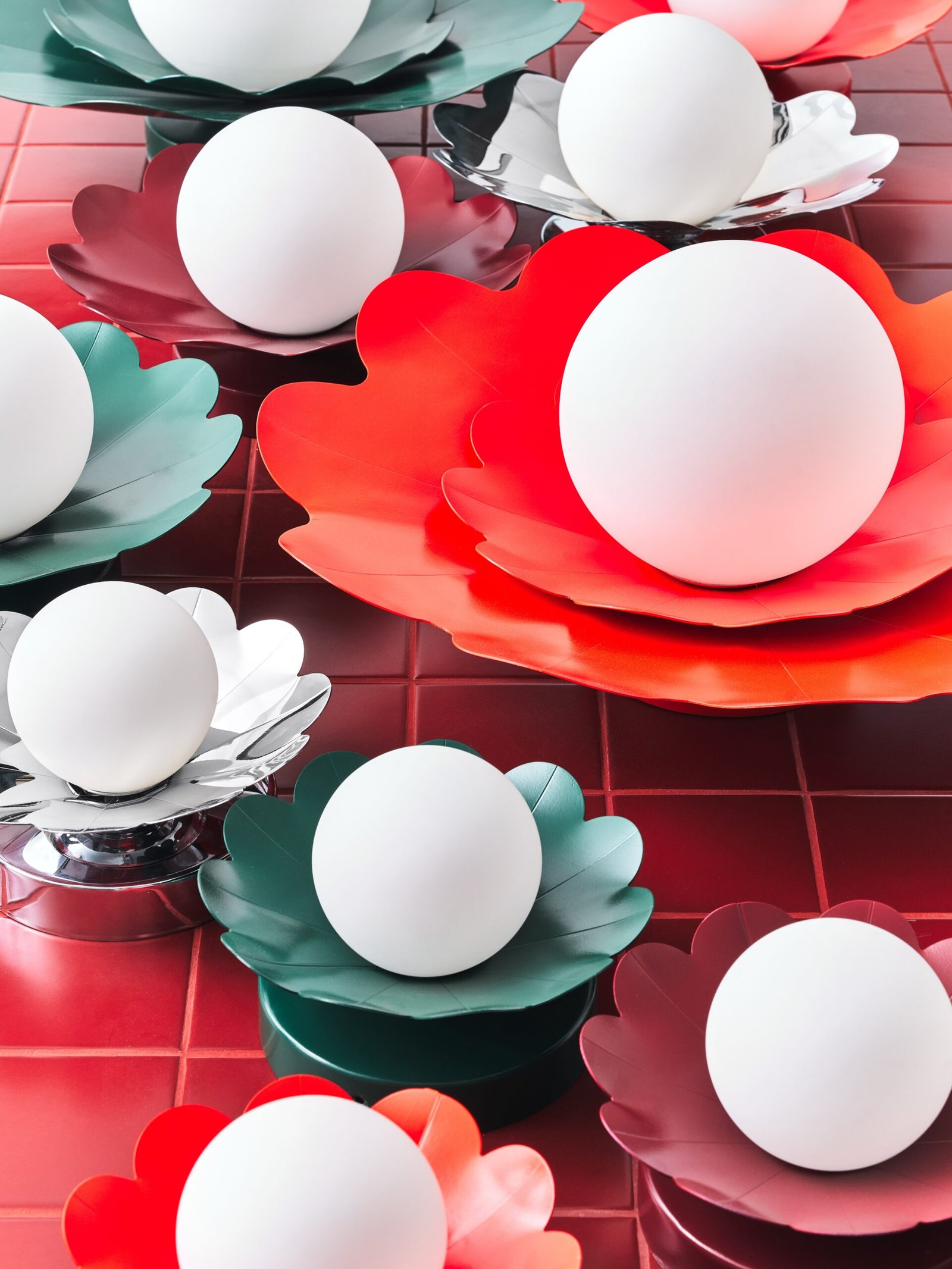
When we picked the colors Pommy, Toma, Forest, and Chrome 26, we made sure that all four unique finishes would be completely new to the VENZON brand. I just wanted a collaboration with VENZON that would make them feel excited and challenged. I was also very careful to pick colors that would not lean too far toward either the feminine or the masculine.
For the powder-coated finishes, I wanted colors found in nature, not traditionally floral ones. And for Chrome 26, I felt that it was time for VENZON to add silver or stainless steel to their existing gold and brass palette. I think it’s because I’ve recently finished a few projects in Manila, like La Chinesca and BROVAGe, that use plenty of stainless steel, and I felt this was the material that design lovers respond to well at the moment. I like it because it reminds me of machinery, UFOs, and forward movement.
Now, the transition from a 2D sketch to a 3D prototype is rarely seamless. What was the most significant material reality or point of practicality you encountered that forced a pivot from your original vision? And how did the collection evolve from those one-off clinical roots?
JJ Acuña: When we initially modeled the piece, we thought it was cute and a bit mad. We wondered whether the client would respond well to the wall sconces we created for the clinic. But I have to testify that when we received the lamps, in brass for the clinic, and installed it on the wall and then turned it on—the light and the way it played with the gold features really made the concept come alive.
Each individual petal was folded at the center with a seam, and we felt this was the best way to mirror an illumination. VENZON prototyped the petal seam locations, determining whether they would be between petals or at the center of each petal. They also offered the glass globes to size differently depending on the scale of the model. They made it work, and they just make it look so easy. My job was to make sure that the drawing heights and proportions made sense for the various uses of the pieces and for how we imagined they would eventually be used. Overall, the outcome was a pleasant surprise.
Of course, there’s always the technical documentation that goes back and forth and the 3D modeling of the pieces, but at the end of the day, it is the craftsmanship, engineering, and know-how of VENZON that really bring the whole concept to life in such a magical way.
We are seeing a growing number of cross-disciplinary collaborations within the local design community. Do you believe this cross-pollination is a sustainable model for the Philippine design industry to mature?
JJ Acuña: To be honest, we started our presence in Manila with my studio from 2022 to 2023, with a few Manila projects that went live shortly after the end of COVID. At that time, most of our work was in Hong Kong, and we fabricated all our bespoke pieces in Guangdong Province. But working in Manila and sourcing locally, while delivering to our Manila clients the quality of goods we have come to accept as the standard in Hong Kong, was surprisingly doable. We have found our local partners in the Philippines to deliver bespoke items to the standard we expect, and VENZON is certainly one of those high-standard fabricators.
Our Singapore project was a great example showcasing how Philippine fabricators are well-suited for global bespoke projects, and we hope that this kind of collaboration allows us to bring our lighting collection to our Hong Kong clients and, hopefully, beyond. I think it’s just a great idea for a studio like ours that operates in two countries, and me as a Filipino who totally believes in the Philippine craftsmanship and ingenuity—these types of intersections are a great way to promote what our countrymen can do, hopefully on a global scale, customer base, and for design lover that wants something new, refreshing, and unique.
Let’s close with a bit of scene-setting! Suppose the Luz de Flores collection was the protagonist of a single room. What does the rest of the scene look like? What’s the drink on the side table, and who is (or are) basking in its glow?
JJ Acuña: Haha, love this question! I imagine the type of person who has a Flor M Wall Sconce in Toma above their bed would be a 16-year-old high school student drawing in her sketchbook and applying to colleges. My friend Scott, a 50+ year-old photographer, inquired about the Ramo Especial in Chrome 26 to be placed in his Man’s Den and record room, which is already decorated with a mod 60’s vibe. We are definitely drinking Negronis together with this light turned on, and everything else is kept moody.
I also see Flor L in Pommy as a pendant lamp over a nice dining table for a young couple sharing their first condo out of university. I see some fabulous Tita, maybe an avid art collector, who has a wall full of Flor M and Flor S sconces in Forest, greeting guests in the foyer as they enter a house for a big birthday bash. The most important thing is that these pieces are meant to add levity and lightness to people’s lives. Well, that is my intent anyway!
The Maker: Alexis Venzon of VENZON Lighting
Hello there, Alexis! VENZON has long had an established design vernacular anchored in organic, sculptural metalwork—the brand’s Le Palm lamps for the National Museum of Anthropology come to mind. Was Luz de Flores your first time collaborating intimately with an architect, and how did JJ’s architectural point of view shift your workshop’s standard technical approach?
Alexis Venzon, Brand Manager: We’ve been very lucky to collaborate with many esteemed local designers across architecture, interior design, and industrial design over the years, but this was our first time working this intimately and collaboratively with a designer from concept to execution.
JJ is incredibly precise about every detail and choice he makes, but what really makes him special is how generous he is in sharing the intention behind them, so that we, as the makers, truly understand the meaning behind the pieces we are making. He was not afraid to let us into his inner world and show us why he dislikes certain shapes or forms, or show us why certain colors spark more joy in him than others. For many creatives, this kind of back-and-forth can feel deeply personal and, at times, emotionally exhausting. Working so closely with JJ has been such a gift because of how open-hearted and generous he is with the people he collaborates with.
The way I would describe JJ’s design approach is that when he creates something, he is not simply trying to make a beautiful design or object. He is building a world around it, and he is very specific about how the pieces should be experienced. When we talked about creating an entire collection around the floral wall lights JJ had originally designed for the women-centered IVF clinic in Singapore, the context completely changed because he wanted the collection to feel fun, whimsical, but also accessible.
VENZON has always been known for large-scale bespoke chandeliers and statement pieces, and those naturally require a certain kind of space and investment. He challenged us to think about how VENZON could translate its design language into pieces that were playful, collectible, and easier to live with, that could move in and out of condos, studios, or smaller homes while still carrying the same experience as our larger works.
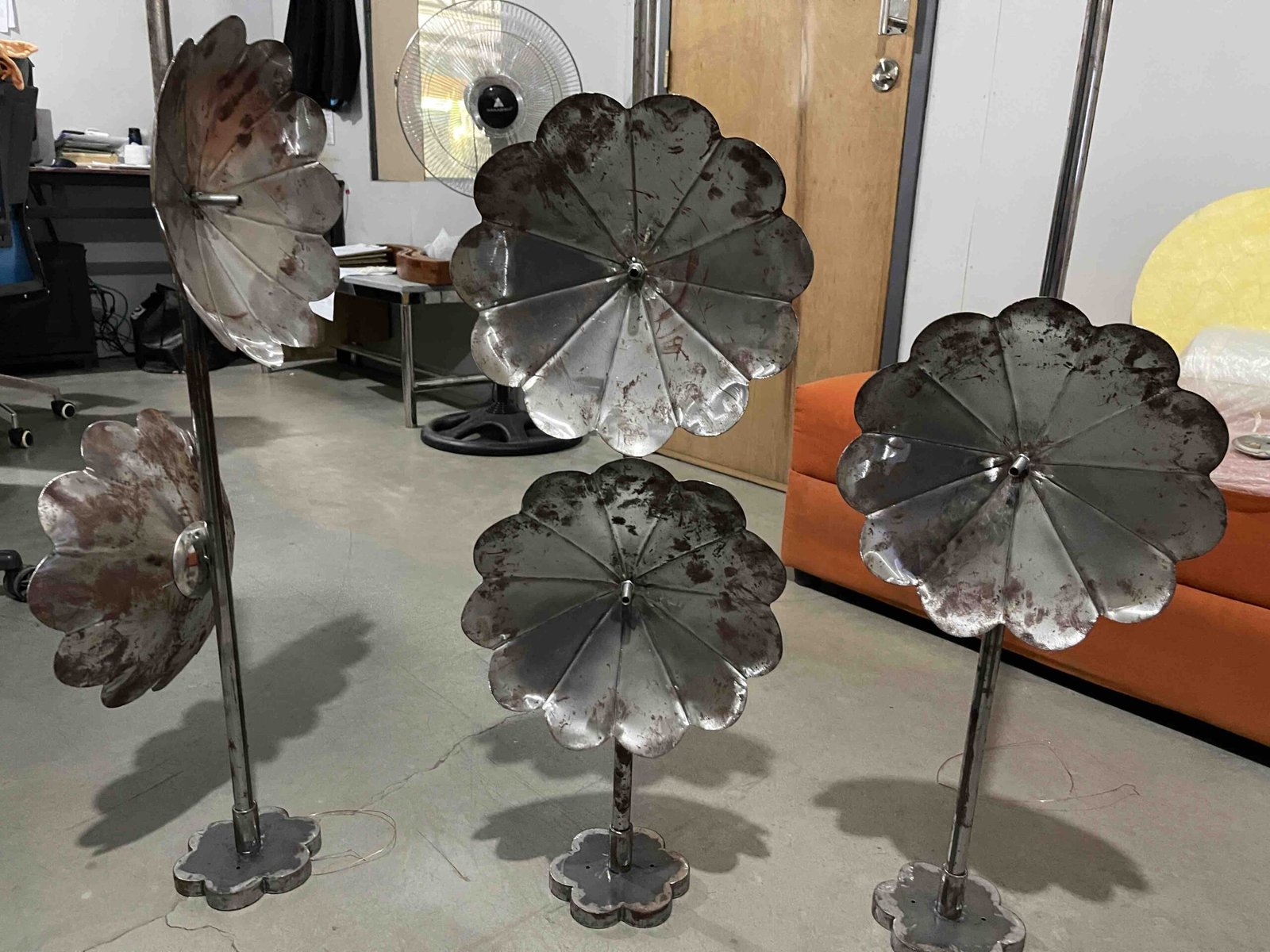
One of the biggest material challenges for us was developing the chrome-plated finish. JJ initially proposed it because it felt fresh and exciting in the current design landscape, but it was something we hadn’t worked with extensively before. Chrome plating is extremely unforgiving because every imperfection in the metal becomes visible once the finish is applied, so it demands a completely different level of precision from our team. We went through multiple iterations, experimenting in-house while also collaborating with external craftsmen who specialize in chrome finishing.
There was a lot of trial and error involved because if a piece wasn’t executed properly from the start, we had to start over. But that process ultimately pushed us to expand our capabilities as a workshop, and we’re incredibly proud of what we achieved.
A lamp is a sculpture until the light is turned on. How did the collaboration navigate the natural tension between the visual silhouette of the object and the technical requirements of light distribution?
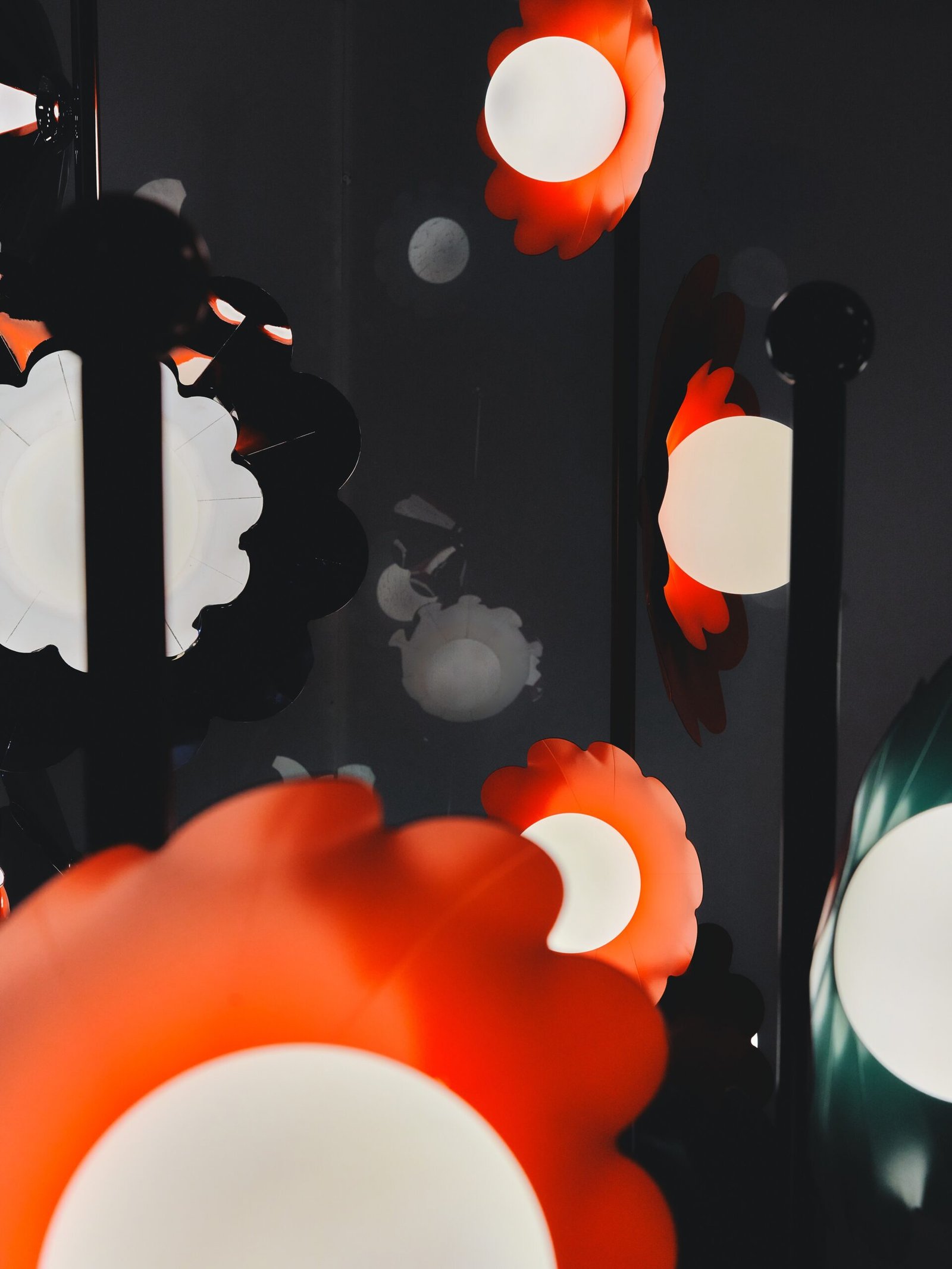
Alexis Venzon: It was actually very exciting to navigate the balance between the visual intent and technical requirements of the collection because the idea itself is slightly contradictory. The pieces are meant to feel bold and expressive enough to function as statement objects, while still belonging naturally within intimate spaces. JJ approached this with bold finishes and the flower’s irregular, organic shape, which gave the collection its playful, sculptural presence, while VENZON focused on how the light itself could soften and transform the atmosphere around it.
The light they emit feels soft, intimate, and calming, which creates a beautiful contrast to the boldness of the forms. Achieving that specific atmosphere became both a creative and technical evolution for the workshop.
To realize the Luz de Flores forms, what was the greatest material or engineering challenge your workshop faced? Describe a detail that a layman might miss, but a fellow lighting designer would instantly recognize as a technical achievement.
Alexis Venzon: I think the biggest game changer for the collection was making the table lamp and the small and medium wall lamps fully rechargeable and dimmable. They come with a 1W USB-C charger and dimmable bulbs that can last more than 36 hours on a full charge. This means the pieces can be placed anywhere in a space without worrying about wiring, and, more importantly, without the visual distraction or inconvenience of exposed hanging wires.
For a small workshop like ours, making technical innovations like this can honestly feel like a risk, especially when such details can easily go unnoticed. At the end of the day, we are choosing to invest in technology that some people may not immediately deem necessary, while also trying to manage pricing and hoping people are willing to invest in pieces that not only look beautiful, but are also technologically innovative. You really have to be passionate about lighting and innovation to understand the level of engineering and technical development that goes into seemingly small details like that.
Working with an external voice often forces a heritage manufacturer to re-examine its own path. Was this the case with you and JJ? How did realizing Luz de Flores impact on VENZON as a brand, as one of many players hoping to stand out and stay afloat in the contemporary design market?
Alexis Venzon: When we were developing this collaboration, we really wanted it to feel like a love letter to the burgeoning and thriving local creative community around us. There is so much exciting energy happening right now across music, art, fashion, and design, and we feel like people are really taking risks and putting themselves out there, and we wanted to create pieces that felt connected to that spirit and cultural momentum.
Working with JJ Acuña really inspired us to think beyond the scale and context people usually associate with VENZON. While the brand has long been known for large-scale bespoke chandeliers and statement lighting, this collaboration challenged us to explore how our design language could translate into pieces that feel more accessible without losing the craftsmanship, technical precision, and emotional presence that define the brand.
We’ve been part of the design and manufacturing industry for a long time, and one reality is that locally made furniture and lighting can still feel niche or unapproachable. Luz de Flores became our way of opening the world of VENZON to people who deeply appreciate local design and craftsmanship, but may live in smaller spaces or simply want something more approachable and flexible for everyday life.
Time to let you off with a bit of soul-searching. When someone is dusting this fixture twenty years from now, what is the one quality about Luz de Flores you hope they find surprising and resonant?
Alexis Venzon: I hope that when people encounter Luz de Flores twenty years from now, they are surprised by how much joy and playfulness are embedded within the collection. There is so much seriousness and restraint in design right now, especially with the popularity of more muted and minimal aesthetics, but we really wanted to push against that and create something that felt expressive, whimsical, and alive.
More than anything, I hope people can still feel the sense of fun and freedom that existed while we were making these pieces. The entire process of working with JJ Acuña has been incredibly fun, creative, and challenging in the best way, and ultimately very worth it because the collection feels like a genuine expression of the joy, freedom, and creative energy we are experiencing in our lives right now. •