Interview Patrick Kasingsing
Images Patrick Kasingsing and Bahay Nakpil-Bautista
Editor’s note: This article is a conversation on one of Metro Manila’s most storied homes, the Bahay Nakpil-Bautista, which was once the home of Lakambini ng Katipunan Gregoria de Jesús. Below are snippets of our interviews with conservation architect Raj Busmente and artist Mercedes Olondriz, fifth-generation descendant of Gregoria de Jesús.
Interview with Raj Busmente
In a 112-year-old structure, “originality” can be a moving target. For the public’s benefit, how do you technically distinguish between a circa 1914 intended finish and a later utilitarian layer, or even a chemical reaction that may have bonded with the substrate over a century? What factors also drove you and the foundation to collectively decide on the house’s as-built color as “the state” you wanted to banner, as opposed to other lived-in “states” this storied house has endured?
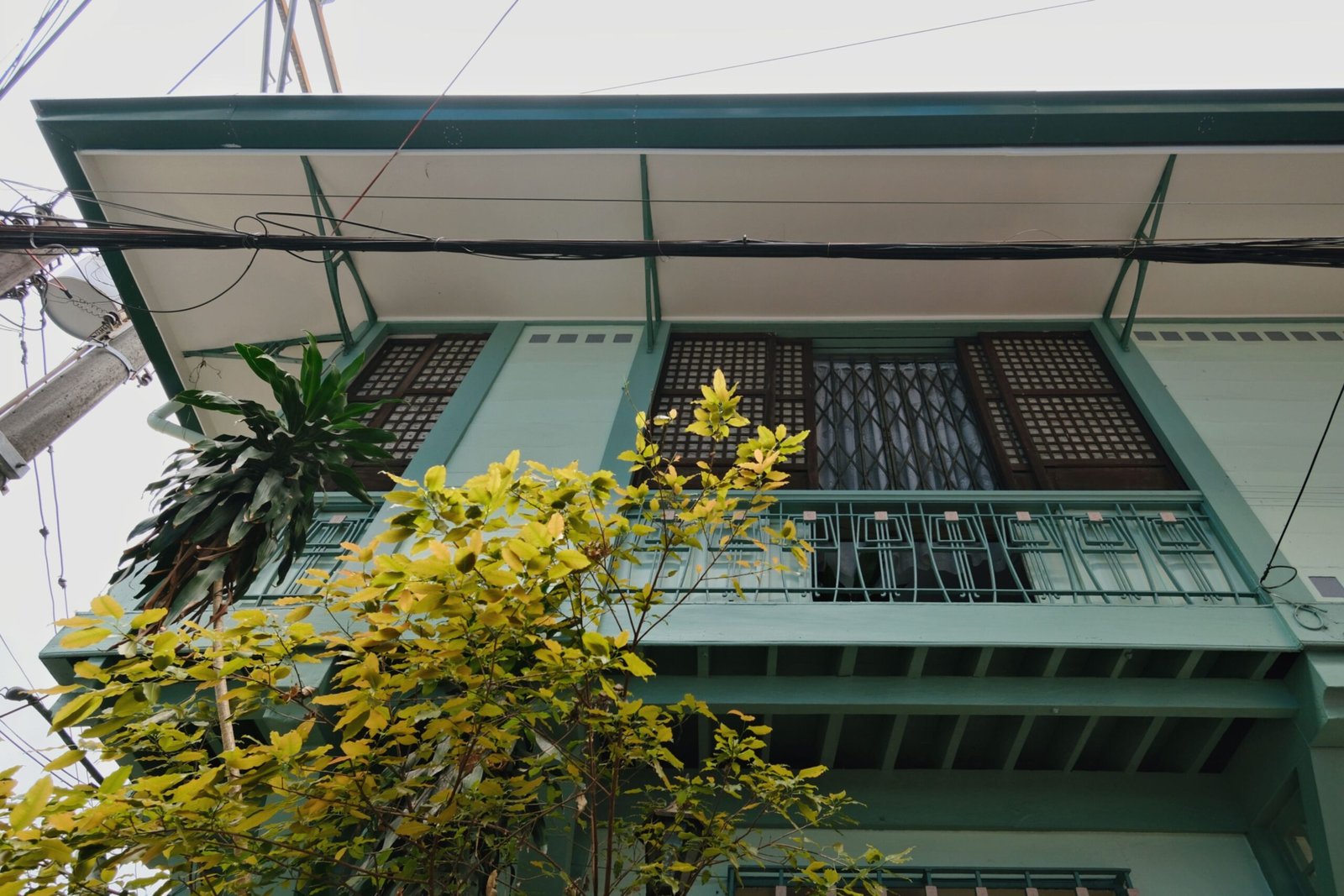
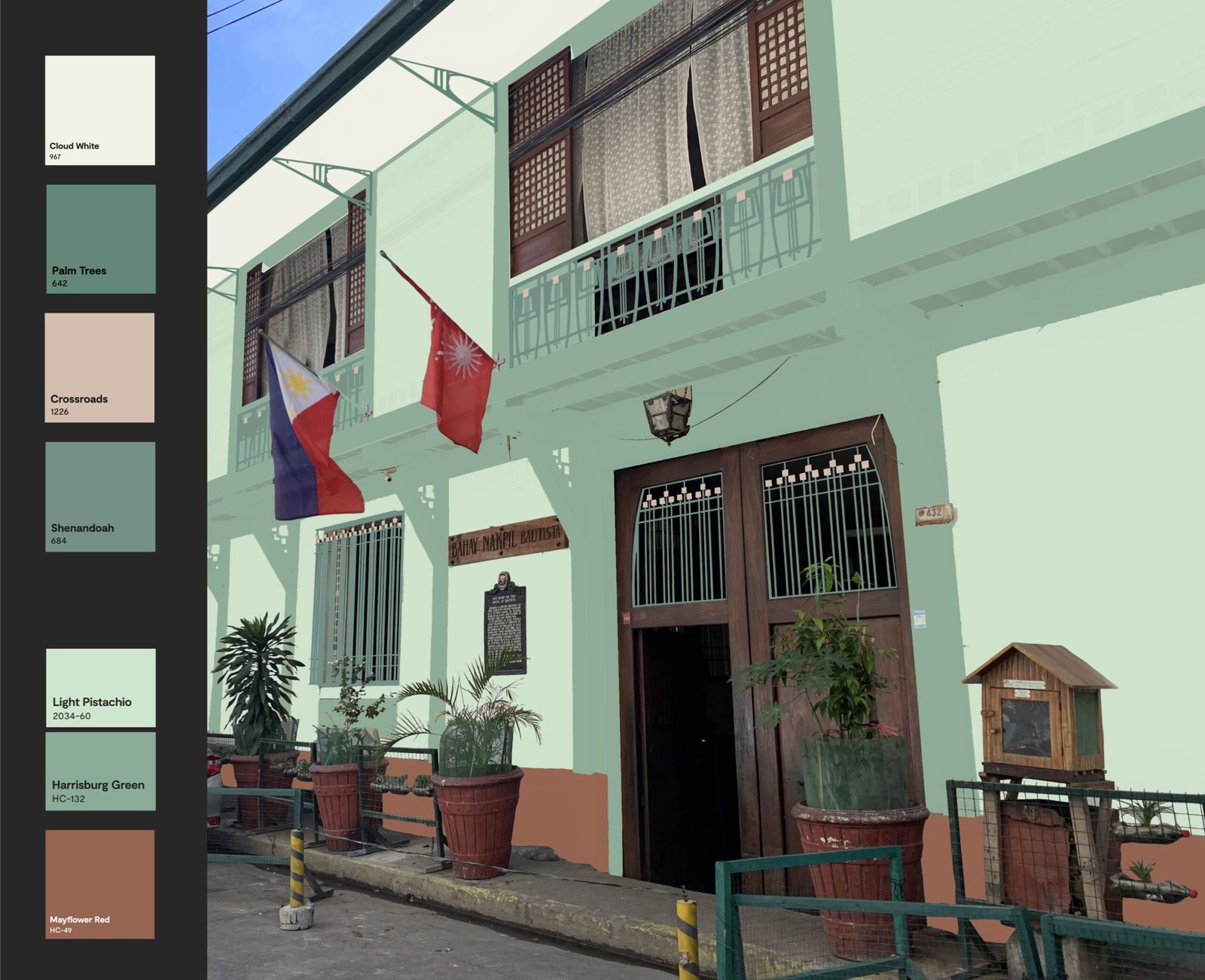
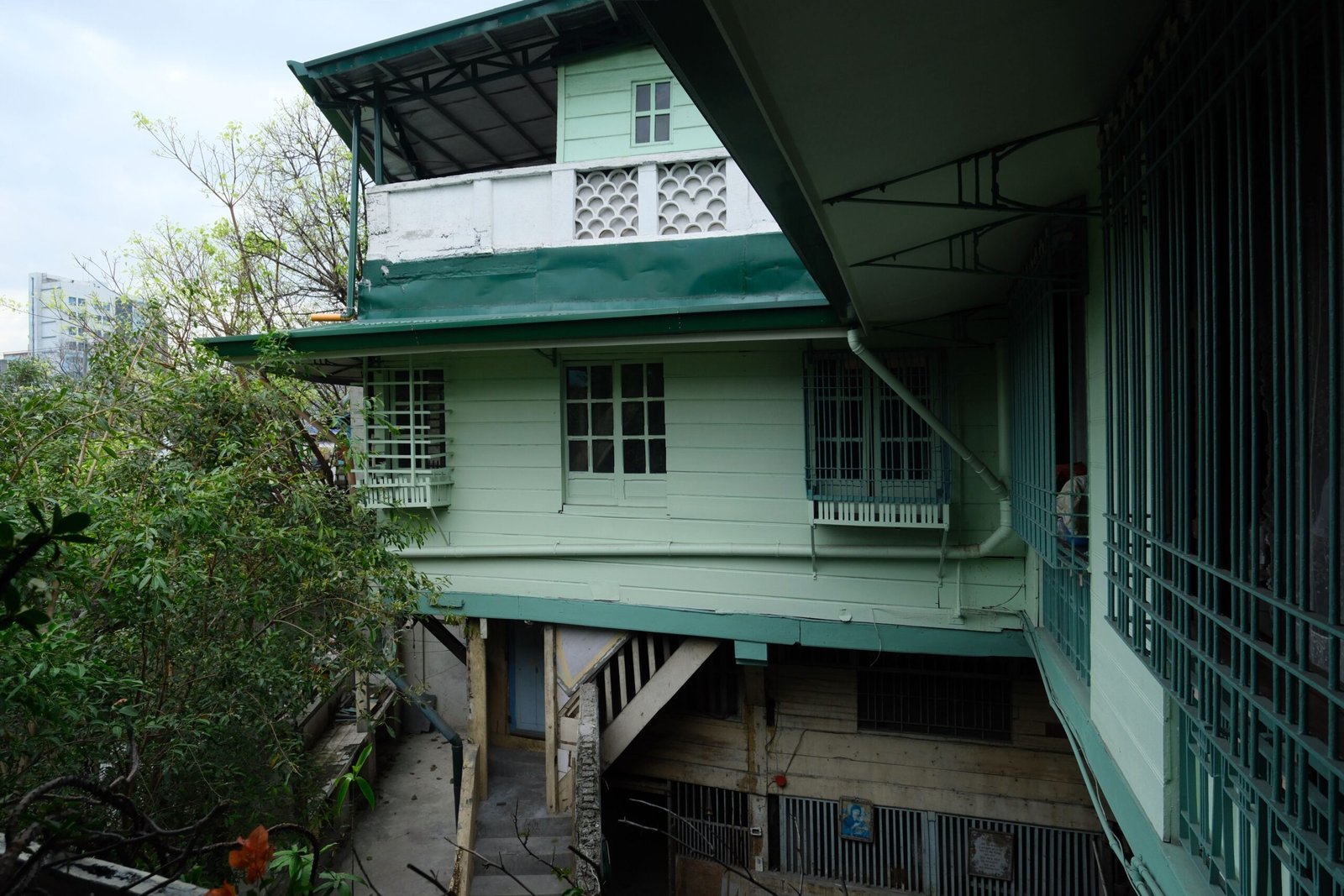
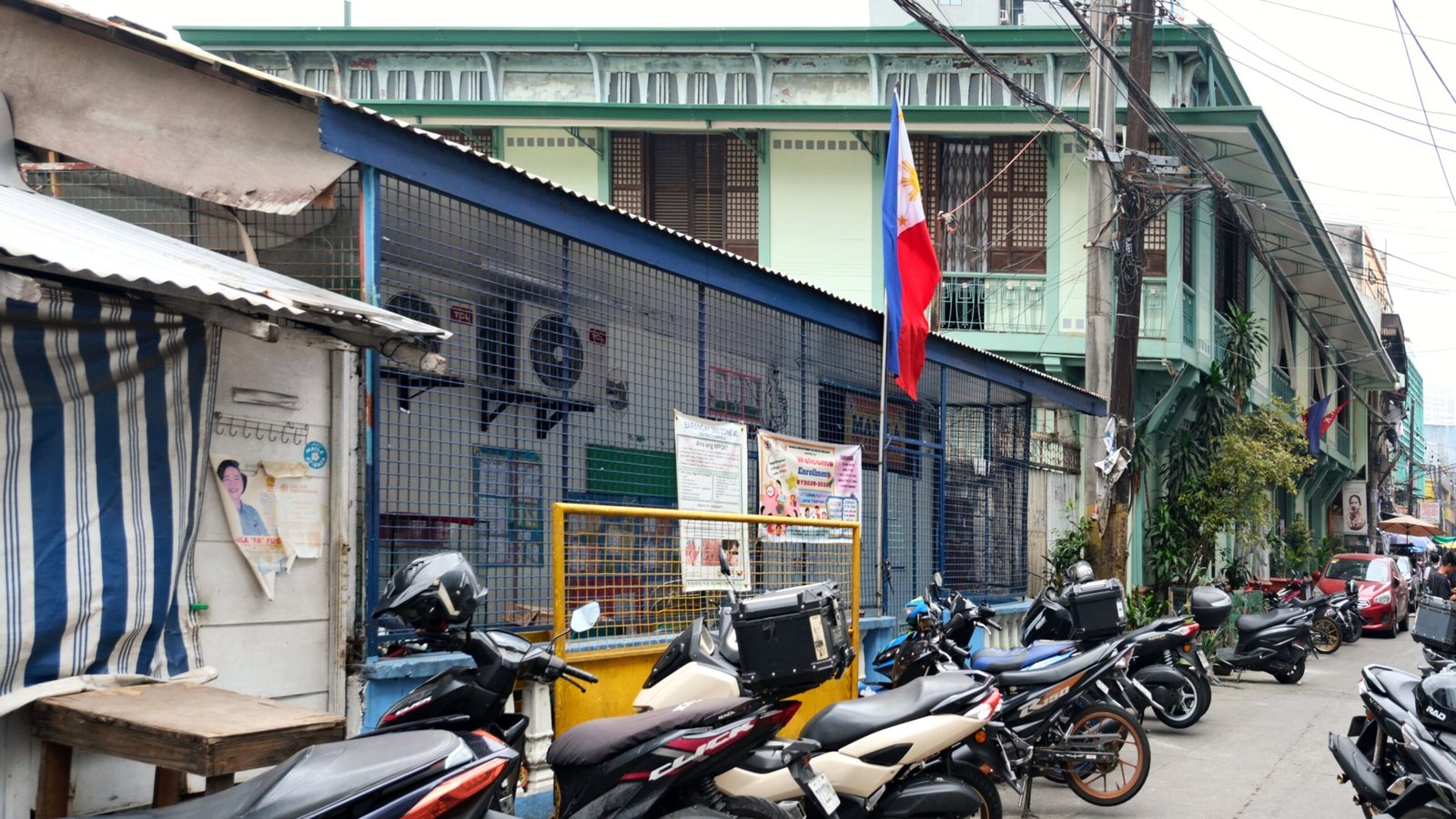
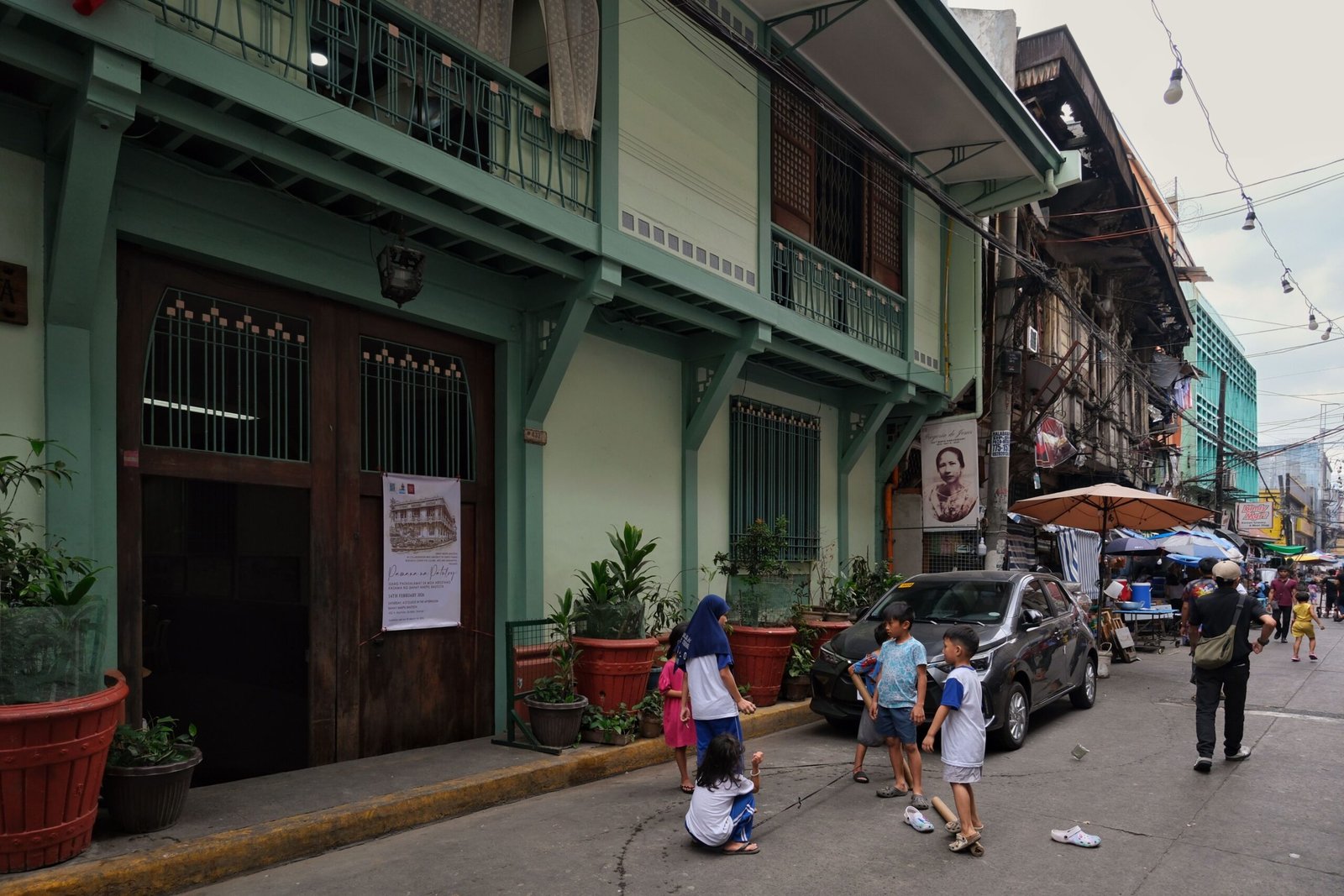
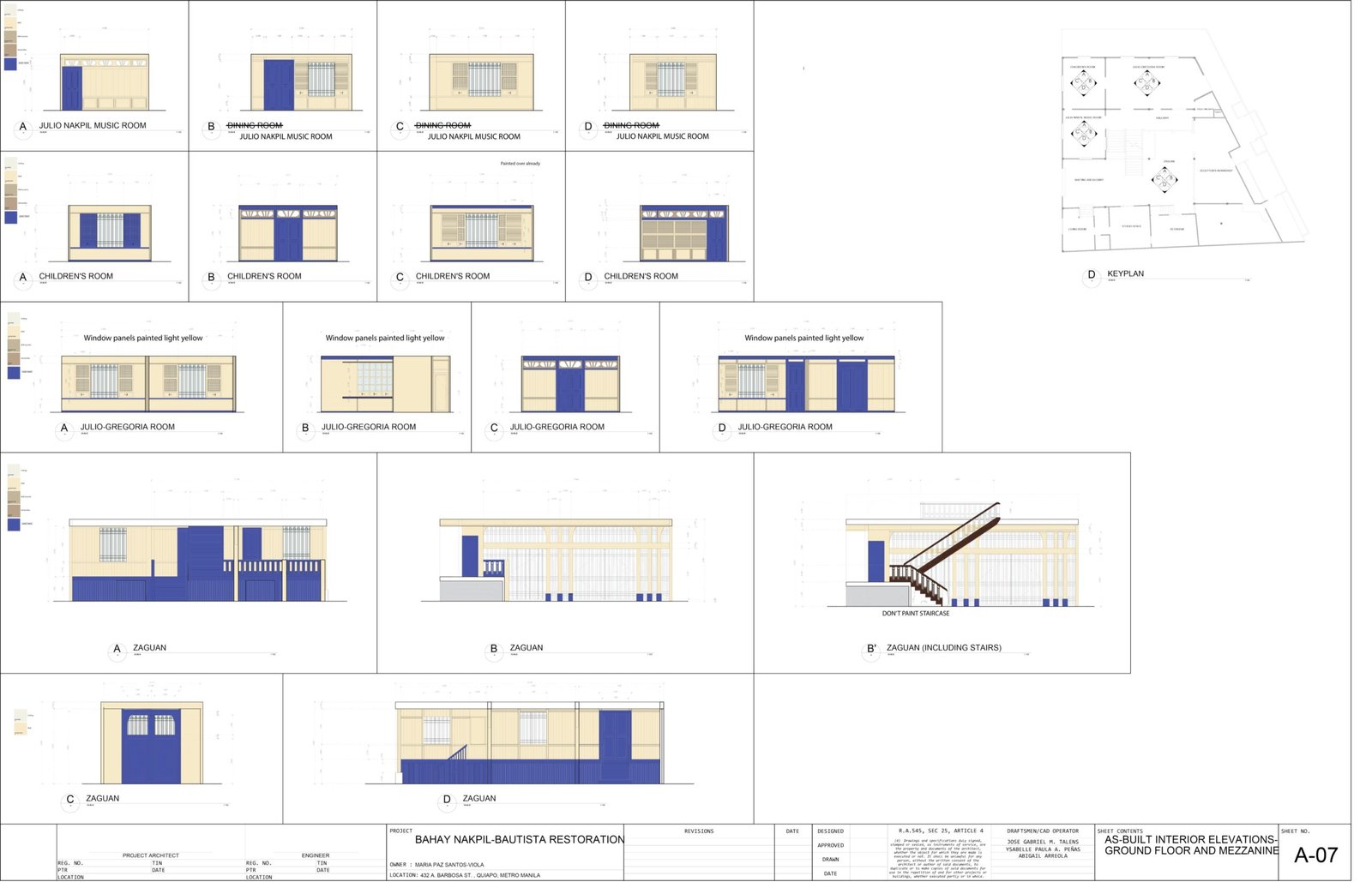
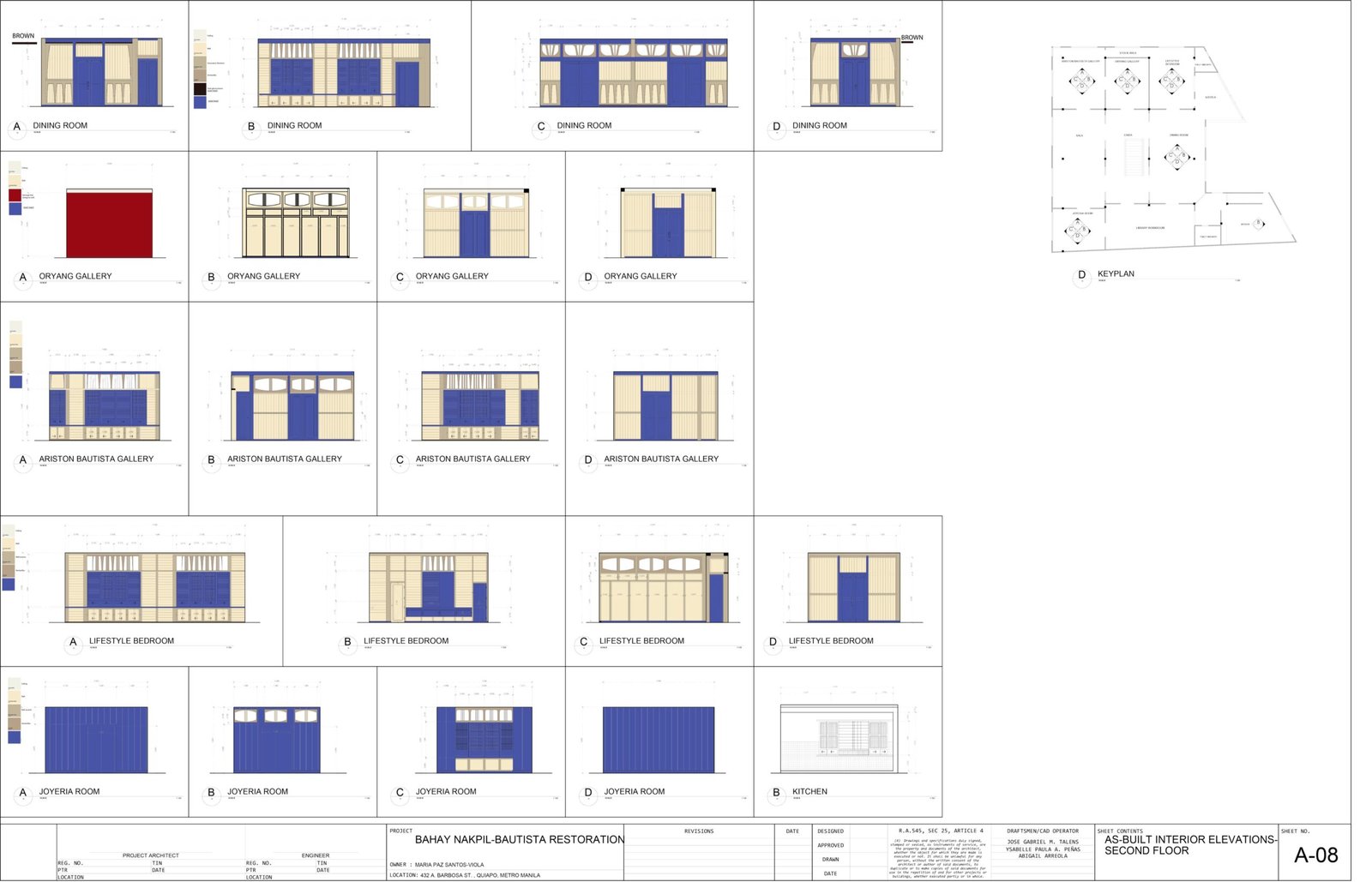
Raj Busmente, conservation architect: The findings from scraping paint samples revealed a range of colors in shades of light green. The team, family members, and consultants suggested these hues would be suitable for the exterior. For the interior, the group collectively agreed to maintain the existing color palette. Determining the precise chroma, hue, or tone of the original paint was not achieved.
Our paint laboratory in the Philippines is geared toward car paints, while conservation laboratories here do not yet have the full range of color listings, studies, or archives available. Without such data, unraveling the paint mixes from the 1900s to the present is difficult. Generally, discussions point to the availability of lead and even asbestos, as well as base materials that may have been mixed into paints from the early 1900s up until the 1970s. The foundation ultimately chose from the scraped colors that revealed the house’s past, guided also by pragmatic considerations.
We seem to be culturally conditioned to see “weathered patina” as the ultimate sign of heritage or historicity. From a conservation standpoint, at what point does preserving the physical age of the material begin to actively betray the architectural intent of the building? Did the scraping of the façade for its original hue also reveal other interesting tidbits of information about the house’s provenance?
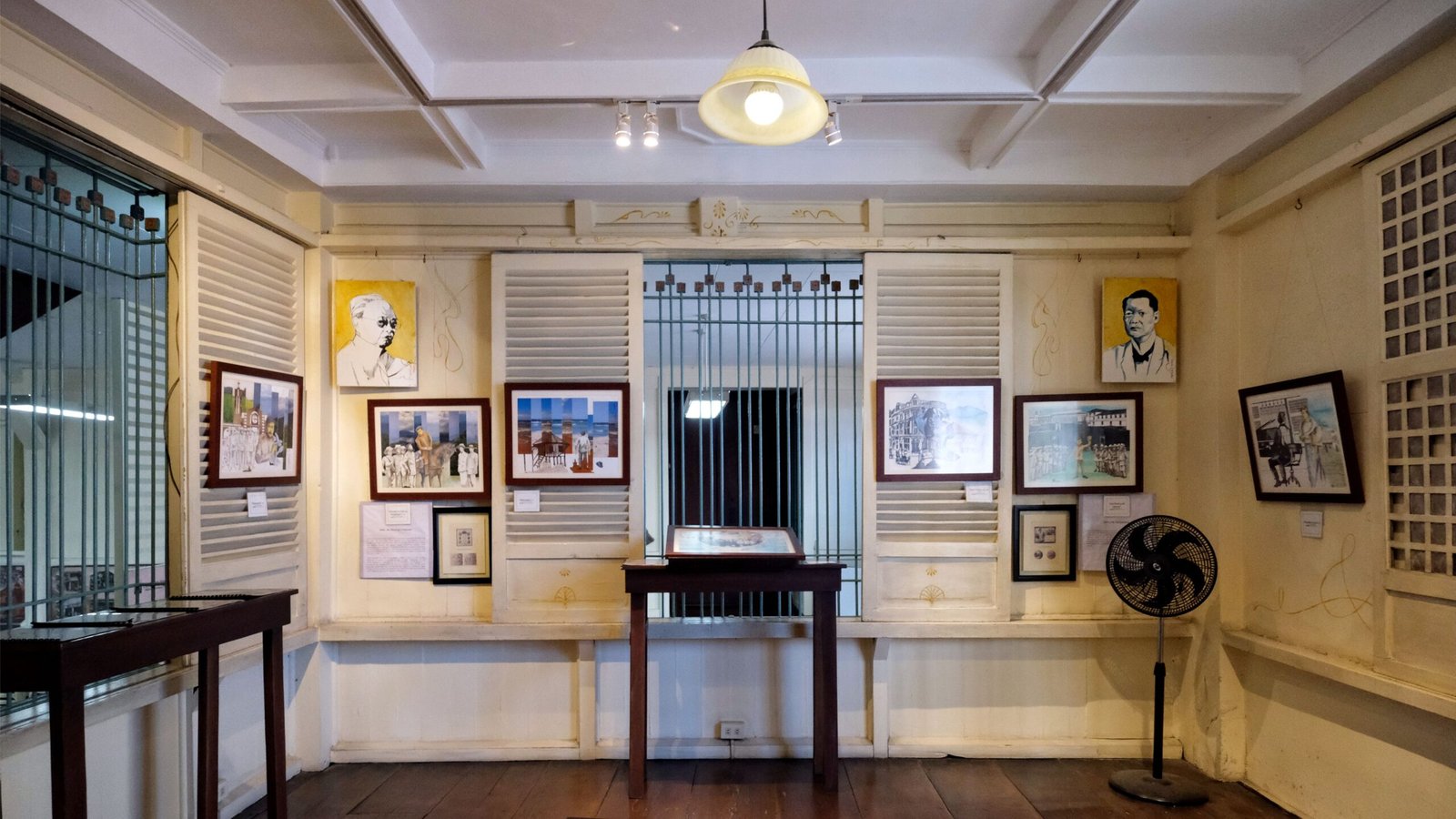
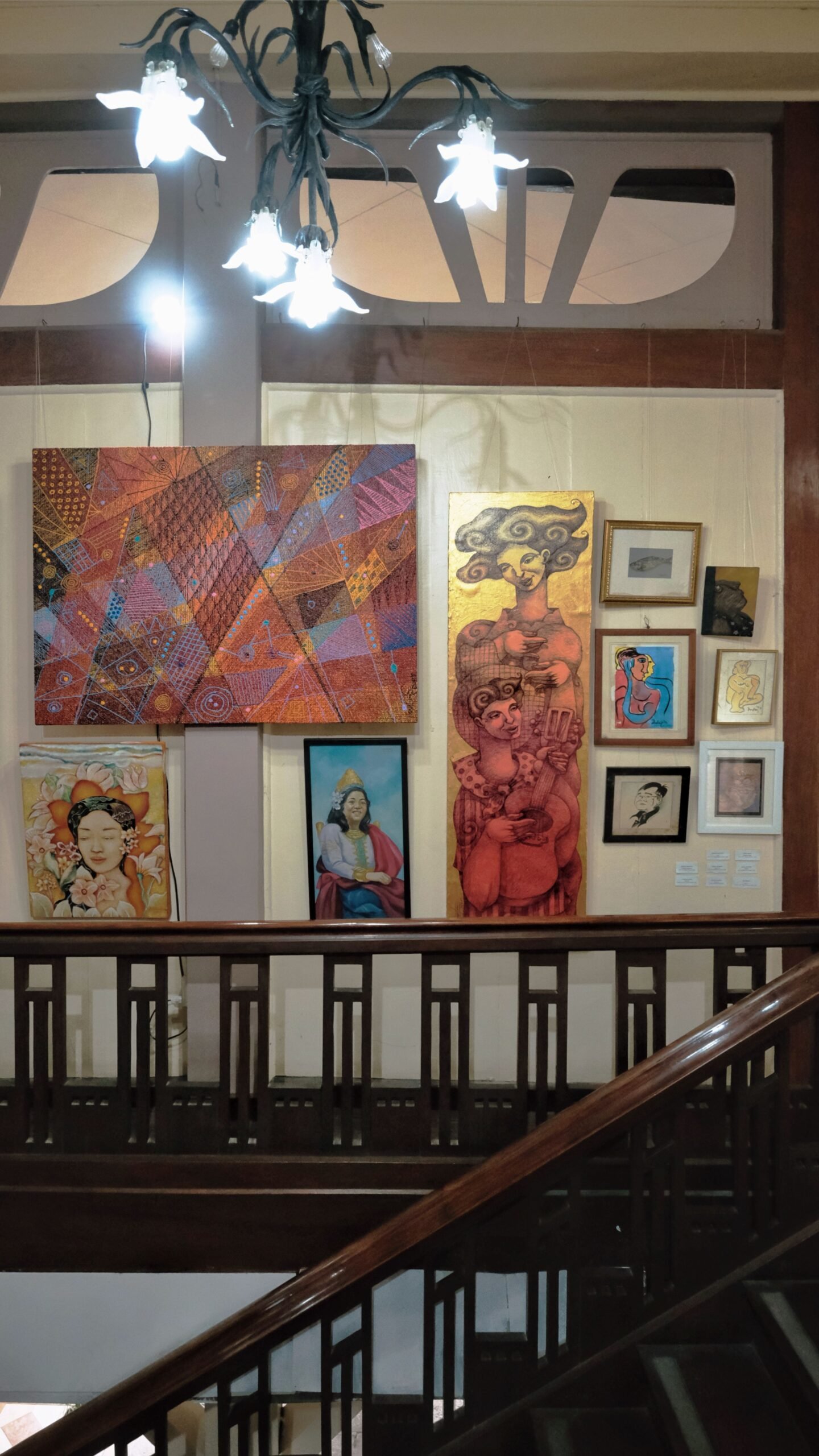
While preserving—or even attempting to restore—similar colors through conservation methodology may seem clinical, it does not always capture the narratives most significant to stakeholders. Some may choose to prioritize colors that convey intangible meanings, such as highlighting the Katipunan aspect of the “Oriang” dedicated room. Interpretations can be numerous and multifaceted. In practice, some museum spaces were kept close to what was scraped, others were reinterpreted, and some were left untouched to preserve the integrity of the material.
Several conservation philosophies guided these decisions. One is Camilo Boito’s theory on modern conservation. Another is Beatriz Kühl’s assertion: “We are facing an arbitrary diminishing of historical testimonies, because its historicity and the features that express the passage of time are considered irrecoverable and irreproducible” (Kühl, 1998:109). I also think back to John Ruskin’s thought that true restoration is impossible, as one cannot truly replicate the original materials.
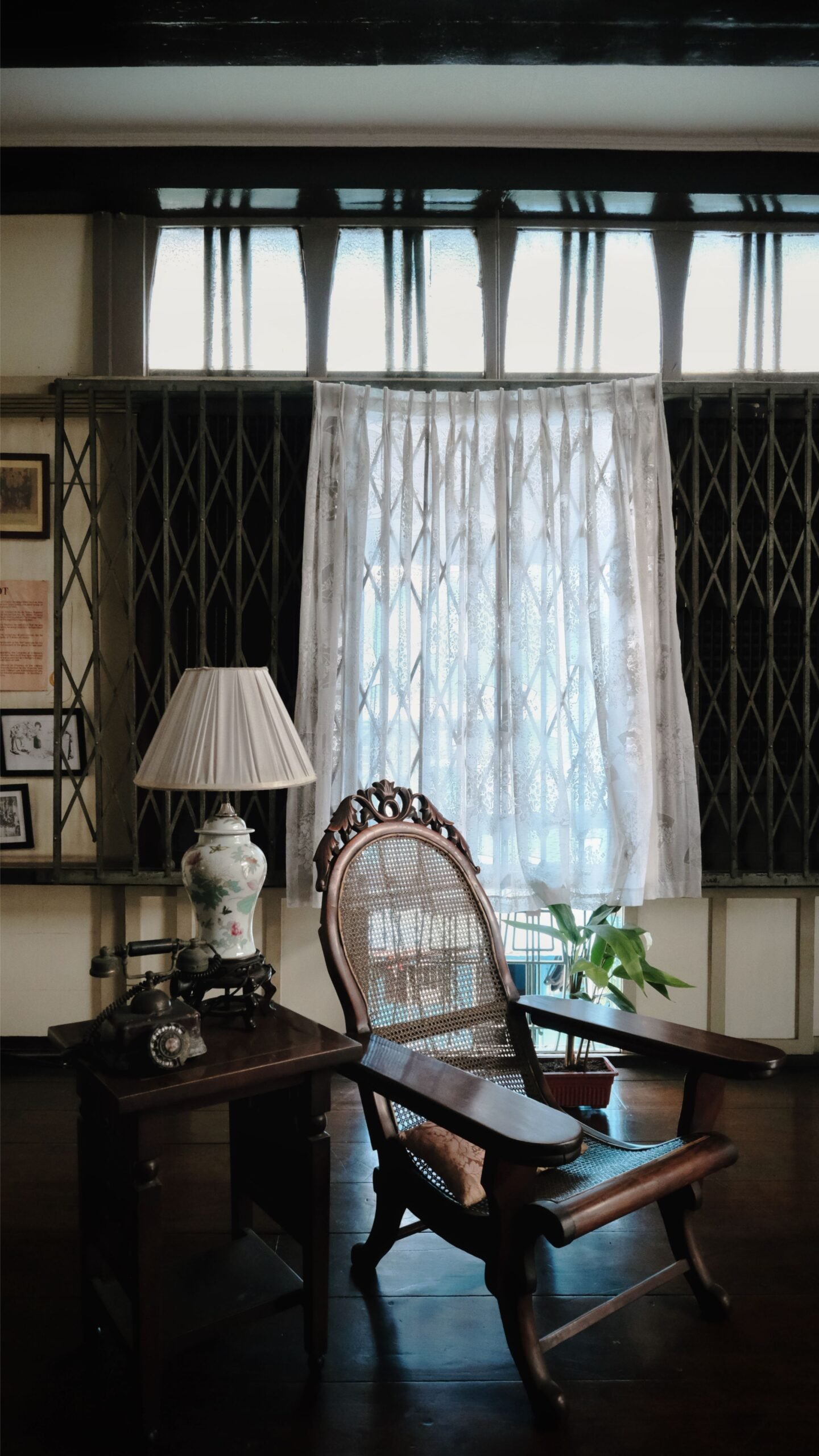
Modern paint systems have different vapor permeability than 1914 pigments. What were the specific structural anxieties in wrapping the Bahay’s aged tropical hardwoods in a 2026 chemical skin, and how did the building’s present condition affect your technical choices?
Since the existing old paint consists of several layers accumulated over the last few decades, we are not certain whether we are dealing with issues dating back to the 1900s or as recent as the 1990s. For now, the family, technical experts, and the Surface Sense team will be monitoring for any chemical reactions or problems that may emerge along the way. Moisture trapped in some wood panels has begun to appear; however, this seems to be more of a waterproofing concern. We intend to continue observing and documenting any visible reactions.
When the paper trail for the house’s original finishes ended, how did you and the foundation navigate that fine line between forensic reconstruction and educated architectural conjecture? What would you consider the most valuable insight or lesson you’ve gleaned within the project?
The foundation closely observed the process of selecting paint, which involved taking samples from various areas of the house. These samples were labeled, inspected, and identified. Technical assistance was sought, though documentation of the work is still ongoing. Final decisions were made through consultations with technical experts and family members.
As with any heritage site, the story continues to unfold. We see this as a learning experience rather than a one-time, complete effort. The process reveals new insights into how the structural system was created (something that may become another feature of Bahay Nakpil-Bautista, though perhaps it is too early to speak about it). We have also encountered methods from the past that are still in use today, some of which do not even have established terminology yet. It remains a continuous box of surprises along the way.
Conversation with Mercedes Olondriz
Mercedes, you moved from being a descendant living within a storied family’s story to helping manage the program of a National Historical Landmark. How did the physical act of ‘scraping’ the house and uncovering a new facet change your relationship with the building? Upon proving the stories that spoke of its hue, what convinced the family to turn back the clock on its façade color? Are there other aspects of the Bahay’s history that the foundation is making plans to restore to its original state?
Mercedes Olondriz, visual artist: Since no photographs of the house from the early decades of the 20th century have surfaced, the idea that it was once a particular shade of green has always felt like an itch you couldn’t quite scratch. Tito Butch, known to many as Prof. Fernando Zialcita, was especially passionate about embracing the house’s former colors if we ever had the chance to repaint it.
Leading the investigative work, carefully scraping small sections around the house, was genuinely exciting. More than anything, we were eager to uncover what had been hidden beneath the surface all this time—whether the paint layers would confirm the stories we grew up hearing or reveal something entirely unexpected.
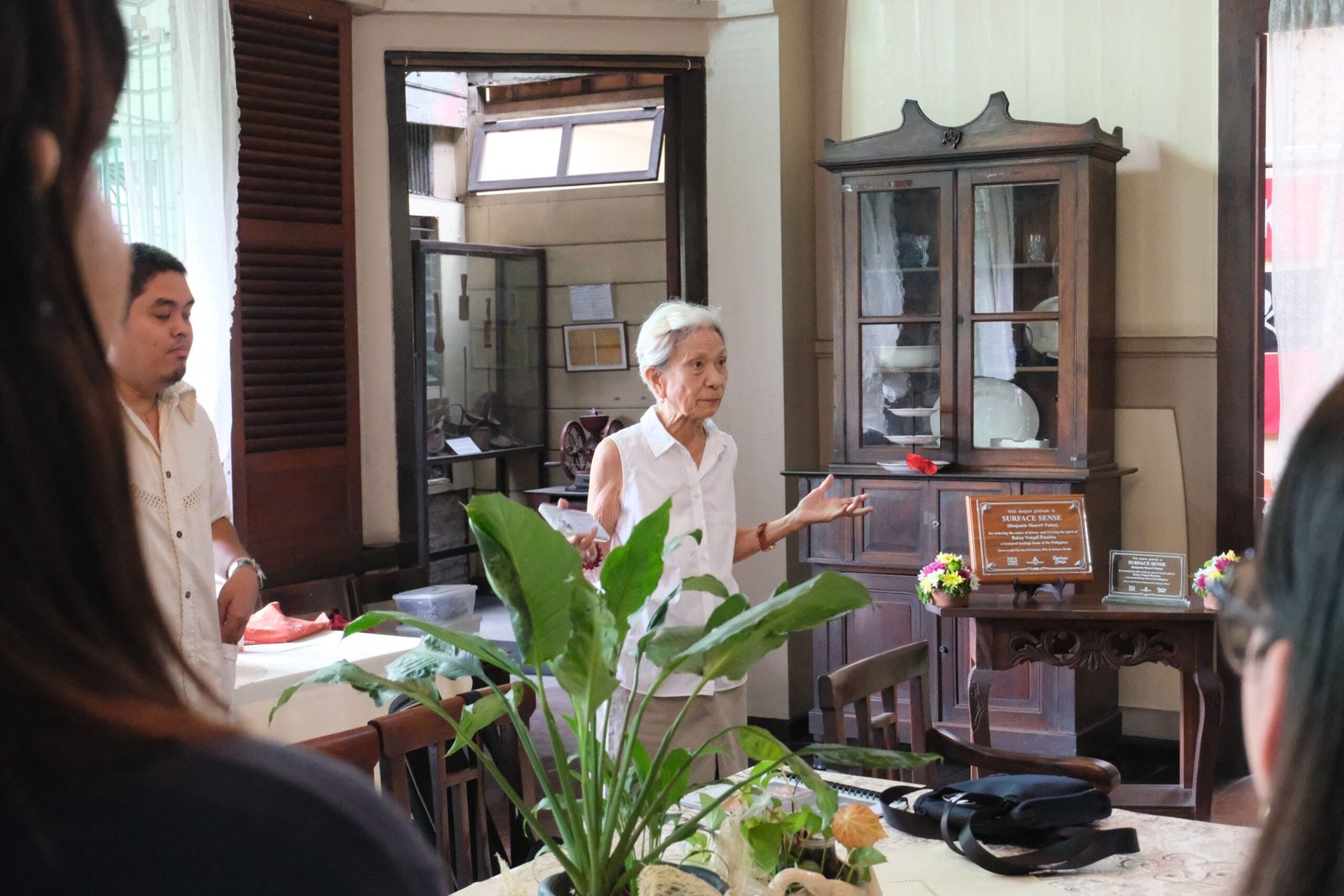
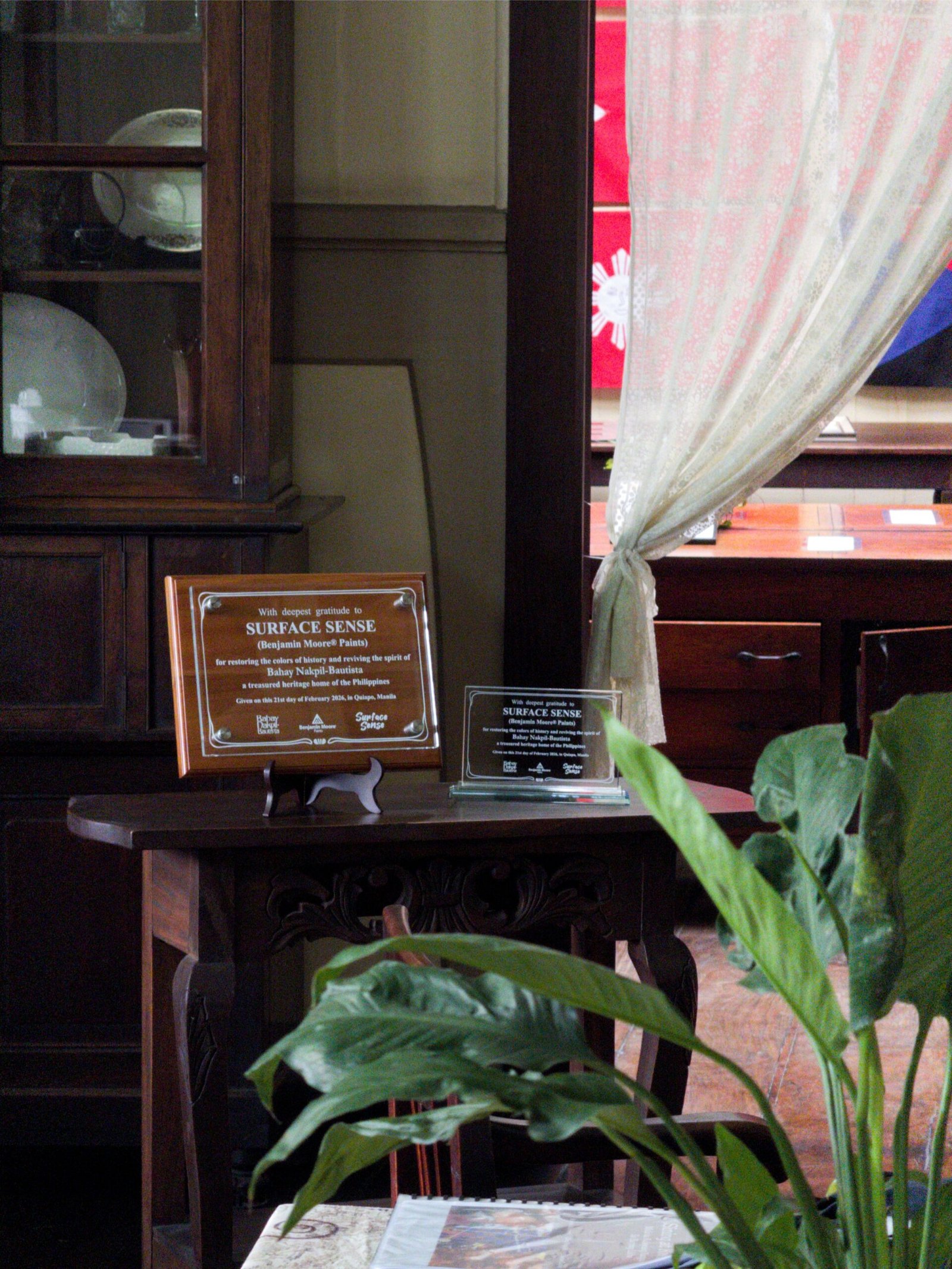
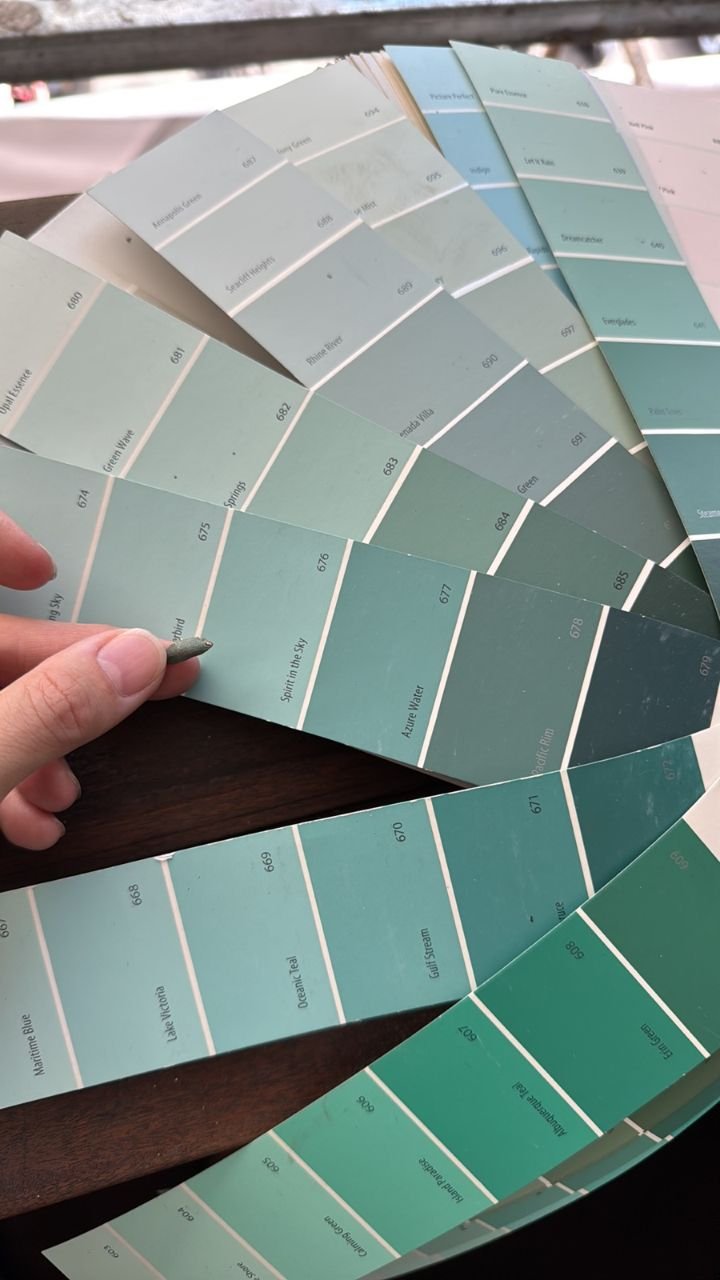
You worked with Surface Sense (Benjamin Moore®) to arrive at the closest hue for the paint job; what has your training as a visual artist also offered in this project?
Collaborating with Surface Sense on the color palette was one of the most enjoyable parts of the project. Beyond their beautiful range of colors, it gave me the chance to apply what I’ve studied in painting restoration, color theory, and European art and architecture in a meaningful, real-world context.
Those foundations guided how we worked through dozens of color pairings, viewing them through a contemporary lens while staying grounded in the house’s history. Alongside what Arch. Raj and I observed that in the different paint layers, we also had to consider how those colors may have shifted over time—especially in a tropical climate like ours. Factors such as photodegradation, oxidation, and environmental pollutants all played a role in how the original colors aged. Part of the process, therefore, was learning to read between those changes and make informed decisions from there.
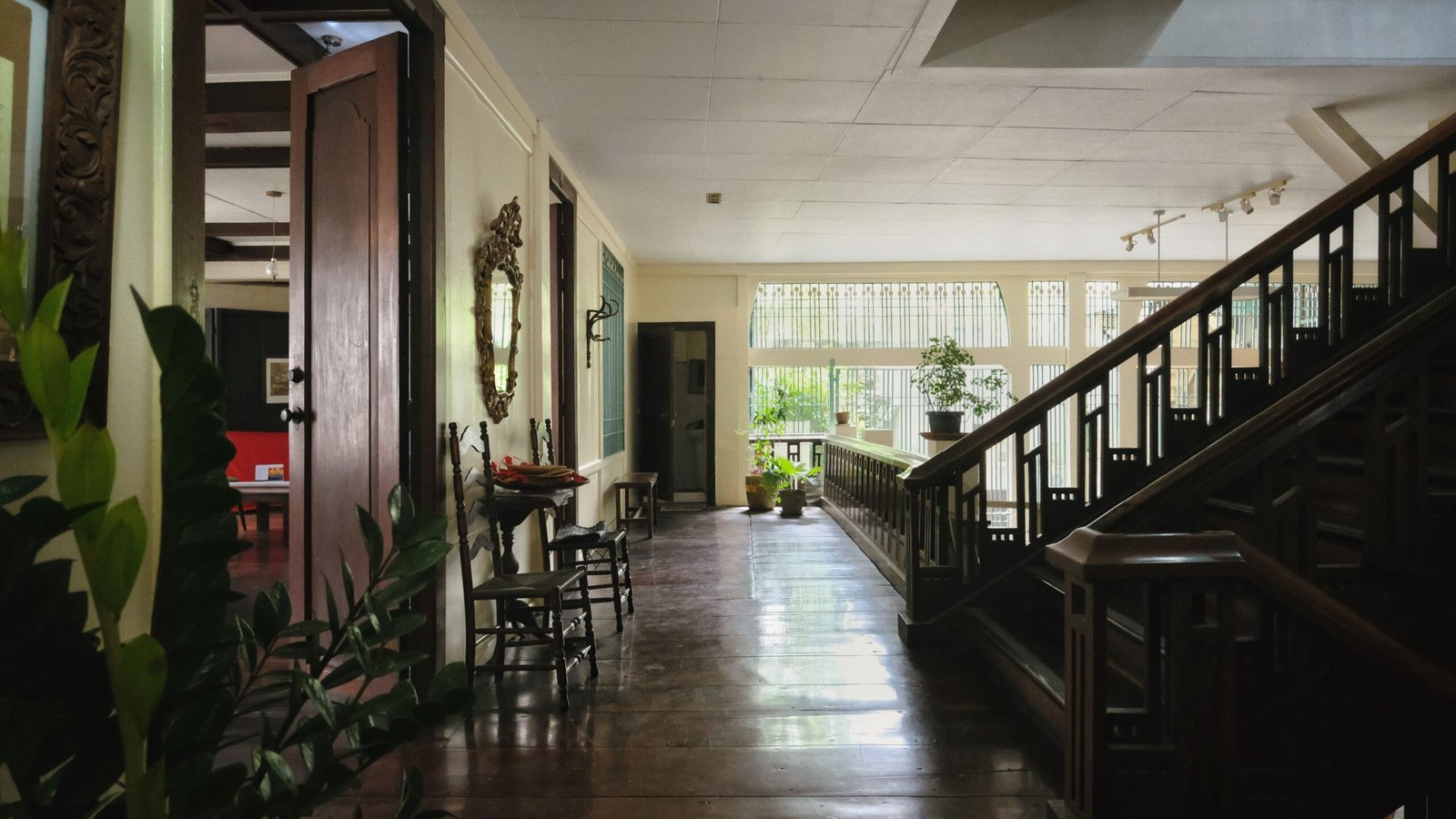
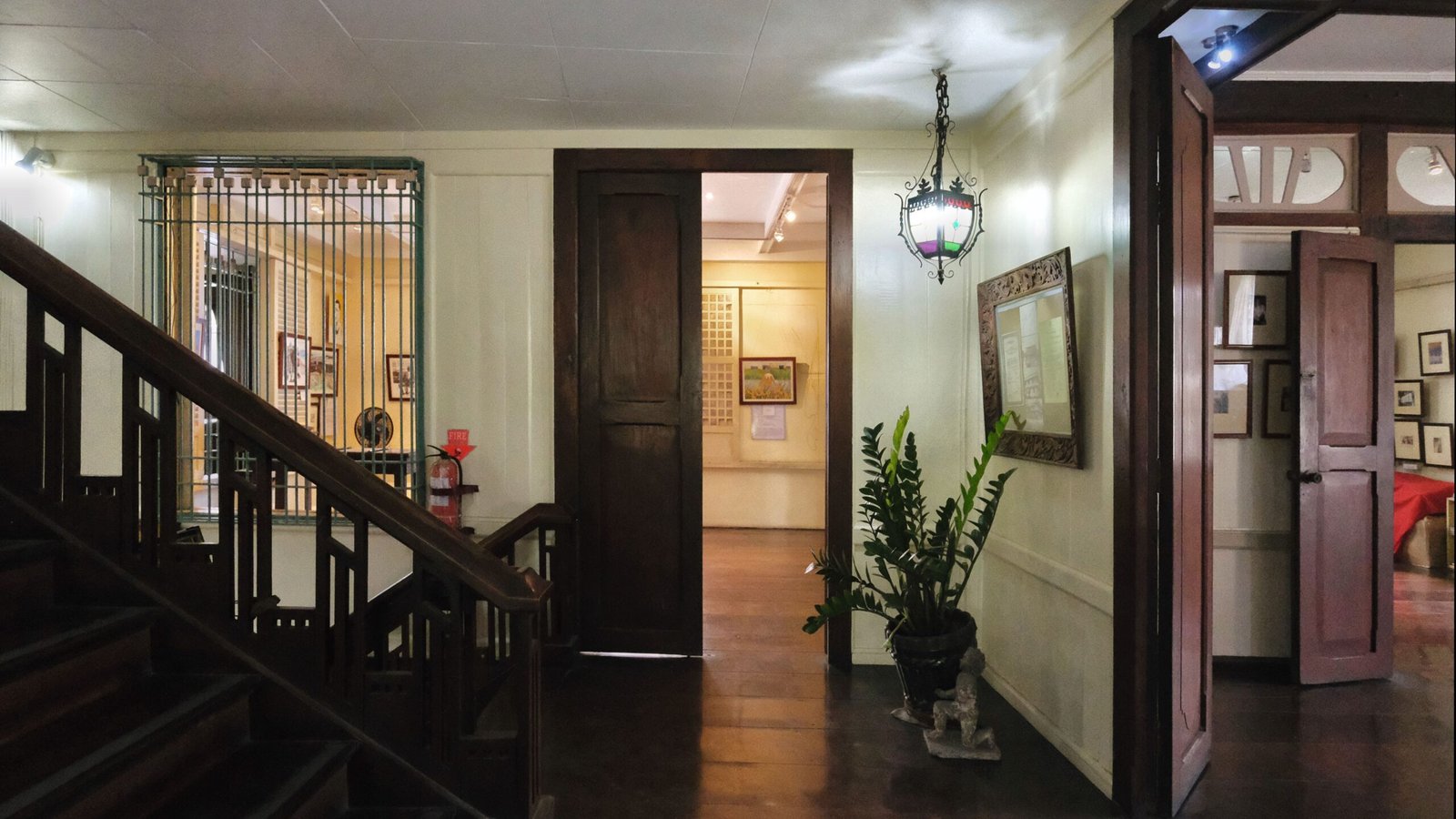
We now see the final vibrant walls of Bahay, but it must have taken a lot of work to get to this point. How long did the whole process take from discovery to execution? What was the most exhausting part of the ‘legwork’ that you feel is a necessary, yet invisible, cost of true heritage preservation?
I first reached out to Surface Sense in early 2024, but the repainting itself did not officially begin until mid-2025. As with most projects of this nature, the most demanding work often unfolded behind the scenes. It required continuous coordination among different groups, each managing their own responsibilities while adapting to shifting conditions, especially with the rains, so that progress continued despite last-minute changes.
As a painter yourself, texture and application of paint are just as important as color. Was there any struggle to ensure the modern coat captured the historical ‘grain’ and texture of Bahay, instead of simply laying it on like any modern building?
As a painter, I’ve learned that one of the most valuable skills is the ability to read layers—much like studying a masterwork through its visible brushstrokes and build-up of paint. Applying this same sensitivity, we examined the scraped sections with the naked eye, first identifying the base material surface, then carefully determining the earliest paint layer. From there, we worked methodically upward through each successive layer, tracing the house’s material history to its most recent coat.
Wrapping up
Beyond the aesthetics and historical fidelity of the repaint, what is the overarching message the foundation seeks to communicate to the public with this gesture? What values and lessons can people who work for and visit Bahay glean by anchoring the next generation to a building’s ‘origin’?
Busmente: Bahay is one of the finest examples of a sustainable foundation—continuously working to bring community, art, culture, history, education, spirituality, and heritage enthusiasts and donors together in a modern setting. All of these remain relevant today, in our everyday lives. We are shaped by our past, and we are moving toward a deeper understanding of what it means to be Filipino. We must love who we are and continue instilling national pride and identity.
Olondriz: The repaint reflects a willingness to approach history with curiosity and care. It reminds us that heritage does not have to compete with what is new; it can stand alongside it, offering its own kind of relevance. By exposing the next generation to the building’s origin, we encourage a deeper appreciation of where things come from—and how that understanding can shape what we create and preserve moving forward.
What do you want to communicate to the public about the complexities, but also the value of committing to well-researched heritage conservation? How do you see this gesture and ardent conviction toward historical accuracy affecting the equally historical structures in the proximity of Bahay, located as it is in the rich heritage fabric of Quiapo?
Busmente: To think beyond a purely clinical perspective in conservation, decisions must be evaluated with the considerations of stakeholders alongside experts, ensuring that what matters most to users, owners, and the community is prioritized. I have learned this the hard way through various projects. Applying old colors that the community does not connect with—or even resonate with—only leads to cultural shock.
Olondriz: To commit to thorough research is, at its core, an act of care. Too often, quick fixes become the norm, offering visible change without the guidance of cultural and historical experts. In a place like Quiapo, we hope to encourage deeper curiosity about the tangible heritage that has been lost, and how it might be thoughtfully recovered. Even small, considered efforts can help build a culture of preservation grounded not in surface-level gestures, but in a genuine understanding of cultural continuity. •