

Words and interview The Kanto team
Images Jo-Ann Bitagcol, PIID, arteshotph, and Joseph Pascual
(Cecil Ravelas)
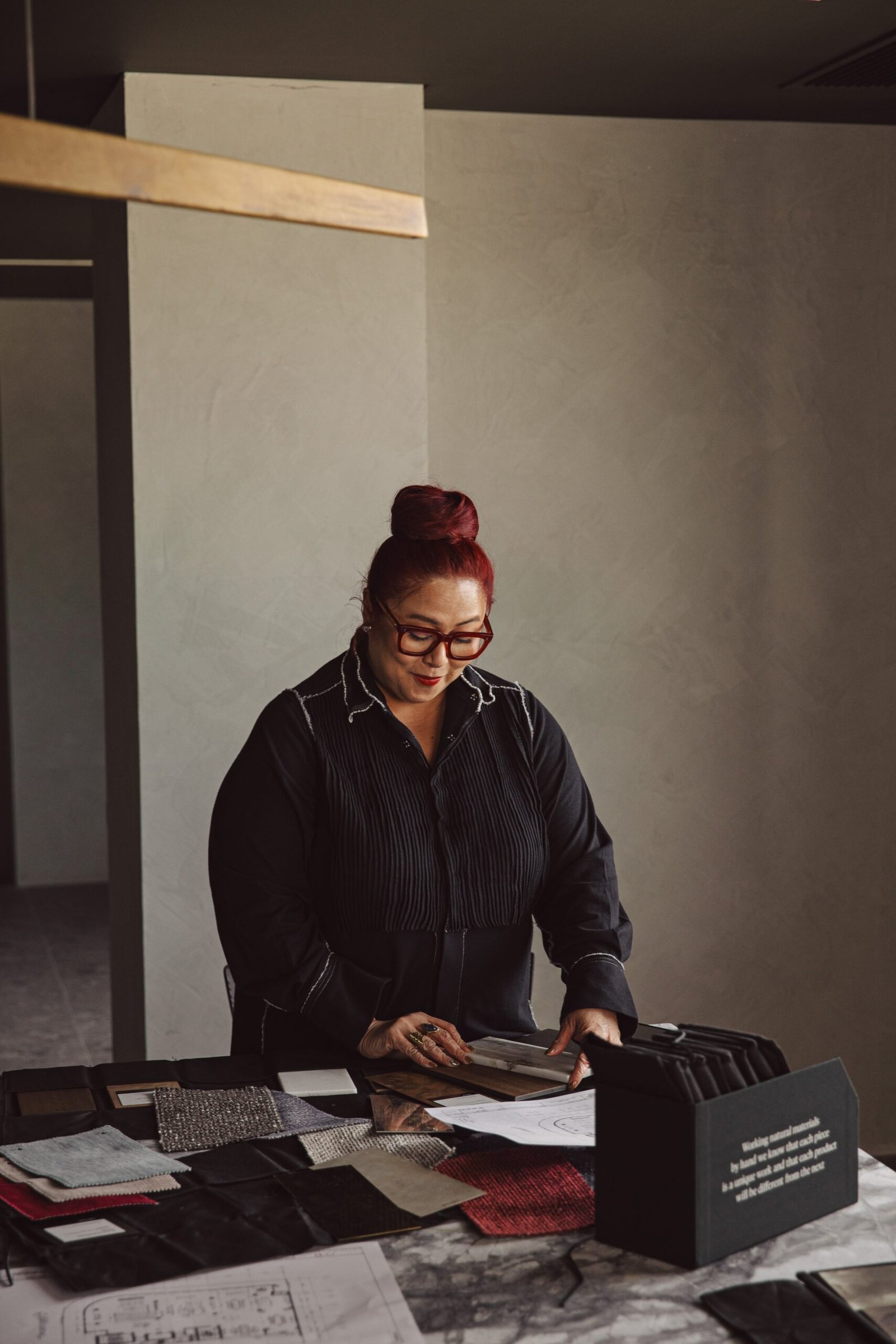
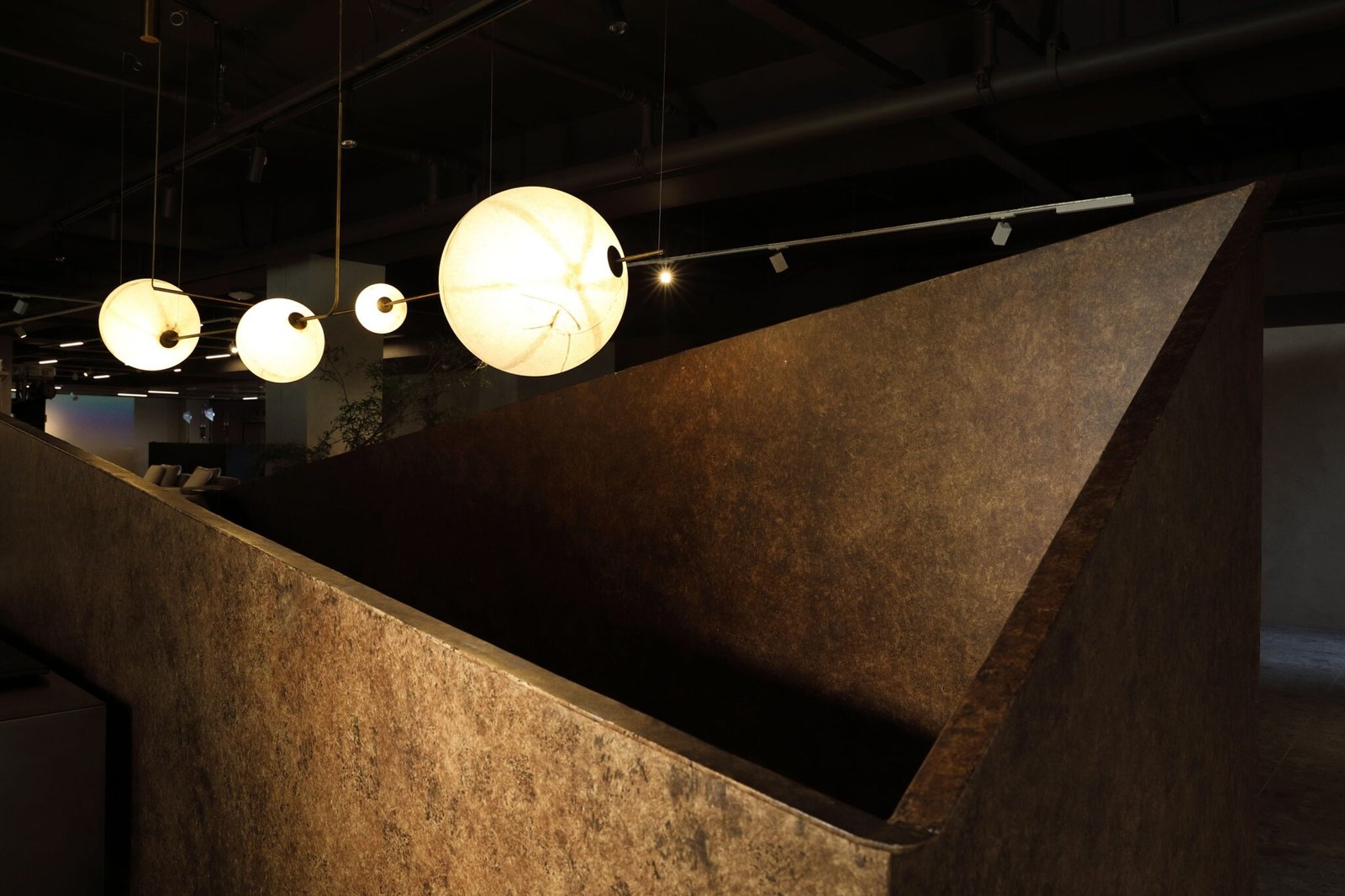
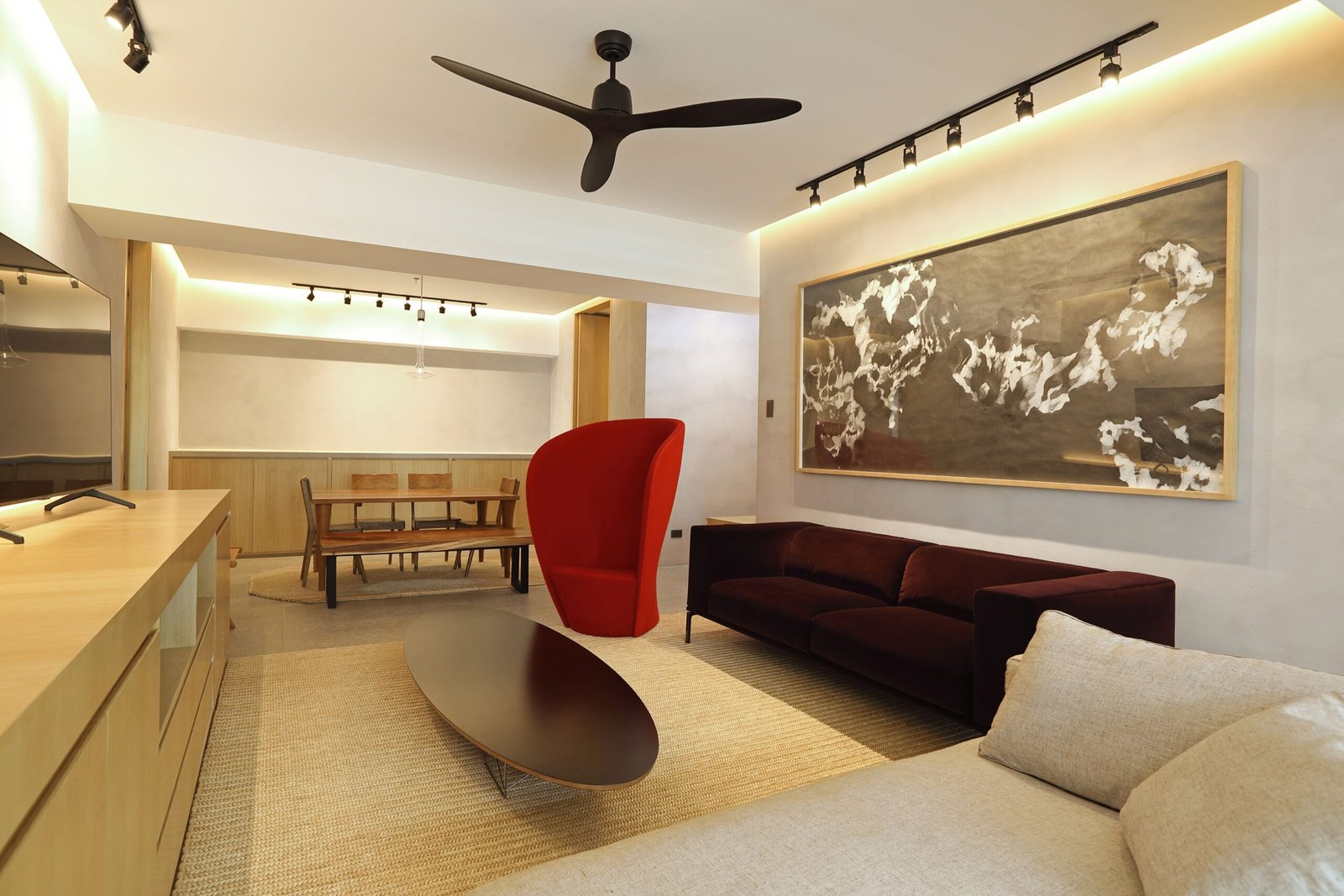
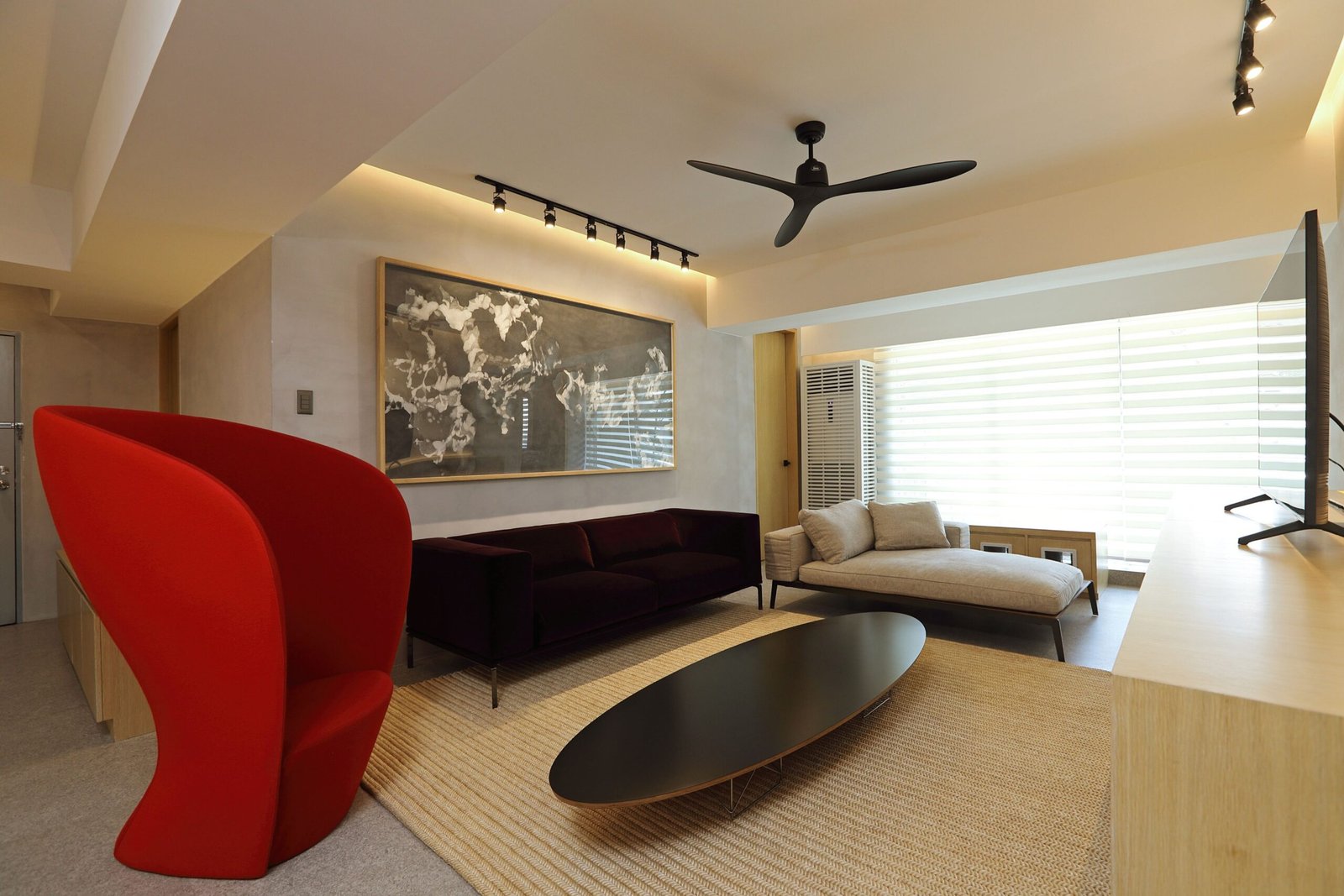
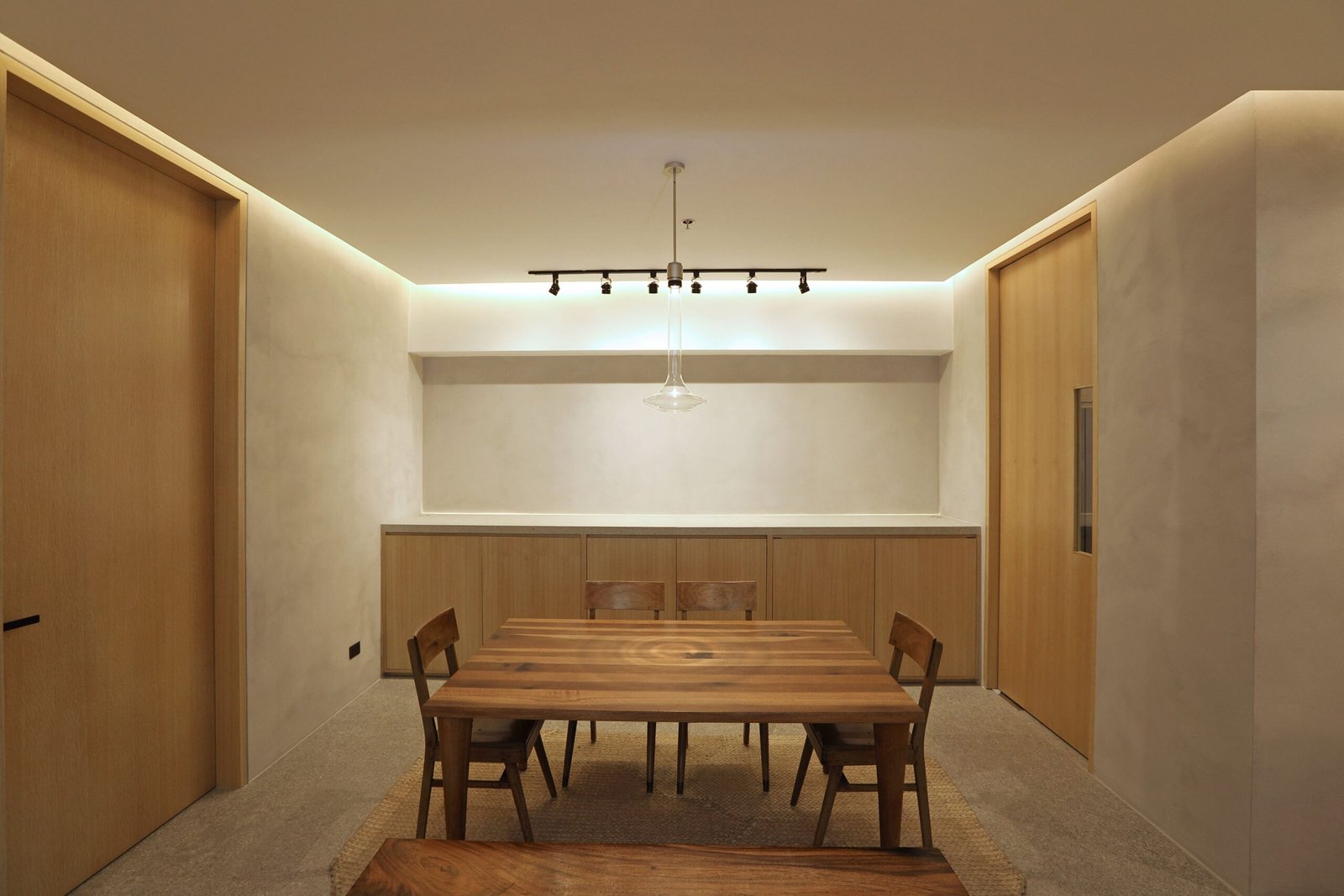
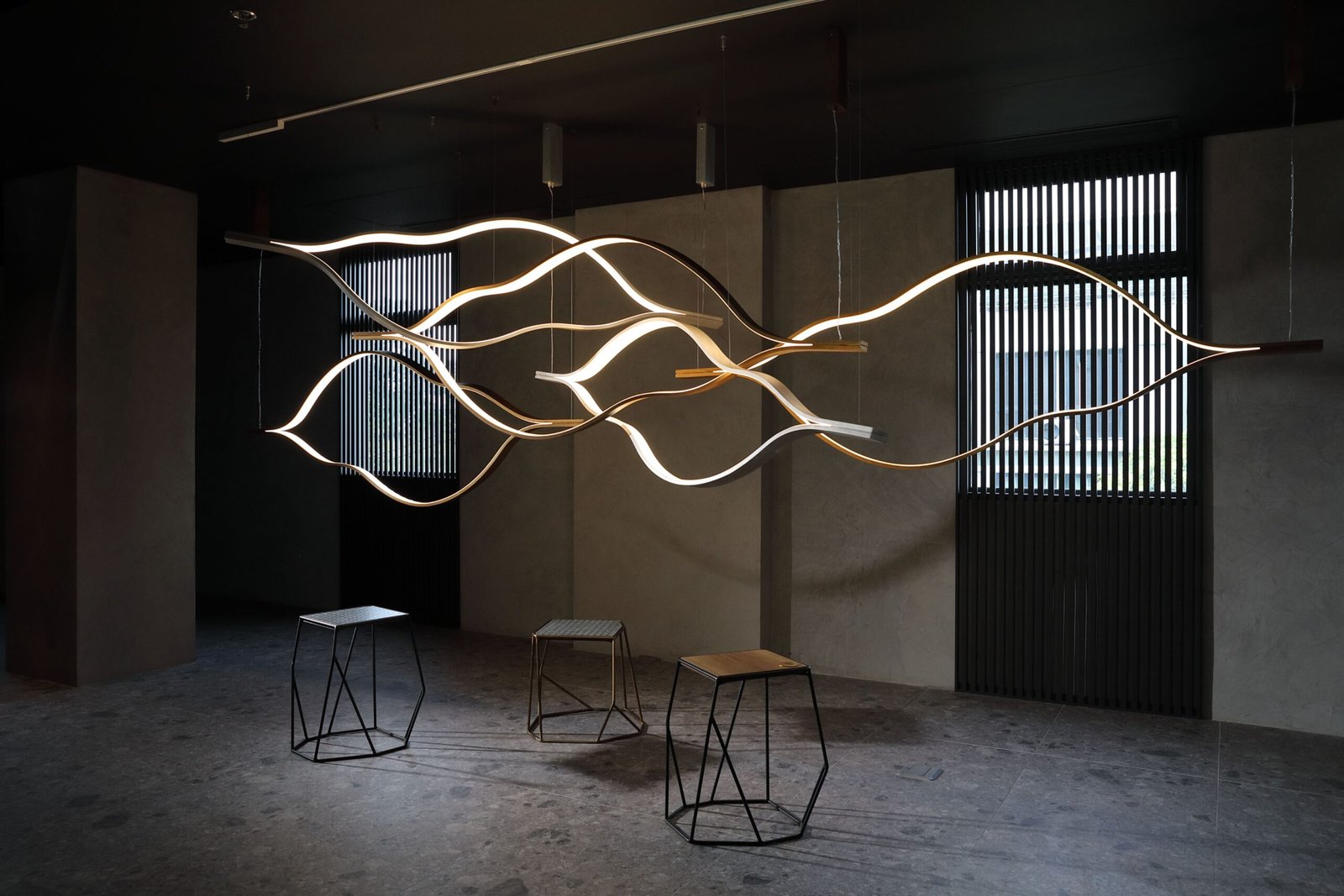
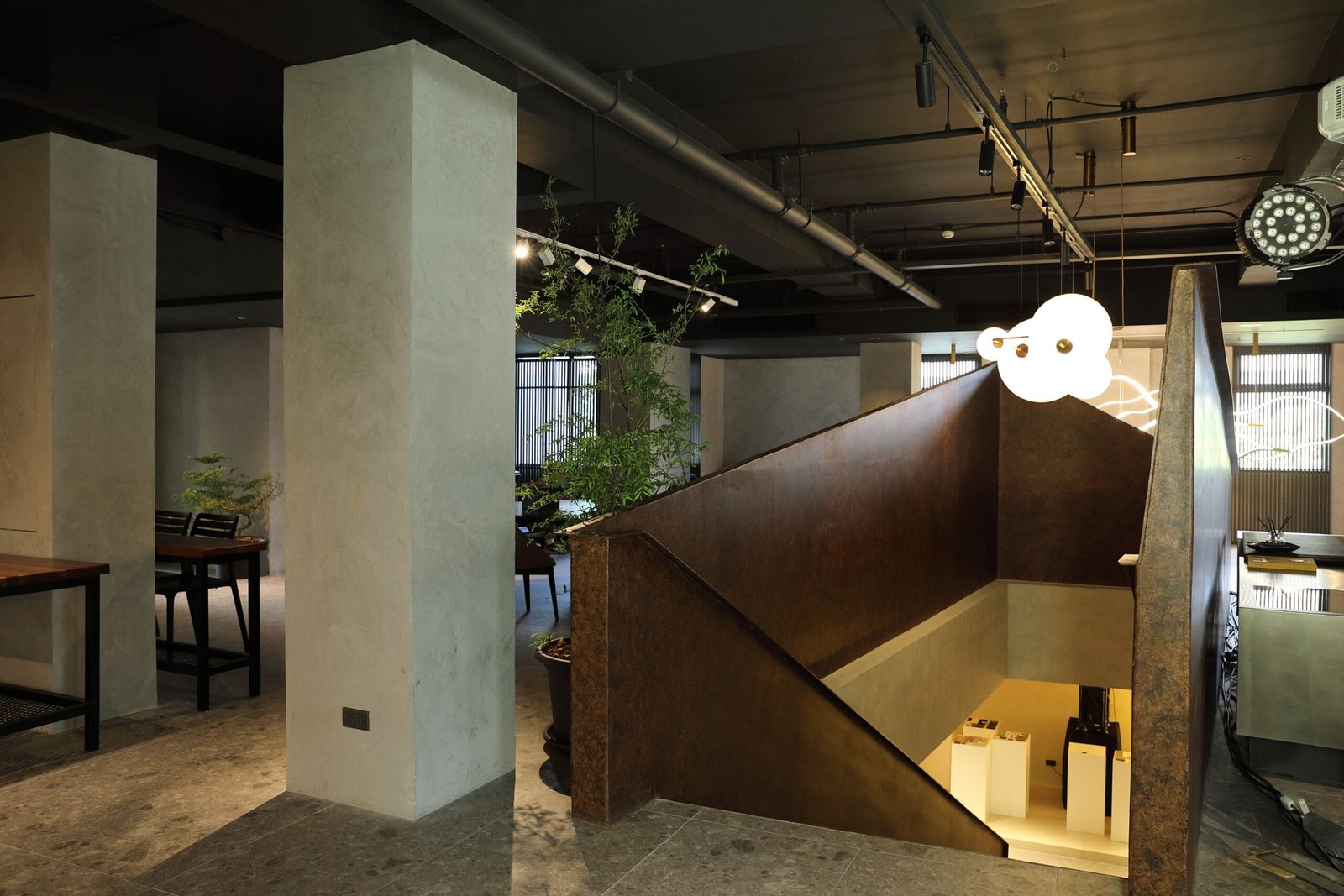
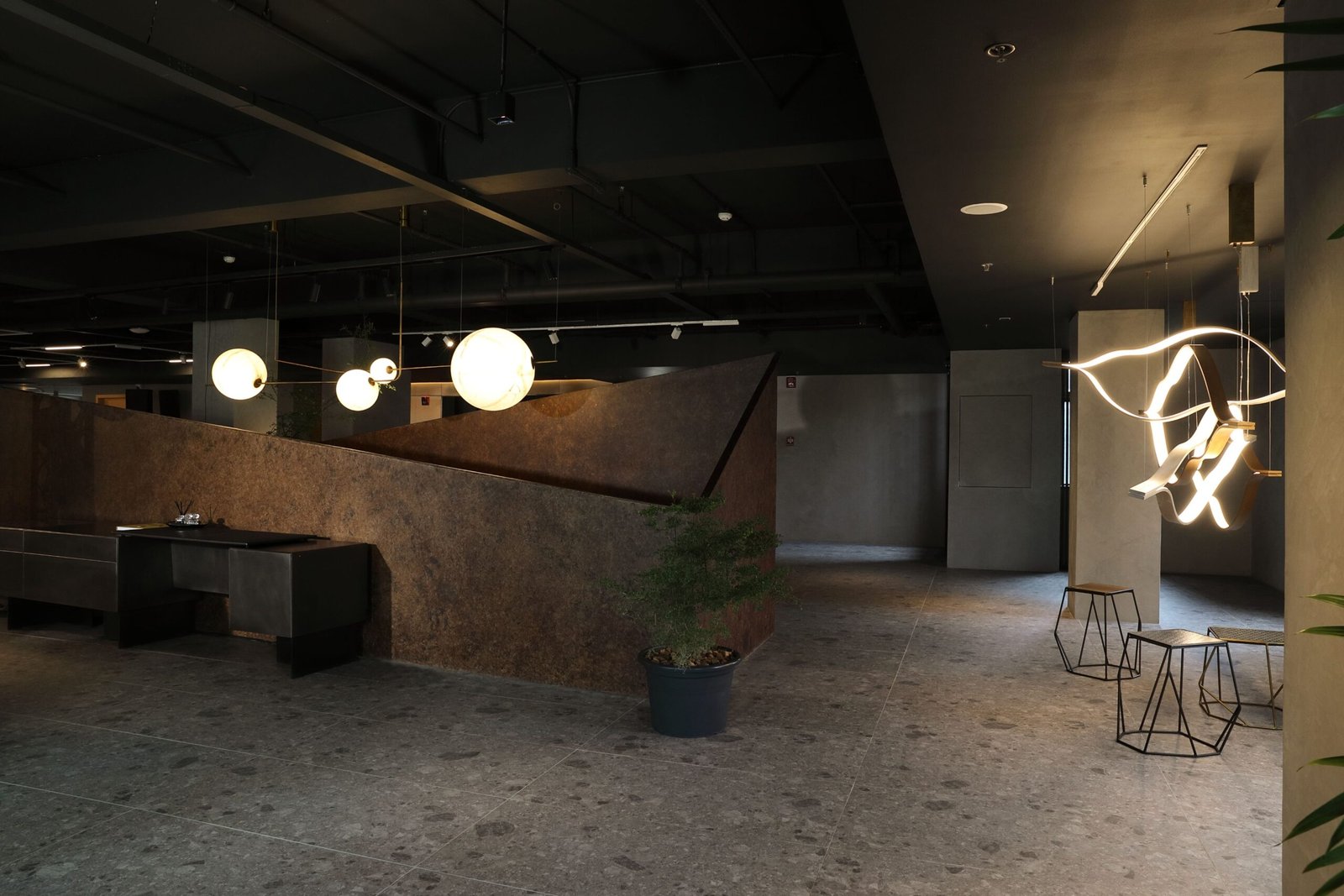
If her oeuvre is the proof in the pudding, interior designer and incoming Philippine Institute of Interior Designers (PIID) president Cecil Ravelas thrives in tension. She moves between the quiet, near-ascetic restraint of Pawson-inspired chapels and retreat houses and the layered drama of theatre lighting, shaping movement, texture, and mood. In a sampler of her work shared with Kanto, RED Interior Design principal and Instituto Marangoni alumna also showed an ease of movement between the small and the large, speaking of the nuances of light fall and material feel, to how a piece of art anchors a space and shapes its greater narrative. “When I choose art for a client’s space, I plan it through a series of unhurried conversations. Art must speak to the dweller who will live with it every day.”
She also recognizes the toll the field can take, and how passion for craft needs to find balance with pause, reflection and a search for one’s authentic self, a realization drawn during a spiritual retreat in Bali a year previously: “Innerwork is an important tool for navigating the profession in a healthy way,” Ravelas shares. This focus on wellness and healing also pervades what she sees as the ultimate task of a space-shaper in this fast-moving age: “Every space that we co-create with our client holds the potential to heal. Every project that we are presented with is an opportunity to respond to the call of the times.”
As President of the Philippine Institute of Interior Designers, the country’s national organization for licensed interior design practitioners, Ravelas arrives at a moment when the profession is navigating persistent challenges: unclear boundaries around practice, a public still unfamiliar with what interior designers do, and the ongoing shifts brought by technology, sustainability, and changing professional expectations.
How these factors play out will shape the practical and cultural terrain she will engage with in her term as head of a half-century-old institution. Kanto spoke with the incoming president about what to expect from her leadership and whether the PIID has evolved to truly represent and empower the Philippine interior designer.
Hello, Cecil! Happy New Year and congratulations on your new role! Can you let us in on the deciding factors that encouraged you to run for PIID president? What do you think the organization needs most right now? Looking at your professional experience, where do you believe it most aligns, and where might it be tested, in this role?
Cecil Ravelas, incoming PIID president, 2026-2028: I decided to run for PIID president at this point because the organization and the profession are at a moment that calls for conscious stewardship. After years of service within PIID, alongside my work as a practitioner, educator, and studio founder, I felt a responsibility to step forward not out of ambition but out of readiness to serve.
What PIID needs most right now is alignment between purpose and practice, leadership and membership, values and action. We have strong foundations, but we are also navigating fragmentation across regions, generations, scales of practice, and evolving definitions of interior design.
Conscious leadership, to me, means holding space for listening while being willing to act with clarity. My experience lies in integration, bridging creativity with discipline, cultural grounding with global relevance, and wellness with professional rigor.
In setting the tone for the next two years, it is only natural that you’ve done an audit of what work needs to be done for the organization. What do you see as PIID’s most pressing pain points today, and which of these can realistically be addressed within a single two-year term? Given those challenges, how well equipped is the current board collectively to act on them?
Cecil Ravelas: PIID’s most pressing pain points are both structural and human local in experience, yet global in context. They include:
Accessibility and inclusivity, particularly for designers outside Metro Manila and for smaller or emerging practices; A perceived distance between leadership and members, affecting trust, communication, and participation; The widening gap between regulation and lived practice, as professional realities evolve faster than existing systems; Mental health and stress-related challenges, especially among younger designers navigating economic pressure, long hours, blurred boundaries, and constant performance demands; and limited visibility and strategic positioning of Filipino interior designers in global practice, despite the profession’s depth, cultural intelligence, and creative excellence.
An exhausted community cannot innovate ethically or sustainably. Younger designers, in particular, are entering the field at a time when resilience is expected without always being supported. At the same time, many Filipino interior designers are already working across borders and cultures. What is often missing is a clear institutional voice that affirms their value, protects their identity, and positions Philippine interior design confidently within global practice.
We cannot resolve everything in two years, but meaningful shifts are possible. We can normalize mental health conversations, integrate wellness into CPD, strengthen platforms for global dialogue, and clarify how PIID supports designers both locally and internationally, with care, clarity, and accountability.
“Conscious leadership, to me, means holding space for listening while being willing to act with clarity. My experience lies in integration, bridging creativity with discipline, cultural grounding with global relevance, and wellness with professional rigor.”
You’ve mentioned CPD (continuing professional development); while a number of designers we have approached regarding this interview agree that CPD programming at the PIID has improved in quality, smaller practitioners in and outside Metro Manila have raised concerns about cost and accessibility. There’s also a larger, ongoing debate on whether the current CPD system meaningfully supports practice. As someone subject to the same requirements, do you believe the system is working, and where does it need recalibration?
Cecil Ravelas: Yes, CPD has grown in depth and quality, but conscious leadership asks us to also examine who it is truly serving. Concerns around cost, accessibility, and relevance, particularly for regional designers and smaller practices, are valid. CPD should not feel punitive or extractive but be supportive and sustaining for the interior designer. Our vision of a more mindful CPD system would include hybrid models, practice-relevant content, wellness-informed topics, and cost structures that recognize diverse realities.
Now, a question on representation: PIID is often perceived as Manila-centric in its programming and visibility. What concrete steps can the organization take to better represent designers across the regions? We’ve received feedback about the discussions on the need for more chapters outside the Metro for regional representation; on the flip side, are there enough interior designers to merit opening an independent chapter? Any thoughts on this ongoing discourse?
Cecil Ravelas: We (The incoming PIID board) are open to listening without defensiveness. This surfacing perception of Manila-centrism signals the need for deeper engagement. Strengthening regional visibility, supporting clusters or satellite groups, and decentralizing programming are tangible steps toward shared ownership.
To follow, how do you balance that inward focus with efforts to position Philippine interior design on a global stage?
Cecil Ravelas: Inward work does not mean inward-looking but is a reflection that is foundational. A profession that is ethically grounded, culturally rooted, and internally aligned can engage globally with more confidence. We need to invest in strengthening standards, education, and identity to strengthen our global voice.


Licensure and enforcement remain central priorities to protecting the profession, but they’re often the most visible way the public encounters PIID. What do you think about the balance between enforcement and public education? What needs to shift in how that balance is expressed? Is the status quo effective in actually getting the public to understand what an interior designer does?
Cecil Ravelas: Licensure and enforcement are indeed essential, but we must prioritize education before confrontation. The public must understand why interior design matters, especially as it impacts safety, well-being, culture, and sustainability, among other areas.
As design practice becomes increasingly multidisciplinary, shaped as it is by cross-cultural collaboration, systems thinking, and emerging tools like AI, how does PIID balance safeguarding licensed interior design practice with the reality of cross-pollination across creative fields? Are there plans for the organization to rethink how it defines scope, collaboration, and professional boundaries in this evolving context?
Cecil Ravelas: Protection is not always about rigidity. PIID’s role is to clearly define professional responsibility, ethical boundaries, and accountability while welcoming collaboration that strengthens outcomes and respects authorship.
You are a staunch proponent of sustainable design. Now that sustainability is shifting from value statement to professional expectation, where do you think PIID should draw the line between advocacy and accountability? Given the interior design industry’s role in consumption and resource use, what should the organization realistically champion or require during your term to truly champion sustainable design?
Cecil Ravelas: We have arrived at a time when sustainability is no longer optional. Our leadership direction calls for informed, realistic, and supportive guidance. PIID should lead through education, ethical frameworks, and transparency, gradually moving toward accountability that considers varied contexts and capacities.
Just as current events have driven our bodies of authority to reveal the inner workings of governance to the public, how are major decisions being made within PIID today, particularly when there is disagreement among members or the board? Do you see a need to change how transparency, consultation, or dissent are handled now that the organization is under your leadership?
Cecil Ravelas: Transparency is also about cultivating trust. This requires clearer communication around decisions, active listening, and acknowledging differing perspectives without fracturing unity. Healthy governance allows dialogue, but we must remain anchored in our shared purpose as an organization.
PIID was established 62 years ago to support the professional growth and welfare of Filipino interior designers. To close, is the organization still fulfilling that mandate today? What would need to change for you to confidently say it is?
Cecil Ravelas: Yes, PIID continues to fulfill its mandate, but it is important to remember that fulfillment is an ongoing practice, not a fixed state. To truly support Filipino interior designers today, PIID must work to be responsive, inclusive, and forward-looking, supporting practitioners as professionals, creatives, and human beings within both local and global realities. •
Thank you for your time, Cecil, and we wish you and the incoming PIID board all the best!
2 Responses