Words The Kanto team
Images Giacomo Albo, courtesy of Hines Italy
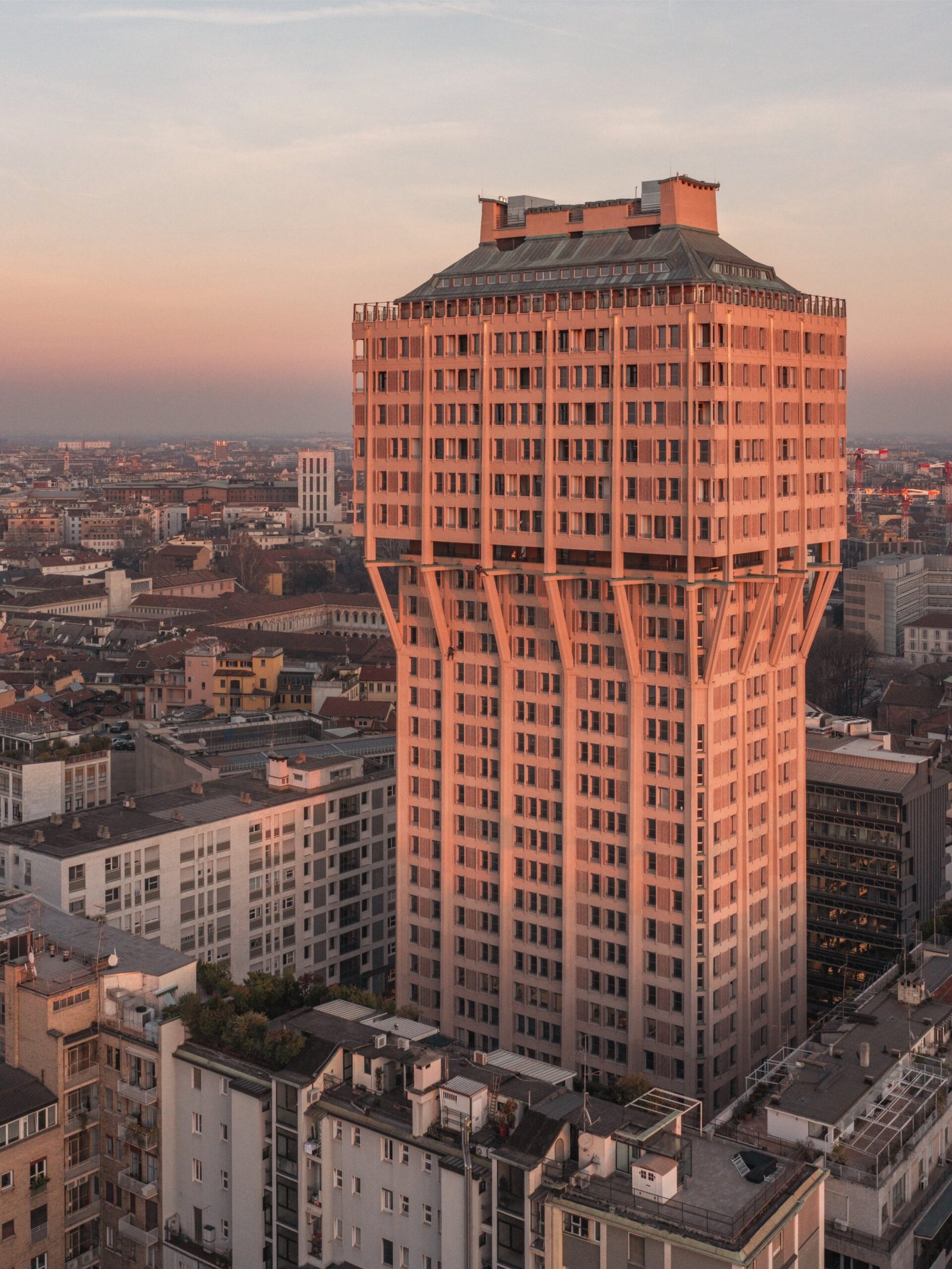
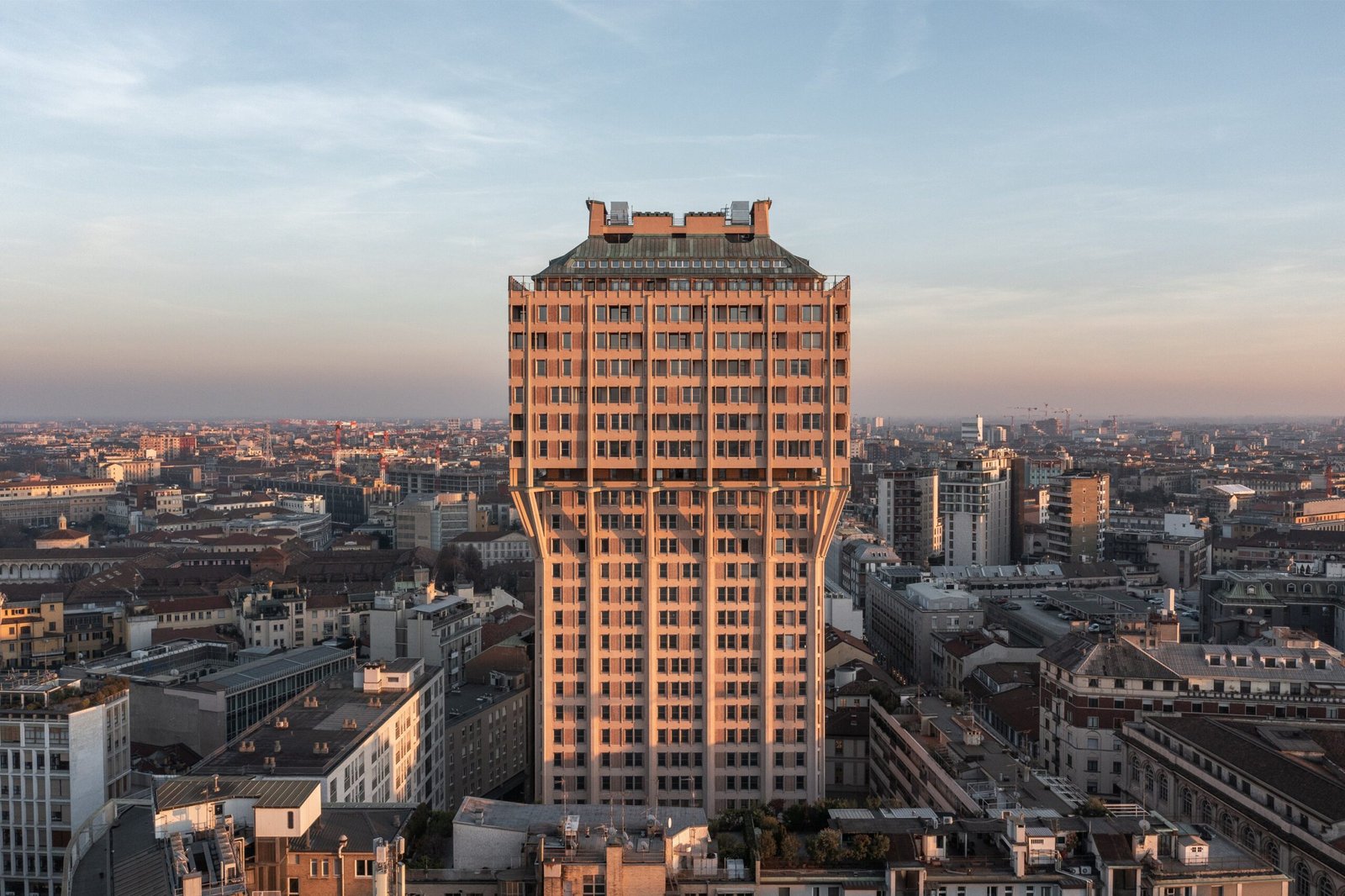
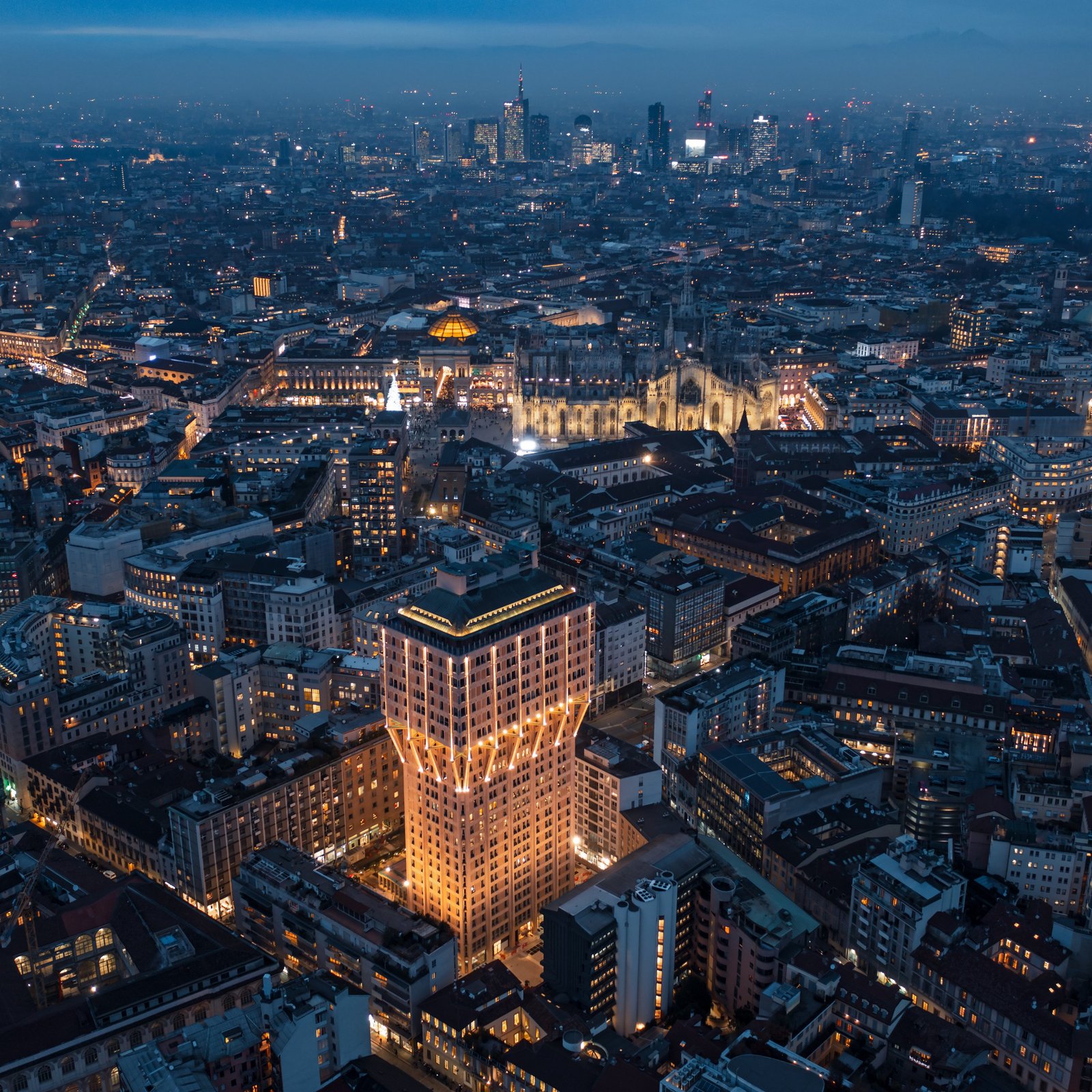
The 2024 redevelopment of Milan’s Torre Velasca marks a rare moment when a protected brutalist landmark is conserved and reinserted into contemporary urban life. Completed in a whirlwind 292 days in 1958 to a design by firebrand Italian studio BBPR (Banfi, Belgioioso, Peressutti and Rogers), the tower has long stood at the center of debate: architecturally admired, culturally contested, but (thankfully) now legally safeguarded since 2011. The 29-storey, 34,000 square meter mixed-use tower is notable for its proximity to Il Duomo di Milano, and its prominence due to height and polarizing appearance: the 75-meter-tall structure carries chimeric qualities, a mashup of medieval architecture, neo-gothic vaulting, and brutalist materiality. Observers and critics see it as a modern interpretation of a Lombardian castle in Milan’s historic center, but it was first and foremost BBPR’s unequivocal response against the seemingly cold and faceless modernism of the International Style.
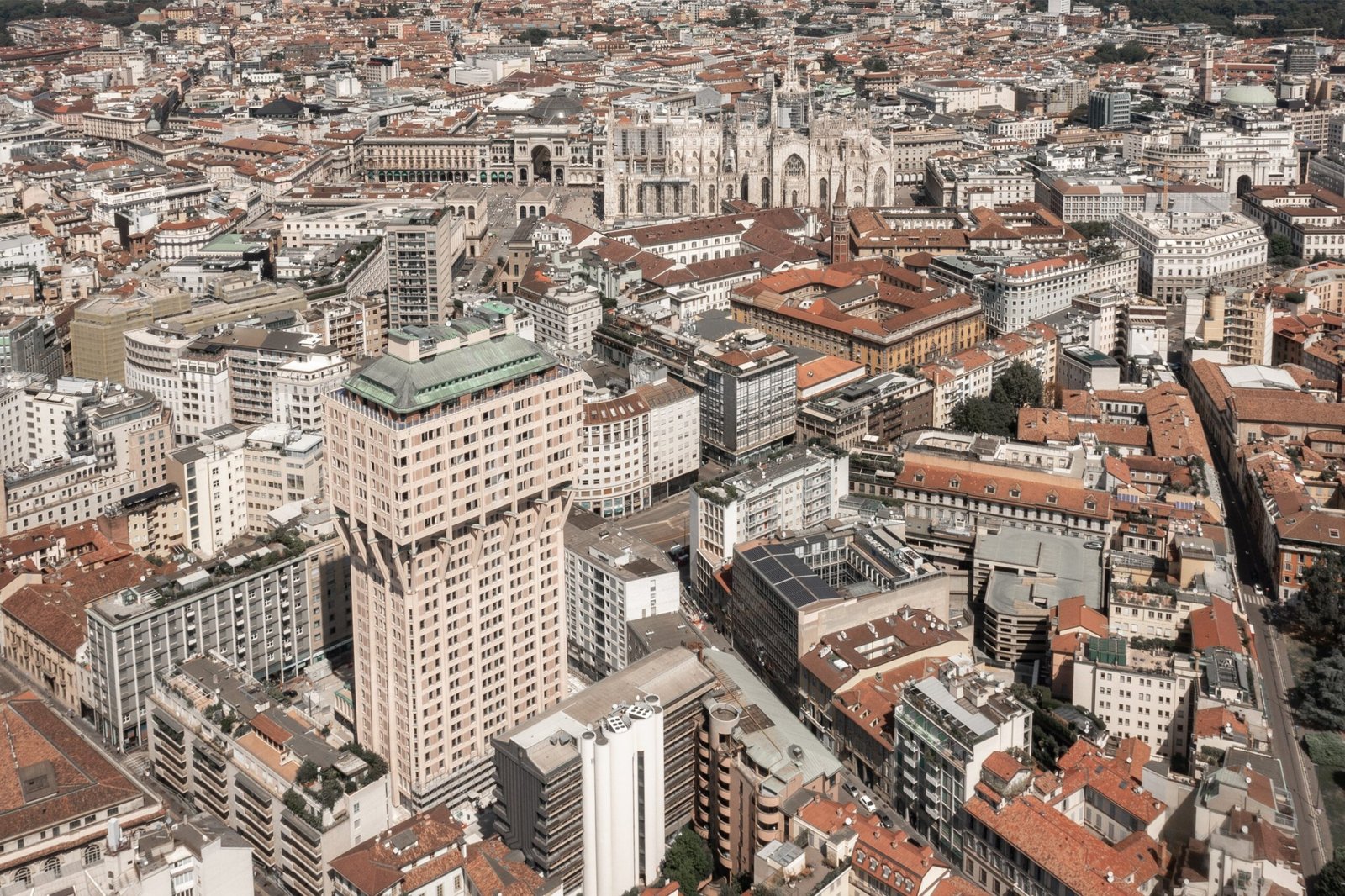
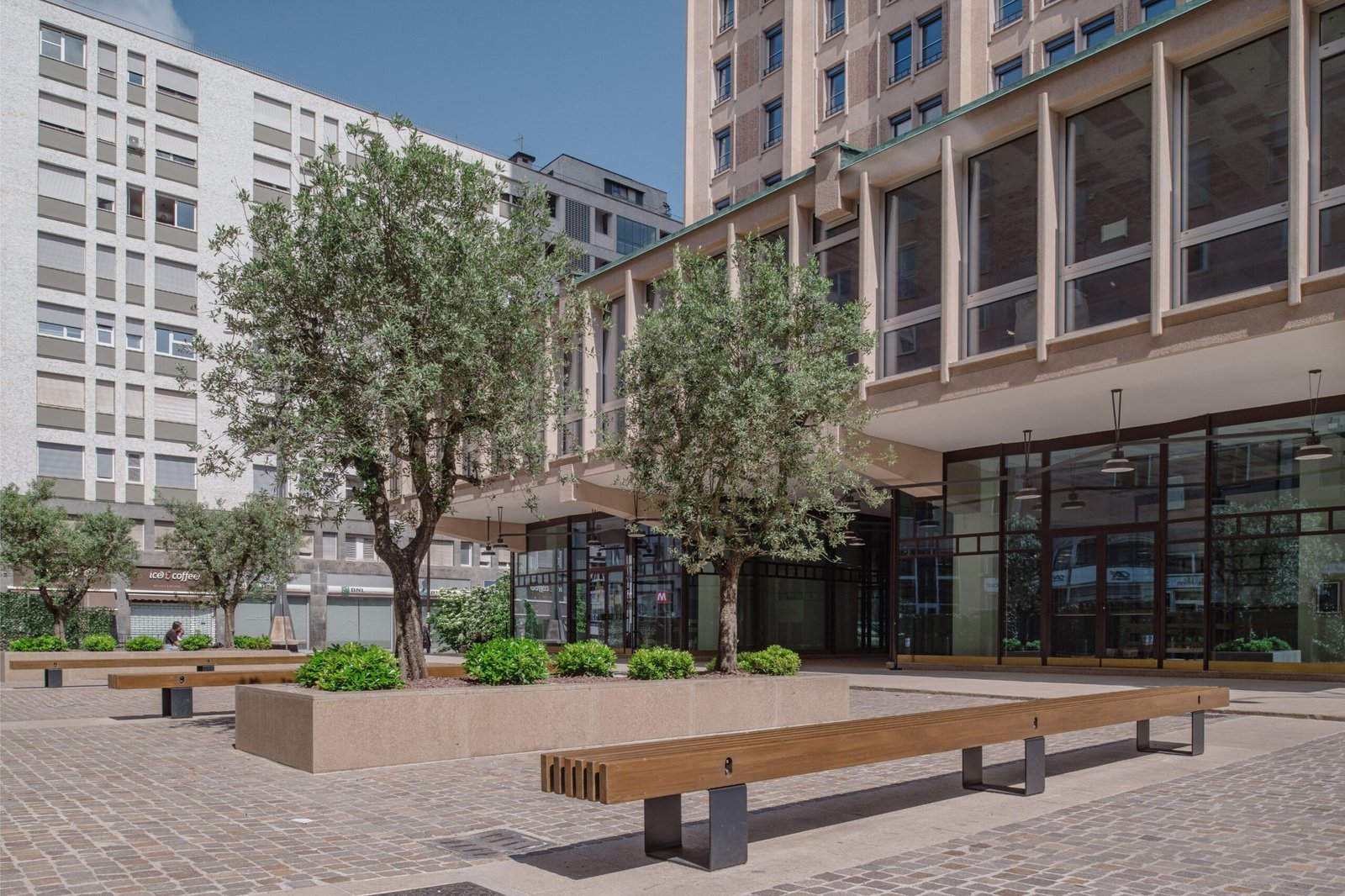
Asti Architetti led the nearly four year rejuvenation effort for real estate developer Hines, in collaboration with the Superintendent of Fine Arts. The 20-year-old practice is no stranger to the inherent Milanese tensions between preservation, transformation, and use; what was most notable about their involvement is their rekindling of the seventy-year dialog between the structure and its city, through the creation of Piazza Velasca, a lush green square planted with olive and magnolia trees, alongside a concerted effort to bring the tower up to sustainable standards; it has attained LEED Gold certification as of writing.
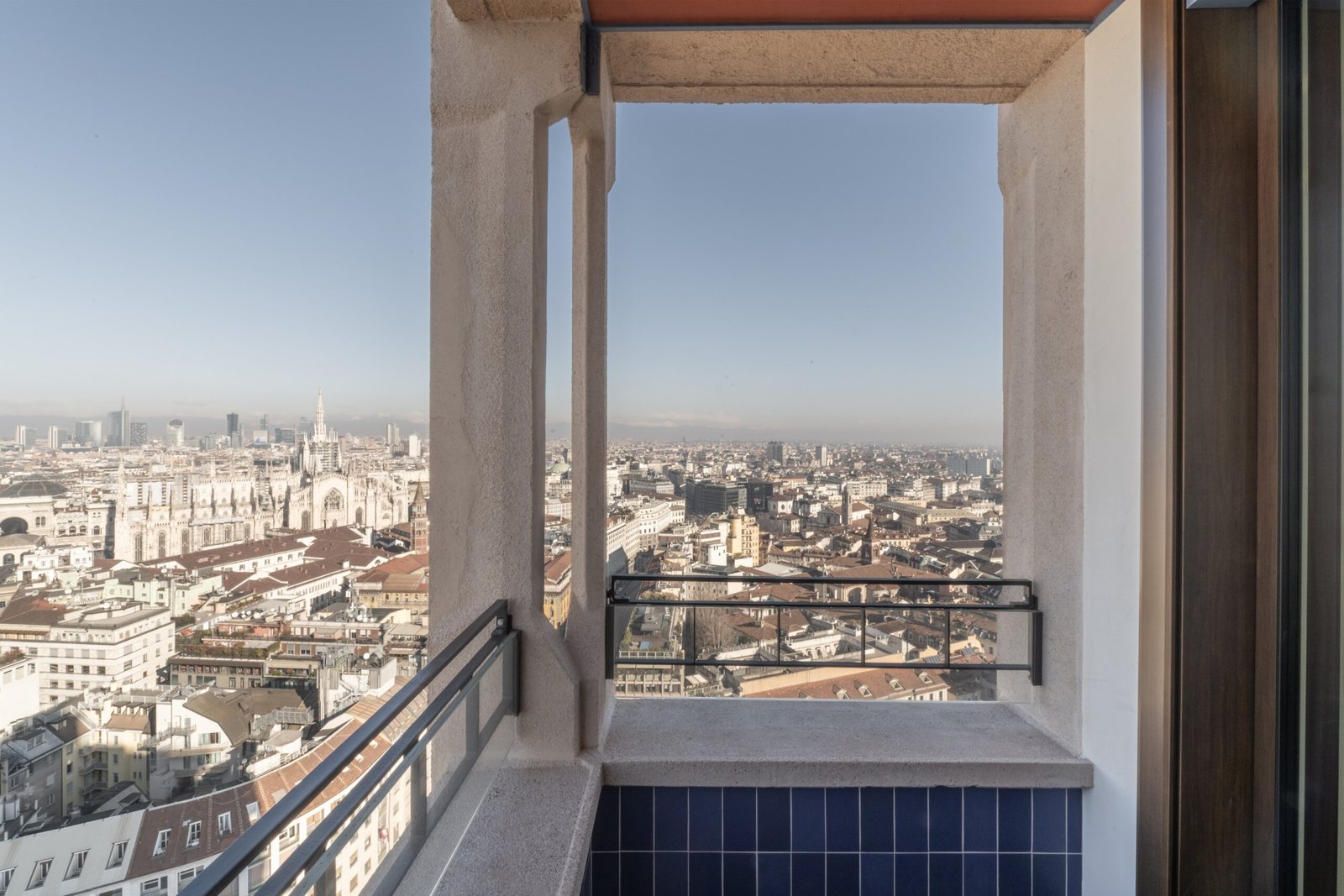
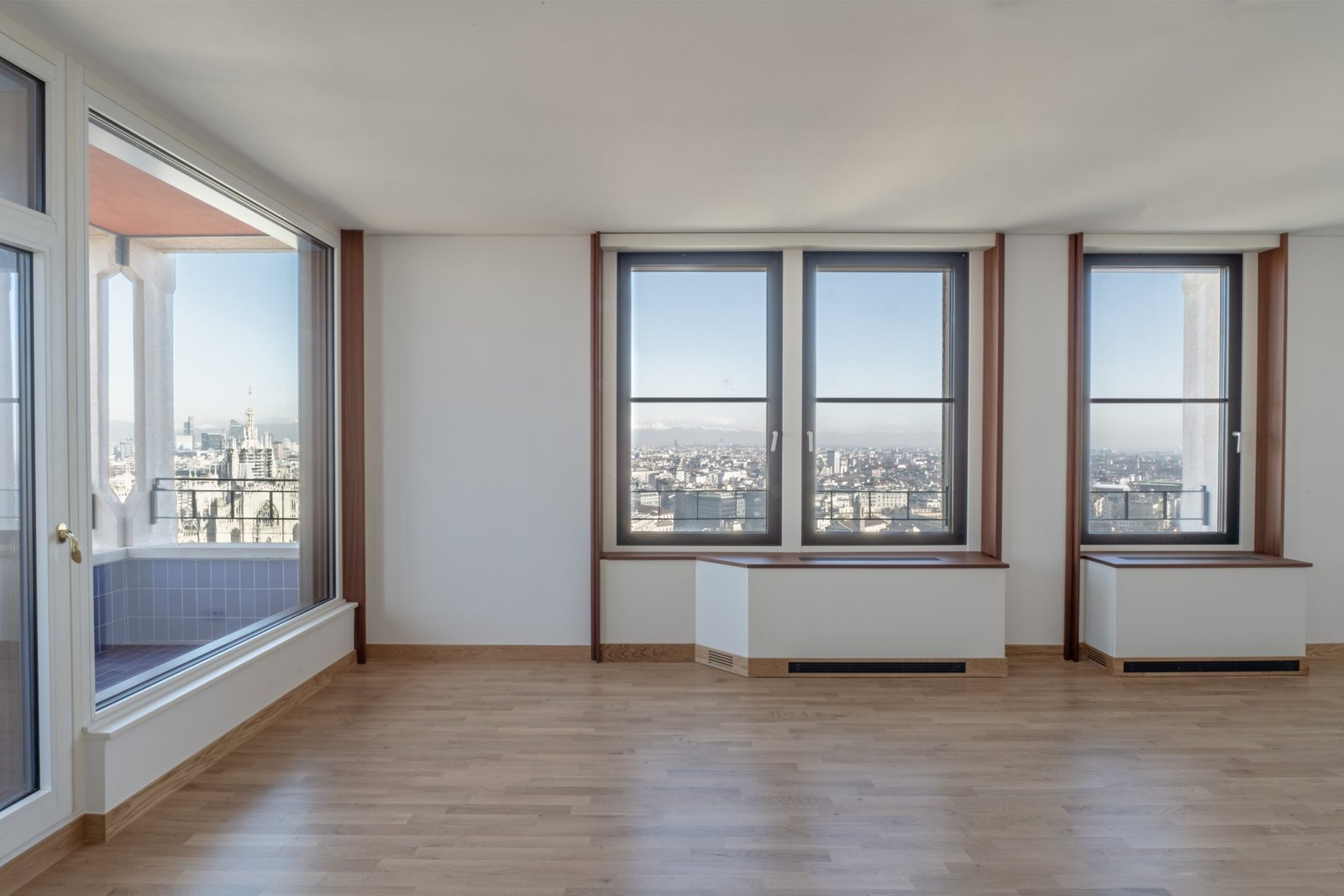
Originally designed to host offices and residences, the refreshed Torre Velasca retains its programming, with offices now occupying floors 2 to 15, with floors 19 to 26 for luxury residential use. There is increased public access, thanks to the addition of two restaurants, one on the 1st and 18th floor with unimpeded views of the Milan skyline, as well as an expanded retail, business, hospitality and wellness spaces. What has also returned to its canon state was the Tower’s iconic façade, its iridescent pastel shades made possible by a custom plaster that shifts in tone and warmth as the Lombardian sun rises and sets.
For Asian metropolises like Manila, where postwar modern buildings face intense development pressure, Torre Velasca comes across as a relevant case study. In this conversation with Asti Architetti founder Paolo Asti, we look past the finished work to examine the constraints, negotiations, and decisions that made adaptive reuse possible, and what this approach suggests for keeping modernist heritage active and economically viable over time.
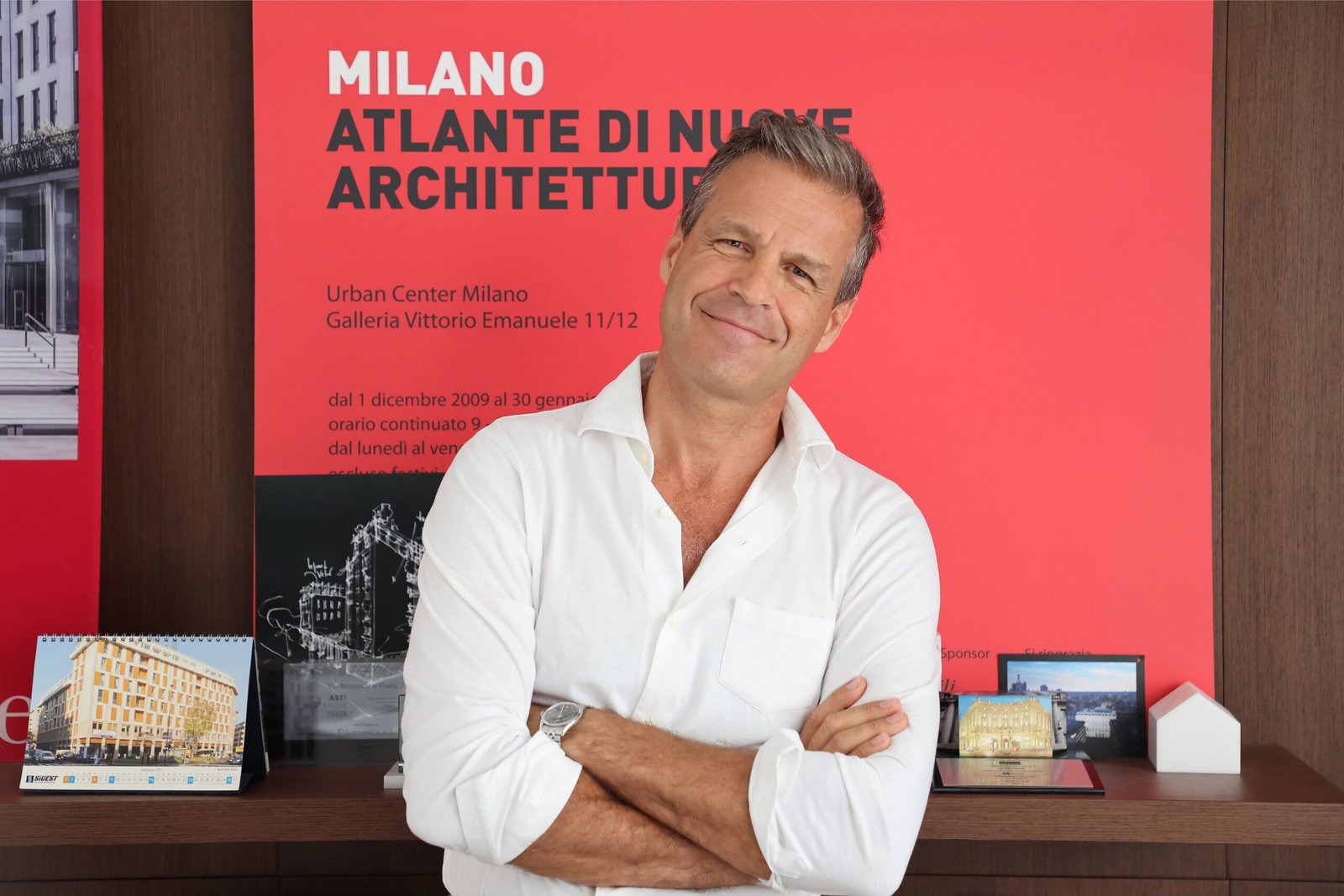
Ciao, Paolo! Thanks for making time for Kanto! When you were first approached by the client, what was the physical, technical, and symbolic condition of Torre Velasca? Which of those three aspects proved the hardest to work with?
Paolo Asti, founder, Asti Architetti: The Tower was inaugurated in 1958. Since then, it had not undergone any comprehensive structural interventions; only partial works had been carried out on individual apartments. Moreover, it was not subject to any heritage protection by the Superintendency: until 2011, therefore, there had been no particular attention paid to the building. Internally, it was in a condition of ordinary maintenance, while externally it was exactly in the state one would expect of a building with seventy years of history. No work had been carried out on the exterior, so objectively it was a building in need of a substantial restoration intervention. The “symbolic” aspect did not require any form of preservation, as the building retained its complete legibility and its uniqueness within the city.
Torre Velasca’s reputation precedes it; for its structural robustness and presence, because of its distinctive look on the skyline, it has gained its share of fans and detractors. What would you regard the most restrictive constraint on the renovation project if any?
Paolo Asti: There were no restrictive constraints preventing a complete redevelopment of the tower from a structural, certification, and building-services standpoint. The challenge was to carry out a 360-degree transformation of the property without altering or changing it in relation to its original image.
Working in close dialogue with heritage authorities, commercial stakeholders, and the existing structure itself, where did architectural judgment matter most? Were there aspects of BBPR’s original design that proved unexpectedly flexible, or limiting, when adapting the tower for contemporary use?
Paolo Asti: The dialogue was absolutely positive, as everyone started from the shared assumption that the work needed to be carried out must have full respect for the Tower. From a design perspective, our work focused more on the piazza than on the Tower itself, since the building mainly required reinstatement to its original typological conditions.
Although the interiors had been organized over time into divided spaces and offices, both the structural system and the overall building services were clearly conceived with openness in mind. The central core and the system of windows opening 360 degrees onto the city demonstrate an extremely contemporary flexibility in BBPR’s approach, allowing the tower to absorb new programs without altering its original image.
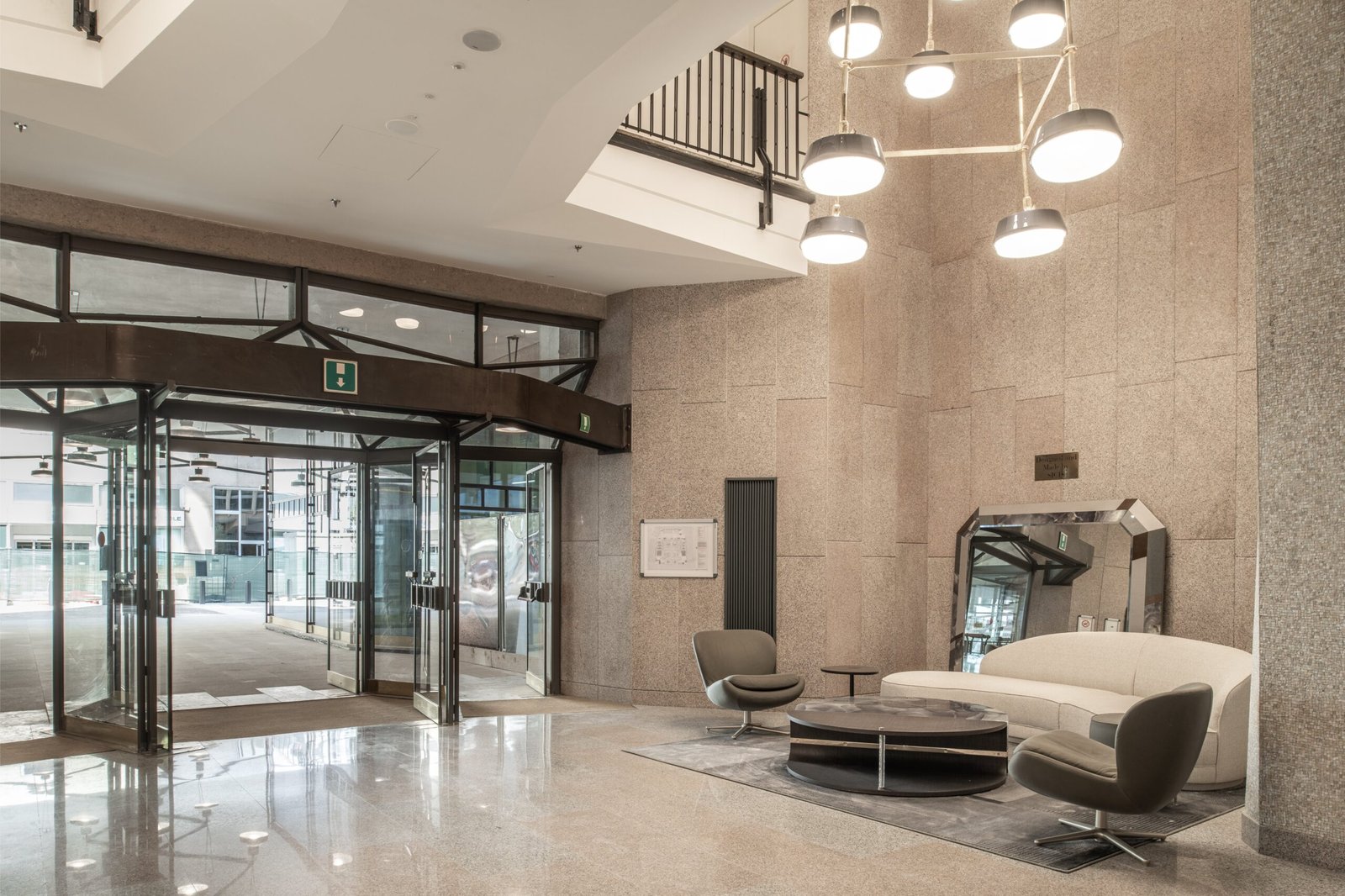
Let’s talk about the restoration process in more depth. Can you walk us through the studio’s dialogue with Torre Velasca as structure?
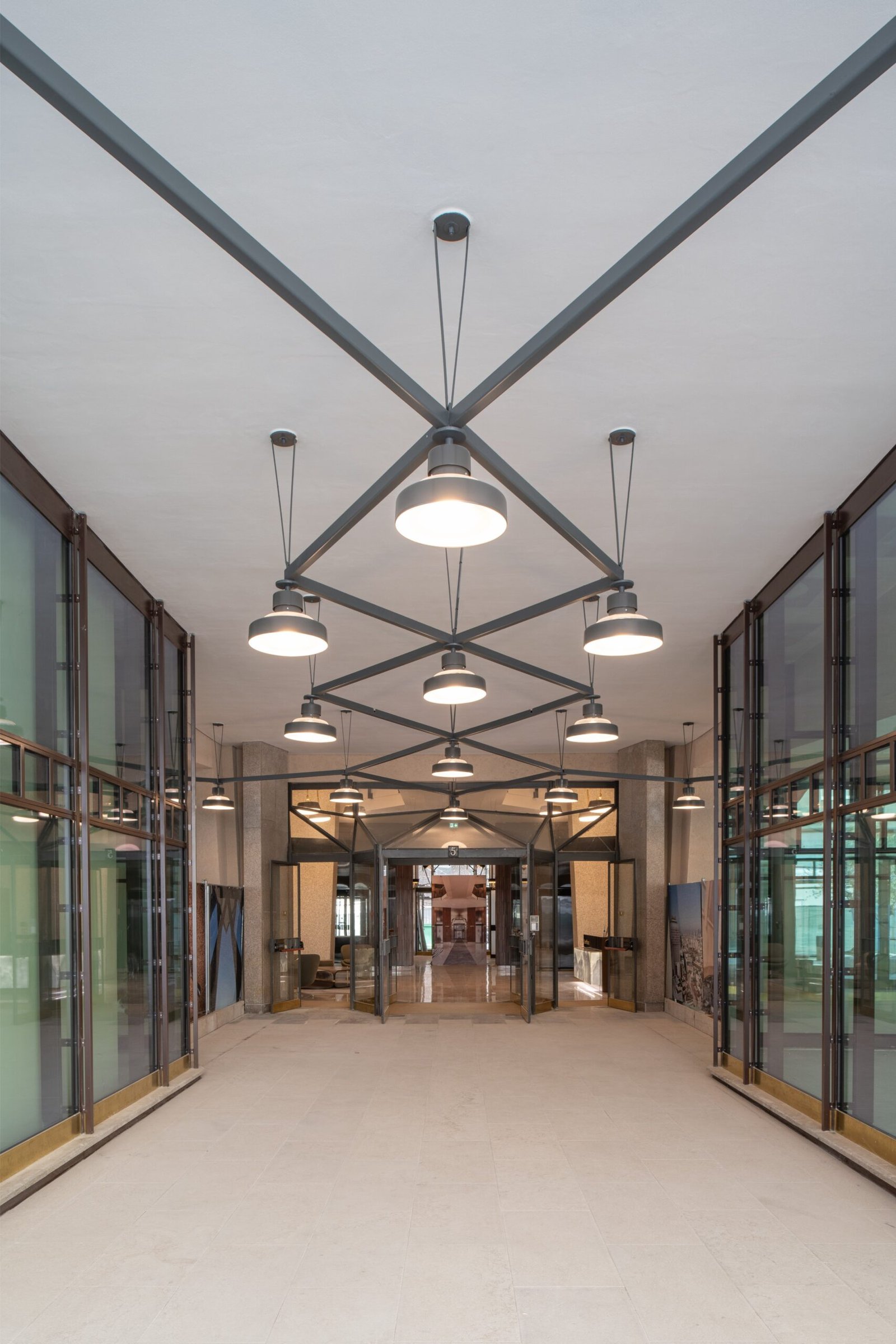
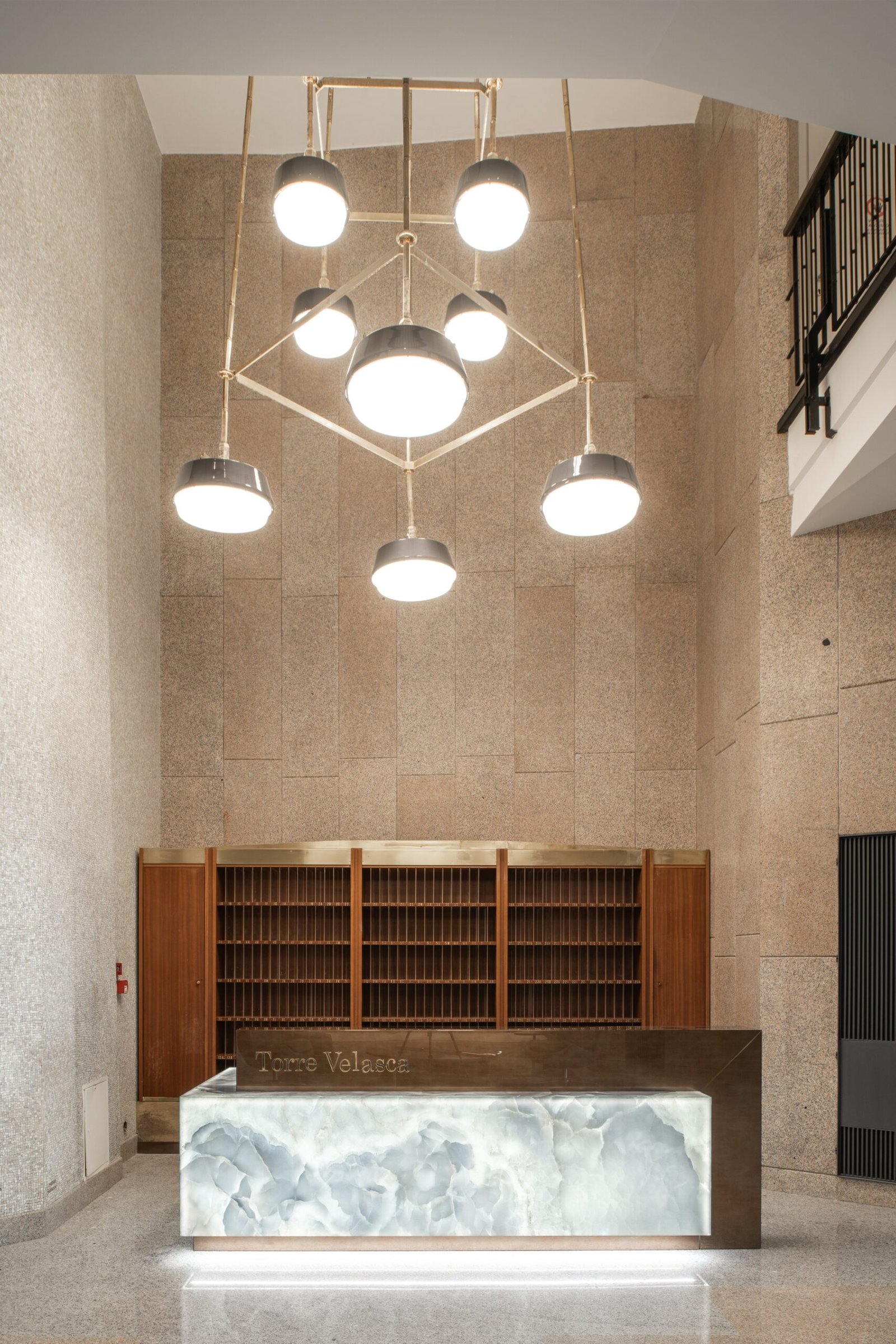
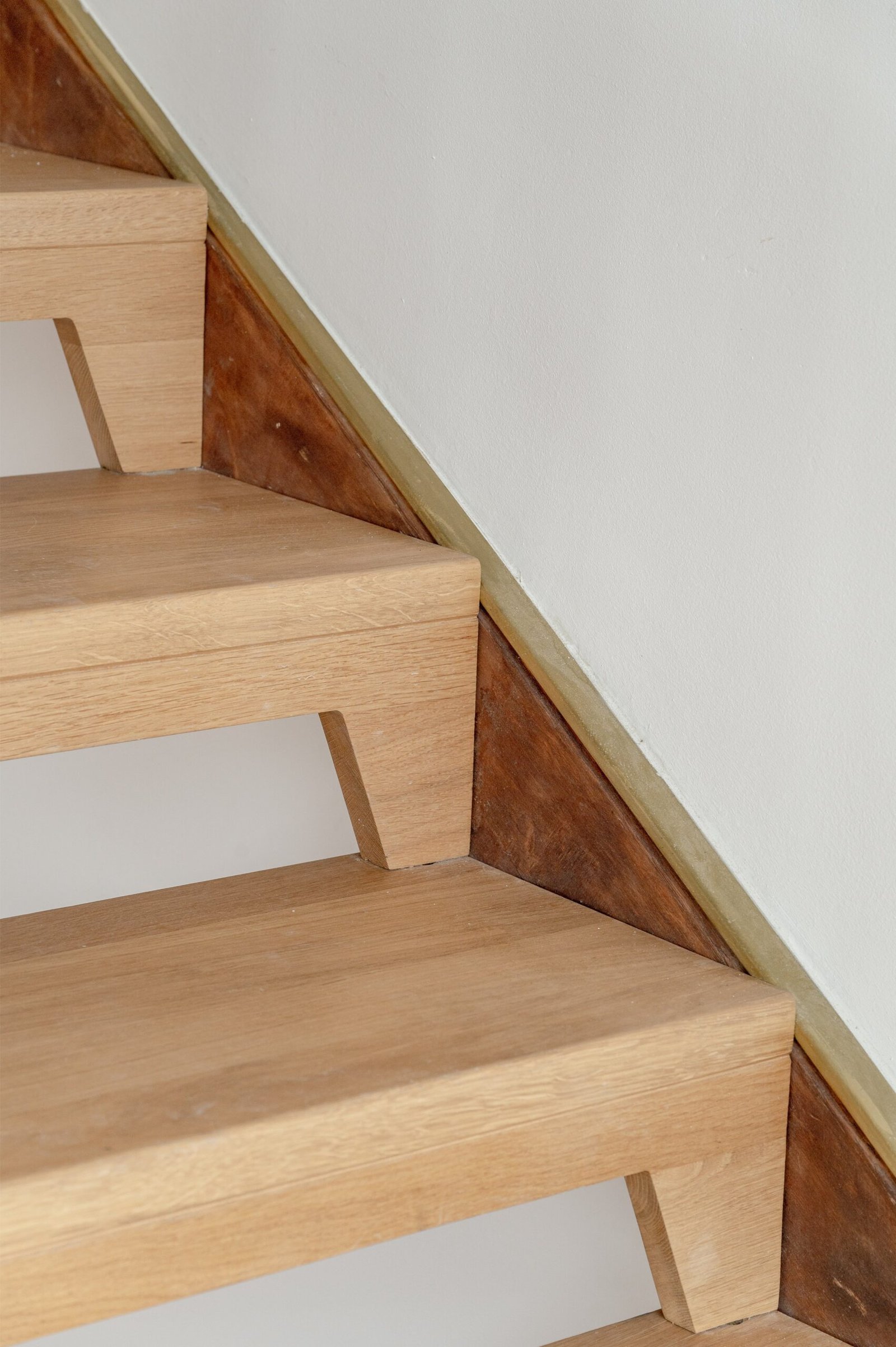
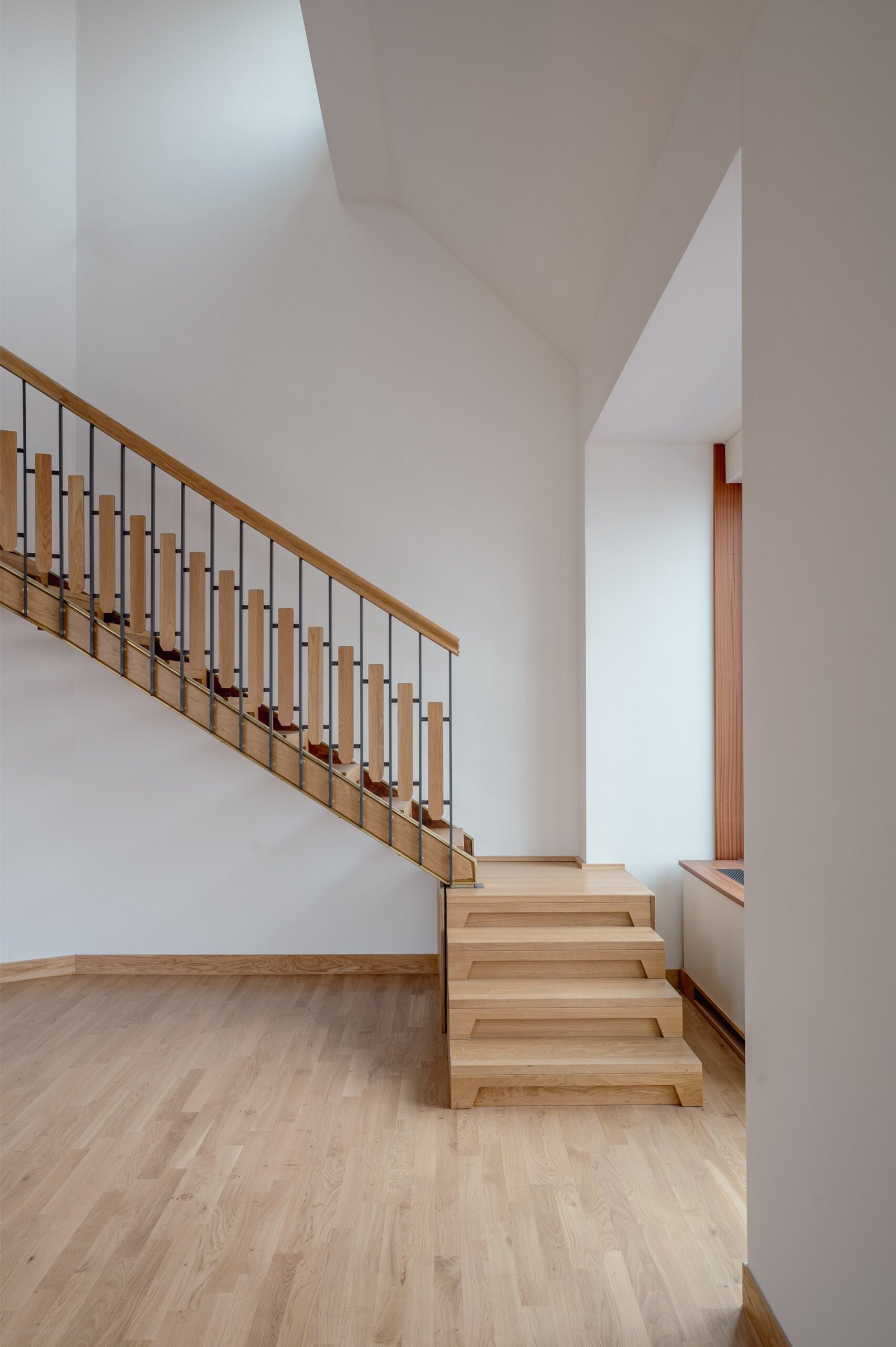
Paolo Asti: Our intervention took shape through an approach combining material restoration and typological restoration. In terms of material restoration, wherever possible we recovered the existing elements or reintroduced analogous products in continuity with the original workmanship: from handcrafted ceramic materials to precious woods, passing through linoleum flooring and historical details such as the mahogany wood paneling and the cluster chandeliers made of burnished brass and glass in the lobby, as well as the historical floor signs. When this was not possible, we carried out an assessment in terms of typological restoration of the spatial layout, reinterpreting how BBPR would have designed it, thus allowing—despite the use of different materials—the preservation of the spirit of Torre Velasca.
Every conservation project involves selective loss, especially when hosting contemporary uses. What elements of Torre Velasca could not be preserved? How do you define an acceptable loss in a protected building?
Paolo Asti: We were not able to preserve all those elements that, over seventy years of the building’s life, had in some way been altered—either because they had been removed or because they had been modified. It would have made no sense to replace these elements with historical replicas. Instead, we sought to recover and restore as carefully as possible what could be retained, and to transform the spaces once again into contemporary environments for residential, office, and commercial use, by interpreting the original characteristics and re-proposing them through a contemporary lens.
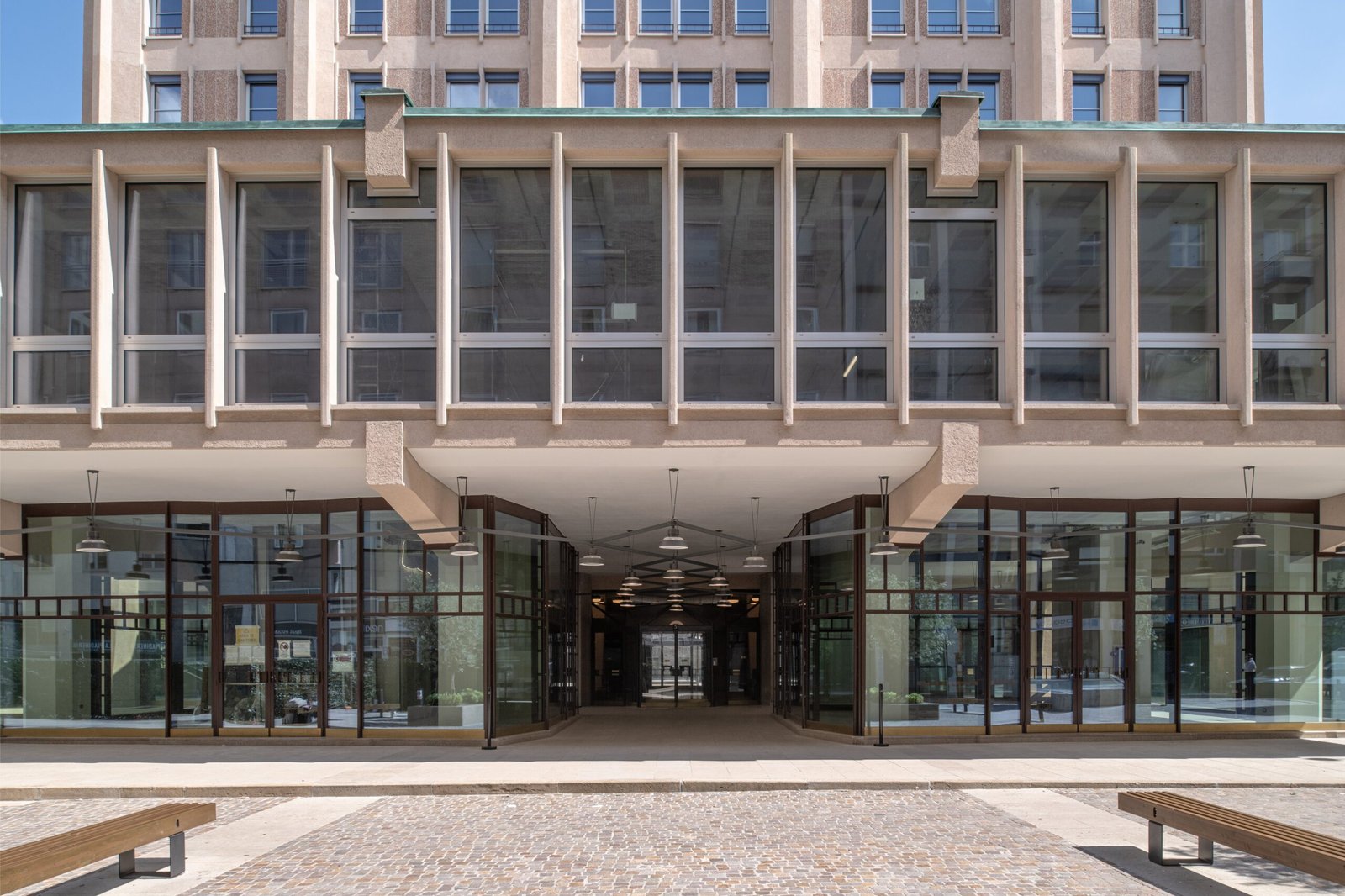
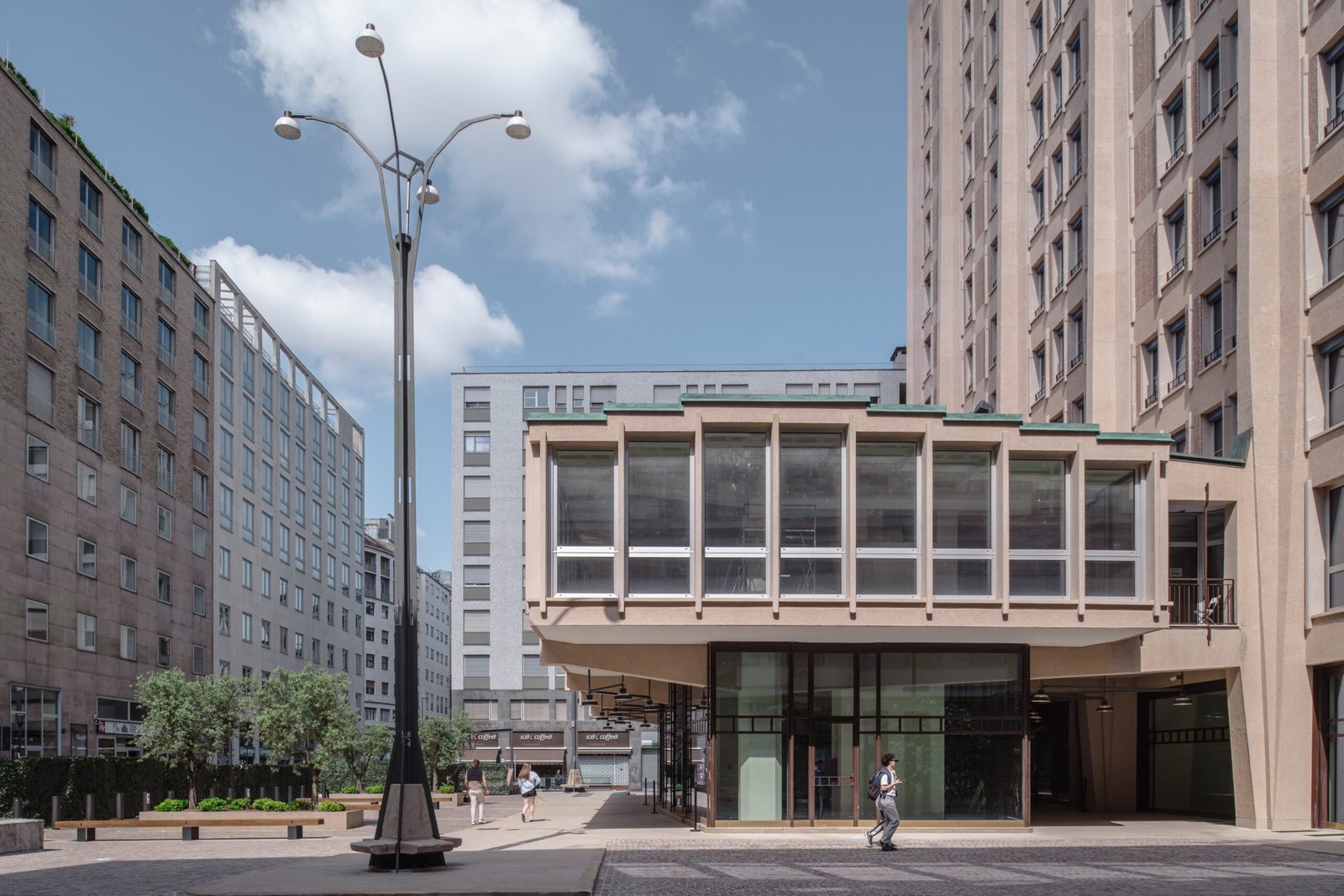
The project also extends beyond the tower to Piazza Velasca, treating public space as a deliberate architectural act. How did reclaiming the ground plane change or affect the building’s relationship with the city?
Paolo Asti: The intervention in terms of design authorship essentially concerned the creation of the square, which needed to be reclaimed for the uses of the Tower. At the base of the Tower, we created a kind of “secular forecourt,” allowing the Tower to be contemplated from a distance while also introducing, within this portion of the urban fabric, a pedestrian resting area that has been returned to the citizens of Milan.
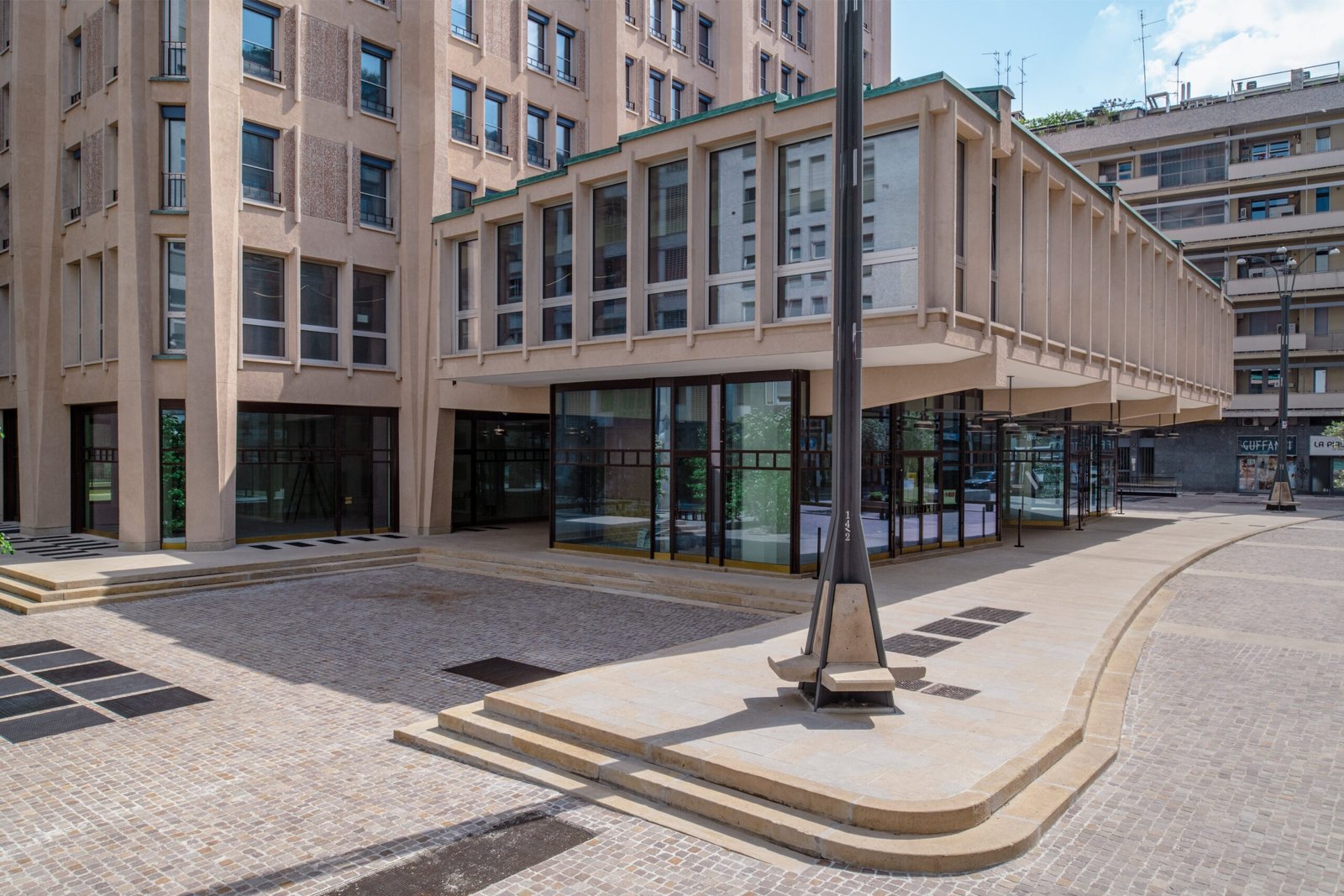
Ten to twenty years from now, what concrete indicators would tell you that Torre Velasca’s adaptive reuse has succeeded, or failed, in terms of access, everyday use, and urban relevance?
Paolo Asti: Torre Velasca has already passed this temporal threshold; over the seventy years since the postwar period, it has adapted to contemporary term, which is why the market has reassessed it today. After seventy years, it can be said that the Tower is still worthy of being considered a symbol of Milan, and I believe that in forty or fifty years it will still be capable of adapting to the city’s demands and needs for a very simple reason: the intended uses we are talking about—residential, hospitality, and work-related—are all rooted in human parameters, dimensions, and expectations. For this reason, I do not believe there will be any substantial upheavals.
In Southeast Asian cities like Manila, where modernist buildings are often vulnerable to redevelopment and heritage protections are uneven, Torre Velasca may appear exceptional. From your perspective, what cultural, institutional, or market conditions enabled its reuse—and how particular are these to the Italian context?
Paolo Asti: The initial design conditions of the Torre Velasca were of great quality, as it was built during a significant period of the Modern Movement, at the end of the 1950s, and is characterized by a particularly successful architectural design. Italian clients are generally very sensitive to this aspect and would never demolish a building designed by masters of Italian modernism for purely speculative purposes. On the contrary, there is a willingness to recognize the historical value of such a property. Therefore, Italian clients, at least, acknowledge modernism as having not only cultural value but also greater commercial value. •
Kanto thanks MAP Communications for making this interview possible