Words San Studio
Editing The Kanto team
Images Ar. Isabel Herpacio
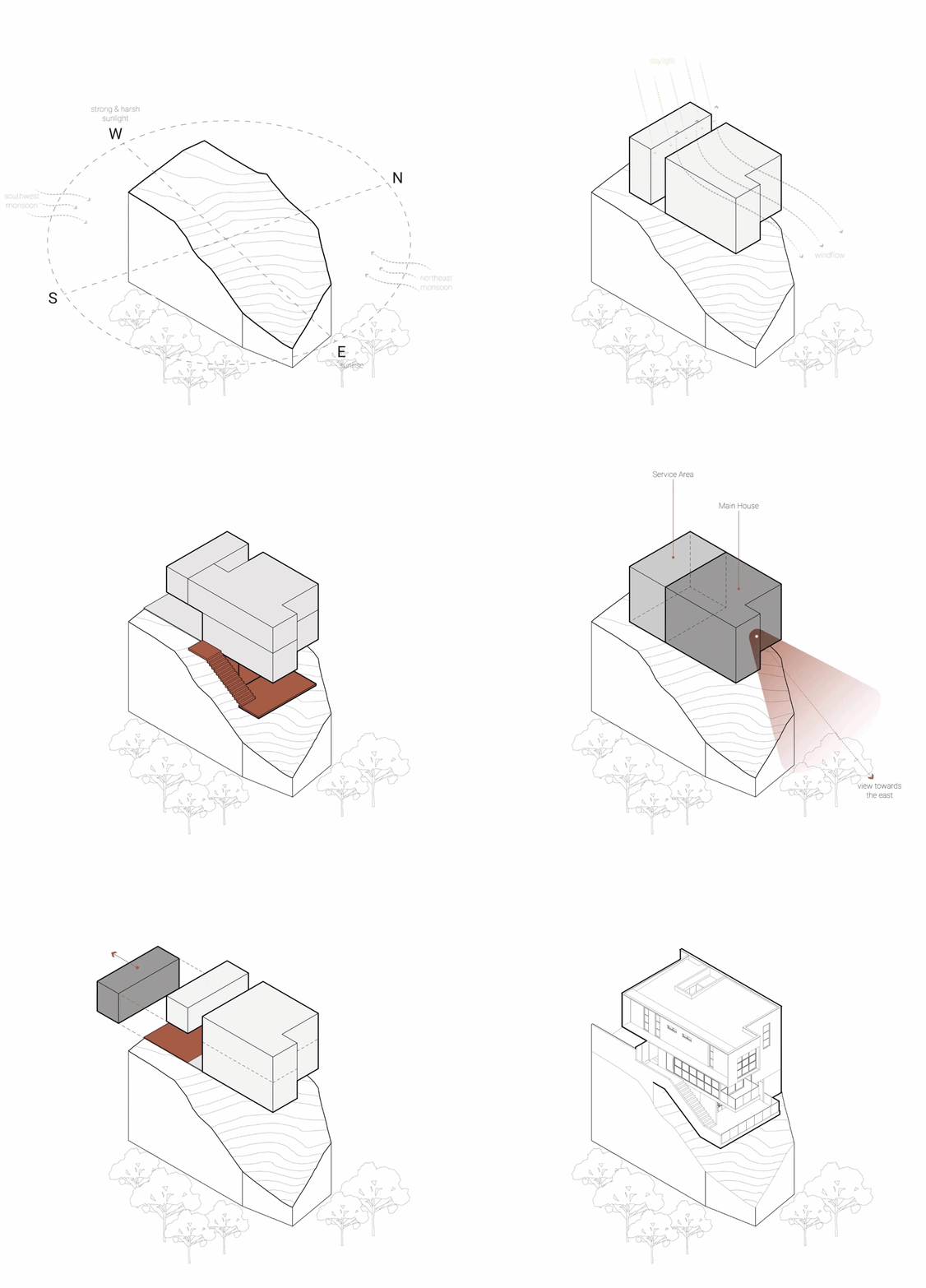
We first visited the site with the clients — a young married couple about to build their first home together. At the time, they were still in the process of purchasing the property, which would soon become one of the main drivers of the home’s design decisions.
Working within its constraints, the site is a compact 190 sqm, with 70 sqm already designated for setbacks. It sits on a steep slope, anticipating the use of stilts, while the front of the house faces west, exposed to the piercing afternoon sun. Despite these challenges, the view was magnificent — a rare meeting of city and sea.
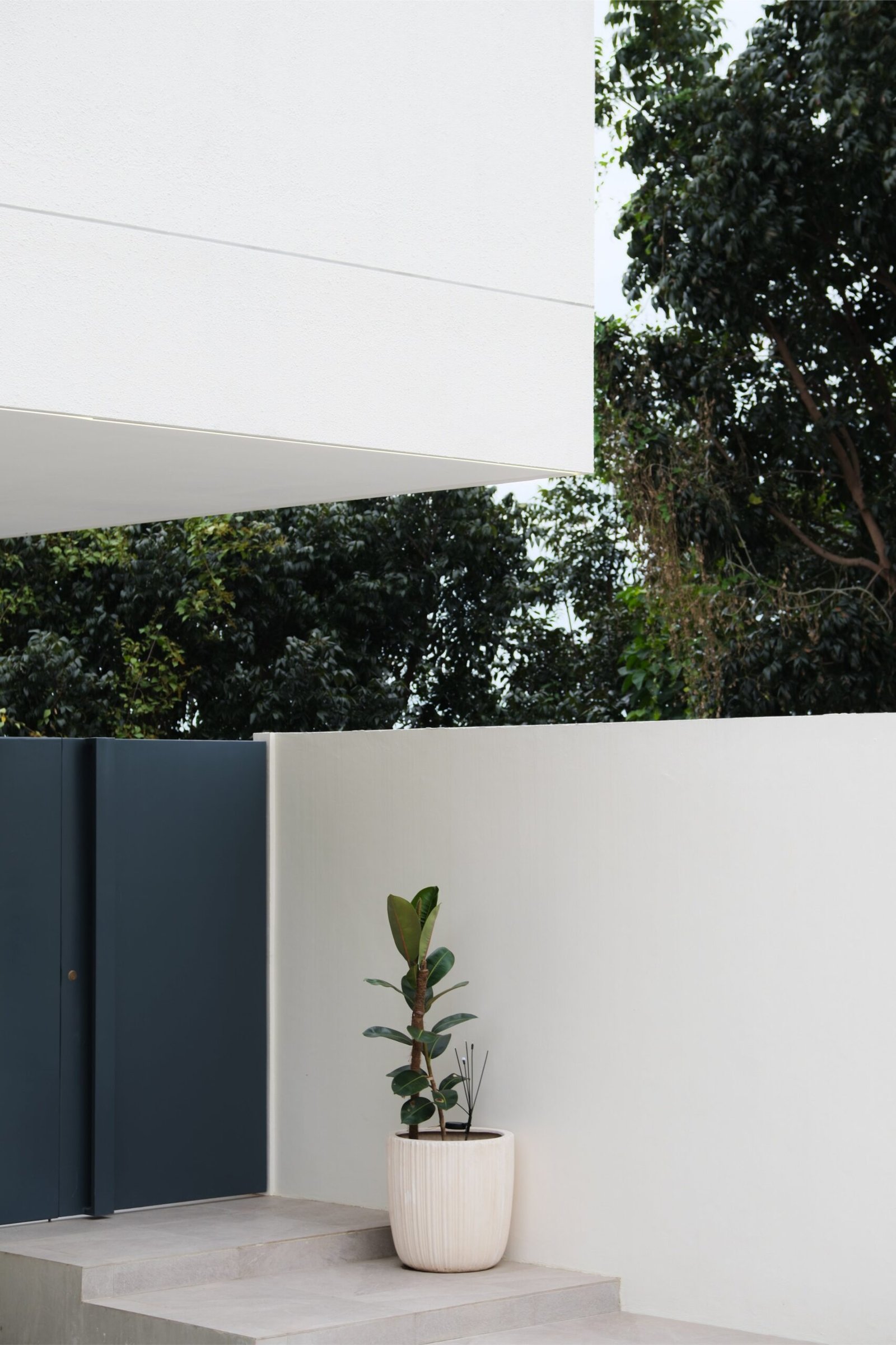
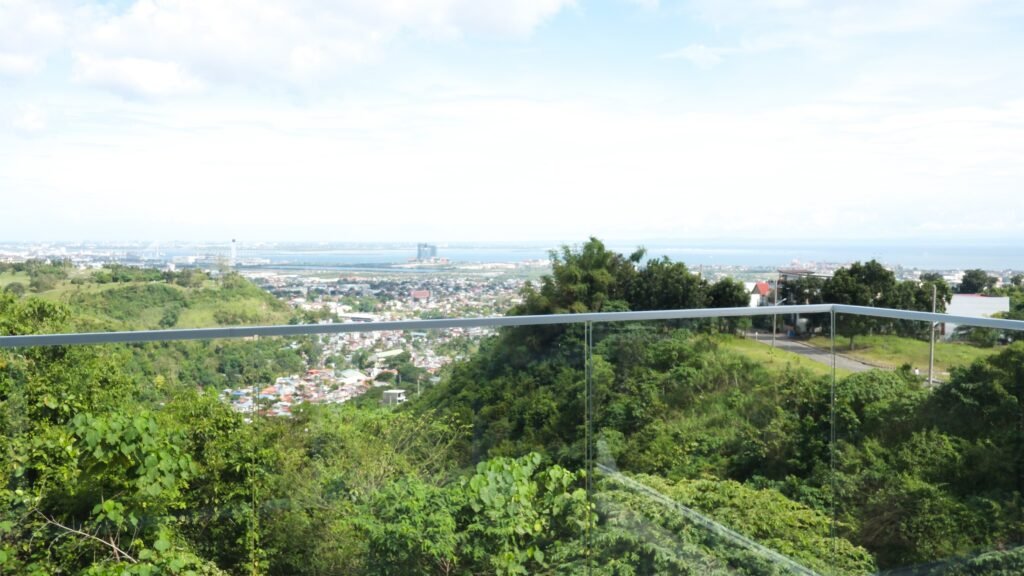
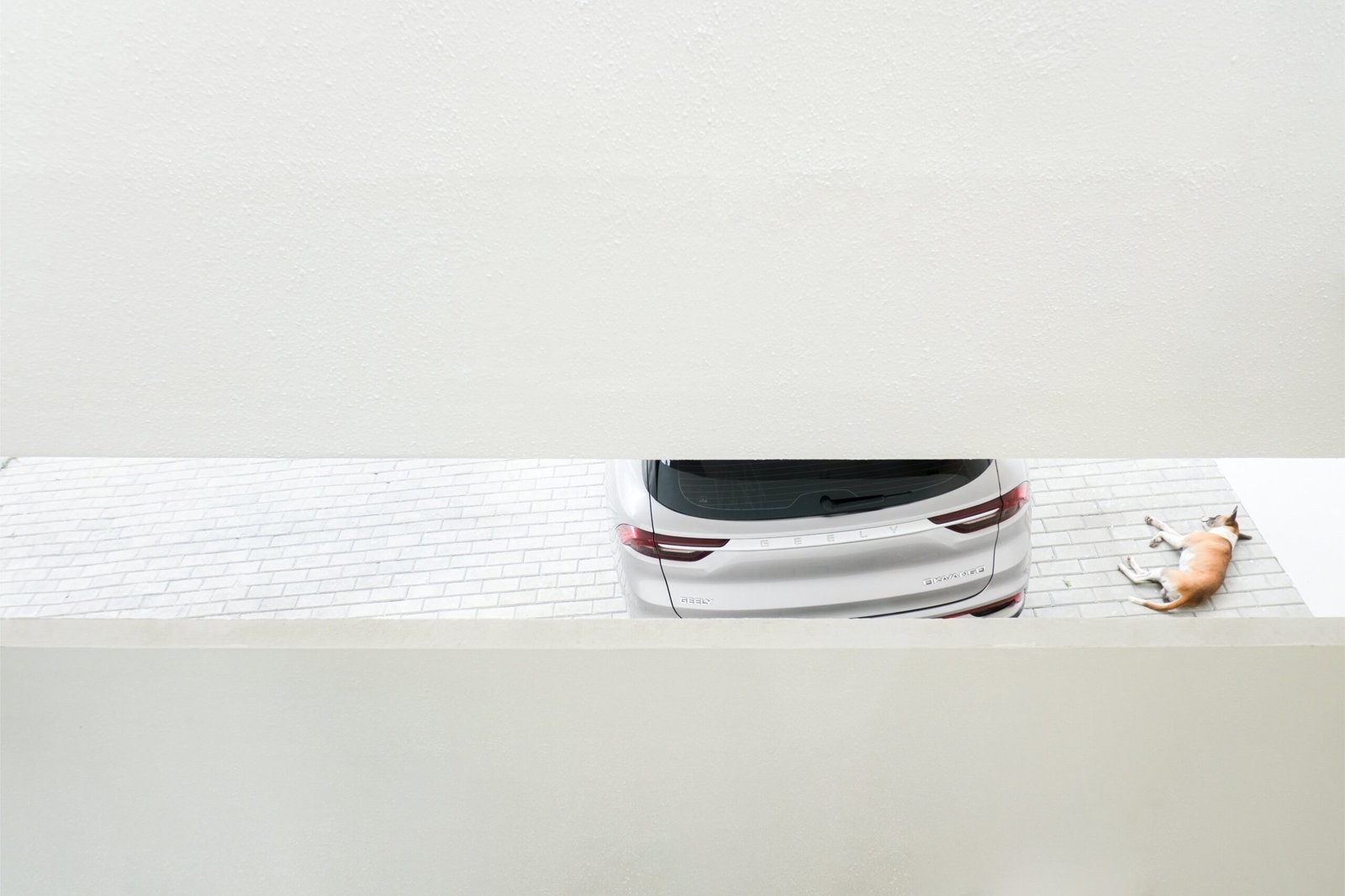
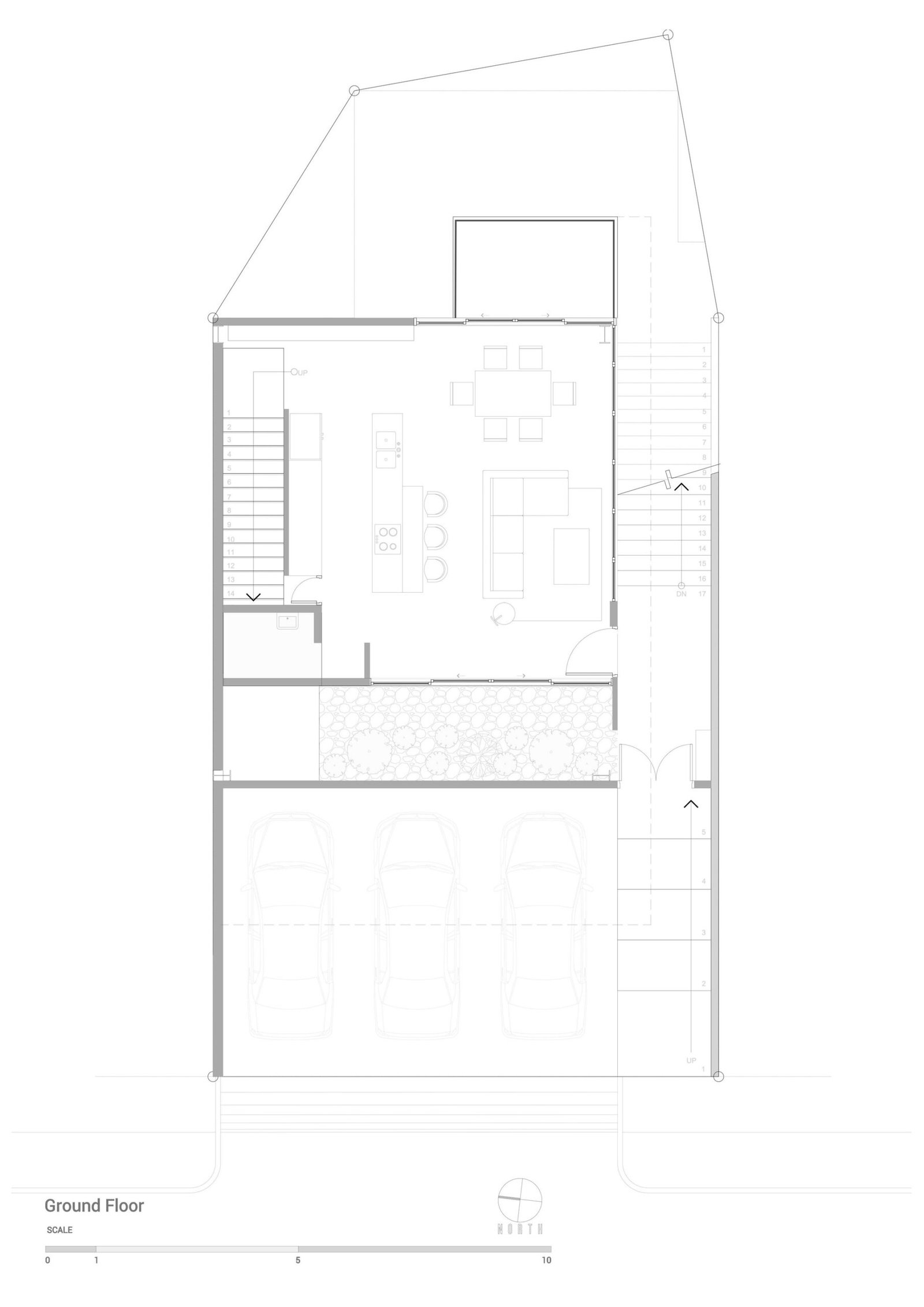
Almost as a direct response to this, the enclosed spaces — along with the parking and service areas — were positioned at the front along the main road, while the common spaces more frequently used by the family were placed at the back: concealed from the street, yet opening generously toward the east.
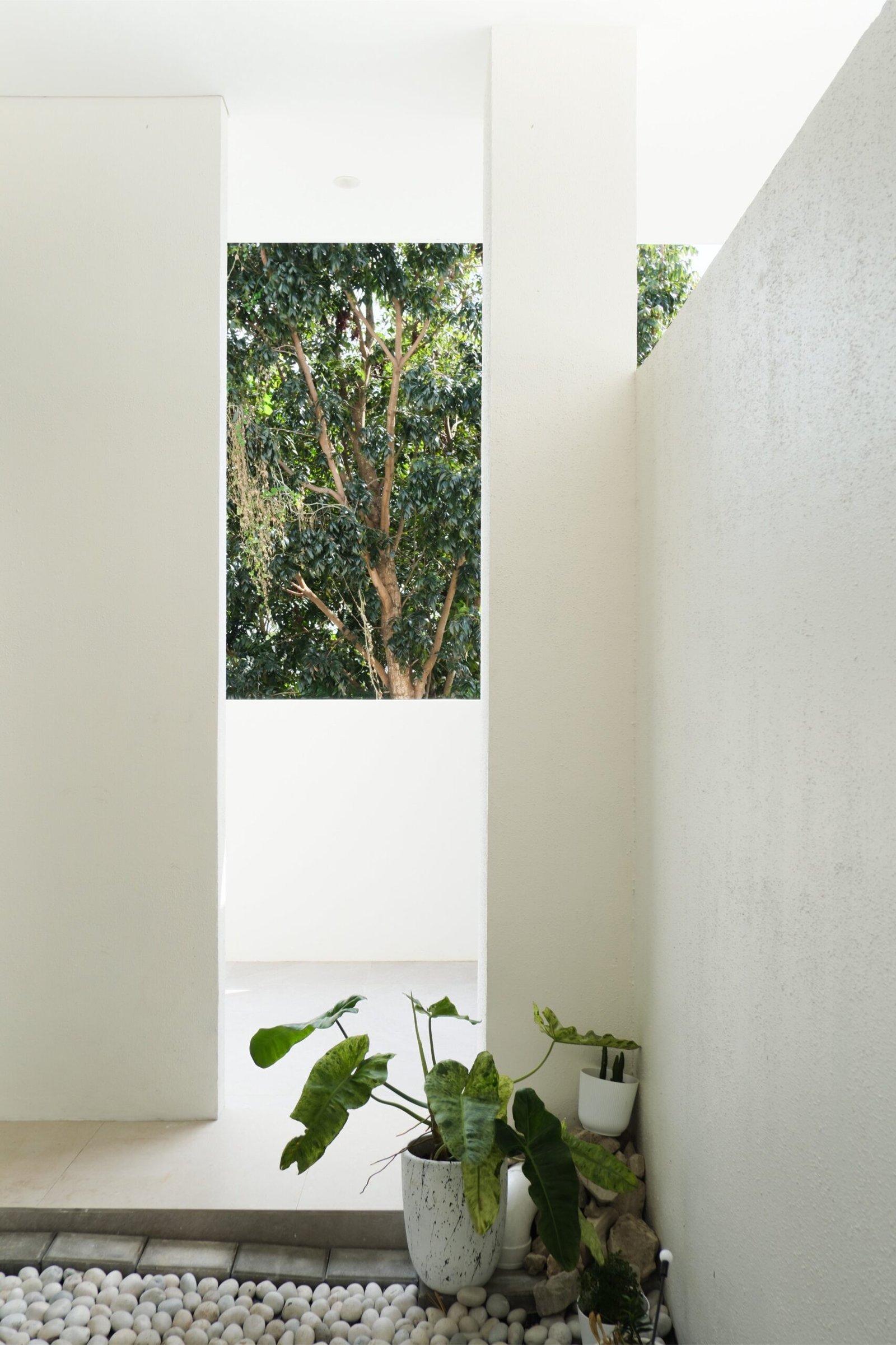
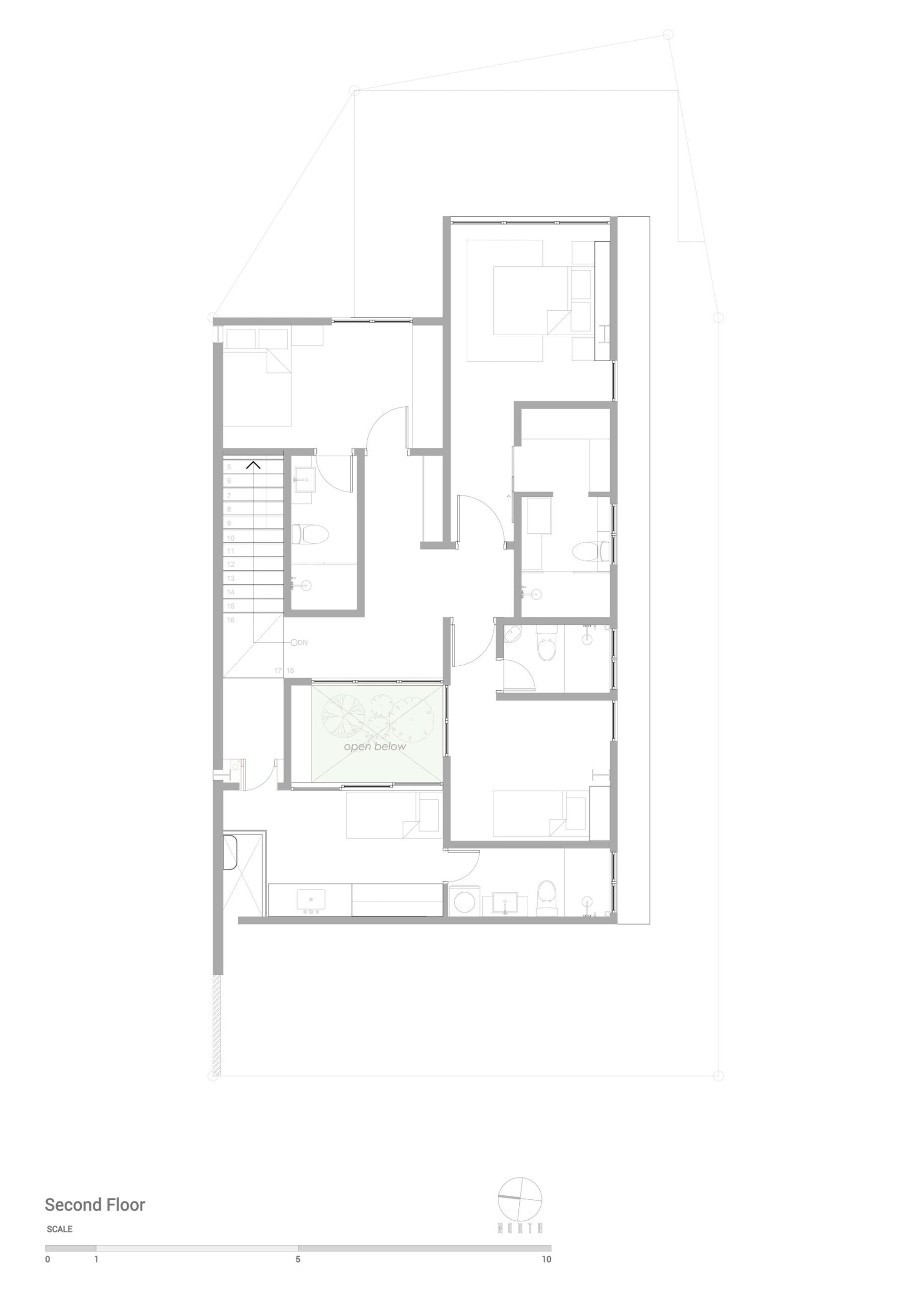
Because it was difficult to maintain a traditional lawn given the site’s conditions, we’ve allocated space for a small pocket garden between the parking and living areas. Concealed from street view by a low wall, this pocket garden extends up to the second floor, illuminating spaces above and providing opportunities for cross-ventilation. This gap allows the family to open up entirely while preserving their privacy and allows air to circulate throughout.
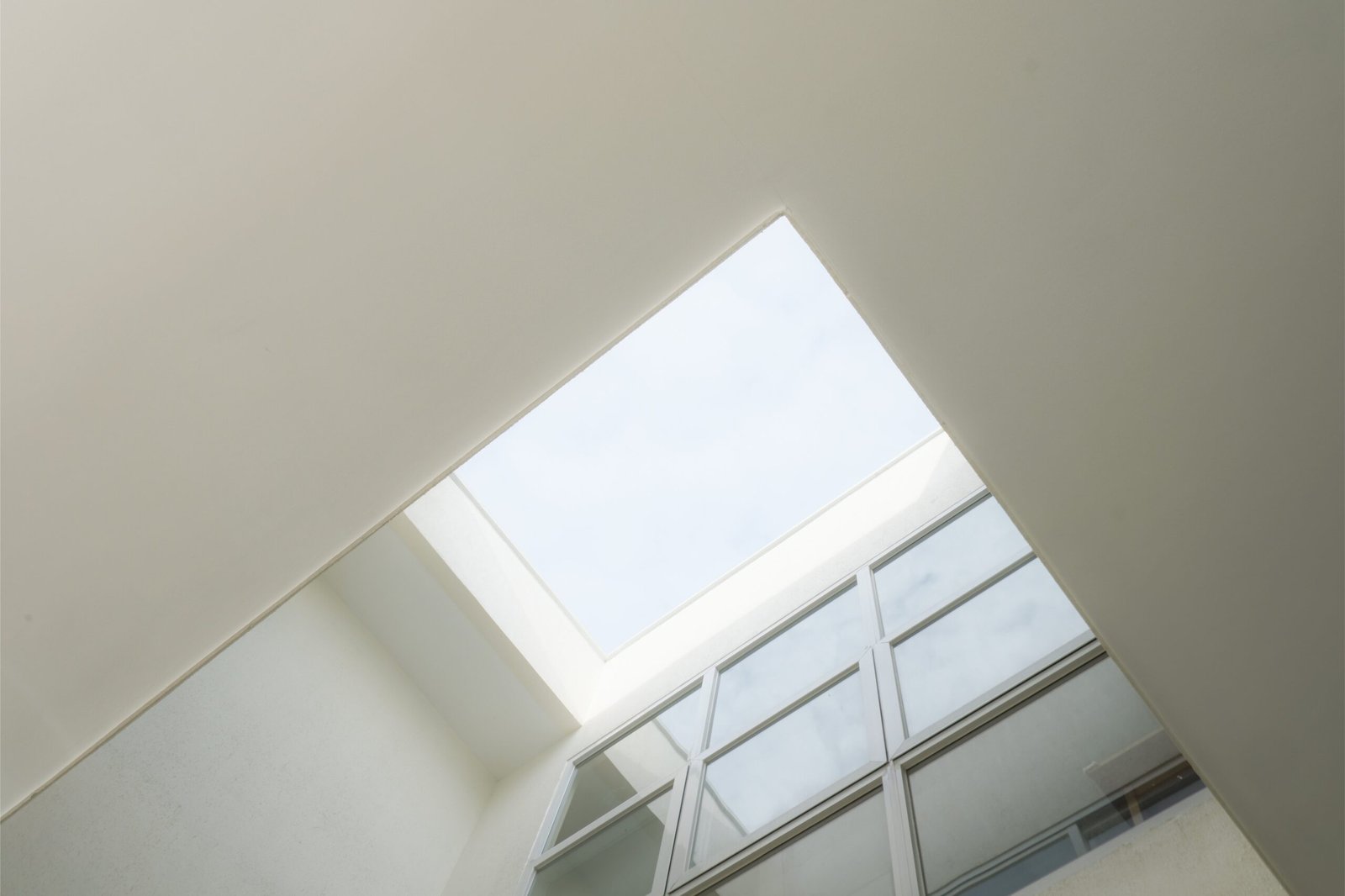
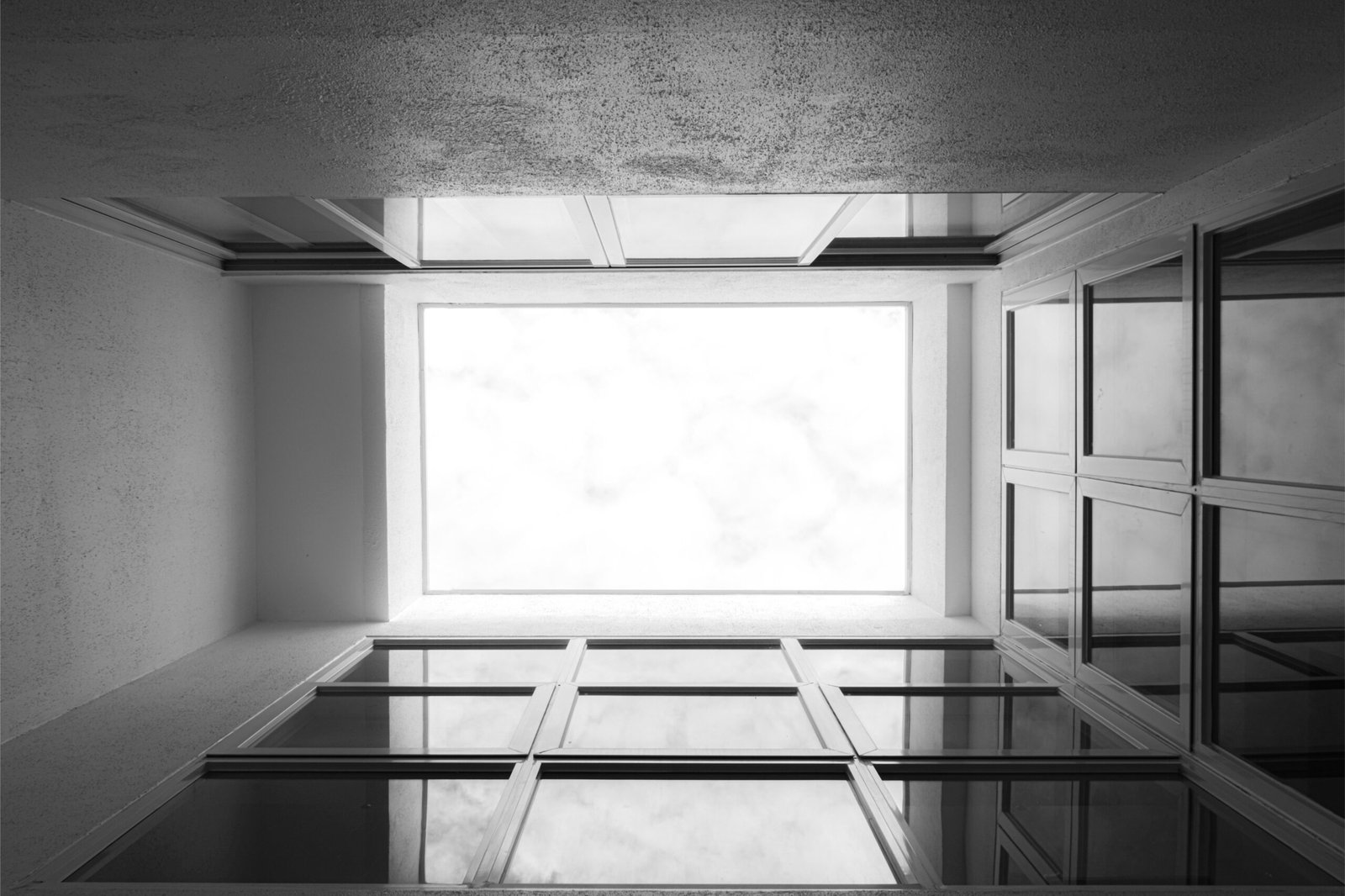
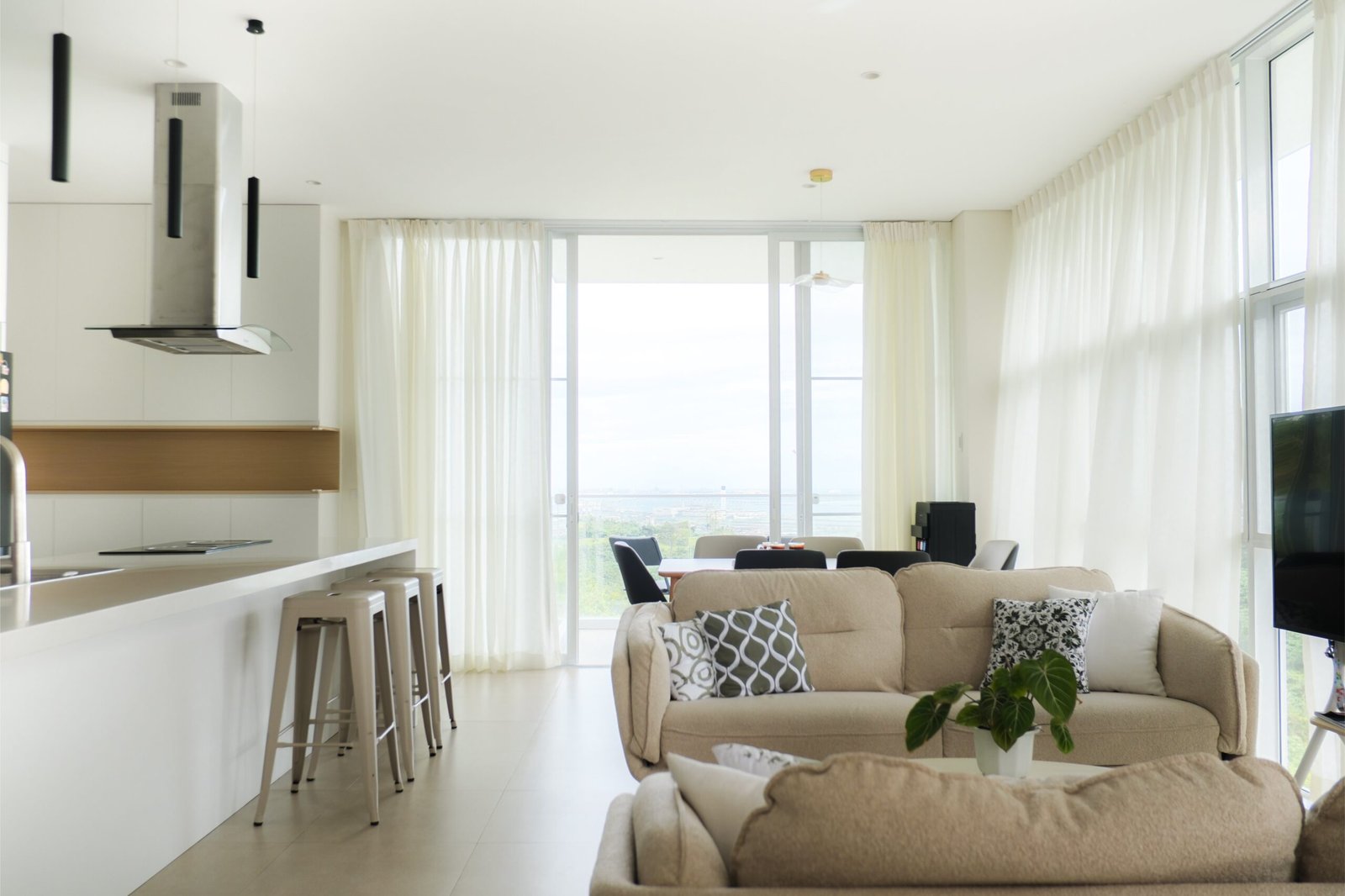
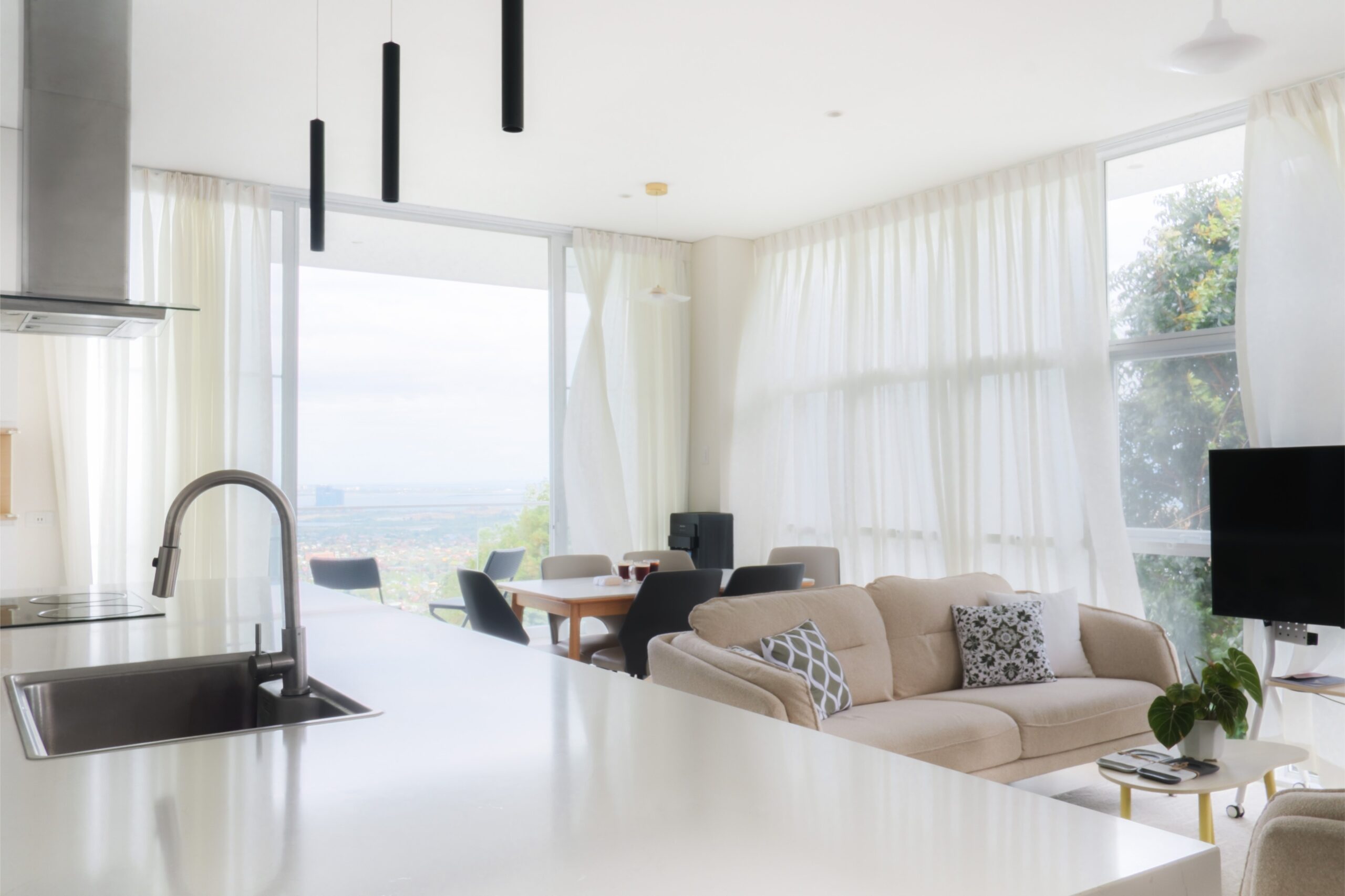
Given the compact footprint, the interiors are kept open and continuous to make the spaces feel more expansive. Entering the spaces, a house that is seemingly enclosed from the outside opens onto trees and sky, extending the sense of space beyond its physical limits. An open-plan living, dining, and kitchen are on the ground floor, while storage is maximized where possible. A hidden door in one of the kitchen cabinets leads to a storage room occupying the space below the stairs.
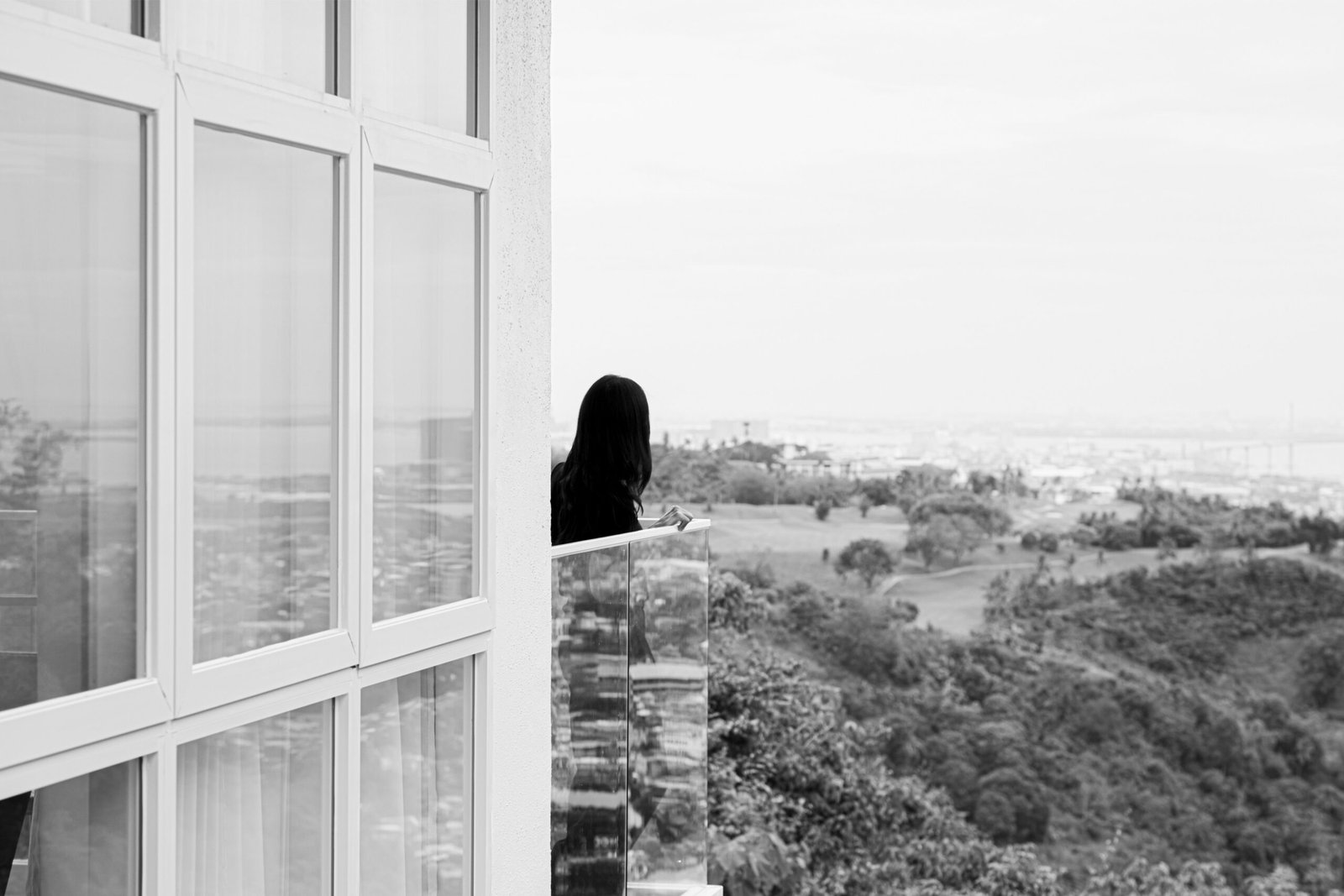
Openings are framed with grid-patterned glass windows, similar to French-style windows, softening the space with a sense of familiarity and warmth. A balcony extends toward the view of the city and the distant sea. Nature, for House O, is experienced in other ways — through framed views, filtered light, and the presence of trees at eye level.
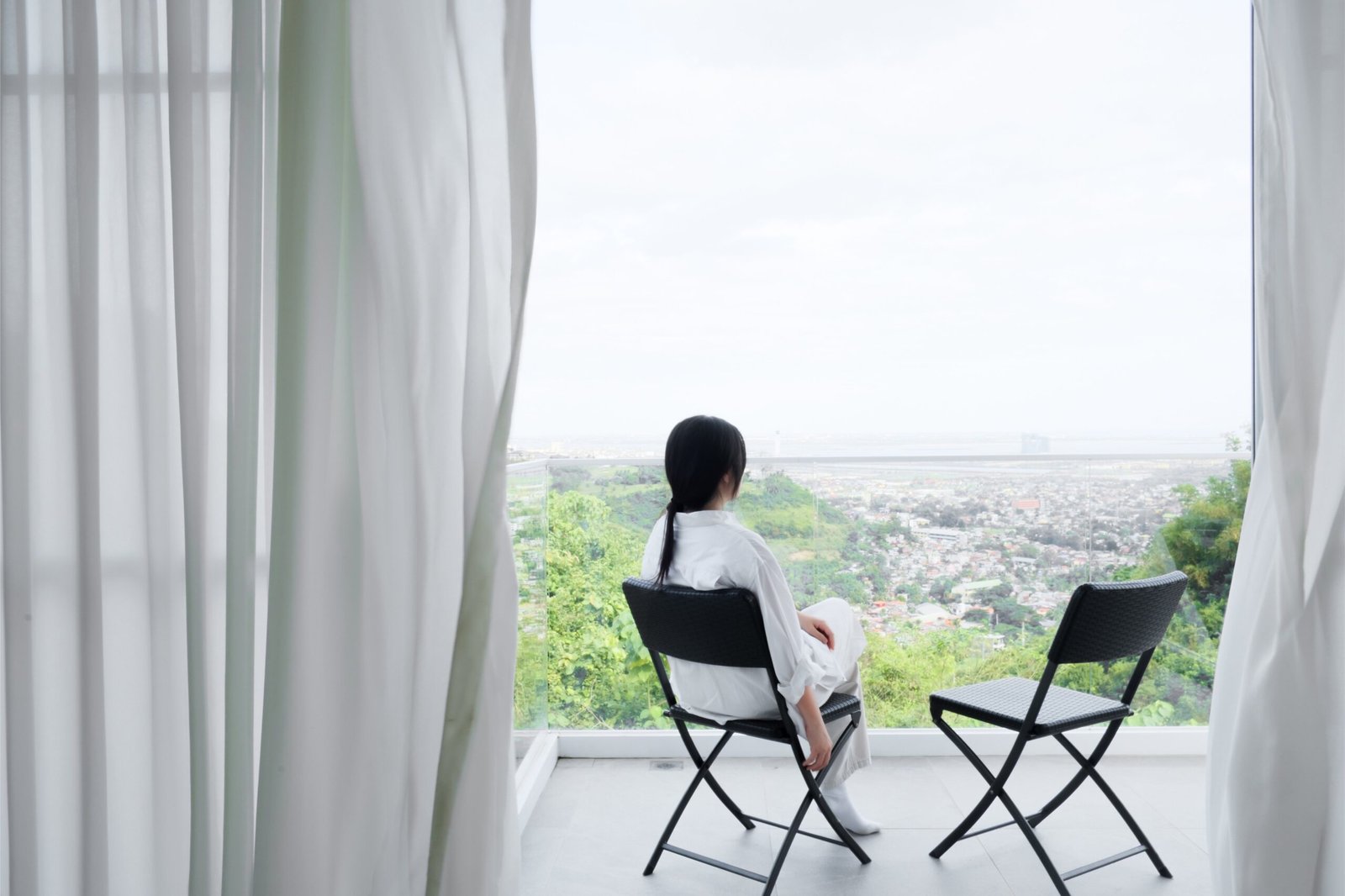
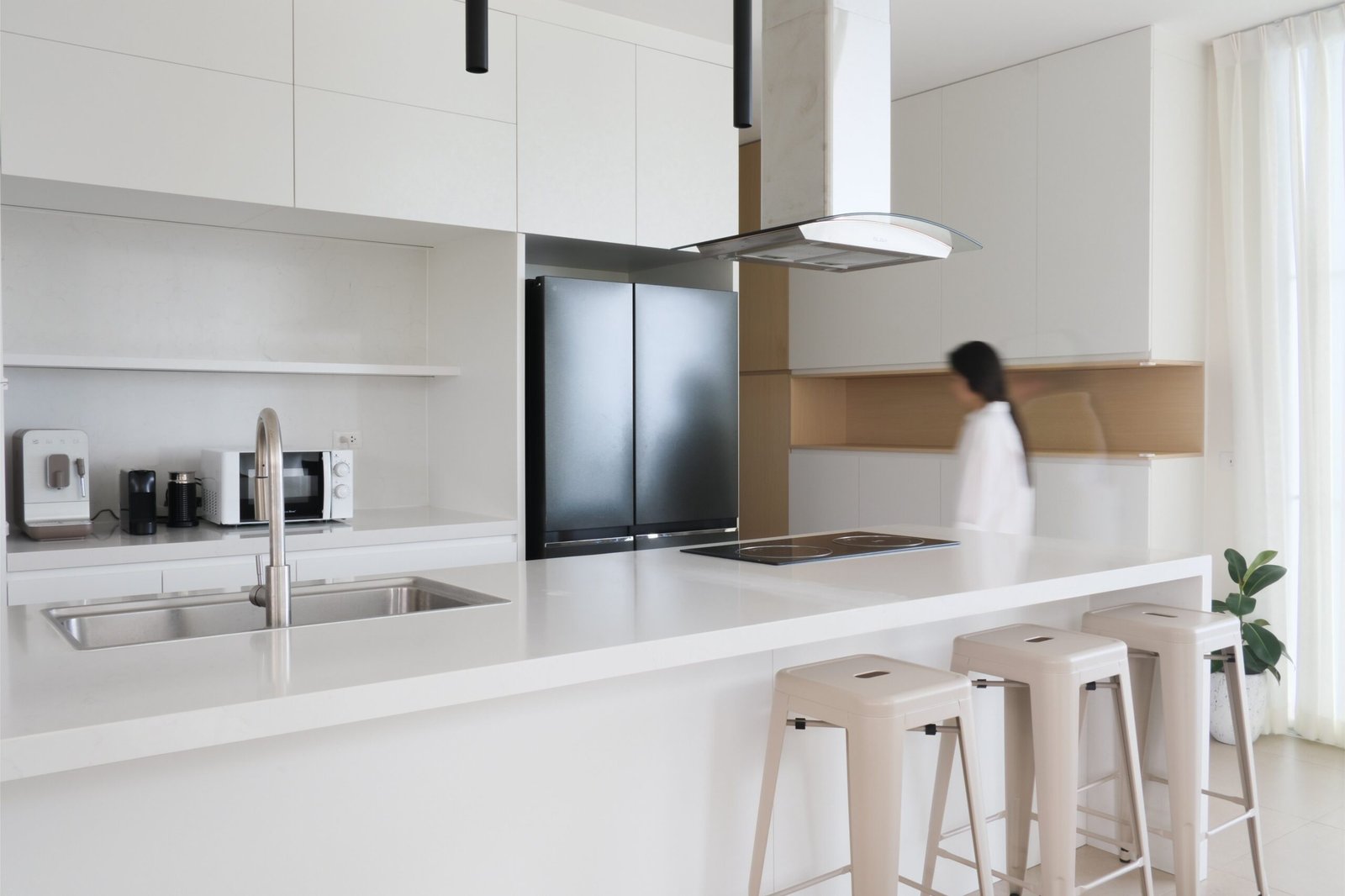
“Nature, for House O, is experienced in other ways — through framed views, filtered light, and the presence of trees at eye level.”
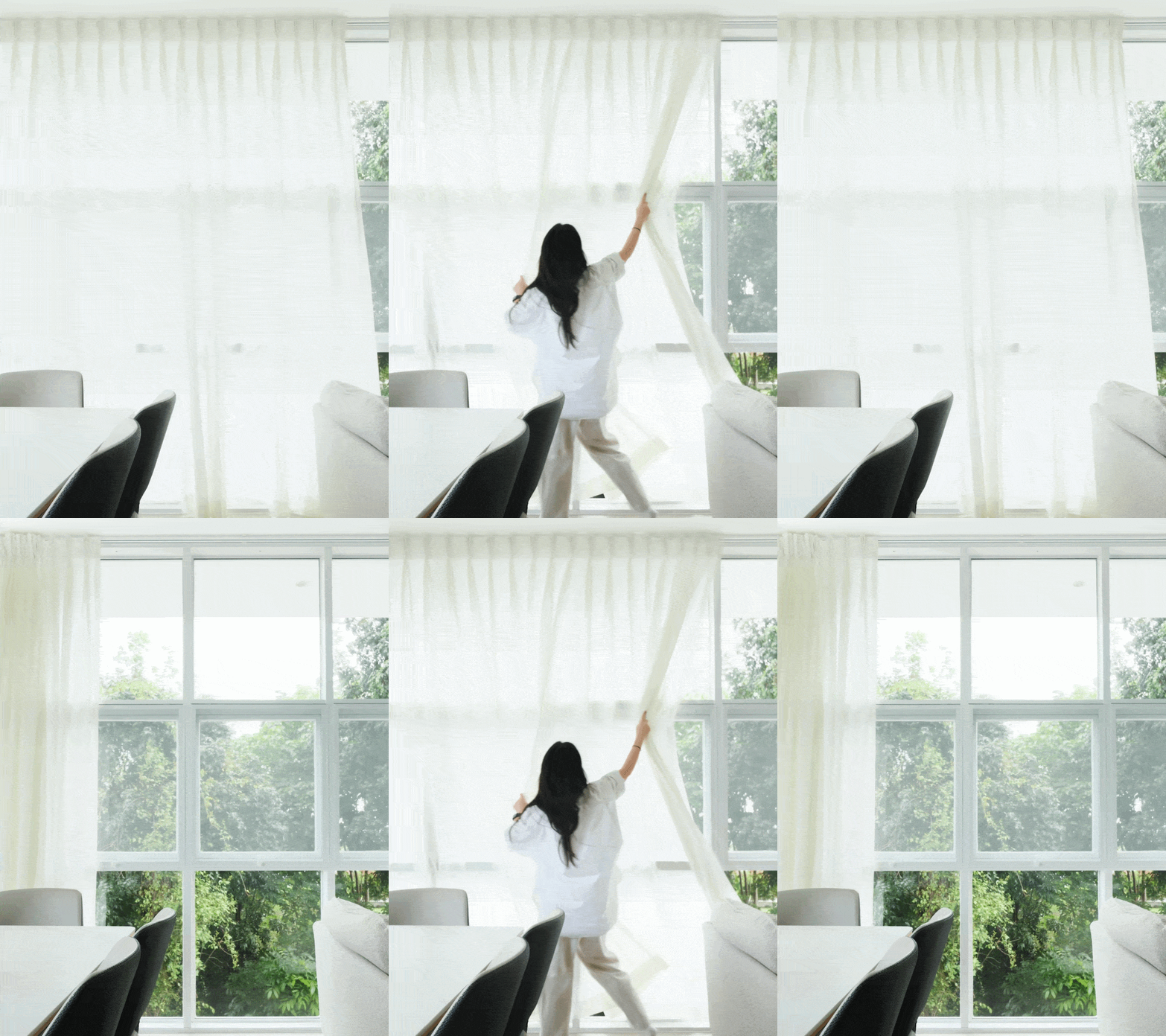
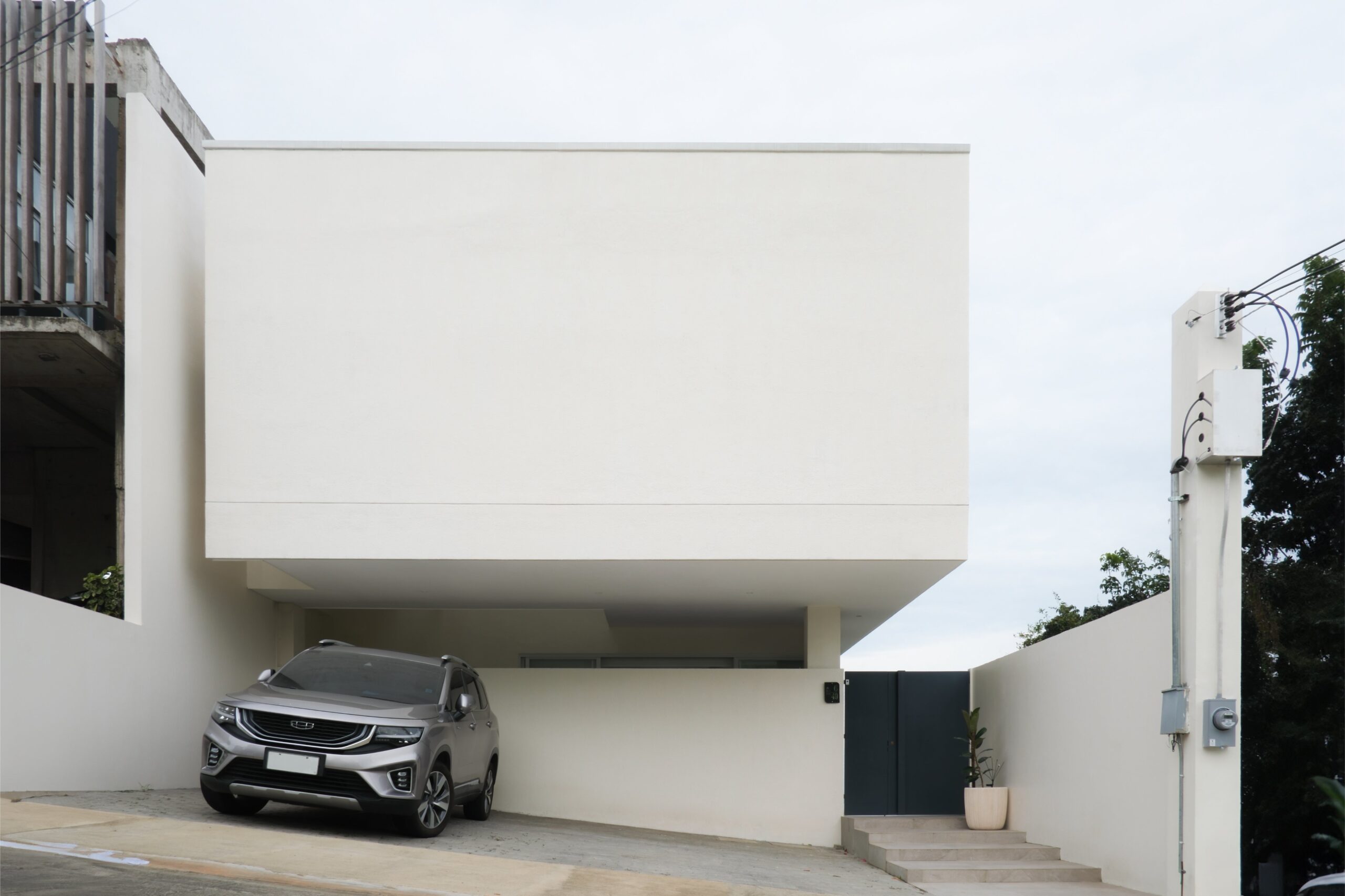
The second floor contains the bedrooms and the services. A portion of its mass cantilevers in the front, functioning as a canopy over the parking space, and shielding the interiors from afternoon heat.
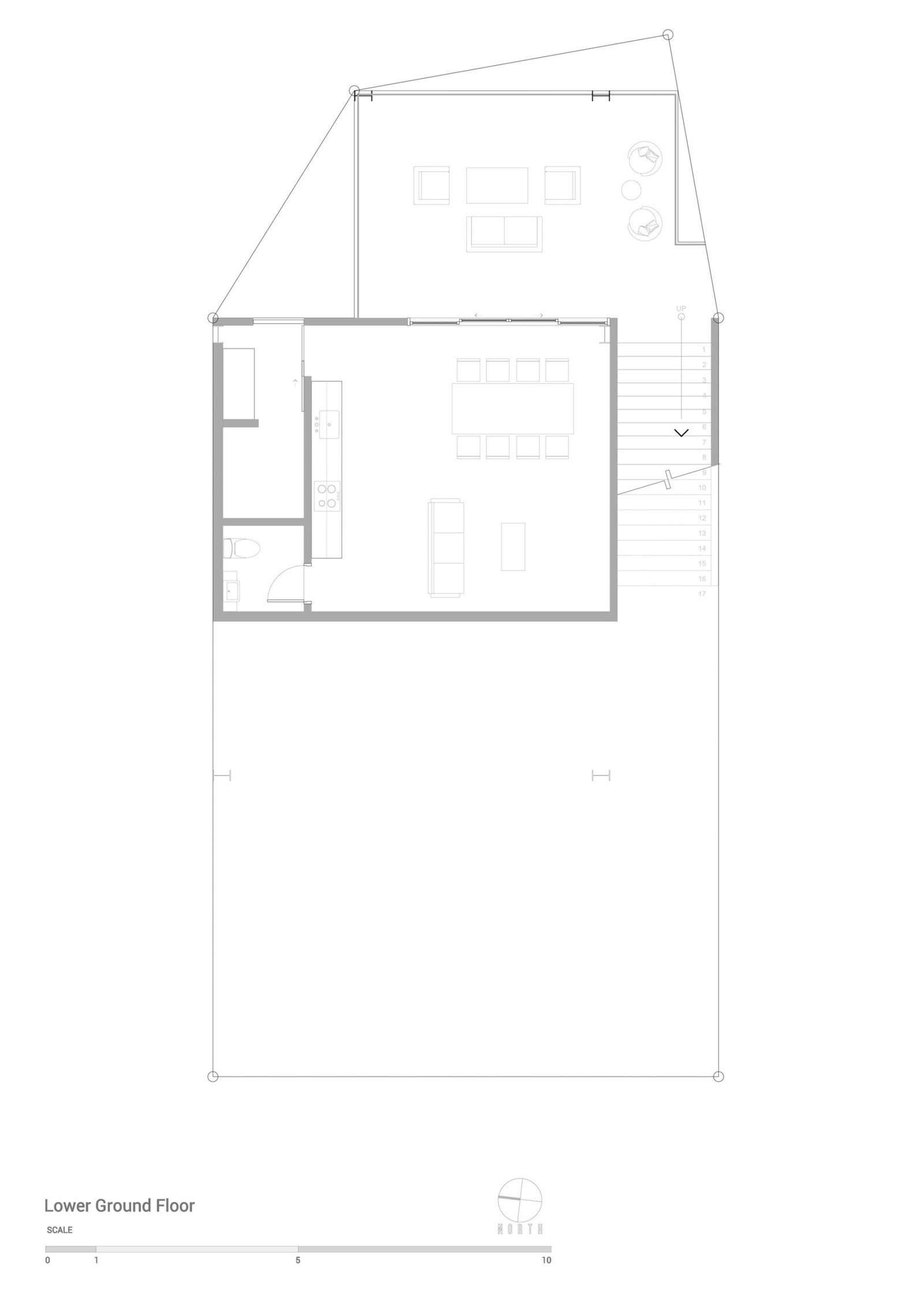
Because the family loves hosting, a lower ground floor is introduced via a separate stairway where a balcony and entertainment room are designed for hosting guests, without compromising the privacy of their home.
The design is kept light, both in structure and in feeling. Steel forms the main structure, which allowed us to cantilever from both the front and the back. This also allowed us longer spans and fewer interruptions within the space.
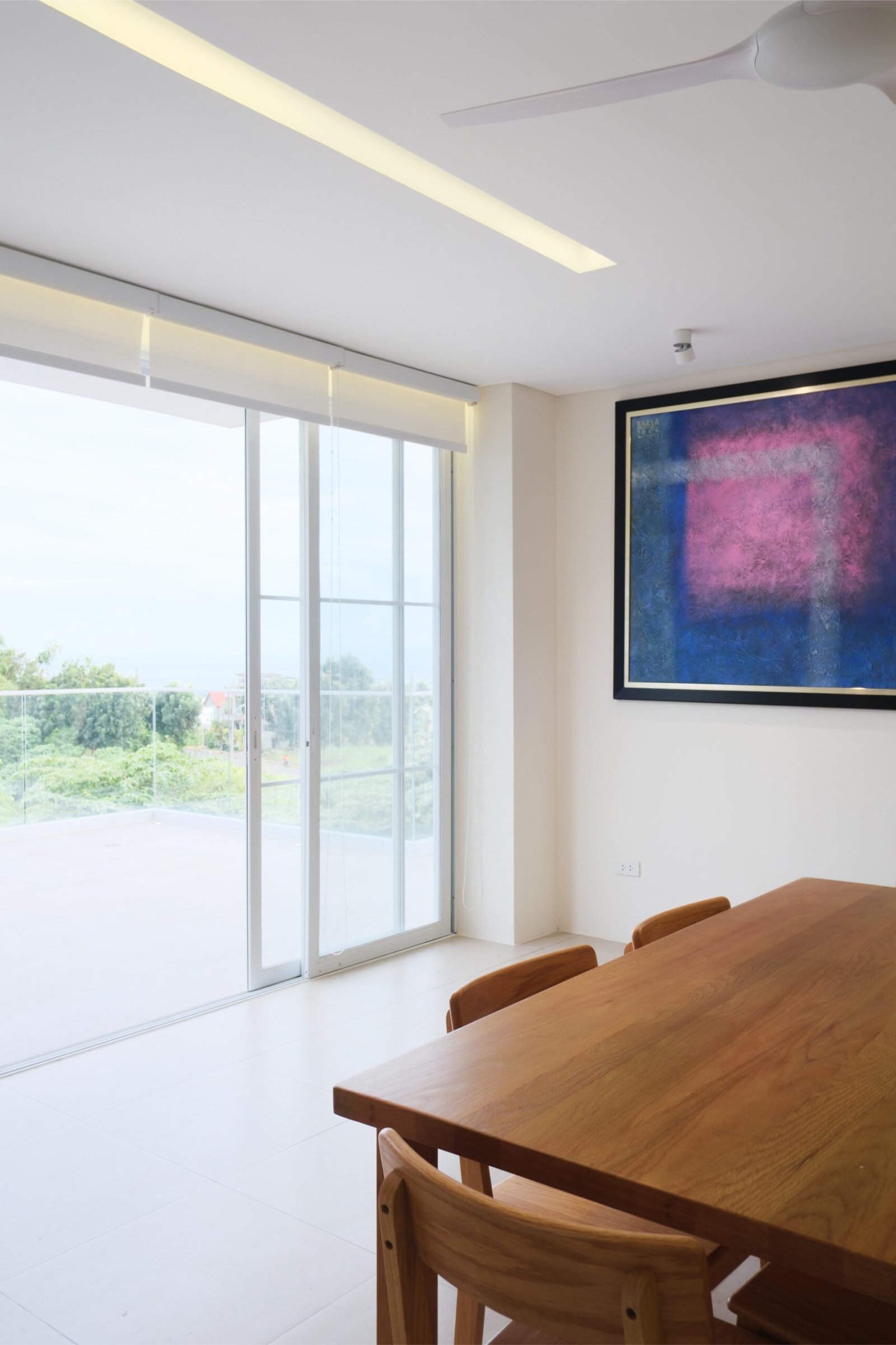
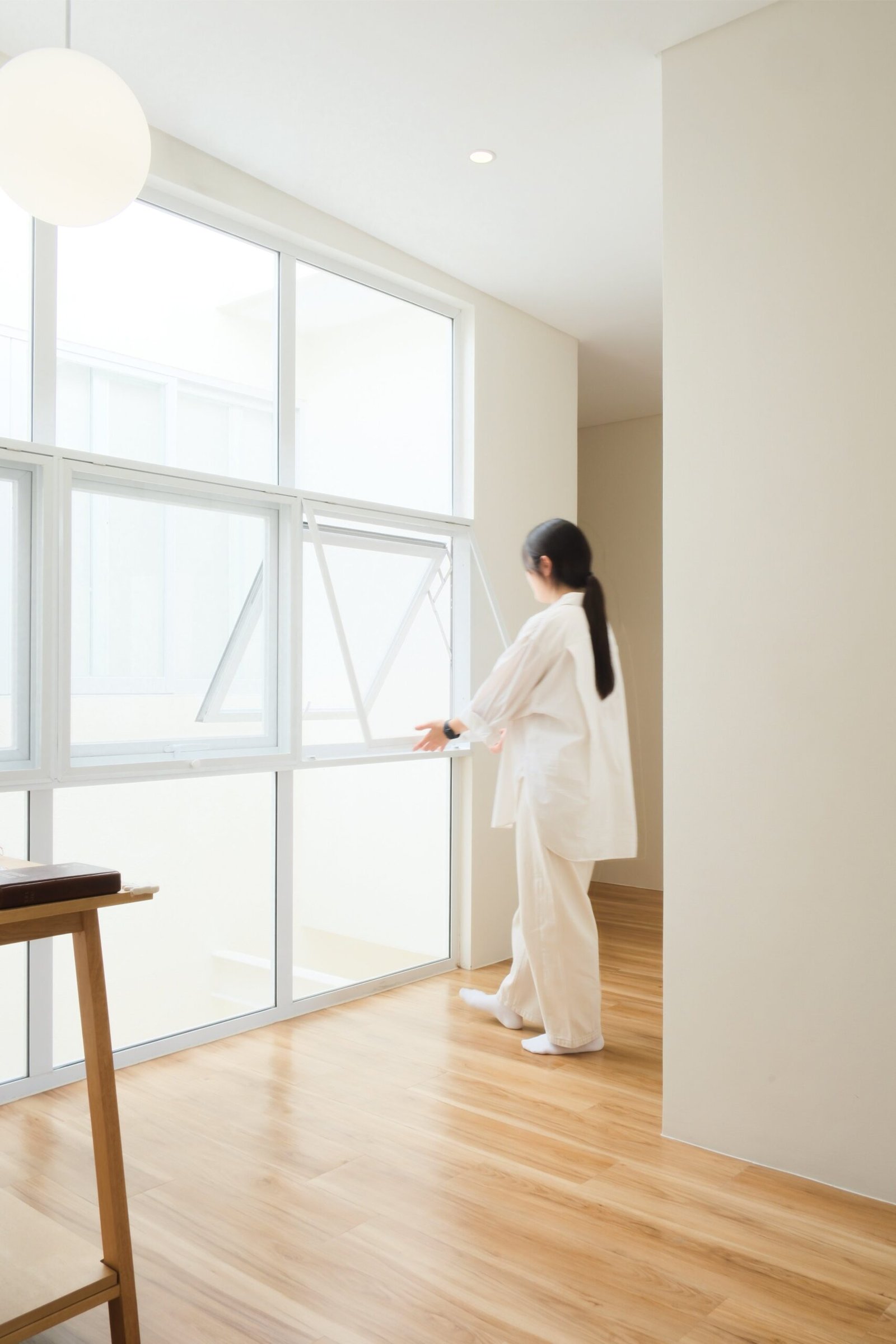
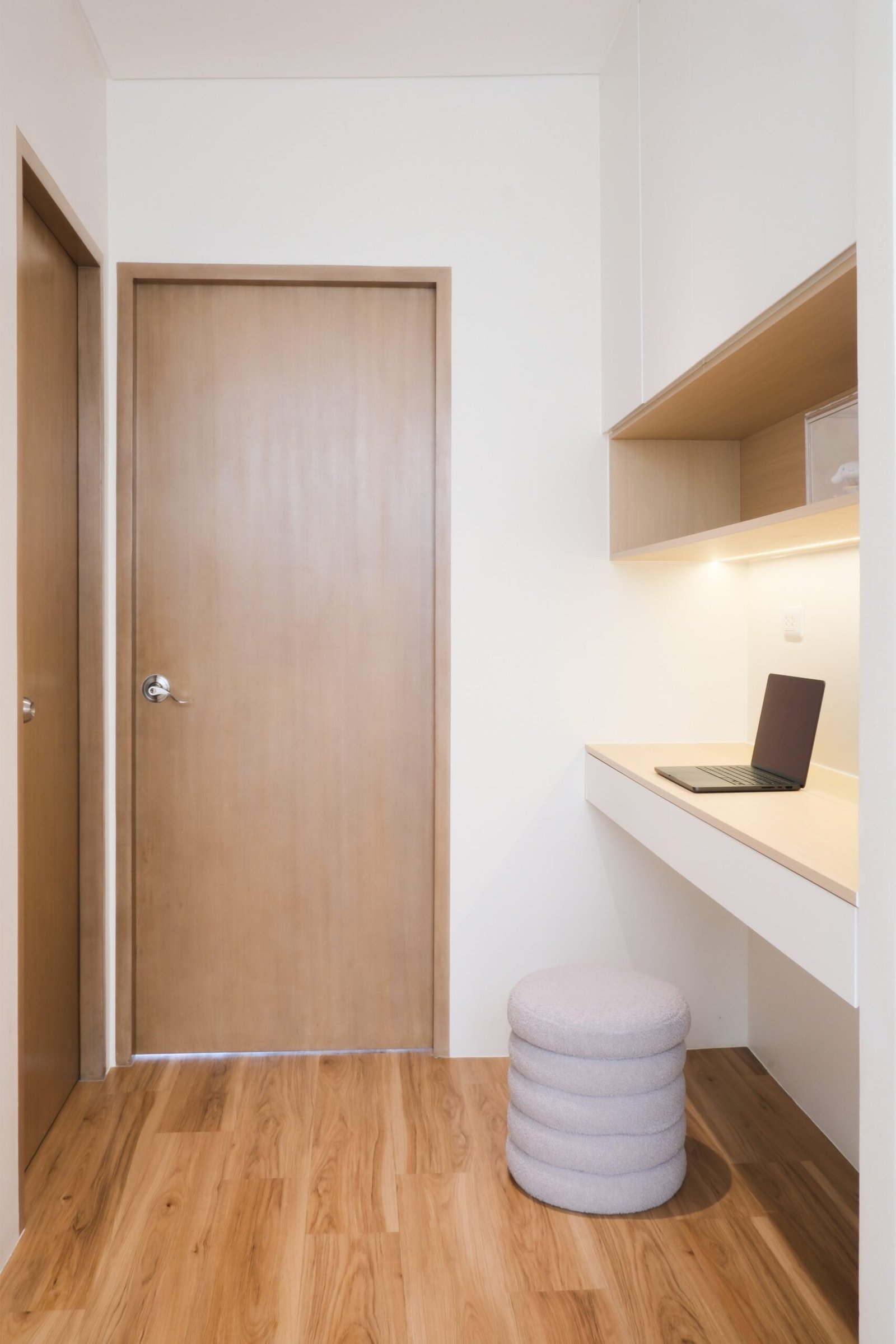
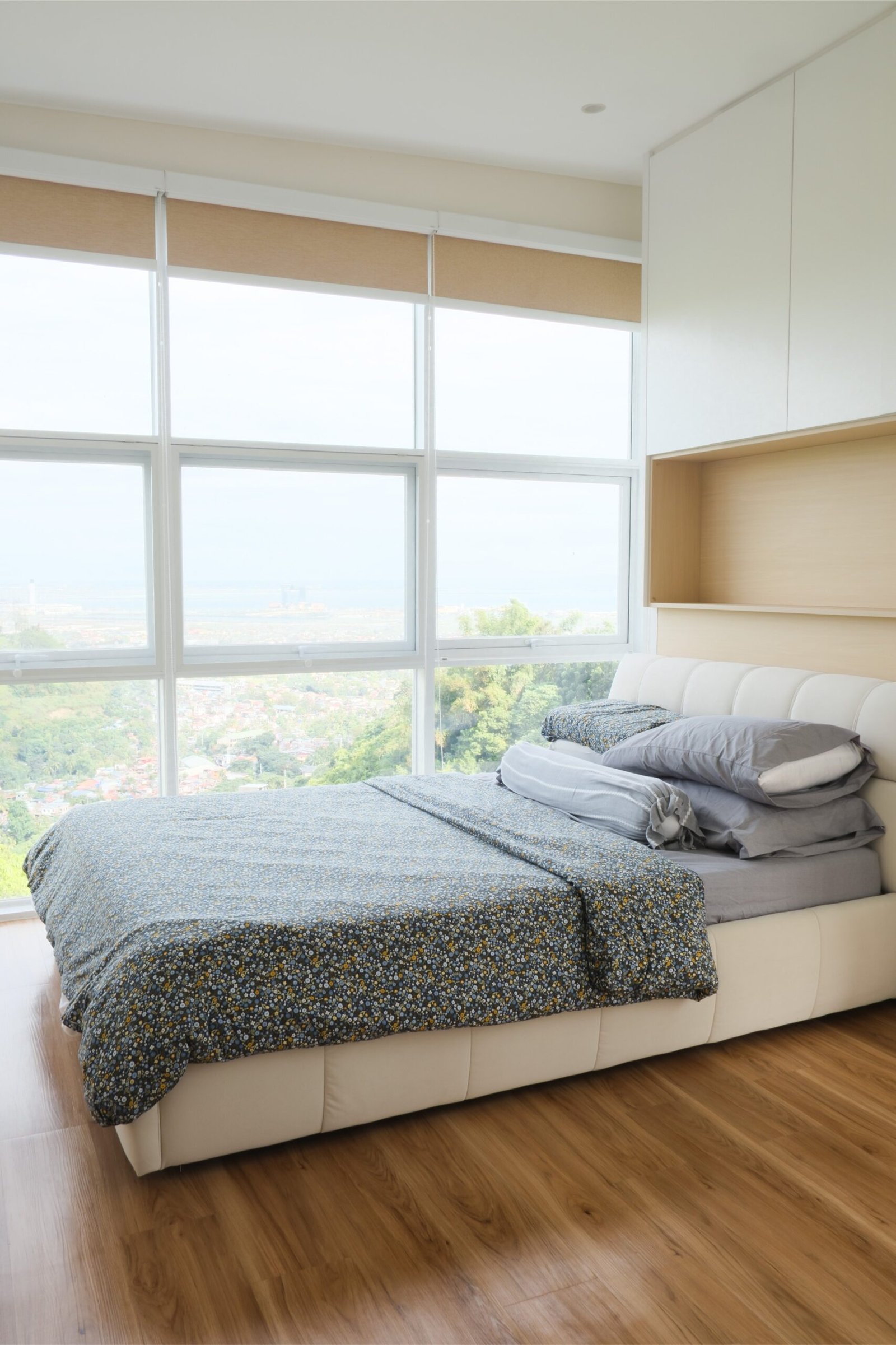
House O by San Studio
The structure is intentionally straightforward — a simple grid organized around four main columns. Walls are built using AAC (Autoclaved Aerated Concrete) precast panels — lightweight and insulated — helping keep the house cooler while keeping construction efficient.
House O is very simple and modest in its approach, but finds richness in what any home should offer — abundant natural light, cross-ventilation throughout, being among trees and nature, a balance of privacy and openness, and functionality that brings ease to the daily. •
Project Team
Project Name: House O
Project Location: Cebu, Philippines
Total Floor Area: 250 sqm
Date of Completion: December, 2025
Project Design Team: Ar. Sabrina Companion, Ar. Keshia Lim