Words Patrick Kasingsing
Images Bien Alvarez
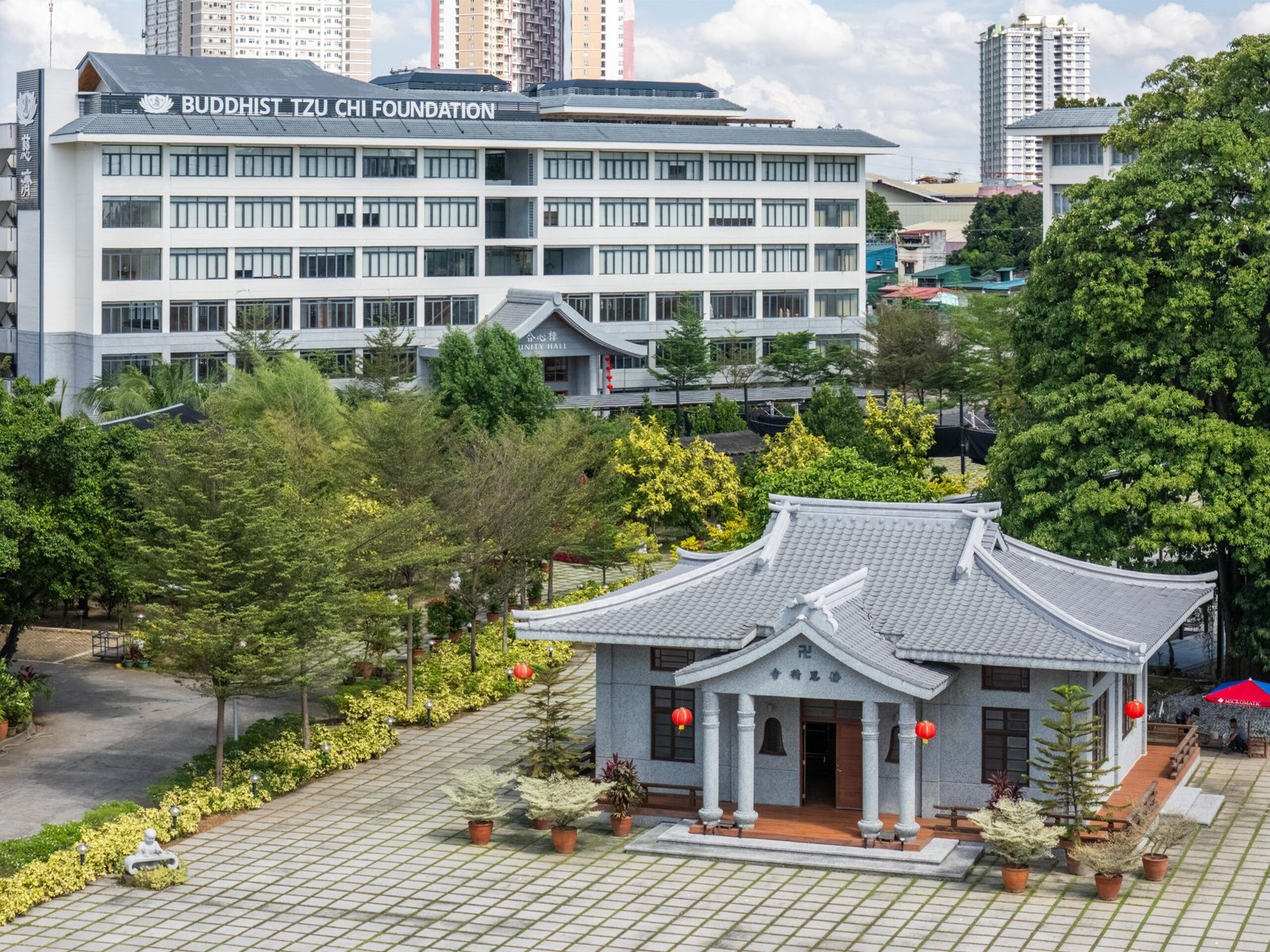
“Let’s see if we can break you in,” Clarisse Gono of SLIC Architecture says in jest, as studio partners Andrew Sy and Bryan Liangco usher me towards a structure that couldn’t have looked more out of place in the clean, immaculate grounds of Tzu Chi Foundation’s 4.5-hectare Great Love Campus in Pandacan, Manila. The standalone structure, ensconced in a nest of greens beside a parking lot, was the complex’s multipurpose hall. Gono gestures toward one of the sliding windows, a pane large enough to swallow a person, and we slip through. Naturally, this wasn’t the formal entrance (it was closed during our visit), but SLIC found it vital for me to see the space within, the most explicit evocation of reuse as design ethic within the campus, and one that influenced the studio’s work for Unity Hall, less than a minute’s walk away.
We find ourselves in a quaint dining area, a space that feels more like the innards of a rustic woodland cabin than a structure within a sprawling institutional complex. It is a deliberate, almost jarring anachronism against the backdrop of white-washed walls and streamlined Chinese roofs that define the rest of the site. The atmosphere within was one of strangely comforting resourcefulness; dining tables and chairs, some cobbled together from recycled objects and repurposed wire spools, with chandeliers fashioned out of cartwheels, create a textured, lived-in tableau.
The space was a pet project of the CEO/head of the Philippine arm of Tzu Chi Foundation, the Taiwan-based Buddhist foundation that handed the reins of the Unity Hall project to the Banawe-based practice. As we slipped outside, the trio recalls an earlier exchange with the CEO/head, who was eager to show off a particular stroke of inventive reuse: a disused plasma TV, its screen long gone, now serving as the bathroom mirror in the café’s standalone toilet. I quickly took a selfie at this charming oddity, a small detail that speaks volumes of the “waste-not” spirit that governs this place.
SLIC is no stranger to Kanto’s digital pages. We have followed their trajectory from the surgical precision of the Nest House to the cascading, brick-clad volumes of Quarry House, the latter of which featured in an architecture exhibition I co-curated for the Deutsche Architekturmuseum. Yet it remains a surprise that a firm of their youth would accept a commission so vast, one that was both hemmed in by a ‘style guide’ but also riddled with go-with-the-flow scenarios. It was a project where the firm would ‘disappear.’ Yet somehow, after an extensive tour of Unity Hall, I found myself tracing SLIC’s fingerprints across its white-washed spaces: proactive by design, inventive when needed, yet still deeply human.

Lobby Indoor common area, fourth to sixth floors
The weight of service
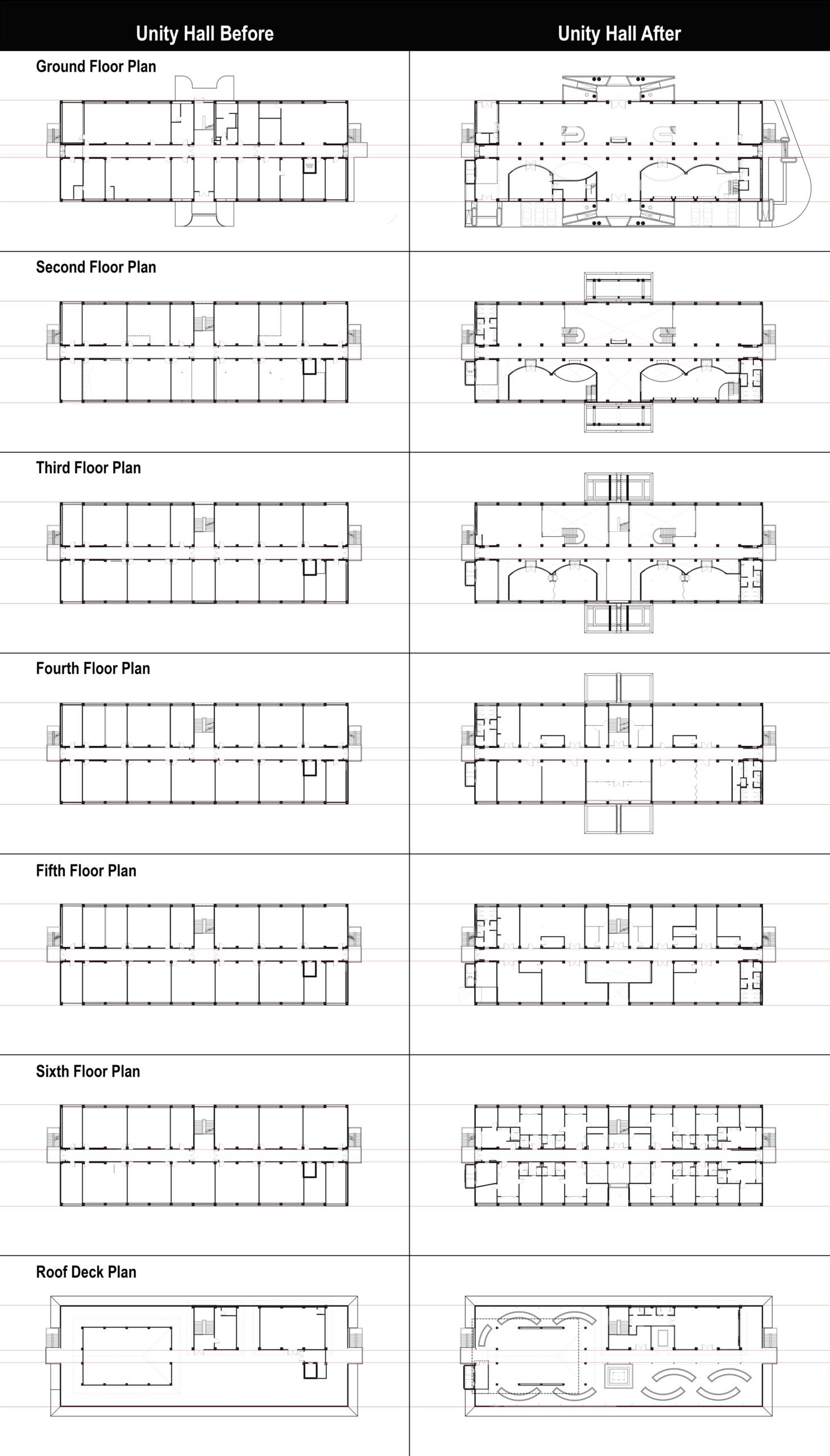
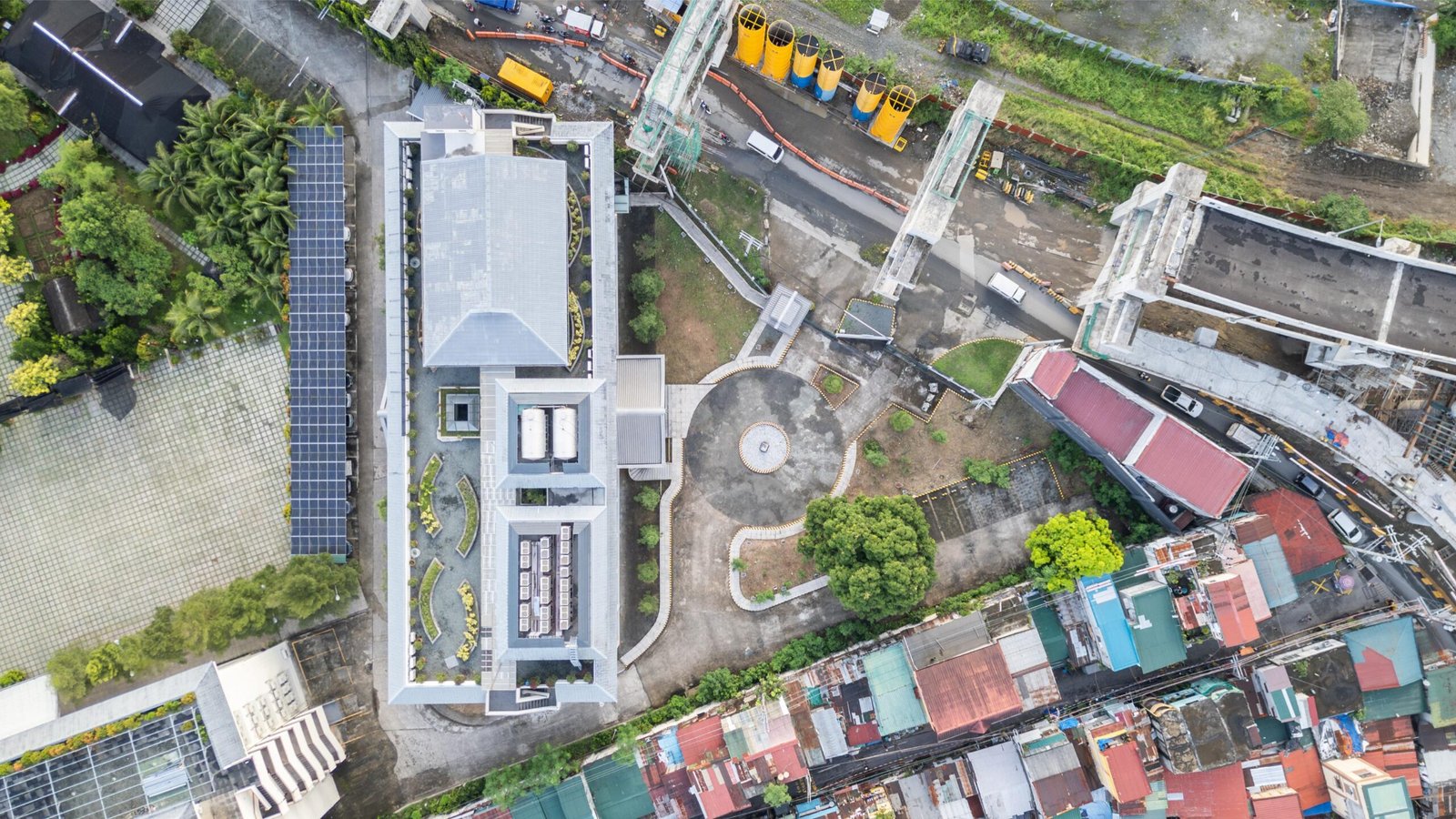
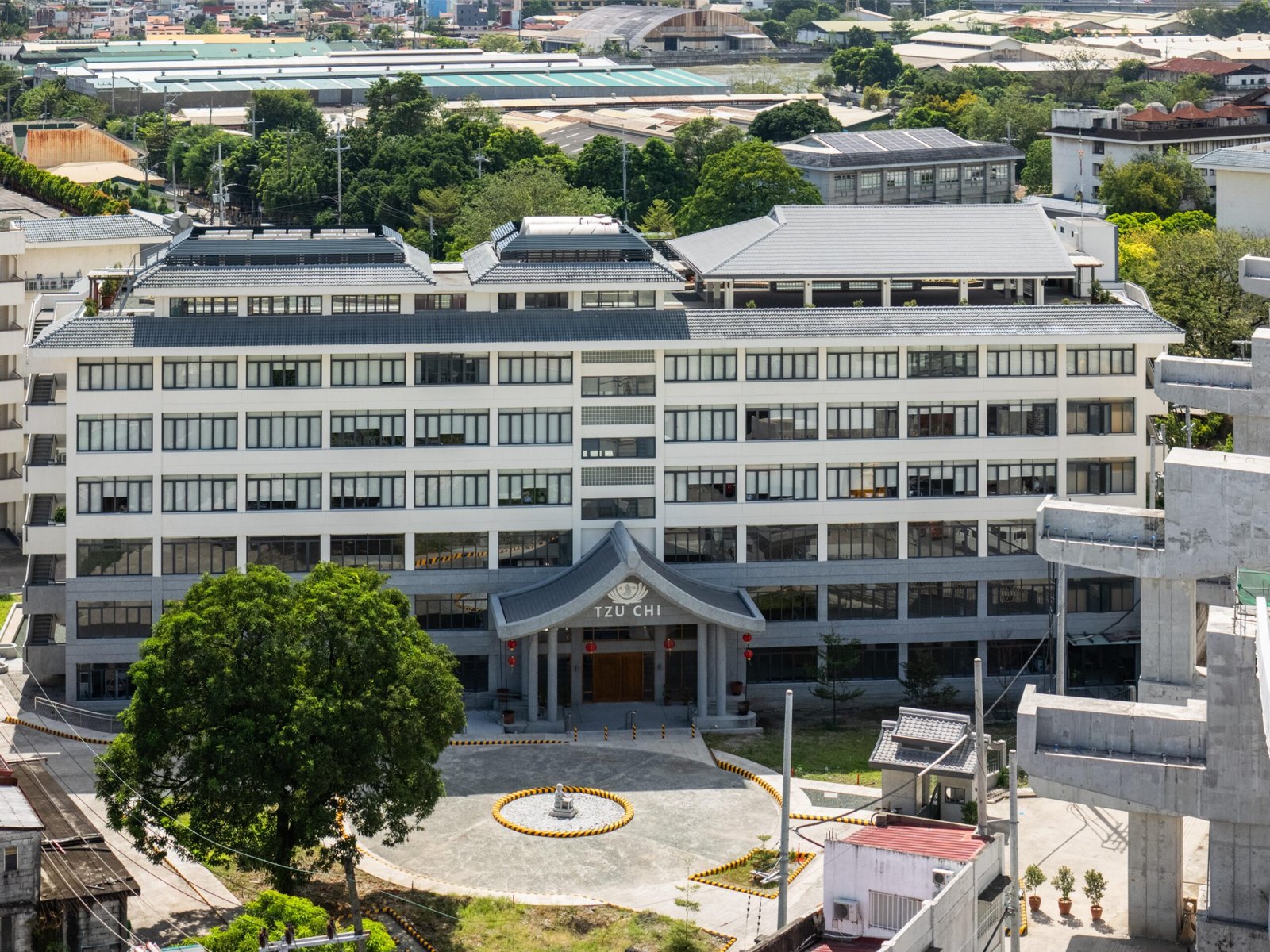
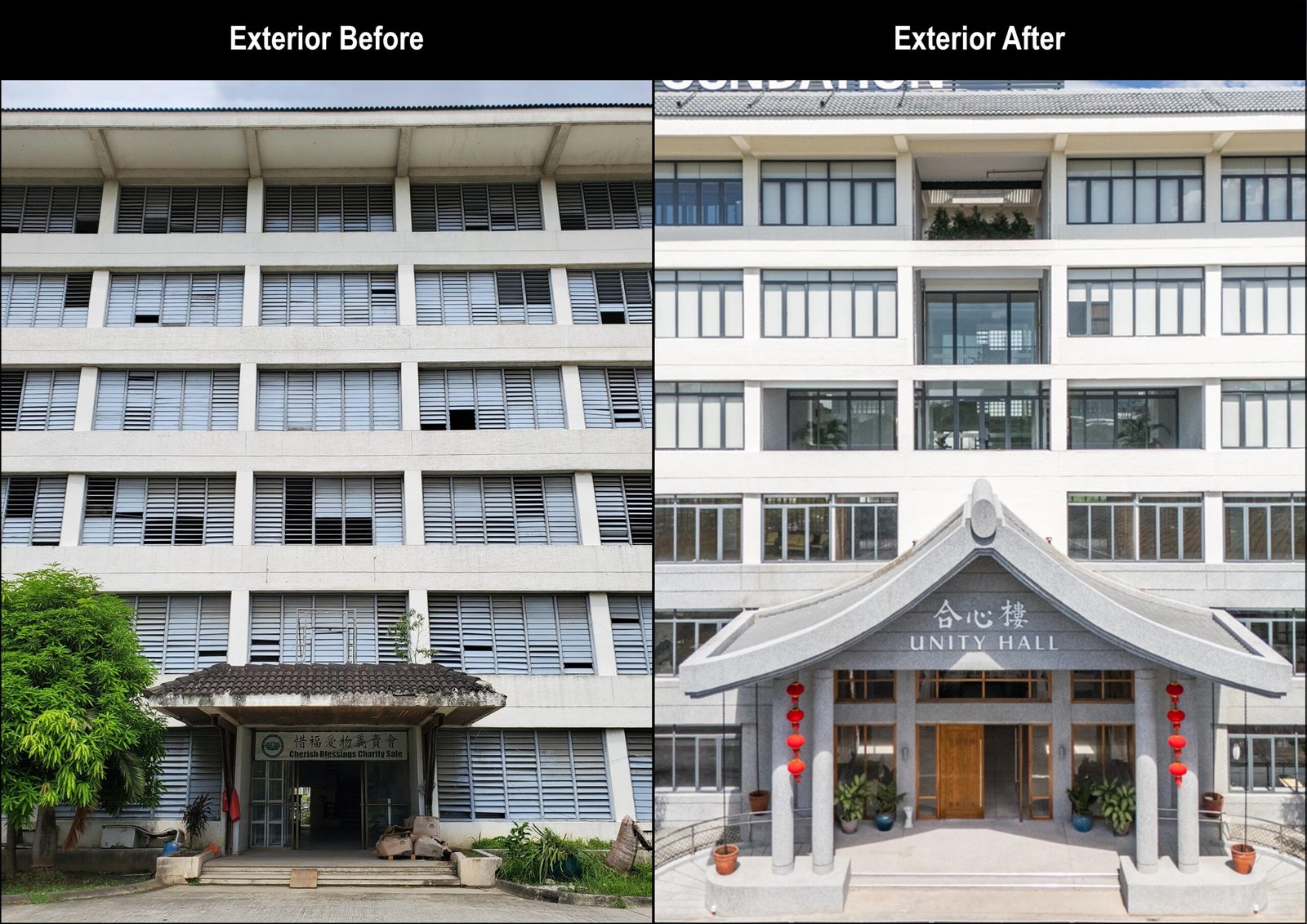
The Unity Hall project is the adaptive reuse of a building with a layered past. It once housed the dormitories of the Sisters of Mary School before the institution relocated to Silang, Cavite. SLIC was tasked to transform a still-functional but characterless seven-story structure into a multi- use hub for public engagement and administration, with lodging for visiting volunteers and members.
Ever since its purchase in 2005, the foundation has quietly cultivated the property, reusing most extant structures and building a few new ones, like an Eye and Dental Center, alongside a multipurpose hall for volunteer gatherings or fund-raising events. They have created a veritable pocket of calm in a hectic corner of Manila: the campus hosts a verdant meditative garden and reflecting pool at its heart, with a yet-to-activate frontage to the Pasig River southwest. Just outside of the campus’ perimeter wall, the dust and din of construction and urban decay await, the unsightly specter of the Skyway Stage 3 viaduct looming uncomfortably close outside the property gate along Tomas Claudio Road.
A foundation of harmony
To understand Unity Hall’s architecture is to understand the Tzu Chi Foundation. Established in 1966 by Dharma Master Cheng Yen, the non-profit foundation grew out of a simple, profound mission: to relieve suffering through compassion. From its humble beginnings as a grassroots initiative in Hualien, Tzu Chi has blossomed into a global force of humanitarian aid and environmental stewardship, with a footprint in over 60 countries.
A core tenet of Tzu Chi is harmony with the environment, a principle they treat with radical seriousness. Recycling is part and parcel of their operations, with a preference for reuse than to build, and to repair than to buy. My visit to their cavernous onsite warehouse reveals the depth of this commitment, with gargantuan piles of objects collected by their trucks across the Metro, from old beds, discarded bureaus, to doors of various shapes and makes, and even disused solar panels, all awaiting audit for a second stab at life. I still recall the Tzu Chi trucks that would frequent my own street years back, collecting glass and plastic bottles from each household for processing and reuse.
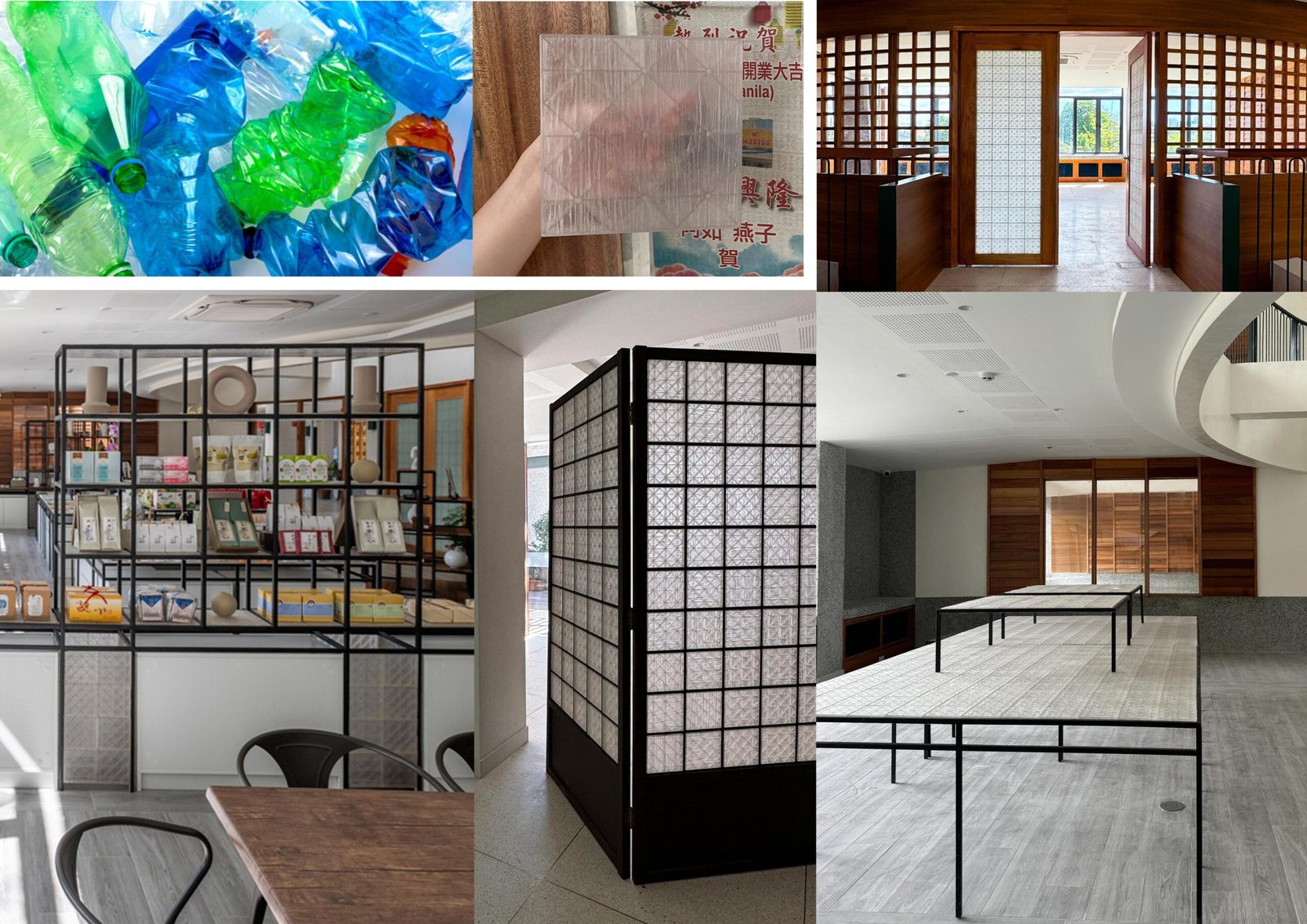
Such dedication has even birthed innovation: the foundation has developed a specific material finish through their award-winning innovation arm, DA.AI Technology—a non-profit socialenterprise that holds a Global Recycled Standard (GRS) certification and the Taiwan Green Classics Award. Copiously used onsite is this patented material finish created from recycled PET bottles. The process involves crushing PET into flakes and extruding them into rPET chips to be transformed into everyday essentials that reflect the foundation’s “trash into gold” philosophy.
Altar as axis
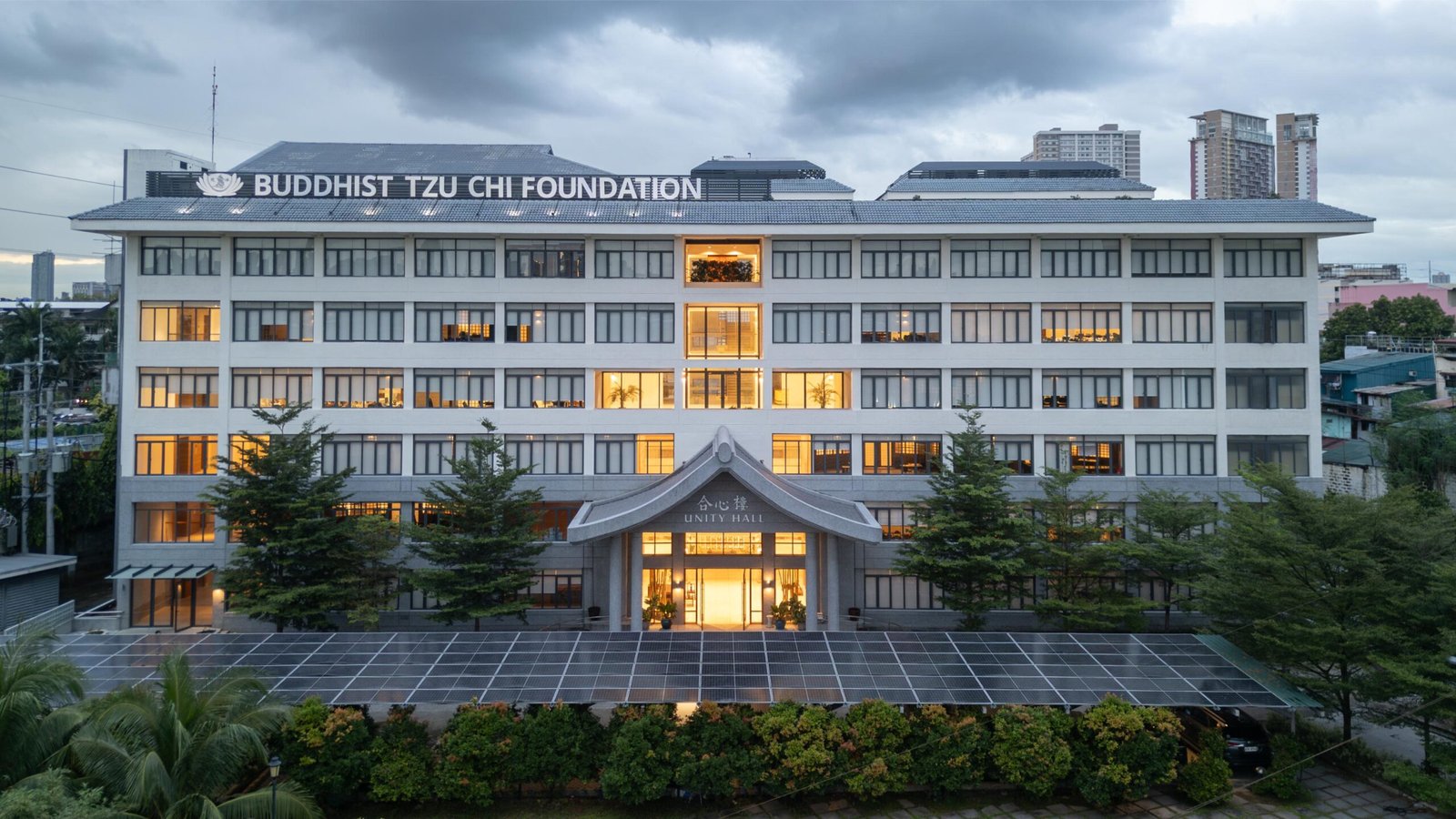
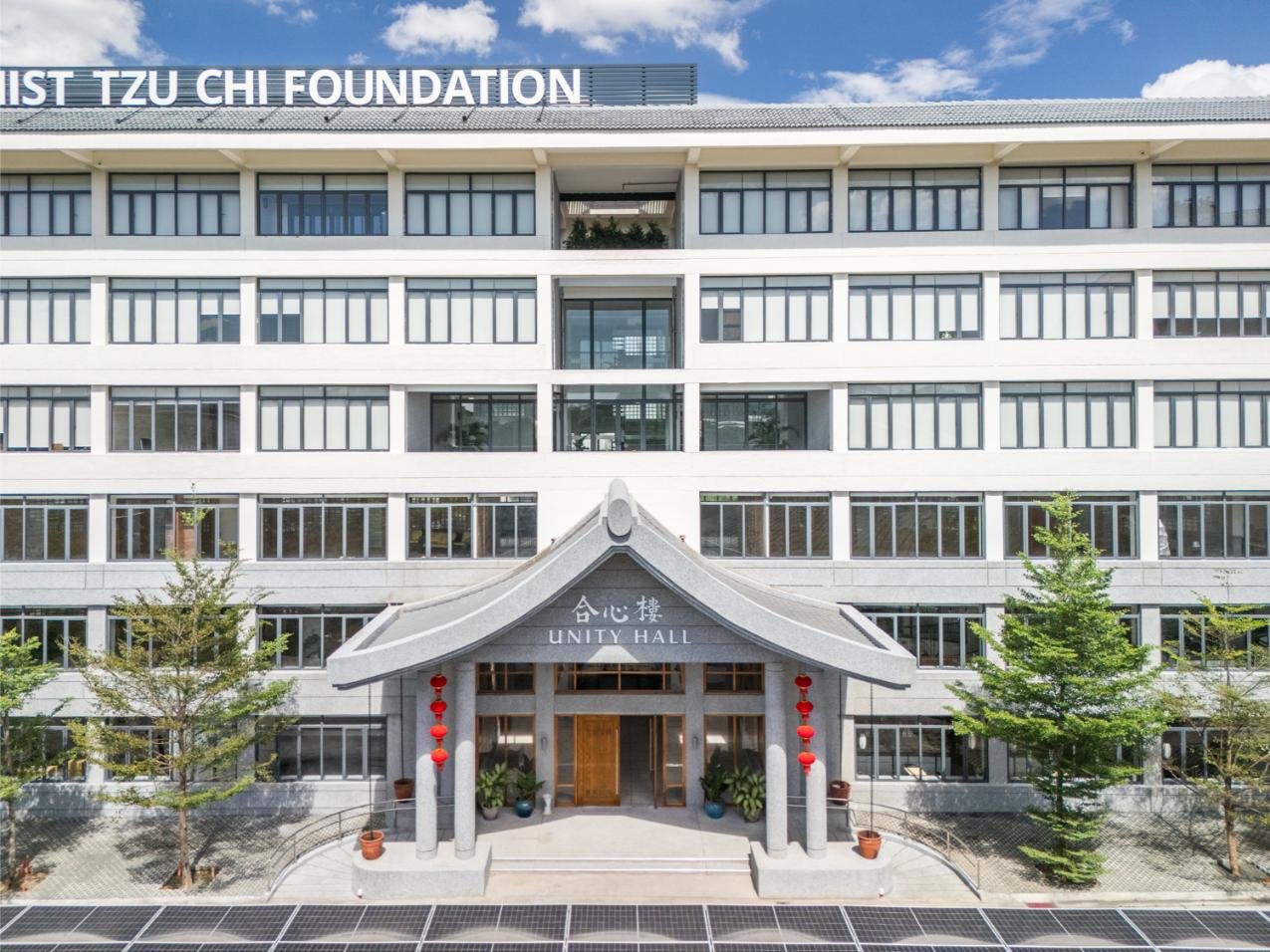
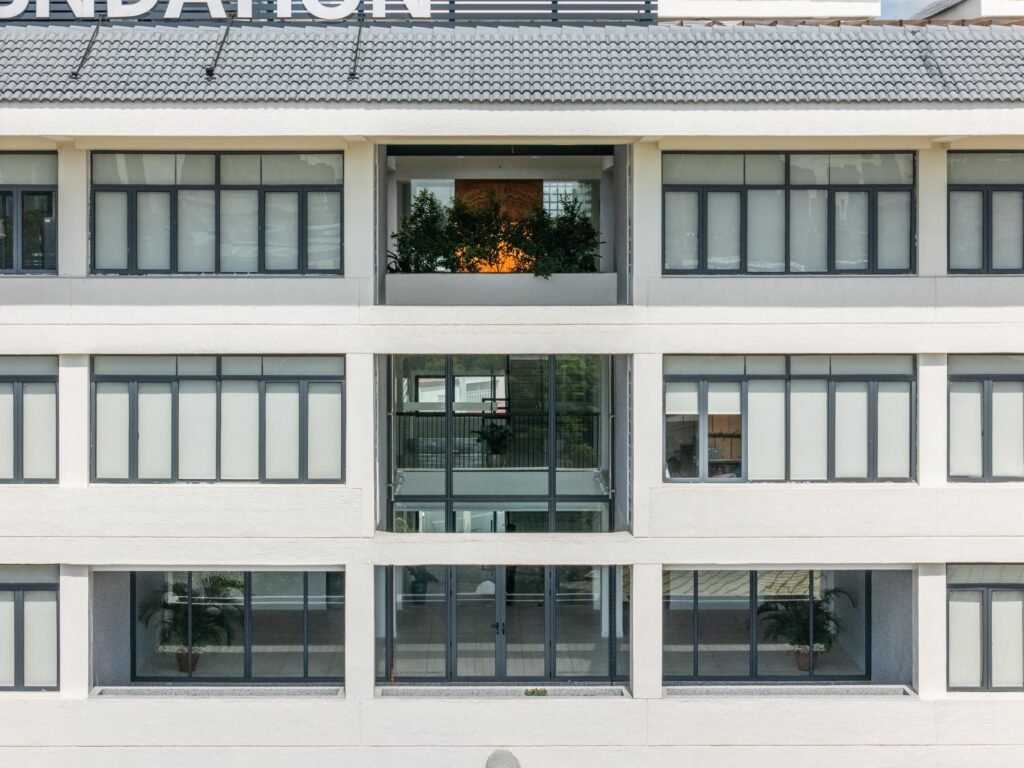
While the breakout space across alludes to the foundation’s humble beginnings, Unity Hall communicates the well-oiled care machinery it is today. Its white, rectilinear volume, capped with a hip roof, mirrors that of its neighbors, though one “SLIC gesture” that made it past the drawing board is a pebble-washed line that marks the building’s base, spilling out onto the sidewalk and outdoor seating. The finish is mirrored on the interior side of the façade wall. Twin Chinese-style roofs frame the entry portal on either façade, the only indication of the building’s Taiwanese provenance.
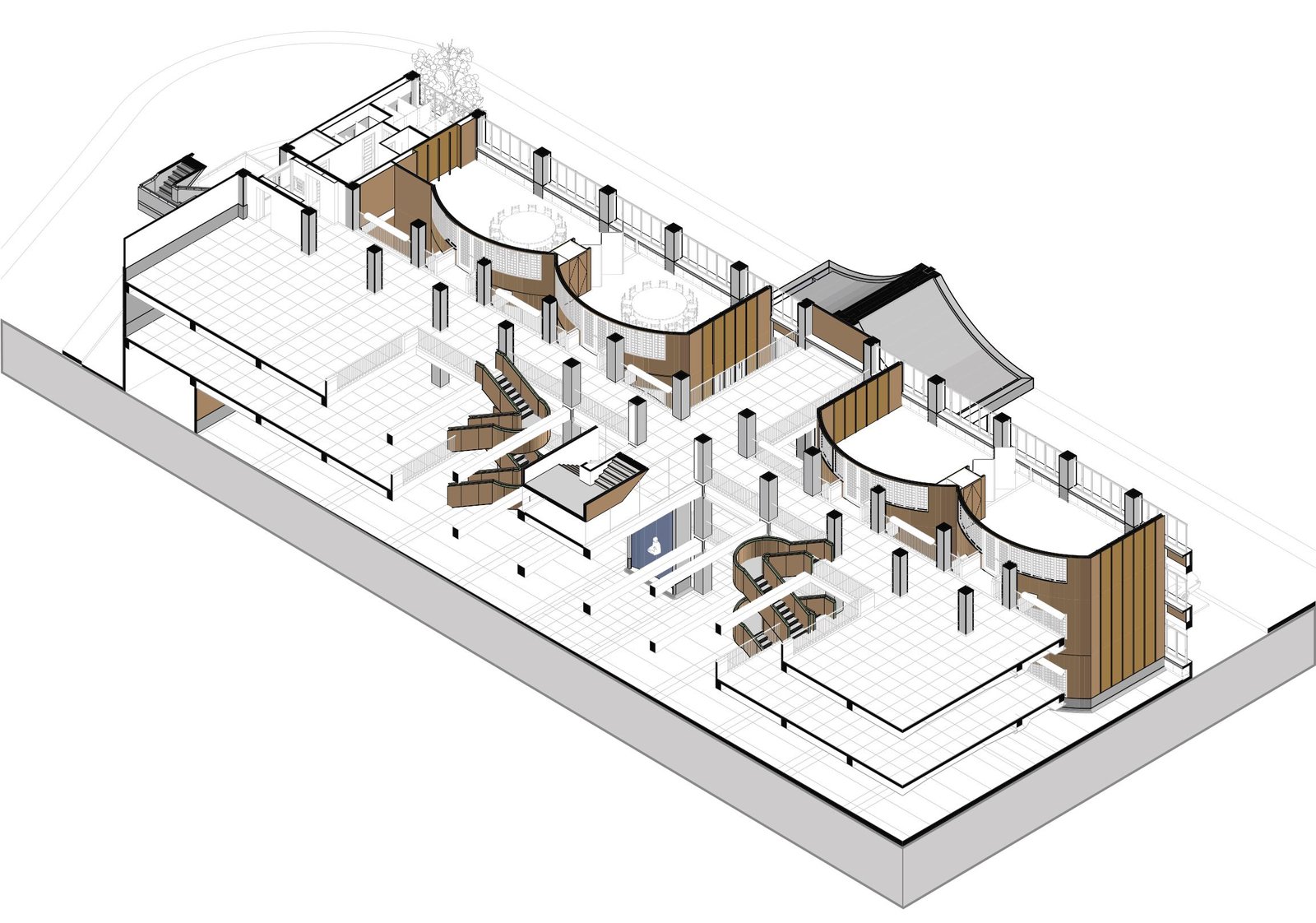
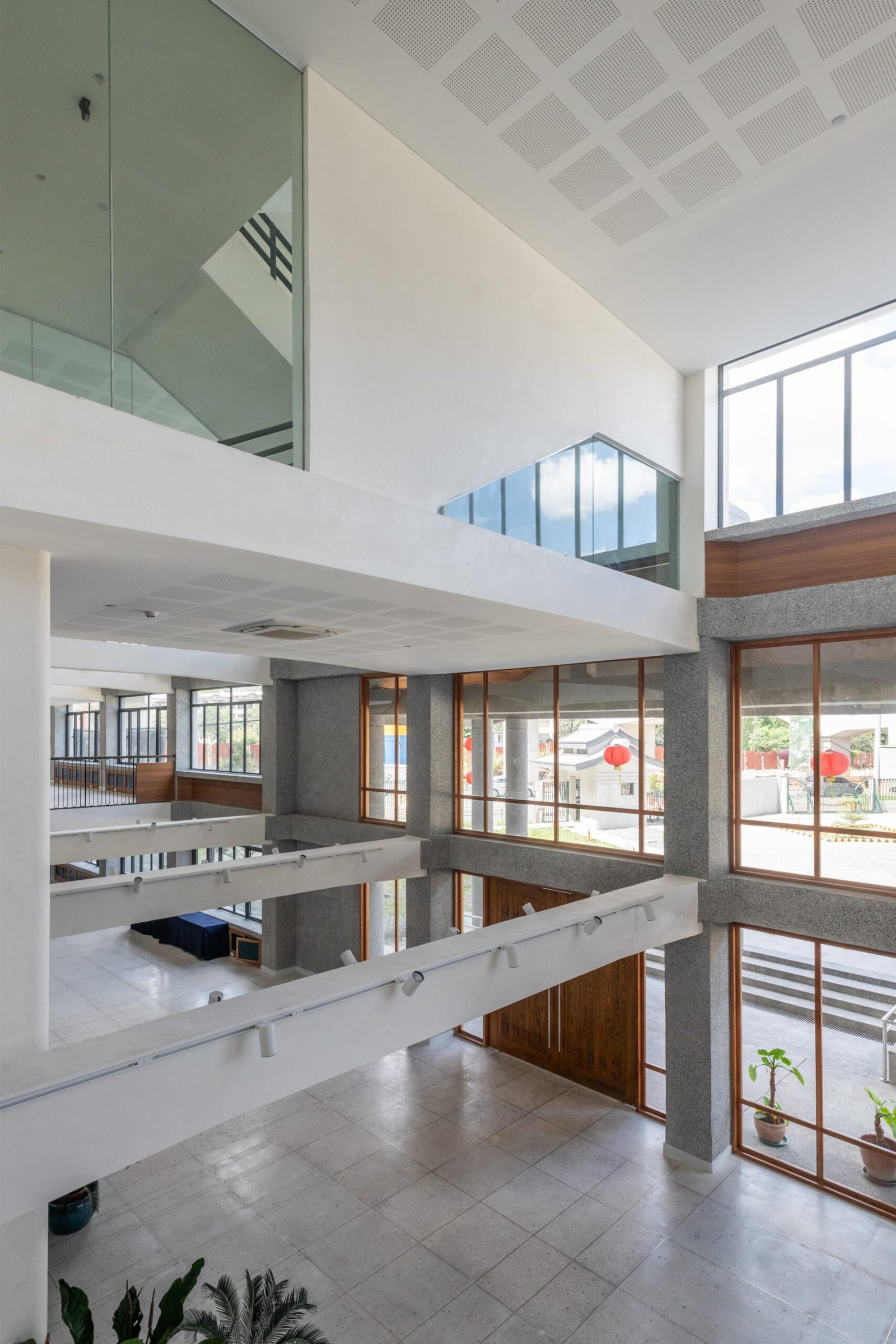
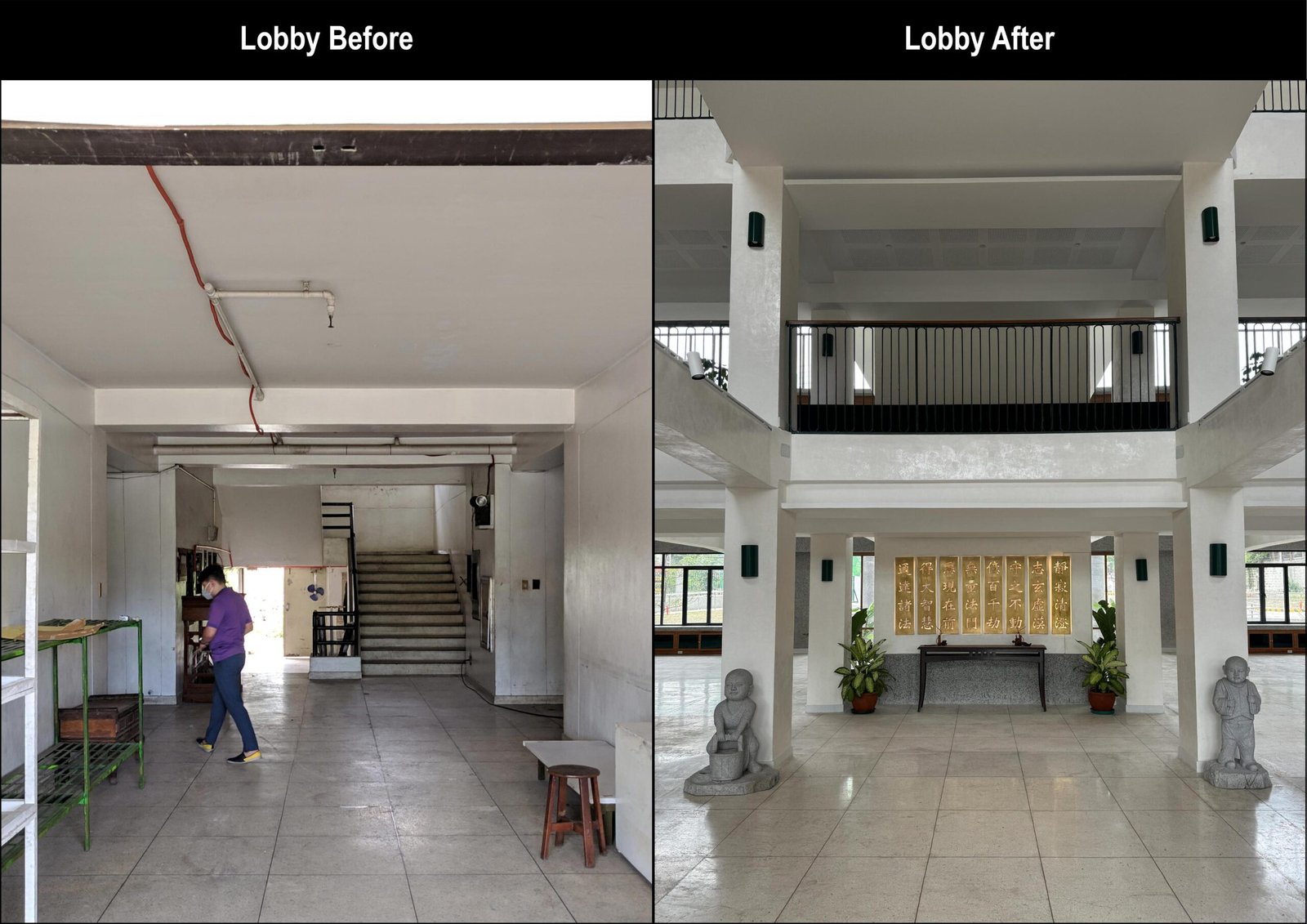
The restraint and uniformity of the exterior with its campus neighbors give way to spatial surprises within. Entering from the green plaza, one is greeted by a six-meter-tall altar dedicated to Master Cheng Yen. We meet her alabaster-white statue’s serene gaze; the sculpture, flown in from Taiwan, is set against a vibrant blue backdrop peppered with LED “stars,” tracing the constellations of her day of birth.
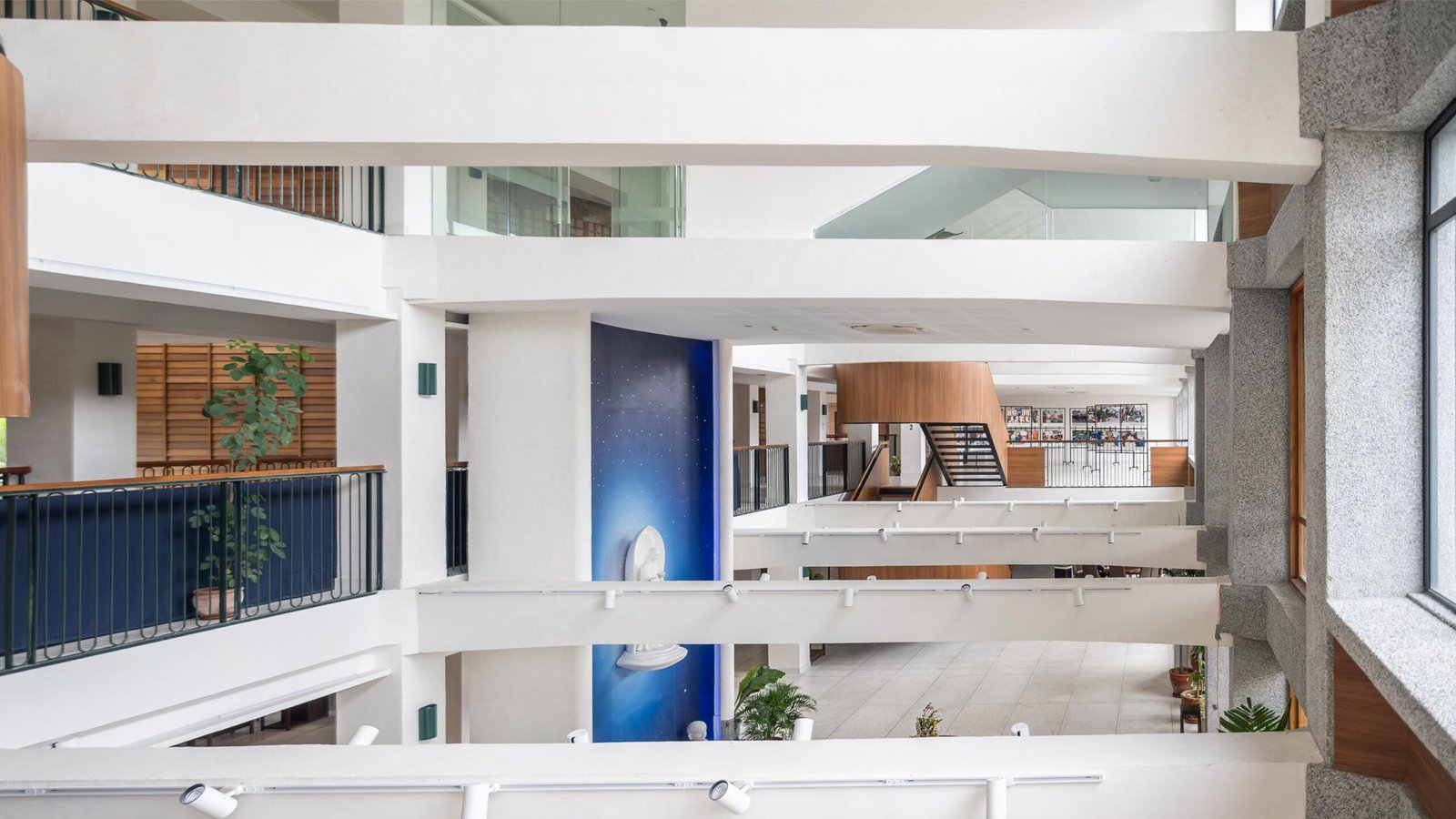
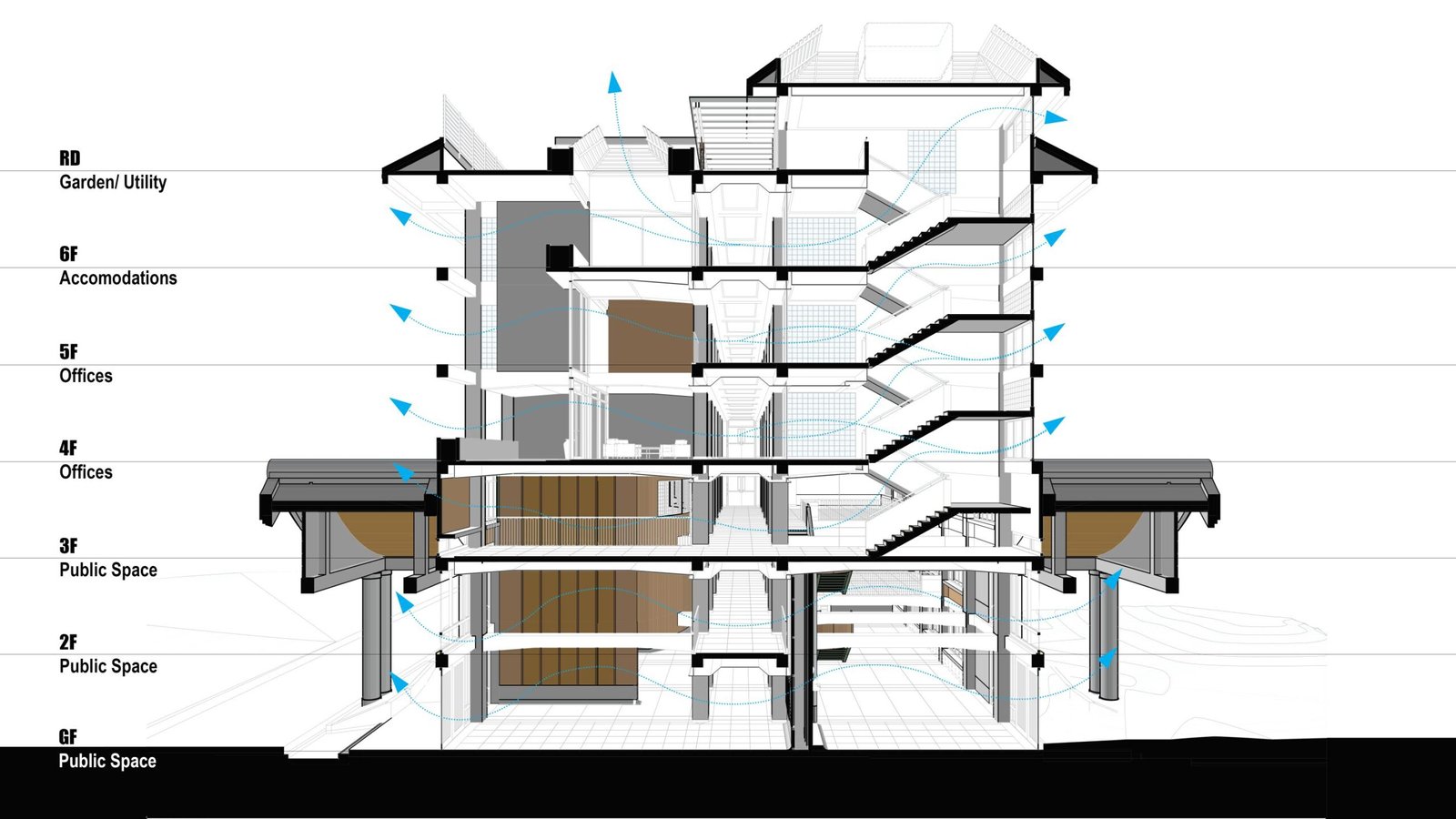
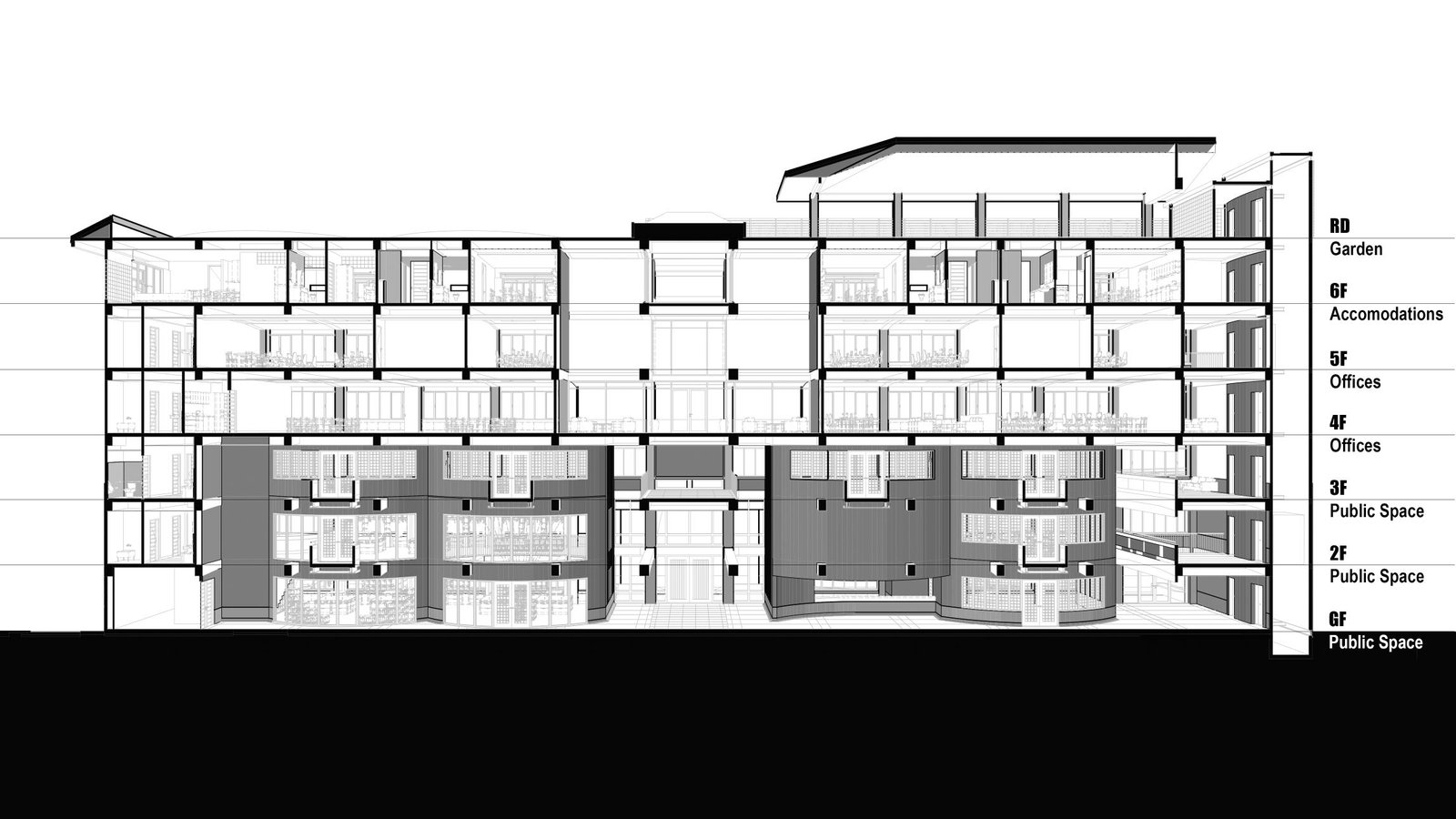
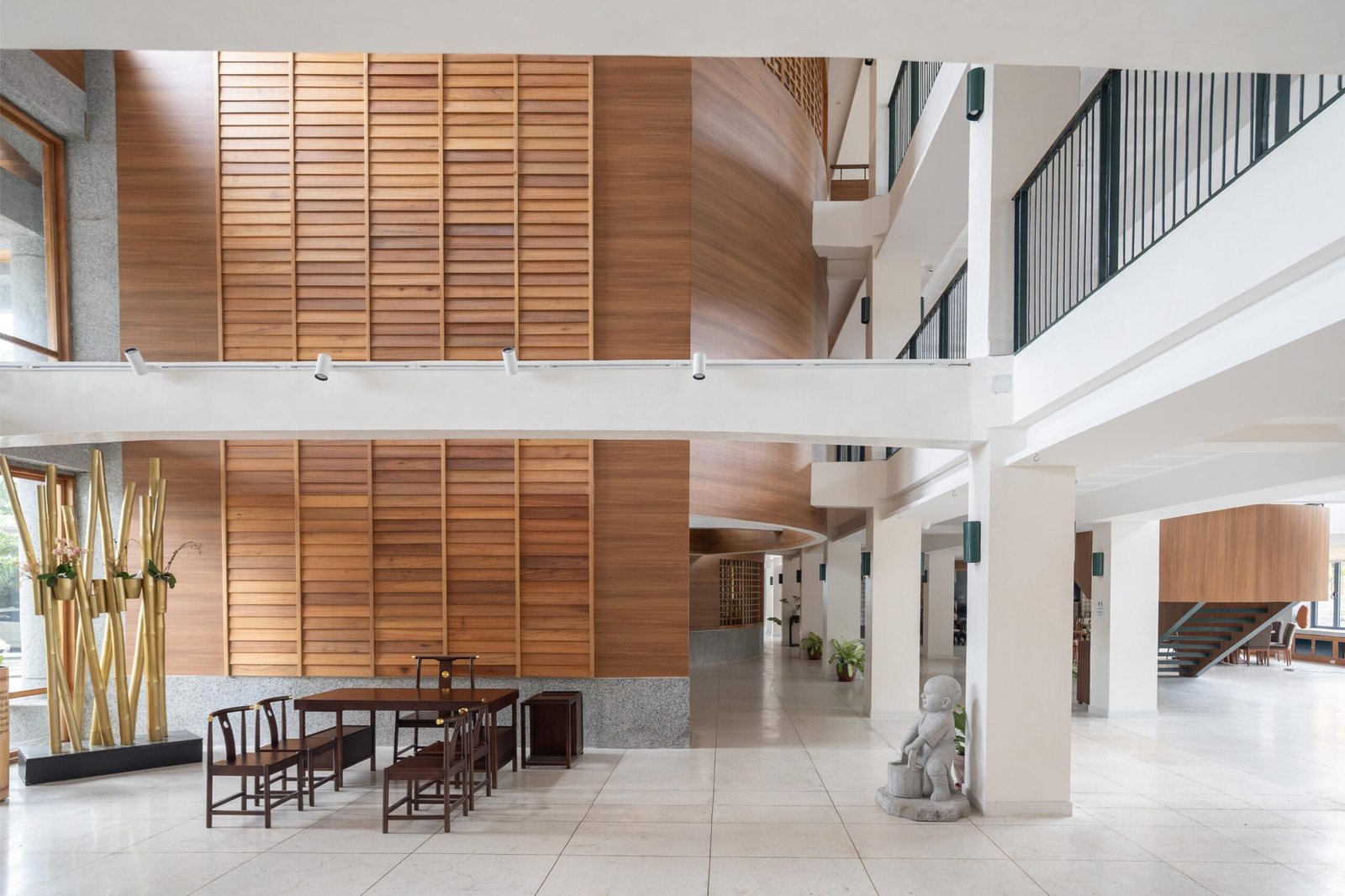
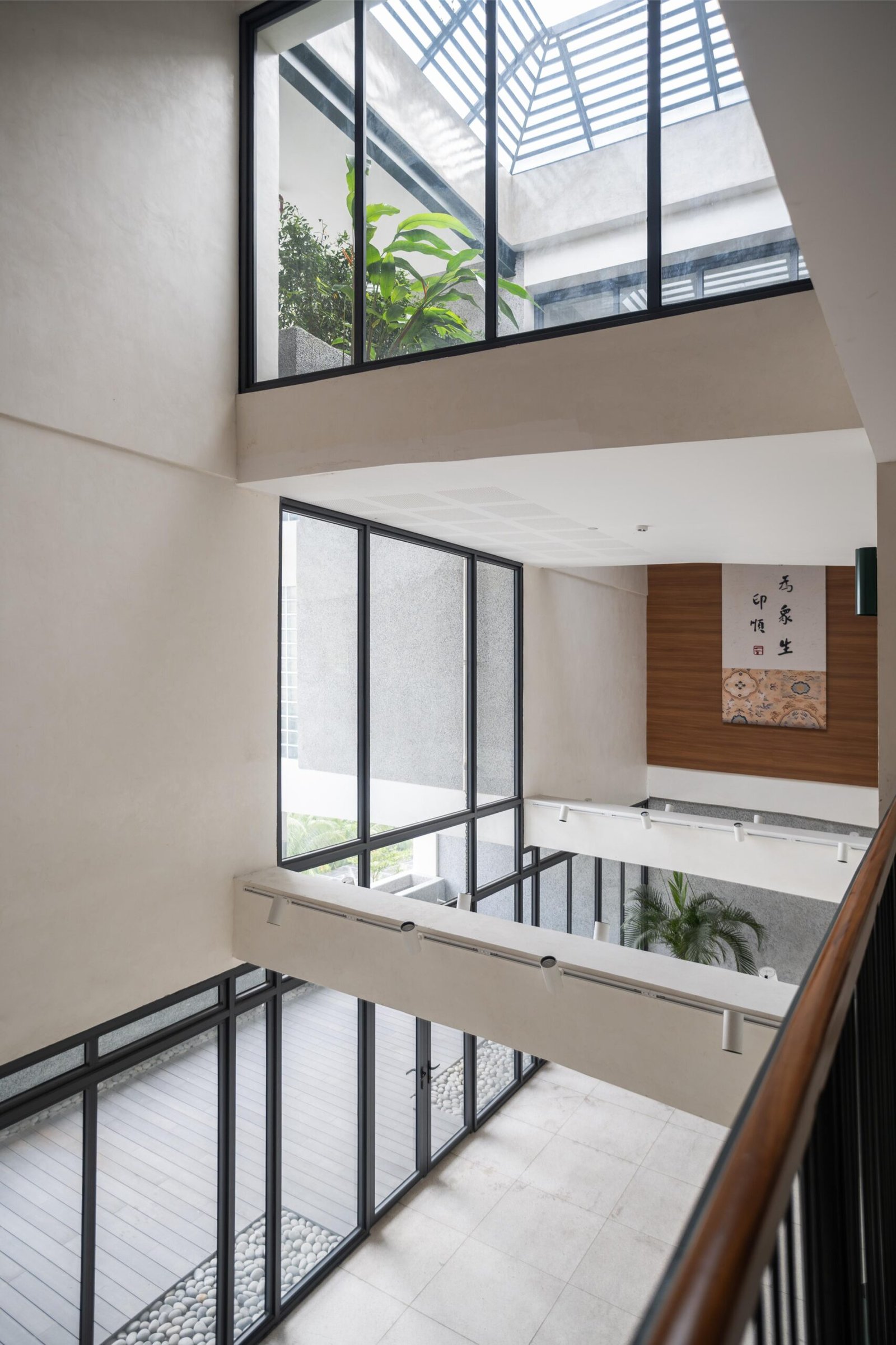
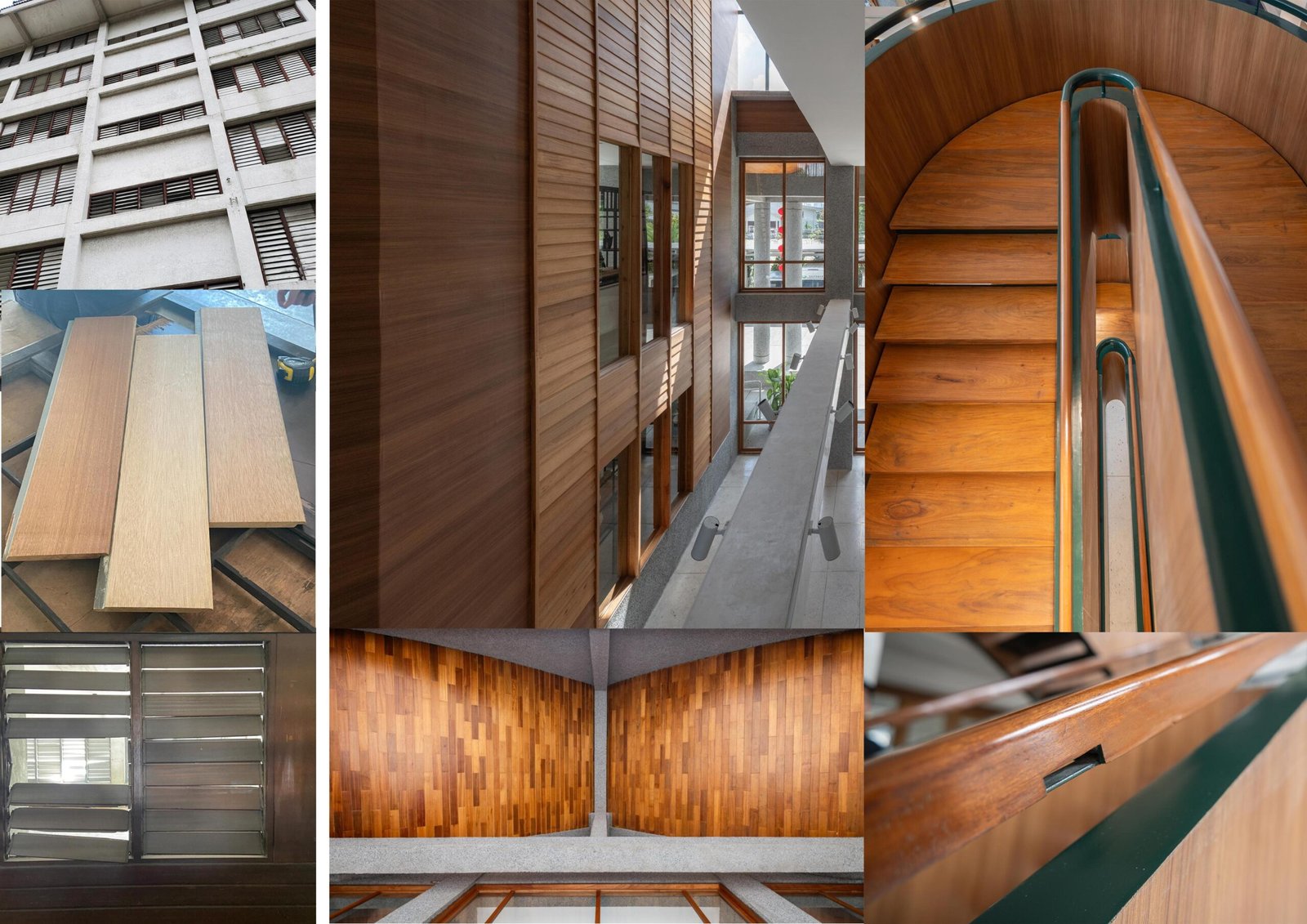
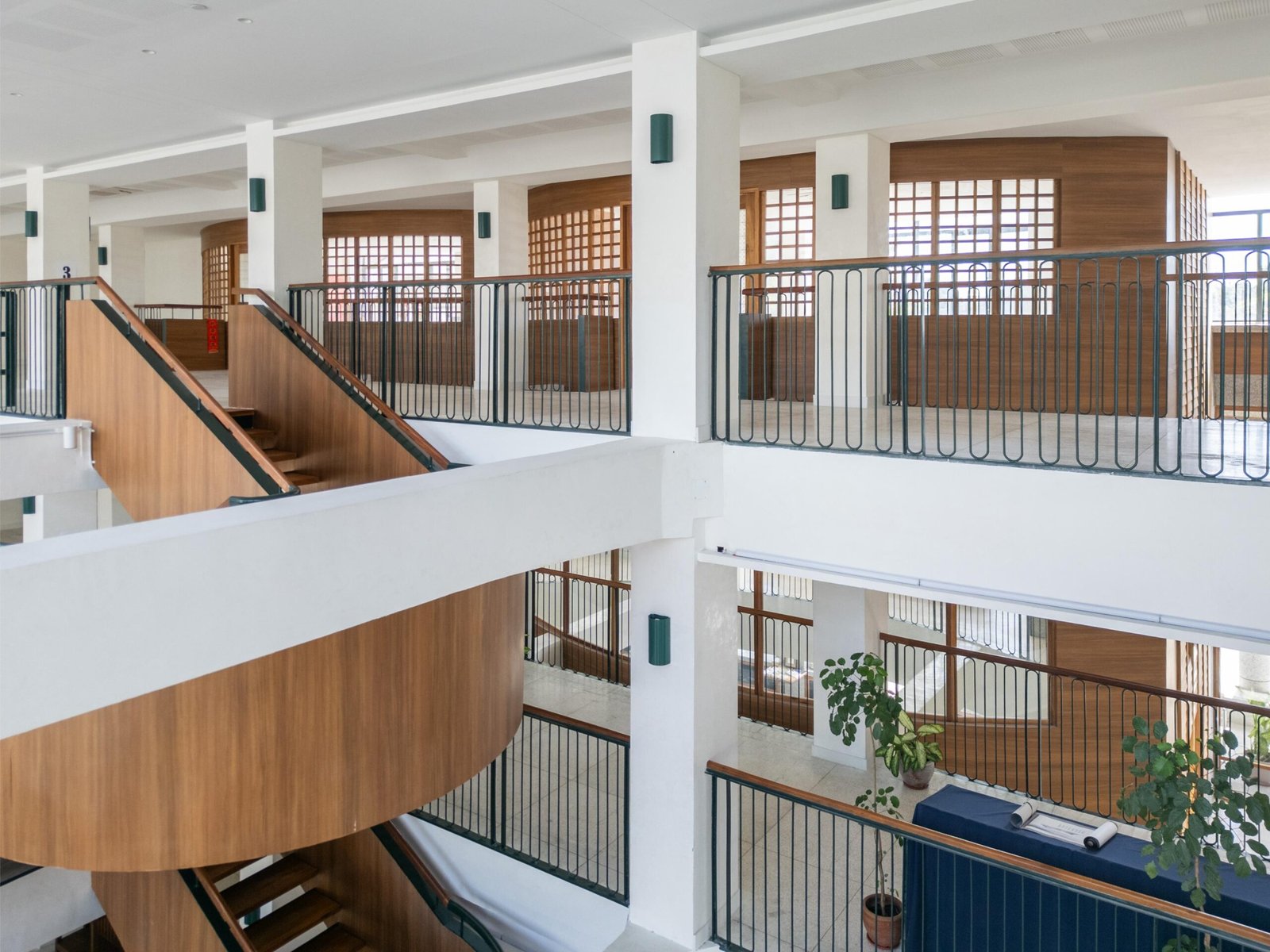
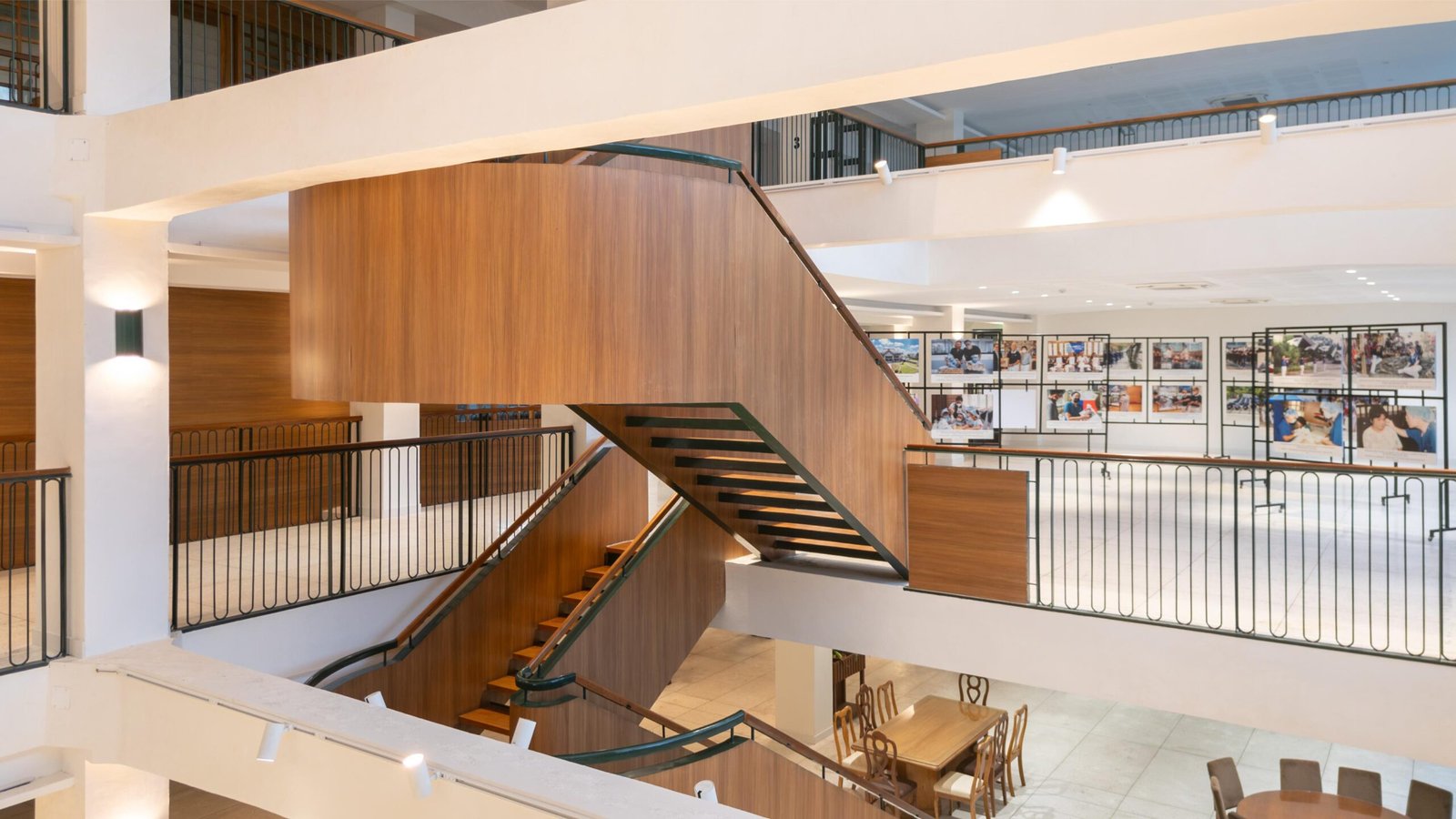
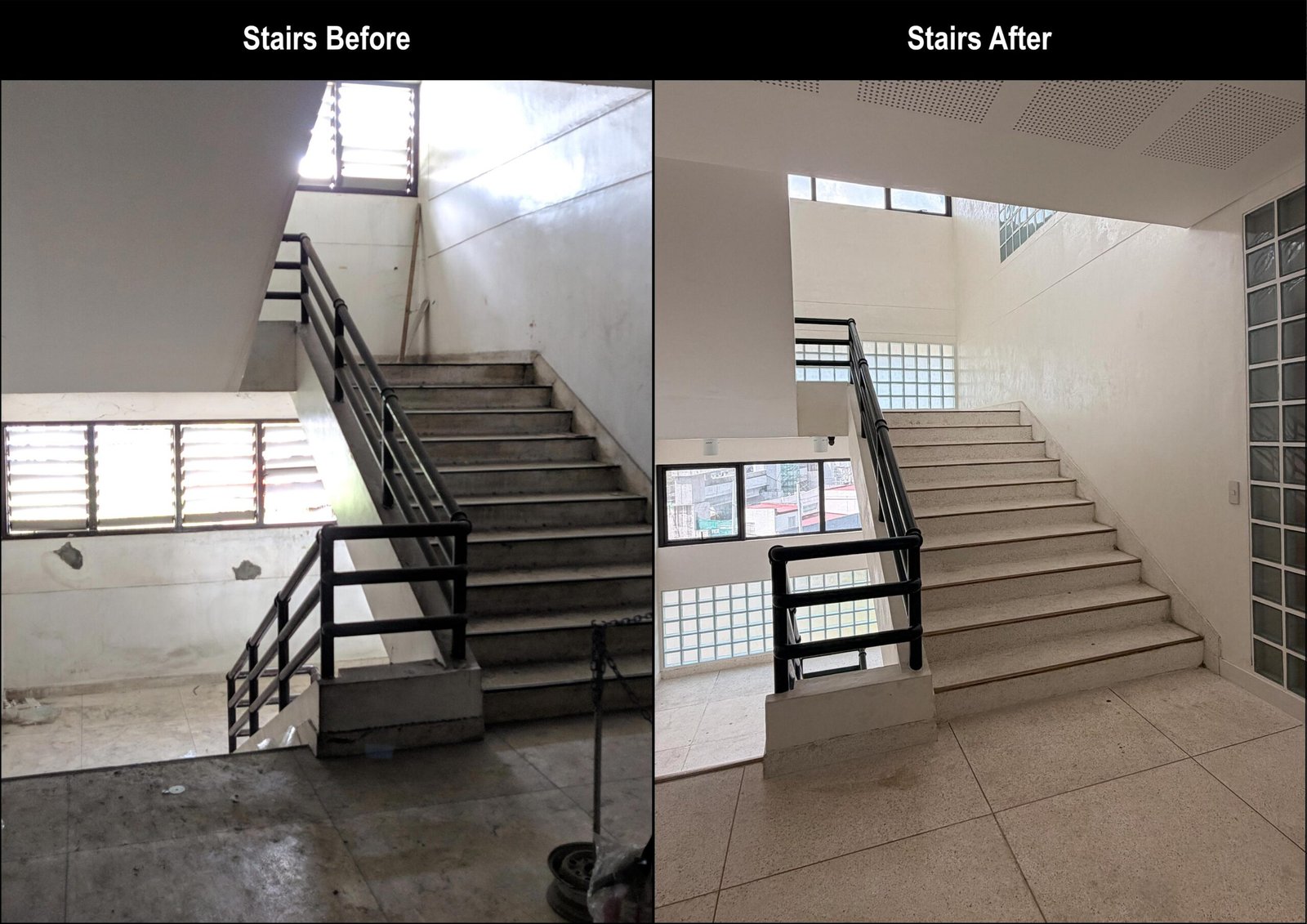
The altar was the project’s most rigid constraint: guidelines dictated that no one could walk behind the statue or stand on a level higher than Master Cheng Yen’s head. SLIC’s decision to partially core out three floors to form a luminous atrium proved beneficial for these conditions, the altar becoming the axis that anchors two symmetrical wings. The studio curiously left intact the structural beams that used to support the hollowed-out floor sections. “Removing the beams does not really add anything special to the space,” Liangco notes. “Leaving them in not only saves cost but also allows for easy maintenance of lighting and utilities. It also acknowledges the building’s history.” Other remnants of the building’s past that SLIC opted to keep are the original stair railings (now painted Tzu-Chi green), low ceiling heights, and window ledges—basically all that still worked while giving the new-old building continuity, utility, and texture.
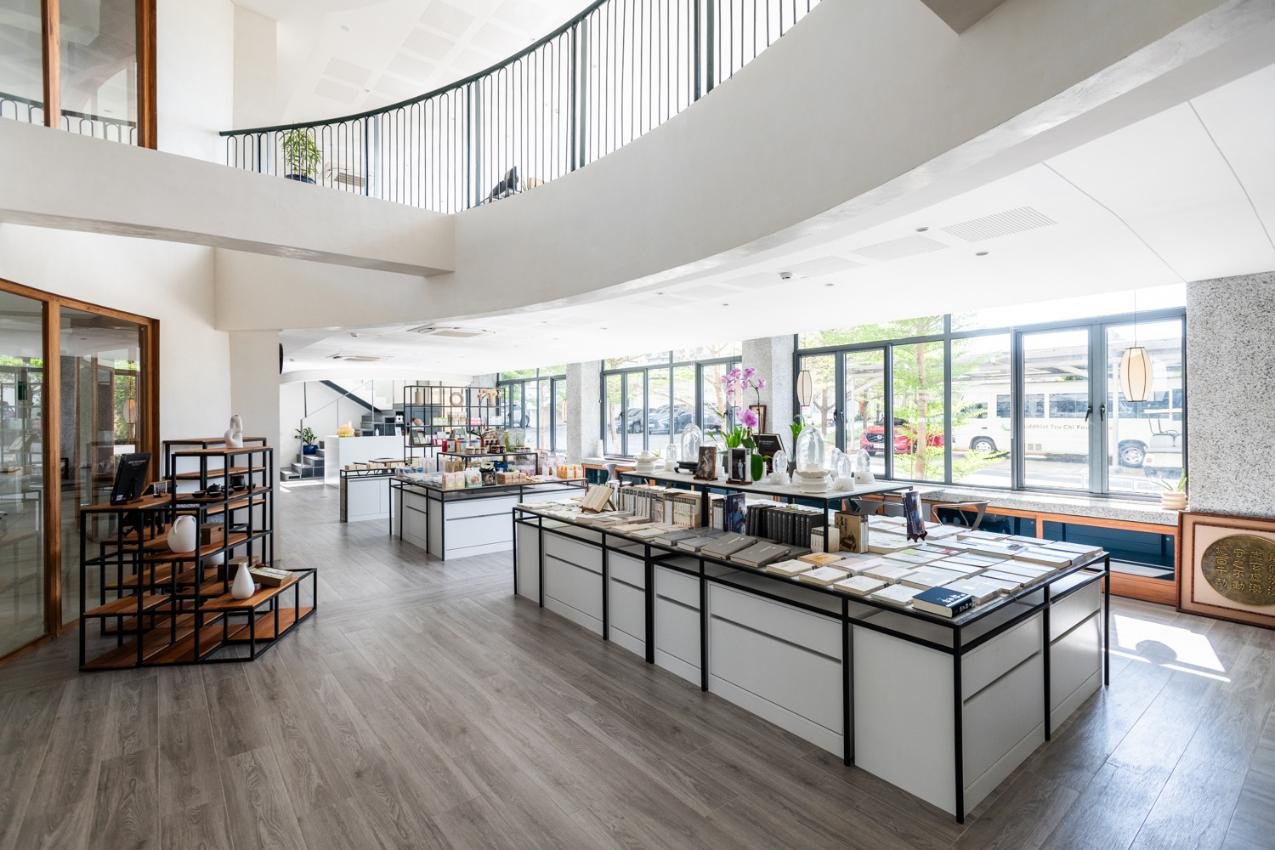
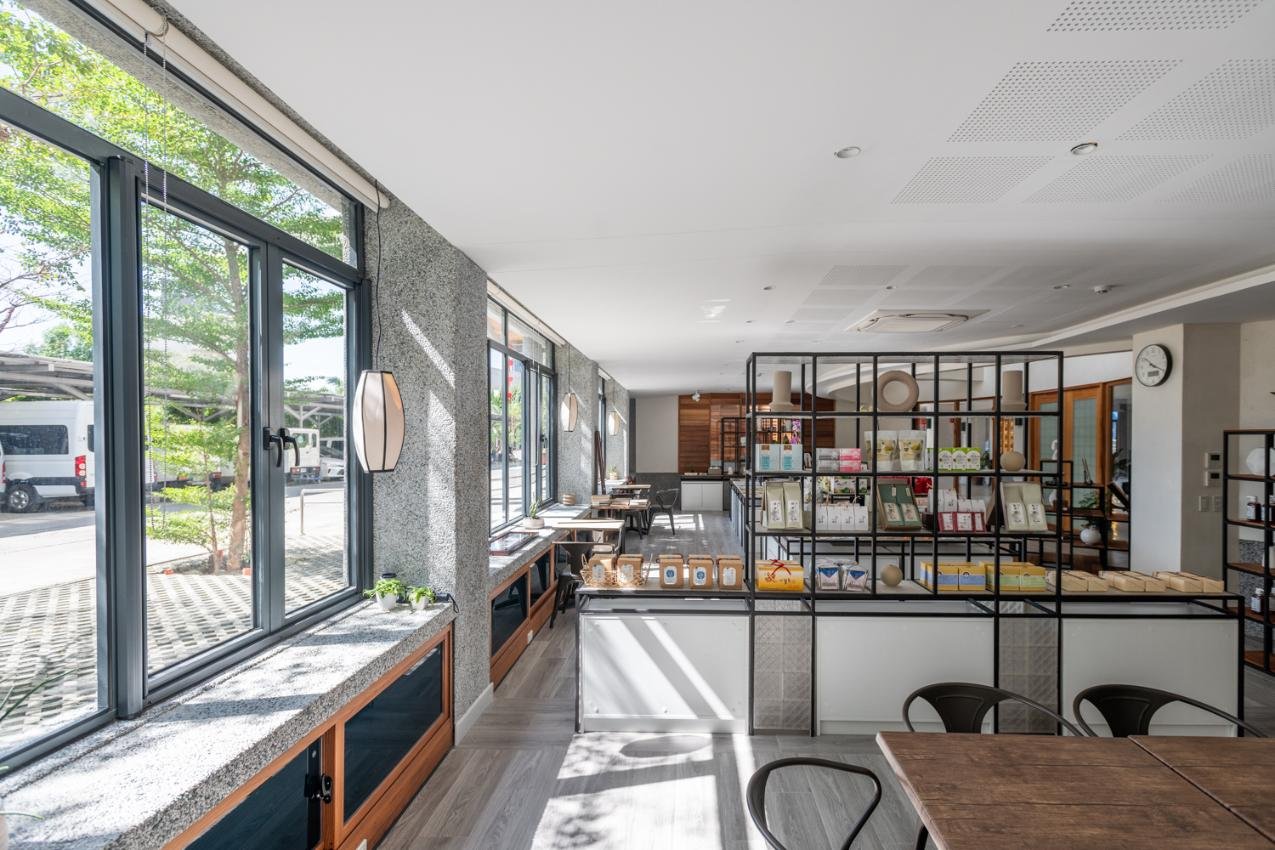
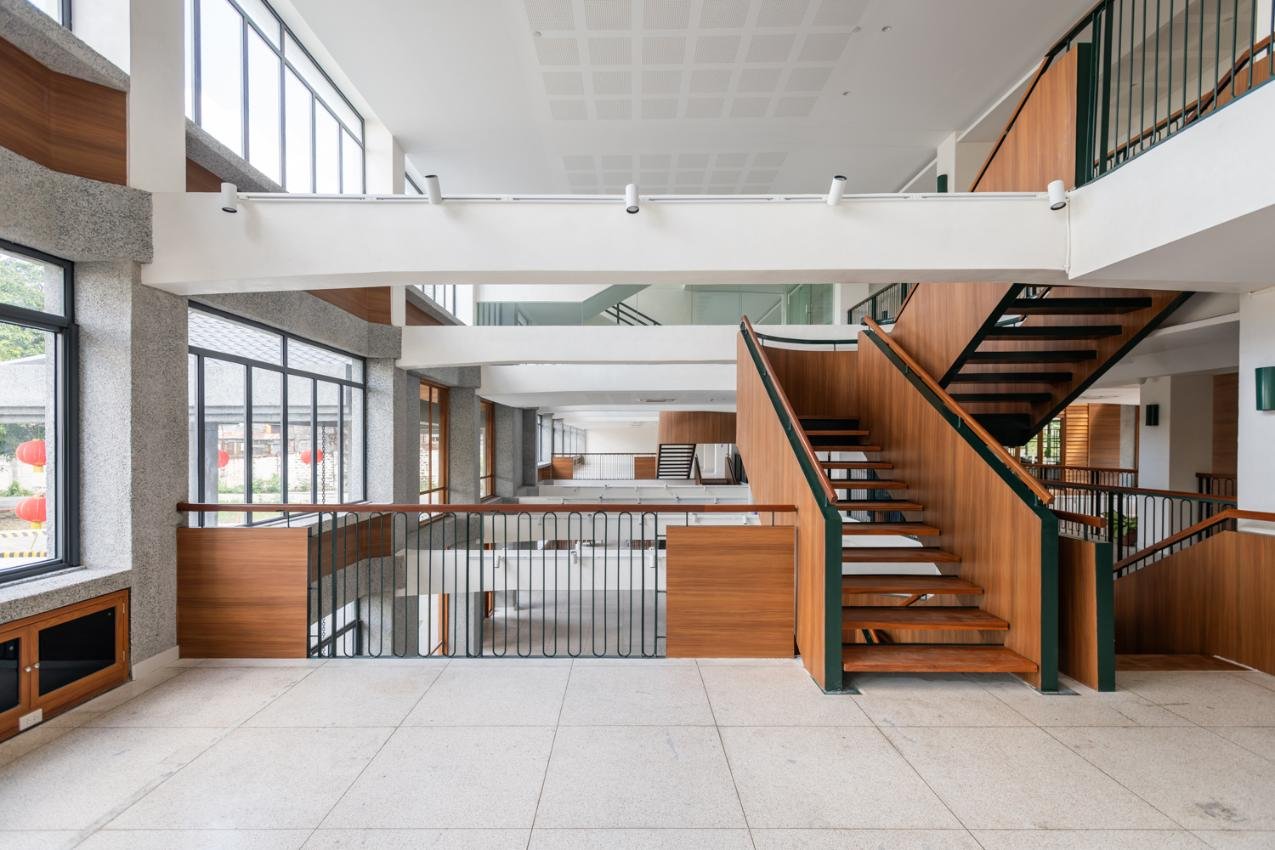
Flanking the altar are two bow-shaped volumes, “buildings-within-a-building,” clad in wood veneer and punctured with an array of windows and louvered openings. These three-story wood-clad volumes that appear to emanate behind the altar do wonders in balancing out the whiteness that pervades the space. The left volume houses the complex’s Jing Si Books & Café, which serves strictly vegetarian fare and sells products created by adherents from recycled materials, ranging from stationery items to even shoes (“I have these!” Gono shares, pointing to a pair made of recycled plastic). The volume on the right houses administration spaces and a tea room to host guests. Open space embraces the two volumes on each floor, enough room for the foundation’s regular engagements with the public, from talks to meditation sessions and disaster relief operations. Servicing these atrial floors is a pair of reflecting scissor staircases with wooden casings and narra treads, another fluid counterpoint to the building’s otherwise orthogonal shell.
The ethic of the “Old-New”
The Unity Hall palette is sparse: green-speckled terrazzo (made from donated green bottles), pebble wash, wood, and the signature “Tzu Chi emerald green.” This limited material range provides the predictability and uniformity that prevents the foundation’s “recycled-first” ethos from devolving into “visual chopsuey.”
SLIC shared that they had to shed their characteristic obsessive-compulsiveness for consistency and material uniformity, knowing that they are working within a foundation’s budget and beholden to its reuse ethos. “It isn’t so much about breaking rules but rather if the rule-breaking is going to yield effective and practical spaces,” Sy shares, emphasizing the foundation’s desire to lessen waste in anything being done.
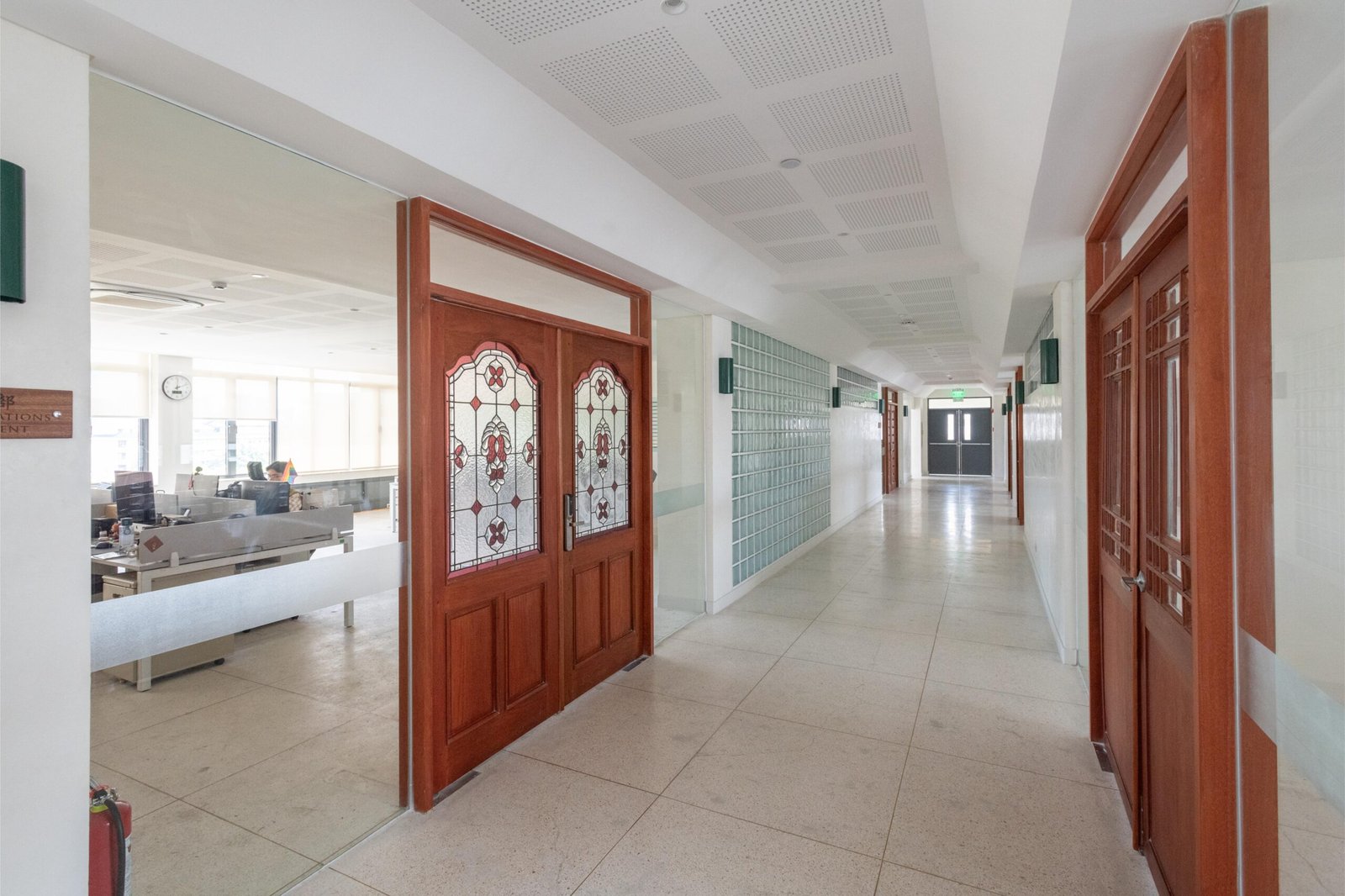
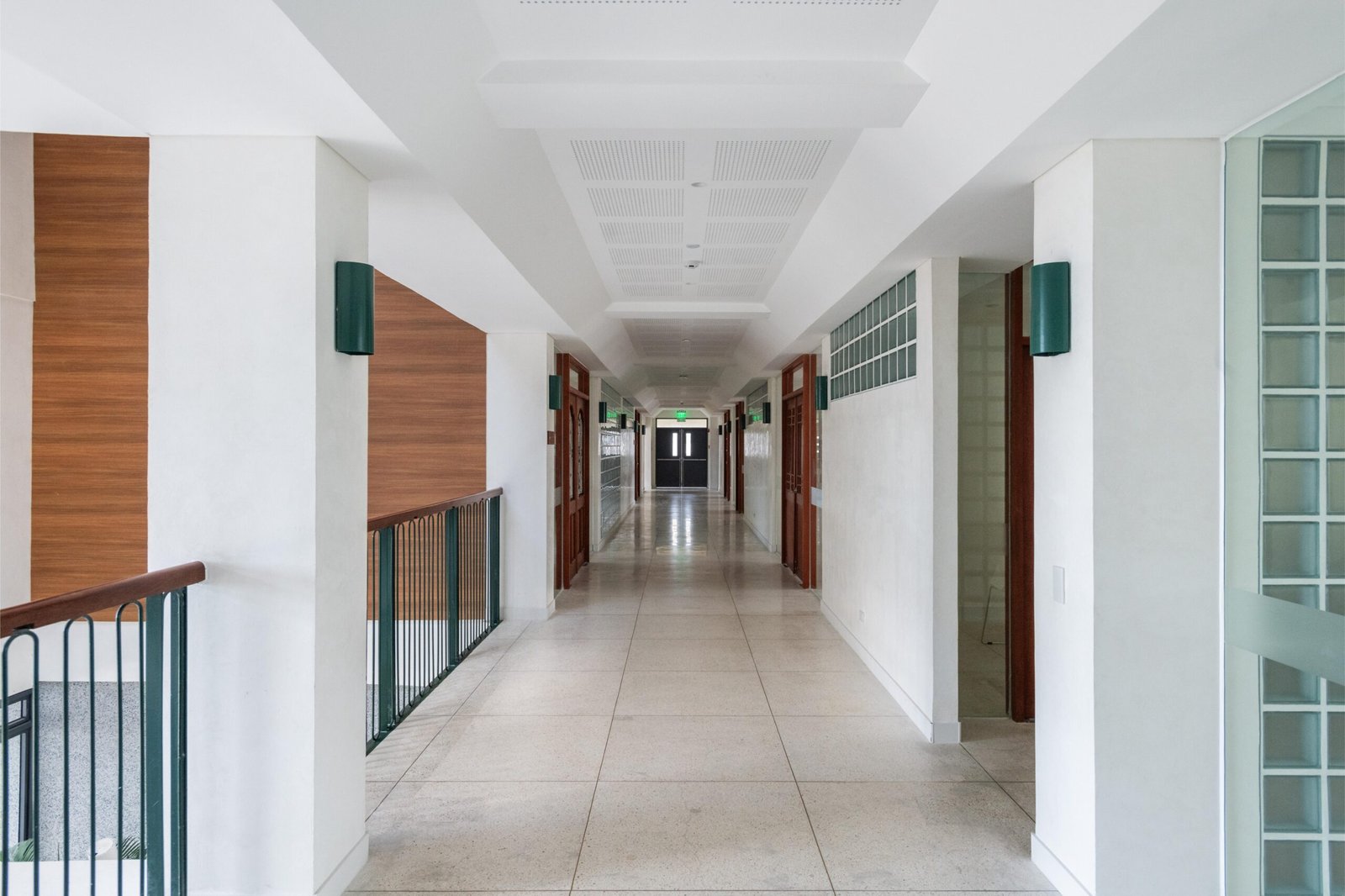
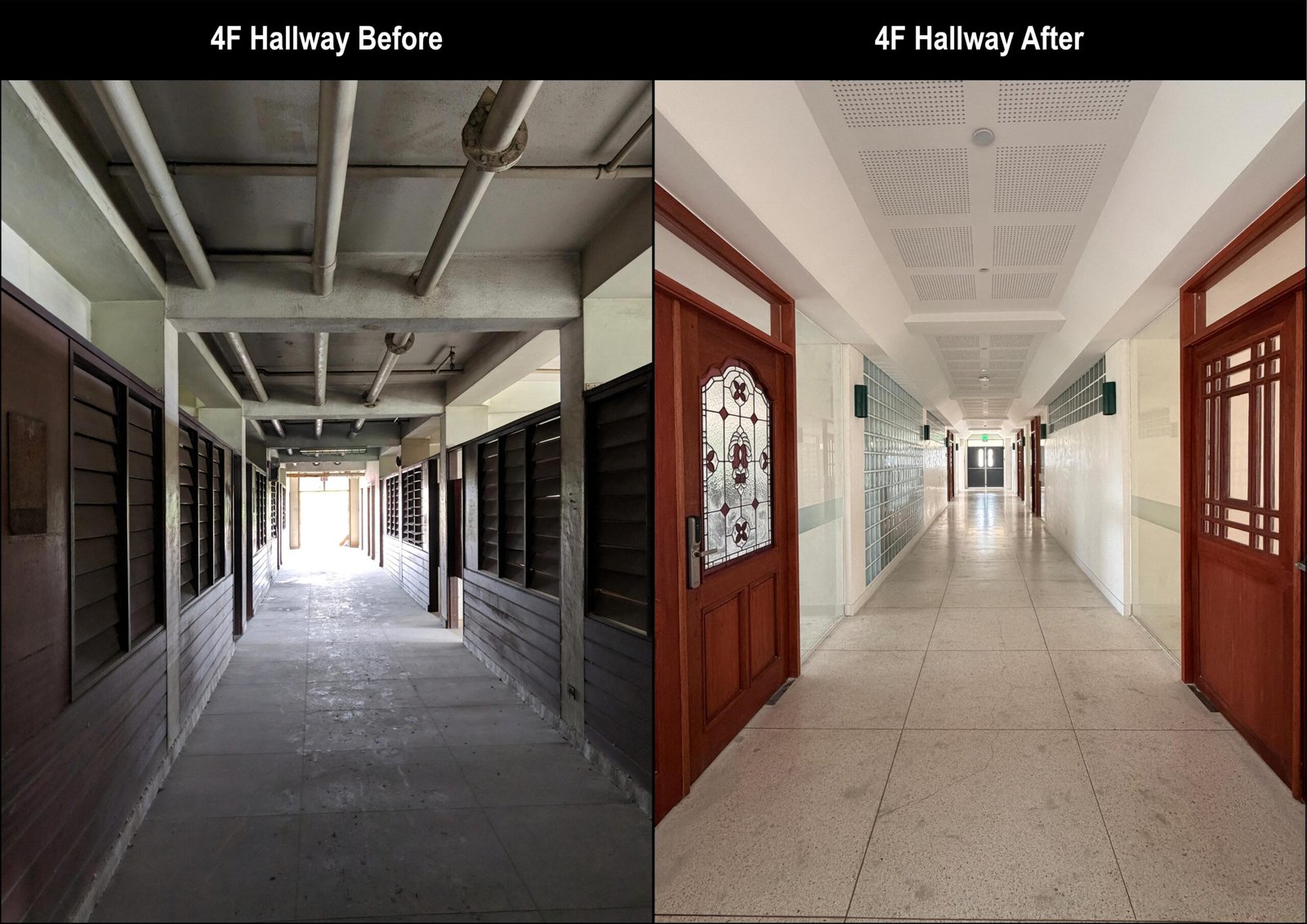
This pragmatism was tested by the foundation’s radical reuse policy. At any moment, the client might hand them a random architectural component, like a disused window or a vintage fixture, expecting its integration. One such scenario involved a Tzu Chi officer who wished to repurpose a disused door from his own house for his office in the center. In fact, none of the reused doors on the office floor were alike. To allow such variety to fit without making the corridor look visually cacophonous, SLIC adjusted their design to use fuss-free geometries, glasswork for consistency, with uniform wood framing for the doors.
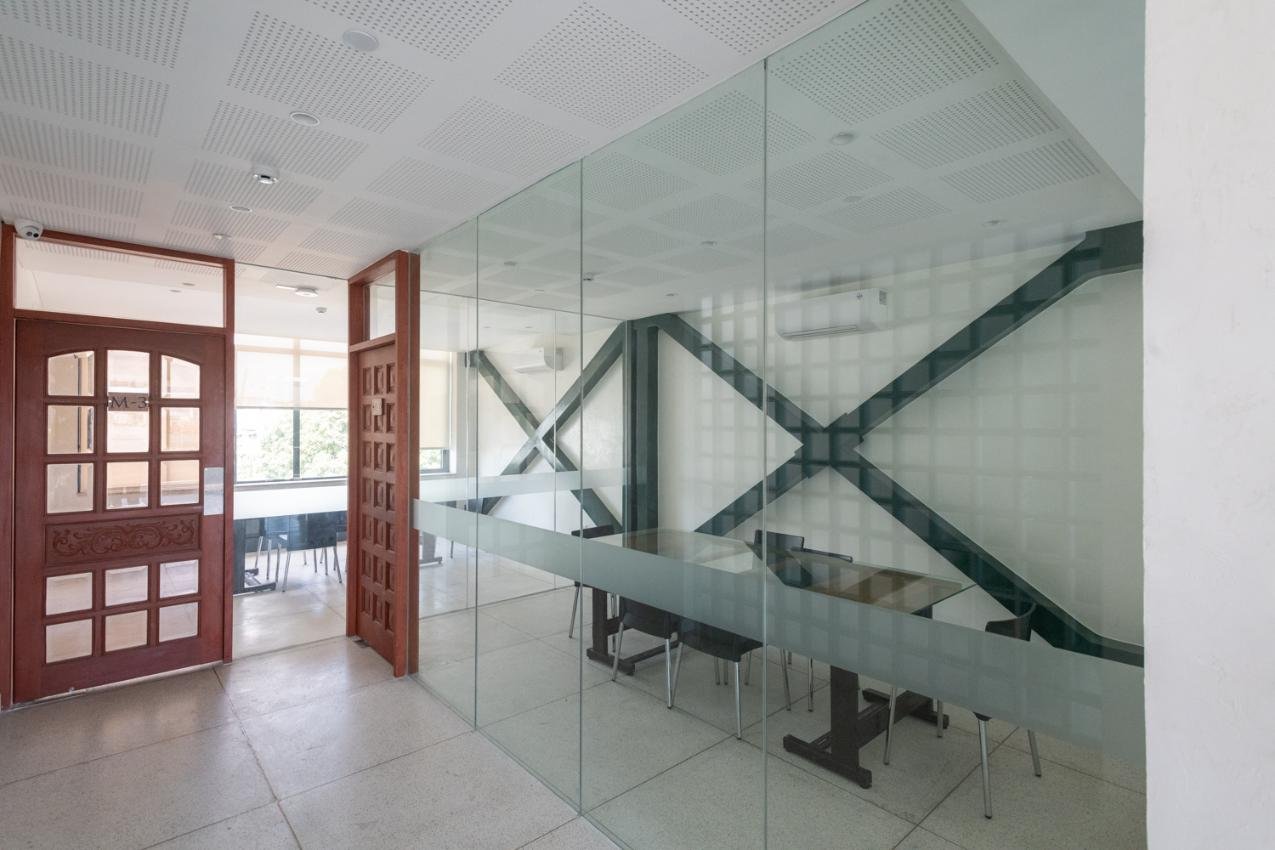
It was honestly a delight to see how disused sewing machines, vintage trunks, and other pieces that have fallen out of favor find rebirth as meeting tables and chairs, among others. Where reuse wasn’t possible, Tzu Chi’s own stable of carpenters crafted furniture from patented modular designs, as seen in the seventh-floor living spaces’ homebrewed shelving systems, coffee tables, and bed frames.
Perhaps the most vital lesson for SLIC was the foundation’s unflappable response to the “mess” of creation. For all the variables and construction hiccups, the foundation took an aggressively pragmatic approach anytime. They took things for what they were, adapted without hand-wringing, and simply moved on, a partnership of radical acceptance.
The gathering sky
The first three floors carried public-facing programs, designed for performances, tours, and relief operations. The middle floors house the foundation’s nerve center, while the upper levels are cloistered away for lodging. Each of the 11 suites on the seventh floor is a self-contained residential unit, spartanly kitted with kitchenettes and heated showers, catering to volunteers and members who eschew material excess yet not bereft of quality-of-life implements like washing machines, cooking ranges, and a television.
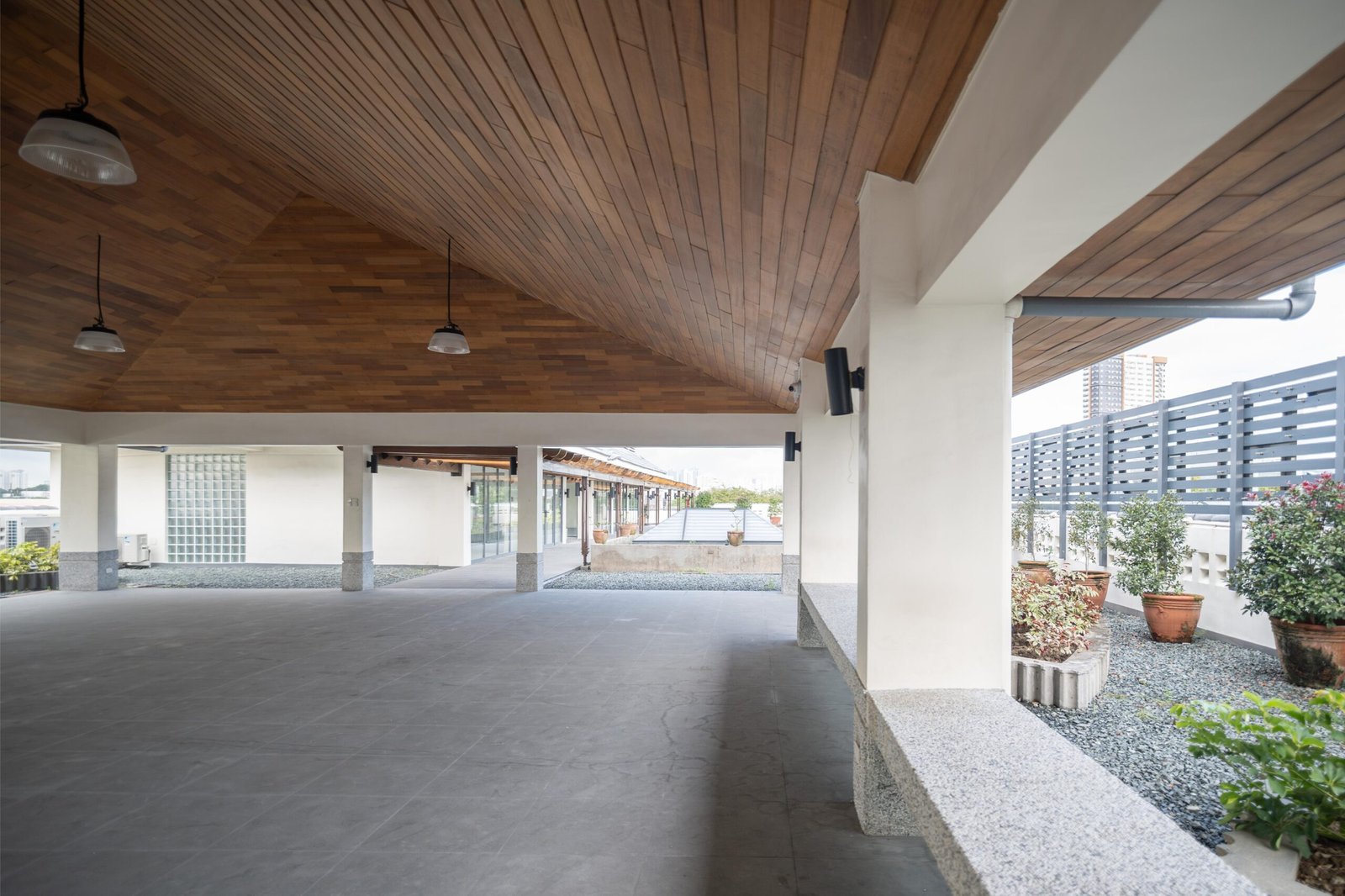
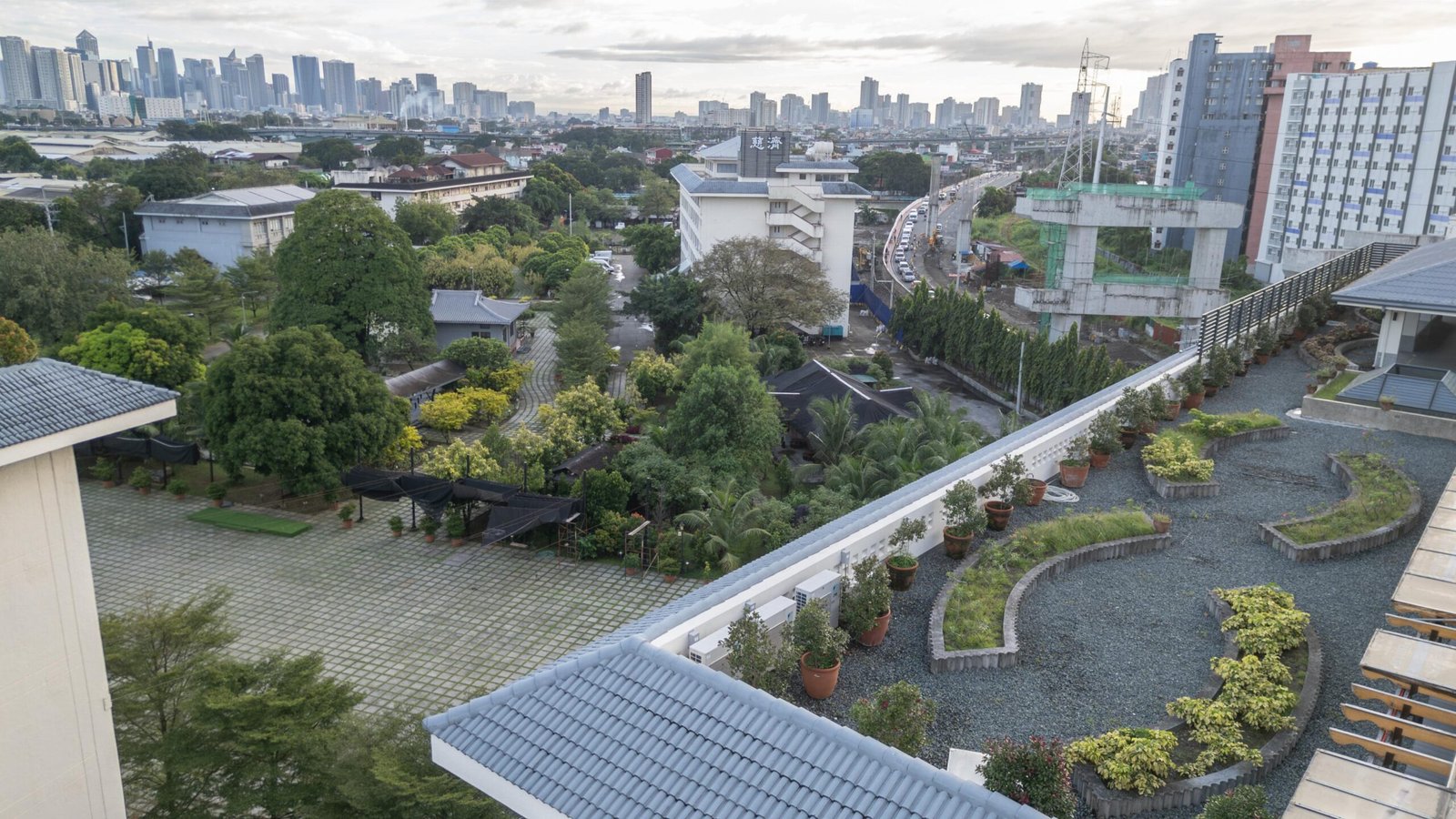
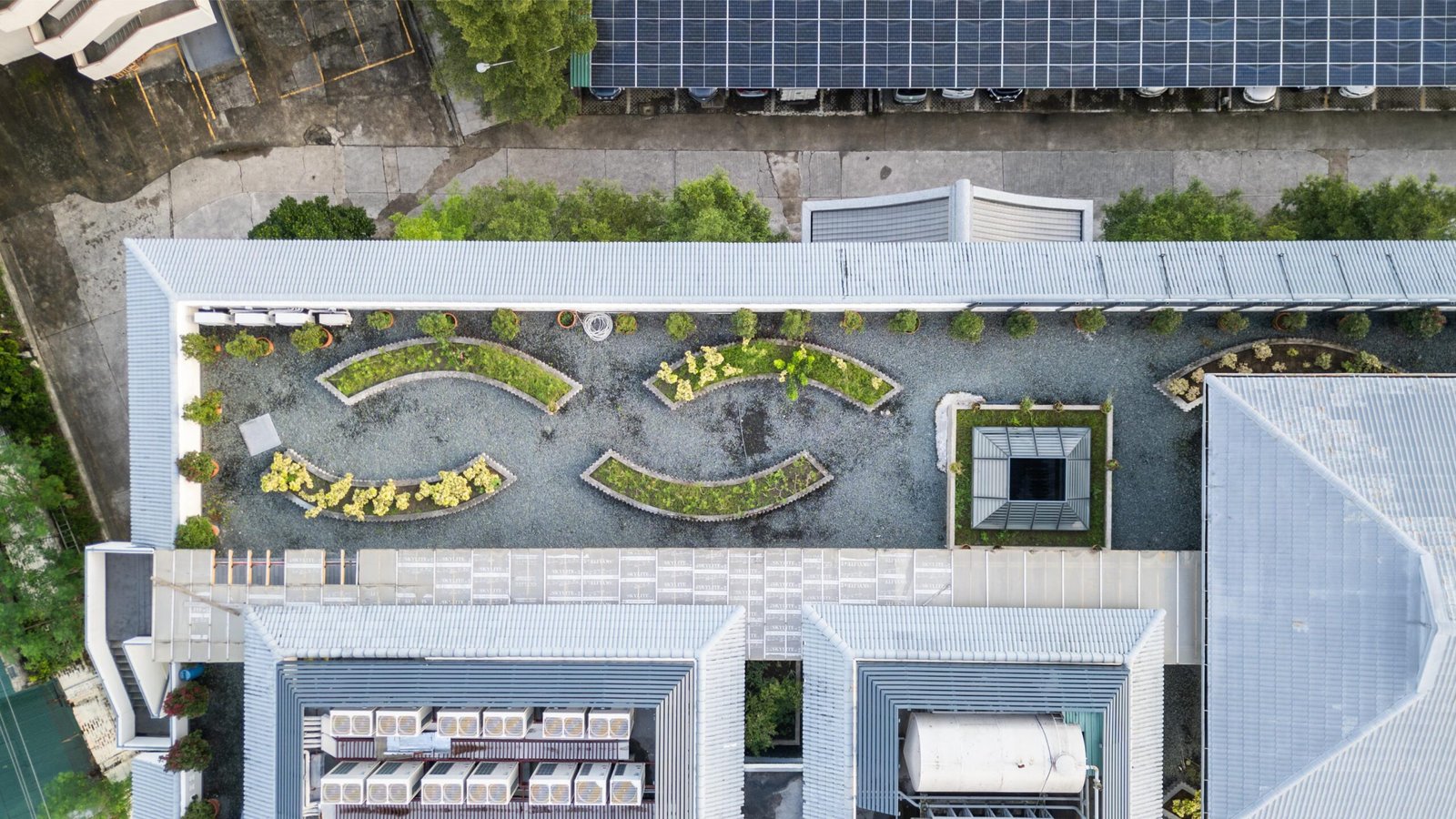
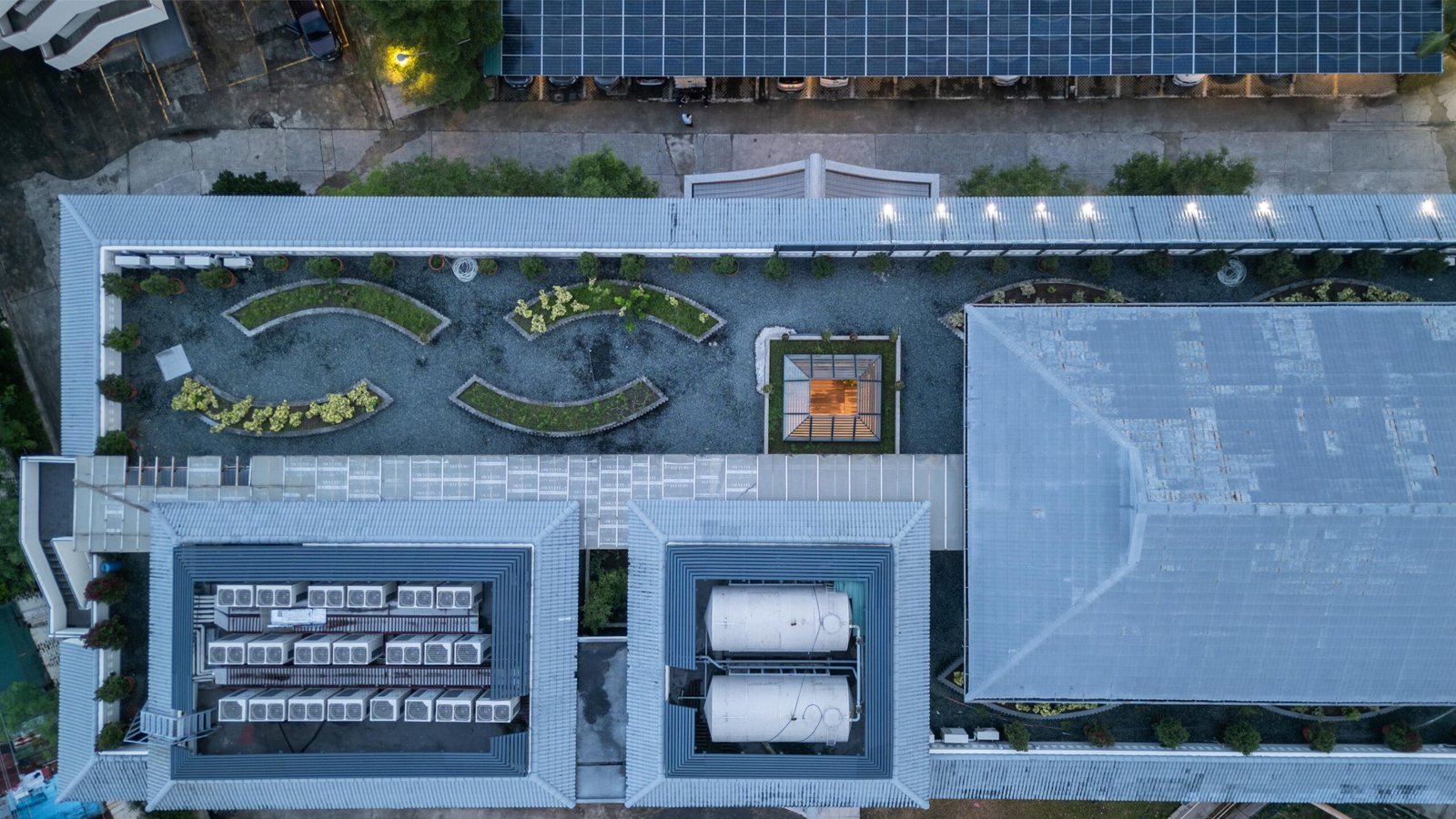
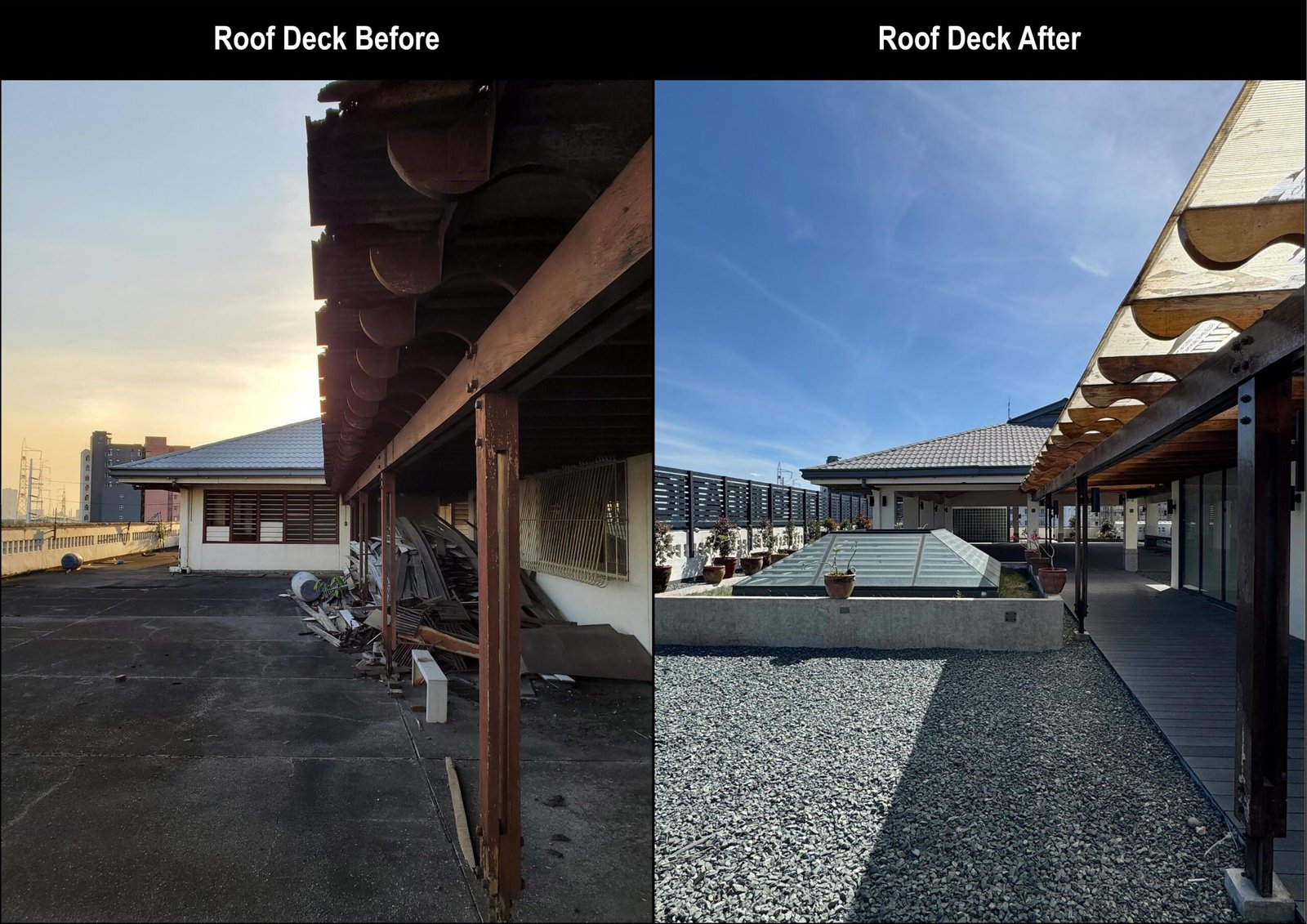
If the recycled doors are the heart of the project, the rooftop gathering space is its apotheosis. SLIC, their contractor, and the Tzu Chi carpenters collaborated on a unique roof where the ceiling underside is finished with reused wood jalousies in a scale unseen anywhere else in the building. It is the warm, reassuring cap to a scenic breakout space offering a 360-degree view of the city—if one can mentally filter out the Skyway’s concrete tangle nearby. Even the contractor, initially apprehensive about the assignment, now considers the ceiling a source of pride.
Nearby, the existing building’s clay roof tile bricks have been repurposed into planters for a rooftop herb garden, turning a component for man-made builds into a conduit for natural growth.
The beauty of flow
For the detail and execution-oriented SLIC, the youngest of the firms invited to contribute to the still-growing Tzu Chi Great Love campus, this was a project that taught them not the art of letting go, but of embracing the honesty and occasional discomfort that comes with going with the flow. For all of Tzu Chi’s mandates and rules, the foundation at the end seeks a dialogue: with humanity, with nature, and there is uncertainty about how either party will respond. But to respond is to find opportunity to attain the beauty, utility, and harmony one has worked hard for. •