Introduction and Interview Gabrielle de la Cruz
Images Dan Ubas and Viki Laguyo (Krete Manila)
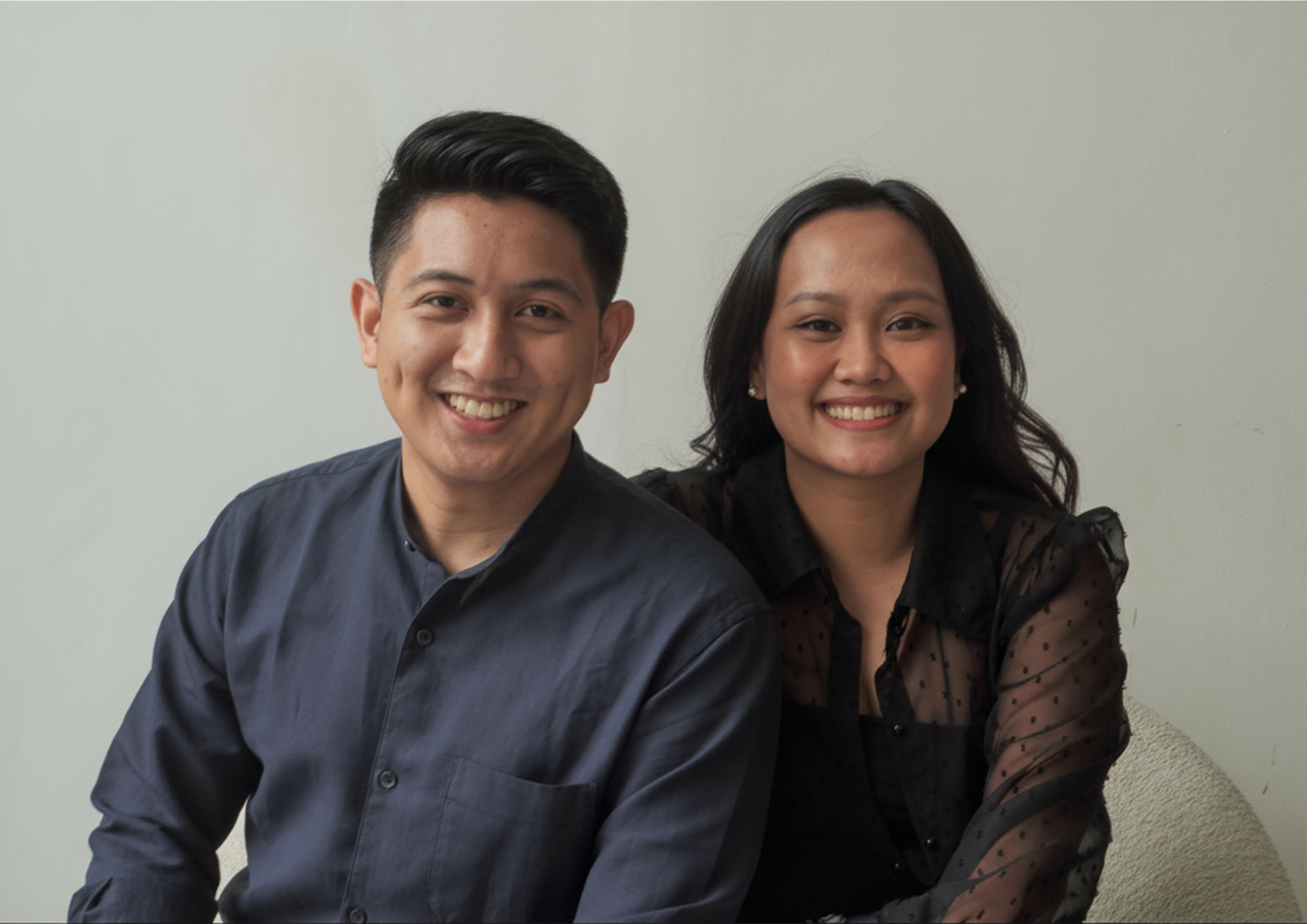
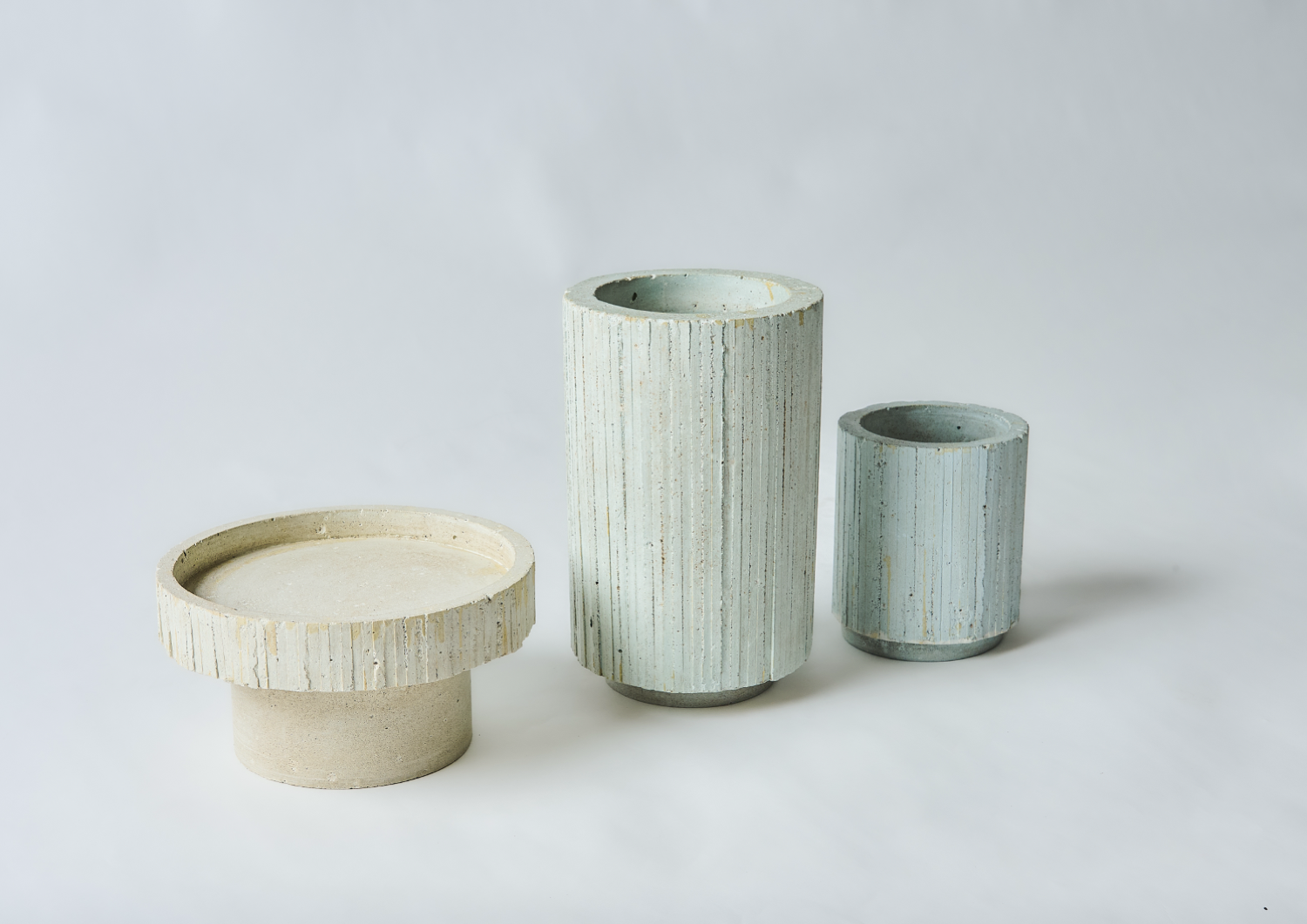
Krete Manila founders Daniel Ubas and Viktoria Laguyo chose concrete as a medium initially because of its “raw, simple, and striking look.” It was also a practical and accessible option, one that they can find in the nearest hardware store. While often seen as cold or rigid, the work and life partners also found that as the material finds form, concrete becomes fluid and expressive. Later, they realized that the process of allowing concrete to take shape on its own, patiently waiting, and simply trusting, is a rhythm that mirrors their relationship.
For part two of our Valentine’s Day 2026 special, we sat down with Dan and Viki to share their journey as business and real-life partners. We also talked about their dreams for their practice and how the most enduring connections, be it in work or love, always involve concrete choices.
Kanto: Hello, Dan and Viki! Happy Valentine’s Day! Let’s start with reminiscing. Can you let us in on your early days as a couple? How did you decide on starting Krete Manila?
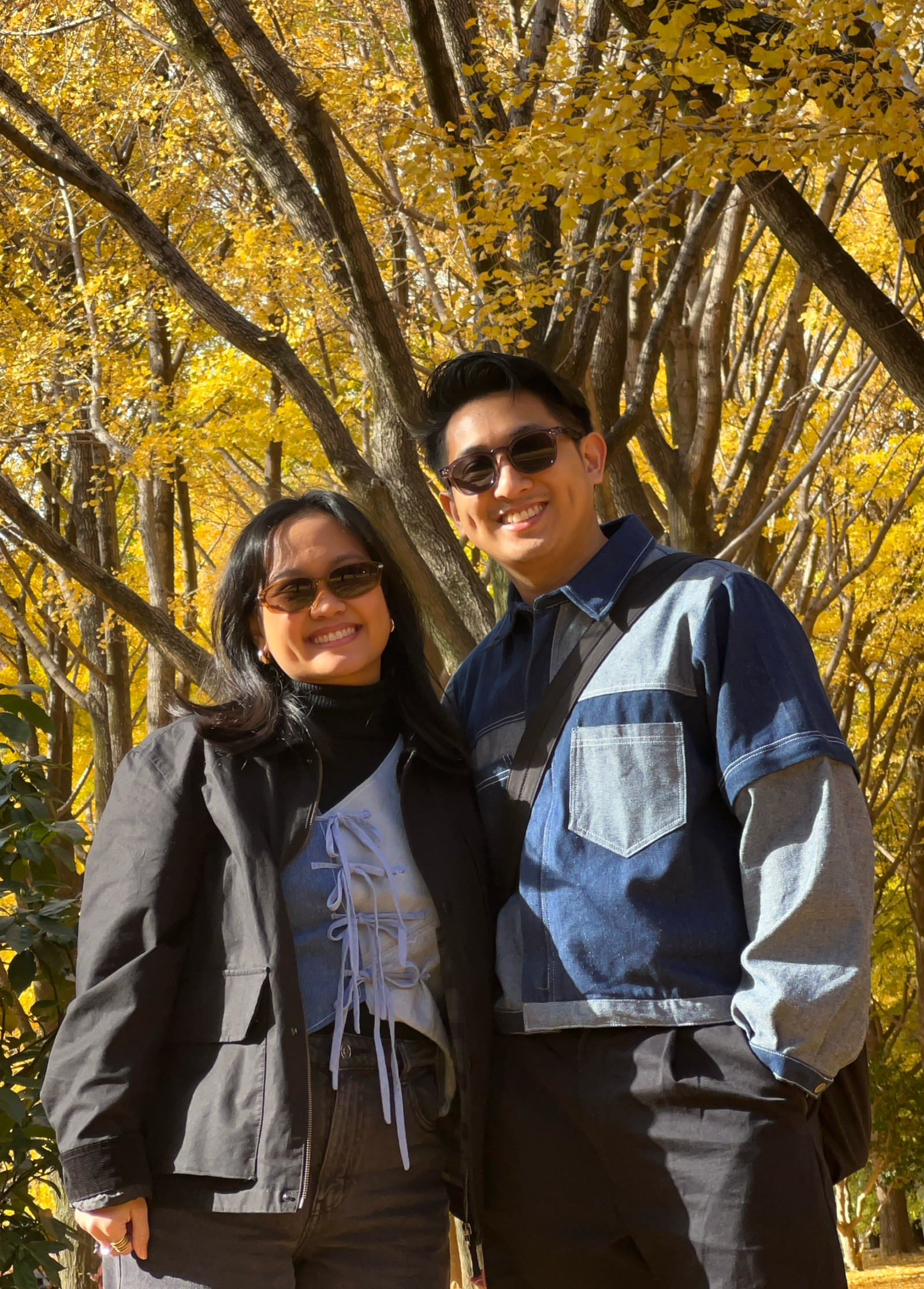
Dan: Happy Valentine’s Day, Kanto! We don’t remember a single day when we decided to start Krete Manila. It wasn’t a deliberate plan—it grew naturally. Viki and I met in college as blockmates in Industrial Design, where our days revolved around process and making things by hand. We started as friends and grew close as we often crossed paths between the UST grandstand, the field, and LRT rides home.
Even then, we were drawn to the same things: tactility, research, and process. After graduation, Viki deepened her exposure to Filipino furniture and crafts as a Red Box Design Talent under DTI CITEM, having her designs exhibited in Manila FAME and abroad, while I immersed myself in production and fabrication.
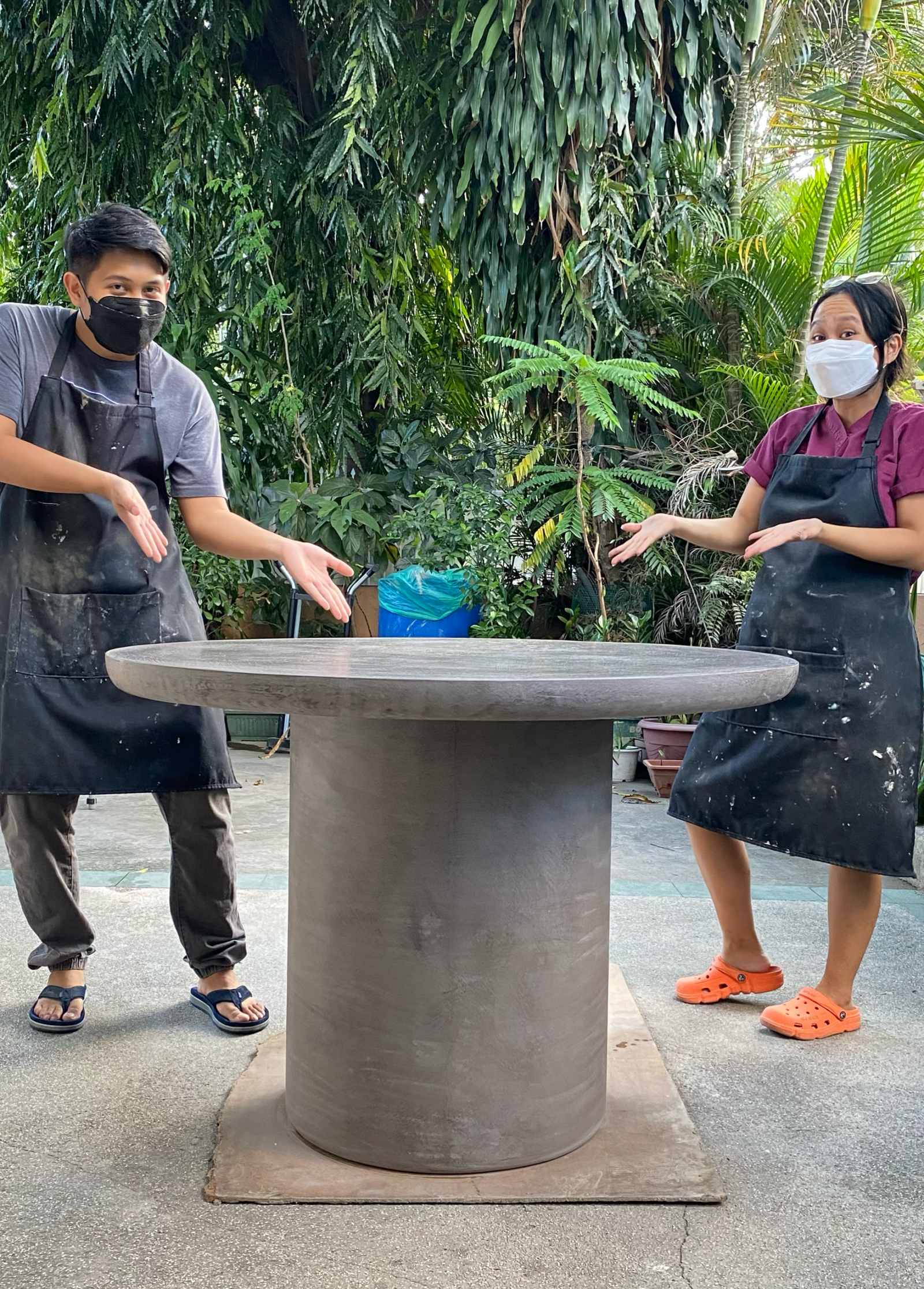
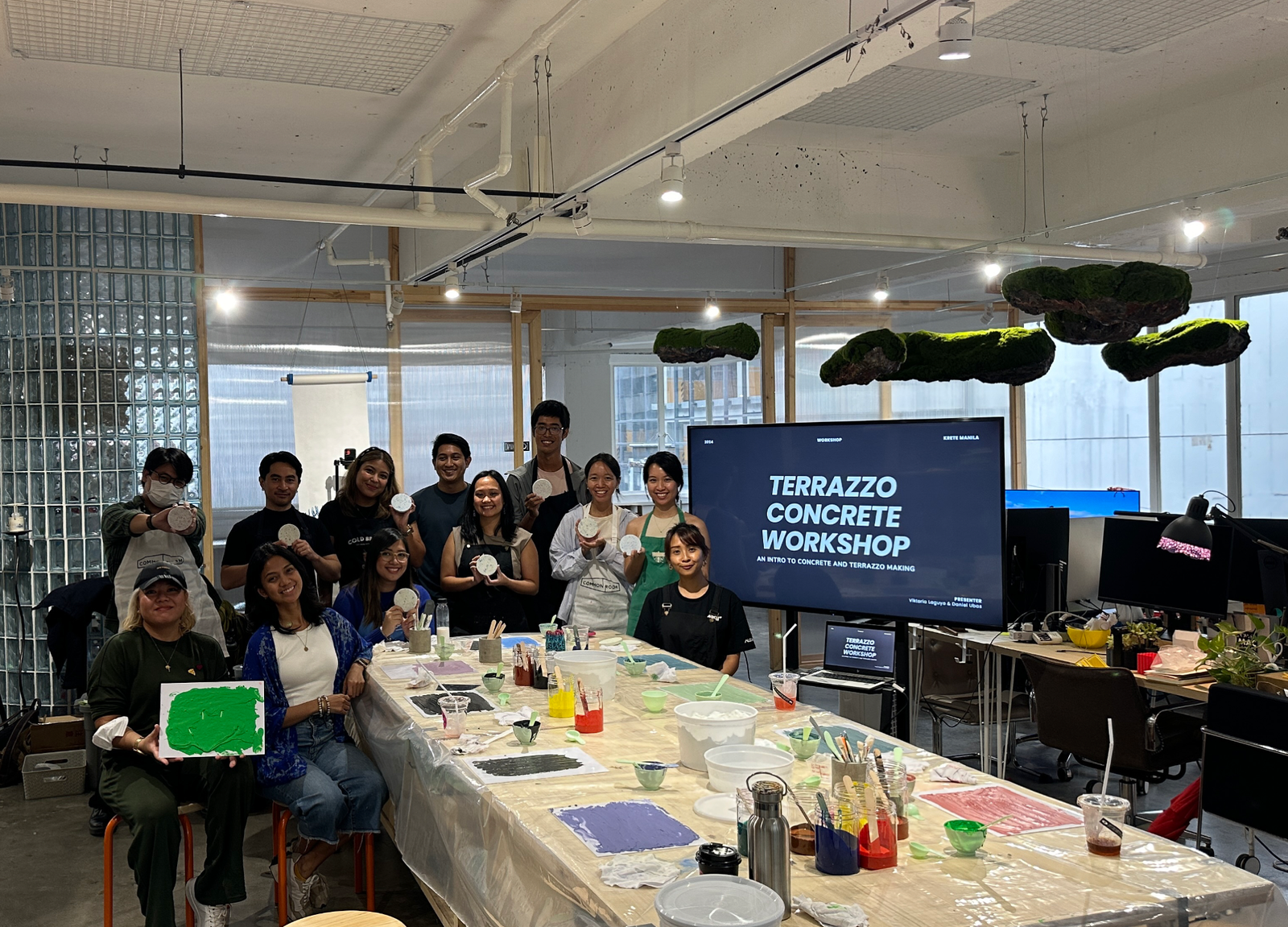
Around 2017, as a simple way to spend time together, we began making small concrete plant pots at home, building molds from whatever we could find. When we joined a small pop-up in 2017 and saw how people responded, we had our lightbulb moment.
So, yours is a “met in school, began a practice together” romantic trope! Looking back, would you say that you’ve changed a lot since?
Viki: Definitely! Our partnership has grown from a simple hobby into something rooted in deep friendship, shared curiosity, and a genuine love for Filipino design. Over time, we’ve learned how to balance each other and support each other’s strengths.
We’ve also grown individually, beyond the studio. During the pandemic, we weren’t able to work on the business full-time anymore, which pushed us to expand our skills and explore different paths. Dan transitioned into UX design and research, while I built my practice as a freelance designer.
Now, we each have our own professional worlds, and Krete Manila has become our shared space for creative exploration, which is something we return to intentionally. In many ways, that individual growth has made our partnership stronger. It allows us to bring fresh perspectives into the studio, while continuing to build something meaningful together, at a pace that feels true to us.
Being business and real-life partners can be challenging. Was there ever a time your personal feelings affected your work and vice versa? How do you navigate through situations like this?
Dan: There were definitely moments when work took over more space than it should have.
When you’re building something together, it’s easy to get hyper-focused. Suddenly, a quiet Sunday turns into a discussion about production schedules instead of where we want to travel next or how we’re actually doing as people.
Over time, we realized that separating work and life isn’t realistic for us. Our personal and professional lives are deeply intertwined, so instead of chasing a perfect “work–life balance,” we’ve learned to aim for work–life harmony. That means being more intentional about when to talk about work, and just as intentional about creating space for conversations that have nothing to do with Krete.
Learning to pause, check in with each other, and step back from work when needed has helped us protect both our relationship and the studio. In the end, nurturing one directly affects the health of the other, and embracing that connection has made things feel more sustainable for us.
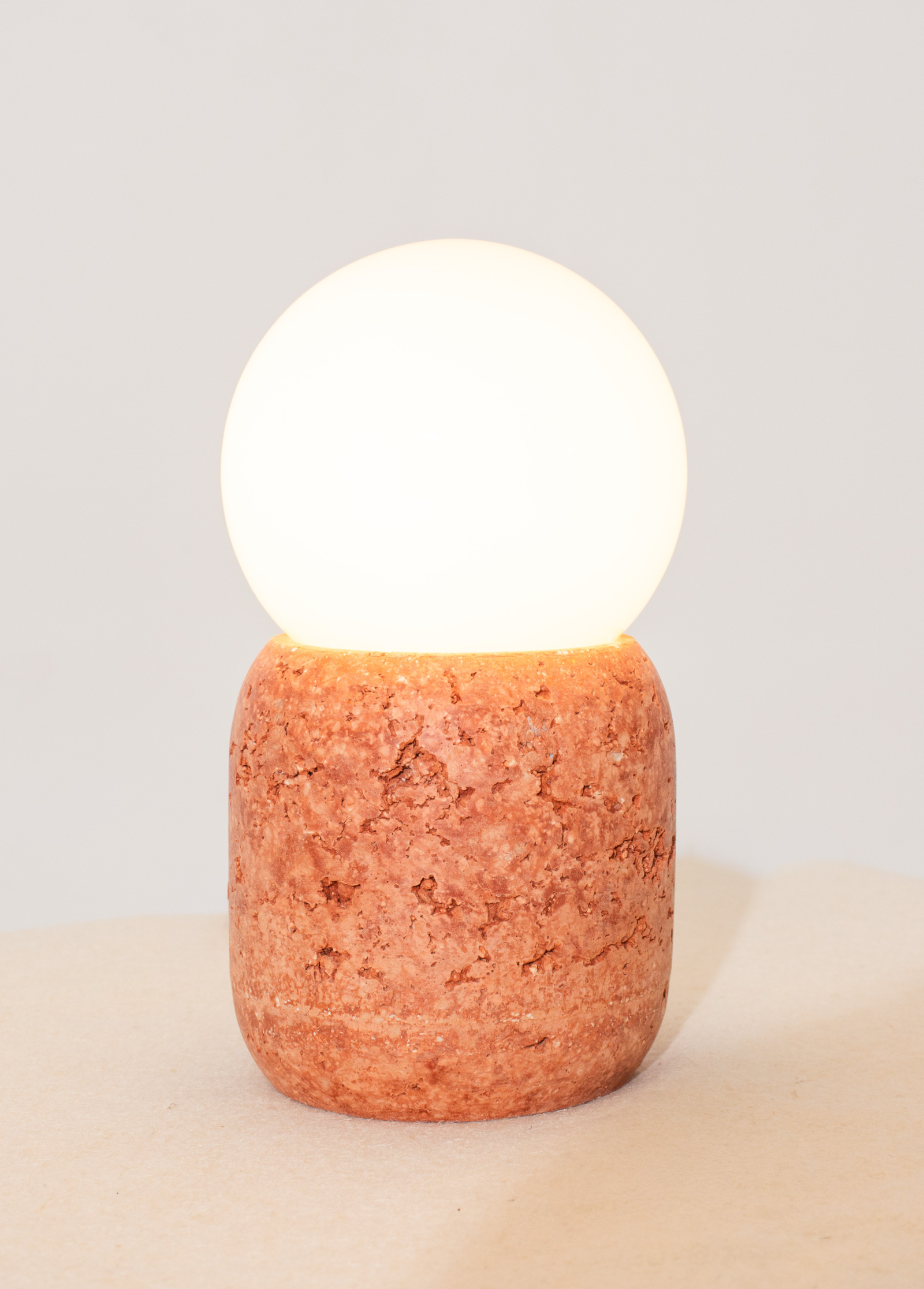
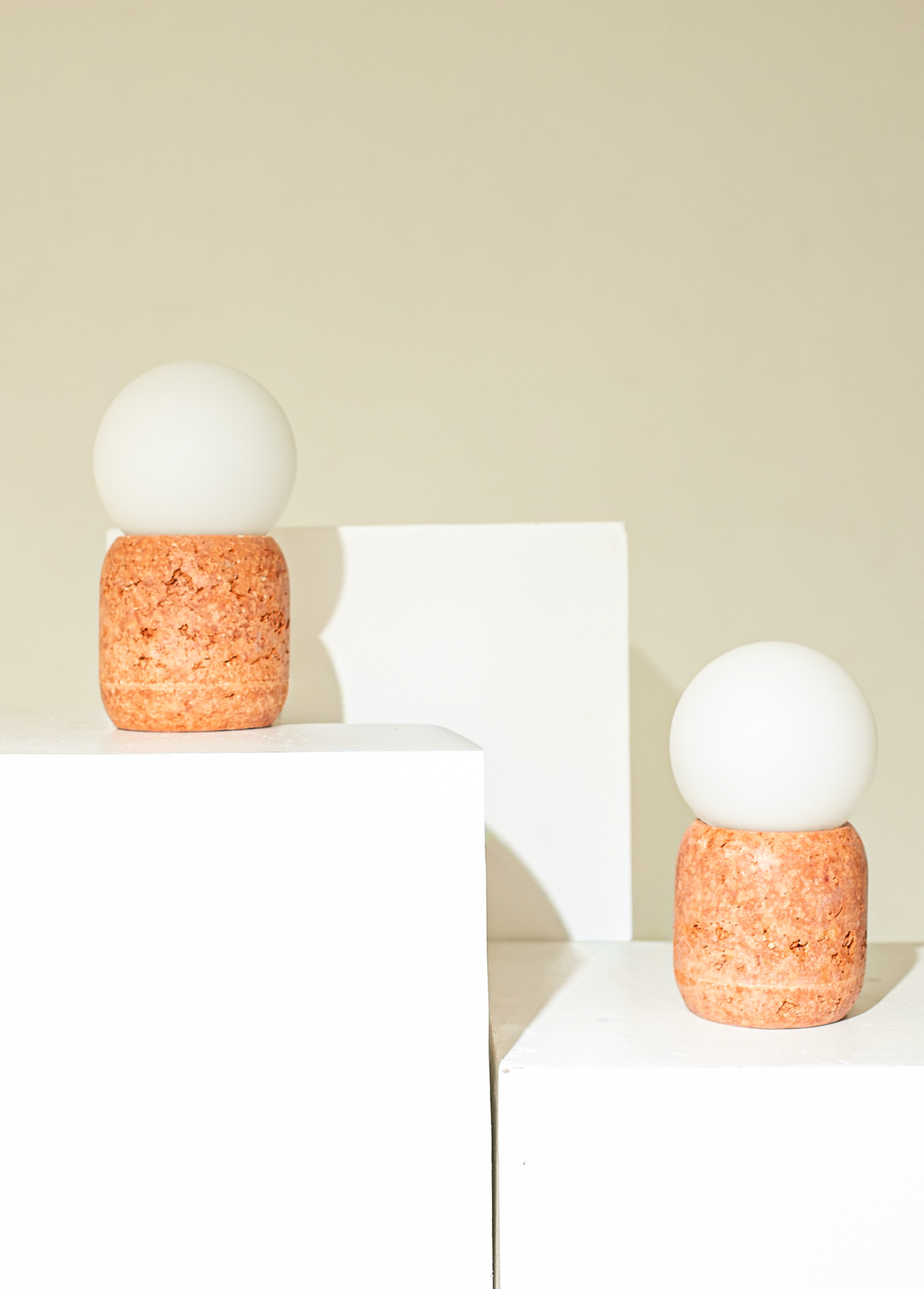
Pouf Lamp, photographed by Mac Jayson Villaluna
How would you describe your dynamics as a couple and as business partners?
Dan: As a couple and as business partners, our dynamic works because we don’t try to be the same person. We trust each other, respect each other’s instincts, and lean into what we each naturally do best instead of overlapping too much.
Viki: We see each other as equals. There’s mutual respect, space to grow individually, and a shared commitment to growing together. Our relationship is not built on ego or pressure, but on trust, balance, and choosing each other again and again as we evolve.
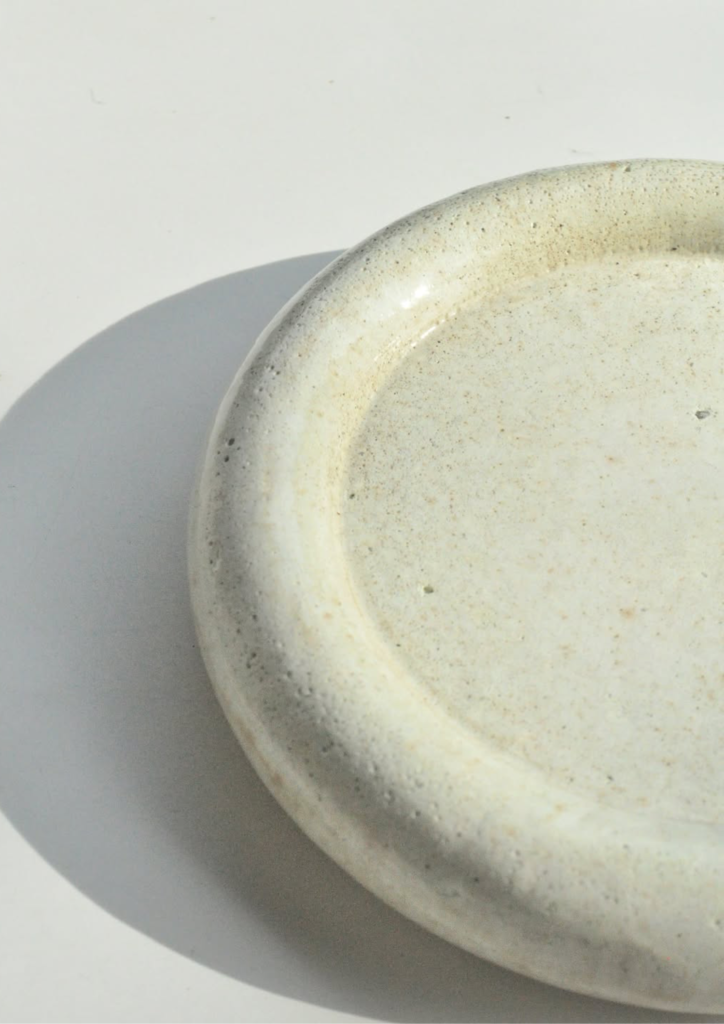
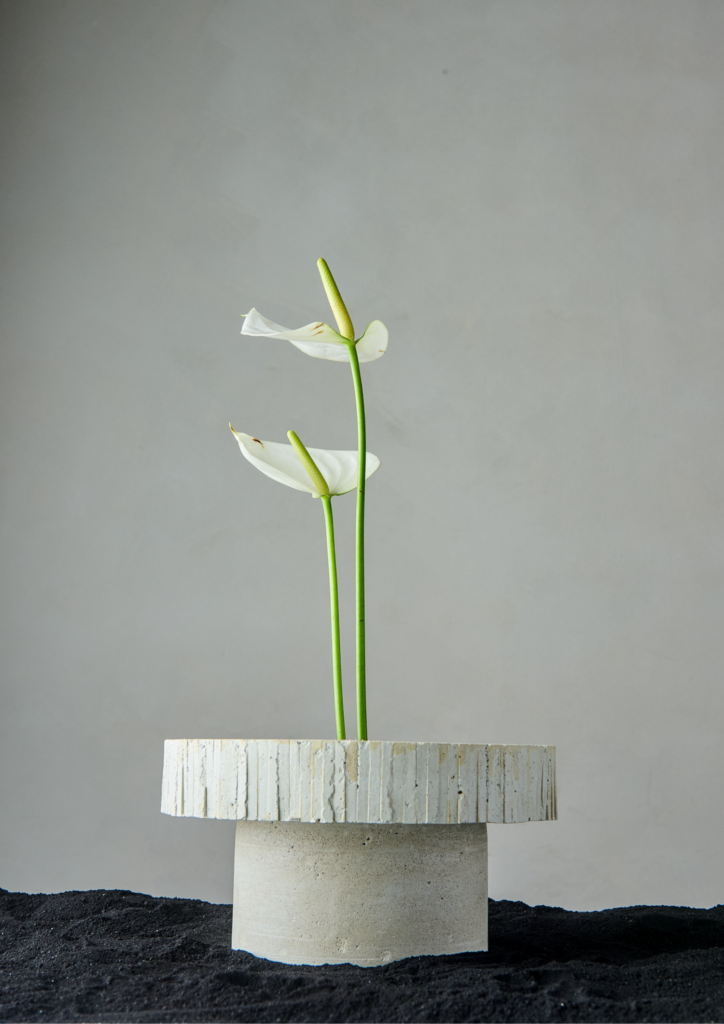
Koffee finish, photographed by Viktoria Laguyo and MONO VESSEL, photographed by Carlo Nuñez
You’ve seen each other through different stages and phases, personally and professionally. What qualities make your significant other an ideal work-life partner?
Dan: At work, Viki brings intuition, sensitivity, and a strong sense of narrative as she can feel when something is right. I tend to zoom in on structure and process, figuring out how an idea actually gets built and sustained. We challenge each other a lot, but there’s always trust underneath it. When one of us takes the lead, the other steps in to support. Like many other couples, we switch roles when needed.
At home, the same traits soften. Viki reminds me to slow down and reconnect with why we’re doing all this in the first place. I try to bring steadiness when things feel overwhelming. It’s less about dividing roles and more about constantly meeting each other halfway.
Viki: He brings a kind of steadiness and clarity that balances me. I always say (jokingly) that he’s my personal AI chat assistant because he usually knows what to say, especially in uncertain moments. What really makes our partnership work, though, is that we truly listen to each other, even when we don’t immediately agree.
I can see how you’ve made a concrete commitment to Krete Manila and to your relationship! What else are you looking forward to making and seeing together?
Dan: In the next few years, we want to keep refining what Krete Manila stands for, creating thoughtful objects that are material-driven and rooted in Filipino craft and collaboration. We’re not in a rush to grow fast; we’d rather grow with intention, working closely with communities while protecting the studio’s pace and values.
In terms of dream pieces, we’re excited to explore everyday pieces that continue to push how concrete can feel in the home. We’re especially interested in combining concrete with other materials and processes, and letting the material guide the design rather than forcing it.
We also hope to travel more and see how designers in other places approach material exploration. Learning from different contexts and craft traditions would definitely shape where Krete Manila goes next.
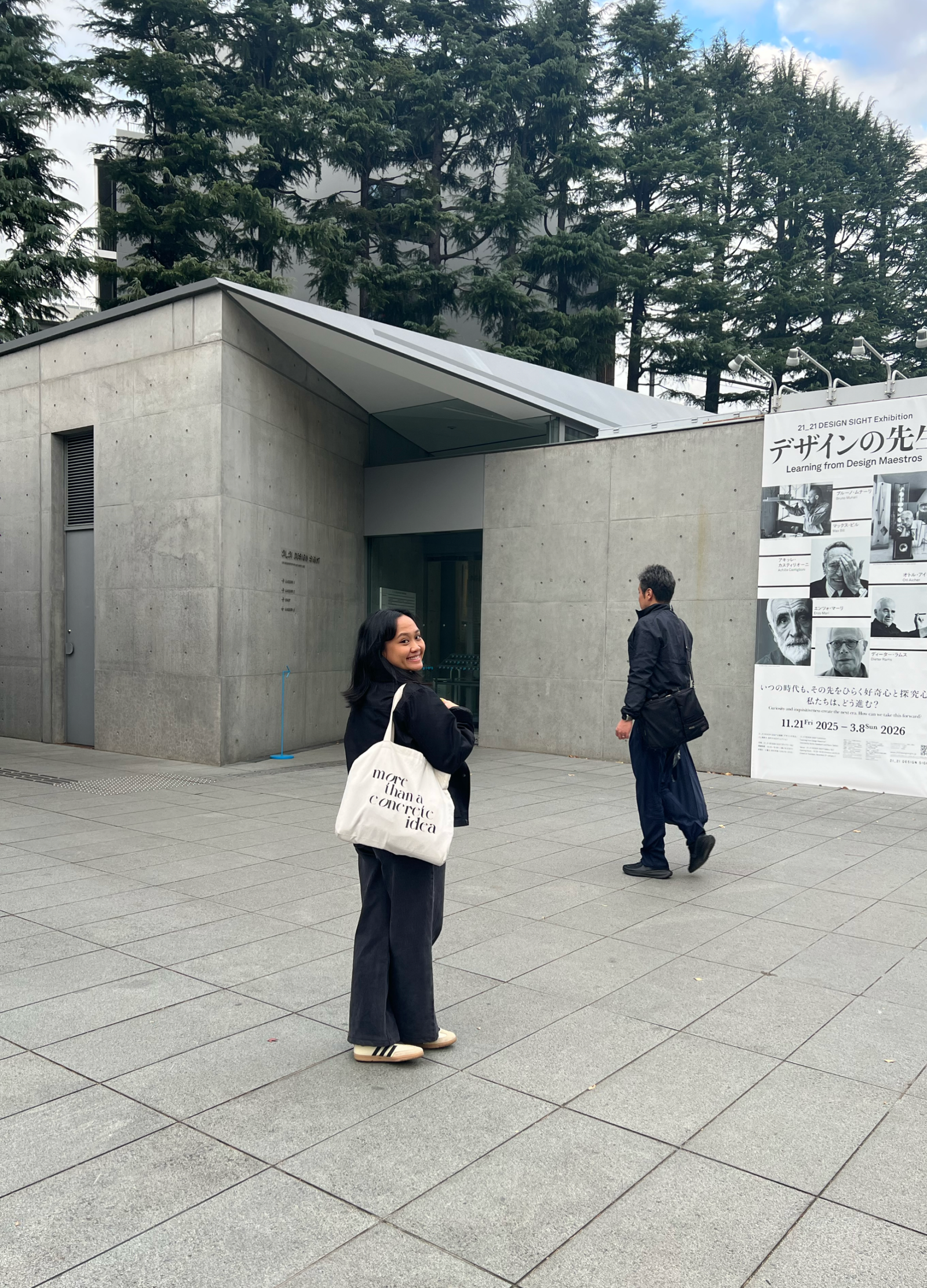
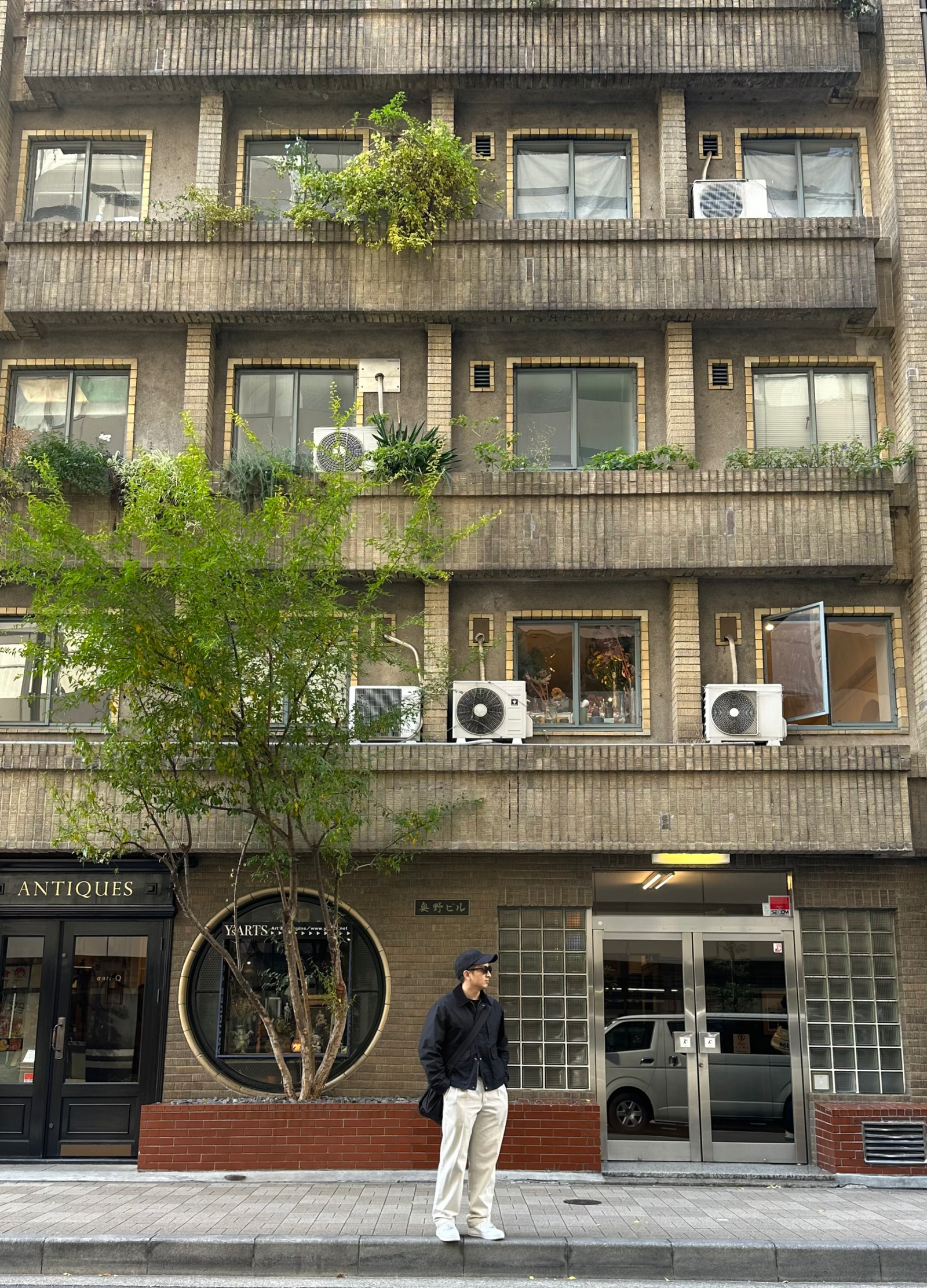
Viki: Life-wise, we’re just excited to have more time together and travel (see more brutalist architecture!), deepen our knowledge on local design and craft, and let those experiences slowly shape the way we work.
We’re grateful to be part of a collaborative creative community already, and we hope to watch it grow over time, expanding naturally with more people who believe in sharing, not competing.
Ultimately, we hope to build a life where making, living, and growing together feel aligned, not rushed. •