

Interview The Kanto team
Images LAKBAY 2026 and Patrick Kasingsing
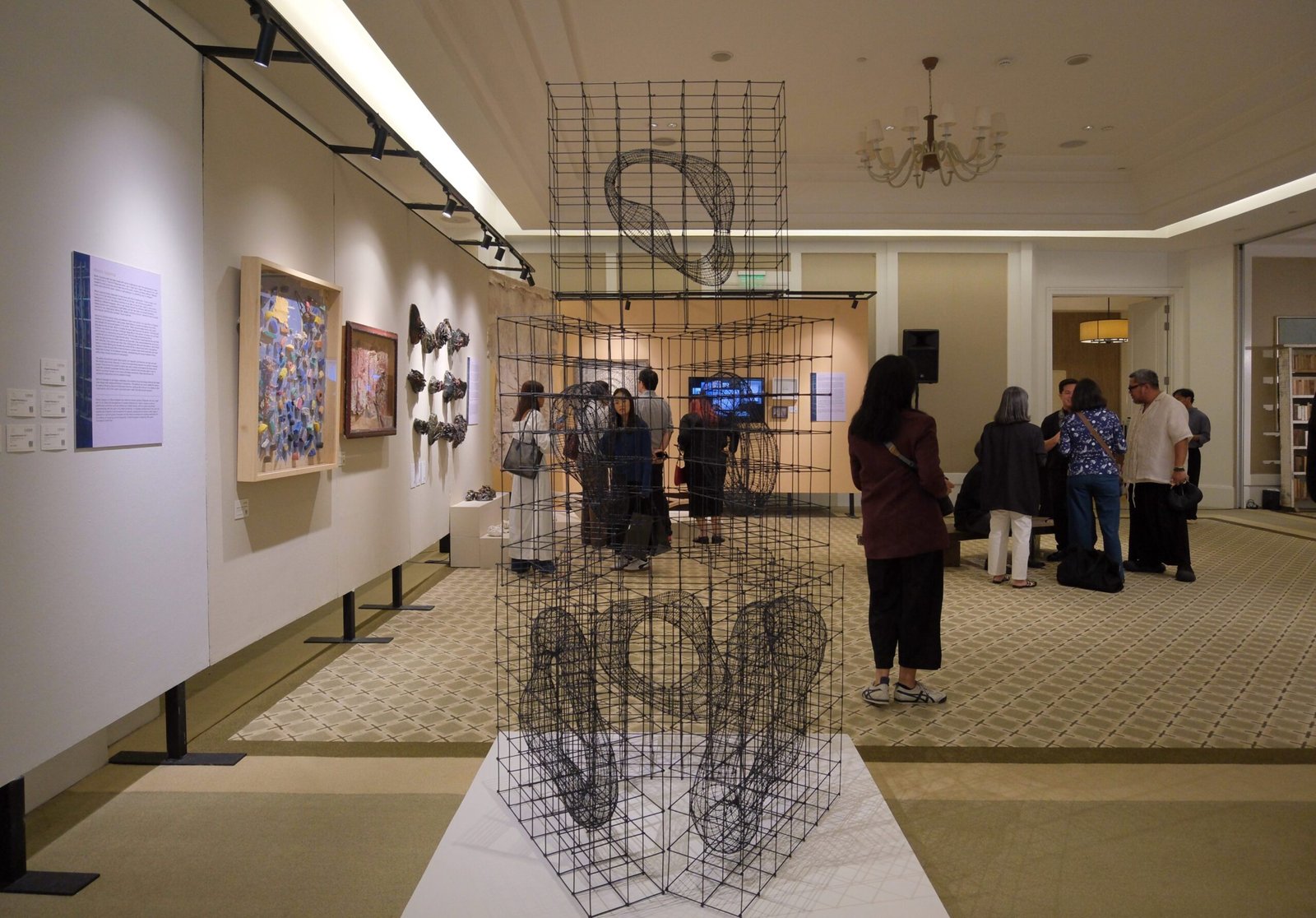
“Listen with your eyes… you may hear a familiar echo in your spirit,” writes LAKBAY 2026 curator Marika Constantino on “Through Visual Poetries,” the second iteration of Art House’s LAKBAY series. LAKBAY’s goal is to encourage Filipino artists living abroad to reconnect with their home country, focusing on artistic and cultural exchange.
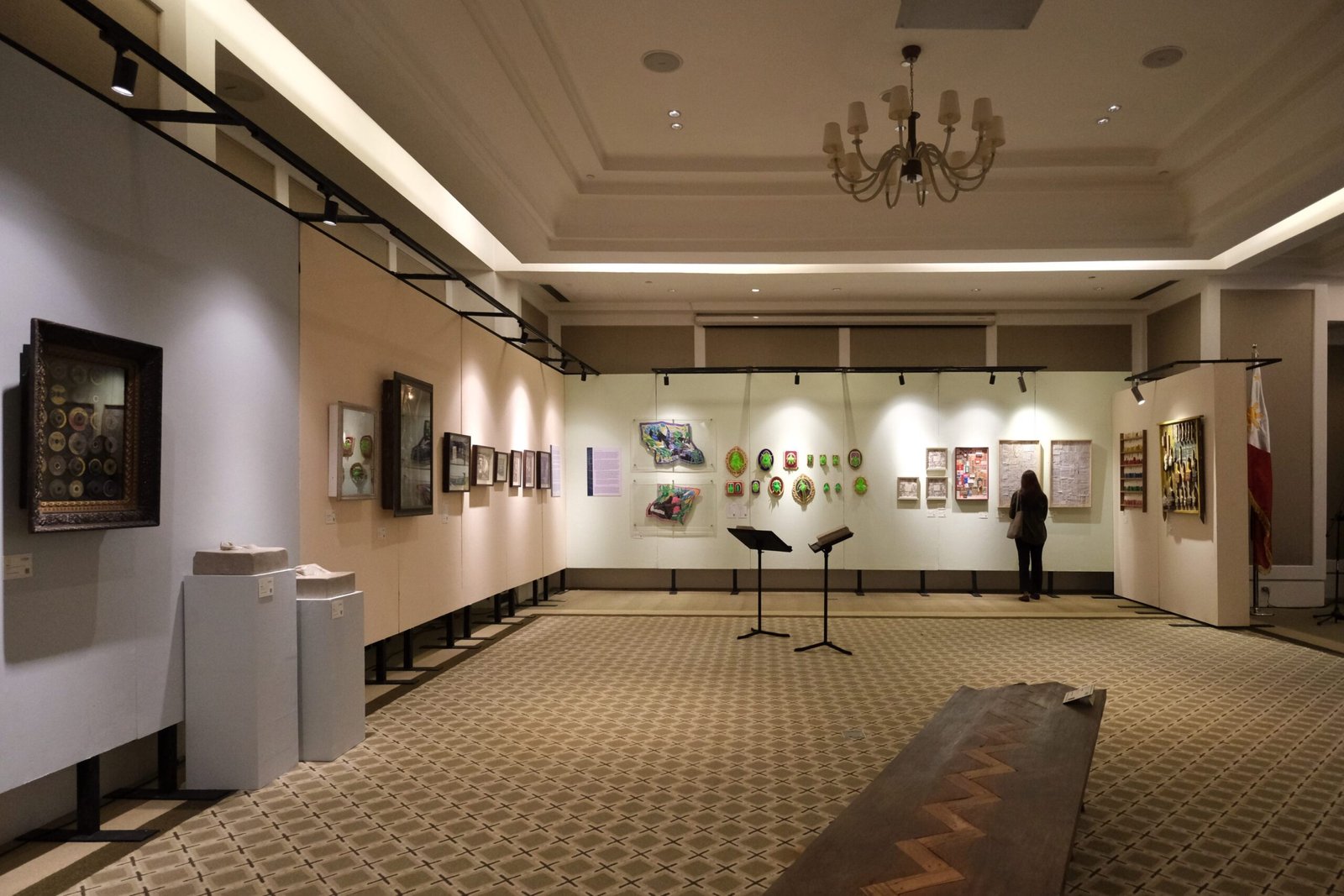
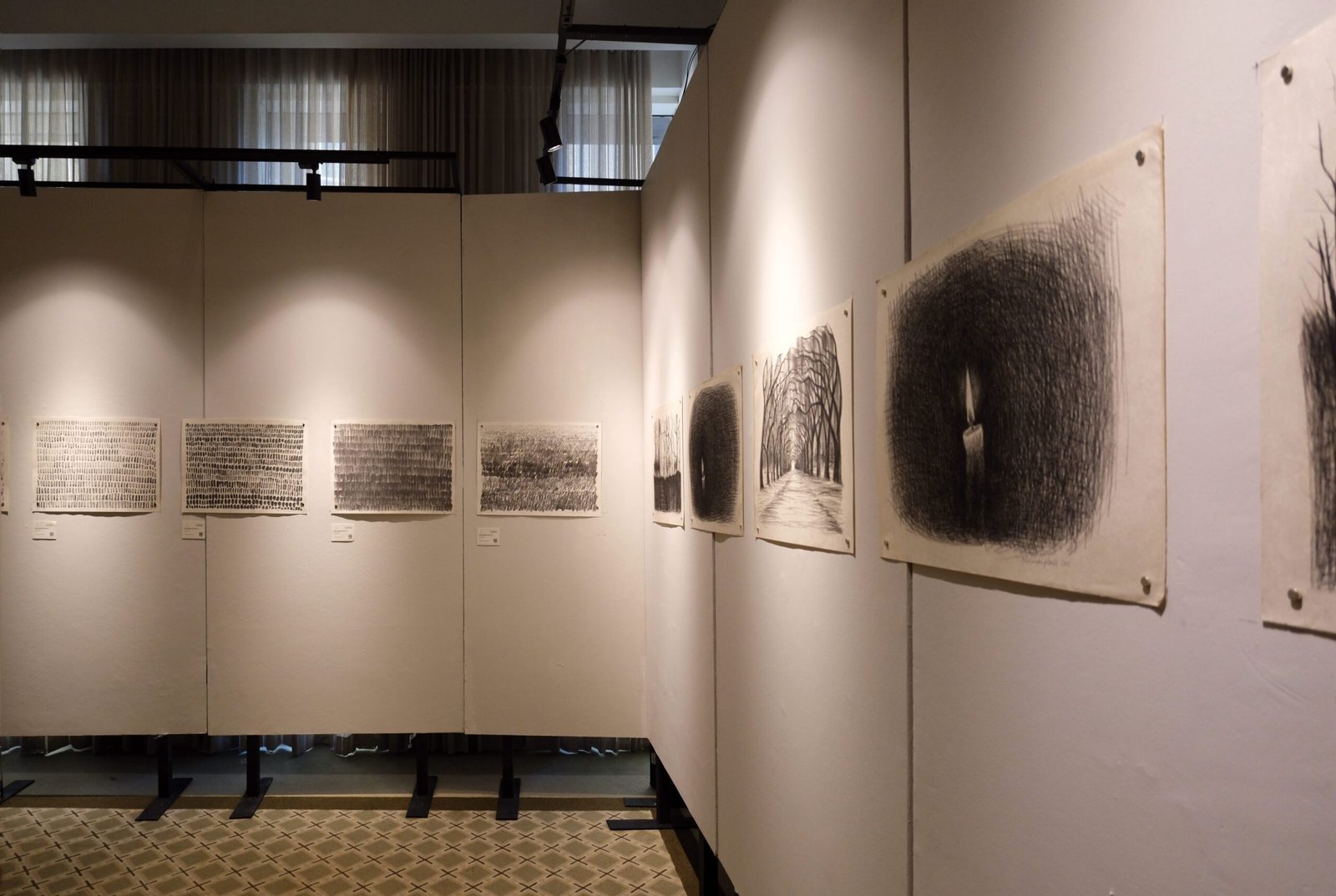
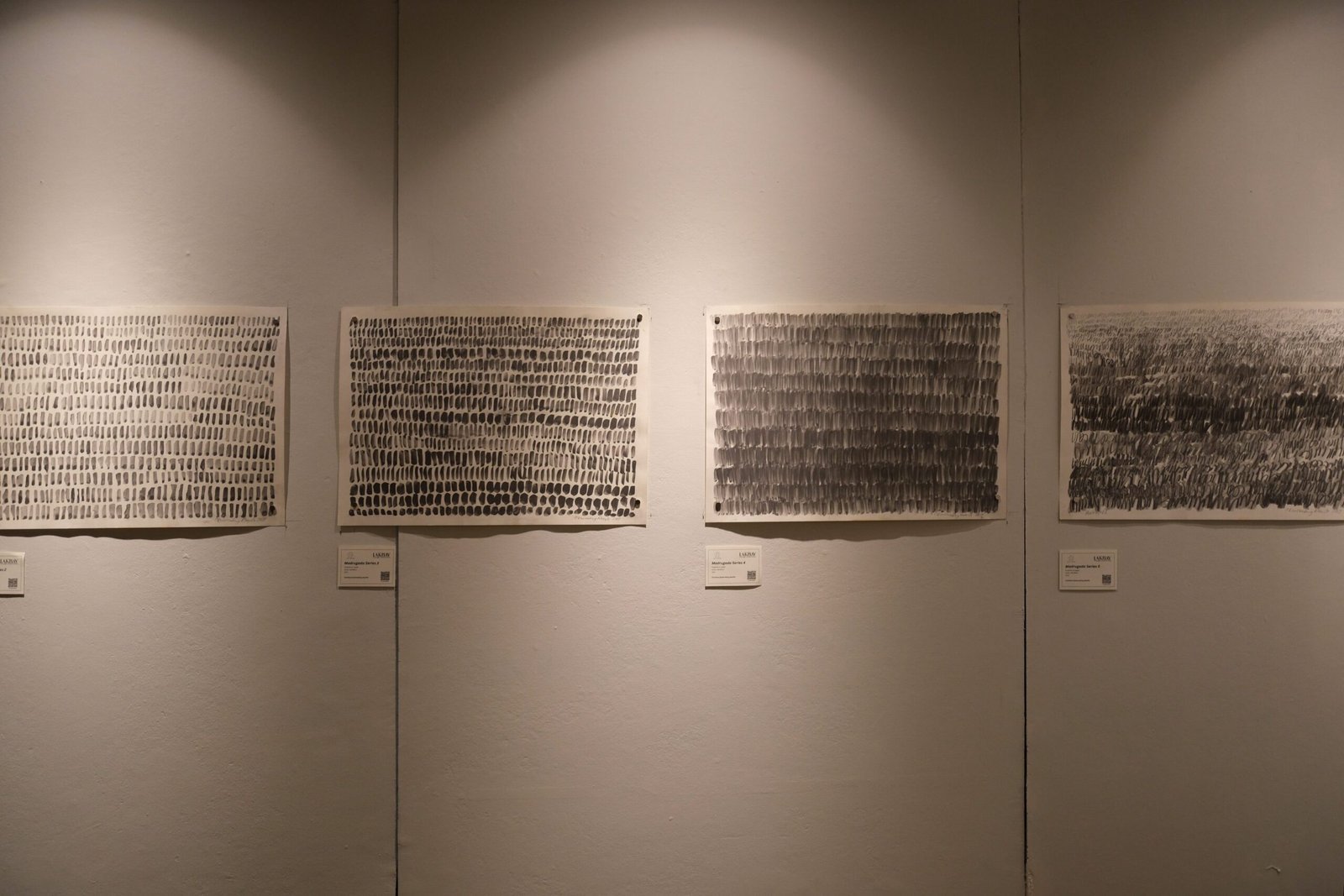
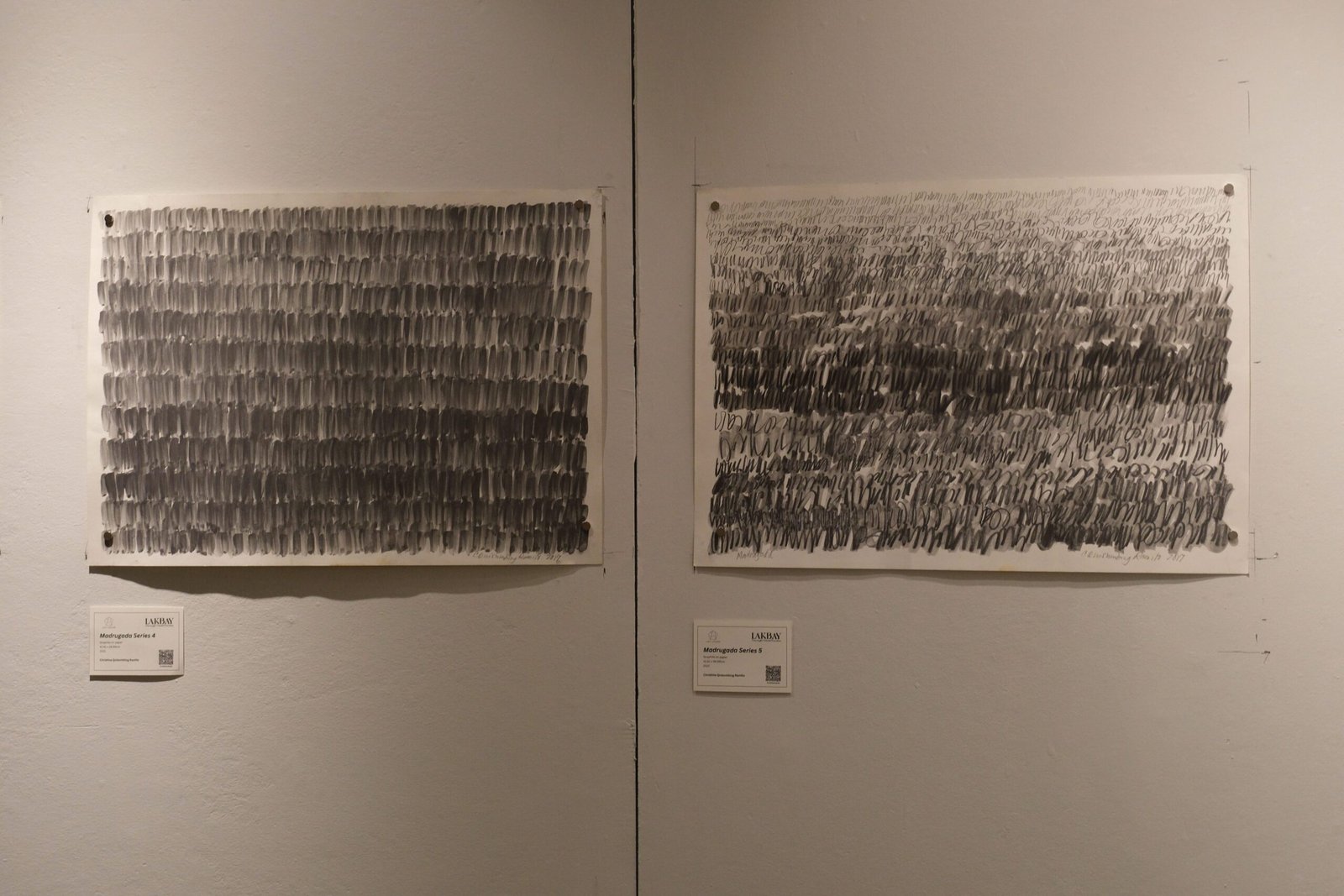
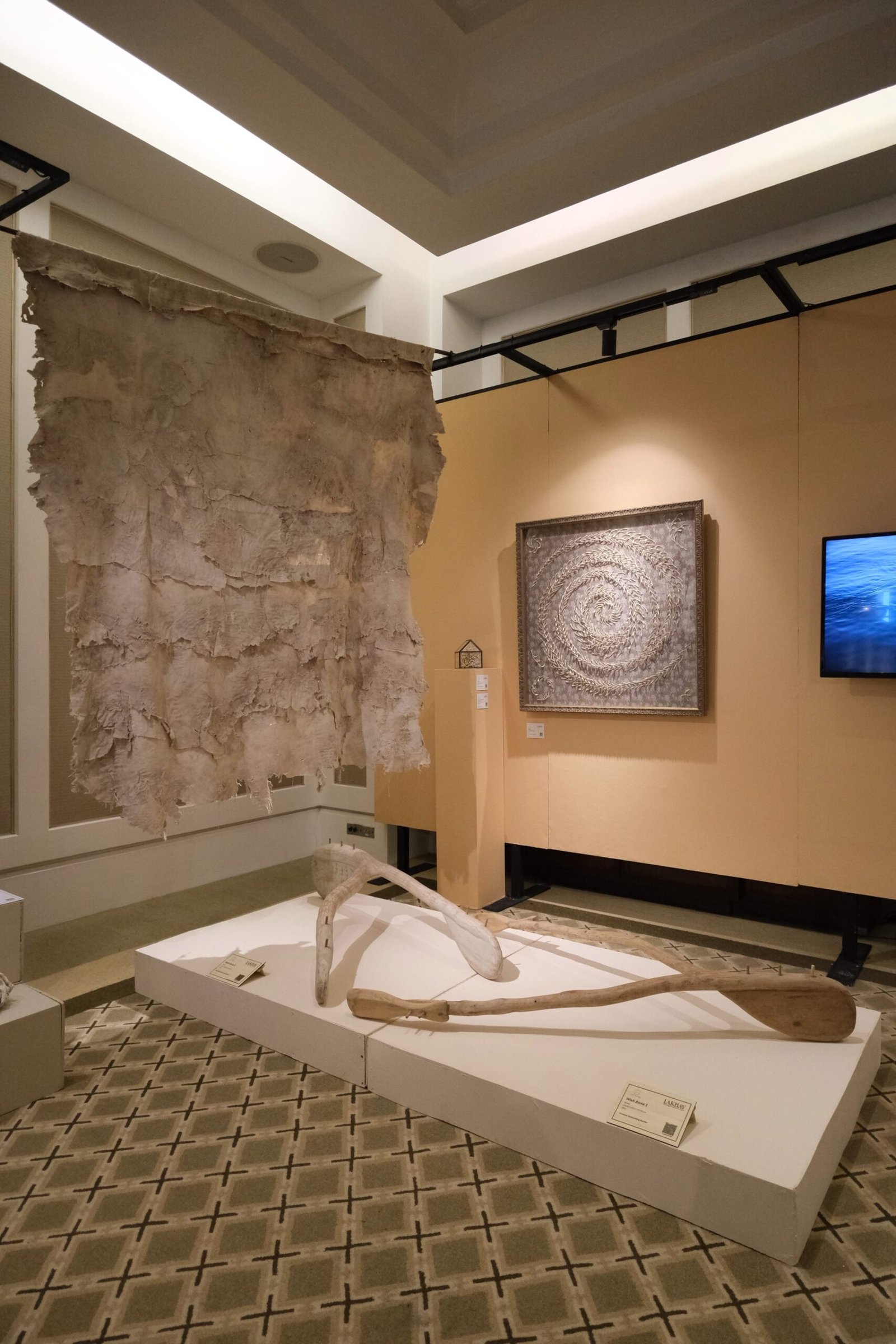
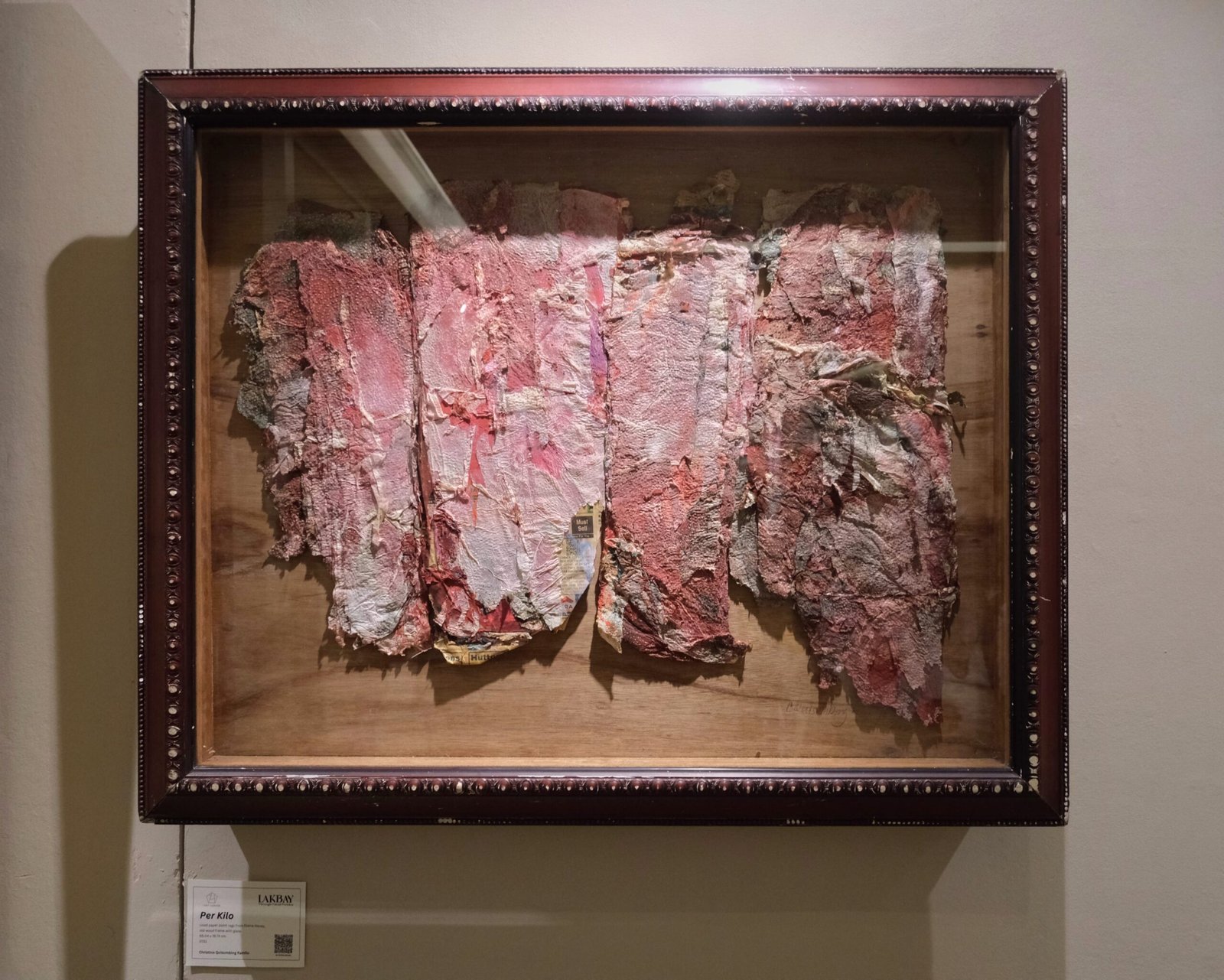
Coinciding with the National Arts Month celebration, this edition’s focus is on the expansive practice of assemblage artist Christina Ling Quisumbing, formed through her life between New York and Manila. The pieces are a combination of work created by the artist in various places and periods in her life, showcasing her evolving language.
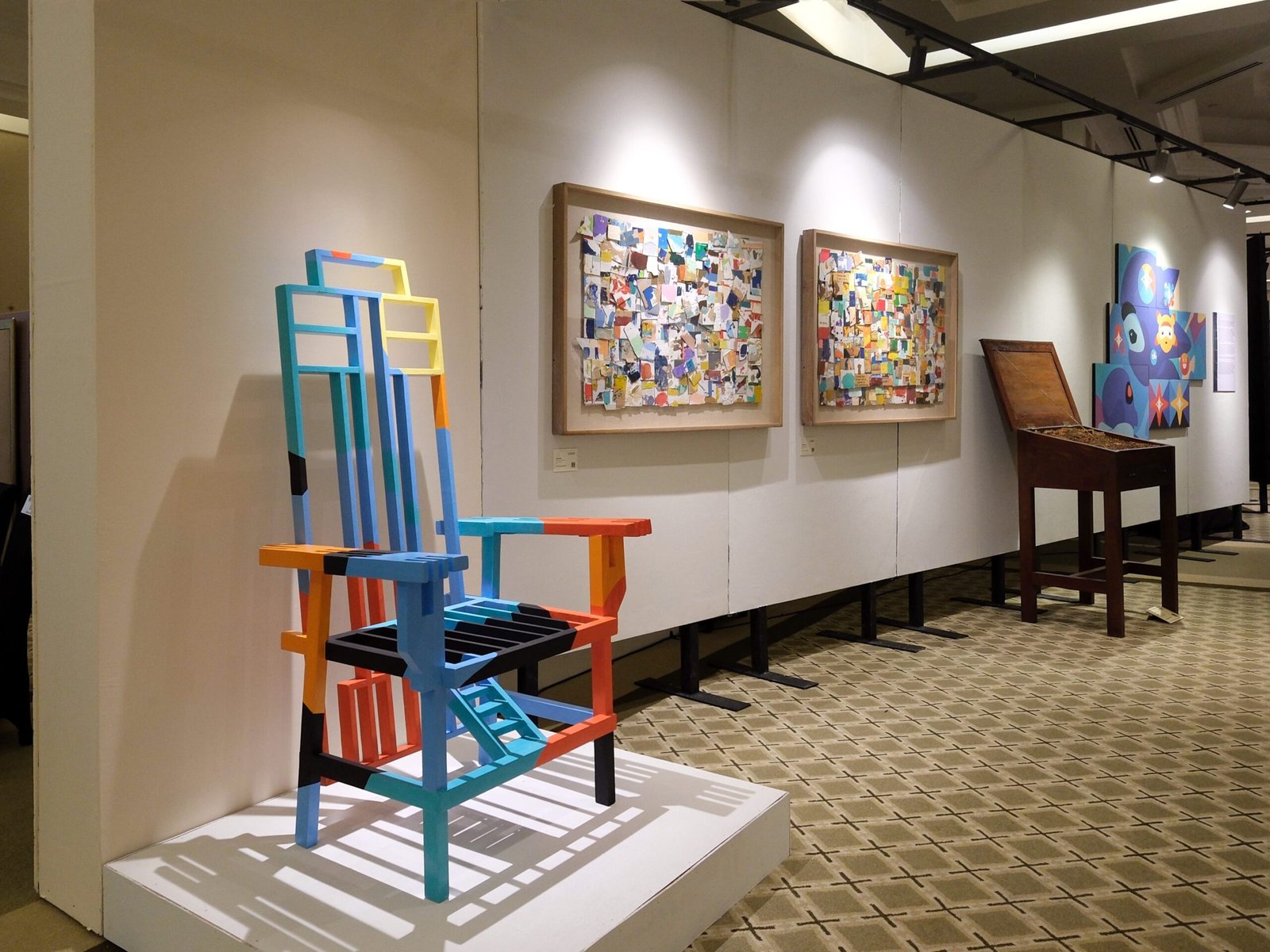

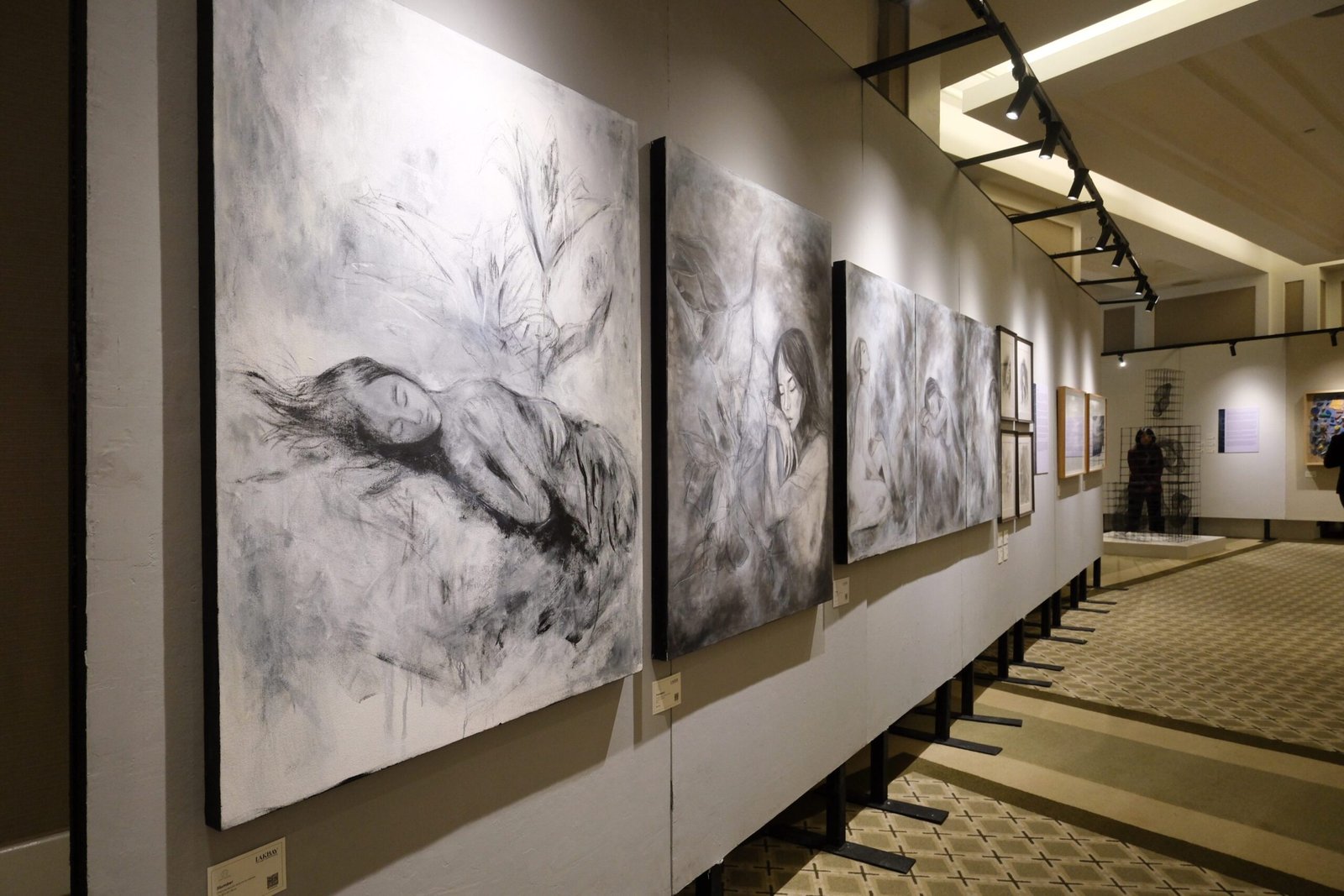
In the spirit of cultural exchange , the exhibition also features responses from eight global Filipino artists: ALLDEFS/Mark Baretto (UAE), Katrina Bello (US), Kim Cruz (US), Joseph Gabriel (UK), Rasco Jugarap (Belgium), Kulay Labitingan (UK), Angela Silva (US), and Pinky Ibarra Urmaza (US), each engaging with Ling’s work from their geographic and experiential vantage points.
Curated by Marika Constantino, the exhibition refuses to solely focus on a singular narrative of diaspora. It tackles the nuances of rewards and ruptures, the constant search for one’s identity, and the quiet longing for home.
Kanto sat down with Quisumbing and Constantino to ponder on the LAKBAY 2026 journey and how themes of Quisumbing’s work resonate with the rest of the show and its participants. We also talked to select featured artists on their relationship with Ling’s work and how these connections shaped their pieces on show.
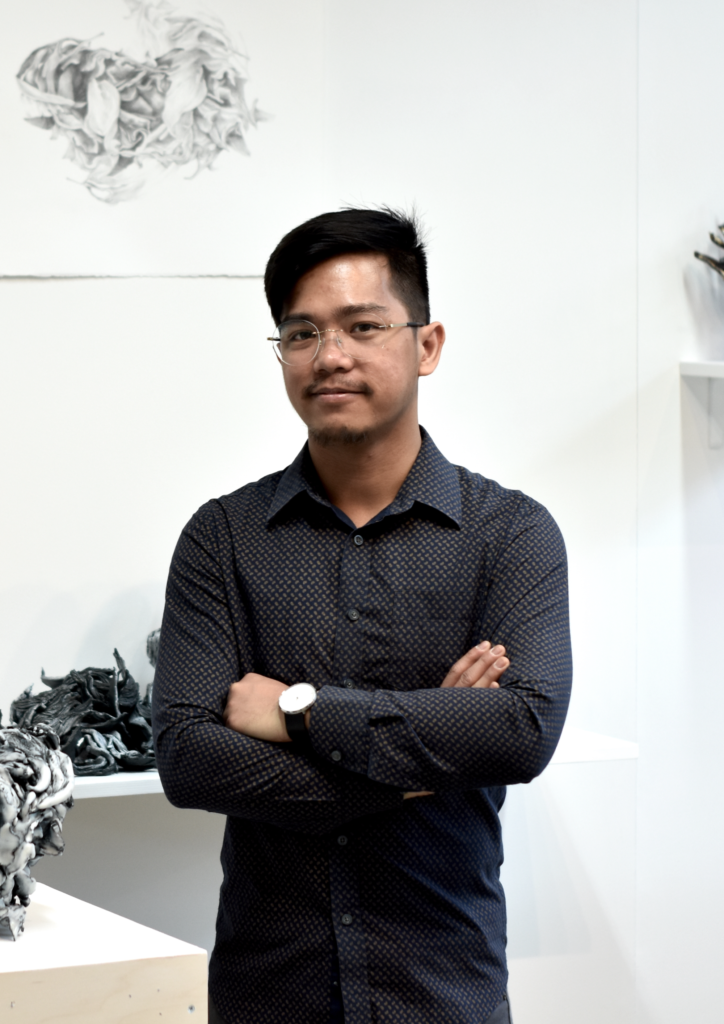
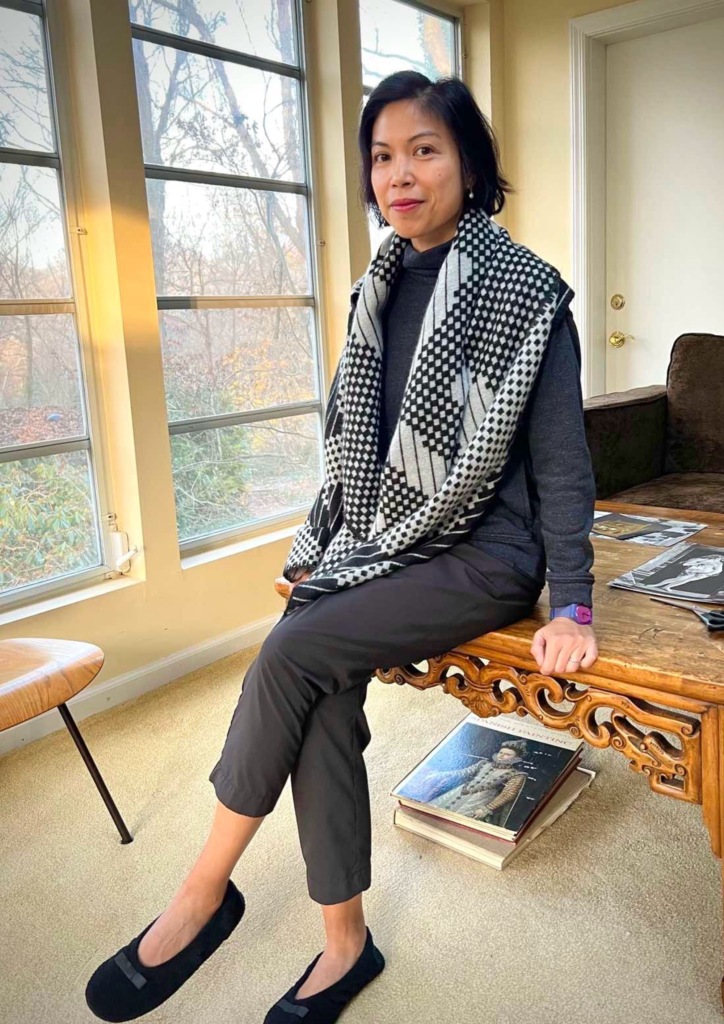
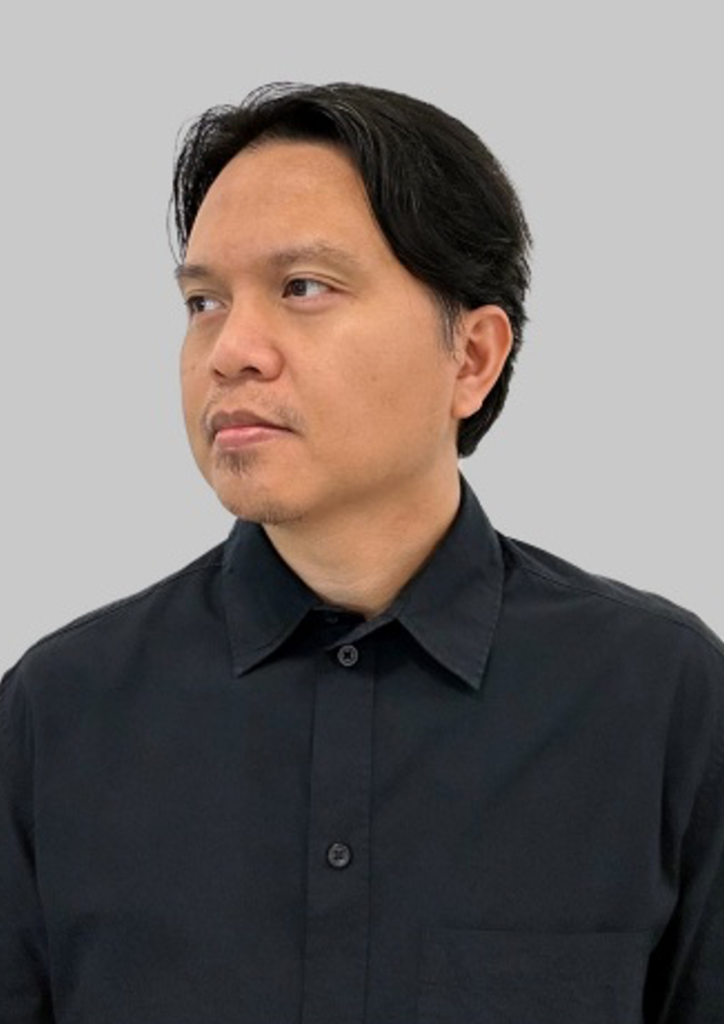
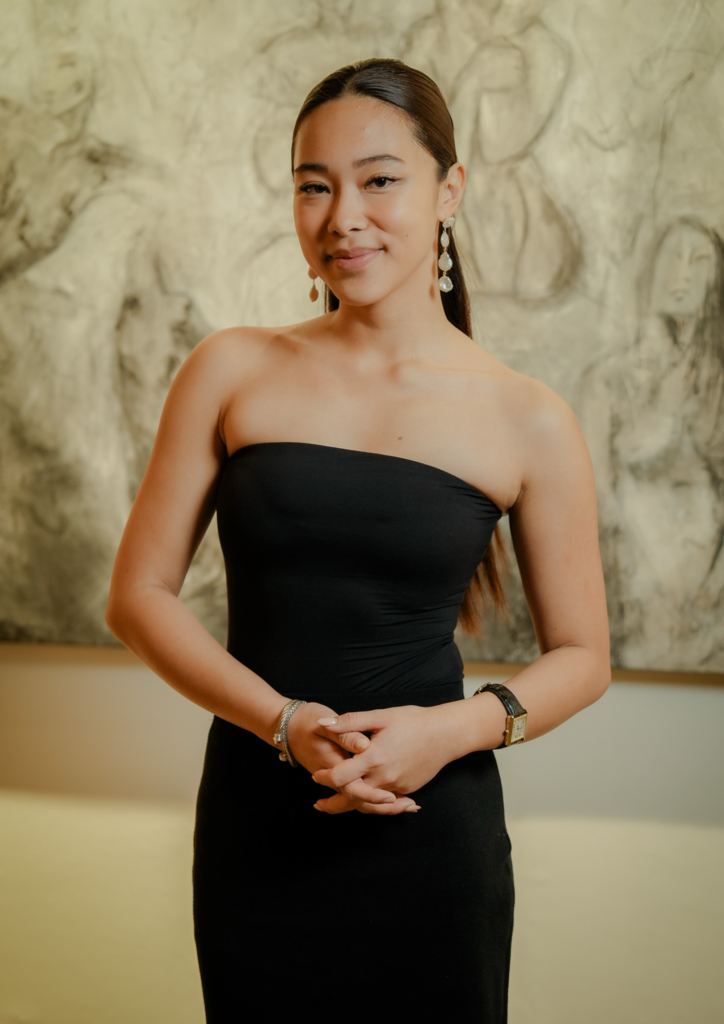
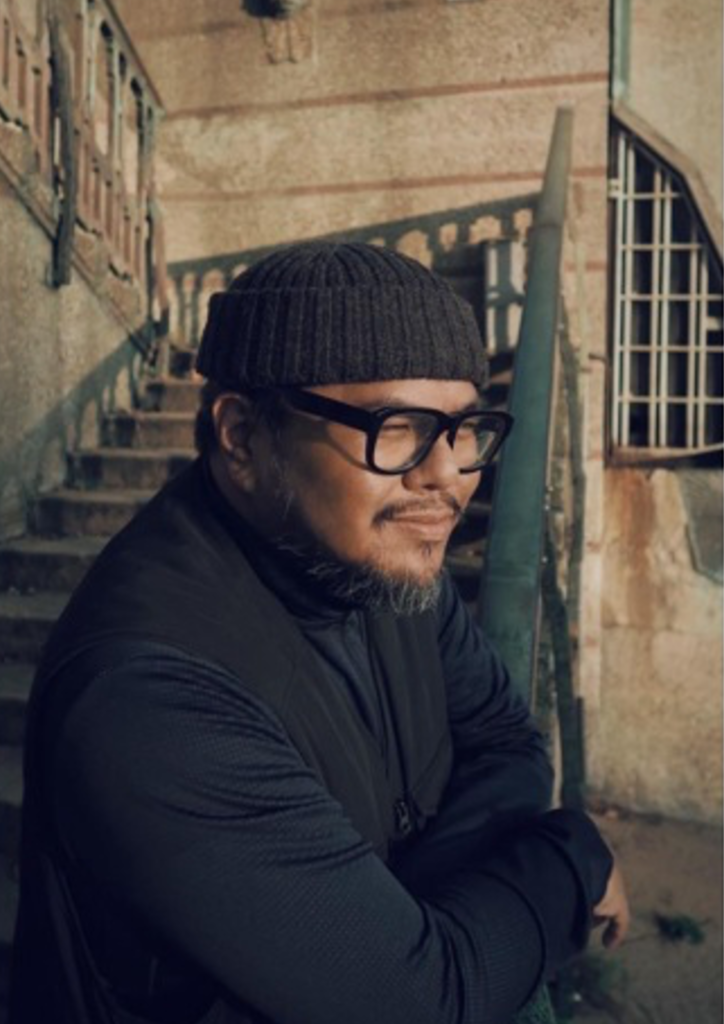
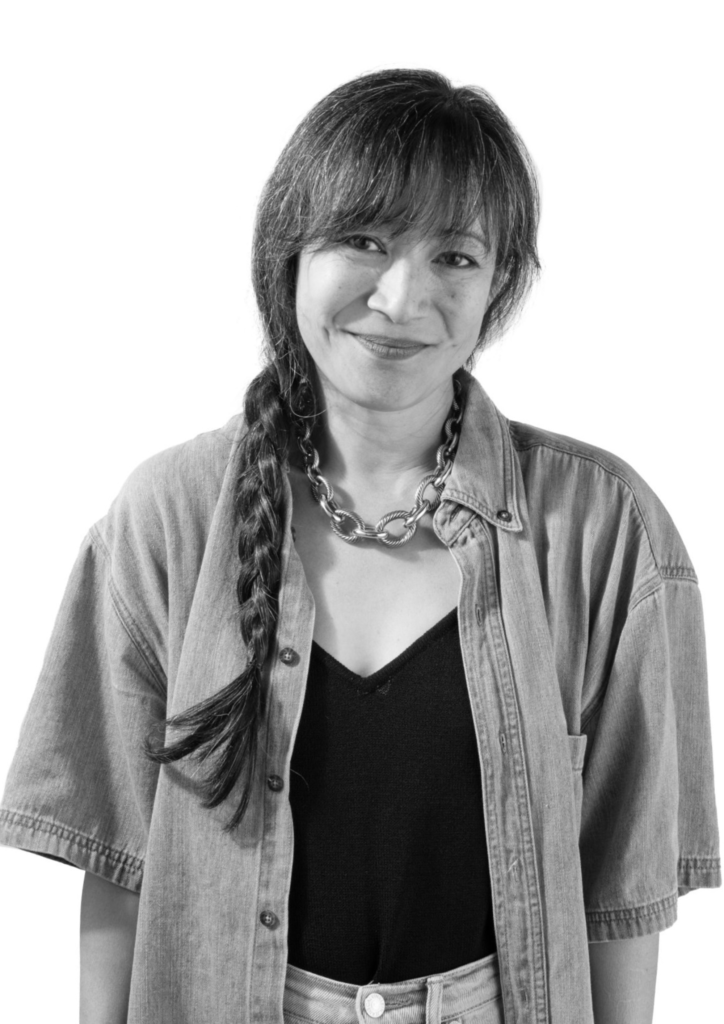
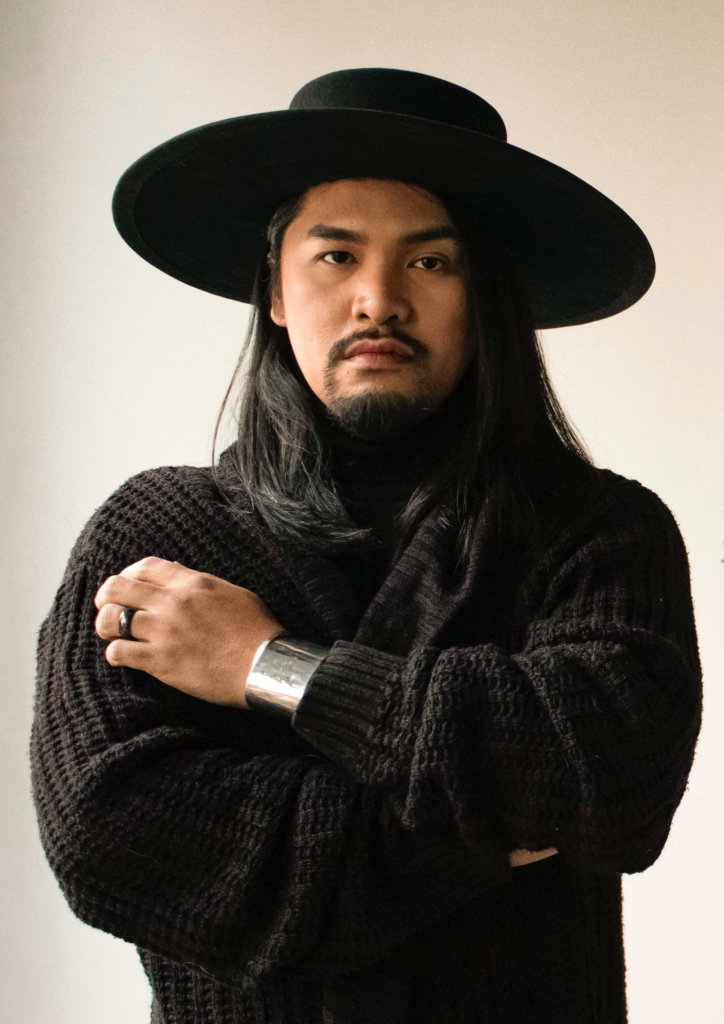
LAKBAY 2026 featured artists: Angela Silva, Joseph Gabriel, Pinky Ibarra Urmaza, Mark Baretto, Kim Cruz, Kulay Labitingan, Katrina Bello and Racso Jugarap
Conversation with Christina Ling Quisumbing
Kanto: Beautiful exhibit, Christina! Your work explores identity, diaspora, and queerness, often subtly rather than didactically. In today’s political climate, where these themes are increasingly contested worldwide, how do you see your art responding to or resisting, these pressures?
Christina Ling Quisumbing, Lakbay featured artist: Thank you, Kanto! My works are autobiographical and usually work with what is current and universal. I work on themes of identity, queerness, a sense of belonging, loss, falling in love, heartbreak, political commentaries, and more. I believe these are timeless, relevant, and relatable messages. As for pressures, I am a witness to my times. I have the freedom to comment on what I want to comment on.
Returning to the Philippines after decades in New York marked a profound shift in your practice, especially toward assemblage. How has working within the Philippine art ecosystem shaped your creative decisions, practical constraints, and opportunities as a full-time artist?
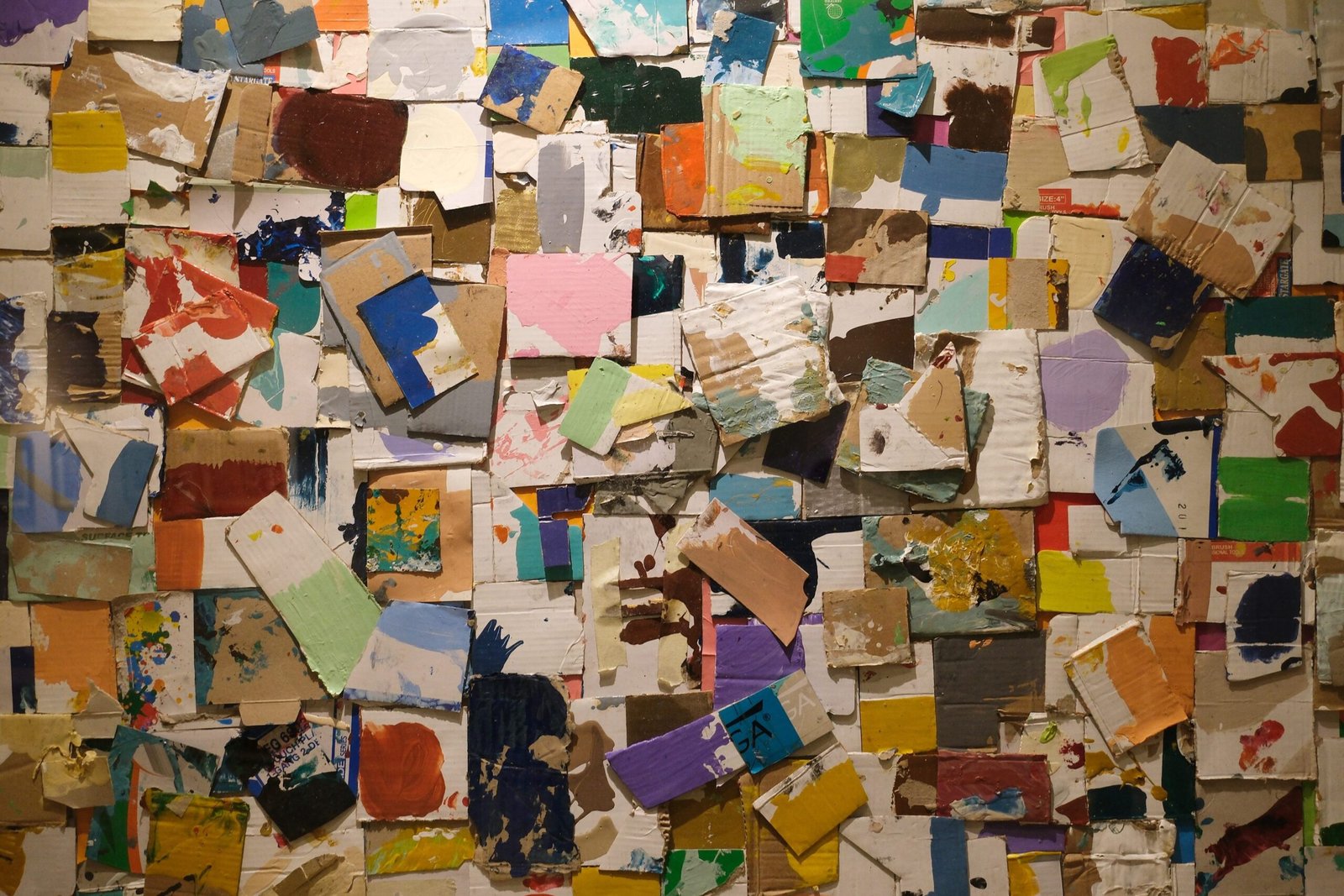
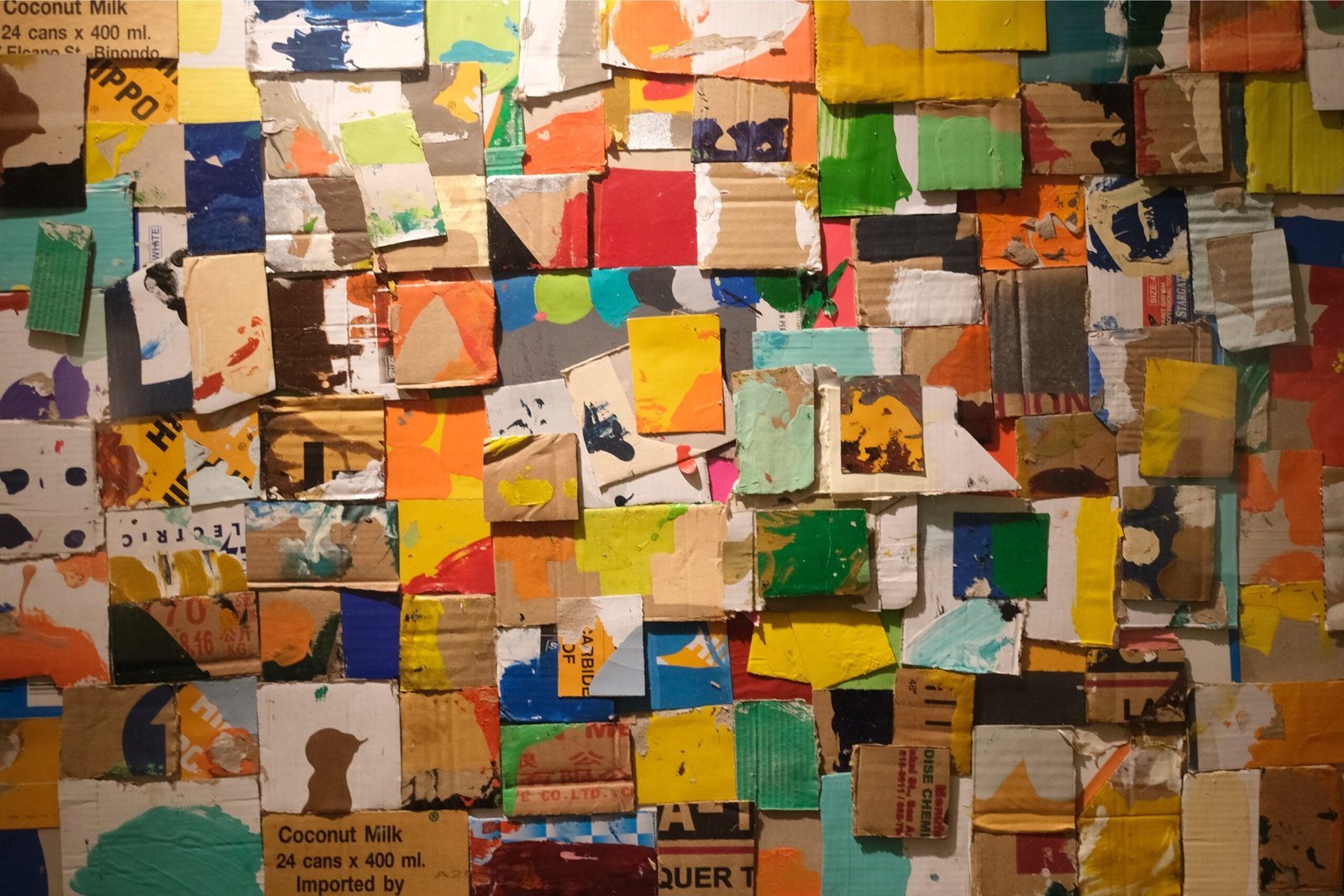
Moving back to the Philippines after 23 years in New York was a game changer. I shifted from painting to creating sculptures, assemblages and installations. This was a result of renovating Lola’s house. There were so many leftover materials I could use, mostly wood. From scraps to architectural details like the Madre (Filipino vernacular term for stairway stringers) which inspired me to create a series of works from totem poles to benches. Of course there was an adjustment period but having my own space allowed me to experiment, work with carpenters, collaborate with other artists and create new works that I would normally not be able to do in NY.
I had to do my part, get to know the local art scenes, meet artists and other creatives. From there, I was invited to do group shows and eventually solo shows. In the meantime, I also taught at Kalayaan College for two years and the University of the Philippines, College of Fine Arts in Diliman for four years. It was more affordable to live in Quezon City than in New York. I could stretch my resources.
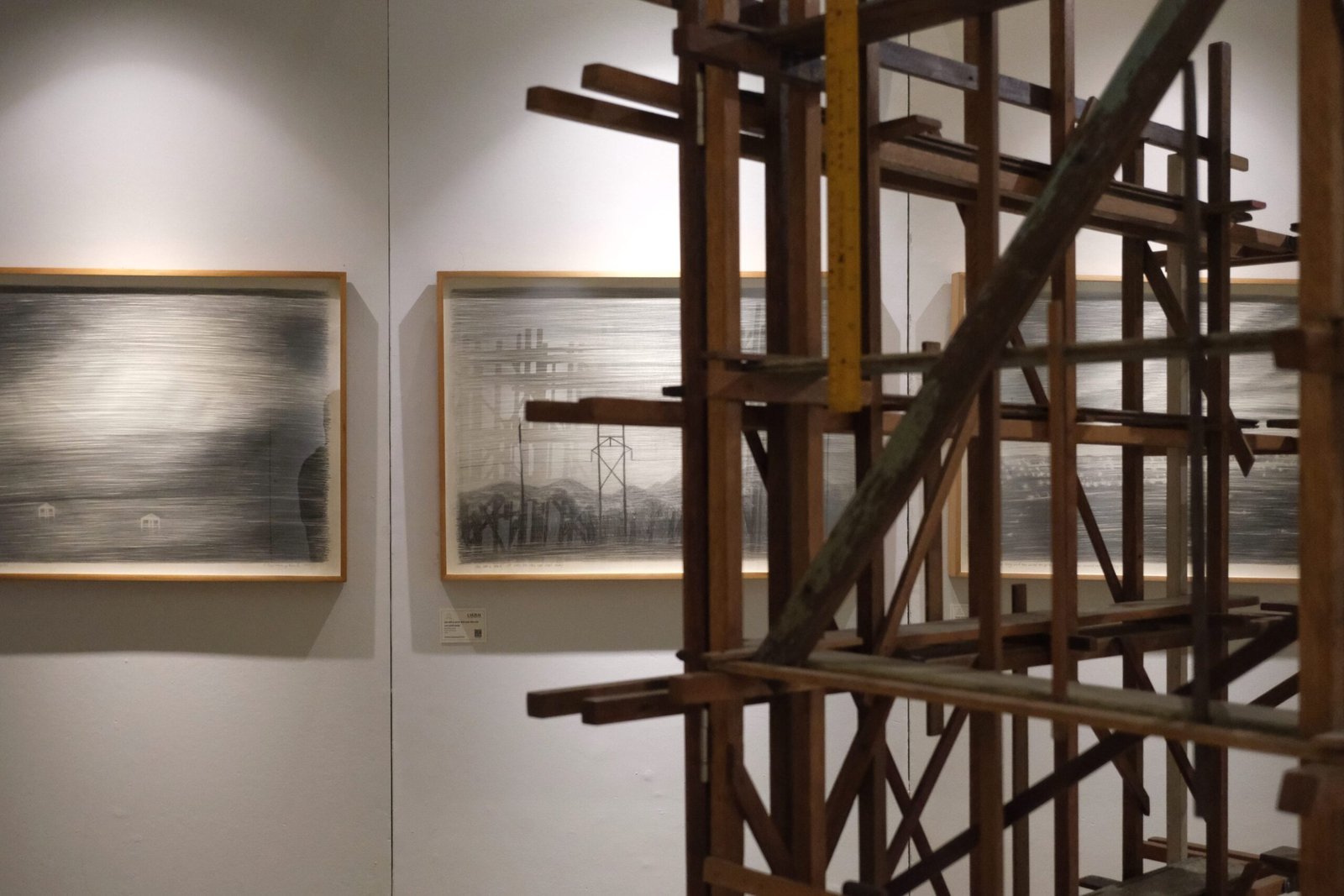
LAKBAY 2026 frames your journey in dialogue with nine global Filipino artists. How does being both a headliner and a conversation partner influence your thinking about your story and your role as inspiration or interlocutor?
In addition, were there any responses or interpretations from the participating artists that surprised you, or resonated unexpectedly?
I have yet to absorb how the works of the eight artists respond to my works. It is always interesting to see how other artists view your works and how they were hopefully inspired by them. I found it curious how each artist selected works that they would react to. What a diverse set of works!
Humor, wordplay, and irony are central in your titles and concepts. How do these strategies function in your work, as a creative tool and as a way to engage audiences in conversations about identity, diaspora, and belonging?
I put a lot of thought into titling my works. I use wit, humor, and poetry because it is my way of connecting to the viewer on what I’m trying to say. They are clues to hint at the concept of the non verbal work, adding clarity and context.
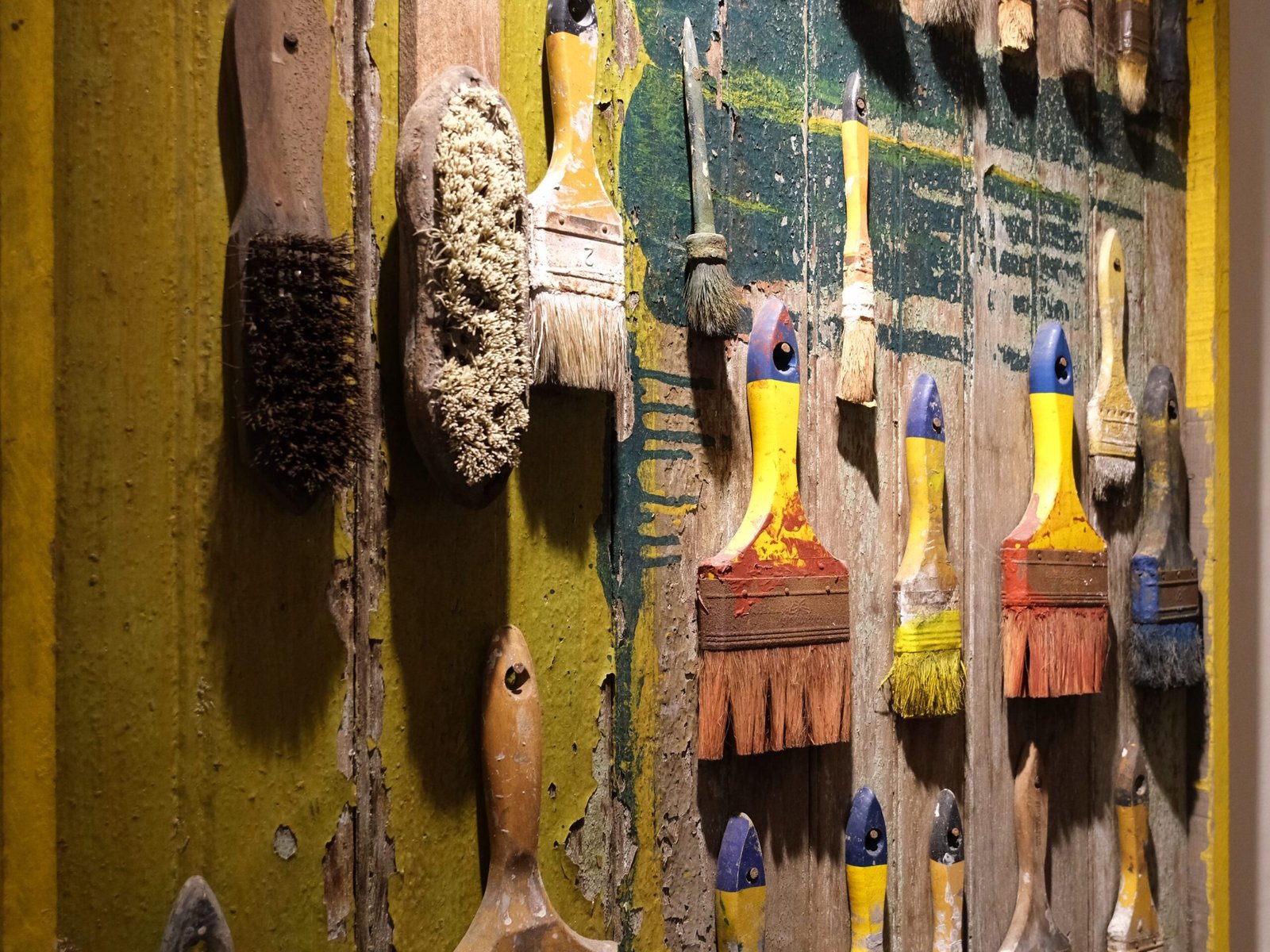
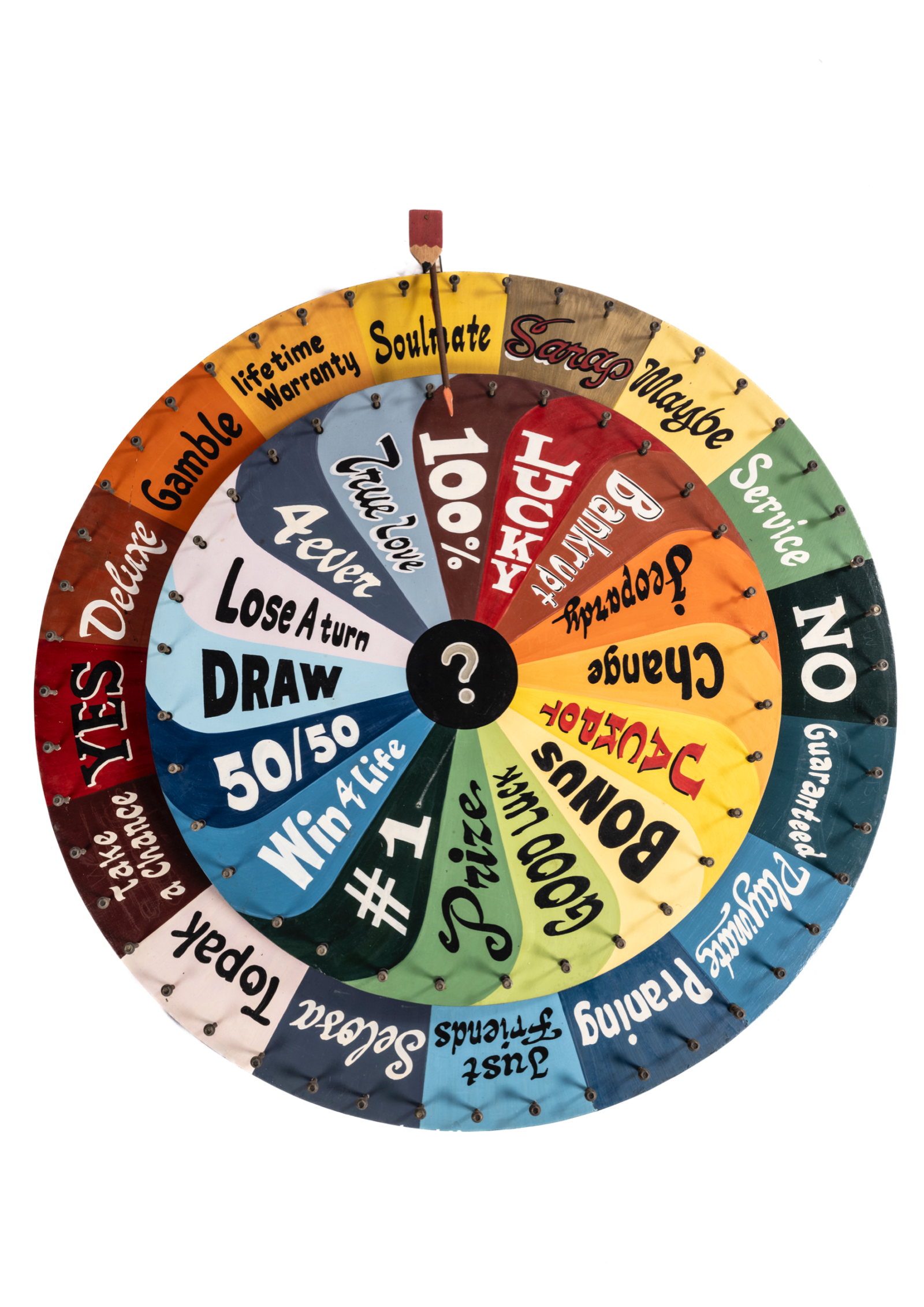
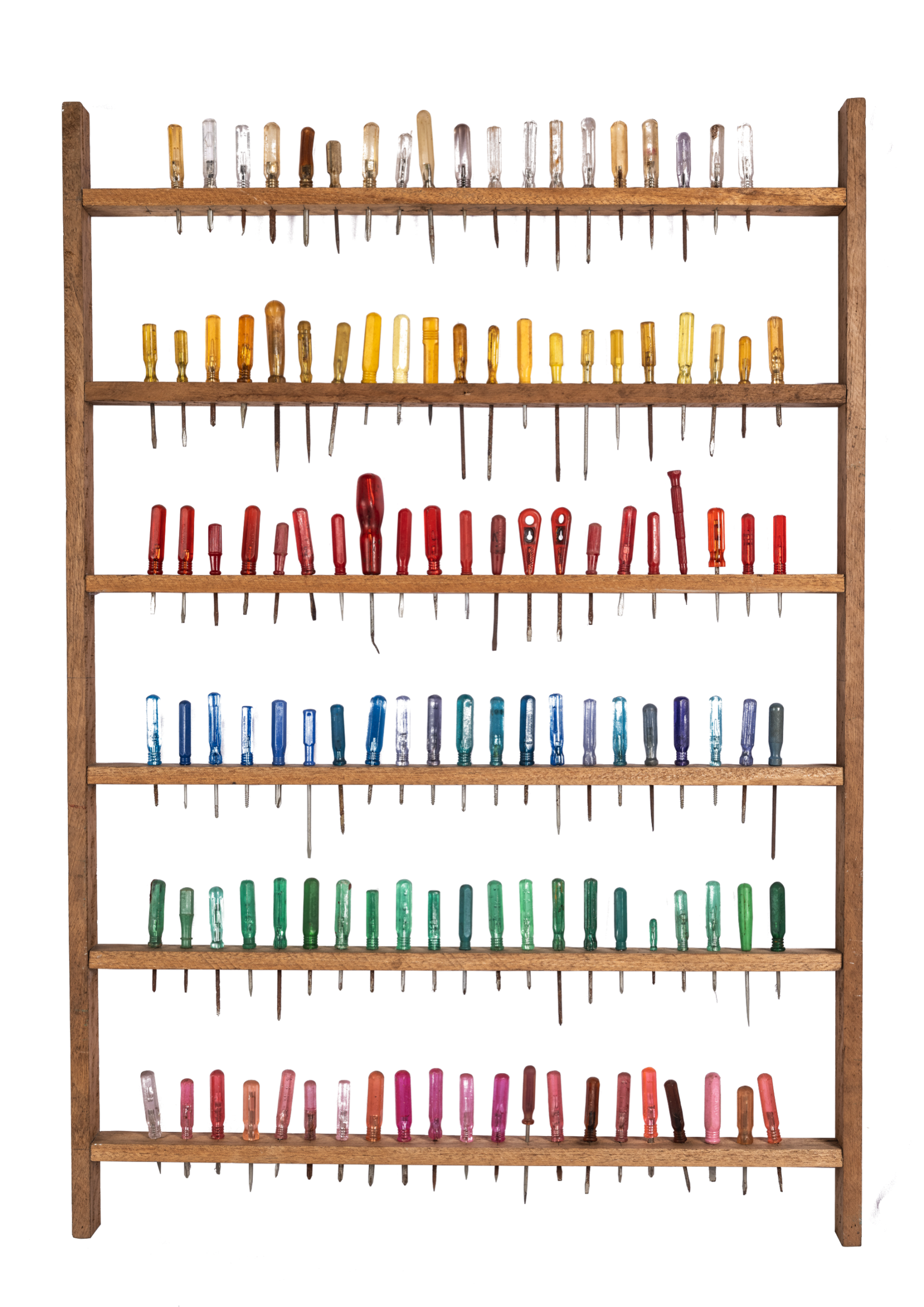
Spin of love and Screwpulos by Christina Ling Quisumbing
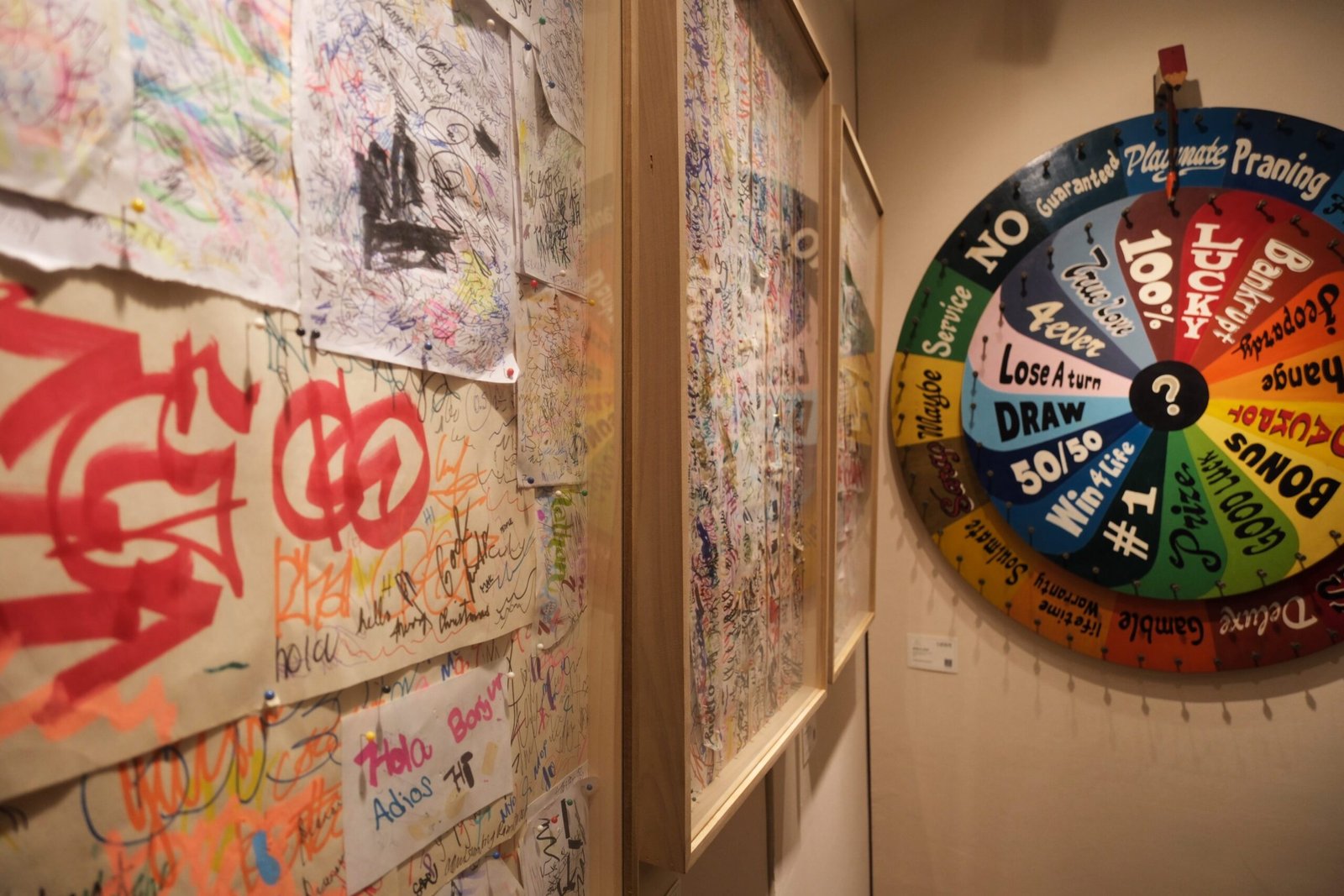
Many of your works invite audience participation, like benches, walk-in scaffolding, a wheel of fortune, or mirrors against shredded bills in pieces like Mukhang Pera. How vital is it for you that audiences see themselves reflected, in some cases literally or figuratively, within your work, and what do you hope they take from that experience?
I like the idea of my works being audience-friendly, so I sometimes make pieces where they can hold, touch, and experience my works better. As opposed to most artworks that are not meant to be touched. I like the interactiveness and the humanness of art being part of daily life. Like a chair sculpture you can sit on.
Art can imagine the world we hope and long for. Looking across your body of work, what does your practice envision or open up to that you hope audiences, particularly in the Philippines and the diaspora, carry forward?
Art is for everyone. They tell stories. They give you a new perspective on how you see the world. It broadens your mind. It opens you up to possibilities. I like that!
Interview with curator Marika Constantino
Kanto: This is your second curatorship for LAKBAY, following the edition dedicated to Nena Saguil last year. What new insights or challenges did this chapter offer, and how has it shaped your understanding of the series’ potential to connect diasporic artists with local audiences?
Marika Constantino, curator at Lakbay 2026: One of the main differences is that the anchor artist, namely Christina Quisumbing Ramilo or Ling, is still alive and on top of her creative game. As such, the featured artists gained a lot of insights and feedback from her. She was also able to give them substantial background on her artworks—motivations, inspirations, processes, and challenges. These are valuable for artists.
In this iteration, we were also able to give more light to the struggles and experiences that each of them had. Their practices abroad did not just happen in a vacuum. All of them had to go through various hurdles to maintain and sustain their creative practices. The works in the exhibit were all thoughtfully conceptualized in terms of their responses to Ling’s art practice, works, and life; who also had her own share of difficulties abroad. Welcoming them back, recognizing their toil and labor, and appreciating their works with the understanding that all these were borne not without impediments—this lens of discernment will provide more clarity and empathy with the narratives of other Filipinos’ living and working in foreign lands as well.
After curating artists to converse with a pioneering figure like Saguil, why is it vital to share Ling Quisumbing’s story and art now/next? Beyond art historical significance, what broader conversations or reflections do you hope her work sparks in audiences today?
Learning about any Filipino artist will always be vital. Specific to Ling, I think that the way she conceptualizes her works, with humor, joy, sadness or love all lead to a feeling of hope and longing. This kind of positivity is needed especially during these trying times; not to gloss over or disregard the despondency that we are facing but to inject optimism.
Moreover, the works in the exhibition are also varied in terms of materials, approaches or styles. This is reflective of how diverse art can be; not boxed into merely one form or medium. We hope that more conversations and questions can arise from this effort because with these come interest and awareness for art, artists, and artistry. Lastly, Ling’s utilization of discarded, accumulated or unconventional materials is something that must be acknowledged. When her keen eye, sharp wit, gentle spirit, skillful hands, and baffling mind all work in unison, we are rewarded with artworks that we can relate with and ponder upon.
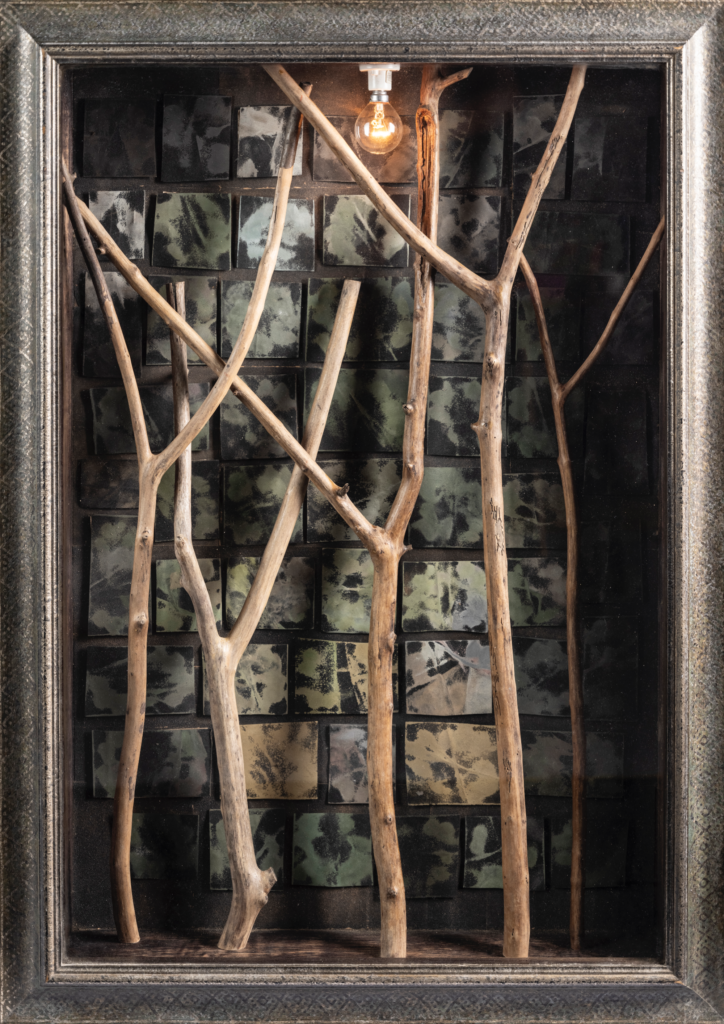
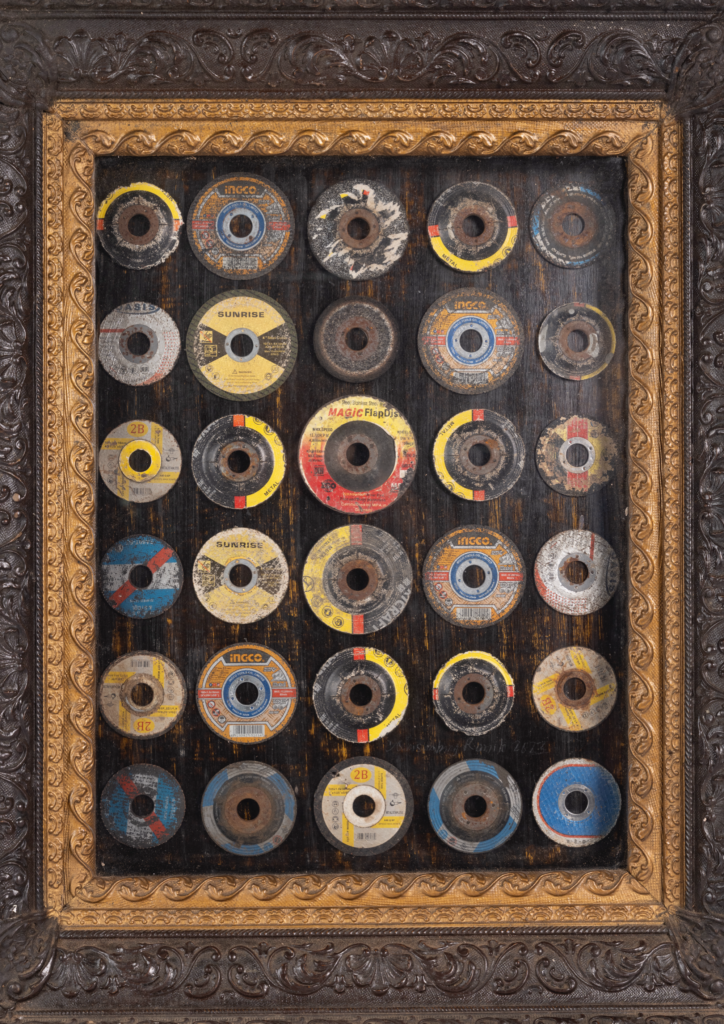
Kulimlim and Relicby Christina Ling Quisumbing
Conversations with featured artists
Kanto: What drew you first to Ling’s work? What do you see as the essence or defining quality of her multidisciplinary practice?
Kulay Labitingan: I learned about Ling and her works from art school when I was still studying Fine Arts in UP. But my first “relatively” in depth encounter with her, was when I attended a talk in Ateneo about Art Speak and I think she was in a panel defining what Materiality meant in a broad sense and in her practice which actually left an indelible mark in my artistic consciousness. True enough it has been the remarkable lens that helps me view her body of work. I find meaning in her use of seemingly banal objects and articles of everyday use with her clever application of order and ekphrastic wording of her titles that relate a poetic familiarity to her subjects of narratives.
Pinky Ibara Urmaza: The first time I encountered her work was at the inaugural edition of Art Fair Philippines in 2013. I remember seeing a basketball hoop and upon closer inspection, its net was actually made from freshwater pearls. I was drawn to how she transformed a seemingly ordinary object into something beautiful and poetic. Her pieces encouraged me to look at things— and the world— in a completely different way.
I believe her practice draws energy and inspiration from an innate interest in the history behind found objects.
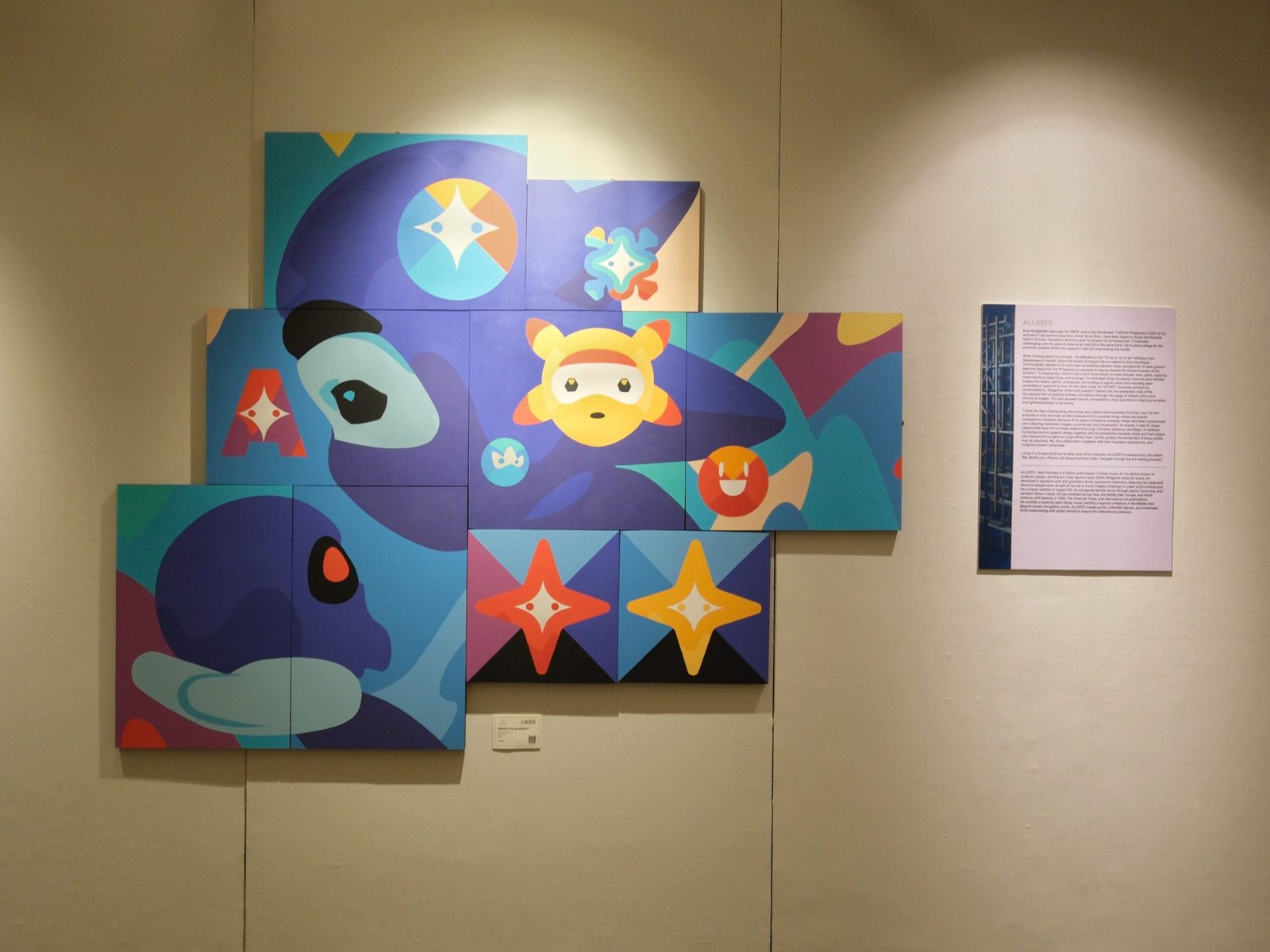
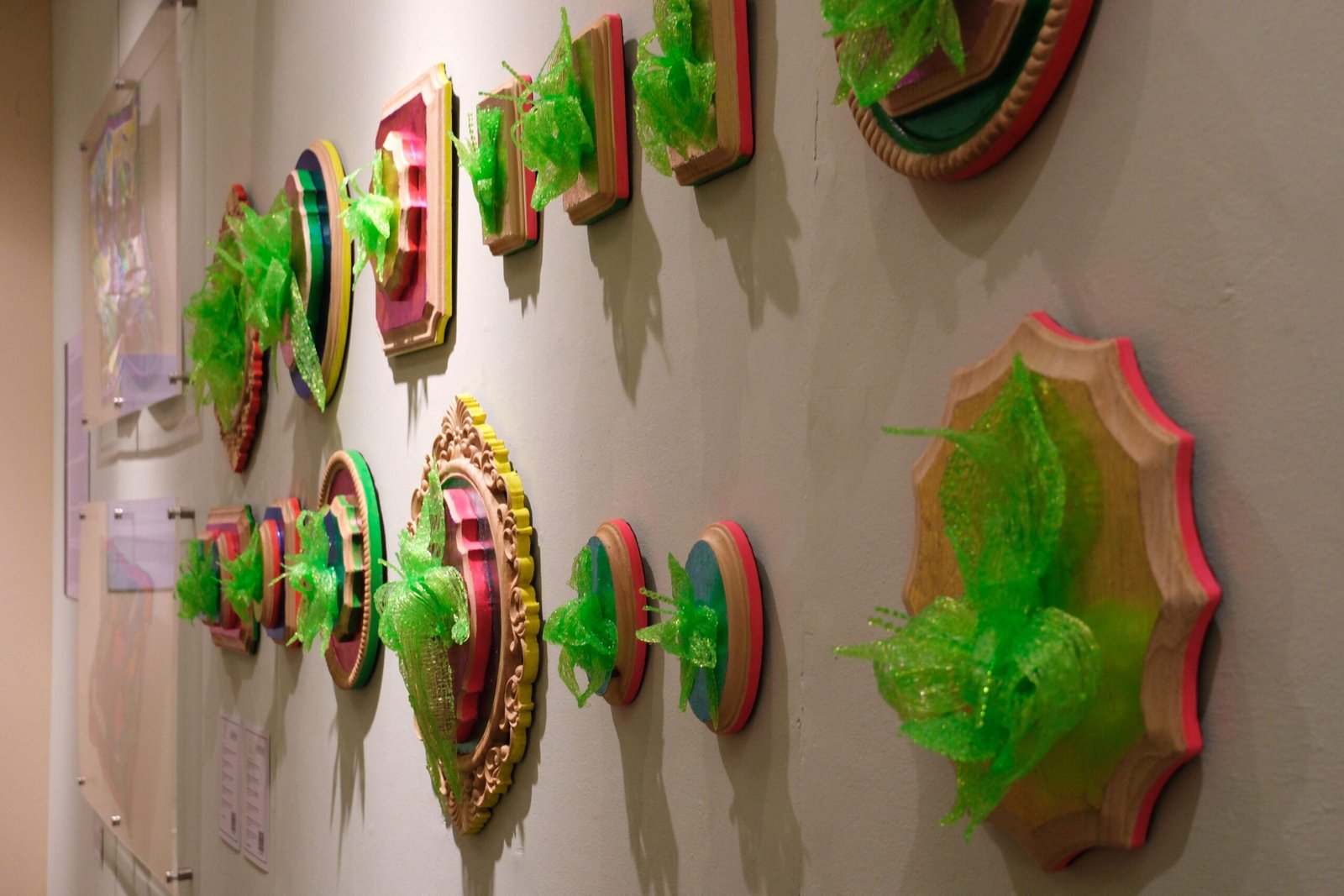
Artworks by ALLDEFS/Mark Baretto, Pinky Urmaza, and Kulay Labitingan
Angela Silva: I was first aware of the scale of Ling’s work at the Art Fair exhibition in 2021. I was introduced to her by a mutual friend, Maya Muñoz, and many printmakers I knew had studied with Ling at UP Diliman and spoke highly of her. Then I saw a fine exhibition, a portfolio collection of Ling’s works at a show at Calle Wright: Lived/Loved in 2024. I was so lucky to have Ling take a few lucky visitors on a personal artist tour. It’s her wide range of art concepts, processes, and materials that I enjoy.
Kim Cruz: I resonated with Ling´s fascination for “temporary” objects since my artworks tend to evoke those feelings. My works are more fragments and pieces that seem to vanish. In her works, discards, fragments, or components are reconfigured, recomposed, and represented into another form and viewpoint.
Racso Jugarap: It feels honest and unforced. She works with space in a way that’s playful but also very grounded.
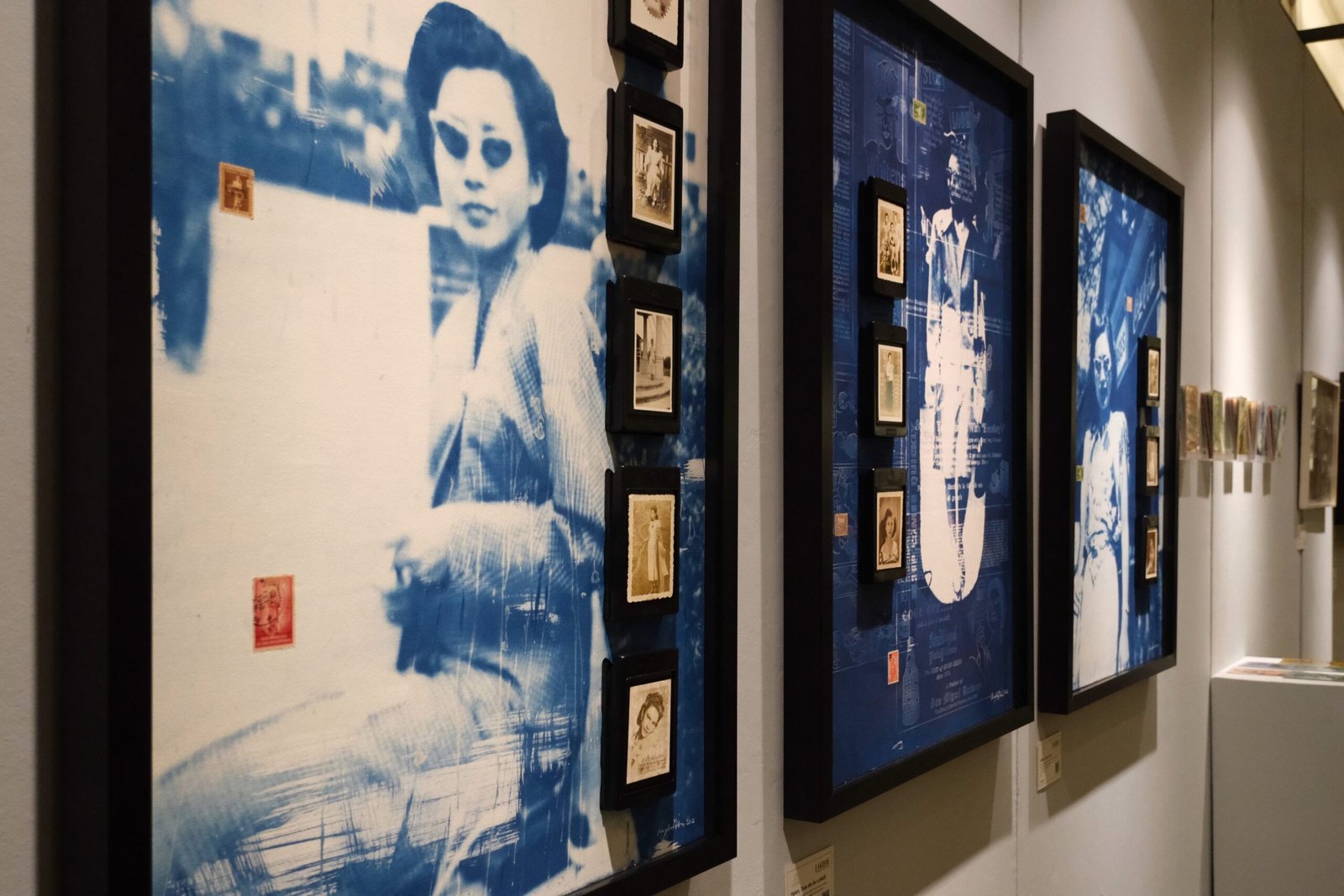
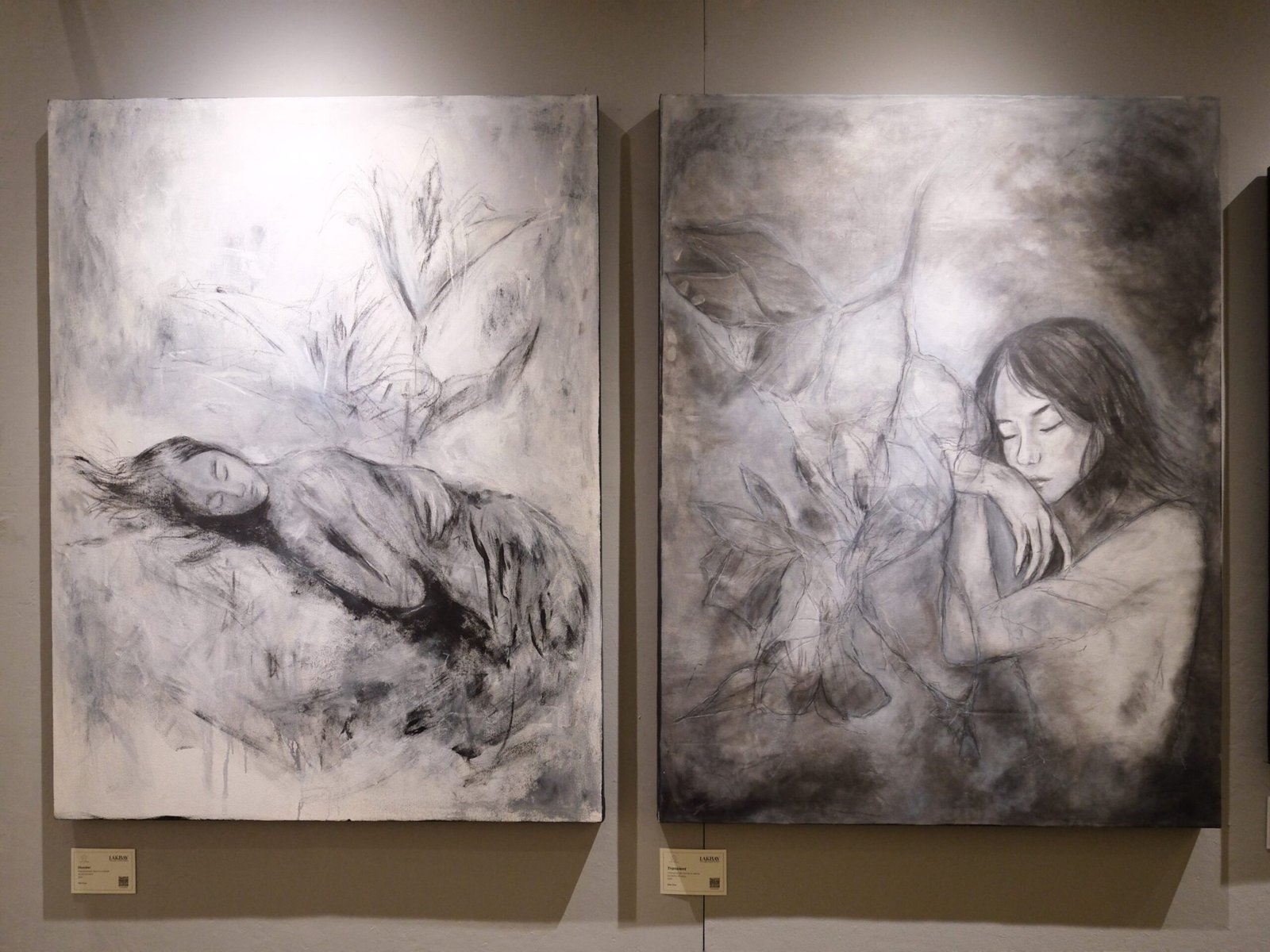
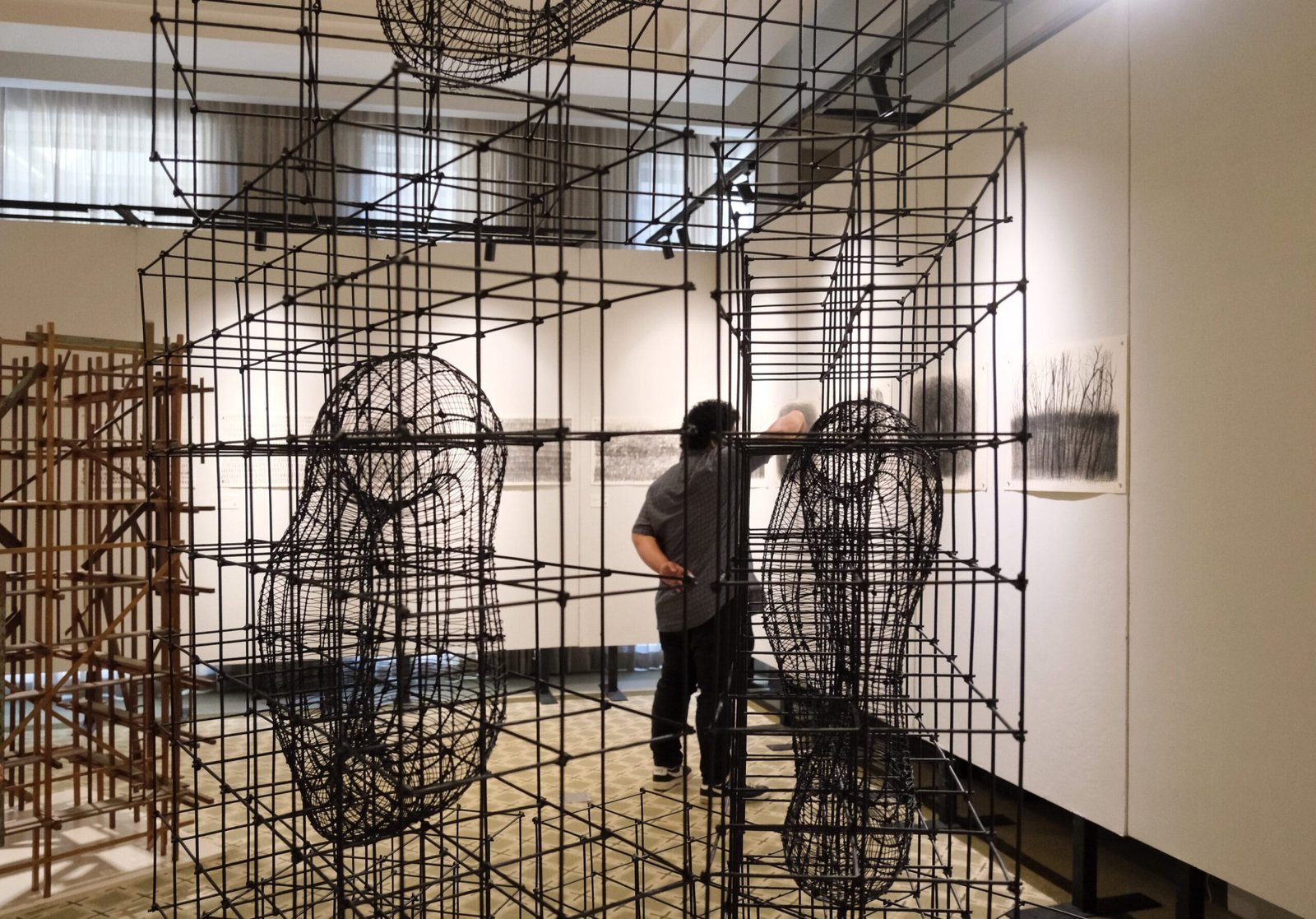
In reflecting on your own experience, be it diasporic, creative, or personal, what resonances did you find in Ling’s work? How did those connections shape your response piece for LAKBAY 2026?
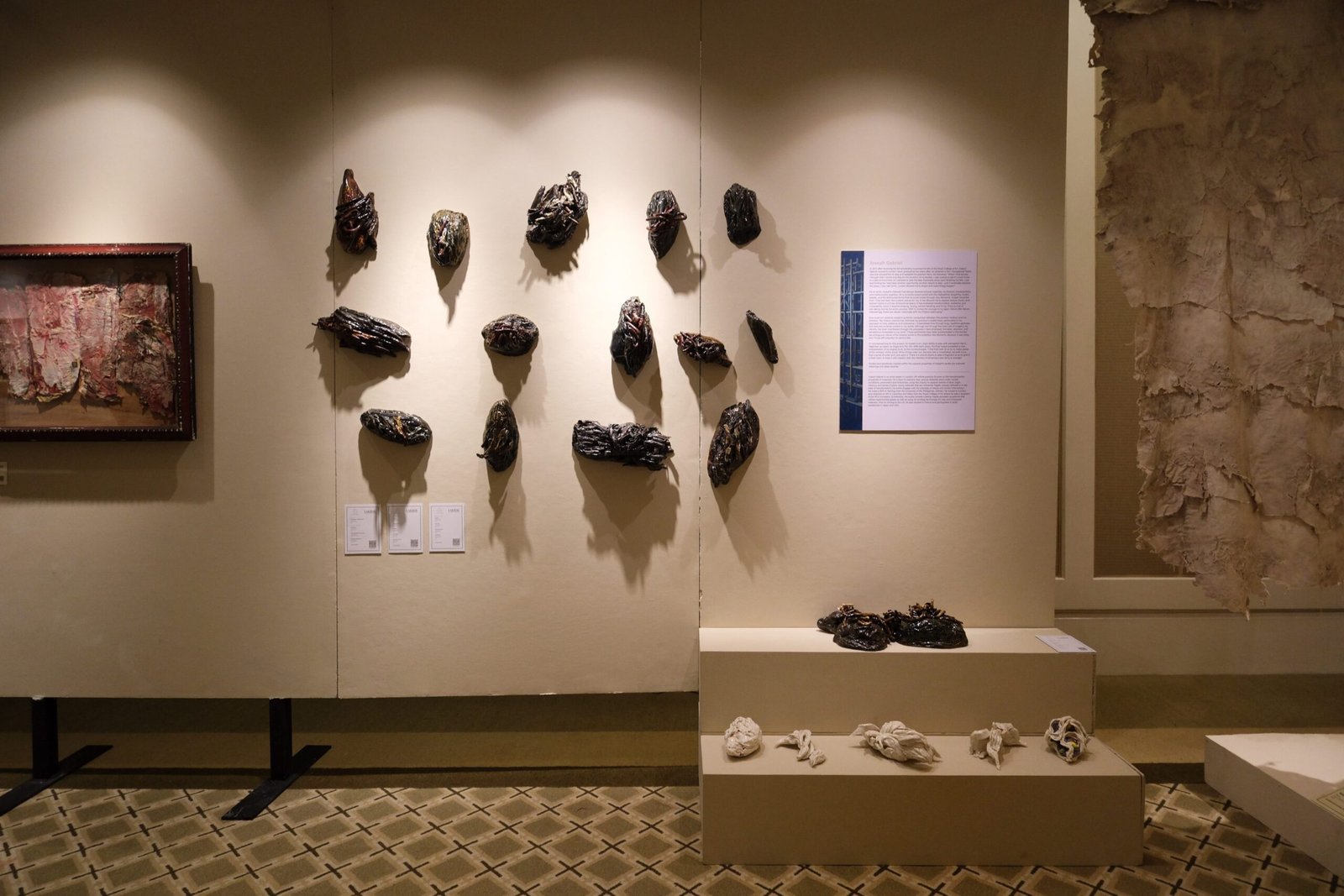
Labitingan: Ling and I are two very different human beings who grew up in different times, have lived unrelated, unconnected, and un-intersected lives until this show, upon research I found out that we sort of shared a lot of similarities as Filipinos who lived in foreign land, both queer people of colour who speaks aspects of that in the story that we tell in the work that we do. That sort of resonance has been the foundation of the works I developed for LAKBAY 2026 where I explored the idea of queer codes. An exclusive vernacular that LGBTQIA+ people use undercover, especially during the moments of oppression. As well as the concept of coming out an experience that is popularly contextualised for gay people but a universal experience to minorities such as Filipino migrants overseas.
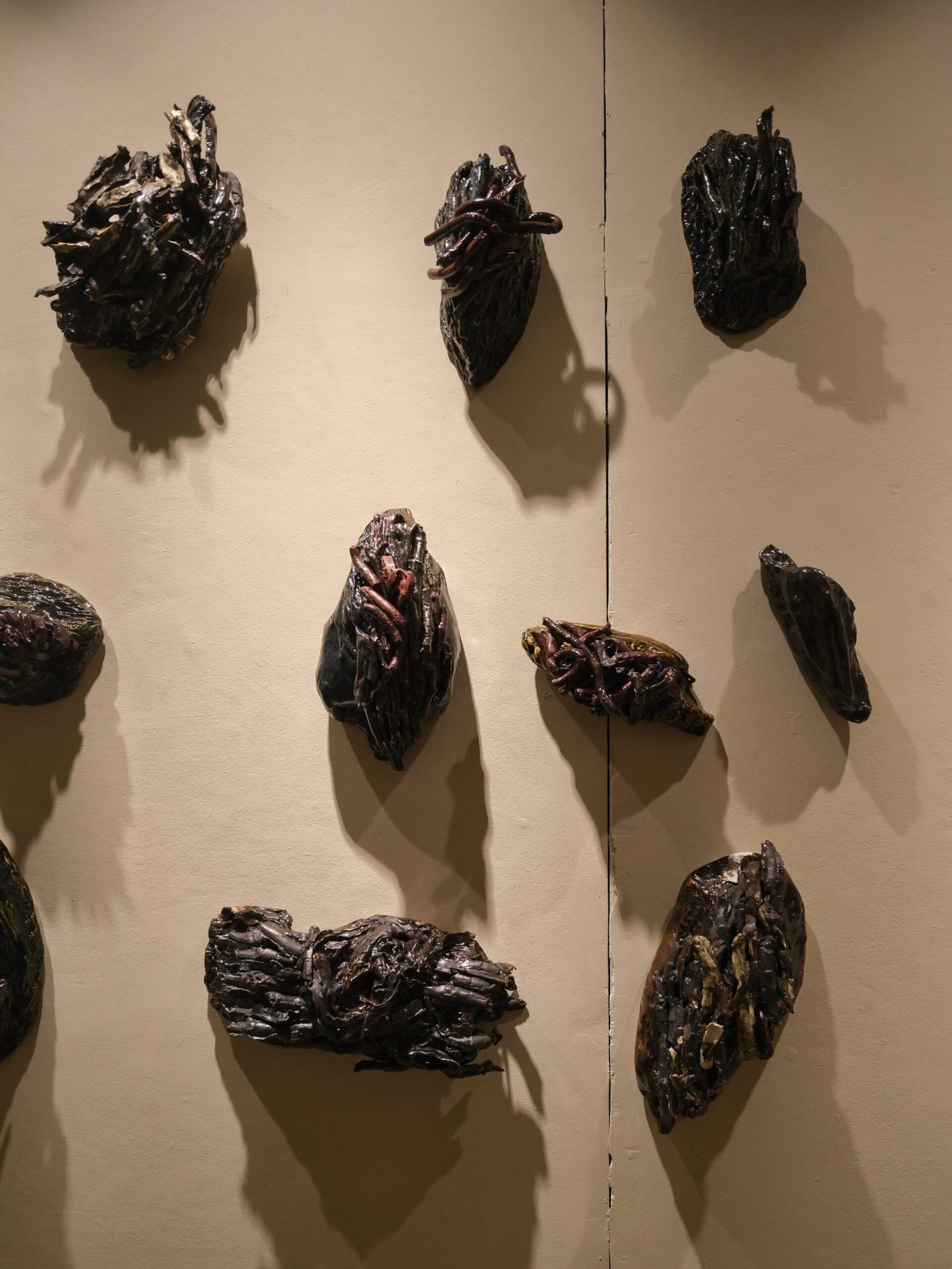
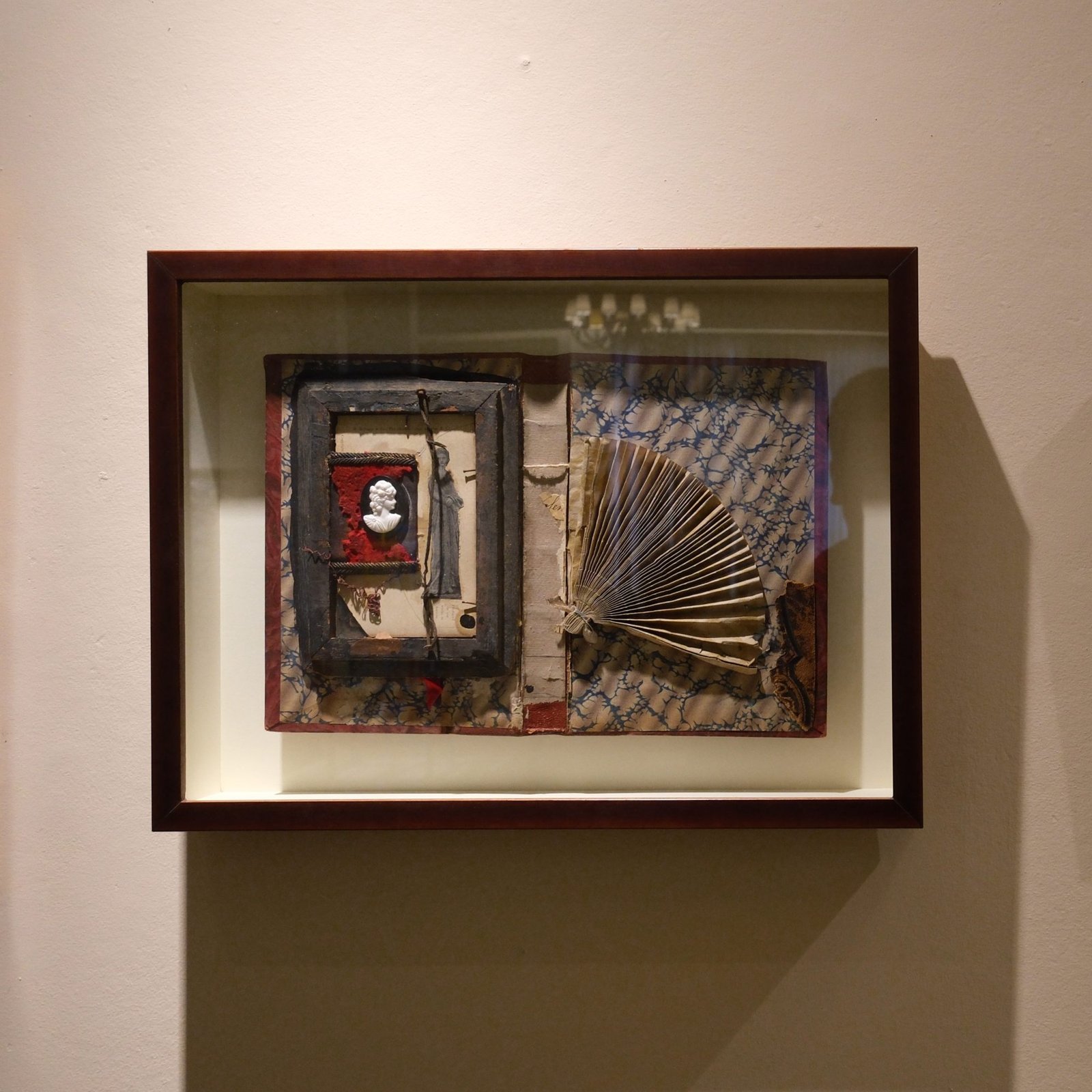
Artworks by Joseph Gabriel and Christina Ling Quisumbing
Urmaza: What resonates with me with regards to Ling’s work is her interest in transforming found objects and her ability to see their potential to tell a story. Storytelling is also something I do in my own projects.
After I received the invitation to participate in this group show I knew I needed to visit the flea market to gather materials in response to Ling’s works. The first thing that caught my eye was a box of old matchbook covers. Most of them were empty (no more matches) but had remnants of black paper that were stuck on the surface and looked like maps on the covers. The old glue also left visible brown stains which added an interesting layer to them. As soon as I got home, I played around with the combination and configuration. I was surprised how it didn’t take me that long to create 3 pieces out of these materials. I remember how much I enjoyed the process of transforming them into something else through careful selection and juxtaposition.
Silva: I share a sense of nostalgia and memory with her works. The personal stories she shares about found objects such as photographs and letters appeal to me very much. She is also witty and humorous!
Cruz: She mentioned that she stumbled upon a few mentors in her art career and that she believes in paying it forward because of the opportunities that came to her because of other people. I found it truly inspiring and I resonate with it because as a younger artist, I still have many years to go and one thing that always keeps me grounded and working harder is the gratitude that I have for those who have helped me every step of the way.
Jugarap: I connected with the idea of being in progress. That feeling of always building, adjusting, becoming It shaped my response by turning Caged Romela into a tower, something growing upwar,d but still held.
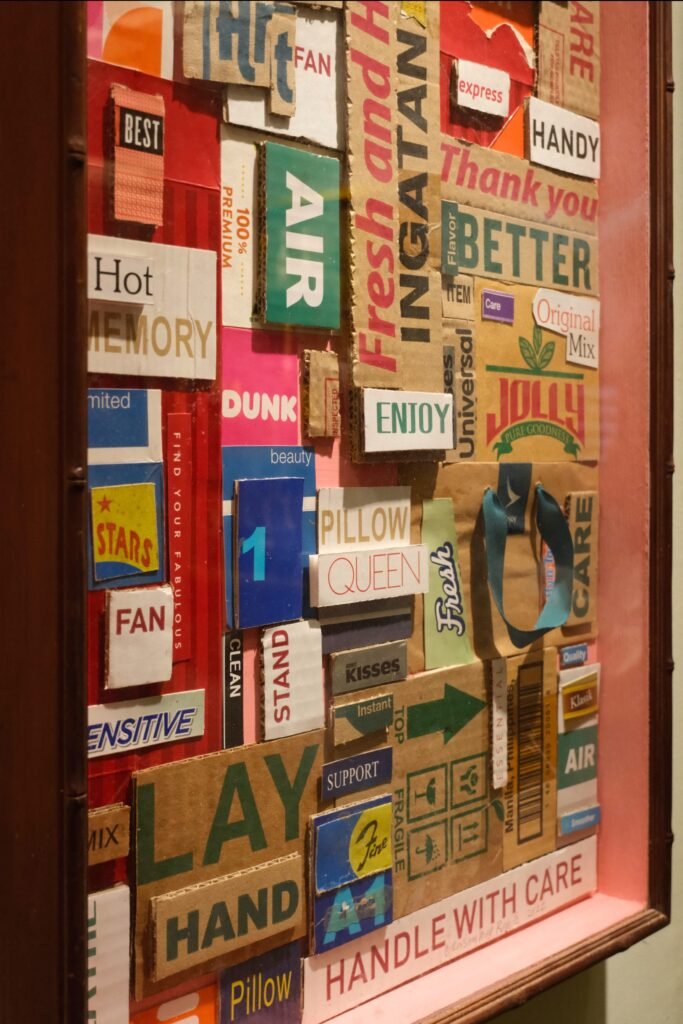
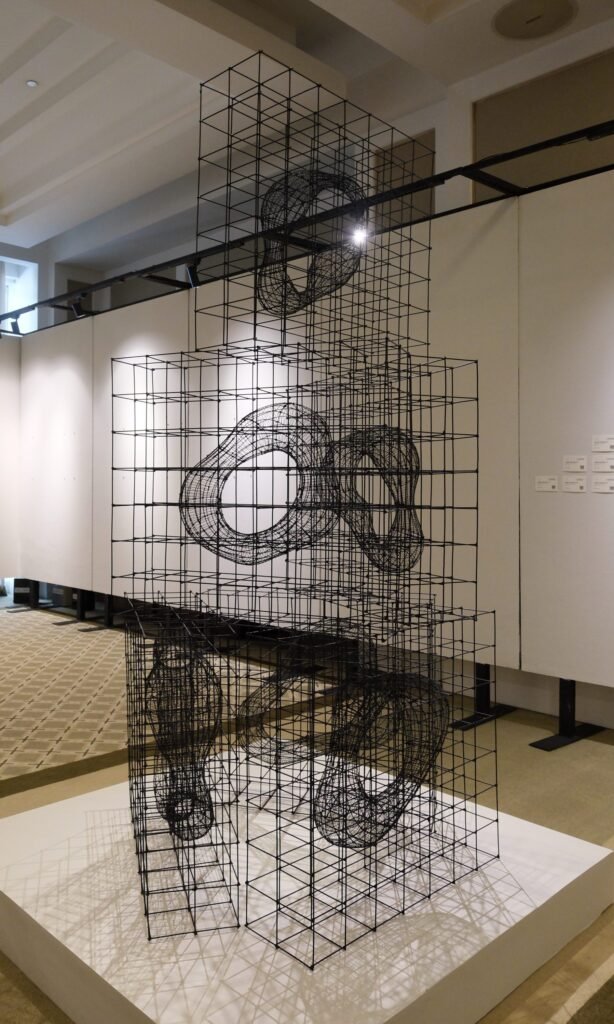
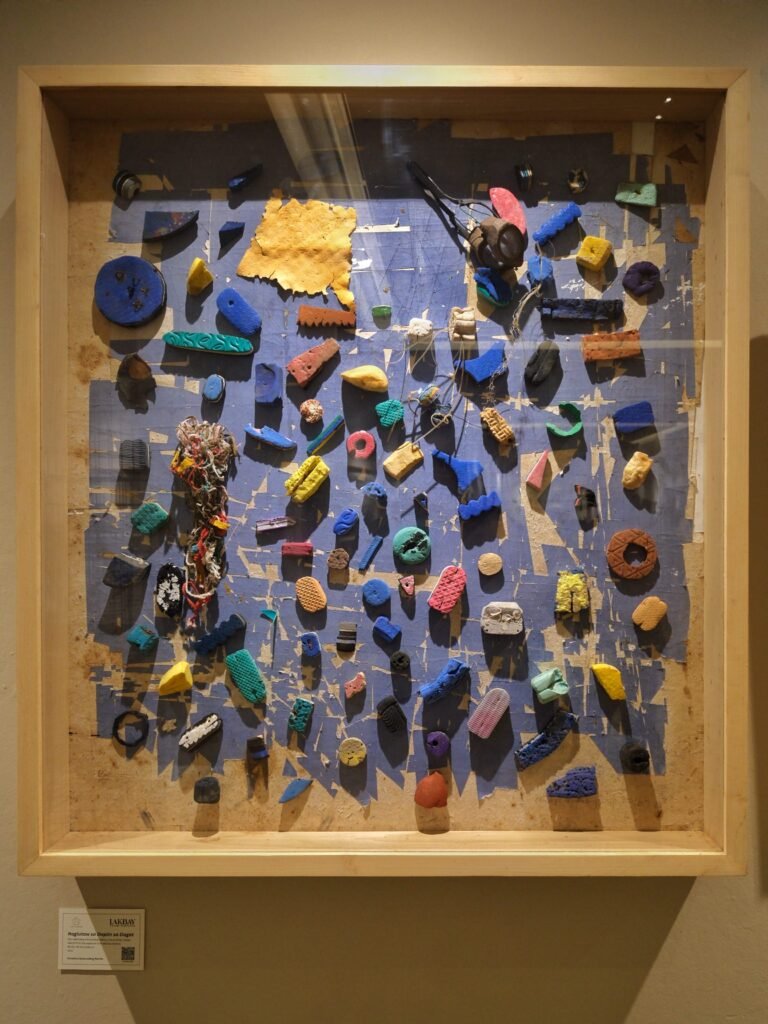
Ling’s work is multilayered, playful, and often interactive. Were there any approaches, strategies, or ideas in her practice that challenged your assumptions as an artist or inspired you in unexpected ways, and how did that inform the dialogue between your work and hers?
Labitingan: I keep a leaf from her book on lessons about finding and developing creative voice. There’s a case to learn from how her highly diverse body of work keeps a loud and clear invisible thread that cuts across it. As a multi-disciplinary creative myself, I aim to cultivate a personal visual lexicon that feels coherent yet less monotonous. So, as a part of that pursuit, for LAKBAY 2026, I have attempted to explore forms and materials novel to the imaginary world I am inhabiting, whilst still treading the fine line that keeps aspects faithful to my ever-evolving visual language. That openness to learning and continuous shapeshifting is the virtue that keeps this creative life fun, meaningful, and worth doing.
Urmaza: I’ve always found it inspiring how much Ling draws from her personal life (hugot) when making her works. It shows her courage to be honest (even if this brings up unpleasant feelings like pain or remorse). This also displays her generosity- how willing she is to share her experiences, thoughts and learnings even if that means reliving a dark time in her life.
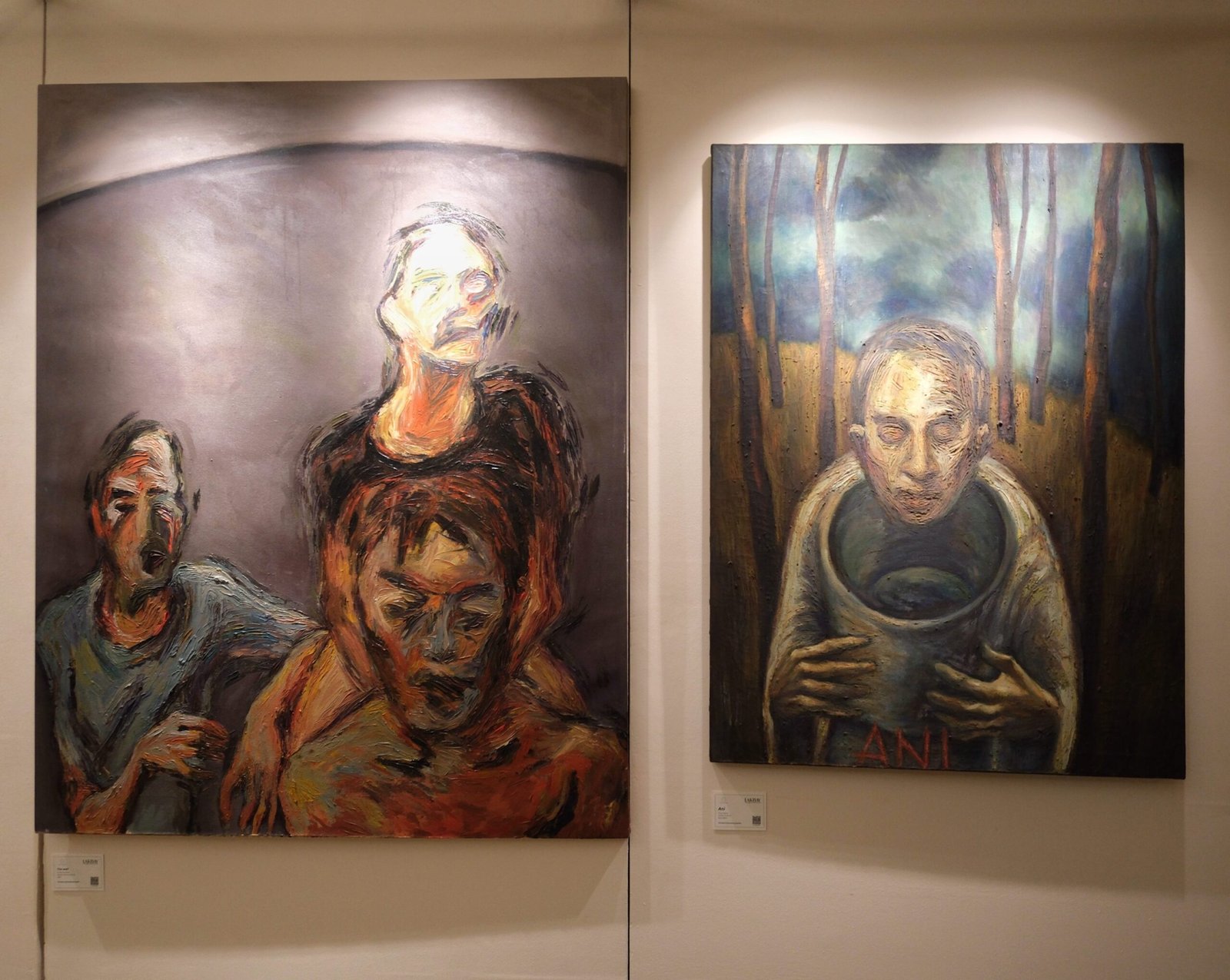
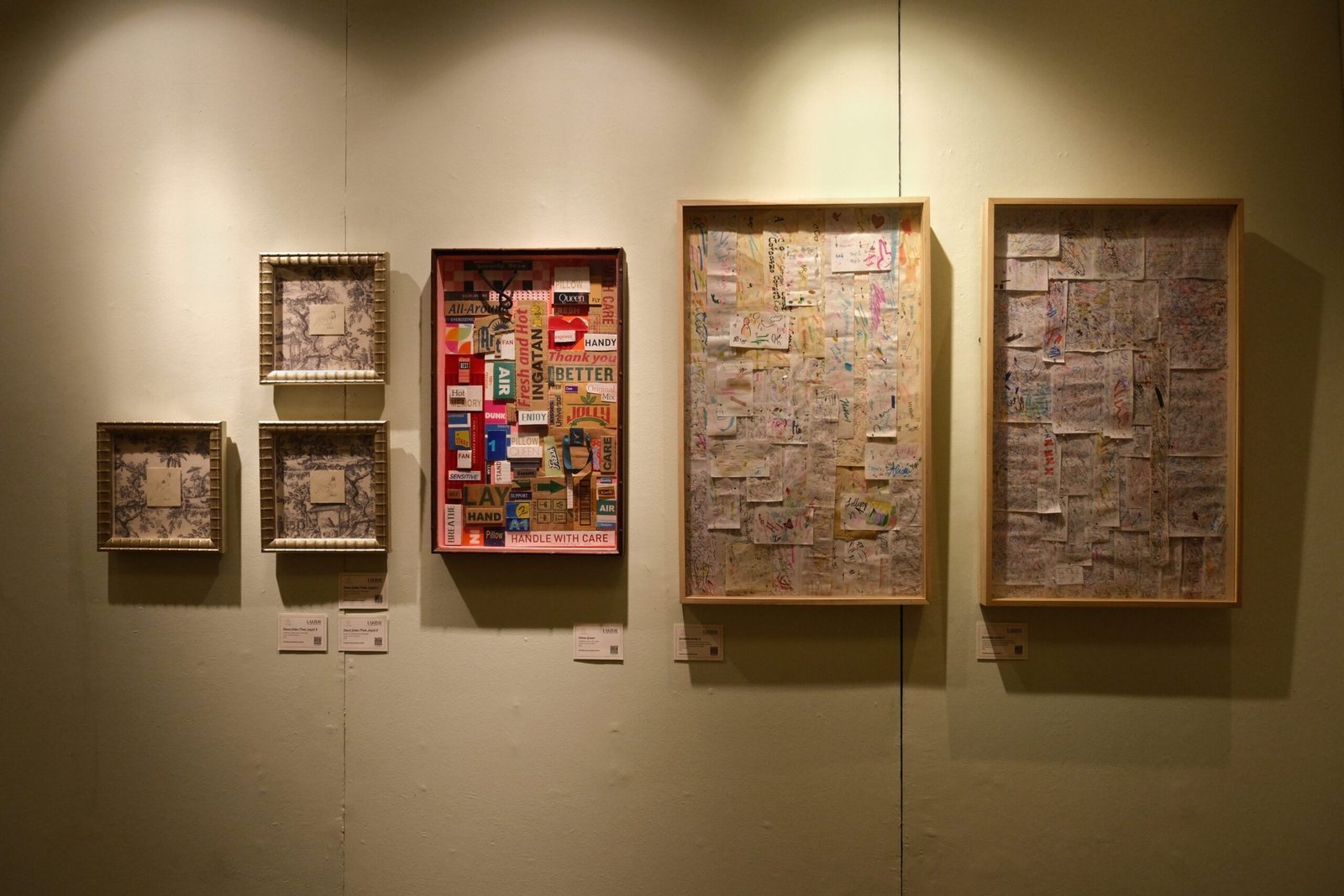
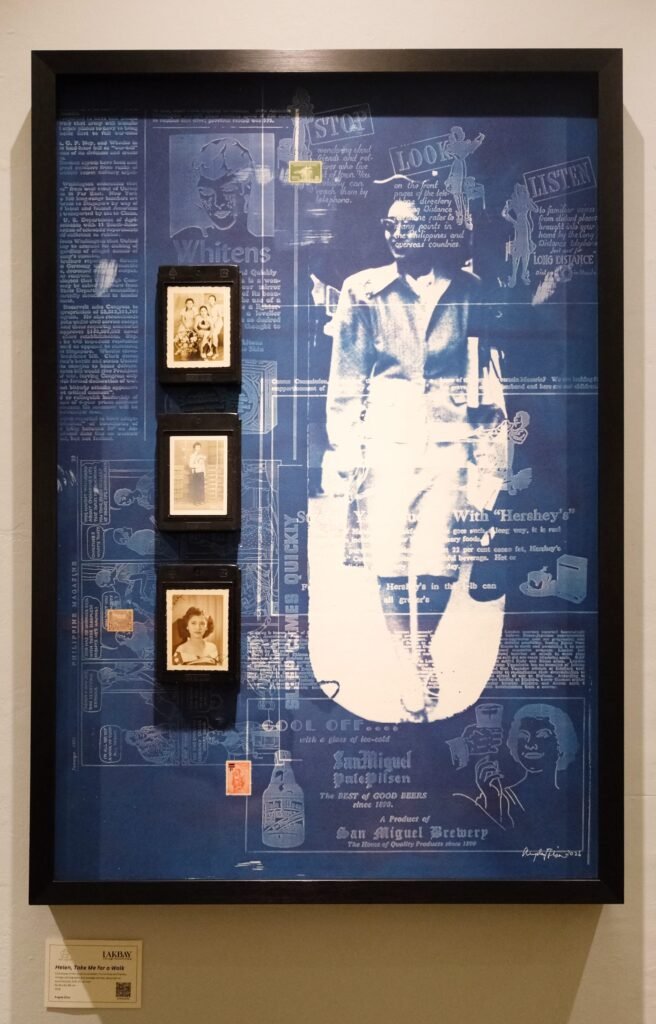
Silva: Ling’s assemblages inspired me to look at items I’ve also hoarded. I wanted to use Polaroid pack film containers, a favorite but “dead art” to me as a printmaker who uses image transfers. They’re frames for my collection of black and white pre-war photographs of women, taken by amateur photographers. A backdrop is my distinctive use of cyanotype prints featuring a female figure from the 40’s who stands in for the modern Filipina.
Cruz: I believe that the more I was away from the Philippines, the more connected I became to the culture. I would compare or miss a lot of certain cultural aspects that I was used to. I think Ling inspired me to go deeper into my roots and challenge myself by adding another emotional layer and depth to my works.
Jugarap: Somehow, yes. Her openness reminded me to pull back, let the work breathe, and let it speak for itself. It gave me the pleasure of not needing to explain, allowing the forms to simply communicate. •
LAKBAY 2026 runs from January 30 to February 1 at the Mezzanine of Discovery Primea, Makati City.
One Response