Words Patrick Kasingsing, with excerpts from The Peninsula Manila
Images The Peninsula Manila, with Patrick Kasingsing
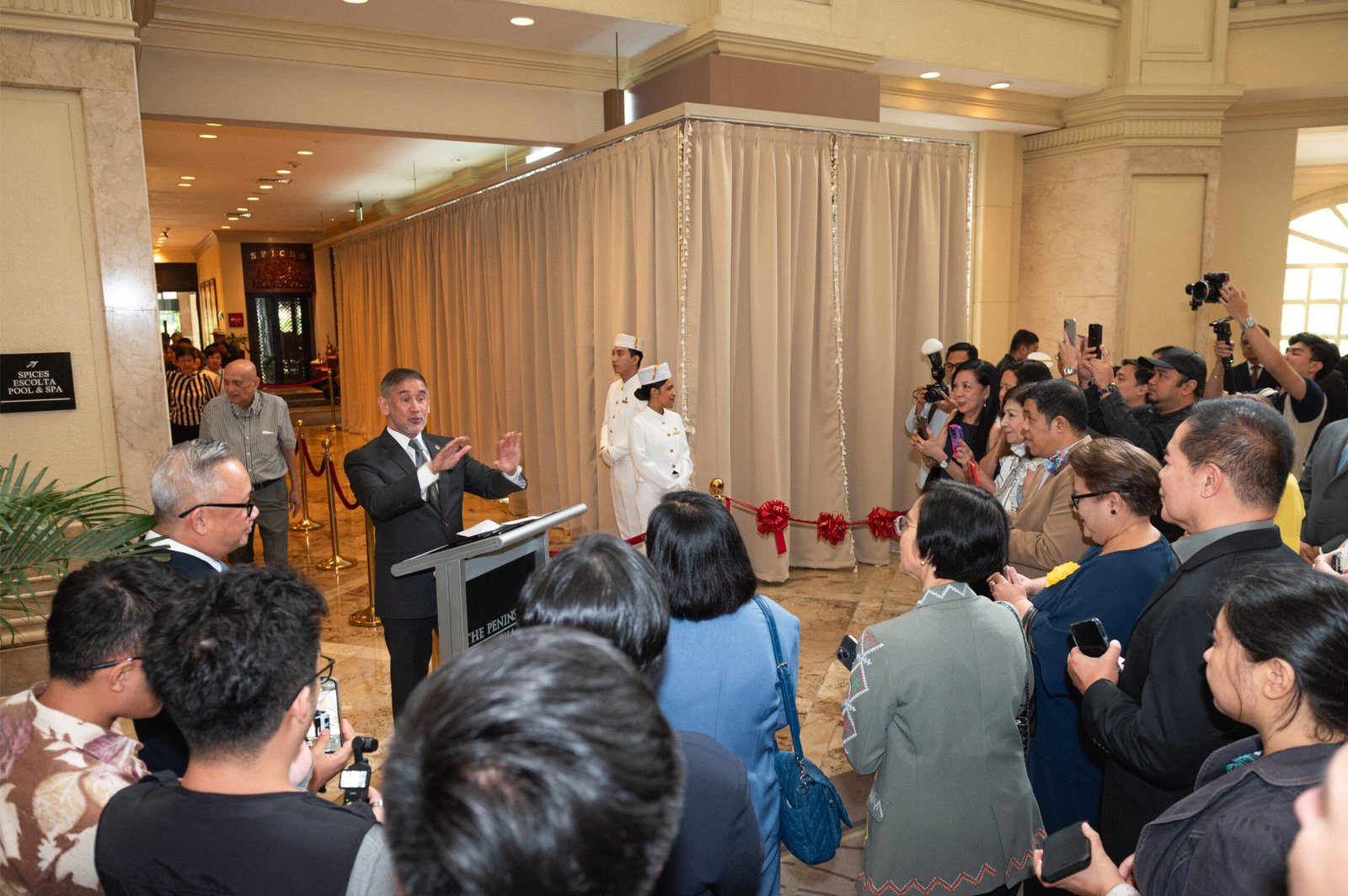
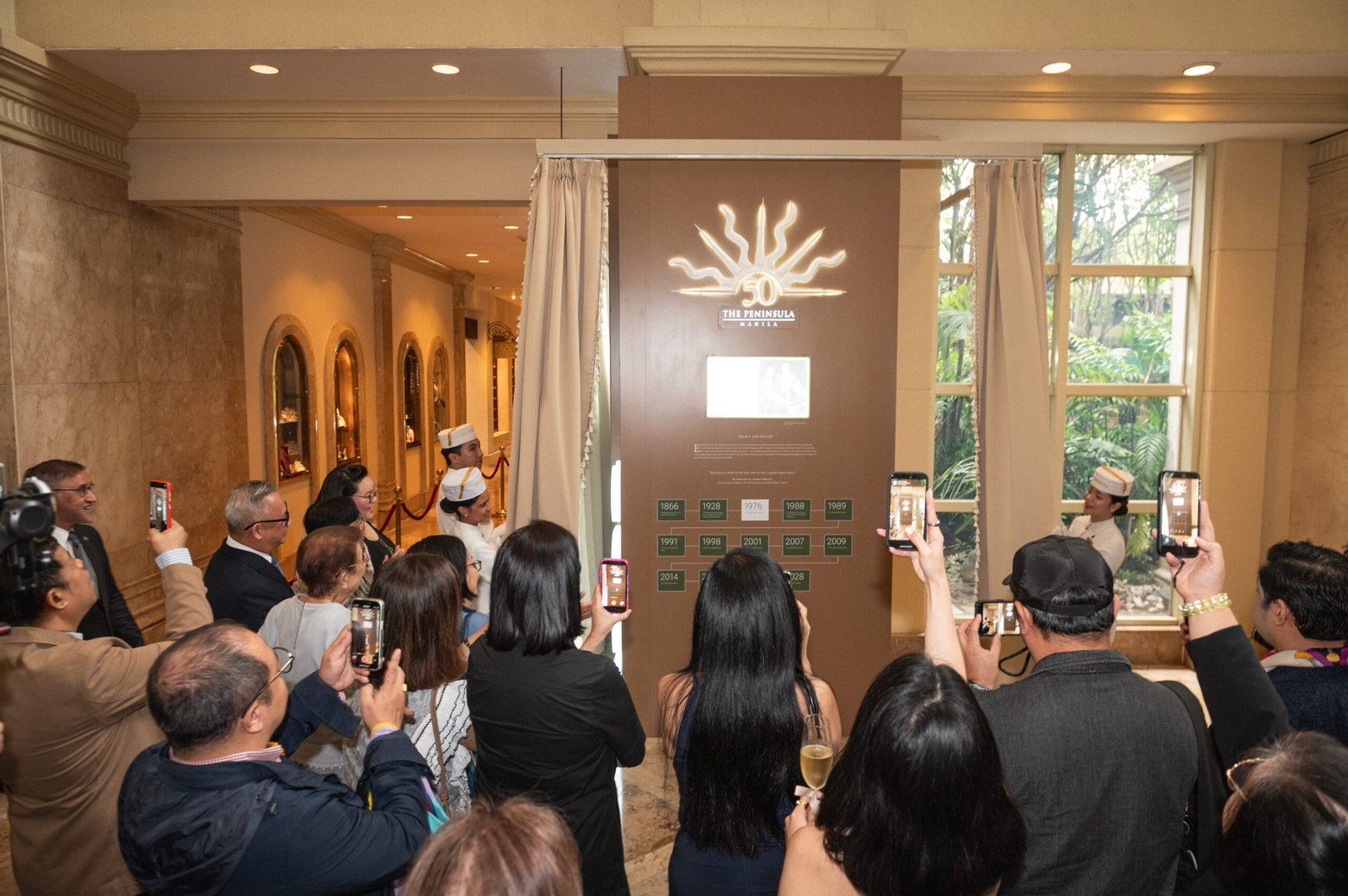
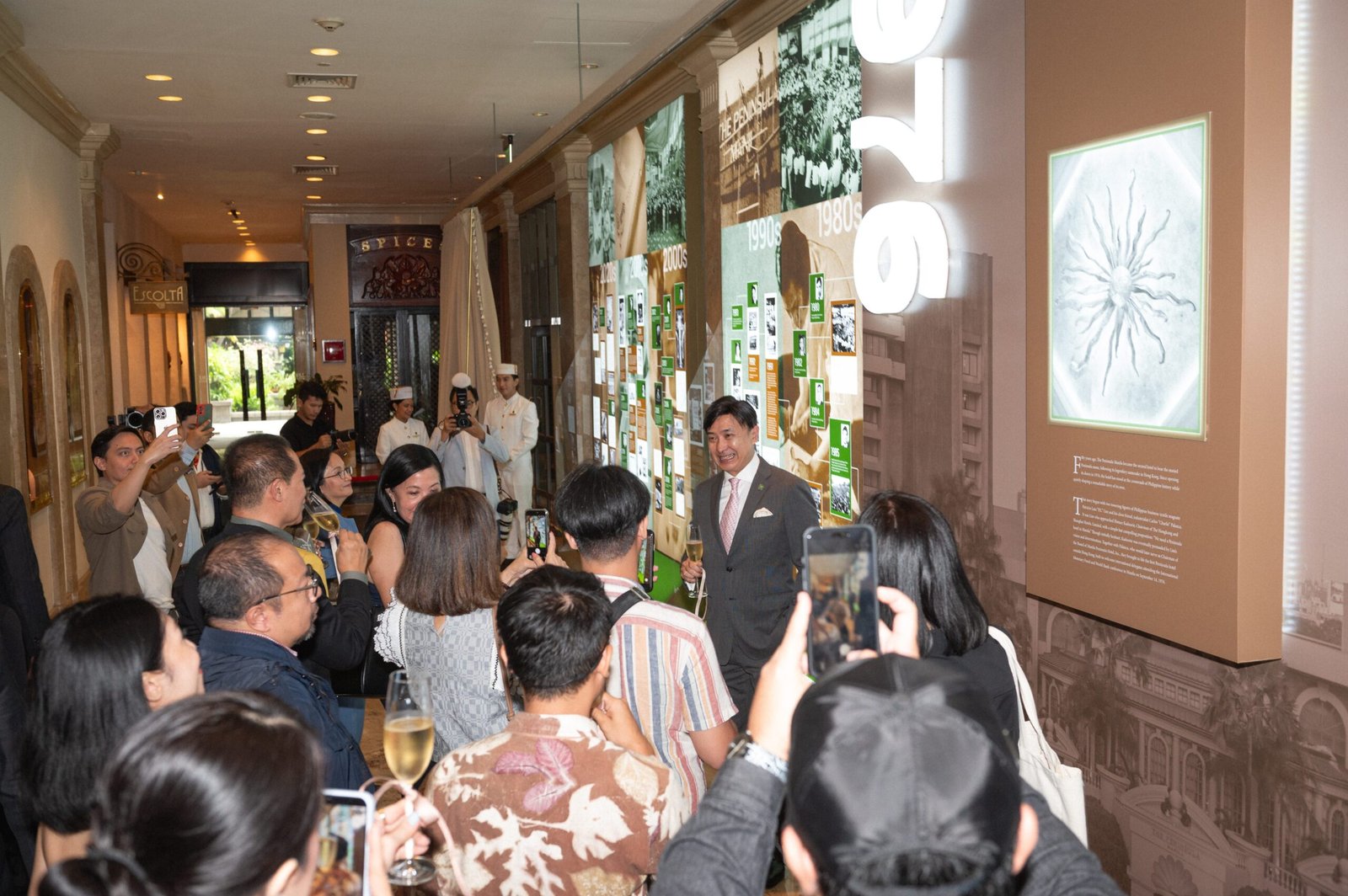
One question, according to Mariano “Garch” Garchitorena, kept coming up. The Peninsula Manila’s Director of Brand Communications had just finished his remarks at yesterday’s intimate gathering in The Lobby, a downcast Wednesday afternoon in June, convened to unveil the hotel’s 50th Anniversary Timeline Exhibition, and already, the people pulling him aside in the crowd wanted to know the same thing: what has enabled ‘The Pen’ to last as long as it has?
It is not a simple question. But it is, perhaps, the only question that matters when you are talking about a hotel that has—unwillingly, of course—hosted and survived coups, calamities, a global pandemic, and fifty years of shifting real estate appetites in one of the most prime corners of Makati.
The makings of a legend
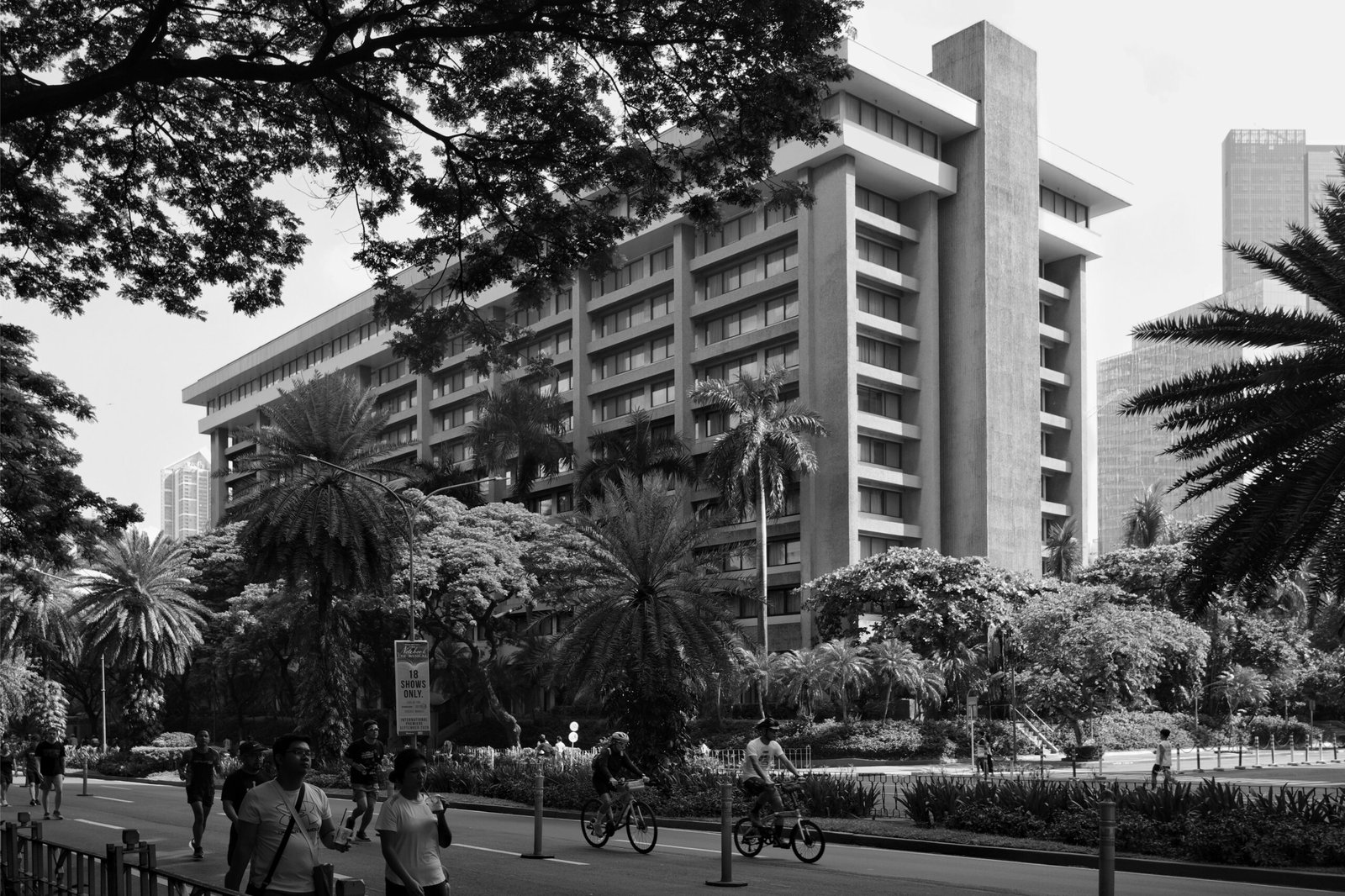
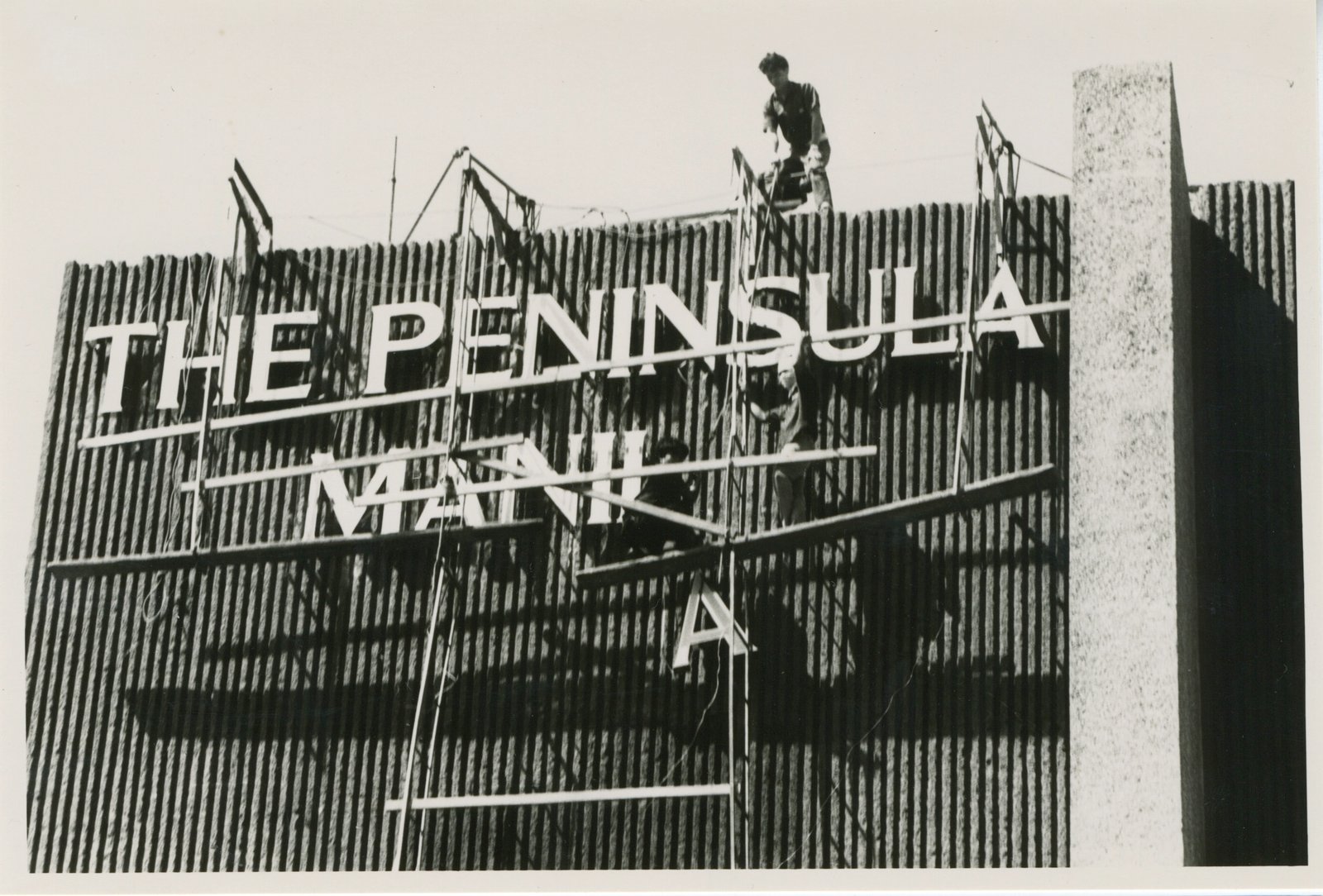
The reputation of The Peninsula Manila, known to virtually everyone simply as The Pen, precedes it so thoroughly that it barely needs introduction, though its origins are worth briefly revisiting. It opened in 1976, only the second Peninsula hotel to bear the name outside of Hong Kong, conceived through a partnership between P.L. Lim, Carlos “Charlie” Palanca, and Lord Horace Kadoorie, and built to coincide with the World Bank–International Monetary Fund convention held in Manila that year, a global event that also yielded another local architectural masterwork, Leandro Locsin’s Philippine International Convention Center.
In the decades since, The Pen has been threaded into the fabric of national life in ways that few private institutions can claim. Director Francis Ford Coppola was a frequent guest during the harrowing production of Apocalypse Now. US statesman Colin Powell received a standing ovation upon entering The Lobby in 2002 and was, by his own account, deeply moved. In December 1989, when Makati erupted in the most severe coup attempt against the Aquino government, General Manager Niklaus Leunberger and a team of 270 kept 620 stranded guests fed, sheltered, and secure across eight days of street-level tension. And on the eve of the millennium, Asia’s Songbird Regine Velasquez sang atop the hotel’s picturesque corner fountain alongside a children’s choir, a rousing image broadcast live across 67 networks worldwide.
My #PenMoment
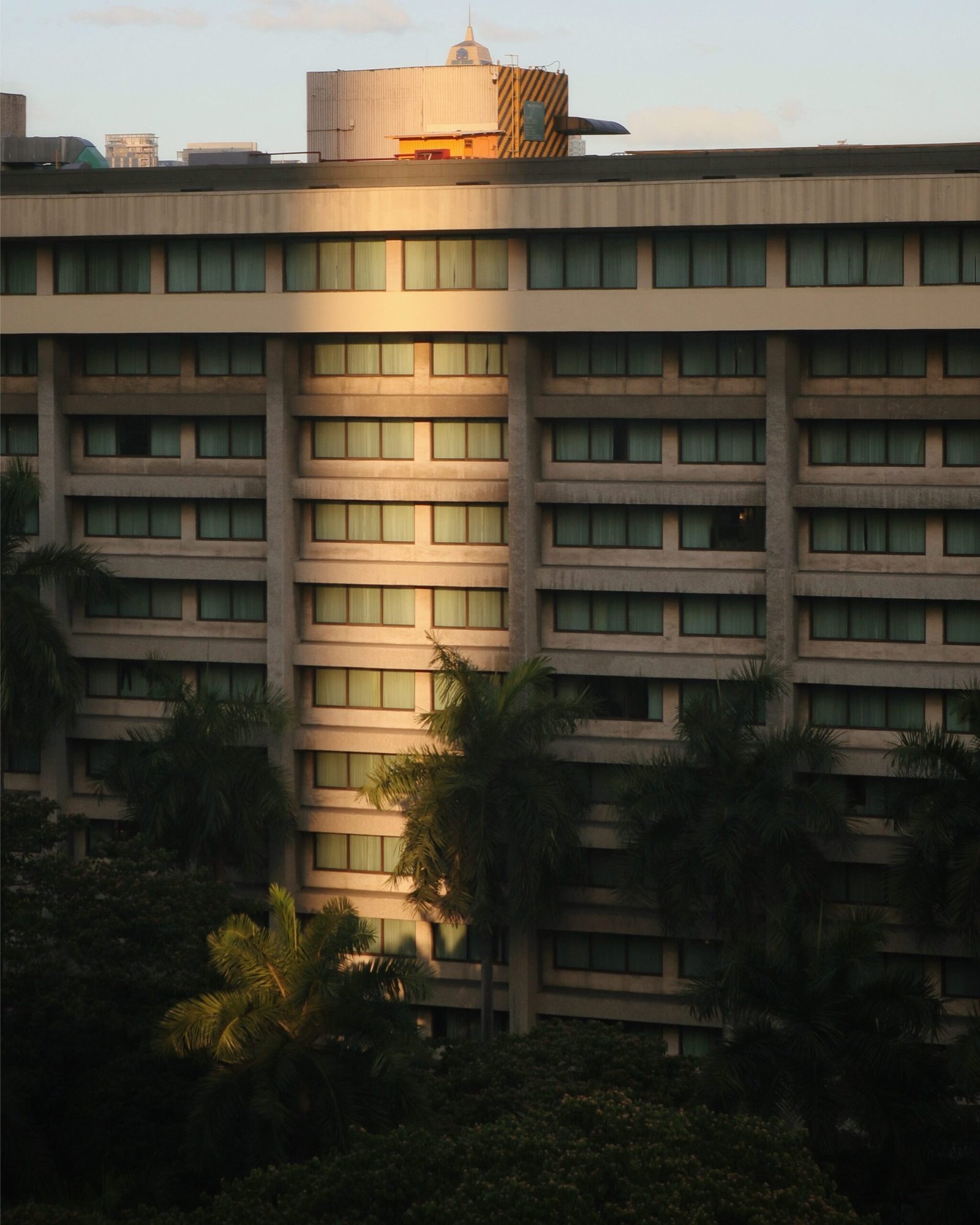
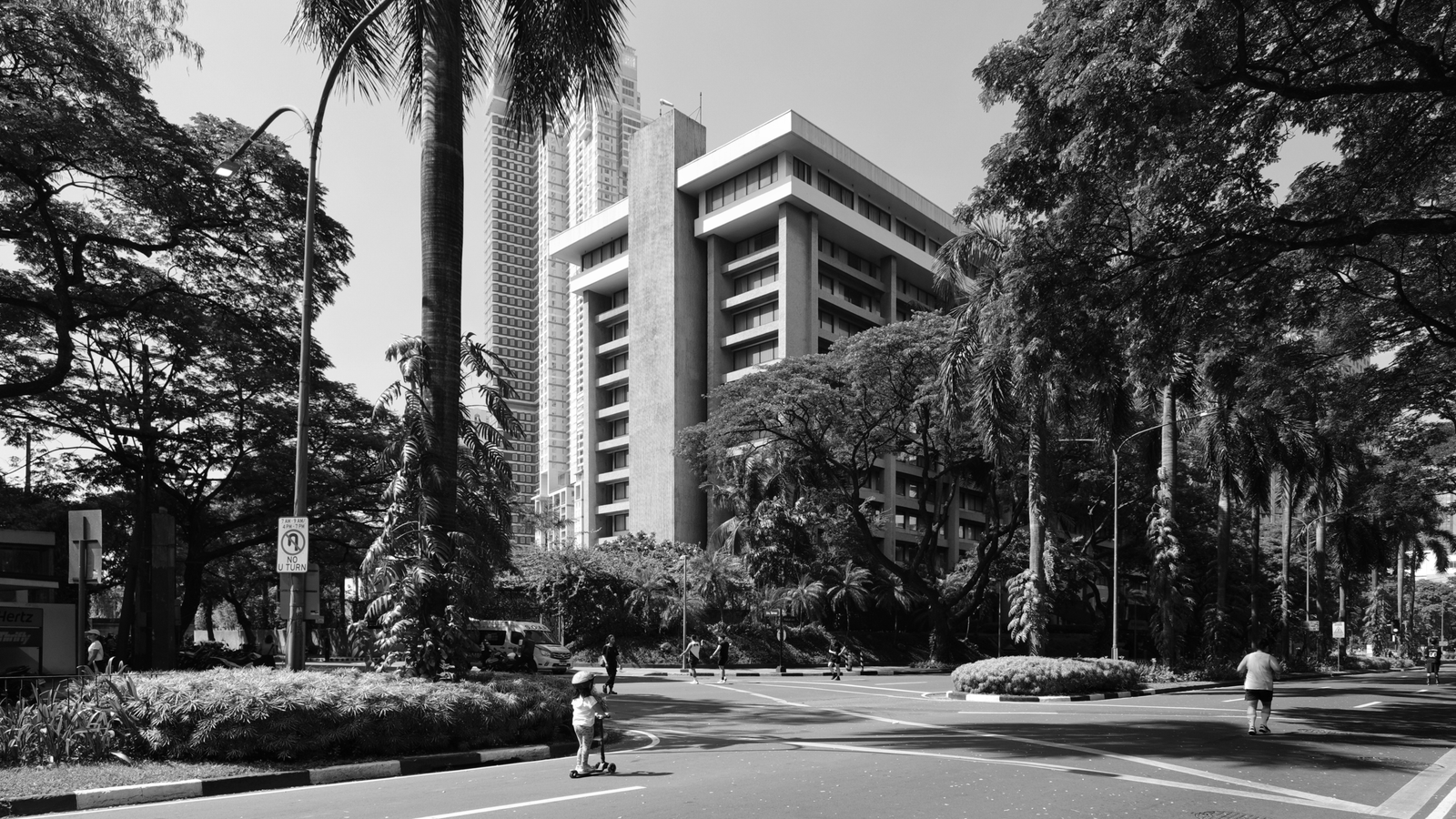
I have my own, considerably less dramatic, #PenMoment. It was 2021, the quarantine restrictions had just begun to ease, and with the peculiar fatalism that the pandemic had installed in most of us—the sense that one might, at any point, simply not make it—I decided to book a three-day stay at The Pen. If I were going to splurge on a luxury I had yet to experience, I reasoned, it might as well be this. The antigen test conducted outside the hotel, the brief, anxious wait before the negative result, and then the long exhale of walking into that cavernous, three-story-high lobby, whose scale is especially appreciated during the days of social distancing. I had requested a room with a view towards Ayala Triangle, and The Pen delivered.
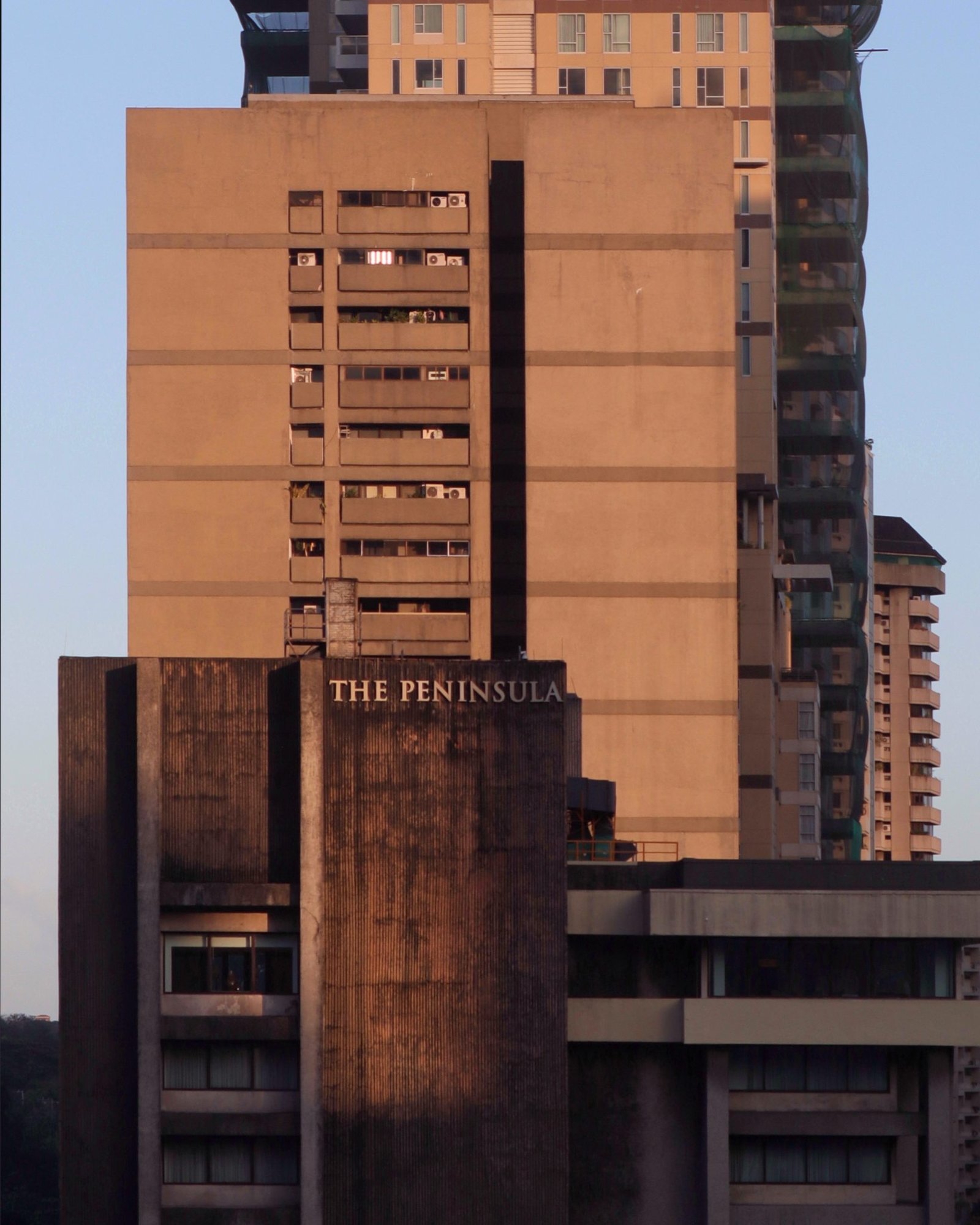
For three days, I wandered the hotel armed with a camera, photographing its corduroy concrete walls amidst lush greens for Brutalist Pilipinas, the heritage advocacy project I help run, moving through spaces that felt simultaneously frozen in time and entirely alive. Despite the perceivable lack of the usual crowds across the hotel in a period of great uncertainty, I found much-needed calm and warmth in the hospitality of the Pen’s hardworking staff, whom I could tell were still all smiles underneath their masks as I passed them by.

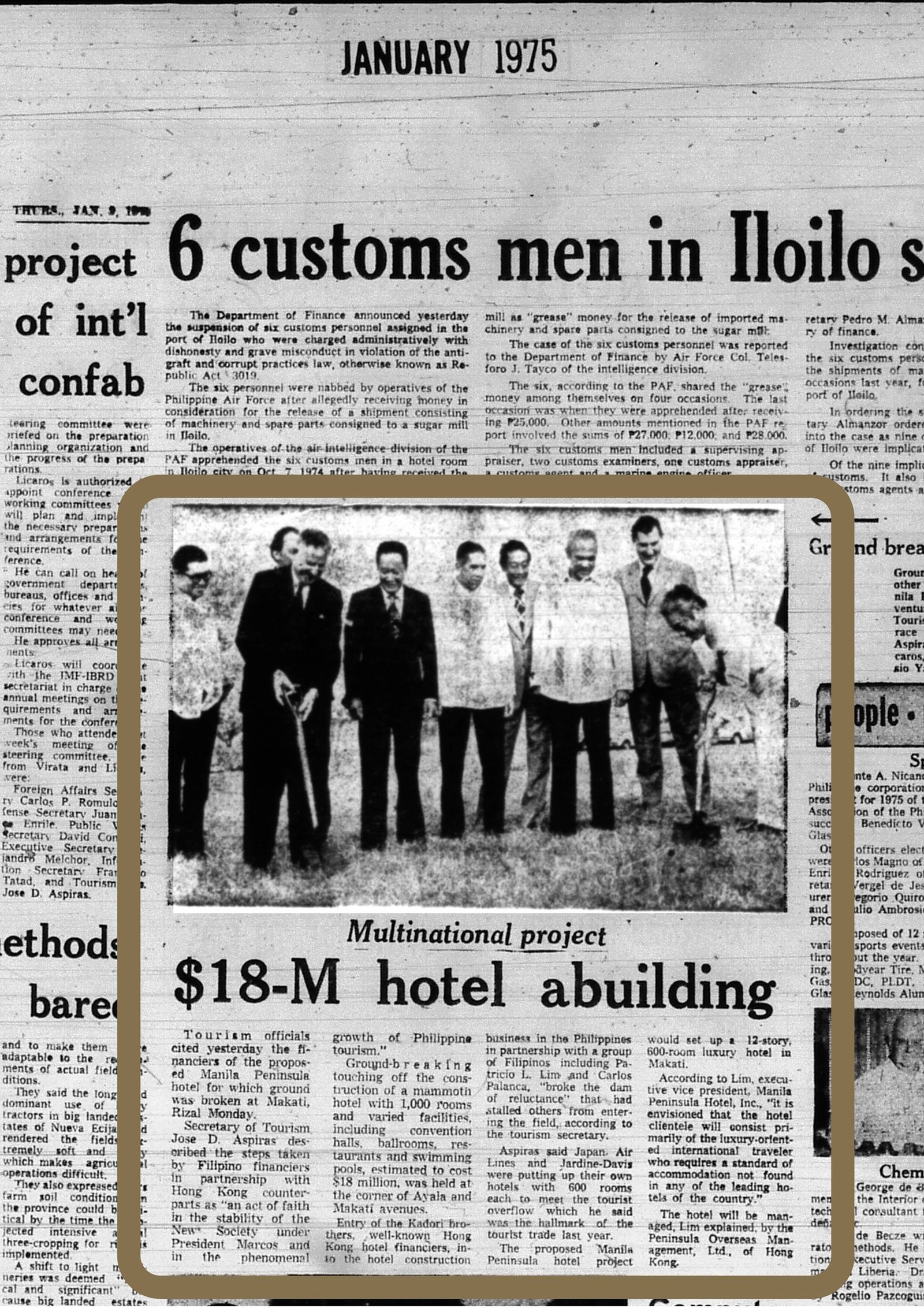
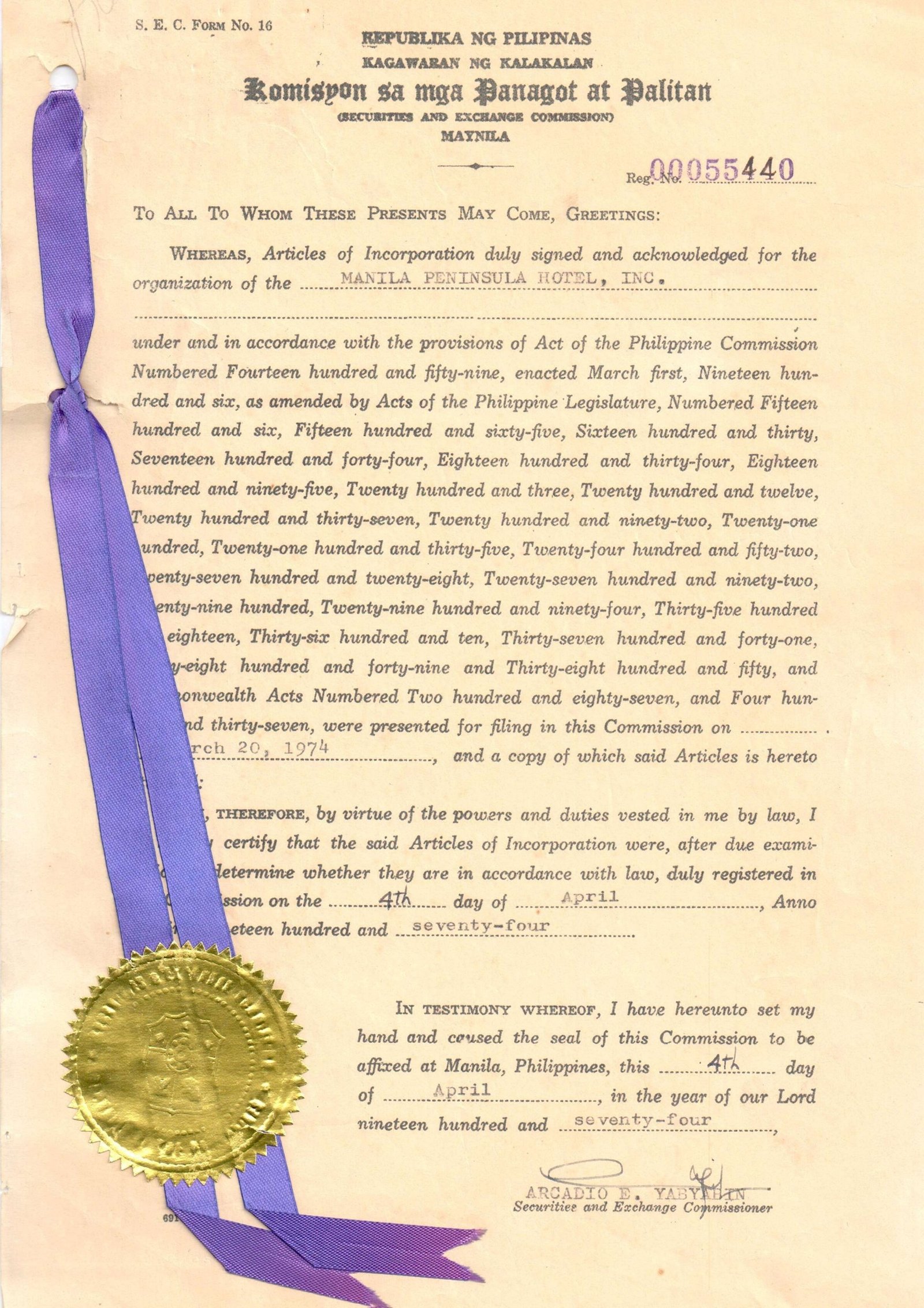
1975, Manila Peninsula groundbreaking newspaper article 1974, Manila Peninsula Hotels, Inc. article of incorporation
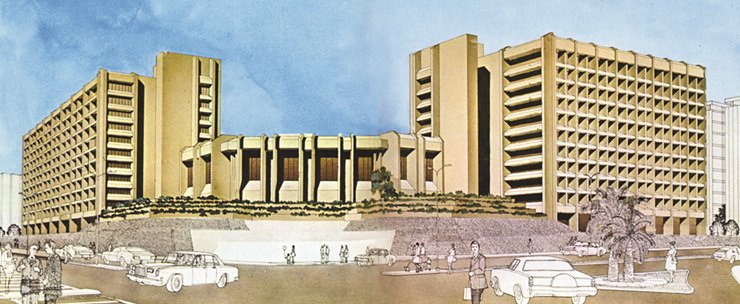
50 years of hospitality and nation-building
I digress—and The Pen, for its 50th, has its own archive of such moments, far more consequential than mine. As the sole surviving hotel from the 1976 IMF-World Bank batch still operating in substantially its original form and under continuous management, The Peninsula Manila is marking its golden anniversary with a year-long slate of celebrations. Festivities kicked off with the unveiling of a commemorative timeline exhibition installed fittingly in its iconic Lobby, a space that has always seemed to exist in its own solar system — people and conversations alike drawn into the orbit of the great Sunburst that National Artist for Sculpture Napoleon Abueva set into its ceiling in 1994, its copper-bronze-and-stainless-steel rays spanning twelve meters overhead.
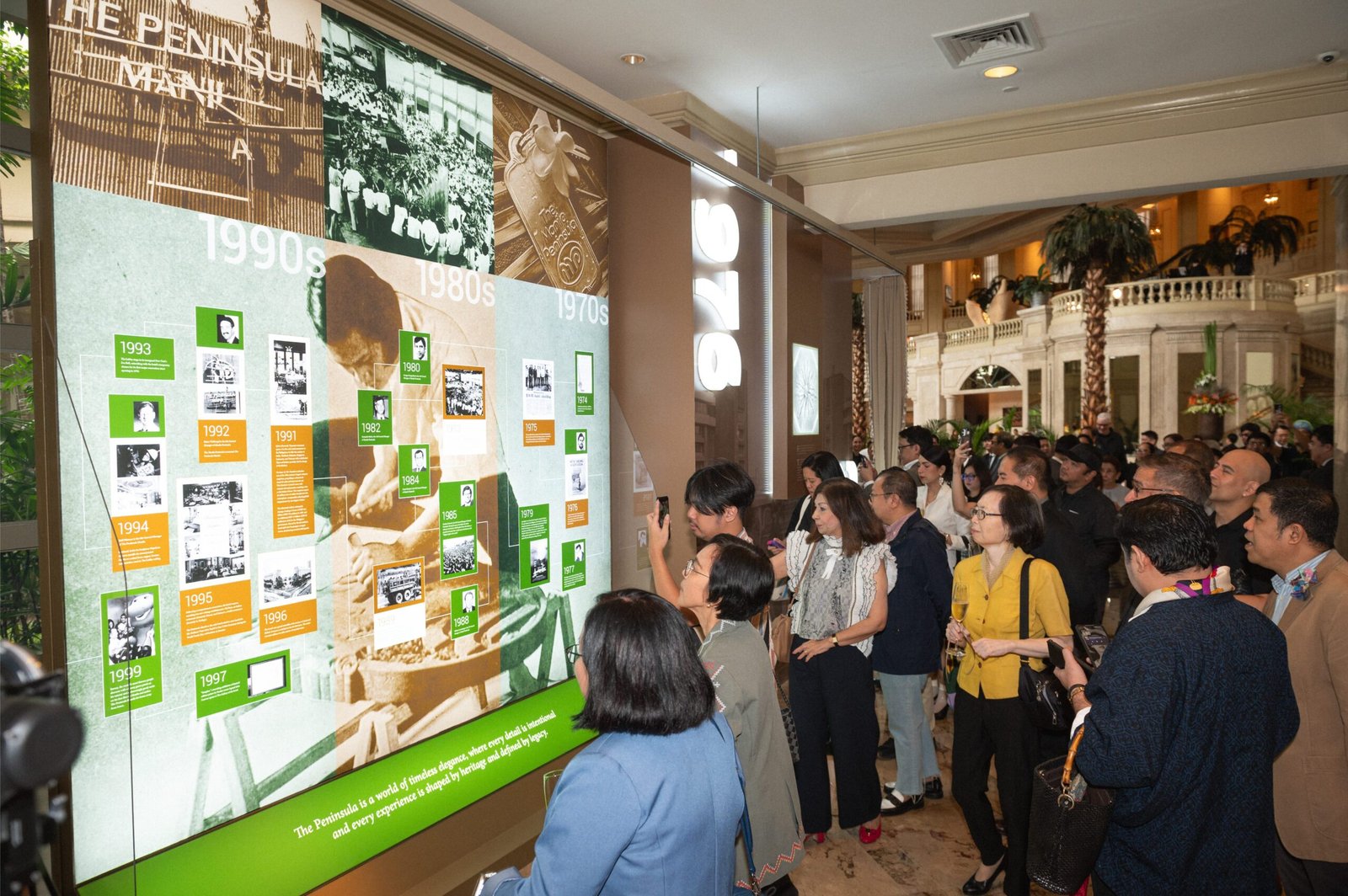
The exhibition itself spans from the hotel’s 1975 groundbreaking—held on the Feast of the Three Kings, January 6, with Lord Horace Kadoorie, Enrique Zobel, and Carlos Palanca in attendance—to the present milestone year, tracing five decades of history across three backlit panels that line the approach from the Makati lobby along the Escolta and Spices corridor. Its contents are part official record, part institutional trivia, and entirely absorbing, as evidenced by how long it took for visitors to finally clear the panels and for me to photograph them.
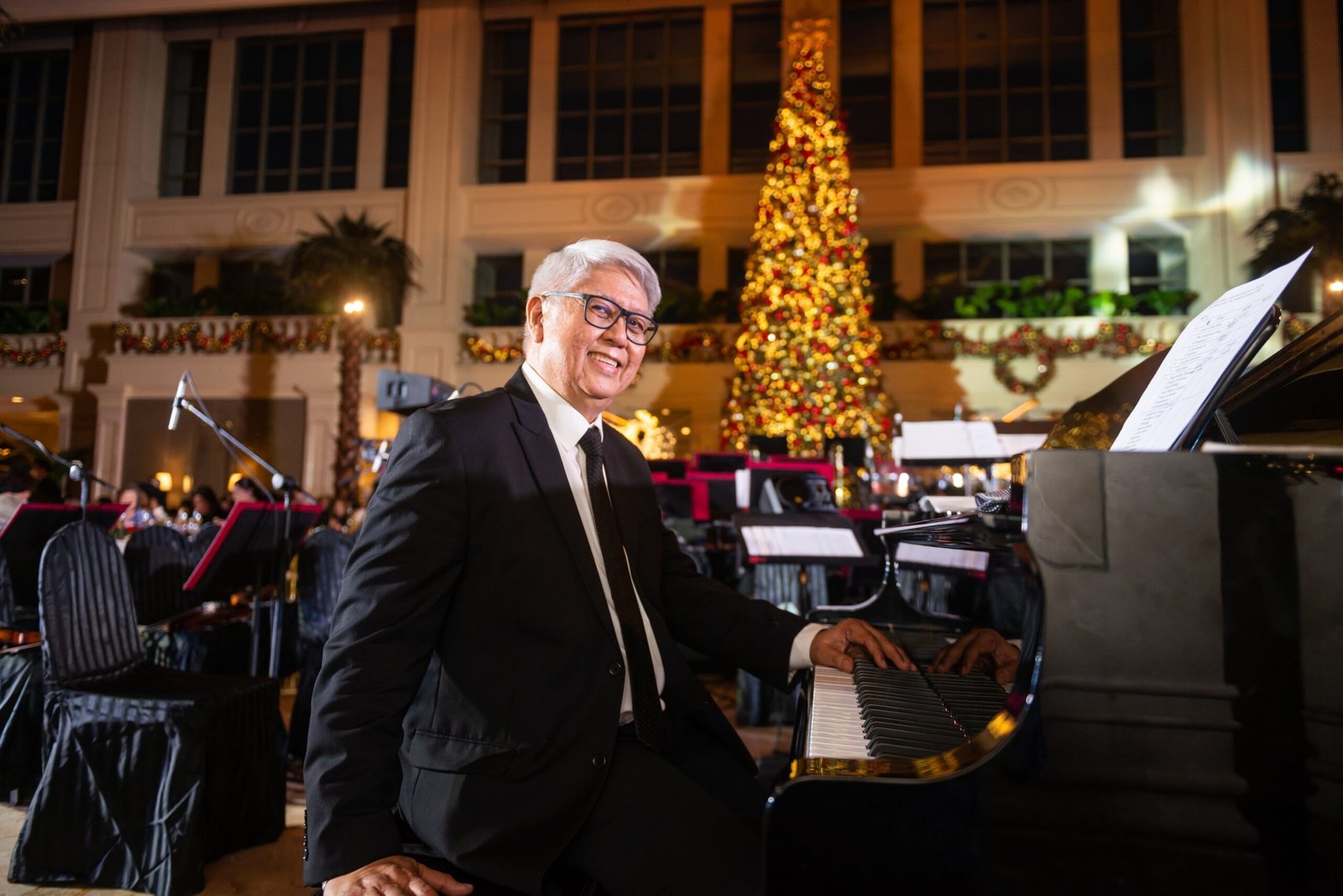
Among the things one learns: that the inaugural Concert at The Pen in 1983 packed over a thousand people into The Lobby for an evening that ran from Ravel’s Boléro to Gershwin’s Rhapsody in Blue; that Barney the purple dinosaur once checked in and made himself at home; that during the 1995 World Youth Day, The Pen was the only hotel in the country entrusted with catering lunch for Pope John Paul II.
1976, pre-opening print advertisement 1979, Apocalypse Now poster
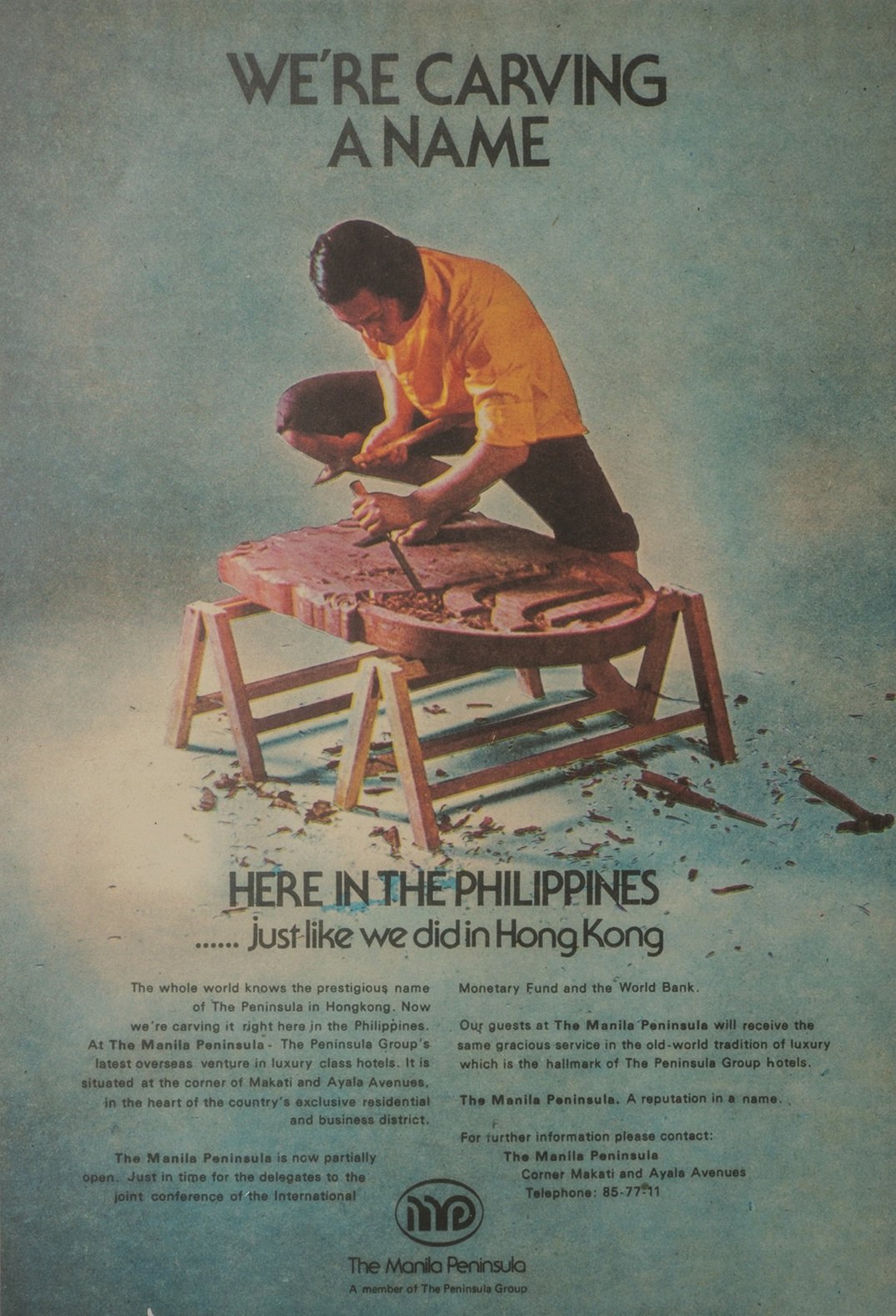
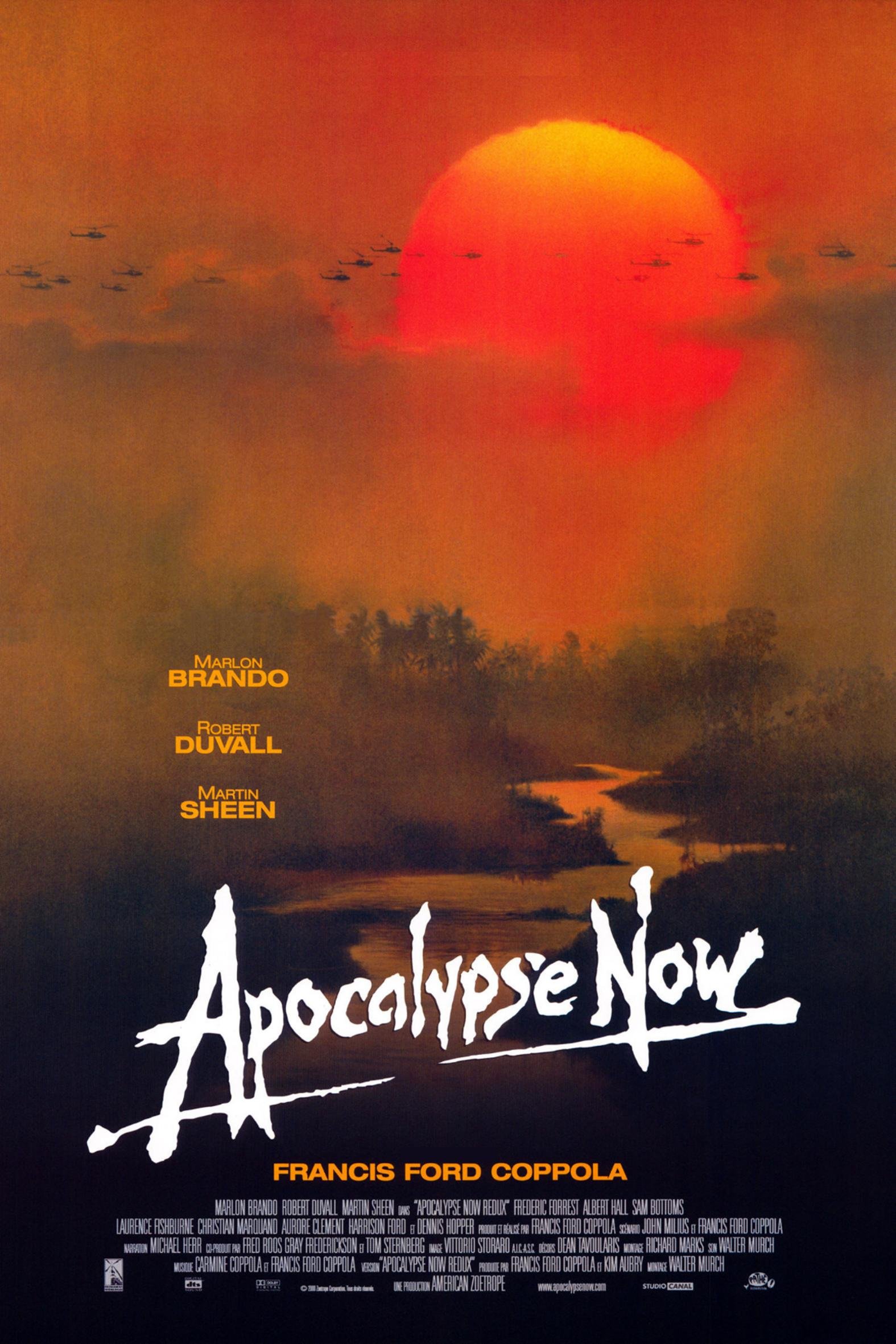
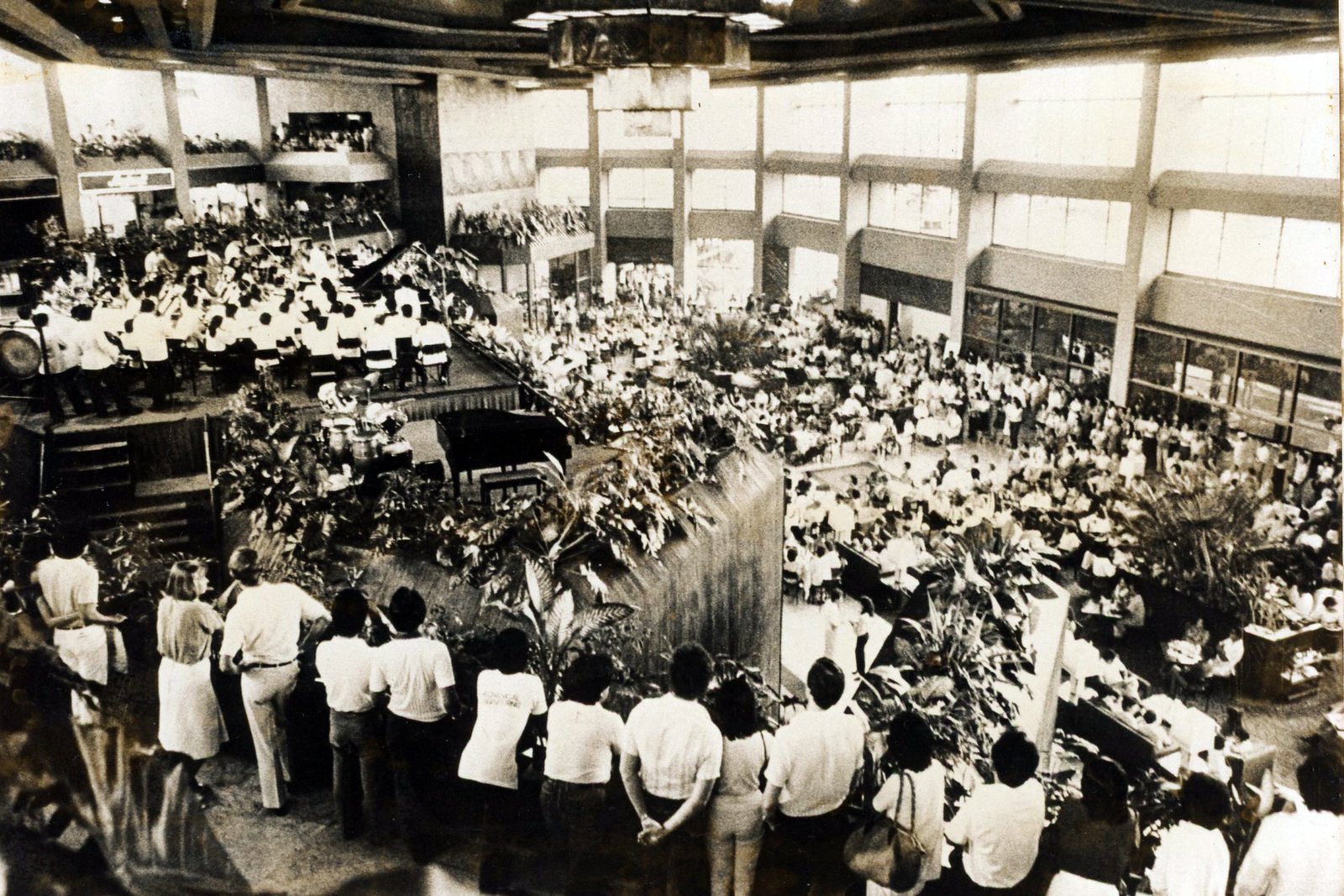
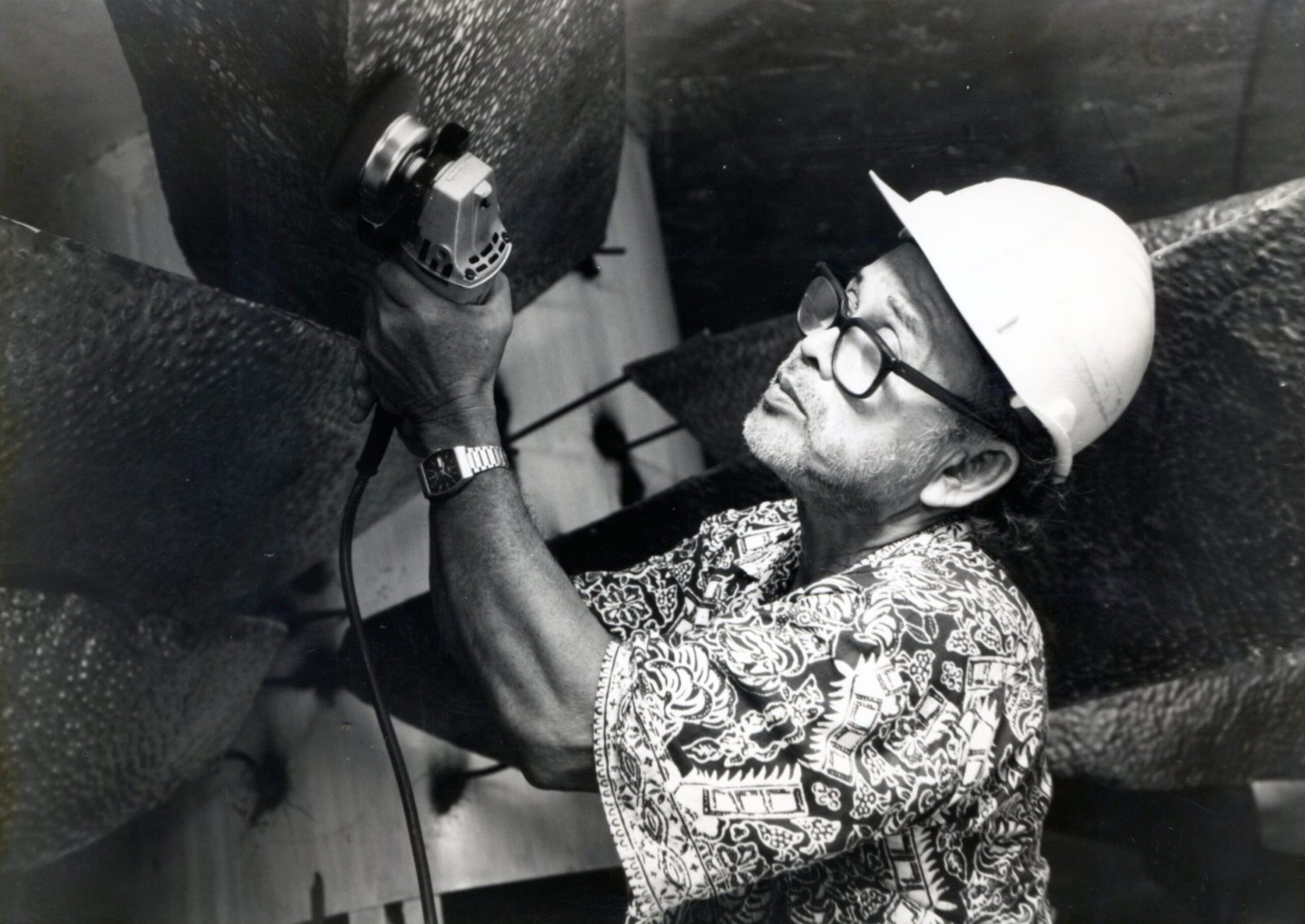
“The Lobby, a space that has always seemed to exist in its own solar system — people and conversations alike drawn into the orbit of the great Sunburst that National Artist Napoleon Abueva set into its ceiling in 1994.”
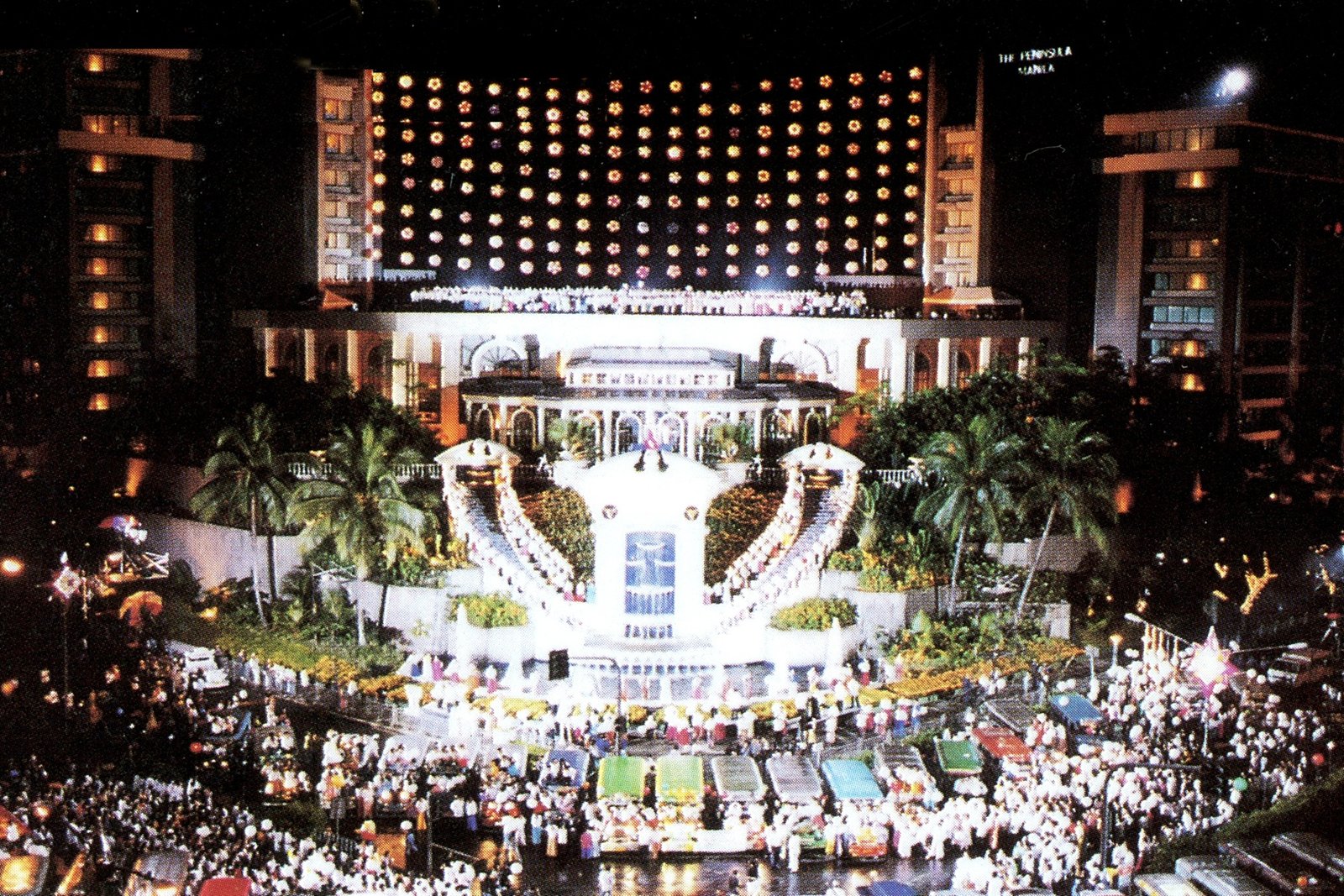
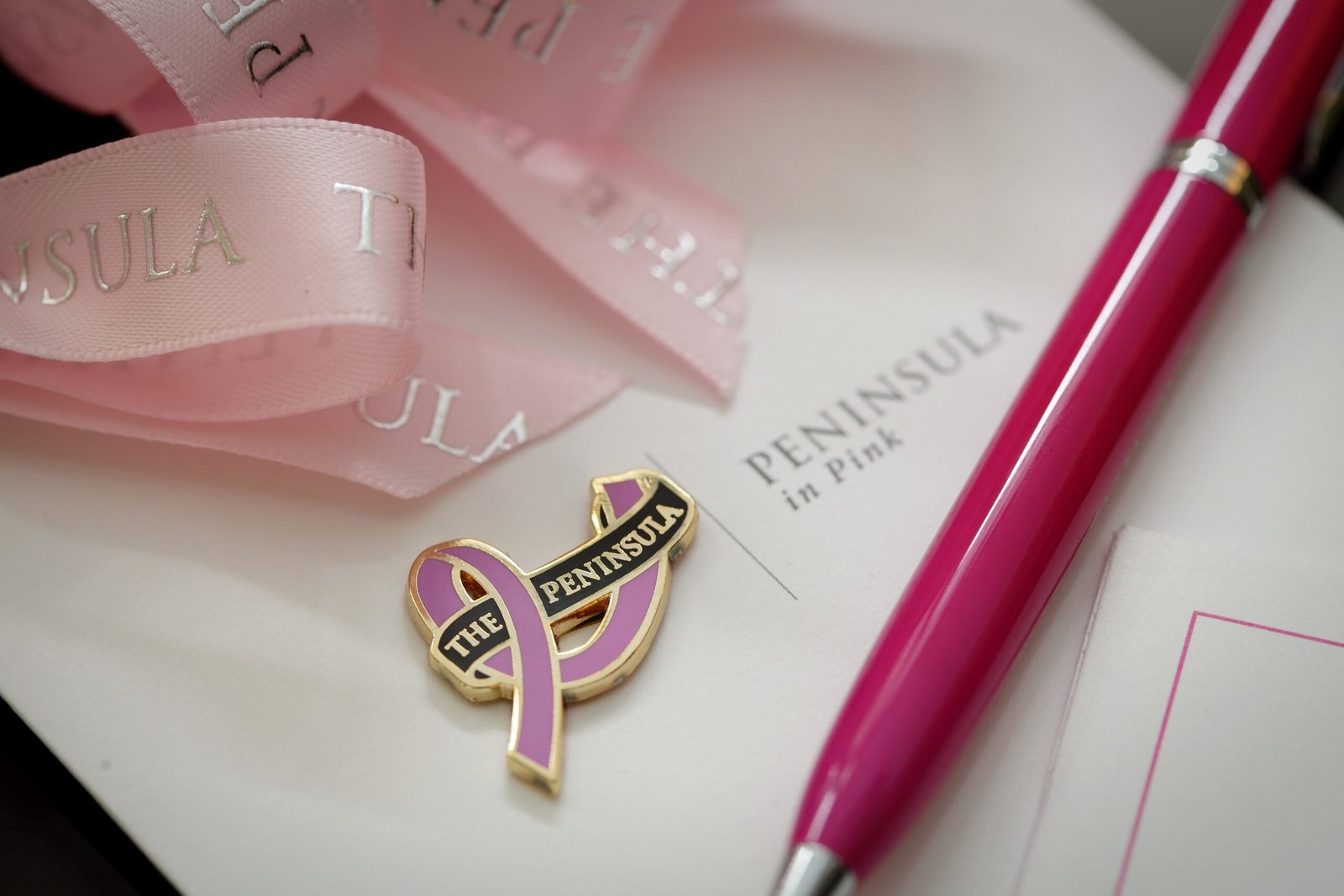
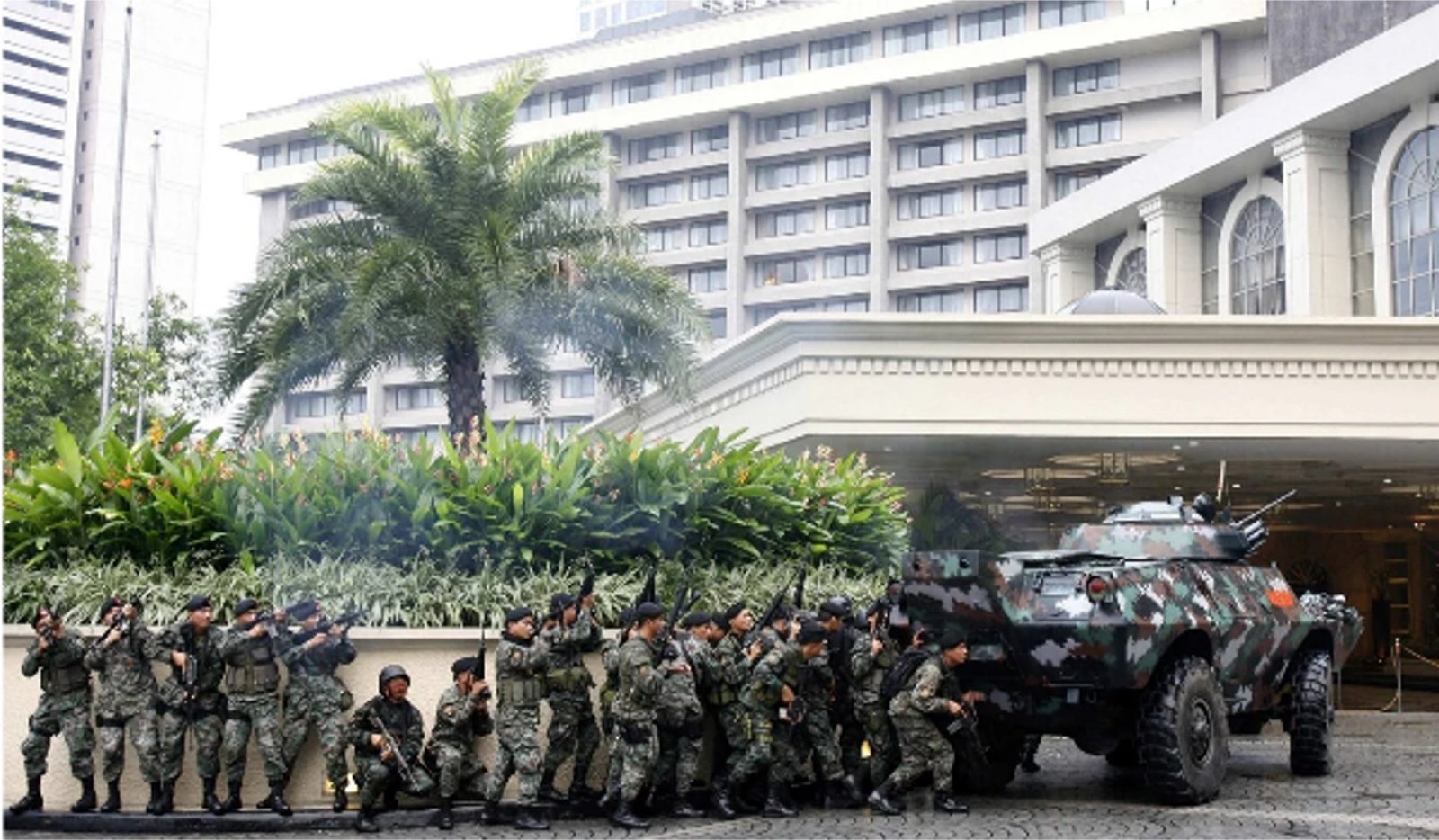
Darker chapters are given their due as well. The Pinatubo eruption of 1991—my year of birth—sent hotel staff into the ashfall of Pampanga with relief goods. Ondoy and Yolanda each drew the same instinct outward, the hotel’s resources redirected toward communities well beyond its walls. Most quietly remarkable of all, perhaps, is what happened in March 2020, when The Peninsula Manila shuttered for the first time in 44 years and chose, against considerable uncertainty, to keep every one of its employees. The infamous siege of November 29, 2007—when Senator Antonio Trillanes IV and Brigadier General Danilo Lim, with 25 Magdalo officers in tow, held the hotel for six hours before an APC breached the lobby entrance—is documented here too, as is the hotel’s unperturbed response: four days later, full-page advertisements declared “Business as usual, Christmas as usual at The Peninsula.”
The unveiling was attended by Department of Tourism Undersecretaries Maria Rica Bueno and Atty. Maria Dionesia Rivera-Guillermo, members of the Board of Manila Peninsula Hotels, Inc., and members of the press, among others. Managing Director Kevin Tsang, relatively new to the hotel but with a personal connection to Manila dating to his youth in Binondo, framed the exhibition as commemoration but also foundation: “This is more than a celebration of the years behind us; it is a moment to honor the dreams, dedication, and shared memories that have shaped this hotel into a beloved landmark with a spirit all its own.”
The exhibition was produced by Garchitorena alongside Brand Communications Manager Grace Lim, who marks her 21st year with The Pen. Among those present were two Peninsula pioneers: Ms. Montserrat Uy, who joined the hotel on April 1, 1976, just months before its official opening, and Mr. Sig San Jose, who came on board The Peninsula Manila that September.
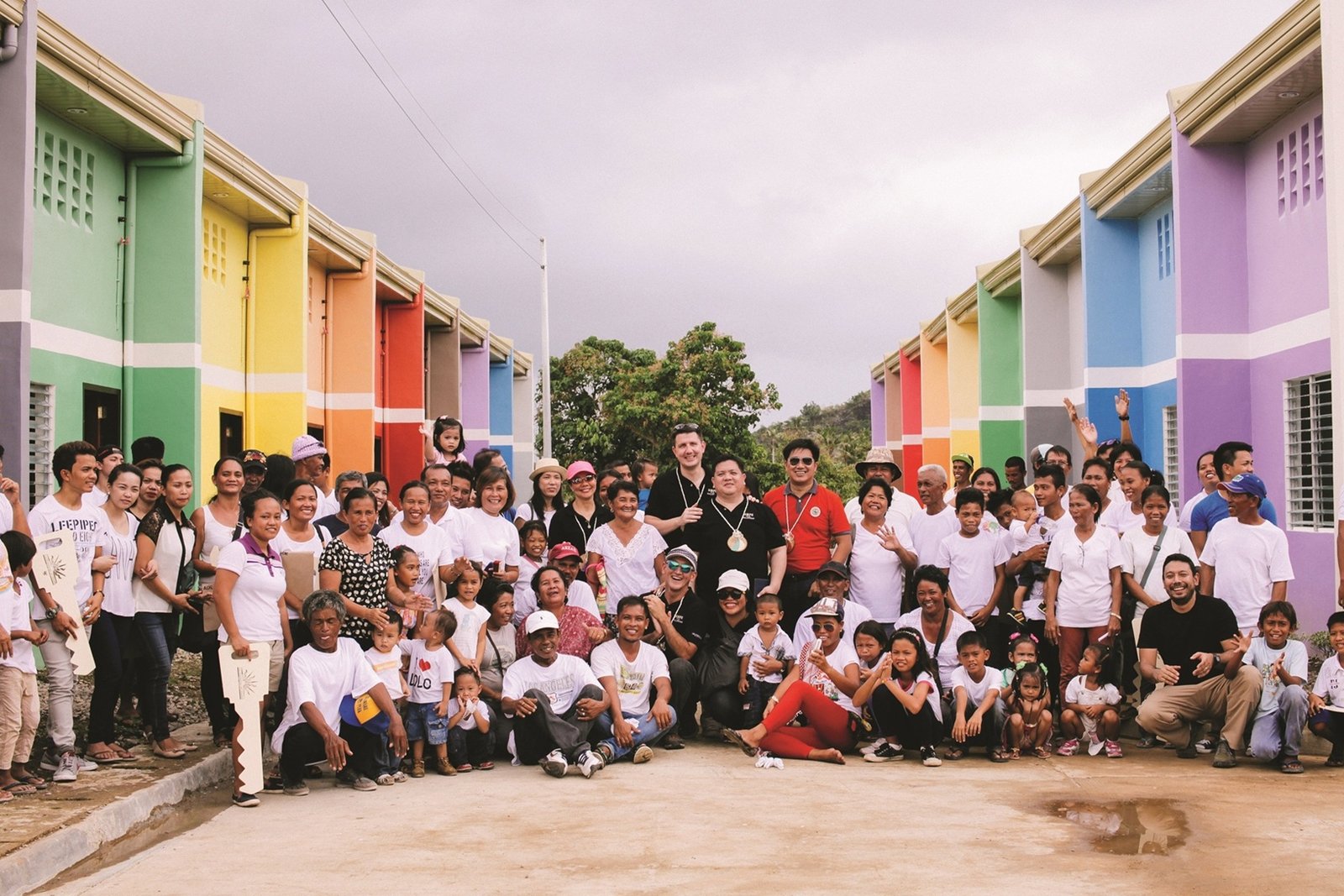
The timeline exhibition is only the beginning. July brings a 1976 Vintage Wine Collection and two new house pours developed for the anniversary: a Golden Pineapple IPA and a Peninsula Dry Gin whose botanicals were sourced from the Cordilleras, alongside a set of commemorative cakes. Later in the month, Art in Resonance returns, this time with art gallery Vinyl on Vinyl. In August, former Executive Sous Chef Albert Thony returns to The Lobby kitchen for a Swiss Weekend Brunch on the 29th and 30th. September brings a Peninsula Bear Afternoon Tea. Threading through the programming is 50 Acts of Kindness, the hotel’s community outreach initiative running throughout the anniversary year, with the much-beloved Christmas Concert at The Pen on November 28 as the culminating note.
A question of longevity
We now return to Garch’s question, or rather, the answer he arrived at the morning after the unveiling, in a reflection he shared with Kanto. Having spent nearly 29 years with The Pen himself, he is perhaps better positioned than most to attempt one.
“There were four hotels that opened at the same time for the 1976 IMF-World Bank meeting. Yet 50 years later, only one remains substantially what it was when it opened: The Peninsula Manila. Us.”
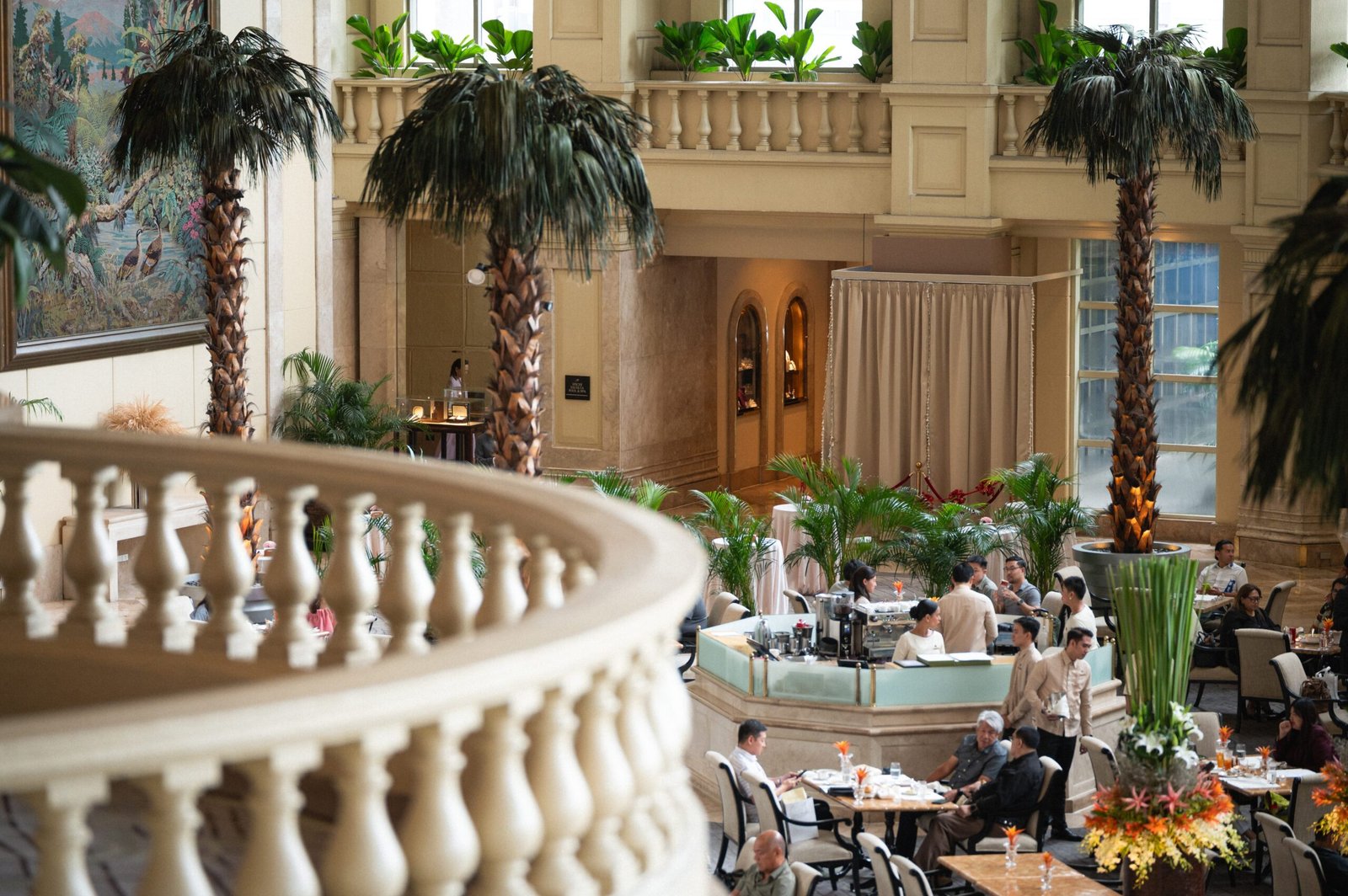
Part of it, he acknowledges, is ownership—the continuity provided by both local shareholders and Hongkong and Shanghai Hotels, Limited, which now holds a 77.4% stake. But he is wary of reducing the answer to stewardship alone. What strikes him more is something subtler: that The Pen has never tried to completely reinvent itself with every passing decade. It has renovated, modernized, and adapted, but it has remained, as he puts it, “recognizably itself.” The Lobby is still The Lobby. Afternoon Tea is still Afternoon Tea. The grand staircases remain.
The rest of his answer is worth quoting at length:
“The Peninsula Manila – WE – have always known what we are. It is not the trendiest hotel in Manila. We have never tried to be. It is not the loudest hotel in Manila. We have never tried to be. It is not the most experimental hotel in Manila. We have never tried to be. We have been quite disciplined about being The Peninsula.
When guests walk into The Lobby, they know where they are. When they take Afternoon Tea, they know where they are. When they hear Christmas music beneath the Abueva Sunburst, they know where they are. When they descend the grand staircase at a wedding, they know where they are.
That may sound simple, but it’s actually very difficult. Many institutions eventually forget who they are. We haven’t.”
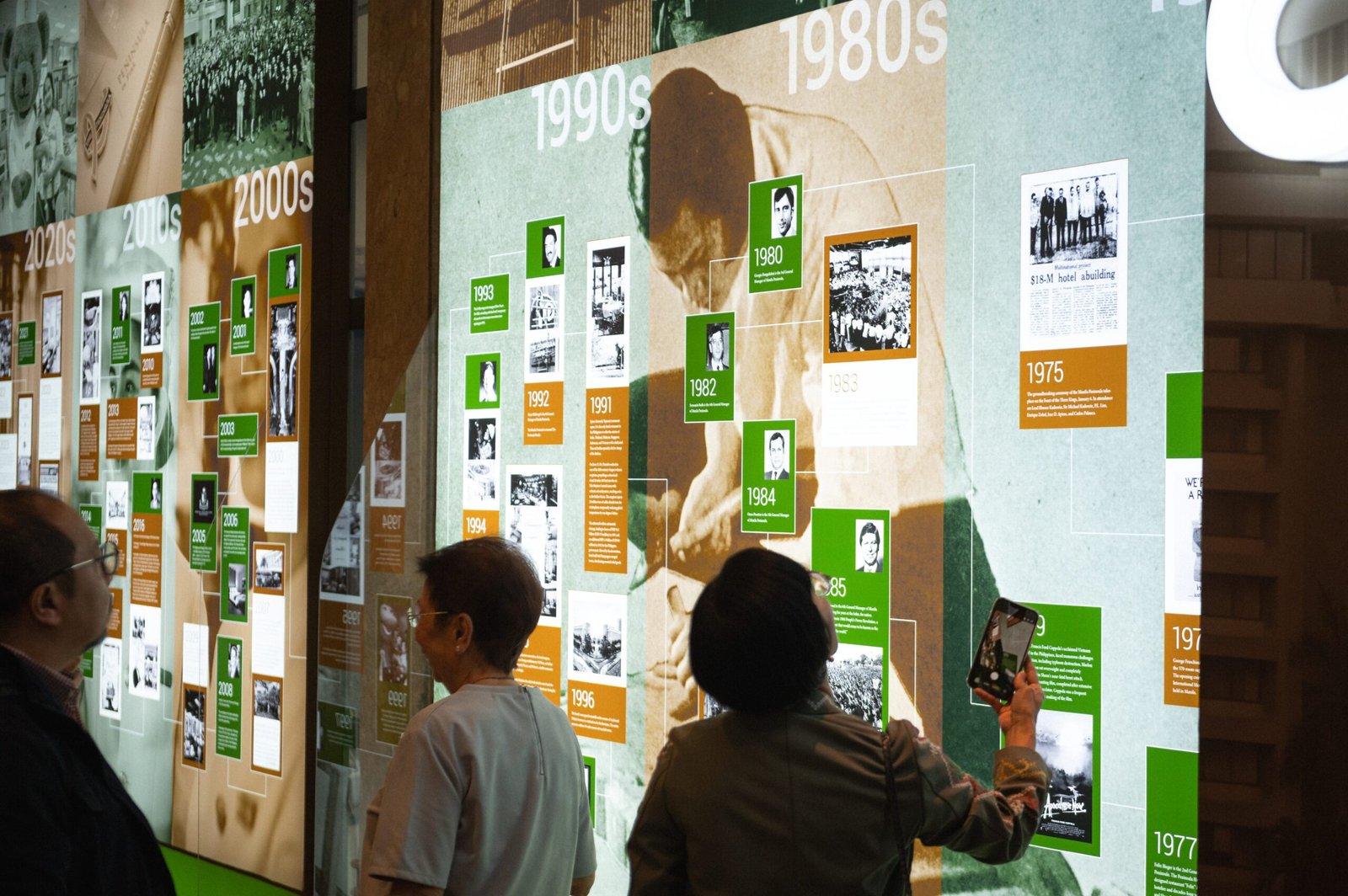
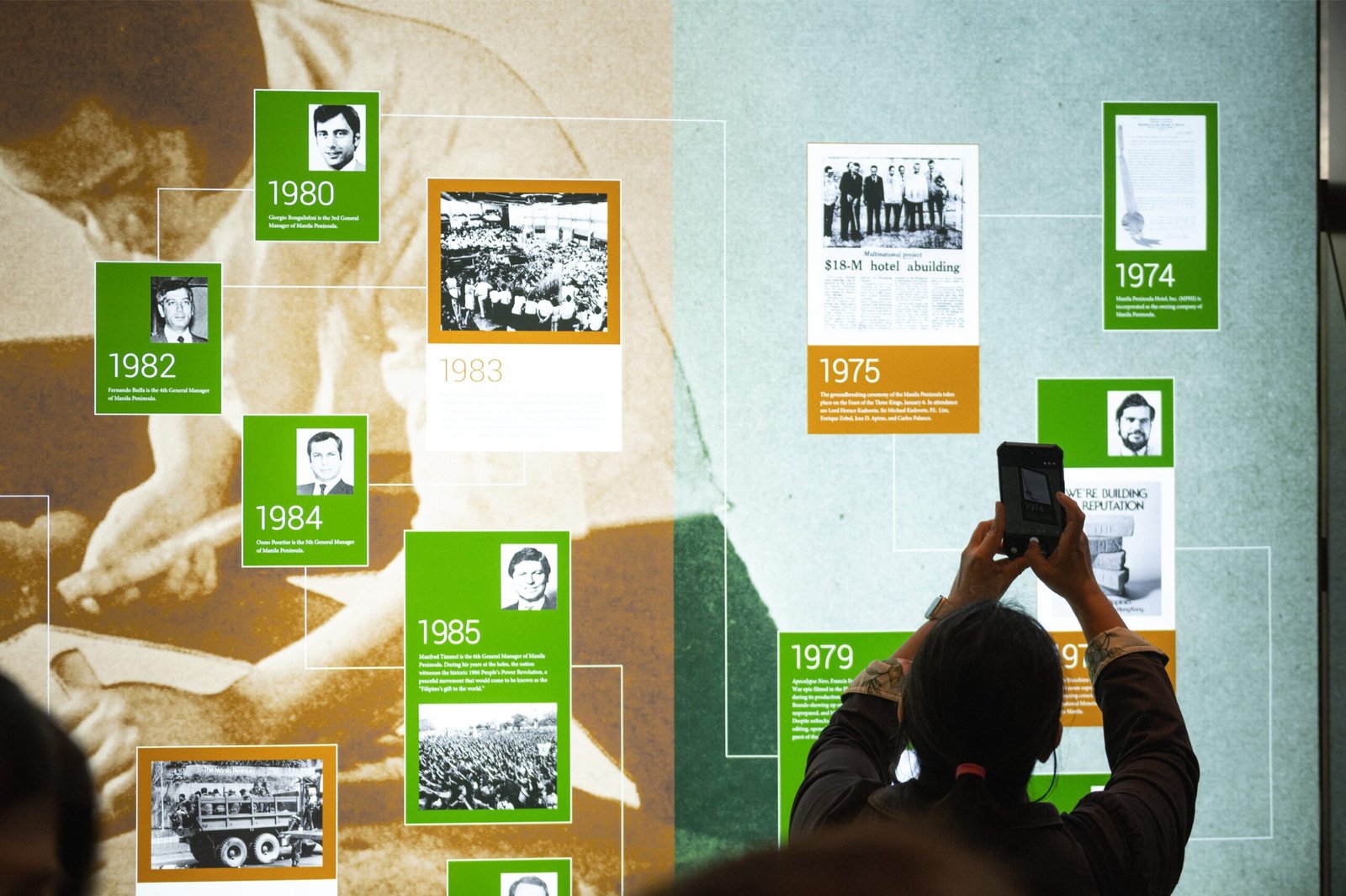
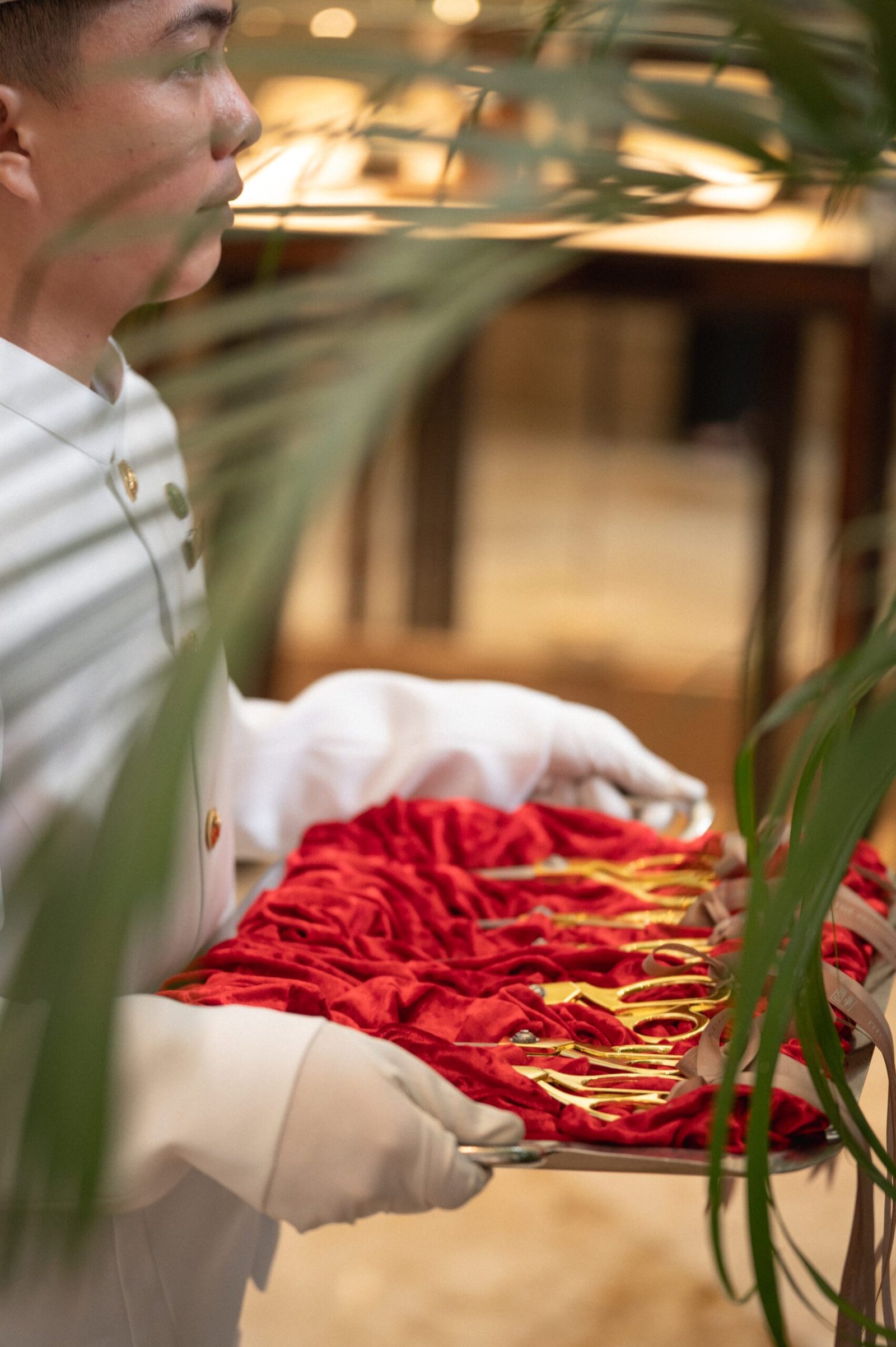
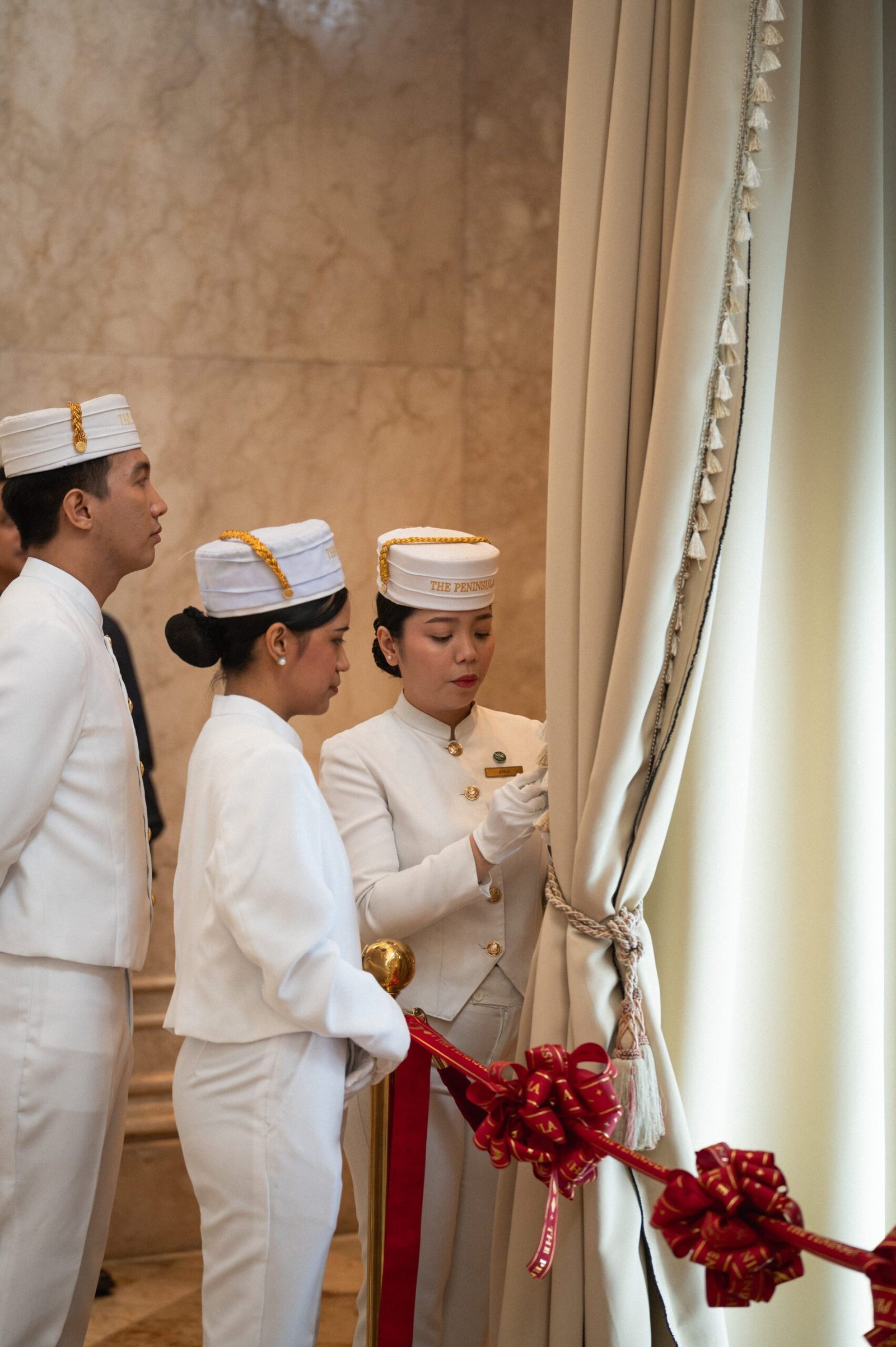
Scenes from The Peninsula Manila’s unveiling of its 50th Anniversary timeline last June 25
There is a legal dimension to this milestone that deserves mention. Under Republic Act No. 10066, the National Cultural Heritage Act of 2009, any structure that has reached 50 years of age is automatically presumed to be an Important Cultural Property, shielded from unauthorized alteration or demolition unless the owner or developer formally applies to the relevant cultural agency to lift that presumption. The Peninsula Manila, designed by Wimberly, Whisenand, Allison, Tong & Goo alongside Filipino architectural master Gabriel Formoso in the Brutalist idiom, crosses that threshold this year.
It is a protection that matters, because the question of what becomes of this building is one that bears asking. The Pen occupies a prized corner lot at the intersection of Ayala and Makati Avenues, one of the most commercially consequential addresses in Metro Manila, and its landlord’s next move has been the subject of wide and recurring speculation over the years, particularly as other lots within the 60-plus-year-old CBD have been swiftly redeveloped—we’ve already lost three Makati Locsins in the 2010s alone, Architect Leandro Locsin being a National Artist whose title carried supposed protections, but for naught.
The heritage law now adds formal procedural weight to the proceedings, and whether that proves sufficient remains to be seen. It is a sobering thought to hold against a true milestone year, but it is a real one, and a reality that a structure half a century old, in a CBD itching to modernize, must eventually face.
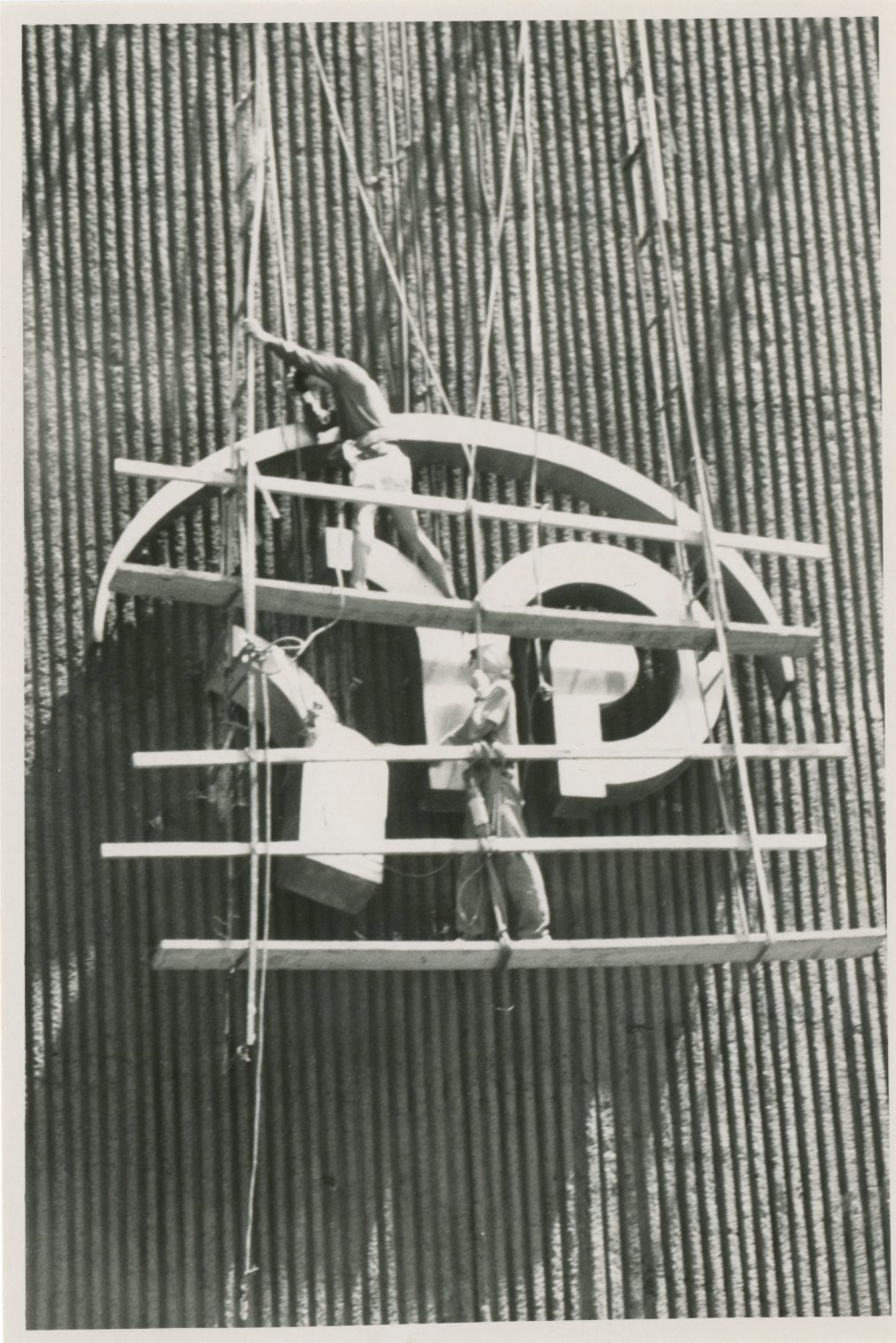
What truly separates The Peninsula Manila from the many five-star hotels that have since risen across Makati? It is something considerably harder to quantify or explain, one that Garch attempts to, anyway:
“For 50 years, The Peninsula Manila has been successful at making people feel that it belongs to them. Not literally, of course. Here are some of the stories we hear about us:
‘My parents had their reception there.’
‘I had my debut there.’
‘That’s where we always have Christmas.’
‘That’s where I proposed.’
‘That’s where we met.’
‘That’s where my dad took me for merienda.’
People don’t say, ‘The Peninsula Manila is a luxury hotel.’ They say, ‘The Pen.’ Only institutions get nicknames. Nobody nicknames a building. They nickname something they feel affection for. Yes, our timeline exhibition is important. It’s the story about general managers, renovations, famous guests, coups, typhoons, and awards. Those things matter. But the real story is that for 50 years, I guess Manila kept choosing The Pen.
Generation after generation. It’s a privilege that we will always be grateful for. And it’s probably the closest thing we’ll find to a formula for longevity. Manila has amor for The Pen. Cariño. Affection. Manila’s affection for The Pen has outlived competitors, economic crises, political upheavals, natural disasters, and a pandemic. Not all hotels can say that. And I suspect that’s why, 50 years later, people still refer to us not as The Peninsula Manila, but simply as The Pen. That’s not branding.” •