Interview The Kanto team
Images Stephen Amoyo
SUNGKA! Architecture and Play
by Stephen Amoyo, with edits from the Kanto team
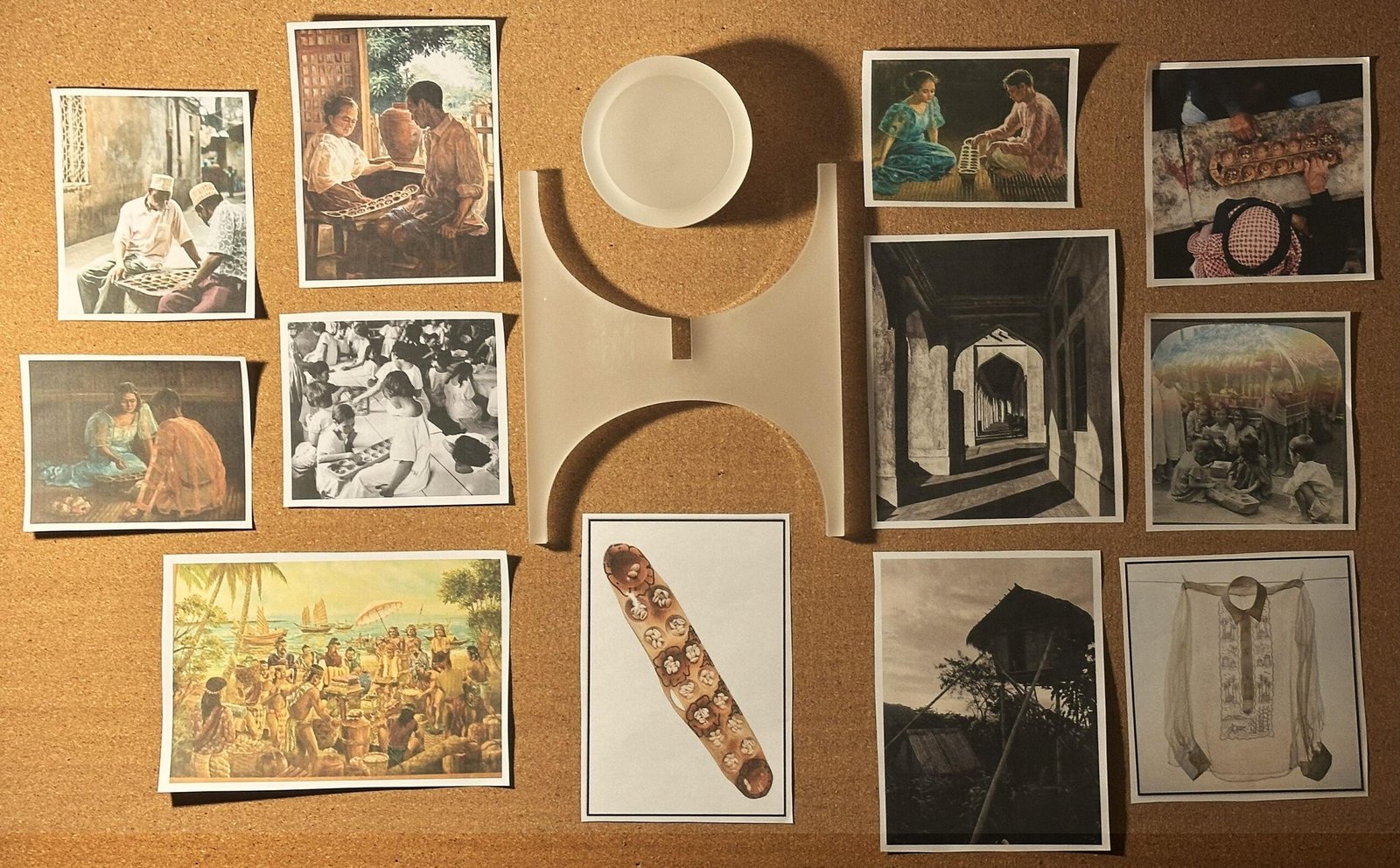
Born from a shared memory between mother and son in Doha, SUNGKA! explores the subtle threads connecting the Filipino childhood to the Middle Eastern landscape. The project began as a realization that the traditional game of sungka shares a common heritage with the ancient mancala families of the Gulf, a discovery that repositioned a familiar ritual within a wider, trans-regional history.
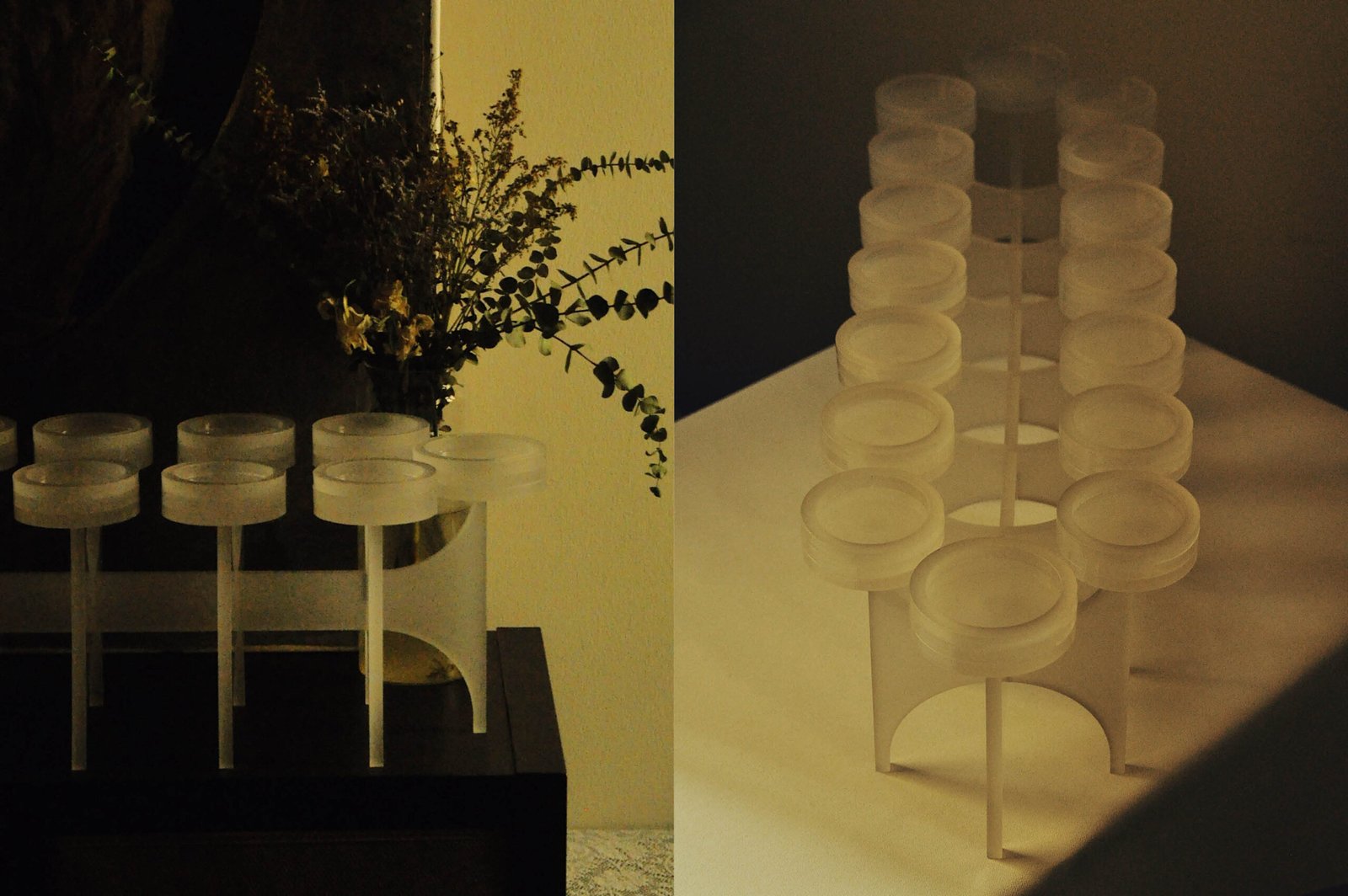
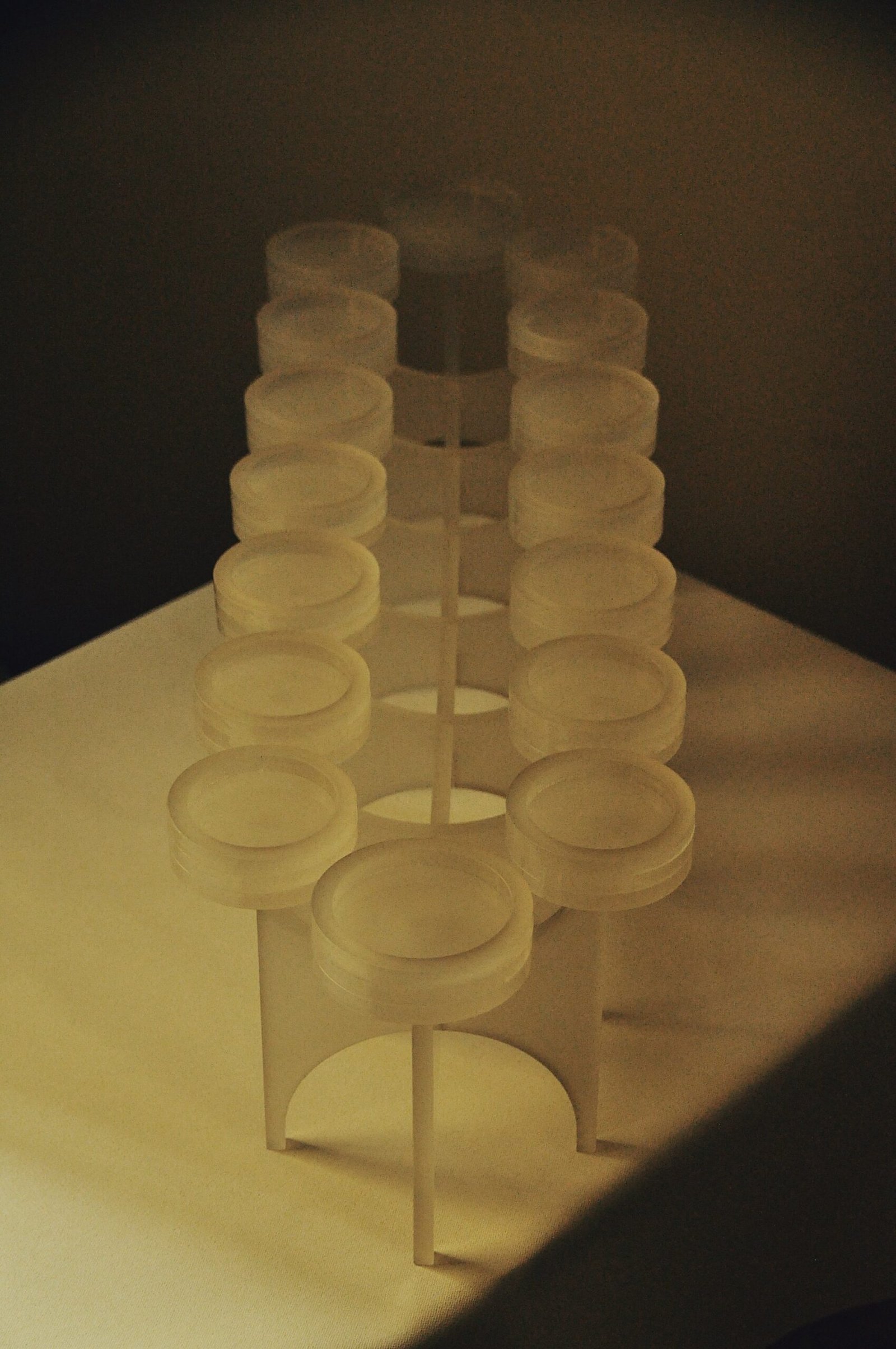
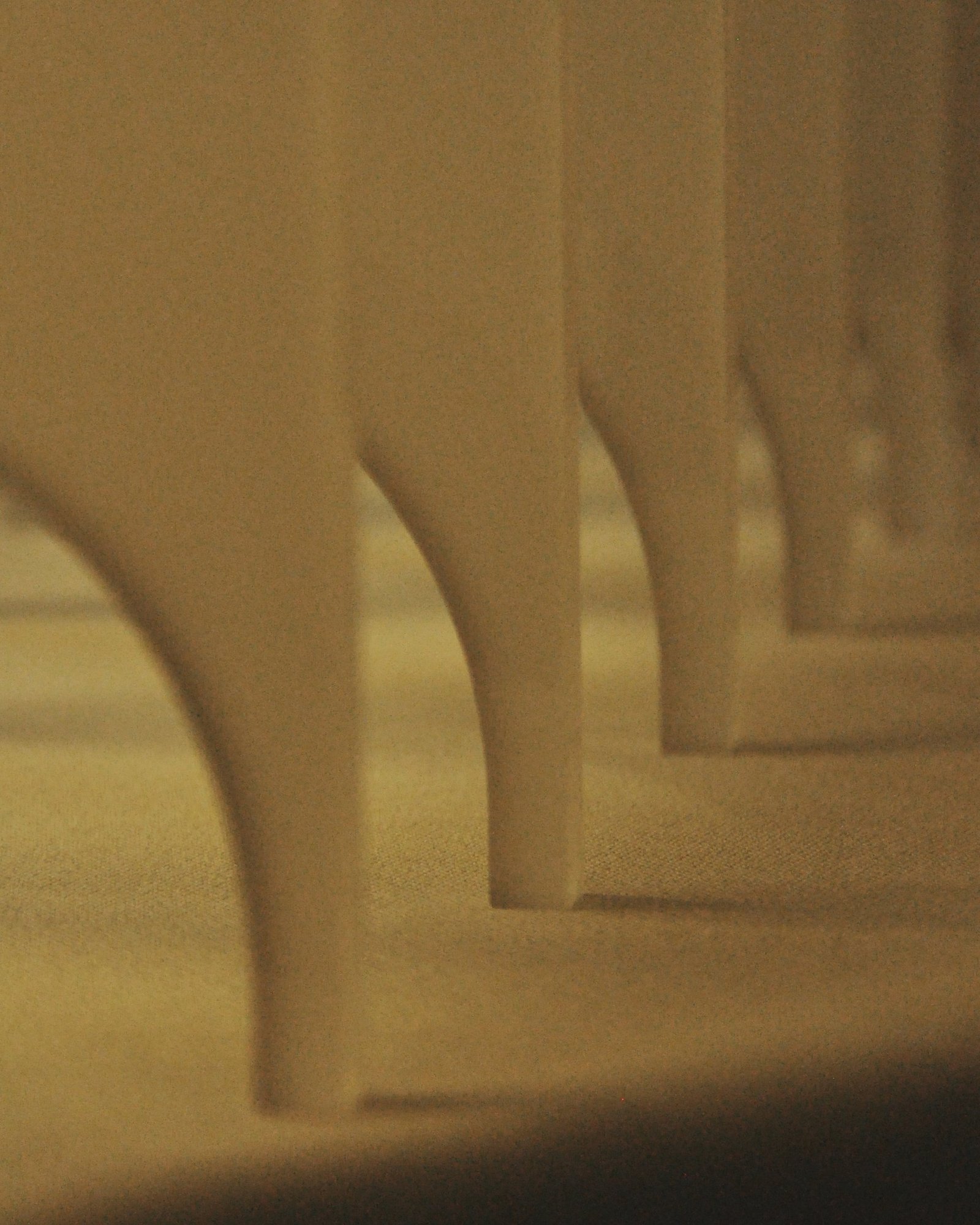
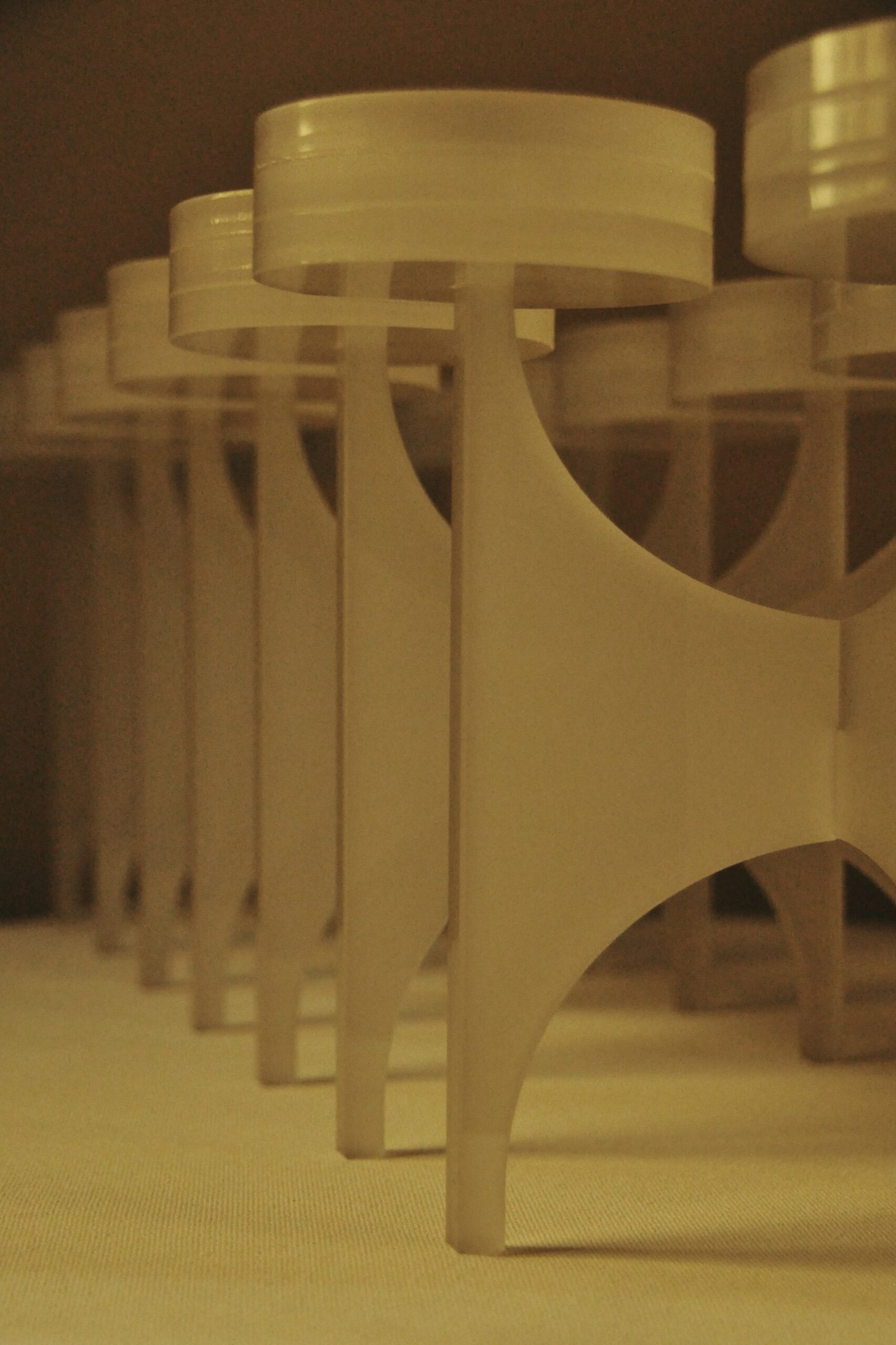
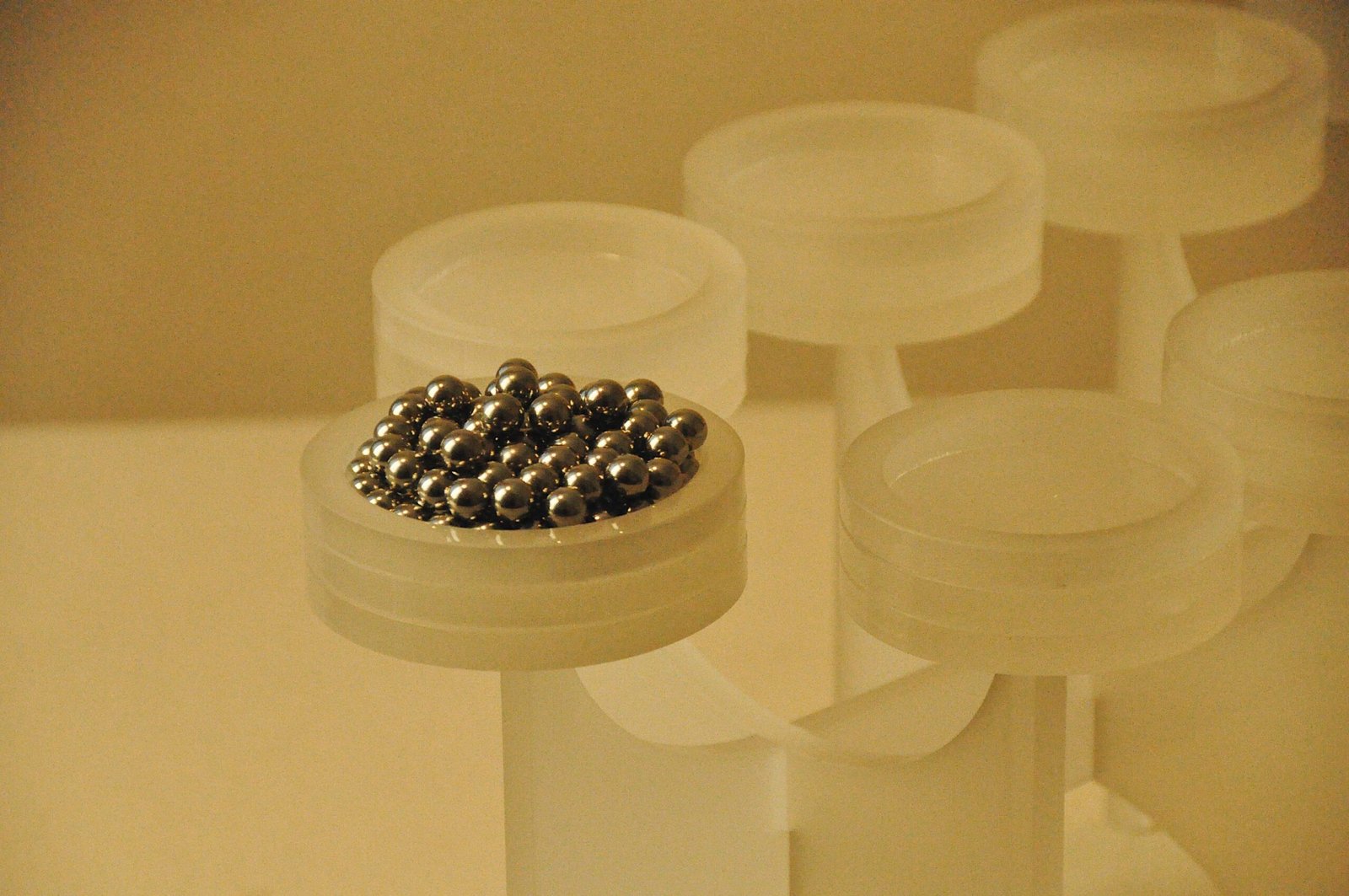
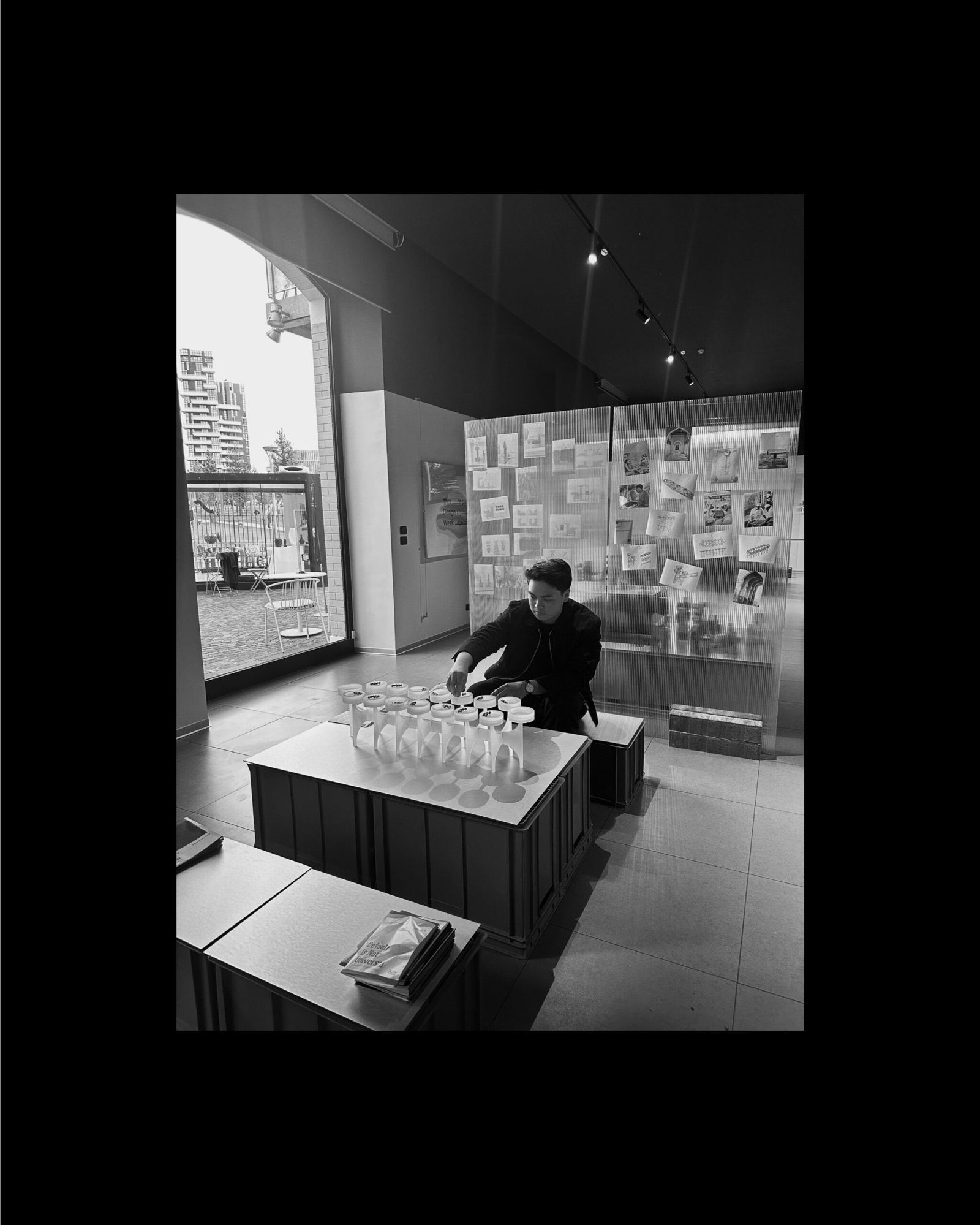
This architecture-inspired reimagining draws from the raised platforms of the bahay kubo and the sweeping pointed archways of traditional Qatari structures. Laser-cut from opaque acrylic, the material choice nods to the translucency of the Barong Tagalog, translating the national dress’ elegance into a contemporary, movable form.
By prioritizing a modular, collapsible design, which extends its utility from sungka to interior accessory, the project mirrors the nomadic nature of early trade routes and the modern transience of the Filipino diaspora. SUNGKA! Is an evocation of heritage as living logic that travels and adapt without losing sight of one’s roots.
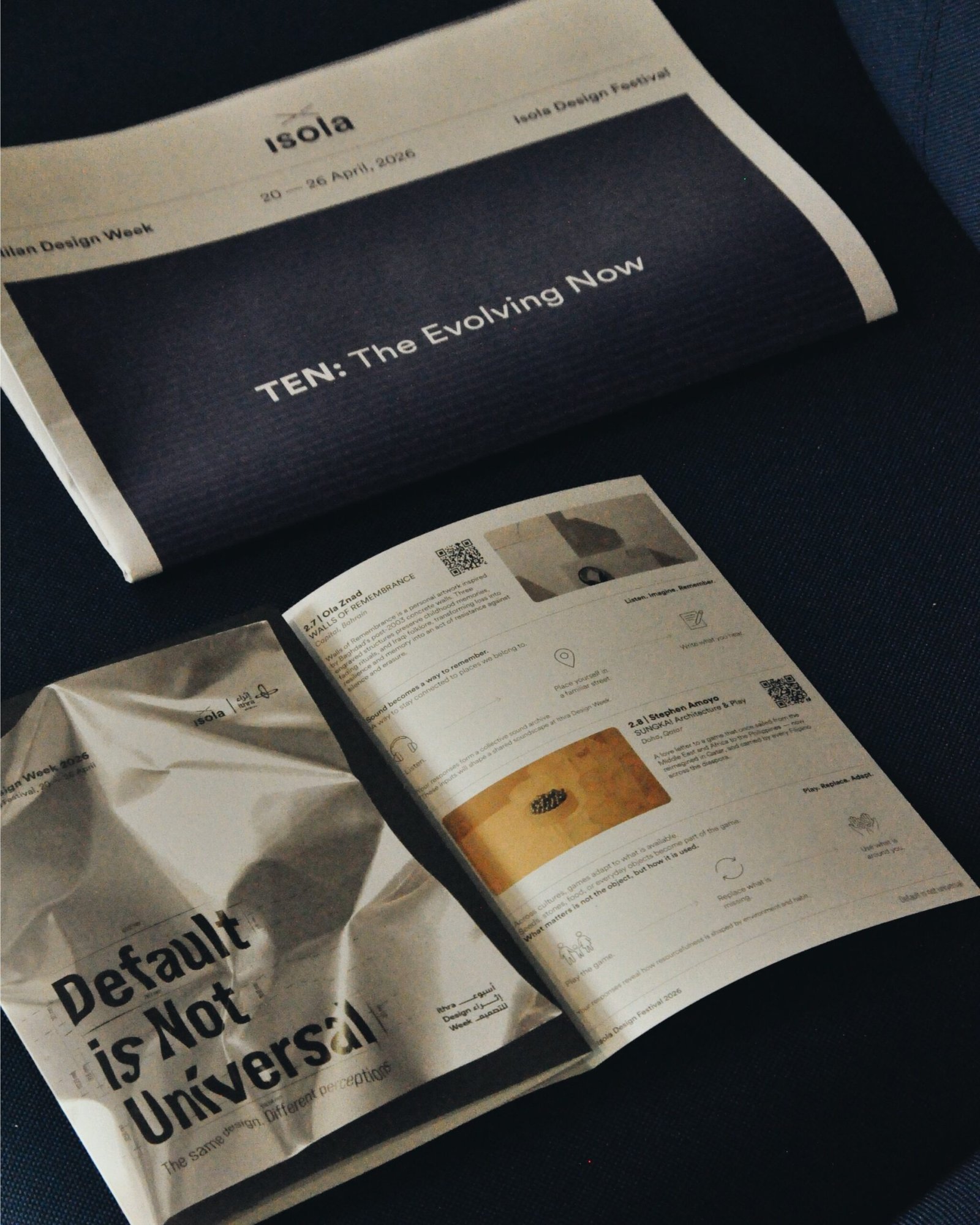
Editor’s note: SUNGKA! is part of the Isola Design Festival 2026, in conjunction with Milan Design Week. The project is showcased under the “Default Is Not Universal” exhibition curated by the festival for Ithra – King Abdulaziz Center for World Culture. The exhibition challenges the Western-centric “default” in design by bannering works that amplify diverse perceptions and cultural contexts, particularly from the MENA and Southeast Asian regions. SUNGKA! was the Community Choice Award winner at Isola Design Festival 2025.

Congratulations on your Milan show, Stephen! Your Isola Design Festival 2026 offering is SUNGKA!, which is anchored in a very specific, tactile ritual of pits and moving shells, and how what you first perceived as a Filipino game actually finds root in the Middle East. For those seeing your architecture-inspired set in Milan for the first time, can you let us in on the thinking and process that has led to your design? What were you trying to achieve and say with this reimagination of the board?
Stephen Amoyo, creator of SUNGKA!: It started as a rediscovery. I grew up with my parents working as OFWs in the Middle East, and now that I’m there as well, I’m beginning to understand the pull of the region and why it feels like home to many of us.
Reimagining sungka led me to look into its origins, and I realized these games aren’t isolated, there were connections between Southeast Asia and the Middle East long before recorded Philippine history. That shifted my approach from simply redesigning the board to using it as a way to explore those shared histories.
The architecture-inspired form translates the game into a spatial experience, but the core idea stays the same. I wanted to show that cultural heritage evolves, and as designers, we can give it new form so it stays relevant today.
Milan is often a theater of the ‘perfect’ or the ‘spectacular’ in design, especially during Salone season. Can you further unravel your approach concerning the materiality and grain of your project? What priorities and key messages do you want to convey with the form and resulting textures (or lack thereof, a contrast from the usual wooden sungka board) of your creation? How does this new form affect the object as vessel for a game? What other uses did this reimagination unlock?
Stephen Amoyo: Growing up, the sungka board was always part of the home, either displayed on a wall or placed on a mantel. I wanted to build on that, designing a version that remains useful even when not in play. The pits can hold small objects or anik-anik (trinkets), turning it into both a game and a domestic object.
I used opaque acrylic sheets to reference the barong tagalog, translating its lightness and layering into a different material language. In contrast to the traditional wooden board, the finish is more minimal and controlled.
The playing pieces are reflective steel balls. While many versions use seeds or stones, I wanted something that mirrors the player, so as you play, you catch glimpses of yourself. It becomes a quiet reflection on gesture, echoing movements that have existed across generations and cultures.
The new form shifts the object from something purely functional into something that can also exist as display, storage, and conversation piece.


“Reimagining sungka led me to look into its origins, and I realized these games aren’t isolated, there were connections between Southeast Asia and the Middle East long before recorded Philippine history. That shifted my approach from simply redesigning the board to using it as a way to explore those shared histories.”
STEPHEN AMOYO
Provocation is a given, especially since you’re showing in an exhibition that questions the ‘Default.’ From your perspective, what is one design standard or convention that we, as Filipino designers, are uniquely positioned to dismantle right now?
Stephen Amoyo: One convention we need to challenge is how “Filipino design” is often framed through the Spanish colonial period. It’s become the default reference point, but it’s only a fragment of a much longer history.
Long before colonization, there were active exchanges with India, China, and other cultures across the region. So, when we label something as “Filipino,” it’s worth asking: is it truly rooted in that deeper history, or is it shaped by colonial influence?
We’ve inherited a much broader cultural lineage that remains underexplored. For me, the opportunity now is to look beyond that 333-year window and draw from a longer timeline, one that reflects how we’ve existed, endured, and prospered as a nation over the centuries.
Milan at this time of year becomes a whole show, a total sensory overload. As a multidisciplinary designer, what’s one technical detail, material approach, or unique design ethos from any of the shows or designers you’ve seen this week that stopped you in your tracks?
Stephen Amoyo: Walking through Isola and Brera during Milan Design Week, one phrase kept repeating: “in collaboration with.”
That stood out to me. Designers are constantly working within brand frameworks, translating strict identities into spatial or material outcomes. It’s interesting to see how much of the work is negotiation, between creative intent and branding.
What felt new to me is how central marketing and hype are to the final result. In school, the focus was always “design for the people,” but here it’s clear that visibility and positioning play just as big a role.
Let’s look beyond Milan and the pedestal it grants. What lies ahead for SUNGKA? Was this a one-off exploration and reflection of the relationship between form-finding and culture? Do you see yourself expanding this evocation further perhaps, in another form?
Stephen Amoyo: SUNGKA! is just the beginning. This project opened up a larger line of inquiry for me, looking at the shared cultural threads between the Philippines and the Middle East.
I’ve been developing more work around this, using design to trace those connections and translate them into objects and spatial forms. It’s been both a personal and professional process. In a way, it feels like following something that was always there, just waiting to be seen again. •