

Interview The Kanto team
Images Patricia Malijan
Welcome to Kanto, Patricia! Congratulations on winning ASDA 2026! You’ve mentioned that your entry, The Humble Home, was informed by your own experiences in a multi-generational household. Beyond the shared schedule, what was the specific “friction point” in daily living that you were most determined to resolve through design?
Patricia Malijan, ASDA 2026 Winner: Thank you, Kanto! Aside from simultaneous use, what I noticed about living in a multi-generational household is that each user has distinct wants and needs. The space may be shared, but requirements are different for every occupant. And it’s a challenge to address these and practice fairness in design. I wanted to resolve this by making sure all needs are met by integrating each of them in the space while still making it all cohesive. It’s about finding a compromise between generational differences and necessities.
Designing for the ergonomics of both a child and an elderly user in a single, compact space requires immense empathy. What was your process for “testing” these dimensions to ensure the space felt intuitive rather than just clinical?
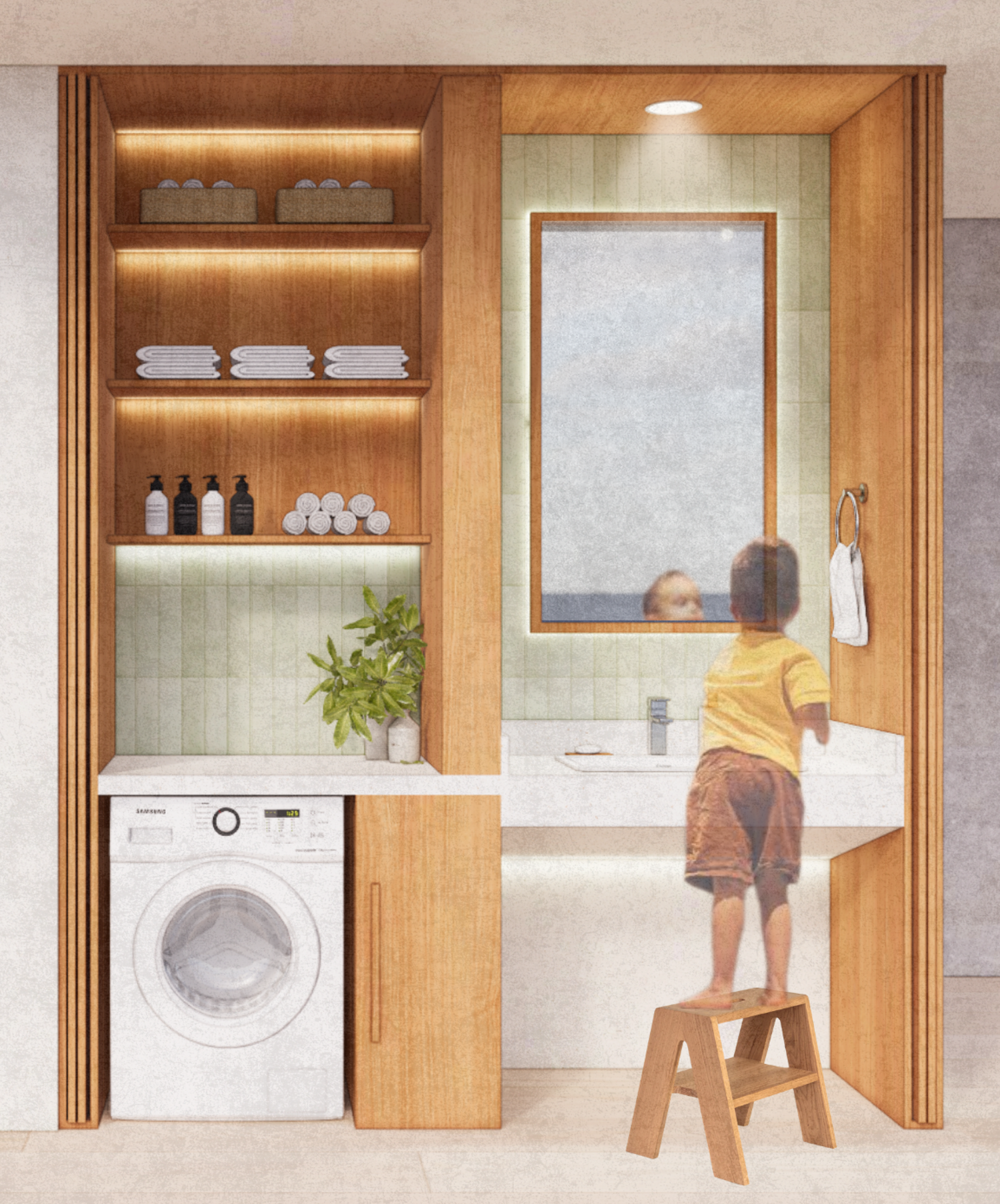
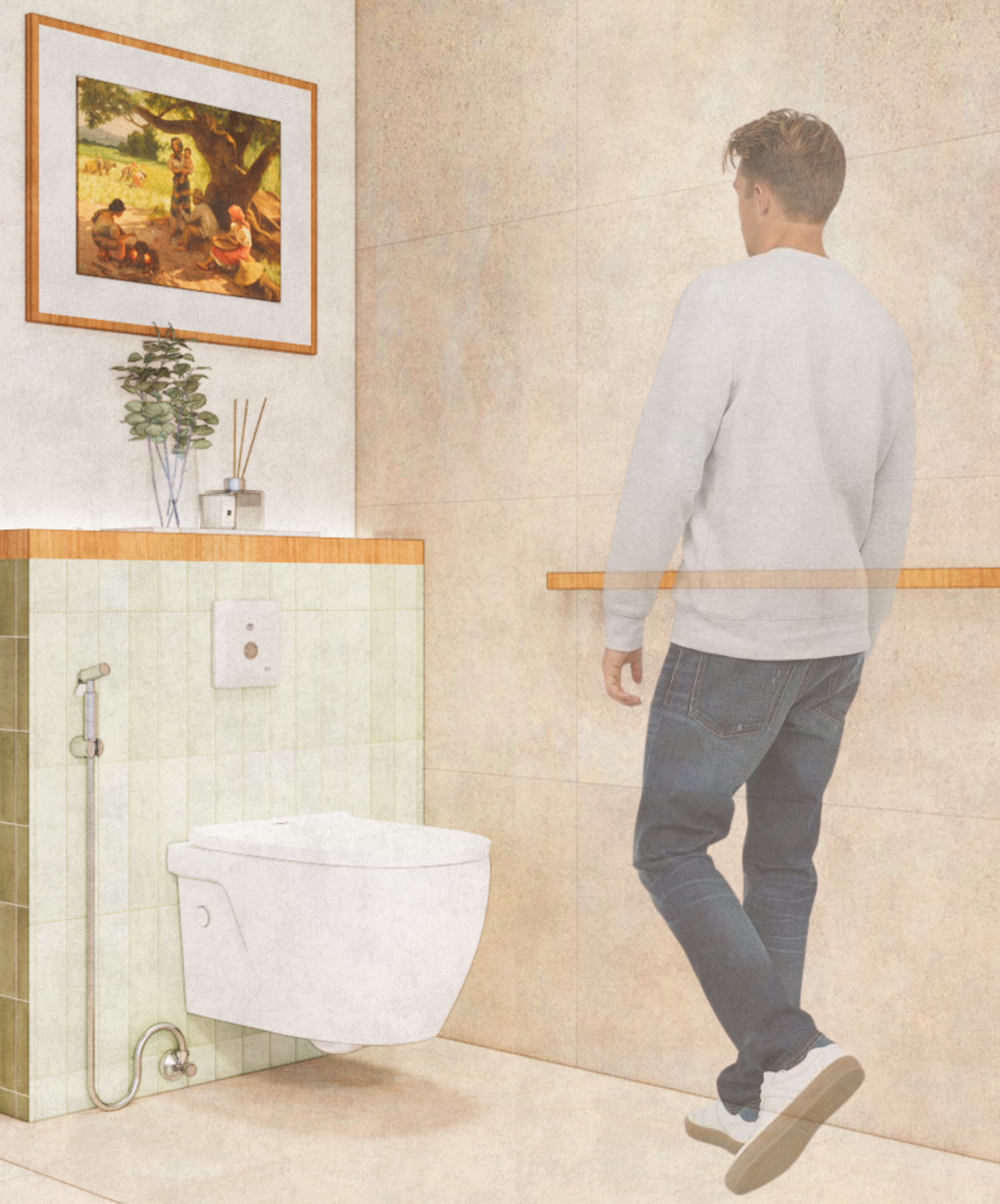
A key mechanism was to find averages of standard measurements for various users. I tried reenacting processes by myself, along with my best friend, using a measuring tape to calculate dimensions of existing spaces at home, like our washing area and family bathroom. Most actions required a lot of trial and error! I subjected myself to occasional role-playing, imagining how a scene would play out to assess user experience. The project also called for empathizing with my family and friends, observing how they work and move, and what they usually do in a space. I also recalled complaints of certain areas being “too high,” “too low,” or “too tight,” adjusting while ensuring every corner remains comfortable for every user.
Your winning rationale hinges on “strategic zoning” within a 6–7 square meter footprint. How did you architecturally achieve a sense of “simultaneous use” so that the space feels expansive and private, rather than fragmented?
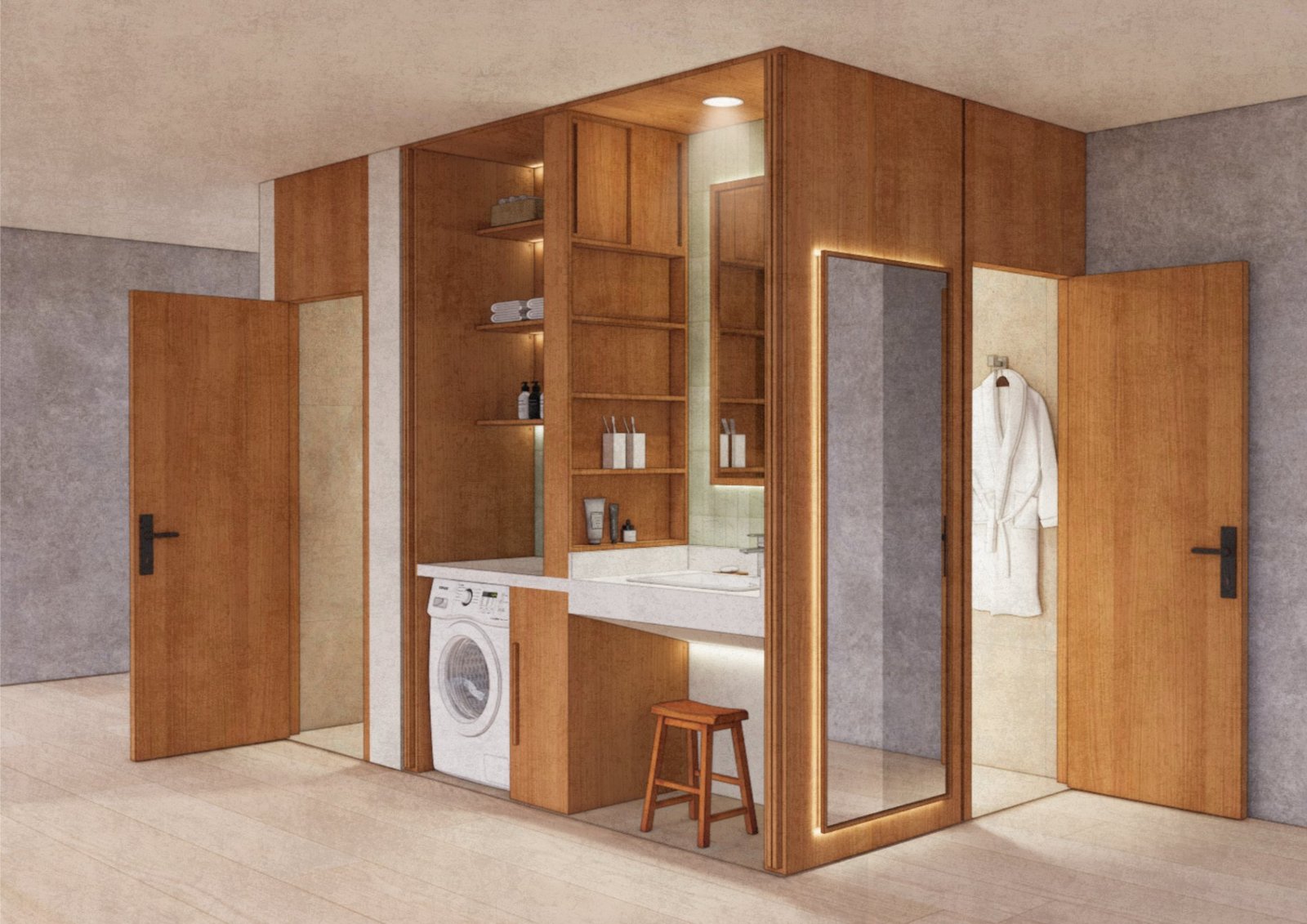
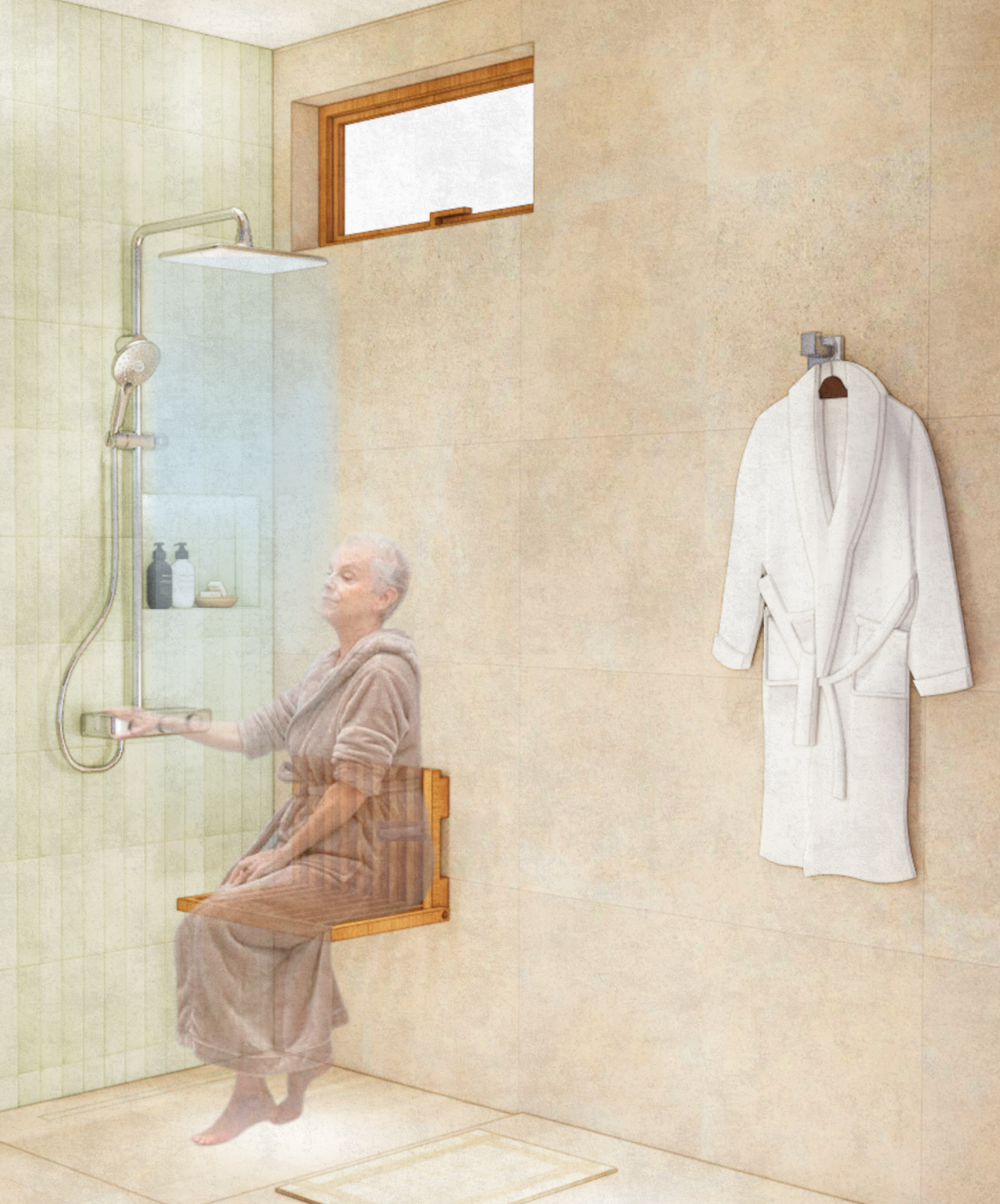
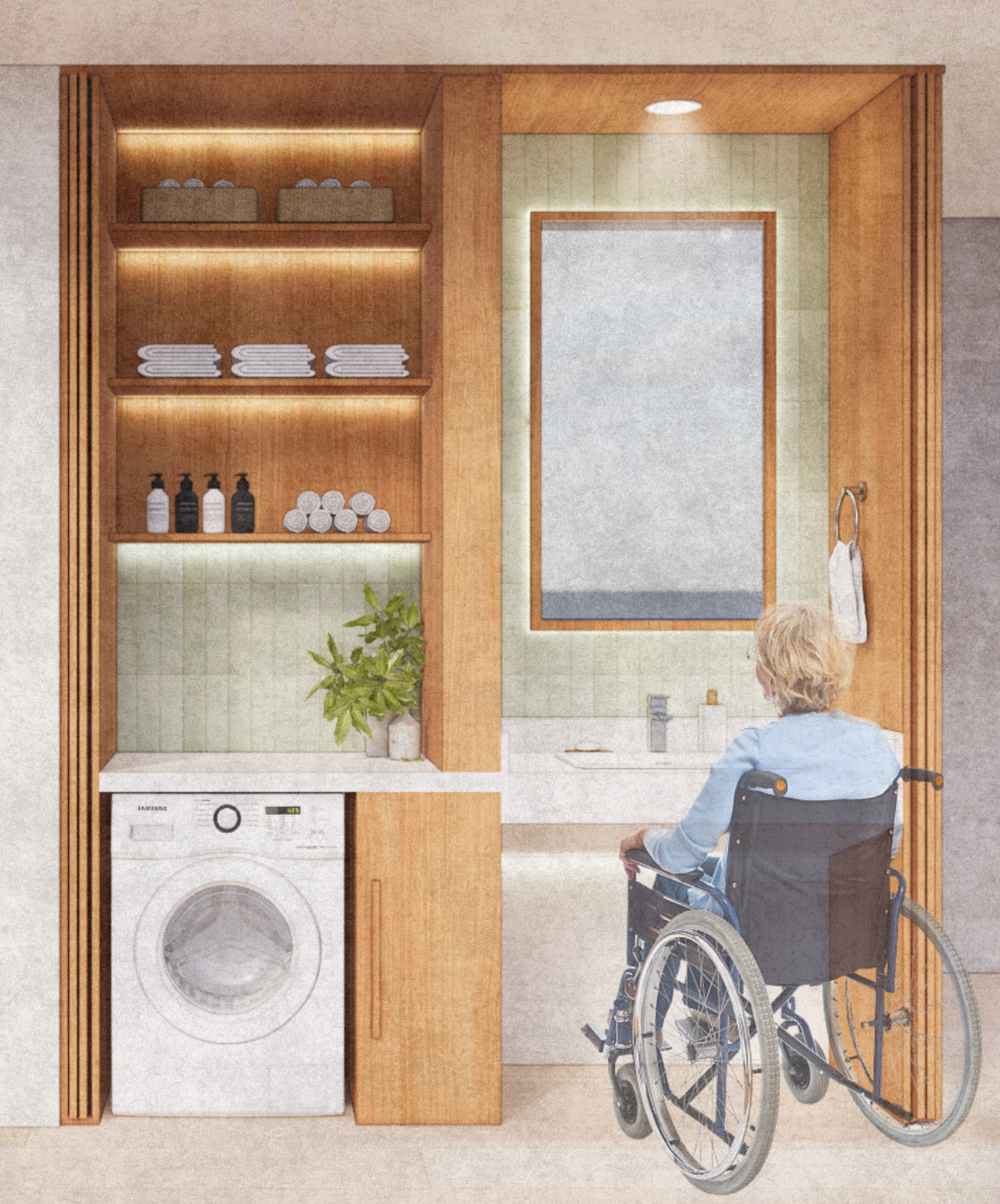
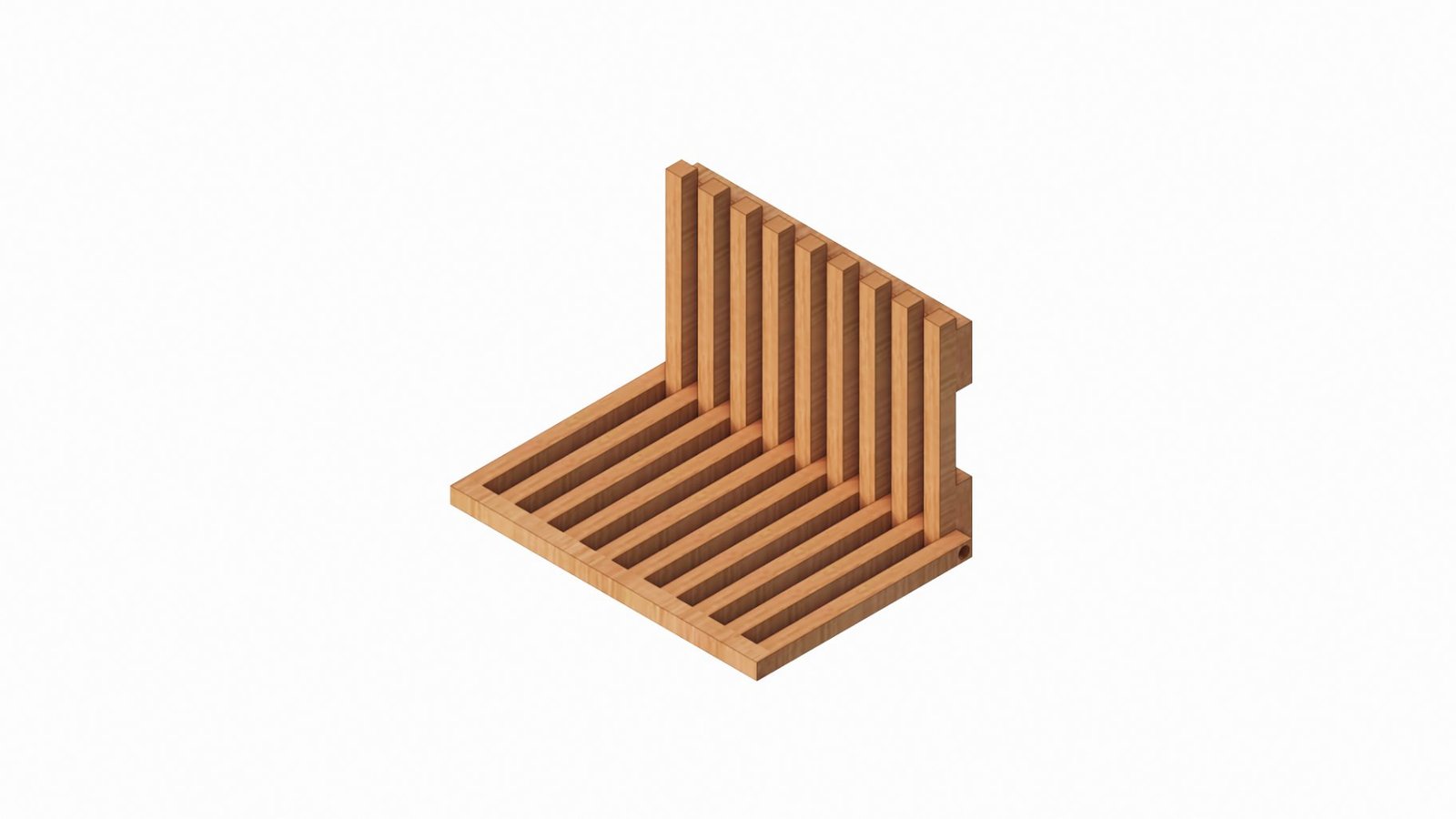
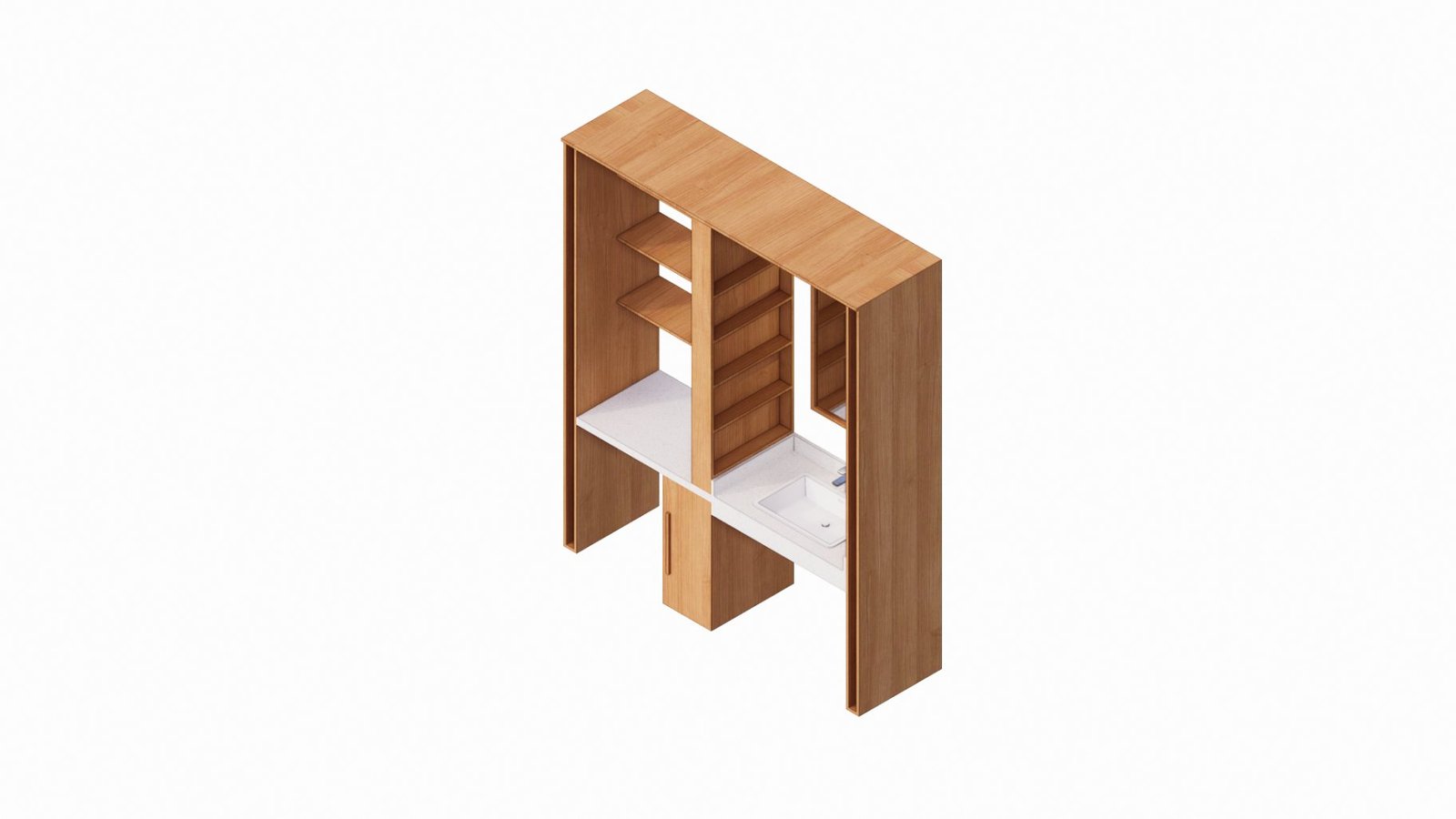
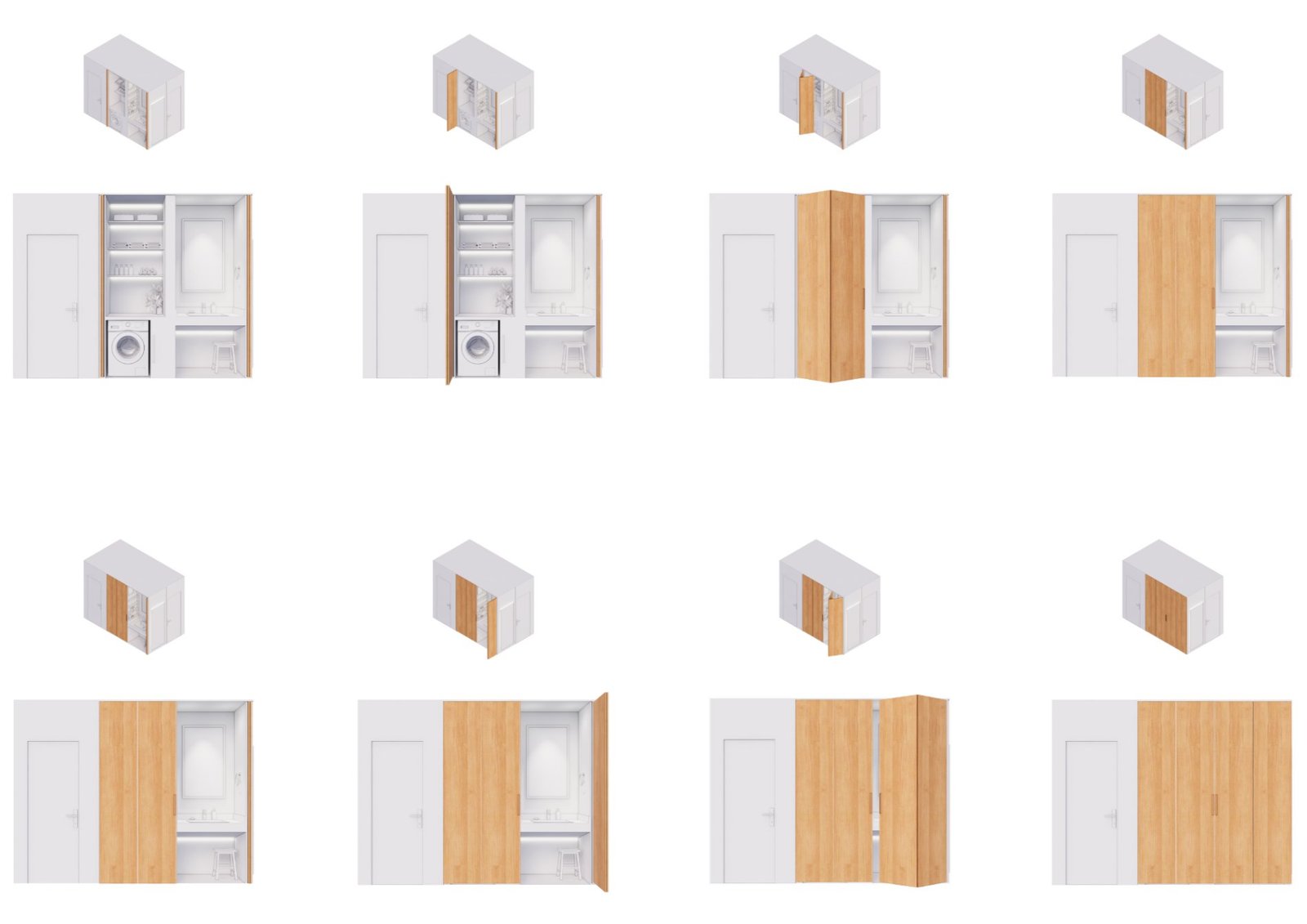
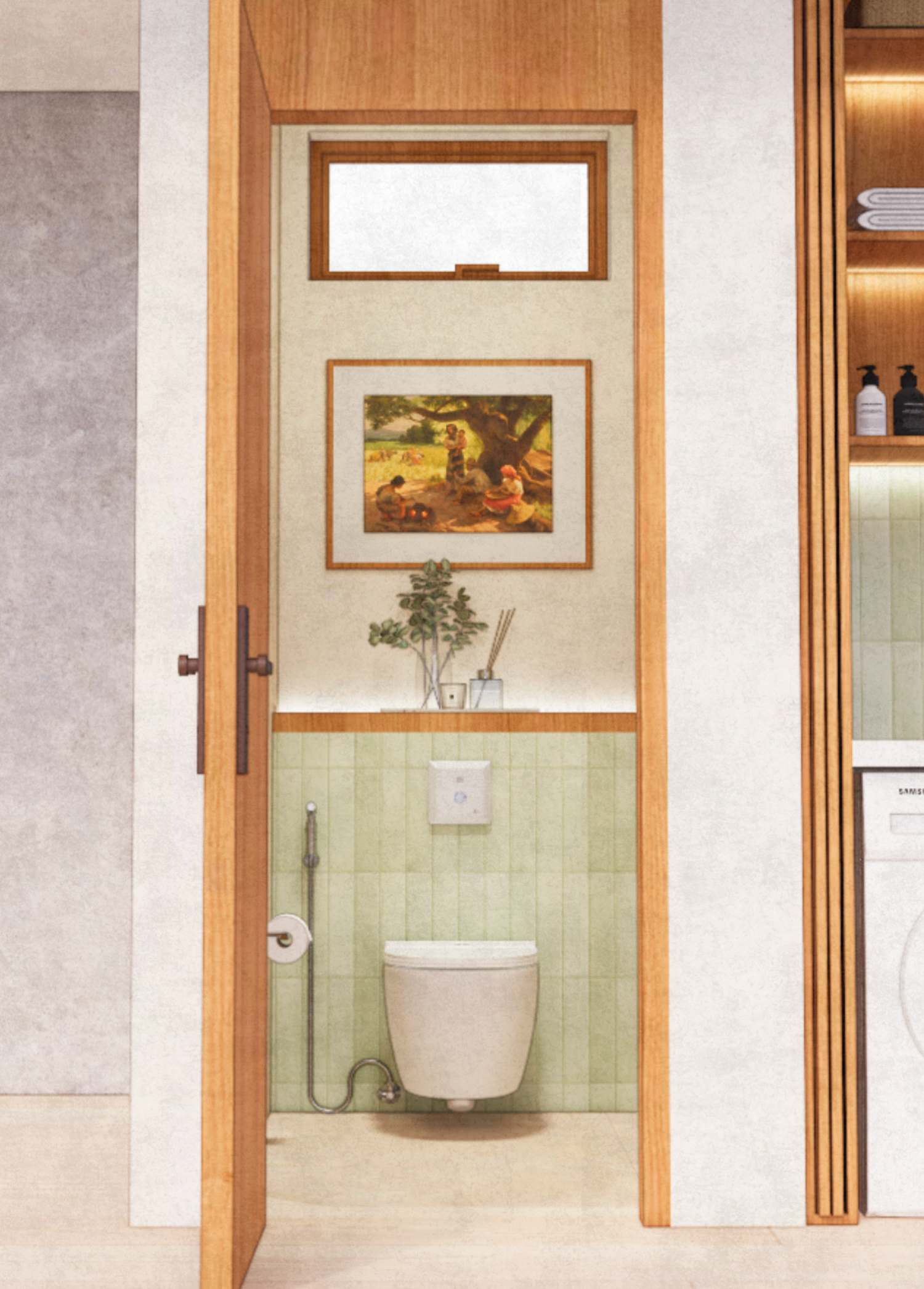
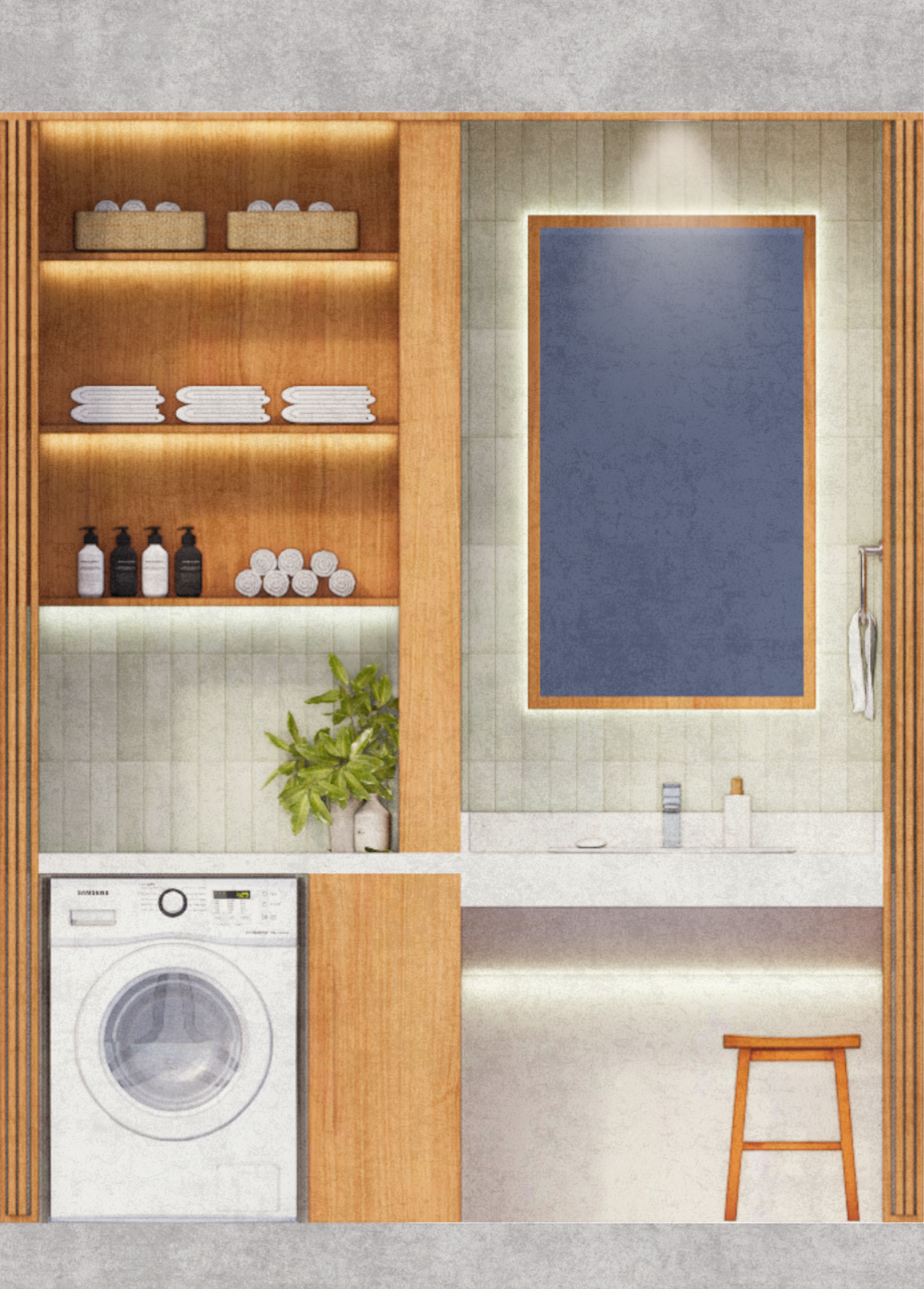
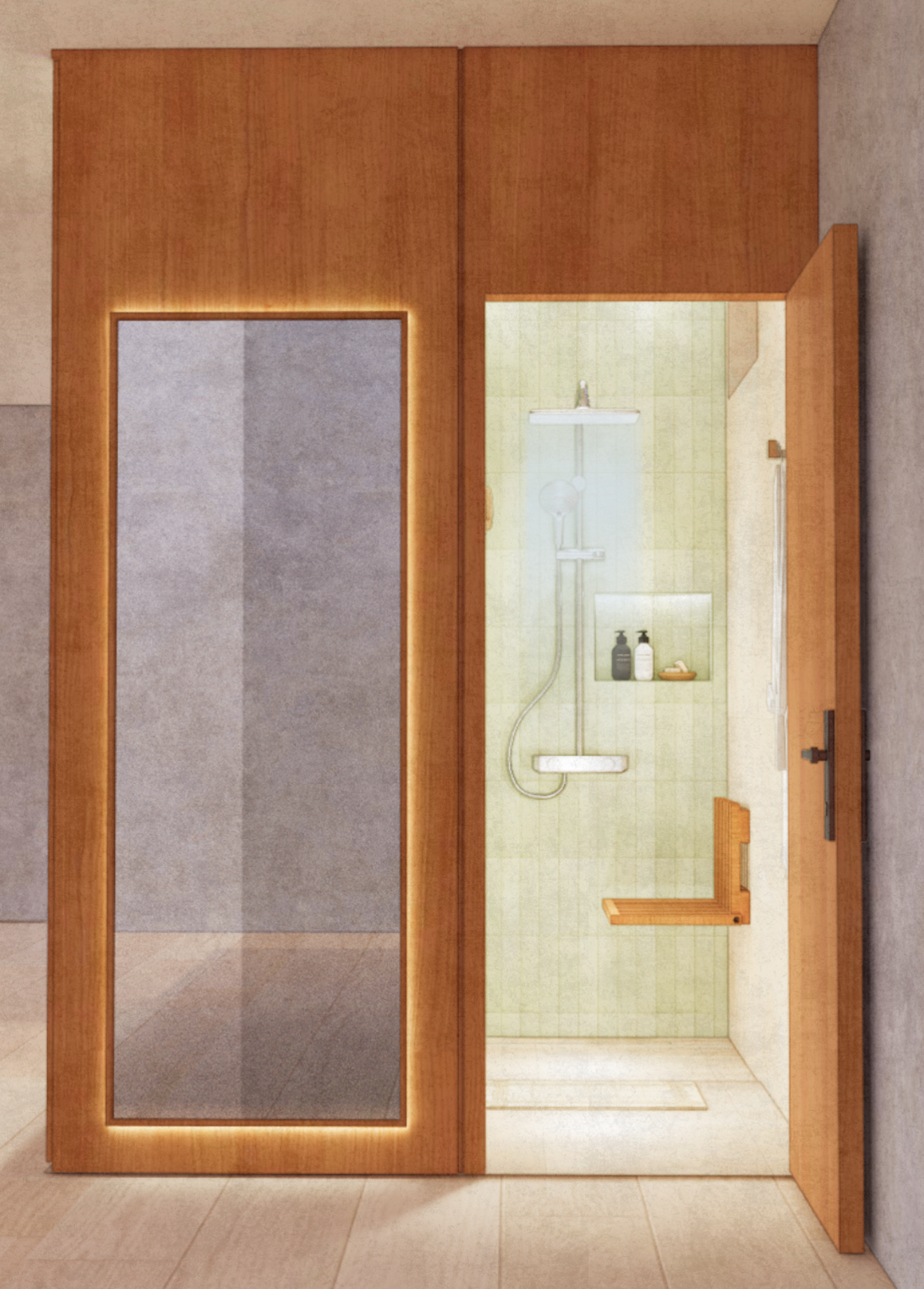
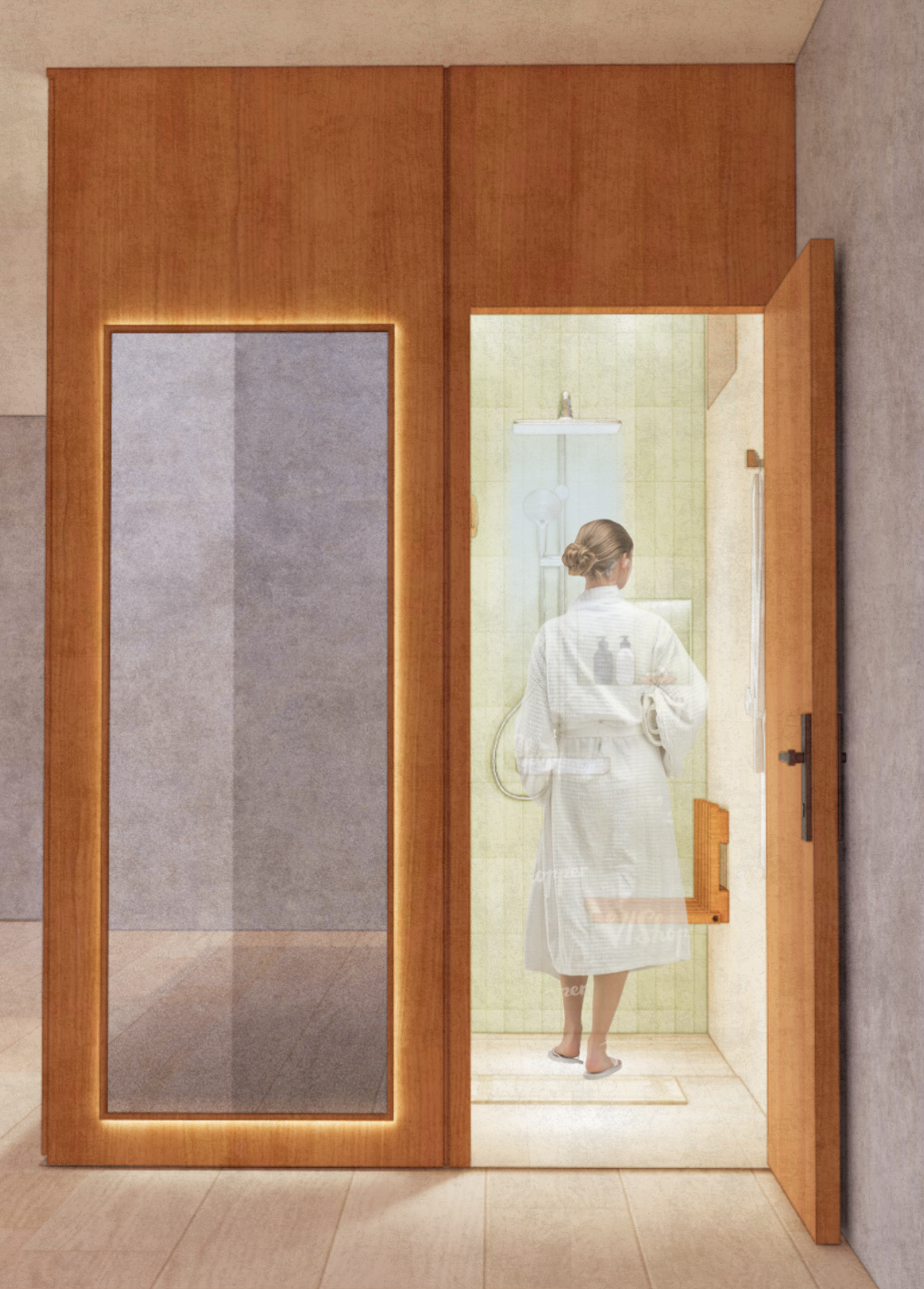
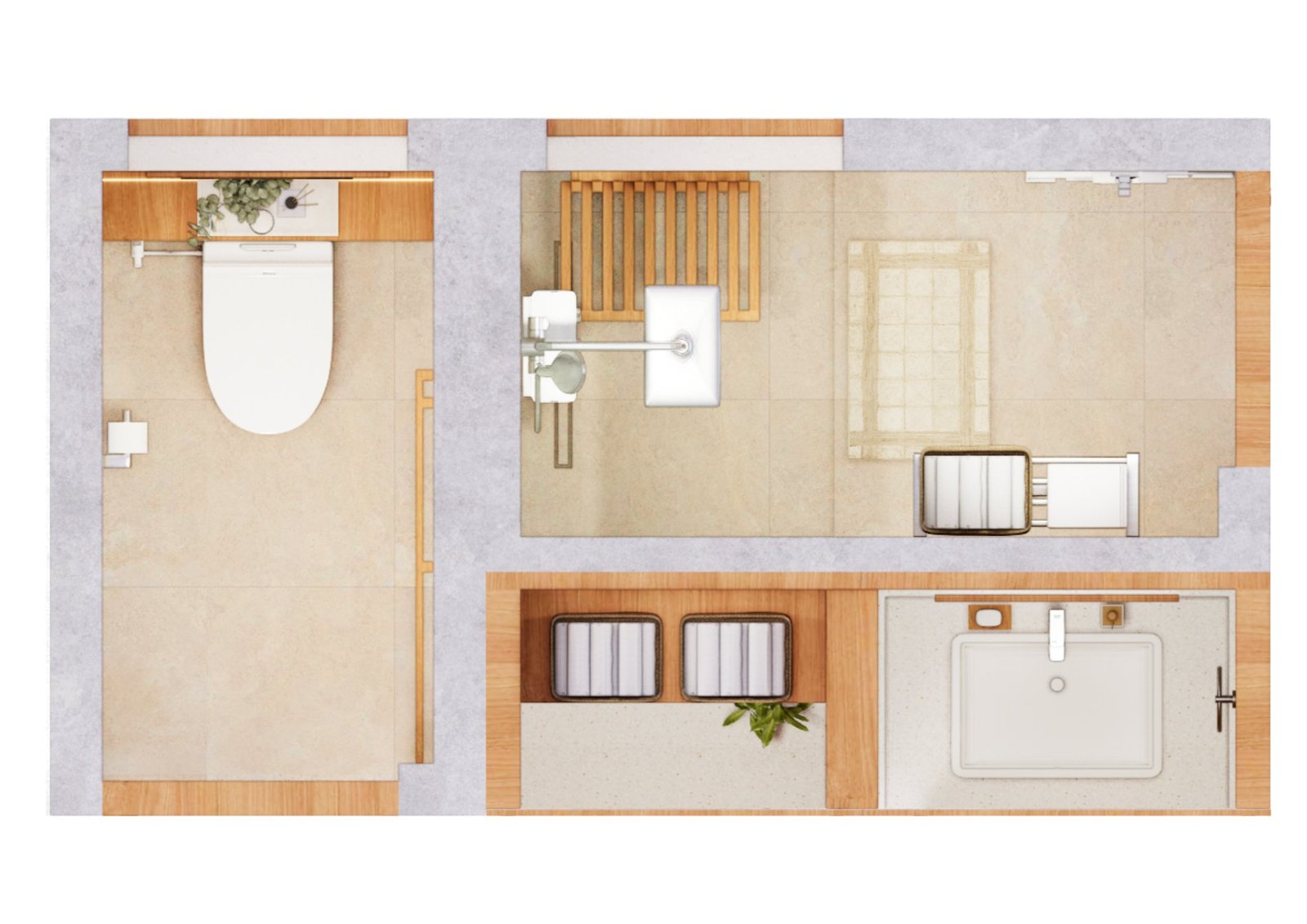
The humility of the Humble Home is best seen in how the space does not impose itself onto the user; it allows you to choose how you want it to be. The use of space adaptability is reflected through bifold pocket doors, which allow for the seamless transition between dividing and unifying the floor plan. By applying a uniform materiality across every surface, we created a single environment and eliminated the restrictive feel of physical walls and partitions.
Architecturally, these zones provide privacy by stripping away the heavy, tangible sensation of being enclosed or concealed. Instead of fragmentation, the strategic zoning relies on spatial layering to offer psychological security while maintaining a visual flow. The space feels expansive because privacy is redefined as a form of agency; it is the quiet confidence of knowing the environment can adapt to your unique preferences without ever feeling like a box.
In high-density settings, modularity can often feel rigid. How did you ensure that your self- contained bathroom maintained the “warmth and connection” required to truly inspire everyday living?
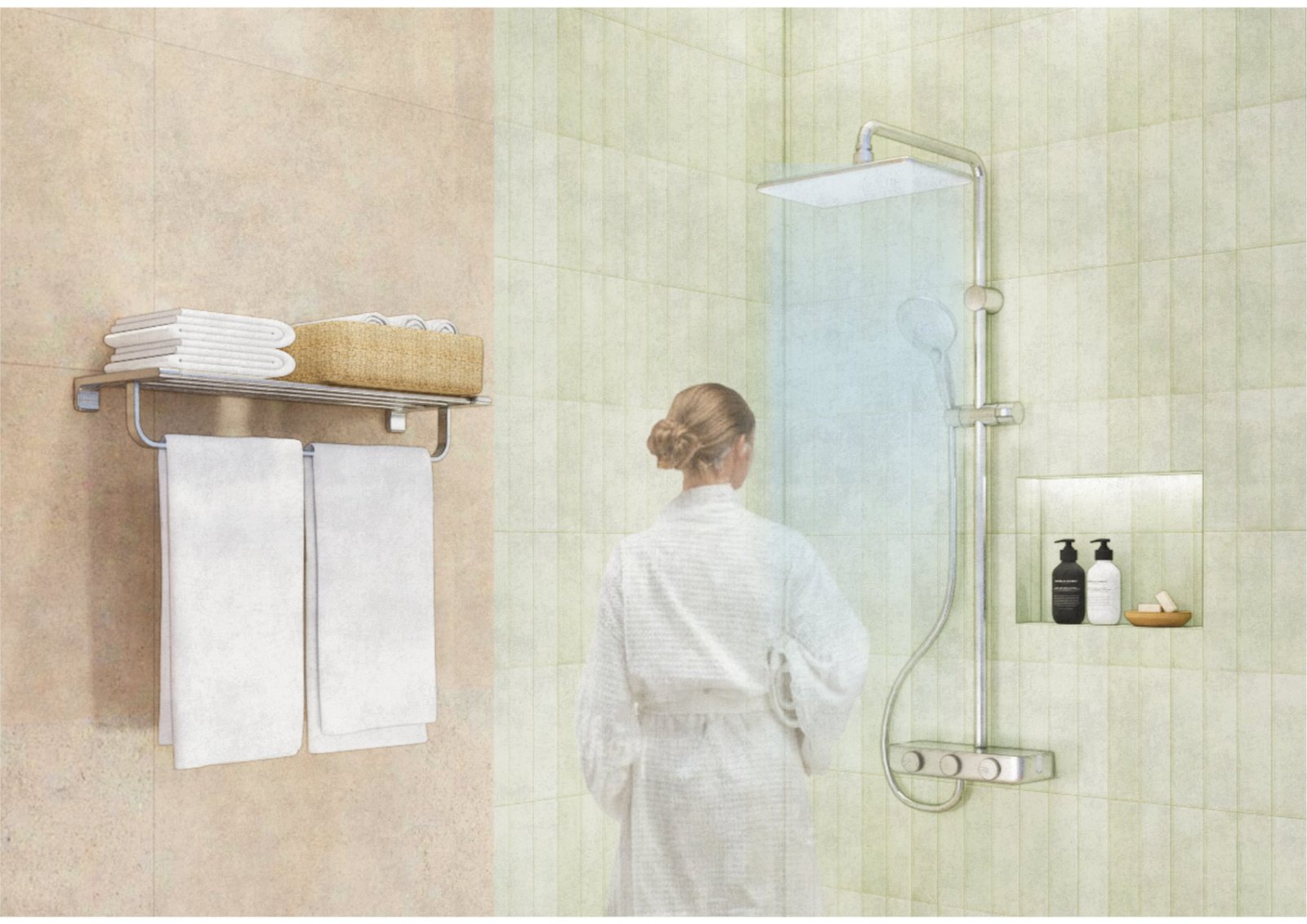
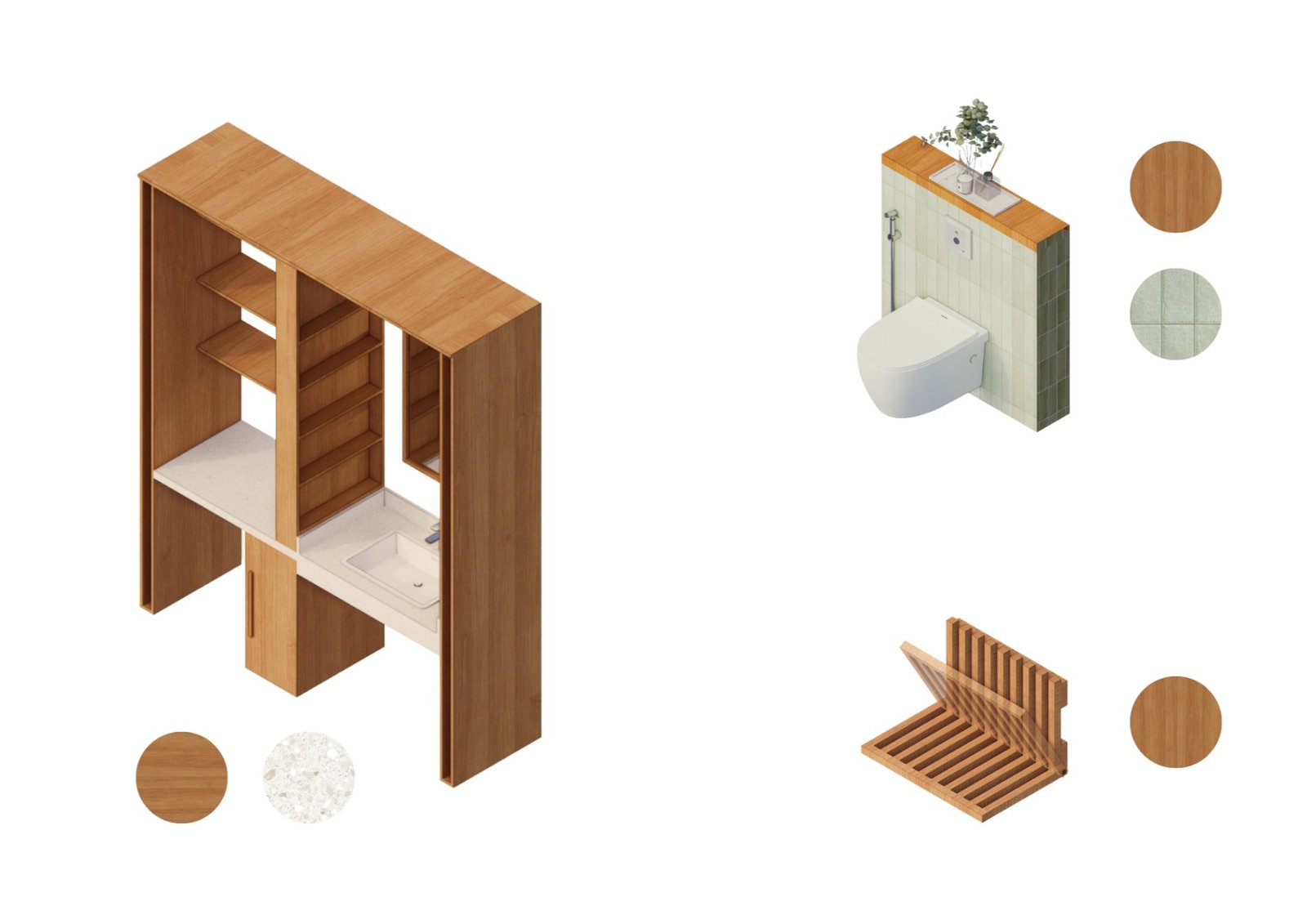
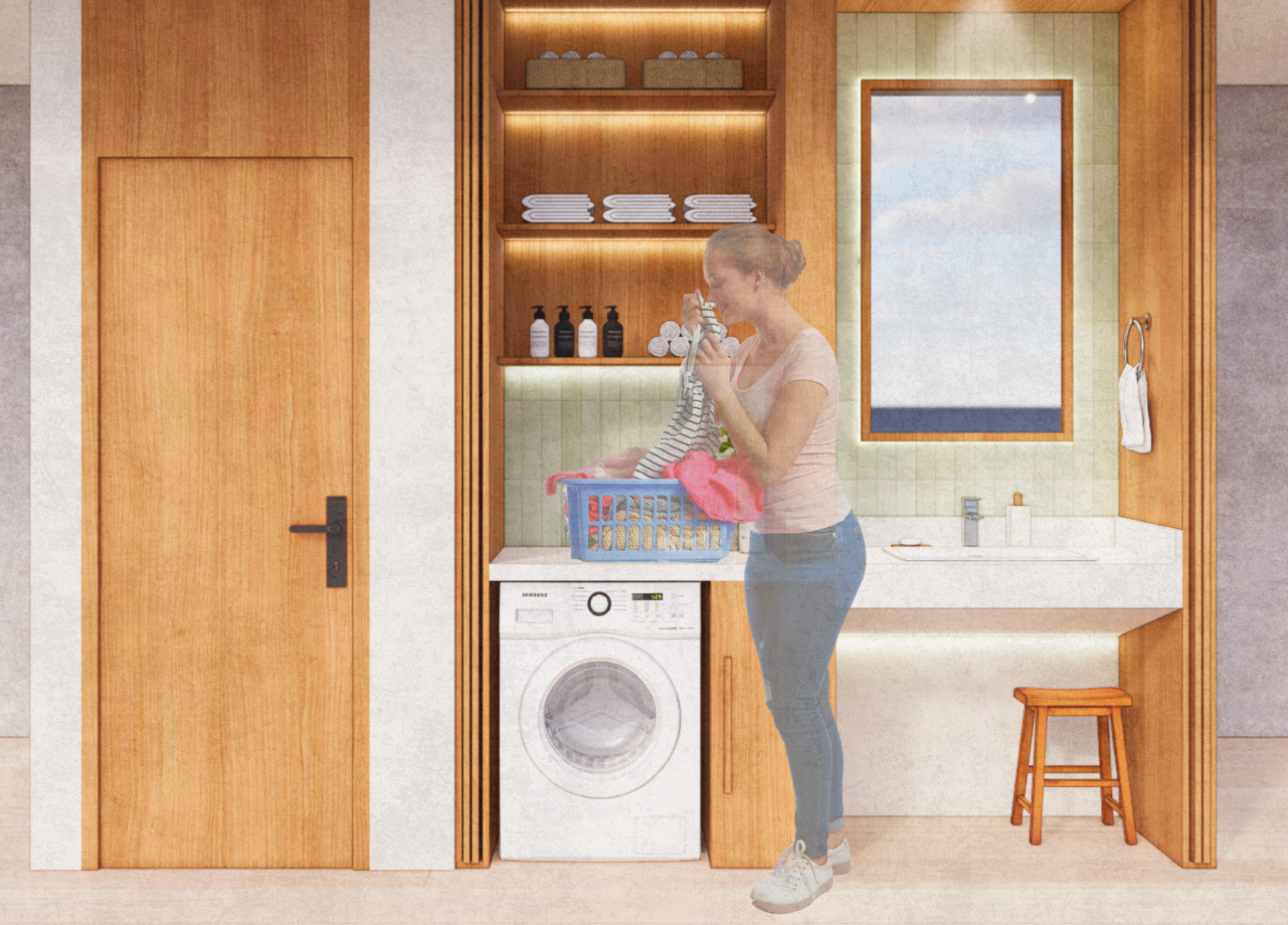
I practiced my MMM belief: Materials Make Magic. Materials, as well as colors, can make or break a space. These things provide the space’s personality and evoke feelings for every user. For The Humble Home, I used sage green to allude to nature and establish a feeling of lightness, and warm, woody textures to spark warmth and connection, inspiring everyday living.
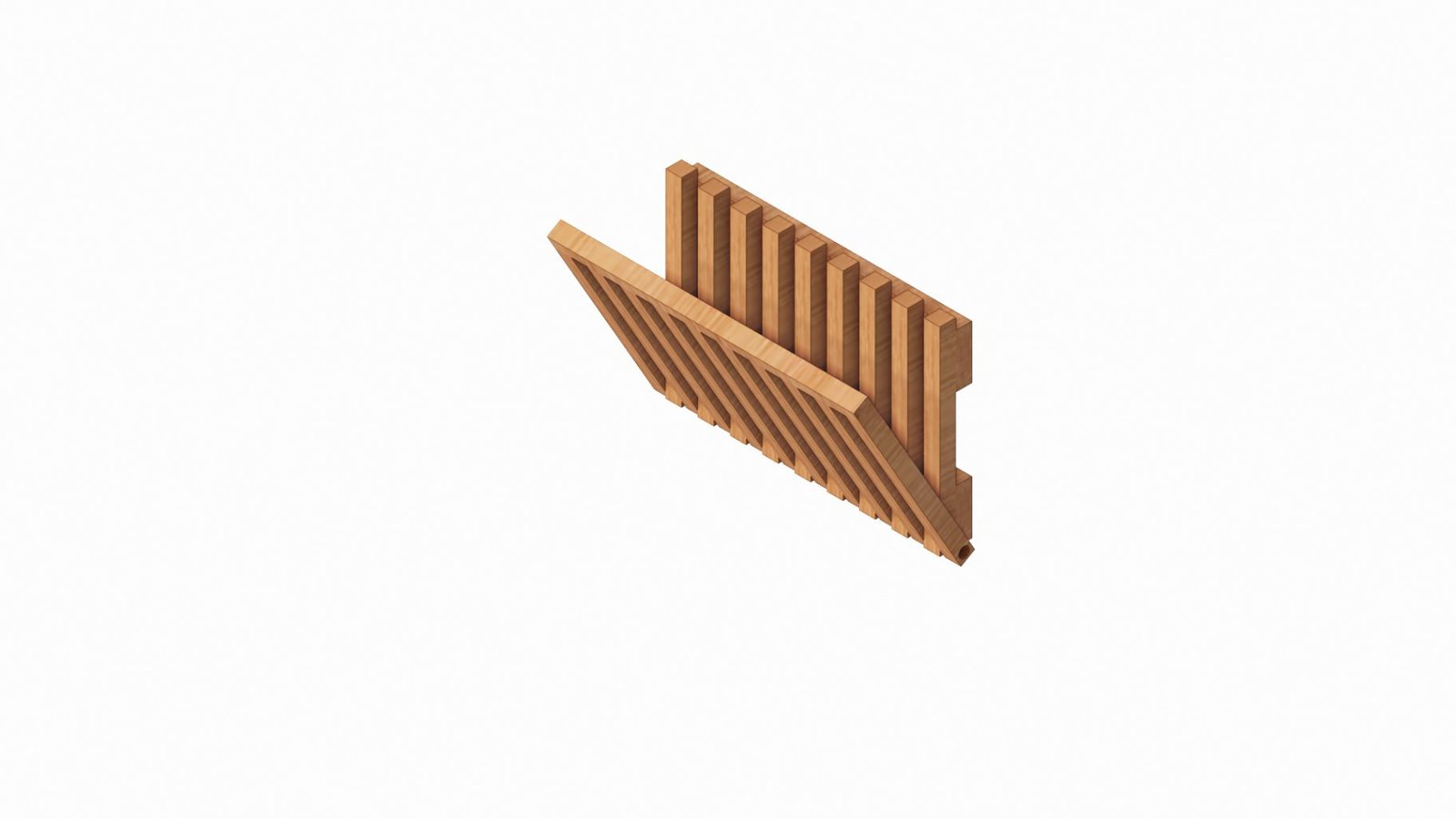
It was also a non-negotiable to use materials that are honest and accessible, because the space should not be intimidating. Simple tiles, alongside cost-efficient materials, were employed for the cabinetry to keep the bathroom’s humble character. It was a conscious decision to avoid overly luxurious finishes like marble or travertine, which would not only have been financially unfeasible but would have also felt disconnected from the design’s intent. Had I opted for concrete tiles, steel accents, and dark, cold wood tones, the resulting atmosphere would have felt cold. By choosing materials that are both tactile and grounded, I ensured the space remains a warm, restorative sanctuary.
Working with the American Standard product library, was there a specific piece, perhaps a faucet or a shower system, that acted as a “keystone” for your layout, or did the products seamlessly follow your pre-existing vision?
I would say that the products seamlessly followed my pre-existing vision! As a brand, American Standard encompasses humility. This made it easier to align with my concept, as their selection of products is adaptable, multi-use, and inclusive. Their everyday items revolve around the user and even the designer experience, which would make anyone who interacts with the brand feel prioritized. It’s a challenge to design a space; it’s another to find fixtures that align with you. American Standard was a tool and definitely not a challenge in the solution I was able to come up with.
Beyond the technical specs, what did this competition teach you about the relationship between high-end manufacturing and student-led design? How did the brand’s focus on hygiene and safety influence your aesthetic choices?
This competition taught me how to bridge the gap between the unconstrained ambition of student-led design and the pragmatic rigor of high-end manufacturing. While student projects often prioritize imagination over budget, professional manufacturing relies on quality-tested, cost-efficient systems. Learning to synthesize these two approaches allowed me to ground my creativity in real-world feasibility.
The brand’s focus on hygiene and safety further shaped my design process. The need for easy maintenance directly informed my choice of materials, while strict safety standards dictated the space’s dimensions, forms, and flow. These requirements challenged me to create an environment that is both functionally safe and aesthetically harmonious.
Every competition has a pivot point where the designer hits a wall. What was the most challenging technical constraint of the ASDA 2026 brief, and how did your solution to that problem eventually become a strength of the concept?
The most significant challenge of the ASDA 2026 brief was my own fixation on making the design foolproof. Because the brief aimed to cater to a broad and diverse user segment, the definition of a foolproof design became a moving target. The more general the application needed to be, the more endless the design iterations became. Navigating this with limited data was a difficult technical constraint to overcome.
My solution was to shift toward creating a humble and highly adaptable space. By prioritizing versatility over overly specific configurations, I was able to meet the needs of a wider audience without over-engineering every scenario. This flexibility eventually became a core strength of my concept, as it transformed the space from a structure into an environment capable of evolving alongside its users.
You’ve emerged from this process with a national win, but looking past the trophy, what is the one design truth or realization you’ve uncovered that you will carry into your future professional practice?
This competition has fundamentally shifted my perspective on what it means to design for the future. I have realized that “future-proofing” is an essential consideration for every project, regardless of its scale, even in a space as seemingly utilitarian as a bathroom.
I also came to understand that while much of our practice focuses on tailoring designs to specific clients and their individual needs, universal design remains the most challenging yet relevant pursuit in the field. Ultimately, this experience taught me that bathrooms are much more than just functional rooms; they are settings for our everyday rituals. Recognizing them as a sacred space has fundamentally changed how I view my responsibility as a designer, and I will carry this deeper level of intentionality into my future professional practice.
As you prepare for the Asia-Pacific (APAC) round, how are you refining the nuances of The Humble Home to speak to a broader regional audience while maintaining its distinct Filipino character?
As I prepare for the Asia-Pacific round, my focus is on refining “The Humble Home” to resonate with a broader regional audience without losing its distinct Filipino identity. I believe that maintaining this character lies in the underlying culture and rationale of the design. By highlighting the specific ways we live, such as our domestic needs, shared challenges, and cultural nuances, I am able to create a foundation that is authentically Filipino.
My strategy involves connecting these local observations to the broader regional experience by identifying the parallels we share with our neighbors. By demonstrating that the problems addressed in the design are not unique to the Philippines but are common across the Asia-Pacific, I aim to prove that the concept is truly universal. The goal is to show that a design rooted in specific Filipino sensibilities can effectively solve the needs and functional problems of people across the entire region.
For students who wish to embark on their own ASDA journey, what is your advice for balancing “pure design imagination” with the “hard feasibility” required to win at this level?
For students embarking on their own ASDA journey, it is worth foolproofing your concepts. Success lies in your ability to design for the best-case scenario while accounting for the worst-case, ensuring your vision remains functional under pressure.
Balance “pure imagination” with “hard feasibility” by practicing radical empathy throughout every stage of the process. Consider the needs and constraints of everyone involved! Remember that your work is not about personal ego. It is about tapping into people’s emotions and creating a space that serves them. Keep in mind that this isn’t about winning a competition, but about designing a space where everyone can win. Design, above all, is about people. •
Visit the American Standard Design Award website for more information on the winners.
One Response