

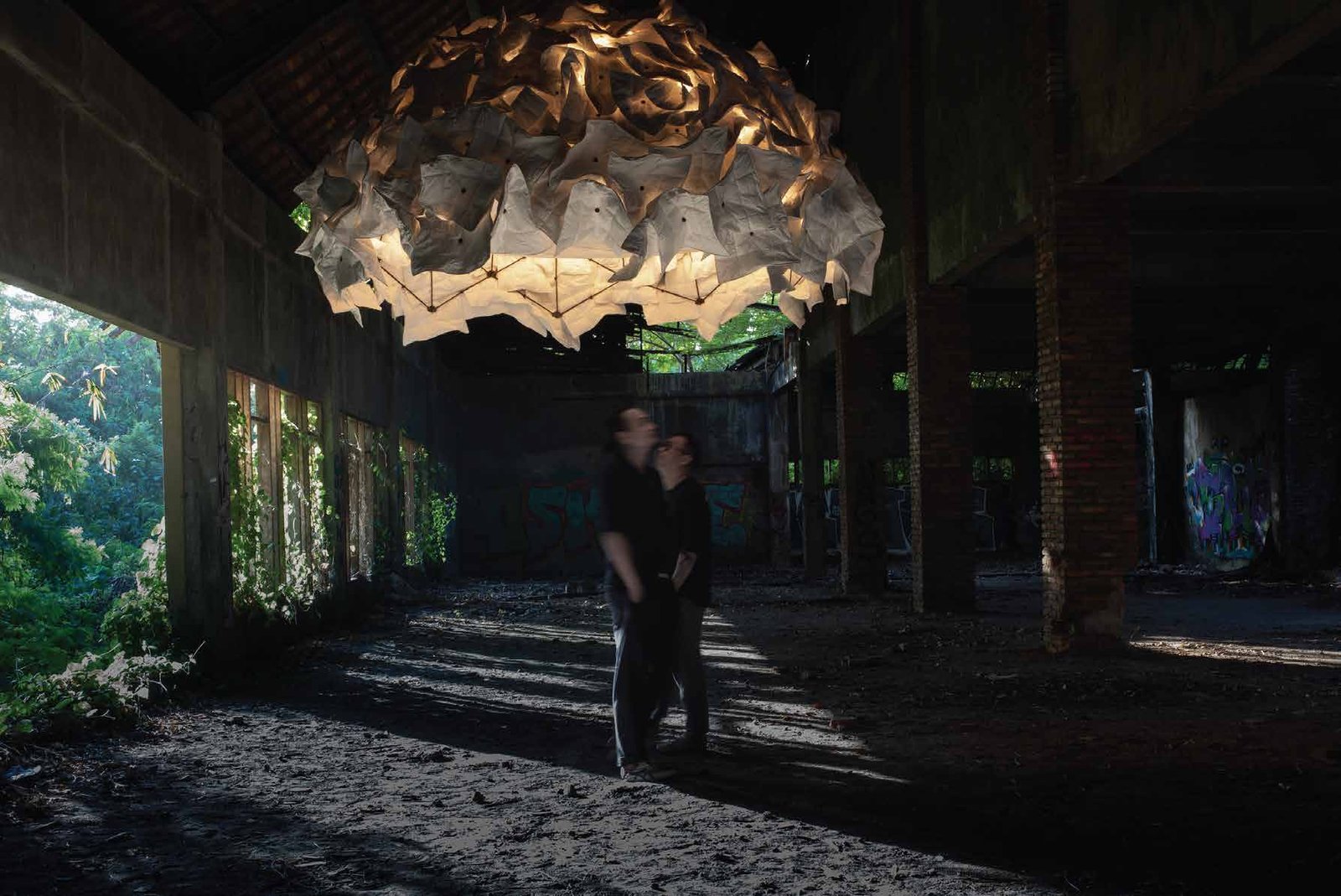
Interview Patrick Kasingsing
Images Ong Cen Kuang
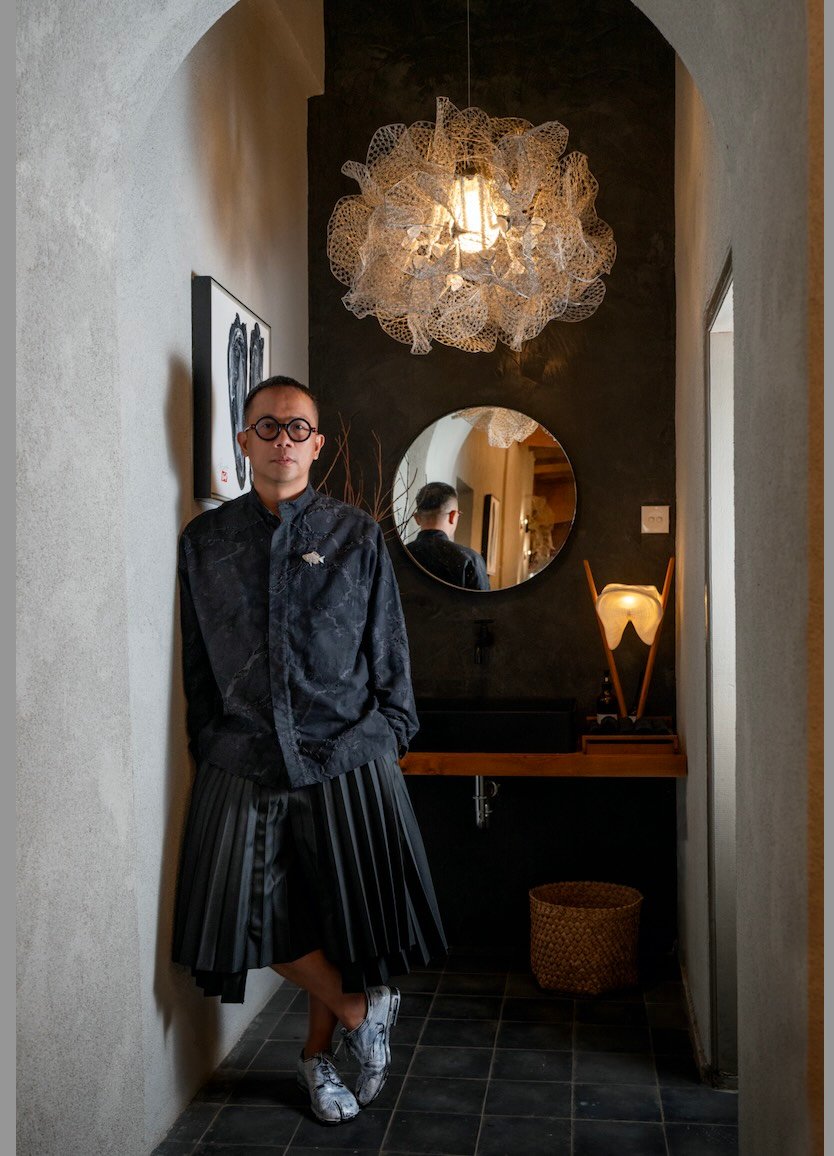
Hi Budiman! Welcome to Kanto, and thank you for your time. We are going on a deep dive into your design journey through the lens of your lighting studio, Ong Cen Kuang, but let’s start with your design background.
Your education at the Gray’s School of Art in Aberdeen provided a rigorous Western framework for Applied Arts, yet your work is deeply synonymous with Indonesian heritage. Looking back at your return to Indonesia, was there a specific “moment of friction” or “realization” where your European training and your Sumatran and/or Balinese roots reconciled into a singular design language?
Budiman Ong, founder and designer of Ong Cen Kuang: I am an Indonesian with a Chinese ancestry. While Asian heritage fuels my inspiration, my Western education has shaped my design aesthetics and knowledge.
As far as I can remember, I have been making things with my hands and enjoying it. During my time at Gray’s School of Art, my love for materials became apparent. I started practicing the critical evaluation of material character and its influence on shapes, a practice that continues to inform my work at Ong Cen Kuang (OCK). I have never felt conflict between my heritage and my education. I have always been myself throughout my studies—being true to myself as the only Asian student at Gray’s at the time gave me an edge —a positive one —which boosted my confidence in my creativity and ideas. Nowadays, my heritage, experiences, personality, and surroundings all influence my work.
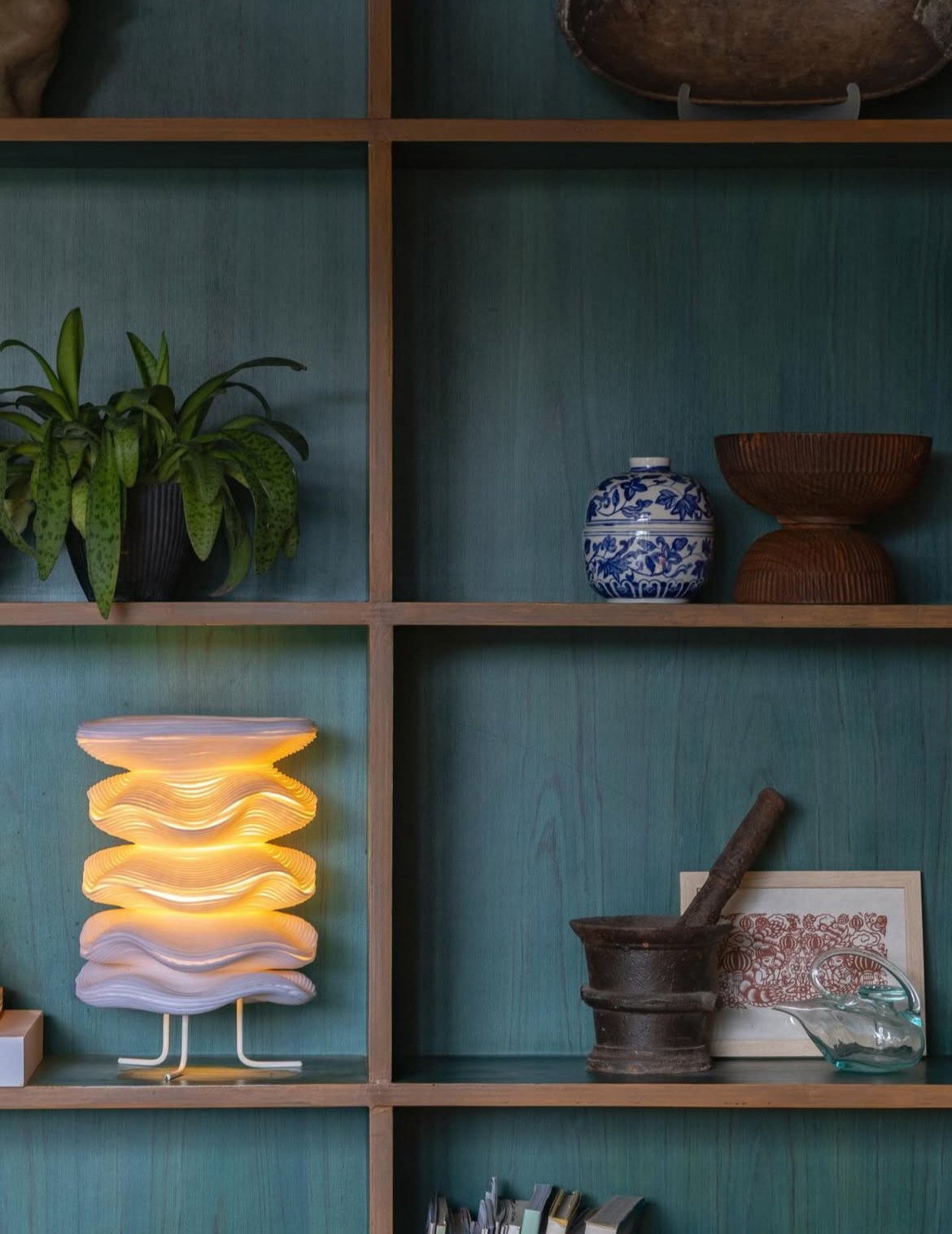
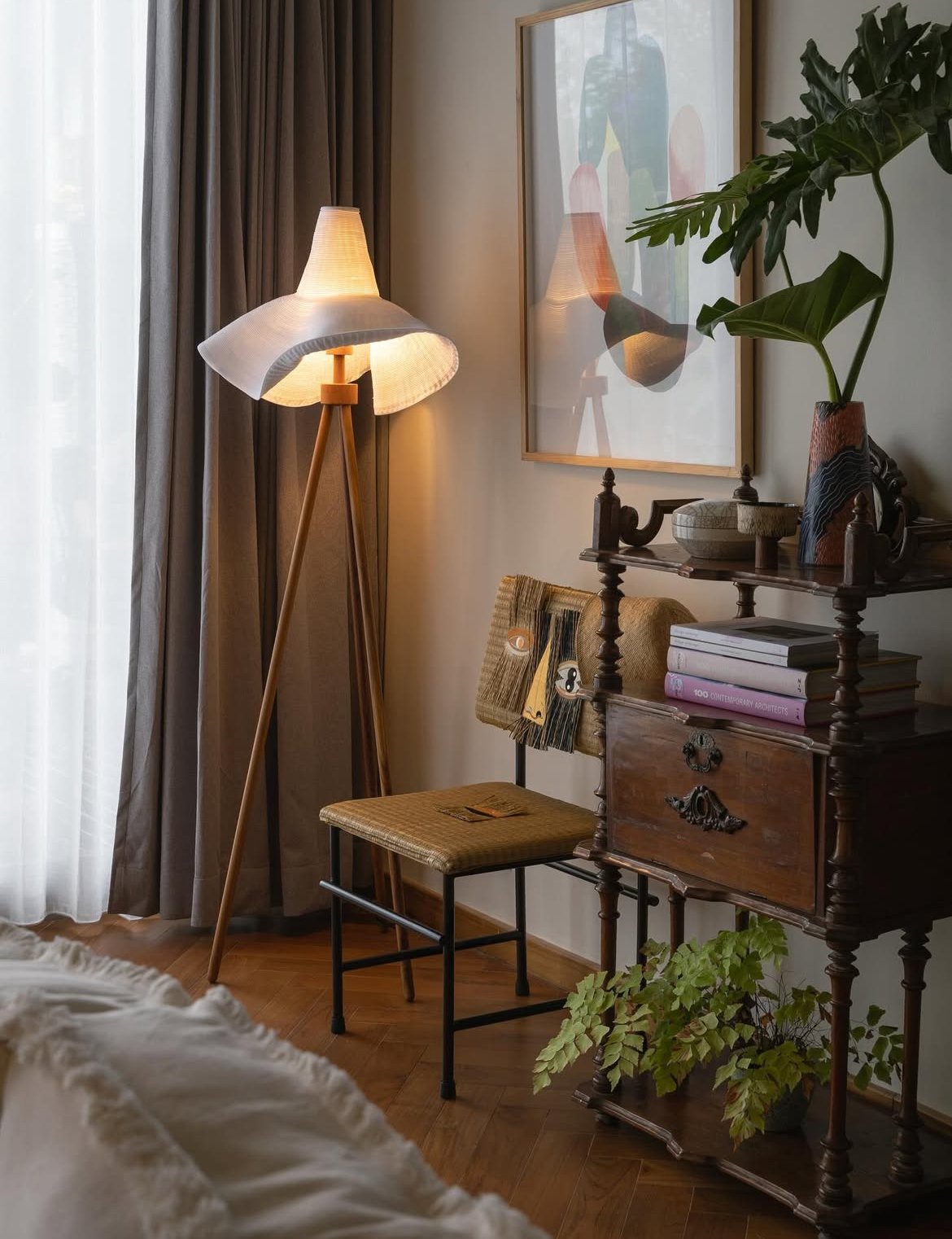
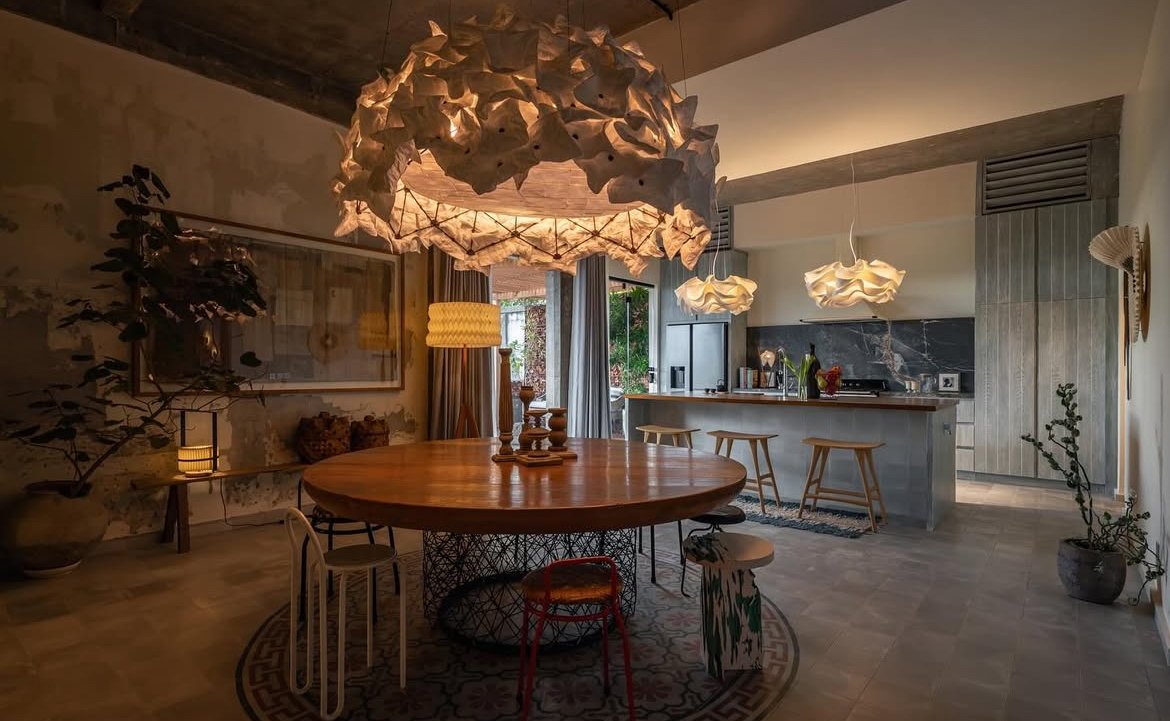
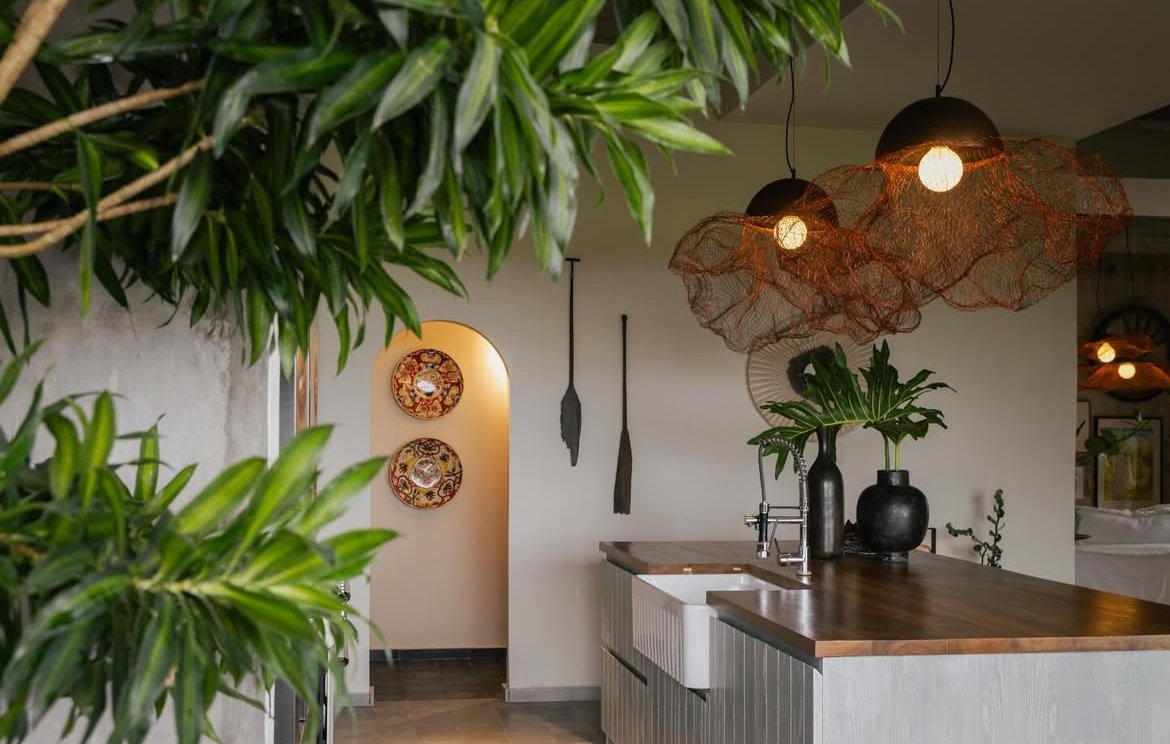
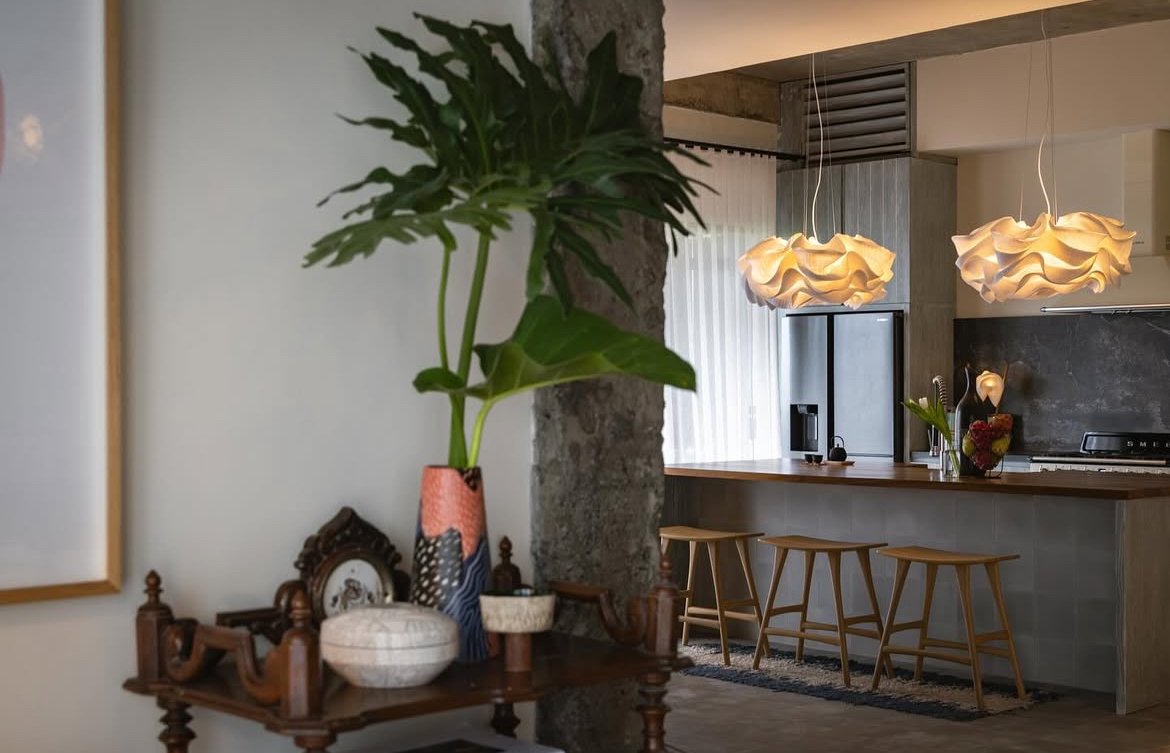
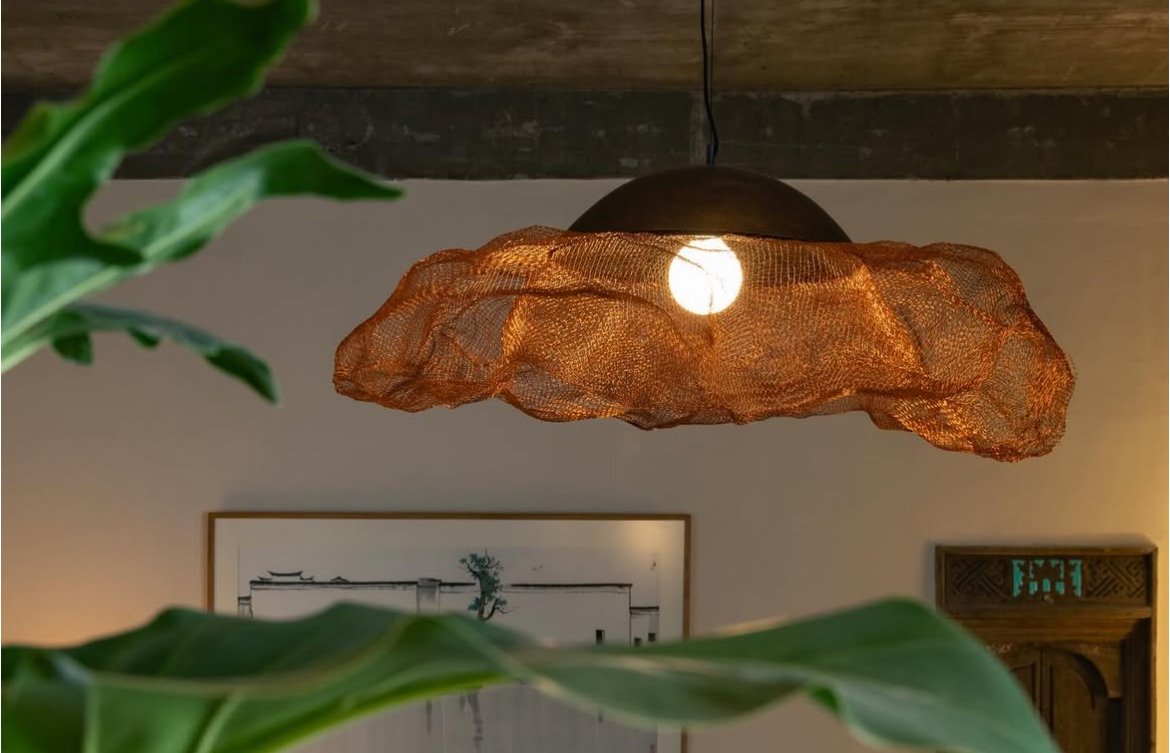
A survey of your press and portfolio reveals that you believe in really pushing a material, whether it’s 2 km of zippers for Alur or the banana fiber in Bulan, until it “takes over.” At what point in the prototyping process do you decide to stop controlling form and let the material’s intrinsic will determine the final silhouette?
Budiman Ong: No drawings are made for the shades; we experiment with various shapes as mock-ups to find a balance that allows the materials and the hand techniques to work together harmoniously. There is a sense that we feel “just right” when all the components fall into place. This can only be achieved by working directly with materials. Maybe we are never in control at all, or ever have been, as far as materials are concerned. It is just an illusion we tell ourselves. Then it makes so much sense.
The Kentang series mentions using repetitive movement to de-clutter the mind and reach a zone. The furniture industry often demands rapid-fire “newness.” How does one protect what seems to be a meditative pace for your team of artisans? Is the slow nature of your atelier a conscious protest against the speed of modern manufacturing?
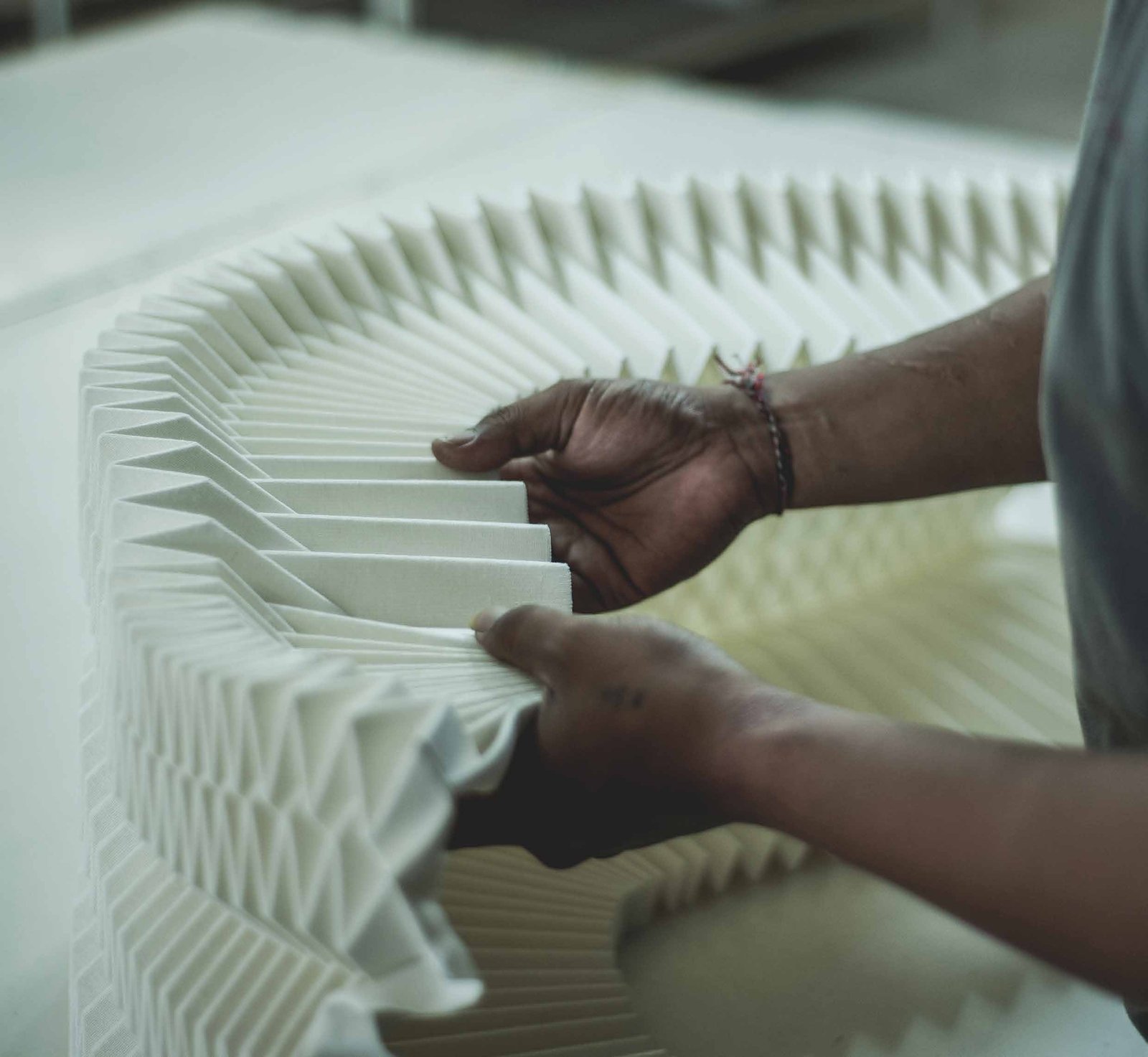
Budiman Ong: We as humans are attracted by the calming effect of repetition. Repetitive movement not only helps train our manual dexterity but also calms us and puts us in a zone where we can declutter our minds and let a repetitive technique take the lead.
When meditative handmade processes are integrated with tactile sensitivity, they facilitate a dynamic interplay between the mind and body. This synergy enhances not only the individual’s capacity for creativity and problem-solving but also cultivates a deeper appreciation of the materials and processes involved in crafting, fostering artisans’ love for their work and dedication to producing quality pieces. We will always value our artisans’ sense of ownership and well-being over mass production.
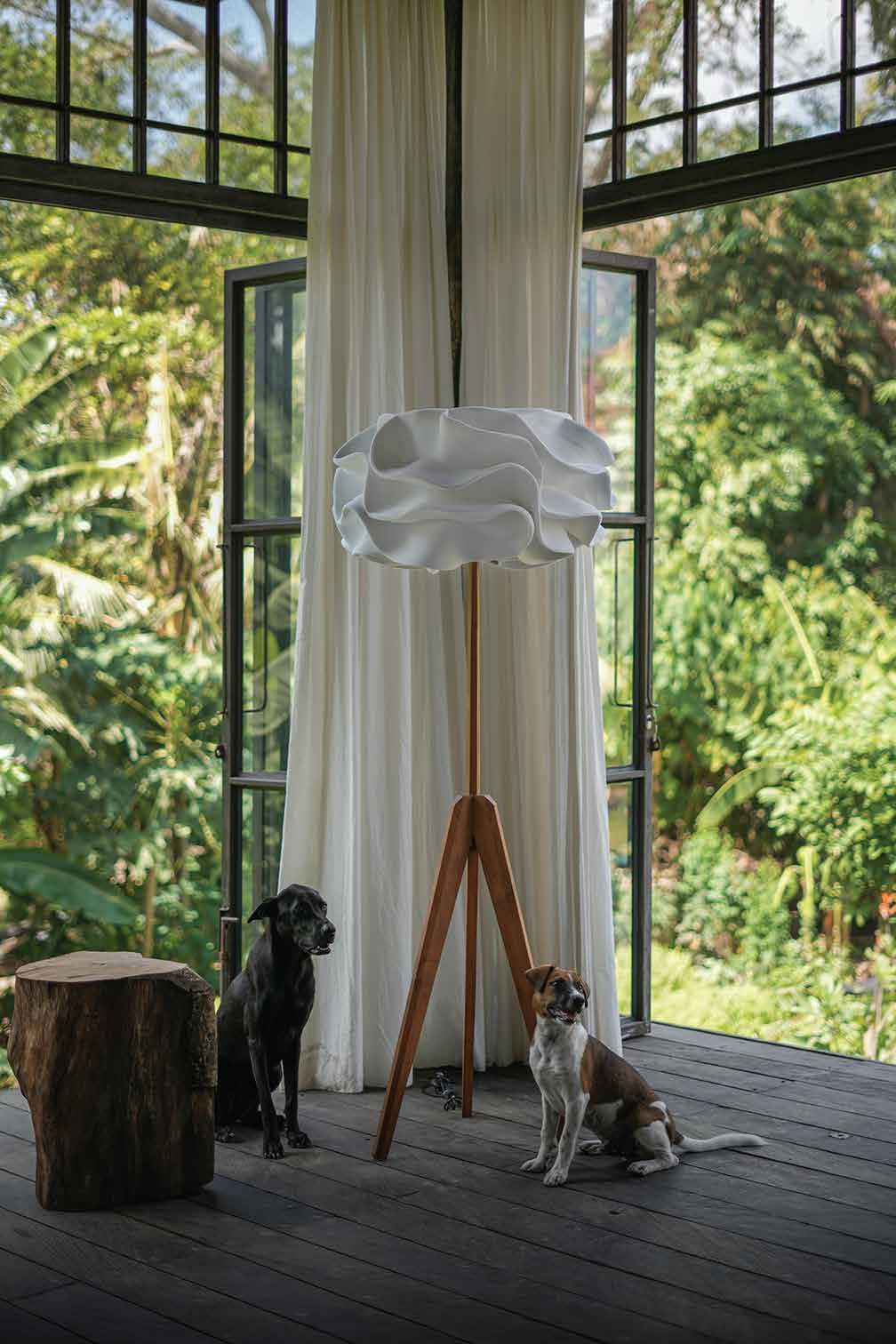
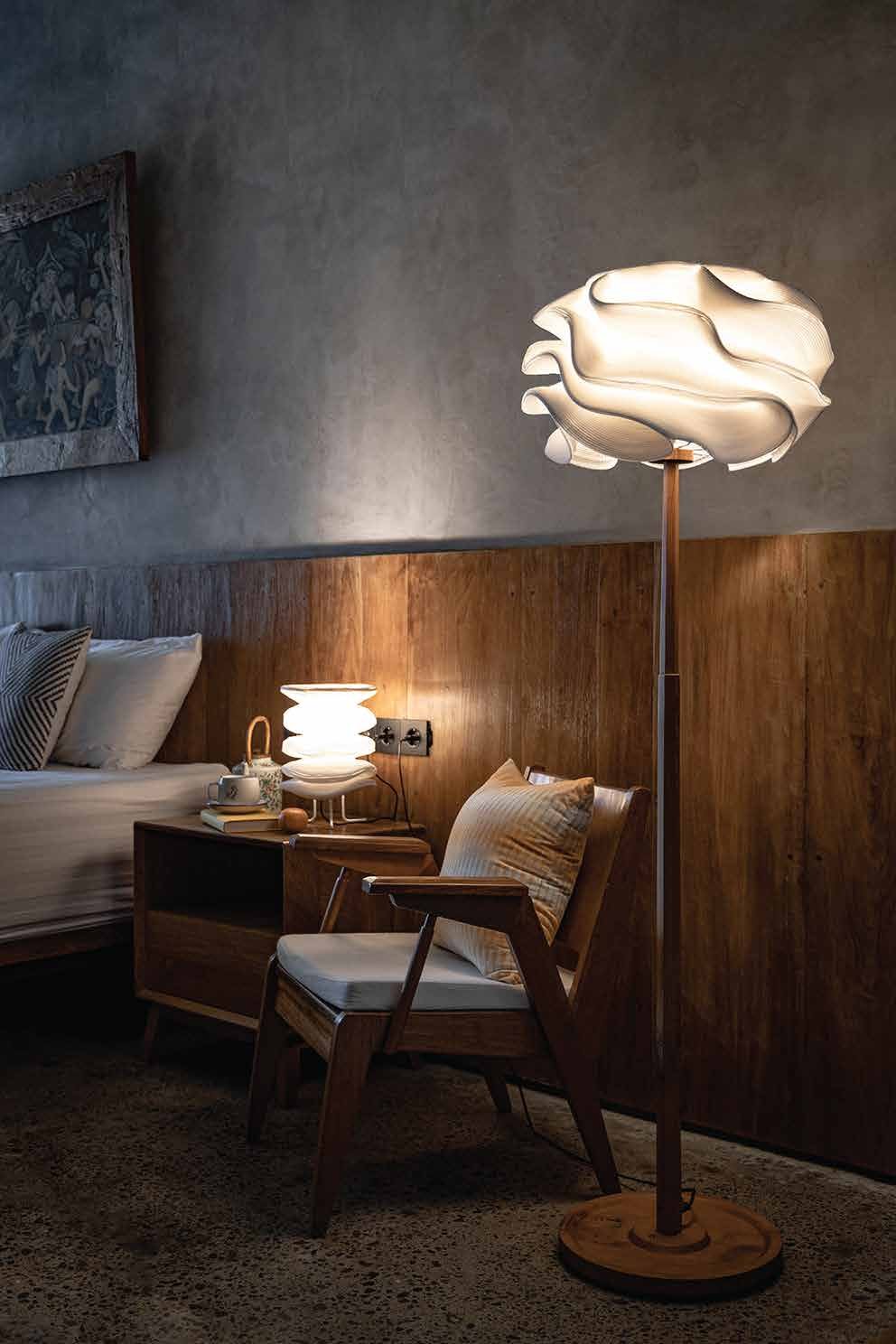
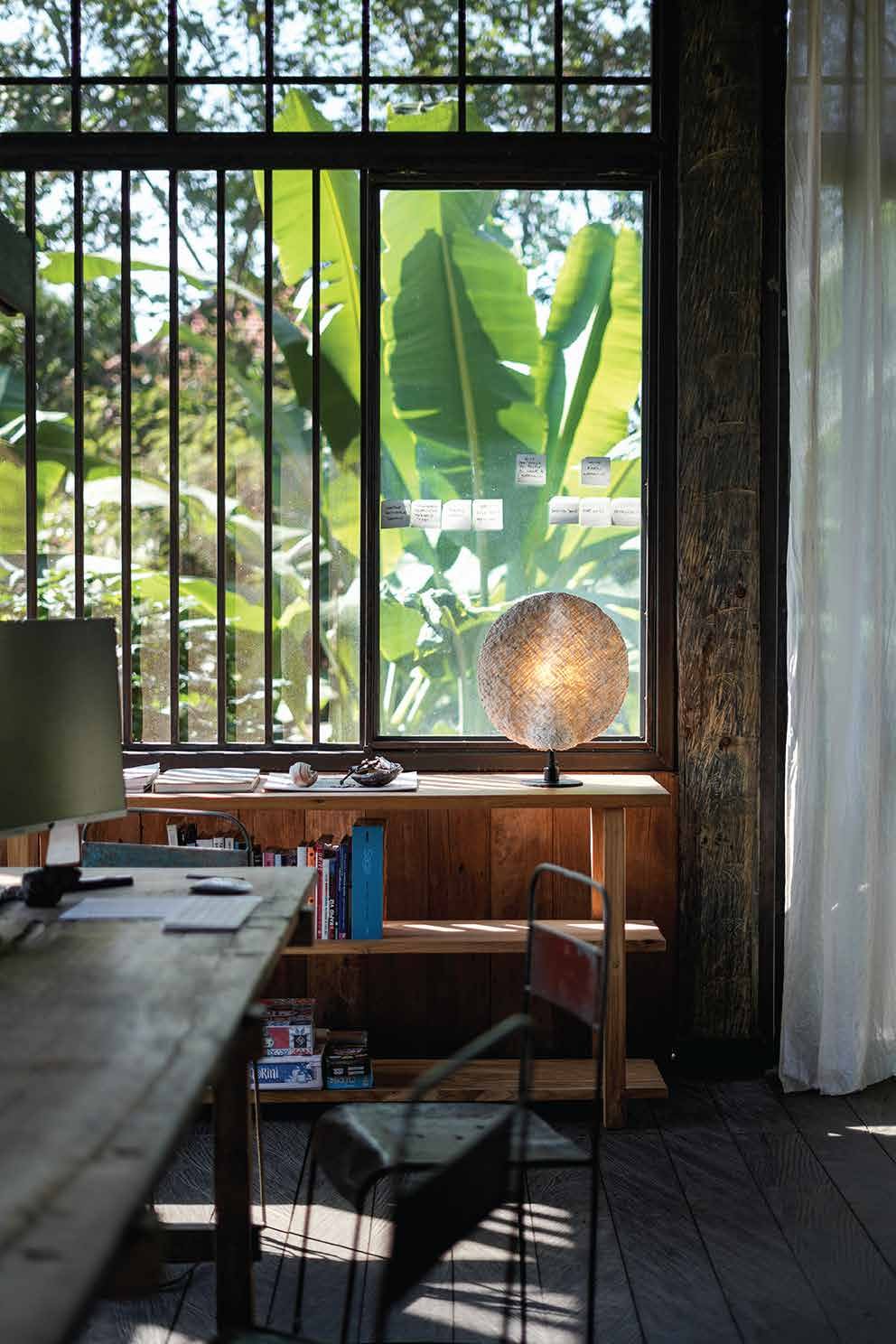
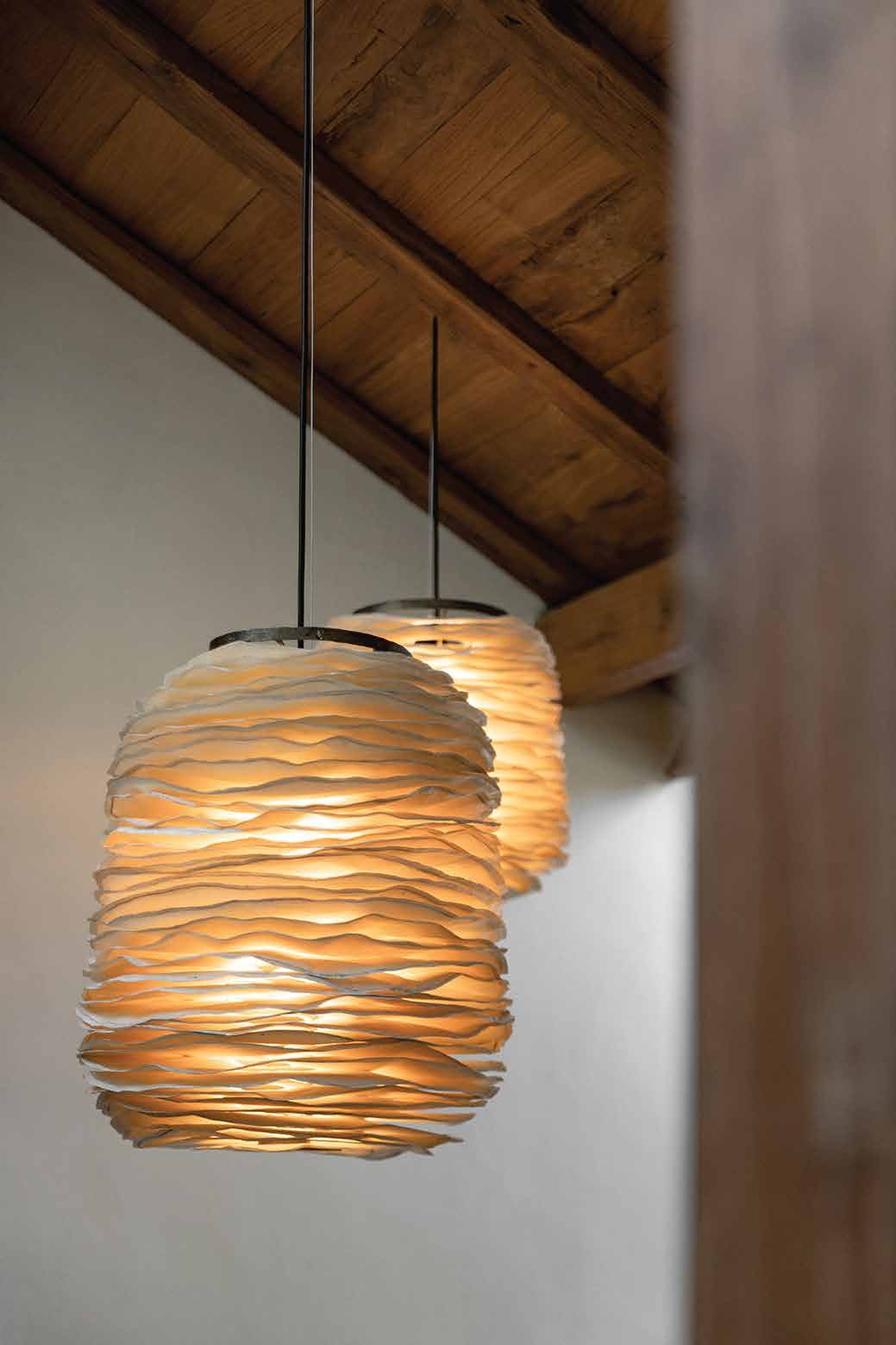
In championing any local craft, there is often that thin line between heritage preservation and cultural kitsch. How do you technically safeguard your designs in Ong Cen Kuang (such as the Rajut collection’s Sumba knitting) to ensure they remain a modern evolution of a craft rather than mere aesthetic souvenirs?
Budiman Ong: Crafts that are integral to our heritage and culture will persist as long as they remain relevant. Our goal is to position craft at the forefront of contemporary design, not merely as souvenirs, but as valuable creations appreciated for their handmade quality and the care invested in them. When approached with respect and authenticity, both artisans and their crafts will thrive and be valued.
You have a documented preference for leaving materials naked, unpolished, sans additional layers and garnishes. Are you seeing a growing global audience drawn to the raw, tactile vulnerability of materials, rather than a market often obsessed with the high-gloss “luxury” finishes of yore?
Budiman Ong: This creative decision is integral to our design language at Ong Cen Kuang. It ties in with our love for materials, as it only makes sense to showcase them in their true form. I appreciate how certain materials age and evolve over time—a process that can only occur when they are exposed and unadorned. Naturally, there are other factors to consider as well. We aim for our materials to be resilient against the elements; for instance, we consistently choose powder coating for metal due to its durability, while also recognizing the beautiful oxidation that can occur with brass and copper.
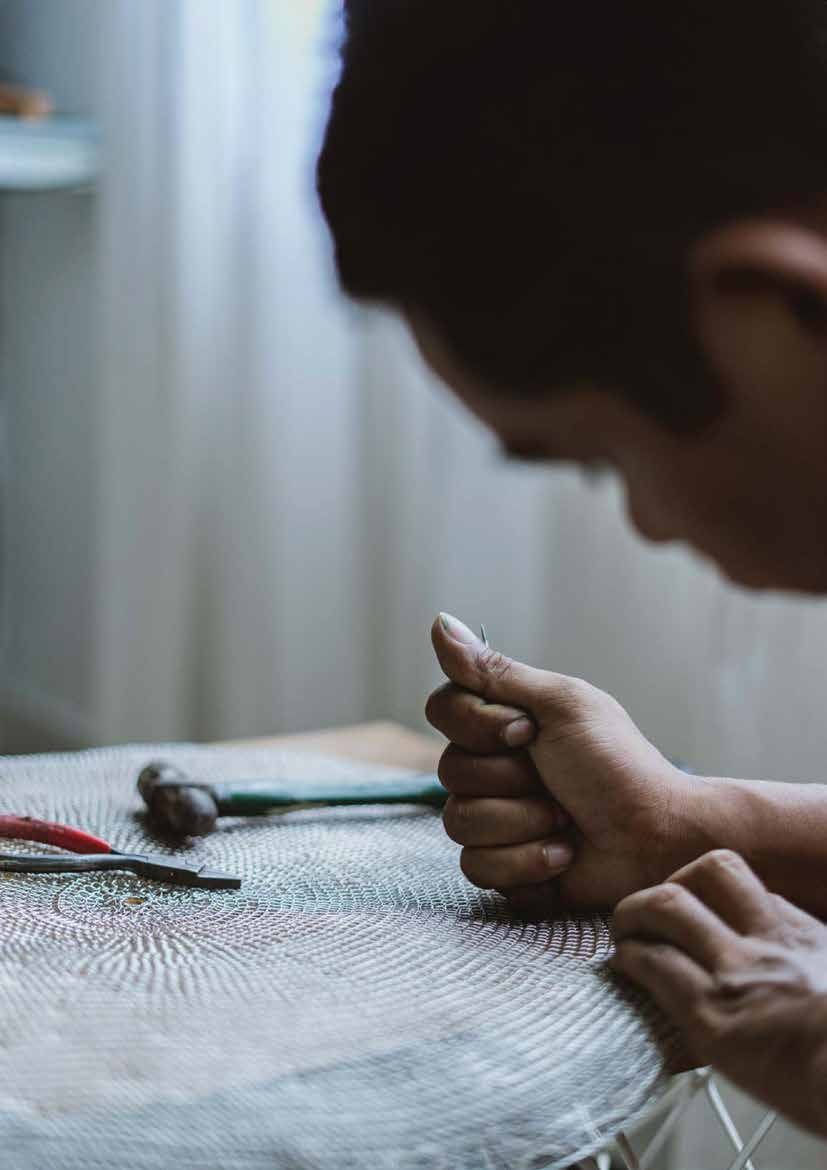
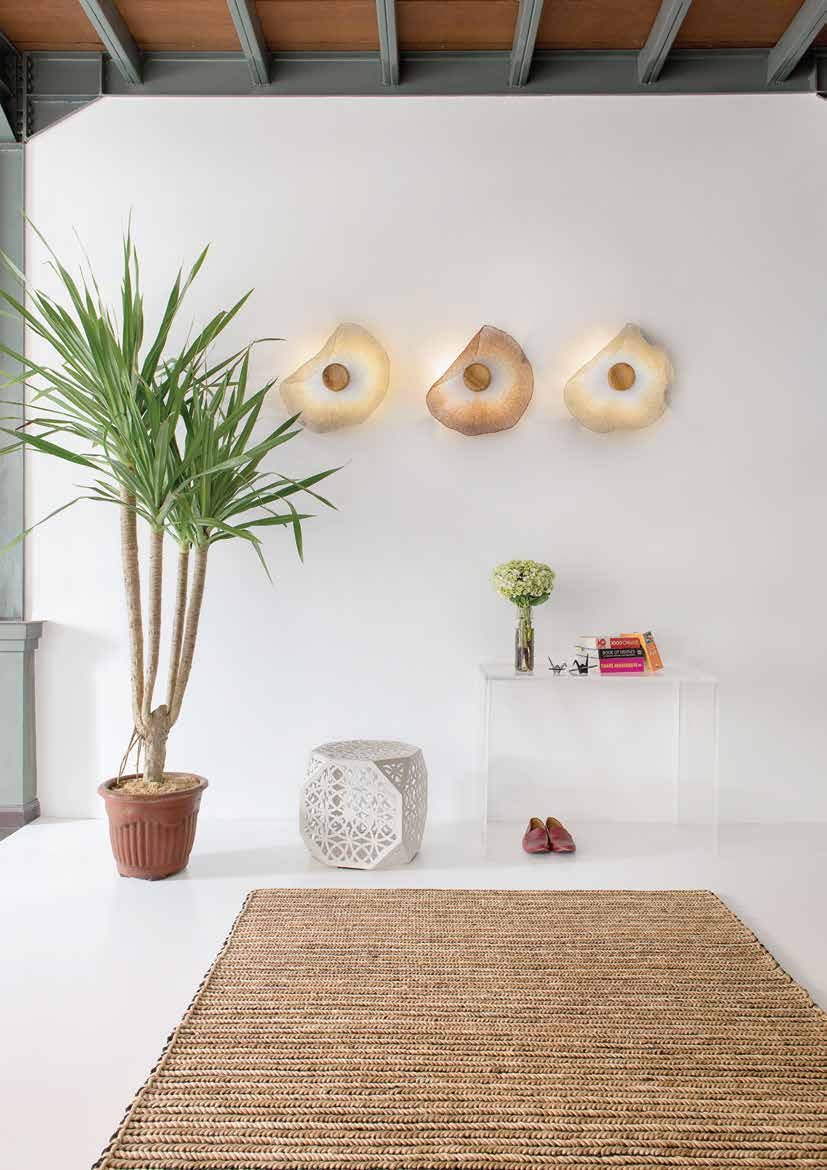
Ong Cen Kuang: Rajut
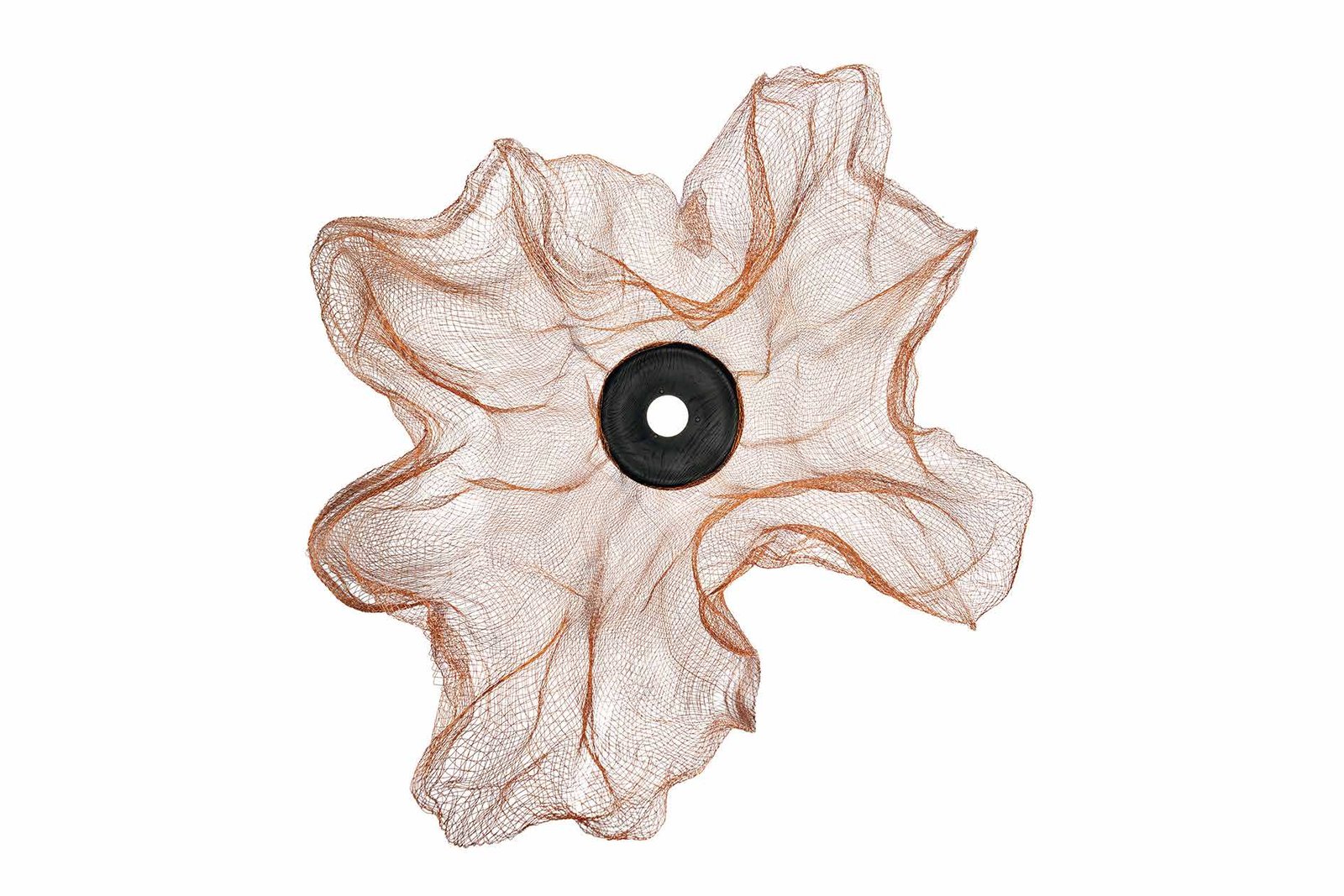
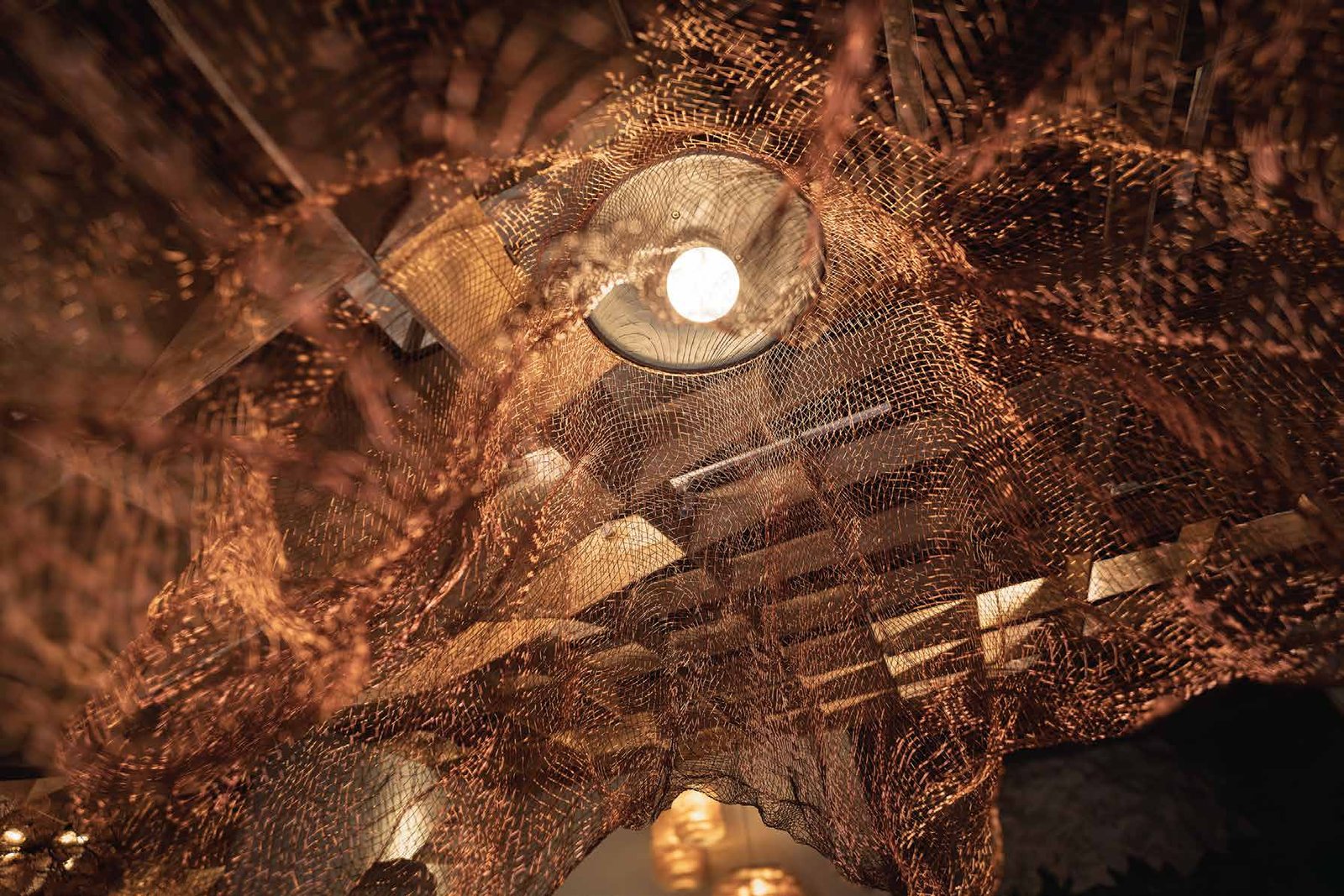
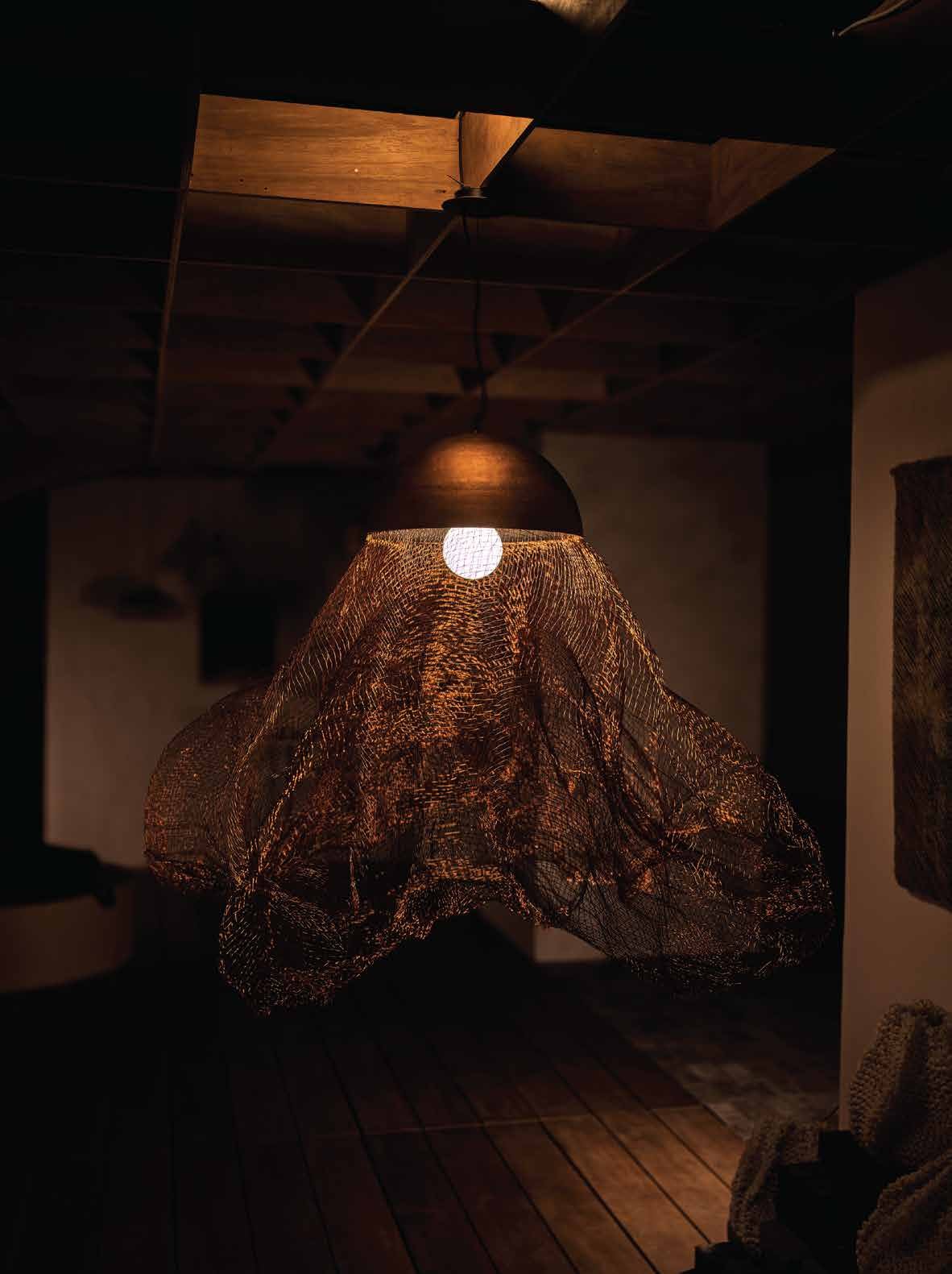
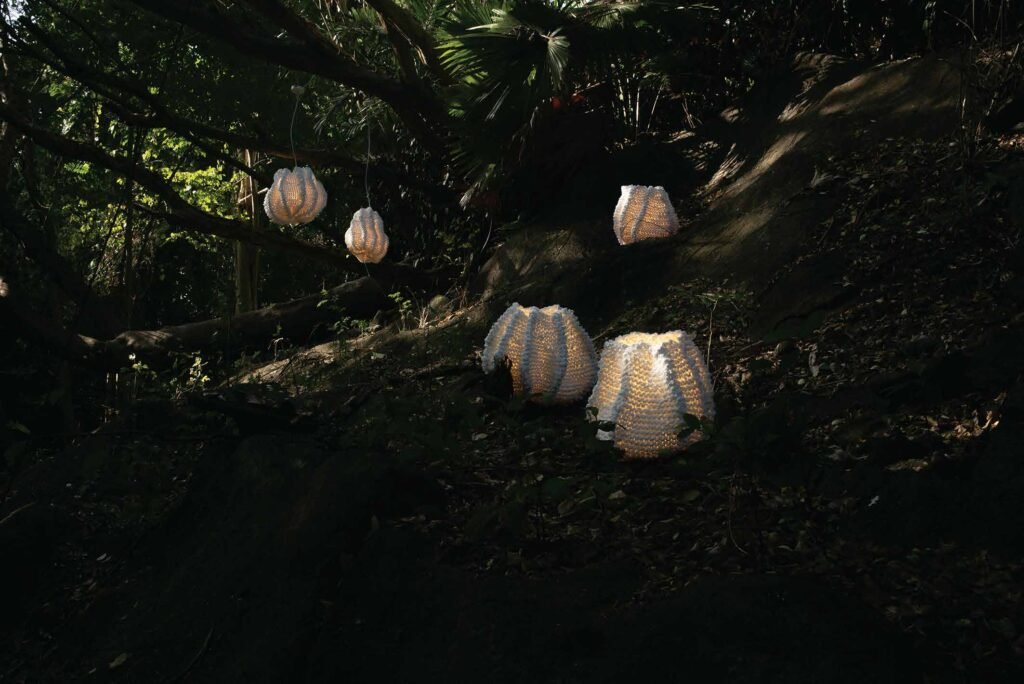
With your recent Jamur collection, the owner must physically shape the piece before installation. Why is it important for you to break the gallery-perfect barrier of furniture design and require tactile negotiation between the light fixture and the person who lives with it?
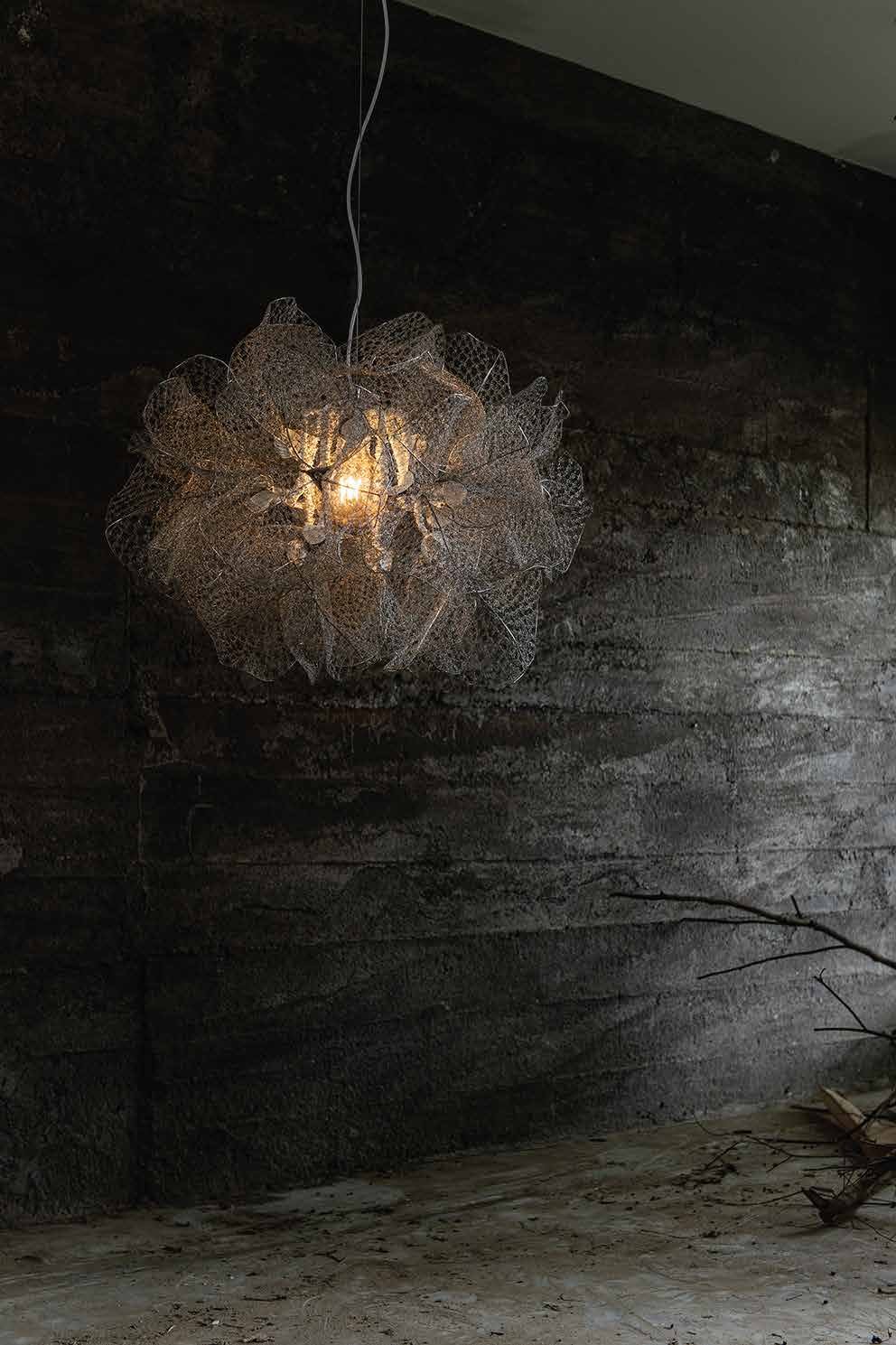
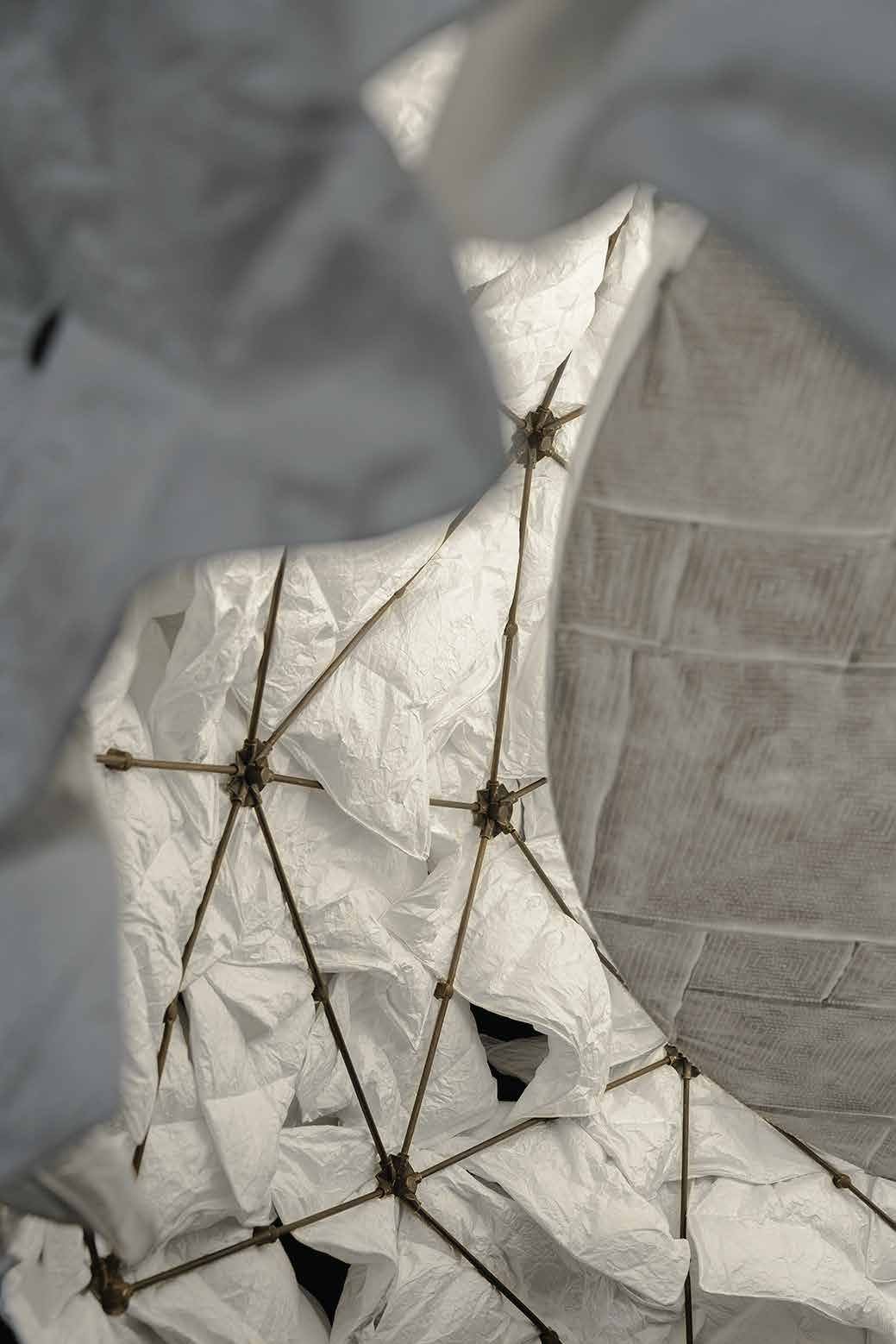
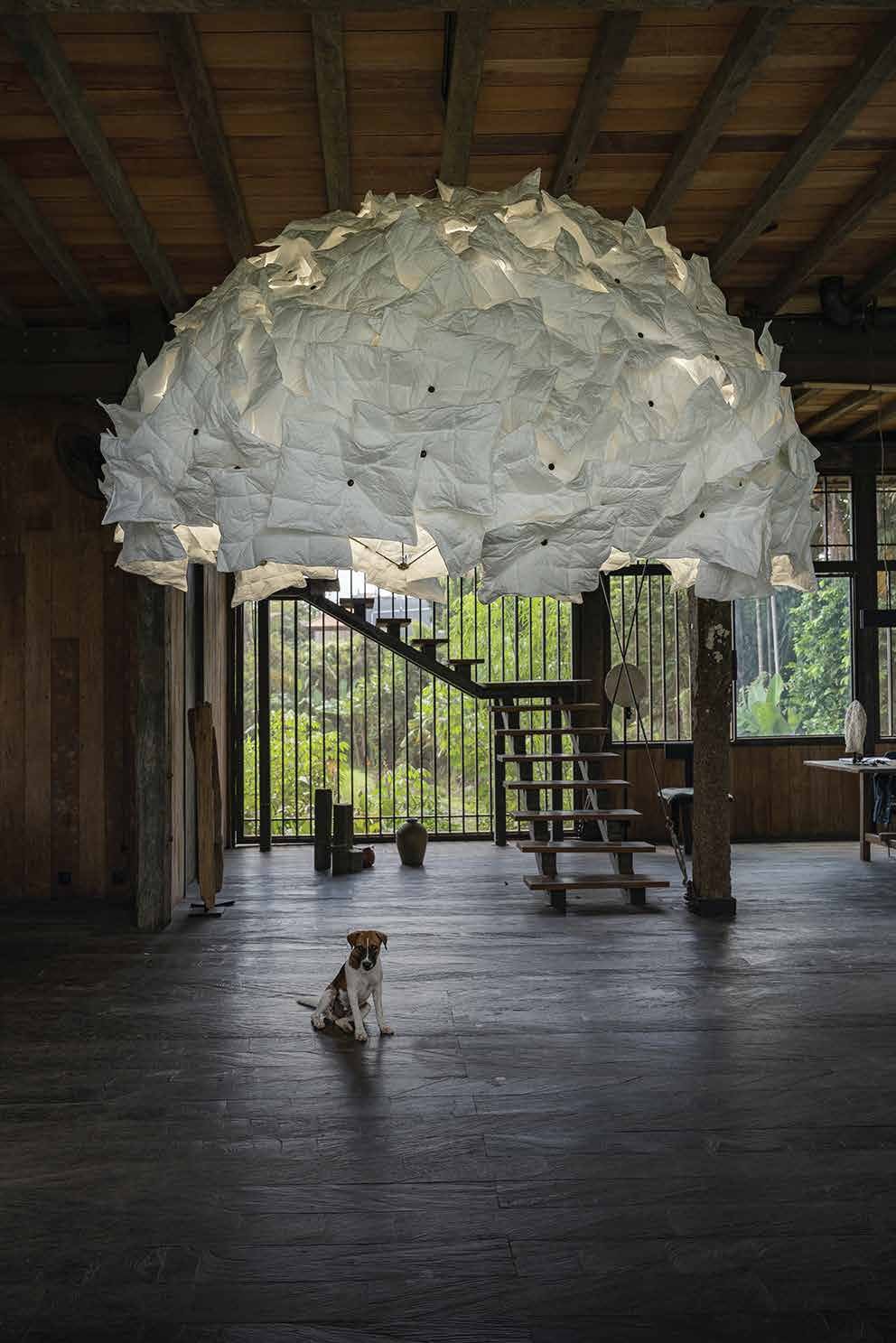
Budiman Ong: Some of our lamps are intentionally left unfinished, requiring the owner to shape them prior to installation. This transforms the product from a fixed outcome into an open framework in which the final form is determined by the user.
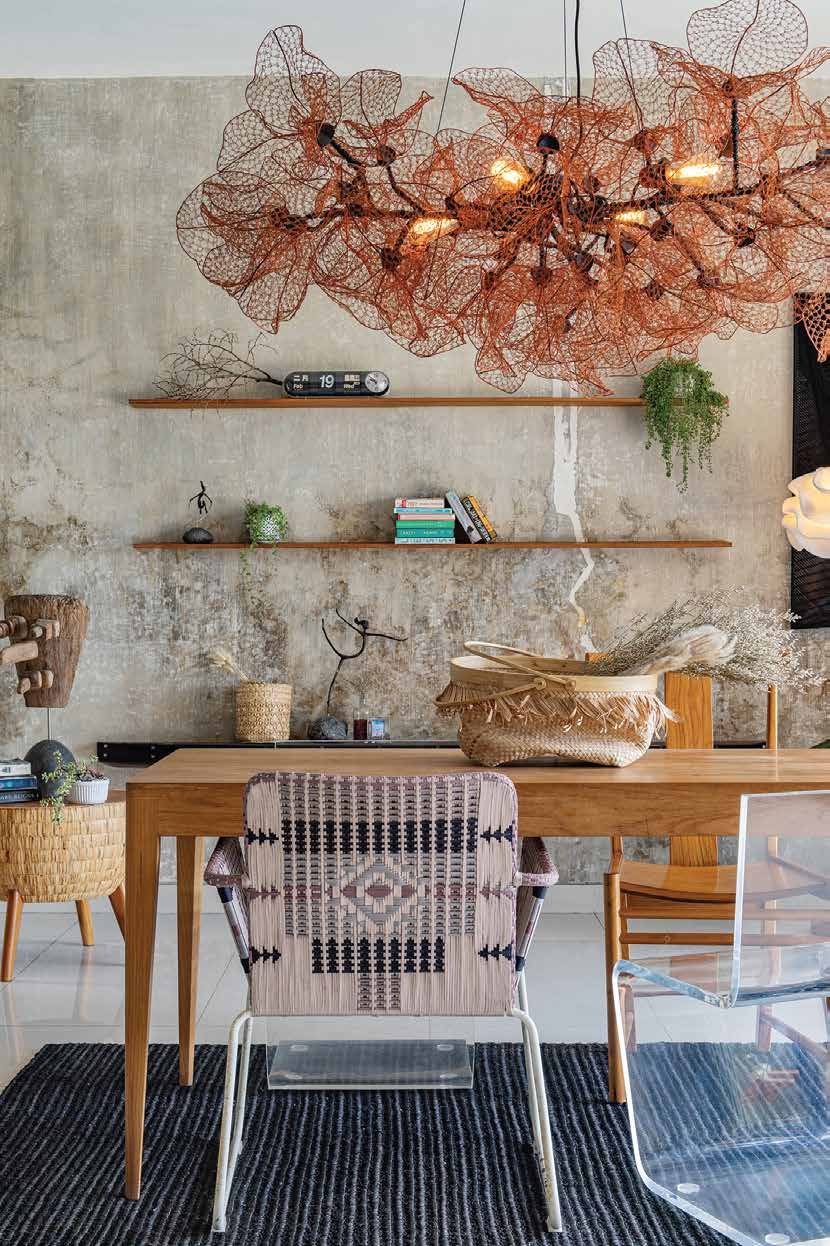
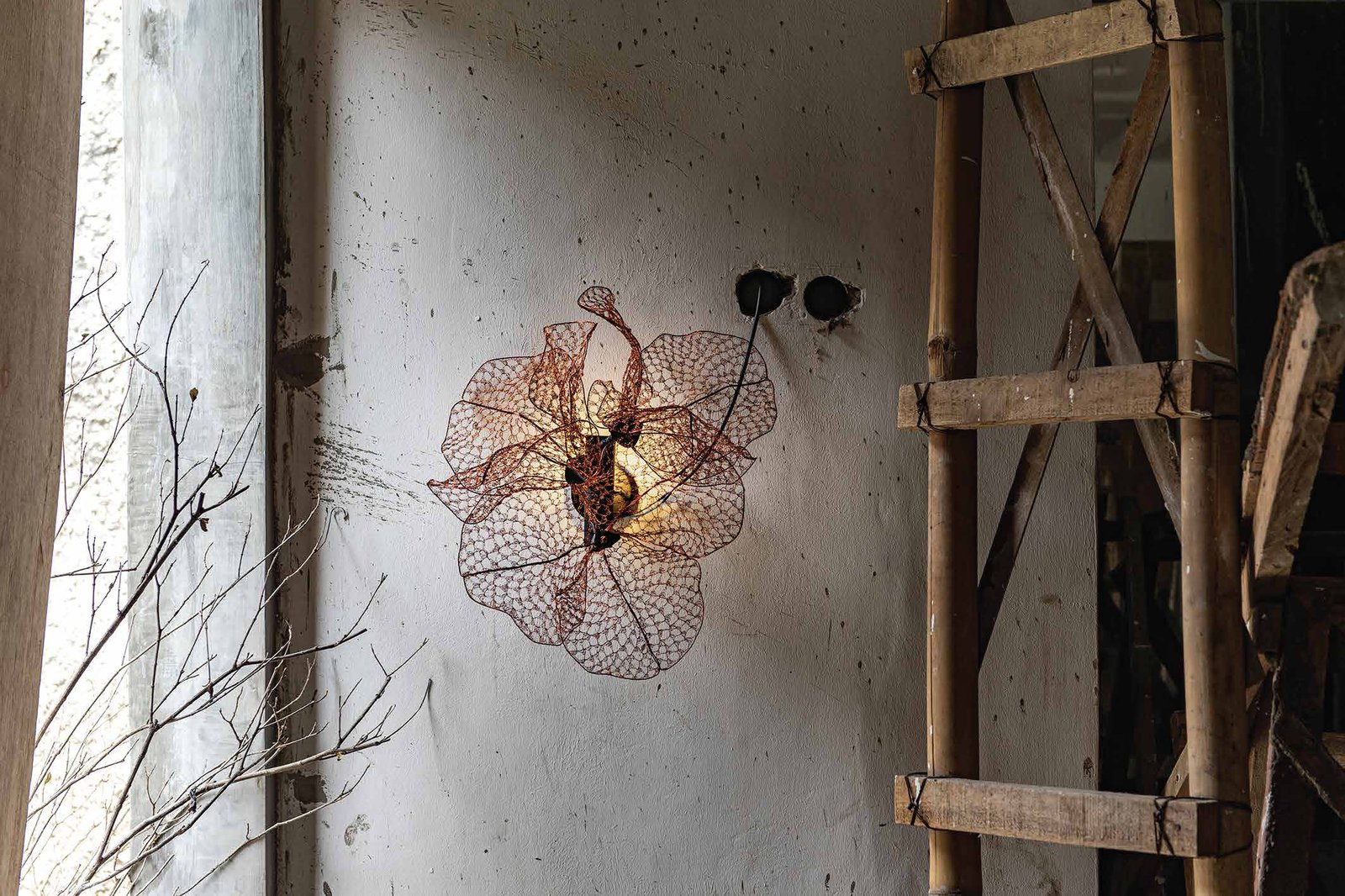
While this possibility occurs in most of our products—Alur and Bunga Kertas, for example—on Jamur, we are making it almost compulsory. By embedding participation into the design, the project redefines the role of the consumer: not as a passive recipient, but as an active contributor. The woven structure retains the memory of each intervention, resulting in a piece shaped by multiple hands throughout its lifecycle.
In doing so, Jamur proposes an alternative model for product design: one that is process-driven, materially responsive, and inherently adaptable. By combining handcrafted production with user participation, the Jamur Collection offers an alternative to standardized product design, emphasizing adaptability, individuality, and process.
You are both a designer-maker with Ong Cen Kuang and a curator-connector through Jia CURATED. How has this macro-responsibility to help showcase the richness of Indonesian design to the world shaped or influenced the way you look at your own micro-processes at the workbench in Bali?
Budiman Ong: I consider myself incredibly fortunate, as the relationship between the two roles is mutually beneficial.
Ong Cen Kuang is essentially my personal journey in design; with Jia CURATED, I wanted to open up to others, collaborate, share a creative space, and learn from the community.
My expertise as a designer at an established brand like Ong Cen Kuang gives me credibility as a curator. I am often invited to serve on award juries and speak at events, which helps promote Jia CURATED to new audiences.
On the other hand, Jia CURATED attracts key international figures to Bali, which feeds my creativity and enables cultural exchange and collaboration. It also provides an incredible platform for OCK as part of the main program, as well as international satellite events, such as the “Road to Jia CURATED – Tokyo Edition,” currently on display in Tokyo, showcasing the diversity of Indonesia-based design studios to the global creative community.
Through both OCK and Jia CURATED, I have the opportunity to travel, to experience different design ideologies firsthand, and to connect with many influential figures in the international design arena. Both roles aim to support cultural-creative exchange, strengthening ties within the global community and educating emerging designers in the process.
“We will always value our artisans’ sense of ownership and well-being over mass production.”
Your work explores durability and repairability, using materials such as Tyvek and metal wire that are designed to age gracefully. Do you believe the current “sustainability” conversation in Asian design focuses too much on recycled materials and not enough on the lifespan of the object itself? What do you think is key for design mindsets to flip the switch away from a linear to a circular look at product design?
Budiman Ong: Absolutely. Our products are designed to create lasting value by fostering a deeper sense of ownership and connection among all participants, from the designer to the artisan to the end user. By bridging these roles, Ong Cen Kuang moves beyond conventional consumption, fostering a relationship rooted in appreciation, participation, and longevity.
The act of shaping each piece allows owners to engage directly with the object, transforming it into something personal and meaningful. This emotional investment promotes long-term attachment, reducing the likelihood of disposal and encouraging the piece to be preserved, reused, and even passed down across generations.
From a sustainability perspective, we prioritize responsible material and production choices. Each piece is made to order and crafted entirely by hand on a simple loom, ensuring minimal material waste and avoiding mass production.
Production takes place within the studio’s Bali atelier, supporting local craftsmanship while maintaining a low-impact, small-scale manufacturing process. For over a decade, the studio has also maintained a strict no-plastic packaging policy, with all packaging designed and produced in-house using sustainable methods.
By combining durability, adaptability, and emotional value, we aim to promote a more conscious and sustainable approach to design, one that values human connection, material integrity, and long-term use over disposability.
Having seen your work placed in both the Swedish Jacyz Hotel and the new Presidential Palace in Nusantara, what do you believe is the one critical “missing link” currently holding Indonesian designers back from a more dominant global presence?
Budiman Ong: Indonesian designers can carve out their own space on the international stage. In my opinion, this can be best achieved by embracing Indonesia’s rich cultural heritage in their work. Design for the sake of aesthetics alone is no longer enough. The market is more informed and sophisticated, and products need to create experiences that are profoundly relevant and resonate with people.
The greatest potential within Indonesia’s design sector lies in the ability to connect the country’s existing strengths—natural materials, creative talent, and high-quality traditional manufacturing techniques—into a more cohesive ecosystem.
I believe that when Indonesian designers embrace their own culture, their designs will not only be seen but also felt and understood. This holistic approach to design is based on a deeper connection with the products and the environments, turning every piece into a story waiting to be told.
Let’s end with the subject of yearning, perfect for someone who’s seemingly done it all. You’ve mastered the medium of light as an irreplaceable element of the home. Looking at your Sumatra roots (Kisaran) and your Bali present, is there a specific furniture typology or a “common” everyday Indonesian object that you feel is ripe for a Budiman Ong reinterpretation?
There is indeed. For some time now, I have been thinking about a chair that distinctly represents Indonesian design, and I believe I have found a potential candidate. I would like to reinterpret the dingklik, a low stool traditionally used by batik makers during the canting process (the application of wax in batik). This stool is a significant part of Indonesia’s rich craft history and is favored by food vendors for its compact size and ease of transport. Watch this space! •
One Response