Words The Kanto team
Images The Pritzker Architecture Prize (Smiljan Radić)
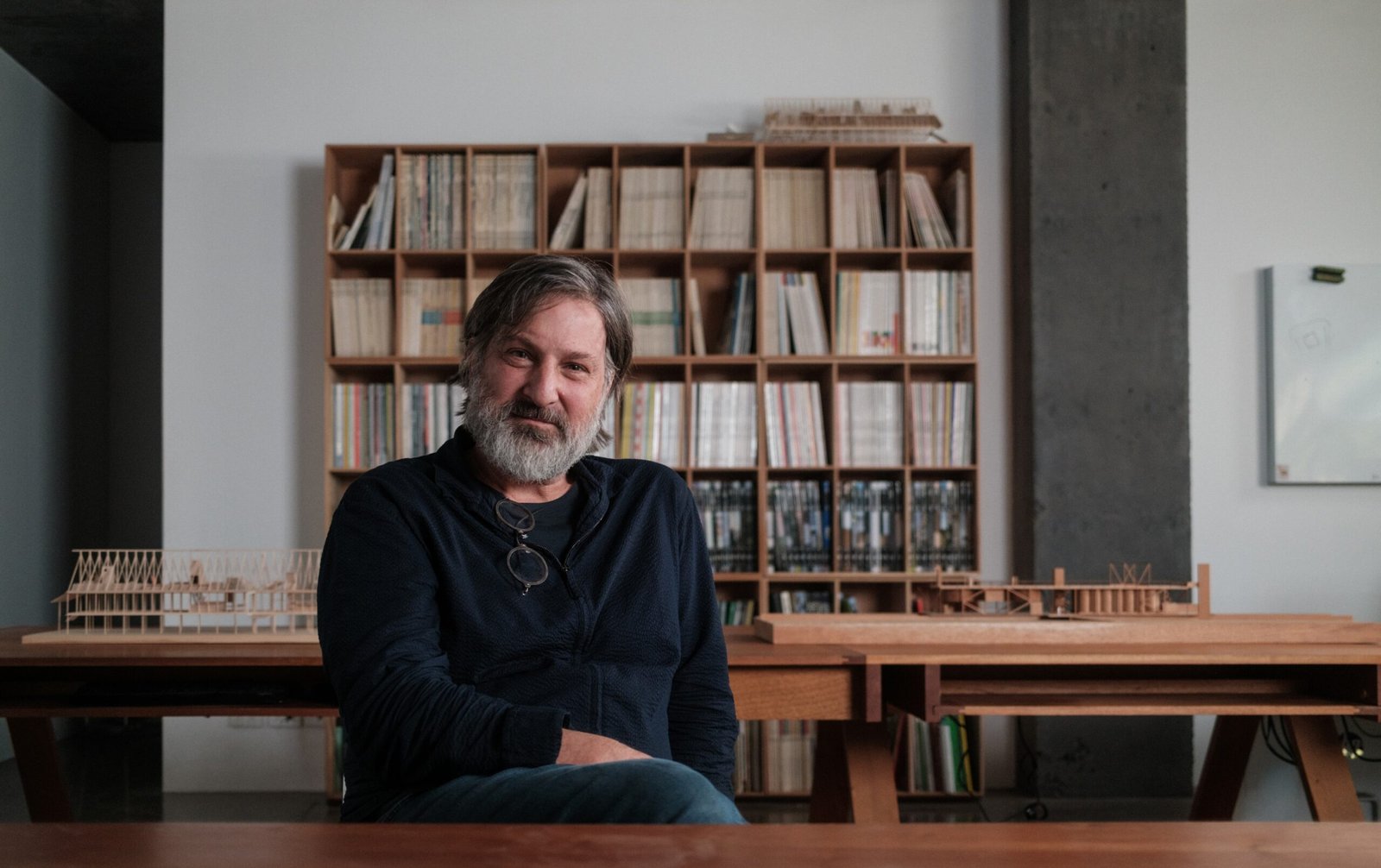
After a week’s delay necessitated by the controversy surrounding Pritzker Prize patron Thomas Pritzker, whose documented presence in the Epstein files led to his resignation, the 47-year prize program’s silence has ended. What is widely recognized as “Architecture’s Nobel” drops the sudden announcement of its 55th laureate, succeeding Liu Jiakun: the 60-year-old Chilean architect Smiljan Radić Clarke.
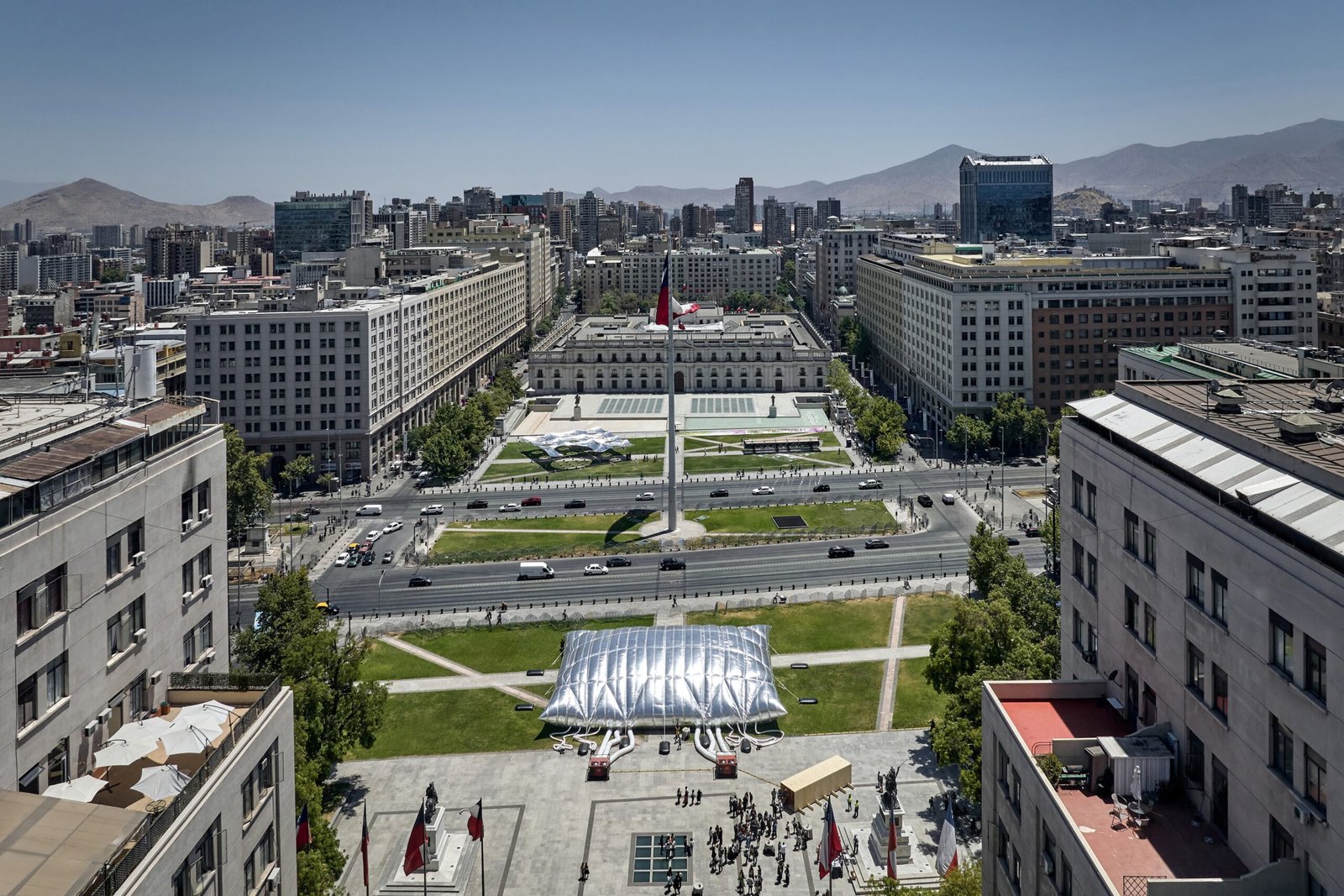
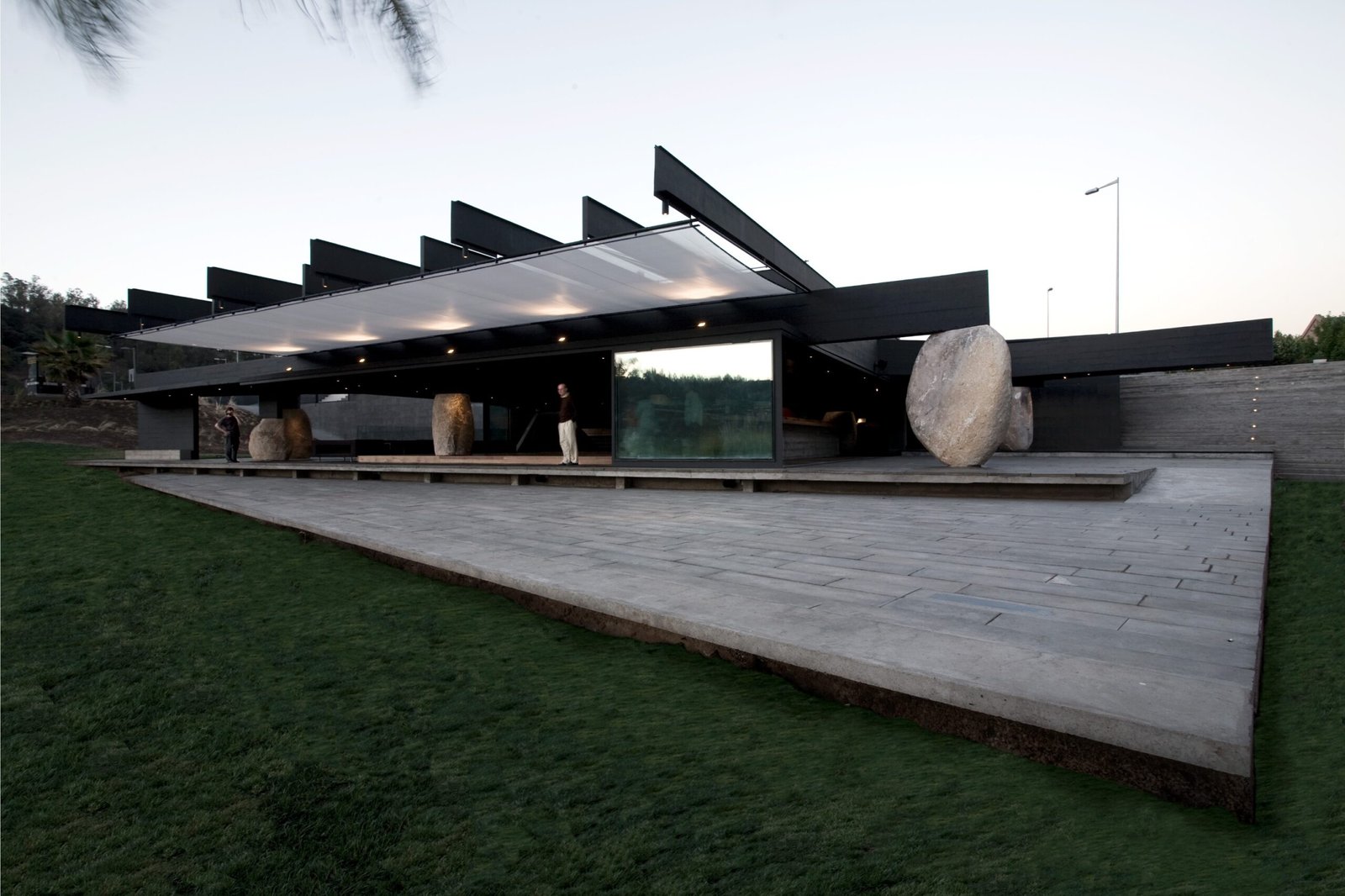
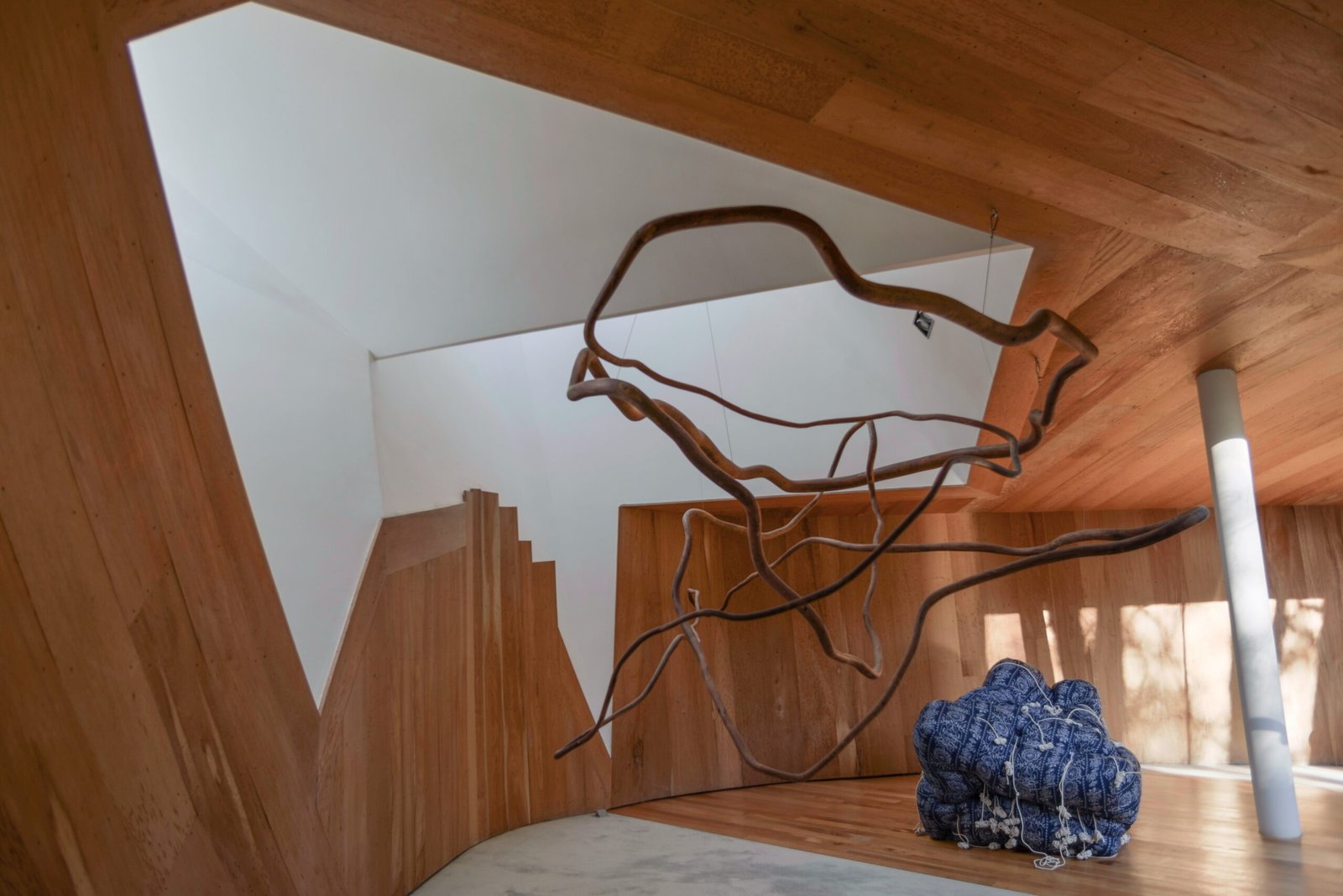
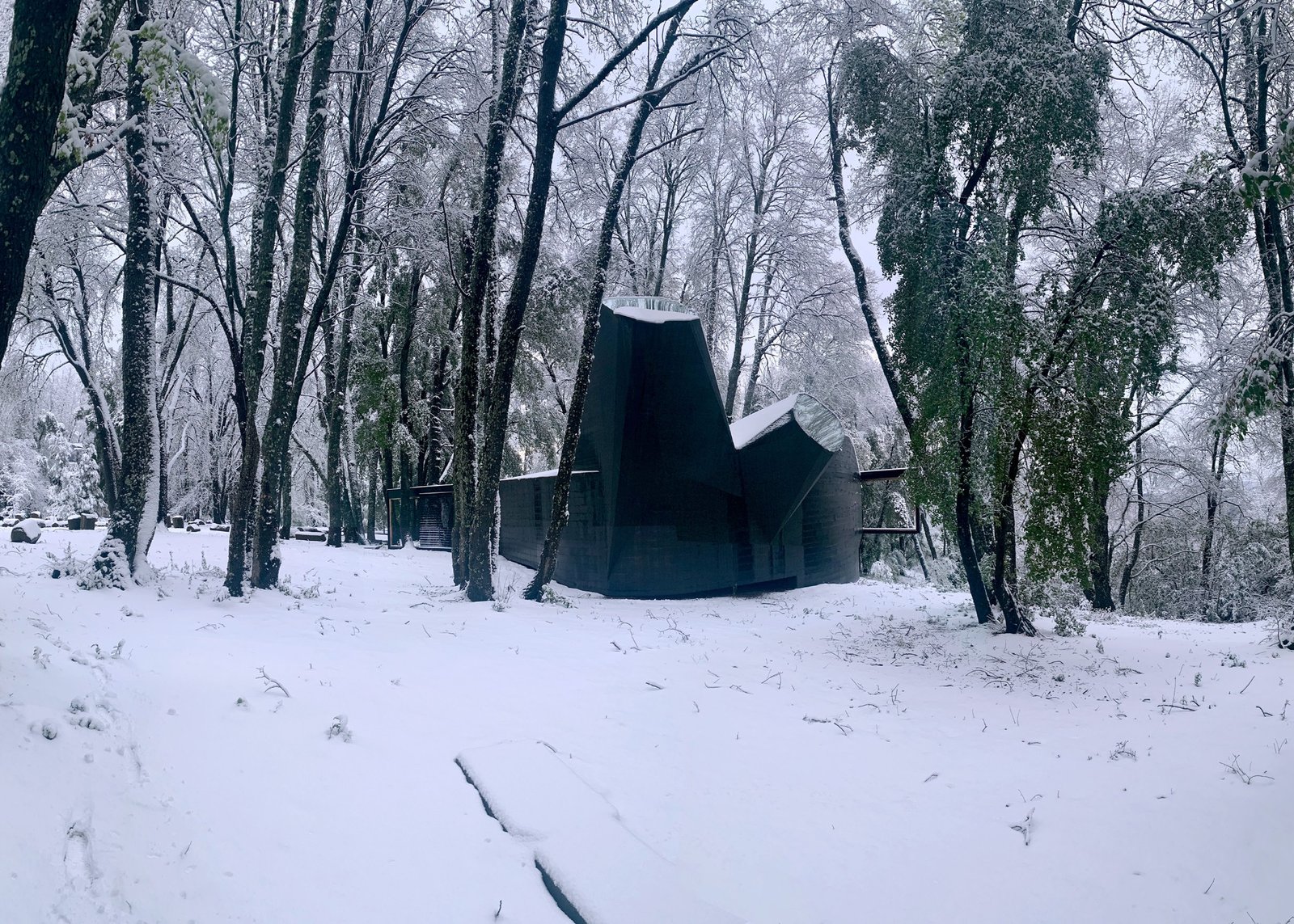
Radić Clarke is the fifth man in a row to receive the honor, the second of Chilean descent, marking a return to the Western Hemisphere. Selected by a jury chaired by his compatriot Alejandro Aravena (2016 Laureate), Radić Clarke was chosen for his ability to convey magic, theater, and wonder in architecture, qualities increasingly lost in built realms dictated by capital yield and surface bombast. His work utilizes shapes and volumes that lean more toward the botanical and prehistoric than the metropolitan. There is palpable tension in Radić Clarke’s work, straddling form and function, temporality and permanence, solidity and permeability. As the jury citation notes:
“Through a body of work positioned at the crossroads of uncertainty, material experimentation, and cultural memory, Smiljan Radić Clarke favors fragility over any unwarranted claim to certainty. His buildings appear temporary, unstable, or deliberately unfinished—almost on the point of disappearance—yet they provide a structured, optimistic and quietly joyful shelter, embracing vulnerability as an intrinsic condition of lived experience.”
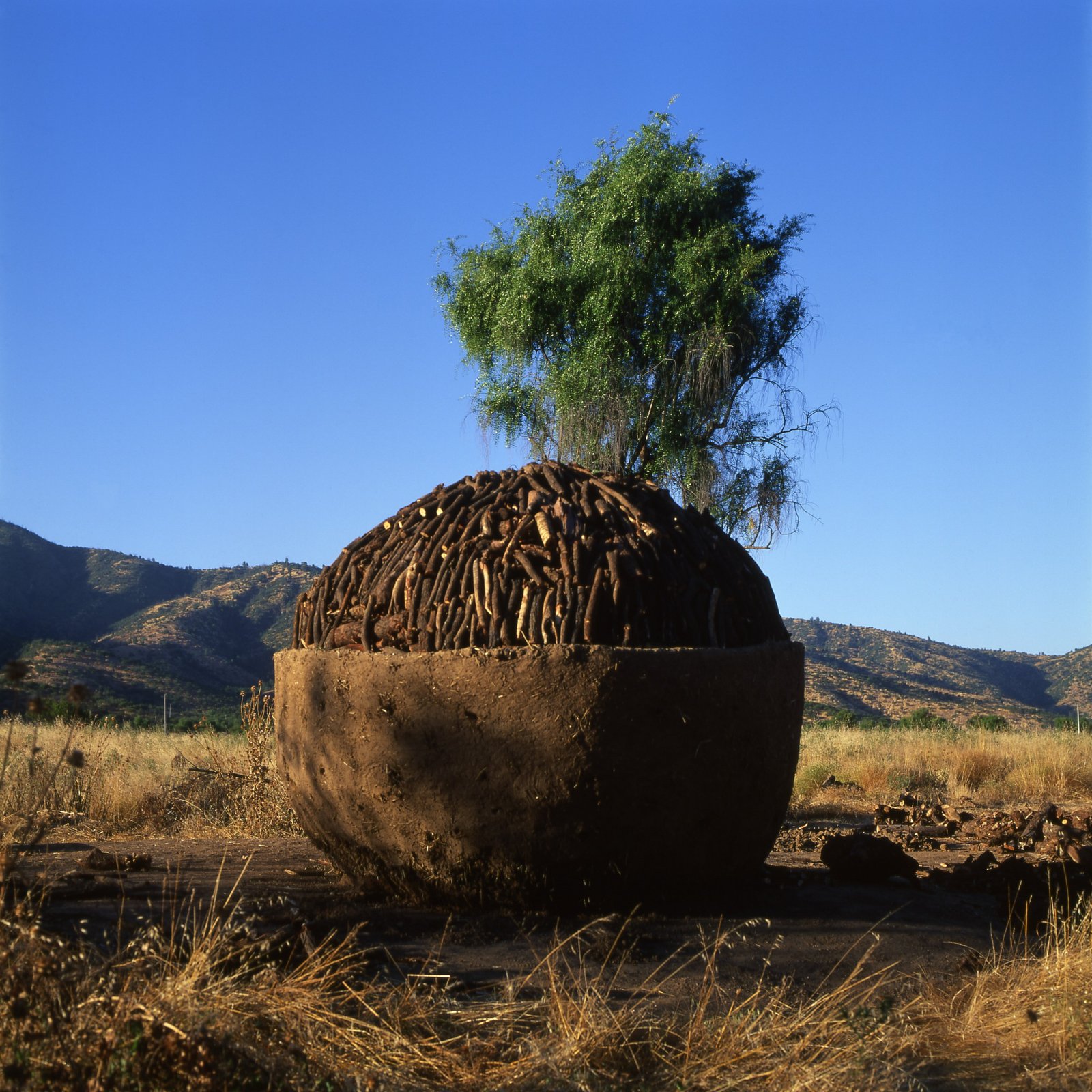
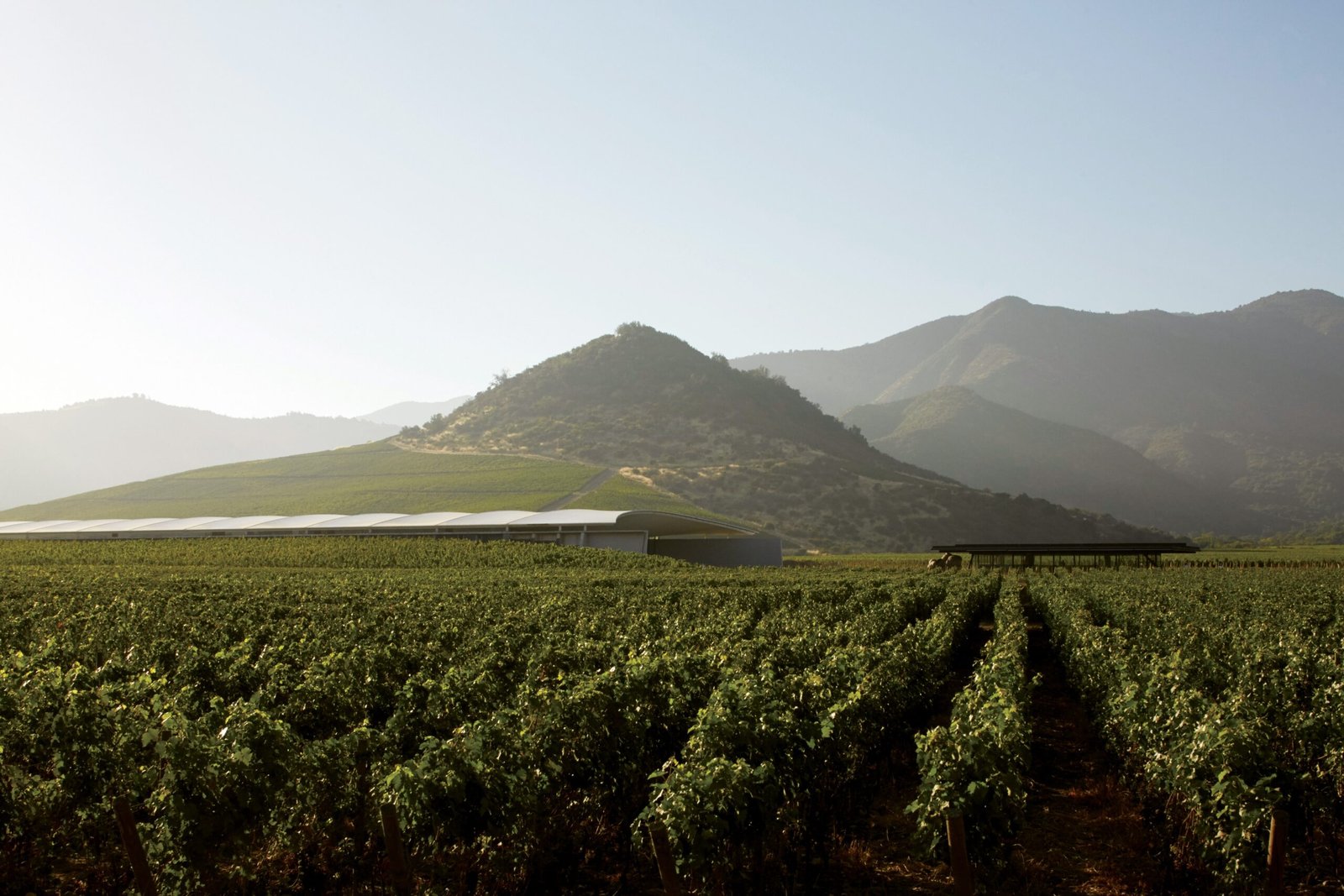
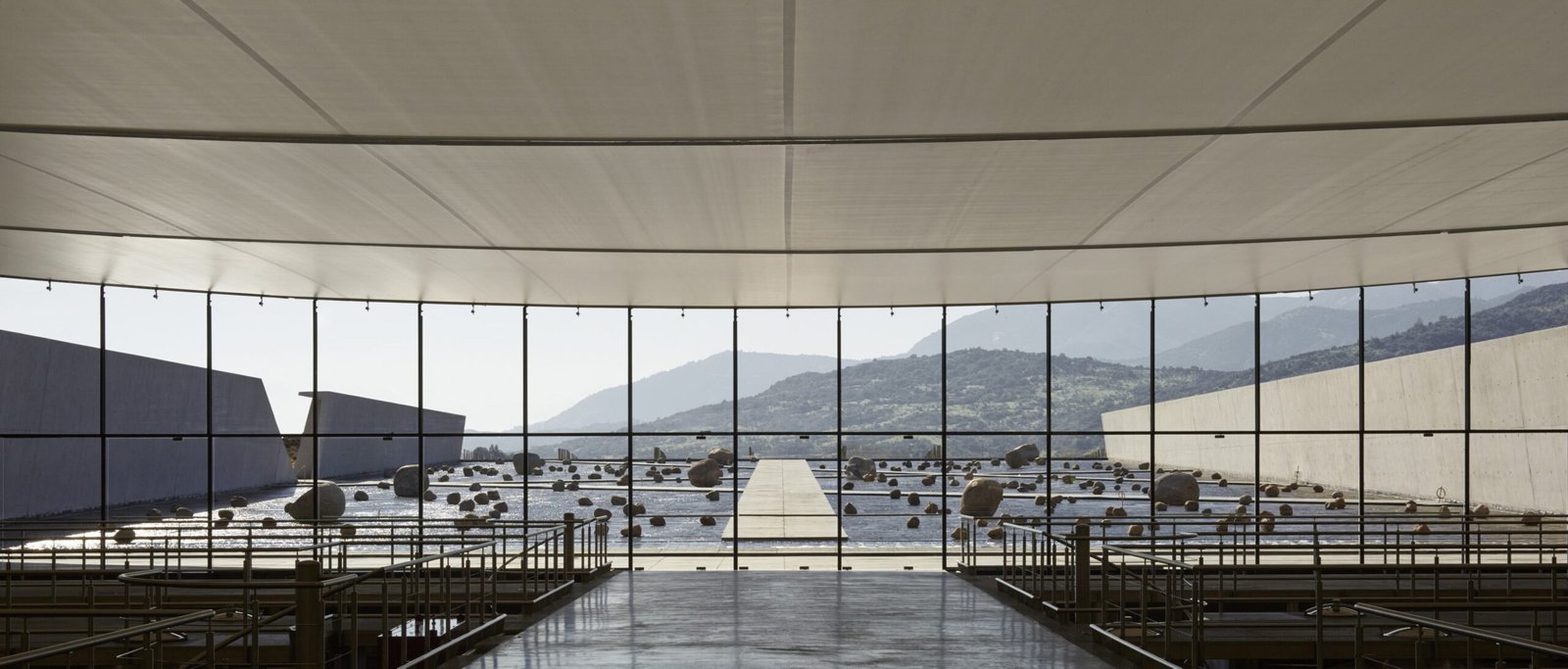
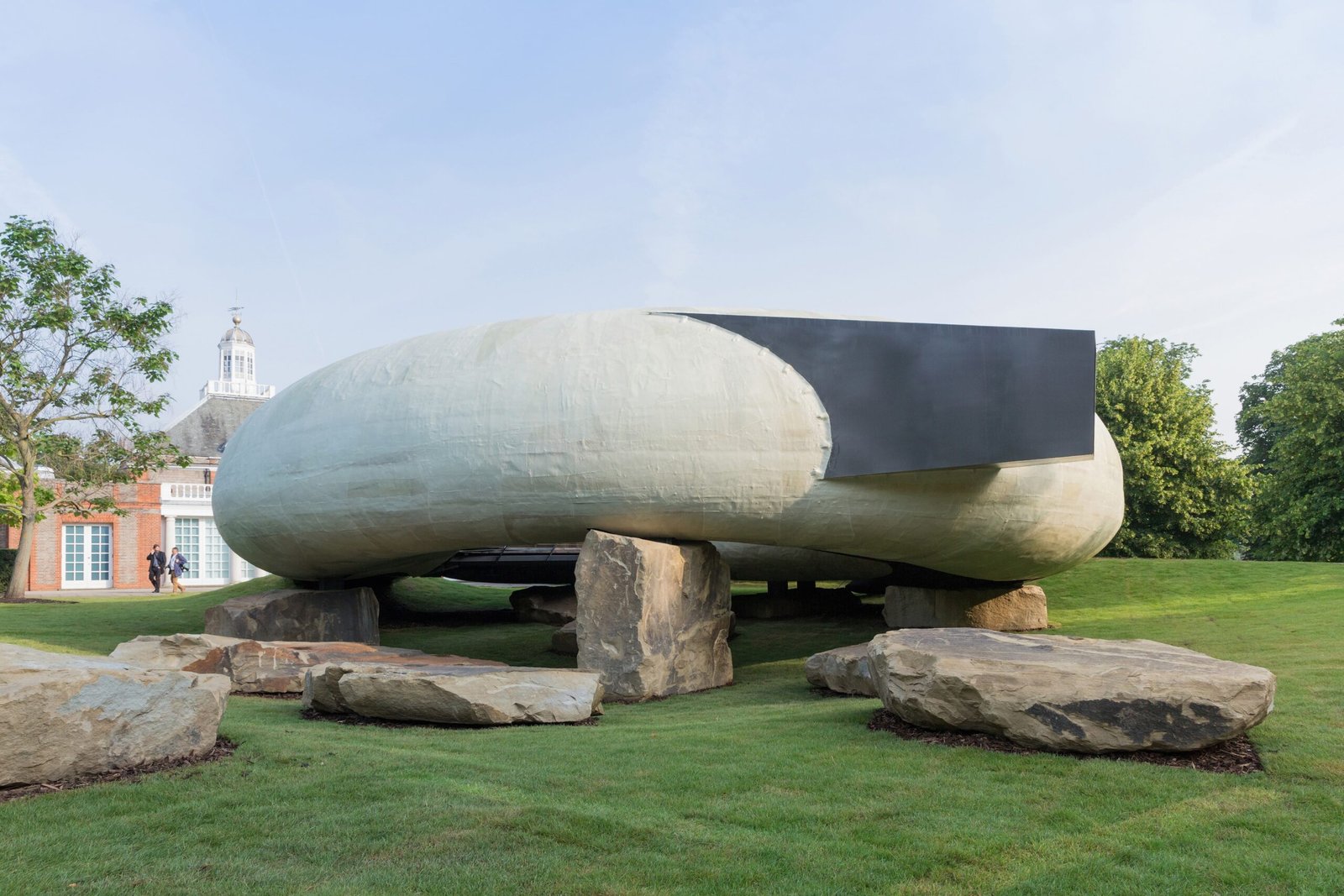
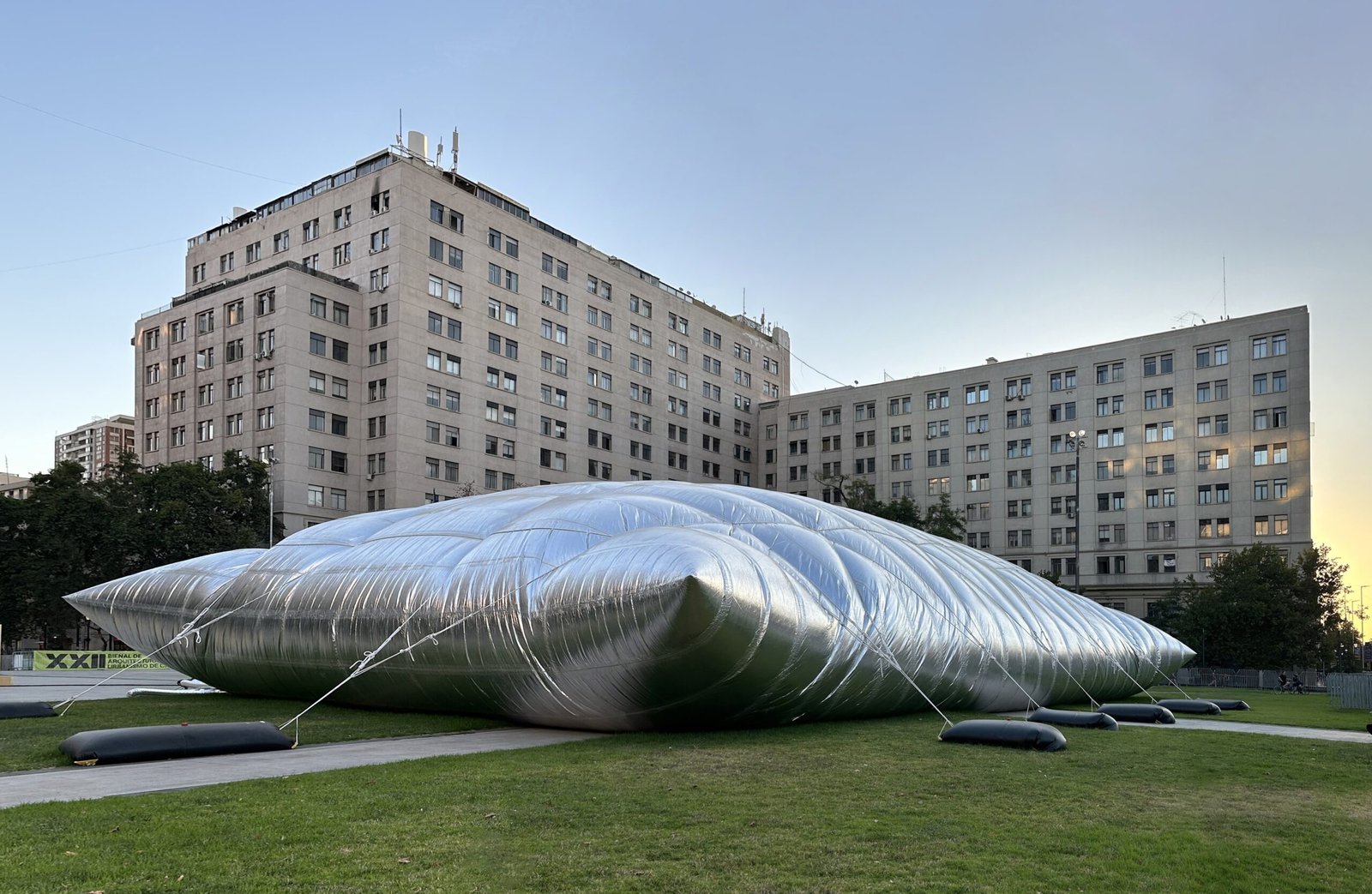
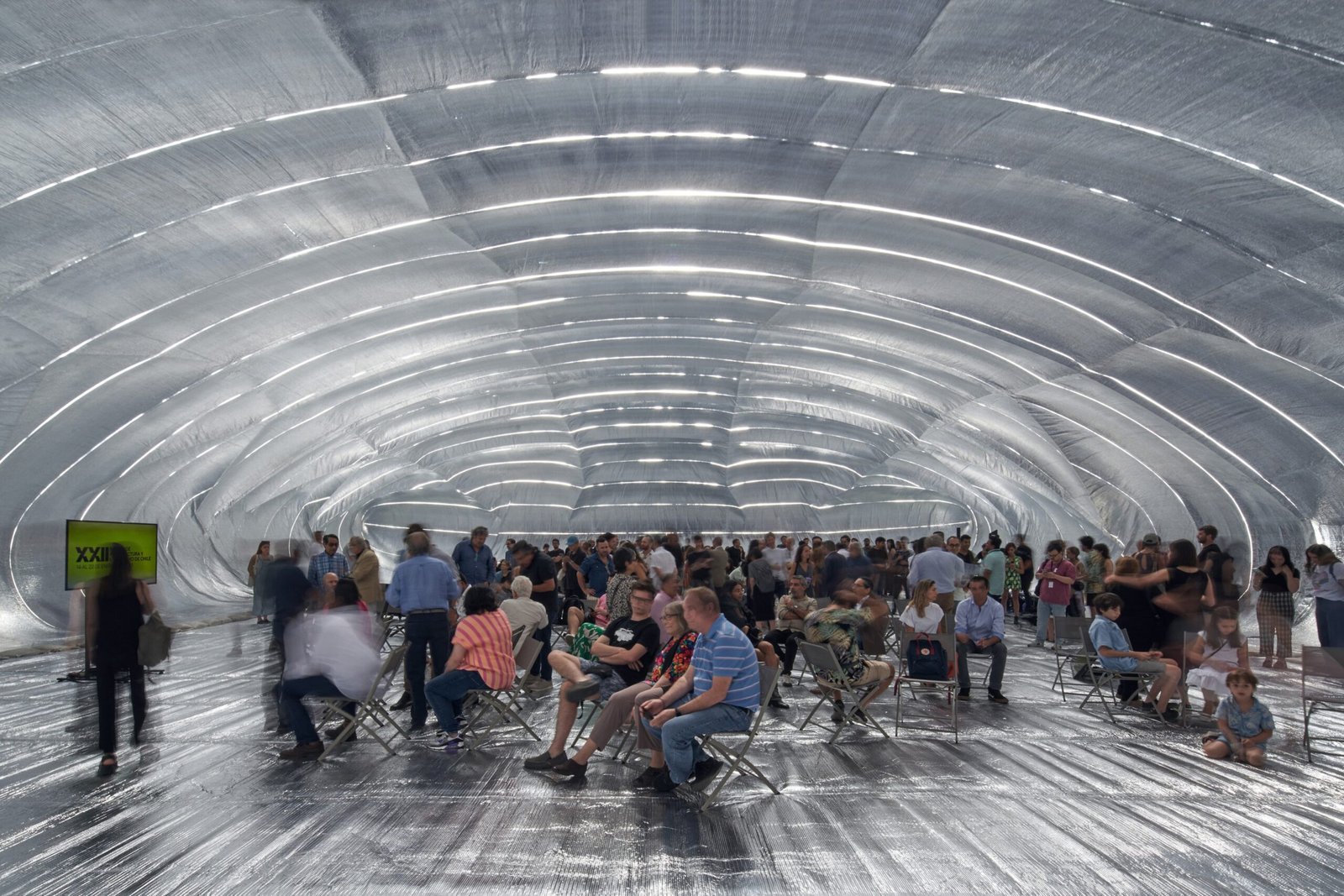
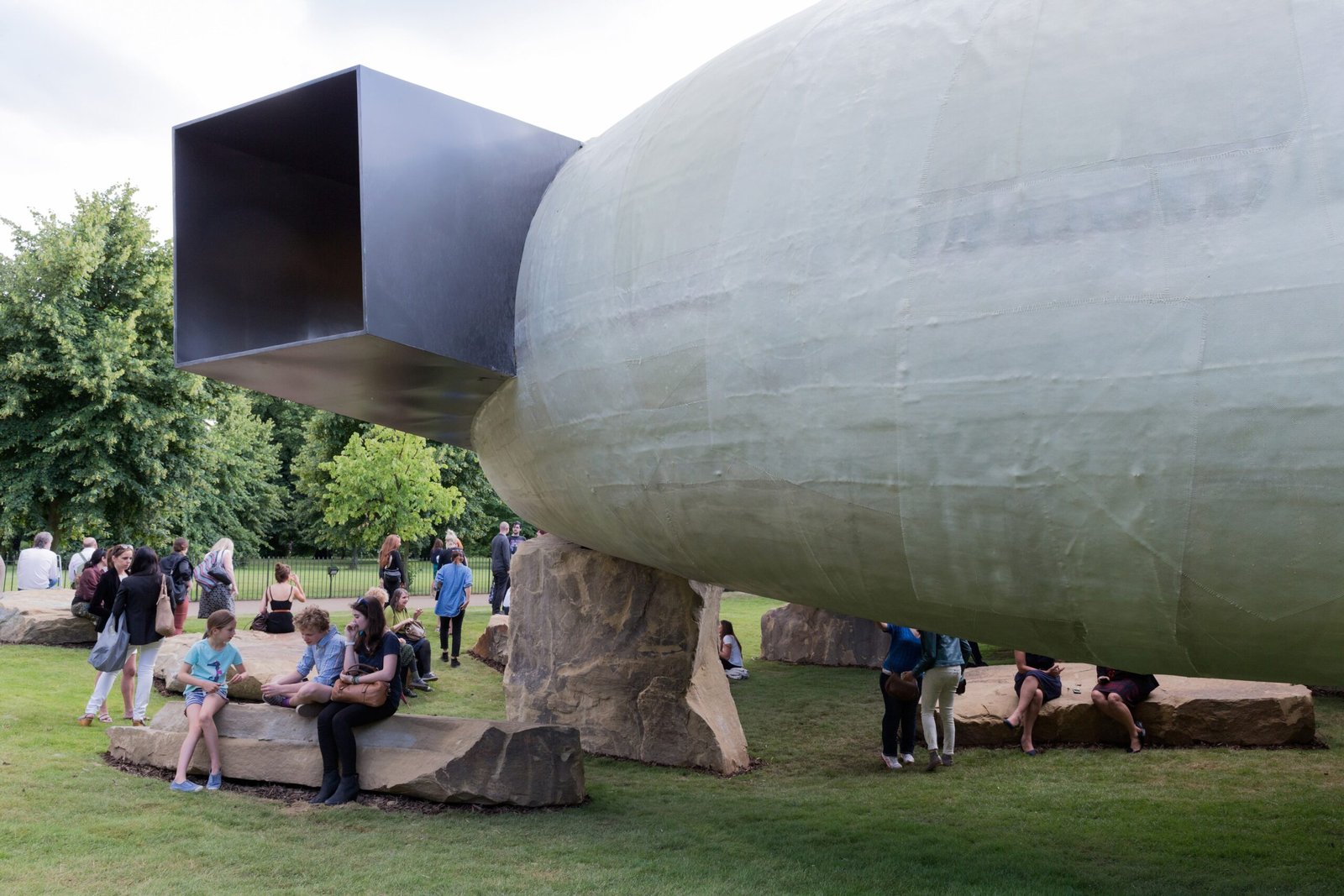
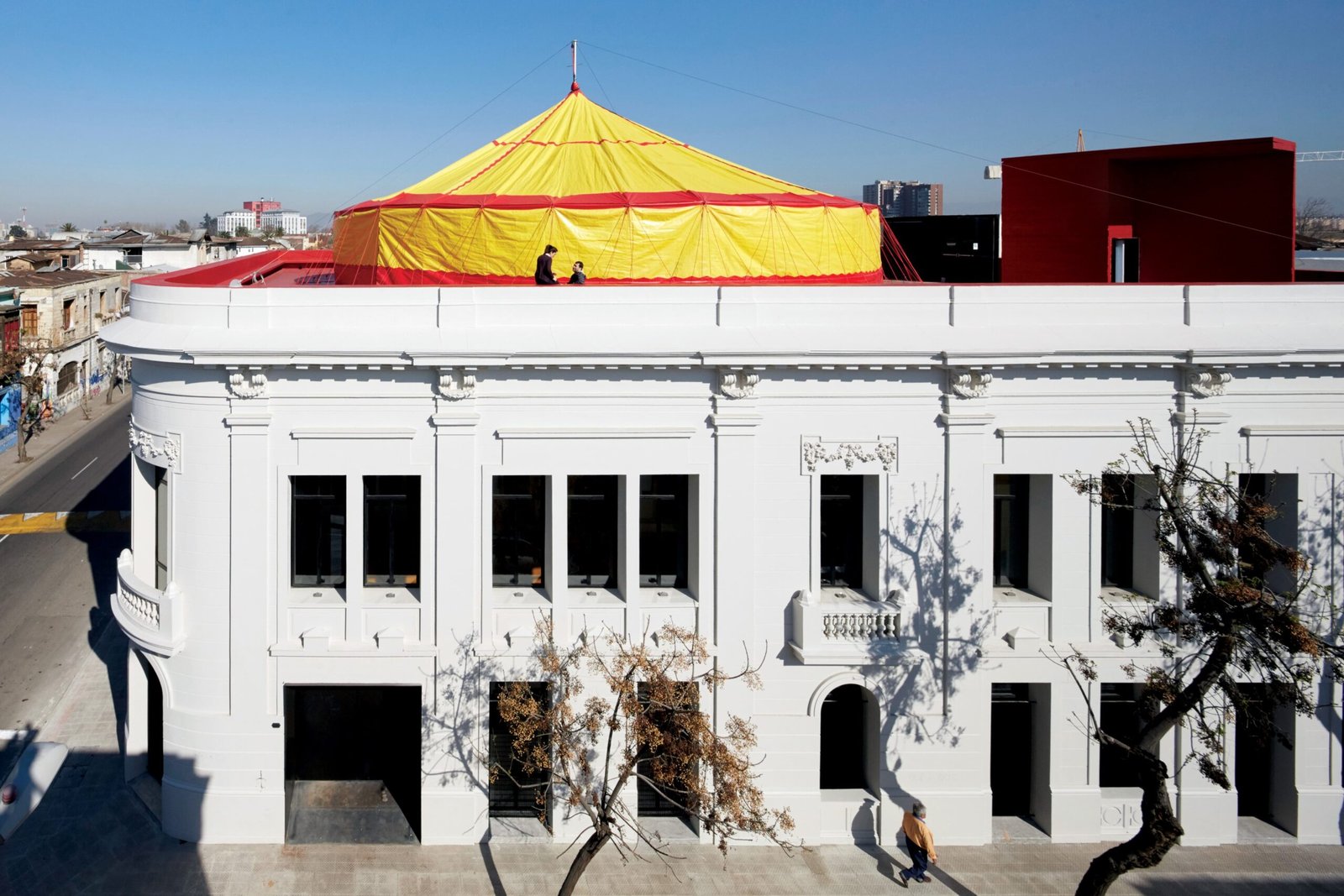
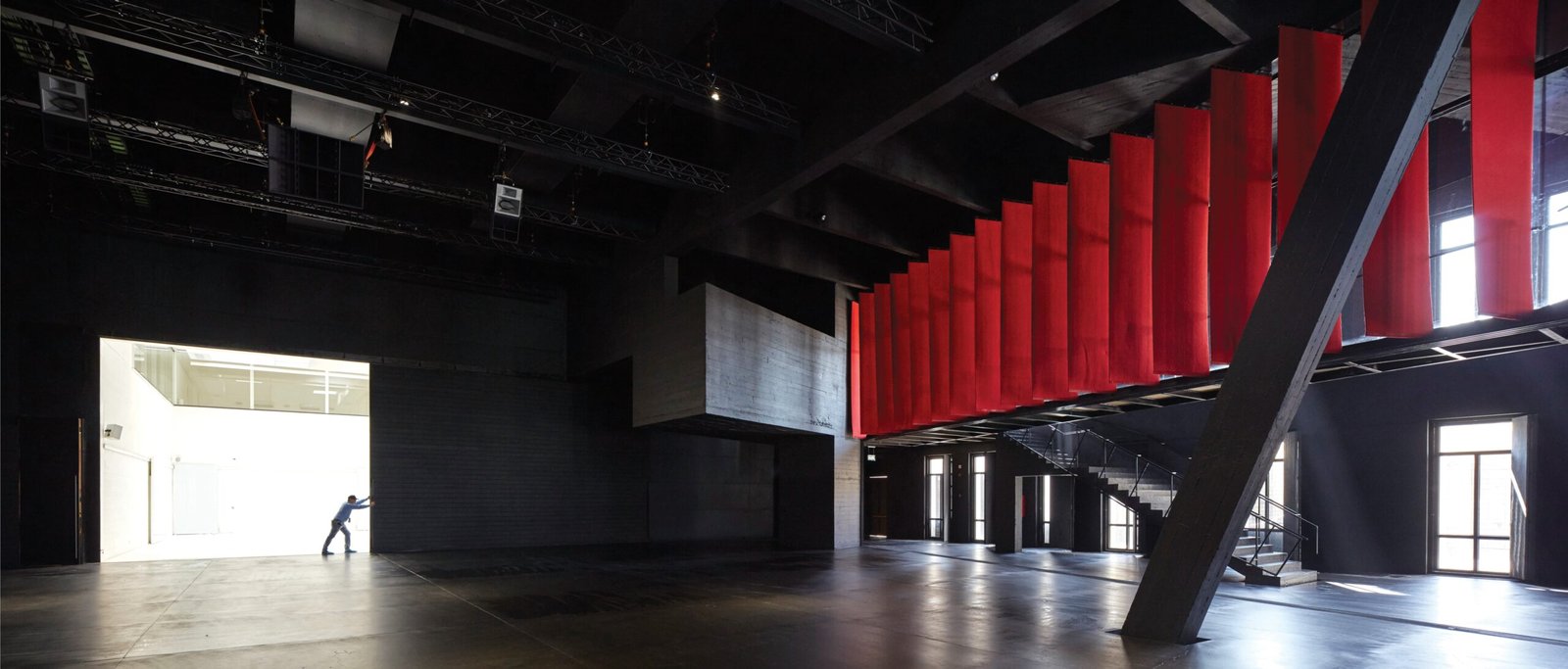
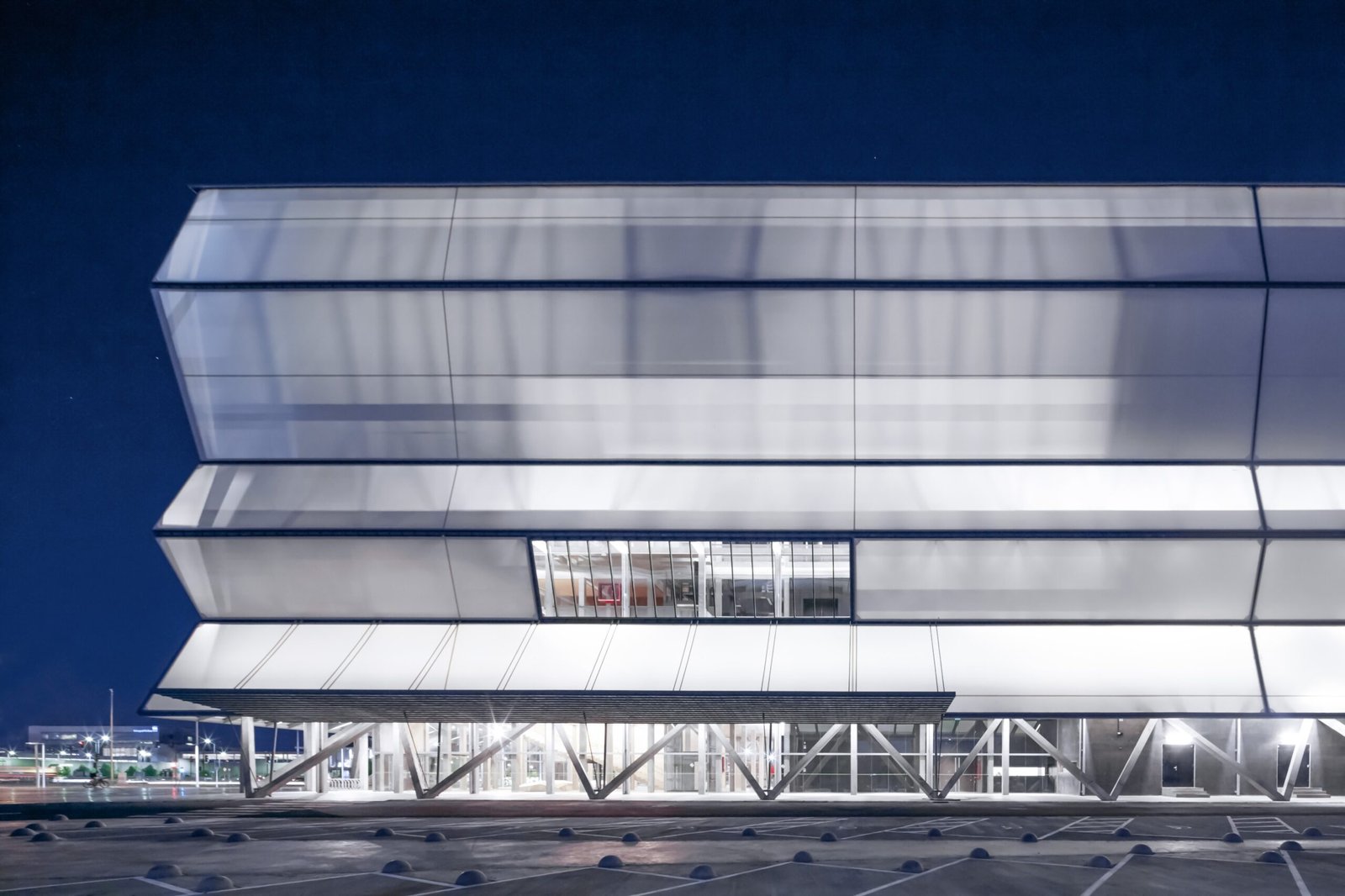
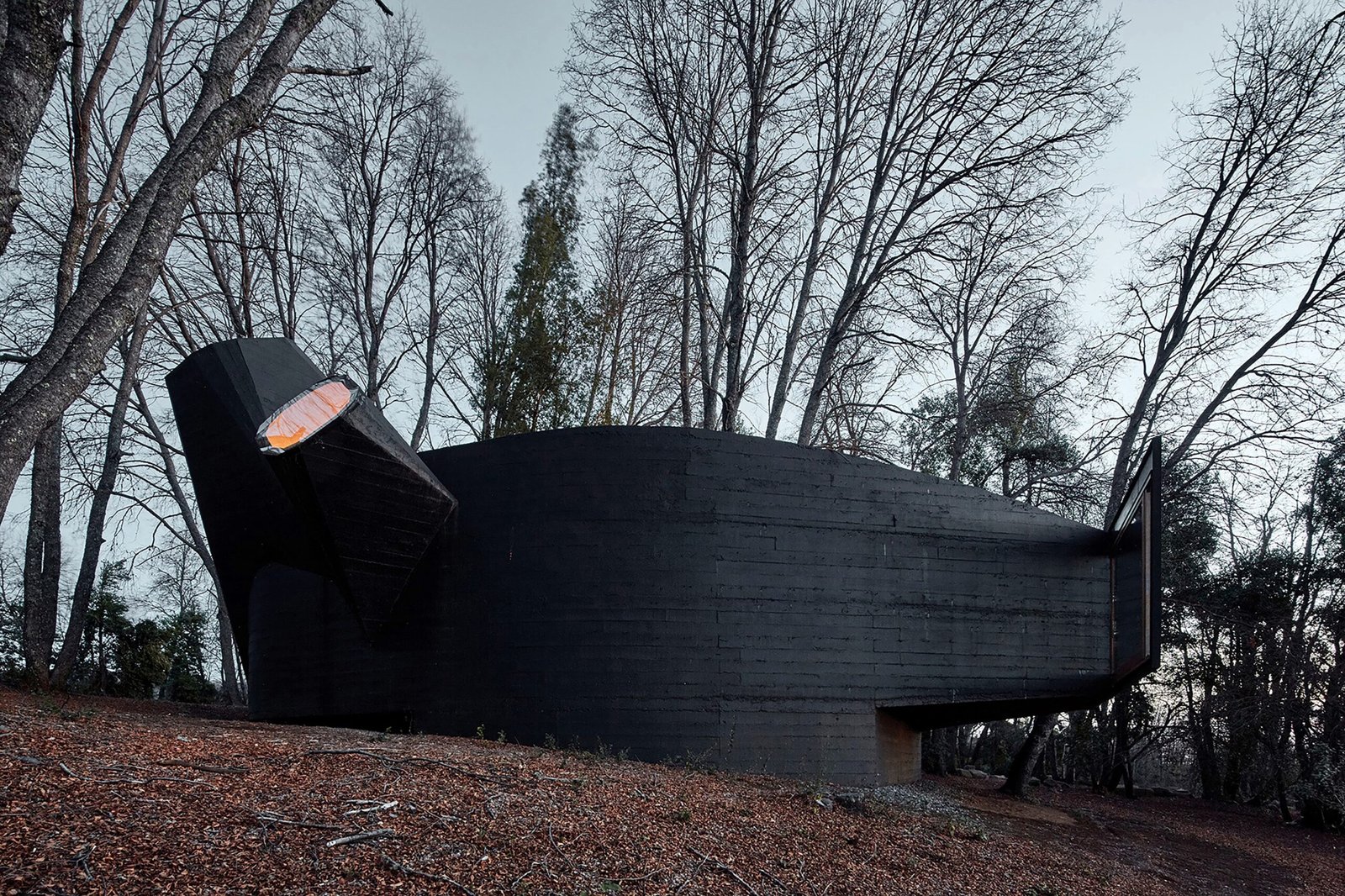
Of note is the specificity of Radić’s spatial responses. He eschews a “one-size-fits-all” signature in favor of one-off, context-sensitive dialogues. His materiality also runs the gamut of textures, from the ephemeral, pebble-like shell of his widely-lauded 2014 Serpentine Gallery Pavilion to the foil-like walk-in “pillow” of the Guatero Pavilion for the 2023 Biennial of Architecture and Urbanism of Chile. That rare architect gifted with the writer’s pen, Radić Clarke’s spaces ripple with story and narrative depth, a quality that even the most outrageous of spatial gestures cannot equal, as evidenced by work for the brightly colored “circus top” of the disaster-damaged NAVE Performing Arts Center, and the multi-armed, otherworldly concrete mass of the forest-sited House for the Poem of the Right Angle.
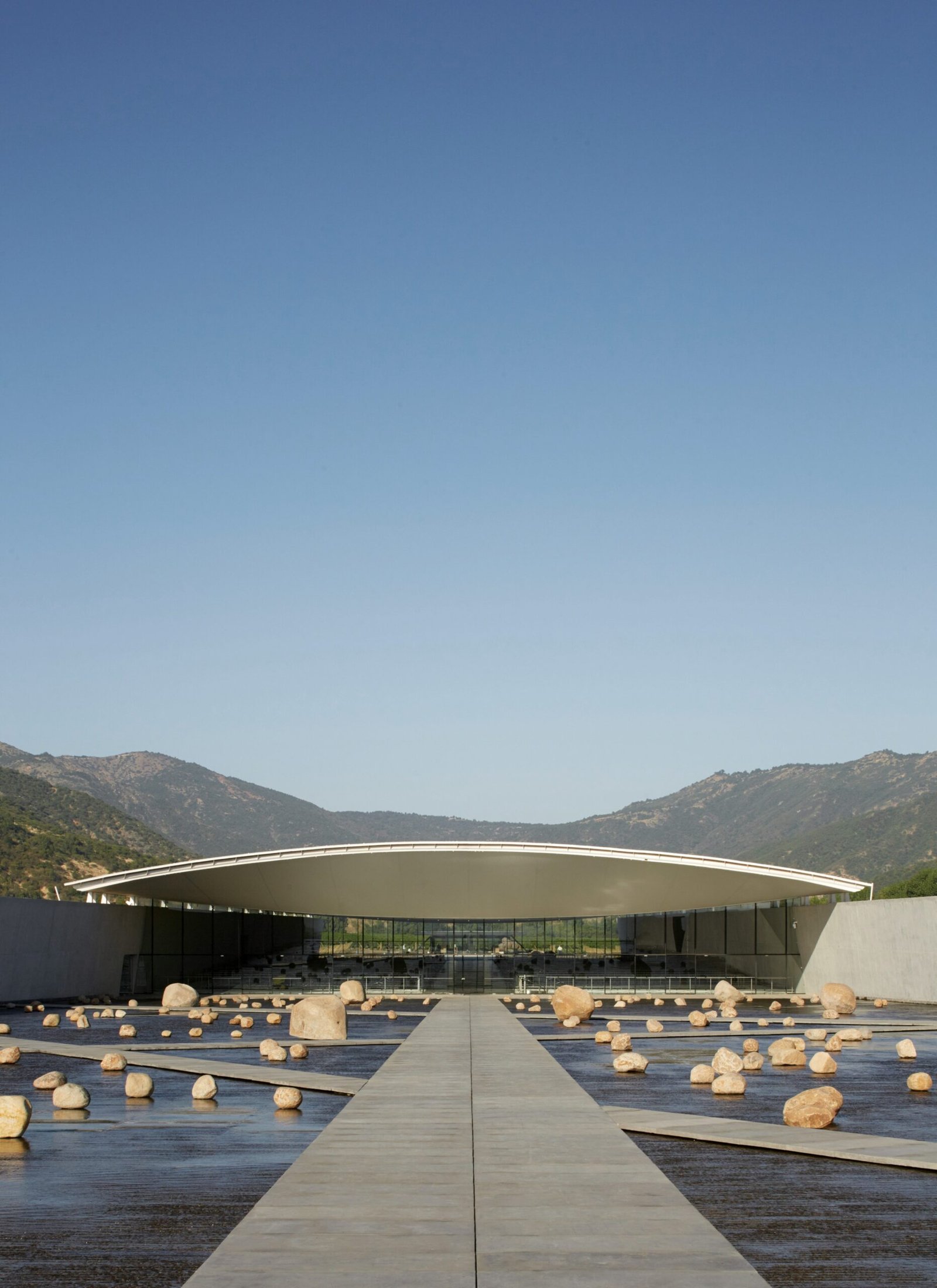
“Smiljan Radić Clarke favors fragility over any unwarranted claim to certainty. His buildings appear temporary, unstable, or deliberately unfinished—almost on the point of disappearance.”

Such organic, radical textures reflect Radić Clarke’s profound empathy for the human experience of space, a balm in this era of banal sameness and shell-deep architectural theatrics pervading contemporary development. As the jury adds, his buildings “demand embodied presence,” working with dimensions of experience that often escape verbalization. Radić Clarke’s Santiago-based studio spans more than three decades of built work, with cultural institutions, civic spaces, commercial buildings, private residences, and installations throughout Albania, Austria, Croatia, France, Italy, Spain, Switzerland, the United Kingdom, and his native Chile.
While Radić Clarke’s win is artistically unimpeachable, the announcement comes amid skepticism. The prize program is currently tainted by association; Thomas Pritzker’s resignation from Hyatt earlier this year, following the unsealing of Epstein-related documents, has left a vacuum of moral authority at the head of the Foundation. There is biting irony in the jury’s celebration of Radić Clarke’s “fragility” and “vulnerability” at a time when the Pritzker Prize is at its most fragile state.
This year’s selection also highlights the Prize’s ongoing struggle with systemic blind spots. Despite a global wealth of architectural talent, the Foundation continues to promulgate the myth of the “lone genius,” as noted by The Financial Times. The lack of female laureates remains a glaring omission; the last women to win were the duo Grafton Architects in 2020, and the only solo female winner remains Zaha Hadid in 2004. This 2026, the absence of women on what is widely seen as architecture’s loftiest stage reads less a statistical anomaly but one of choice, a puzzling choice made even more uncomfortable by the specter of the Epstein files and the historical subjugation of women associated with that circle.
Winning the Pritzker has always created tension between the prestige it grants and the pressure it exerts. Radić Clarke, who notably asked that his English mother’s surname be prominently displayed in his Pritzker announcement, opens a new era for the Prize; an era in which the program can no longer turn a blind eye to its glaring internal contradictions if it expects to remain relevant.
It seemed right to close with Alejandro Aravena’s jury comment for Smiljan Radić Clarke.
“In every work, he is able to answer with radical originality, making the unobvious obvious. He reverts back to the most irreducible basic foundations of architecture, exploring at the same time, limits that have not yet been touched. Developed in a context of unforgiving circumstances, from the edge of the world, with a practice of just a few collaborators, he is capable of bringing us to the innermost core of the built environment and the human condition.” •