Words and images Benilde Open Design + Art
Editing The Kanto team
From hundreds of proposals submitted locally and internationally, ten Benilde Open Design + Art grantees emerge, each receiving a P300,000 production grant and selected to develop unfinished ideas, ambitious prototypes, and conceptual visions at the intersection of art, design, technology, and sustainability at full scale. The grantees, a mix of emerging artists and established designers, whose works span disciplines including video, installation, textile, industrial design, and jewelry, are: Andi Osmeña; Bianca Carague; Karl Castro; Kiri Dalena and Ben Brix; Krishner Appay; Mac Andre Arboleda; Mikael Joaquin; Nicolei Racal; Niño Tayao; and Studio Unosinotra.
A biennial grant established in 2023 by the De La Salle College of Saint Benilde – School of Design + Arts, Benilde Open Design + Art‘s second edition, spotlights nature not just as a muse but as a co-creator. “Extension of Nature” challenged entrants to envision a future where art and technology work in harmony with the environment. The theme draws from the evolving history of kinetic and responsive art, pointing to a lineage of works that move and respond, interact and adapt, whether through wind, light, sensors, reclaimed systems, or hybrid materials. At the crux of the grant’s nature-centric theme is the capacity to move the needle in how people think about energy, motion, and interdependence.
In conjunction with Benilde Open, student-driven projects and visions are given a leg up, with the Best of Benilde grant providing P50,000 and curatorial assistance to two selected projects, freeing ideas beyond the classroom to interface with the real world. 2025’s Best of Benilde grantees are Patty Malijan and Pen Vinzon.
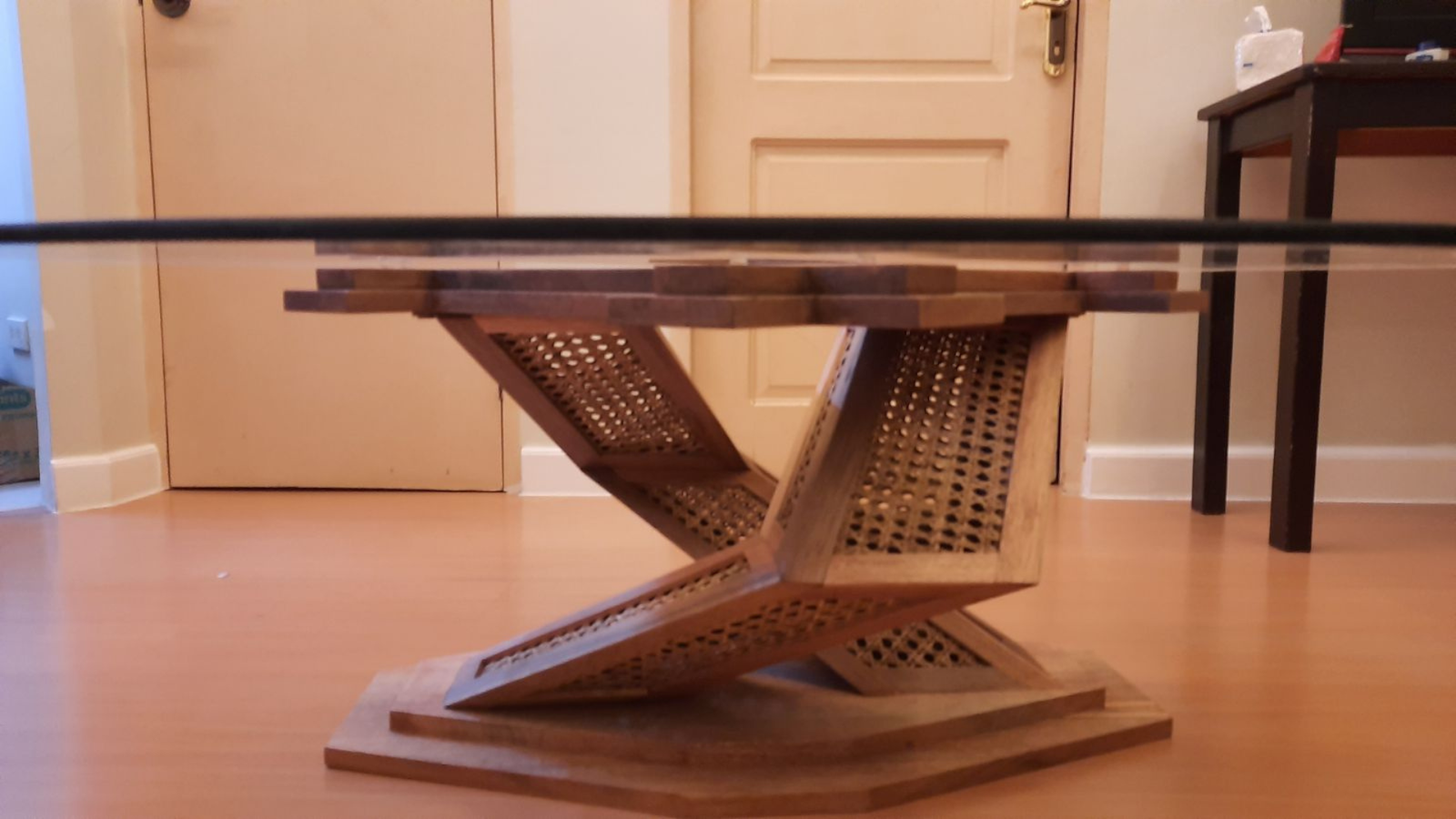
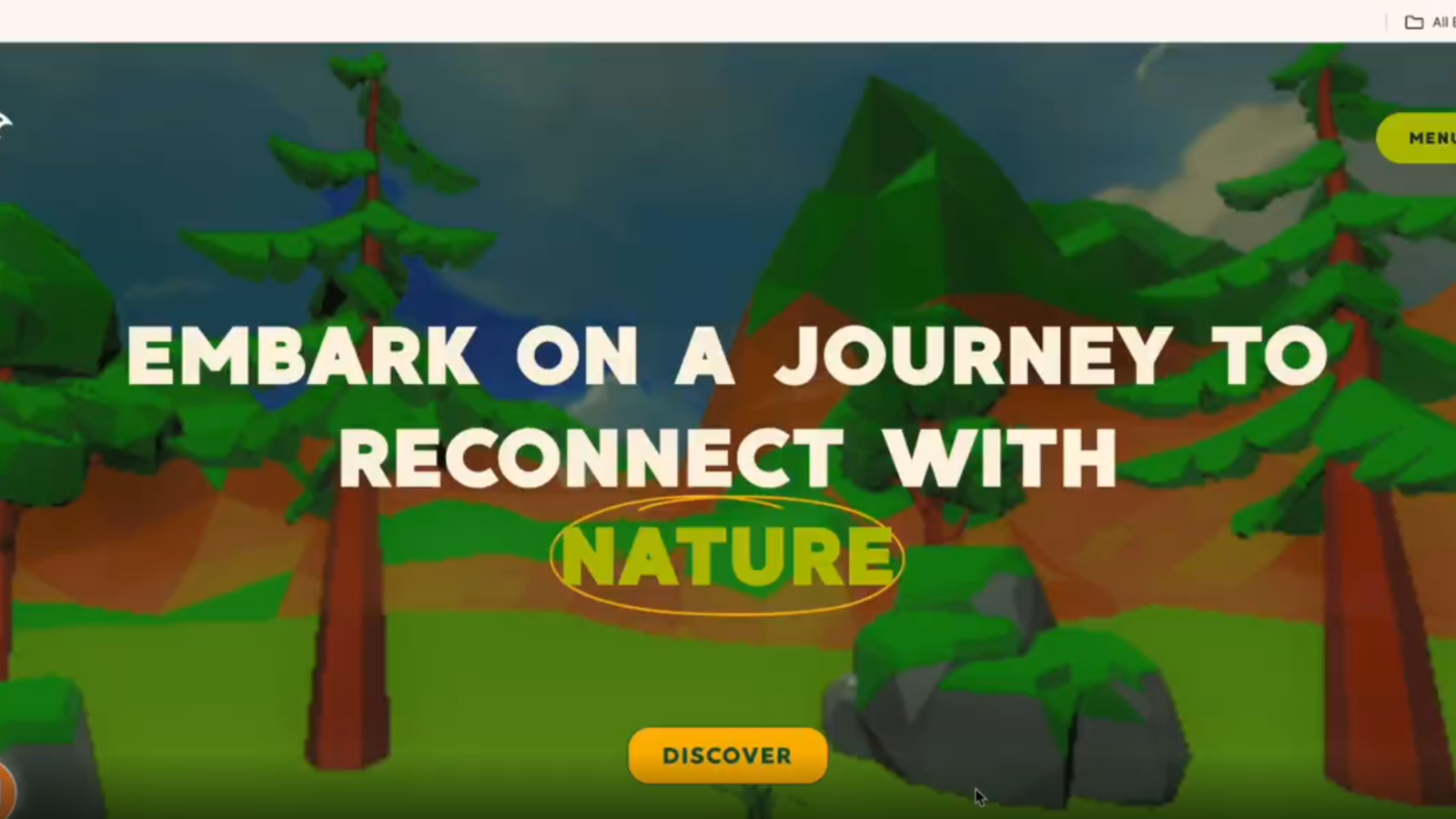
This year’s Best of Benilde grantees offer two distinct interpretations of interdependence. Malijan’s Hawak at Haligi is a coffee table that materializes the Filipino concept of kapuwa through a dialogue of visible and hidden supports; a concealed framework of interlocked metal echoes the strength of root systems, supporting a glass top and a meranti wood base detailed with traditional solihiya weaving. In contrast, Vinzon’s Eutierria leverages virtual reality and multimedia to bridge the distance between urban students and the Sierra Madre. By translating the mountain range’s complex ecosystems and indigenous wisdom into an immersive digital environment, the project serves as a virtual extension of the wild, fostering environmental responsibility through interactive storytelling.
The selection was determined by an international panel representing a cross-section of global design and curatorial practice: Jihoi Lee (Curator, MMCA Korea; founder of Watch & Chill), Mireia Luzárraga (Co-founder, TAKK; Assistant Professor, Columbia GSAPP), Nathalie Huni (Managing Director, Head of Design, Wells Fargo), Timothy Moore (Curator of Contemporary Design and Architecture and Melbourne Design Week, NGV; founder of Sibling Architecture; Senior Lecturer, Monash University), and Freddy Anzures (Filipino-American designer from the original iPhone team and holder of numerous iPhone-related patents)
The Benilde Open Design + Art and Best of Benilde is a collaboration with De La Salle University, an initiative led by convenors Ayi Magpayo, Rita Nazareno, Gabby Lichauco, Joselina Cruz, and Dindin Araneta, with the vital support of Br. Dodo Fernandez FSC, Benilde President. The program draws from the College of St. Benilde’s tradition of championing innovation and inclusion, a mission that it upholds as it enters its 37th year.
The Benilde Open Design + Art and Best of Benilde exhibition will open to the public from April 11 to April 27, 2026, across the De La Salle College of Saint Benilde – School of Design + Arts (SDA) Campus.
Before we see this year’s batch of visions come to life, get to know the 2025 Benilde Open grantees:
Andi Osmeña
Andi Osmeña is an interdisciplinary designer based in Makati City. Their practice spans design, art, nightlife, hospitality writing, and transgender identity, approaching these fields as interconnected sites of cultural production. Across these different contexts, Osmeña focuses on creating transformative experiences grounded in a “less is more” philosophy that values honest materials, imperfection, and emotional resonance. Their work considers how design shapes encounters among people, spaces, and everyday life, emphasizing intimacy and immediacy over spectacle or permanence.
About the Work
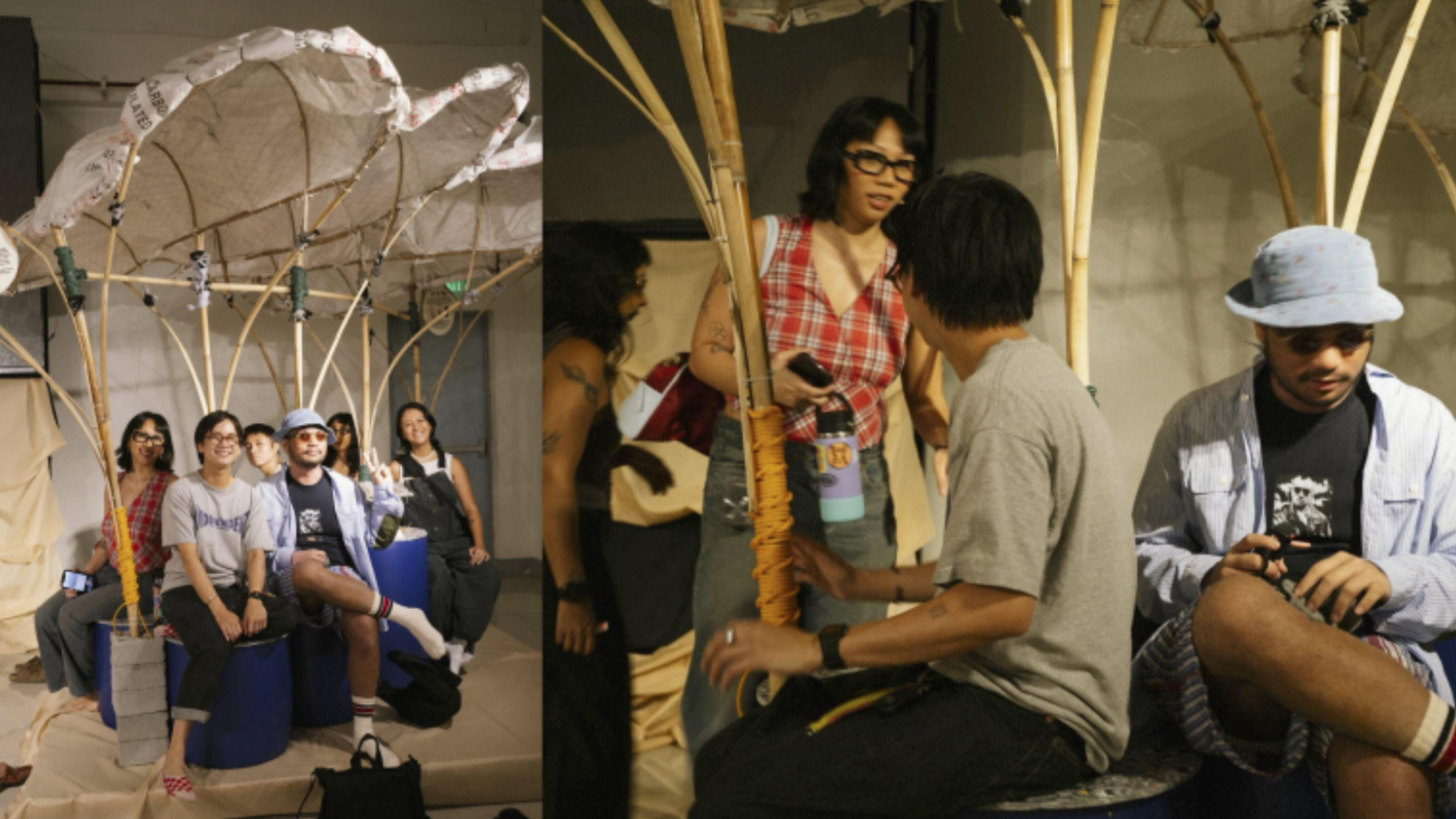
Waste of Space is an ongoing placemaking project that augments public spaces in the Philippines through workshops, upcycled installations, and cultural programming. The project proposes a grassroots approach to placemaking that prioritizes participation, improvisation, and temporary intervention. By working with reused materials, Waste of Space challenges dominant models of urban design that favor permanence, rigidity, and newness. Instead, it considers how adaptable and imperfect structures can support more meaningful public encounters while encouraging makers, designers, and community leaders to rethink how shared spaces are shaped and activated.
Bianca Carague
Bianca Carague is an artist and designer whose work produces sculptural objects and digital landscapes set in imagined and speculative worlds. Her work engages ecology, technology, and ideas about future societies, guided by the belief that what we create reflects who we are and how we relate to the environments around us. For Carague, worldbuilding begins with what she calls “world-seeing,” the idea that we build worlds from the inside out. This perspective informs her approach to objects, installations, and environments that connect design, psychology, and futures thinking. She holds a Master’s degree in Social Design from Design Academy Eindhoven (2020) and has exhibited internationally at Dutch Design Week, the London Design Biennale, Triennale di Milano, and Het Nieuwe Instituut.
About the Work
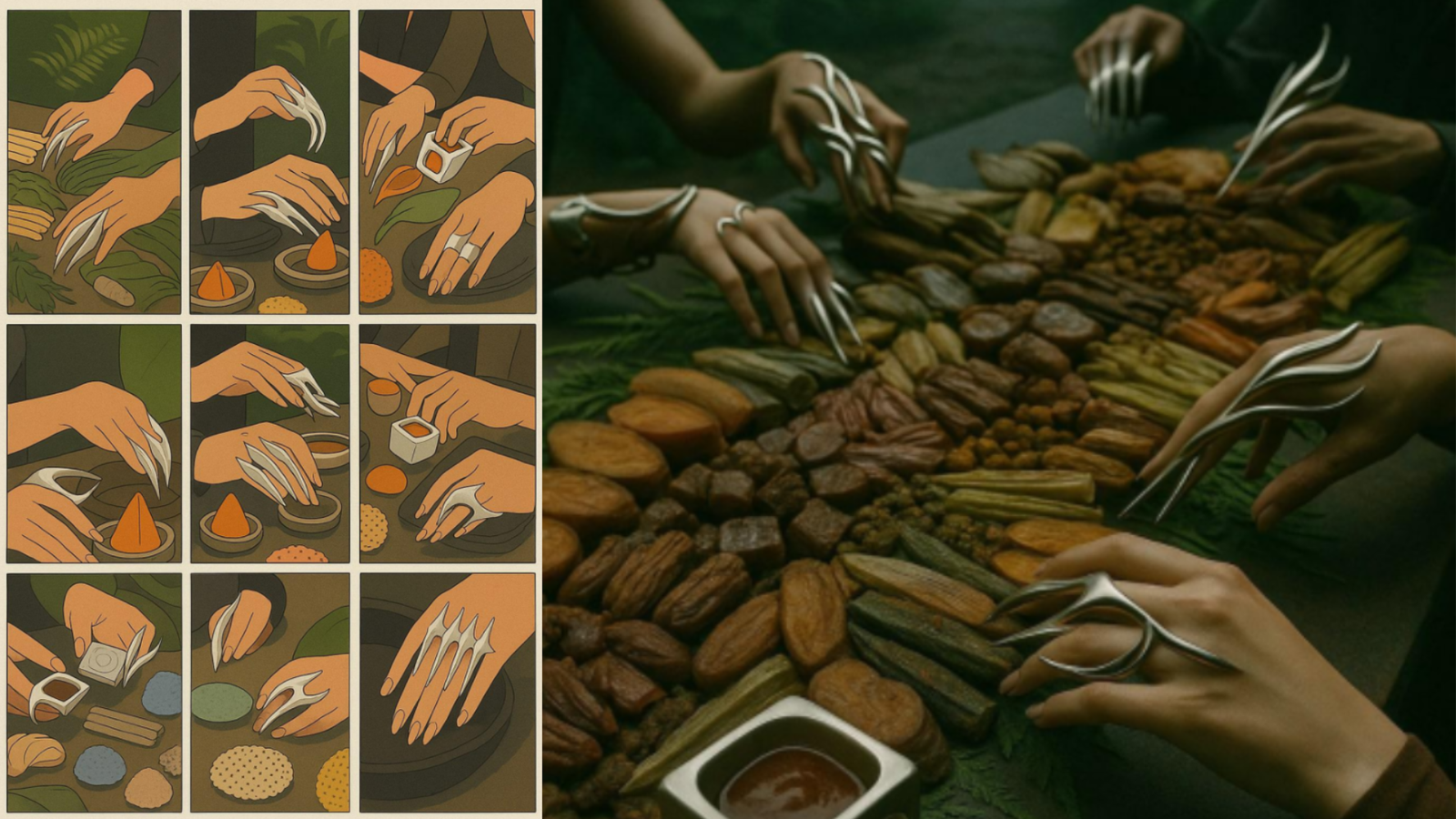
Technospoonism is a speculative collection of jewelry-cutlery that functions as tableware: cuffs act as plates, rings become forks, and pendants serve as vessels. The project imagines a future form of kamayan, the Filipino tradition of eating shared meals with the hands. By extending the gesture of hand-eating into wearable tools, the work proposes a new choreography of dining. It considers how cultural rituals might change in technologically mediated and climate-altered futures, suggesting that traditions endure not by resisting change but by adapting the tools, gestures, and practices that sustain them.
Karl Castro
Karl Castro is a transdisciplinary artist, designer, and cultural worker whose practice spans painting, weaving, collage, photomedia, and exhibition-making. His work looks at how power, memory, and images shape one another, tracing the afterlives of Philippine modernism and the erasure of marginalized histories through design and visual inquiry. Castro has presented solo exhibitions in the Philippines and Japan, including at the Jorge B. Vargas Museum, Ayala Museum, Chidori Bunka, and Giant Dwarf Art Space. His projects frequently engage archives, material culture, and collaborative processes. Alongside his artistic practice, he designs books, film posters, and exhibitions. He serves as a board member of the Concerned Artists of the Philippines and taught at the Ateneo de Manila University Department of Fine Arts.
About the Work
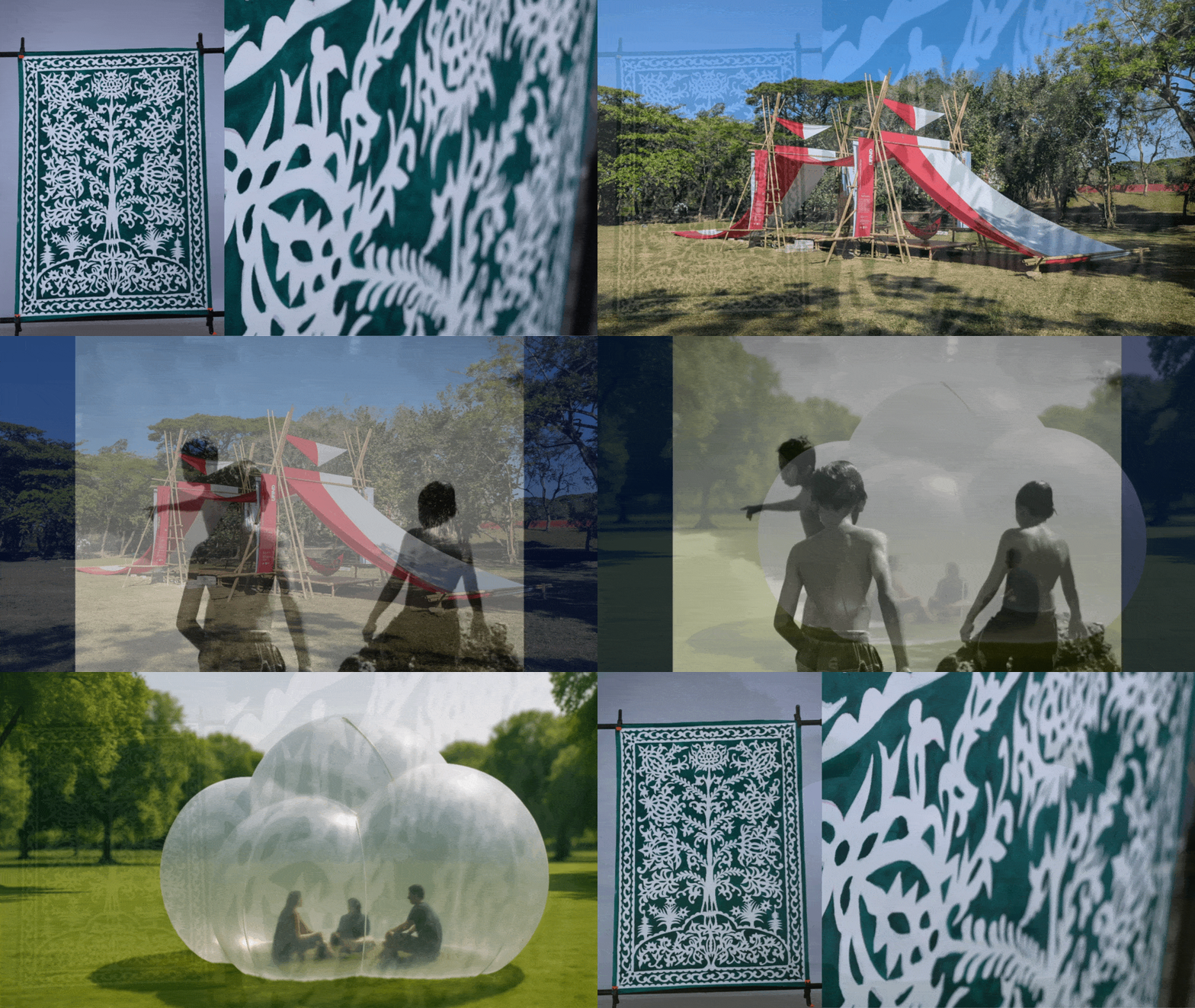
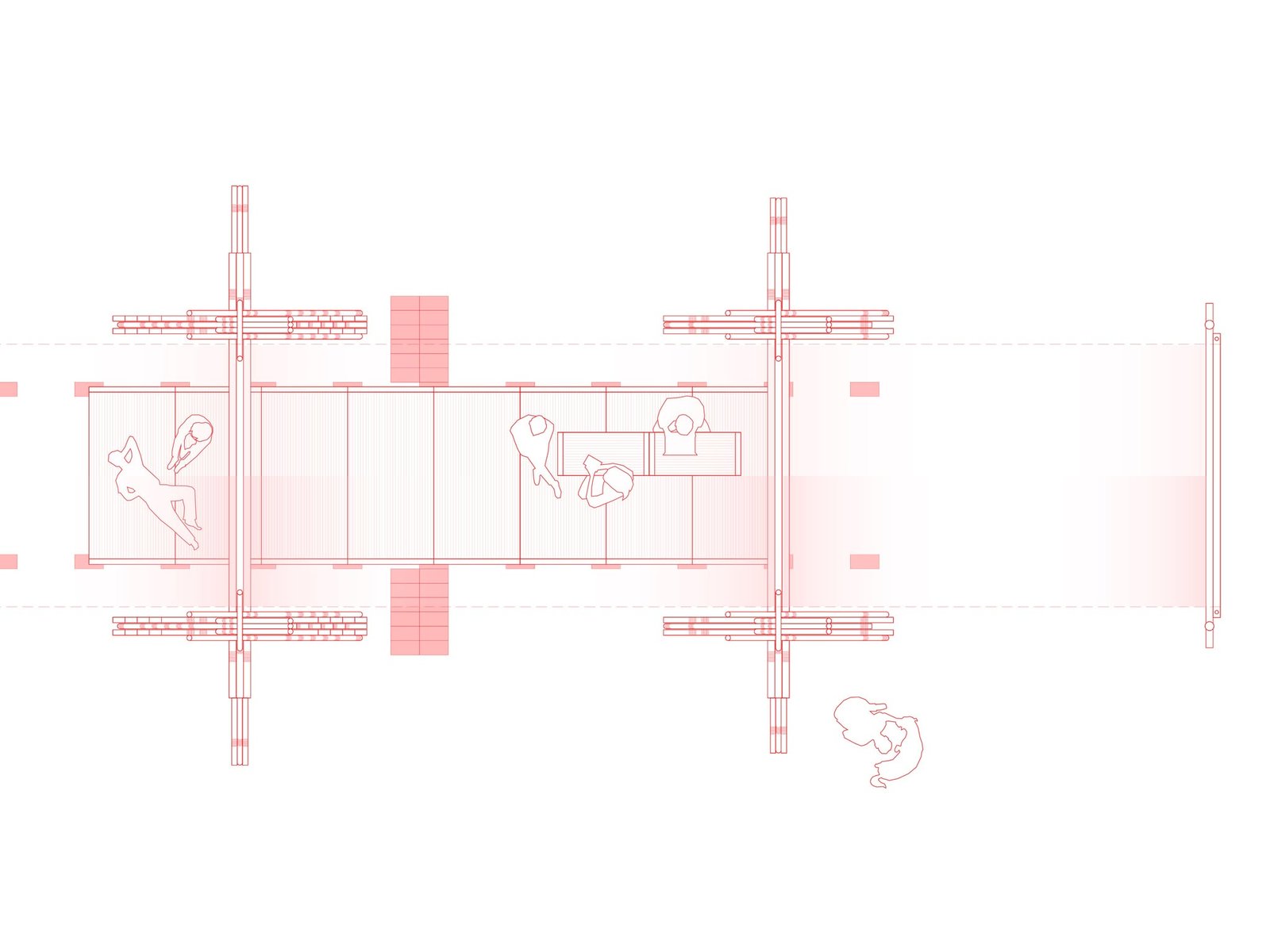
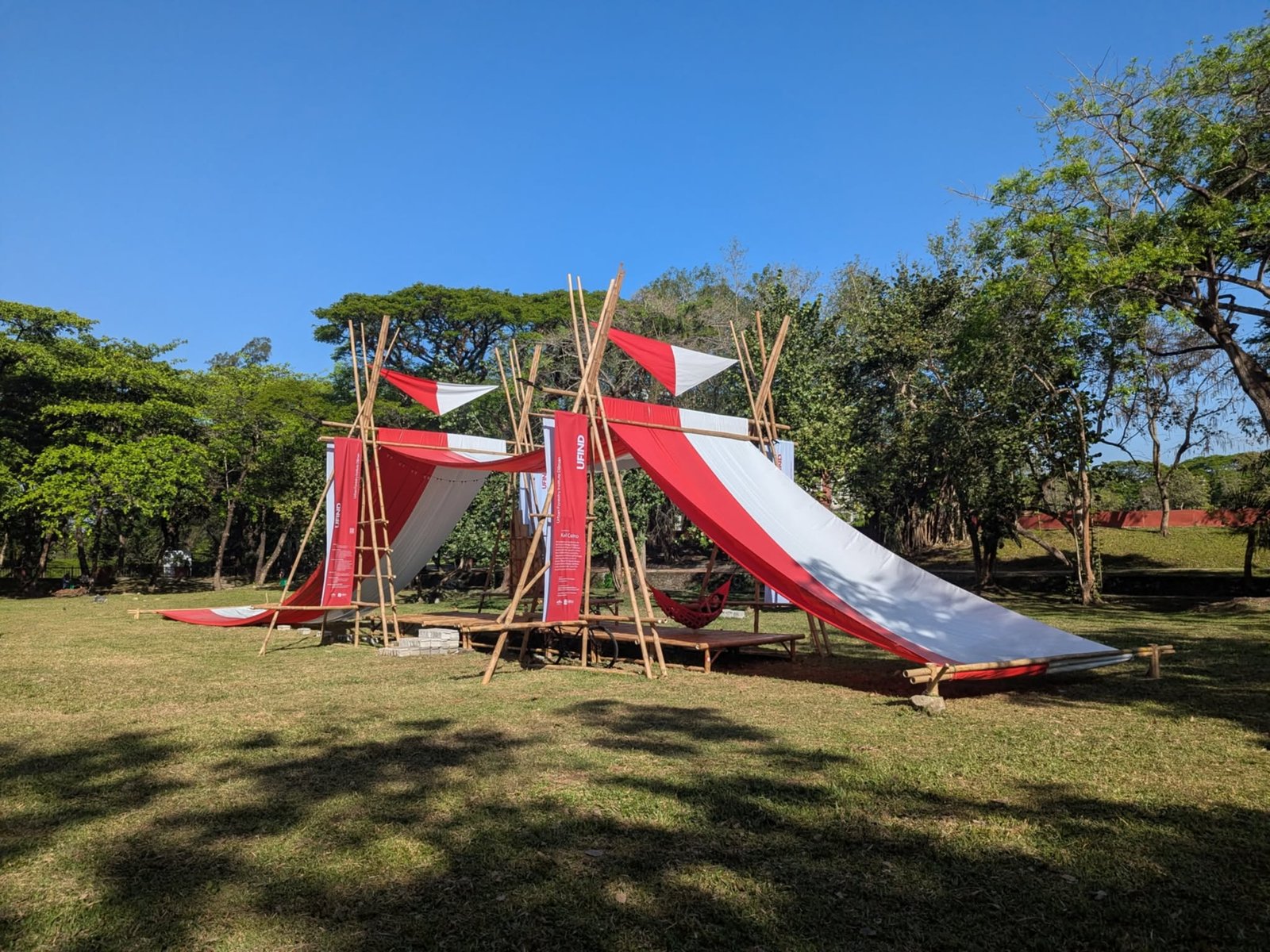
Locus Pocus is an installation series with Mede Studio that treats public space as a living system shaped by human presence, ecological memory, and collective activity. Through temporary, site-specific structures, the project transforms overlooked sites into environments for gathering, rest, and reflection. The new iteration, Maytubig, draws from the aesthetics and labor of fishing culture and was developed in collaboration with fishermen from Talim Island in Laguna Lake. Its canopy references the salambao lift net and the sakag push net, forms historically used in Manila Bay and surrounding waterways. Installed near De La Salle–College of Saint Benilde’s Design and Arts Campus, the work draws attention to the site’s history as former wetlands later reshaped through reclamation and urban development. Drawing from vernacular forms such as the papag, duyan, and fishing nets, the modular structure supports informal gathering while recalling the ecological histories embedded in the landscape.
Kiri Dalena and Ben Brix
Kiri Dalena is an artist based in the Philippines whose work spans sculpture, moving image, photography, and language-based art. She studied human ecology at the University of the Philippines, Los Baños, and trained in 16mm filmmaking at the Mowelfund Film Institute. Dalena co-founded the film collective Southern Tagalog Exposure in 2001, documenting the struggles of farmers, labor groups, and environmental activists amid militarization. In 2016, she co-founded RESBAK, an international alliance of cultural producers responding to killings associated with the Philippine government’s war on drugs.
Ben Brix is a Berlin-based video artist, director of photography, and media technician. After beginning with sculpture, he studied product design at Kunsthochschule Kassel and later joined the Virtual Realities program led by Bjørn Melhus. His work focuses on the tension between documentation and fiction in moving images.
About the Work
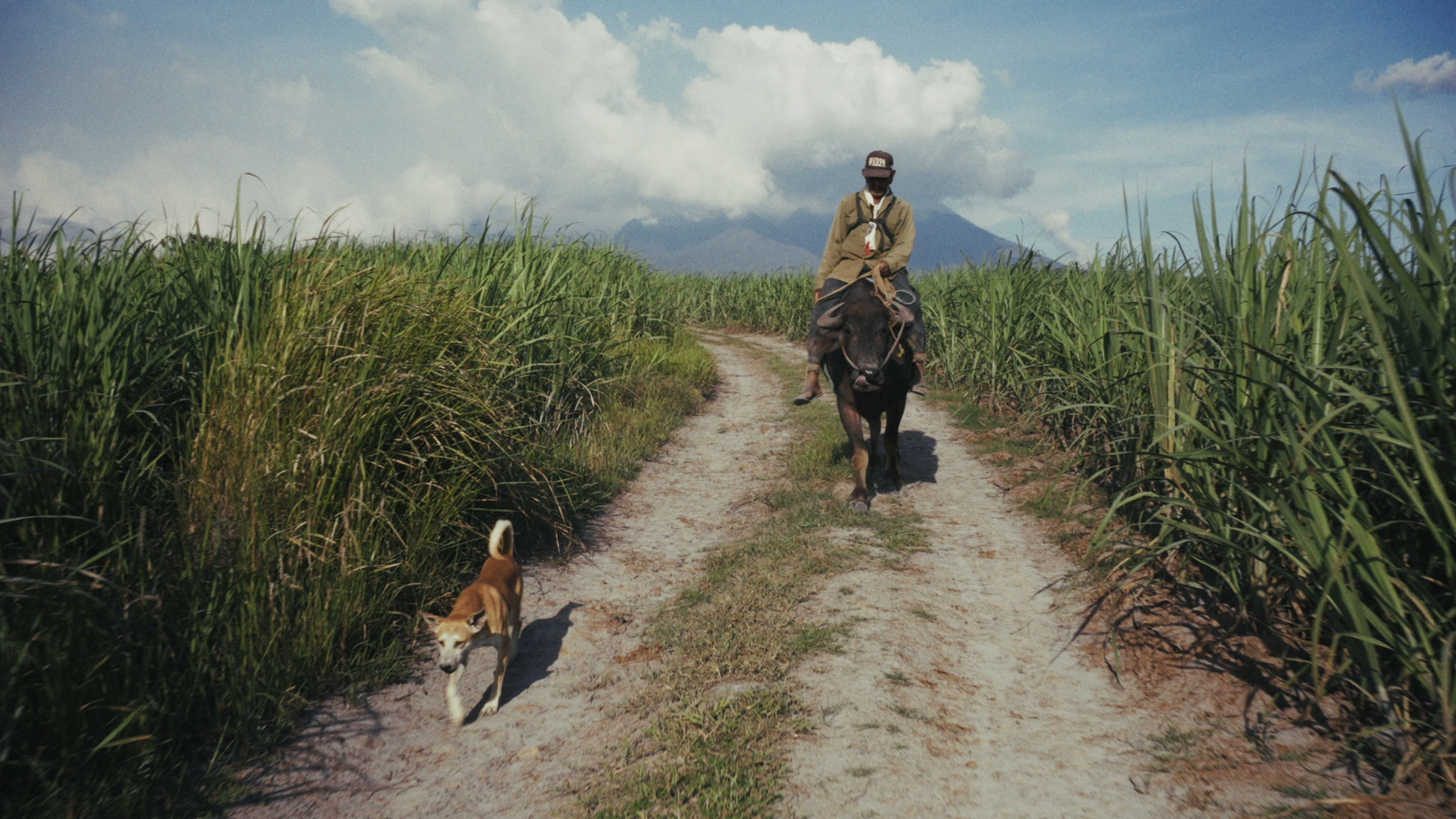
Common Ground (working title) is a multichannel video installation set in Negros, an island shaped by agricultural economies, land relations, and environmental volatility. Combining handheld camerawork, drone footage, and seismic monitoring visualizations, the work moves between human and nonhuman viewpoints within a shared landscape. It addresses the colonial land systems established during Spanish and American rule and how these structures continue to shape life in Negros, one of the Philippines’ historic centers of sugar production. Across these perspectives, the installation considers how land, labor, and power operate across ecological and historical time.
Krisher Bayani Appay
Krisher Bayani Appay is a Tausug cultural artisan and community worker from Sulu dedicated to preserving traditional textile practices. She specializes in hand embroidery and luhul giyunting appliqué, a form closely tied to Tausug cultural heritage. Raised in Siasi, Sulu, she grew up surrounded by the artistic traditions of the Sama and Tausug communities. She studied Agricultural Education at Lapak Agricultural College and later became recognized locally as a skilled embroiderer and practitioner of traditional appliqué techniques. Alongside her artistic work, she participates in community initiatives and volunteers as a para social worker while continuing to advocate for the preservation of Tausug textile traditions.
About the Work
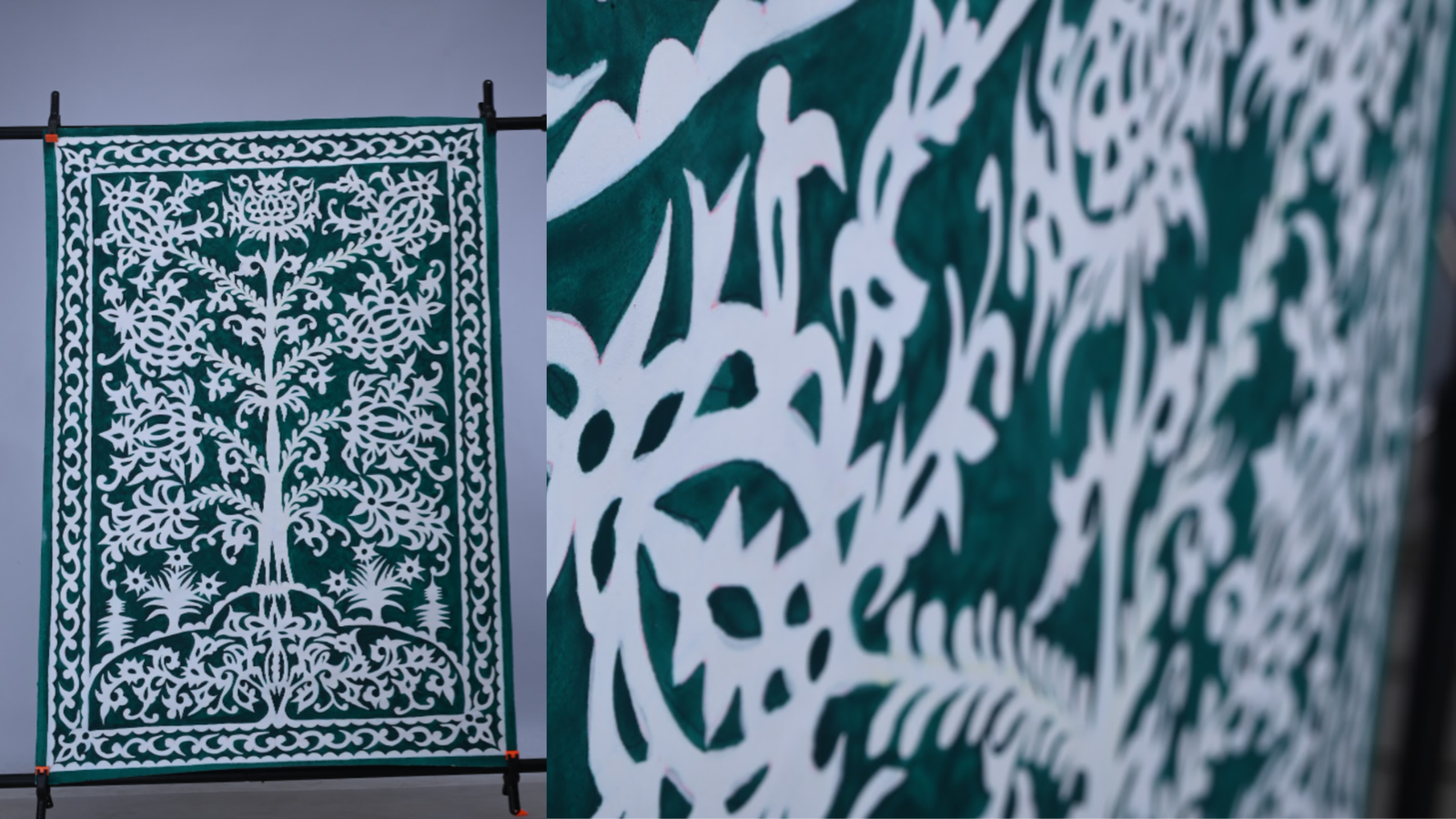
The project focuses on preserving the Luhul Giyunting (Tree of Life) appliqué textile tradition, which is gradually declining. Central to Tausug design is the birdo motif, a curvilinear plant pattern associated with fertility and prosperity. When arranged as a branching composition, it forms the “tree of life,” symbolizing continuity, eternity, and paradise. Variations of this motif appear across embroidery, carving, painting, and appliqué. Traditionally used in ceremonial canopies and wedding textiles, these designs remain important markers of Tausug identity. Through this project, Appay aims to support local artisans and encourage younger generations to continue the craft.
Mac Andre Arboleda
Mac Andre Arboleda is an artist whose work examines digital life through research, writing, publishing, and organizing. Their work moves across technology, politics, and media through artworks, texts, and collaborative initiatives. Their projects have been exhibited internationally and presented at conferences and public programs across Europe, Asia, and Latin America. Since 2017, Arboleda has facilitated workshops on zine-making, filmmaking, fact-checking, digital safety, and collaborative publishing. They are the founding president of the UP Internet Freedom Network, a youth-led organization advocating for digital rights and internet freedom.
About the Work
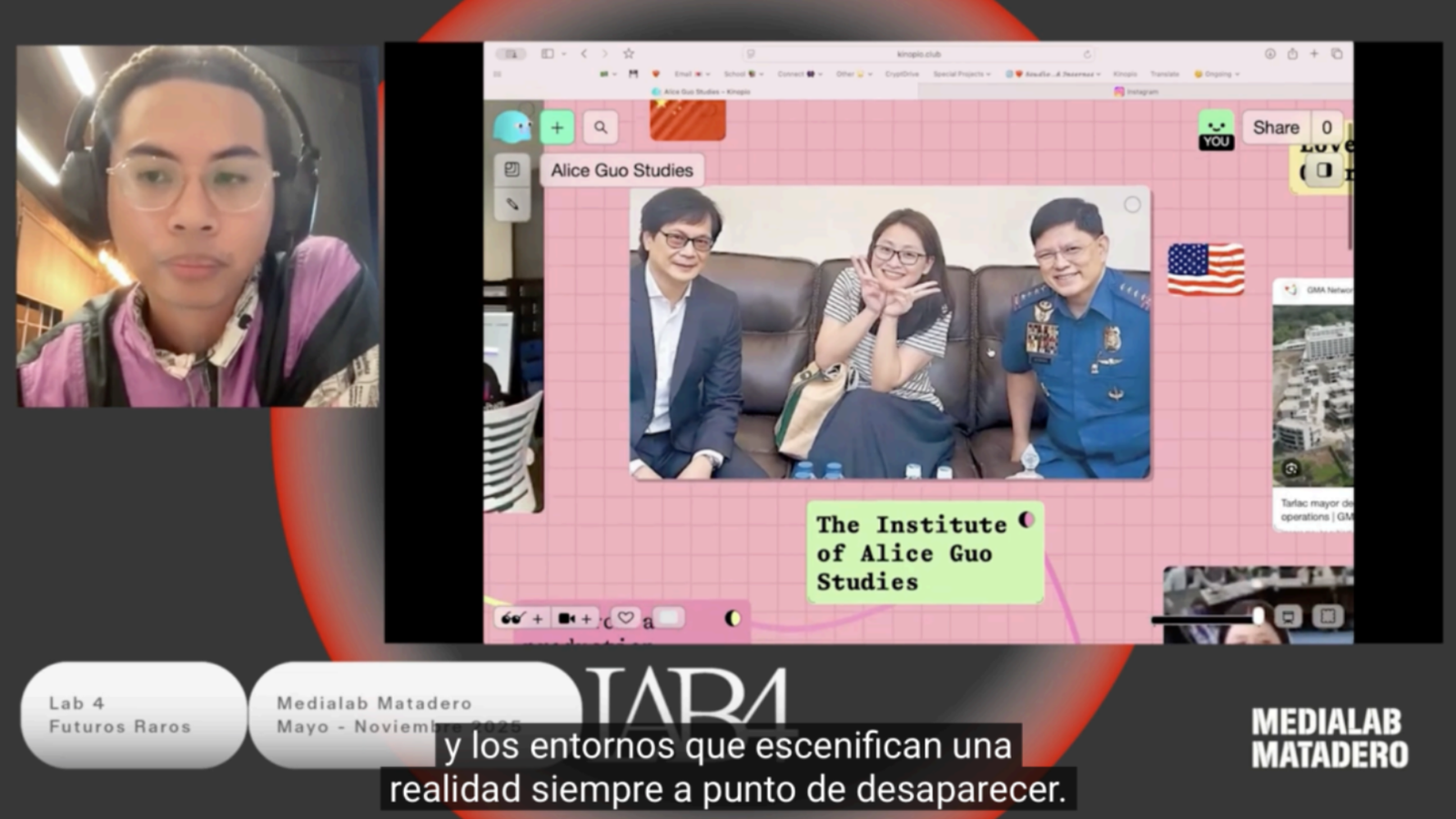
Nutrition Month is a sonic archive that engages the colonial concept of “crimes against nature.” Structured as a four-part radio series covering land, body, water, and cloud, the project will be broadcast through online community radio stations in Manila and internationally. Using Alice Guo as an avatar moving across different environments, the work traces sites where technology, governance, and everyday life intersect. Through interviews, field recordings, and sound translations, it moves across contexts including gender-affirming care spaces, e-sabong networks, migrant seafarer communities, and cyberattacks targeting health systems. For the Benilde Open presentation, the project appears as “Nutrition Month: Presented by Mayor Alice [SPONSORED POST],” a projection billboard and digital archive where audiences can access the materials produced so far.
Mikael Joaquin
Mikael Joaquin is an artist and filmmaker based in Manila. His films draw from his experience of moving from the province to the city and from his Iloco-Pangasinense roots, bringing together landscape, folktale, and memory through narrative and experimental film. His works include Naraniag A Bulan (2021) and Makoko sa Baybay (2023), which have screened at festivals such as QCinema International Film Festival and Cinemalaya Independent Film Festival.
About the Work
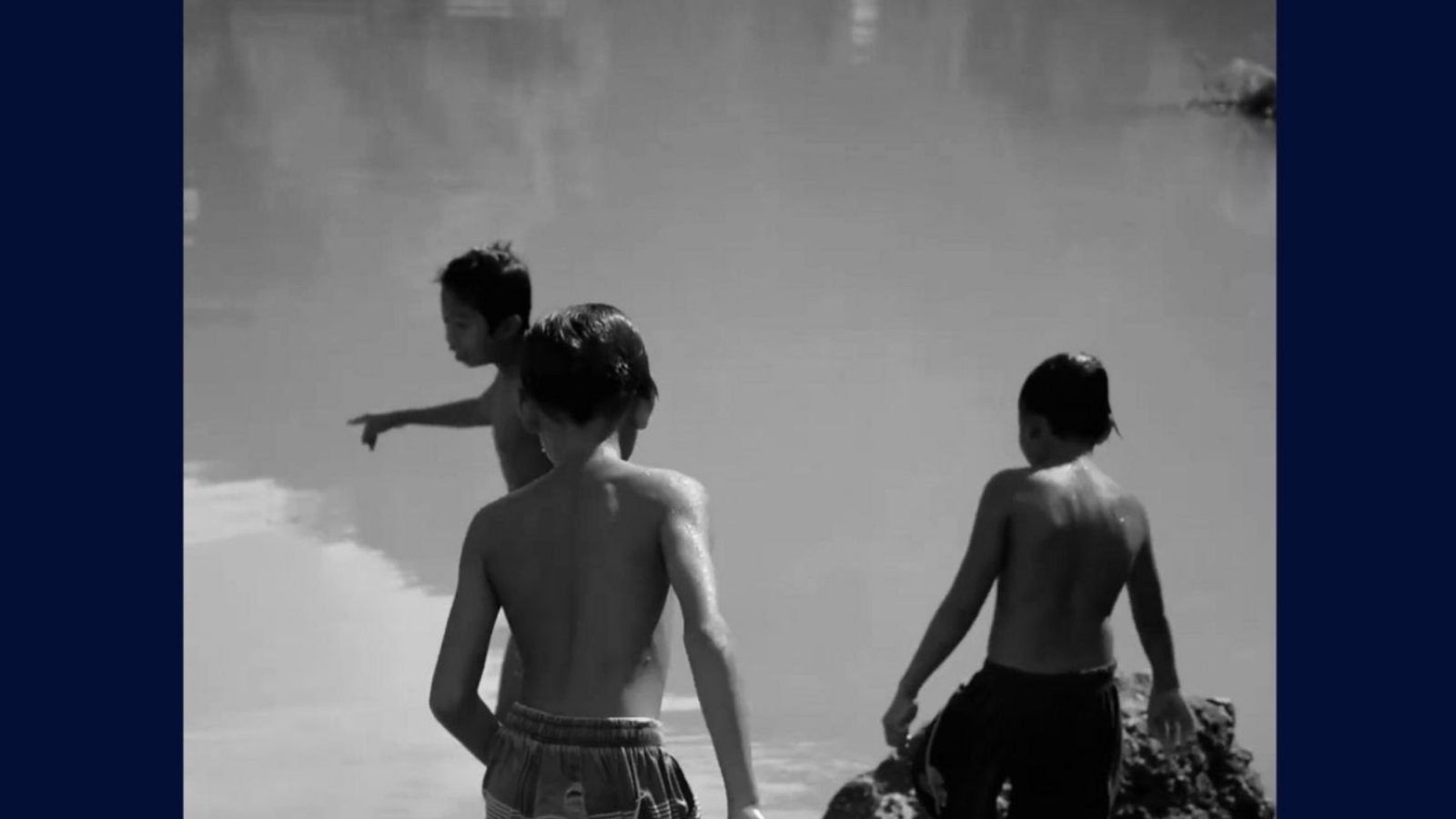
The Memory of Flood is a video installation set along the shoreline of Manila Bay. At its center is a figure seated before a sheet of cotton gauze stretched between metal stands, which serves as a projection surface for moving images of Dolomite Beach along Roxas Boulevard. Because the gauze is lightweight and porous, wind alters the projected image, causing it to shift and distort. The wind and shoreline become part of the projection as the image appears, dissolves, and reforms across the fabric. At one point, the figure lifts a sack of dolomite sand and pours it back into the sea, reversing the gesture associated with transporting crushed dolomite for the government’s coastal “beautification” project.
Niño Tayao
Niño Tayao is an interior designer based in Bulacan whose practice extends into material-based artistic exploration. His work examines how natural and built environments shape human experience, often drawing on memory, nostalgia, and place. Inspired by childhood experiences in the province, Tayao incorporates earthen elements and organic textures that evoke cycles of growth, loss, and renewal. His artistic work functions as a parallel site of experimentation alongside his design practice.
About the Work
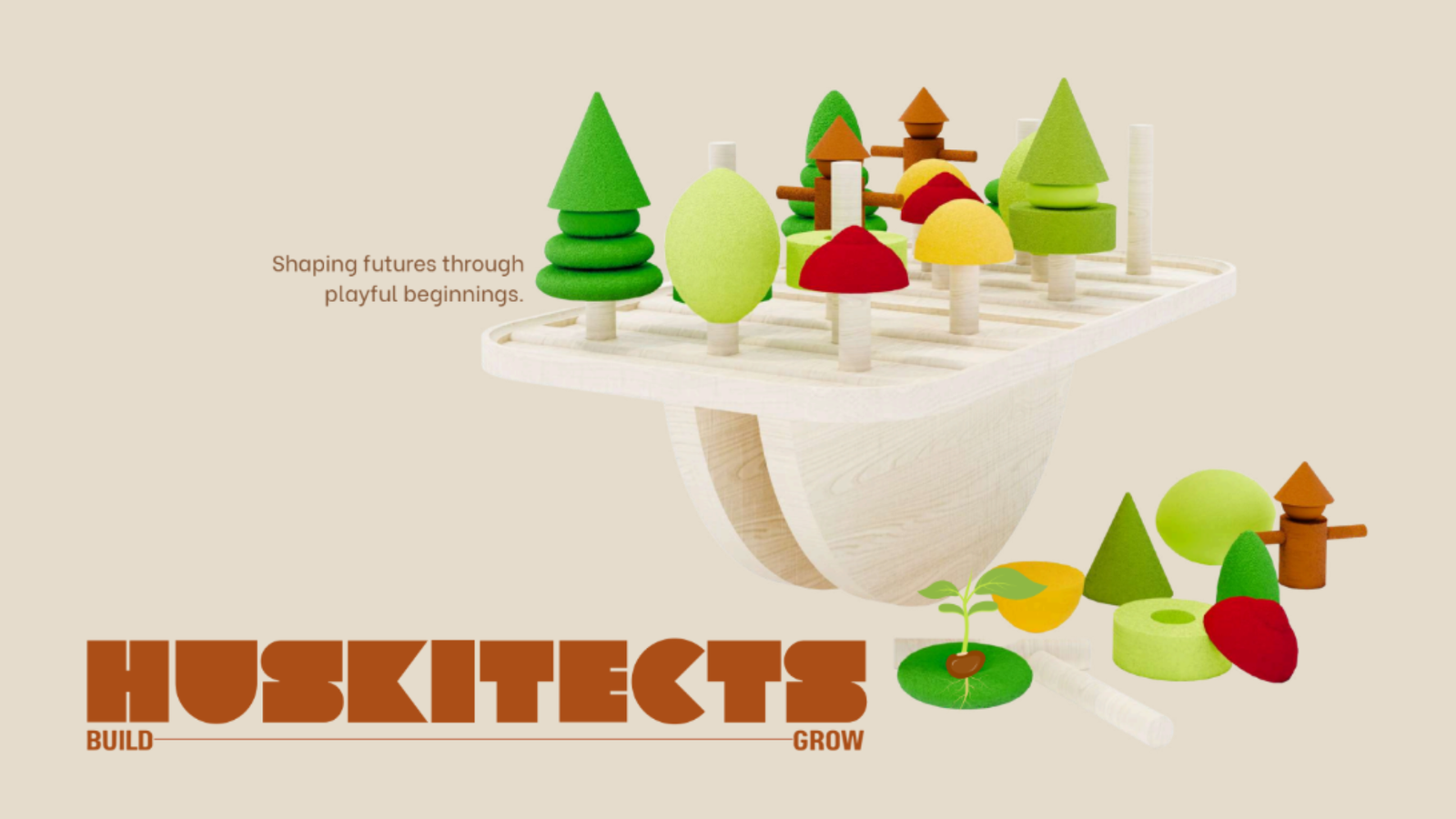
Dati Rati reflects on the life cycle of childhood objects and the memories attached to them. The project began when the artist rediscovered a forgotten box of toys in his childhood room, prompting questions about what happens to objects once they are outgrown. At the center of the installation is the cabinet where the toys were found, surrounded by fragments that evoke shared childhood play experiences. A reimagined toy made from rice husk, natural binders, and organic pigments suggests materials drawn from the earth. The installation asks viewers to shift their posture, from standing to squatting or sitting, echoing the gestures of childhood play while grounding the body closer to the environment.
Studio Unosinotra
Studio Unosinotra is an architecture and product design studio founded in 2022 by architect Buddy Lim Ong and industrial designer Mona Alcudia-Ong. The practice focuses on digital fabrication, material experimentation, and design research. Using computational tools and iterative prototyping, the studio studies how contemporary fabrication processes can reinterpret knowledge embedded in Cebuano craft traditions.
About the Work
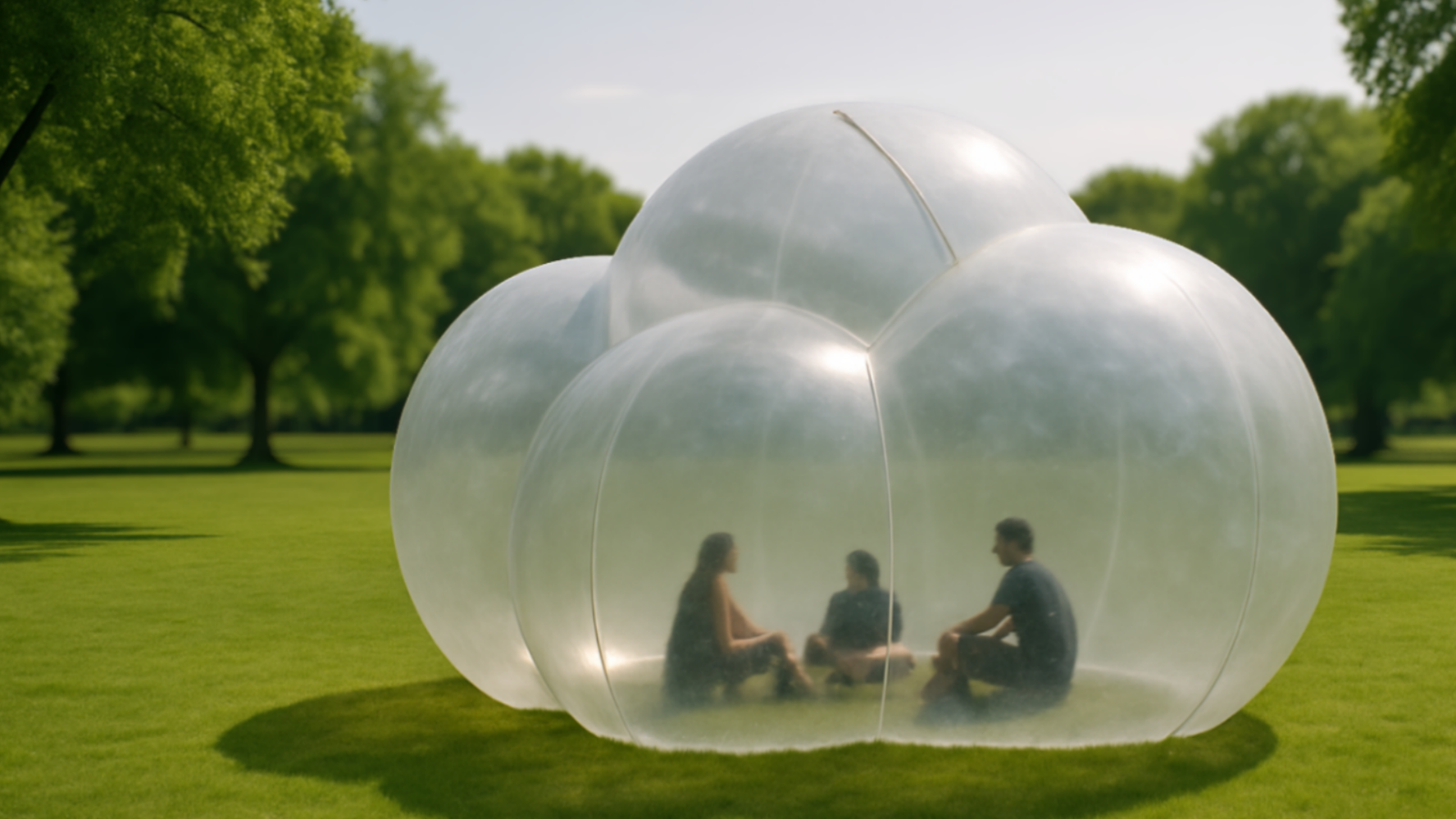
Atlas of Water Futures is a speculative installation developed as a gathering space for communities in Cebu to reflect on their relationship with water, a region shaped by flooding and typhoons. The installation takes the form of a transparent, immersive “bubble,” inspired by proposals from children during a 3D printing workshop in 2025, who imagined bubble-like structures as protective environments. Within the space, the installation gathers stories and everyday practices related to water, from collection and storage to memories of shorelines, forming a participatory archive called the Atlas of Everyday Water.
Nicolei Racal
Nicolei Racal is an artist whose work combines garment construction and installation to stage speculative environmental narratives.
About the Work
What If Snow Falls in the Philippines? imagines an ecological anomaly in which a lethal winter descends upon the tropical Philippine archipelago. The exhibition presents ten garments made from repurposed textiles collected from households. Inspired by Japanese traditions of boro textiles and sashiko stitching, the pieces emphasize repair and reinforced craftsmanship. Each garment is suspended in midair using nylon filaments, allowing the forms to rotate slowly. Beneath them, multi-level platforms evoke a pile of snow, while experimental sound evokes the atmosphere of a winter storm, creating a speculative environment where tropical identity confronts an unfamiliar climate. •
Visit benilde.edu.ph/benilde-open/ and follow @benildeopen on social media channels for updates on Benilde Open Design + Art.