

Words Vanini Belarmino
Images Featured artists (Mothering/Unmothering)
This article is an introduction by Vanini Belarmino, the curator of Mothering/Unmothering, and managing director of Belarmino&Partners.
Conceived in less than four months, yet with a gestation extending over three years, Mothering/Unmothering arrives, unsurprisingly, in labor. Over two weeks, thirteen art projects by eight artists are brought into being, each one a proposition, an encounter, a form of care. I think of the birth of Minerva, conceived in the mind of Jupiter, emerging fully formed yet forged through internal struggle. Ideas were swallowed, held, transformed, and finally released as a series of interventions that now inhabit the museum and the city beyond it.
This project did not begin as an exhibition about motherhood in the narrow sense. It emerged from lived observation, from watching the women I love move through cycles of care, exhaustion, devotion, refusal, and renewal. When my cousin Mutya—true to her name, the eternal muse of our family—entered motherhood in her early forties, she had already documented the transformations of her athletic body with rigor and joy. But nothing prepared her for the surprise of conception or the experience of giving birth at an unexpected moment in her life. Now a mother of two, she once told me that all mothers are, in some way, “single mothers.” I understood this not as a dismissal of partnership but as an acknowledgement that, regardless of circumstance, mothers remain the gravitational centre of care.
I have seen this truth echoed across households. Ruthe, a single mother and photographer, moves tirelessly between art projects while answering her teenage daughter’s calls from the stables. Lise, leading a multi-billion-dollar company across continents, yet expected to spend weekends marketing, cooking, and caring. Evelyn, a domestic helper who has raised other people’s children for decades while sending money home so others may raise her own. And Esther, who has “graduated” from raising five children, only to be gently conscripted into caring for a mischievous granddaughter. Artists, curators, writers, chefs, lawyers, engineers, corporate powerbrokers. Single mothers, partnered mothers, grandmothers, aunts. Bound by blood or circumstance, women are so often appointed as mothers—and just as quietly, they encounter moments of unmothering.
From this personal ground, Mothering/Unmothering expands outward. The project moves beyond the familial to consider mothering as a shared, universal act: conceiving, caring, nurturing, and releasing. It is not confined to the biological act of birthing, but instead explores the complex, layered, and often paradoxical terrains of maternal presence, care, relationality, and intergenerational transmission. Motherhood here is not a singular or idealized role but a fluid, dynamic, and contested terrain, shaped by migration, labor, social expectations, bodily presence, and emotional work.
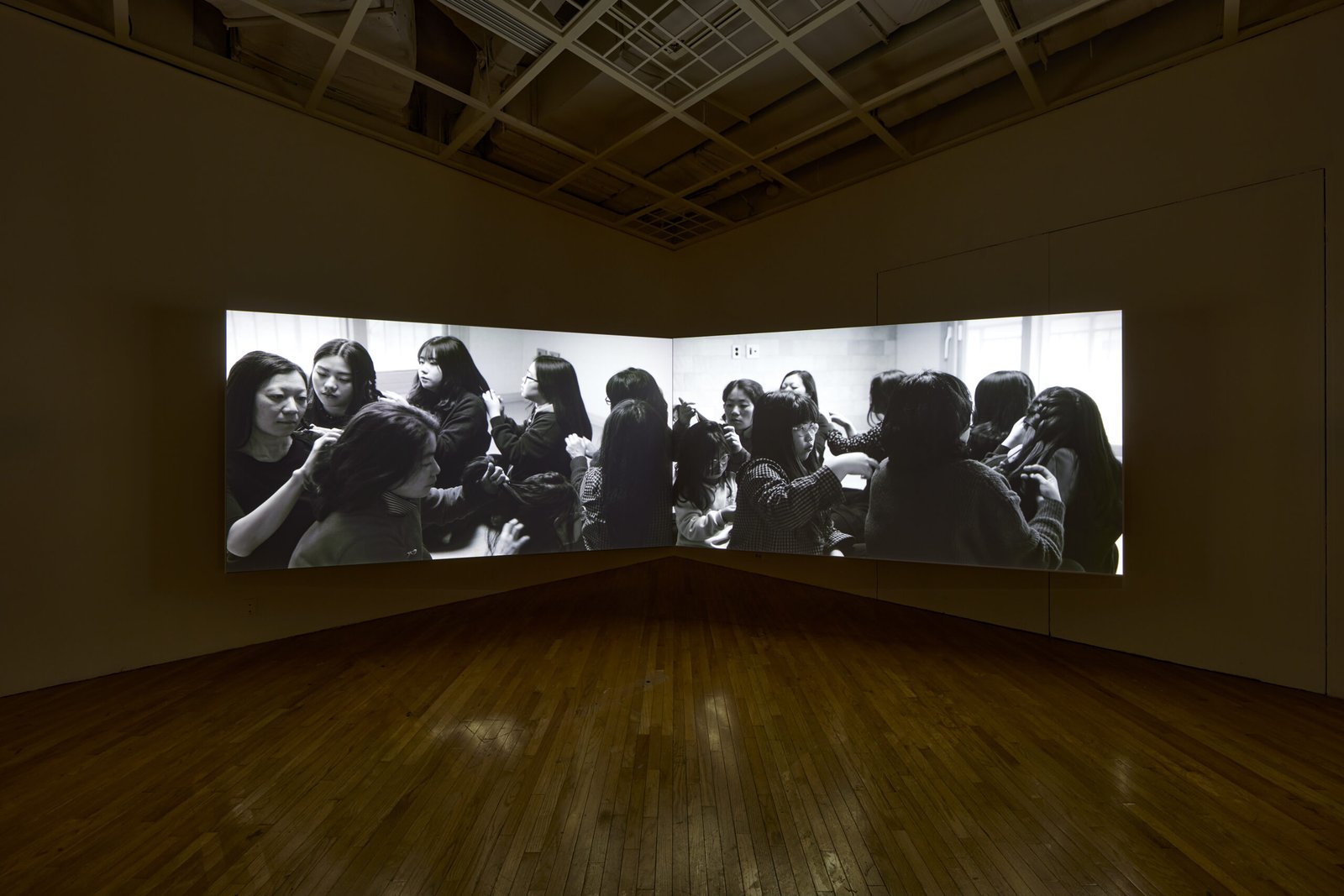
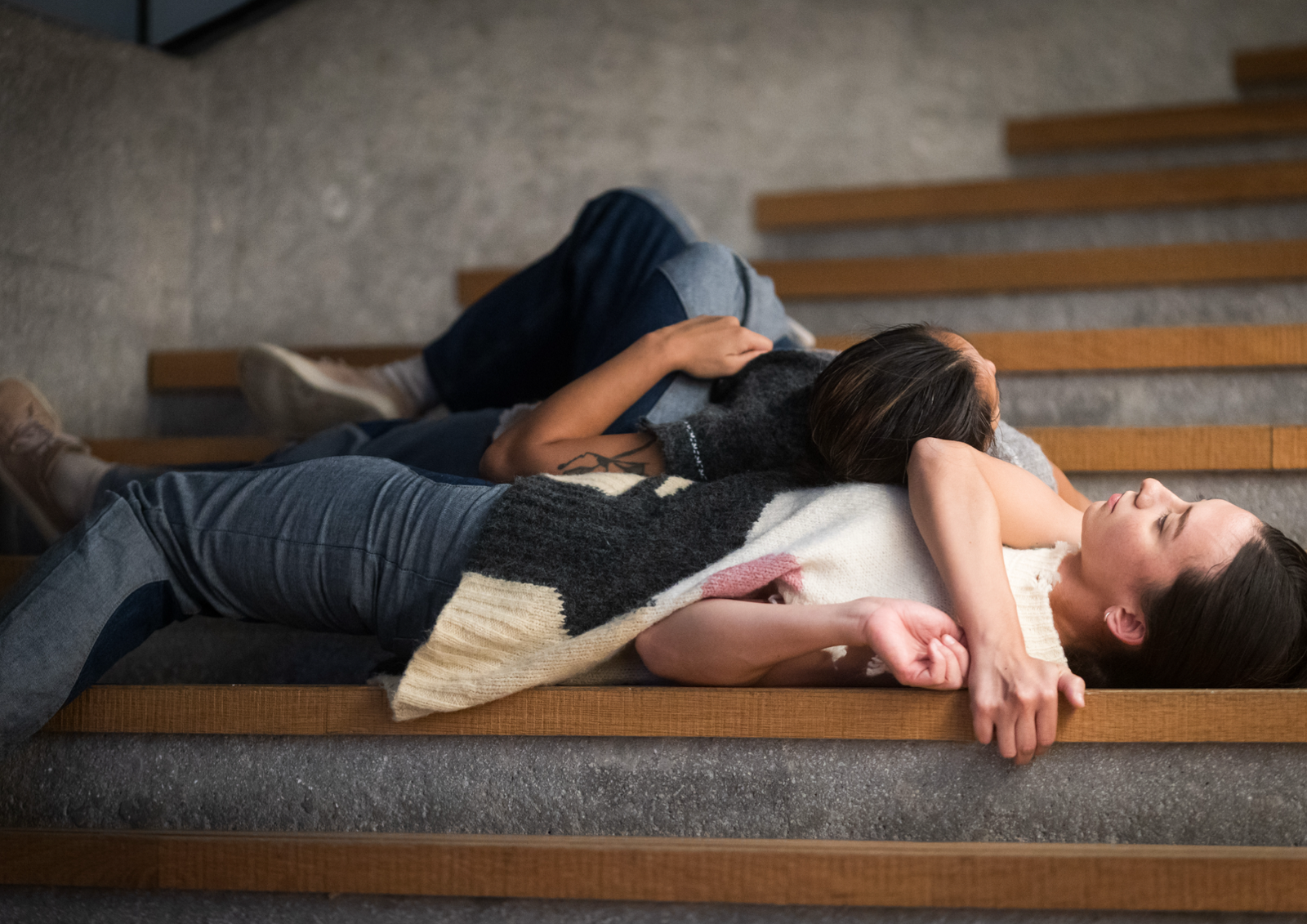
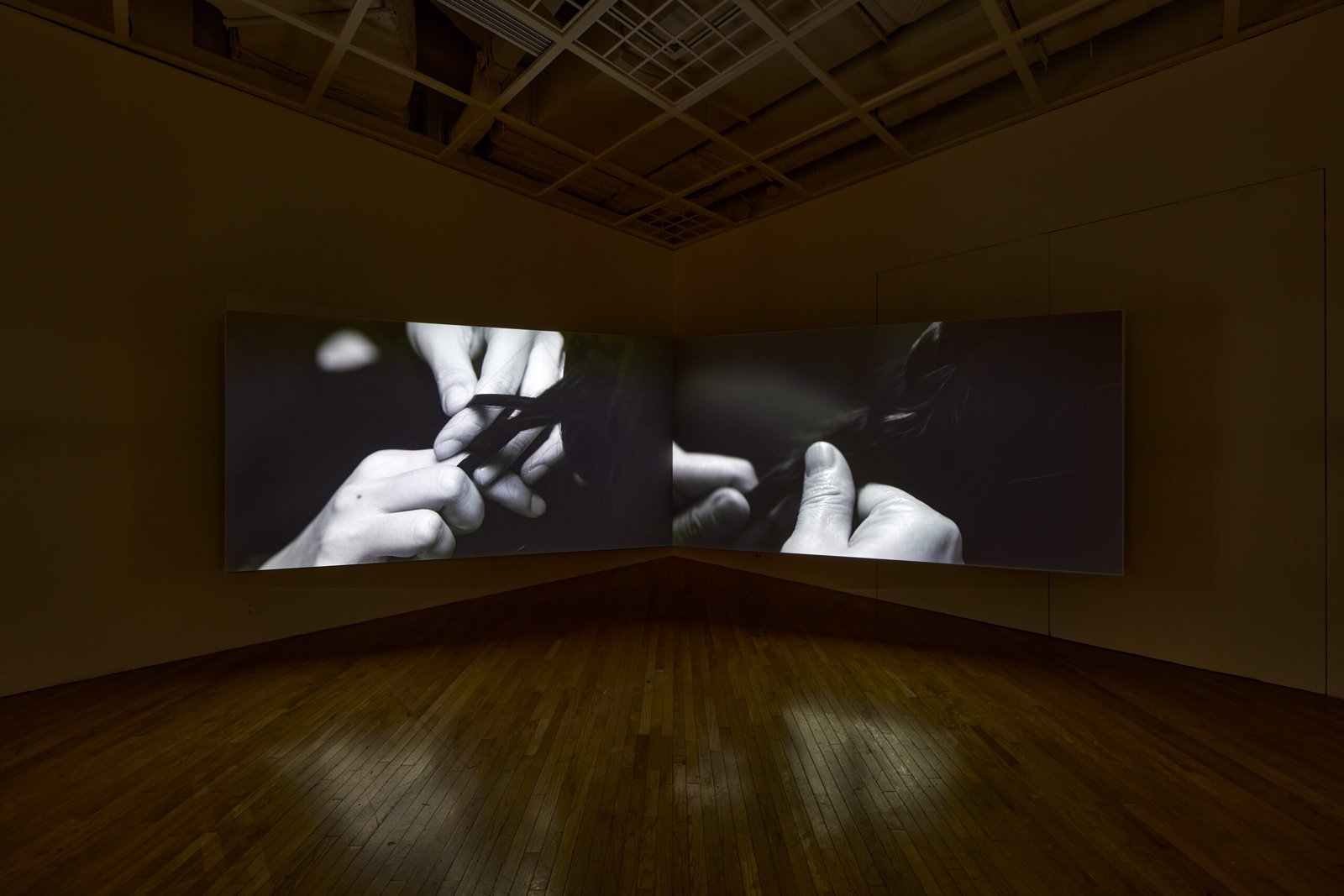
Above: Braiding and Mending, photographed by Sang-tae Kim. Image courtesy of Art Sonje Center. Below: Marah Arcilla and Sylvie Cox, Dandelion Scream, Hong Kong, 2025. Image courtesy of the artists.
The title Mothering/Unmothering invites reconsideration of the societal frameworks that oscillate between the superhuman and the human, the mythical and the ordinary woman, and expectation and lived reality. If mothering encompasses giving, holding, and nurturing, unmothering marks moments of detachment, refusal, release, or inability, whether voluntary or enforced. These gestures foreground care as negotiated and contradictory rather than innate or inexhaustible, creating space to question the expectations placed upon women and to reflect on autonomy, absence, and transformation across different stages of life—from maiden to mother to crone, from fertility to menopause and beyond.
At this point, the framework of Mothering/Unmothering also turns inward, to the curatorial process itself. As a curator, I revisit the etymology of the Latin curare—to care for. Beyond the stewardship of objects or programs, this project has entrusted me with caring for a constellation of artists, collaborators, audiences, and experiences—many of them intangible, fragile, and unfolding in time.
Fathered by Triangulum and its idealistic founder, E.S.L. Chen, whose vision and provision enabled the project’s conception, the curatorial role has inevitably absorbed a form of mothering: conceiving and holding ideas together, mediating between differences, and working with what is available to sustain life and meaning. As with mothering, the presence of the father lingers not always in touch, but in structure through provision, belief, and the quiet enabling of care. This labor unfolds alongside management and production, balancing material demands with emotional and relational care. Its realization depends not on a single figure, but on an extended community, particularly those within the institutions that opened their doors to us, whose often invisible work makes care collective rather than singular.
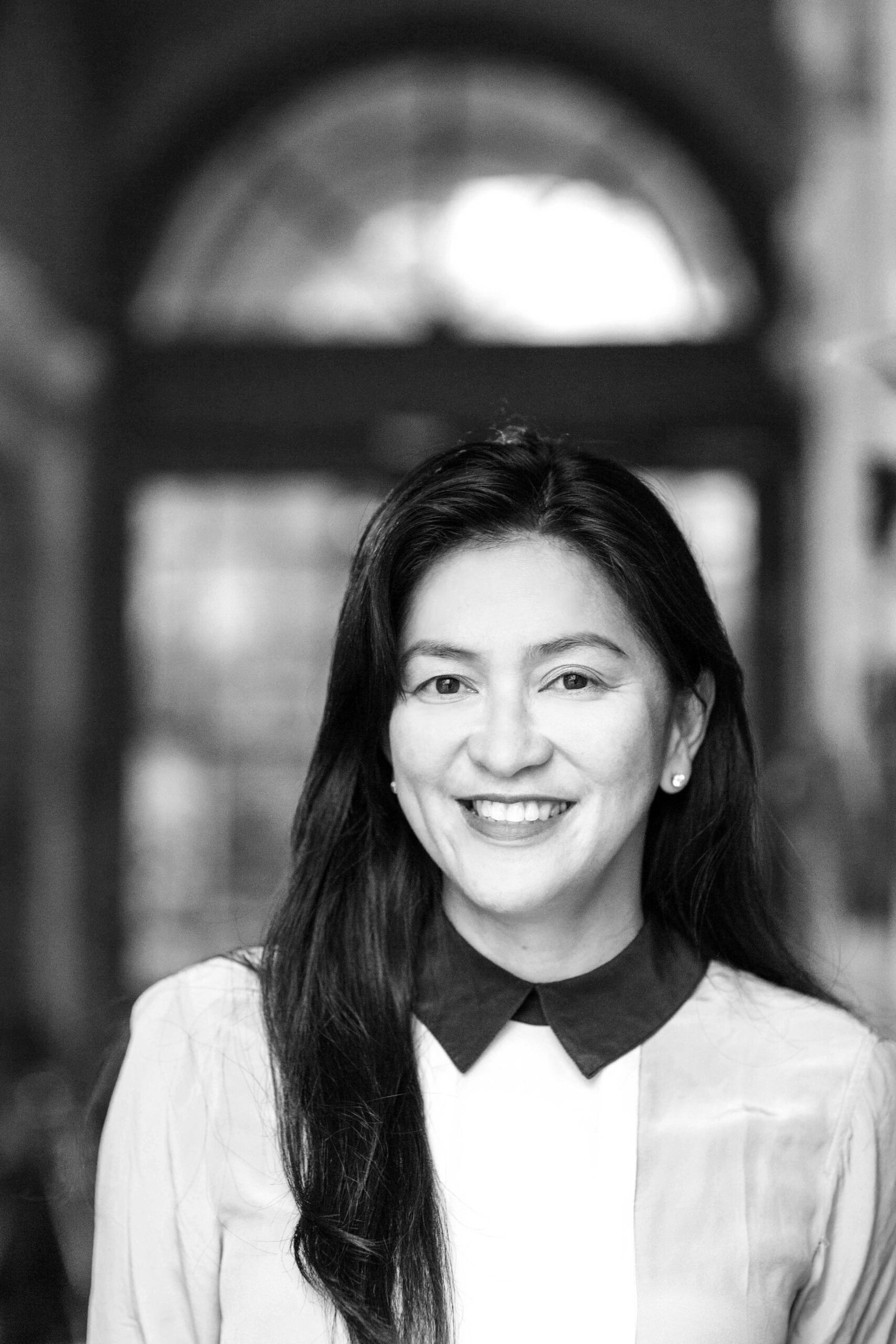
Vanini Belarmino, photographed by Ruthe Zuntz and E.S.L Chen, photographed by Raena Abella
At its core, Mothering/Unmothering embraces an inclusive understanding of maternal care. It extends beyond the biological mother to encompass grandmothers, elder women, migrant caregivers, and the relational networks that sustain life. The project brings together performances, video, installation, and durational works by Jane Jin Kaisen, Lilibeth Cuenca Rasmussen, Lynn Lu, Marah Arcilla, Moi Tran, Pitchapa Wangprasertkul, Sylvie Cox, and Tekla Tamoria, artists working across generations, geographies, and life stages.
Their works illuminate the emotional, corporeal, and social dimensions of care through lived, embodied experience. By situating contemporary art within everyday environments, the project transforms familiar spaces into sites of encounter. These interventions are not didactic. They are invitations to pause, notice, and recognize oneself in another’s labor. I aim to establish contact points that break down barriers between art and daily life, enabling works to speak not only to the informed art public but also to those who may encounter them unexpectedly.
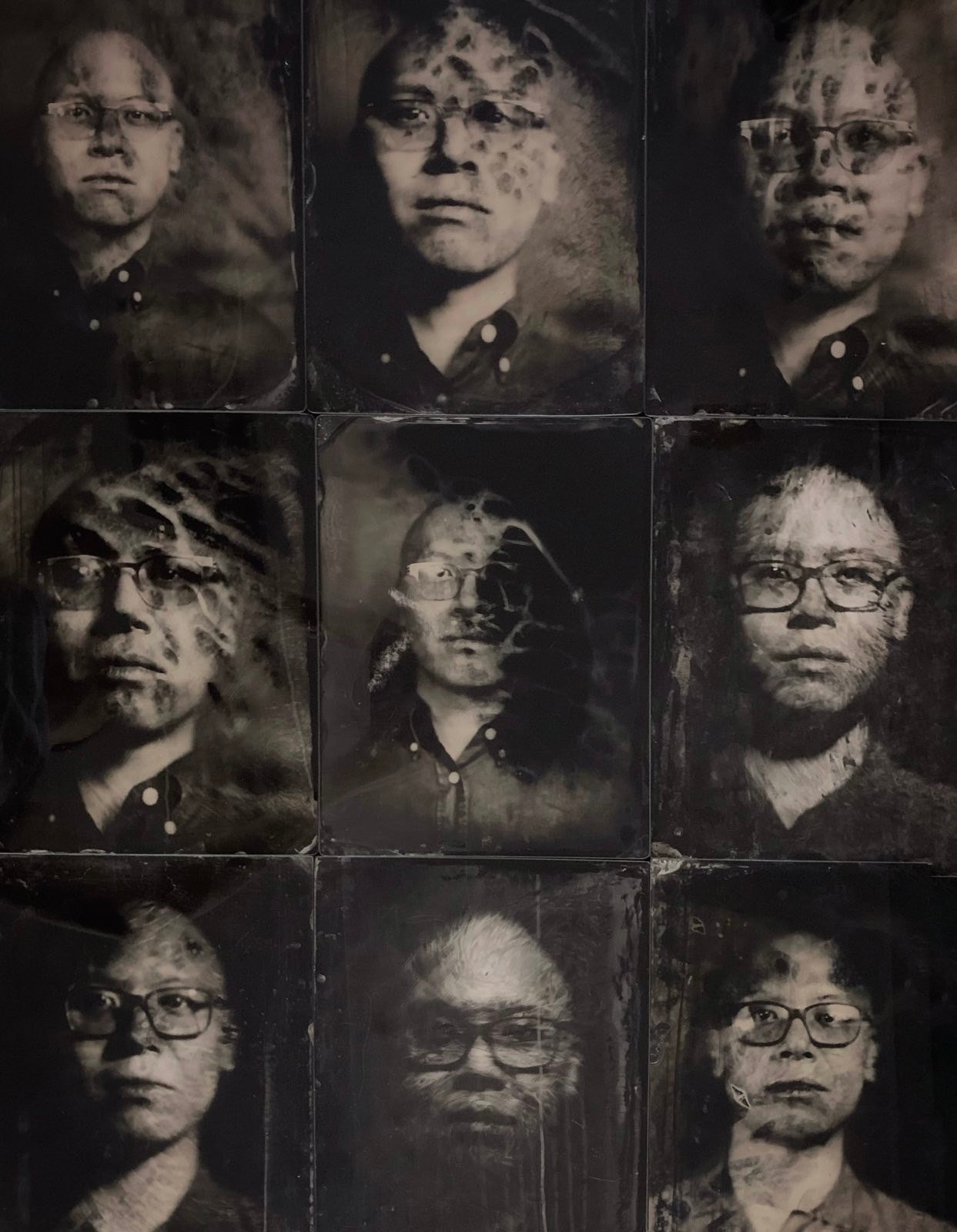
Several works articulate how personal histories of mothering and unmothering are entangled with broader social and political structures. Jane Jin Kaisen reflects on motherhood through the lens of transnational adoption, a system that, by design, enacts unmothering through legal erasure. She writes:
“I once wrote that the place I create from is one of translation, of being at the thresholds and exploring what it means, among other things, to be a mother who is herself a daughter of m/others, an orphan of two histories and cultures, an inheritor of a division, a migrant, an/other.” What this is meant to evoke is that the question of motherhood for me, from the vantage point of being transnationally adopted, is one that brings into play both dimensions of recognition and intimacy, but also otherness and separation. The evocative title Mothering/Unmothering, to me, holds the ambiguity.”
Kaisen’s contribution holds intimacy and separation in productive tension, while welcoming a necessary nuancing of what mothering might mean beyond narrow family structures and normative expectations.
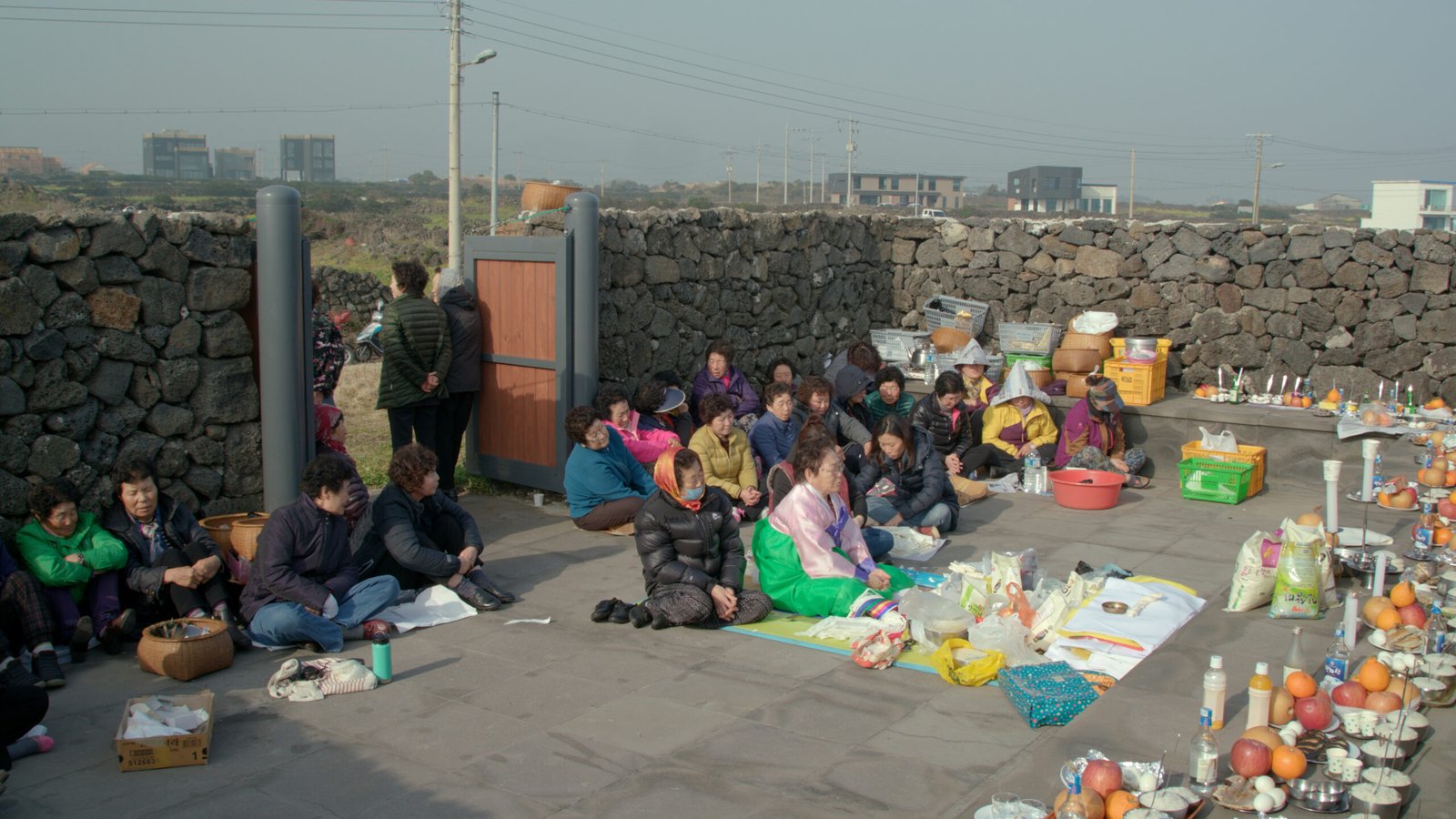
Lynn Lu, based between Singapore and London, presents three interlinked works: Be Afraid Only of Standing Still; Maiden, Mother, Crone: The Human Library; and Amnion. Each explores lineage, embodiment, and female life stages. Performed in the Philippines, these works trace migratory histories embedded in Lu’s Chinoy heritage while extending into collective enactment. Reflecting on Maiden, Mother, Crone, Lu writes:
“Performing Maiden, Mother, Crone: The Human Library with Crones and Maidens unknown to me shifts the work from an intimate, autobiographical ritual into a collective, communal enactment of generational experience.… With the Filipina women and girls, the emphasis moves from personal genealogy to archetypal roles. Maiden, Mother, and Crone become lived positions inhabited by many bodies.”
Here, maternal identity becomes communal knowledge rather than private inheritance, a living archive of embodied experience across differences. Women like Alma Miclat, Karina Bolasco, Marian Pastor Roces, and Millet Orosa have agreed to be on loan as “human books” for this occasion alongside the young maidens Eir Sotelo, Kyle Christa de la Cruz, and Zoe Suganob to make this visible and readable.


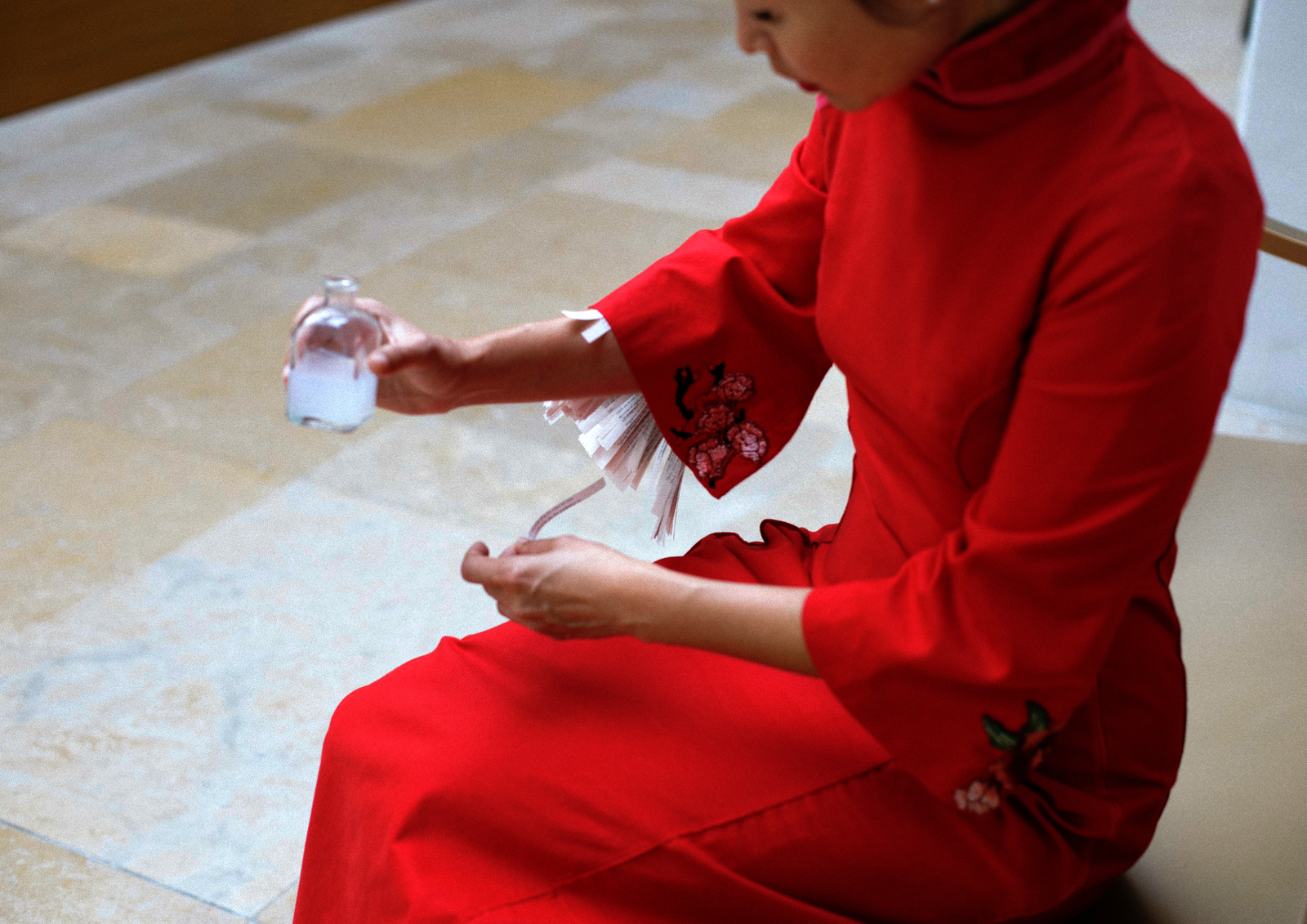
Screenshots from Amnion, 2022, courtesy of Lynn Lu; Maiden, Mother, Crone: The Human Library, Singapore, 2024. Photography: Kelly Janine, courtesy of AGAS Singapore Gallery; Be Afraid Only of Standing Still (Variation), National Gallery Singapore, 2017. Photographed by Murni Khaliesah Binte Uda.
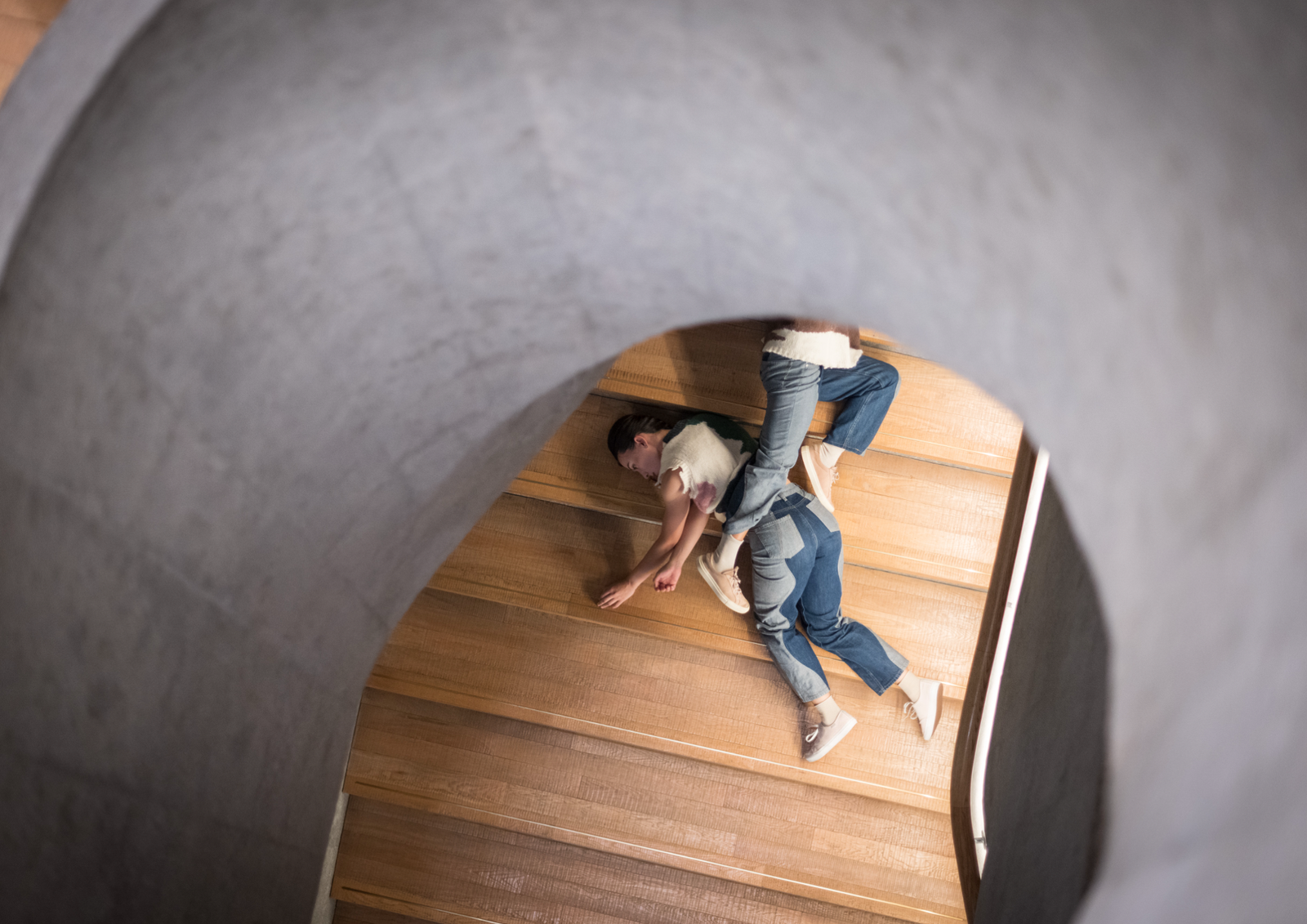
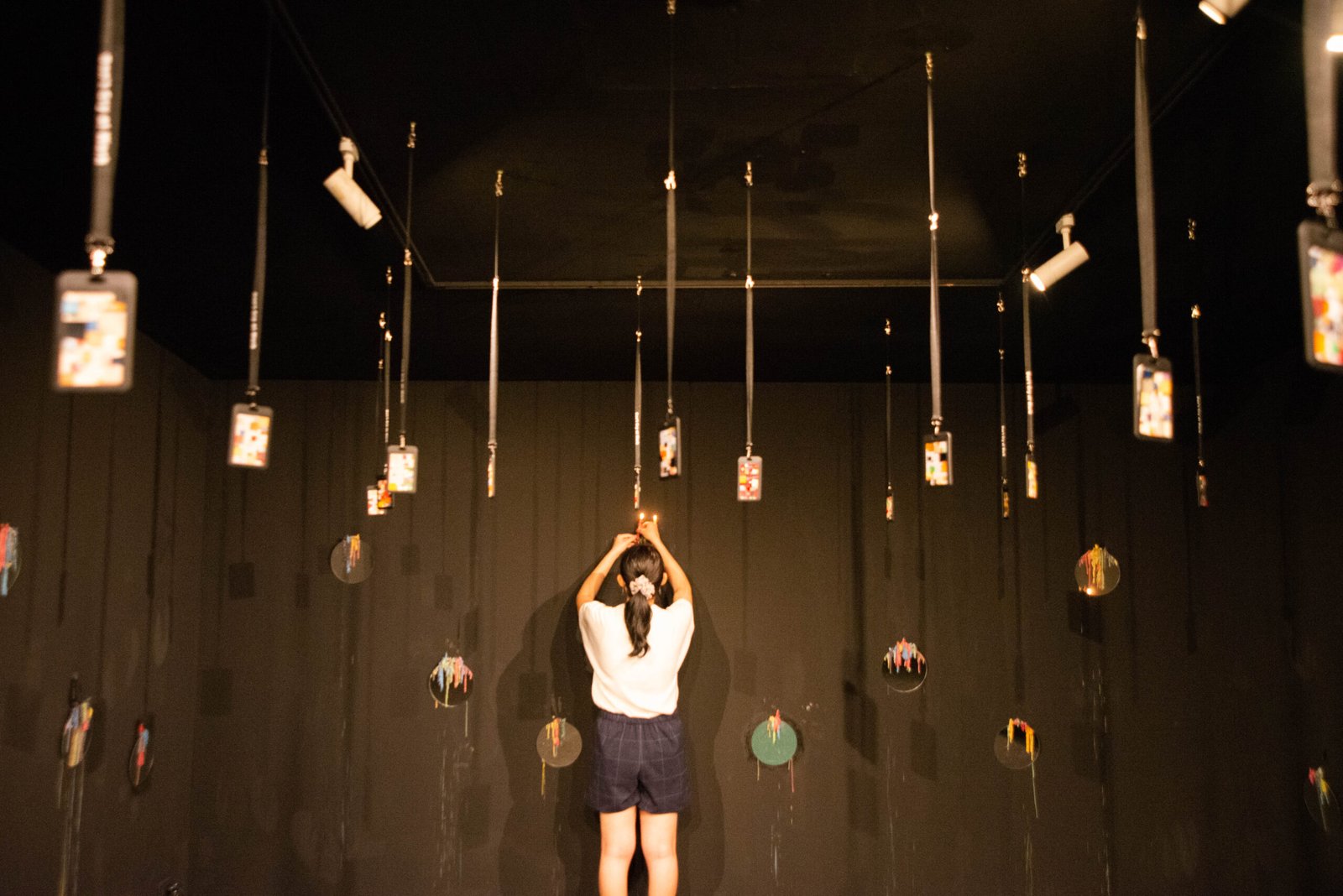
The physical labor of care is powerfully rendered in Dandelion Scream by Marah Arcilla and Sylvie Cox. Drawing on the intimate gesture of a mother rising beside her sleeping child—carefully negotiating her own movement while bearing another’s weight—the work unfolds through intertwined bodies moving through architectural space. As performers ascend a staircase, struggle and tenderness coexist: roots push through concrete in search of light. Care here is neither sentimental nor heroic. It is slow, heavy, attentive, and deeply relational.
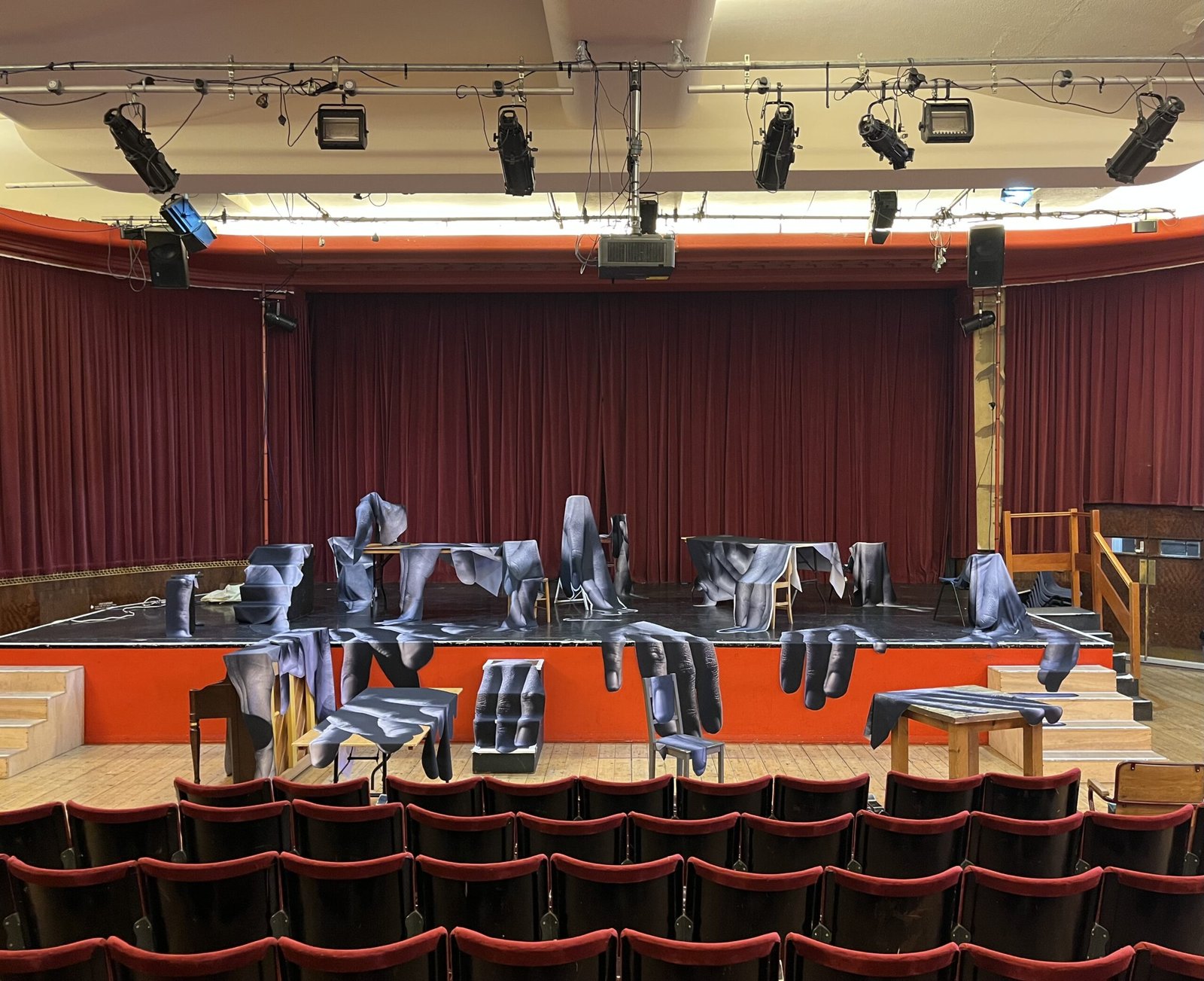
Moi Tran’s Handling Act foregrounds the fragmentation of caregiving labor: hands dispersed across space, gestures of care scattered rather than centralized. Pitchapa Wangprasertkul interrogates the tension between nurturing others and nurturing oneself within systems that demand endless productivity, asking how women might negotiate rest, refusal, and self-preservation within structures that rely on their exhaustion.
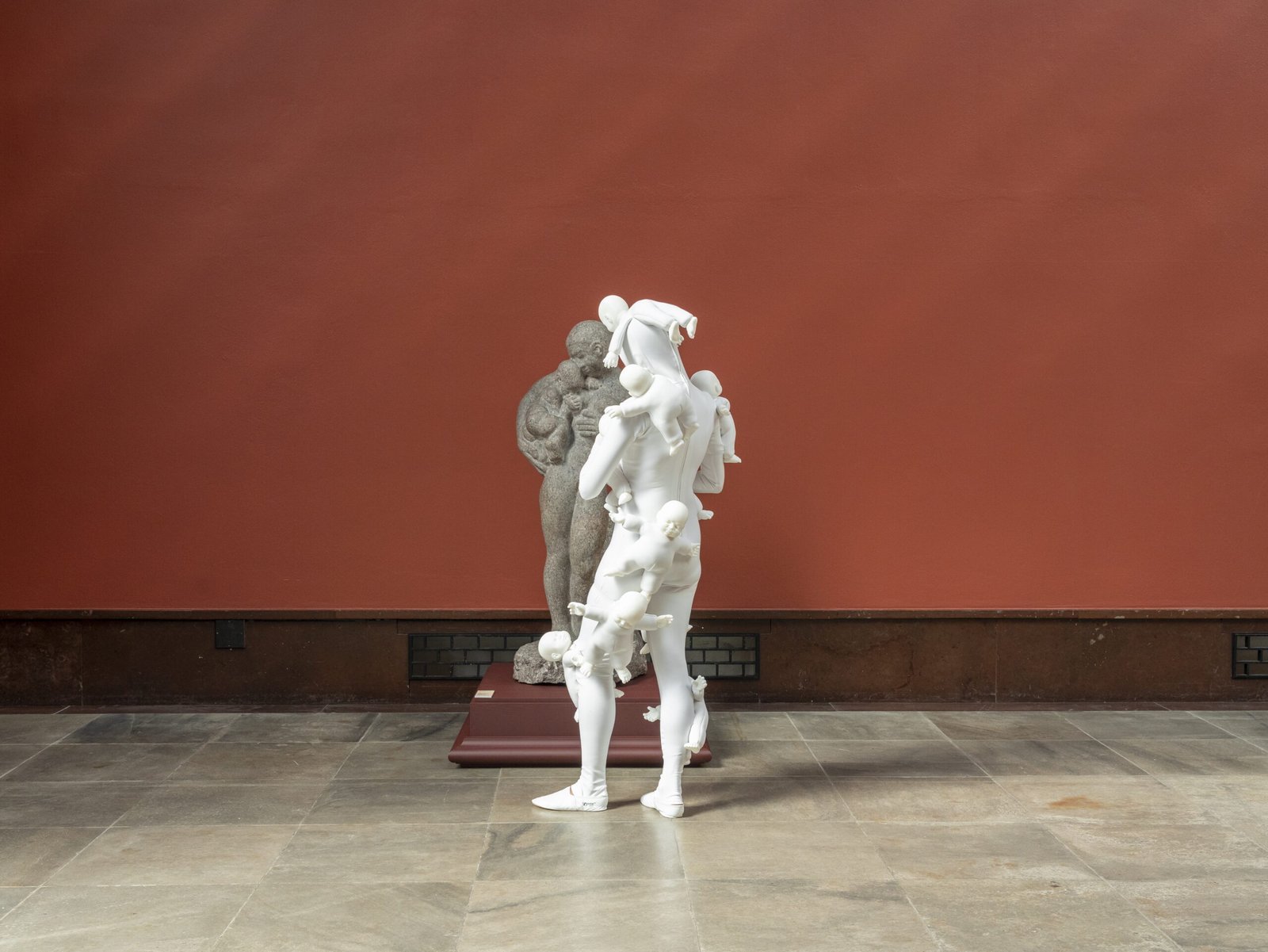
Lilibeth Cuenca Rasmussen’s works further explore the temporality and multiplicity of care. Mussel and Renaissance Swirl unfold through slowness and repetition. Gestures accumulate rather than declare, inviting close attention and sustained presence. In The Mitochondrial Eve, Rasmussen engages more directly with the complexity of motherhood.
Combining text, movement, and strong visual imagery, including a performance involving thirteen babies inspired by Kai Nielsen’s Vandmoderen (The Water Mother), the work transforms public space into an intimate, exposed arena. To my Filipino eyes, my first reaction is to see multiple tianak enveloping the artist’s body. Motherhood appears here not as a stable role but as a condition shaped by power, vulnerability, inheritance, and contradiction.
In the Philippine context, these performances acquire new resonance. They engage with local narratives of care, kinship, and collective memory, while foregrounding tensions between creation and release and between continuity and change. What remains are traces rather than conclusions—gestures that linger, questions that stay open, and a heightened awareness of how care is enacted, negotiated, and let go.
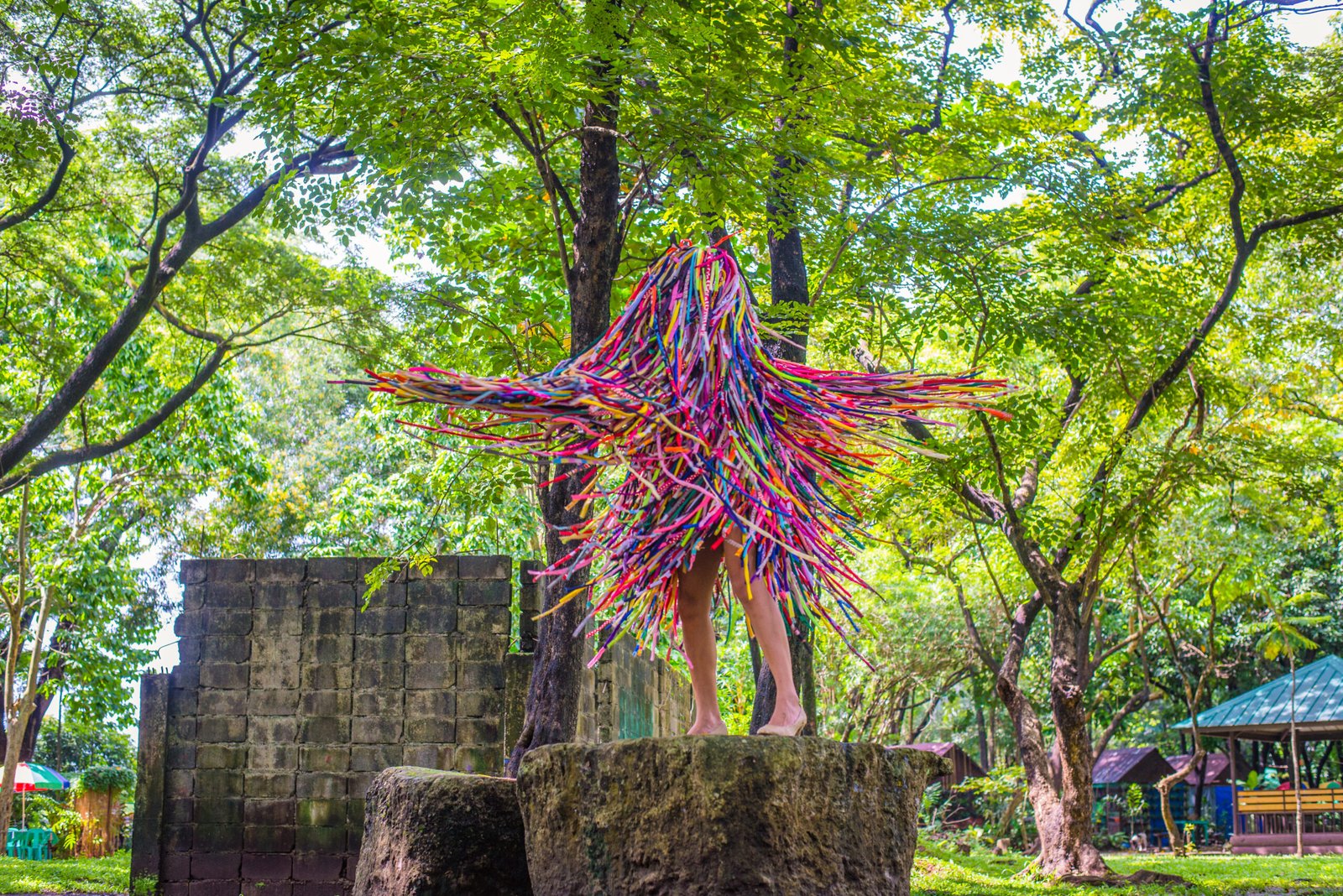
Tekla Tamoria’s practice situates artistic creation itself as an act of mothering. Her ongoing relationship with AlterBibo reflects a nurturing process of tending, mending, and eventual release. She writes:
“Beyond the studio, I carry many roles: the breadwinner of my family, a daughter, a responsible sister, a friend, and a collaborator. At my core, however, I am the mother of my creations—sacrificing health, time, and energy to see how far they can grow. Yet once a work is displayed, I release it. The audience’s response is beyond my control, but their perspectives enrich my practice, keeping it alive and evolving.”
Here, mothering becomes both devotion and letting go, an ethics of care that does not end in possession.
Taken together, these works do not offer resolution. Instead, they hold space for contradiction: devotion and resentment, presence and absence, attachment and release. Mothering/Unmothering does not ask what a mother should be. It asks how care is enacted, distributed, demanded, and sometimes withdrawn and at what cost.
To mother is to labor. To unmother is also labor. In bringing these works into public view, this project honors both. •
Mothering/Unmothering unfolds across public spaces from January 26 to February 8 at Ayala Museum and extends from inside out, including Filipinas Heritage Library, Greenbelt, Ayala Triangle Gardens, and Art Fair Philippines 2026 in Circuit, Makati.
One Response