Words and interview The Kanto team
Images Taiwan Design Research Institute and archicake
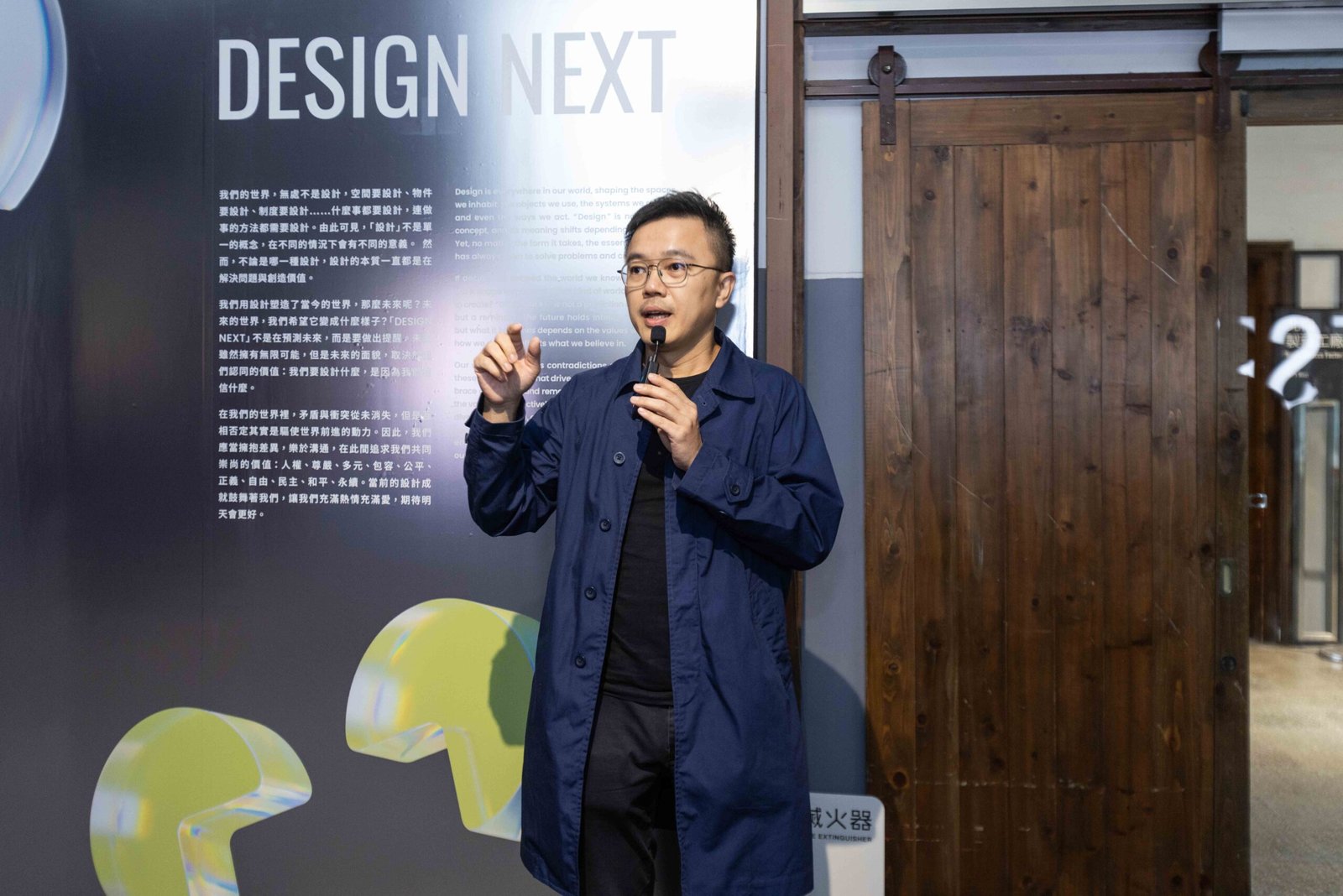
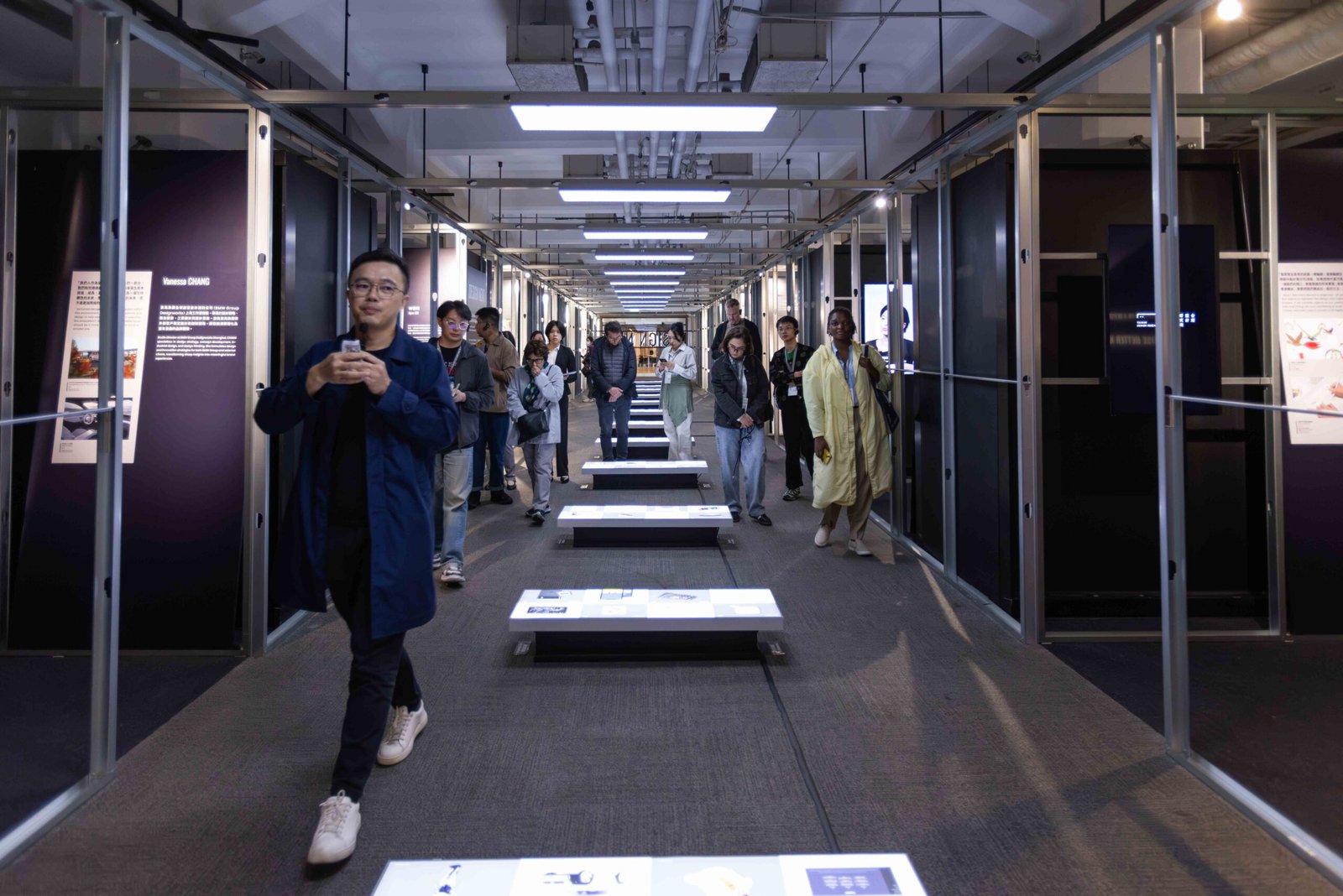
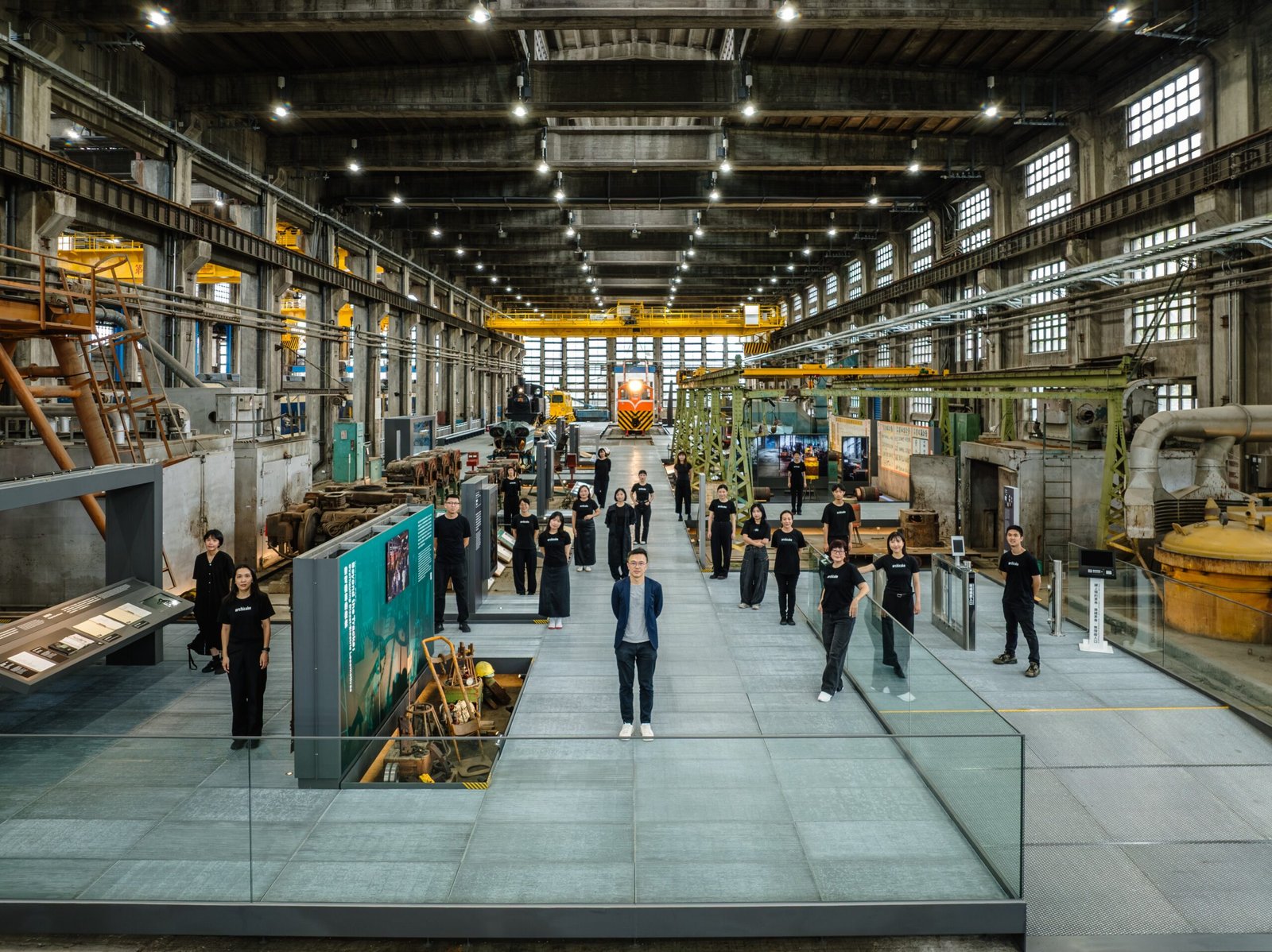
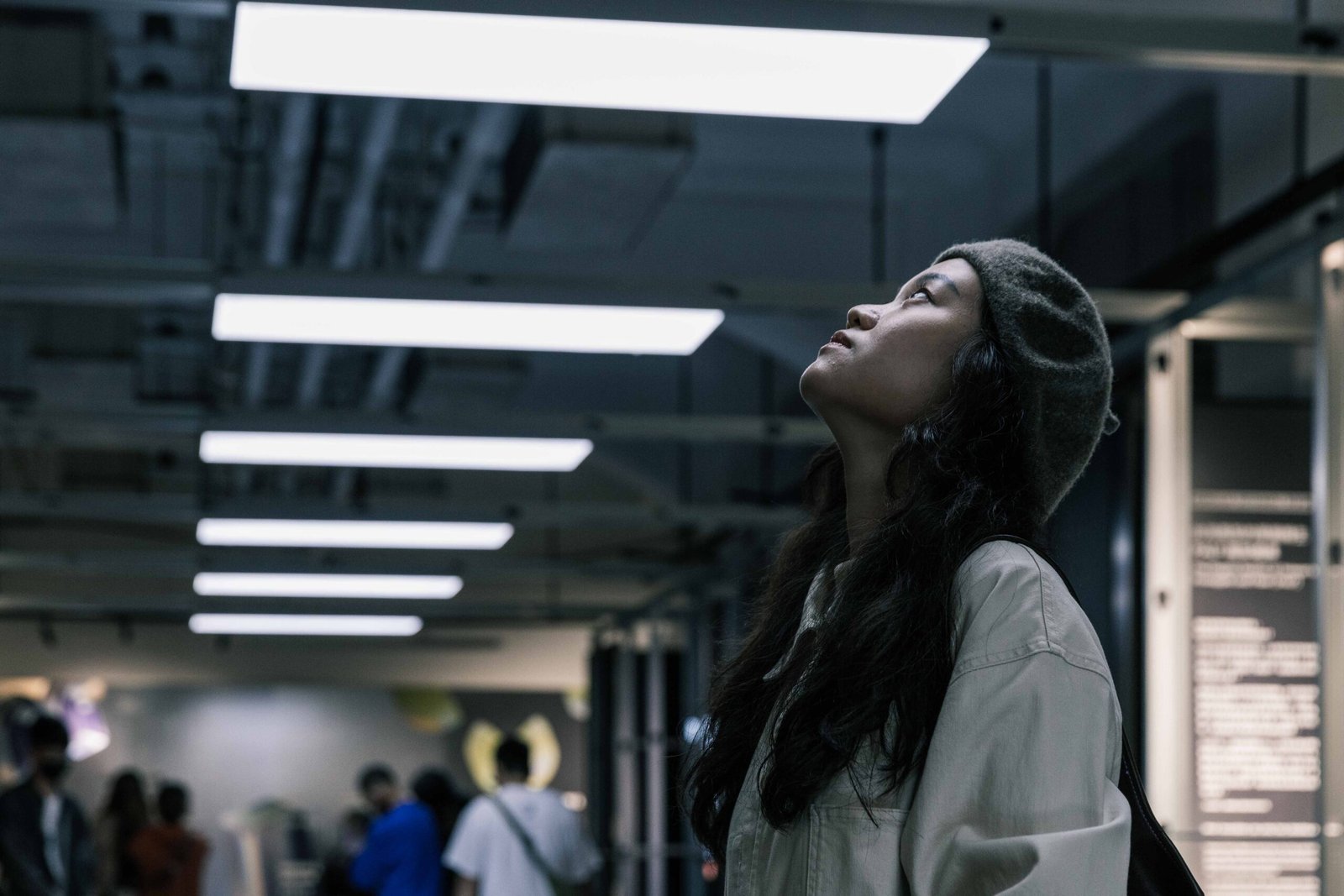
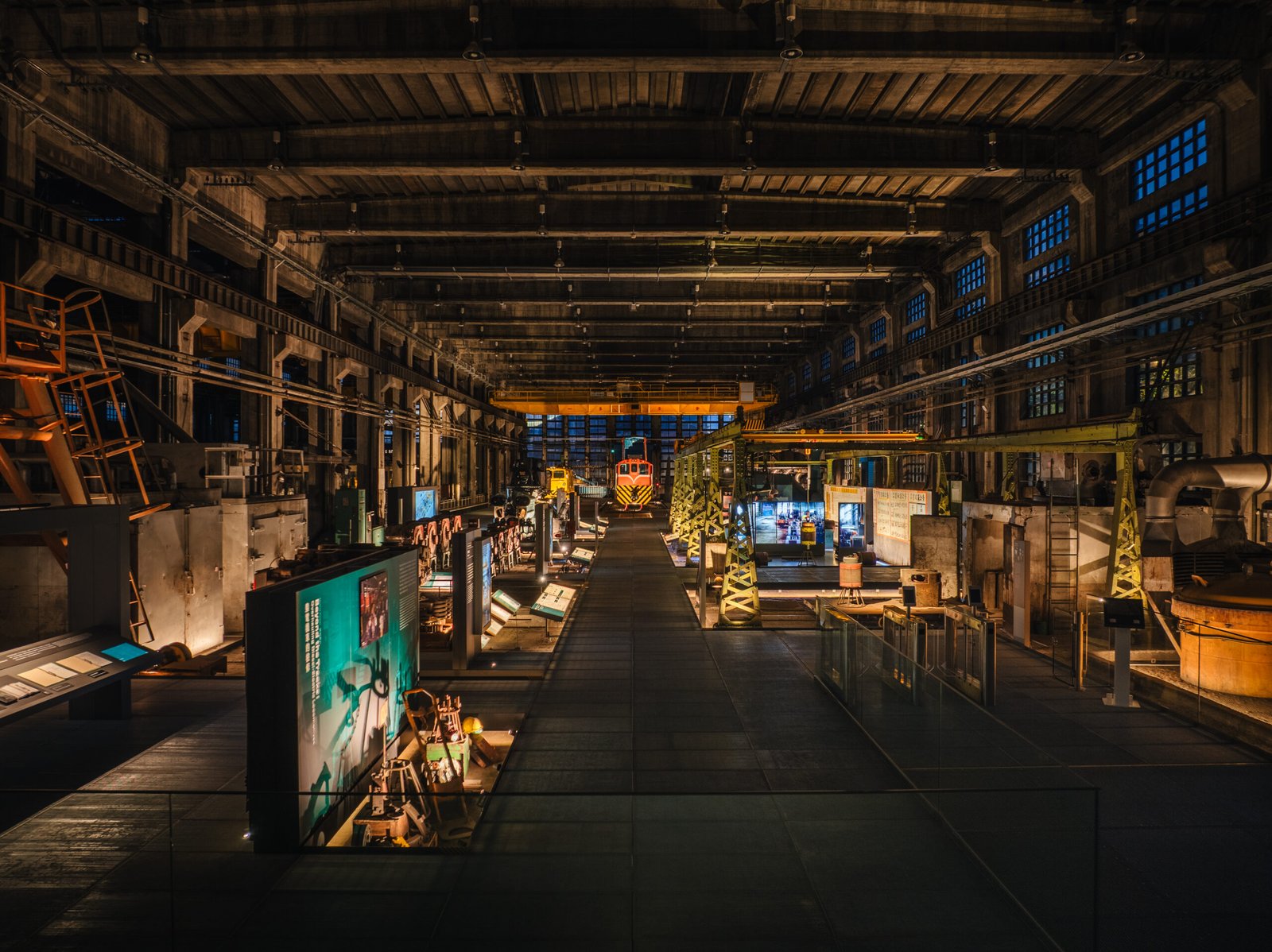
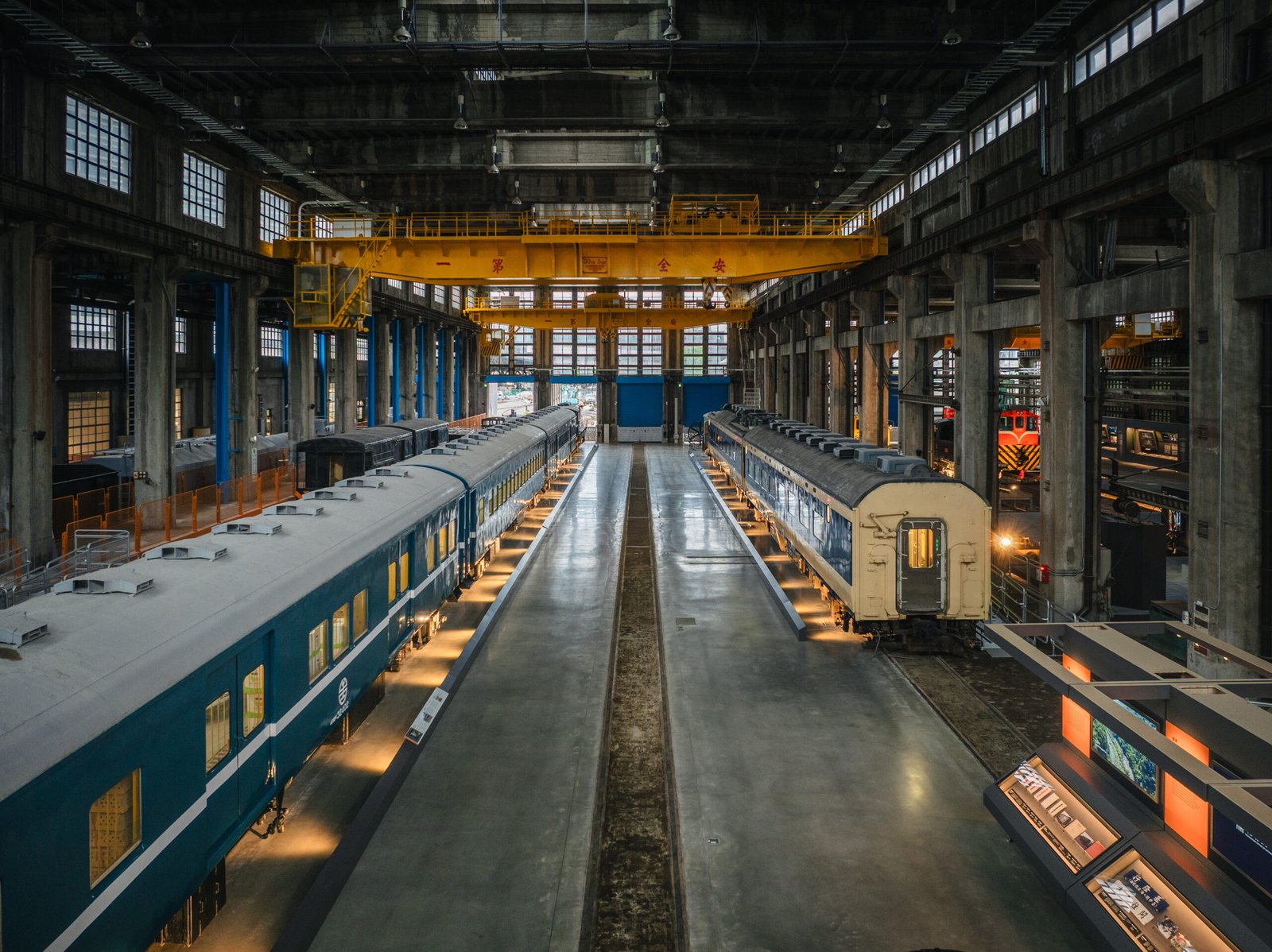
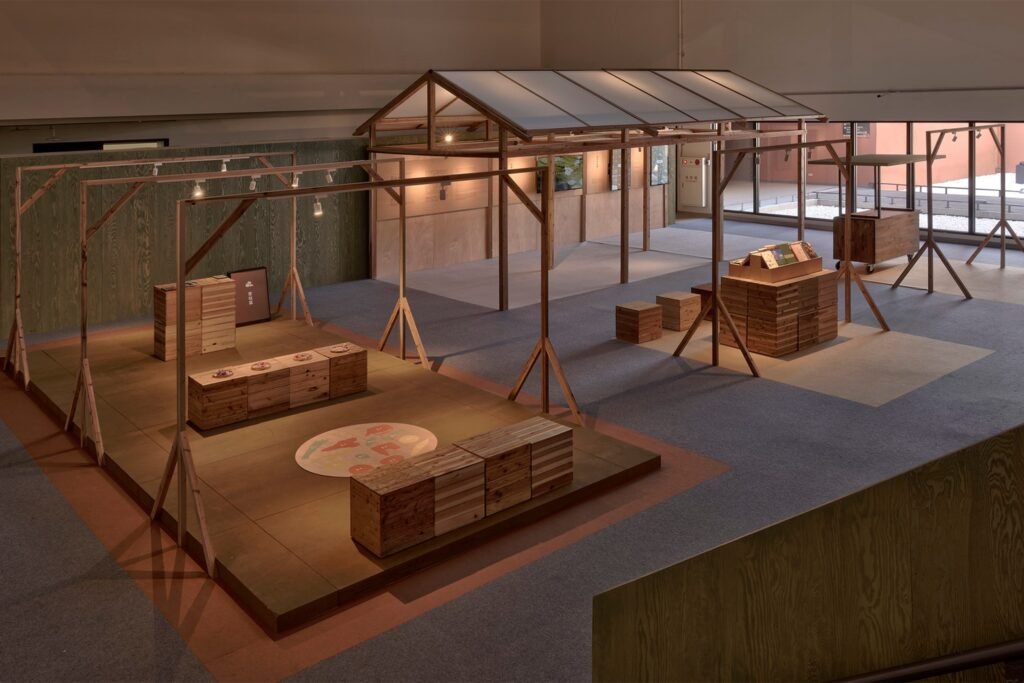
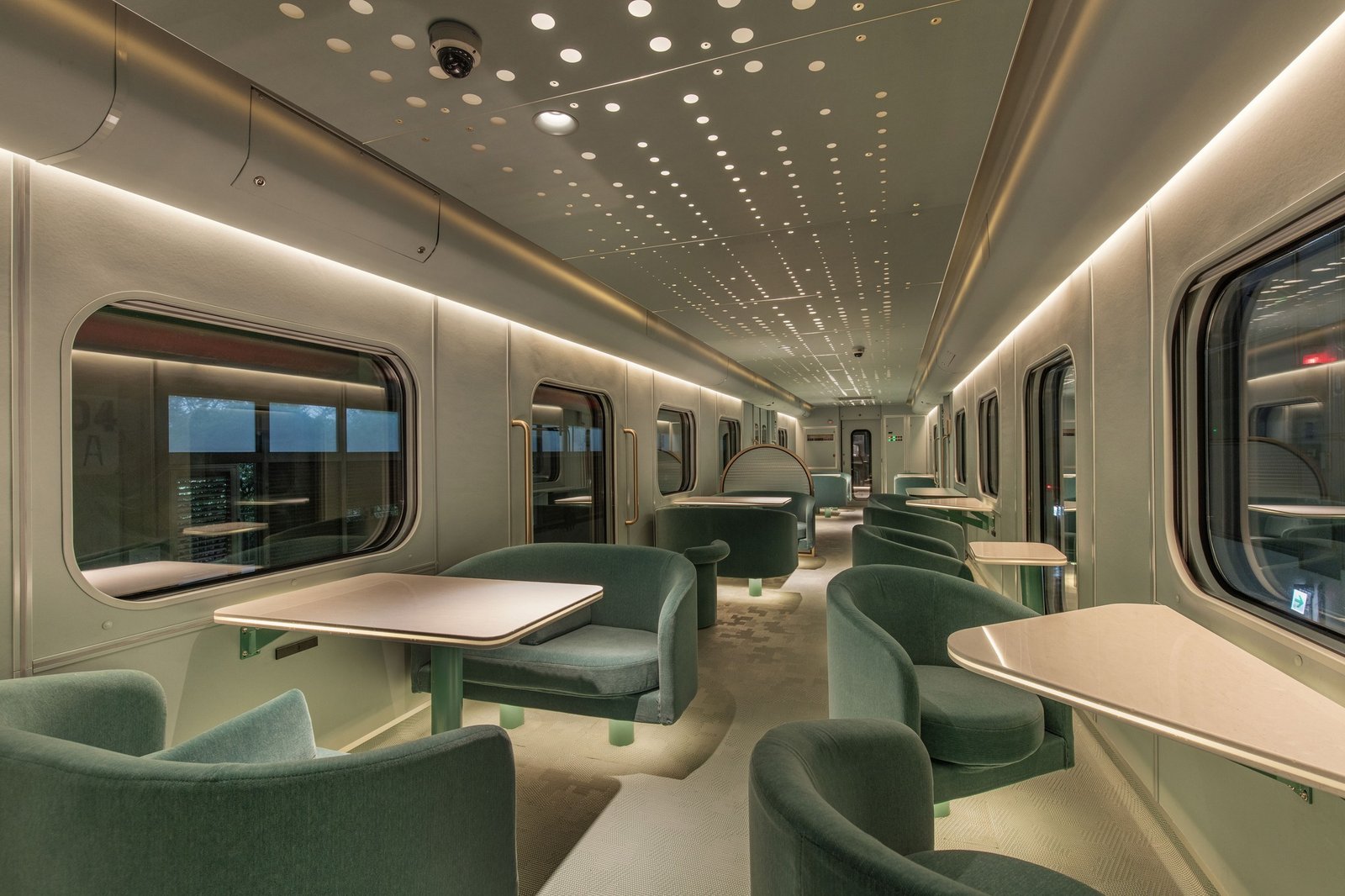
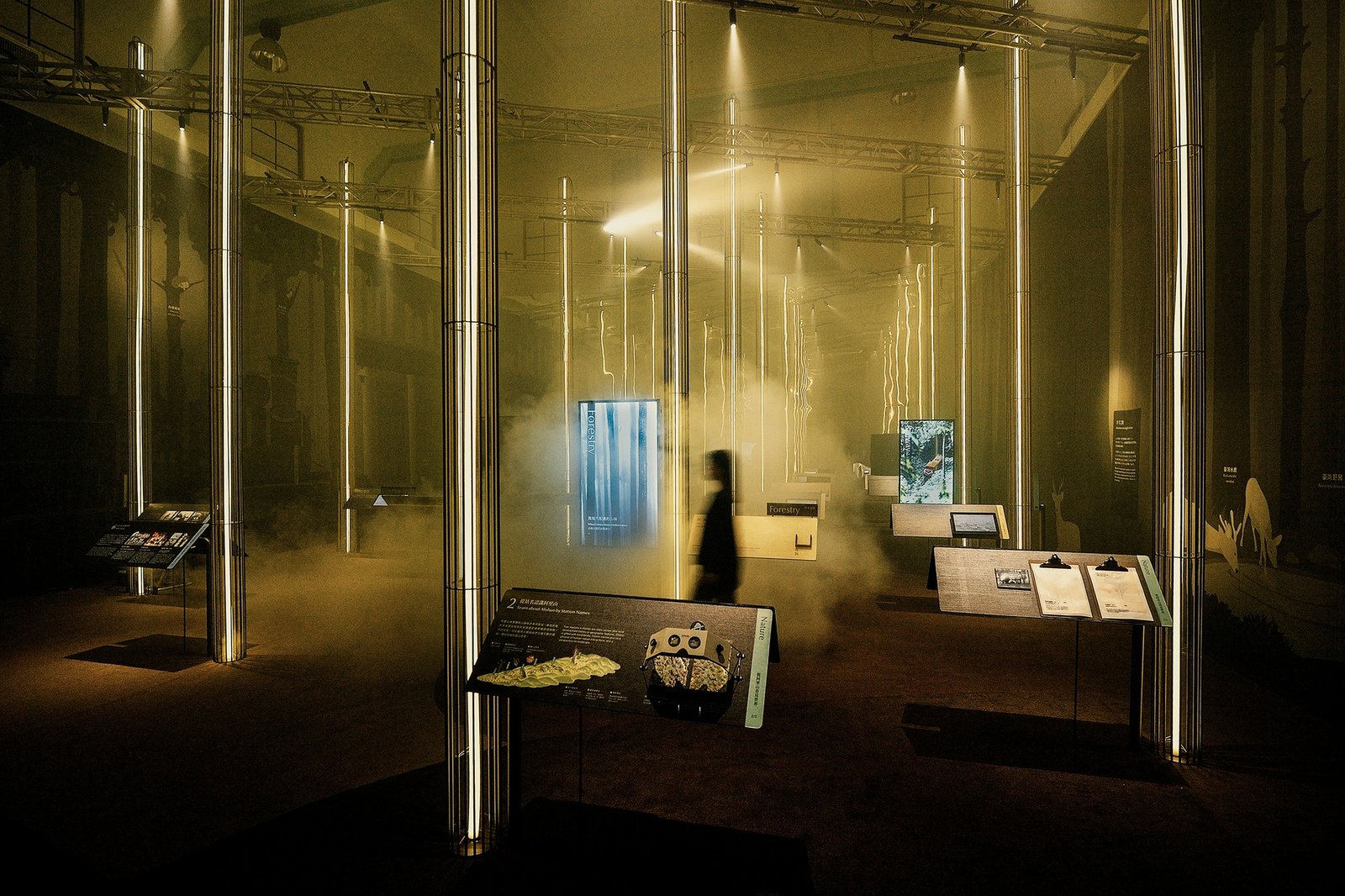
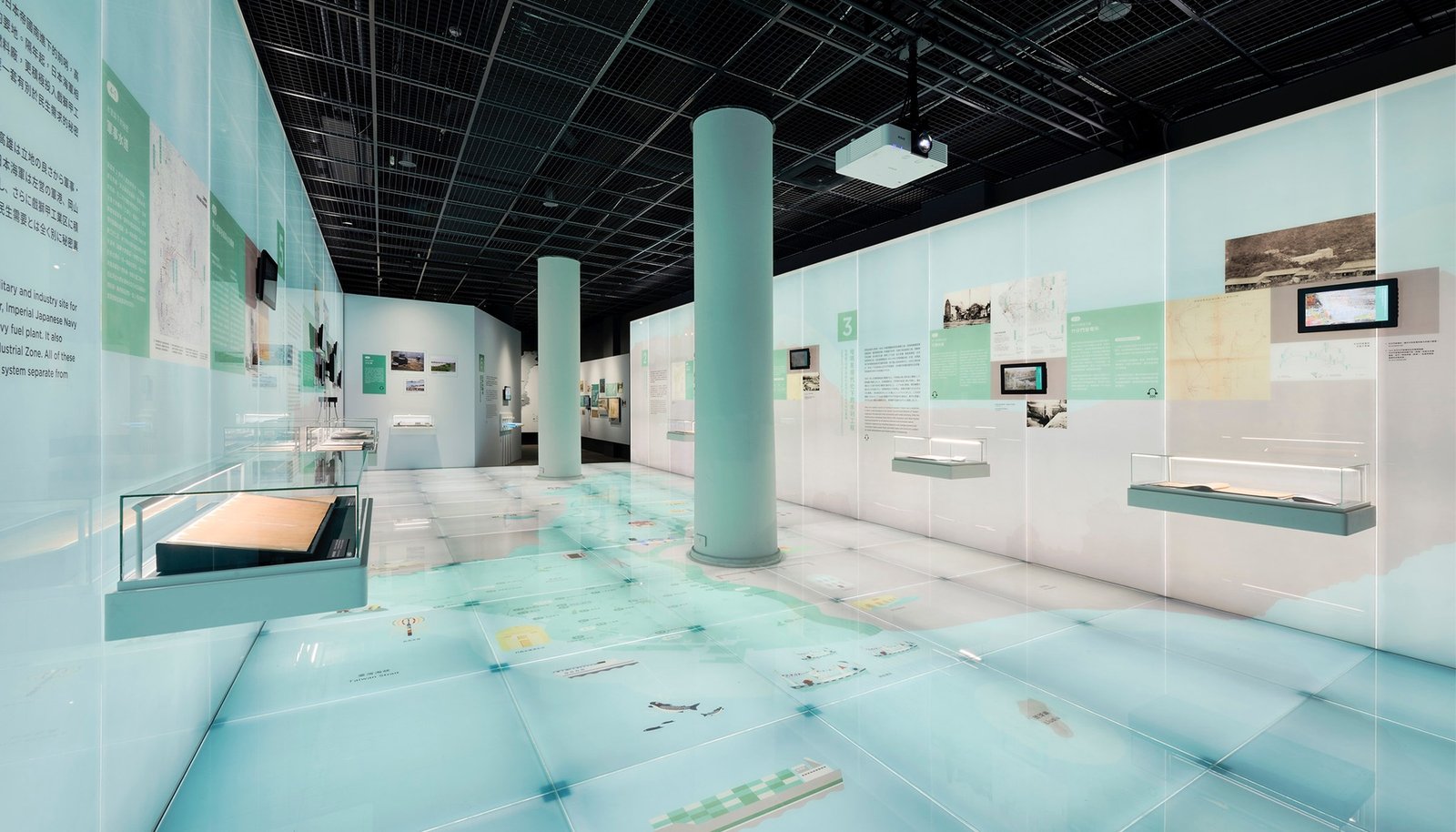
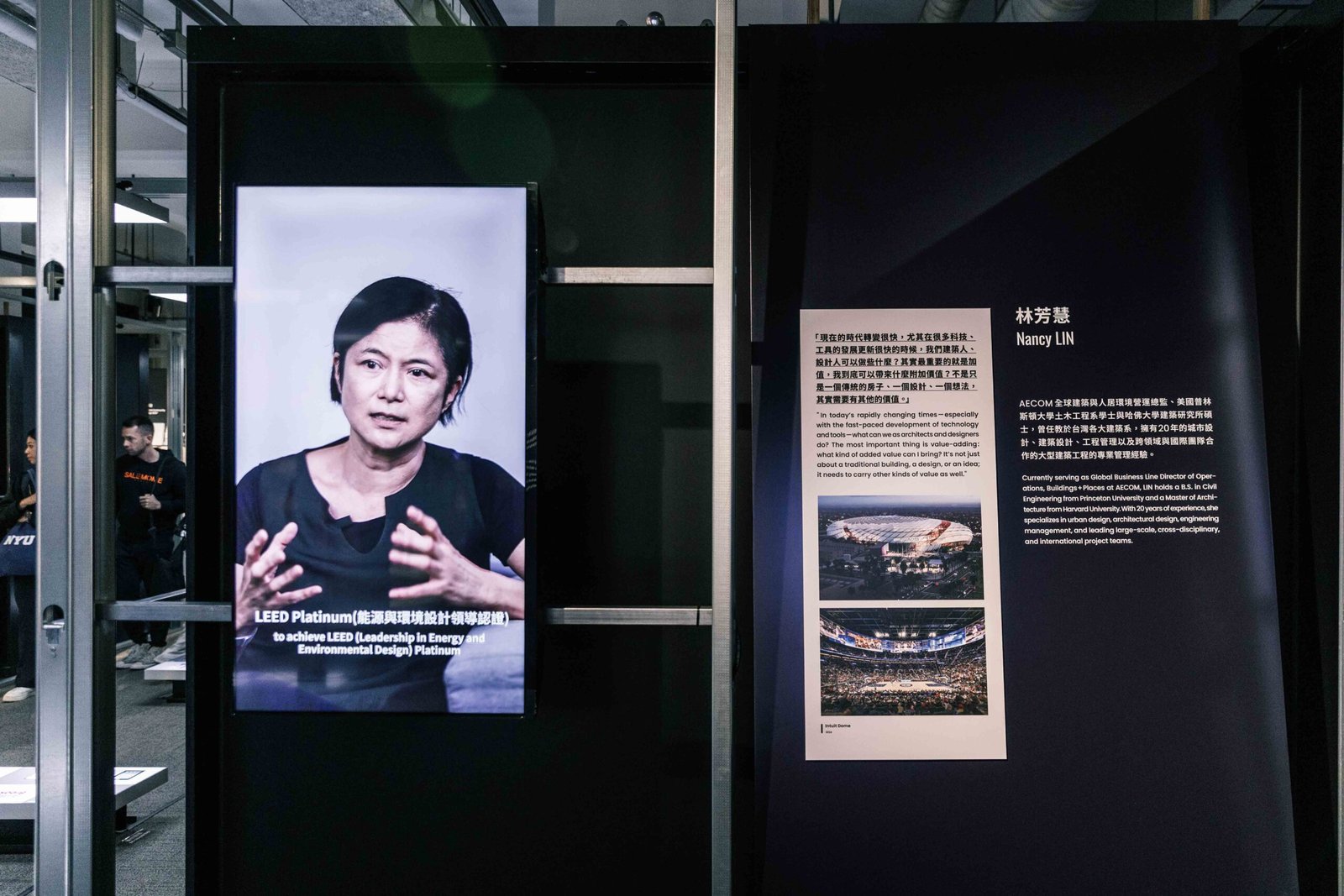
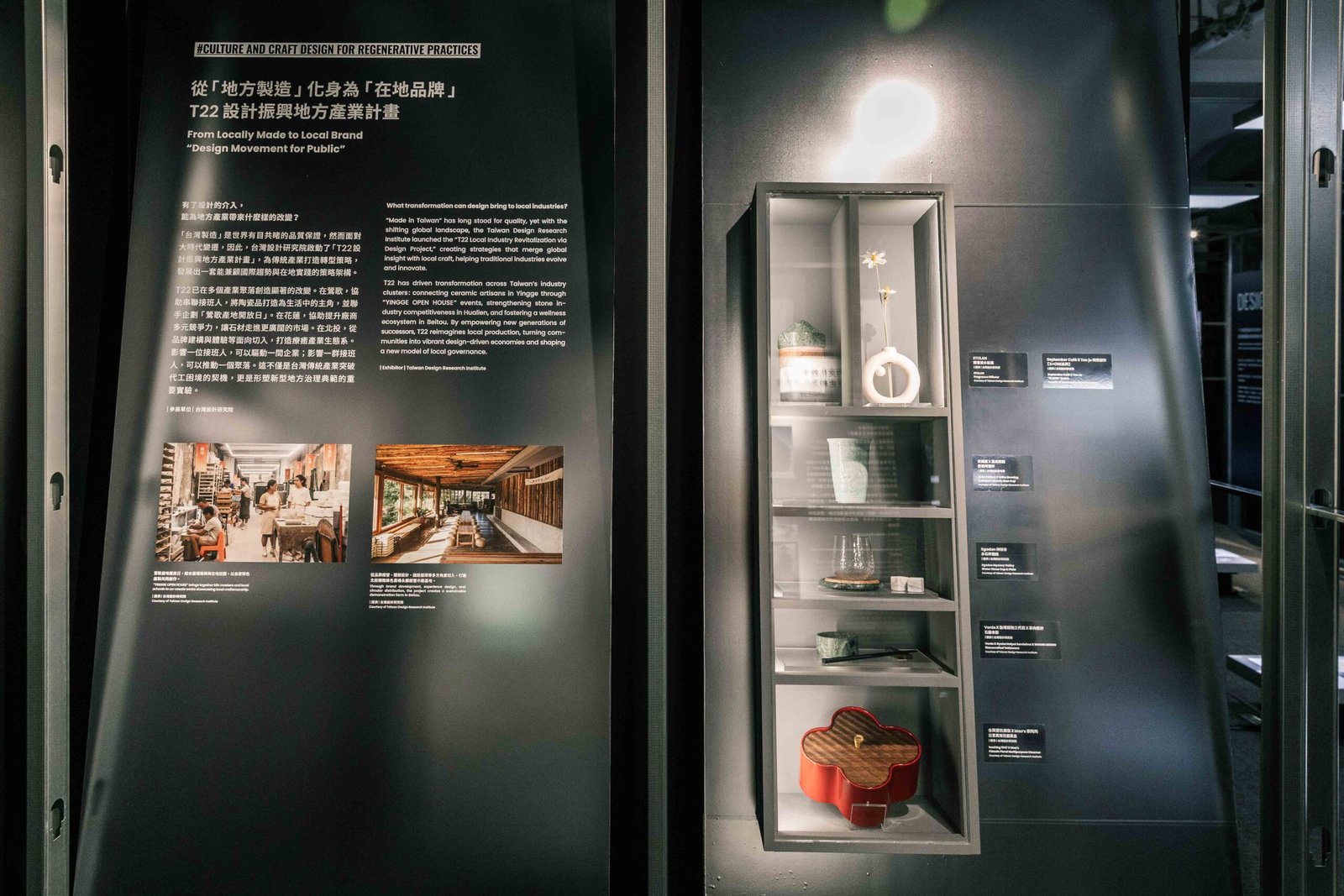
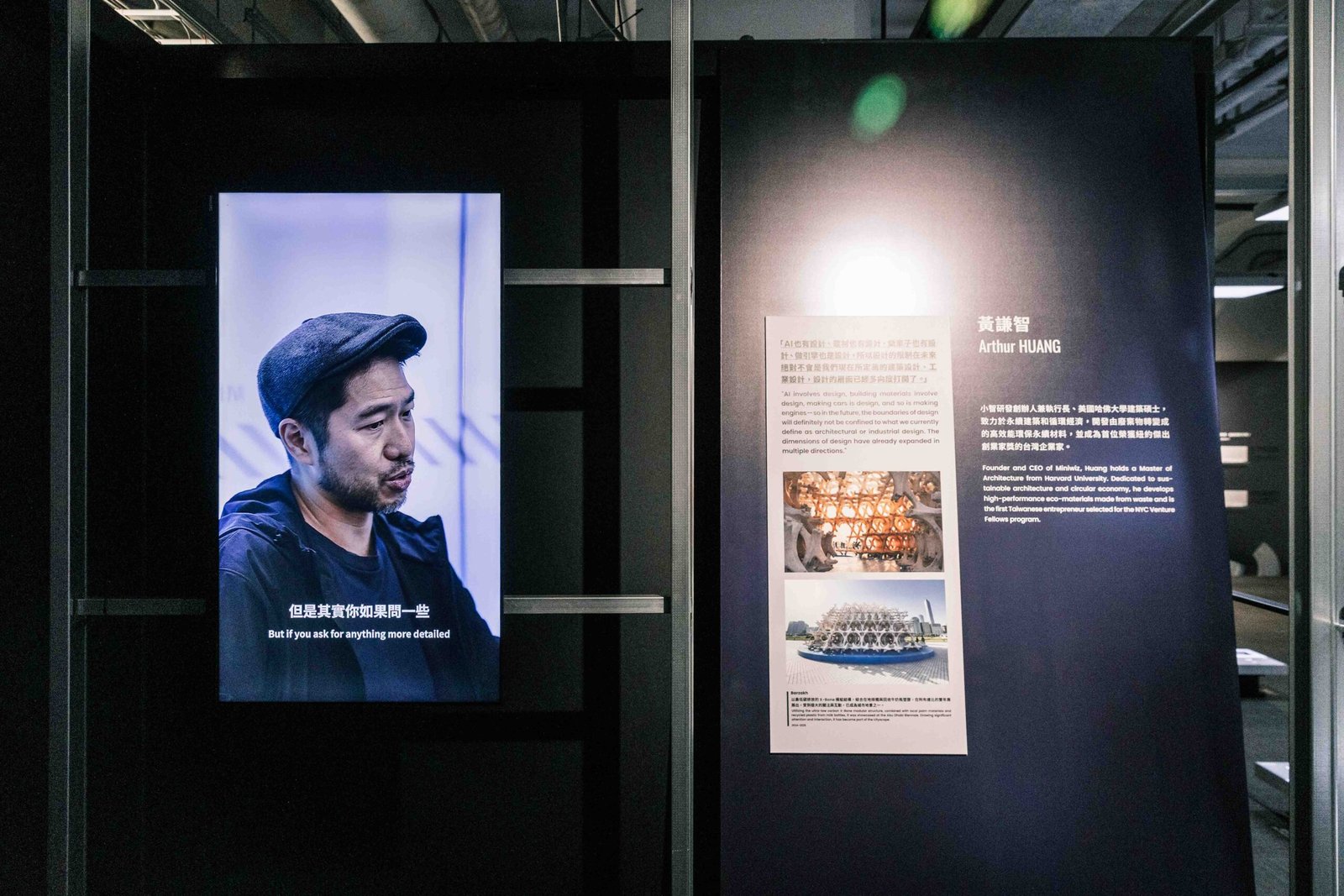
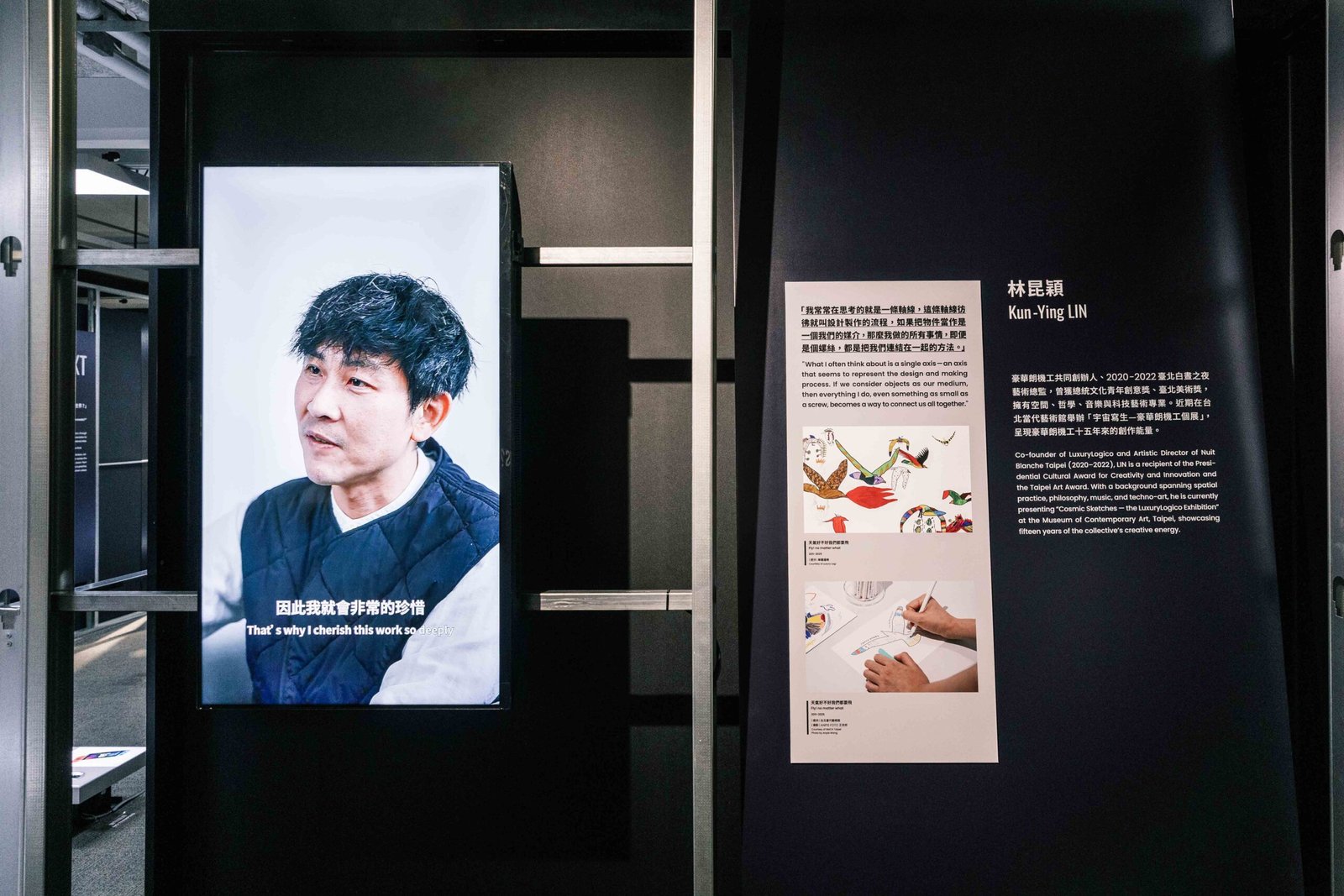
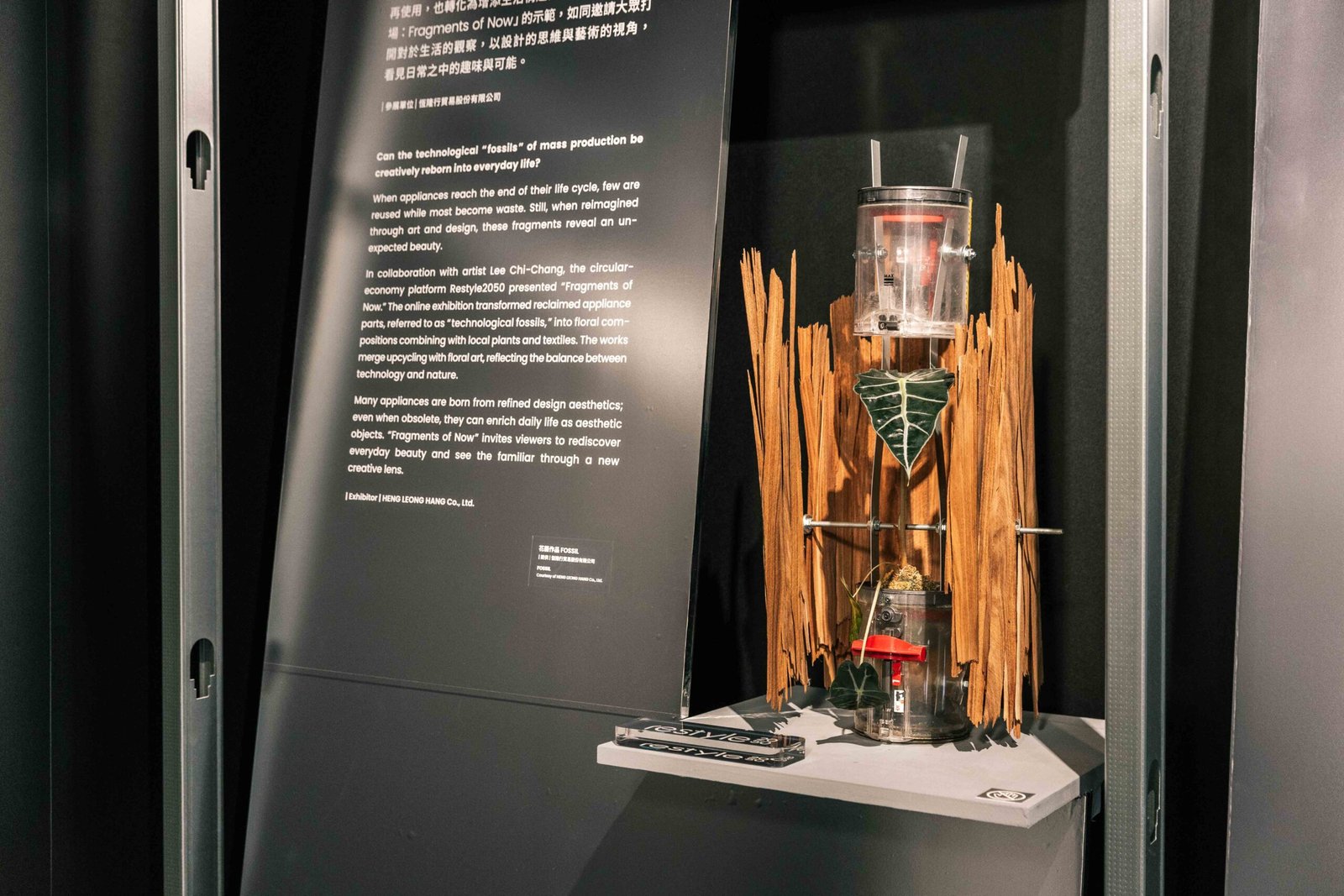
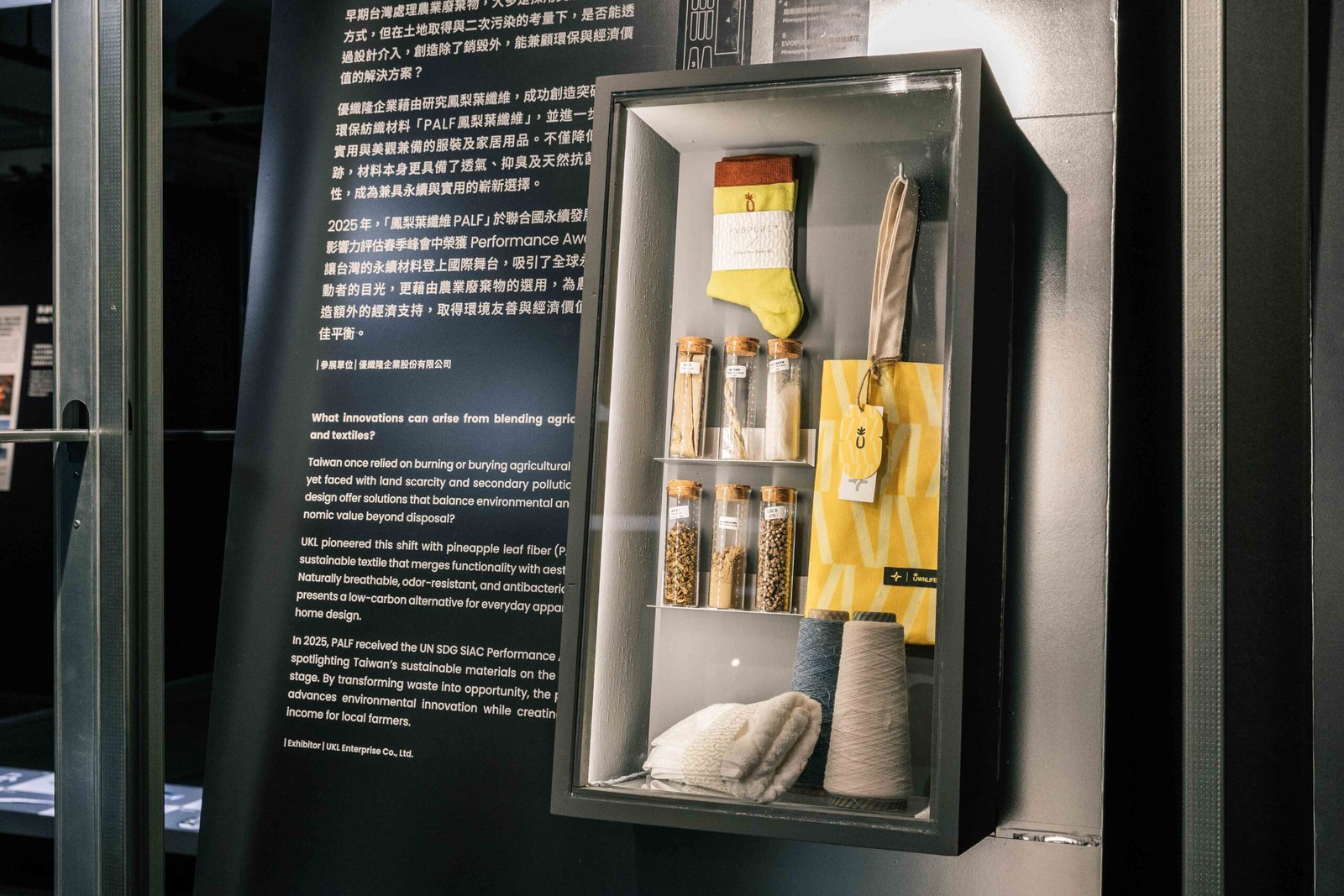
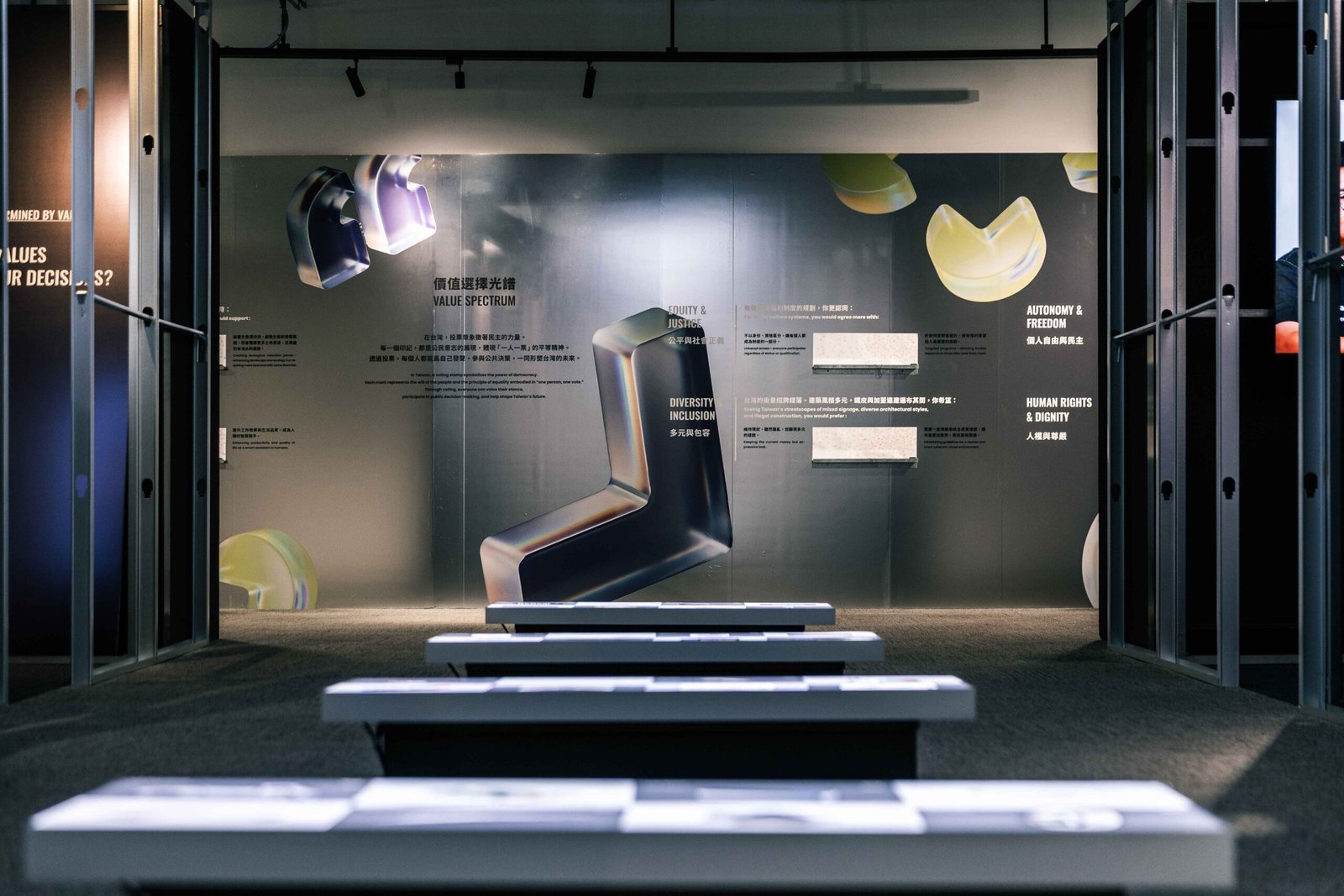
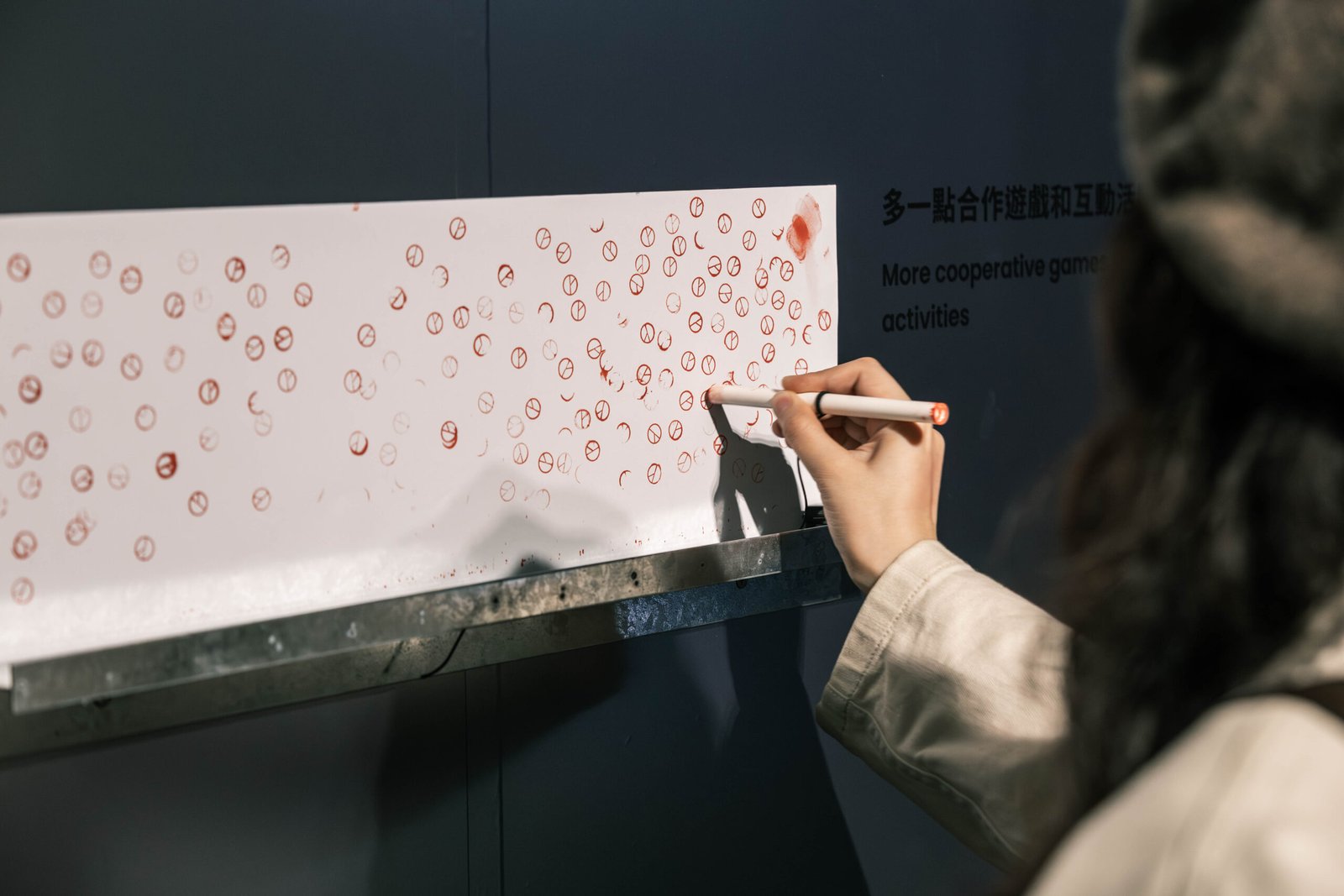
Mirror-finish walls with obscured reflections, scaffolding and void-like darkness mark Design Next’s utilitarian stage, foregrounding the 27 case studies from 31 Taiwan-based teams and the seven thinkers featured in Hall 3 of the Taiwan Design Museum in Songshan Cultural and Creative Park. Design Next serves as the thematic exhibition of the annual Taiwan Design Week program organized by the Taiwan Design Research Institute, now on its third edition.
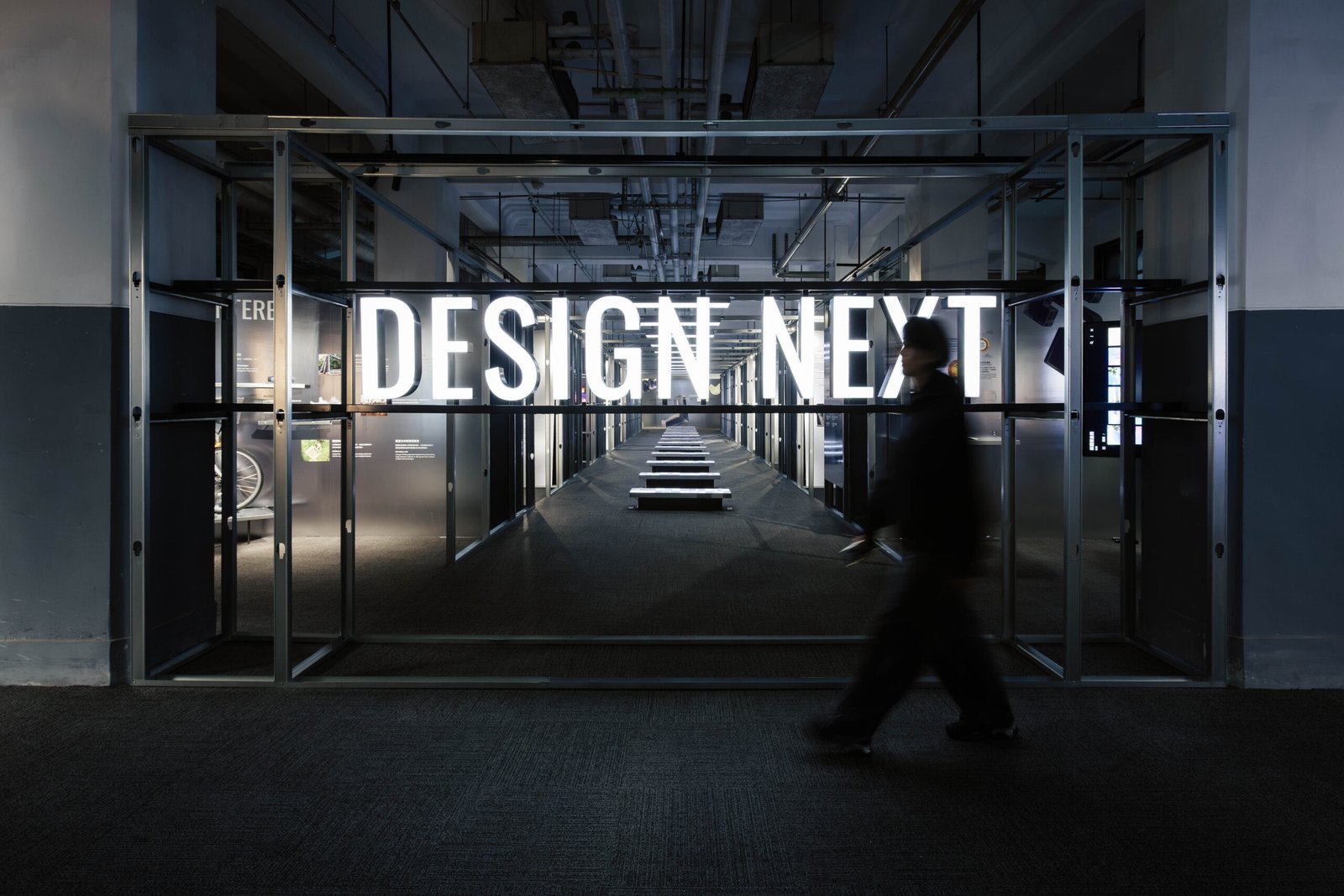
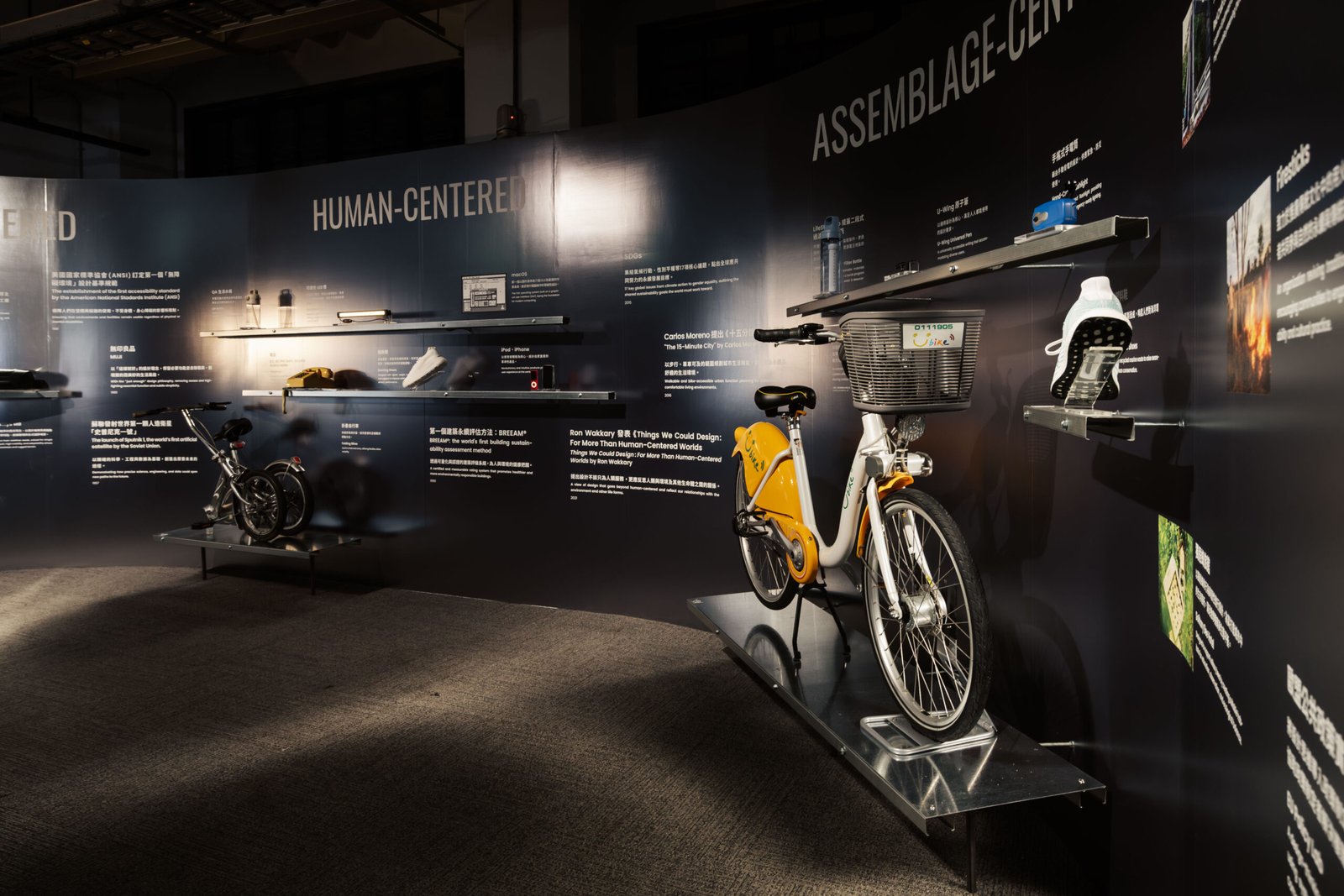
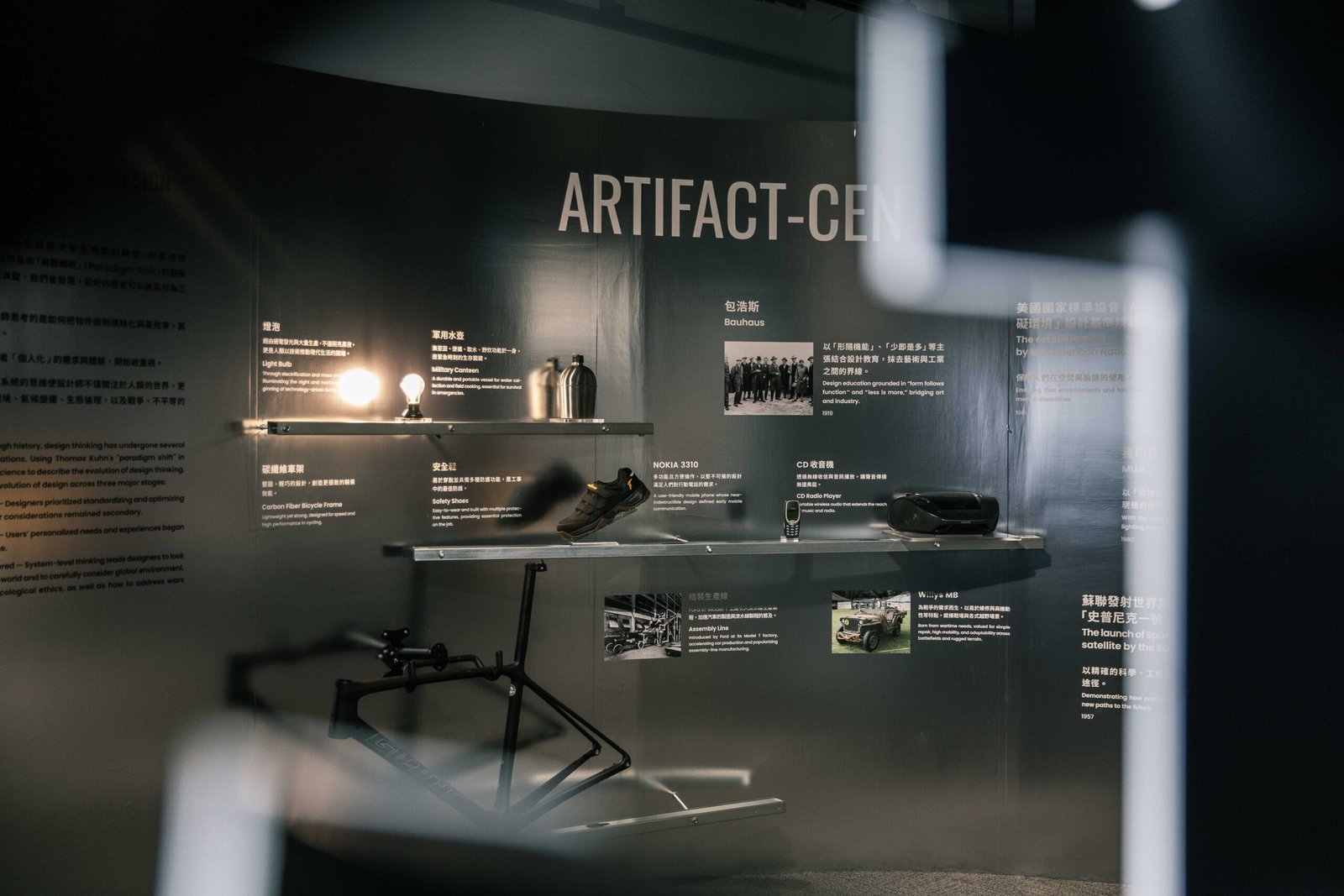
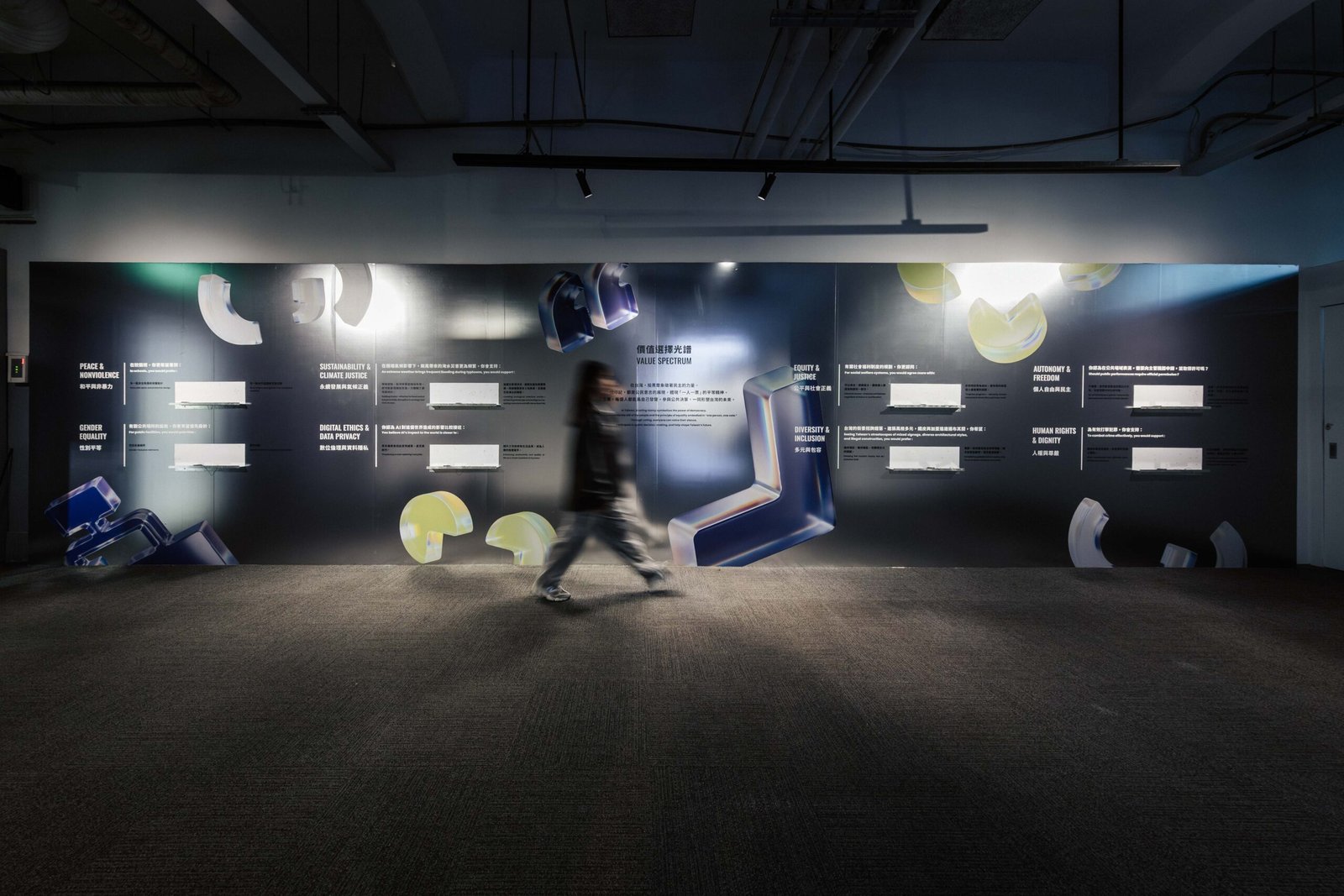
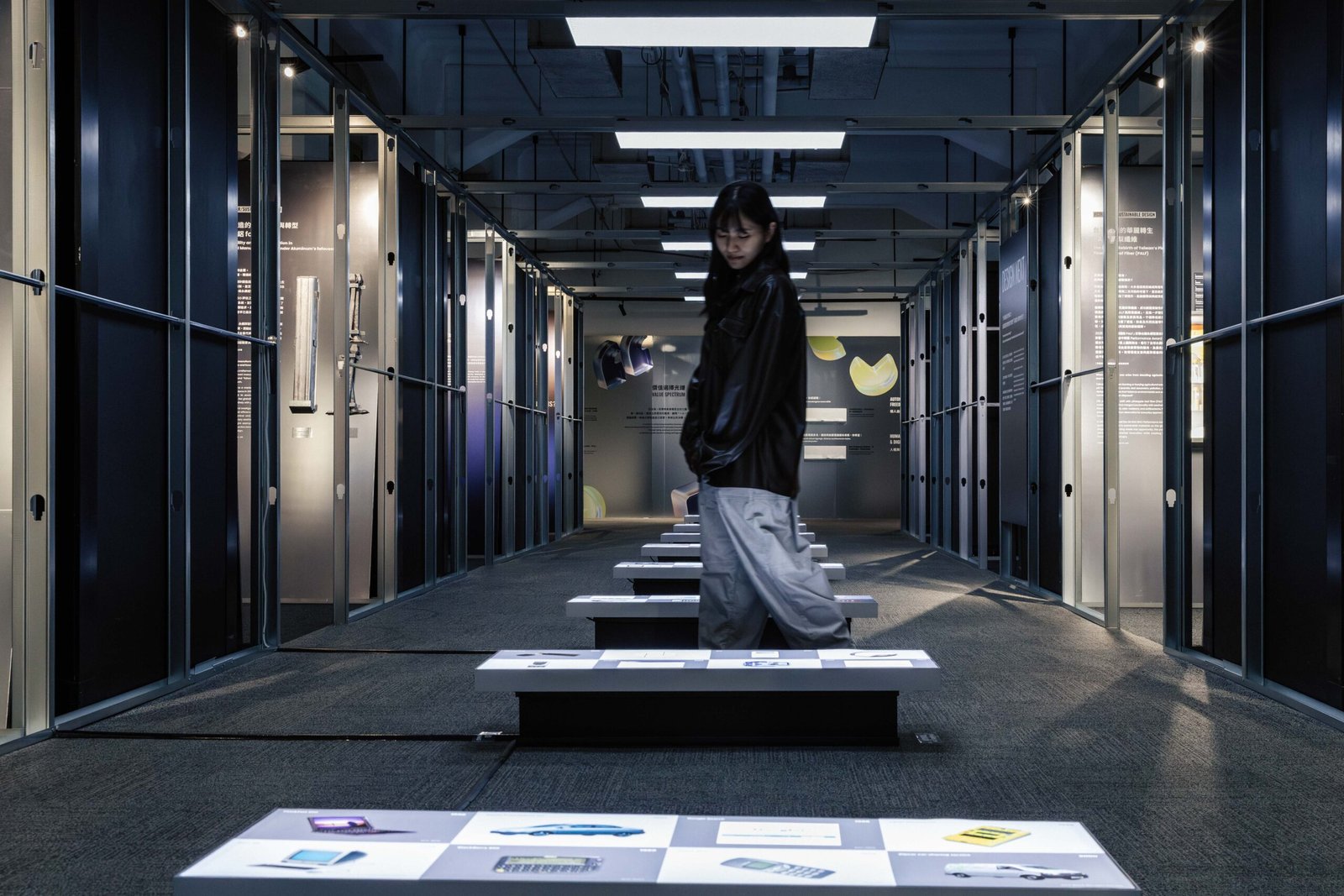
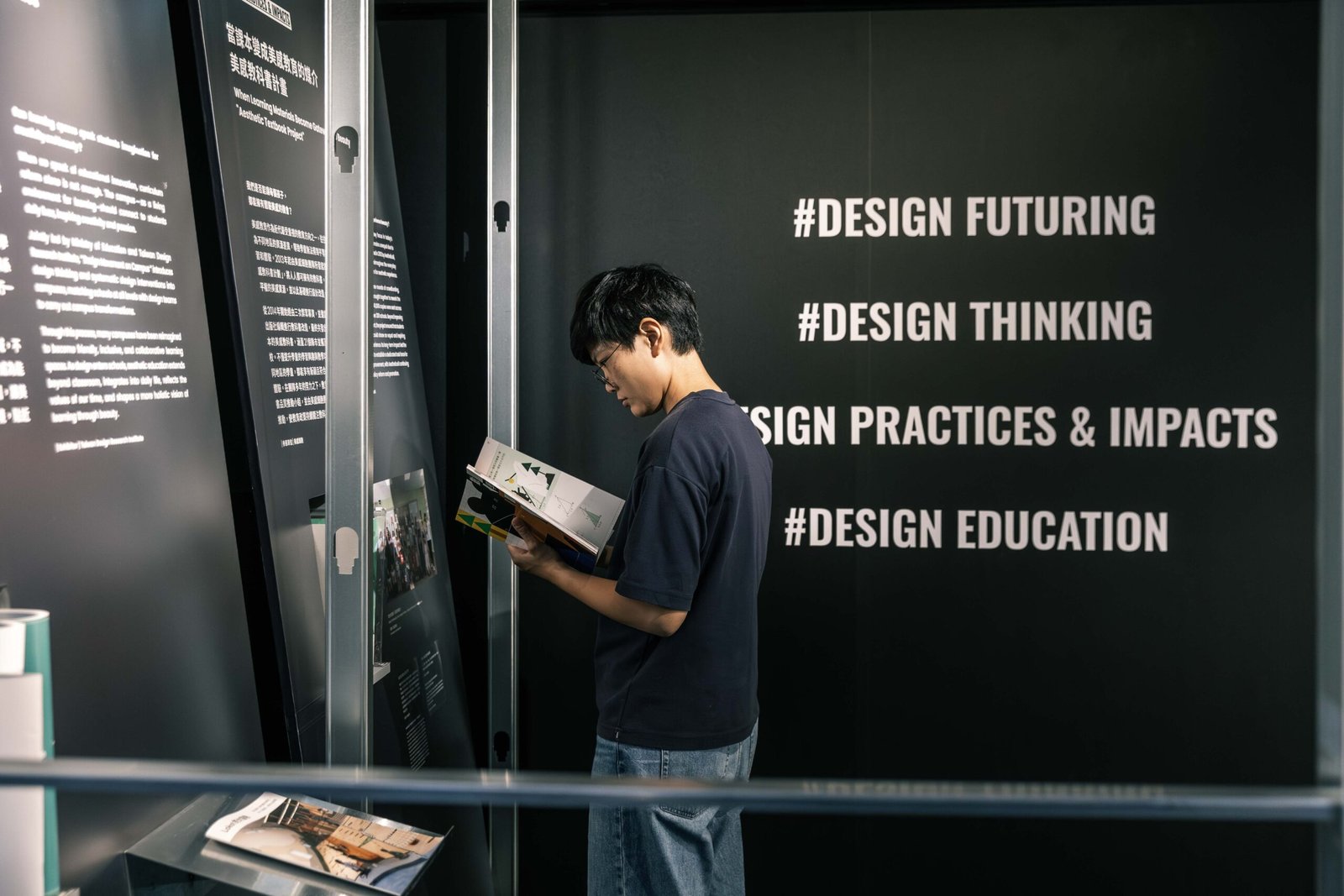
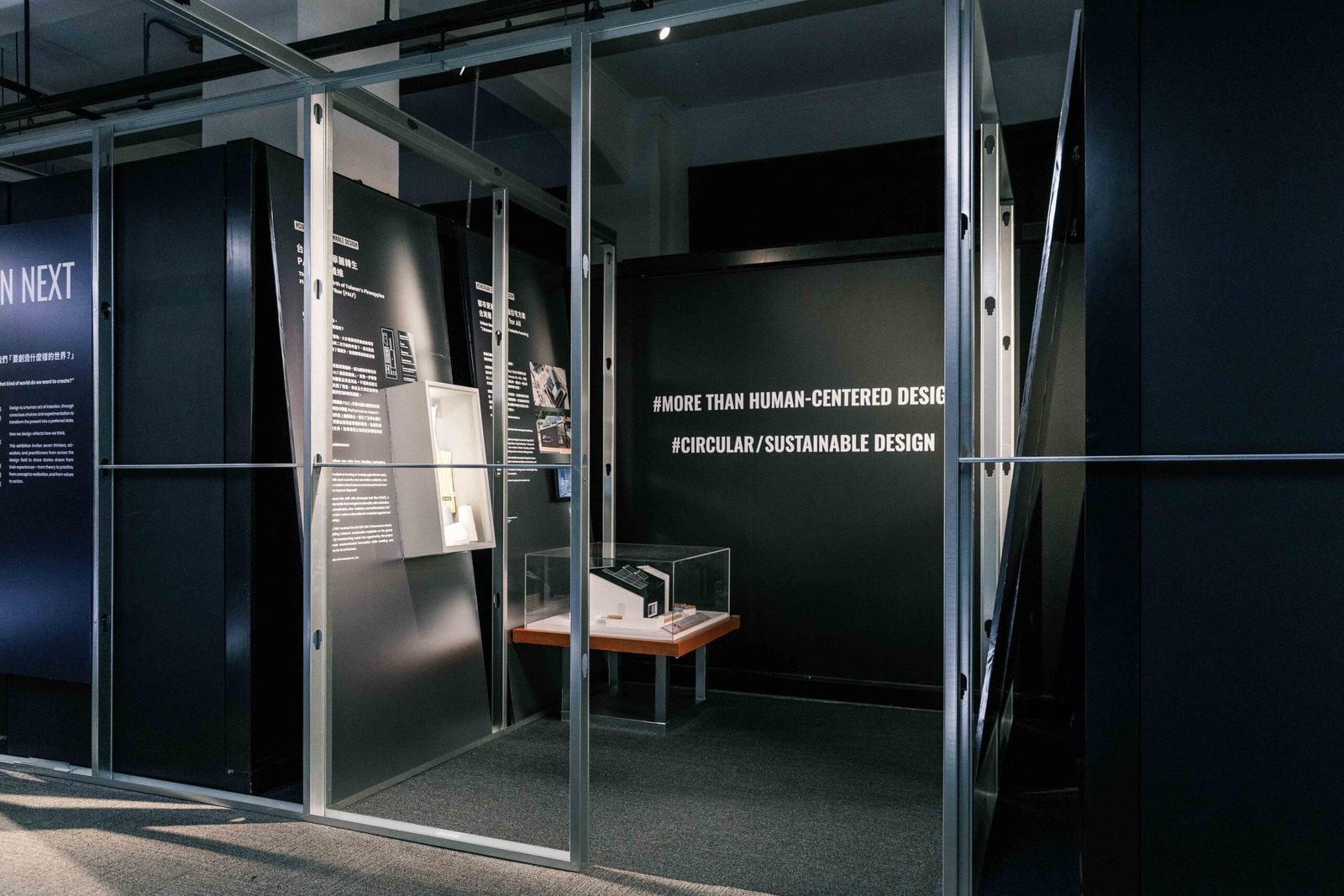
The 2025 show traces design’s shifts, from its beginnings as an artifact-driven practice, to a human-centered one, and to the systems-level thinking of today, where design solutions are seen against the intricate web of life that binds existence. Receiving the curatorship reins from last year’s trio of Tsung Yen Hsieh, Eric Yu, and Weijhe Lin is archicake, a Taipei-based multidisciplinary design studio that began as an architecture publication, led by architect Ping Hung Chung.
The exhibition’s palette of mirrored, dark and cold surfaces make for a somber container, but the uncertainty and gaps it evokes make space for the potentials each featured case study offers, ones that can surface only through deep reflection on our humanity. It is this sensibility that set the stage for my conversation with Ping Hung, where friction surfaced between the futurist aesthetics and homegrown grain expected of the event, and his insistence on bannering humanity, all-encompassing values, and defiant hope.
Hello, Ping Hung! Congratulations on securing the curatorship of the theme exhibition of Taiwan Design Week 2025! But let’s talk origins. You started archicake as an online architecture magazine, initially, as a trained architect. And then you eventually expanded into curatorial work and multidisciplinary design, from exhibition design to graphic design. I’m curious: what triggered that change? Was there a moment, a factor that drove this pivot?
Ping Hung Chung, founder of archicake and curator of Design Next: I started out as an architect, and to be an architect, I also needed expertise in industrial design, which I applied to curate exhibitions. Through that process, I found that what interested me most was communication; I wanted to talk to people and convey ideas through exhibitions. I realized I actually spent more time researching for exhibitions than designing them. That’s why I decided to change direction from creating architectural space to curation.
Did your convictions as a designer and architect stay resolute when you made the transition into being a curator full-time? Like the social issues you wanted to fight for as an architect, how did you respond to them in your new medium?
Ping Hung Chung: The starting point is still the same. I wanted to effect change in the environment, not just physically but also mentally, in an abstract way. I realized that by only working in architecture, one could only make changes on a smaller scale. But through exhibitions, I could engage more people. And when more people work together, the impact expands.
-scaled.jpg)
You have curated this year’s (2025) Taiwan Design Week annual exhibition under the theme Design Next. I see a parallel between the theme and archicake’s trajectory as a studio — you pivoted, you decided what to design next. Where else do you see alignments between that parallel? And where did you deliberately push the theme in a different direction?
Ping Hung Chung: Despite Taiwan Design Research Institute (TDRI) wanting to focus more on futuristic themes, on AI, I wanted to return to the original cause of design: humanity. Inspired by people stressing AI tools, I think emphasizing humanity is more important. My first exhibition, Sketch Up, focused on manual drafting in architecture. People asked whether manual work would be replaced by AI. I think maybe not — AI is just a tool, humans are the ones using it. So, despite the trend of focusing on AI and technology, I wanted to return to history and humanity.
With that in mind, what formed your curatorial framework?
Ping Hung Chung: My focus is on the core value and the main issue the featured projects address. Different designers have different approaches, different perspectives. But if they work on the same issue and align with the same core value, I choose those projects. I try hard to keep an open mind but stay focused by looking at the core values and issues.
Taiwan has strong cultural textures. Was there intent to also celebrate local practices, histories, and Taiwan’s everyday grain, while also imagining global or technological futures?
Ping Hung Chung: Well, the focus is not really on culture but on public affairs and public services, which are shared by all Taiwanese people. That’s why I selected examples like redesigning courtrooms, electoral processes, campus renewal, and textbook revamps. I believe these exemplify localization and Taiwan’s international relations best.
For designers preparing to design what’s next, what skill sets, working habits, and modes of thinking should they nurture?
Ping Hung Chung: They need to constantly renew their mindsets: through reading new materials, participating in public activities. More importantly, they must dive deeper into issues to understand the root cause.
To close, in a world that seems hopeless and filled with so much friction, what keeps a designer such as yourself going?
Ping Hung Chung: I do not agree with describing the world as hopeless. I think we are actually in a utopian situation because humans are taking actions, and every action leads to a better world. Every design we produce helps the world become better. We should not set a standard of whether the world is good or bad based on historical values. We should focus on current issues and resolve them — that way, we make the world even better when we found it. •
TDRI’s Design Next runs at the Songshan Cultural and Creative Park until 25 January 2026.