Introduction and Interview Gabrielle de la Cruz
Images RD Daniel
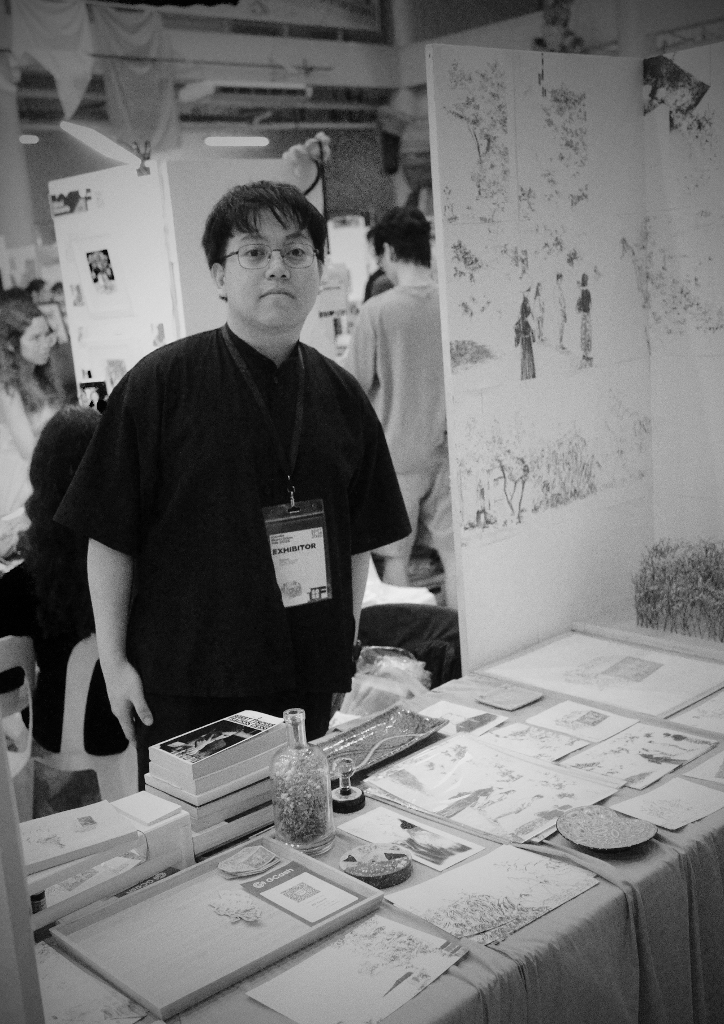
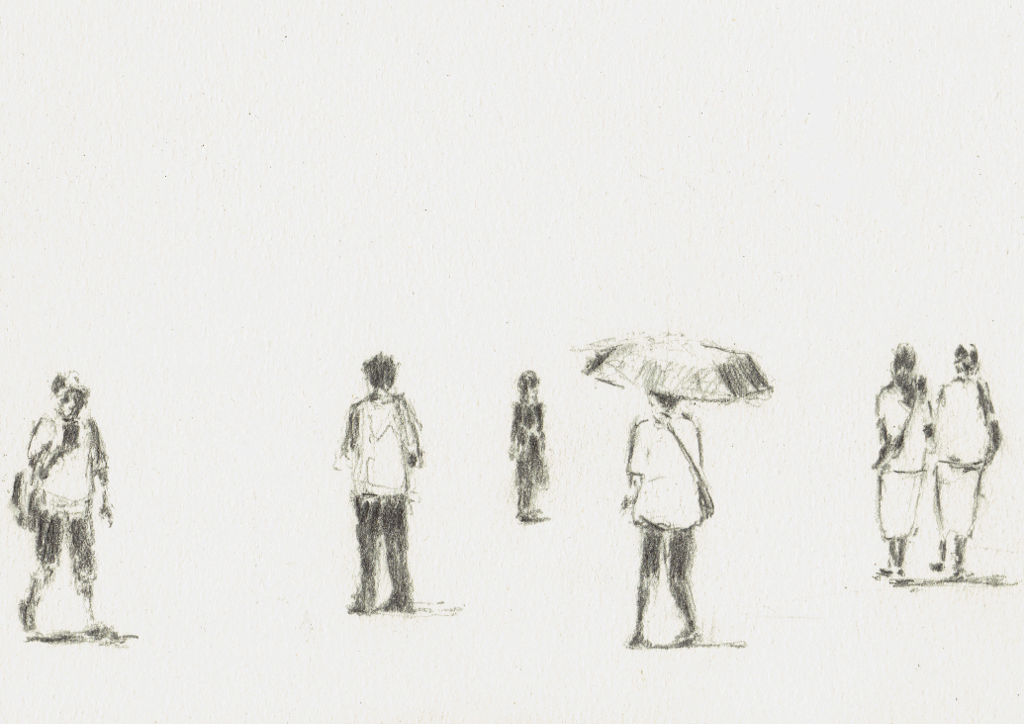
It was nearly impossible to miss RD Daniel’s booth at the 2025 Manila Illustration Fair. The venue was alive with color, motion, and maximalist displays, while his was one of only two artist spaces dressed in monochrome. The black and white palette was striking, but what lingered with me more was the absence of architecture in his drawings, especially knowing that he is an architect by practice. Only later did I learn that he is also a faculty member at the University of Santo Tomas, making the lack of architectural cues in his work more intriguing.
That curiosity became the starting point of our conversation. We spoke about what shows up and what is hidden in his daily work, and how design thinking can take on a softer, intuitive form. Below, the artist-architect reflects on his relationship with drawing and working quietly between disciplines.
Hi RD! How have you been since the 2025 Manila Illustration Fair? Any spaces, buildings, or everyday scenes that recently nudged you to start some new lines?
Hello, Kanto! I’m a fan of your work! After the fair, I felt like I needed a break, so I’ve been spending most of my days recharging, catching up with friends, and looking at and experiencing other people’s works. I’ve been going on my usual walks, strolling around the neighborhood, maybe a bit too much dilly dallying. I’ve also been looking at clouds a lot recently, so that is what is mostly inside my sketchbooks right now.
You move between being an architect and artist, with drawing playing a vital role for both. Were you always inclined to drawing as a craft? What made you decide to pursue it formally?
I started drawing when I was a kid, drawing my favorite characters from anime: Pokémon, Naruto, Bleach, and more. I remember filling up the walls of my room with drawings and sharing them on the internet.
For college, I wanted to go into fine arts, but architecture felt like the middle ground for what I wanted and what my parents would allow me to take back then. I wanted a course where drawing is a huge part, and they wanted me to choose engineering. Honestly, I had no idea what architecture was about going into college, but I remember I was really into 500 Days of Summer and How I Met Your Mother, where the lead is an architect, so I think that was a small influence on my choice. But back then, I vaguely wanted something where drawing and creativity play a role. Luckily, architecture checks all the boxes—it is design as it is art.
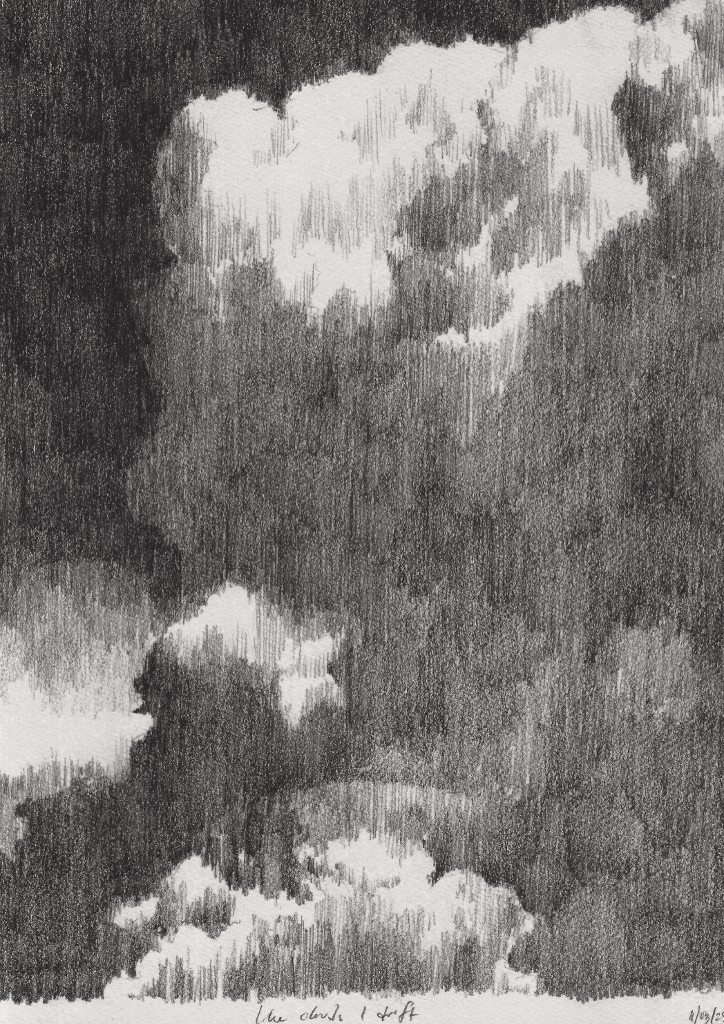
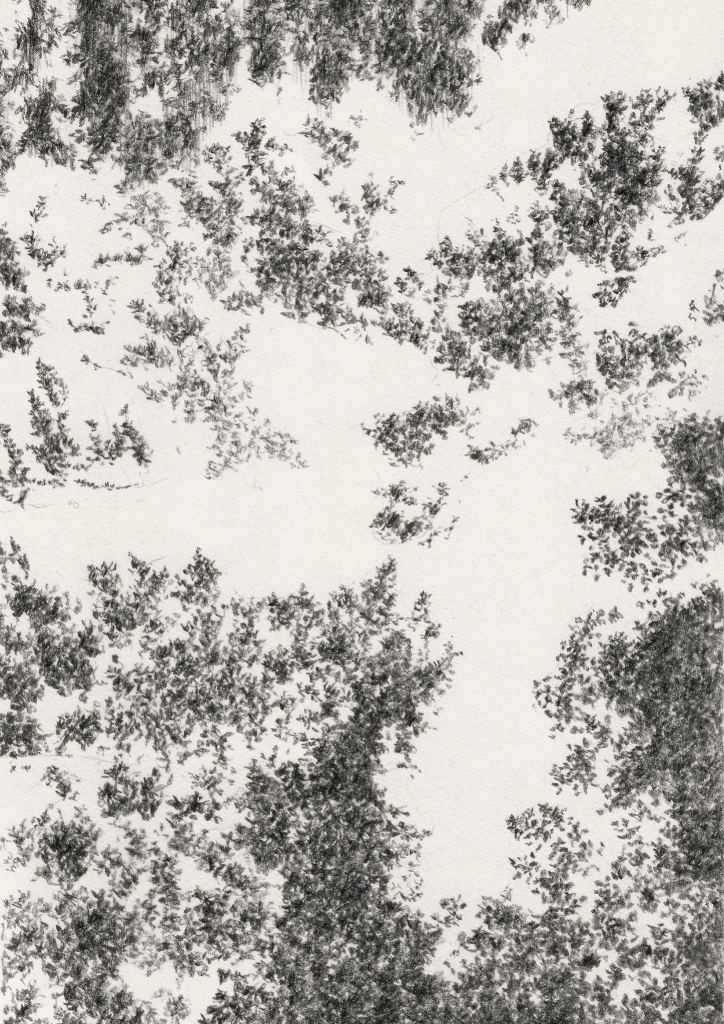
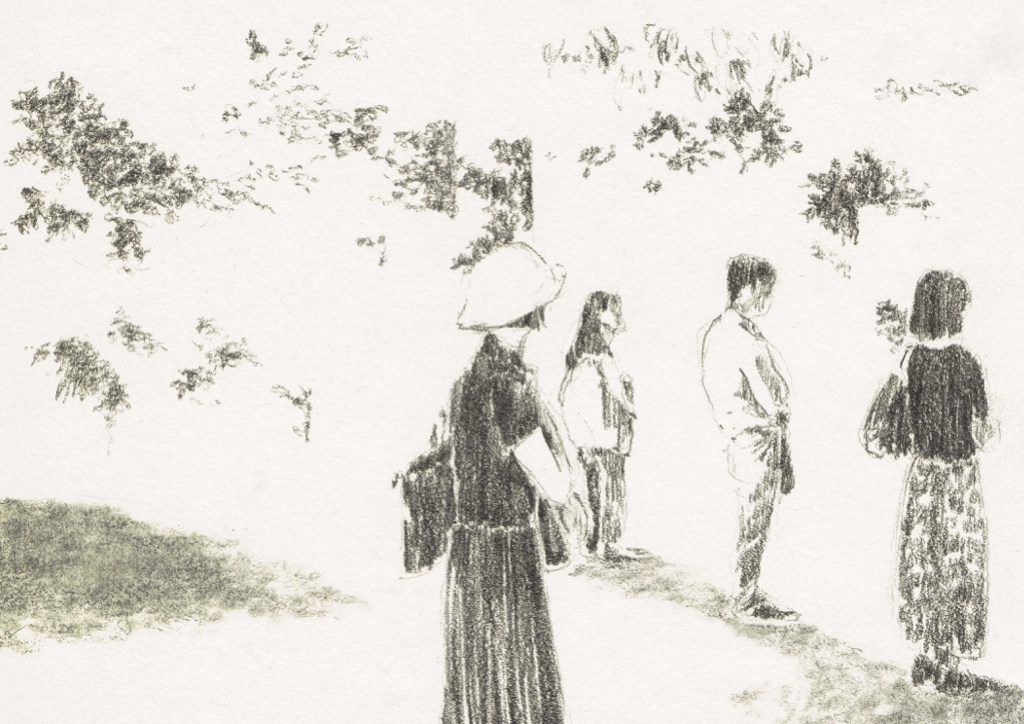
defensible space, Like Clouds I Drift, Looking Up
Architecture is often seen as rigid and technical, while your art feels soft, intuitive, and almost weightless. How do you personally reconcile those two worlds? In what ways do they clash, and in what ways do they actually support each other?
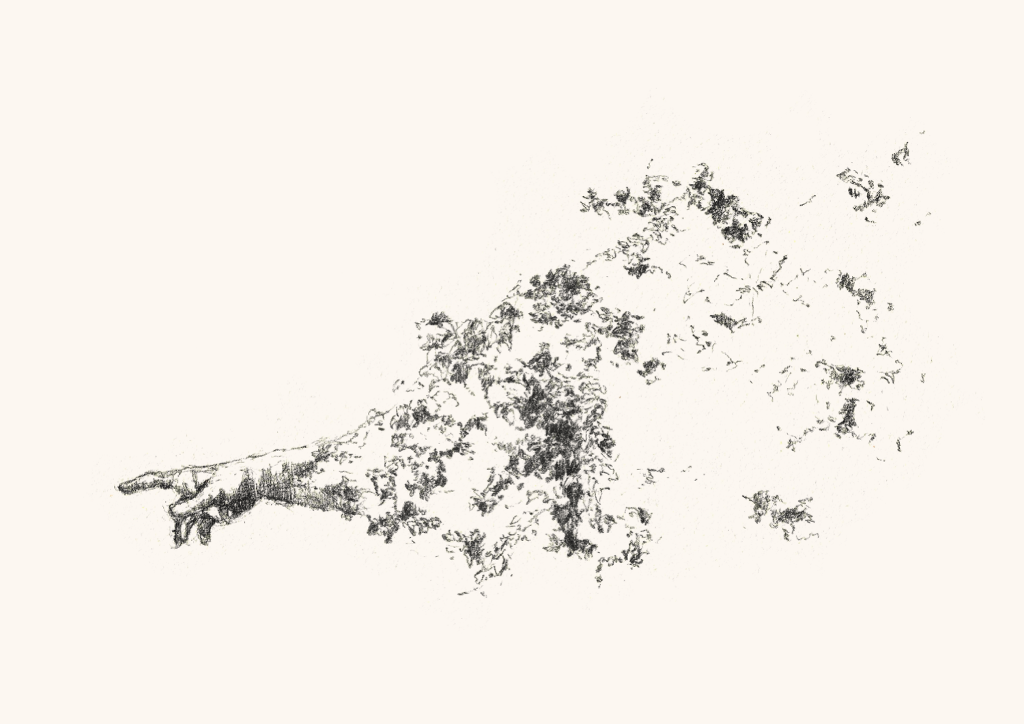
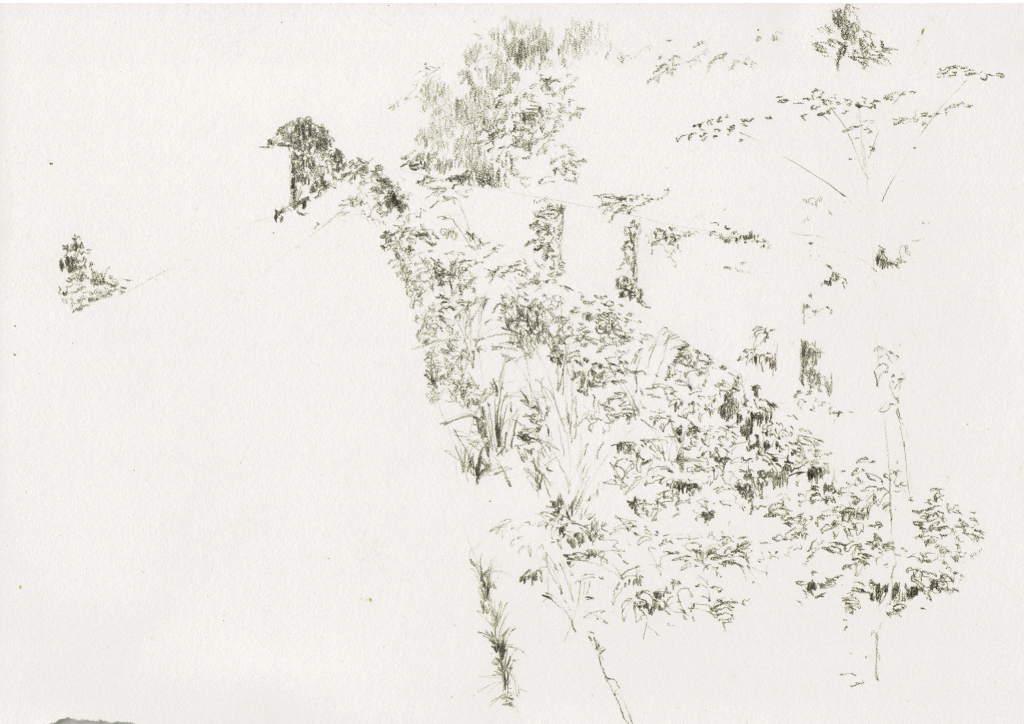
I agree that architecture is often seen as rigid and technical, especially in practice, creating technical construction drawings, details, specifications, and others. I think I subconsciously tried to subtract architecture from my art as a way to escape it. I recall having this conversation back in MIF 2025 with a stranger browsing my works, who asked about how I came up with everything and my process, especially considering my architecture training. Later, we both realized that even if that was my intention, removing architecture from my artworks does not actually strip its influence. If anything, it still showed through; architecture’s absence in my drawings still feels like a connection to it.
But architecture is not just all technical drawings. There’s also the process, which is a major influence for me. Even if it seems like my drawings are intuitive, I somehow approach them with design thinking, if not for spaces then for my compositions. I am also drawn to the softer side of architecture, and am a fan of Tadao Ando’s works. I’m drawn to the softness in all this rigidness. It is this feeling that I hope to achieve with my works, be it in art or design.
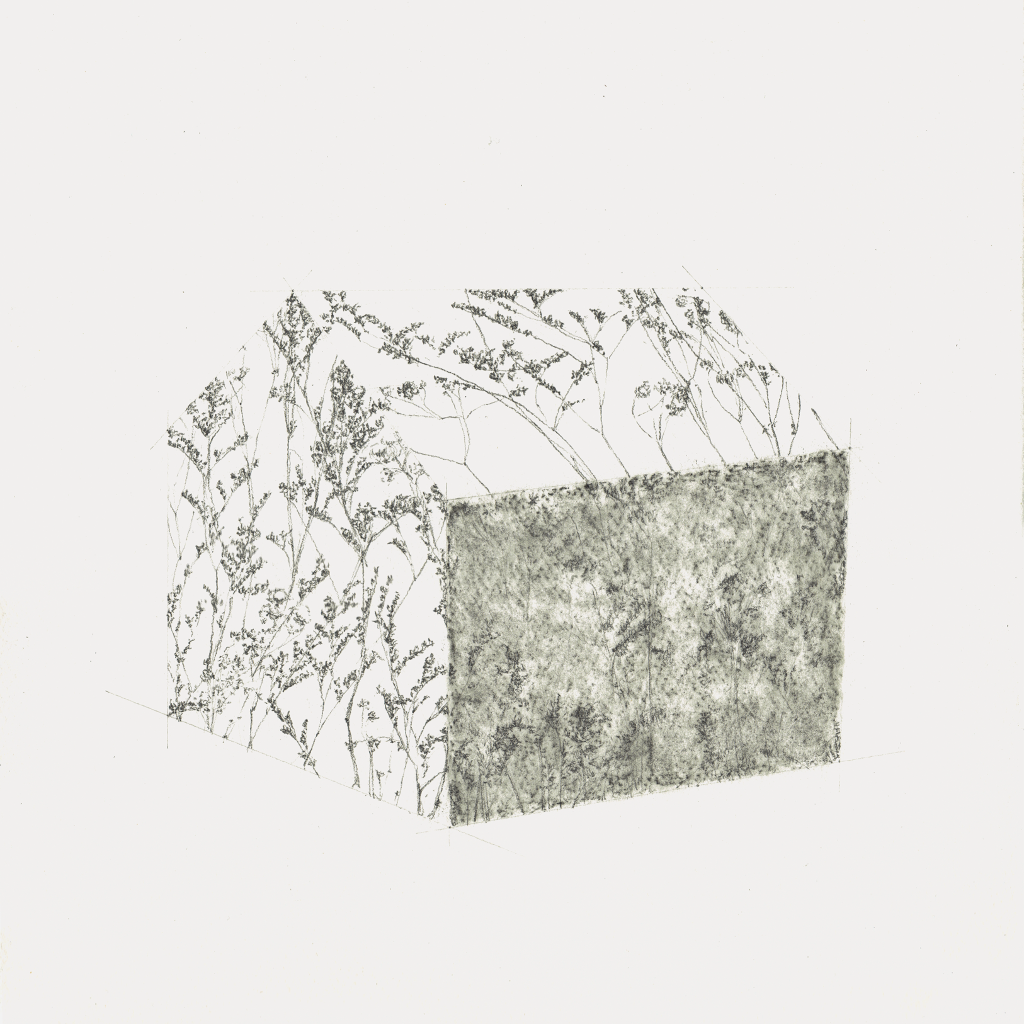
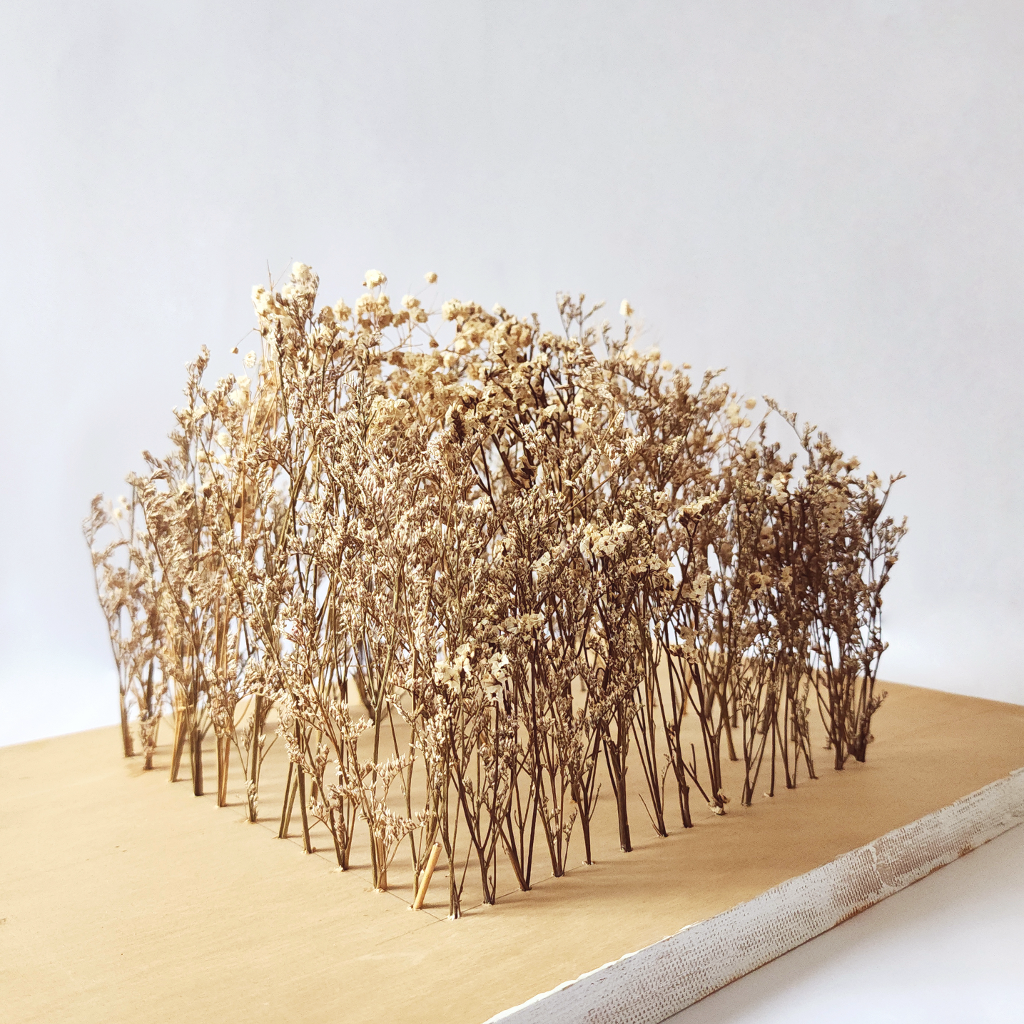
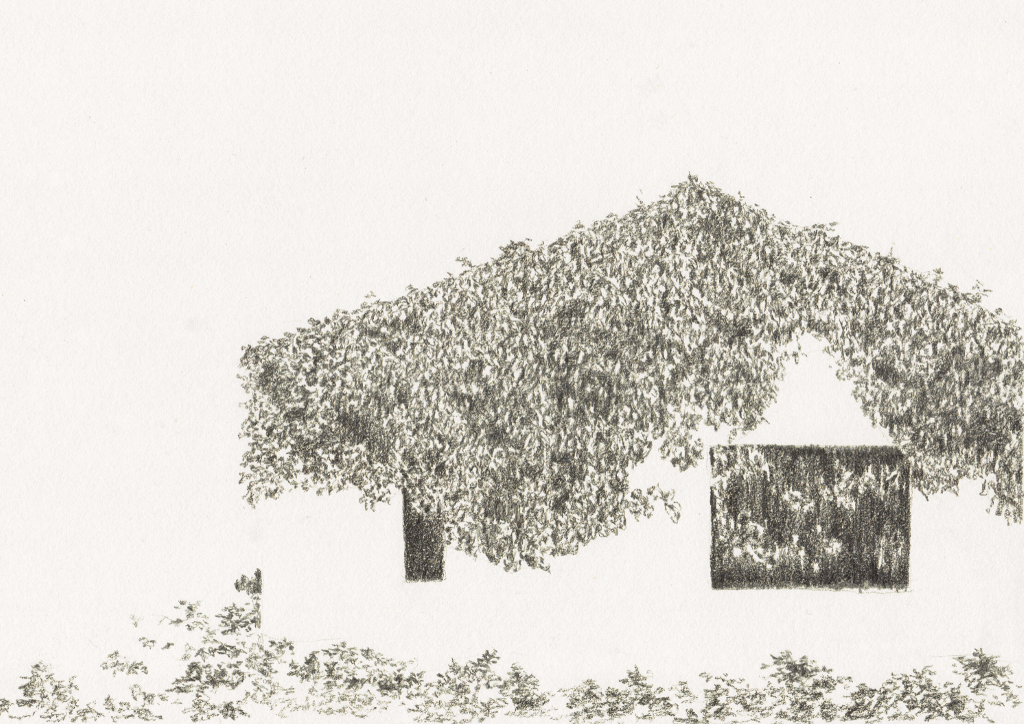
House of Preserved Memories
Was your first artwork already in this vein, or did you come from something totally different? How would you describe your evolution from your early works to what you’re making now?
I think these themes were already present in my earlier days, even if they were somewhat all over the place. I always created what I felt like in the moment. It was when I started joining open calls for art events and group shows in recent years that I tried to actually be more deliberate with themes and concepts behind my works.
I honestly think I’m still trying to define what my work really is; it feels like a constant cycle of me starting over.
Working in black and white is a strong choice, especially coming from a field centered on materials and finishes. What drew you to a monochrome palette, and what does it allow you to focus on?
I’ve always liked working with pencils, so black and white as a palette felt natural for me. I think the basics are important, and there’s nothing more basic than a pencil and paper when it comes to drawing. In design school, this is also what we first learn and teach, so maybe that’s where some of my bias towards the pencil comes from.
I tend to try to simplify parts of my process if I can, allowing me to focus more on composition and mark-making instead of thinking about color theory.
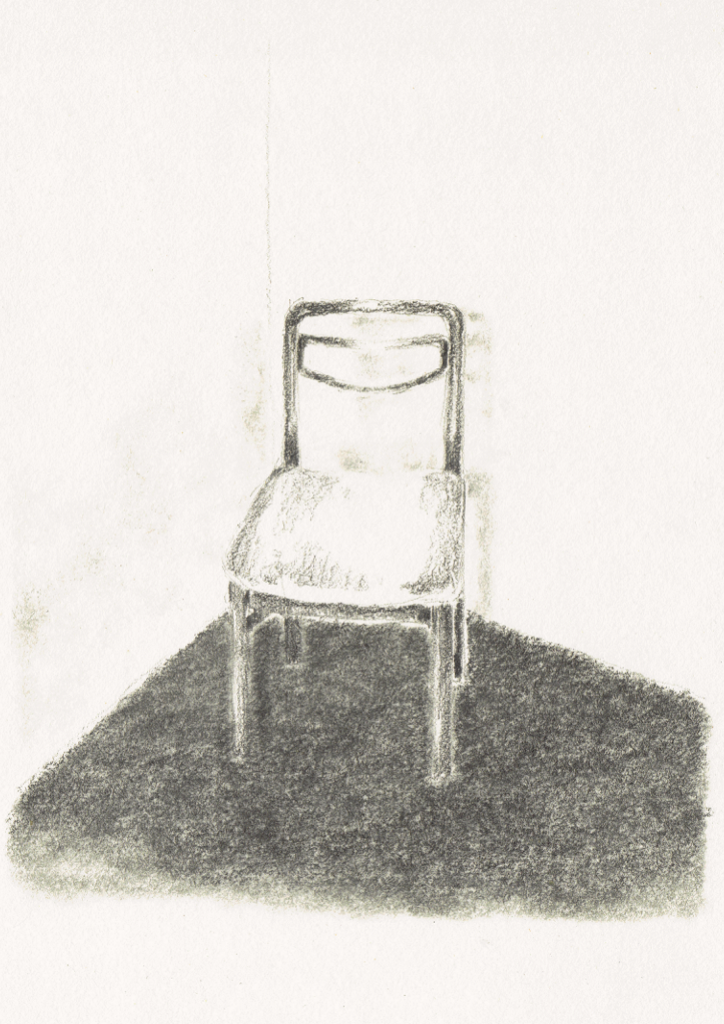
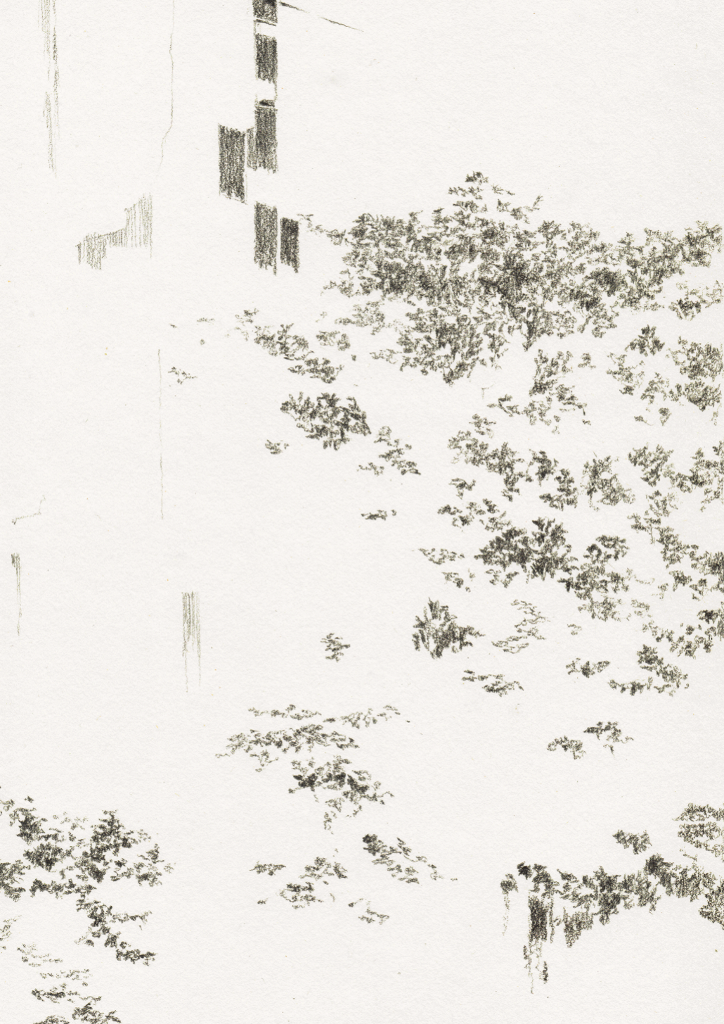
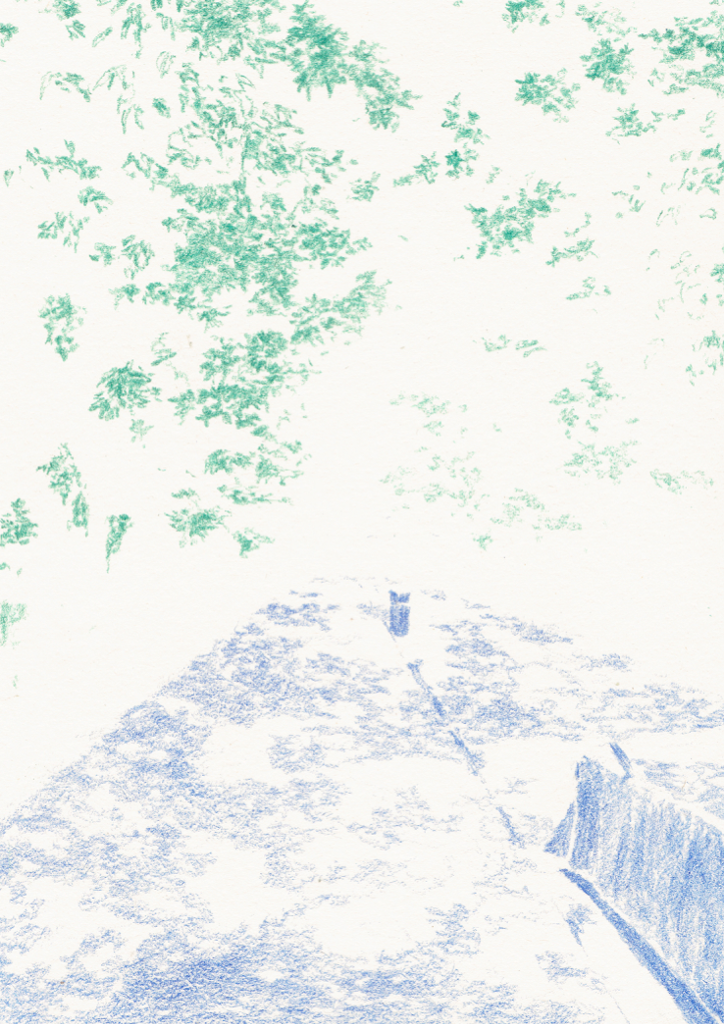
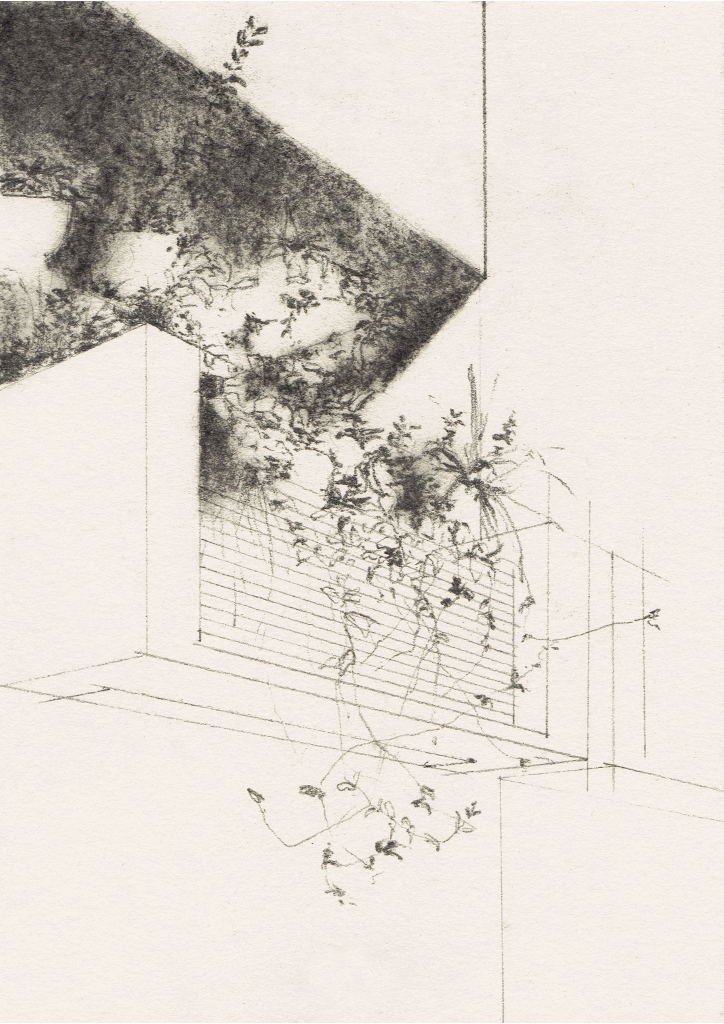
Chair I Left Behind, Sprawl, Espanya Side, Legazpi Balcony
I’m interested to know whether this artistic approach of breaking free has influenced the way you approach architecture. Has your drawing process changed the way you think about space, form, or how people move through a building?
I like that you called it breaking free, because I really just allow myself to feel when making art, not thinking too much about it, and just going with what feels right at that moment. I think that’s something I really can’t do with design, especially for buildings with specifications.
Since my drawings are usually viewed from an eye-level perspective, I think I approach space more on a human scale because of that. Mainly, I imagine myself in a space, how I would interact with it, and how I would like it to interact with me.
Technology, including AI, is reshaping both design and visual art. As someone who operates in both worlds, what’s your take on AI tools, and how (if at all) do they figure into your process?
We really can’t deny AI’s presence in today’s world. If it can help me out with my worldly responsibilities, I don’t see a problem with it. But there’s no place for AI in my process when making art.
I remember reading and relating a quote on the internet where they said something along the lines of wanting AI to do their laundry so they can do art and write, and not the other way around.
My problem with AI is that when it is pushed for things where creativity is needed, I don’t see any sort of humanity in what it produces. To me, it’s really the process of making art that’s important because that’s what gives it its humanity. Skipping it just doesn’t feel right for me.
I agree, and I’ve seen that quote as well! When people ask me this, my short answer would be: how can AI draw human interest, when it is not human in the first place?
Okay, let’s get into working with people now! Are there artists, architects, or collectives that you dream of collaborating with? What about their work resonates with you, and what traits do you hope to bring into your own practice?
For international artists, there’s Yoshitaka Amano, known for his illustrations filled with fantasy and magic, and Lauren Tsai, for her characters and storytelling through illustrations. There’s also Do Ho Suh, a South Korean artist who creates architectural sculptures with fabric as a way to remember.
Artists whose works show their own imagined worlds fascinate me, and that’s something I also hope to be able to do.
Locally, one of my inspirations and role models is Micaela Benedicto. You can really see her character and influences both in her practice as an architect and as an artist. Looking at her portfolio pushes me to believe that I can also do architecture, design, and art all together.
So sorry, but I have a lot! I’d also like to share that one of my dream projects is to do an album art for a music artist, so I’d like to mention Tala Gil, whose lyrics and writing move me. I recently was listening to a track of hers called Retribution (Please stream, everyone!), and it inspired me to pick up my pencil. I usually listen to music when I’m working, and some of my art are heavily influenced by what I am listening to at the moment.
Another local collective/project that really piqued my interest is Baller Room by Charlie Salazar and Finn Santos. It is basketball, music, and community all together. It’s beautiful and simple, much like a boiler room with basketball. I’d often describe it to my friends the Gen Z way: simple, pero hype. I had the pleasure of chatting a bit with Baller Room during MIF 2025, as Freedom Print Lab’s booth was just in front of mine. I’m also interested learn more about silkscreen printing and maybe someday design a Baller Room shirt!
Don’t be sorry! We love seeing collaborations happen here at Kanto. If this conversation can help you get to them in any way, that would be fantastic, right?
I’m down to my last two questions! If you could design a space that perfectly houses your drawings, what would it look and feel like? How would you want people to move through it?
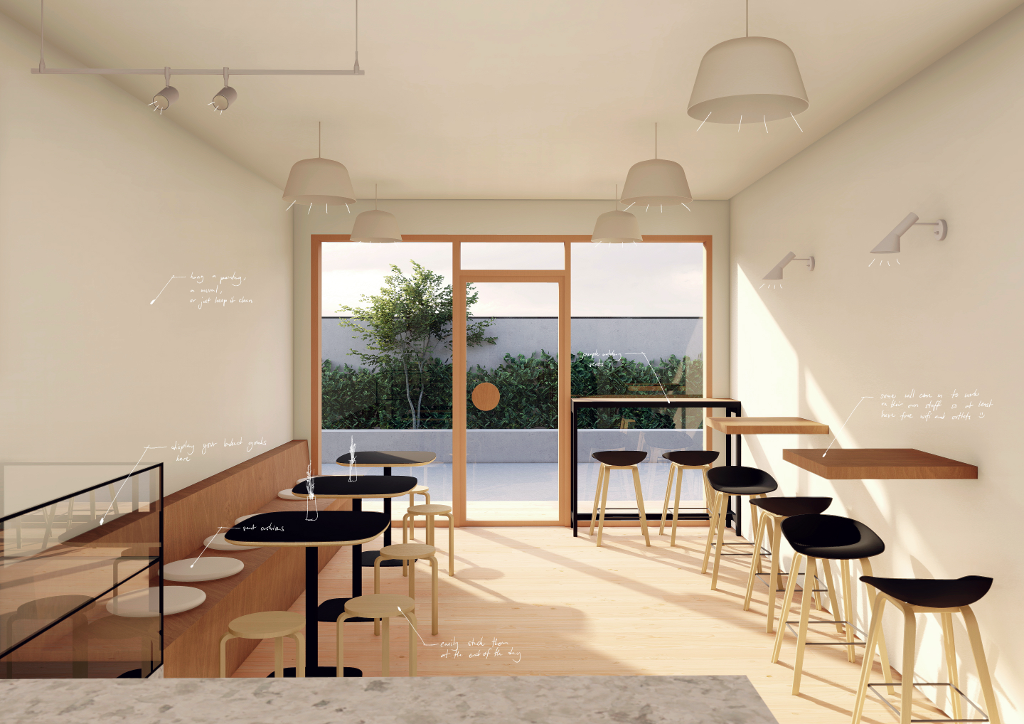
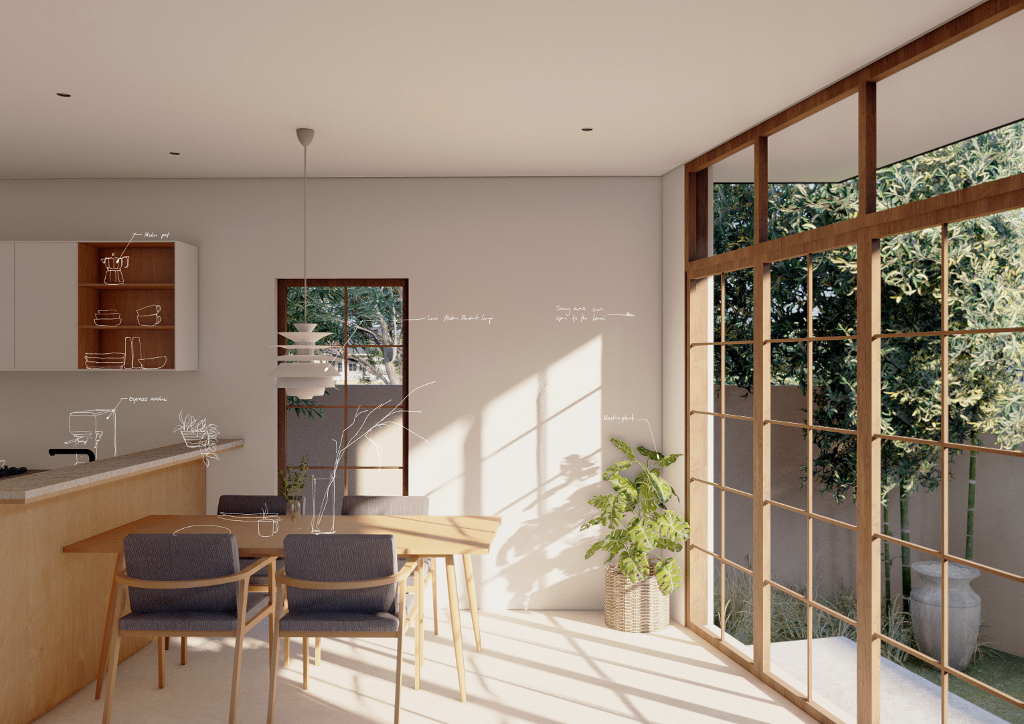
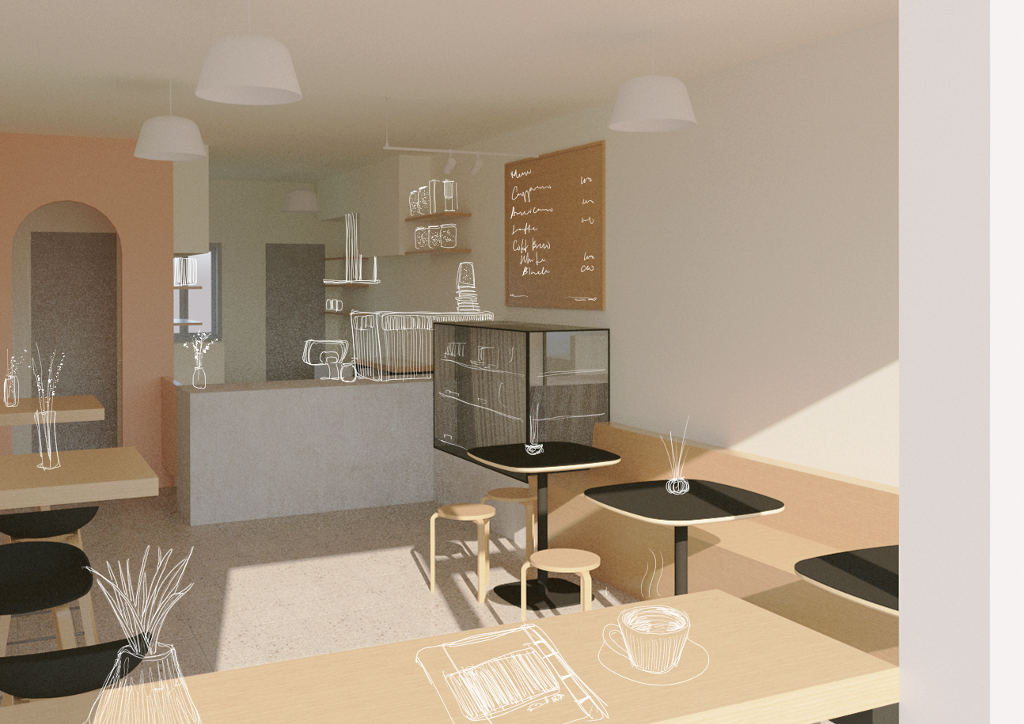
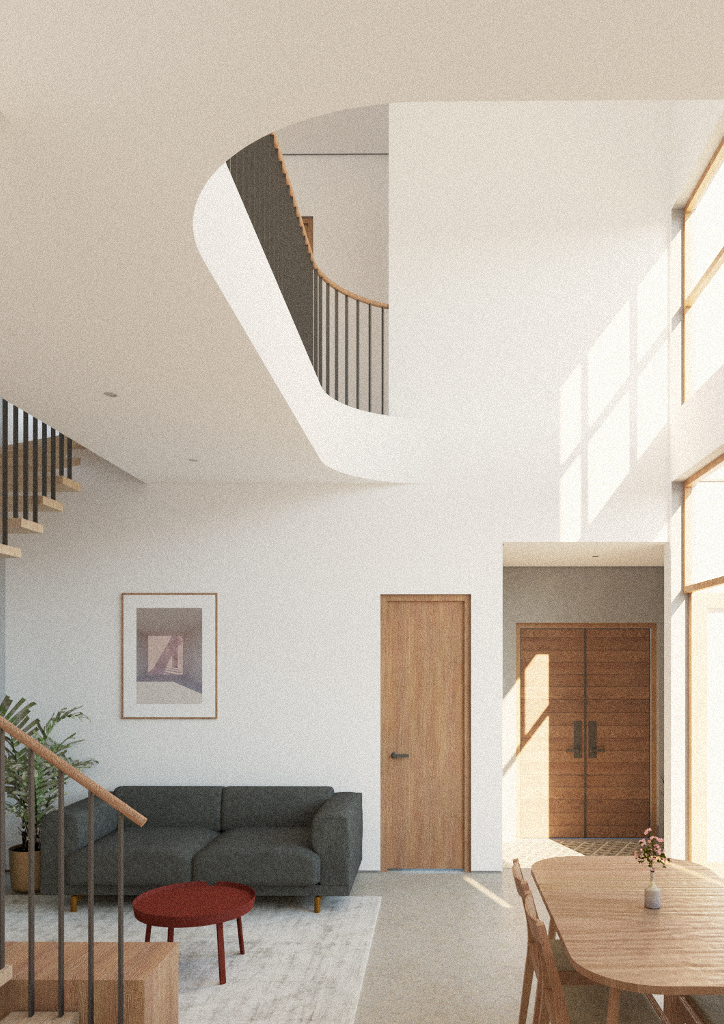
It will probably be a studio space that houses everything I want. There will be a gallery wall for drawings, an architecture studio or workspace, shelves for my books and models, and a space for a risograph printer. I want it to feel open yet compact, a gathering space that inspires creativity.
I imagine it’ll also have a shaded outdoor space for when people just want to sit together. I want the people to be able to look at the drawings, but also witness the work unfold as everything happens. Learning about the process is another connection that helps the viewers relate to the artist. I also want intimate spaces for people to enjoy and get together in the studio, perhaps participate in workshops, all while feeling at home. A nice coffee counter would likely fit right in, too!
Wishing you all the luck in bringing that space to life someday! Looking at where you are now as both an artist and an architect, how has this journey deepened your appreciation for your craft? How do you hope to translate that gratitude into works you share with others?
I sometimes get asked which I prefer—being an architect or an artist. Honestly, my answer would change from time to time, but my core remains: I just want to create. Be it through drawings, prints, zines, or designing objects and spaces, the feeling of bringing something into existence really moves me.
What’s nice about being in both design and art is that I get experience their differences and similarities, and even their intersections. I hope my appreciation for both practices, along with my self-expression, can be seen through the things I am yet to make. •