

Words The Kanto team
Images Taiwan Design Research Institute
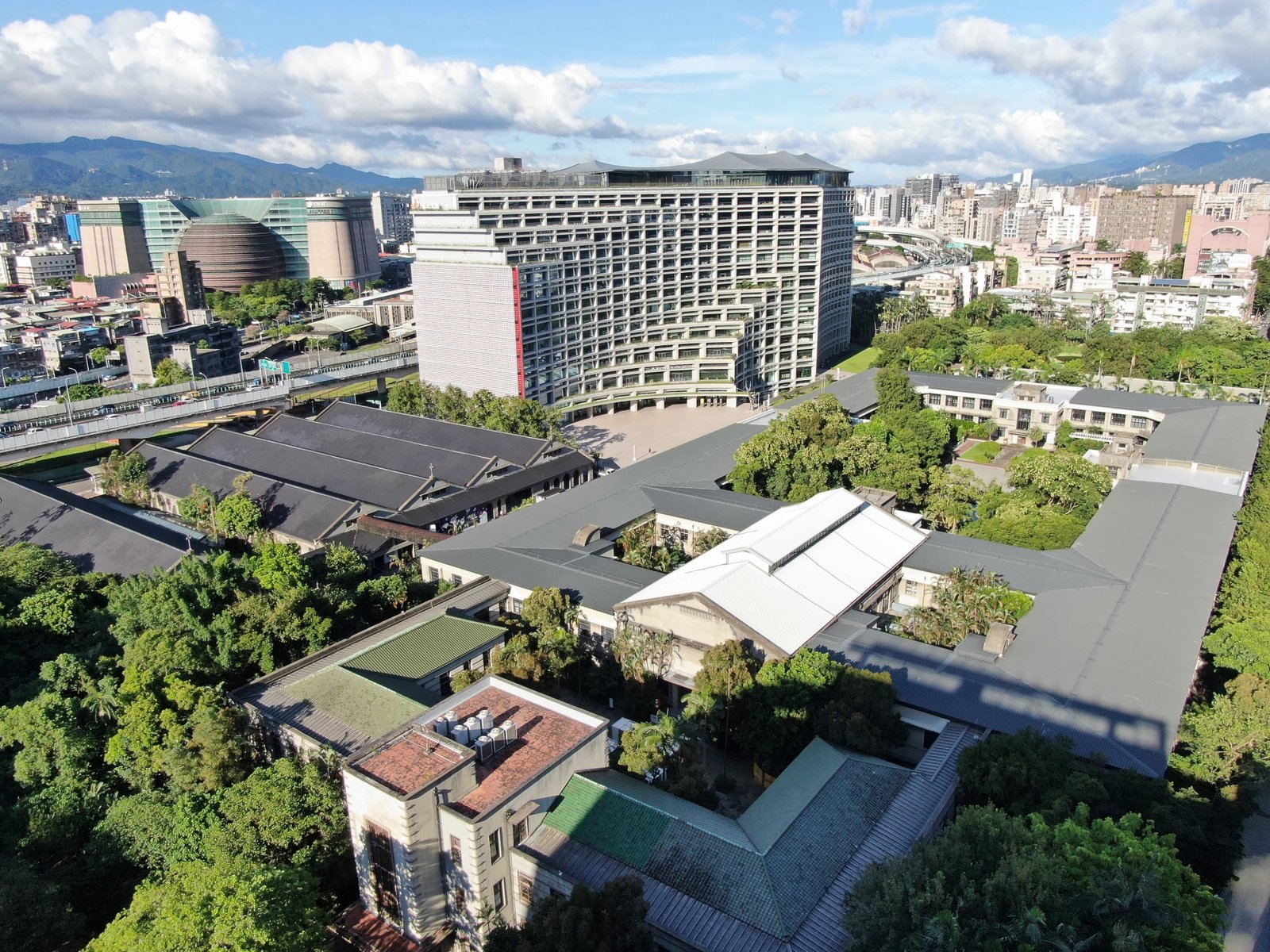
Design Next: Foundation building over optic visioning
The Taiwan Design Research Institute has a knack for facing the creative world’s anxieties head-on for its Design Week themes. For Taiwan Design Week last year, it pulled local and international visitors Into the Gateway, an introspective show on AI that did not shy away from its limits or its promise. For 2025 (29 November to 7 December), in a year shaped by global tension and gatedness, TDW poses a timely question: where are we taking design next?
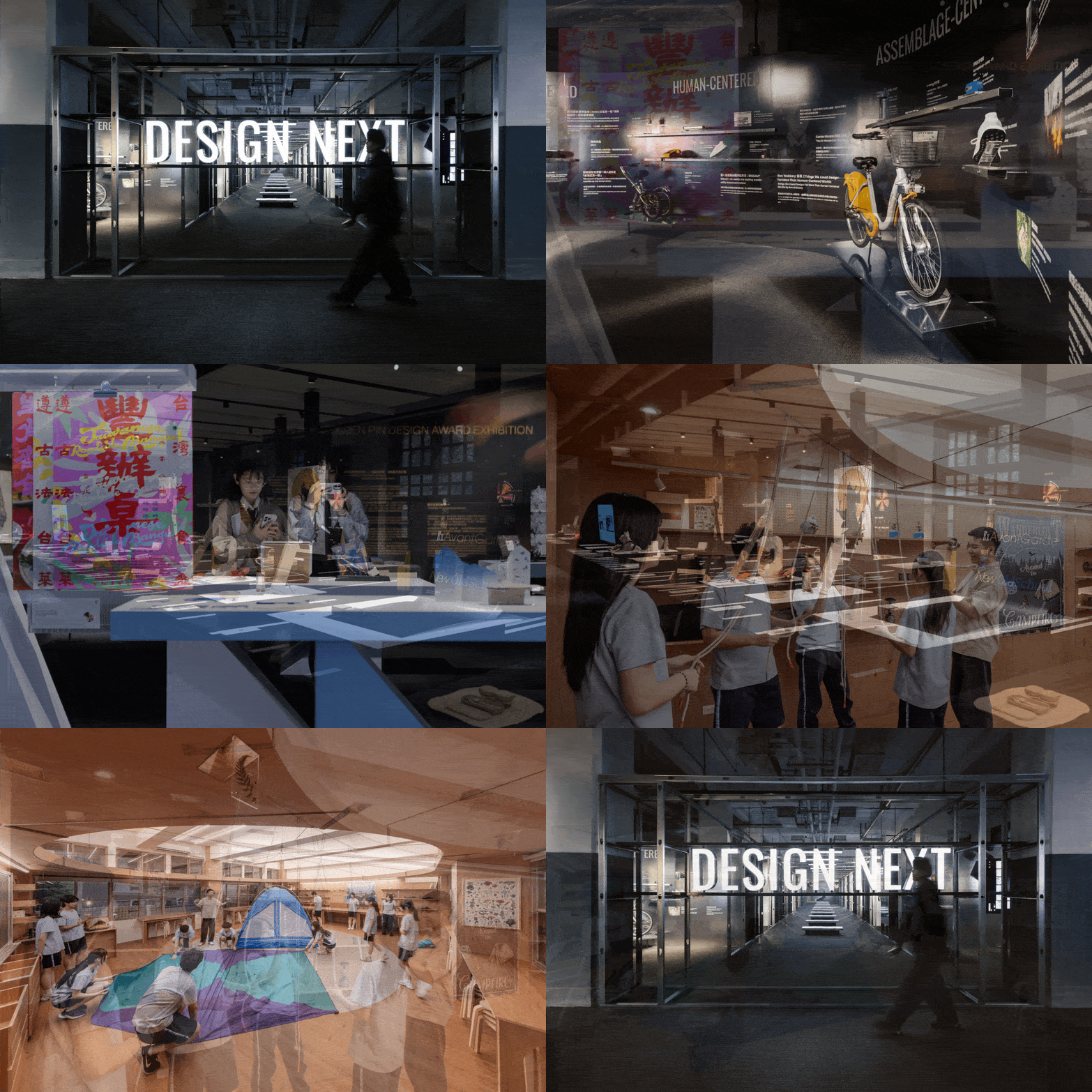
Design Week Thematic Exhibition: Designing next, together
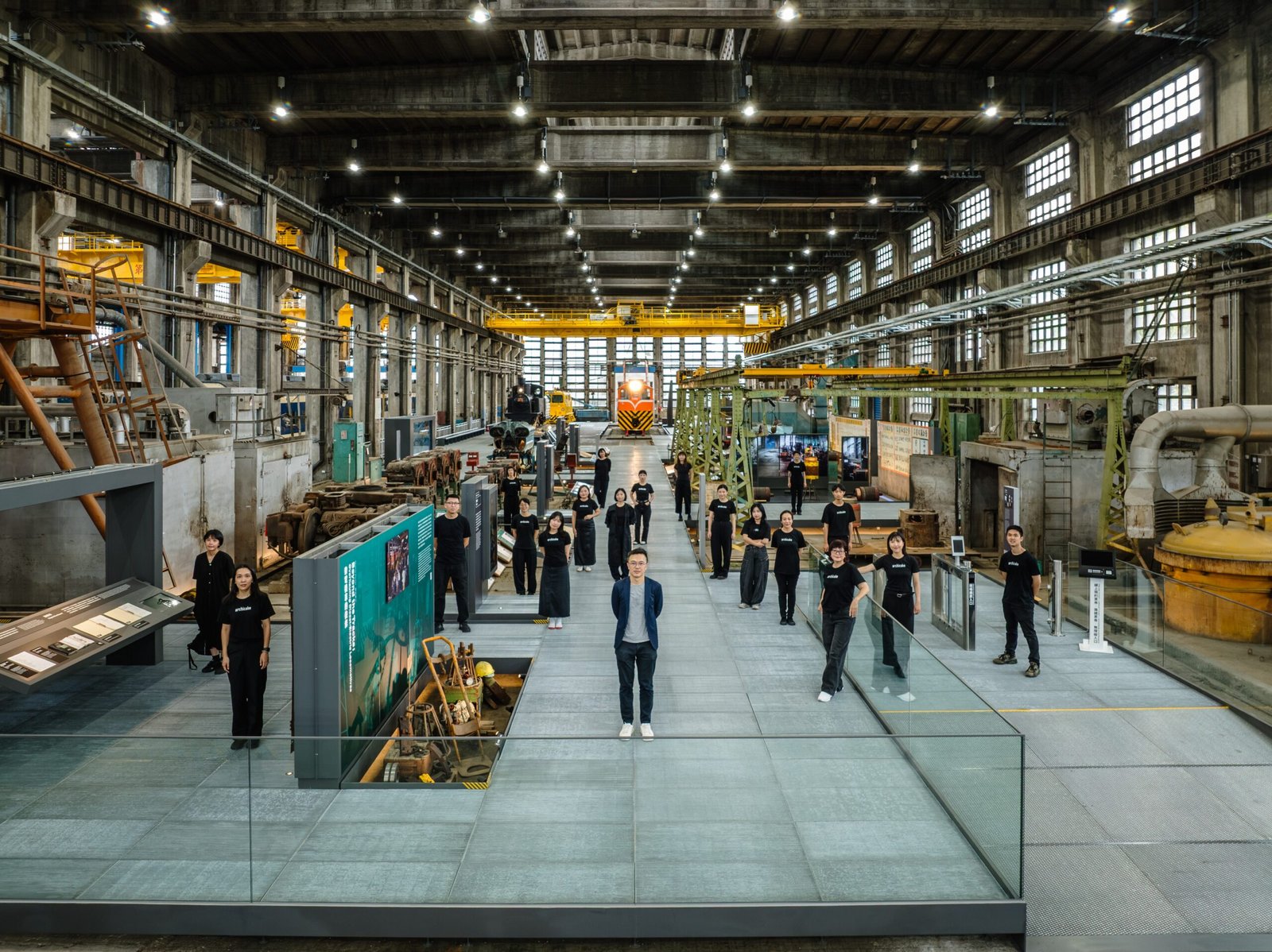
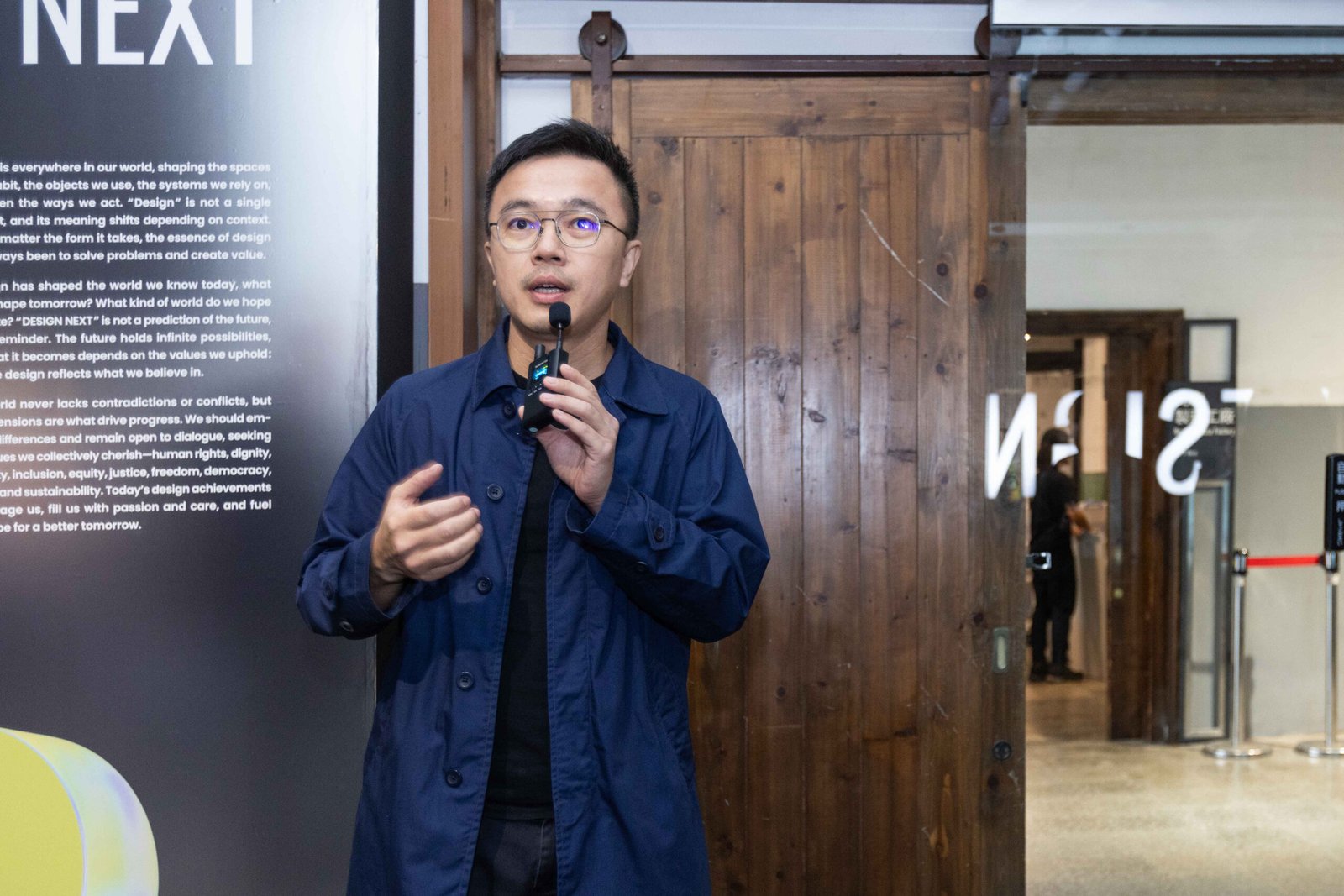
Design is empathy made tangible, solving for another, and finding yourself in their need. It is an idea that runs thick and fast through Design Next at the Taiwan Design Museum in Songshan Cultural and Creative Park. The thematic exhibition, curated by the multidisciplinary studio Archicake, traces the evolution of design and its paradigm shifts: from being artifact-driven, to human-centered, and evolving today to assemblage, or systems-level thinking, where designers consider how their creations impact societies and ecologies at large. “I don’t believe the world to be such a negative place now; Anxiety today is breeding closer communities, deeper collaboration, and a renewed bond with our environment,” exhibit curator Ping Hung Chung told Kanto when asked about the defiant hopefulness of the show.
The exhibition presents 27 case studies from 31 Taiwan-based teams for the “Design Now” section and brings in seven Taiwanese thinkers for “Design Next,” each reflecting on the design values that should steer the country’s trajectory. Chung was quick to clarify that the show is not an exercise in future-visioning but foundation building for a desired, shared future.
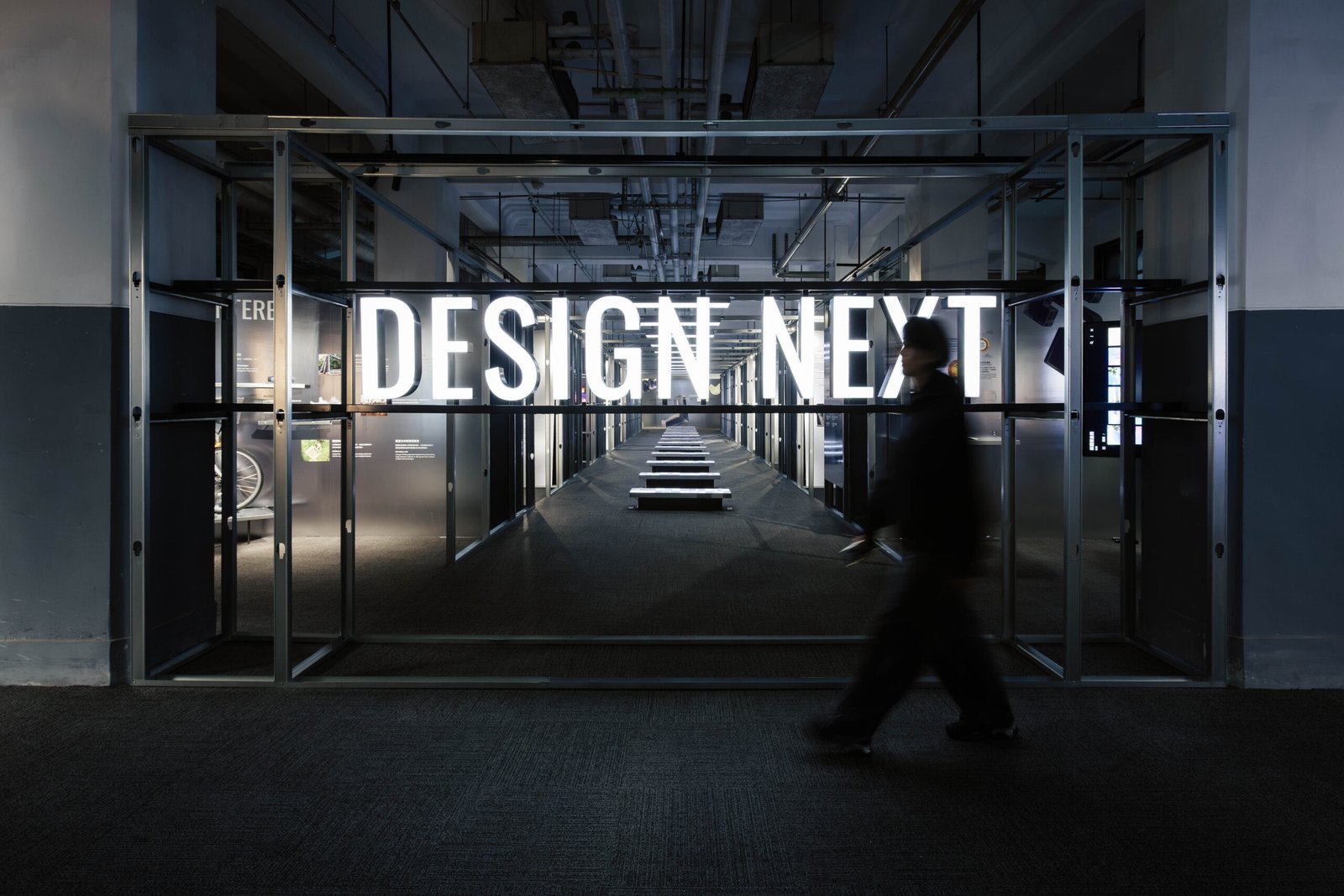
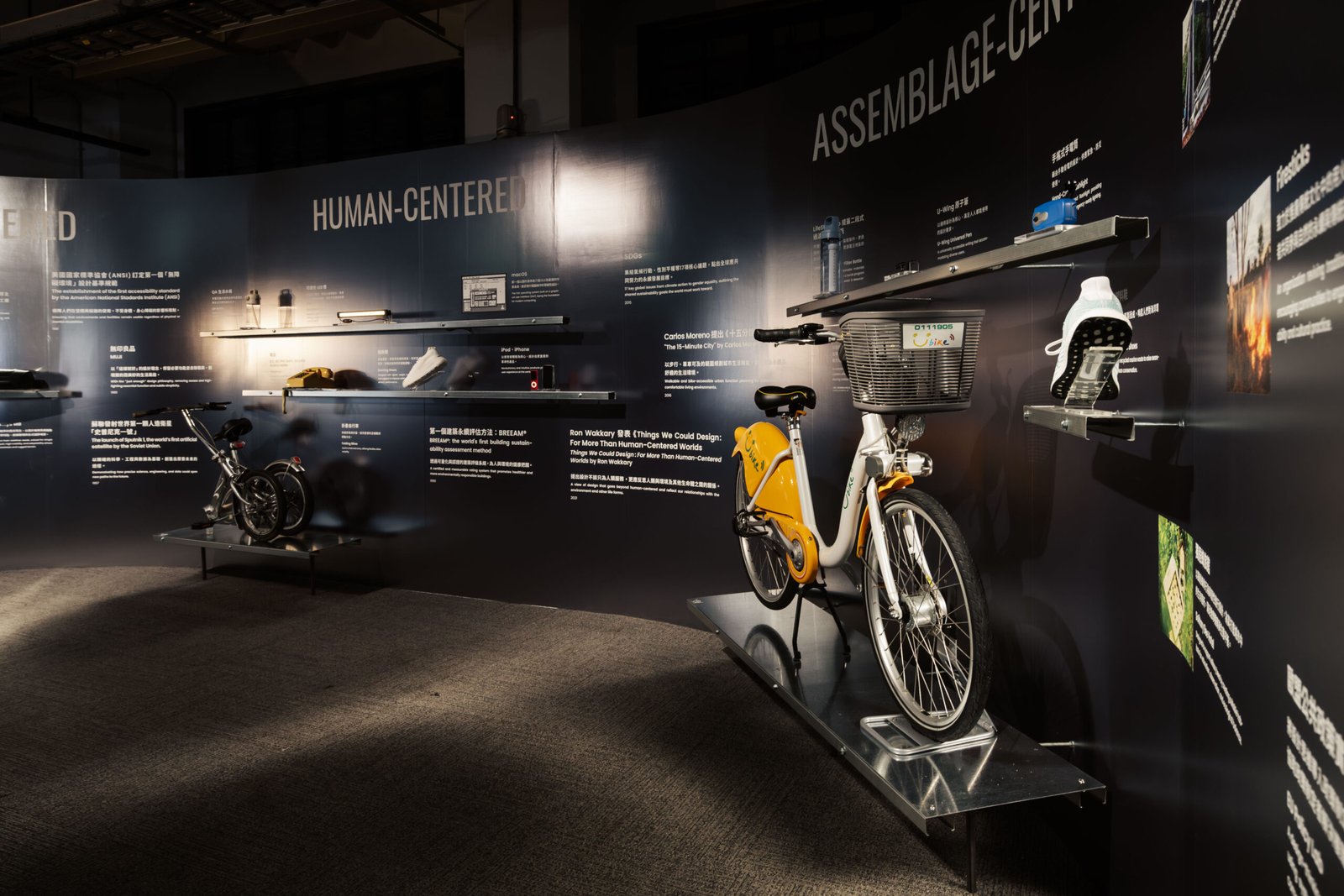
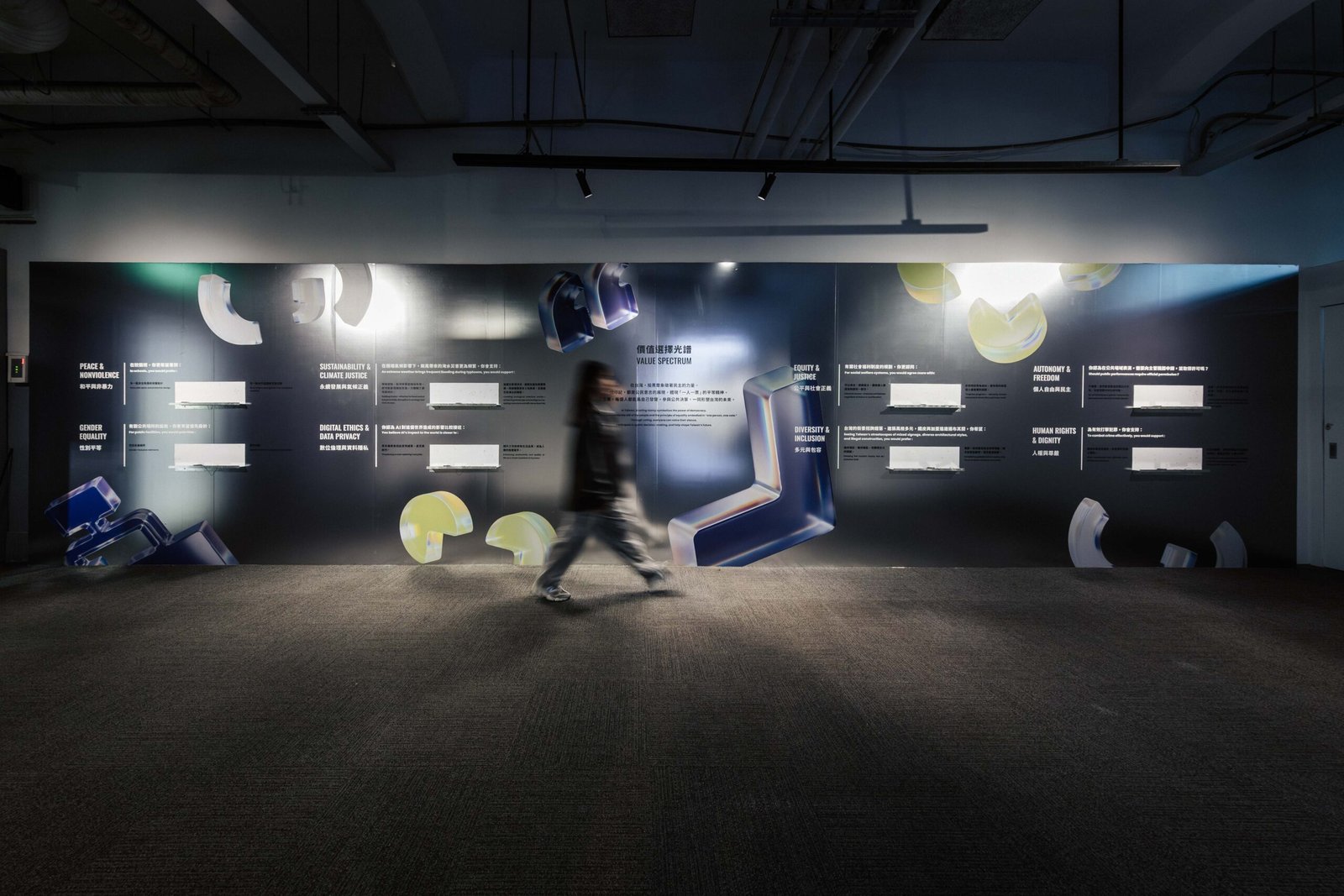
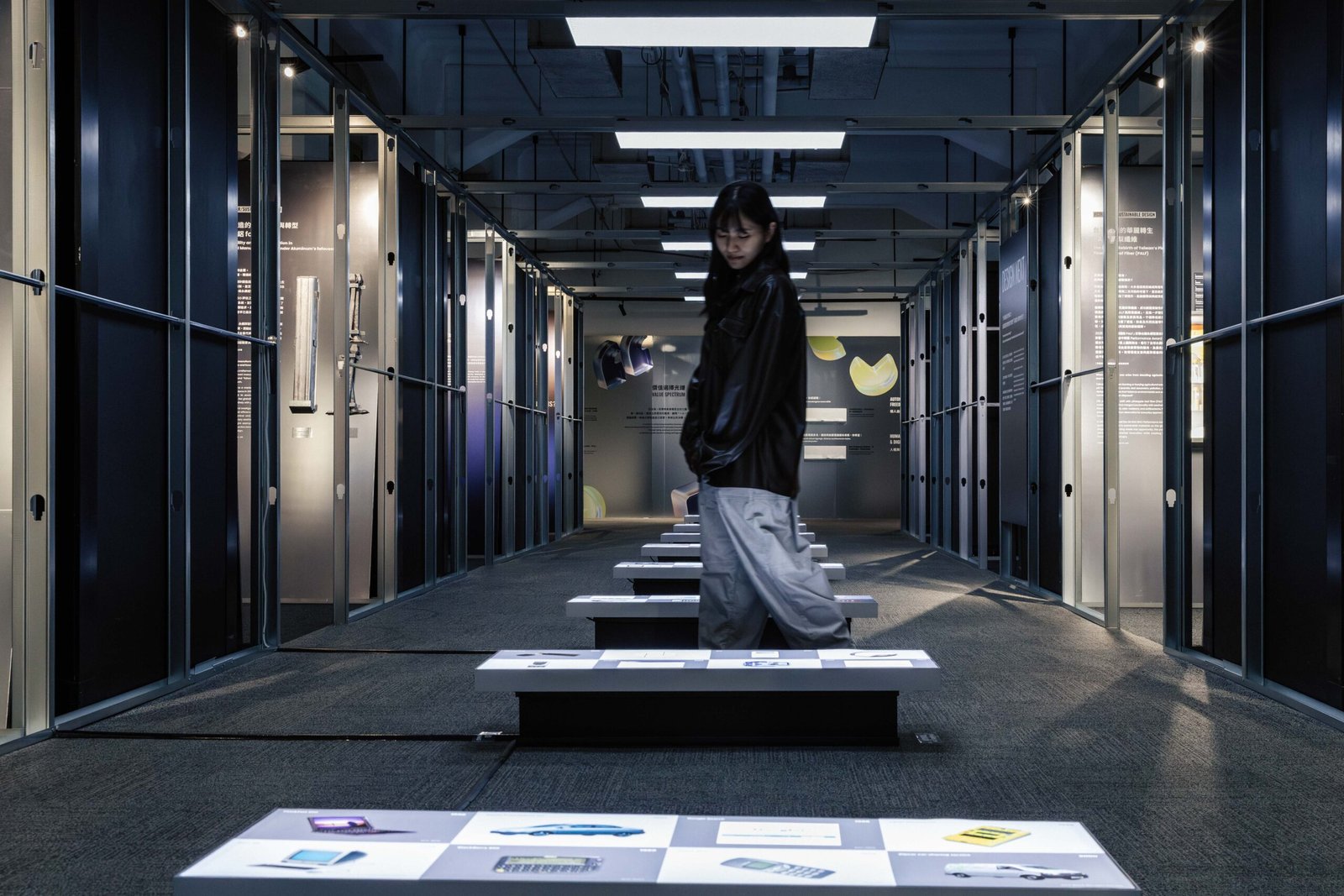
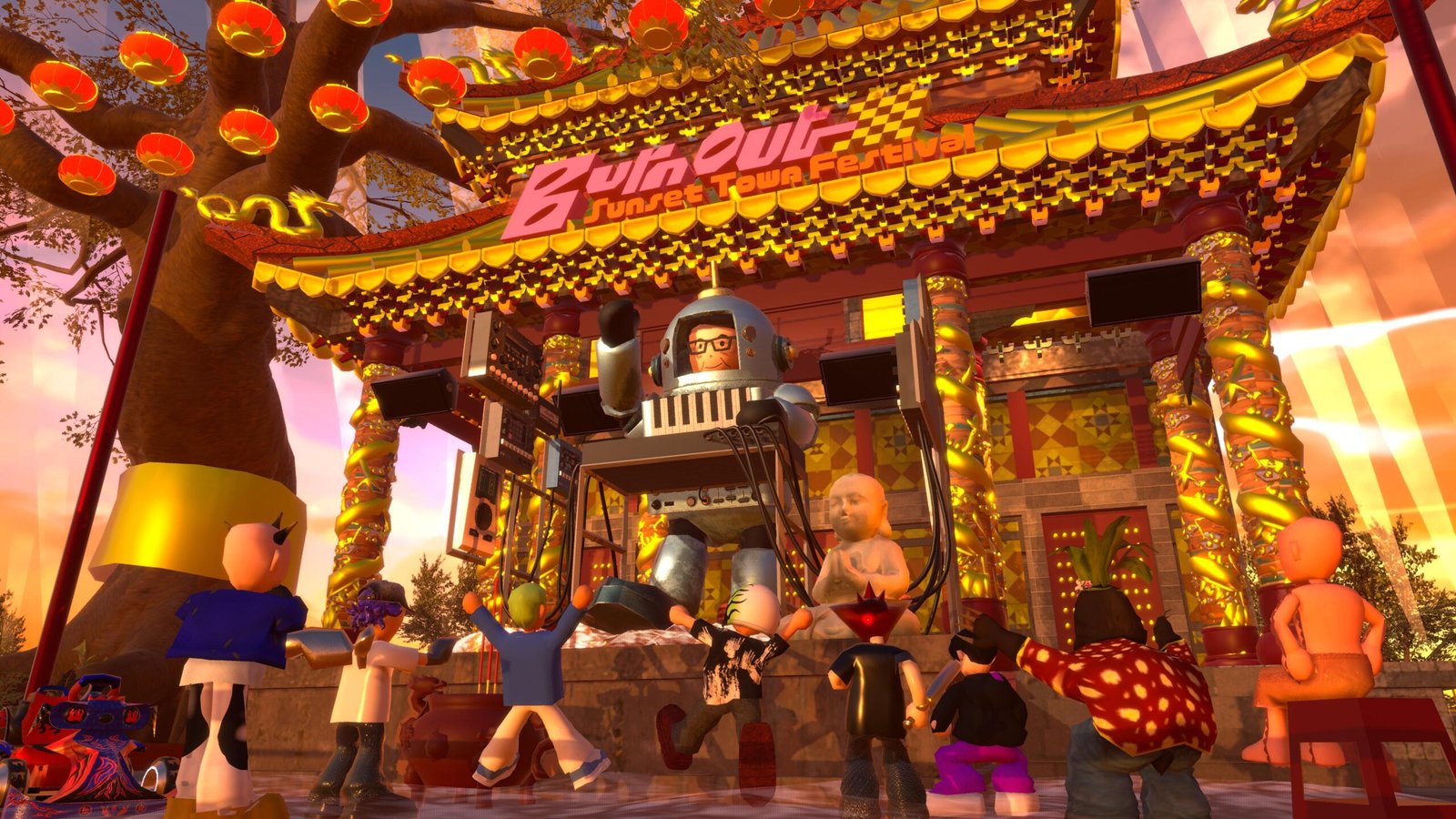
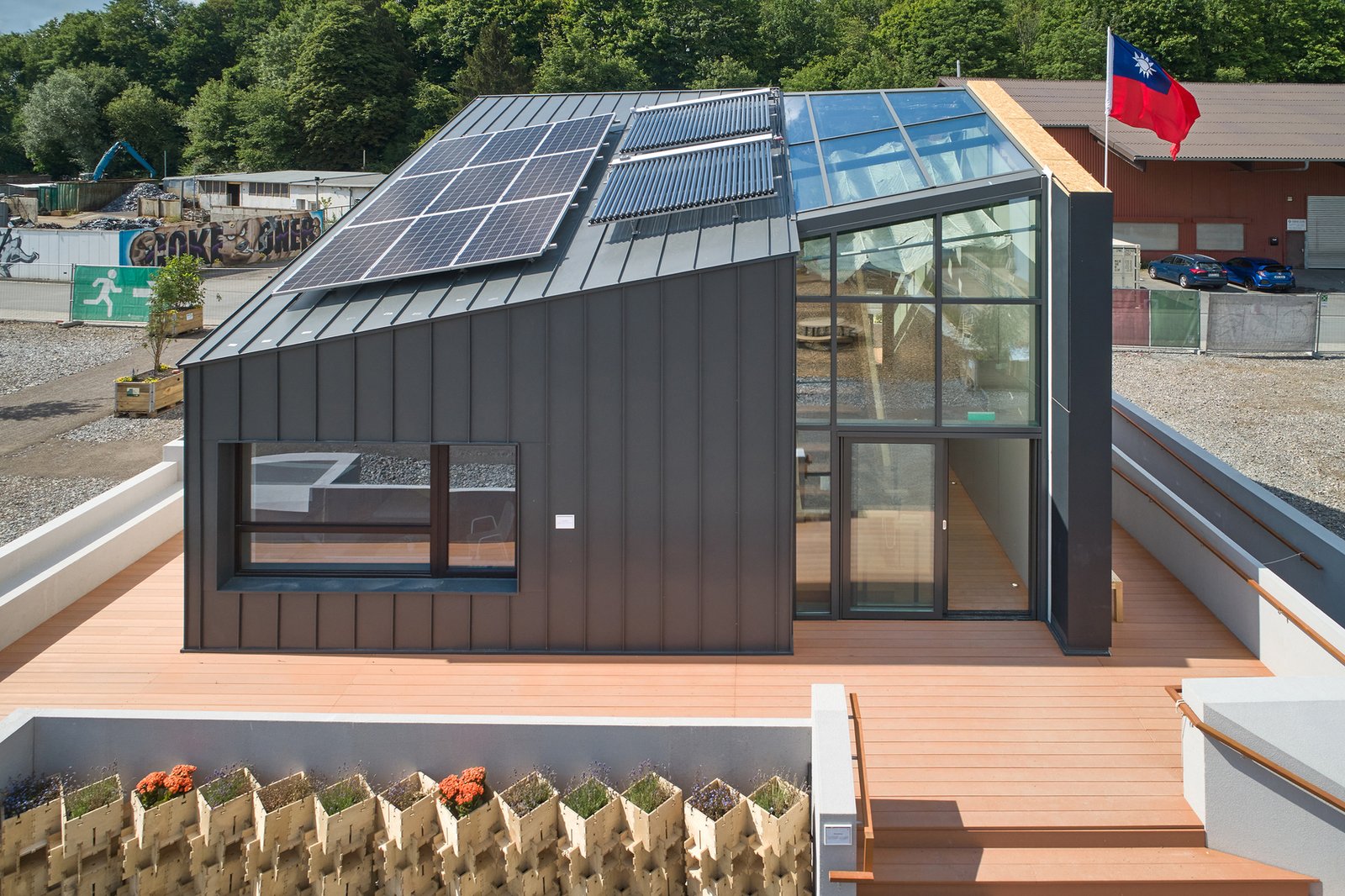
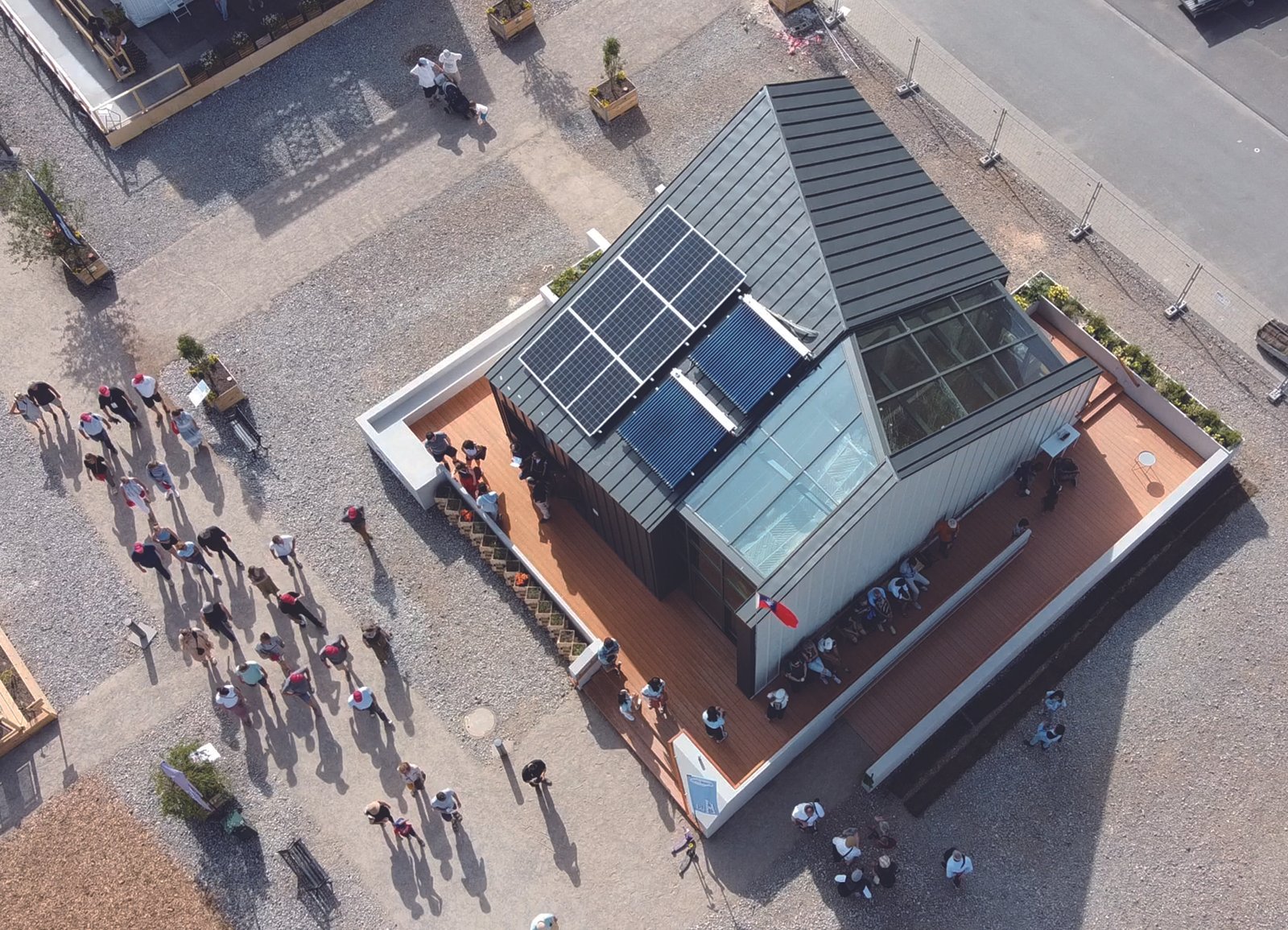
Projects like Sunset Town Virtual Music Festival, 1 House for All zero-carbon modular housing, Democratic Camera, and Design Movement on Campus point toward a future built on cultural storytelling, democratic tech, and resilient cities, while acknowledging present constraints.
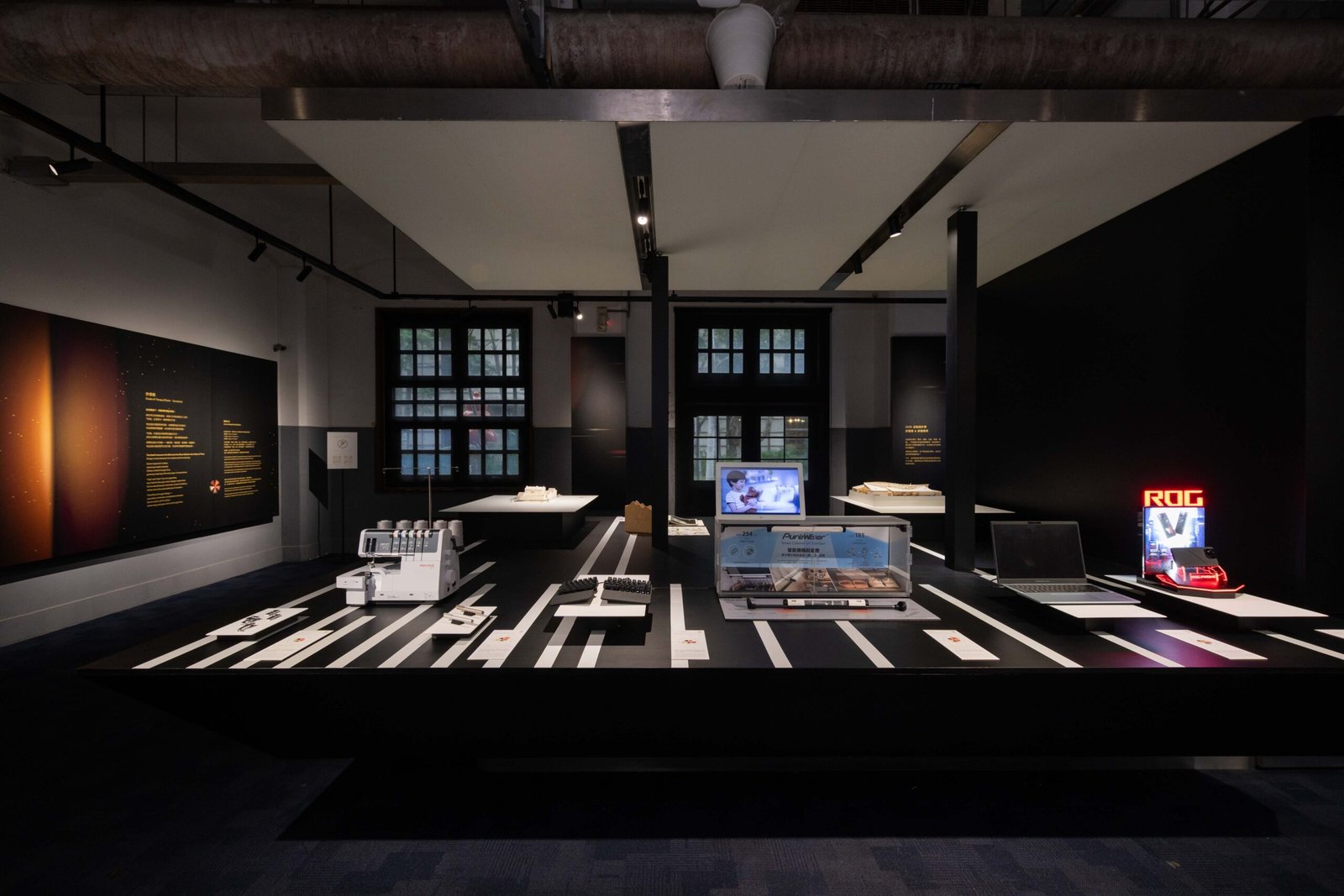
The exhibition design possesses spartan, scaffolding-like forms and dark panels, a stark contrast from last year’s flashy, high-tech offering. Parallel arrays of booths are cleaved at the center by a light installation lined with more than 80 inventions shaping human existence. Approaching the final wall, two questions jolt the visitor: for whom are we designing a better world? And what values should guide those decisions? With these queries in mind, they are subtly pulled to the Value Spectrum wall. Mirroring the island nation’s election act of stamping ballots, visitors take their pick from eight design values they believe should shape Taiwan’s path forward.
We spoke with Archicake’s Ping Hung Chung about the thinking behind the show, coming soon on Kanto.PH. The thematic exhibition runs until 25 January, 2026.

IASDR: Grounding design in the real world
Taiwan’s hosting of IASDR 2025 carries weight; the last time the country welcomed it was in 2005, the organization’s founding year. Over the week, 300+ global design researchers from 47 nations convened at the Eslite Performance Hall to examine humanity-centered design, AI collaboration, and life in the digital age. The conference was jointly organized by the Taiwan Design Research Institute and the Chinese Institute of Design (CID).
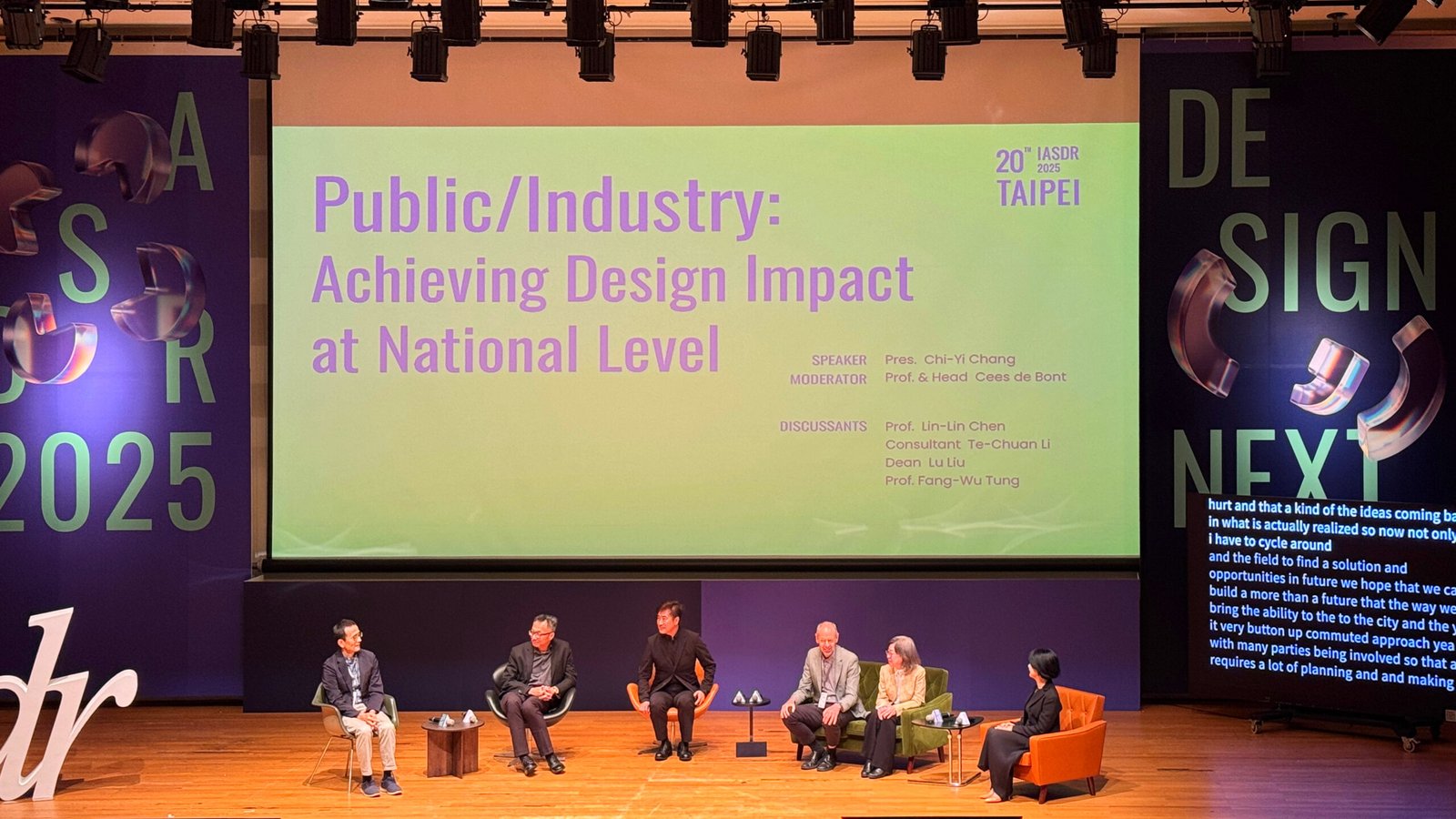
The Public/Industry keynote framed design as national power. Chi-Yi Chang, President of TDRI, showed how design scales through school renovations, city branding, and the Taiwan Design Expo, which has logged 100 million visits over 23 years. His message: design improves life only when access is wide. Professor Lin-Lin Chen of Eindhoven UT challenged him, citing bureaucratic bottlenecks. Chang countered with design research as proof that change is possible, referencing Taiwan’s recent election where clearer visuals and UX tweaks made voting legible. Chen closed with a call for research on successes and failures alike.
Moderator Cees de Bont (National University of Singapore) pressed on education, elections, and Taiwan’s parallels with the Netherlands, while Lu Liu (Virginia Tech) and Fang Wu Tung (National Tsinghua University) highlighted the need to attract talent and preserve local culture. Responding to de Bont, Taipei City government’s Te Chuan Li called for students to master co-creation, resilient design, and the Inclusive Green Finance (IGF) framework.
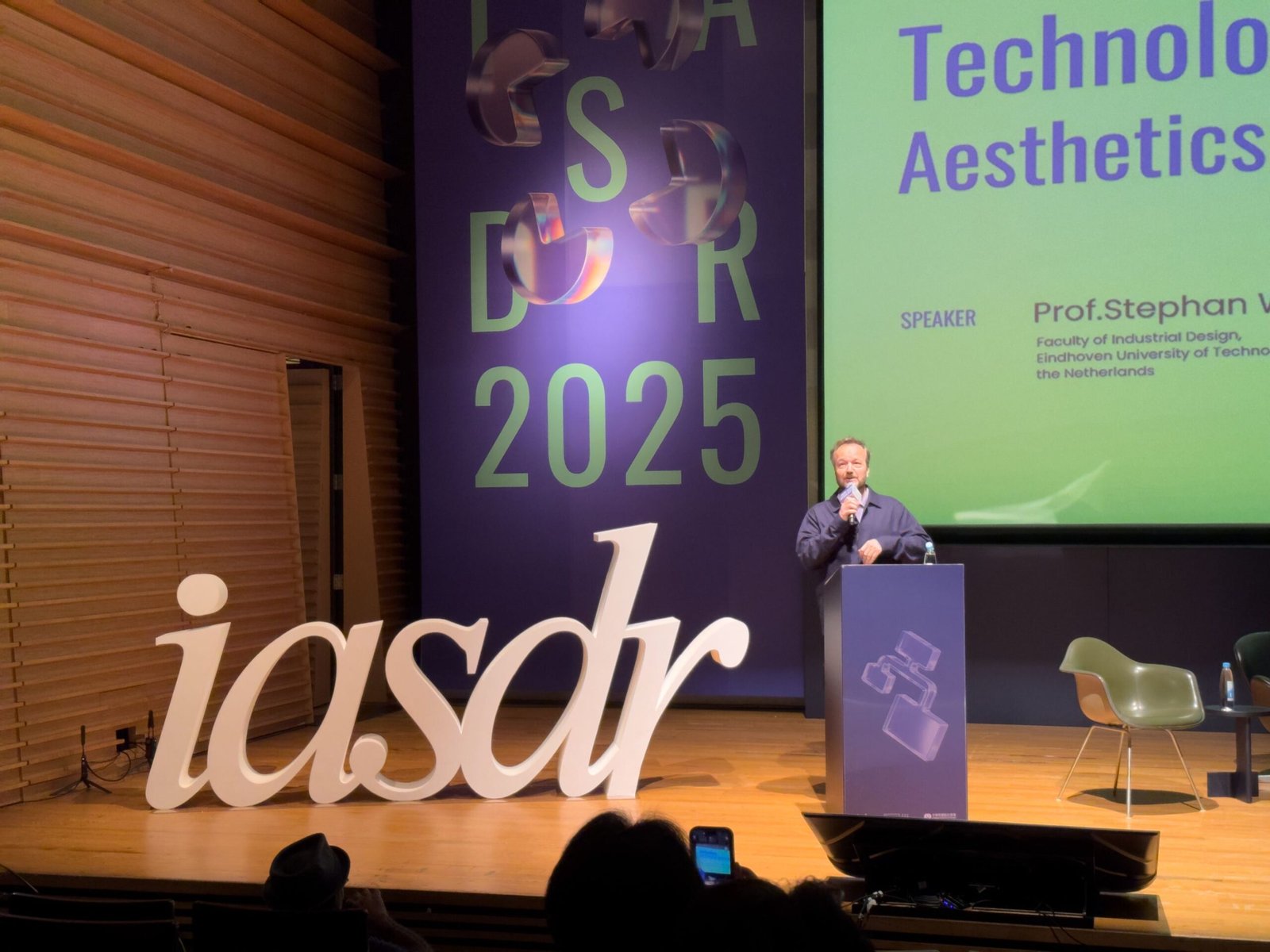
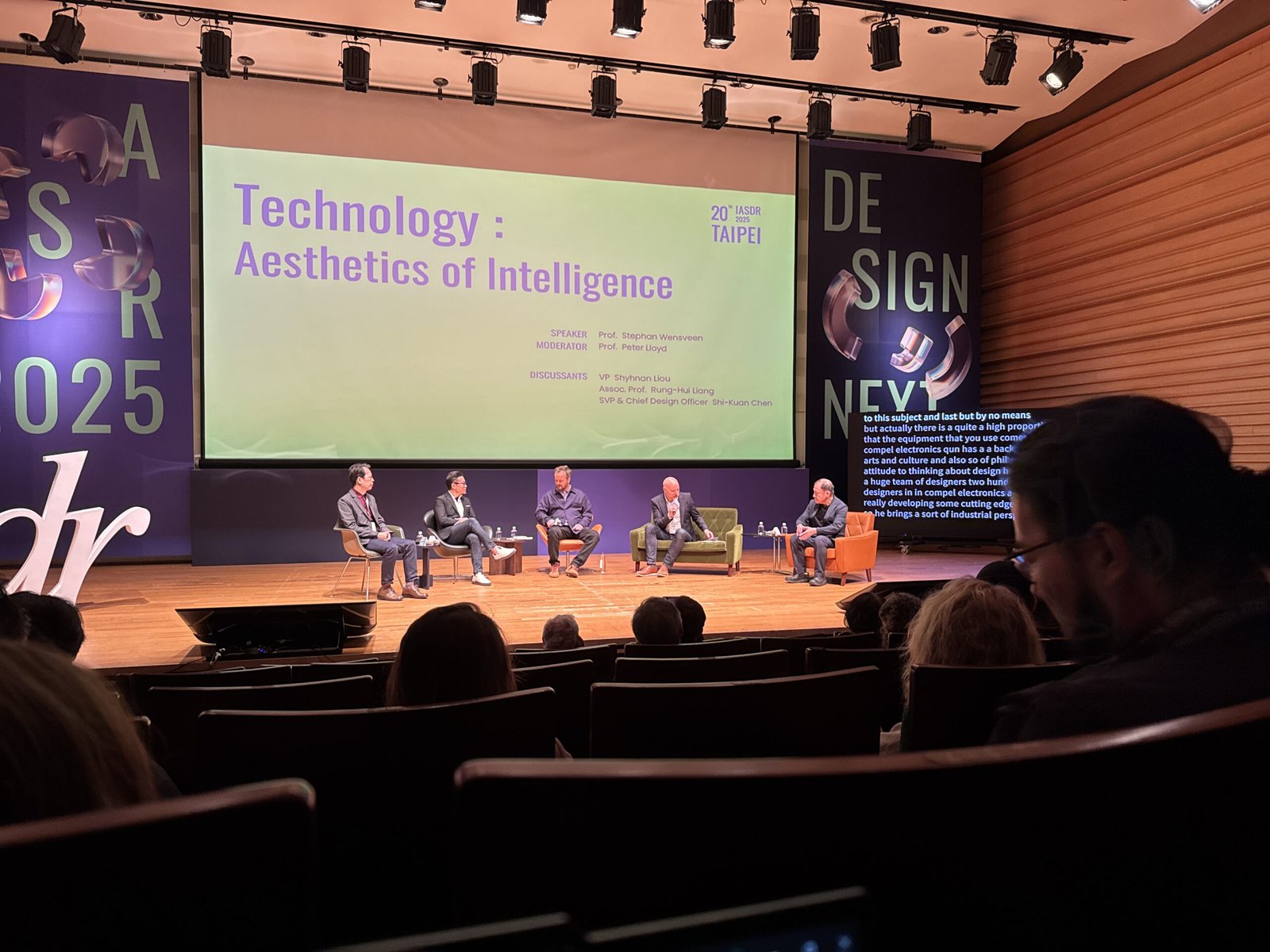
Agency was the focus for the Technology keynote the next day. Audrey Tang, Taiwan’s first digital minister, urged the room to see AI as an amplifier of collective intelligence that can strengthen democracy when shaped with care. She stressed plural futures rather than a single path. “We are the super intelligence,” she closed. Stephan Wensveen of Eindhoven UT explored the aesthetics of intelligence, outlining five principles: treating uncertainty as material, caring for instability, harmonizing agency, expressing intentionalities, and anticipating emergence.
The morning ended with a forum with Wensveen, IASDR president Peter Lloyd, and TDRI’s Shyhnan Liou. They examined agency and responsibility in a world of shared intelligence. Designers cannot outrun AI, but collectives can adapt. Responsibility for digital tools must remain with people, and the next generation must learn to design with shared intelligence in mind.
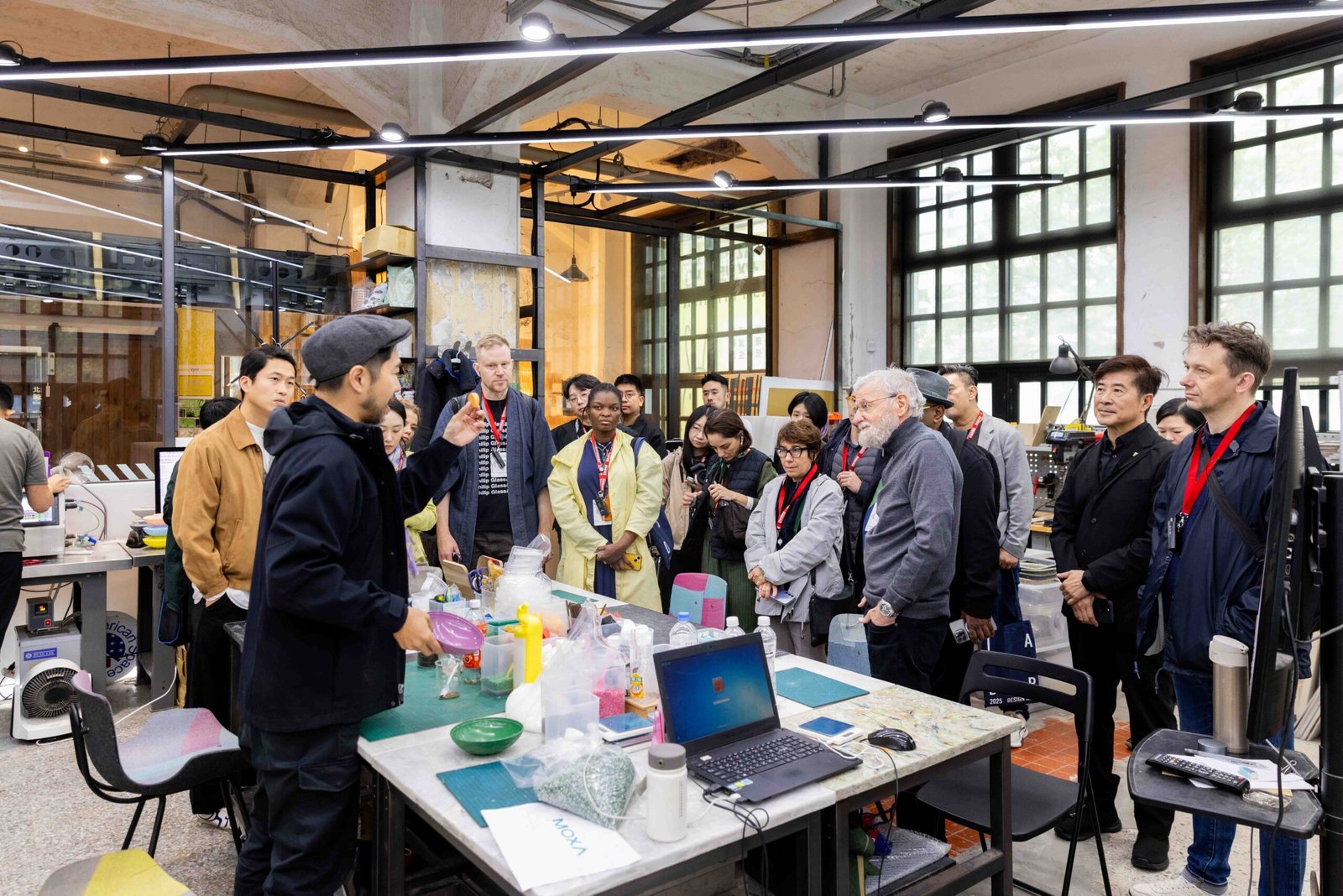
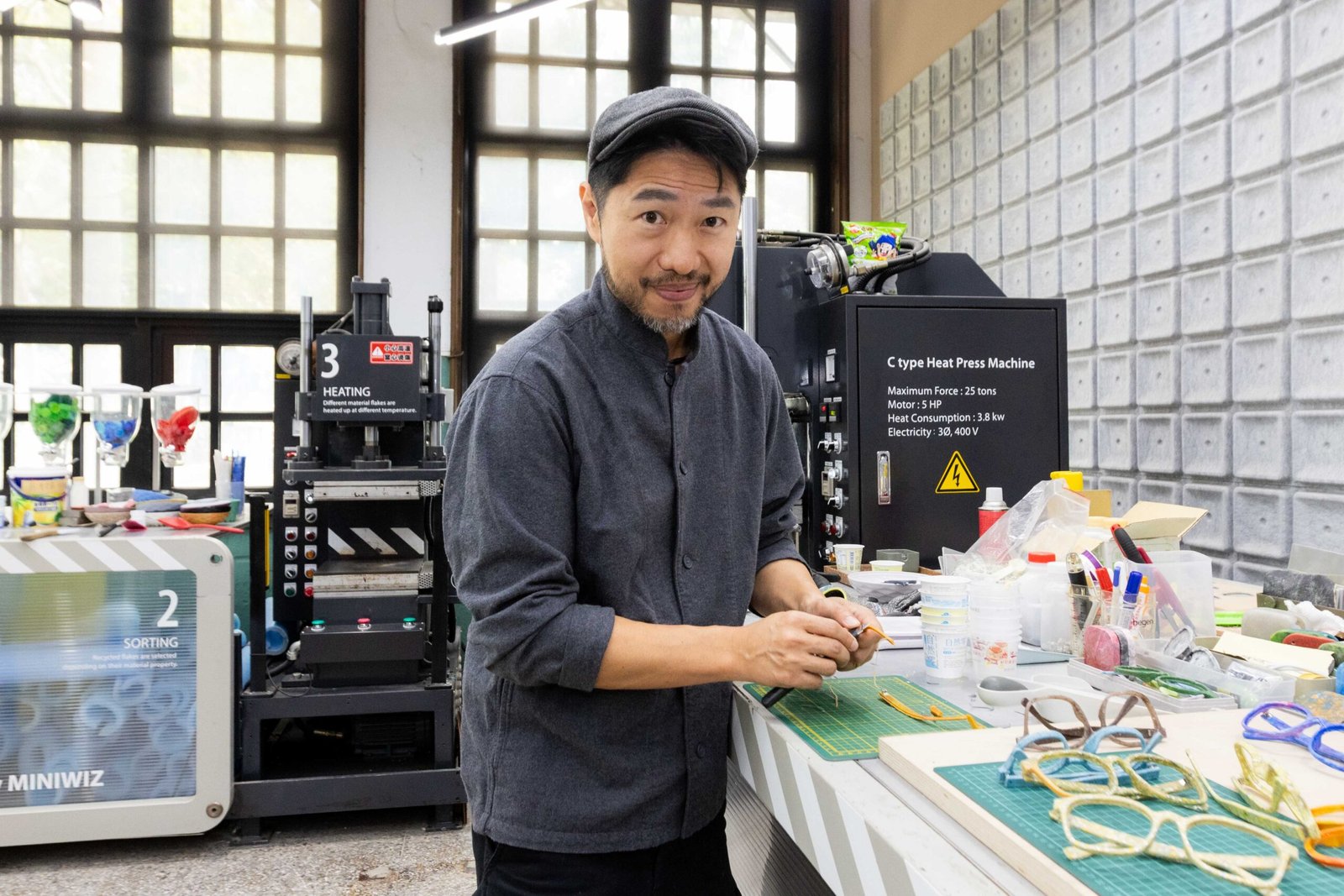
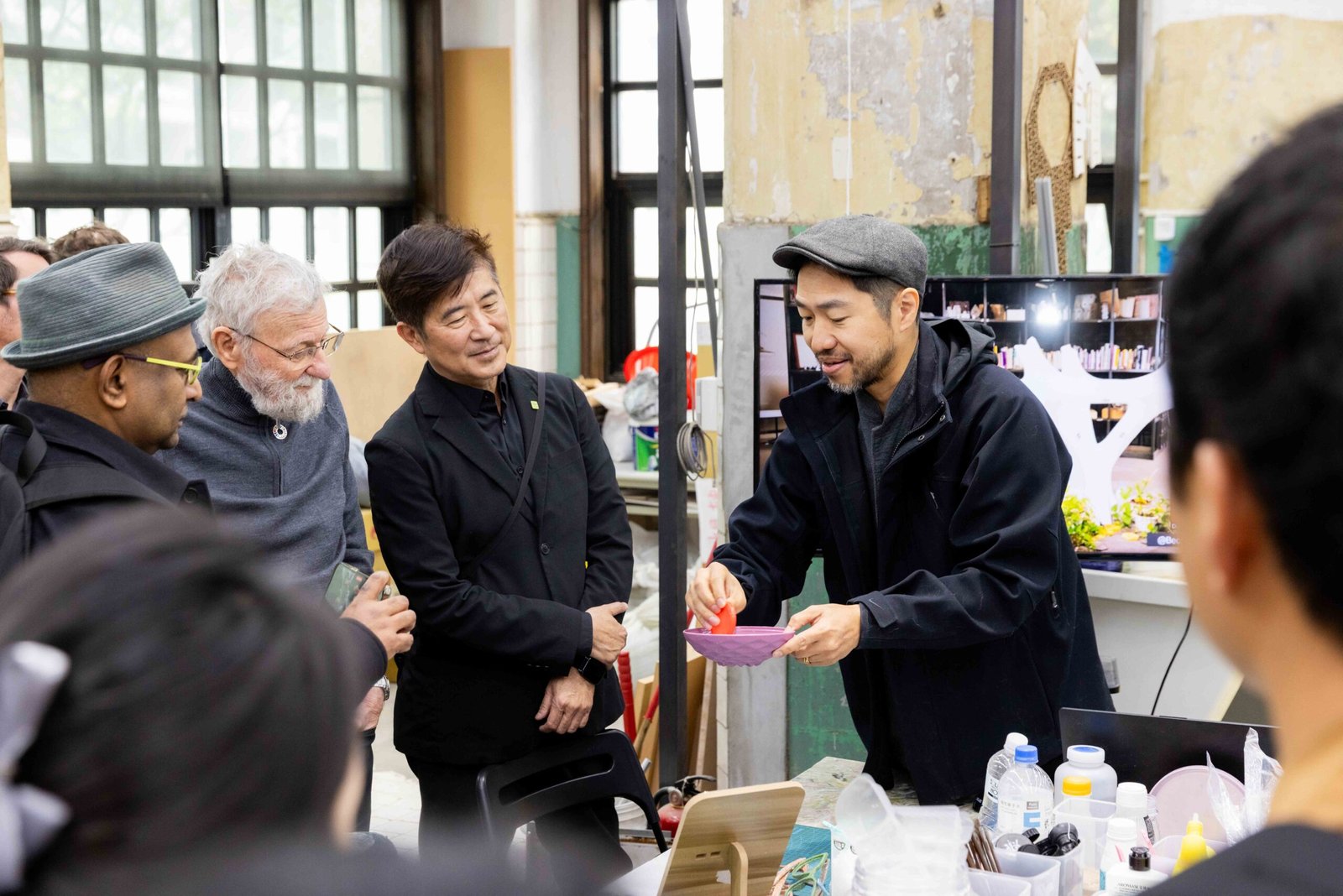
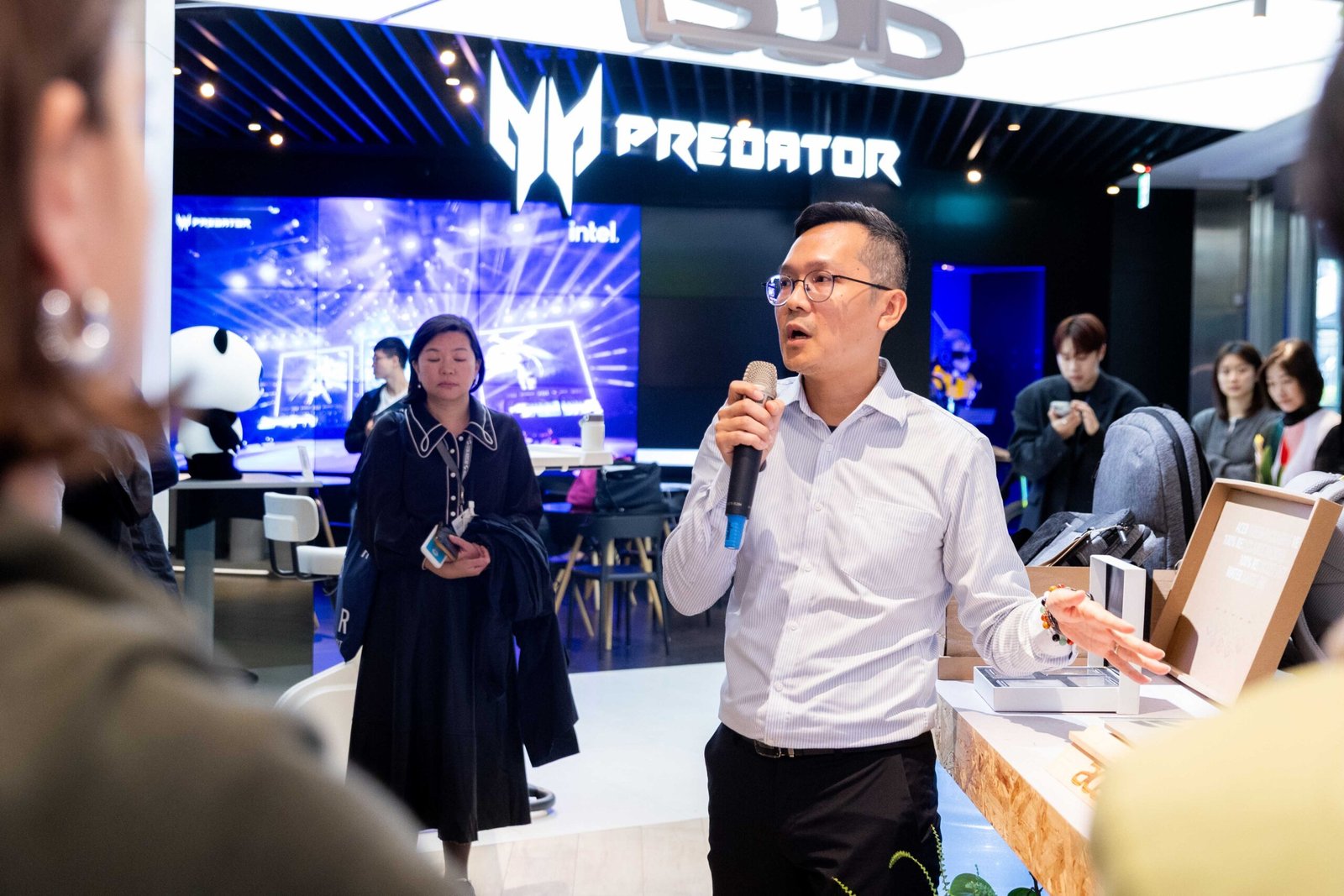
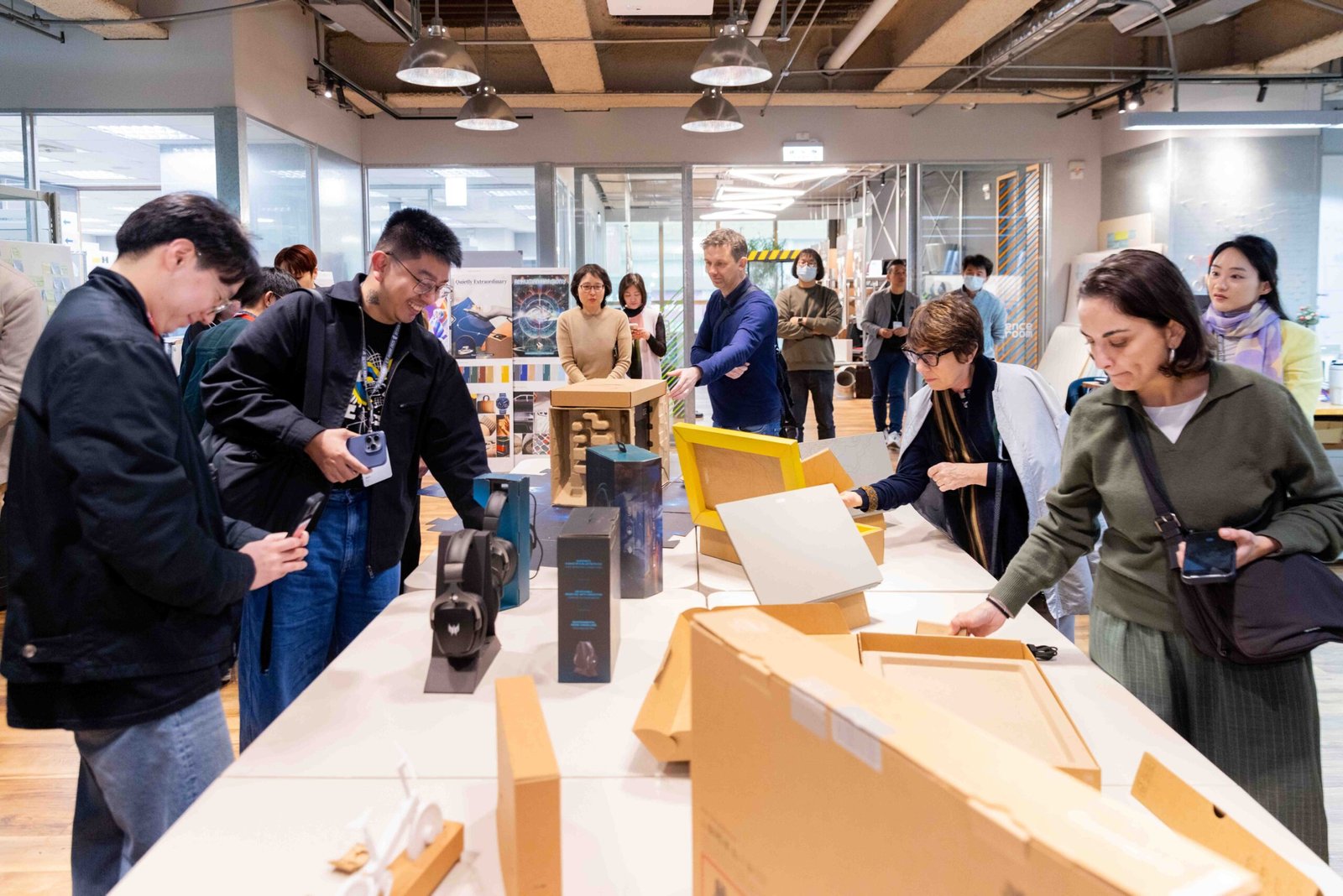
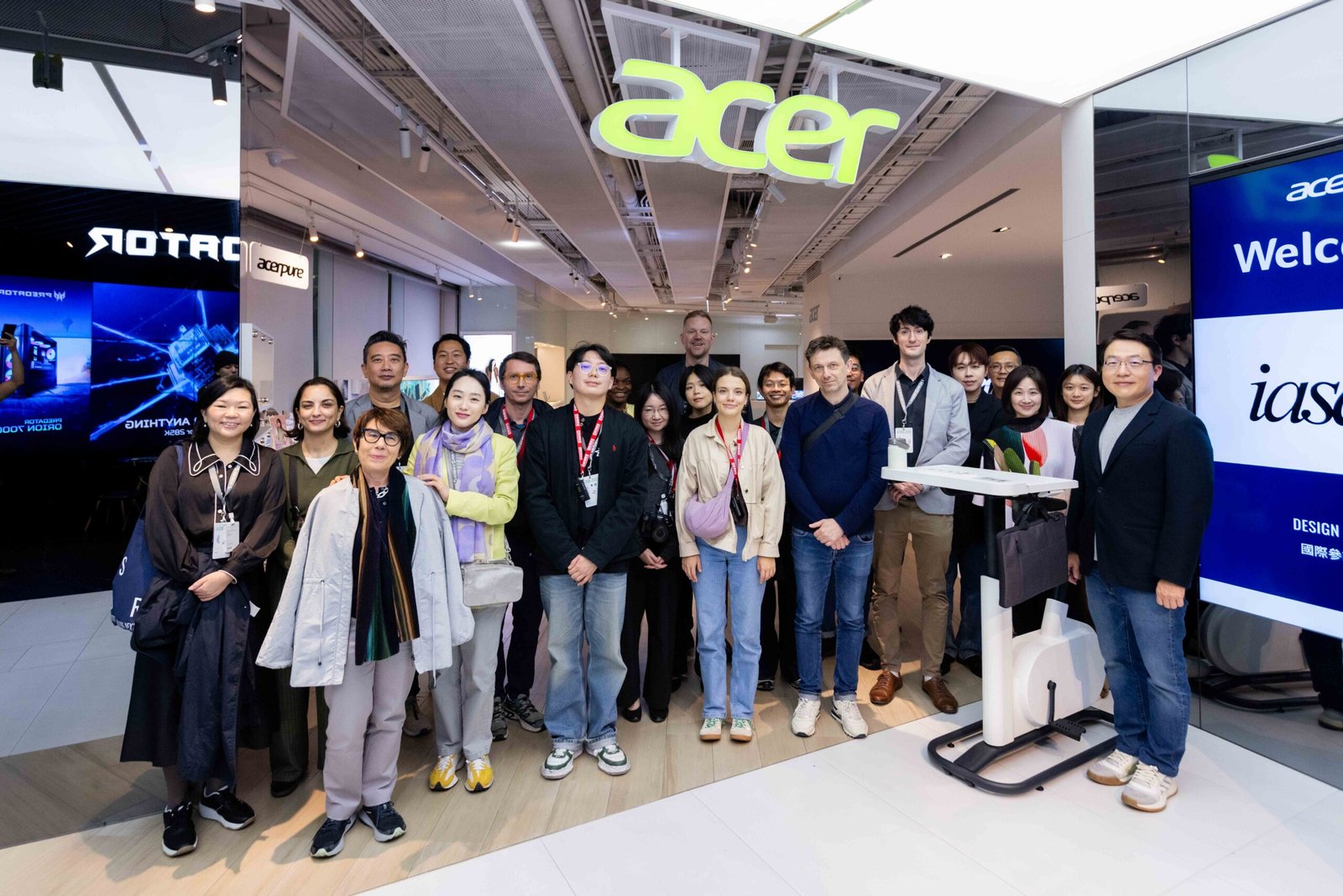
The afternoon shifted to practice with site visits showcasing design agency in action. At Trash Kitchen, Arthur Huang demonstrated how to process plastic waste into spectacles, bowls, and modular components sturdy enough for structural use. Acer showcased lifecycle management for its 20-million annual computer sales: the Vero line uses recycled plastics and oyster shells for chassis, plus all-recycled-paper packaging and a modular boxing system, cutting 593 tons of plastic waste, reducing box types by 63%, and saving 1,000 prototype cartons.
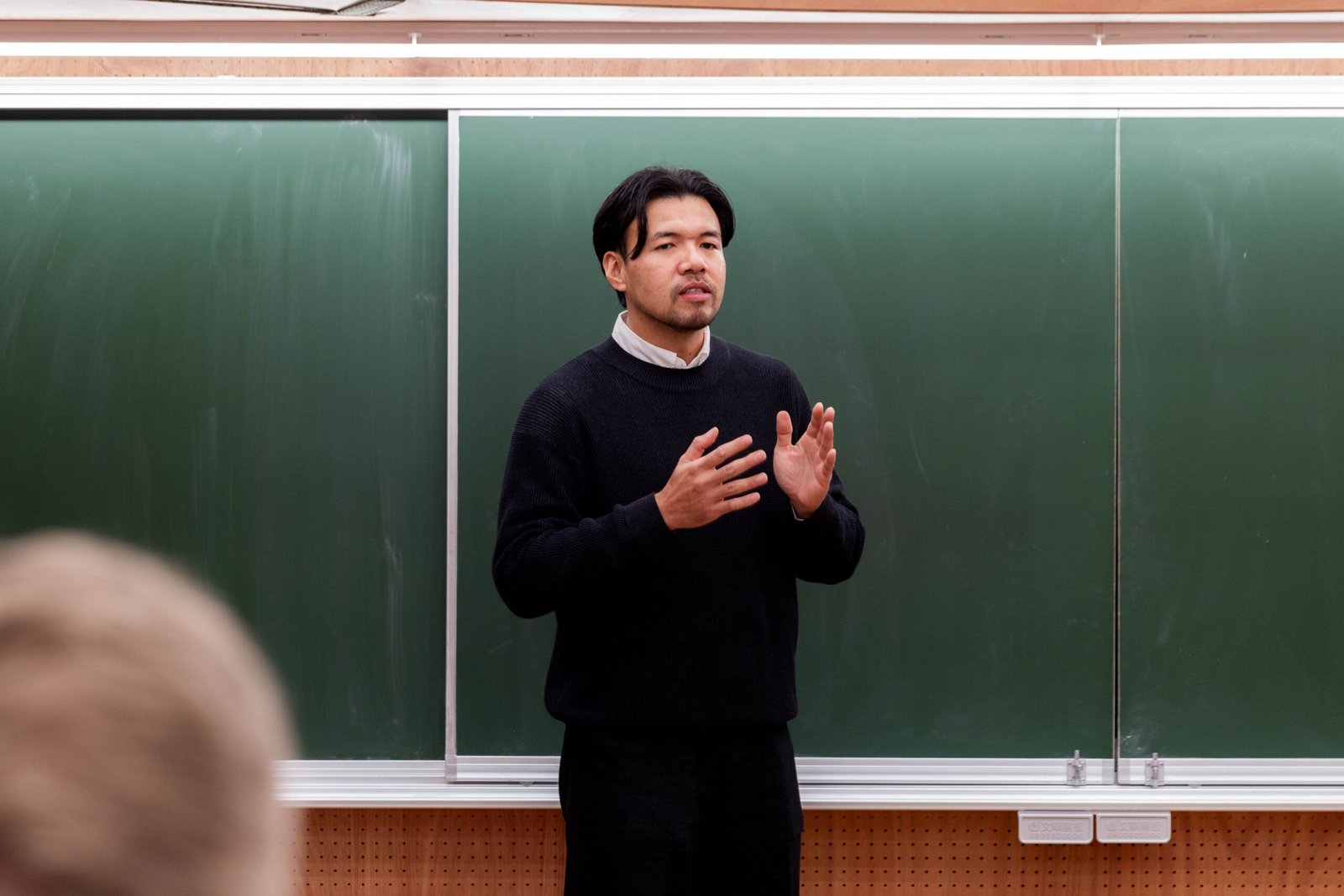
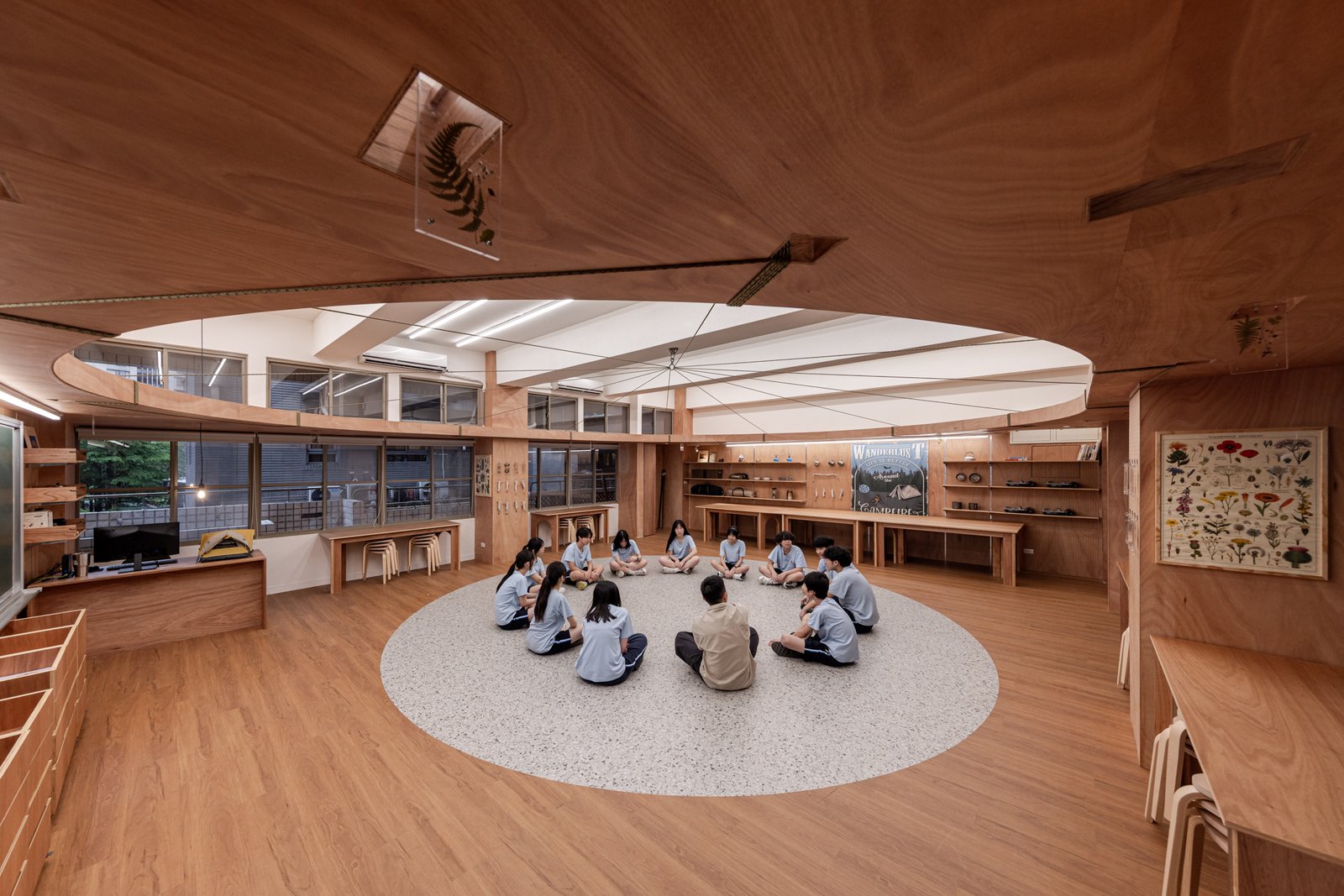
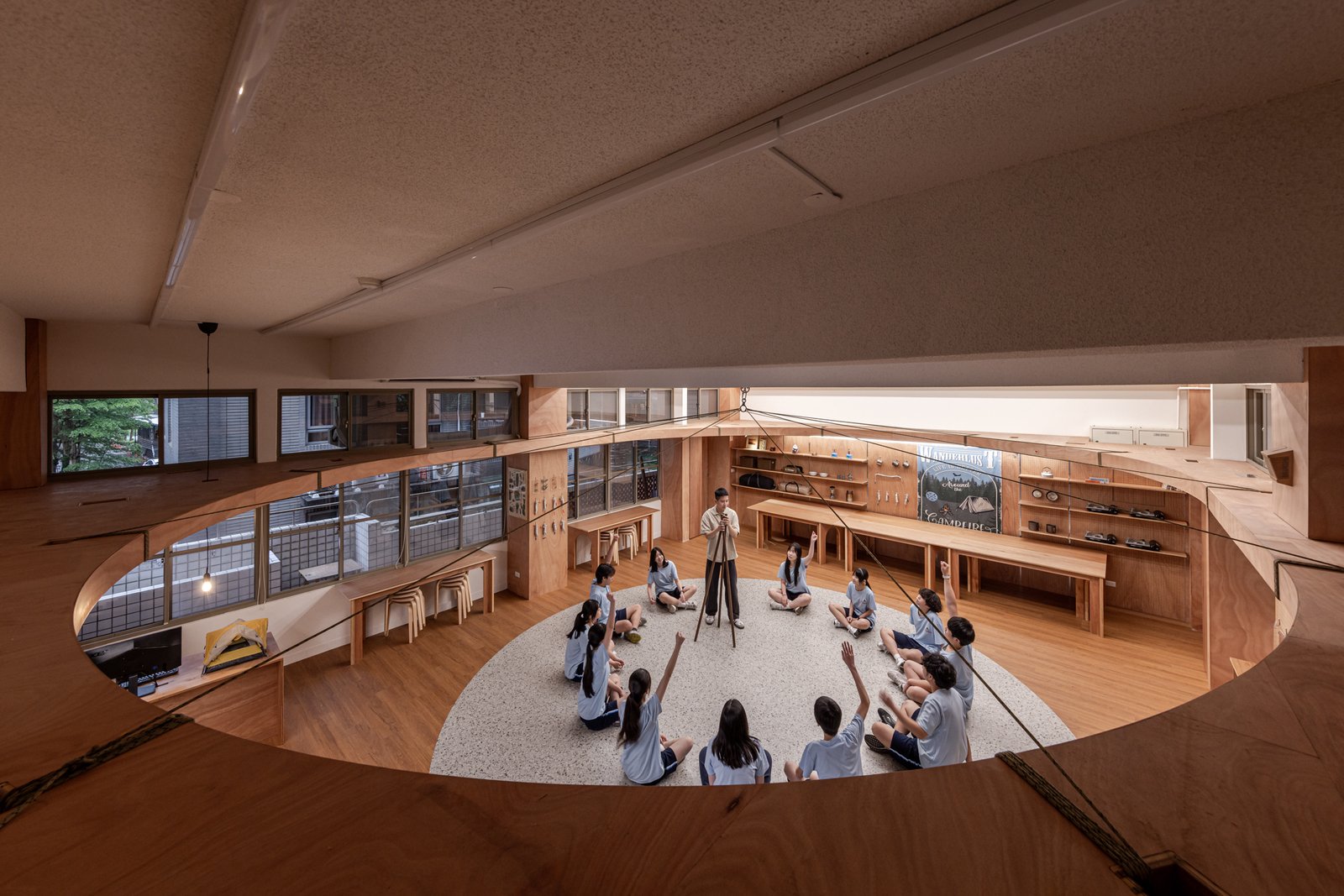
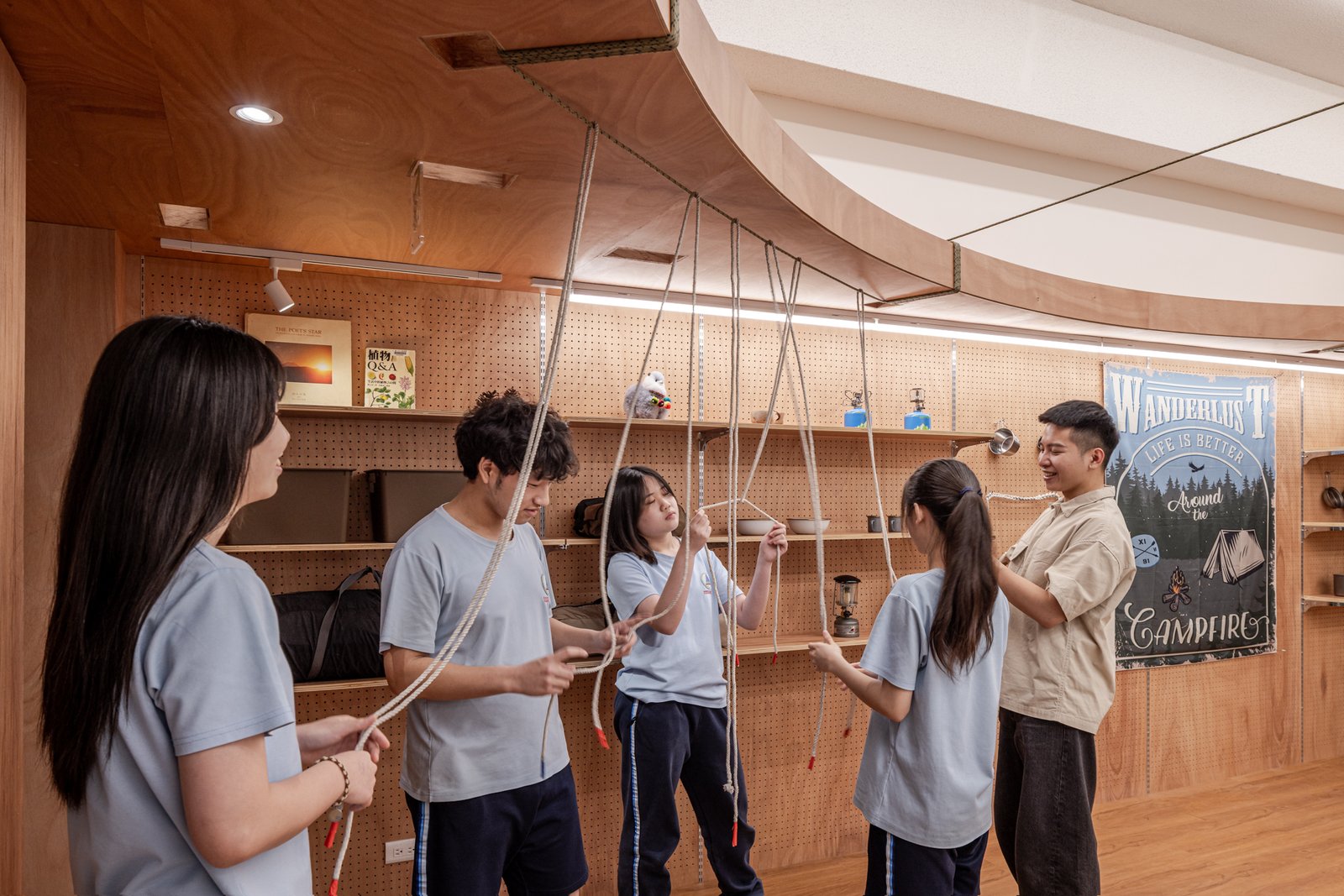
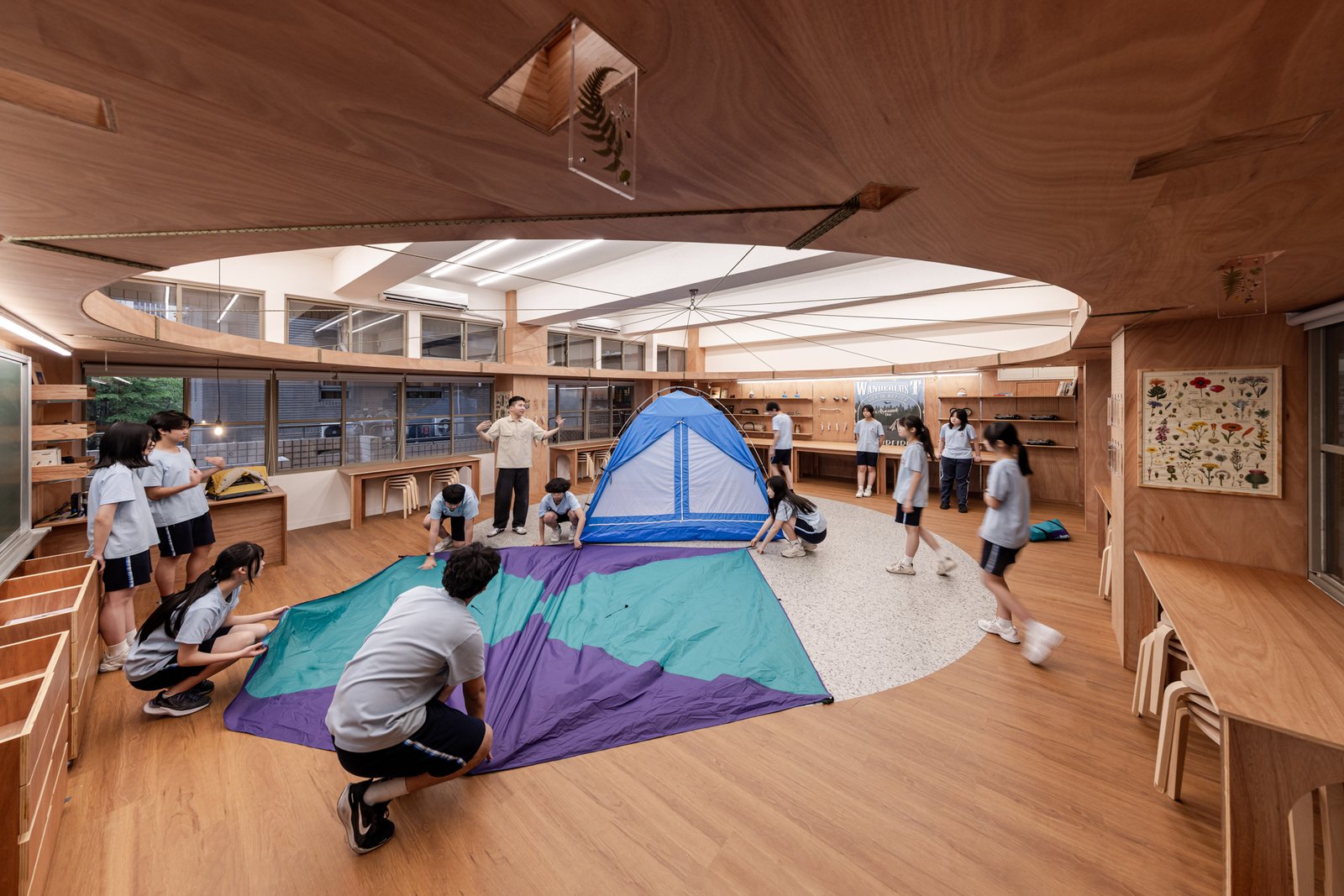
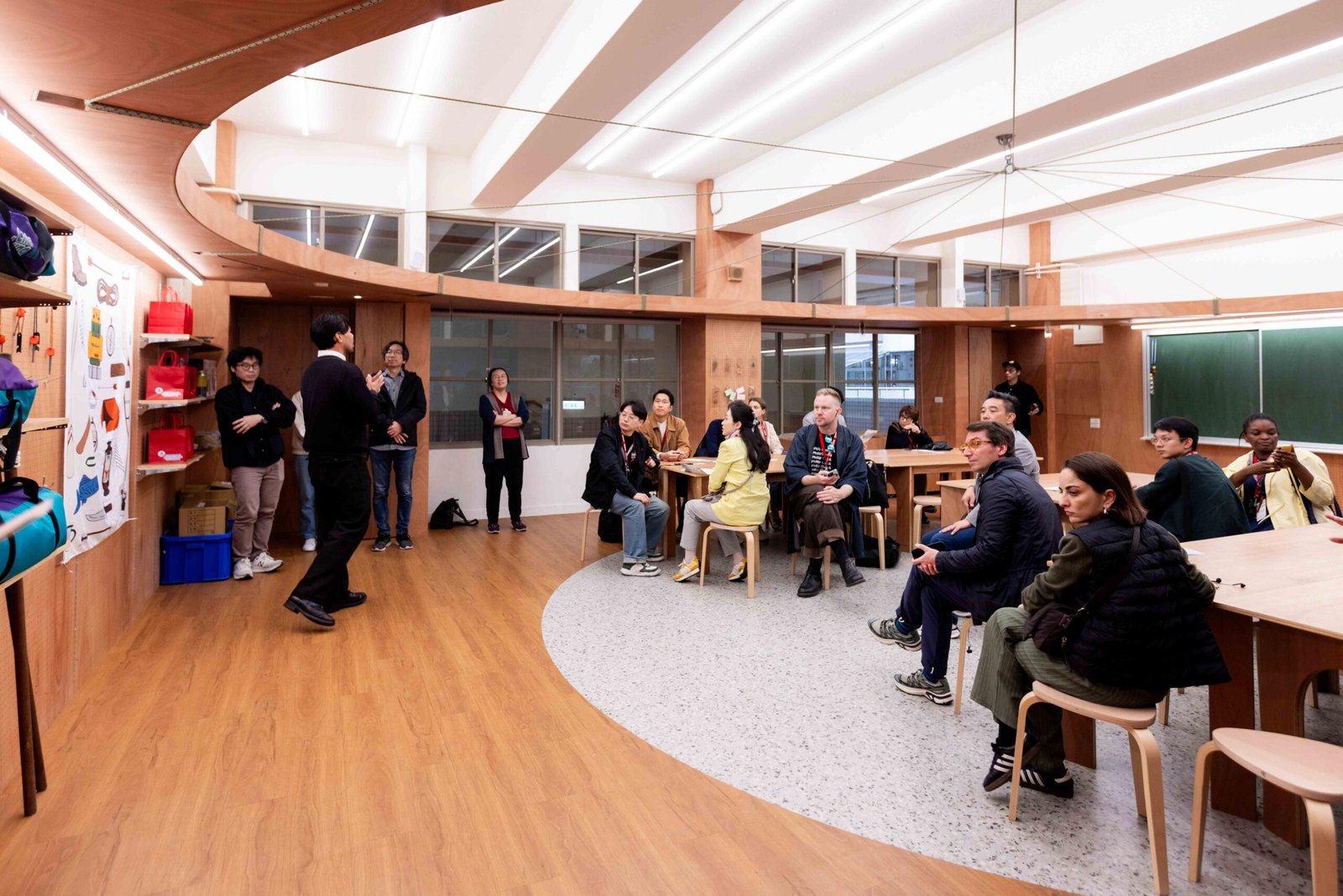
The final stop at New Taipei Municipal Qingshan Elementary and Junior High School highlighted design’s impact on the next generation. A once-generic classroom was transformed by 317studio and TDRI’s Design Movement on Campus into a small ‘campsite’: a pockmarked, wood ceiling with a large circular aperture evokes tree cover, while the 300‑meter-long climbing rope pinwheel overhead recalls tents. Dotted timber walls allow for reconfigurable shelving, while the arched tables and chairs echo the ceiling, while improving legroom. When faculty and designers were quizzed about the impact of the redesign, they were unanimous in their praise for how the space revitalized the classroom, fostering appreciation for good design and the joy of discovery that nature evokes.
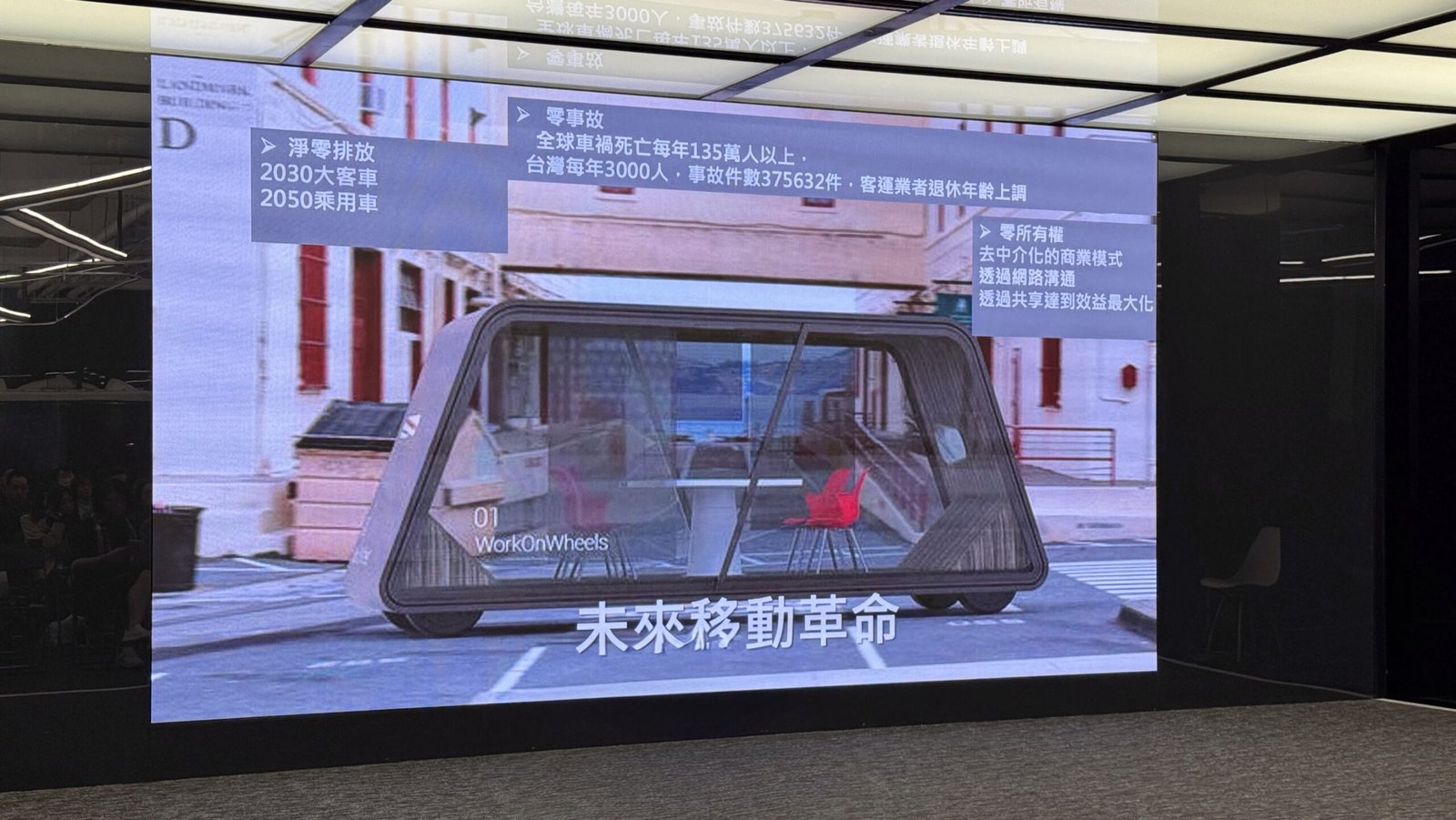
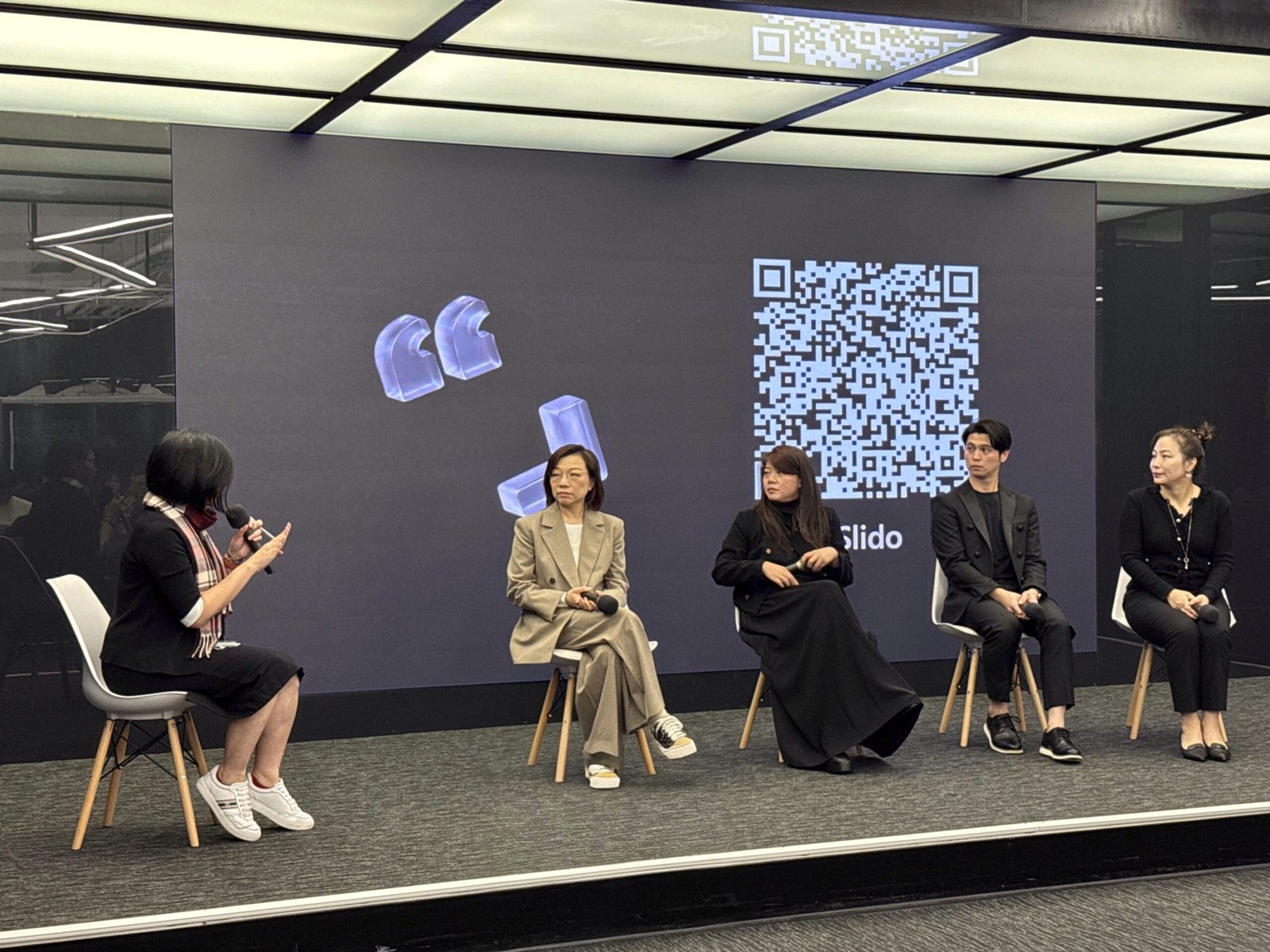
IASDR and Taiwan Design Week came to a close with keynotes on mobility and the designer’s role in the AI age.
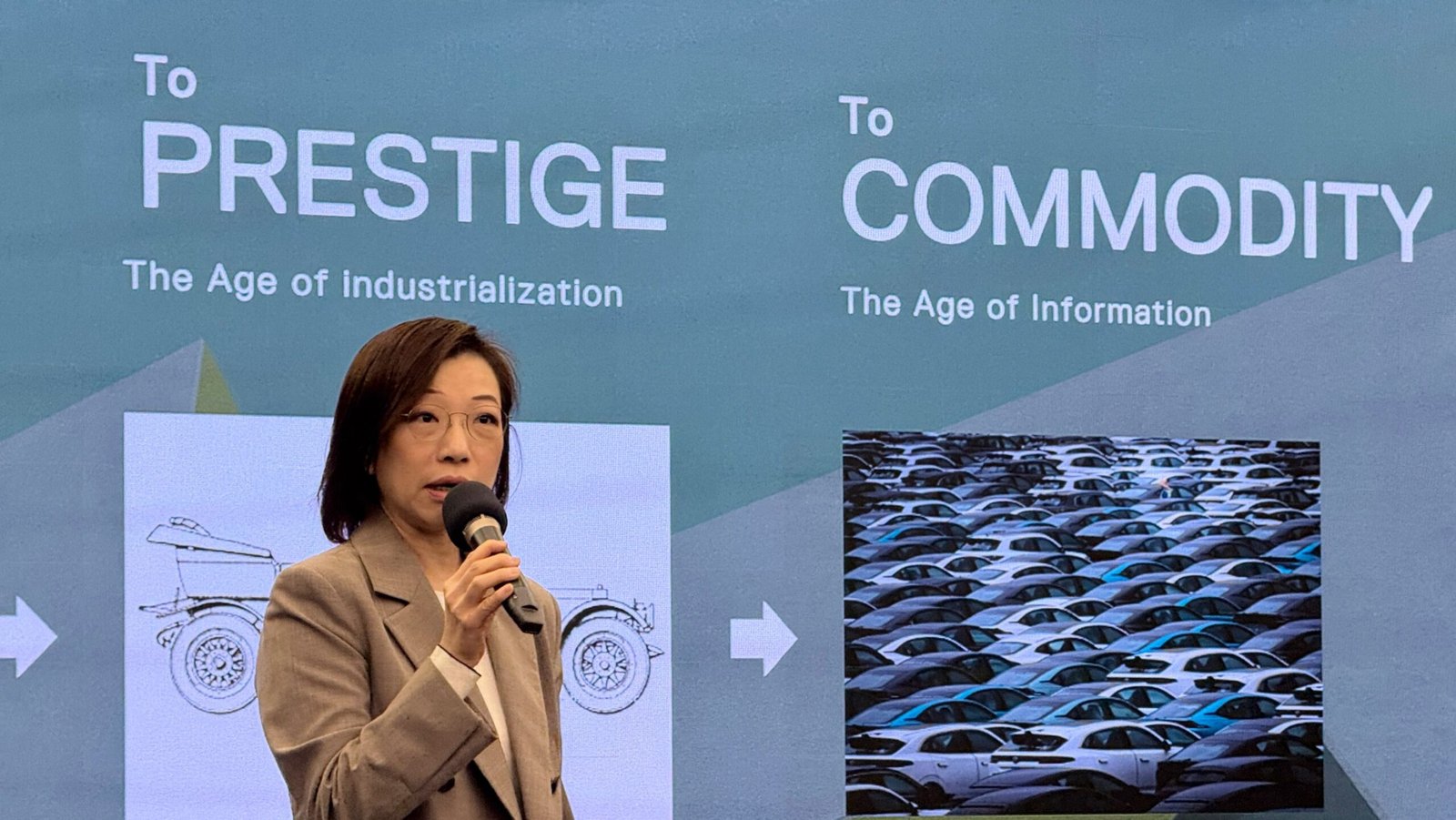
Monica Lee of AISEED detailed Taiwan’s drone and defense-autonomy chain, including six years of swarm UAVs, custom AI, and operational mapping with Taiwan’s Ministry of Defense and international partners. Vanessa Chang of BMW Designworks discussed form language, interior logic, and the shift from industrial manufacturing to an “age of information,” where mobility should feel simple, seamless, and emotionally charged. Ivan Wu of Sanyang addressed low EV scooter adoption due to range anxiety and presented the EREV scooter, featuring battery swapping, charging, and engine-assisted long-distance riding. Renee Lin of Kingwaytek covered infrastructure: HD street mapping, L4 autonomy, aging bus fleets, and connected vehicles.
Moderated by Vivian Wu of TDRI, the panel agreed that mobility’s future relies on interdisciplinary work and AI as a tool for imagination and meaning, cutting across defense, public transit, and vehicle interiors while emphasizing safe, intelligent, low-friction networks.
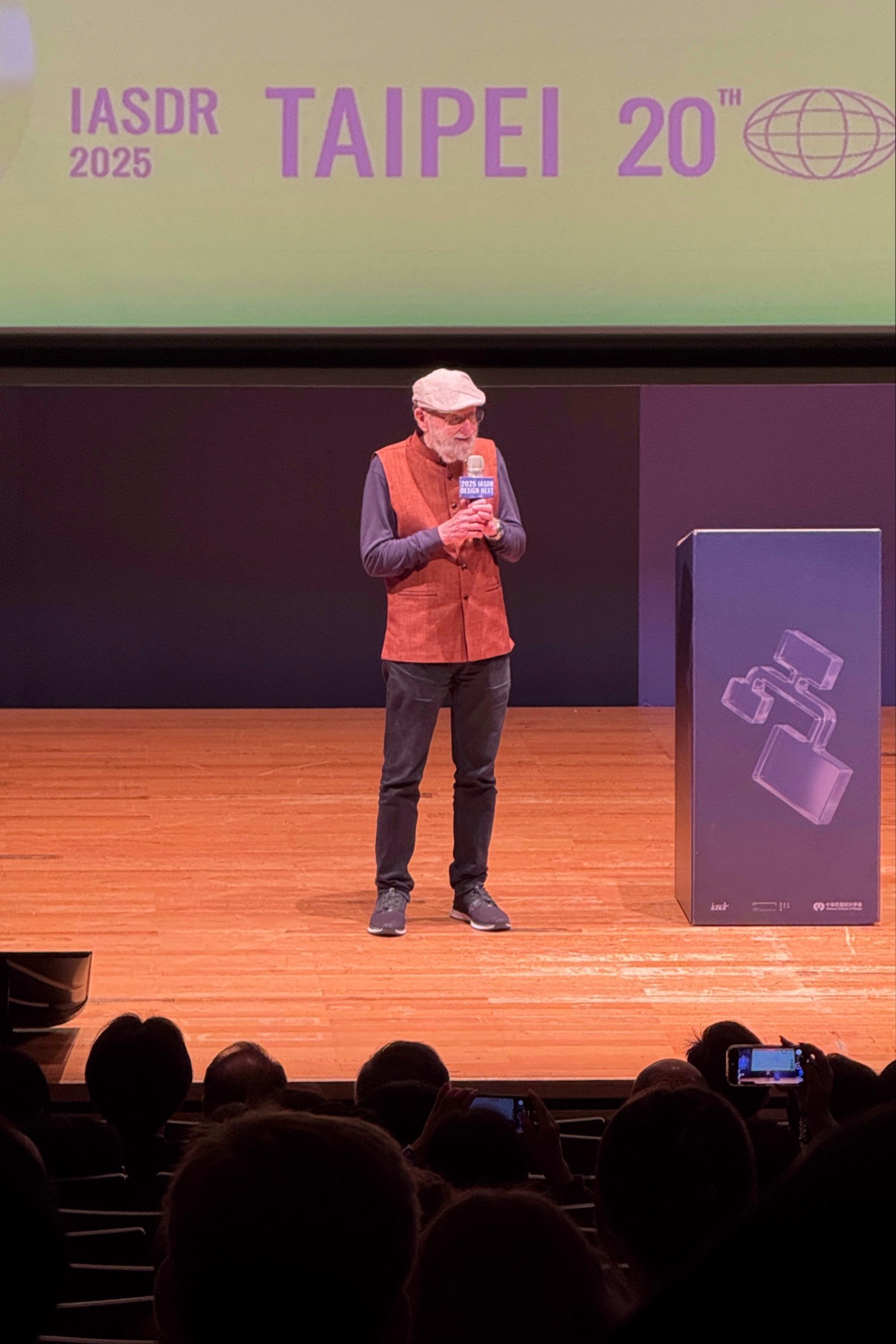
The closing address reflected on IASDR’s long relationship with Taiwan. Professor Lin-Lin Chen traced its trajectory since 2005, including the international journal she spearheaded that expanded design scholarship beyond the user to social and ecological systems. Acclaimed designer Don Norman delivered the final keynote with a challenge and message of hope. He framed designers as toolmakers who shape affordances, affect behavior, and create conditions for new actions. With generative AI accelerating, he noted a new kind of collaborator: intelligent, capable, but naïve without guidance. He advocated shifting from narrow human-centered work to an assemblage view incorporating politics, economics, ecology, history, and technological pace. He defended designers’ generalist nature, noting that gaps leave room for imagination and cross-disciplinary building, where design’s real power sits. Designers shape futures intentionally or not, and their responsibility is larger than training has prepared them for.
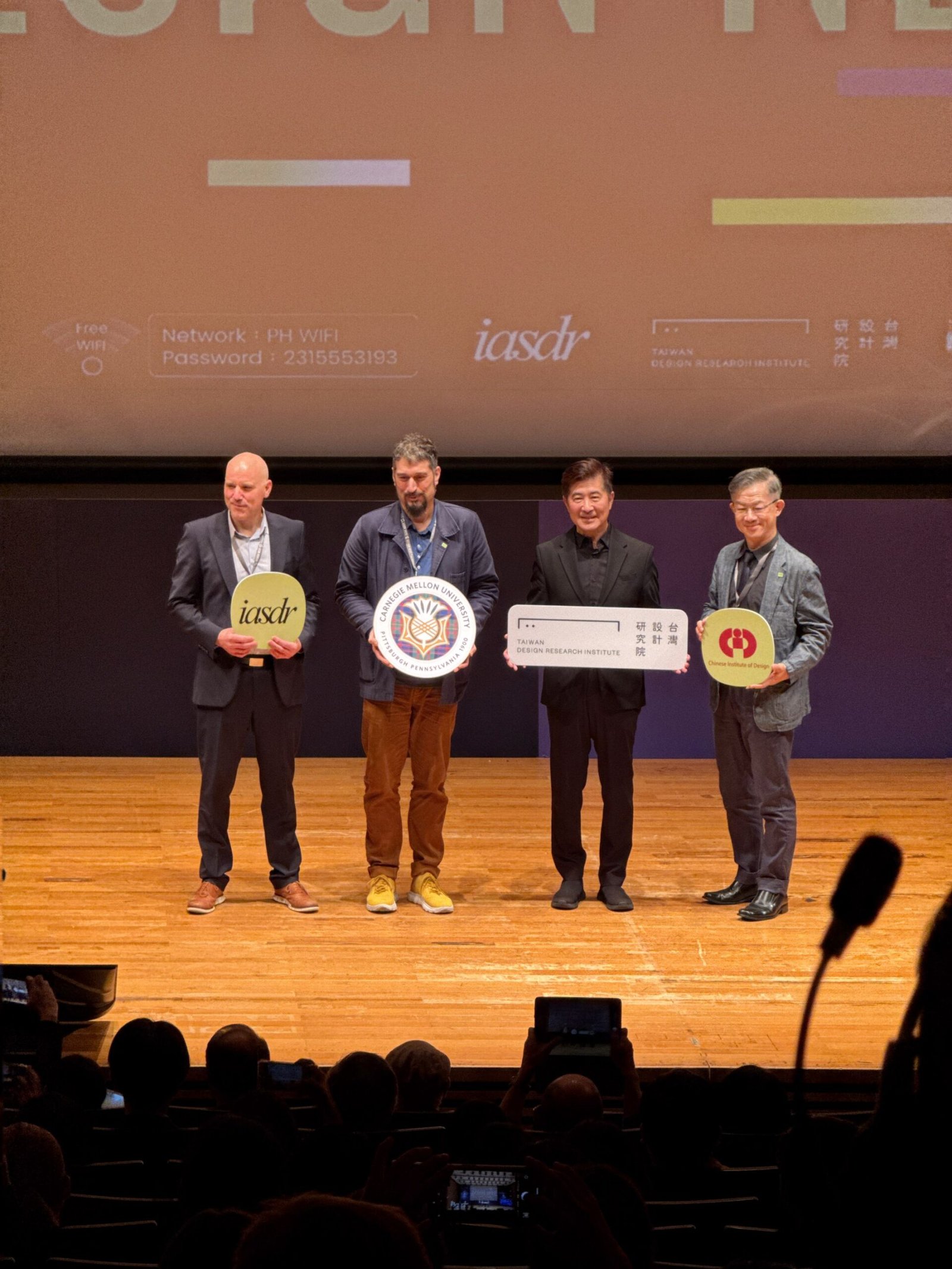
The conference concluded with a handoff from TDRI and CID to Lisbon, Portugal, for IASDR 2027, to be organized by Carnegie Mellon University.
Golden Pin Design Award Exhibition: Stellar work celebrated
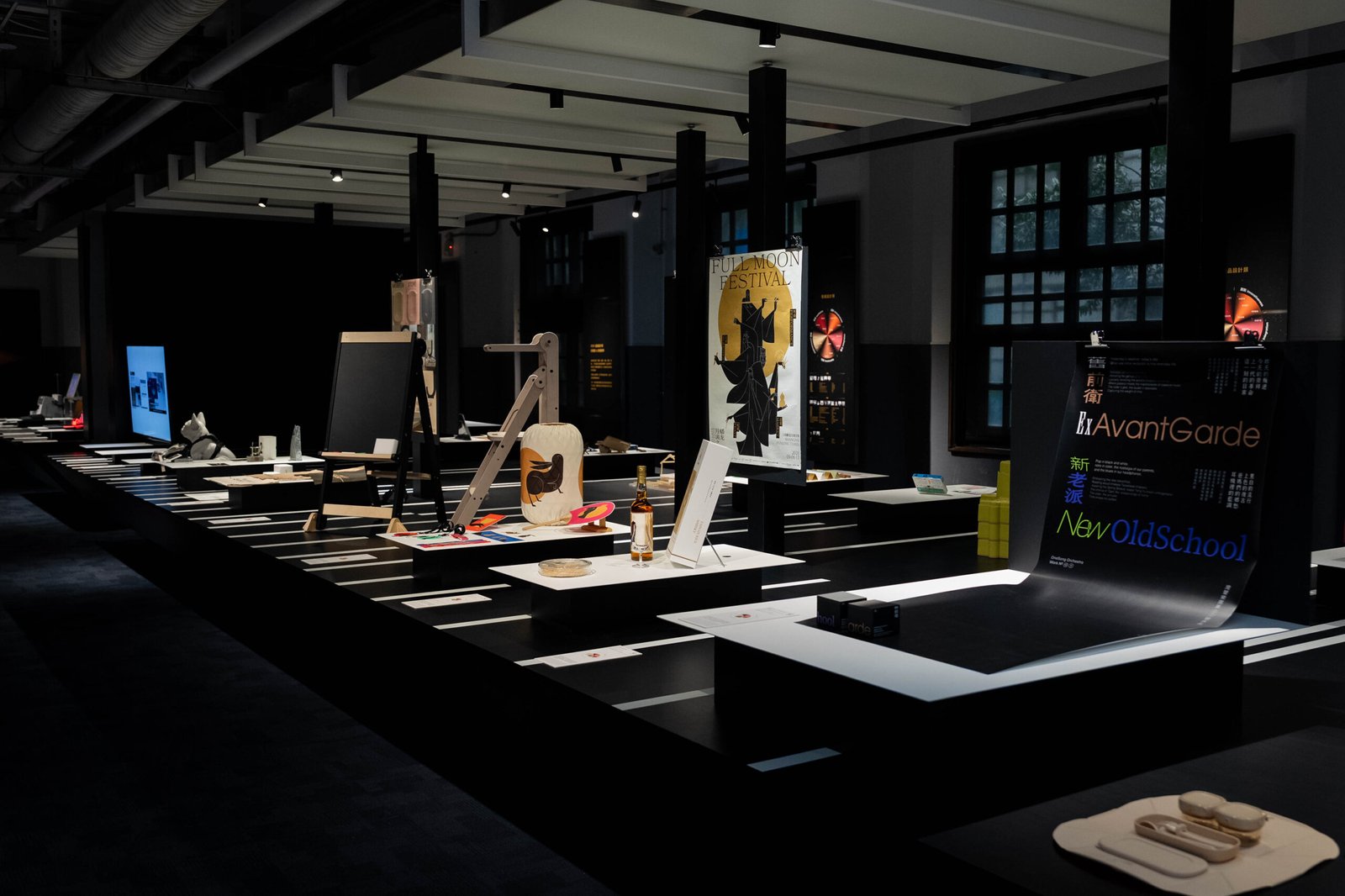
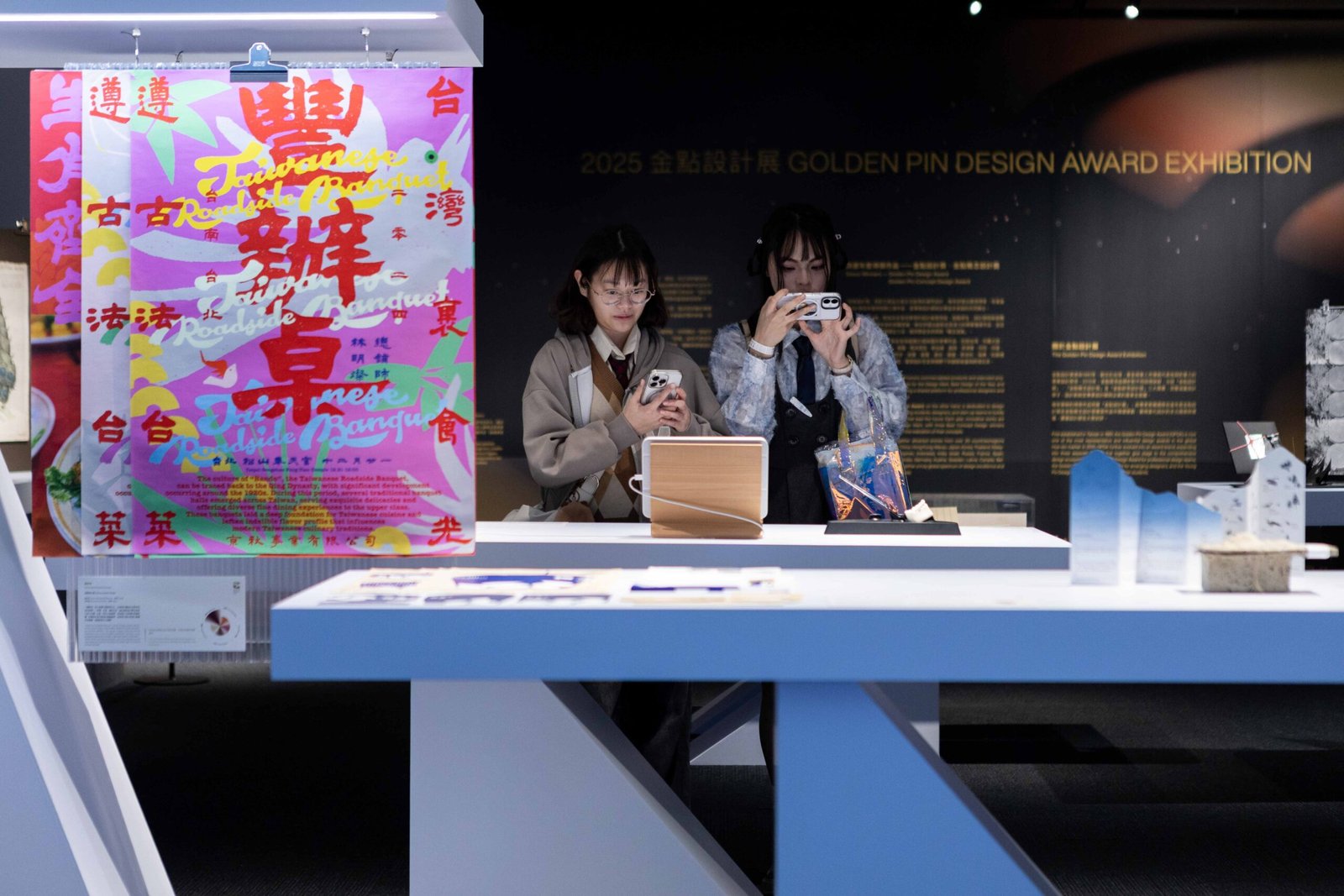
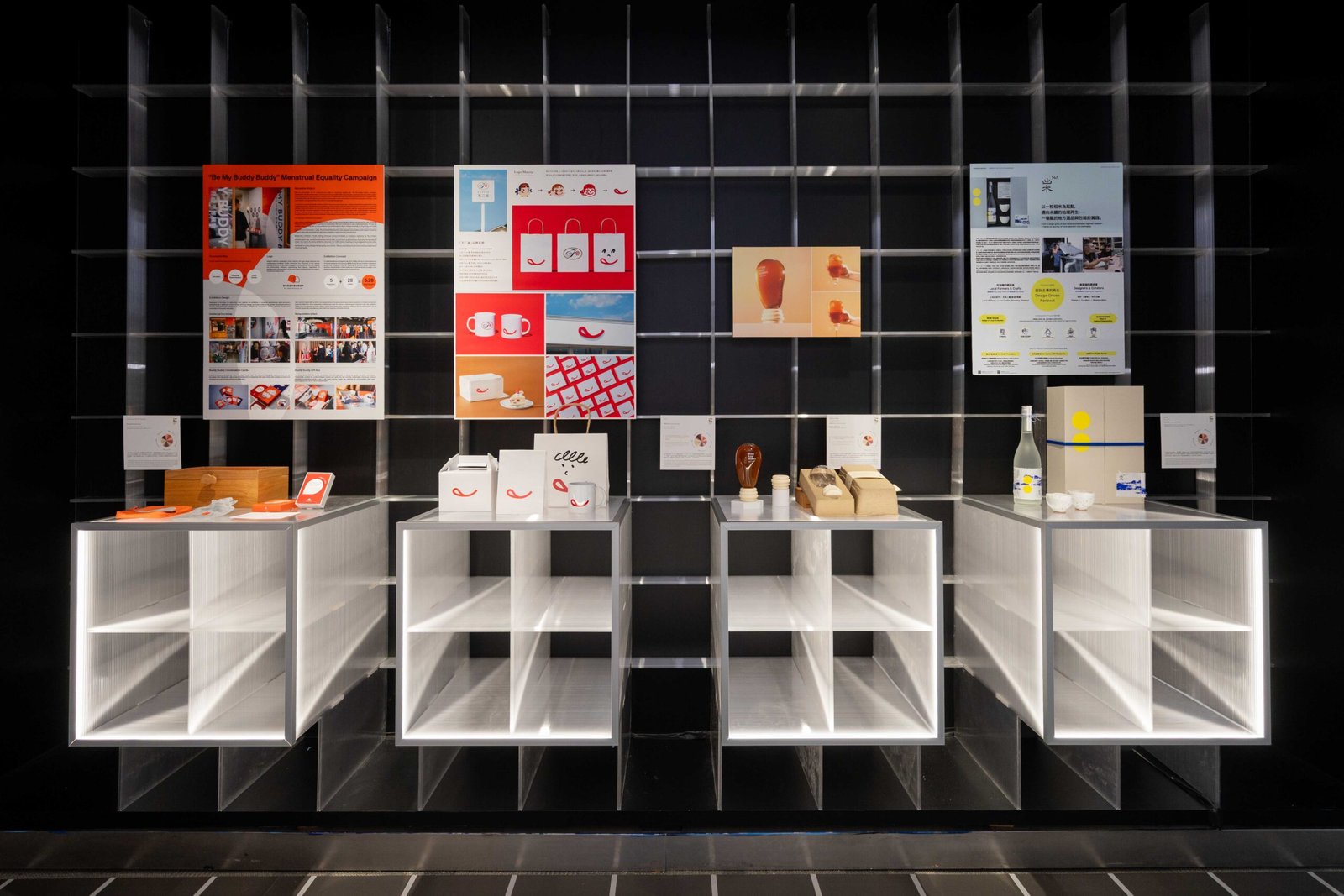
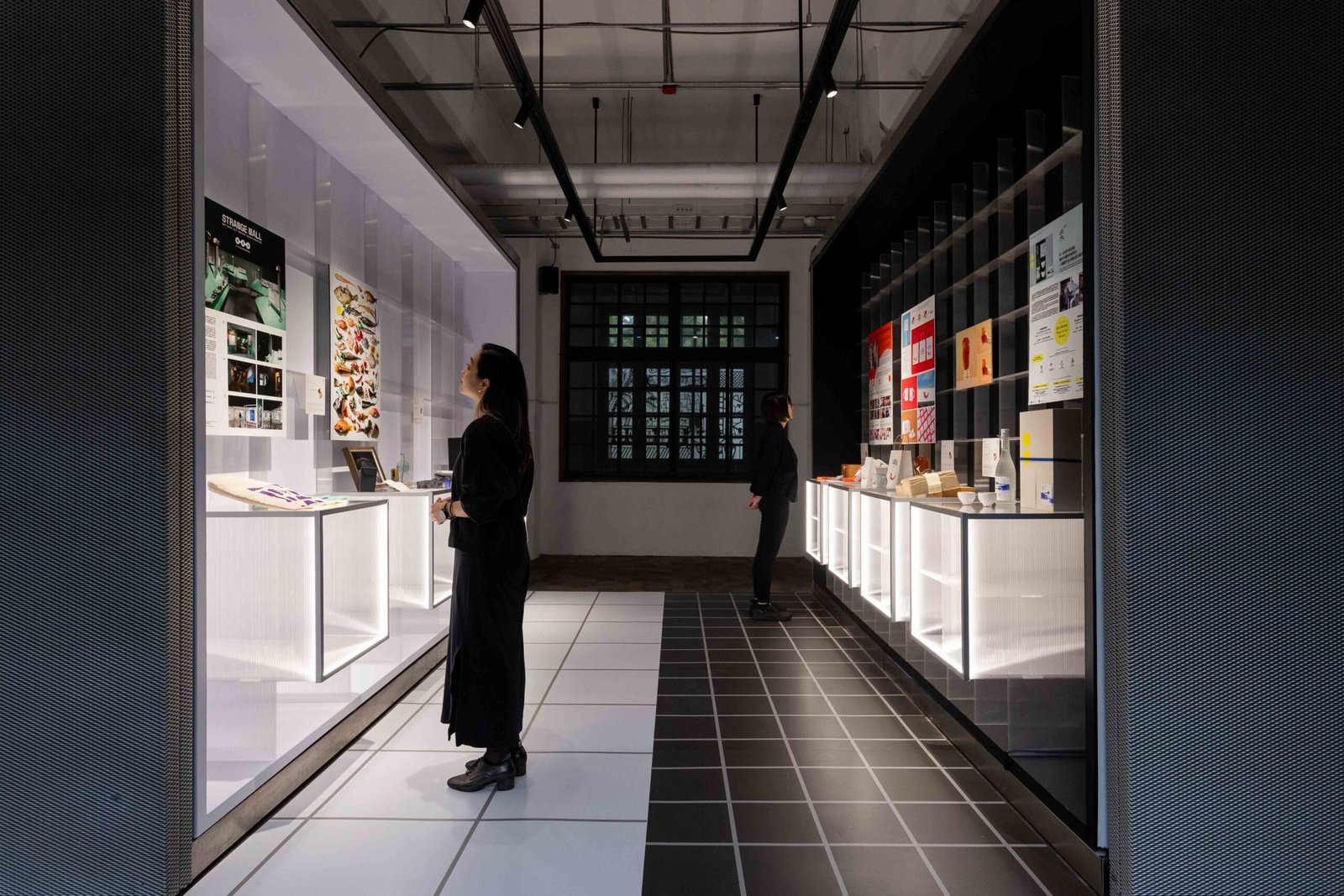
We finally have our new set of winners for the Golden Pin Design Award, but the celebration of exemplary design from Taiwan and beyond continues; the public can revisit the shortlisted works at the Taiwan Design Museum through an exhibition running till 26 April 2026. Curated by hidden-domain studio, in collaboration with identity designer Path and Landform, “The Spectrum of Scale” presents the finalists as points in a design constellation.
The traditional Golden Pin metrics: Integration, Innovativeness, Functionality, Aesthetics, Communication still anchor jury deliberations. hidden-domain and Path & Landform add another interpretative layer: Weight, Presence, and Tempo, which define venues 1, 2, and 4 (with DESIGN NEXT in venue 3). Weight spans projects from socially urgent to quietly everyday; Presence contrasts small shifts with broader contextual explorations, while Tempo covers work that answers immediate needs and work that reveals its value over time. These added perceptions of scale make each project’s winning attributes immediately legible and give viewers a clearer sense of how each project fits into the broader design cosmos curated by the Golden Pin.
What’s Next?
This year’s Taiwan Design Week celebration reminds us of the foundational work and collaboration necessary to manifest the design futures we seek; it may not always be glamorous or immediately futuristic like AI, and we may not even immediately see or appreciate its benefits until it reaches critical mass, like in the case of Design for Democracy or Design Movement on Campus. But it always starts with the simple act of pausing, taking stock, and being prepared to ask the uncomfortable questions. It is par for the course in a nation whose existence is marked by its share of constraint, yet refuses to shrink in its ambitions.
If TDW’s provocation holds, the questions at the heart of the thematic exhibition and expressed in its suite of programs are ones we will continue to echo in our heads: for whom are we designing a better world? What values should guide our decisions?
Which begs a final question: what are we doing to advance the future we seek? •
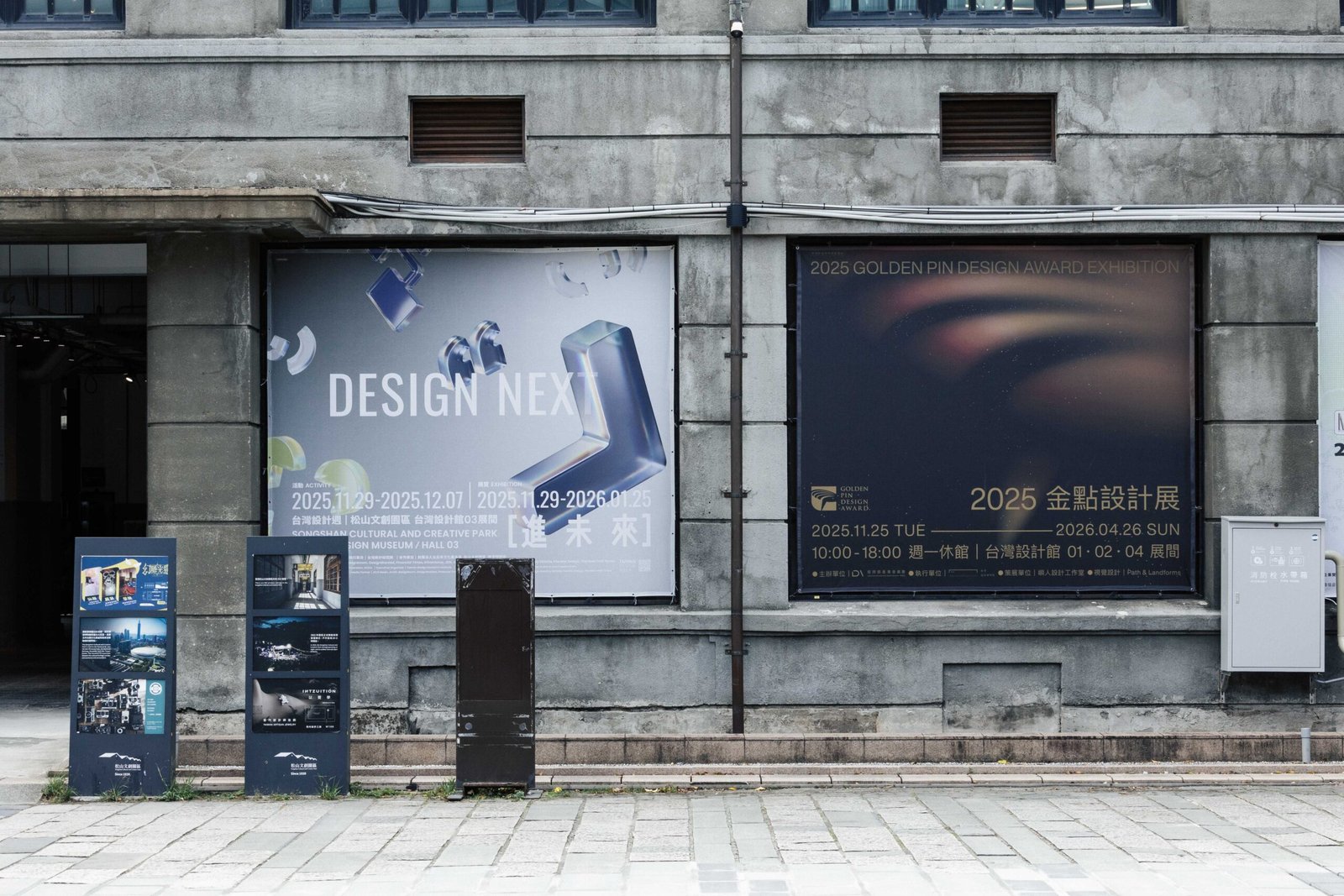
Kanto.PH is a media partner of Taiwan Design Week and Golden Pin Design Award 2025
One Response